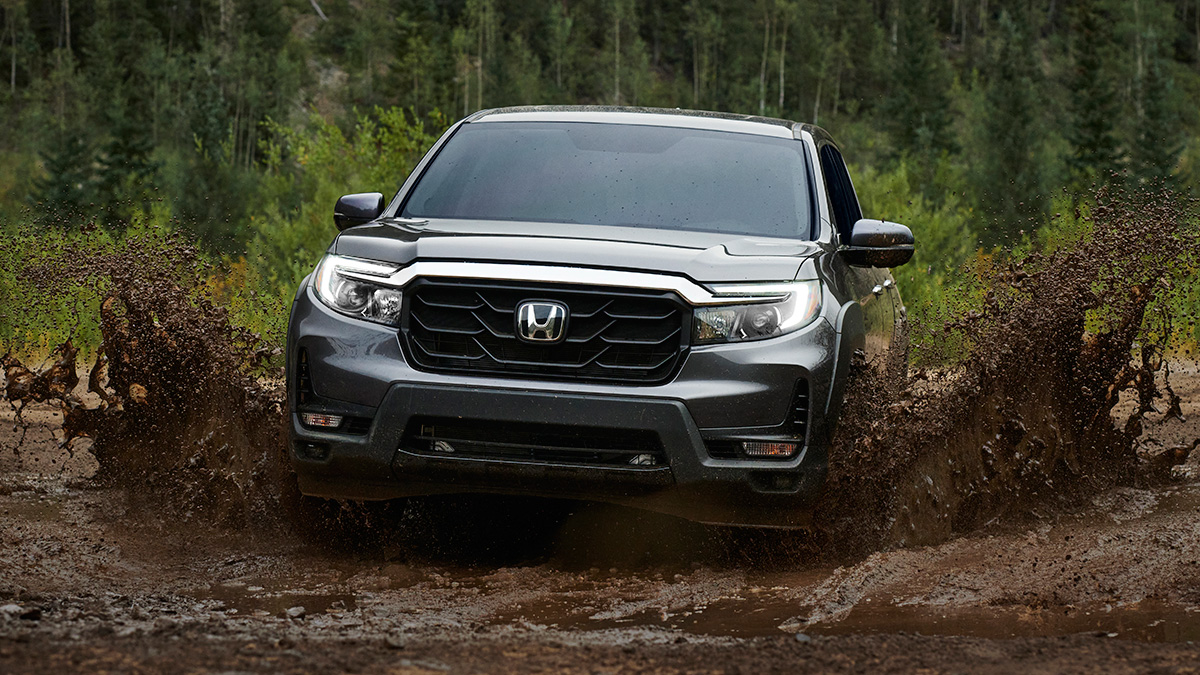
Choosing a midsize pickup that balances utility and comfort can be challenging. Some trucks are built for towing, hauling, and off-road performance, but they can feel stiff, bouncy, or noisy during everyday commuting. Others focus on daily usability, delivering smooth rides, responsive handling, and quiet cabins while still offering practical truck-bed versatility.
In this guide, we highlight five midsize pickups that excel as daily drivers, including the Honda Ridgeline, Nissan Frontier, Chevrolet Colorado, Ford Ranger, and Hyundai Santa Cruz. These models combine refined suspension, modern technology, and comfort-focused design with capable performance.
We also examine five trucks that ride too rough for daily use, such as the Jeep Gladiator, Toyota Tacoma TRD Off-Road and TRD Pro, Chevrolet Silverado 2500HD, Ram 2500 HD, and Toyota Tundra. Understanding these differences helps buyers select a truck that meets both their lifestyle and driving needs.
5 Midsize Trucks That Are Great Daily Drivers
1. Honda Ridgeline: Comfort-First Design with Everyday Practicality
The Honda Ridgeline stands apart in the midsize pickup segment by prioritizing comfort and daily usability. Unlike traditional body-on-frame competitors, it uses a unibody platform similar to the Honda Pilot. This construction gives it the composed, car-like ride of an SUV rather than the stiff, bouncy feel often associated with trucks.
Its independent rear suspension prevents the rear end from hopping over bumps when the bed is empty, delivering a smooth, controlled driving experience. For buyers who value quietness, precise steering, and comfort over extreme off-road performance, the Ridgeline is one of the most refined options available.
Power comes from a 280-horsepower 3.5-liter V6 engine paired with a nine-speed automatic transmission and standard all-wheel drive. Acceleration is strong for the class, with a 0 to 60 mph time of about 6.0 seconds in TrailSport testing.
On the road, the Ridgeline feels stable and responsive, handling more like a family crossover than a rugged pickup. While it cannot match the heavy-duty towing figures of rivals such as the Ford Ranger or Chevrolet Colorado, its 5,000-pound towing capacity and 1,583-pound payload rating are sufficient for small boats, trailers, and weekend gear.
Fuel efficiency is competitive. EPA ratings reach 18 mpg in the city and up to 24 mpg on the highway, with real-world highway testing returning as much as 28 mpg. These numbers place it near the top of the V6-powered midsize truck class.
Inside, the Ridgeline offers the most spacious cabin in its segment. Rear-seat legroom is generous, and the seats flip up to create ample interior cargo space, large enough to fit items like a bicycle. The 5.3-foot bed includes a unique lockable in-bed trunk with 7.3 cubic feet of weather-tight storage. A dual-action tailgate that swings open or folds down adds versatility.
Technology is modern and user-friendly, featuring a 9.0-inch touchscreen with wireless Apple CarPlay and Android Auto, plus available navigation and wireless charging. Standard Honda Sensing safety features include adaptive cruise control, lane-keeping assist, and collision mitigation braking.
With strong warranties and complimentary maintenance coverage, the Ridgeline excels as a comfortable, versatile daily driver that blends pickup utility with SUV refinement.
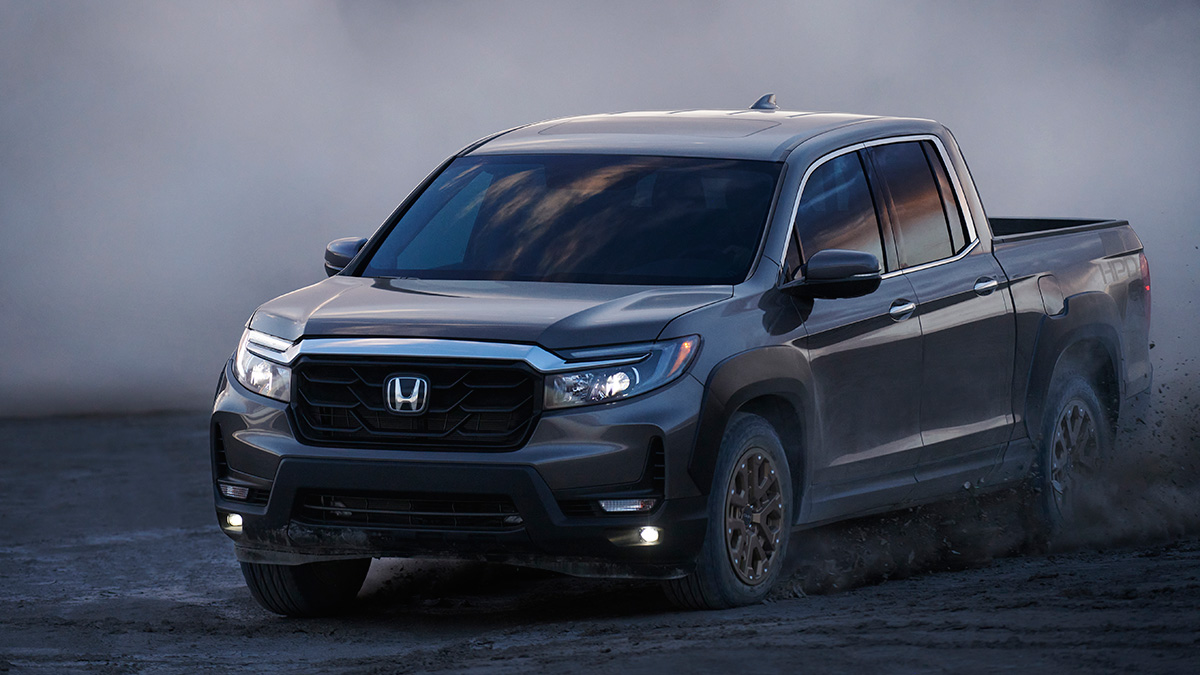
2. Nissan Frontier: Body-on-Frame Toughness with Everyday Comfort
The Nissan Frontier demonstrates that a traditional body-on-frame truck can still deliver a refined, comfortable ride. With significant updates that include hydraulic cab mounts and a retuned suspension, the latest Frontier filters out road vibrations better than many competitors in its class. The result is a composed, settled driving experience that feels substantial on the highway.
Its steering has a weighty, high-quality feel, giving the truck a planted and confident character that moves far beyond the basic work-truck image of earlier generations. A standout feature is Nissan’s NASA-inspired “Zero Gravity” seating, designed to reduce fatigue on long drives and make daily commuting more comfortable.
Power comes from a naturally aspirated 3.8-liter V6 engine producing 310 horsepower and 281 lb-ft of torque, paired with a smooth nine-speed automatic transmission. Buyers can choose rear-wheel drive or four-wheel drive. Acceleration is competitive, with a 0 to 60 mph time of 7.3 seconds in PRO-4X testing.
While slightly slower than a Toyota Tacoma TRD Off-Road, the Frontier delivers strong, responsive performance for highway merging and everyday driving. Properly equipped, it can tow up to 7,150 pounds and carry a payload of up to 1,610 pounds, placing it near the top of the midsize segment, though still shy of rivals like the Jeep Gladiator.
Fuel economy is typical for a V6-powered truck. Rear-wheel-drive models achieve up to 19 mpg city and 24 mpg highway, while four-wheel-drive versions see slightly lower numbers. In highway testing at 75 mph, the PRO-4X returned 20 mpg.
Inside, the Frontier blends durability with modern convenience. Materials are solid, with soft-touch surfaces and functional design elements, though some hard plastics remain. Crew cab models provide improved rear legroom, although space can still feel tight for taller adults. Two bed lengths are available, along with practical storage solutions such as under-seat compartments and dashboard bins.
Technology is current and user-friendly. A standard 8.0-inch touchscreen can be upgraded to a 12.3-inch display, and wireless Apple CarPlay and Android Auto come standard.
Higher trims offer premium audio, wireless charging, and a Wi-Fi hotspot. Safety features are comprehensive, including automatic emergency braking, blind-spot monitoring, lane-departure warning, and adaptive cruise control through Nissan Safety Shield 360.
With its balanced size, strong V6 performance, and enhanced ride refinement, the Frontier stands out as a practical, comfortable, and versatile midsize truck suited for both weekday commuting and weekend utility.
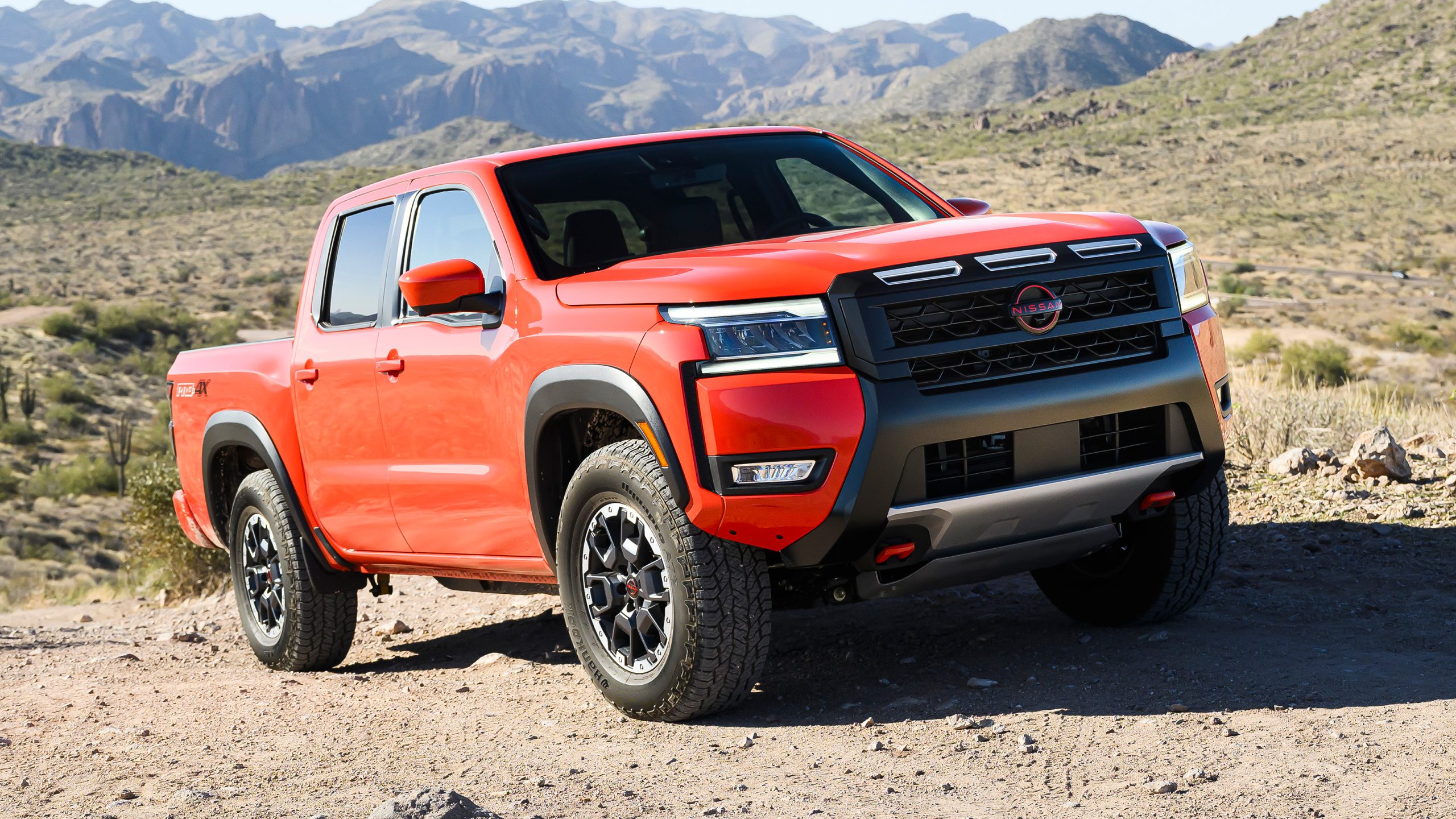
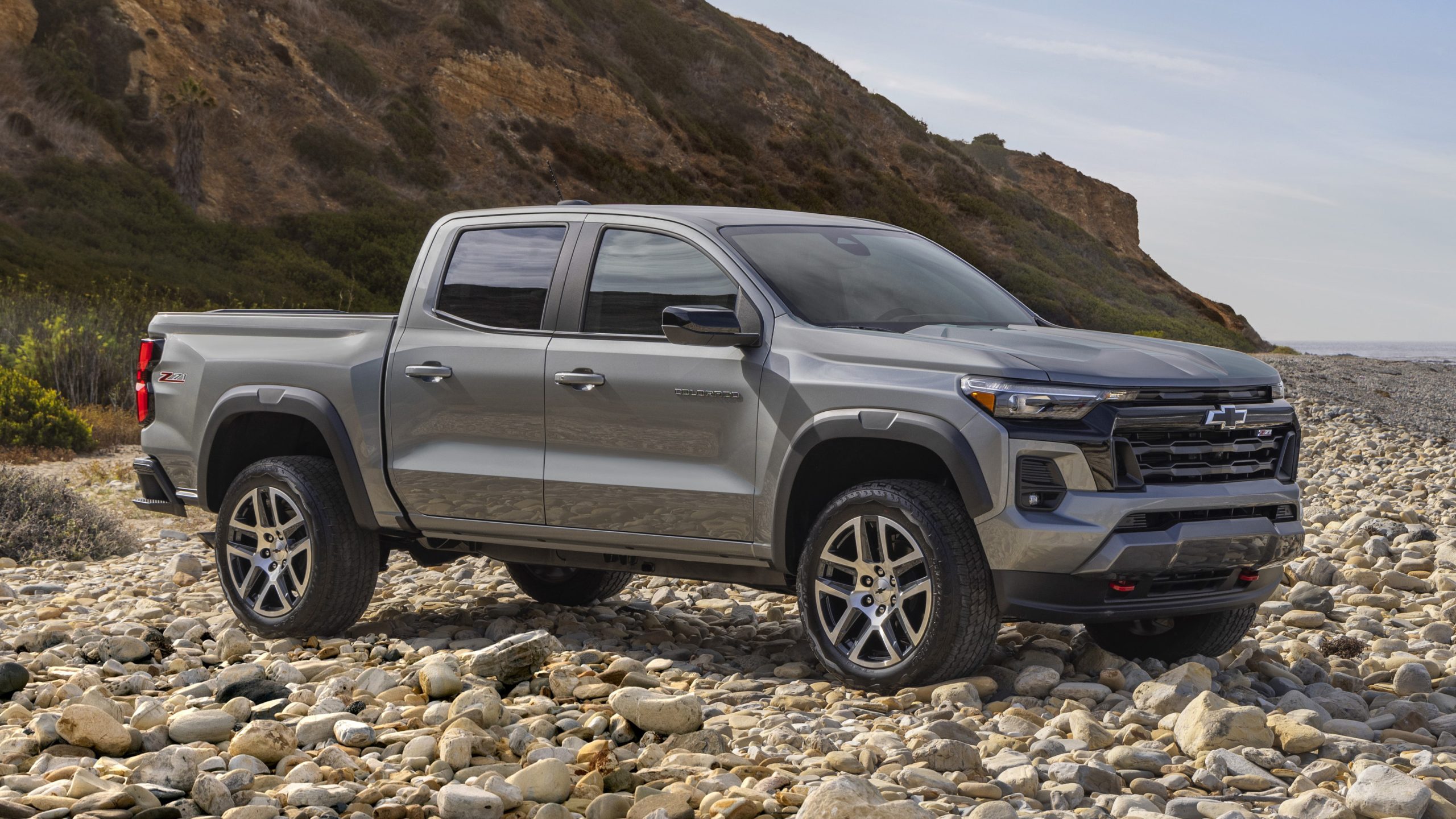
3. Chevrolet Colorado: The Perfectly Tuned Everyday Truck
The Chevrolet Colorado stands out in the midsize pickup segment by delivering a rare balance between toughness and comfort. Its suspension tuning feels “just right,” avoiding the floaty or overly stiff behavior found in older trucks. Instead, the Colorado feels nimble, controlled, and confident in a wide range of driving situations.
Whether fitting into tight city parking spaces or cruising steadily at 70 mph on the highway, it remains composed and refined. It offers the durability expected of a pickup without punishing drivers during daily commutes.
Power comes from a 310-horsepower turbocharged 2.7-liter four-cylinder engine paired with an eight-speed automatic transmission. Rear-wheel drive is standard, and four-wheel drive is available on most trims.
This engine provides stronger output than several competitors, including the Jeep Gladiator, Honda Ridgeline, and nonhybrid Toyota Tacoma. In testing, the off-road-focused ZR2 accelerated from 0 to 60 mph in 6.8 seconds, placing it among the quicker trucks in the class. Steering feels direct, and the chassis delivers a planted sensation that inspires confidence.
Capability is another strong point. Properly equipped models can tow up to 7,700 pounds, which is one of the highest ratings in the midsize category. The ZR2 trim sacrifices some towing capacity in exchange for enhanced off-road hardware, including advanced Multimatic dampers and available locking differentials.
The ZR2 Bison pushes trail readiness further with 12.2 inches of ground clearance, 35-inch tires, and upgraded underbody protection.
Fuel economy remains competitive for the segment. Rear-wheel-drive versions achieve up to 19 mpg in the city and 24 mpg on the highway, while four-wheel-drive models see slightly lower numbers. Off-road variants average around 17 mpg combined.
Inside, Colorado’s cabin is modern and thoughtfully designed. An 11.0-inch digital gauge cluster sits ahead of the driver, complemented by an 11.3-inch touchscreen featuring Google Built-In and wireless Apple CarPlay and Android Auto. Noise insulation has improved significantly, creating a quieter ride. Front seats provide solid support, and rear seating is among the most accommodating in the class.
With strong towing figures, modern technology, and a refined driving experience, the Colorado excels as a versatile truck that transitions seamlessly from weekday commuting to weekend work or adventure.
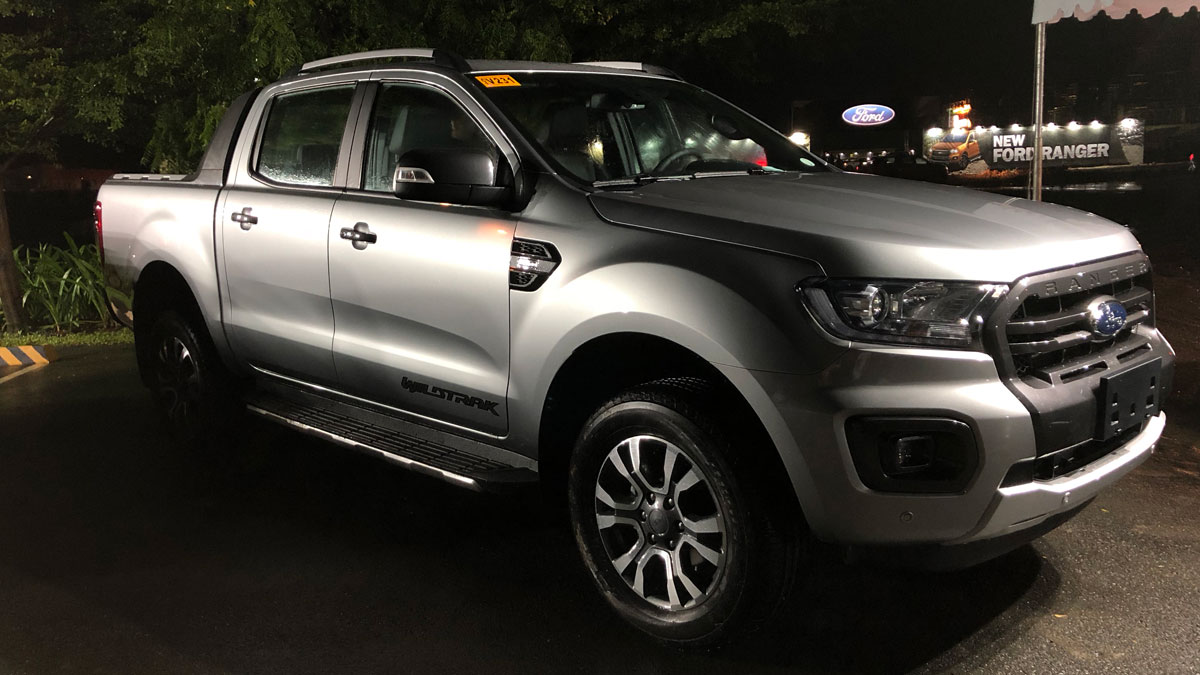
4. Ford Ranger: Refined Capability for Everyday Driving
The latest Ford Ranger redefines what a midsize pickup can feel like on the road. Built for drivers who want truck utility without sacrificing comfort, the Ranger delivers a cabin experience that rivals many premium SUVs.
Higher trims feature quality materials, modern styling, and advanced technology that move it well beyond the basic, work-focused personality of earlier generations. It is designed for people who need a truck but prefer not to feel like they are operating heavy construction equipment during their daily commute.
A standout feature is its carefully tuned suspension. Unlike many traditional pickups that feel stiff or unsettled on pavement, the Ranger smooths out common road imperfections with impressive composure.
The ride remains supple and controlled, even at highway speeds. Steering response is precise, giving the truck a planted and confident character. This balance allows it to handle weekday traffic comfortably while still being ready for weekend hauling or light off-road use.
Under the hood, the Ranger offers a strong turbocharged engine paired with a smooth-shifting automatic transmission. Acceleration feels confident and linear, and the powertrain operates quietly, limiting engine noise inside the cabin. The result is a relaxed driving experience, particularly on long highway trips.
Buyers can choose between rear-wheel drive and four-wheel drive, ensuring flexibility for different climates and tasks. Towing and payload capabilities remain competitive within the midsize segment, making the Ranger suitable for trailers, small boats, or recreational gear.
Inside, the Ranger focuses on technology and user-friendly design. A large central touchscreen dominates the dashboard and supports Apple CarPlay and Android Auto integration.
Digital instrumentation and clearly arranged controls make daily operation intuitive. Improved sound insulation enhances cabin quietness, while supportive seats contribute to long-distance comfort. Higher trims may also include premium audio systems and additional convenience features that enhance daily usability.
Practicality remains central to the Ranger’s appeal. Its midsize footprint makes parking and city driving easier than in full-size trucks, yet the cargo bed remains functional and durable. Modern driver-assistance features such as automatic emergency braking, blind-spot monitoring, and adaptive cruise control add reassurance for everyday travel.
By combining smooth ride quality, capable performance, and a well-appointed interior, the Ford Ranger offers a balanced solution for drivers seeking both refinement and dependable truck versatility.
5. Hyundai Santa Cruz: Urban-Friendly Utility With Crossover Comfort
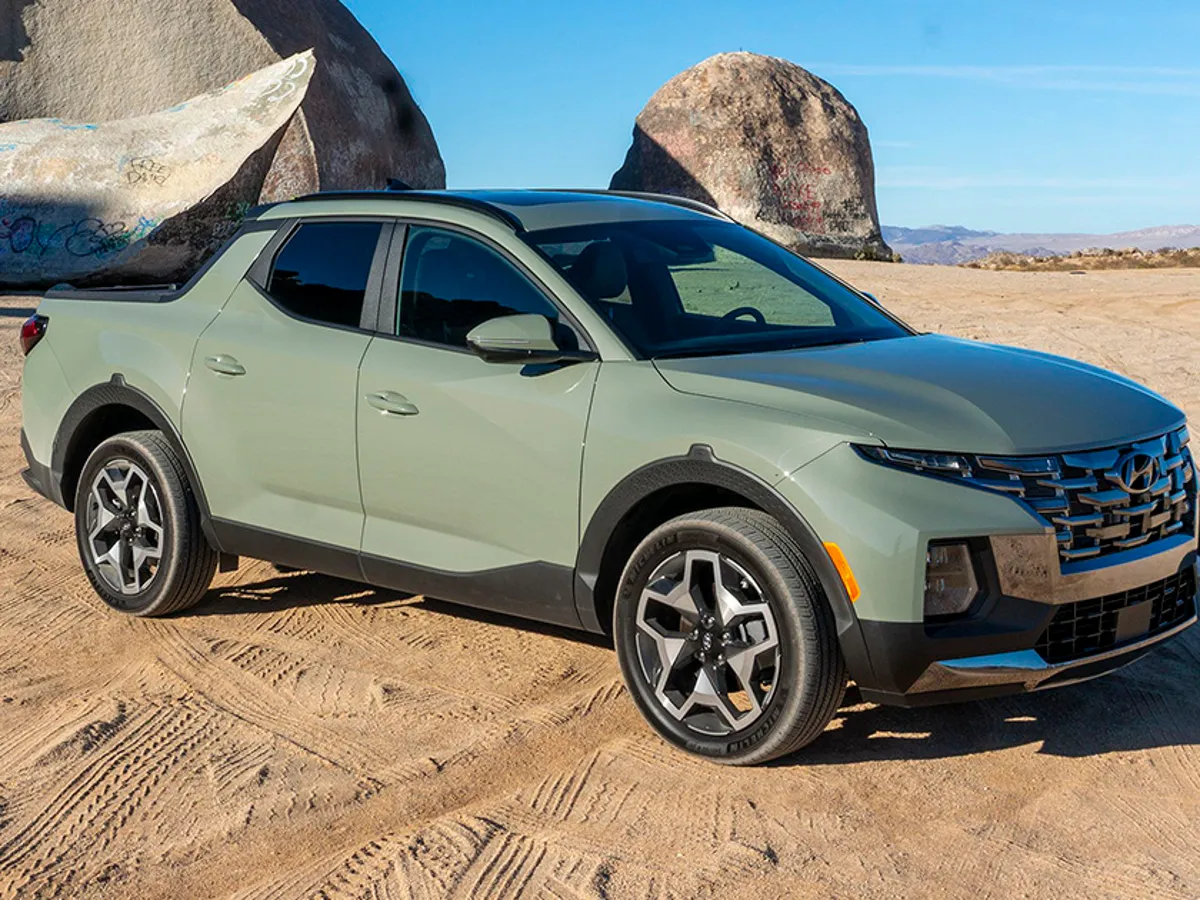
The Hyundai Santa Cruz stands apart from traditional pickups by blending the comfort and agility of a crossover SUV with the practicality of an open cargo bed. Designed with city dwellers in mind, it rides on a unibody platform shared with the Hyundai Tucson, which gives it a smoother and more composed driving experience than body-on-frame trucks.
Its compact dimensions, measuring just under 196 inches in length, make it easy to maneuver through tight traffic and park in standard garages. For drivers who value comfort, fuel efficiency, and ease of use more than maximum towing strength, the Santa Cruz fits naturally into daily life.
Unlike midsize trucks that rely on stiff leaf-spring suspensions, the Santa Cruz absorbs road imperfections with carlike refinement. It feels stable and controlled on pavement, avoiding the bouncy ride often associated with traditional pickups. The smaller footprint also enhances agility, making quick lane changes and crowded urban streets far less intimidating.
Two powertrains are available, depending on trim. Entry-level SE, SEL, and SEL Activity models use a 2.5-liter four-cylinder engine producing 191 horsepower and paired with an eight-speed automatic transmission. While adequate for commuting, this engine prioritizes efficiency over brisk acceleration.
XRT and Limited trims upgrade to a turbocharged 2.5-liter engine delivering 281 horsepower and 311 pound-feet of torque, mated to an eight-speed dual-clutch transmission. The turbo model feels far more responsive, reaching 60 mph in about 6.0 seconds during testing. All-wheel drive is optional on most trims and standard with the turbo engine.
Towing capacity reflects its light-duty mission. Base models can tow up to 3,500 pounds, while turbocharged versions increase that rating to 5,000 pounds, matching competitors such as the Honda Ridgeline and Ford Maverick. Fuel economy is competitive, with front-wheel-drive models rated up to 22 mpg city and 30 mpg highway.
Inside, the Santa Cruz features one of the most refined cabins in its class. A standard 12.3 inch touchscreen supports wireless Apple CarPlay and Android Auto, and higher trims offer dual 12.3 inch displays housed in a curved panel. The four-door crew cab provides usable rear seating, and the 4.3-foot bed includes a lockable sliding tonneau cover and a hidden in-bed trunk for secure storage.
Comprehensive driver-assistance features, strong warranty coverage, and complimentary maintenance further strengthen its appeal as a practical and comfortable daily driver with added versatility.
Also Read: 5 Cars With Simple Dash Layouts vs 5 With Confusing Ones
5 That Ride Too Rough
1. Jeep Gladiator: Trail-Ready Design With On-Road Tradeoffs
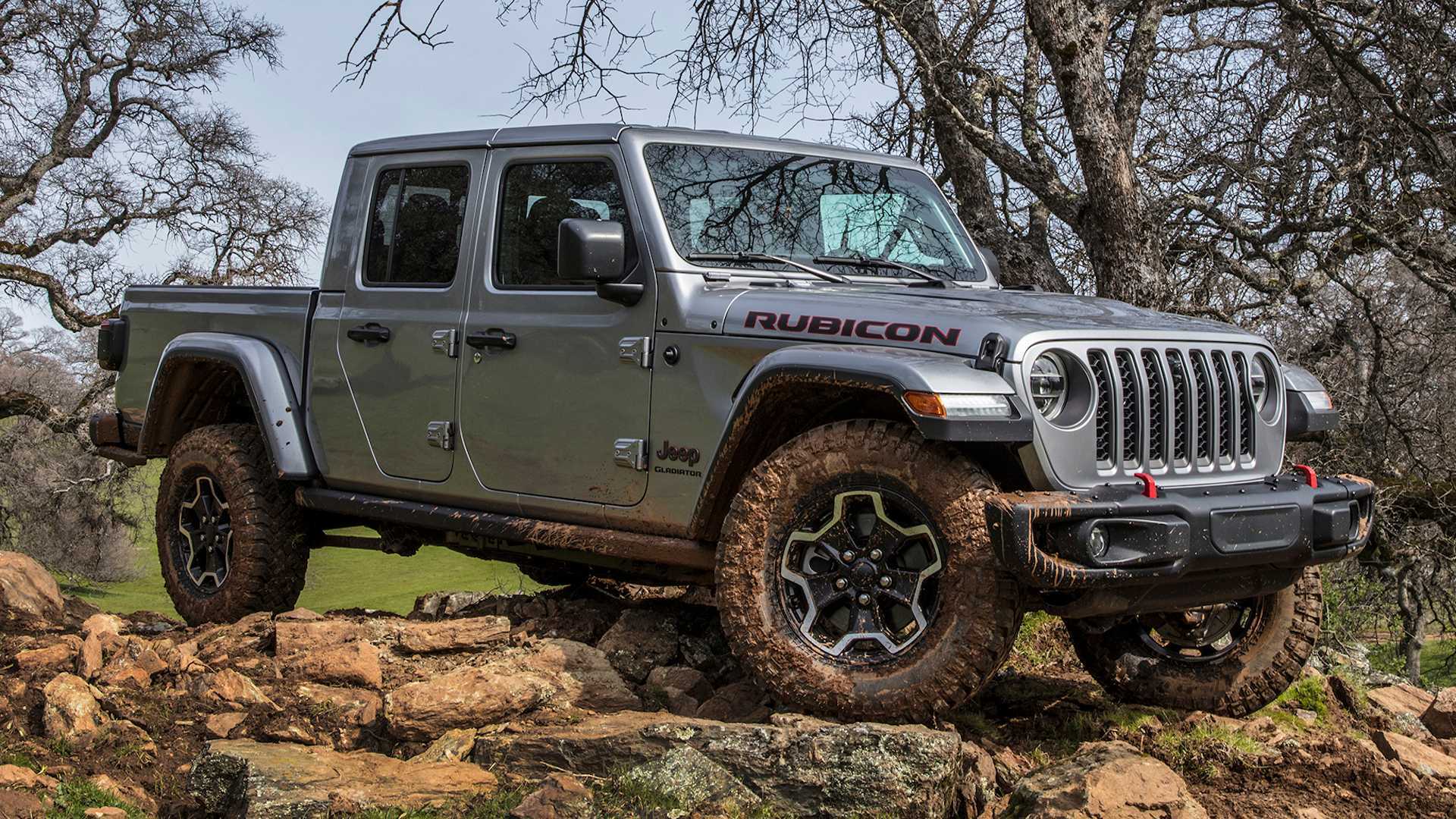
The Jeep Gladiator is engineered first and foremost for off-road performance, and that focus shapes every aspect of how it drives. Unlike many modern pickups that prioritize highway comfort and refinement, the Gladiator stays true to its rugged roots. Often described as a truck version of the Jeep Wrangler, it delivers impressive trail capability but can feel unpolished during daily commuting.
A major factor behind its distinctive ride is the use of solid front and rear axles. While competitors such as the Toyota Tacoma and Ford Ranger rely on independent front suspension for smoother pavement manners, the Gladiator connects its front wheels with a rigid beam.
When one wheel hits a bump, the impact transfers across the axle, causing the vehicle to shift or tilt. On uneven highways, this setup can create a constant pitching motion that feels busy and less settled than rivals.
Steering feel also reflects its off-road priorities. The suspension is tuned for articulation, allowing the wheels to travel extensively over rocks and uneven terrain. Softer bushings and control arms improve trail flexibility but contribute to vague steering on pavement.
Drivers often make small, repeated corrections to keep the truck centered in its lane, a trait sometimes referred to as Jeep wander. The high ride height and flexible suspension can also lead to noticeable body roll during cornering.
Tires further shape the experience. Many trims, particularly the Jeep Gladiator Rubicon, come with aggressive all-terrain or mud-terrain tires. These features have stiff sidewalls built for durability on rocky surfaces.
On pavement, they transmit more road texture into the cabin and can add to ride firmness, especially if inflated to higher pressures. Wind noise is another factor, as the boxy shape and removable roof panels allow more exterior sound into the cabin at highway speeds.
For buyers seeking a slightly smoother balance, the Jeep Gladiator Mojave stands out. Its specialized Fox shocks improve ride comfort while maintaining strong off-road capability, making it the most livable Gladiator for everyday use.
2. Toyota Tacoma TRD Off-Road and Toyota Tacoma TRD Pro: Rugged Hardware With Firm Road Manners
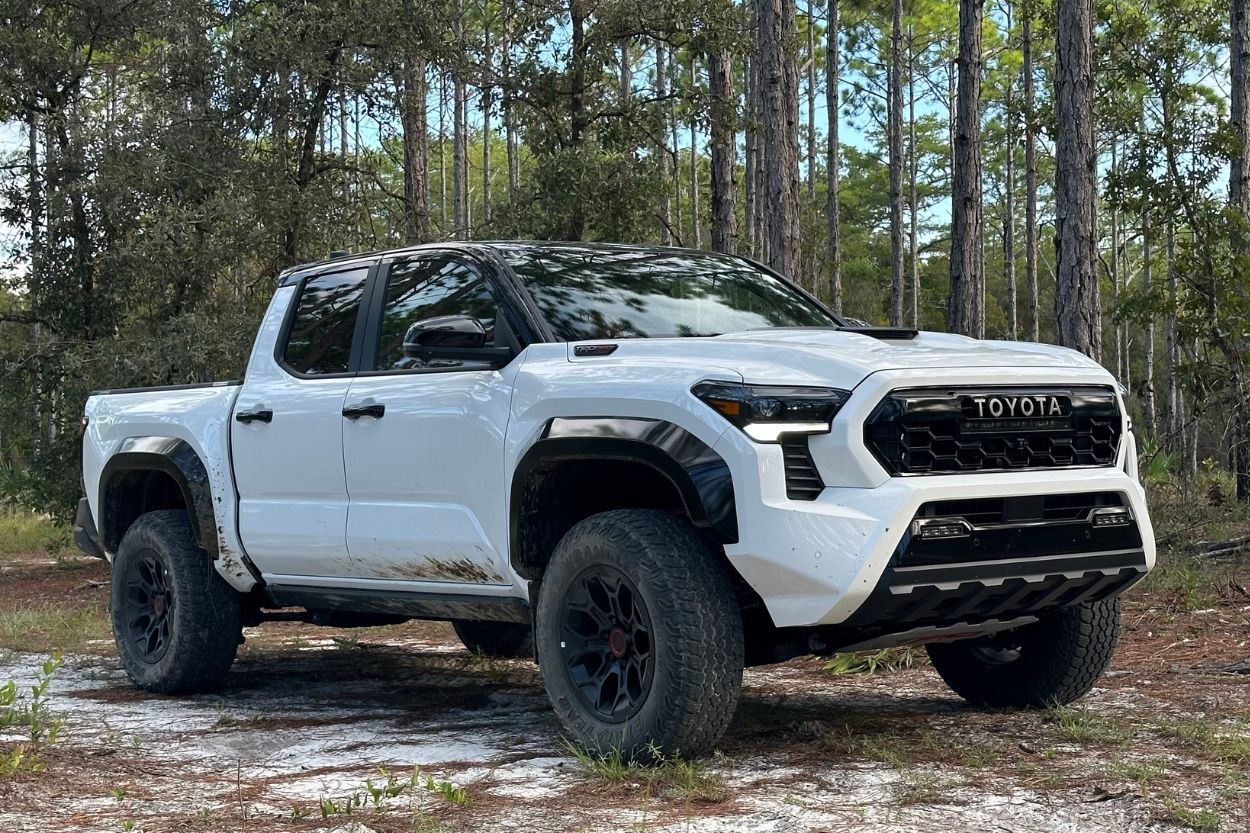
The Toyota Tacoma has long been respected for durability and trail capability, especially in its TRD Off Road and TRD Pro trims. However, that off-road focus can translate into a firm and sometimes bouncy ride on paved streets.
These versions are engineered to handle rocks, ruts, and desert terrain, which means comfort on smooth highways is not their top priority. Even with improvements in the newest generation, the Tacoma retains a tough, utilitarian character that favors strength over softness.
A primary reason for the stiff ride is suspension tuning. The TRD Off Road uses Bilstein monotube shocks designed to absorb heavy impacts and maintain control on uneven terrain. On city streets, this setup can feel rigid, transmitting small bumps and surface imperfections directly into the cabin.
The TRD Pro steps up to 2.5-inch Fox internal bypass shocks, which excel at soaking up large off-road hits at speed. On regular pavement, though, the firm calibration can feel unyielding compared with more comfort-oriented trucks.
Tires also influence ride quality. Both trims feature aggressive all-terrain tires with deep tread patterns built for traction in mud and rocks. These designs create more road noise and vibration at highway speeds. Owners who upgrade to higher ply, heavy-duty tires for added puncture resistance often experience even more vibration due to stiffer sidewalls.
As a traditional body-on-frame truck, the Tacoma naturally rides differently from unibody SUVs. Without cargo in the bed, the rear suspension can feel active or slightly jittery over uneven pavement. Some drivers also notice the unique seating position, which can make road feedback more apparent.
Older models equipped with a six-speed automatic transmission sometimes added to the perception of roughness through inconsistent gear changes. For buyers focused primarily on pavement driving, the TRD Sport trim offers suspension tuning better suited to daily road use while preserving Tacoma toughness.
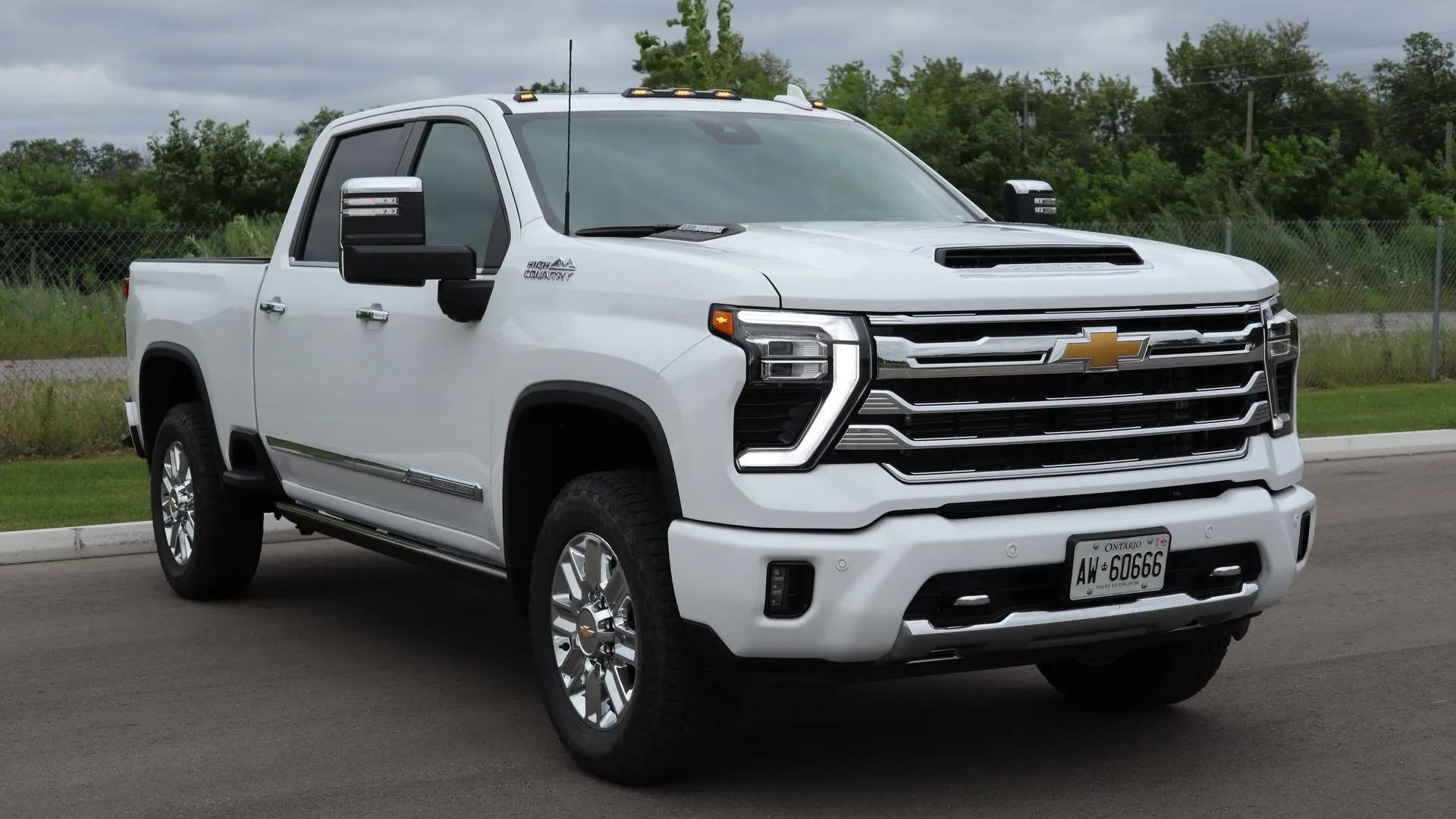
3. Chevrolet Silverado 2500HD: Built for Heavy Loads, Not Empty Commutes
The Chevrolet Silverado 2500HD is engineered as a heavy-duty towing and hauling machine, and that mission shapes how it behaves on everyday roads. When used as a daily driver without cargo or a trailer, its industrial-strength components can create a stiff and sometimes uncomfortable ride. The same hardware that keeps the truck stable under extreme weight can feel unforgiving when the bed is empty.
At the center of this firmness is the suspension’s high spring rate. The 2500HD relies on heavy-duty rear leaf springs designed to handle massive payloads and towing capacities exceeding 22,000 pounds when properly equipped.
These springs are meant to compress under significant weight. Without that load, they remain rigid, causing the truck to bounce or buck over highway expansion joints and rough pavement instead of absorbing impacts smoothly.
The truck’s reinforced frame, large axles, and heavy-duty braking components also add substantial unsprung weight. Because these parts are not supported by the springs, they transfer more vibration into the cabin when encountering bumps. Compared with the lighter Chevrolet Silverado 1500, the 2500HD feels more rigid and less forgiving in daily driving situations.
Shock tuning and tire construction further influence ride quality. Factory shocks are calibrated for control and stability when towing, which can lead to a firm rebound when the truck is unloaded. The required E-rated tires, built with stiff multi-ply sidewalls to support heavy loads, provide minimal flexibility at the higher pressures often recommended for hauling.
In addition to ride stiffness, the 2500HD’s larger dimensions make it more challenging to maneuver in traffic and tight parking areas compared with smaller pickups.
Owners who regularly drive unloaded sometimes lower rear tire pressure within safe limits or add modest weight over the rear axle to improve ride comfort. Even so, the Silverado 2500HD remains a tool designed for strength first and comfort second.
4. Ram 2500 HD: Engineered for Heavy Loads, Not Daily Comfort
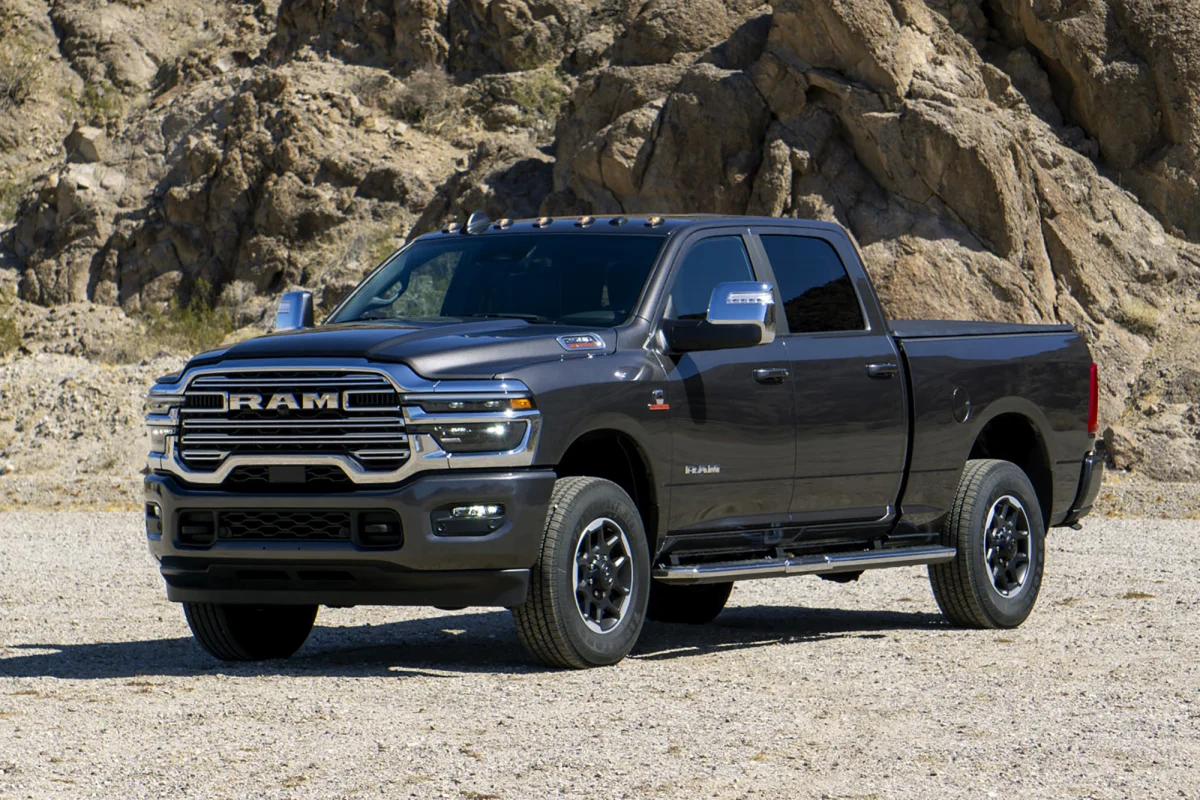
The Ram 2500 Heavy Duty (HD) is built as a true work truck, designed for towing and hauling massive payloads rather than smooth daily driving. Even with optional air suspension, the ride when unloaded remains harsh and jittery, making tasks like school runs or grocery trips physically demanding. Steering feels slow, braking distances are long, and the driver must exert more effort than with a midsize pickup.
The stiff ride comes primarily from its suspension, engineered to support payloads up to 4,000 pounds and heavy gooseneck trailers. Without this weight, the high-rate springs barely compress, sending bumps and road imperfections straight into the cabin. Added to this, the heavy, solid axles and 20-inch wheels create significant unsprung weight, which the shocks cannot fully dampen.
The truck uses a solid front axle instead of an independent suspension. While excellent for durability and off-road performance, this design transmits energy from one wheel to the other, producing steering shimmies and side-to-side movement on paved roads.
High-pressure tires also contribute to the firm ride. Rated for 65–80 PSI to handle extreme loads safely, their stiff sidewalls transfer every road imperfection to the cabin, creating noticeable vibration over potholes, bridge joints, and rough pavement.
Compared with the lighter Ram 1500, the 2500 sacrifices cushioned comfort to achieve maximum towing and payload capacity, exceeding 19,000 pounds. Drivers looking for a more tolerable daily experience can lower tire pressure, add ballast over the rear axle, or upgrade to aftermarket shocks. Suspension kits with softer linear-rate springs are also available to improve ride quality when the truck is empty.
The Ram 2500 HD excels as a heavy-duty work machine but remains challenging for drivers seeking a smooth, comfortable daily commute.
5. Toyota Tundra: Rugged Durability with a Firm Ride
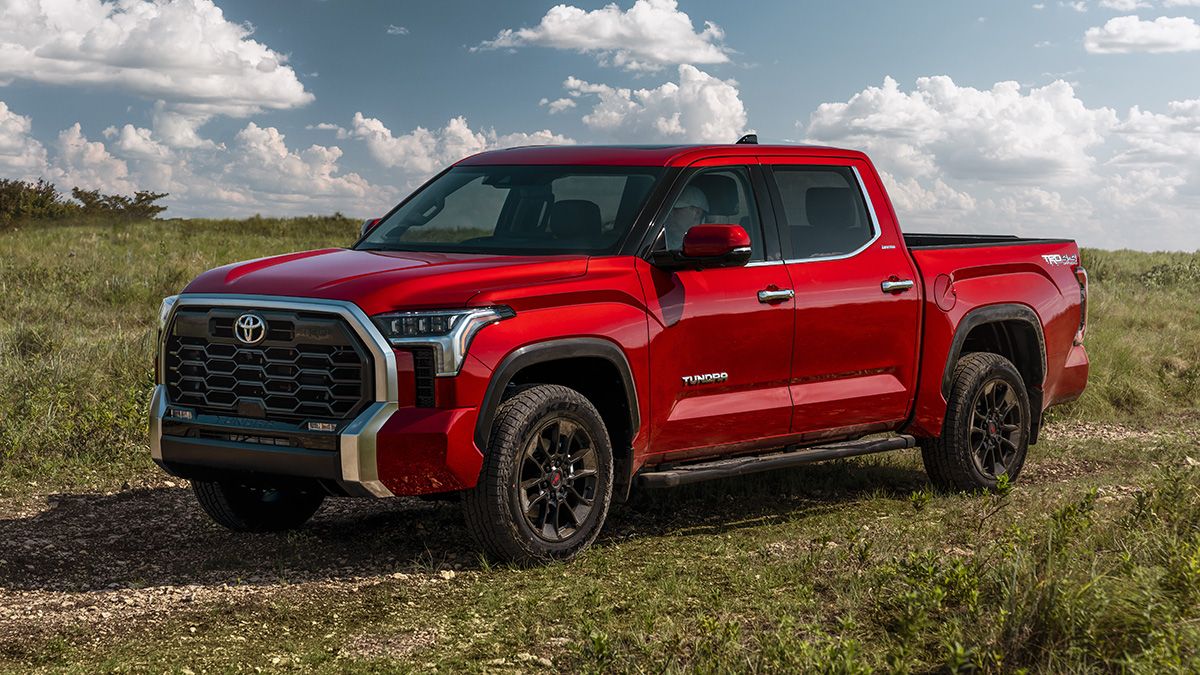
The Toyota Tundra is known for its exceptional reliability and high towing capacity, but its unloaded ride can feel stiff and jittery compared to competitors like the Ram 1500 or Ford F-150.
Even with the transition from a leaf-spring to a multi-link coil-spring rear suspension in the 2022 and newer models, the truck retains a heavy-duty design intended to prevent squatting under load. When the bed is empty, the suspension can feel bouncy, transmitting vibrations through the cabin on uneven or broken pavement.
A major factor in the ride quality is the off-road-focused TRD Off-Road and TRD Pro packages. These trims include specialized shocks such as Bilstein monotube units, which are excellent at absorbing large trail impacts but feel stiff and crashy on city streets. These packages emphasize a truck-like feedback that some drivers prefer, prioritizing durability and utility over smooth pavement comfort.
Tire choice also affects ride comfort. Many Tundras are delivered with over-inflated tires, often at 45 to 50 PSI, which increases stiffness. Owners who upgrade to heavy-duty Load Range E tires gain puncture resistance and towing capability, but the stiff sidewalls make bumps and road imperfections more noticeable in the cabin.
The fully boxed steel frame adds to the Tundra’s towing stability and structural strength. This rigidity reduces frame flex, but can result in vibrations in the bed and cab, particularly over consecutive highway joints.
The firm ride is an intentional trade-off to provide long-lasting durability, high towing capacity, and reliability. For drivers seeking smoother comfort, adjusting tire pressure to the recommended level or switching to standard highway tires can reduce bounciness without compromising utility.
The Toyota Tundra remains a dependable full-size pickup built to handle heavy loads and off-road challenges. Its firm ride is a consequence of its design, providing strength and resilience for demanding work and long-term performance.
Choosing the right midsize truck comes down to how a vehicle balances comfort and capability. Trucks like the Ridgeline, Frontier, Colorado, Ranger, and Santa Cruz offer smooth, stable rides, modern features, and practical interiors that make commuting and daily errands easier.
Vehicles such as the Jeep Gladiator, Tacoma TRD Off-Road and TRD Pro, Silverado 2500HD, Ram 2500 HD, and Tundra are designed for heavy-duty performance or off-road use. Their stiff suspensions, high-pressure tires, and solid axles can create a rough and jittery experience on paved roads.
Recognizing these differences allows buyers to choose a truck that fits either a comfort-focused daily driving experience or demanding utility. Picking the right model ensures the truck performs well in the conditions it was designed for, whether that means smooth city streets or challenging work sites.
Also Read: Top 10 Cars With Heavy Duty Floor Mats Included From the Factory