
Car ownership brings freedom, convenience, and a sense of control, yet much of what keeps a vehicle dependable stays hidden beneath metal panels and plastic covers. Fluids move quietly through engines, gearboxes, and hydraulic systems, doing work that drivers rarely see.
Ignoring them does not always cause instant trouble, which is why many owners underestimate their role. Trouble often arrives later, expensive and sudden, when a simple check could have prevented it. Understanding which fluids demand constant attention and which ones hold up longer than expected changes how a car is cared for.
Some fluids degrade quickly because heat, pressure, and contamination break them down every mile. Others are engineered to resist wear for years, even under regular use. Confusion between these two groups leads to wasted money in some cases and serious mechanical damage in others.
This page separates fluids that require strict attention from those that remain stable far longer than popular advice suggests. Each section explains what the fluid does, how failure begins, and why neglect carries real consequences. Clear explanations replace guesswork, helping drivers make smarter decisions without relying on fear or outdated habits.
The first five focus on five fluids that should never be ignored. These are systems where delay turns minor wear into severe damage. The next five covers fluids designed to last longer than expected, where panic-driven servicing often brings little benefit. Together, both sections offer a practical reference for drivers who want reliability without unnecessary expense.
5 Critical Fluids You Should Never Ignore
1. Engine Oil
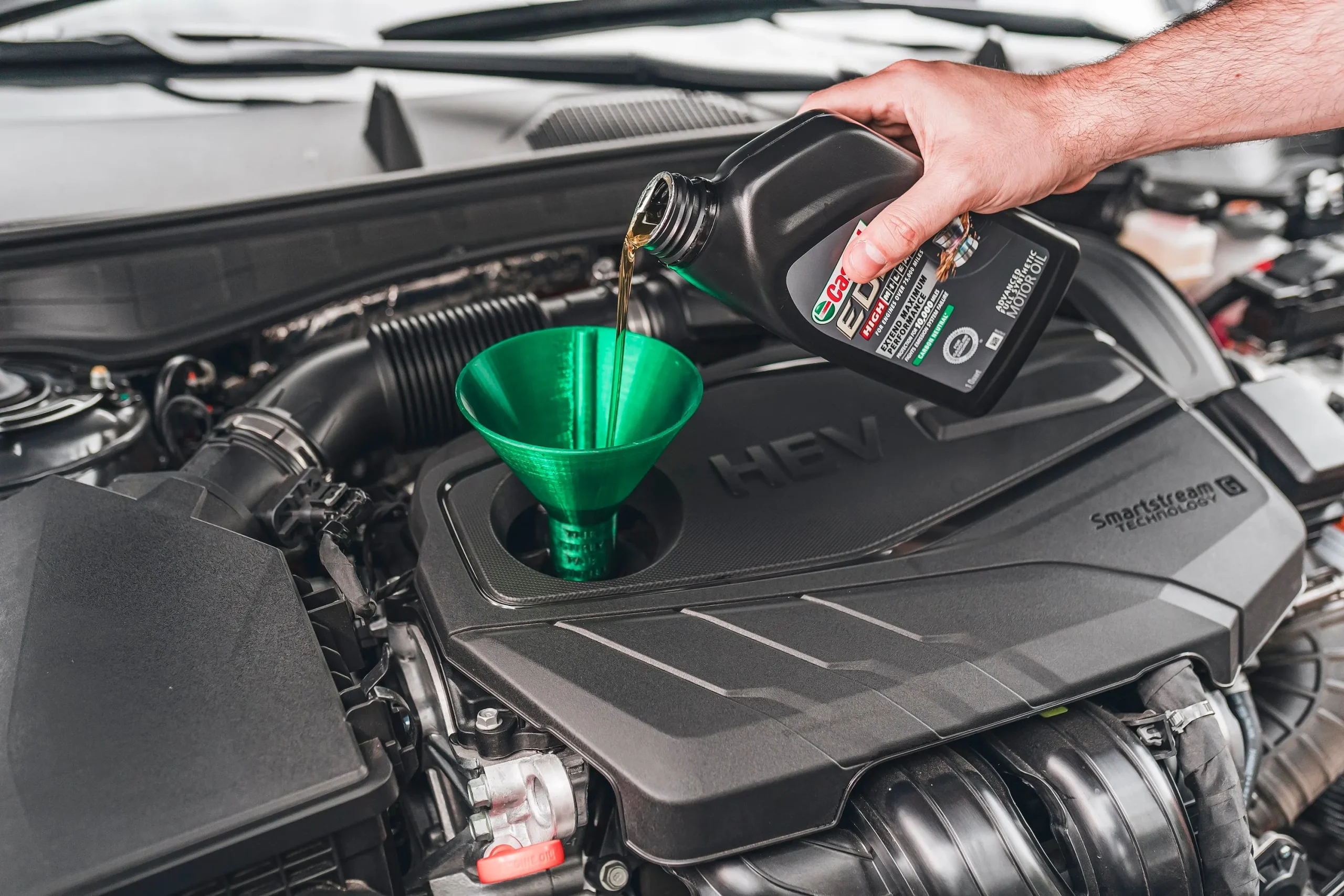
Engine oil serves as both protector and silent worker inside every combustion engine. Heat, friction, and pressure constantly attack internal components, and oil stands between smooth motion and destructive contact. Without proper lubrication, metal surfaces grind against each other, creating damage that builds rapidly rather than gradually.
Degradation begins long before warning lights appear. Heat breaks down oil molecules, reducing their ability to form a protective film. Contaminants such as soot, fuel residue, and moisture accumulate as miles add up. Each contaminant changes viscosity and reduces lubrication quality. Modern engines operate at tighter tolerances than older designs, which makes oil condition even more critical.
Low oil level creates another layer of risk. Engines consume oil naturally, even when operating correctly. Ignoring level checks allows oil volume to drop below safe thresholds. Oil pumps then pull air instead of fluid, starving bearings and camshafts. Damage from oil starvation often begins silently, only becoming obvious after wear reaches an advanced stage.
Oil neglect affects more than internal components. Variable valve timing systems rely on clean oil pressure to function properly. Sludge buildup interferes with these systems, causing rough idle, reduced power, and increased emissions. Turbocharged engines depend even more heavily on clean oil, since turbo bearings spin at extreme speeds and temperatures.
Regular oil changes remain one of the most cost-effective ways to protect an engine. Skipping intervals to save time or money nearly always costs more later. Oil type matters as well. Using incorrect viscosity or low-quality oil reduces protection even if the change intervals seem reasonable.
Paying attention to oil color, level, and service schedule protects engines across all driving conditions. Oil neglect rarely offers warning signs before damage begins, which is why it stands at the top of fluids that demand consistent attention.
2. Engine Coolant
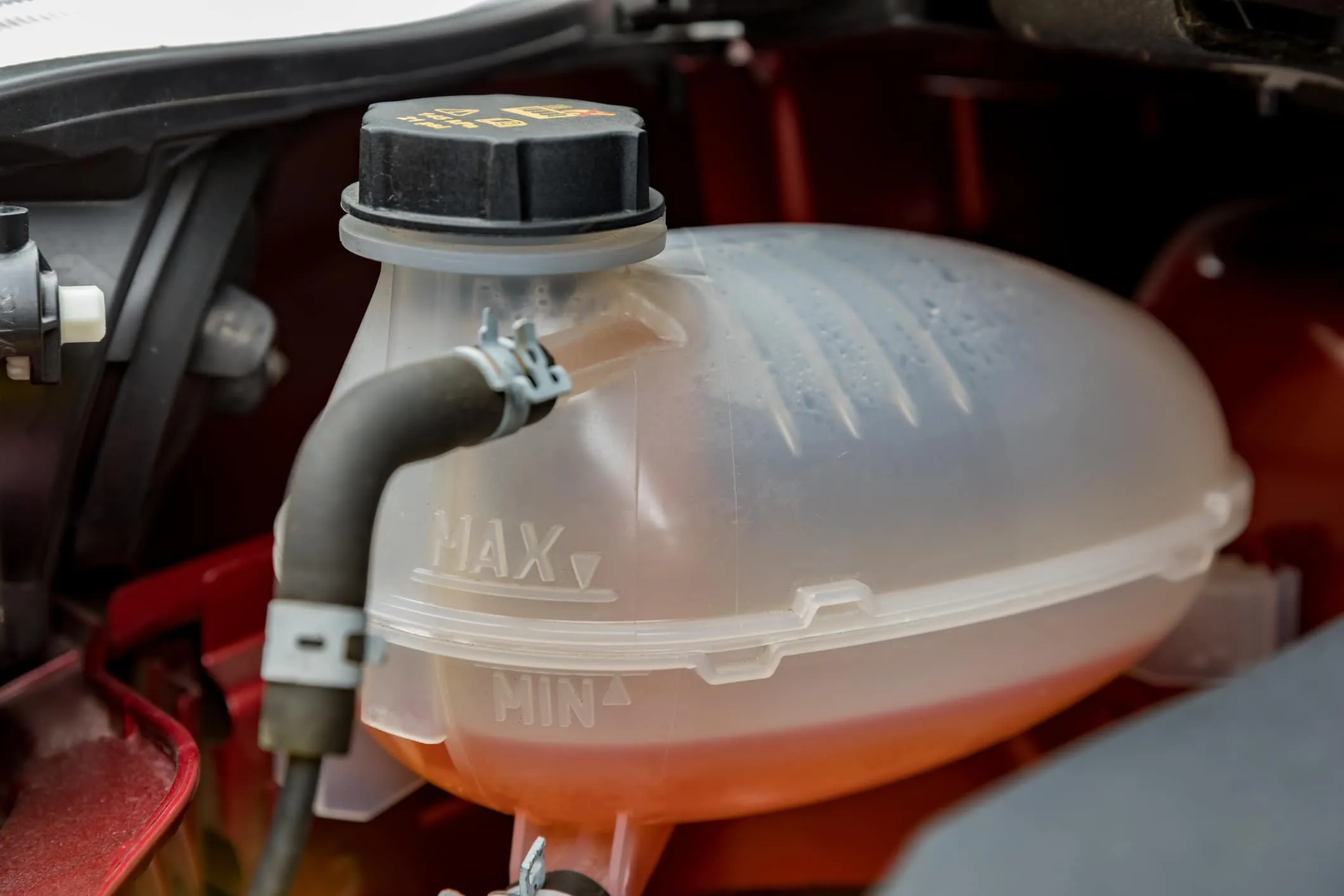
Engine coolant manages temperature, corrosion, and pressure within a tightly controlled system. Combustion creates extreme heat, and coolant moves that heat away from critical areas before damage occurs. Without proper coolant condition, engines overheat quickly and suffer internal stress.
Coolant degradation happens through chemical breakdown. Additives designed to prevent corrosion and scale wear out as time goes on. Once depleted, coolant becomes less effective at protecting aluminum, steel, and rubber components. Radiators, heater cores, and water pumps begin to corrode internally, reducing efficiency and reliability.
Low coolant level presents an immediate danger. Even small losses allow air pockets to form inside the cooling system. Air prevents proper heat transfer, causing localized overheating that sensors may not detect right away. Cylinder heads warp, head gaskets weaken, and internal seals degrade under excessive temperature.
An incorrect coolant mixture causes problems as well. Too much water reduces boiling resistance, while too much concentrate reduces heat transfer efficiency. Both conditions stress engines under load. Mixing incompatible coolant types creates sludge that blocks passages and reduces circulation.
Cooling system failure often escalates quickly. A single overheating event can damage internal components beyond repair. Temperature spikes affect oil viscosity, weaken gaskets, and distort metal surfaces. Recovery from such damage usually requires extensive engine work.
Regular inspection of coolant level, color, and condition prevents these outcomes. Flushing systems at recommended intervals restores protective additives and removes contaminants. Coolant rarely attracts attention until overheating occurs, which makes routine checks essential rather than optional.
Also Read: Top 10 Luxury Bargains That Are Risky Without a Warranty
3. Brake Fluid
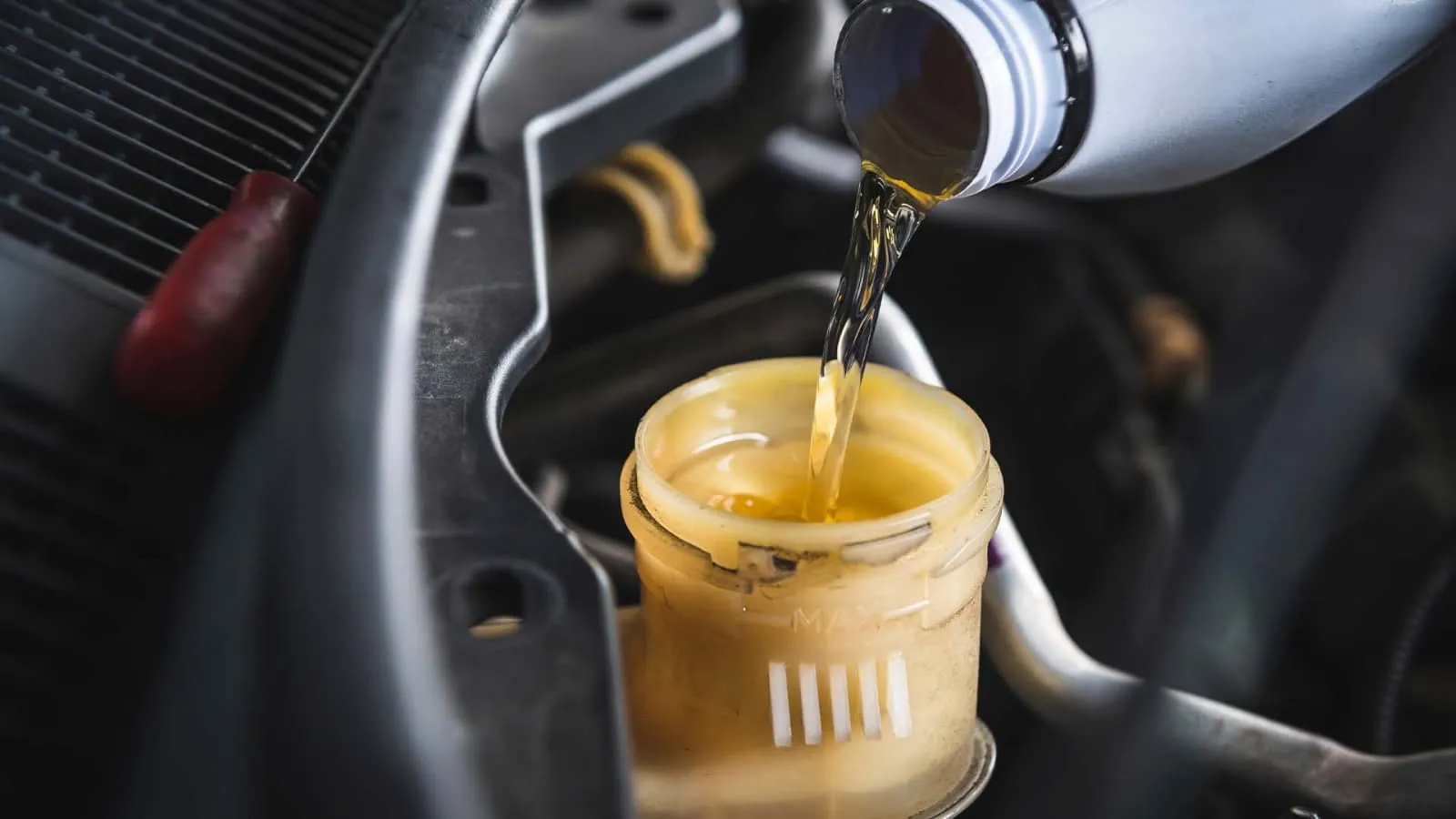
Brake fluid serves as the silent force that converts a driver’s foot pressure into controlled stopping power. It operates within a sealed hydraulic system where pressure levels rise sharply during braking, especially at high speeds or under emergency conditions.
Unlike engine oil or transmission fluid, brake fluid possesses a hygroscopic nature, meaning it absorbs moisture from surrounding air through hoses, seals, and reservoir vents. This absorption occurs gradually and continuously, even when the braking system shows no visible leaks or faults.
As moisture content increases, brake fluid loses thermal resistance. Fresh brake fluid maintains a high boiling point, allowing it to remain stable during repeated braking. Contaminated fluid, however, boils at lower temperatures. During heavy braking, water trapped within the fluid vaporises, creating compressible gas pockets.
These pockets interrupt hydraulic pressure transfer, causing a spongy pedal feel or delayed braking response. In critical moments, this delay reduces stopping efficiency and increases accident risk. Corrosion represents another serious issue linked to aged brake fluid.
Moisture circulating within brake lines, master cylinders, and calipers promotes internal rust formation. This corrosion damages pistons, seals, and internal valve surfaces, leading to uneven braking or fluid leakage. Once corrosion takes hold, repairs rarely remain limited to fluid replacement. Brake components often require full replacement, resulting in high labour and parts costs.
Brake fluid degradation depends more on time than distance travelled. Vehicles parked for extended periods absorb moisture at the same rate, or faster, than frequently driven cars. High-humidity environments accelerate contamination, placing stored vehicles at particular risk.
Because braking systems provide minimal early warning before failure, drivers often remain unaware of fluid deterioration until performance drops sharply. Neglecting brake fluid service places safety at immediate risk while also increasing long-term ownership expenses.
Brake repairs demand precision and carry strict safety requirements, making them among the costliest forms of vehicle maintenance. Regular fluid replacement remains far more affordable and protects the entire braking system.
Consistent brake fluid servicing maintains firm pedal feel, predictable braking response, and internal component protection. Given its direct impact on vehicle control and passenger safety, brake fluid deserves priority attention and timely replacement according to manufacturer recommendations.
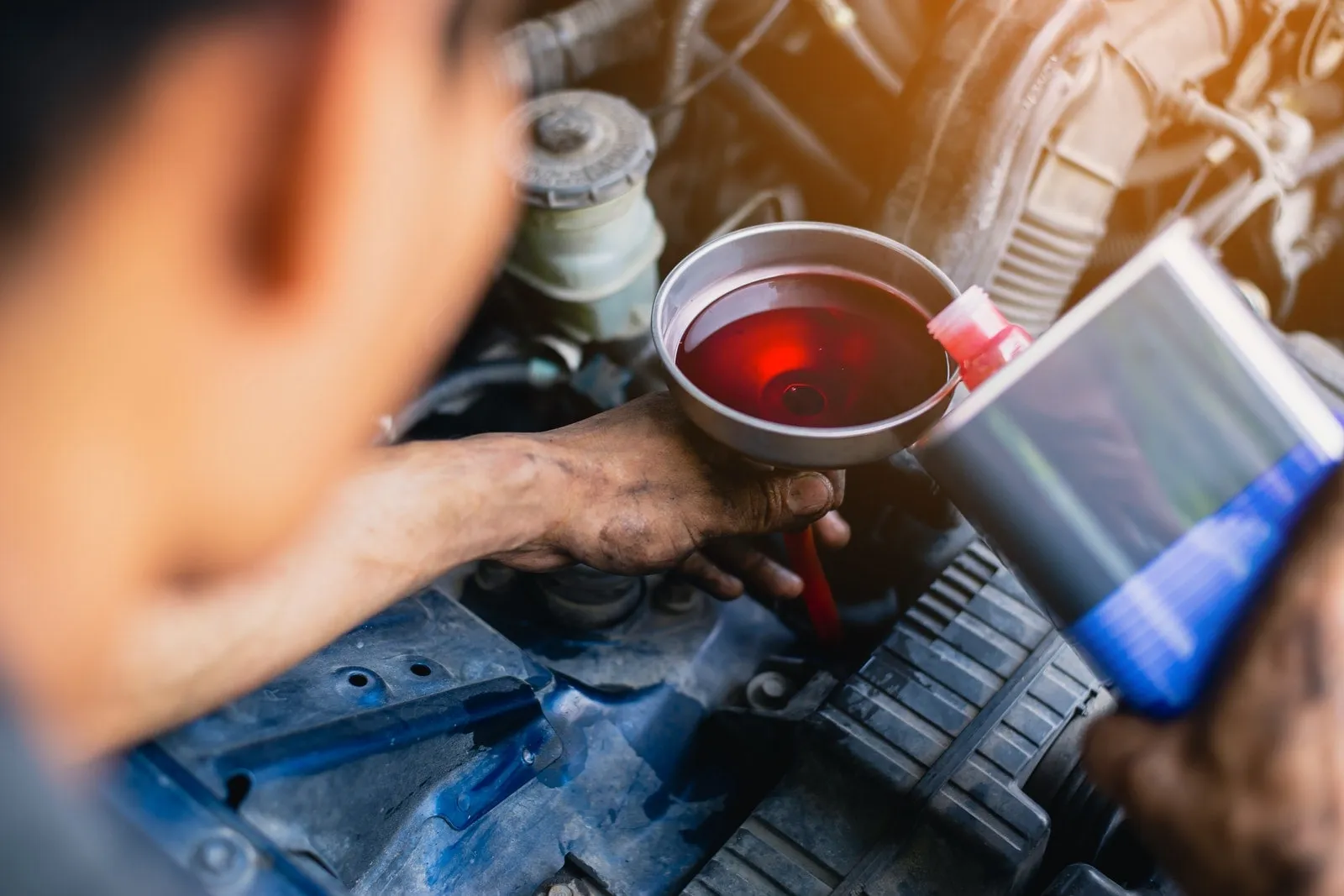
4. Transmission Fluid
Transmission fluid performs multiple duties within both automatic and manual gearboxes. It lubricates moving components, manages internal temperatures, and, in automatic systems, provides hydraulic pressure that enables gear engagement. Modern transmissions rely heavily on precise fluid behaviour. Even minor degradation affects move quality and internal wear patterns.
Heat remains the primary enemy of transmission fluid. Continuous operation generates thermal stress that gradually breaks down viscosity and friction modifiers. As these protective qualities decline, clutch packs and gear surfaces experience increased friction. Wear particles then circulate through the system, accelerating damage across bearings, valves, and seals.
Fluid level plays an equally critical role. When levels drop, pumps draw in air alongside fluid. Air compresses under pressure, reducing hydraulic consistency. Gear engagement becomes delayed or erratic, producing harsh moves or slipping. These conditions generate additional heat, compounding internal wear within a short time frame.
Marketing terms such as “sealed for life” have created misconceptions among vehicle owners. While some transmissions lack dipsticks, internal fluid still degrades through use. Sealed systems simply require professional access for inspection and service. Fluid condition continues to change due to heat exposure, mechanical friction, and material wear.
Driving habits influence fluid lifespan. Towing, frequent stop-and-go traffic, mountainous routes, and high ambient temperatures shorten service intervals considerably. Waiting until symptoms appear often means internal damage has already progressed beyond minor repair. At that stage, rebuild or replacement becomes the only solution.
Routine inspection, fluid analysis, and timely replacement protect transmission performance. Clean fluid with proper viscosity ensures smooth gear changes and stable hydraulic pressure. Transmission fluid maintenance remains one of the most effective methods for avoiding major drivetrain expenses.
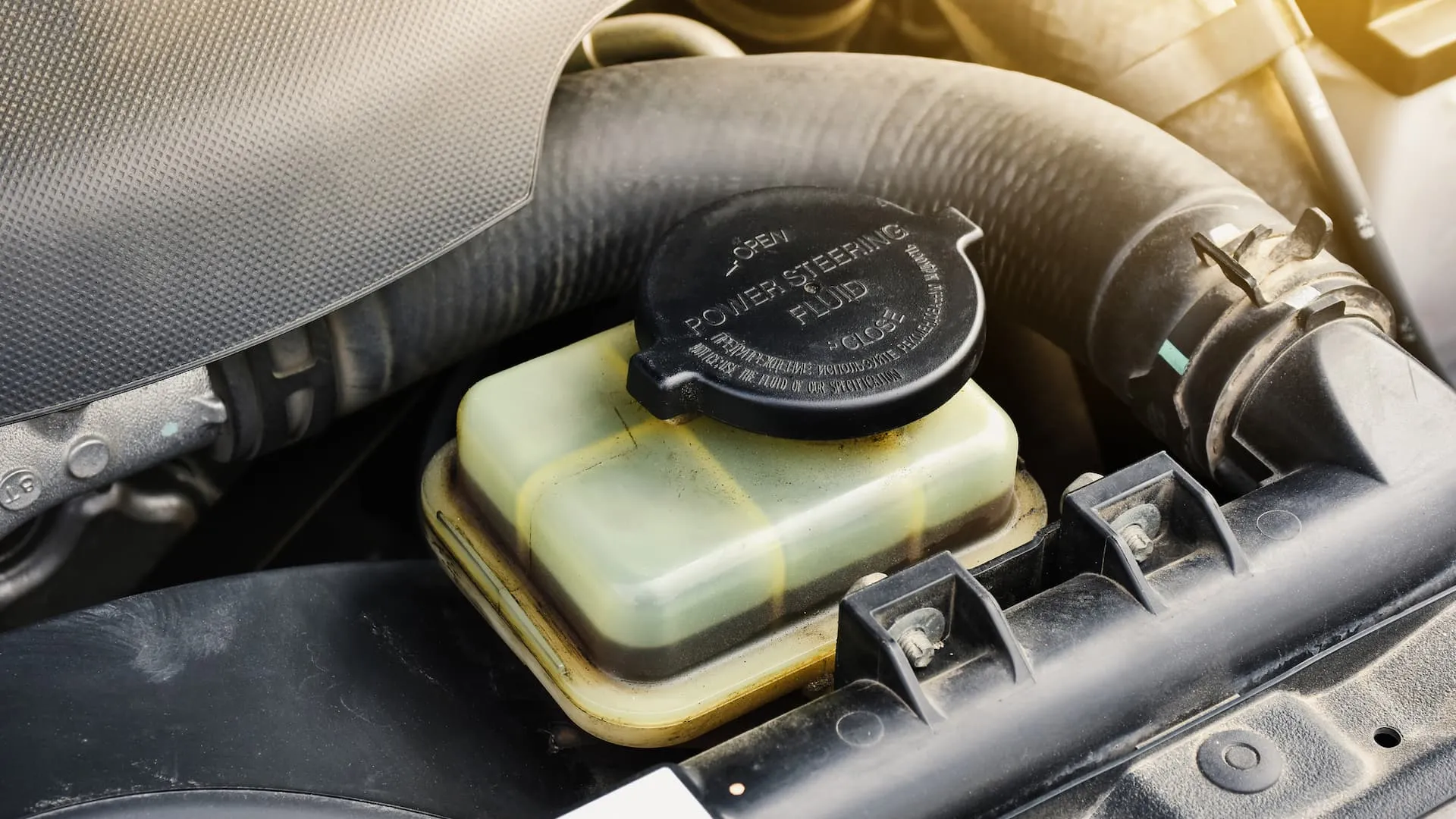
5. Power Steering Fluid
Power steering fluid enables effortless steering by transmitting hydraulic force from the pump to the steering rack or gearbox. While newer vehicles increasingly adopt electric steering assistance, many models still rely on hydraulic systems that depend entirely on fluid condition for reliable operation.
Heat and pressure steadily degrade power steering fluid during normal use. As additives break down, lubrication properties weaken. The pump then operates under increased load, often producing whining or groaning sounds during steering input. These noises frequently signal internal wear rather than surface-level issues.
Contamination worsens degradation. Rubber hose particles and metal shavings circulate through the system as components age. This debris abrades seals and valve surfaces, leading to internal leakage and reduced steering assistance. Steering racks and pumps suffer from scoring damage that compromises pressure delivery.
Low fluid levels introduce air into the hydraulic circuit. Air bubbles compress under load, causing inconsistent steering feel and vibration through the steering wheel. Pump cavitation follows, generating heat and accelerating internal damage. By the time steering effort increases noticeably, component wear is often advanced.
Repair costs associated with power steering systems can be substantial. Replacing pumps or steering racks requires labour and precision alignment. Fluid service, by comparison, remains inexpensive and prevents many of these failures when performed early.
Routine inspection and scheduled fluid replacement preserve steering smoothness and system reliability. Power steering fluid often receives attention only after symptoms appear, yet proactive servicing protects driver control and reduces the likelihood of costly repairs.
5 Fluids That Last Longer Than You Think
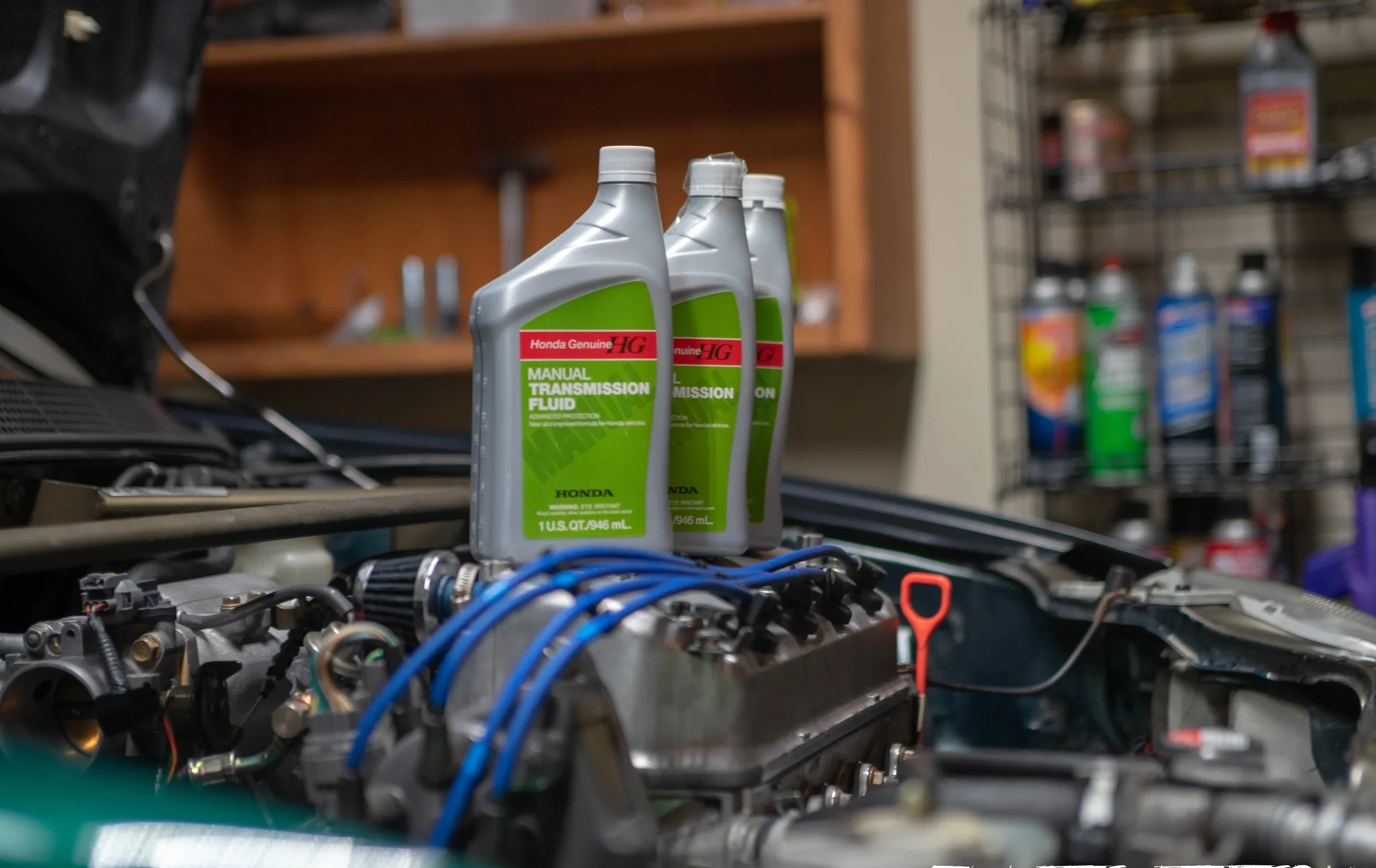
1. Manual Transmission Fluid
Manual transmission fluid lives a quieter life than its automatic counterpart, and that calmer environment allows it to remain usable for far longer than many drivers expect. Inside a manual gearbox, fluid mainly handles lubrication and heat control rather than hydraulic pressure. Gears engage through direct mechanical contact, not fluid-driven clutches, which places far less chemical stress on the lubricant.
Driving style plays a role, yet even spirited shifting does not break down manual transmission fluid as quickly as popular advice suggests. High-quality gear oils contain additives designed to resist shear forces and thermal breakdown for extended periods. These additives keep viscosity stable, ensuring that gear teeth remain protected even after years of use.
Vehicle manufacturers often specify long service intervals, sometimes extending beyond 100,000 miles. This guidance reflects how slowly contamination builds inside sealed manual gearboxes. Without torque converters or internal pumps churning fluid constantly, oxidation happens at a reduced pace. Metal particles still appear, but magnetic drain plugs capture most of them before damage occurs.
Frequent fluid replacement can introduce problems rather than prevent them. Incorrect fluid selection alters synchronizer performance, leading to stiff shifting or gear clash. Over servicing also increases the risk of improper fill levels, which can starve bearings or create excessive drag.
Consider a vehicle such as the Honda Civic Type R Manual Transmission Model, which relies on precision-engineered gear engagement. Honda specifies extended service intervals because the fluid condition remains stable when used as intended. Owners who rush into unnecessary changes often report degraded move feel rather than improvement.
Inspection remains wise, especially if the vehicle experiences track use or heavy towing. Checking fluid color and smell during clutch service offers reassurance without waste. For daily driving, patience rewards owners with consistent performance and lower ownership costs.
Manual transmission fluid demonstrates how durability often exceeds expectations when engineering matches purpose. Respecting manufacturer guidance instead of outdated habits keeps gearboxes smooth for many years.
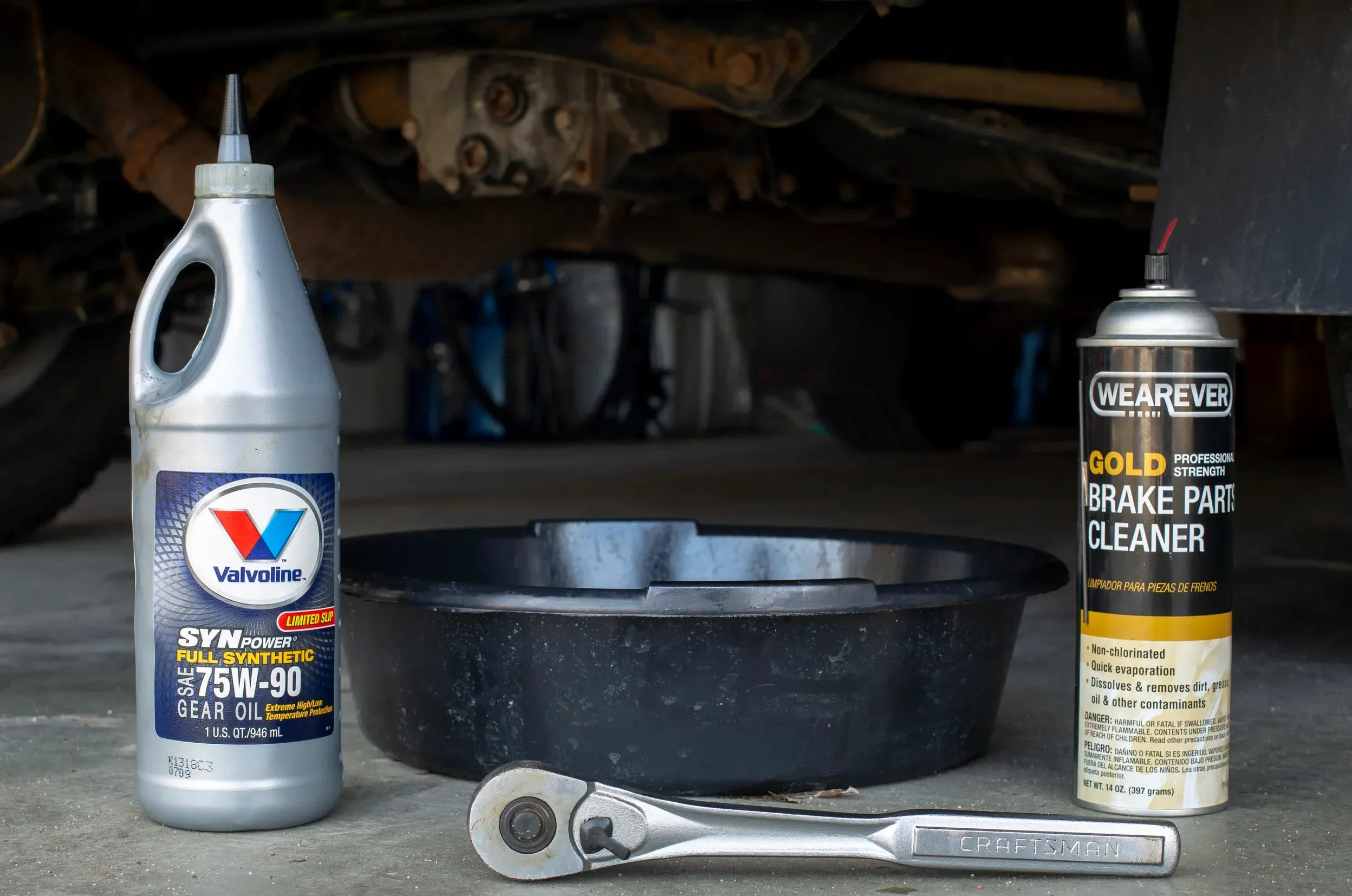
2. Differential Fluid
Differential fluid works under steady load but predictable conditions. Gears inside differentials rotate smoothly, distributing torque between wheels without the constant pressure changes seen in transmissions. This controlled environment allows fluid to retain protective qualities for extended periods.
Modern differential fluids contain extreme-pressure additives that protect gear teeth under heavy load. These additives resist breakdown even during spirited driving. Heat generation remains moderate unless towing or aggressive acceleration becomes routine. Sealed differential housings prevent contamination from moisture and debris. Unlike brake systems or engines, differentials rarely experience exposure to outside air.
That isolation slows oxidation and preserves lubricant stability. Many manufacturers list long service intervals, sometimes labeling fluid as lifetime. While lifetime does not mean permanent, it signals confidence in fluid durability under normal use. Changing fluid too often offers little benefit unless conditions demand it.
Consider the Ford Mustang GT Rear Differential Model. Designed to handle high torque output, it relies on robust gear oil capable of lasting tens of thousands of miles. Track use or frequent burnouts justify earlier service, yet normal commuting places minimal strain on the fluid.
Signs that service becomes necessary include whining noises during acceleration or visible leaks. Absent these warnings, fluid condition typically remains suitable far beyond common assumptions. Routine inspection during brake or suspension work provides peace of mind without unnecessary intervention.
Differential fluid longevity challenges the idea that all lubricants require frequent replacement. Understanding operating conditions prevents wasted expense and preserves mechanical reliability.
3. Transfer Case Fluid
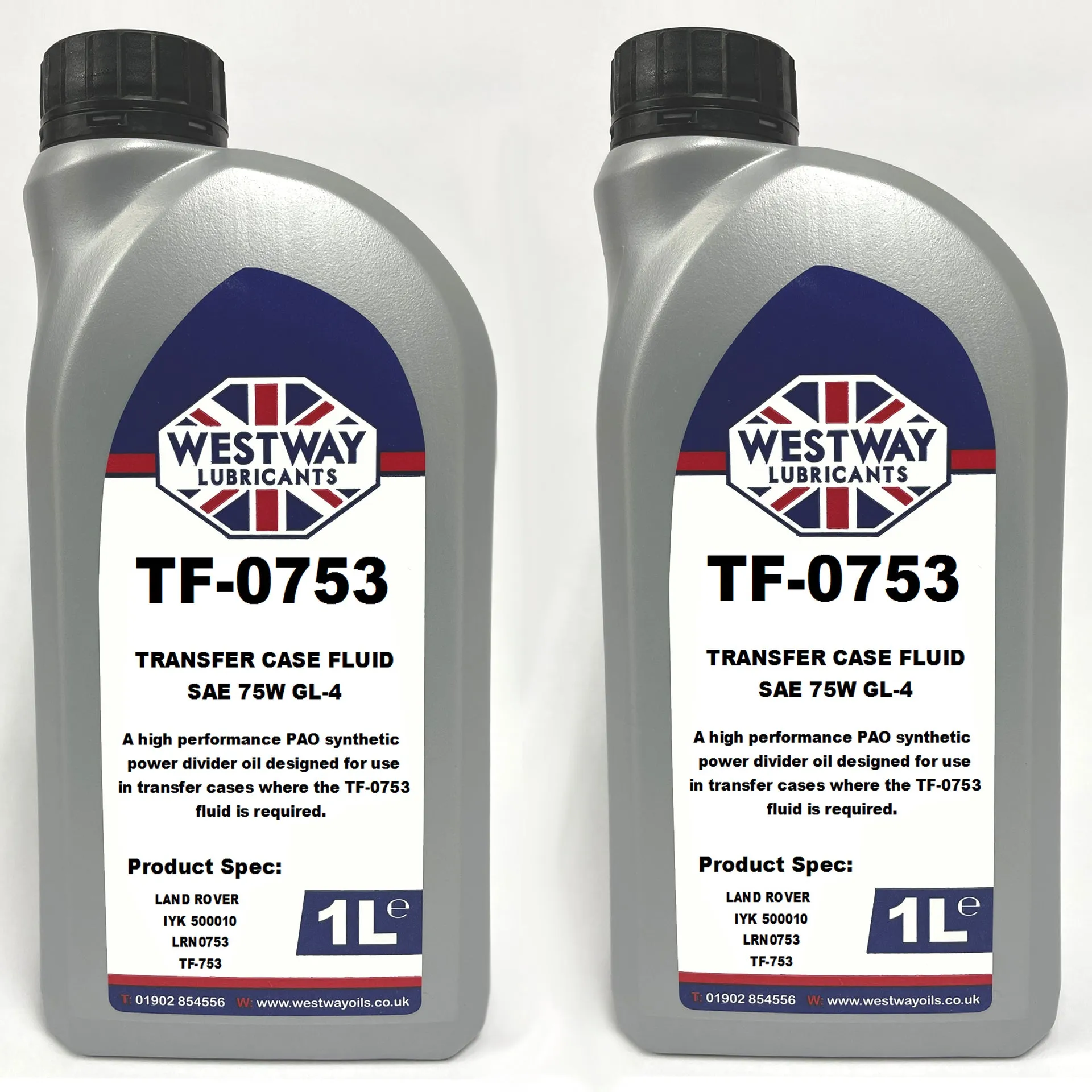
Transfer case fluid plays a vital role in All Wheel Drive and Four Wheel Drive systems by enabling controlled distribution of engine power between front and rear axles. Despite its importance, this fluid often receives limited attention because its service life exceeds common expectations.
Under typical driving conditions, operating temperatures remain stable, and internal load distribution stays balanced, allowing the fluid to function efficiently for extended periods without rapid deterioration. Design improvements have contributed greatly to this durability. Contemporary transfer cases rely on specialised lubricants developed to withstand sustained pressure while resisting oxidation and wear.
Whether operating through chain-driven or gear-driven mechanisms, these fluids reduce friction effectively and protect internal surfaces from scuffing. Additive packages support corrosion resistance and maintain viscosity across a wide temperature range, ensuring consistent performance during daily use.
Sealed construction also enhances longevity. Transfer cases function within enclosed environments that experience minimal exposure to air, moisture, or combustion byproducts. Contamination usually arises only when seals degrade or physical damage occurs. Unlike engine oil, which encounters fuel residue and heat extremes, transfer case fluid operates under controlled conditions that slow chemical breakdown.
Manufacturer guidance often reflects this durability. Many automakers recommend inspection rather than immediate replacement at fixed mileage intervals. Visual assessment of fluid colour, clarity, and odour frequently shows acceptable condition well beyond traditional service markers. Blind replacement without evidence of degradation offers little benefit and may introduce avoidable risk.
Toyota Land Cruiser 300 Series Transfer Case Model illustrates this principle clearly. Engineered for extended travel and demanding surfaces, its transfer case relies on a fluid capable of maintaining protective qualities over long distances. Toyota advises condition-based evaluation instead of rigid replacement schedules, reinforcing confidence in the system’s design.
Unnecessary servicing carries its own concerns. Transfer cases require precise fluid specifications, and incorrect formulations reduce lubrication effectiveness. Improper fill levels also affect internal pressure balance, leading to operational noise or binding during turns. Such issues often arise from premature servicing rather than prolonged use.
Attention to symptoms provides better guidance than routine replacement. Leaks, vibration, grinding sounds, or resistance during low-speed turns indicate a genuine need for service. When fluid remains clean and seals intact, extended service intervals remain practical and safe.
Transfer case fluid durability reflects thoughtful engineering and controlled operating conditions. Allowing condition rather than assumption to guide maintenance decisions preserves system reliability while avoiding excess intervention.
4. Engine Coolant in Modern Long Life Systems
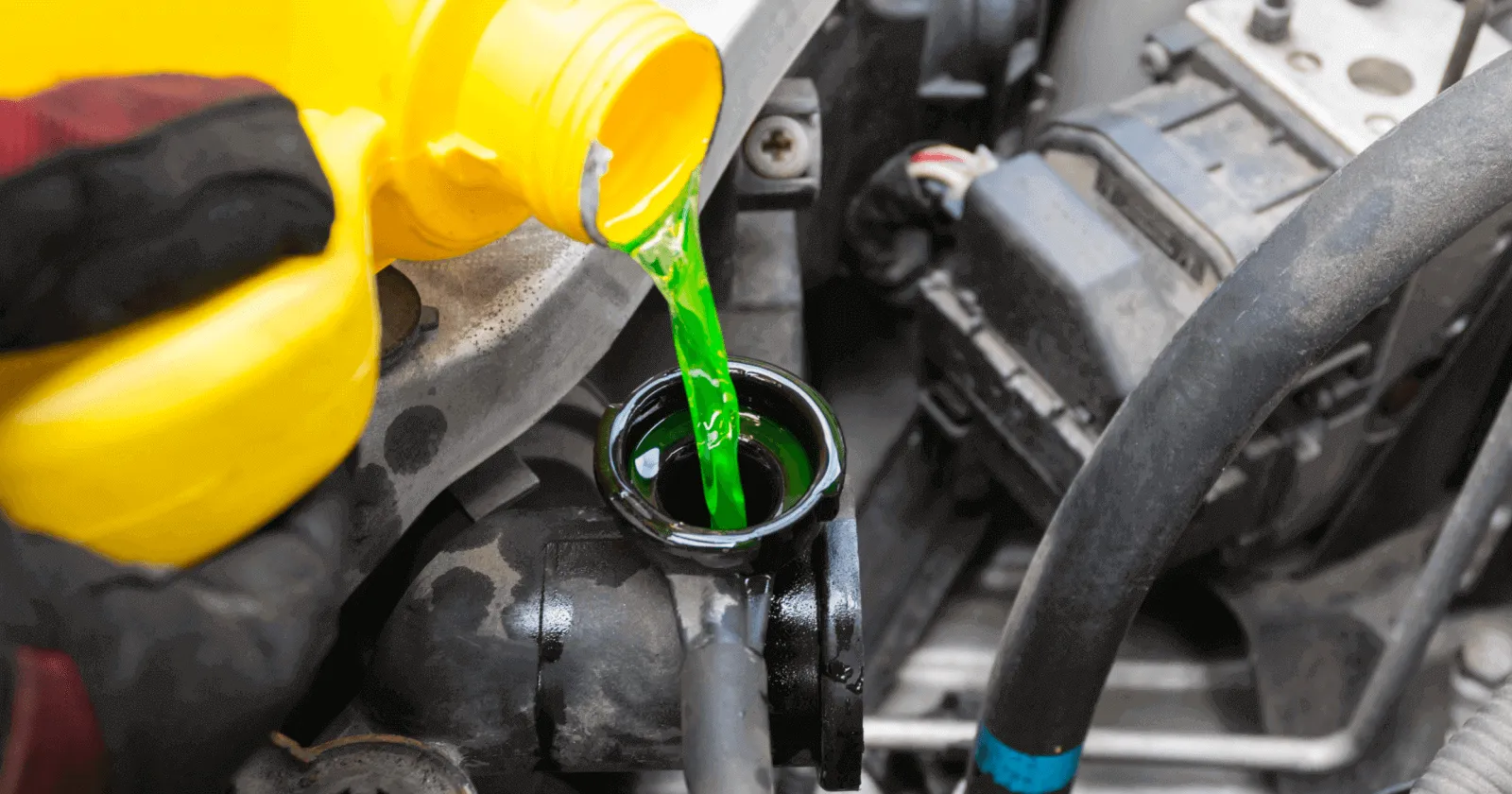
Engine coolant has traditionally ranked among fluids requiring frequent replacement. Advances in formulation have reshaped that expectation. Long-life coolant systems now support extended service intervals without sacrificing corrosion protection or temperature stability, provided system integrity remains intact.
Organic acid technology coolants form the foundation of this improvement. Unlike earlier formulations that depleted rapidly, these coolants rely on additives that protect metal surfaces selectively. Aluminum, steel, and rubber components receive targeted protection, reducing additive consumption and extending usable life.
Thermal stability remains high, allowing coolant to endure sustained operating temperatures without chemical breakdown. Cooling system design also plays a role. Improved hose materials, sealed reservoirs, and refined radiator construction limit oxygen exposure.
Reduced air contact slows oxidation, one of the primary causes of coolant degradation. Correct water-to-coolant ratios further stabilise chemical balance, preventing scale formation and internal corrosion. Automaker recommendations reflect extensive validation.
Many manufacturers now specify coolant service intervals reaching five years or longer under normal conditions. This guidance arises from controlled testing rather than marketing convenience. Premature flushing removes active additives and introduces fresh contaminants during refill, often offering no additional benefit.
Chevrolet Silverado 1500 Long Life Coolant System Model provides a practical example. Designed for sustained workload and varied operating conditions, its cooling system depends on an extended-life coolant capable of preserving internal surfaces for prolonged periods. Owners who replace coolant early often gain no measurable improvement in protection.
Monitoring remains essential despite extended intervals. Discolouration, sediment, or oily residue indicate contamination that requires attention. Stable colour and clear appearance suggest continued effectiveness. Periodic level checks also ensure proper heat transfer and pressure regulation.
Modern coolant chemistry demonstrates how material science continues to develop. Trusting manufacturer guidance and visual assessment prevents unnecessary service while maintaining engine temperature control and corrosion resistance.
Also Read: 10 Forgotten Luxury Cars That Are Shockingly Cheap to Own
5. Air Conditioning Refrigerant
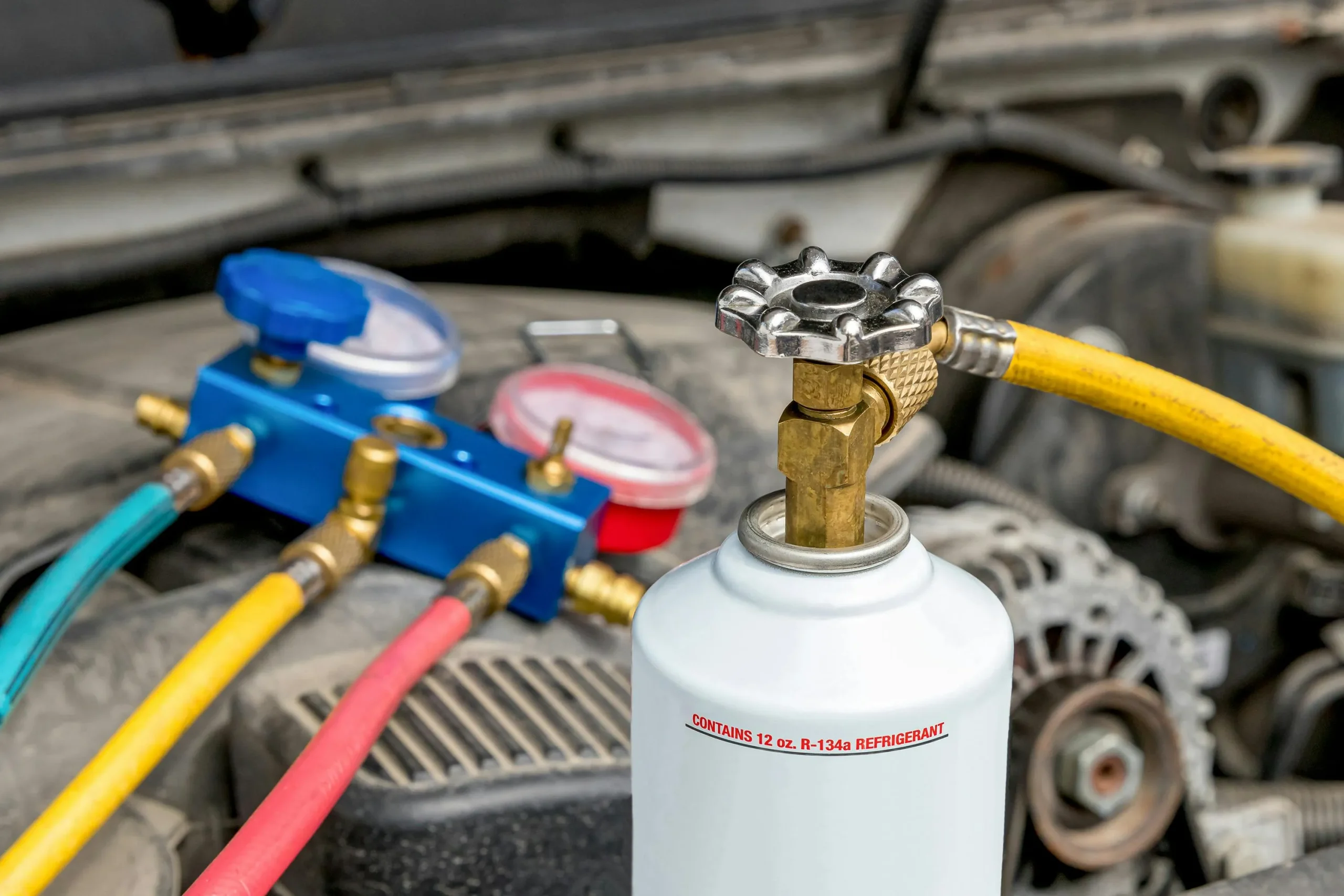
Air conditioning refrigerant operates within sealed systems designed to maintain charge integrity for many years. Unlike consumable lubricants, refrigerant does not degrade through normal circulation. Performance loss typically results from leakage rather than chemical wear, making routine replacement unnecessary under normal conditions.
Advancements in sealing technology support this longevity. Modern hoses, fittings, and compressor seals limit permeation far more effectively than earlier designs. Refrigerant blends circulate with compressor oil that remains chemically stable, ensuring lubrication without breakdown. Pressure cycles remain predictable, preserving system balance and cooling efficiency.
Misconceptions persist regarding periodic refilling. Earlier systems allowed a gradual loss through less effective materials, encouraging frequent service. Current designs retain charge unless physical damage or seal failure occurs. Adding refrigerant without addressing leaks masks underlying faults and invites further damage.
BMW X5 Climate Control System Model illustrates this principle well. Engineered for efficiency and comfort, its air conditioning system retains refrigerant effectively when components remain intact. Routine refills often indicate unresolved leaks rather than normal loss.
Performance changes offer the clearest guidance. Reduced cooling, inconsistent airflow temperature, or unusual compressor noise suggest system compromise. Professional inspection identifies leak points, restores correct pressure, and prevents compressor strain. Simply adding refrigerant without diagnosis increases the risk of component failure and environmental harm.
Visual inspection of hoses and listening during system operation provide early indicators. Stable cooling output generally confirms proper refrigerant levels. Absence of symptoms often means no service is required.
Air conditioning refrigerant durability reflects improved engineering and materials. Understanding its behavior prevents unnecessary intervention, preserves system health, and ensures reliable cabin comfort across many years of use.
