
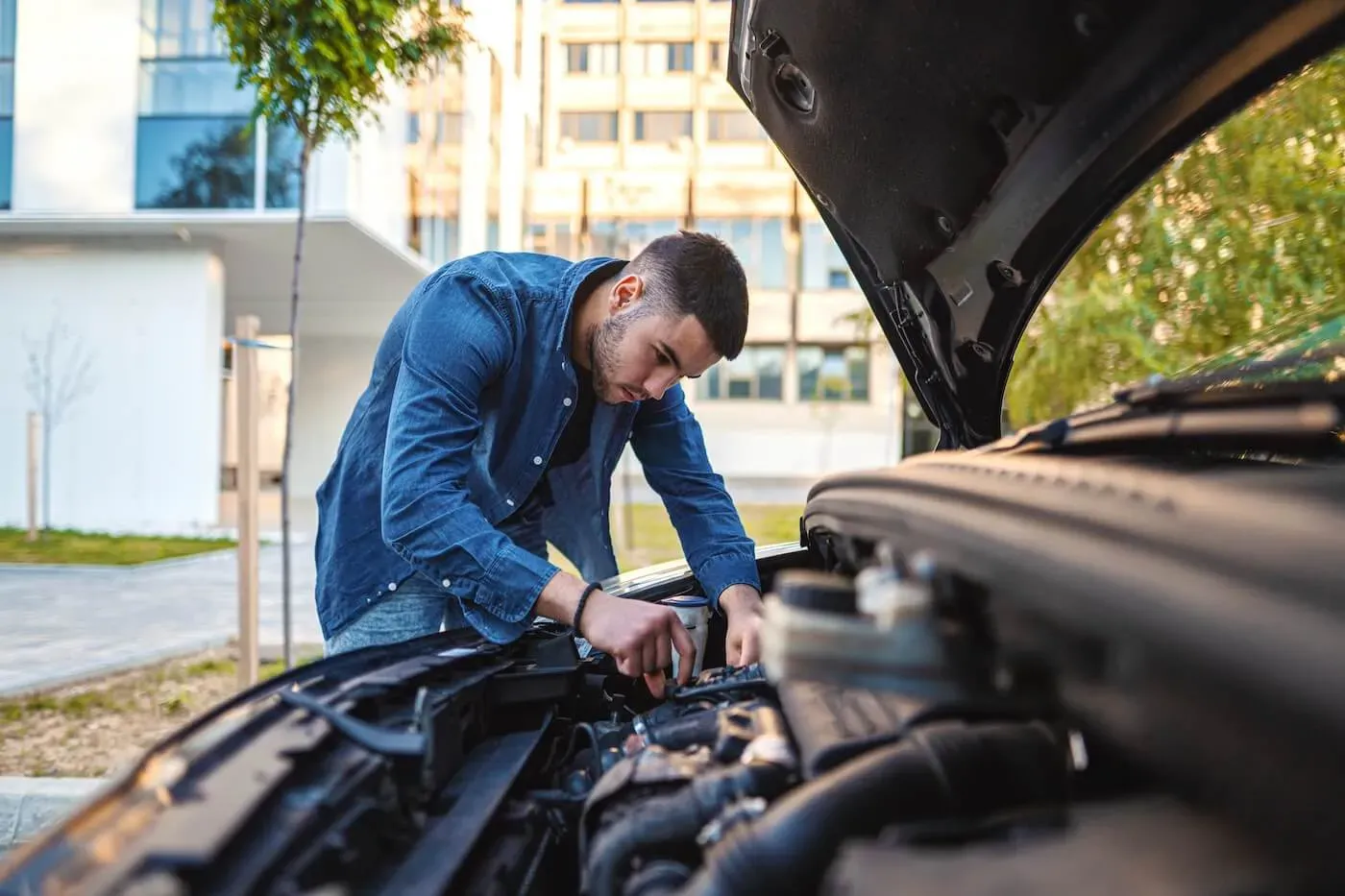
Owning an older vehicle often brings a mix of pride and concern. Pride comes from keeping something dependable on the road long after its showroom shine has faded.
Concern usually follows every unfamiliar sound, warning light, or rising repair estimate. Replacing a car is expensive, yet neglecting one quietly drains money through avoidable breakdowns. Smart ownership sits between those extremes.
Age alone does not condemn a vehicle to poor performance. Many cars lose reliability because simple habits fade, not because engineering suddenly fails.
With the right approach, an older car can deliver smooth driving, dependable starts, and confident handling without draining your wallet. Budget-friendly care relies less on specialty tools and more on consistency, observation, and informed choices.
This guide focuses on practical steps that protect mechanical health while respecting financial limits. Each section connects a clear tip to a real vehicle example, showing how everyday decisions affect longevity. No shortcuts, no unrealistic promises, and no pressure to chase perfection. Instead, attention stays on preserving what already works and addressing wear before it becomes expensive.
Drivers willing to stay involved with their cars often enjoy fewer surprises and lower ownership costs. The reward is not just savings but confidence. An older car that runs well feels earned, not outdated. What follows breaks down eight proven strategies that help extend vehicle life while keeping spending under control.
1. Stay Consistent With Engine Oil and Filter Service
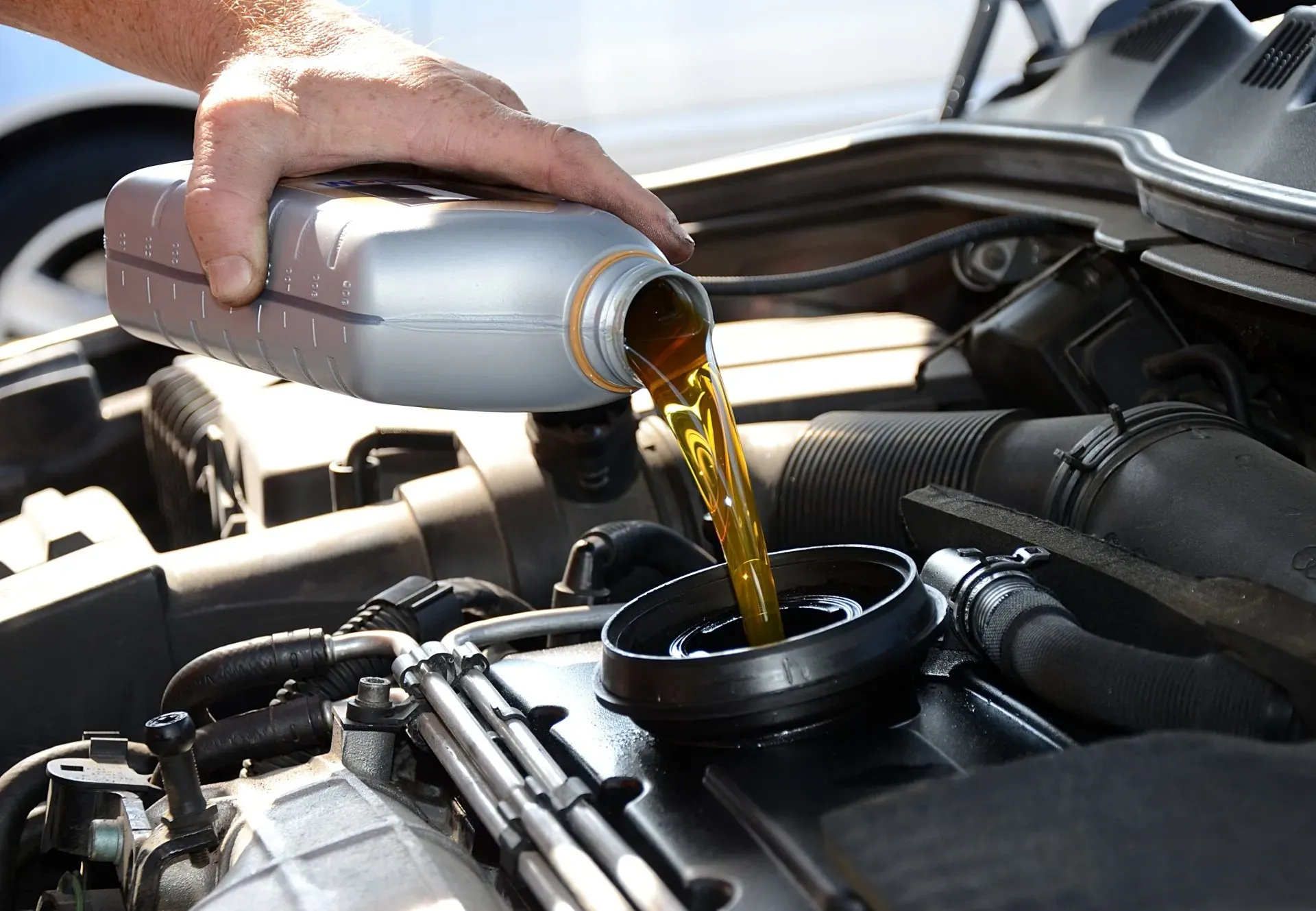
Engine oil serves multiple critical roles in vehicle performance, acting simultaneously as a lubricant, a cooling medium, and a cleaning agent. Its primary job is to reduce friction between moving parts, carry heat away from the combustion chamber, and trap contaminants before they circulate throughout the engine.
Stretching oil change intervals or skipping them entirely places undue stress on internal components, which were never designed to operate under dirty or degraded oil conditions. Take the 2006 Toyota Camry LE 2.4L for example.
This model has earned a reputation for long-lasting reliability, yet it depends heavily on consistent oil care. Owners who adhered to recommended oil and filter replacement schedules often exceeded 250,000 miles without requiring major internal repairs.
The condition of the oil itself often outweighs brand preference. Fresh oil effectively removes contaminants, such as carbon deposits and microscopic metal particles, that can erode bearings, camshafts, and cylinder walls.
Oil filters capture debris before it circulates, and the correct viscosity ensures optimal oil pressure, particularly during cold starts when the engine experiences the highest stress. Budget-conscious care focuses on prevention rather than repair. Routine oil and filter changes cost only a fraction of the price of an engine rebuild or a timing component replacement.
Learning to perform oil changes at home can further reduce expenses, though professional service remains reasonably priced and provides peace of mind. Tracking service intervals by mileage and date removes guesswork, preventing missed oil changes that can compromise engine health.
Consistency in oil maintenance also provides an opportunity to monitor engine condition. Regular service allows owners to detect early signs of leaks, cracked hoses, or loose components. These small observations often prevent larger failures that may appear sudden but actually develop over weeks or months.
Older vehicles reward owners who treat oil changes as a non-negotiable maintenance priority. Cutting corners saves little in the long term while exposing the engine to accelerated wear, diminished performance, and higher repair costs.
Following a disciplined oil change routine ensures smoother operation, prolongs engine life, and maintains fuel efficiency, making it one of the simplest yet most effective investments in a vehicle’s long-term reliability.
2. Protect Cooling System Health Before Problems Appear
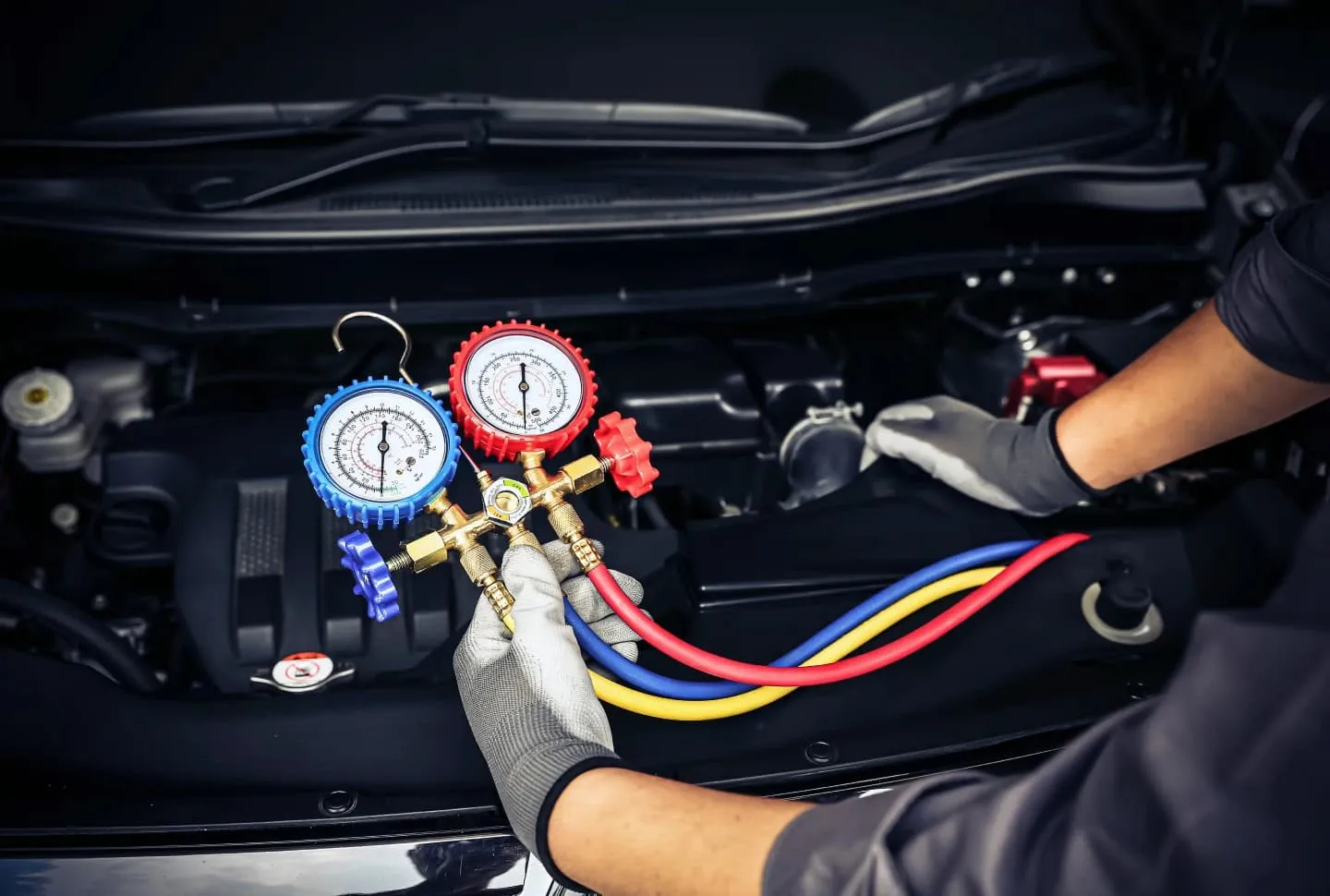
Heat causes engine damage faster than extended mileage ever could. Cooling systems exist to control that threat quietly, often without drawing attention until failure occurs. Radiators, hoses, thermostats, and coolant degrade with age regardless of how often a vehicle is driven.
When these parts lose efficiency, overheating follows, bringing risks such as warped cylinder heads and damaged gaskets that are costly to correct. The importance of cooling care becomes clear when examining the 2004 Ford Explorer XLT 4.0L V6. This vehicle relies on steady coolant circulation to protect its aluminium cylinder heads from thermal stress.
Owners who followed scheduled coolant replacement and inspected hoses for softness or cracking often avoided head gasket repairs that affected poorly maintained examples. Attention to simple checks created a clear difference in long-term reliability.
Coolant performs several duties beyond temperature regulation. It prevents internal corrosion by neutralising acids, lubricates the water pump seal, and maintains pressure balance within the system. As coolant ages, its protective additives break down.
Rust and mineral deposits then develop inside passages, reducing heat transfer efficiency. This restriction forces the engine to operate at higher temperatures, placing stress on components designed for controlled heat ranges.
Visual inspection provides valuable insight without cost. Discoloured coolant suggests contamination or additive failure. Bulging hoses indicate internal breakdown, while brittle hoses signal loss of flexibility. Dried residue near hose joints or radiator seams often points to slow leaks.
Addressing these signs early prevents sudden hose bursts or coolant loss during driving. Replacing a hose or thermostat remains far less expensive than engine repair or towing expenses. Timing matters for budget-conscious care. Cooling system repairs become expensive only after overheating occurs.
Preventive maintenance keeps costs predictable and avoids emergencies. Periodic flushing restores additive strength and removes debris before circulation becomes restricted. Pressure testing identifies weak points before failure, allowing planned replacement instead of roadside breakdowns.
A steady temperature gauge reflects careful ownership. Engines designed decades ago still perform reliably when temperature control remains stable. Respecting cooling components extends engine life, preserves fuel efficiency, and protects internal materials from thermal fatigue. Quiet systems deserve attention even when no warning appears.
Also Read: 10 Must-Know Tips Before Working on Any Classic Car
3. Keep Suspension and Steering Components Tight and Quiet
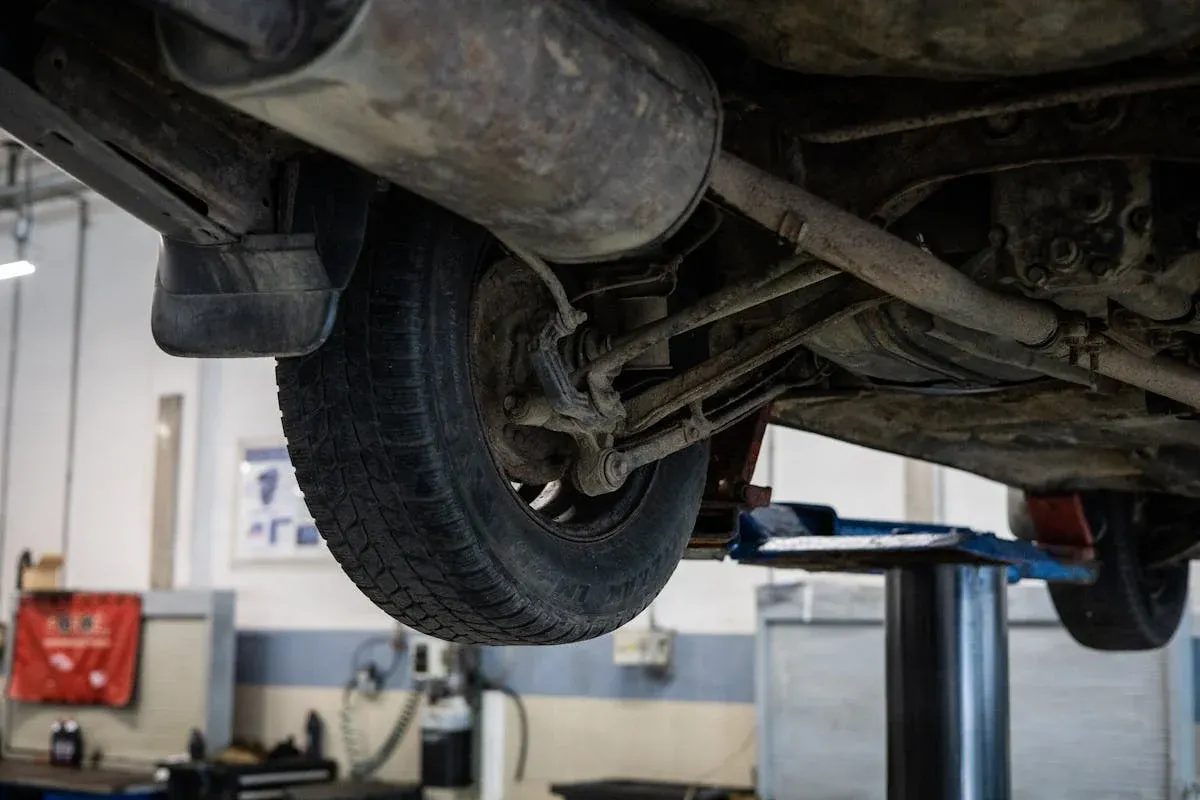
Suspension and steering wear often develop gradually, making deterioration easy to dismiss. Changes in ride feel or steering response may seem minor at first, yet these systems directly affect safety, braking stability, and tire longevity. When neglected, worn components reduce control during emergency manoeuvres and increase stopping distance.
The 2007 Honda Accord EX Sedan 2.4L illustrates how proper care preserves handling balance. This car delivers precise steering and stable cornering when bushings, ball joints, struts, and tie rod ends remain within specification. Owners who replaced worn parts early maintained alignment accuracy and avoided uneven tire wear that often follows suspension neglect.
Noises provide early warnings. Clunks over bumps, steering wheel vibration, or drifting during straight-line driving rarely correct themselves. Small amounts of looseness expand quickly under daily use. Replacing a single worn component often prevents additional strain on surrounding parts. Delaying action allows wear to spread through the system, multiplying repair requirements.
Observation supports budget planning. Uneven tire wear patterns often indicate misalignment caused by worn suspension joints. Vibration felt through the steering wheel suggests looseness in control arms or steering linkages. Addressing these symptoms early limits repair scope and protects tires, which represent a recurring expense for most owners.
Aftermarket components offer practical value when chosen carefully. Many reputable manufacturers produce parts that match the original fit and durability at a lower cost. When installed correctly and followed by proper alignment, these components restore ride control without dealership pricing. Skilled installation ensures correct torque and positioning, which directly affects longevity.
A quiet, stable suspension transforms the driving experience. Vehicles respond predictably, steering effort feels consistent, and cabin noise decreases. Control builds confidence, and confidence reduces fatigue during daily use. Maintaining suspension integrity keeps older vehicles comfortable, safe, and economical to operate.
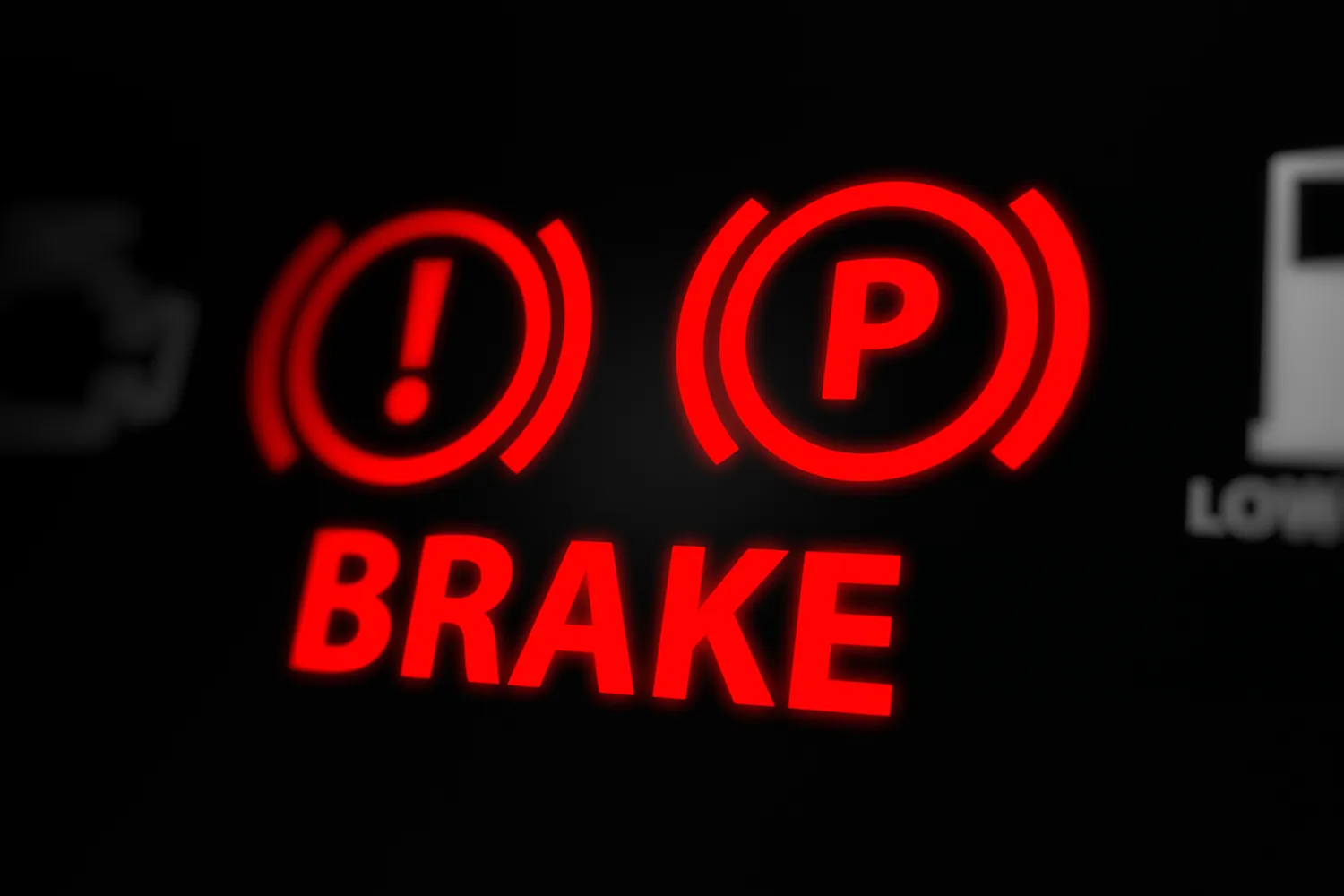
4. Maintain Braking Performance Without Waiting for Warning Lights
Braking systems naturally wear as a result of daily use, and each component plays a critical role in safety. Brake pads, rotors, calipers, and hydraulic fluid all experience gradual degradation. Ignoring these elements until warning indicators appear, such as dashboard lights, squealing, or grinding noises, can compromise stopping performance and accelerate damage to parts designed to last longer under proactive maintenance.
When attention is delayed, repairs often become more expensive because damage spreads from one component to another, multiplying both parts and labour costs. The 2005 Chevrolet Malibu LS 3.5L V6 illustrates how attentive care can prevent expensive repairs.
Owners who replaced brake pads as soon as wear indicators became visible preserved rotor integrity and caliper function. Early intervention prevented metal-to-metal contact, which can quickly destroy rotors and lead to caliper sticking.
Vehicles subjected to deferred service faced higher costs and reduced braking reliability, which created a safety hazard during everyday driving and emergency stops. Even without leaks, moisture accumulation lowers the boiling point of the fluid.
Under repeated or heavy braking, heat can cause the fluid to vaporize, creating compressible gas pockets in the lines. This condition reduces pedal firmness and braking efficiency, which can be dangerous in sudden stop scenarios.
Contaminated fluid also encourages internal corrosion, gradually wearing out valves, pistons, and lines. A scheduled flush restores hydraulic stability, removes water, and ensures that the system delivers a consistent, reliable stopping force.
Monitoring sound, pedal feel, and braking response allows for effective preventive care. High-pitched squealing often signals that pads are near the end of their service life. Pulsation in the brake pedal usually points to uneven rotor surfaces or warping caused by excessive heat or wear. Soft or spongy pedal action indicates fluid degradation or air trapped in the system.
Cost efficiency in braking care is largely a matter of timing. Replacing brake pads before they wear down completely is far less expensive than replacing rotors or calipers, and performing regular fluid service avoids hydraulic repairs that require extensive labour.
Preventive attention ensures the braking system remains responsive, reducing emergency repair costs while maintaining safety. Maintaining reliable braking goes beyond avoiding damage; it directly supports driver confidence.
Vehicles that stop predictably enhance both daily driving comfort and safety during high-pressure situations. Budget-conscious owners can uphold strong braking performance without sacrificing safety by focusing on early service, attentive monitoring, and periodic fluid care.
Such maintenance practices extend component life, maintain consistent pedal feel, and provide peace of mind with every journey. Effective brake stewardship demonstrates that careful planning, timely inspection, and modest investment in service can keep older vehicles operating safely and efficiently for years.

5. Improve Fuel Delivery and Airflow for Better Daily Efficiency
Fuel delivery and airflow quietly shape how an older vehicle behaves each day. Engines rely on a precise balance of air, fuel, and sensor feedback to operate smoothly. When that balance drifts, performance suffers, and fuel costs rise. Addressing these areas offers one of the most affordable paths to restoring responsive driving.
Air intake condition deserves early attention. Filters clog gradually, reducing oxygen supply and forcing engines to compensate with excess fuel. Throttle response dulls, idle quality changes, and mileage drops. Replacing an air filter restores breathing immediately and requires minimal expense or tools. Intake ducts also deserve inspection, since cracks or loose connections allow unmetered air to disrupt the fuel mixture.
Fuel flow matters just as much. Sediment inside fuel filters restricts pressure and stresses fuel pumps. Cold starts may feel labored, while acceleration feels uneven. Older vehicles often use external fuel filters that are simple to replace. Fresh filtration improves consistency and protects injectors from debris.
Sensors guide every fueling decision. Oxygen sensors and mass airflow sensors age gradually, responding more slowly than designed. That delay causes inefficient combustion, carbon buildup, and reduced economy. Cleaning mass airflow sensors with approved products restores accuracy. Replacement oxygen sensors correct long-term mixture errors and protect exhaust components.
Fuel injectors also influence efficiency. Deposits disrupt spray patterns, causing uneven combustion. Periodic injector cleaning improves atomization and idle stability. Professional cleaning services cost less than replacing injectors and often restore performance noticeably.
Driving feedback reveals much. Hesitation, rough idle, or declining mileage often signal airflow or fuel issues rather than deep mechanical trouble. Addressing these signs early prevents secondary damage and keeps repair budgets predictable. Restored airflow and fuel delivery reduce engine strain.
Smooth combustion improves drivability, lowers emissions, and keeps operating costs under control. Small interventions here deliver lasting benefits without major investment.
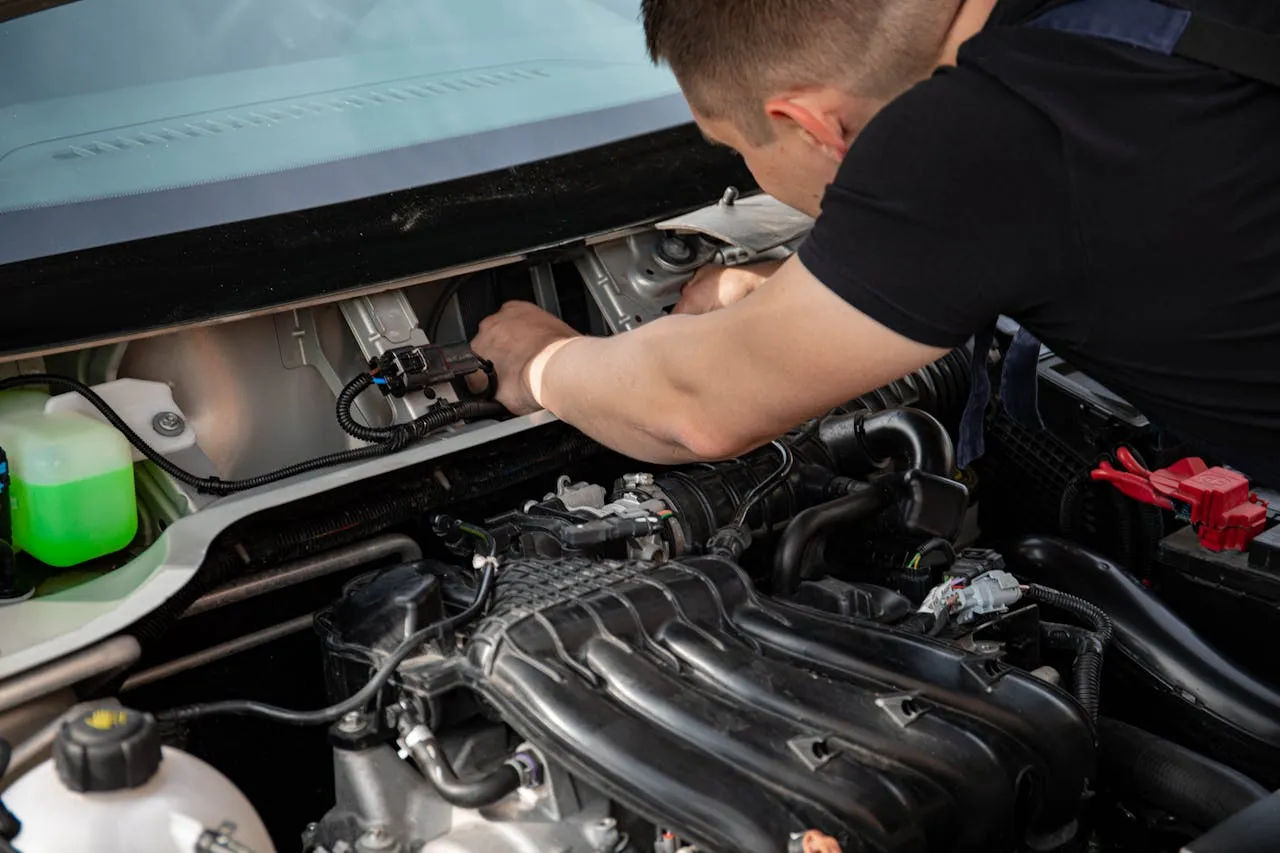
6. Respect Transmission Health With Simple Preventive Care
Transmission systems carry the responsibility for controlled power delivery under varying road demands. Inside the housing, gears, clutches, valves, and seals work in coordination while exposed to heat and pressure during every drive.
Because replacement or rebuild requires intensive labour and specialised equipment, routine attention remains the most practical way to preserve dependable operation. Preventive care focuses on understanding stress points and responding early, rather than waiting for mechanical failure.
Transmission fluid serves several functions at once. It lubricates rotating parts, cushions clutch engagement, transfers hydraulic force, and helps regulate internal temperature. When fluid degrades, these duties suffer simultaneously. Darkened colour, metallic particles, or a burnt smell indicate chemical breakdown and reduced protective ability.
Fluid quantity also demands attention. Low levels allow air to mix with fluid, reducing pressure consistency. This condition causes hesitation when selecting gears and increases heat generation. Excess fluid creates foaming, which also disrupts pressure control. Checking level according to manufacturer instructions ensures pumps, seals, and actuators operate within designed limits.
Vehicles without dipsticks still benefit from scheduled checks performed during routine service visits. Driving habits influence transmission wear patterns. Gentle throttle application allows clutches to engage progressively, limiting shock loads on internal components.
Abrupt acceleration or sudden gear selection raises temperature and strain. Stop-start traffic, frequent hill driving, or towing places additional thermal demand on the system. Under such usage, fluid inspection becomes more valuable, even if replacement intervals remain unchanged.
Cooling support contributes directly to transmission durability. Many systems rely on fluid coolers integrated with radiators or dedicated heat exchangers. Blocked airflow, damaged lines, or leaks reduce cooling efficiency and allow temperature rise beyond safe limits. Inspecting hoses, fittings, and surrounding components helps prevent overheating that shortens seal life and hardens internal materials.
Preventive transmission care values patience and consistency. Simple inspections and timely servicing protect one of the costliest assemblies in a vehicle. Regular attention preserves smooth performance, reduces the risk of unexpected breakdowns, and supports long-term ownership confidence.
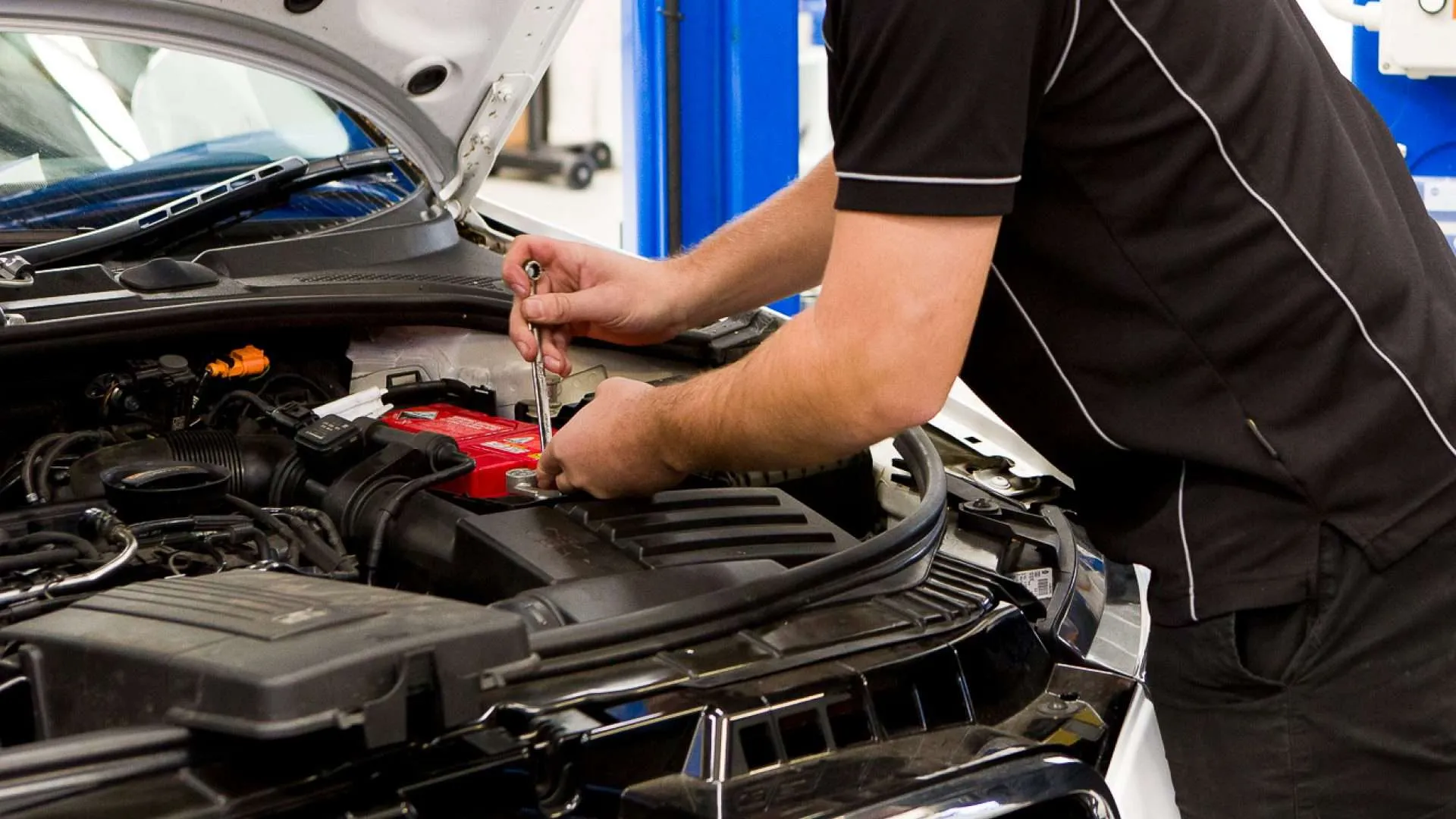
7. Keep Electrical Systems Reliable Through Simple Checks
Electrical systems govern starting, charging, lighting, and electronic control across modern vehicles. With age, gradual wear affects batteries, wiring, connectors, and protective components. These changes rarely fail without warning, yet ignored deterioration can lead to unpredictable behaviour and inflated repair costs. Simple checks restore stability and ensure dependable operation without extensive diagnostic procedures.
Battery condition forms the foundation of electrical reliability. As batteries age, internal plates lose efficiency, reducing reserve capacity. Weak batteries force starters and alternators to work harder, accelerating wear in those units. Routine voltage testing and load assessment identify declining performance before complete failure. Proactive replacement prevents no-start situations and protects charging circuits from stress.
Terminal condition influences current flow. Corrosion builds resistance at connection points, restricting voltage delivery to essential systems. This resistance causes slow cranking, flickering lights, or intermittent electronic faults. Cleaning terminals with appropriate tools and applying protective coatings restores clean contact surfaces. Ensuring clamps remain tight prevents vibration-related disconnection during driving.
Ground connections deserve equal inspection. Electrical circuits rely on stable grounding paths to complete current flow. Loose or corroded grounds produce erratic sensor readings, warning indicators, and unpredictable accessory behaviour. Inspecting ground straps, body mounts, and engine connections helps maintain consistent electrical reference points across systems.
Wiring integrity also affects safety and performance. Heat exposure, vibration, and age cause insulation to harden or crack, especially near exhaust components and engine bays. Visual inspection reveals abrasion or exposed conductors before shorts occur. Repairing damaged sections using proper insulation methods reduces fire risk and preserves circuit integrity.
Electrical care rewards consistency and attention. Vehicles with reliable starting, stable lighting, and responsive electronics inspire trust regardless of age. Simple checks prevent cascading electrical issues that disrupt daily use and increase ownership expense.
Also Read: 10 Pro Tips That Keep a Toyota Corolla iM Reliable Forever

8. Preserve Interior and Exterior to Support Long-Term Value
Vehicle longevity goes beyond mechanical soundness and routine servicing. Interior comfort and exterior protection shape daily satisfaction and influence resale prospects. Thoughtful attention to visible surfaces slows deterioration that later demands costly restoration. Owners who preserve appearance often remain attentive to mechanical care as well, creating a cycle of responsible ownership that sustains reliability and value.
Interior materials endure constant exposure to sunlight, heat, and humidity. Dashboards, door panels, and seats gradually lose moisture, becoming brittle and prone to cracking when neglected. Using appropriate conditioners restores suppleness and guards against premature ageing.
Prompt removal of spills prevents staining and unpleasant odours that embed deeply into fabrics and foams. Upholstery responds positively to consistent care. Fabric surfaces trap dust and grit that abrade fibres during everyday use. Regular vacuuming eliminates these particles before damage accumulates.
Gentle cleaning agents revive colour and texture without weakening stitching. Leather seating requires conditioning to maintain softness and prevent surface splitting that compromises comfort. Exterior paint performs a protective function beyond visual appeal. Road contaminants, bird residue, and industrial fallout erode the clear coat when left in place.
Routine washing removes harmful deposits before damage develops. Periodic waxing adds a defensive layer against ultraviolet exposure and moisture. Minor paint chips deserve immediate treatment to block corrosion beneath exposed metal.
Weather seals play an understated yet vital role. Door and window seals prevent water intrusion that harms carpets, insulation, and electronic components. Rubber dries and hardens with age, losing its sealing ability. Conditioning treatments preserve elasticity, reduce wind noise, and maintain cabin dryness during rainfall.
Glass surfaces demand regular attention for safety reasons. Clear windscreens and mirrors support accurate judgment in varied driving conditions. Dirt and worn wiper blades cause scratches that impair vision, especially at night or during rain. Replacing blades and cleaning glass surfaces restores clarity and reduces driver fatigue.
Interior air quality also benefits from cleanliness. Dust and moisture trapped inside cabins encourage unpleasant smells and allergen buildup. Regular cleaning and ventilation improve comfort for occupants and protect ventilation components from blockage.
Routine care also protects small details often ignored. Steering wheels, gear selectors, and control buttons endure frequent contact. Oils from hands accelerate wear and fading. Light cleaning maintains texture and legibility. Floor mats shield carpets from moisture and grit; removing and washing them prevents trapped debris from spreading. Trunk liners protect cargo areas from spills that soak into the padding.
These modest actions preserve function and comfort. By managing visible wear steadily, owners avoid sudden declines that feel overwhelming. Gradual care remains affordable, practical, and rewarding, reinforcing a vehicle’s readiness for daily use and sustaining confidence during every journey.
