
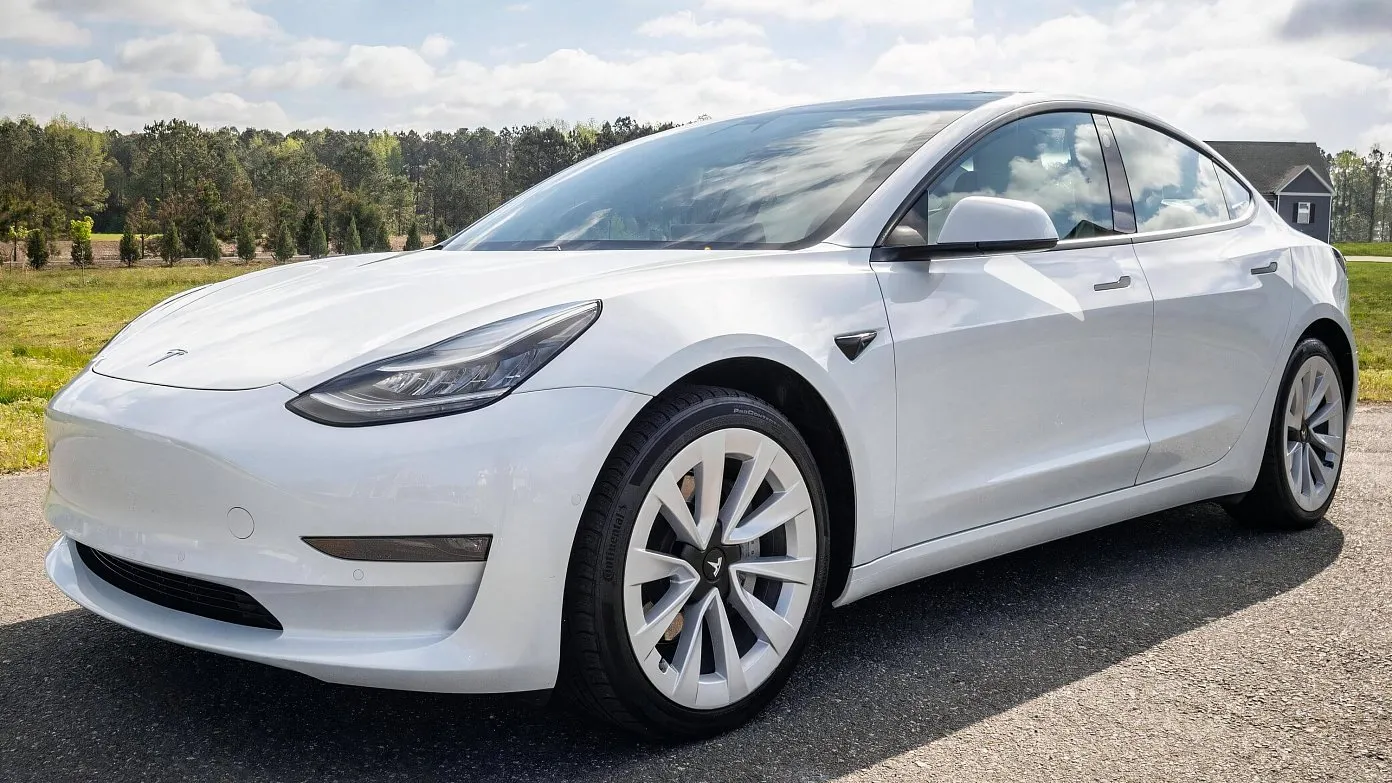
Electric vehicles have redefined the way we approach personal transportation. Beyond cutting tailpipe emissions, some EV manufacturers focus on sustainability from the ground up, considering how materials are sourced, how production energy is used, and how supply chains impact the environment.
These efforts address not only the vehicle’s operation but the ecological footprint embedded in its creation. For consumers committed to environmental responsibility, evaluating how a car is made can be as important as evaluating its range or charging speed.
Sustainable production involves ethically mined raw materials, reduced carbon emissions during assembly, renewable energy use, and recycling strategies that extend the lifespan of components. Automakers integrating these practices demonstrate that innovation and ethics can coexist, delivering products that align with a greener lifestyle.
The following list highlights ten electric vehicles whose manufacturers have emphasized sustainable methods without sacrificing design, performance, or safety. Each model showcases a different approach, from clean energy-powered factories to extensive use of recycled materials and circular manufacturing processes.
By choosing one of these vehicles, drivers not only reduce emissions on the road but also contribute to production practices that respect natural resources and future generations.
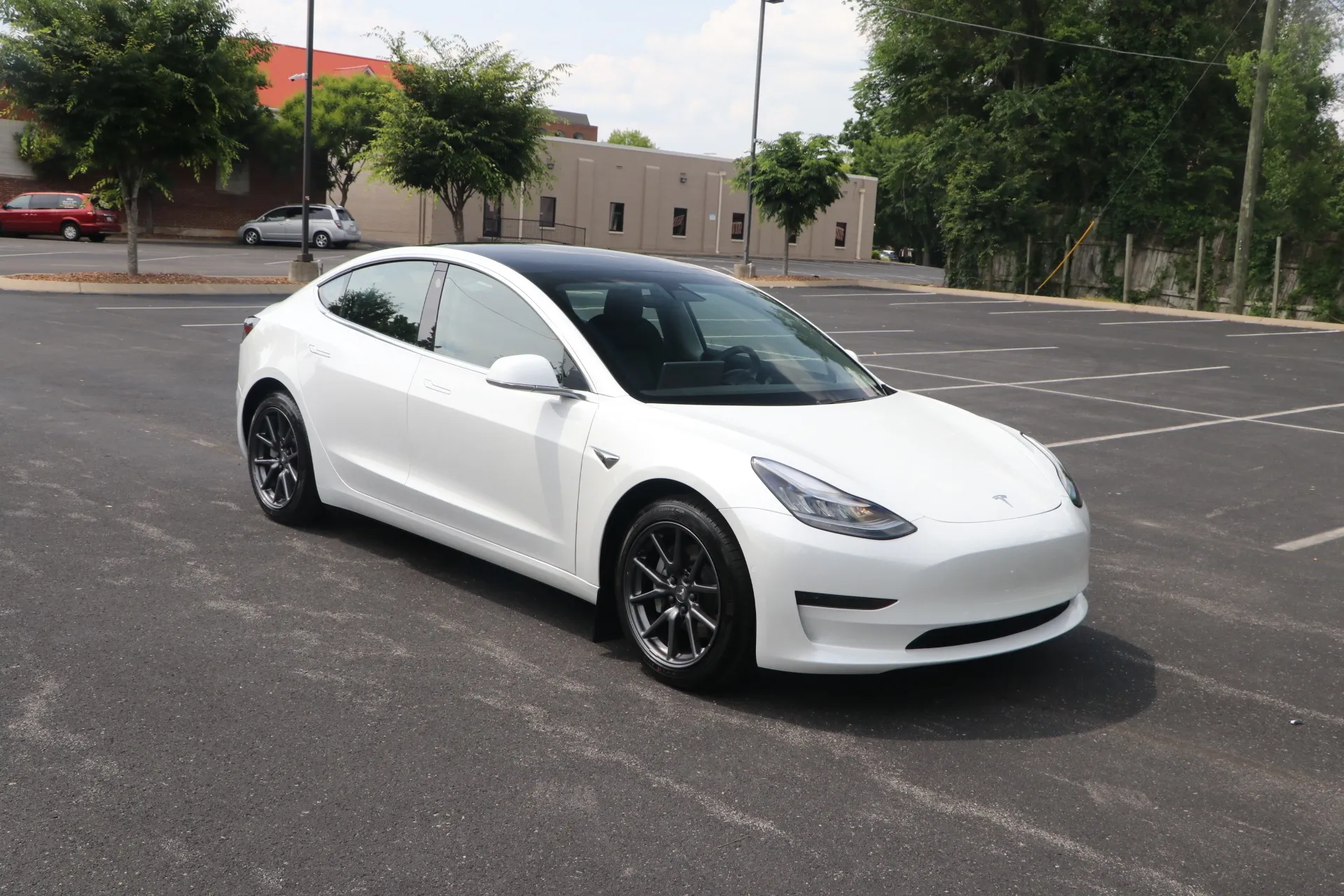
1. Tesla Model 3 Standard Range Plus
Tesla’s Model 3 Standard Range Plus has become a benchmark for modern EV production, integrating sustainability initiatives directly into its manufacturing process. The factory in Fremont, California, draws increasingly on renewable energy sources, while recent expansions include solar power and battery storage systems designed to offset facility consumption.
Using recycled aluminum and steel in body panels lowers the carbon intensity of materials without compromising strength or performance. Battery production also demonstrates a commitment to sustainability. Tesla has focused on reducing cobalt content in lithium-ion cells, minimizing environmental and ethical concerns associated with mining.
Cell assembly processes are optimized for energy efficiency, with reduced waste and integrated recycling methods that recover metals from older or defective units. This approach ensures that as production scales, the environmental footprint does not increase proportionally.
The Model 3’s design supports circularity. Components are modular, allowing easier disassembly for repairs or recycling. Interior materials include responsibly sourced textiles, and synthetic alternatives reduce reliance on animal products. Paint processes use low-VOC coatings, and water consumption in finishing has been carefully managed to reduce operational impact.
Operational efficiency complements sustainable production. Lightweight construction enhances energy economy during use, helping to extend driving range while decreasing total lifecycle emissions. While Tesla’s network of Superchargers still relies on the energy grid, solar-powered charging stations are expanding, providing an increasingly low-carbon charging solution.
Consumer transparency is a defining feature. Tesla provides detailed information about sourcing, production improvements, and recycling programs, allowing buyers to make informed decisions.
The Model 3 Standard Range Plus exemplifies how a high-volume EV can combine affordability, performance, and production responsibility, creating a vehicle that supports both daily mobility and environmental stewardship.
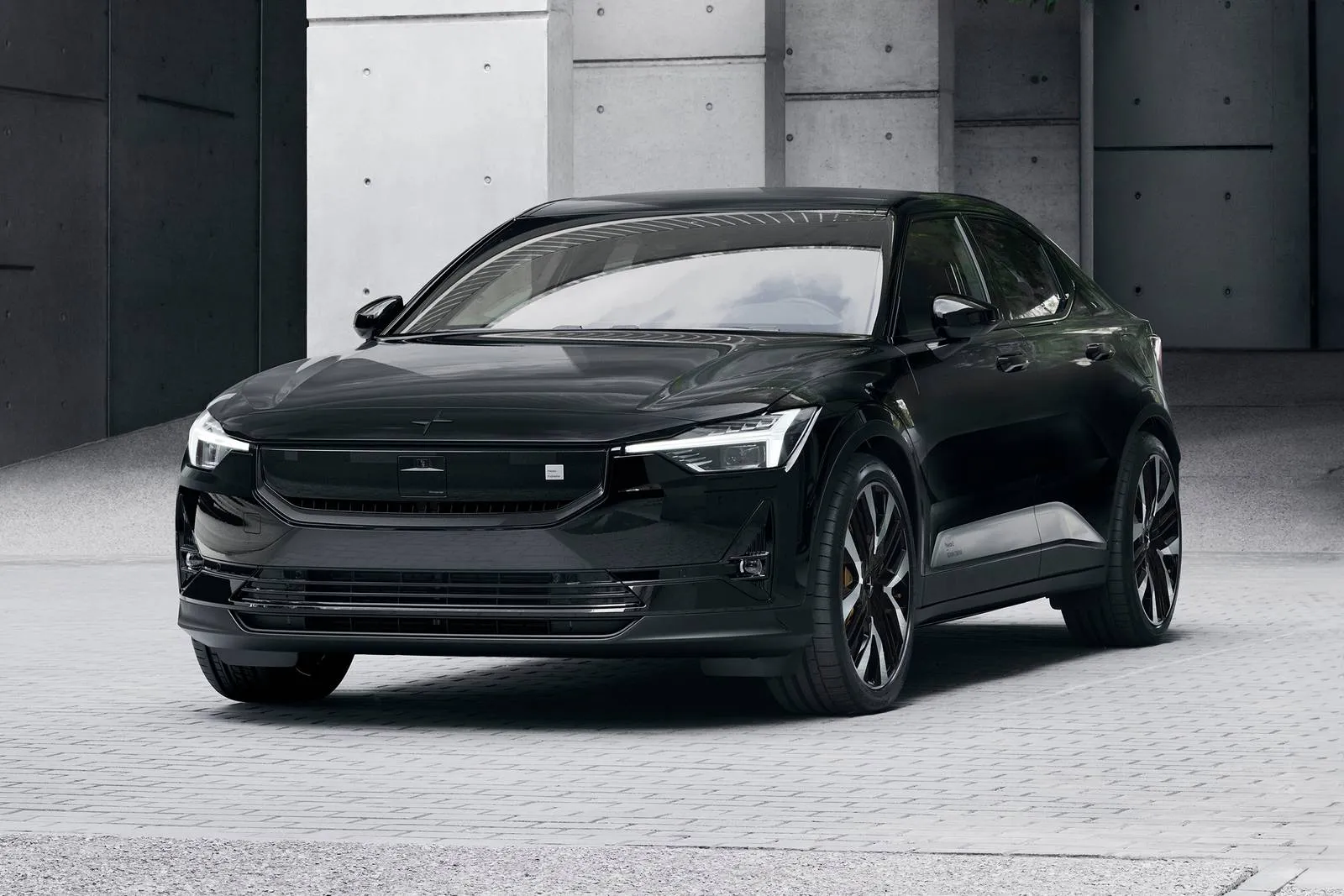
2. Polestar 2 Long Range Dual Motor
Polestar’s 2 Long Range Dual Motor shows that sustainable production can coexist with performance-oriented electric driving. The vehicle’s aluminum-intensive architecture reduces weight and improves energy efficiency while incorporating recycled materials wherever possible.
Polestar has set ambitious targets to ensure that all new vehicles achieve a net climate-neutral impact by mid-decade, including sourcing of raw materials, energy usage during assembly, and end-of-life recycling. The Swedish automaker relies heavily on renewable energy for its production facilities.
Factories in Europe run primarily on hydropower and wind energy, limiting emissions generated during assembly. Battery packs are produced under strict environmental standards, with supply chains monitored to ensure ethical sourcing of lithium, nickel, and cobalt. These efforts reflect a commitment to social as well as ecological responsibility.
Interior elements emphasize sustainable materials. Vegan leather alternatives and recycled plastics are used in seats, trim, and insulation. Polestar also prioritizes low-impact paint coatings and water-saving finishing techniques, minimizing industrial environmental impact.
Modular component design allows for easy refurbishment, helping to extend the car’s lifecycle and reduce waste. Polestar 2 supports transparency through digital documentation of carbon footprint. Buyers can understand the environmental cost of each component and see how design choices influence sustainability.
Lightweight construction and aerodynamics enhance operational efficiency, reducing electricity consumption per mile. These vehicles perform as EVs without compromising comfort or safety, all while maintaining a conscientious production process.
The combination of renewable energy use, responsible materials, and circular design makes the Polestar 2 Long Range Dual Motor an example of modern EV manufacturing that prioritizes environmental responsibility from the factory floor to the open road.
Also Read: 10 Used EVs Sitting on Dealer Lots And Why They’re Actually Great Buys
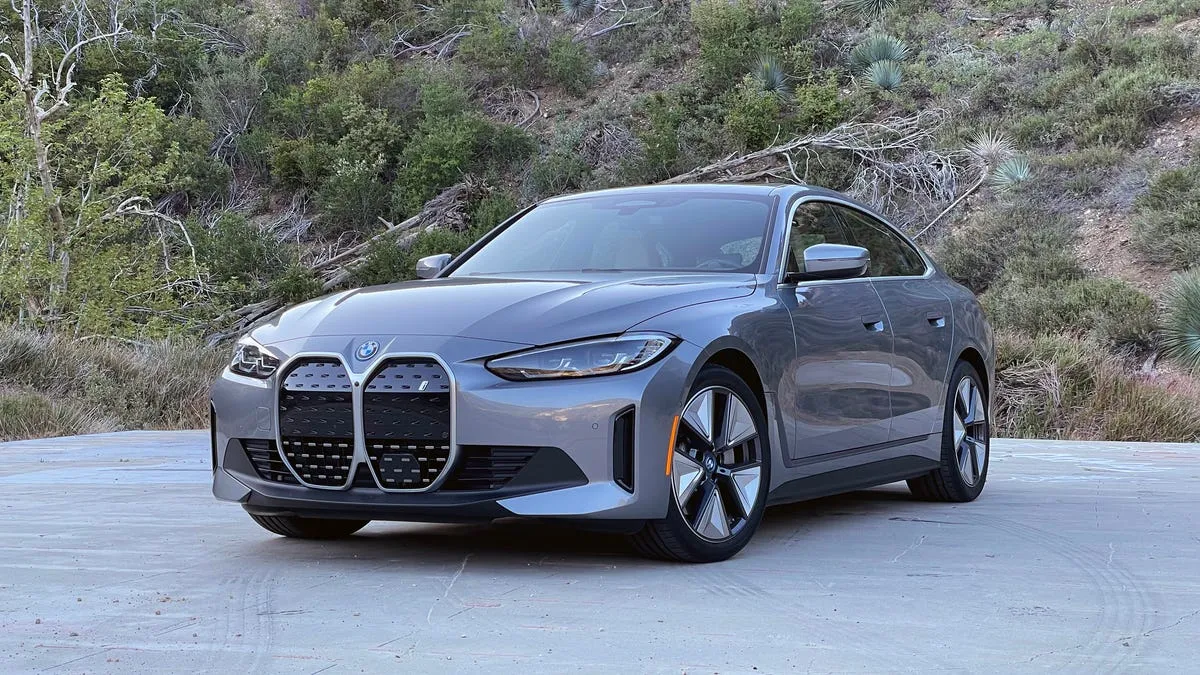
3. BMW i4 eDrive40
BMW’s i4 eDrive40 merges traditional luxury with a forward-thinking commitment to sustainable production. The automaker’s Leipzig plant, where this EV is assembled, utilizes renewable electricity generated by solar and wind installations, along with on-site energy storage systems to manage peaks and reduce grid dependence.
Modular production methods reduce waste, and extensive water and energy recycling systems decrease the environmental footprint of assembly lines. Sustainable materials are central to the i4’s design. Seats incorporate recycled textiles and responsibly sourced leather alternatives.
Aluminum and steel components use recycled content, reducing emissions associated with primary material production. Battery packs are manufactured in facilities with low-carbon energy, and cobalt reduction programs minimize reliance on ethically problematic sources.
Interior and finishing processes reflect careful planning. Paint shops use water-based paints to reduce volatile organic compounds. Digital monitoring ensures precise application, minimizing overspray and chemical waste. Assembly line robotics optimizes energy use while maintaining quality, demonstrating that efficiency and craftsmanship can coexist.
Vehicle performance complements production choices. Lightweight construction, optimized aerodynamics, and efficient eDrive motors extend driving range while lowering operational energy consumption. BMW’s battery recycling programs allow forthe recovery of metals and materials at the end of life, integrating circular principles into the full lifecycle.
BMW communicates these practices transparently, allowing buyers to understand the environmental impact of their purchase. i4 eDrive40 combines dynamic driving characteristics with responsible manufacturing, making it a compelling choice for eco-conscious buyers who still value performance and luxury.
4. Lucid Air Pure
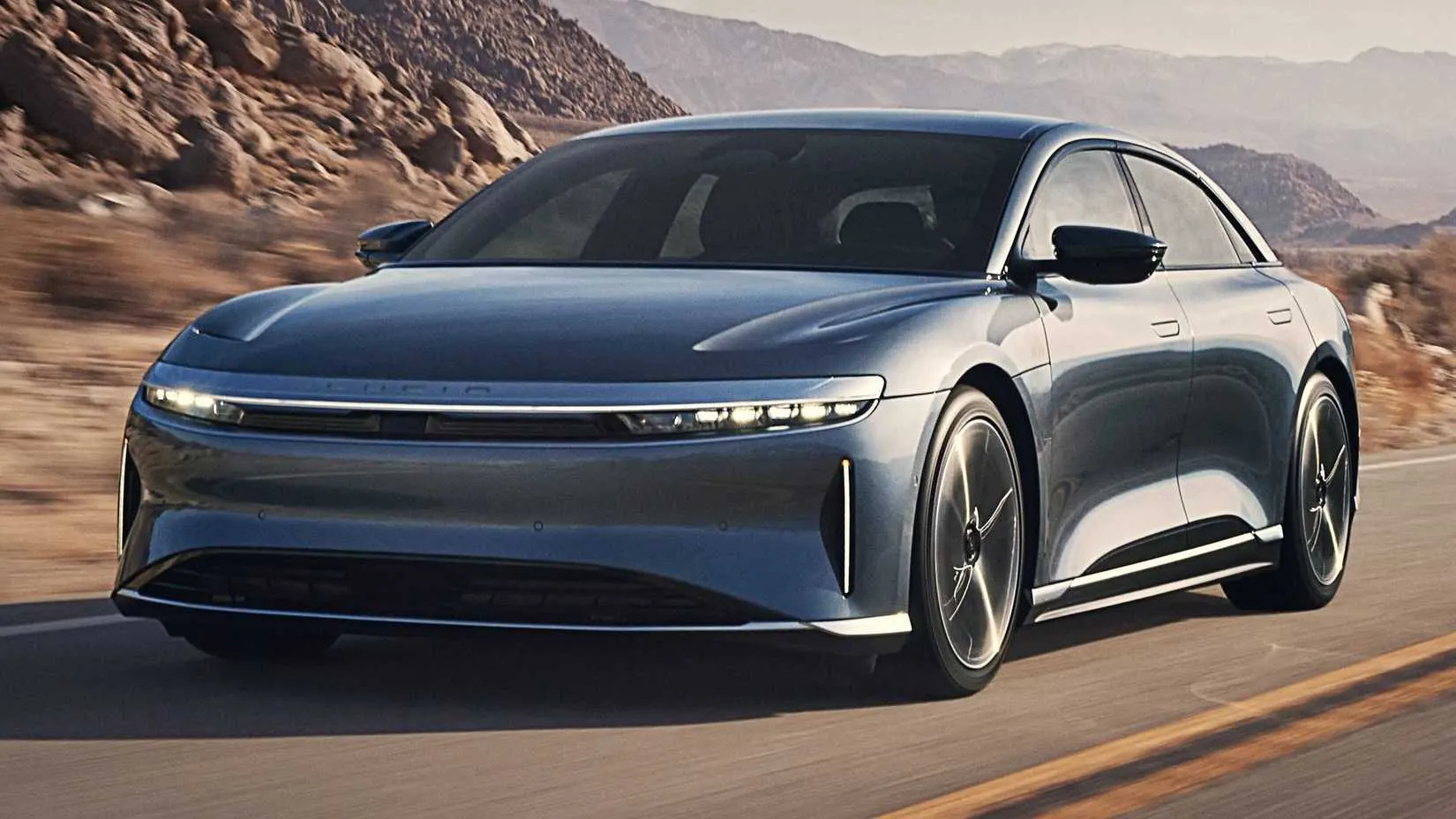
Lucid Air Pure represents a refined approach to electric vehicle manufacturing, with sustainability embedded in each stage of its production process. The company’s manufacturing facility in Casa Grande, Arizona, operates with a strong commitment to renewable electricity.
Solar power installations and energy storage systems support daily operations, reducing reliance on fossil fuel-generated electricity. Through this deliberate energy strategy, the plant maintains lower carbon emissions while sustaining high standards of precision engineering and output consistency.
Construction of the Lucid Air Pure emphasizes lightweight aluminum architecture. Recycled aluminum alloys are incorporated into the body structure, which reduces the environmental impact associated with primary metal extraction.
This approach supports both environmental responsibility and vehicle performance, as reduced weight contributes to improved driving efficiency and extended range. Careful material selection ensures durability without unnecessary resource consumption, demonstrating that structural integrity and sustainability can coexist within a luxury electric sedan.
Battery development reflects similar priorities. Lucid engineers its battery systems to maximize energy density while reducing dependence on materials associated with higher environmental impact. Durability is central to the design philosophy, as longer battery life reduces the frequency of replacement and lowers lifetime resource use.
Automated assembly processes within the battery production line limit waste generation and enhance quality control. At the end of a battery’s service life, recovery programs are structured to reclaim valuable metals, supporting responsible material circulation rather than disposal.
Interior craftsmanship balances elegance with environmental awareness. Upholstery options include vegan leather alternatives and textiles developed from recycled inputs. Plastics used within the cabin incorporate post-consumer materials, while trim elements are selected with sustainability criteria in mind.
Water-conserving paint technologies and low-emission finishing systems reduce industrial resource consumption and air pollutants during production. Energy-efficient climate systems within the vehicle further complement the sustainability objectives established during manufacturing.
Aerodynamic design contributes meaningfully to energy conservation. The Lucid Air Pure features a streamlined profile that lowers drag, allowing drivers to extract maximum range from each charge. High-efficiency powertrain engineering ensures that the renewable energy invested during production is matched by efficient use throughout the vehicle’s operational life.
Lucid also provides transparency by communicating carbon footprint data associated with each model, enabling informed purchasing decisions. Through renewable-powered manufacturing, recycled structural materials, advanced battery durability, and environmentally responsible interior design, Lucid Air Pure demonstrates that luxury electric mobility can align with responsible industrial practice.
Its integration of performance, craftsmanship, and disciplined resource management offers a compelling option for consumers seeking environmental accountability alongside technological sophistication.
5. Rivian R1T Adventure Package
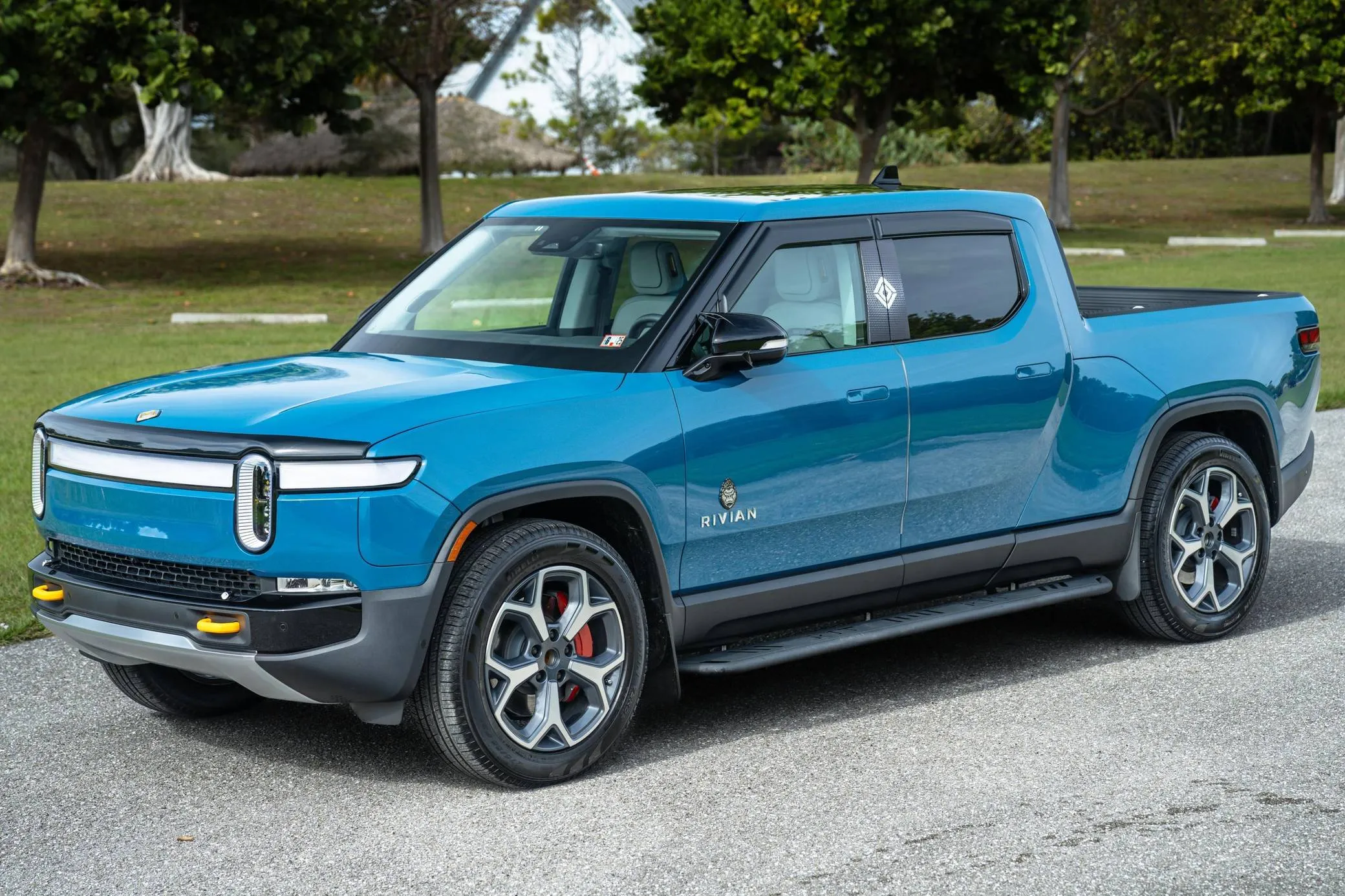
Rivian R1T Adventure Package introduces sustainability into the electric pickup segment with a structured and carefully monitored production strategy. Manufacturing takes place in Normal, Illinois, where renewable energy procurement forms a central component of factory operations.
Solar installations and clean electricity sourcing reduce greenhouse gas emissions linked to assembly activities. Water recycling systems are integrated within the facility, allowing process water to be treated and reused, thereby lowering consumption levels while maintaining operational efficiency.
Material selection for the R1T prioritizes reduced environmental impact without compromising durability. Aluminum-intensive construction incorporates recycled content, decreasing the emissions associated with raw material extraction.
Structural components are engineered for strength and longevity, extending vehicle lifespan and limiting the need for premature replacement. Production lines employ advanced automation to minimize material waste and ensure consistent assembly standards.
Battery packs within the R1T Adventure Package are developed with strict sourcing guidelines. Suppliers of lithium, nickel, and cobalt are required to meet environmental and labor standards that promote responsible extraction practices.
Manufacturing efficiency reduces scrap materials, and quality assurance systems identify defects early in the production cycle, preventing unnecessary resource loss. At the end of service life, battery recycling programs aim to recover valuable metals for reintegration into future production cycles.
Interior design reflects a balance between rugged functionality and environmental consciousness. Vegan leather alternatives, recycled plastics, and responsibly sourced wood trim elements create a cabin suited for outdoor-oriented drivers while maintaining ecological responsibility.
Paint operations rely on water-based coatings to reduce volatile organic compound emissions. Solvent usage within assembly processes is minimized, supporting cleaner air quality inside the facility and in surrounding communities.
Performance engineering aligns with sustainable objectives. Lightweight materials enhance driving range, while optimized power management systems distribute energy efficiently across the vehicle’s four motor configuration.
Regenerative braking captures energy during deceleration, improving efficiency in daily driving conditions. Rivian demonstrates that an electric pickup can deliver utility, towing capability, and comfort while maintaining disciplined resource management throughout production.
Rivian R1T Adventure Package stands as evidence that environmental responsibility and capability are not mutually exclusive. Through renewable-powered manufacturing, ethical material sourcing, durable construction, and circular battery recovery strategies, the vehicle provides consumers with a robust electric truck grounded in accountable industrial practice and long term environmental consideration.
6. Audi e-tron GT quattro
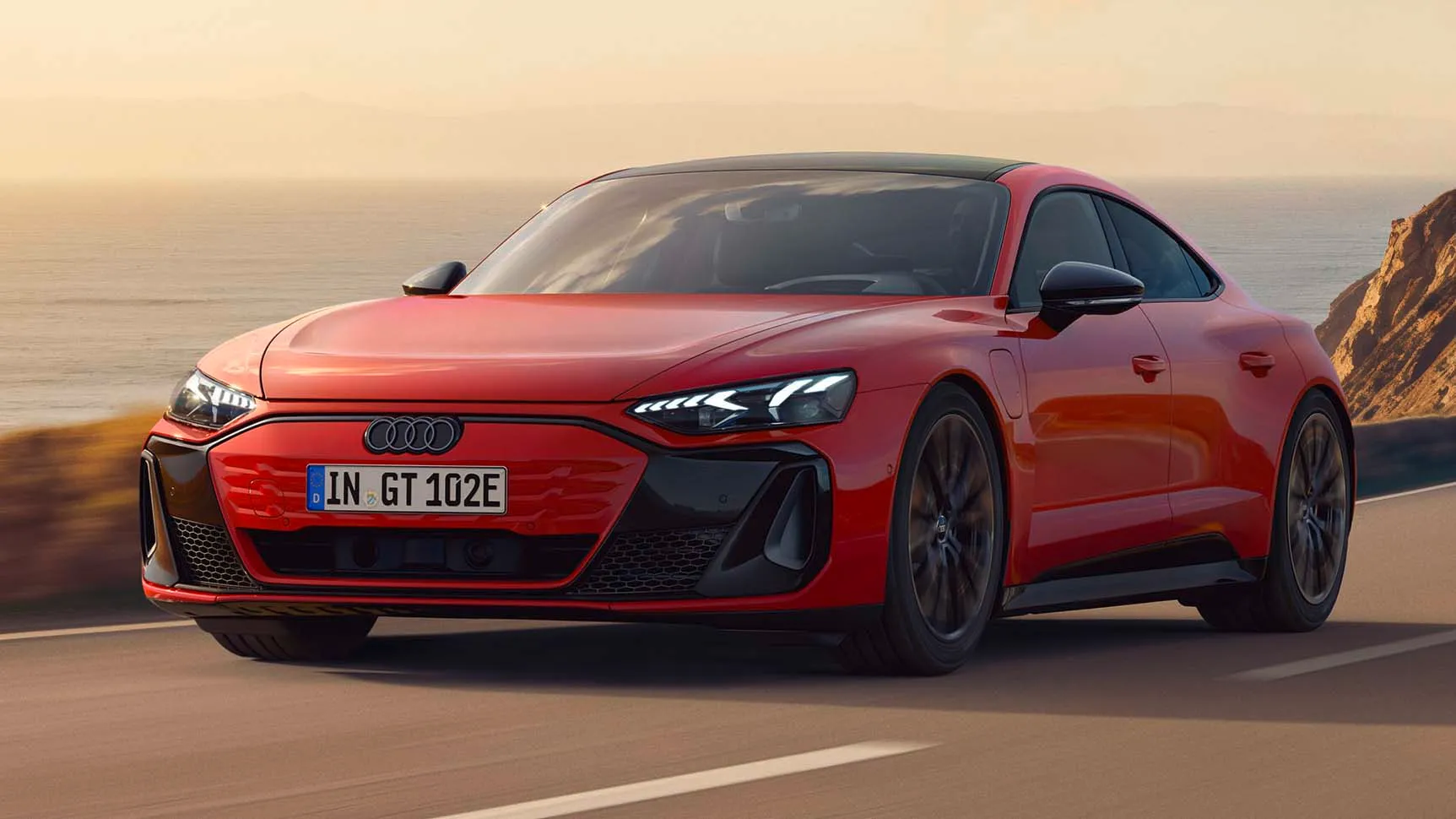
Audi’s e-tron GT quattro demonstrates how performance and sustainability can converge in a high-end electric vehicle. Production occurs at Audi’s Böllinger Höfe facility in Germany, which runs on renewable energy sourced primarily from wind and solar.
Assembly processes have been optimized to reduce waste, and water usage is carefully monitored to minimize industrial impact. Every stage of production prioritizes energy efficiency without compromising build quality or precision.
The battery system combines high energy density with ethical sourcing standards. Lithium and nickel are obtained through suppliers committed to environmental and social responsibility, while cobalt content is minimized to reduce ecological and ethical concerns.
Battery assembly incorporates automated systems that limit material waste and enhance consistency, while recycling protocols ensure that metals and components can be recovered at the end of the vehicle’s life cycle.
Interior design emphasizes both luxury and ecological responsibility. Leather alternatives, recycled textiles, and responsibly sourced wood accents create an elegant cabin. Low-emission paints and water-based coatings reduce volatile compounds released during finishing.
Panels and modular components are engineered for longevity, enabling repairs or refurbishment instead of complete replacement, which further reduces environmental impact. Dynamic performance does not compromise efficiency. Lightweight aluminum and composite structures lower vehicle weight, enhancing range while reducing energy consumption.
Aerodynamic design reduces drag, and regenerative braking recovers energy, extending driving efficiency. Operational efficiency complements the careful attention to production methods, producing a vehicle that is conscious of energy use at every stage.
Audi also provides transparency through lifecycle assessments. Prospective buyers can access detailed data about the vehicle’s carbon footprint from material sourcing to assembly, fostering informed decisions. The e-tron GT quattro illustrates that a luxury performance EV can maintain environmental integrity in its construction while delivering powerful acceleration and responsive handling.
This combination of renewable energy use, recycled materials, modular design, and ethical sourcing positions the e-tron GT quattro as a leading option for buyers seeking an electric car that aligns with sustainable production values.
Its blend of style, engineering excellence, and eco-conscious practices makes it an attractive choice for environmentally minded drivers who refuse to compromise on performance or comfort.
7. Ford Mustang Mach-E California Route 1
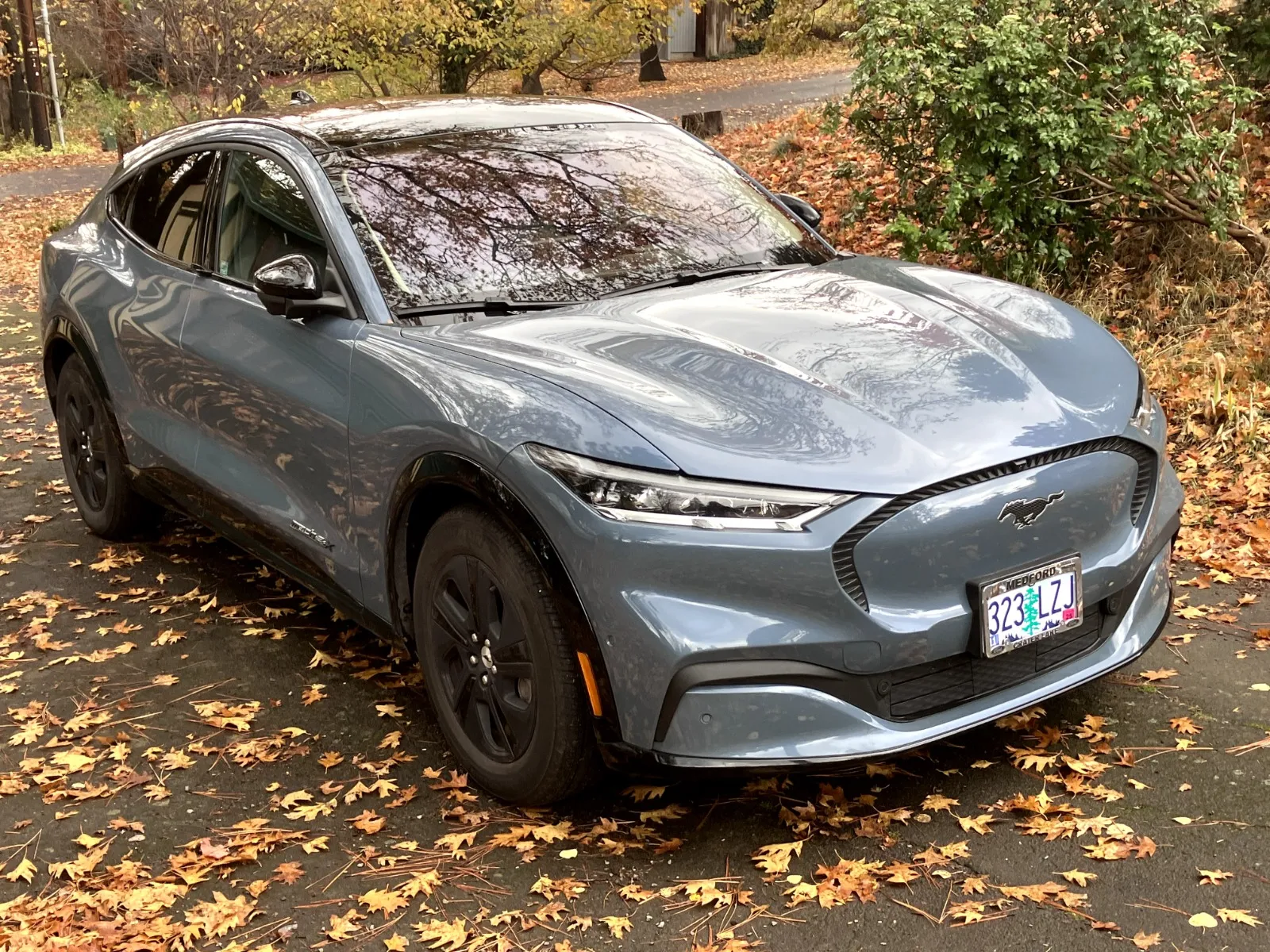
The Ford Mustang Mach-E California Route 1 highlights how a high-volume EV manufacturer can integrate sustainable production methods. Ford’s assembly plants utilize renewable electricity from solar and wind, paired with energy storage systems to optimize usage.
Water management in paint and finishing lines is tightly controlled to reduce consumption, and low-emission coatings minimize the environmental footprint of surface treatments. Battery production follows strict ethical standards. Lithium and nickel sourcing adheres to supplier codes of conduct, reducing the environmental and social impact of extraction.
Manufacturing efficiency reduces scrap, and end-of-life recycling programs recover valuable metals, ensuring circularity. Cells are designed for durability, extending usable life and minimizing the need for early replacement.
Interior features use recycled and vegan materials wherever possible. Upholstery, trim, and insulation materials are selected to reduce reliance on primary resources while maintaining comfort and style. Modular design allows replacement of individual components without extensive disassembly, lowering the total environmental cost of repairs.
Performance and efficiency remain intertwined. Lightweight construction enhances driving range, while aerodynamic styling reduces energy use. Advanced regenerative braking systems capture energy during deceleration, further supporting sustainable operation.
Ford provides transparency through carbon footprint reporting for each model. Buyers gain insight into material sourcing, factory energy use, and the environmental impact of battery production. The Mach-E California Route 1 balances driving enjoyment, long-range capability, and sustainable manufacturing practices, demonstrating that mass-market EVs can meet eco-conscious standards without compromising daily usability or technology features.
Consumers benefit from an electric SUV that aligns with environmentally responsible production practices while delivering Mustang-inspired driving dynamics. Ford has successfully merged performance, technology, and conscientious manufacturing, making the Mach-E California Route 1 a compelling choice for buyers focused on sustainability.
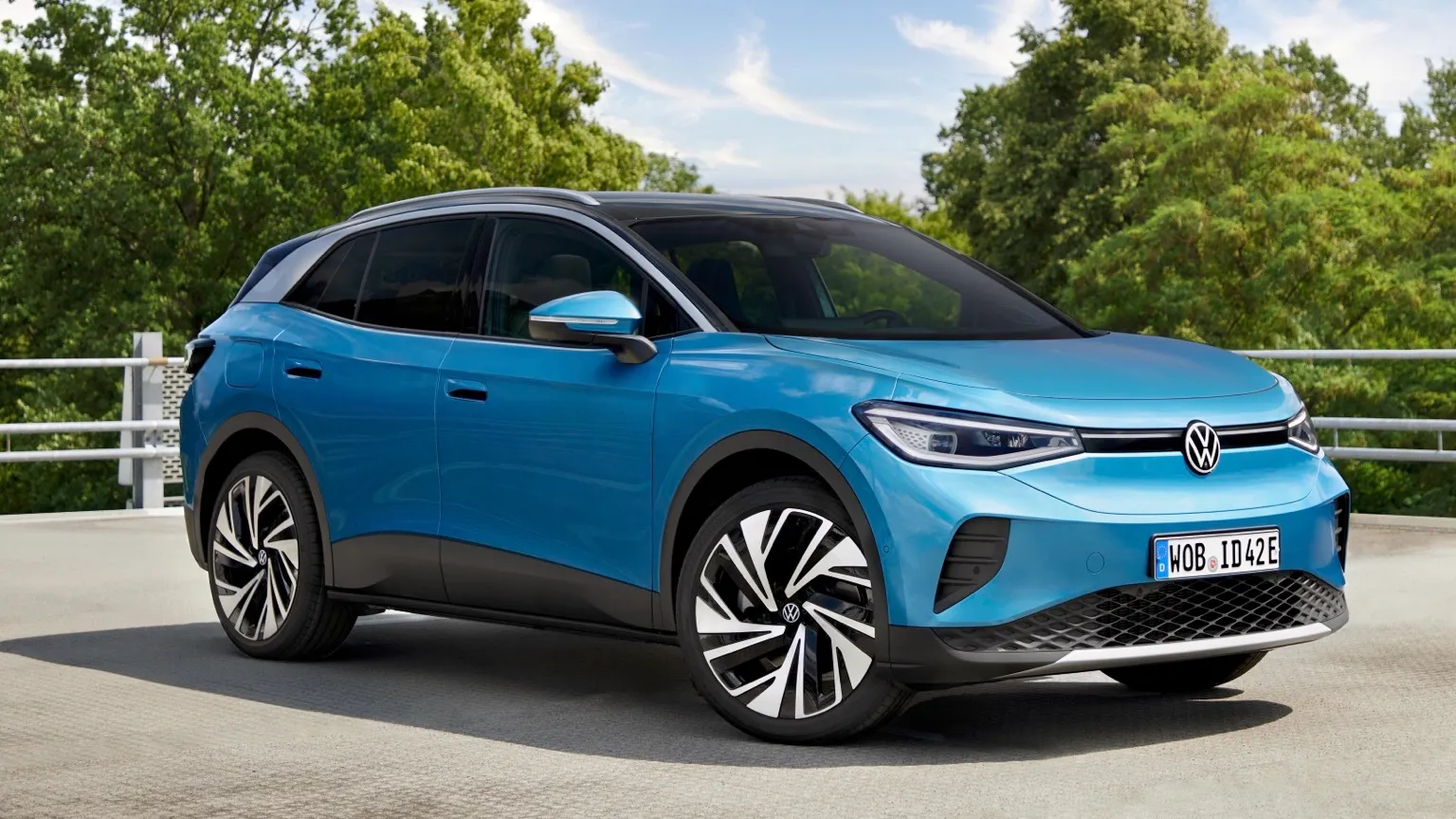
8. Volkswagen ID.4 Pro
Volkswagen’s ID.4 Pro showcases sustainable production as a core priority in a mainstream electric SUV. Factories producing this model in Germany are powered primarily by renewable energy, including solar, wind, and hydropower.
Waste reduction strategies and water recycling systems in assembly operations reduce industrial environmental impact while maintaining manufacturing precision. Battery sourcing emphasizes low environmental and ethical risks. Nickel and lithium suppliers are carefully vetted, and cobalt content is minimized.
Battery assembly incorporates automated processes that decrease material waste and improve quality control. End-of-life recycling programs reclaim metals and reduce landfill use, supporting a circular lifecycle approach.
Interior materials reinforce ecological commitment. Vegan leather, recycled plastics, and responsibly sourced textiles combine to create a functional, comfortable cabin. Paint and finishing systems rely on water-based coatings, limiting emissions of volatile organic compounds. Component modularity allows individual parts to be replaced rather than discarded, extending the vehicle’s lifespan.
The ID.4 Pro’s design supports energy efficiency through aerodynamic shaping, lightweight components, and regenerative braking technology. Operational efficiency reduces electricity consumption and complements the responsible approach taken during production.
Volkswagen provides lifecycle carbon reporting to enhance transparency. Buyers can understand the environmental impacts associated with material sourcing, assembly, and vehicle operation. The ID.4 Pro balances practicality, performance, and environmental stewardship, offering a mainstream EV option that aligns with sustainable production practices while delivering everyday usability, range, and comfort.
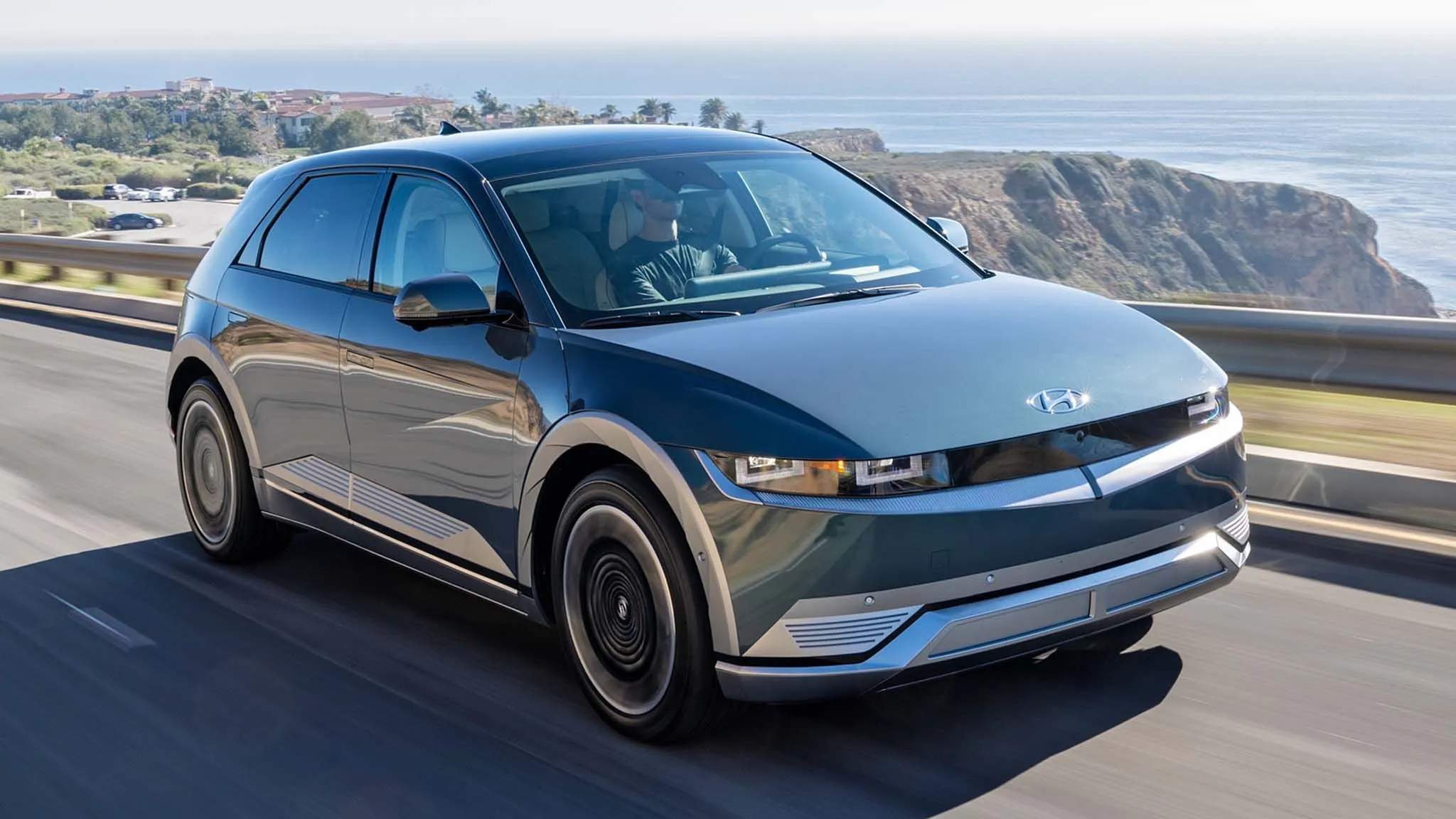
9. Hyundai Ioniq 5 Long Range
Hyundai’s Ioniq 5 Long Range integrates sustainable production practices with innovative design and cutting-edge technology. Its factory in Ulsan, South Korea, relies extensively on renewable energy sources, reducing emissions during assembly. Efficient material handling and water recycling systems further decrease the ecological impact of production while supporting high-quality build standards.
Battery packs are produced with ethical sourcing protocols, including reduced cobalt content and careful monitoring of lithium and nickel suppliers. Automated assembly processes minimize waste, and end-of-life recovery systems allow battery components to be reused or recycled efficiently.
Interior features use recycled plastics, vegan leather alternatives, and low-impact textiles. Modular construction allows parts to be repaired or replaced individually, reducing waste while prolonging vehicle lifespan. Paint and finishing operations employ water-based coatings, limiting volatile emissions and conserving water resources.
The vehicle’s energy efficiency enhances the impact of responsible production. Aerodynamic design, lightweight materials, and regenerative braking all contribute to lower operational energy demand. Hyundai communicates carbon footprint data to buyers, providing insight into the environmental cost of production and enabling informed decisions.
Ioniq 5 Long Range demonstrates that eco-conscious manufacturing can coexist with advanced features, long-range capability, and modern aesthetics. Its combination of renewable energy use, recycled materials, and modular design provides a compelling example of sustainable EV production for consumers who value transparency, environmental responsibility, and innovation.
Also Read: Top 10 EVs Launching in 2026 With the Most Realistic Range Claims
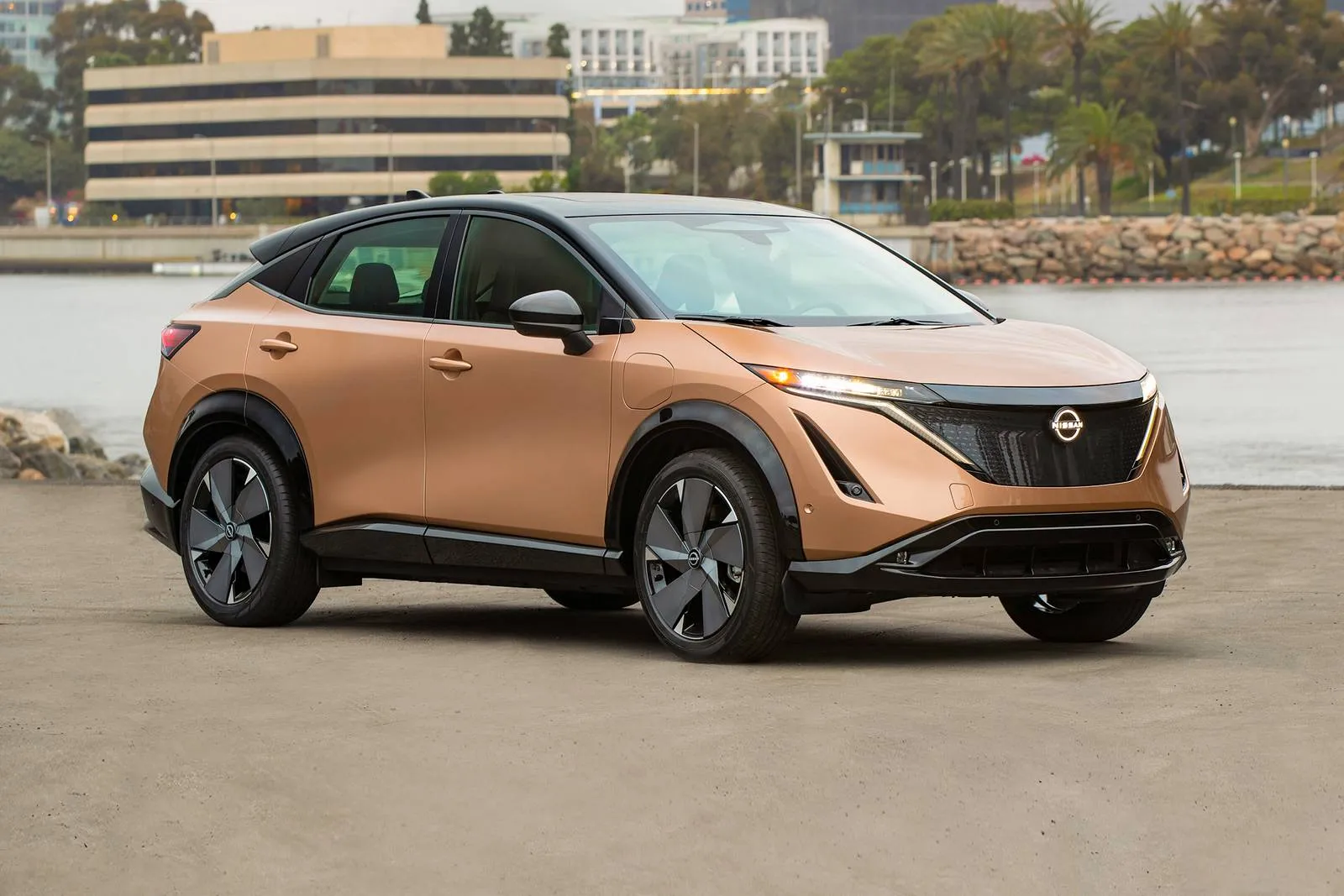
10. Nissan Ariya Platinum+
The Nissan Ariya Platinum+ represents a holistic approach to sustainable EV production. The factory uses renewable electricity sources, including wind and solar, combined with energy storage systems to reduce grid dependence.
Manufacturing operations incorporate water recycling and waste reduction strategies, which limit environmental impact without compromising quality or precision. Battery production adheres to strict ethical and environmental guidelines.
Materials such as lithium, nickel, and cobalt are sourced responsibly, with cobalt content minimized to reduce ecological and ethical concerns. Automated assembly ensures efficient energy use and low material waste, while end-of-life recycling programs recover metals and extend component usability.
Interior materials combine comfort with sustainability. Recycled plastics, vegan leather alternatives, and responsibly sourced textiles provide a modern cabin without reliance on virgin resources. Modular construction allows individual parts to be replaced or refurbished, extending vehicle longevity and reducing ecological burden.
Aerodynamic design, lightweight materials, and regenerative braking optimize energy consumption during operation. Transparent carbon reporting enables buyers to understand production impacts, from material sourcing to assembly.
Nissan Ariya Platinum+ demonstrates that luxury, performance, and environmental responsibility can coexist in a single package. Its careful attention to sustainable production practices ensures that drivers contribute to responsible EV adoption while enjoying modern comfort, technology, and driving range.
