
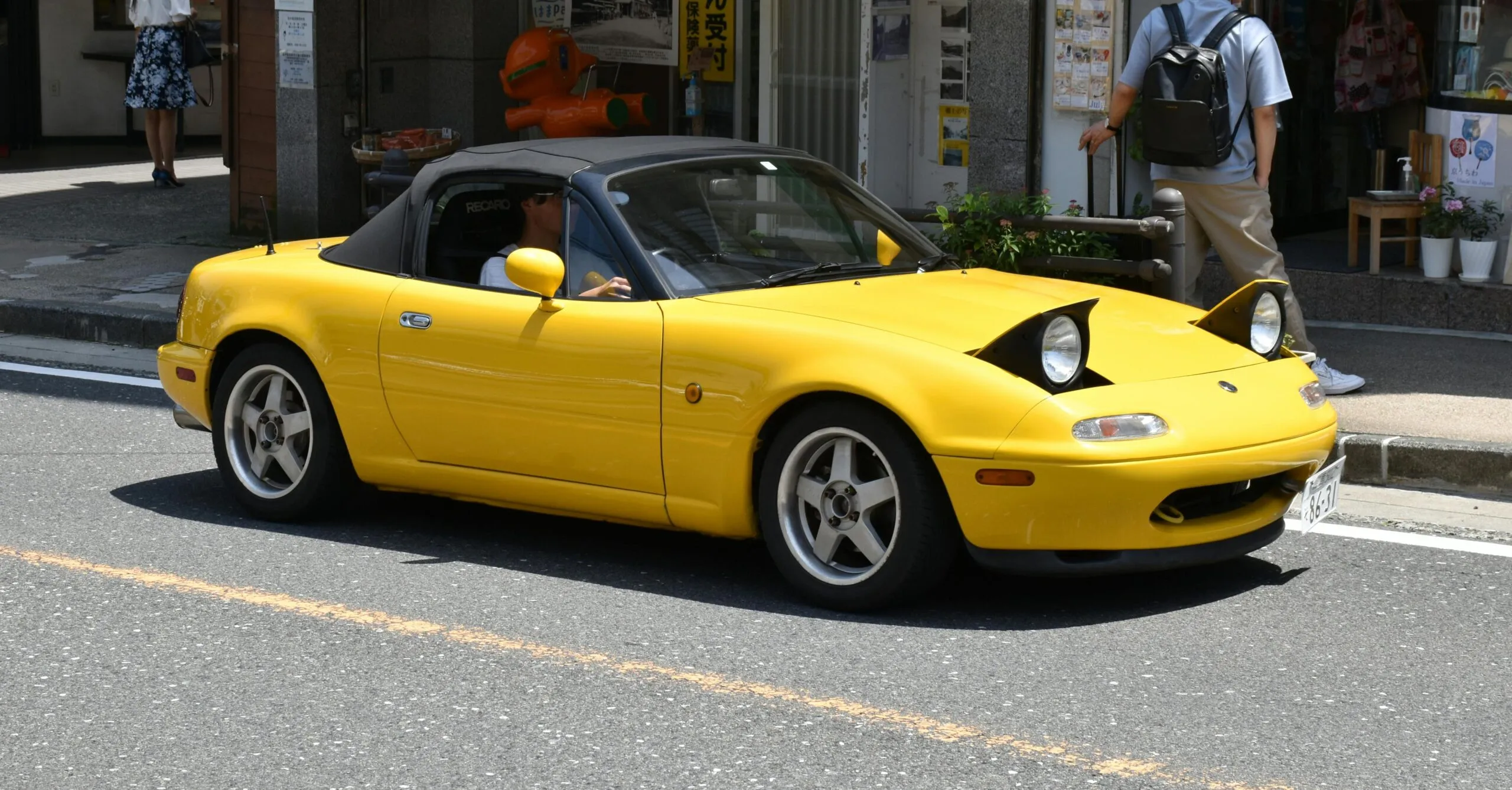
Owning a classic car is not reserved for auction houses and six-figure bank accounts. A smart first purchase can open the door to a rewarding hobby without draining your savings. The right car offers character, history, and mechanical simplicity, all while remaining within reach for someone just starting out.
Building a collection does not require chasing rare exotics. It starts with understanding which models offer strong enthusiast support, accessible parts, and a driving experience that feels special even decades later. Affordability matters, yet so does long-term enjoyment. A good starter classic should be fun to own, reasonable to maintain, and respected within the enthusiast community.
Timing also plays a role. Certain cars sit at the sweet spot between depreciation and collector demand. They are old enough to carry nostalgia but not so rare that prices have soared beyond reach. Choosing wisely can mean enjoying your car today while watching its value hold steady.
Presented below are ten affordable classics that strike a balance between character and cost. Each one brings something different to the table, whether it is styling, performance, or cultural impact. If you have been thinking about starting a collection, this list will help you make that first confident move.
1. Mazda MX-5 Miata NA
Estimated price: $6,000 to $15,000
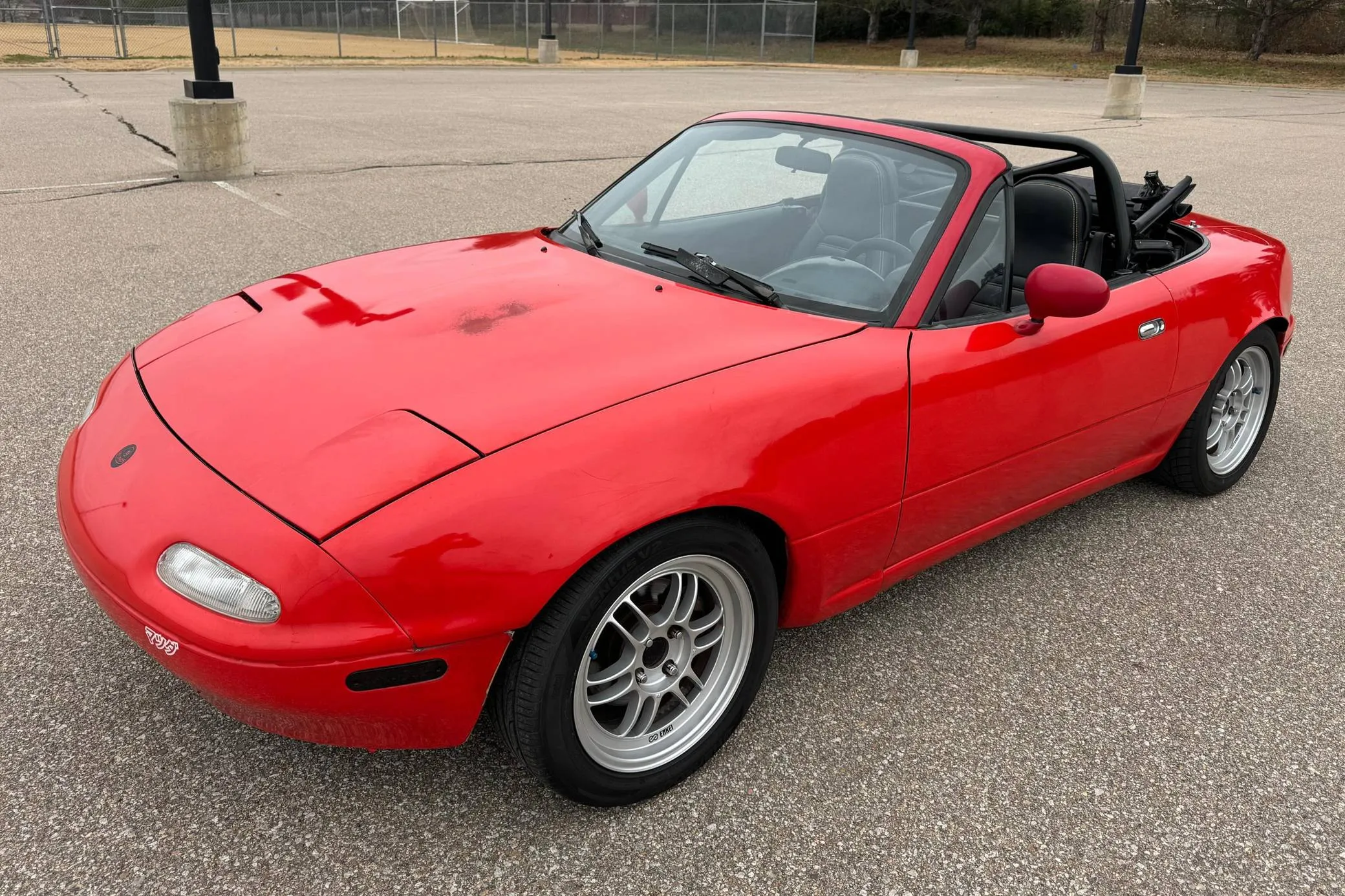
Few cars make a stronger case for affordable classic ownership than the first-generation Mazda MX-5 Miata NA. Introduced in 1989, this lightweight roadster revived the spirit of small British sports cars while delivering Japanese reliability. Its appeal lies in simplicity. Rear-wheel drive, balanced handling, and a manual transmission create an experience that feels pure and engaging.
Pop-up headlights give the NA Miata instant personality. That design detail alone has helped it become a favorite among younger collectors. Under the hood, a modest four-cylinder engine produces enough power to entertain without overwhelming new drivers. It is not about speed; it is about connection.
Parts availability remains excellent. Enthusiast communities provide guidance on restoration, upgrades, and troubleshooting. Insurance costs are usually manageable, and fuel efficiency is respectable for a classic. Those factors reduce the barriers to entry for first-time collectors.
Driving one on a winding road explains its popularity. Steering feels direct, gear changes are crisp, and the lightweight chassis responds eagerly. Even at moderate speeds, it delivers satisfaction. That accessibility makes ownership rewarding rather than intimidating.
Values have risen gradually, yet clean examples remain attainable compared to many vintage sports cars. For someone seeking a first collectible that combines charm, reliability, and strong community support, the Mazda MX-5 Miata NA stands as a smart and enjoyable starting point.
2. Ford Mustang GT Fox Body
Estimated price: $6,000 to $15,000
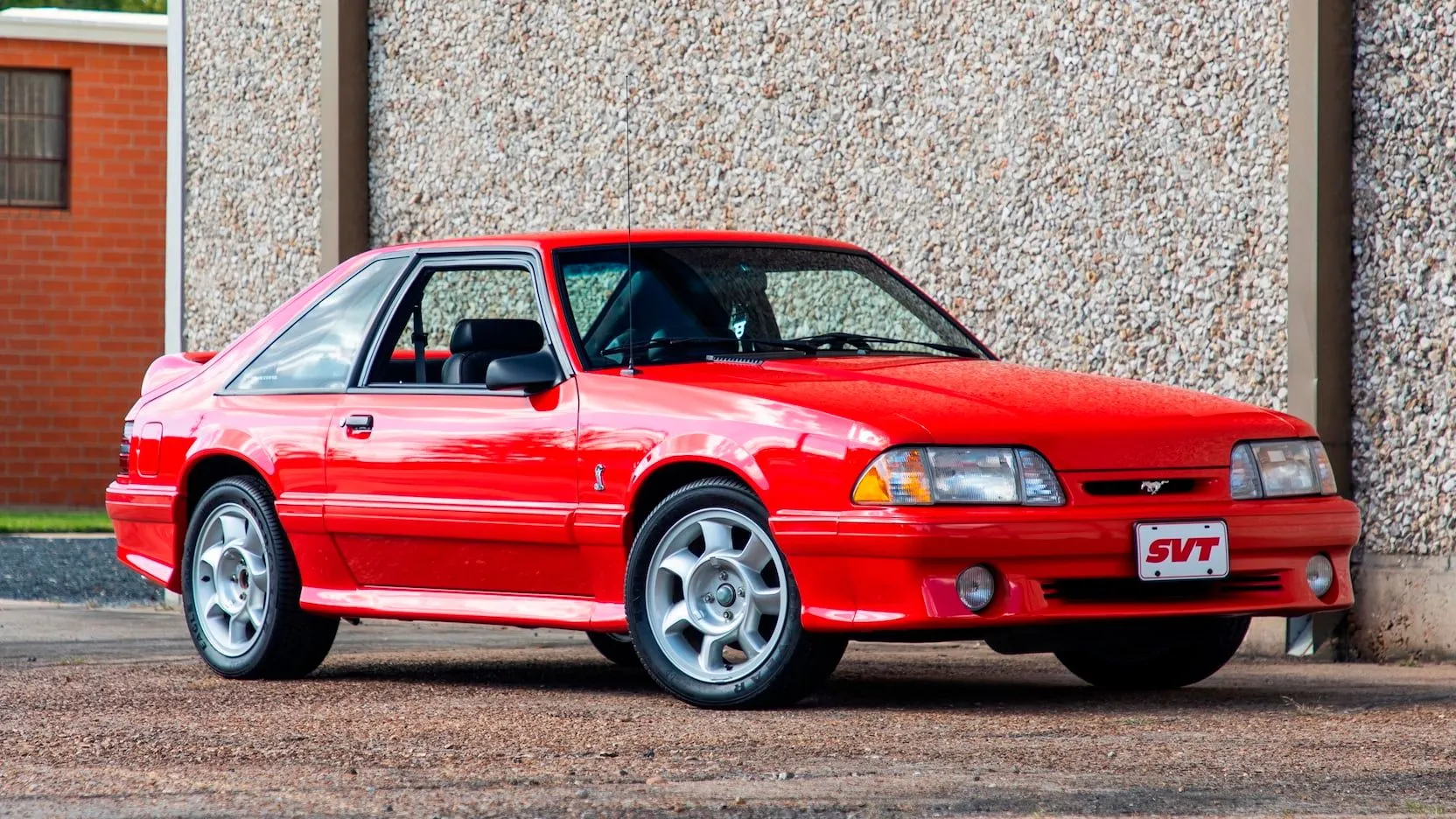
American muscle entered a transitional period during the late 1980s, and the Ford Mustang GT Fox Body emerged as a defining model of that era. Boxy styling, a throaty V8, and strong aftermarket support have turned this once-underappreciated car into a respected classic.
Powered by a 5.0-liter V8, the Fox Body Mustang GT delivers straightforward performance. Acceleration feels lively, and the exhaust note carries the unmistakable rumble associated with traditional muscle cars. Unlike earlier classics, this generation benefits from modernized components that improve drivability.
Affordability remains one of its strongest advantages. While pristine examples command higher prices, many solid drivers remain within reach for new collectors. Replacement parts are widely available and reasonably priced. Mechanical simplicity allows hobbyists to perform basic work at home.
Cultural relevance also adds appeal. The Fox Body Mustang appeared in movies, magazines, and street racing scenes throughout the 1990s. That visibility cemented its place in American car culture. Today, enthusiasts who grew up admiring these cars are entering the collector market, increasing demand.
Ownership offers flexibility. Some collectors preserve originality, while others enjoy tasteful modifications. Either approach finds support within the community. For those who appreciate V8 power and unmistakable styling without the cost of earlier muscle icons, the Ford Mustang GT Fox Body presents an accessible entry point into classic American performance.
Also Read: 10 American Classics That Are Still Affordable
3. BMW E30 3 Series
Estimated price: $8,000 to $20,000
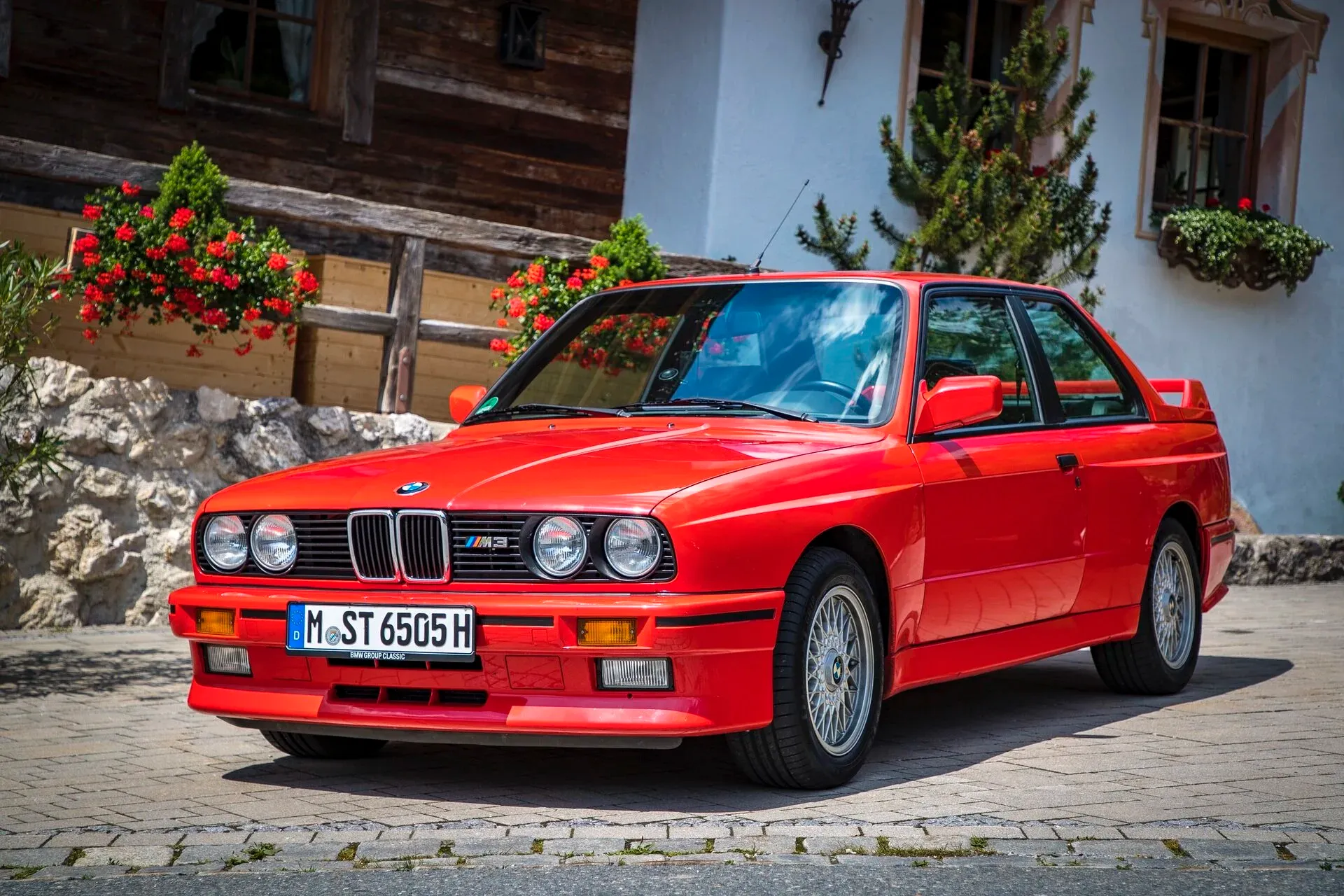
Compact proportions and balanced handling define the BMW E30 3 Series. Produced from the early 1980s through the early 1990s, this generation introduced many drivers to the brand’s driver-focused philosophy. Its clean lines and understated styling have aged gracefully.
Engine options ranged from efficient four-cylinders to smooth inline six units. While the high-performance M3 variant commands steep prices, standard models remain relatively affordable. That accessibility makes the E30 attractive to first-time collectors who want European heritage without excessive cost.
Behind the wheel, the E30 feels communicative. Steering feedback is precise, and chassis balance inspires confidence. Even base trims provide an engaging drive that stands apart from modern sedans weighed down by electronic aids.
Maintenance requires attention, yet parts support remains strong thanks to a dedicated enthusiast base. Specialists and online forums offer extensive guidance. Mechanical systems are less complicated than those found in later BMW generations, which helps contain ownership expenses.
Design plays a major role in its appeal. The upright greenhouse, classic kidney grille, and simple dashboard layout represent a period when driving dynamics took precedence over digital features. Collectors appreciate that purity.
For someone seeking a European classic that combines everyday usability with authentic driving feel, the BMW E30 3 Series delivers heritage and enjoyment at a price that remains approachable compared to more exotic options.
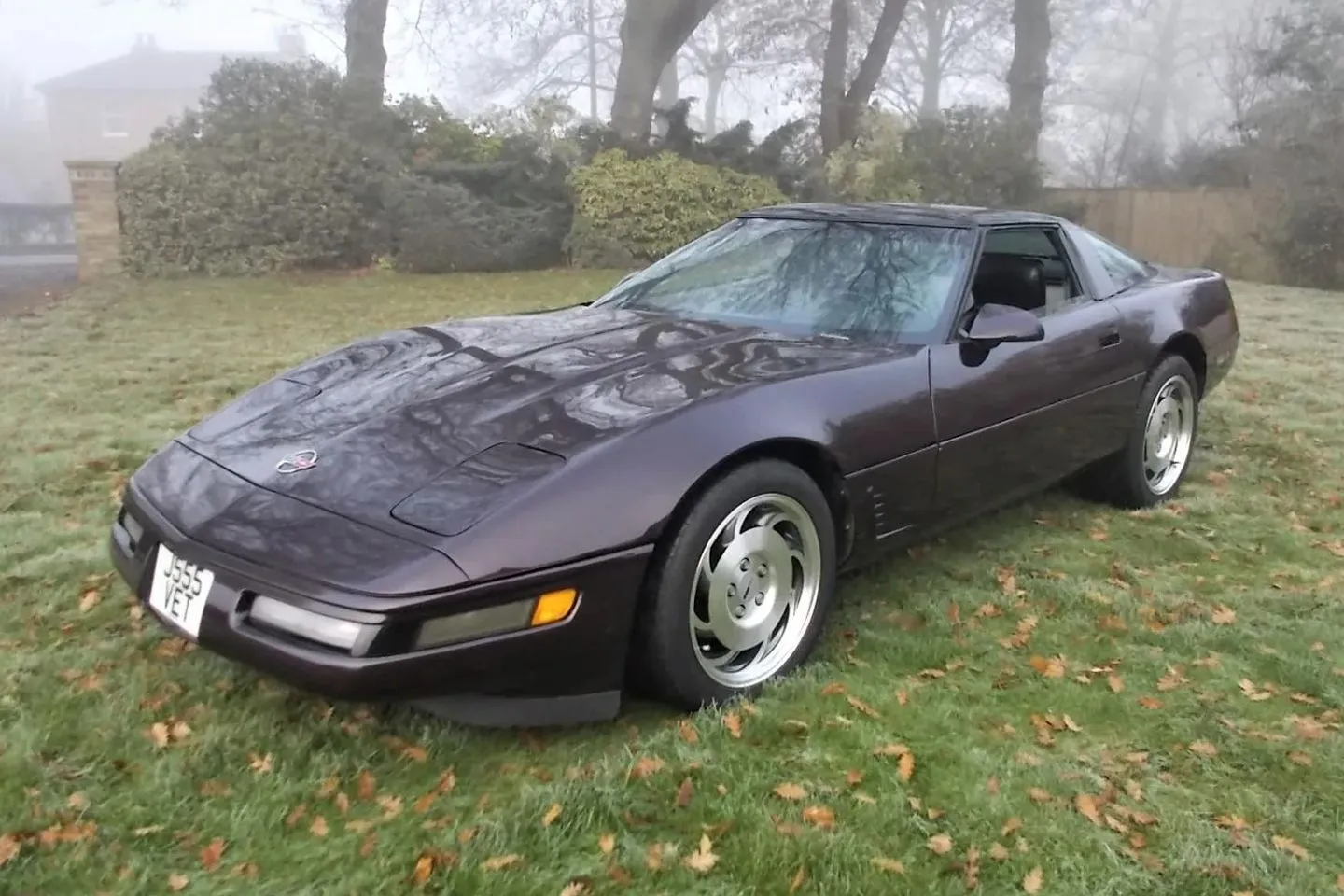
4. Chevrolet C4 Corvette
Estimated price: $8,000 to $20,000
The Chevrolet C4 Corvette exemplifies the idea that sports car ownership does not necessarily require an extravagant investment. Introduced in 1984 and continuing production until 1996, this generation of Corvette combined innovative styling with improved engineering that distinguished it from its predecessor.
Its angular lines and low-slung proportions established a modern sports car silhouette while retaining the iconic Corvette identity. Enthusiasts quickly noticed the sharper handling and upgraded suspension that brought a more precise driving experience.
Performance capabilities evolved throughout the C4’s production. Early models produced respectable power, sufficient to satisfy drivers seeking spirited acceleration without overwhelming handling. Later versions received engine enhancements, higher horsepower, and fine-tuned suspension components, making them more agile in corners and responsive on open roads.
The combination of rear-wheel drive, lightweight construction, and V8 performance provides a driving experience that remains engaging, even by contemporary standards. Acceleration feels linear yet thrilling, while the car’s steering delivers clear feedback about road conditions and cornering dynamics.
Distinctive design elements contribute to the C4’s appeal. Hidden headlights, wedge-shaped bodywork, and an optional digital dashboard in early models reflect the era’s technological aspirations. Interior appointments improved over time, incorporating better-quality materials, supportive seating, and more ergonomic controls.
Targa roof panels offered an open-air driving option without compromising structural rigidity, allowing drivers to enjoy both performance and an immersive connection to the road. These design cues cemented the C4’s position as a symbol of 1980s American automotive ambition.
Affordability remains one of the most compelling factors for collectors entering the Corvette market. Compared to previous generations, purchase prices are accessible for first-time enthusiasts, while mechanical systems are straightforward enough for self-maintenance.
Replacement components are widely available, thanks to General Motors’ shared parts architecture and a strong enthusiast network. This combination of accessibility and community support lowers barriers to ownership and allows new collectors to focus on enjoyment rather than intensive restoration.
Driving the C4 delivers an experience that is both raw and rewarding. Unlike modern sports cars equipped with extensive electronic aids, this Corvette emphasizes tactile feedback, rewarding precise driver input. The V8 engine produces a resonant soundtrack that enhances the connection between man and machine. Cornering feels controlled yet lively, and highway acceleration provides ample excitement.
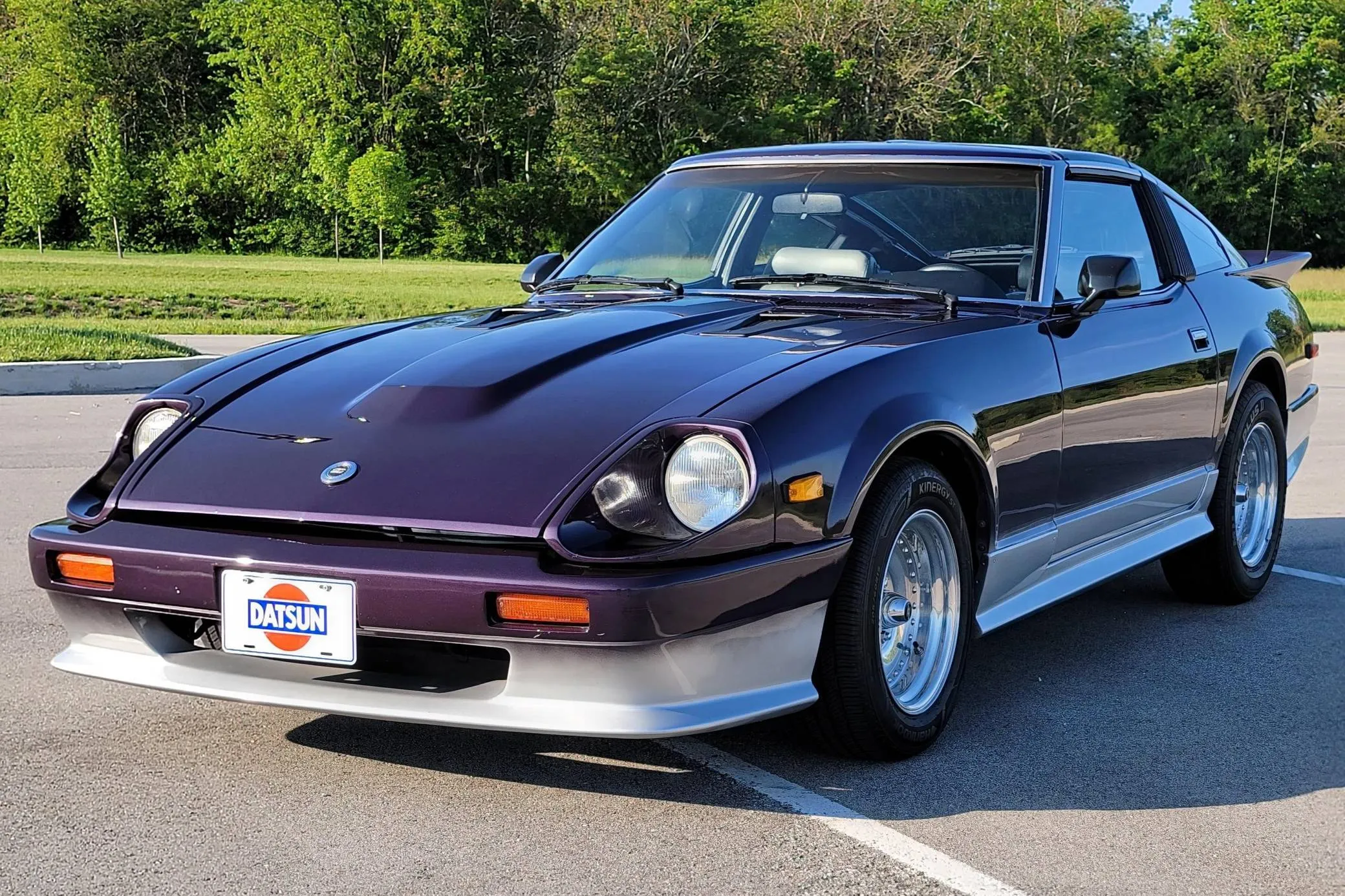
5. Datsun 280ZX
Estimated price: $9,000 to $22,000
The Datsun 280ZX represents a pivotal step in Japanese sports car evolution, blending performance heritage with enhanced comfort and practicality. Launched in the late 1970s as the successor to the 240Z and 260Z, the 280ZX introduced refinements that broadened its appeal.
Its exterior styling presents smooth, flowing lines, a distinctive sloping rear hatch, and integrated aerodynamic details, creating a visually cohesive sports coupe that reflects the era’s design priorities. These stylistic elements contribute to both aesthetic charm and collector desirability today.
Under the hood, the 280ZX employed an inline six-cylinder engine that delivered smooth and linear power. Fuel injection systems, introduced during its production, improved reliability compared to earlier carbureted Z models, reducing maintenance concerns for long-term ownership.
Steering feel is precise, yet forgiving, making it suitable for both spirited driving and daily commuting. Suspension tuning emphasizes a balance between ride comfort and responsive handling, producing a driving experience that is engaging without being punishing.
Interior design developed from earlier Z cars to offer greater driver comfort. Supportive seats, available luxury features, and refined materials allowed the 280ZX to serve as both a performance vehicle and a comfortable cruiser.
This combination of usability and performance makes it an appealing choice for collectors seeking a classic that remains practical for occasional driving. Controls are logically arranged, enhancing driver interaction and maintaining a sense of connection with the car.
Affordability strengthens the 280ZX’s appeal as a first classic. While mint-condition models command higher prices, many examples remain accessible to new collectors. Replacement parts continue to be available through enthusiast networks, specialty suppliers, and community-driven marketplaces, which support ownership without excessive financial burden.
This accessibility allows collectors to acquire a historically Japanese sports car while managing restoration and maintenance costs effectively. Driving the 280ZX rewards with a sense of refinement and balance. Its power delivery, handling characteristics, and interior comfort reflect a well-thought-out evolution of the Z lineage.
It offers an opportunity to experience Japanese automotive innovation at a fraction of the cost of high-end classics. For enthusiasts seeking a first collectible with heritage, style, and approachable ownership, the Datsun 280ZX delivers a compelling mix of character, usability, and potential appreciation within a manageable investment framework.
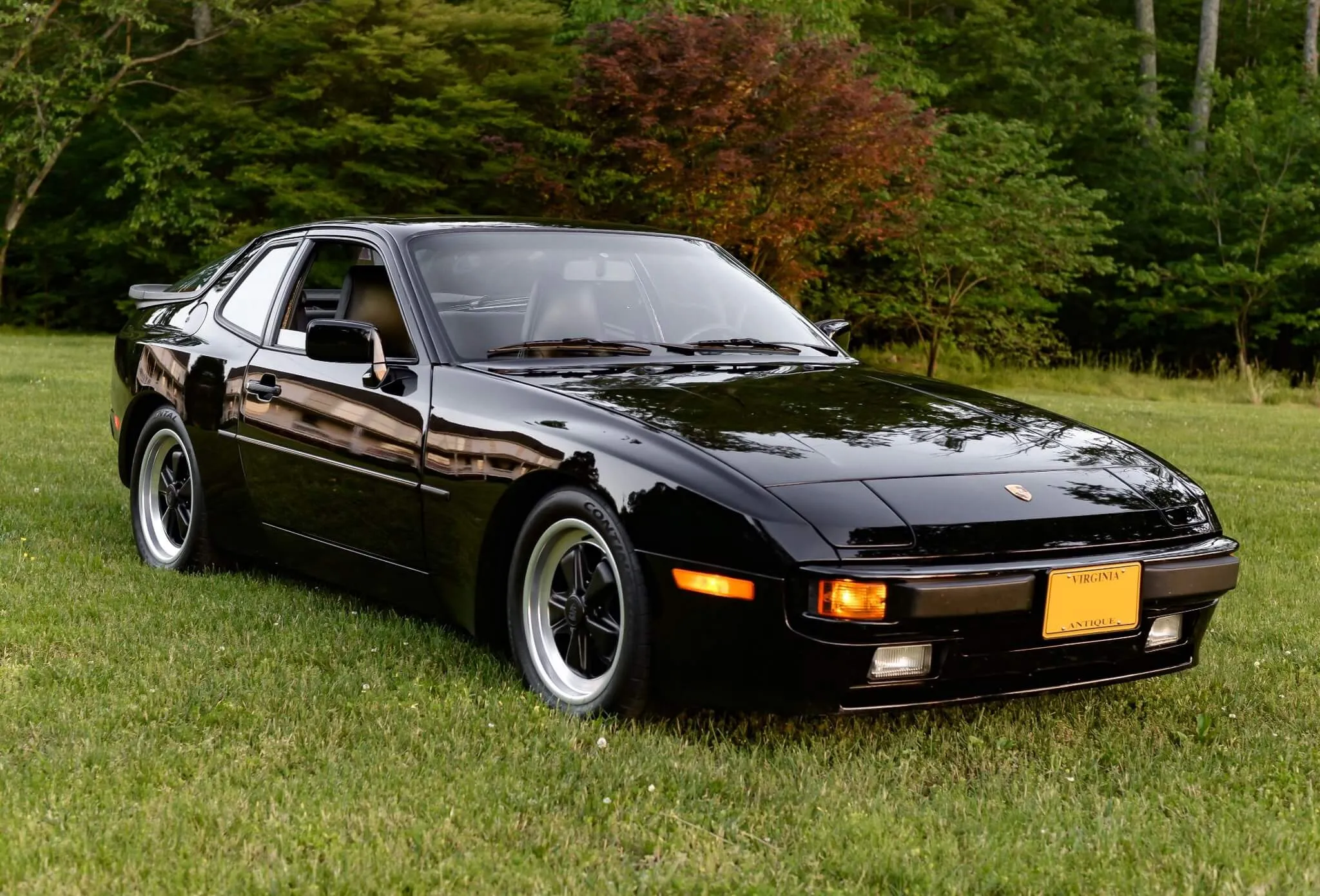
6. Porsche 944
Estimated price: $9,000 to $25,000
Front-engine balance and unmistakable styling give the Porsche 944 a unique place among affordable classics. Produced throughout the 1980s and early 1990s, the 944 offered enthusiasts a gateway into Porsche ownership without the price tag attached to rear-engine 911 models.
For collectors seeking a European sports car with pedigree, this coupe delivers both heritage and accessibility. Design plays a strong role in its appeal. Pop-up headlights, wide fenders, and a low stance create a purposeful look that still turns heads decades later.
Inside, the cockpit wraps around the driver in a manner that feels focused yet comfortable. Large analog gauges and a simple dashboard layout reflect an era when driving involvement mattered more than digital screens.
Under the hood, a four-cylinder engine paired with a rear-mounted transaxle creates near-perfect weight distribution. That layout results in balanced handling that feels composed through corners. Steering feedback is direct and reassuring, allowing drivers to build confidence quickly. Even base models provide an engaging experience that rewards smooth inputs rather than brute force.
Affordability remains one of the 944’s strongest advantages. While rare turbo variants command higher figures, standard examples remain within reach for new collectors. Parts availability is steady thanks to active enthusiast communities and specialist suppliers.
Routine servicing demands attention to timing belts and cooling systems, yet ownership costs can be managed with proper planning. Market interest in 1980s performance cars continues to grow. As enthusiasts look beyond traditional muscle and Japanese icons, the Porsche 944 gains attention for its driving dynamics and brand heritage.
For anyone wanting a sports car that feels special without overwhelming their budget, this model offers a compelling entry into classic European performance.
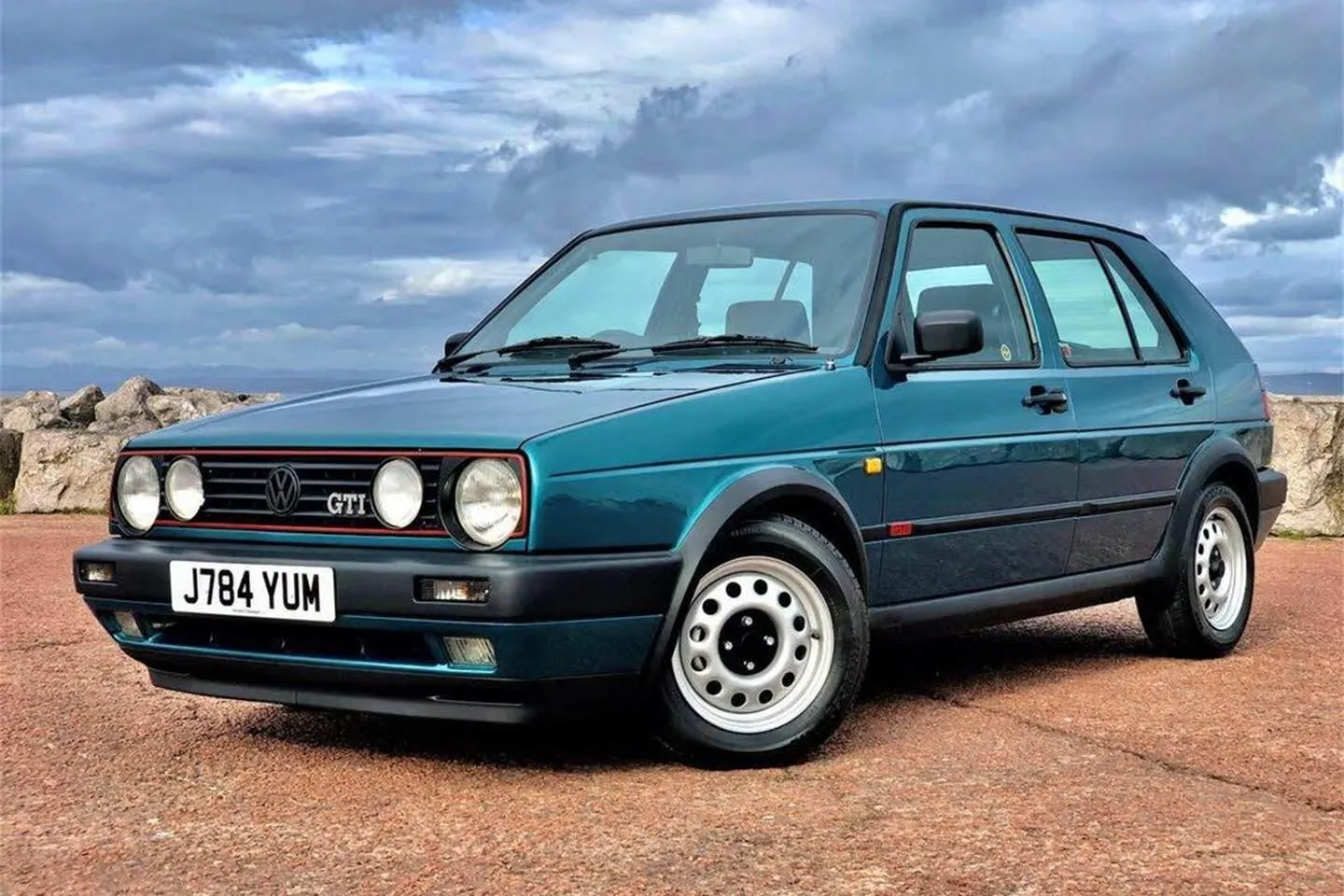
7. Volkswagen Golf GTI Mk2
Estimated price: $9,000 to $25,000
Hot hatch enthusiasm owes much to the Volkswagen Golf GTI Mk2. Compact dimensions, practical design, and lively performance define this second-generation model. For collectors seeking something usable yet spirited, the Mk2 GTI checks multiple boxes at once.
Styling remains clean and purposeful. Boxy lines, slim pillars, and subtle red accents around the grille create a timeless look. Inside, plaid cloth seats and straightforward instrumentation deliver nostalgic charm without unnecessary excess. Drivers sit upright with excellent visibility, reinforcing the car’s practical roots.
Performance focuses on balance rather than raw speed. Lightweight construction paired with responsive steering allows the GTI to feel agile on twisty roads. Acceleration feels energetic for its era, and the manual transmission encourages driver engagement. Enthusiasts appreciate how approachable the car feels even at moderate speeds.
Affordability continues to attract new collectors. While pristine examples have become harder to find, driver-quality cars remain attainable. Mechanical simplicity aids home maintenance, and parts support remains strong through aftermarket suppliers. Ownership does not require exotic tools or rare components, making it ideal for beginners.
Cultural relevance enhances its appeal. The Mk2 GTI shaped perceptions of what a practical performance car could be. It demonstrated that driving enjoyment did not require large engines or high purchase prices. That influence persists today, drawing interest from enthusiasts who value heritage and usability.
For those seeking a classic that blends everyday practicality with genuine driving excitement, the Volkswagen Golf GTI Mk2 offers an accessible path into collecting without sacrificing personality.
8. Mercedes-Benz W124 E-Class
Estimated price: $8,000 to $18,000
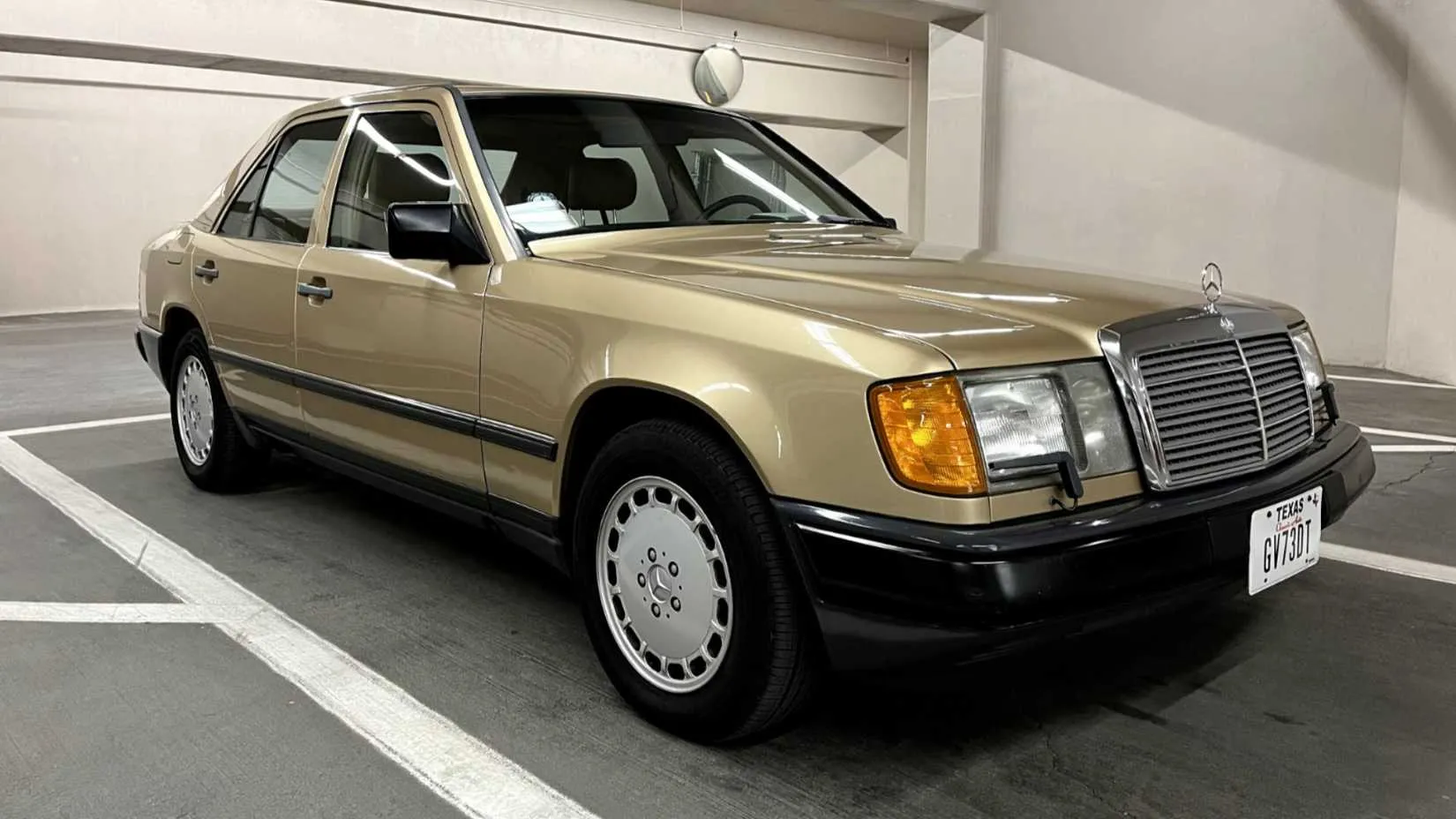
Durability and understated elegance define the Mercedes-Benz W124 E-Class. Produced during a period when engineering standards were exceptionally high, this sedan has earned a reputation for longevity and solid construction. Collectors looking for refinement rather than flash often gravitate toward this model.
Exterior design appears restrained yet purposeful. Clean lines and a balanced stance give the W124 a timeless presence. Inside, the cabin reflects careful craftsmanship. Supportive seats, clear instrumentation, and quality materials create an environment that feels composed and durable.
Engine options range from efficient four-cylinders to smooth inline six units and even V8 variants in later years. Regardless of configuration, the driving experience emphasizes stability and comfort. Ride quality absorbs road imperfections with confidence, making long journeys feel effortless.
Affordability remains attractive compared to more exotic classics from the same era. Many examples were built, which helps keep entry prices within reach. Parts support continues through specialist networks, and mechanical systems are robust when properly maintained.
Reputation plays a role in collectibility. The W124 symbolizes a period when Mercedes-Benz prioritized engineering depth. Enthusiasts often refer to it as one of the brand’s most solidly built platforms. That perception strengthens demand as modern vehicles grow increasingly technology-focused.
Choosing a W124 E-Class allows collectors to own a piece of German automotive history that emphasizes quality and endurance. It may not shout for attention, yet its presence commands respect among those who appreciate disciplined design and long-term reliability.
9. Pontiac Firebird Trans Am Third Generation
Estimated price: $9,000 to $22,000
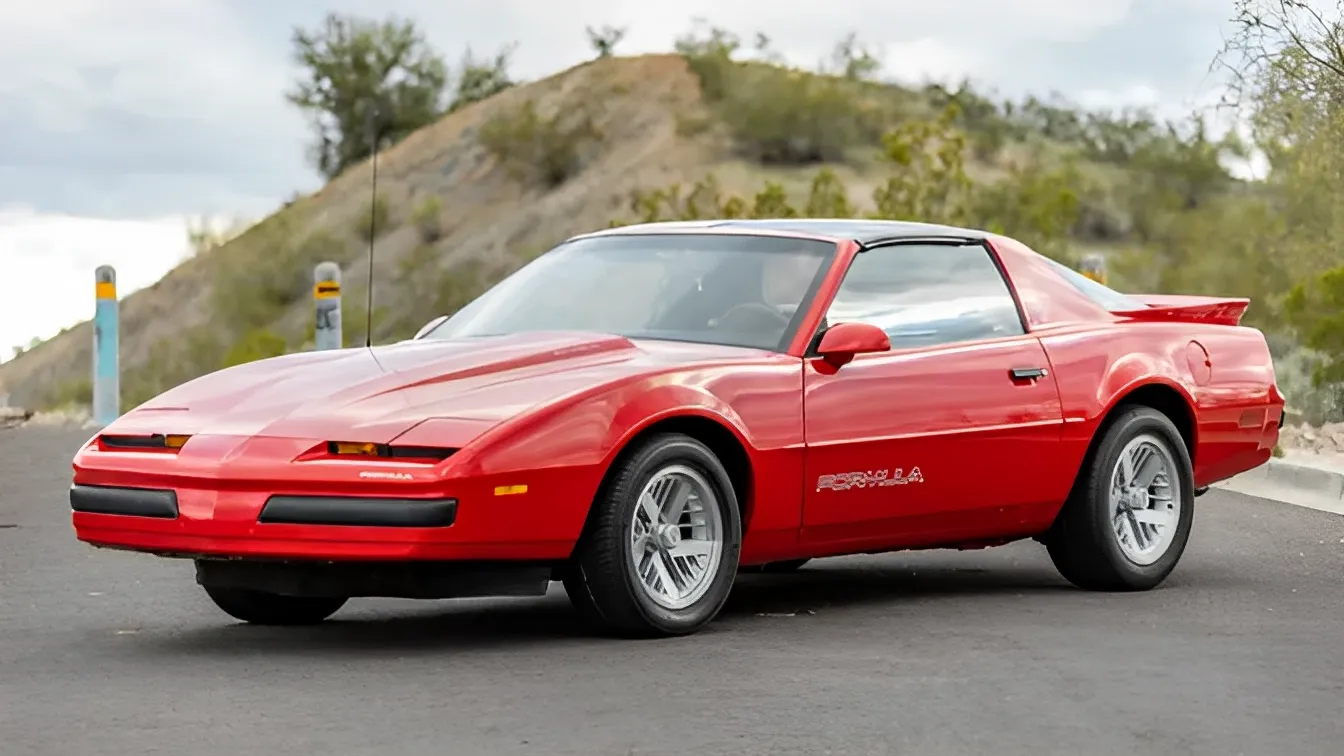
Angular design and a strong presence in popular culture characterize the third-generation Pontiac Firebird Trans Am. Released in the early 1980s, this iteration drew attention with precise lines, aerodynamic contours, and futuristic touches that reflected the era’s automotive imagination.
Collectors seeking American performance from this decade find the Trans Am to be a distinctive, yet attainable, addition to a growing collection of classic vehicles. Body proportions convey a purposeful, low-slung stance. Aerodynamic elements, including integrated spoilers and carefully sculpted fenders, indicate a move from raw muscle car bulk to more refined performance aesthetics.
Pop-up headlights combined with bold decal work reinforce the car’s sporty persona while adding dramatic flair. Interior design complements exterior cues with driver-oriented layouts, prominent tachometers, and an instrument cluster that emphasizes performance monitoring. The cockpit invites engagement while maintaining a sense of focus and control during spirited driving.
Powertrain availability varied across production years. Early versions of the third-generation Trans Am offered V8 engines producing moderate horsepower relative to prior muscle car legends, providing accessible entry-level performance. Later editions received enhancements with higher-output V8s, delivering improved acceleration and responsive throttle behavior.
The rear-wheel-drive setup combined with balanced weight distribution encourages classic handling dynamics, rewarding drivers who appreciate precise steering inputs and predictable road manners. Economic accessibility makes the Trans Am appealing to new collectors.
Prices generally remain lower than those of earlier first- and second-generation models, providing a manageable entry point for enthusiasts. Replacement components are relatively easy to source, thanks to shared architecture and drivetrain parts with other General Motors models of the same era.
This reliability in parts availability reduces long-term ownership costs and encourages active restoration or maintenance projects without extensive investment. Cultural impact adds value beyond mechanical considerations. Media exposure, including appearances in iconic television series and feature films, embedded the Trans Am within the collective memory of an entire generation.
Those who grew up admiring its style now enter the collector market with nostalgia-driven interest, which supports gradual appreciation while maintaining affordability. Ownership offers both a tactile driving experience and an emotional connection to a formative era in automotive culture.
Acquiring a third-generation Pontiac Firebird Trans Am provides the opportunity to combine historical relevance, engaging driving dynamics, and manageable cost. It stands as a visually distinct, characterful choice that introduces a mix of American performance heritage and 1980s design philosophy into any collection.
Collectors seeking variety, style, and accessible performance will find that the Trans Am fulfills those requirements with enthusiasm, offering a rewarding experience that balances nostalgia, mechanics, and value in a single package.
Also Read: Top 10 Ford Concept Designs That Outshine The Real Classics
10. Toyota MR2 SW20
Estimated price: $12,000 to $30,000
Mid-engine configuration and attainable pricing grant the Toyota MR2 SW20 a distinct position among affordable classic sports cars. Released in the late 1980s, this second-generation MR2 provided drivers with the experience of a compact sports car, offering precise handling and proportionate performance within a manageable footprint.
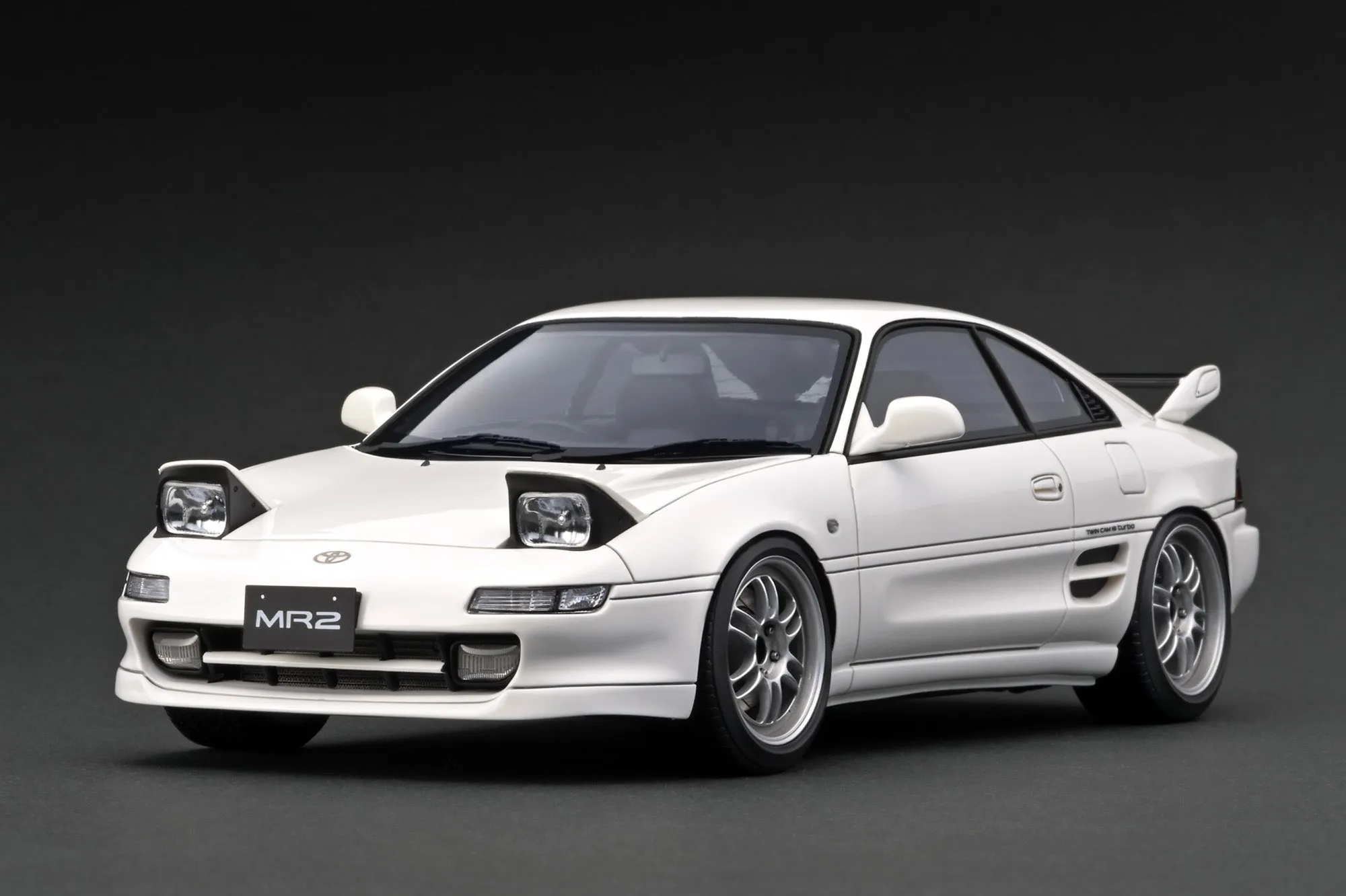
Its combination of layout and design makes it a compelling choice for collectors seeking an entry-level European-style driving experience without the high acquisition cost typically associated with mid-engine vehicles. The exterior exhibits sharp, purposeful lines with a wedge-shaped silhouette that evokes the aesthetics of contemporary exotic cars of its era.
Pop-up headlights enhance the visual drama while underscoring the MR2’s sports car identity. The roofline is low yet proportional, reinforcing the vehicle’s athletic character. Internally, the cabin prioritizes the driver, with controls and instrumentation oriented to support engagement and focus.
The intimate cockpit design provides a connected driving experience that few vehicles in this price range can match. Powertrain options included naturally aspirated four-cylinder engines, as well as turbocharged variants that delivered higher output for enthusiasts seeking additional performance.
Rear-wheel-drive configuration, combined with the mid-engine layout, ensures balanced weight distribution, resulting in agile cornering, precise steering response, and excellent road feedback. The MR2’s handling characteristics reward deliberate inputs and encourage confidence for drivers of varied skill levels.
Economic considerations contribute to its appeal. Non-turbo models are accessible to new collectors, while parts availability remains strong through both aftermarket suppliers and active enthusiast networks. Maintenance requirements are manageable, particularly when compared with European mid-engine alternatives that often demand specialized service and higher costs.
Toyota’s engineering reputation for reliability further enhances confidence in long-term ownership, as many SW20 examples continue to operate effectively after several decades. Cultural recognition and performance heritage combine to make the MR2 SW20 a desirable starting point for a classic collection.
Its distinctive design and engaging driving experience introduce a level of sophistication without the financial barriers associated with exotic sports cars. Owners benefit from a balance of style, mechanical interest, and the satisfaction of piloting a vehicle that reflects both Japanese ingenuity and performance tradition.
Incorporating the Toyota MR2 SW20 into a collector’s stable offers a rare opportunity to experience mid-engine dynamics at an accessible price point. It demonstrates that enthusiasts can enjoy nuanced handling, responsive steering, and a visually striking presence without overextending their budget.
For those seeking a first classic car that blends mechanical involvement, heritage, and practicality, the MR2 SW20 represents a strategic and rewarding choice.
