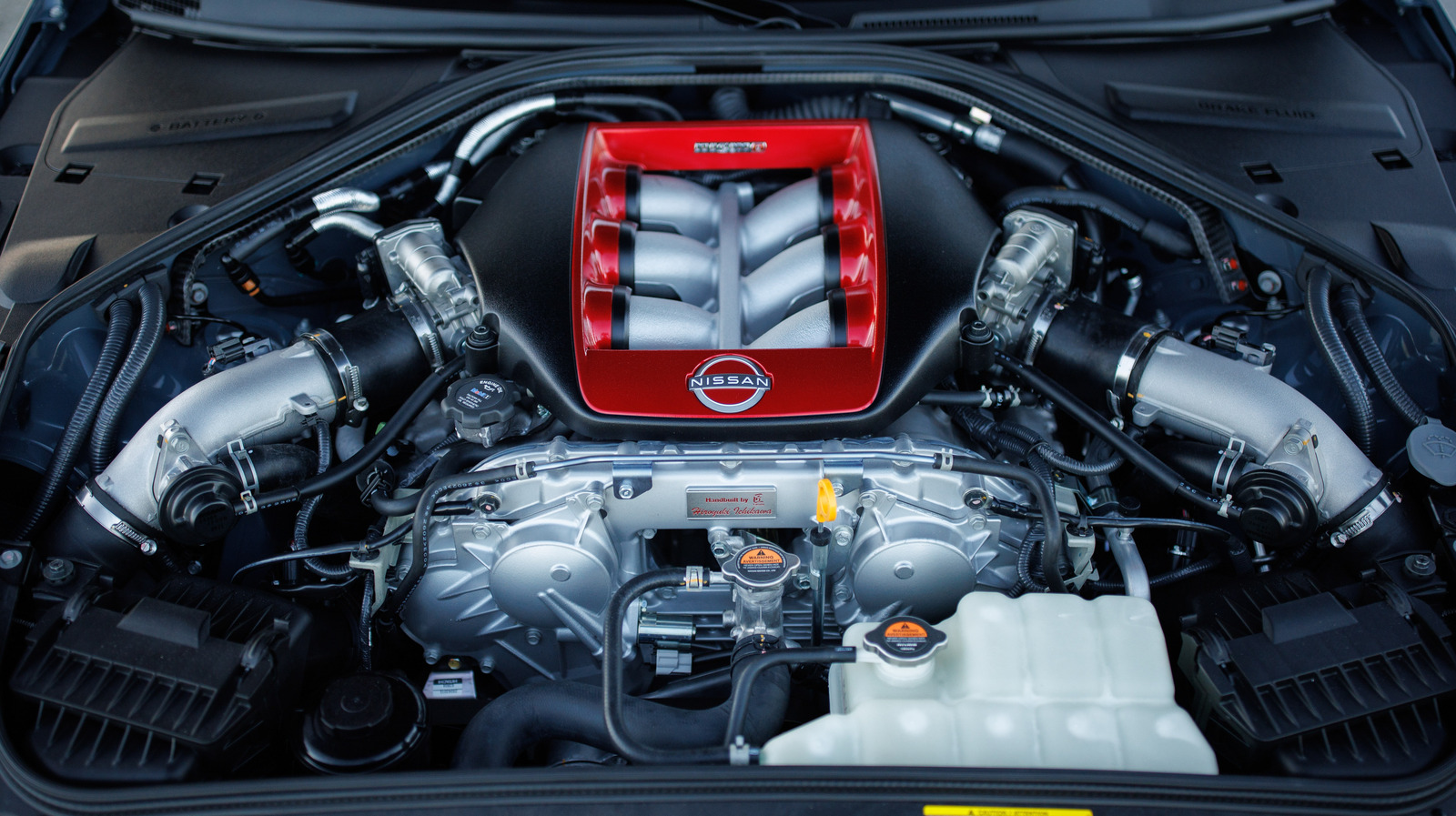
Supercharged engines are built for one main purpose power. A supercharger forces more air into the engine, which allows it to burn more fuel and create more horsepower.
Unlike turbochargers, superchargers are driven directly by the engine, which means power comes instantly when you press the accelerator. This makes them popular in muscle cars, sports cars, and even some high-performance luxury vehicles.
1) Dodge 6.2L Supercharged HEMI V8 (Hellcat)
The 6.2-liter supercharged HEMI V8 is one of the most powerful engines ever built by Dodge. It is best known for powering the Dodge Challenger SRT Hellcat and changing the modern muscle car world forever.
This engine was introduced in 2015 and shocked the automotive industry. At that time, most muscle cars produced far less power. The Hellcat arrived with more than 700 horsepower, making it one of the strongest production V8 engines available.
The engine uses a large 2.4-liter supercharger mounted on top of the V8. This supercharger forces extra air into the engine, allowing it to burn more fuel. More air and fuel together create bigger explosions inside the cylinders.
Because the supercharger is driven directly by the engine, power comes instantly. There is no waiting for boost. When the driver presses the accelerator, the car responds immediately. This instant response makes the Hellcat feel extremely aggressive and exciting.
Early versions produced 707 horsepower, which was already impressive. Later models increased output to 717 horsepower and even higher. Special editions like the Redeye pushed power beyond 800 horsepower, offering unbelievable straight-line speed.
Torque is another important part of this engine’s performance. It produces over 650 lb-ft of torque, which gives the car strong pulling power. This helps the Hellcat launch quickly from a stop and dominate in drag racing.
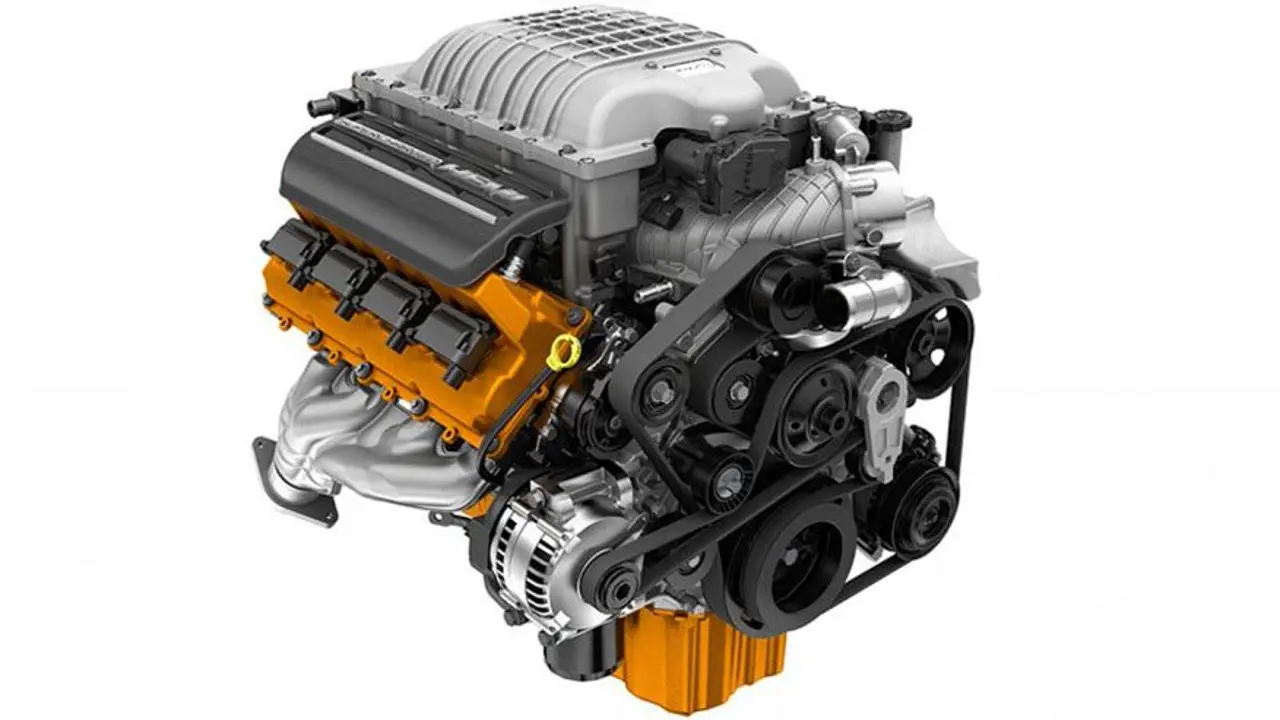
The sound of the engine is also unforgettable. The deep V8 exhaust rumble mixes with the high-pitched whine of the supercharger. Many fans say this sound alone makes the car special and different from other performance vehicles.
Despite its huge power, the engine was designed for street use. It includes strong internal parts like forged pistons and connecting rods. These components help the engine handle high pressure and heat without failing under stress.
Fuel economy is not its main focus. The Hellcat engine consumes a lot of fuel, especially during hard driving. However, buyers understand that this car is built for power and performance, not for saving fuel.
Over the years, the Hellcat engine became a symbol of American muscle. It proved that large supercharged V8 engines still have a place in modern performance cars. Its massive horsepower and thrilling character continue to impress drivers worldwide.
The cooling system of the Hellcat engine is specially designed to manage extreme heat. It uses multiple heat exchangers and intercoolers to cool the compressed air from the supercharger. Cooler air helps improve performance and protects the engine during aggressive driving.
The engine block is made from strong cast iron, which provides extra durability under high pressure. Aluminum cylinder heads help reduce weight and improve airflow. This combination of strength and efficiency allows the engine to handle very high boost levels safely.
An advanced fuel delivery system ensures the engine receives enough fuel at all times. High-flow fuel injectors and a powerful fuel pump work together to support the massive horsepower. Without proper fueling, such high performance would not be possible.
The transmission paired with this engine is also built for strength. Most models use a heavy-duty automatic transmission designed to handle extreme torque. Some versions also offered a manual gearbox, giving drivers more control and excitement.
Launch control and performance driving modes help drivers use the engine’s power effectively. These systems adjust traction control and throttle response. They allow the car to accelerate quickly while keeping it stable and manageable on the road.
Braking systems were upgraded to match the high speed capability. Large performance brakes provide strong stopping power. This is important because a car that accelerates so quickly must also stop safely and confidently.
Many owners also modify this engine for even more power. With simple upgrades like smaller pulleys or tuning adjustments, horsepower can increase dramatically. Some modified Hellcats produce well over 900 horsepower while still using the original engine block.
The Hellcat engine has also been used in other vehicles like the Dodge Charger SRT Hellcat. This shows its flexibility and strong design. Whether in a coupe or sedan, the engine delivers the same thrilling performance experience.
2) Chevrolet Corvette Z06 – 6.2L LT4 Supercharged V8
The Chevrolet Corvette Z06 is powered by the 6.2-liter LT4 supercharged V8 engine. This engine is built by Chevrolet to deliver extreme performance while keeping daily driving comfort. It produces around 650 horsepower and massive torque.
The LT4 engine uses a 1.7-liter supercharger mounted on top of the V8. This supercharger forces compressed air into the engine, allowing it to create stronger combustion. The result is fast acceleration and impressive power across the entire rev range.
With 650 horsepower and 650 lb-ft of torque, the Corvette Z06 can accelerate from zero to sixty miles per hour in about three seconds. This level of speed puts it close to many high-end supercars at a lower price.
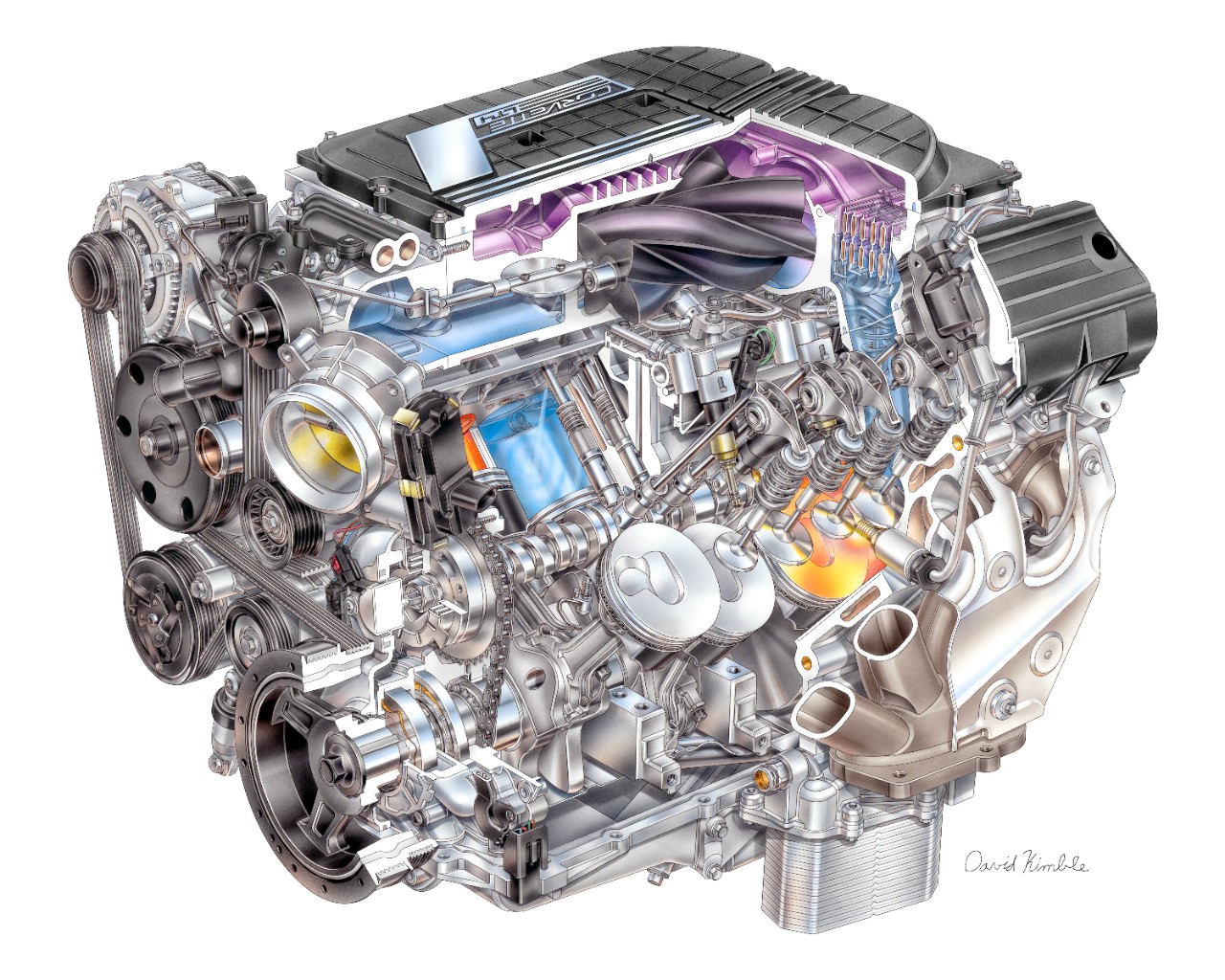
The engine is made with lightweight aluminum parts to improve balance and handling. The aluminum block and heads help reduce weight while maintaining strength. This allows the Z06 to feel agile and stable, especially during high-speed cornering.
Cooling is very important in a high-performance car like this. The Z06 includes advanced cooling systems with multiple radiators and heat exchangers. These systems keep the engine temperature under control during track driving or aggressive street use.
The sound of the LT4 engine is deep and powerful. When the supercharger builds boost, drivers can hear a sharp whine that adds excitement. Combined with the V8 exhaust note, the experience feels raw and thrilling every time.
The Corvette Z06 offers both manual and automatic transmission options. This gives drivers the choice between full control or quick, smooth gear changes. Both options are designed to handle the strong torque produced by the engine.
3) Ford Mustang Shelby GT500 – 5.2L Supercharged “Predator” V8
The Ford Mustang Shelby GT500 is powered by the 5.2-liter supercharged “Predator” V8 engine. Built by Ford, this engine delivers an incredible 760 horsepower, making it the most powerful production Mustang ever created.
The Predator engine uses a large 2.65-liter supercharger mounted on top. This supercharger pushes a huge amount of air into the engine, allowing it to burn more fuel and produce massive power. The response is fast and extremely aggressive.
With 760 horsepower and 625 lb-ft of torque, the GT500 can accelerate from zero to sixty miles per hour in around 3.3 seconds. Its top speed is also very high, making it one of the fastest muscle cars in the world.
The engine block is made from lightweight aluminum for better performance. Strong internal parts like forged connecting rods and pistons help the engine handle high boost pressure. This ensures durability even during hard driving conditions.
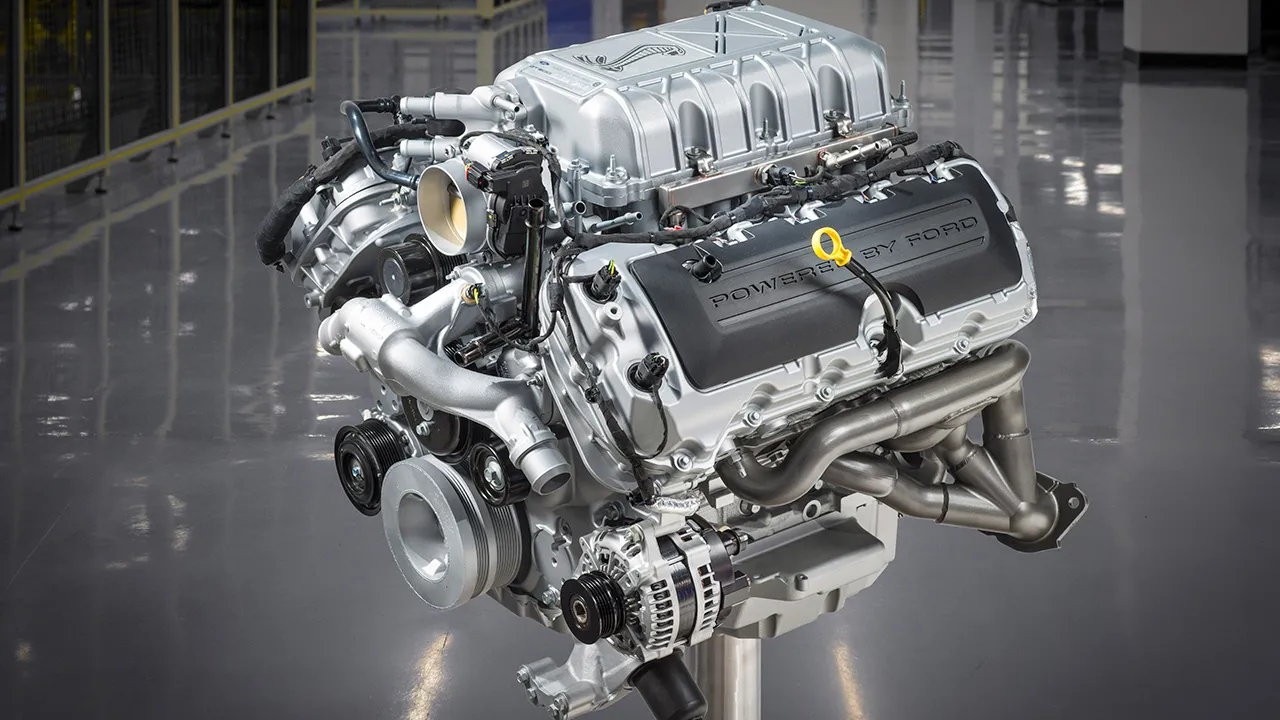
Cooling systems are advanced and carefully designed. Large heat exchangers and intercoolers help reduce the temperature of compressed air. This keeps the engine stable and consistent, especially during track sessions or long high-speed runs.
Unlike earlier Mustangs, the 2020 GT500 comes only with a seven-speed dual-clutch automatic transmission. This gearbox shifts gears very quickly, helping the car deliver smooth and powerful acceleration without interruption.
The sound of the Predator engine is bold and exciting. Drivers hear a strong V8 exhaust rumble mixed with the sharp supercharger whine. This combination creates a dramatic driving experience that feels both modern and classic.
4) Jaguar F-Type R – 5.0L Supercharged V8
The Jaguar F-Type R is powered by a 5.0-liter supercharged V8 engine built by Jaguar. This engine produces up to 575 horsepower, giving the car strong acceleration and impressive top speed performance.
The engine uses a roots-type supercharger mounted on top of the V8. This setup provides instant throttle response with no delay. As soon as the driver presses the accelerator, the car moves forward with smooth and powerful force.
With around 575 horsepower and 516 lb-ft of torque, the F-Type R can accelerate from zero to sixty miles per hour in under four seconds. This makes it one of the fastest sports cars in its class.
The 5.0-liter V8 is known for its exciting sound. It produces a deep rumble at low speeds and a loud, aggressive roar when pushed hard. Crackles and pops from the exhaust make the driving experience even more dramatic.
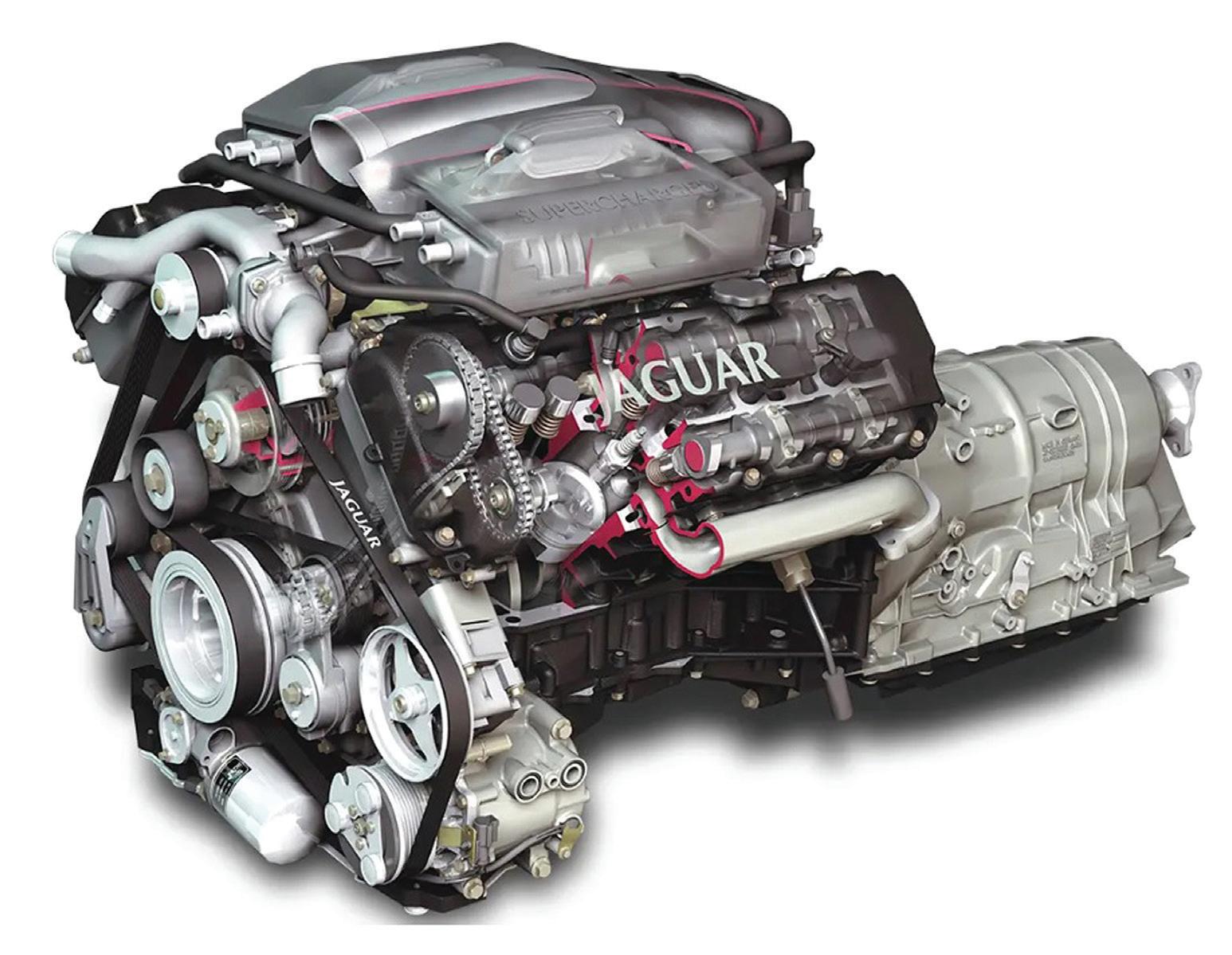
The engine is paired with an advanced eight-speed automatic transmission. This gearbox shifts quickly and smoothly, helping the car maintain strong performance. All-wheel drive in newer models improves grip and stability at high speeds.
Jaguar designed strong internal components to handle the pressure from the supercharger. The engine block and pistons are built to manage high heat and stress. This ensures reliability even during spirited driving sessions.
Cooling systems are carefully engineered to keep temperatures under control. Intercoolers reduce the heat of compressed air before it enters the engine. This improves efficiency and helps maintain steady power output.
5) Mercedes-Benz E55 AMG – 5.4L Supercharged V8
The Mercedes-Benz E55 AMG from the W211 generation is powered by a 5.4-liter supercharged V8 engine. Developed by Mercedes-AMG, this engine became famous for its massive torque and smooth but brutal acceleration.
This engine uses a roots-type supercharger, often called “Kompressor” by Mercedes. The supercharger forces extra air into the engine, increasing power instantly. Unlike turbo engines, there is no lag, so acceleration feels immediate and very strong.
The E55 AMG produces around 469 horsepower and an incredible 516 lb-ft of torque. While the horsepower number may seem lower than modern supercars, the huge torque makes the car feel extremely fast in real-world driving.
One of the best features of this engine is its smooth power delivery. It does not feel wild or uncontrolled. Instead, it delivers steady and confident acceleration, making the car both comfortable and powerful at the same time.
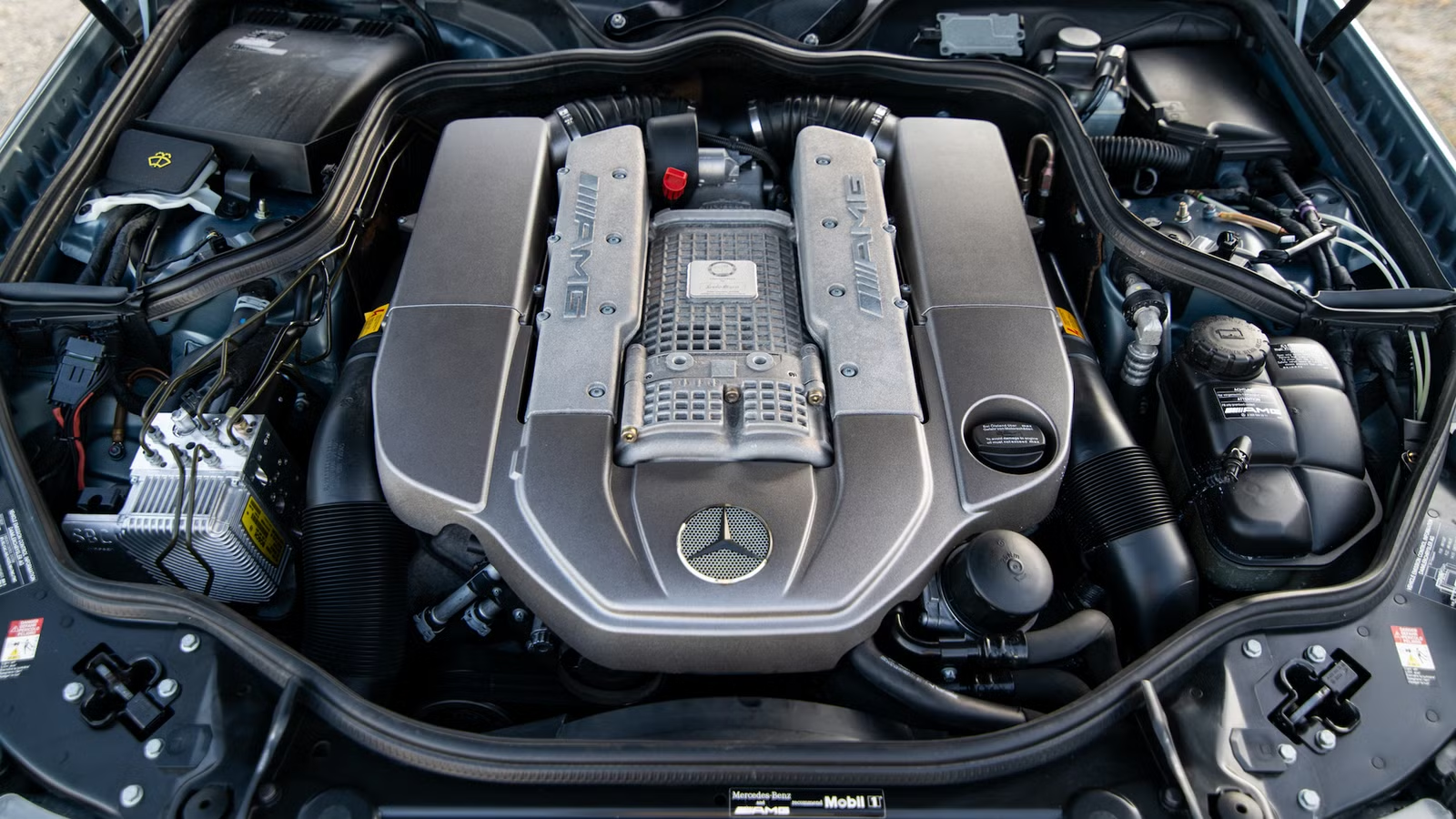
The engine block is built for durability and strength. AMG used high-quality internal parts to handle the extra pressure from the supercharger. This design allowed the engine to remain reliable even with high performance levels.
The five-speed automatic transmission is tuned to handle strong torque output. It shifts smoothly and keeps the engine in its power band. This makes highway overtaking easy and effortless for the driver.
The sound of the 5.4-liter V8 is deep and refined. It is not as loud as some American muscle cars, but it produces a strong and classy exhaust tone that matches the luxury character of the vehicle.
6) Audi S4 – 3.0L Supercharged V6
The Audi S4 B8 generation is powered by a 3.0-liter supercharged V6 engine. Built by Audi, this engine is smaller than many V8s but still delivers strong and exciting performance for daily driving.
This engine uses an Eaton supercharger placed inside the engine’s V shape. The design keeps the system compact and efficient. It pushes extra air into the cylinders, allowing the engine to produce more power without increasing size.
The 3.0 TFSI engine produces around 333 horsepower and 325 lb-ft of torque in stock form. While these numbers are lower than some cars on this list, the quick throttle response makes it feel fast and energetic.
One major advantage of this engine is smoothness. The V6 runs quietly at low speeds and becomes sporty when pushed harder. It balances comfort and performance, making the S4 practical for everyday use and long drives.
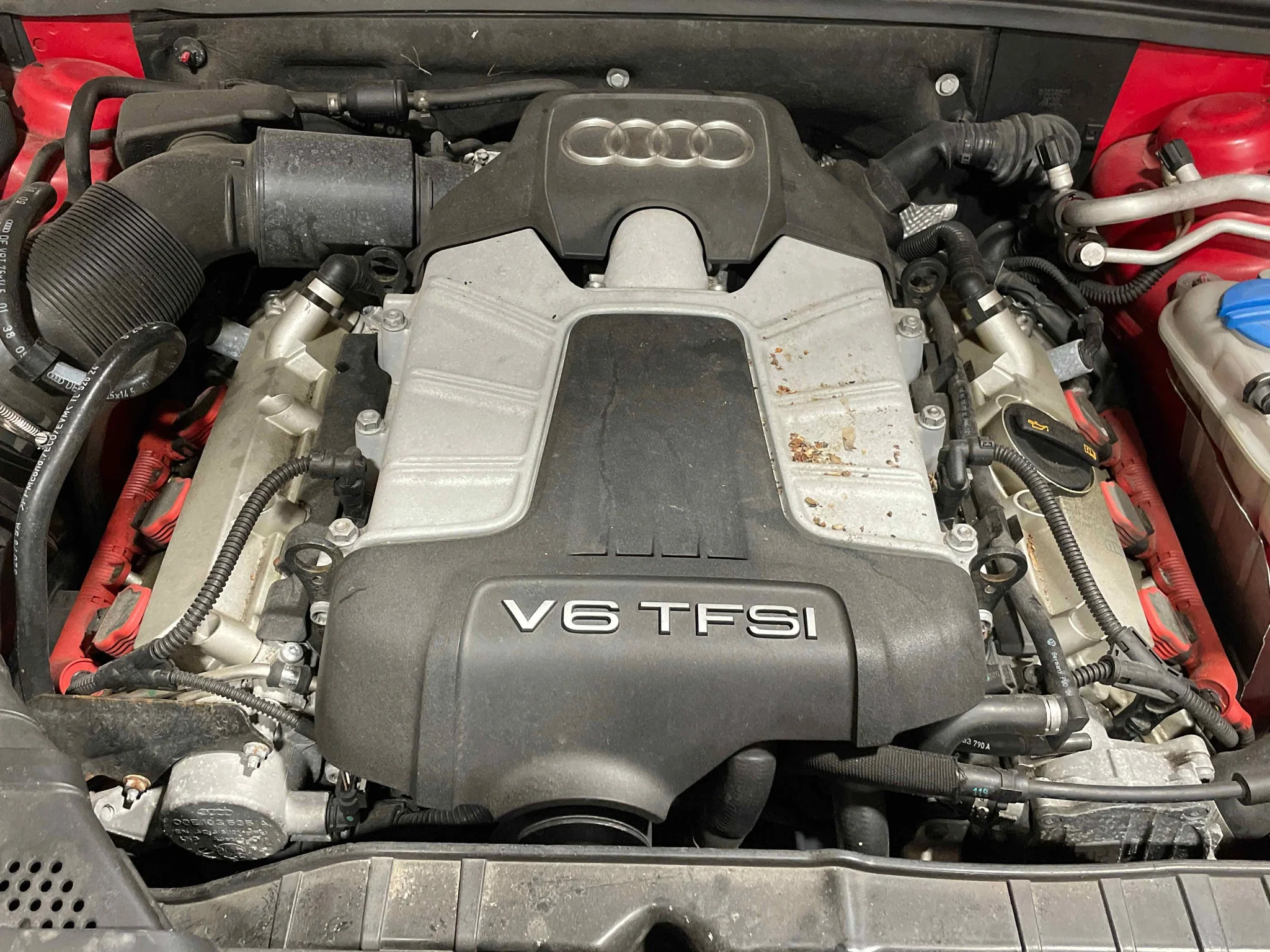
Audi’s Quattro all-wheel-drive system helps transfer power to the road efficiently. This improves traction during acceleration and provides better control in wet or slippery conditions. The result is confident handling in different environments.
The engine is paired with either a six-speed manual or a seven-speed dual-clutch automatic transmission. Both options provide quick shifts and help the car stay in its power band for strong acceleration.
Many enthusiasts appreciate this engine because it responds well to tuning. With simple software upgrades, power can increase significantly. Some modified versions produce over 400 horsepower while keeping reliability strong.
7) Range Rover Sport SVR – 5.0L Supercharged V8
The Range Rover Sport SVR is powered by a 5.0-liter supercharged V8 engine developed by Land Rover. This engine proves that even a large luxury SUV can deliver serious sports car performance.
This supercharged V8 produces around 575 horsepower and 516 lb-ft of torque. These numbers are impressive for an SUV. The strong torque helps the heavy vehicle accelerate quickly and move with surprising ease.
The engine uses a roots-type supercharger mounted on top of the V8. It provides instant throttle response with no noticeable delay. When the driver presses the accelerator, the SUV responds immediately with strong forward motion.
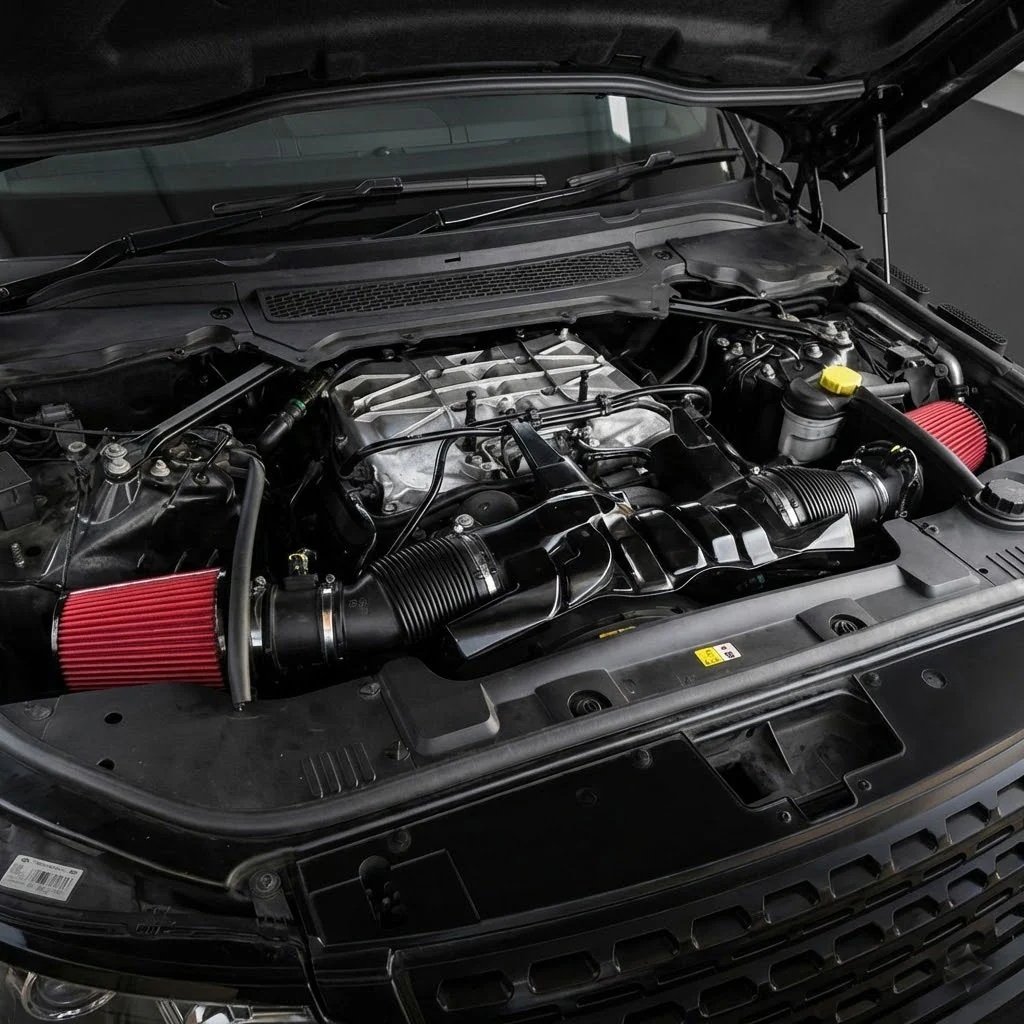
Despite its size and weight, the SVR can accelerate from zero to sixty miles per hour in about 4.3 seconds. That level of performance is close to many dedicated sports cars.
Advanced cooling systems help manage engine heat during high-speed driving. Intercoolers reduce the temperature of compressed air before it enters the engine. This improves efficiency and keeps performance stable.
The engine is paired with an eight-speed automatic transmission. It shifts smoothly and quickly, helping the SUV maintain strong acceleration while also offering comfortable cruising on highways.
The sound of the supercharged V8 is bold and dramatic. The deep exhaust rumble combined with crackles during gear changes gives the SUV a sporty and aggressive personality.
8) Koenigsegg Agera – 5.0L Twin-Supercharged V8
The Koenigsegg Agera is powered by a 5.0-liter twin-supercharged V8 engine developed by Koenigsegg. This engine represents extreme engineering and is designed to deliver world-class hypercar performance.
Unlike many other engines, this V8 uses twin forced-induction systems in some versions. Earlier models combined supercharging with turbocharging, while later versions relied heavily on twin turbochargers for even greater efficiency and power output.
In high-performance versions, this engine produces well over 1,000 horsepower. Some special editions even exceed 1,300 horsepower. These numbers place the Agera among the most powerful production cars ever created.
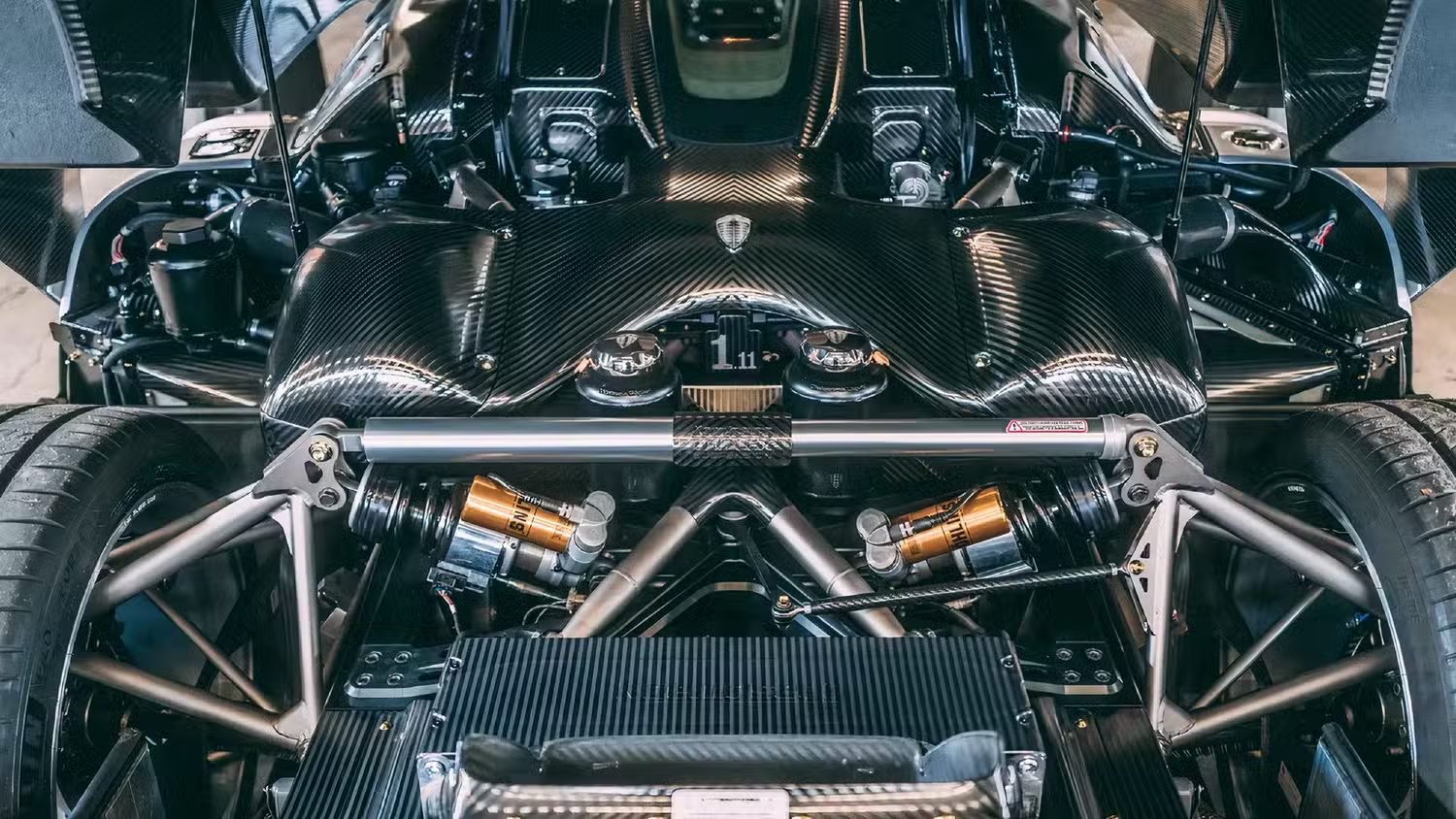
The engine block is made from lightweight aluminum to reduce vehicle weight. Strong internal components allow it to handle massive boost pressure and extremely high speeds without failure under intense driving conditions.
Acceleration is breathtaking. The Agera can reach sixty miles per hour in under three seconds. Its top speed performance has broken multiple world records, showing the true capability of its powerful engine.
Advanced cooling systems and precise engine management software help control temperature and power delivery. These technologies ensure that even with extreme horsepower, the engine remains stable and controllable for skilled drivers.
The sound of the V8 is sharp and aggressive. Combined with the rush of boost, the driving experience feels intense and dramatic. Every press of the accelerator reminds the driver of the car’s extreme potential.
9) Dodge Challenger SRT Demon – 6.2L Supercharged HEMI V8
The Dodge Challenger SRT Demon is one of the most extreme muscle cars ever built. It uses a special version of the 6.2-liter supercharged HEMI V8 developed by Dodge for maximum straight-line performance.
This engine produces 808 horsepower on regular premium fuel. When filled with high-octane race fuel, output increases to an incredible 840 horsepower. That makes it one of the most powerful factory-built V8 engines ever made.
The Demon uses a larger 2.7-liter supercharger compared to the standard Hellcat. This bigger supercharger pushes more air into the engine, creating higher boost pressure and more aggressive acceleration.
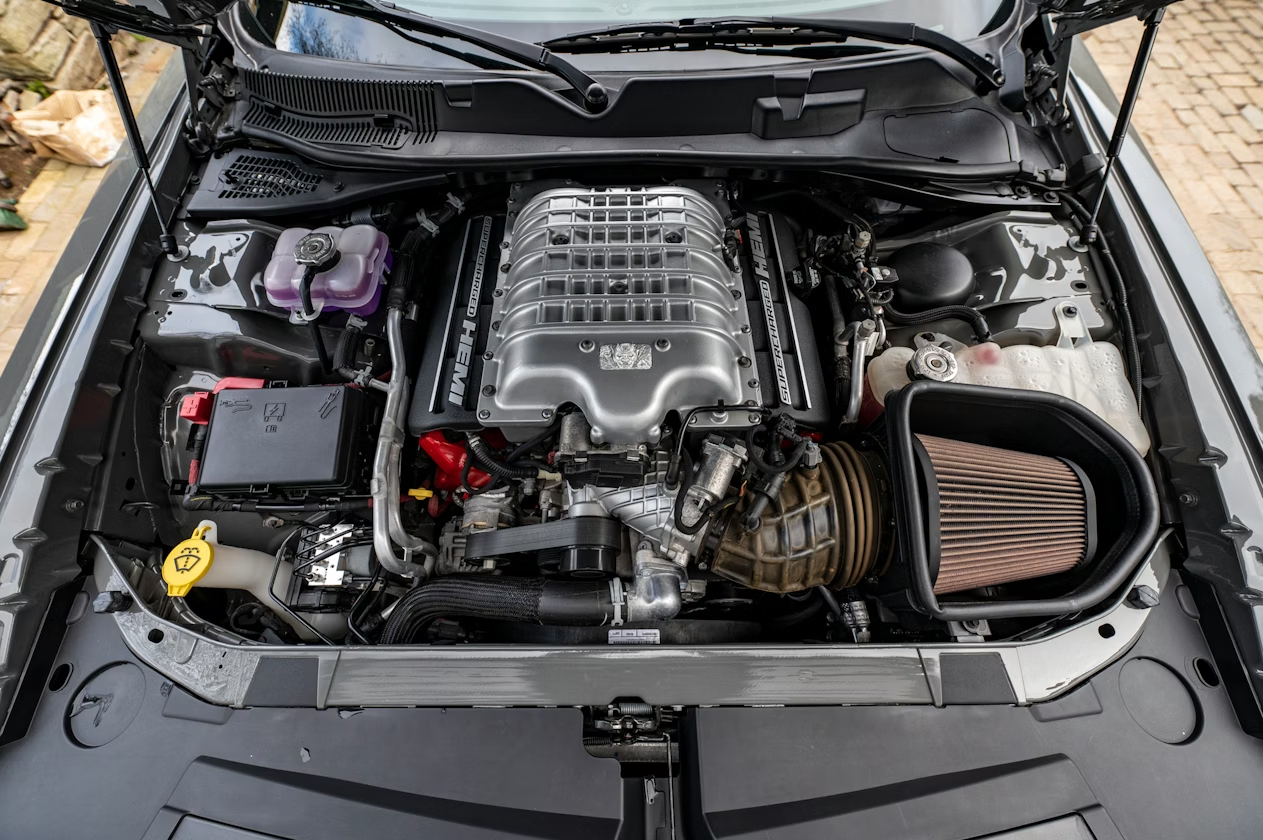
Torque output is equally impressive, reaching 770 lb-ft. This massive torque helps the car launch extremely hard from a standstill. The Demon was designed mainly for drag racing and quick quarter-mile times.
It was the first production car to perform a front-wheel lift during hard acceleration. Special launch control systems and drag-focused suspension settings help the car grip the track and deliver record-breaking performance numbers.
The engine includes upgraded pistons, connecting rods, and fuel systems to handle higher boost levels. Engineers strengthened many components to make sure the engine could survive extreme stress during racing conditions.
Cooling was also improved with larger air intake systems and heat exchangers. These upgrades keep intake temperatures lower, which helps maintain consistent performance during repeated high-speed runs.