

When it comes to utility vehicles, interior durability can be just as important as engine performance. For drivers who haul pets, gear, or kids, a washable, low-maintenance interior can save hours of cleaning and prevent long-term wear.
Vehicles like the Ford Bronco Black Diamond, Honda Element, Jeep Wrangler, Toyota 4Runner, and Honda Pilot prioritize rugged, adventure-ready cabins with materials that resist water, mud, and spills.
Features such as marine-grade vinyl, SofTex® synthetic leather, rubberized floors, and removable mats make it possible to hose out or quickly wipe down messes, keeping these SUVs practical for both outdoor enthusiasts and families.
On the other hand, base-trim models of vehicles like the Nissan Rogue, Mitsubishi Outlander Sport, Hyundai Tucson, Toyota Corolla Cross, and Suzuki Ertiga use porous cloth or light-colored fabrics that stain easily. Spills, sweat, or even clean water can leave permanent marks, highlighting the trade-offs between affordability and maintenance.
5 Utility Vehicles With Washable Interiors
1. Ford Bronco Black Diamond: Rugged Off-Road Capability Meets Washable, Low-Maintenance Interior
The Ford Bronco Black Diamond is designed for drivers who demand serious off-road performance while keeping cleanup and maintenance simple. Its specialized interior features marine-grade vinyl seats and rubberized floors, both resistant to water, mud, and mildew. The flooring includes integrated drain plugs, allowing owners to hose out dirt, sand, and debris directly from the cabin.
Even dashboard switches are silicone-sealed to prevent moisture damage, making post-adventure cleaning quick and worry-free. This washable, weather-resistant interior is ideal for open-roof or door-off driving and is widely praised for its practicality by Bronco enthusiasts.
Beyond its resilient cabin, the Black Diamond trim offers significant off-road hardware as standard equipment. Heavy-duty modular steel bumpers, rock rails, full-length skid plates, and a rear locking differential come standard, providing protection and enhanced capability on rough trails.
A 7-mode G.O.A.T. (Goes Over Any Terrain) system allows drivers to tailor traction and handling to diverse conditions, while 32-inch tires deliver strong grip over dirt, mud, and rocks.
Powering the Black Diamond is a 2.3-liter EcoBoost four-cylinder engine paired with a 10-speed automatic or optional 7-speed manual transmission. Torque delivery is strong for its size, and the suspension balances off-road composure with highway comfort, though the ride can feel “trucky” and noisy on paved roads. Additional practical features include 12-volt and USB outlets, enhancing utility for modern adventures.
While it excels in durability, utility, and off-road readiness, the Black Diamond does have trade-offs. Its boxy shape results in lower fuel economy, and wind and road noise can be significant, especially with the soft top. Highway steering requires occasional corrections, reflecting its focus on trail performance over commuter refinement.
The Ford Bronco Black Diamond is a strong value for enthusiasts seeking a ready-to-drive off-roader. Its combination of rugged off-road hardware, a low-maintenance washable interior, and practical features makes it ideal for drivers who want capability and simplicity without the high cost of luxury trims.

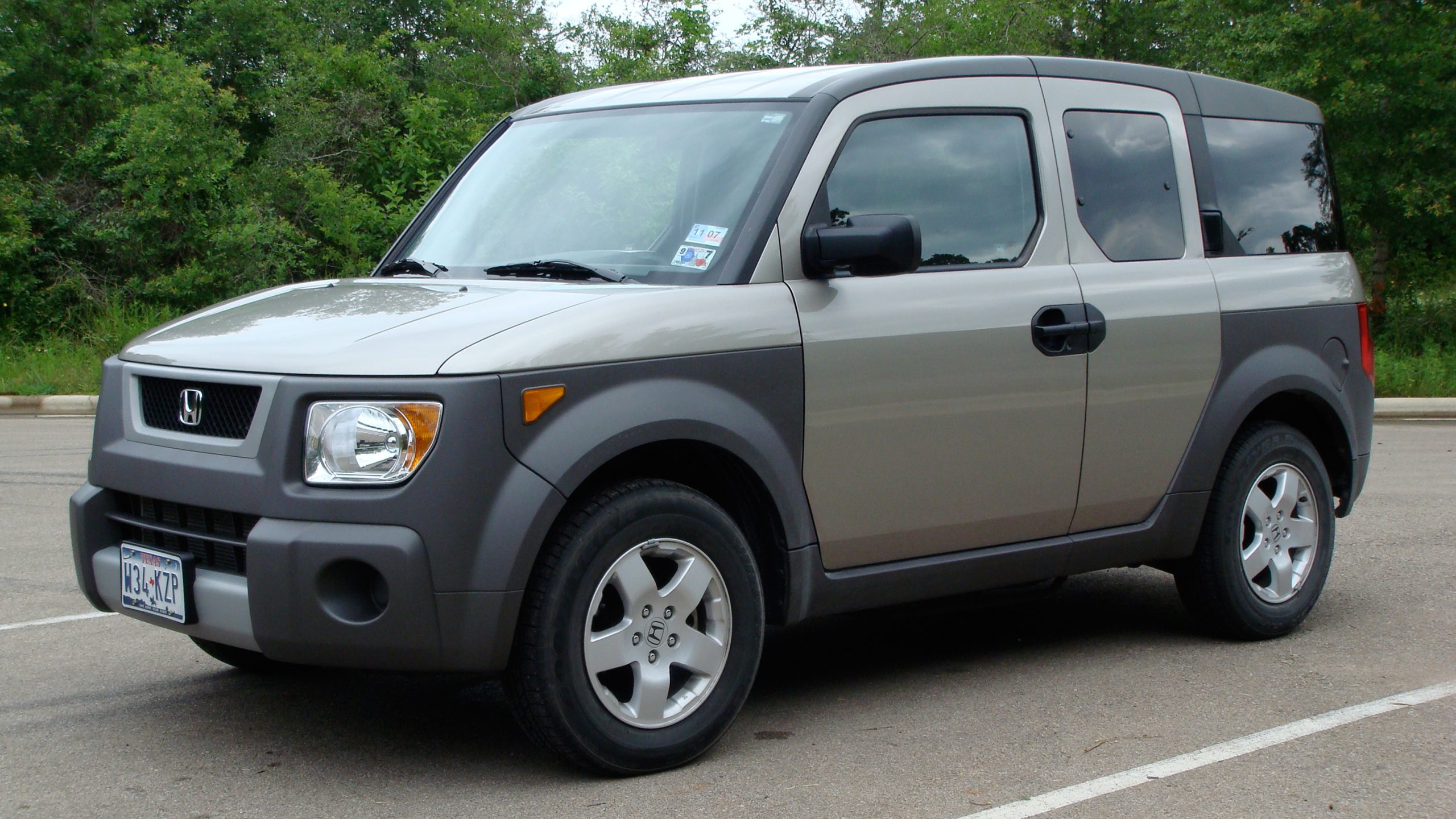
2. Honda Element (2003–2011): Rugged, Washable SUV for Active Lifestyles
The Honda Element, produced from 2003 to 2011, is a crossover SUV designed with practicality and active lifestyles in mind. Unlike traditional vehicles, it features TPO-coated urethane flooring that resists water, dirt, and scratches, making cleanup simple after outdoor adventures.
Most trims include “Fabric for Extreme Conditions” (FXC) on the seats, a durable, breathable, and waterproof material that withstands mud, sand, spilled drinks, and pet hair without retaining odors or permanent stains. While Honda recommended cleaning with a wet mop or rag rather than a full hose-out to protect electronics, the interior remains exceptionally resilient for messy activities.
The Element was built for enthusiasts who surf, camp, ski, or mountain bike, with features tailored to utility and versatility. Removable rear seats, clamshell cargo doors, and a flexible interior allow for hauling gear or pets with ease.
Special editions, like the Dog-Friendly 2010 model, added ramps, netting, and extra stain-resistant surfaces for pet owners.
Even the sport-oriented SC model provided urban performance with larger wheels, stiffer suspension, and lower ride height for drivers seeking more engaging handling. LX and EX trims focused on waterproof flooring and flexible storage, while SC offered unique carpets, dash trim, and 18-inch wheels.
Power comes from a 2.4-liter I-4 engine producing 166 horsepower, paired with a 5-speed automatic transmission. Front- and all-wheel-drive options are available, making it suitable for both city driving and outdoor excursions. The Element’s towing capacity exceeds 3,500 pounds, offering functional versatility beyond typical crossover SUVs.
Safety was also a priority. Standard equipment included electronic stability control, dual-stage front airbags, front-side and side curtain airbags, anti-lock brakes with electronic brake-force distribution, brake assist, tire pressure monitoring, and active front seat head restraints.
The Honda Element stands out as a durable, low-maintenance SUV designed for active individuals and pet owners. Its washable interior, flexible seating, and practical features make it ideal for handling messy outdoor adventures, while its moderate performance, reasonable fuel economy, and robust safety systems keep it accessible for everyday driving.
The combination of rugged utility, pet-friendly accommodations, and versatile design helped the Element maintain popularity throughout its production run, earning a reputation as a unique and dependable option for outdoor-focused buyers.
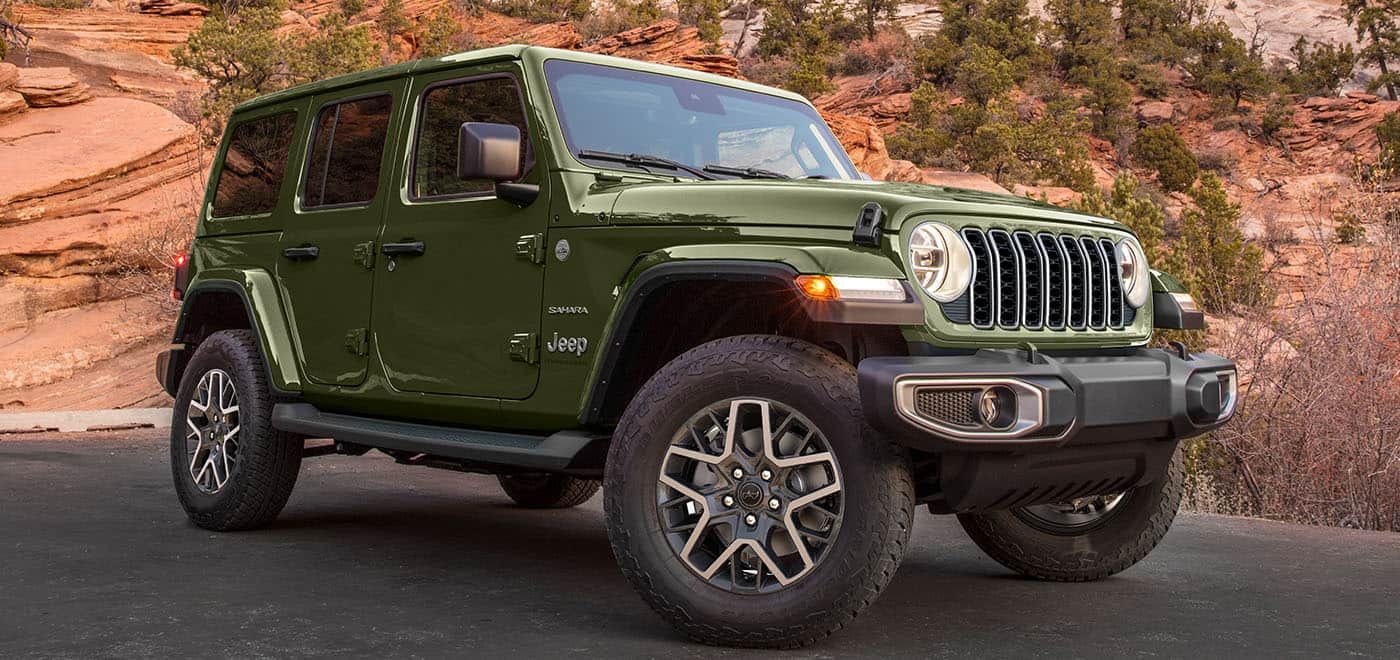
3. Jeep Wrangler (Select Trims): Durable, Washable Interior Meets Legendary Off-Road Capability
The Jeep Wrangler, particularly in select trims such as Sport and Willys, is designed for adventurous driving with a cabin built to withstand the elements. Its washable interior features removable carpets, durable floor surfaces, and one-way drain valves that allow water to exit the cabin without flowing back in.
This setup makes it easy to hose out mud, sand, or debris after off-road excursions or rainy, open-top driving. Higher trims often include McKinley leatherette or specialized vinyl that can be quickly scrubbed clean, while electrical components, including power-adjustable seat motors and infotainment screens, are engineered to resist moisture.
These features make the Wrangler particularly well-suited for outdoor enthusiasts and off-road adventurers.
The interior prioritizes utility over luxury. Removable carpets reveal durable, water-resistant flooring, while vinyl and heavy-duty materials protect surfaces against dirt and water exposure. Although not completely waterproof, the design allows for fast post-adventure cleaning, preserving the cabin from long-term wear and stains. This practical focus complements Wrangler’s reputation as a rugged off-roader.
The 2025–2026 Wrangler lineup includes eight trims, each offering a distinct balance of capability, comfort, and style. The Sport and Sport S trims provide value and basic utility with a 3.6L V6 or 2.0L turbo engine, while the Willys trim adds aggressive looks, rock rails, and 33-inch mud-terrain tires.
The Sahara trim emphasizes street comfort with optional heated leather seats and body-color fender flares. Rubicon and Rubicon X trims maximize off-road performance with locking differentials, electronic sway bar disconnect, and large tires, with the Rubicon X adding Nappa leather and integrated trail cameras for a more premium feel.
While the Wrangler excels off-road, it compromises highway comfort. The ride is firm and noisy, steering can feel vague, and the cabin is narrow with upright seats and a windshield. Standard technology includes a 12.3-inch Uconnect 5 touchscreen, wireless Apple CarPlay, and Android Auto. Safety features include forward collision warning and adaptive cruise control, though advanced systems are limited on base trims.
The Jeep Wrangler combines a durable, washable interior with iconic styling and unmatched off-road capability, making it a specialized choice for drivers prioritizing adventure over everyday road comfort.
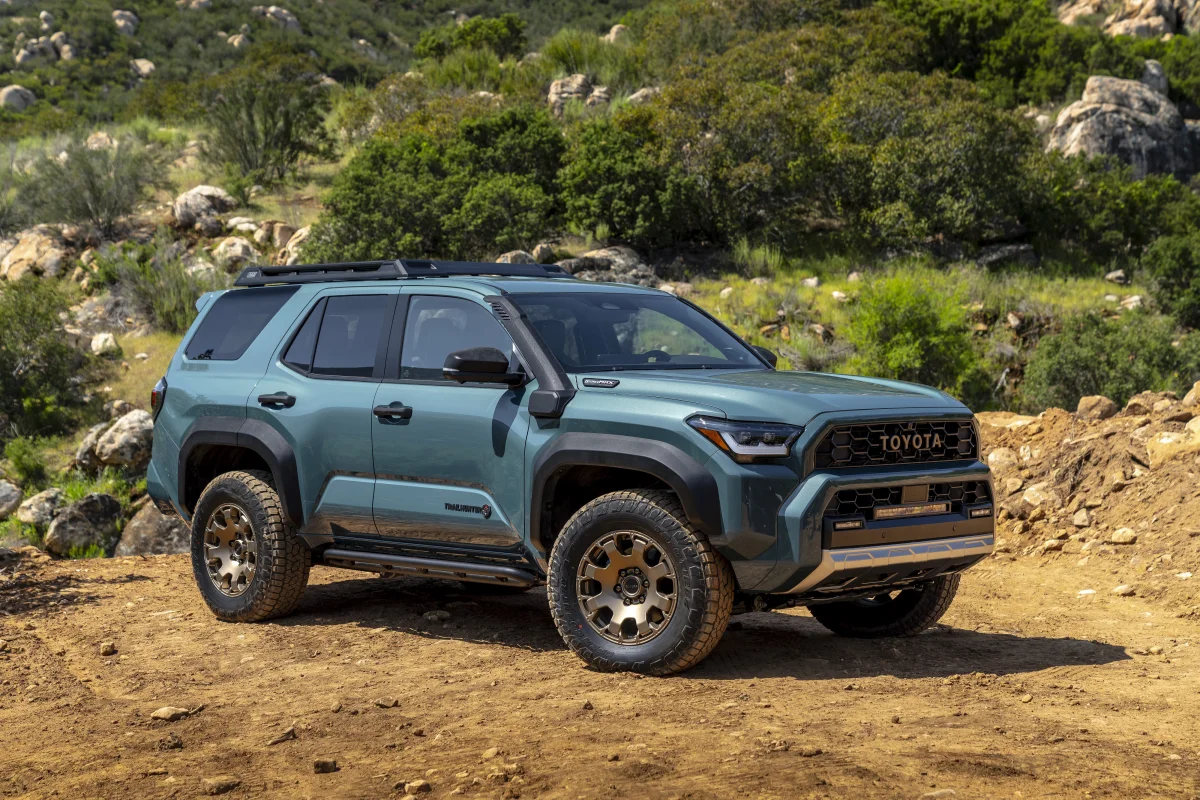
4. Toyota 4Runner (2026 Redesign): Rugged Durability Meets Washable, Adventure-Ready Interiors
The 2026 Toyota 4Runner builds on its long-standing reputation as a rugged, off-road-capable SUV while introducing modern conveniences and durable, washable interior materials. Many trims, including the TRD Off-Road and Limited, feature SofTex synthetic leather, which is non-porous, easy to clean, and resistant to UV cracking, dirt penetration, and spills.
Unlike traditional leather, SofTex requires little maintenance and can be wiped down with soap and water. Combined with all-weather mats and durable lower-trim cloth, the interior becomes a practical, low-maintenance environment capable of handling mud, sand, water, and everyday family or pet messes.
Washable interiors are a defining feature of the 2026 4Runner. Removable, easy-to-clean floor mats, durable seat materials, and rugged surfaces make post-adventure cleanup simple, catering to owners with active, outdoor-focused lifestyles. The design is particularly useful for off-road enthusiasts, families, and pet owners who require functionality without sacrificing comfort or style.
Under the hood, the 2026 4Runner offers a standard 2.4-liter turbocharged 4-cylinder engine and an optional i-Force Max hybrid producing 326 horsepower and significant torque for towing and climbing.
The SUV retains its body-on-frame construction and signature rear power window while adding trims such as the Trailhunter and TRD Pro for serious off-road capability. Technology upgrades include an available 14-inch touchscreen, digital instrument cluster, and wireless Apple CarPlay and Android Auto, enhancing convenience and connectivity.
Despite these improvements, the 4Runner retains a “trucky” ride on paved roads, and cargo space is slightly reduced in hybrid models due to the battery. Pricing for top trims reaches the mid-$60,000 range, reflecting its combination of advanced off-road capability, durable interior materials, and modern technology.
The 2026 Toyota 4Runner balances rugged performance with lifestyle-focused practicality. Its washable, durable interior, powerful engines, and off-road-ready features make it ideal for owners seeking a vehicle capable of tackling trails, family trips, and messy outdoor adventures while remaining relatively easy to maintain and clean.
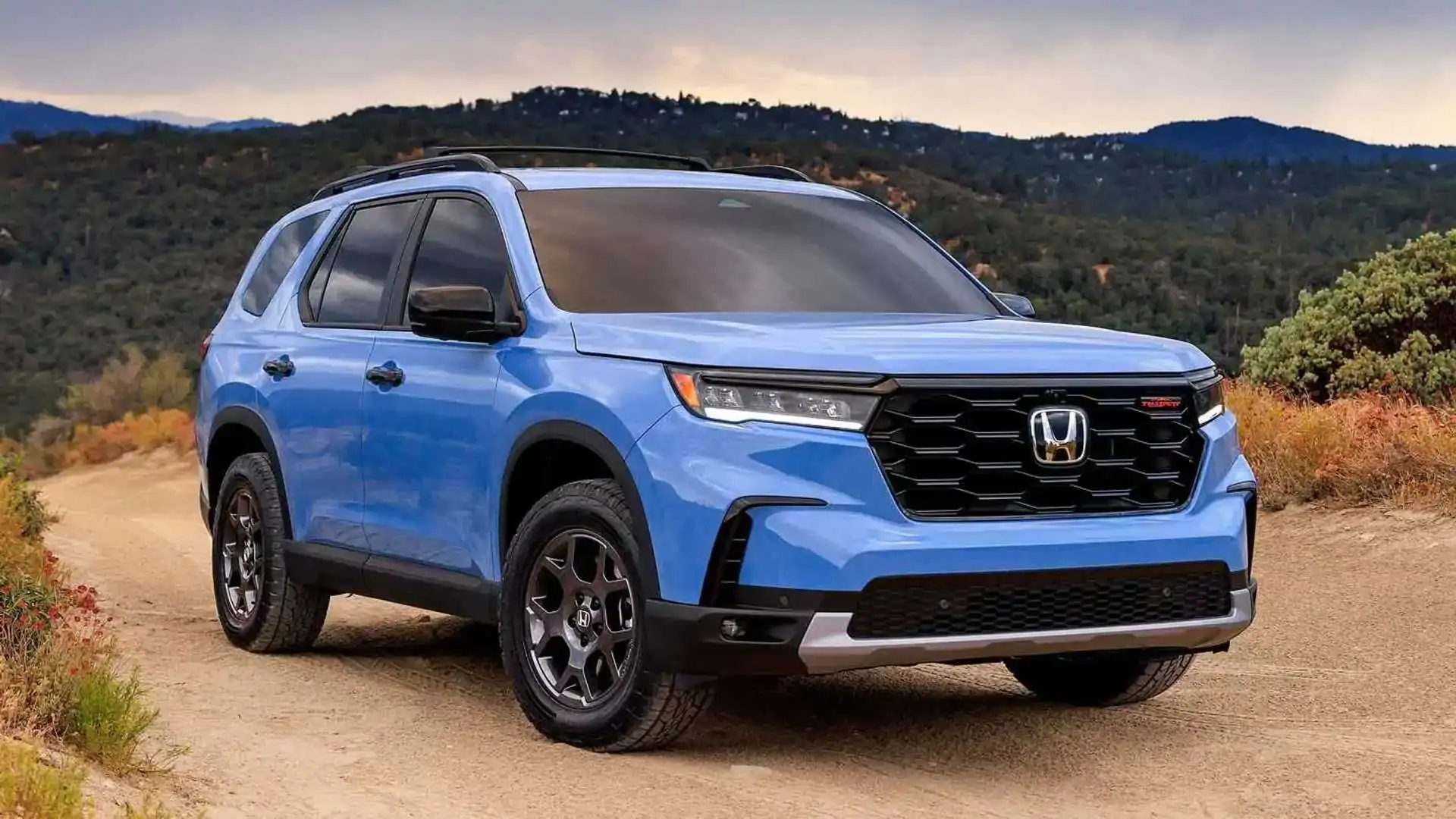
5. Honda Pilot (Family Trims): Durable, Family-Friendly Interior for Everyday Life
The 2026 Honda Pilot, especially in family-focused trims such as TrailSport and Elite, is designed to combine refinement with practical durability. Its interior features stain-resistant fabrics, tightly woven seat materials, and high-quality plastics that prevent spills, crumbs, and dirt from becoming permanent.
Smooth-surfaced trim panels are easy to wipe down or sanitize, making the Pilot particularly suited for families with children and pets. All-season floor mats, washable surfaces, and durable synthetic leather in TrailSport trims further enhance the SUV’s resilience against mud, juice spills, and everyday messes. These materials provide low-maintenance durability while retaining a premium feel.
Family-oriented design elements extend beyond materials. The second-row middle seat can be removed and stowed under the cargo floor, offering flexibility between eight-passenger seating or captain’s chairs. Cargo solutions include a double-sided floor with a carpeted side for everyday use and a washable plastic side for wet or dirty gear.
TrailSport adds rugged styling and increased ground clearance (8.3 inches), while the Elite trim emphasizes comfort with quilted leather, heated and ventilated seats, and a panoramic roof. Exposed LATCH anchors simplify car seat installation, making the Pilot practical for families with young children.
Power and performance come from a 3.5-liter V6 producing 285 horsepower and 262 lb-ft of torque, paired with a smooth 10-speed automatic transmission. All-wheel-drive models can tow up to 5,000 pounds. While fuel economy is moderate at 19 city / 25 highway / 21 combined MPG, the Pilot delivers a stable, comfortable ride for family trips and daily commuting.
Technology and safety are strong points in the 2026 Pilot. A 12.3-inch infotainment touchscreen with Google built in and a 10.2-inch digital driver display are standard, enhancing convenience and connectivity.
Honda Sensing safety features are standard across trims, providing forward collision warning, adaptive cruise control, and lane-keeping assistance. These features contribute to the Pilot’s 5-star NHTSA safety rating, reinforcing its reputation as a secure family vehicle.
The 2026 Honda Pilot balances durability, comfort, and practicality. Its washable, low-maintenance interior, versatile seating arrangements, and family-focused features make it ideal for daily life with children or pets.
While fuel economy and third-row space are slightly limited, the Pilot remains a top contender against rivals like the Kia Telluride and Hyundai Palisade, providing a highly adaptable, reliable, and family-ready SUV for everyday use and active lifestyles.
Also Read: 5 Cars That Are Unstoppable in Deep Snow vs 5 AWD Models That Get Stuck
5 That Stain Easily
1. Nissan Rogue (Base Trim): Challenges of Porous Cloth Interiors
The base-trim Nissan Rogue, commonly the S model, is designed with practicality in mind but suffers from notable interior staining issues due to its light-colored, porous cloth upholstery. Unlike higher trims such as the SL or Platinum, which feature leather or Prima-Tex™ leatherette with integrated stain resistance, the base trim relies on standard woven fabric that lacks liquid-repellent coatings.
This makes it particularly vulnerable to spills from water, coffee, soda, or mud, which can penetrate deep into the seat fibers and foam cushioning beneath.
Over time, these absorbed liquids can leave visible rings known as “tidelines,” as water evaporates and deposits dissolved dirt along the edges. Trapped subsurface moisture may later resurface, sometimes bringing dirt or even mold spores to the surface, creating persistent “mystery stains.”
The Rogue’s light interior color options, particularly Light Gray, further highlight the staining problem. While visually modern and airy, light-colored fabric shows small marks from denim dye transfer, dust, skin oils, and everyday use immediately. This makes routine maintenance essential, including frequent cleaning and the application of fabric protectors to reduce long-term discoloration.
In addition to user-induced stains, some 2021–2023 Nissan Rogue models have experienced external leakage issues that exacerbate staining.
Roof rail leaks, often caused by defective plastic clips or bolts, can allow water to seep into the cabin, leaving brown or gray stains on the A-pillars and headliner. Nissan has issued service bulletins (NTB21-097) to address these leaks, highlighting that staining in base-trim models can be a combination of material limitations and external defects.
Cleaning and prevention for the base-trim Rogue require diligence. DIY solutions often involve a mixture of vinegar, dish soap, and hot water, applied with a sponge and gentle brushing.
To maintain uniform color, it is typically necessary to clean the entire seat surface rather than just spot-treating. After cleaning, applying an aftermarket fabric protectant spray can help future spills bead on the surface, making them easier to blot before they penetrate the fibers.
While the Nissan Rogue S provides a functional, entry-level cabin, the porous cloth and light interior colors demand careful upkeep. Owners seeking a low-maintenance, stain-resistant interior may need to consider higher trims or supplemental protective treatments to avoid persistent marks and discoloration over time.
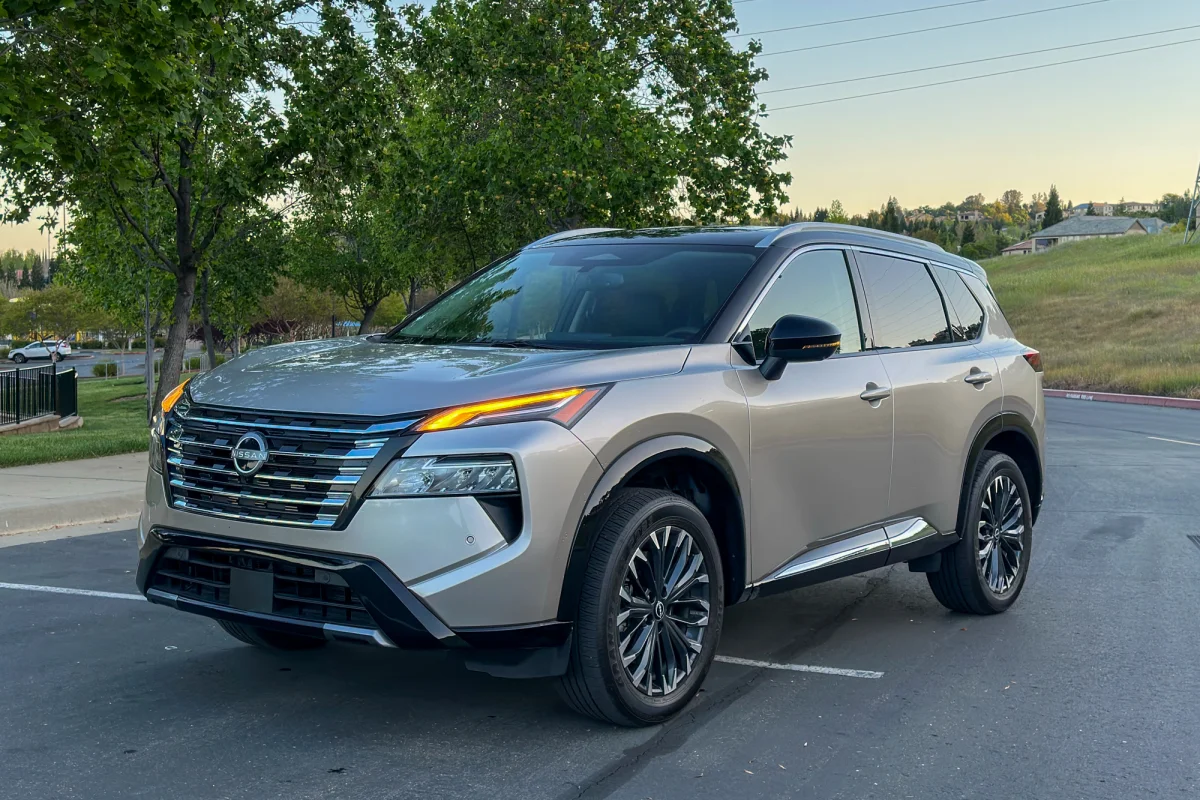
2. Mitsubishi Outlander Sport (Base): Challenges with Entry-Level Fabric Interiors
The Mitsubishi Outlander Sport (Base) prioritizes affordability, but its standard interior materials make it prone to staining and wear. Unlike higher trims such as the SEL or Exceed, which feature leather or suede-look Granlux surfaces, the base model uses standard automotive cloth upholstery combined with hard plastics.
This entry-level fabric lacks a dense weave, allowing liquids from drinks, snacks, or body oils to soak deeply into the seat foam. Once absorbed, these spills are difficult to remove completely, leaving persistent odors and darkened patches on armrests and seat bolsters.
A major contributor to the staining issue is the absence of factory-applied protective coatings. Higher trims or optional packages, like Mitsubishi’s Diamond Protect, use copolymer technology to repel liquids and food-based spills.
Base models lack this barrier, leaving the raw fabric fully exposed. Even small accidents, such as a coffee spill or a splash of water, can leave lasting marks. The porous nature of the cloth prevents liquids from beading on the surface, meaning traditional wiping often fails to resolve the problem.
Material texture also plays a role. The Outlander Sport’s interior incorporates substantial amounts of hard, textured plastics. These surfaces are prone to scuffing and attract dust and debris, which, combined with the low-end fabric, create a “bargain-basement” appearance even with minimal use.
Dark-colored interiors, such as black or gray, mask some stains but emphasize others, including mineral deposits from water, oily patches from skin contact, and visible debris like crumbs or pet hair. Over time, these elements contribute to a worn and dingy look that requires consistent maintenance.
Owners of base trims can take several steps to mitigate these issues. Applying an aftermarket fabric protector spray, such as TexGuard, creates a water-repellent barrier that helps prevent liquid penetration.
Custom-fit seat covers provide an additional wipeable layer, extending the life of the original upholstery. Prompt cleaning and regular maintenance, including blotting spills with microfiber towels, are essential to prevent stains from setting into the foam.
While the Mitsubishi Outlander Sport (Base) offers a functional and budget-friendly entry point into the compact SUV segment, its interior materials demand careful attention. Without protective treatments or vigilant upkeep, the fabric and plastics can quickly show wear, staining, and odors, highlighting the trade-off between affordability and long-term cabin durability.
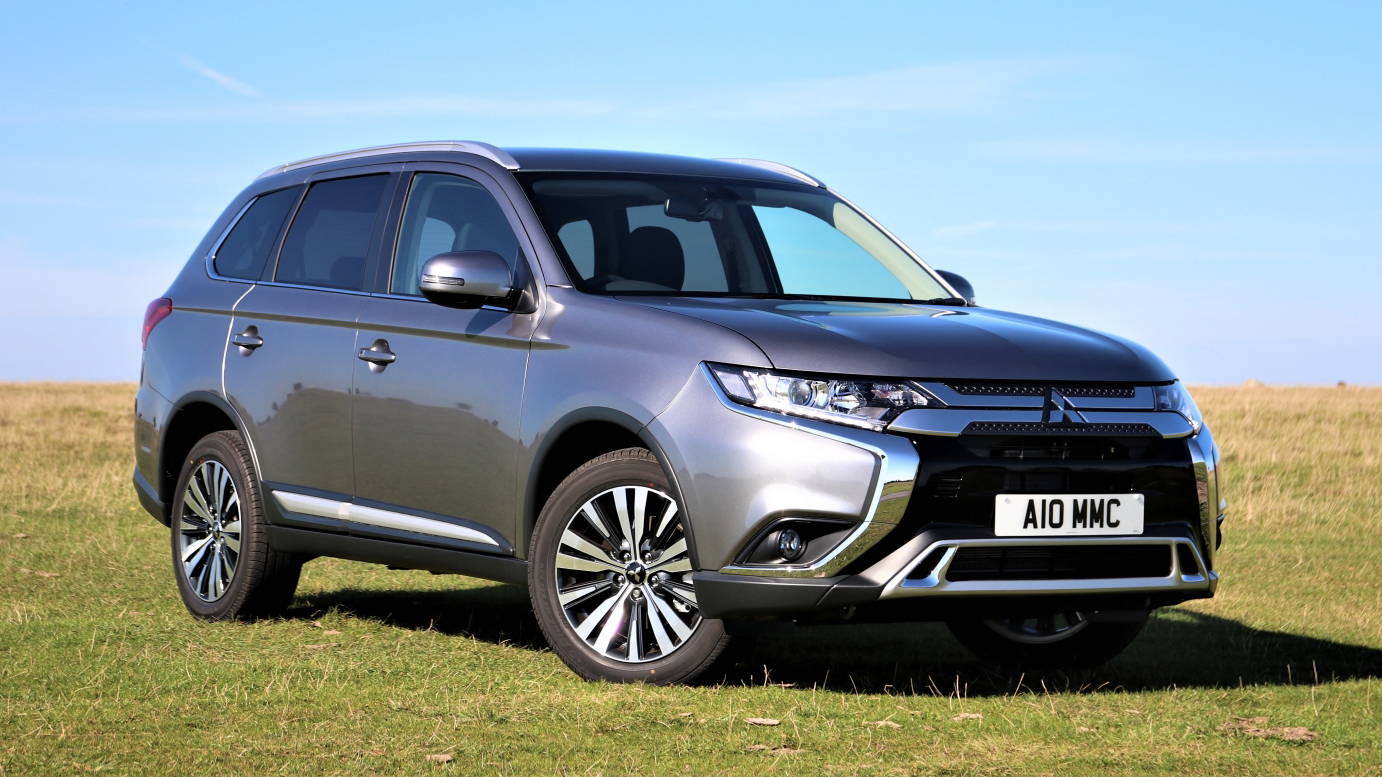
3. Hyundai Tucson Base Trim: Stain-Prone Interiors and Practical Considerations
The base-trim Hyundai Tucson, particularly older SE models, features standard cloth upholstery that, while soft and comfortable, is highly prone to staining. Unlike higher trims such as the SEL, XRT, or Limited, which offer H-Tex synthetic leather or genuine leather, the SE’s cloth is porous and quickly absorbs liquids.
Even with factory-applied stain-resistant treatments, spills can penetrate the fibers and reach the seat foam beneath. This often results in persistent “shadows” or discoloration, particularly when cleaning is delayed, as trapped moisture can wick dirt or previous stains back to the surface.
The fabric’s texture also contributes to the problem. It tends to trap pet hair, dust, and debris more aggressively than smoother materials, making it harder to maintain a clean cabin in daily family or pet-centric use.
Lighter interior colors, such as light gray, are especially vulnerable, revealing everything from coffee spills and mud to mineral water spots. Additionally, dye transfer from dark clothing, like new denim, can leave visible marks even on treated cloth surfaces. Darker shades, such as black, hide some marks but still show oils, dust, and debris over time.
Compared to higher trims, the limitations of base SE materials are evident. H-Tex synthetic leather on the SEL or XRT trims provides a non-porous surface that is much easier to wipe clean and resists liquid absorption.
Genuine leather in the Limited trim, while requiring maintenance to prevent cracking, offers a smoother, more stain-resistant surface. These premium materials significantly reduce the appearance of everyday messes and are more forgiving to families or outdoor enthusiasts.
Owners of the base-trim Tucson can take practical steps to protect the interior and manage stains. Immediate blotting with a microfiber cloth is critical to prevent liquids from seeping into the foam. For deeper or persistent stains, a solution of warm water, vinegar, and a small amount of dish soap can help lift discoloration.
Many SE owners also use aftermarket seat covers made of neoprene or leatherette to create a fully waterproof barrier that prevents spills from reaching the factory fabric altogether.
While the Hyundai Tucson SE offers an affordable entry point into the compact SUV segment, its standard cloth interiors require attentive maintenance. Understanding the material’s limitations and using preventive measures can help maintain a cleaner, more durable cabin despite the susceptibility to spills, pet hair, and general wear.
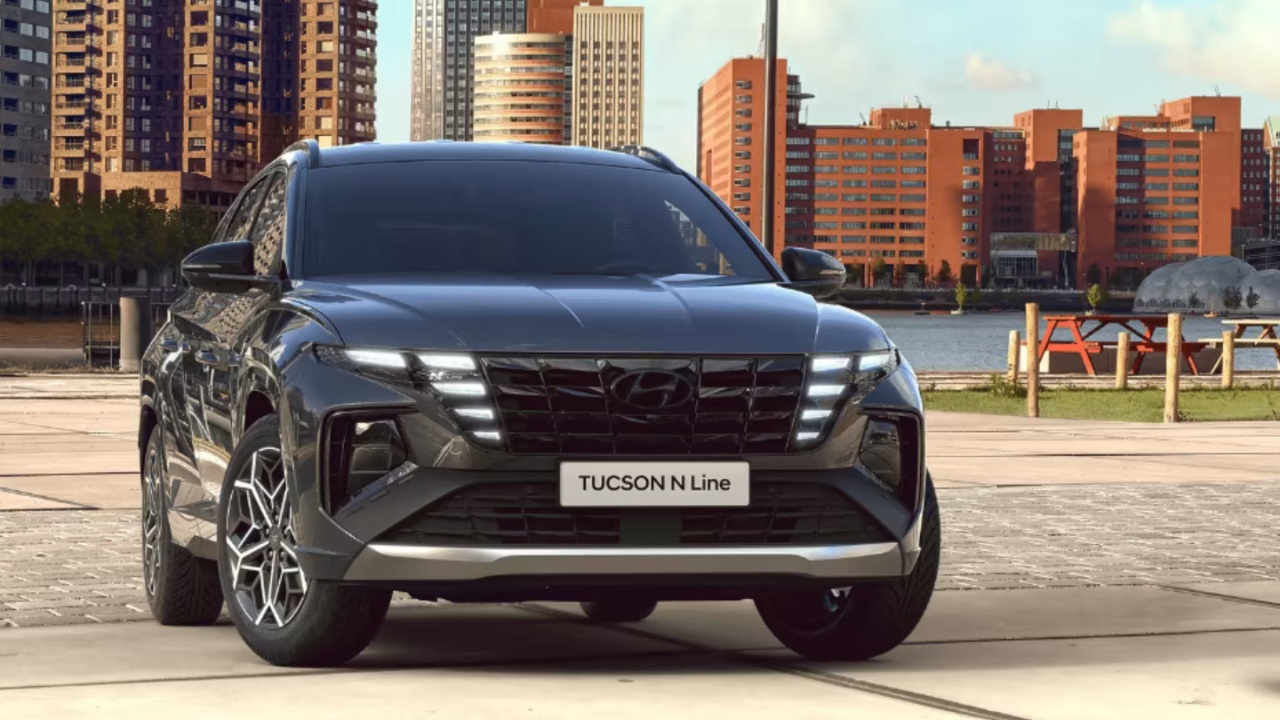
4. Toyota Corolla Cross Base Trim: Stain-Prone Cloth Interiors and Care Tips
The base-trim Toyota Corolla Cross, particularly in the “L” and mid-tier “LE” trims, comes equipped with textured cloth upholstery designed for grip and comfort. While practical for everyday use, this fabric is highly absorbent and prone to staining. The weave of the material creates tiny crevices where crumbs, dust, and dried mud accumulate, making routine cleaning more challenging.
Any pigmented liquid, such as coffee, sports drinks, or even condensation from a water bottle, can quickly soak into the fibers and reach the foam padding below, resulting in long-lasting marks. Unlike higher trims with SofTex synthetic leather, the base cloth lacks a protective, non-porous surface, which means even clean water can leave visible discoloration.
The main cause of these persistent stains is a process called wicking. As moisture penetrates the fabric and reaches the foam, it dissolves tiny particles of dust, skin cells, and mineral deposits.
When the liquid evaporates, it carries these particles back to the surface, often leaving a concentrated “tideline” around the edges of the damp area. Light-colored seats, like the common Light Gray in base trims, make this effect highly visible, accentuating even minor spills or water droplets.
Maintaining a clean appearance requires proactive and careful cleaning methods. Owners should avoid localized spot cleaning, which can push dirt deeper into the seat foam or create new water rings. Instead, the entire panel should be cleaned evenly using pH-neutral upholstery cleaners or a gentle mixture of white vinegar, dish soap, and hot water.
For stubborn stains, a baking soda paste can help lift dirt. Light circular scrubbing with a soft-bristled brush or microfiber towel assists in removing particles from the fibers. Moisture extraction, ideally with a wet vacuum or portable extractor, prevents residue from settling; if unavailable, blotting with dry microfiber towels is essential.
Prevention is the most effective strategy. Applying a fabric protectant spray, such as 303 Fabric Guard or Scotchgard, creates a hydrophobic barrier, causing liquids to bead on the surface rather than soaking in. Additionally, custom-fit leatherette or neoprene seat covers provide a waterproof layer that simplifies cleaning and protects the original cloth from spills, pet hair, and daily debris.
While the Corolla Cross base-trim fabric prioritizes affordability and comfort, its porous nature demands vigilant care. With consistent cleaning, protective sprays, and optional seat covers, owners can preserve the interior’s appearance and functionality despite the inherent vulnerability of the cloth upholstery.
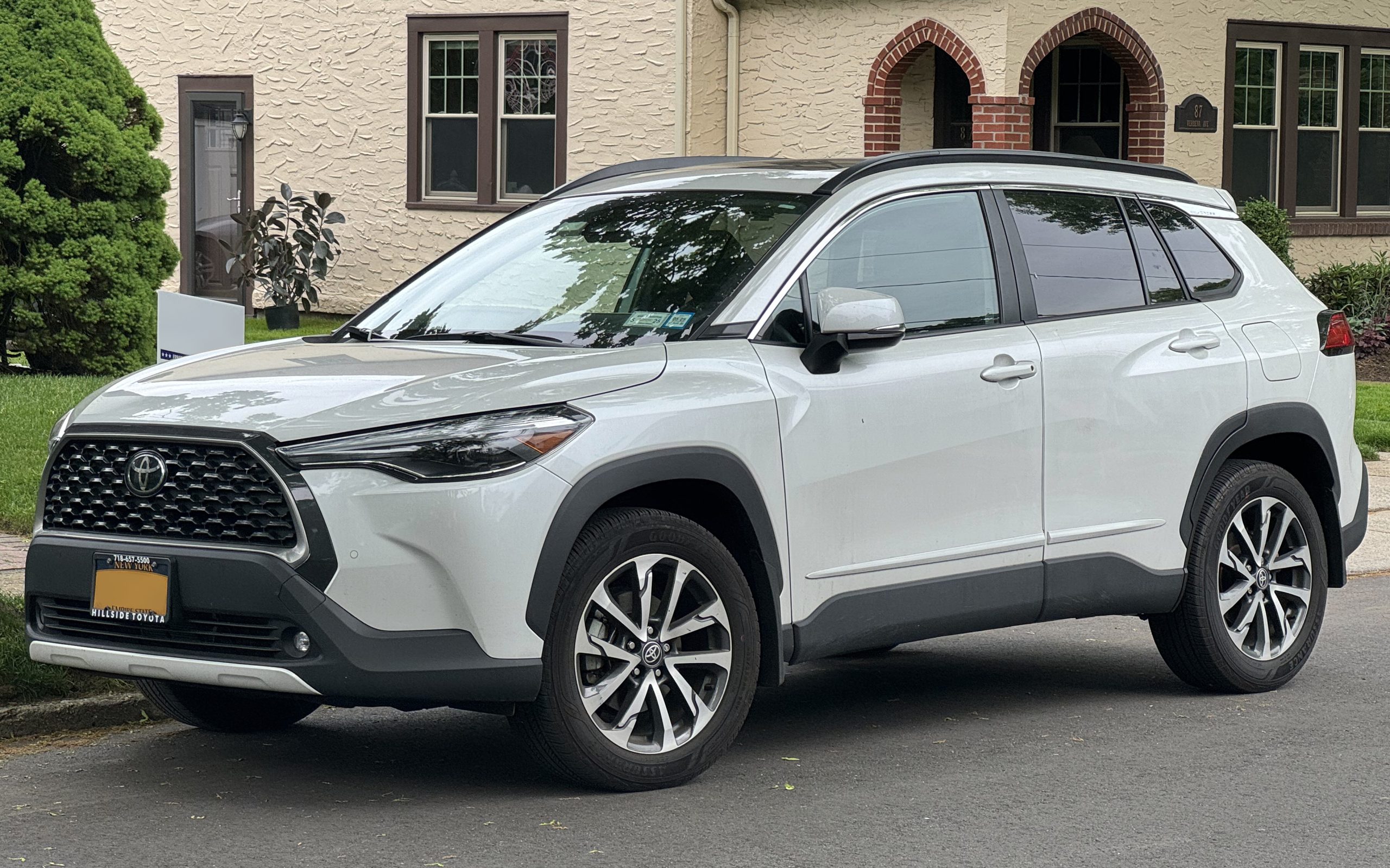
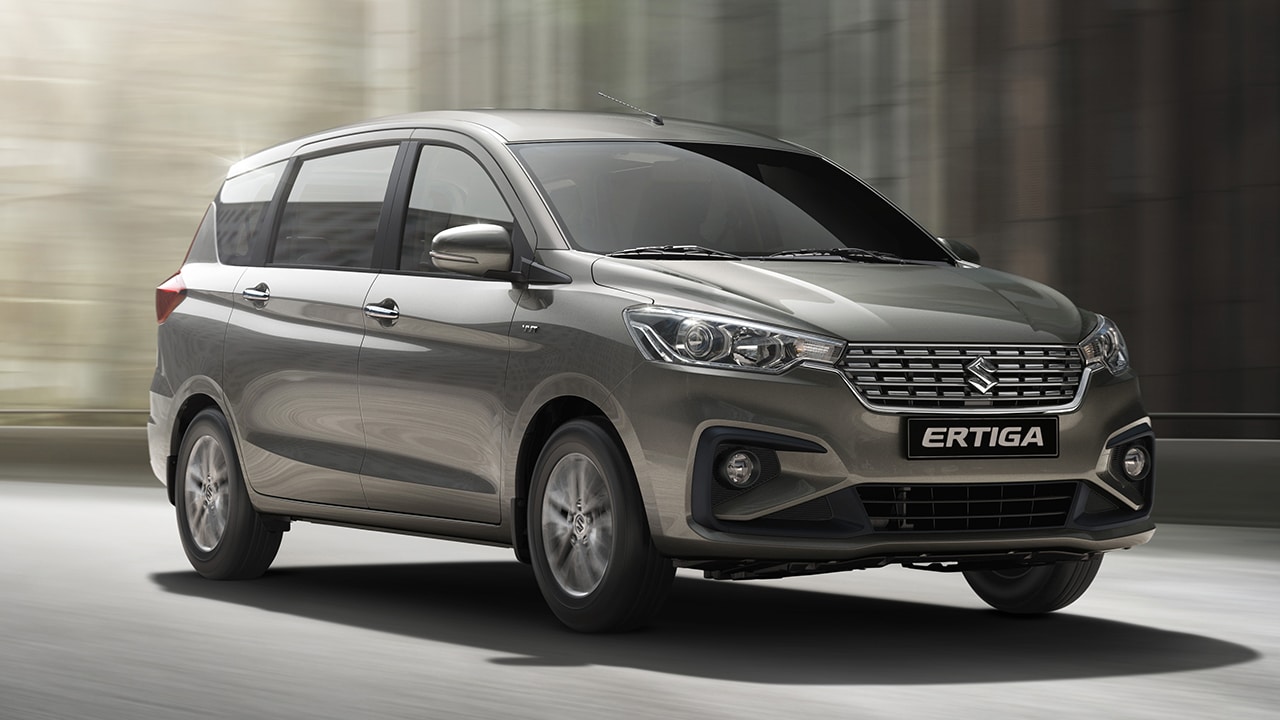
5. Suzuki Ertiga Base Interiors: Stain-Prone Cloth and Care Strategies
The Suzuki Ertiga, widely used as a high-capacity family vehicle, often features standard, untreated cloth upholstery designed to keep costs low. While functional, this fabric is thin, highly absorbent, and prone to staining. Even small spills can spread quickly, leaving noticeable blotches.
In tropical or humid regions, sweat or damp clothing can also cause water marks, and after a few years of heavy use, the interior often shows visible wear and discoloration. Light-colored beige fabric, a common choice for base trims, contributes to this challenge by highlighting every minor mishap, from dust and sweat to spills of juice, coffee, or other liquids.
The material itself exacerbates the problem. Unlike leather or synthetic alternatives that repel liquids, standard cloth fibers are porous, allowing spills to seep deep into the cushion foam. As the seat dries, oils and dirt can “wick” back to the surface, creating recurring dark patches or rings.
Dye transfer is another common concern, with dark clothing, especially denim, leaving permanent marks. For family-oriented vehicles like the Ertiga, high foot traffic and messy children further increase the likelihood of stains. Environmental factors, such as heat, humidity, and sweat, can also gradually discolor the fabric, making maintenance a constant requirement for owners who want to preserve a clean look.
To address these issues, Suzuki introduced the Black Edition in markets like the Philippines. This model features darker seat panels and materials, which are naturally more stain-resistant and better at concealing wear. The Black Edition has become the preferred choice for families who prioritize practicality over aesthetics, effectively reducing the appearance of daily dirt and spills.
For owners of beige or light-colored Ertiga interiors, proactive maintenance is essential. Immediate blotting of spills with a microfiber cloth prevents liquids from soaking into the cushion. Applying a fabric protector can create a hydrophobic barrier, causing liquids to bead on the surface.
Seat covers provide an additional protective layer and are the most effective way to preserve the original material. For existing stains, dedicated fabric cleaners combined with gentle scrubbing using a soft-bristle brush can lift dirt without damaging fibers. Regular cleaning and careful attention can significantly extend the appearance and durability of the Ertiga’s interior.
The Suzuki Ertiga’s base cloth interiors offer affordability and comfort but require vigilance to avoid permanent staining. Darker trims like the Black Edition, along with protective measures and timely cleaning, provide practical solutions for families seeking durability and low-maintenance interiors.
Selecting a utility vehicle often depends on daily use and cleaning needs. Washable interiors provide convenience and peace of mind for families, pet owners, and outdoor adventurers because mud, spills, and dirt can be removed without damage. Vehicles such as the Bronco, Element, Wrangler, 4Runner, and Pilot show that rugged performance and practical, easy-to-clean interiors can work together.
In contrast, base-trim models like the Rogue S, Outlander Sport Base, Tucson SE, Corolla Cross L, and Ertiga require extra care to avoid stains and maintain a clean appearance. By considering material quality, interior design, and maintenance demands, buyers can select a utility vehicle that combines comfort, durability, and long-term usability for their lifestyle.
Also Read: Top 10 Cars With Heavy Duty Floor Mats Included From the Factory
