Cruise control has become an essential feature in modern vehicles, offering drivers convenience, safety, and a more relaxed driving experience. Once considered a luxury, adaptive and intuitive cruise control systems are now available in a wide range of cars, trucks, and SUVs.
These systems not only maintain a set speed but also adjust to traffic conditions, road curvature, and driver behavior, making long journeys less stressful.
Intuitive cruise control combines advanced sensors, radar, and sometimes cameras to monitor surrounding vehicles, enabling the system to automatically slow down or accelerate as needed.
This technology reduces the need for constant footwork on the accelerator or brake, lowering driver fatigue and enhancing efficiency. Cars with well-integrated systems offer seamless transitions between manual and assisted driving.
Automakers have increasingly focused on user-friendly interfaces for cruise control, ensuring controls are easy to access and understand. Some vehicles include steering assist, lane-centering support, and distance management, creating a near-autonomous experience on highways. The responsiveness and predictability of these systems greatly influence driver confidence and satisfaction.
A strong cruise control system also contributes to safety by helping maintain consistent speed and following distance. Many modern systems can even react faster than humans in certain traffic scenarios, providing a layer of proactive defense against potential collisions.
By combining technology with practical design, vehicles with highly intuitive cruise control systems create a smoother driving environment.
With continuous innovation, the gap between assisted driving and full automation is narrowing. The following list highlights ten vehicles recognized for their intelligent cruise control systems. Each of these vehicles showcases the integration of precision, safety, and comfort, offering drivers a superior driving experience on highways and long commutes.
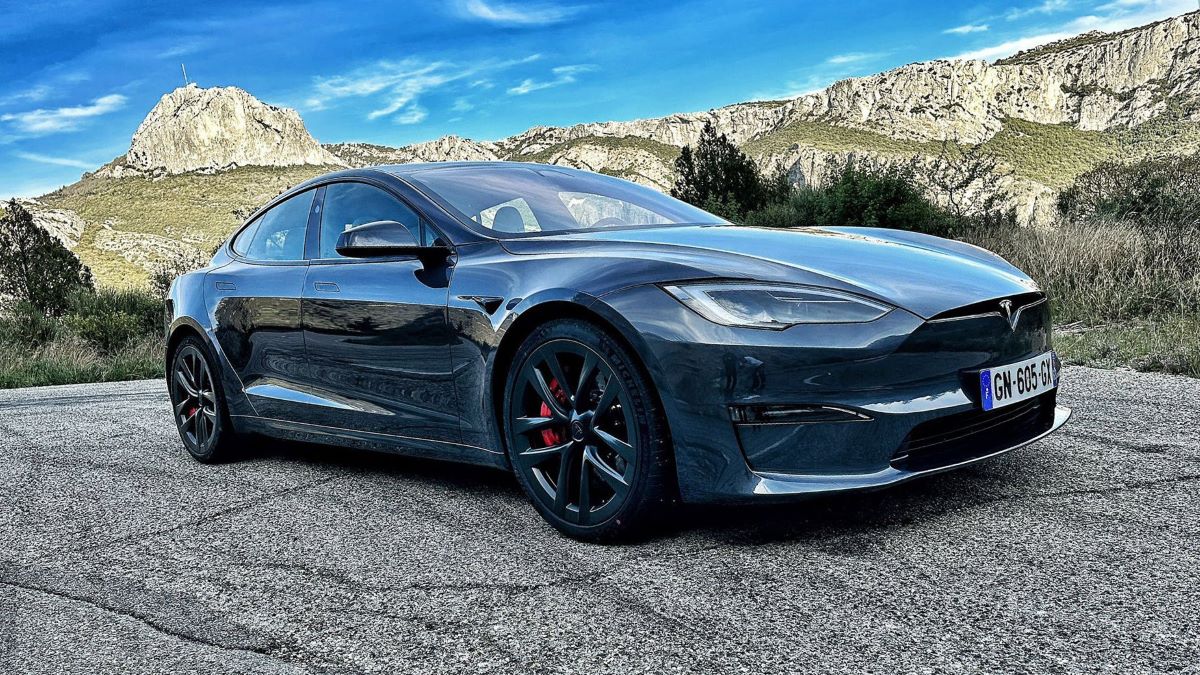
1. Tesla Model S
The Tesla Model S has redefined what drivers expect from cruise control technology. Its Autopilot system uses advanced radar, ultrasonic sensors, and cameras to monitor the surrounding environment with remarkable accuracy.
The system automatically adjusts the car’s speed and maintains a safe distance from vehicles ahead, even in heavy traffic. Drivers can also set speed limits that the system respects, providing a smooth and controlled driving experience.
Tesla’s interface allows for easy activation and control of the system, with simple steering wheel controls and clear dashboard displays. The car provides real-time feedback on how the system responds to nearby vehicles, creating confidence in its decision-making. Additionally, lane-keeping support ensures the vehicle remains centered, reducing the need for constant driver input.
Updates over the air continuously improve the functionality of the cruise control system. Tesla owners benefit from software enhancements that fine-tune the responsiveness, braking, and acceleration of the vehicle. These updates make the system feel progressively more natural and intuitive over time, enhancing user satisfaction.
The Model S also incorporates predictive features, such as adjusting speed when approaching curves or traffic signals. By analyzing real-time traffic data, the system anticipates slowdowns and reacts accordingly. This proactive approach reduces sudden braking and enhances passenger comfort during long drives.
Drivers praise the Tesla Model S for its combination of high performance and advanced technology. The seamless integration of cruise control into the vehicle’s system makes it one of the most intuitive and reliable options for those seeking assisted driving on modern highways.
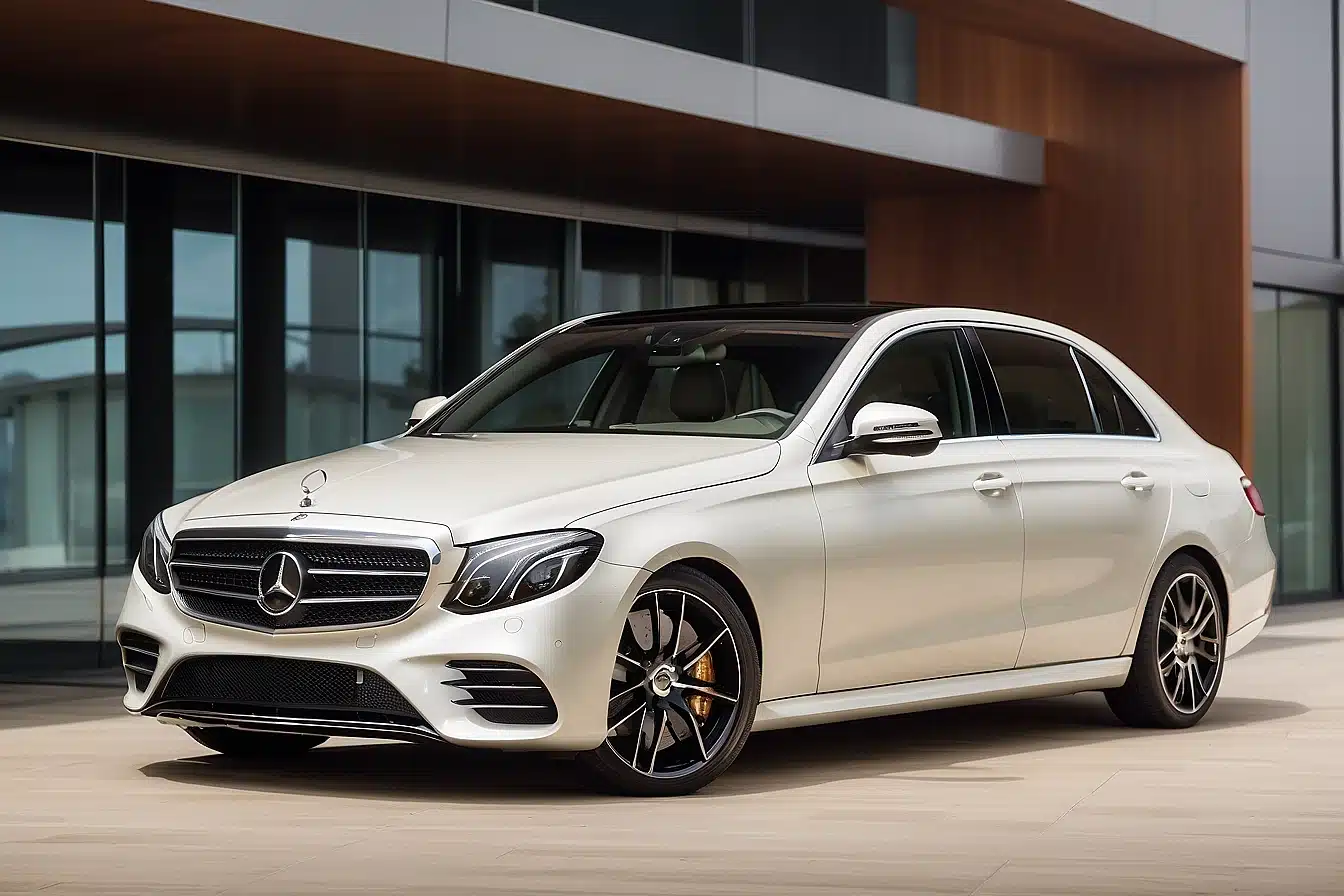
2. Mercedes-Benz E-Class
The Mercedes-Benz E-Class offers one of the most sophisticated adaptive cruise control systems in its class. Its Drive Pilot system combines radar and camera sensors to maintain speed, manage distance, and respond to traffic conditions. The system can reduce speed automatically in stop-and-go traffic, making urban and highway driving significantly easier.
Mercedes focuses on intuitive user interaction, allowing drivers to control the system through steering wheel buttons and a clear digital interface. Information about following distance, current speed, and lane positioning is displayed in a straightforward manner. This approach ensures drivers remain informed without feeling overwhelmed by technology.
E-Class vehicles also offer active steering assist, which works alongside cruise control to help the car stay centered in the lane. This reduces driver fatigue on long trips and improves safety. The system gently corrects the steering when necessary, providing support without feeling intrusive.
The car also anticipates curves and adjusts speed to maintain stability and comfort. The adaptive system monitors the road ahead and responds to upcoming changes, including hills and corners. This capability ensures smooth handling, especially in areas with varying traffic speeds.
With its combination of performance, luxury, and technology, the Mercedes-Benz E-Class exemplifies how intelligent cruise control can enhance both comfort and safety. Its well-designed interface and precise controls make it highly intuitive for drivers of all experience levels.
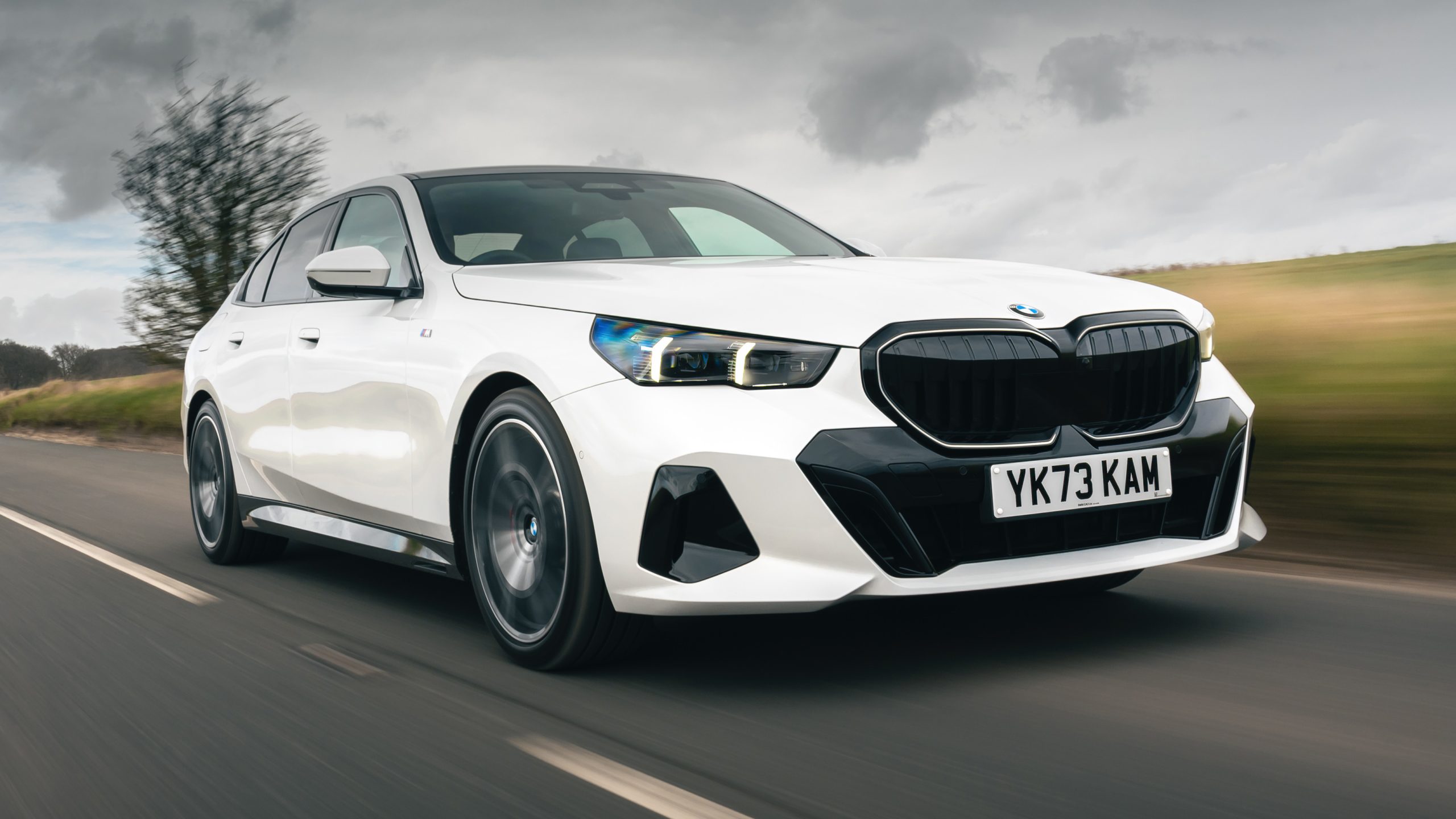
3. BMW 5 Series
BMW’s 5 Series offers a highly responsive adaptive cruise control system known as Driving Assistant Professional. This system uses a combination of radar and camera inputs to maintain speed, manage distance, and assist with lane-keeping. Its intuitive design allows for a smooth transition between manual and assisted driving, minimizing driver effort on long journeys.
The vehicle provides clear visual cues on the dashboard, indicating system status, lane positioning, and nearby vehicles. Drivers can easily adjust speed and following distance using simple controls on the steering wheel. The combination of simplicity and precision ensures confidence when using the system in different traffic conditions.
BMW’s system is proactive, adjusting speed when approaching curves, intersections, or slower vehicles. The technology also integrates with navigation data to optimize driving behavior, such as slowing down before tight corners or upcoming traffic changes. This predictive functionality enhances safety and comfort.
In addition to speed and distance control, the system provides active lane guidance. Steering inputs are gently supported, helping the vehicle stay centered without requiring constant manual adjustments. This feature is particularly useful on highways or in congested traffic.
Drivers report that the BMW 5 Series offers one of the most natural cruise control experiences available. Its combination of predictive intelligence, clear communication, and gentle assistance makes the system feel like an extension of the driver’s own instincts.
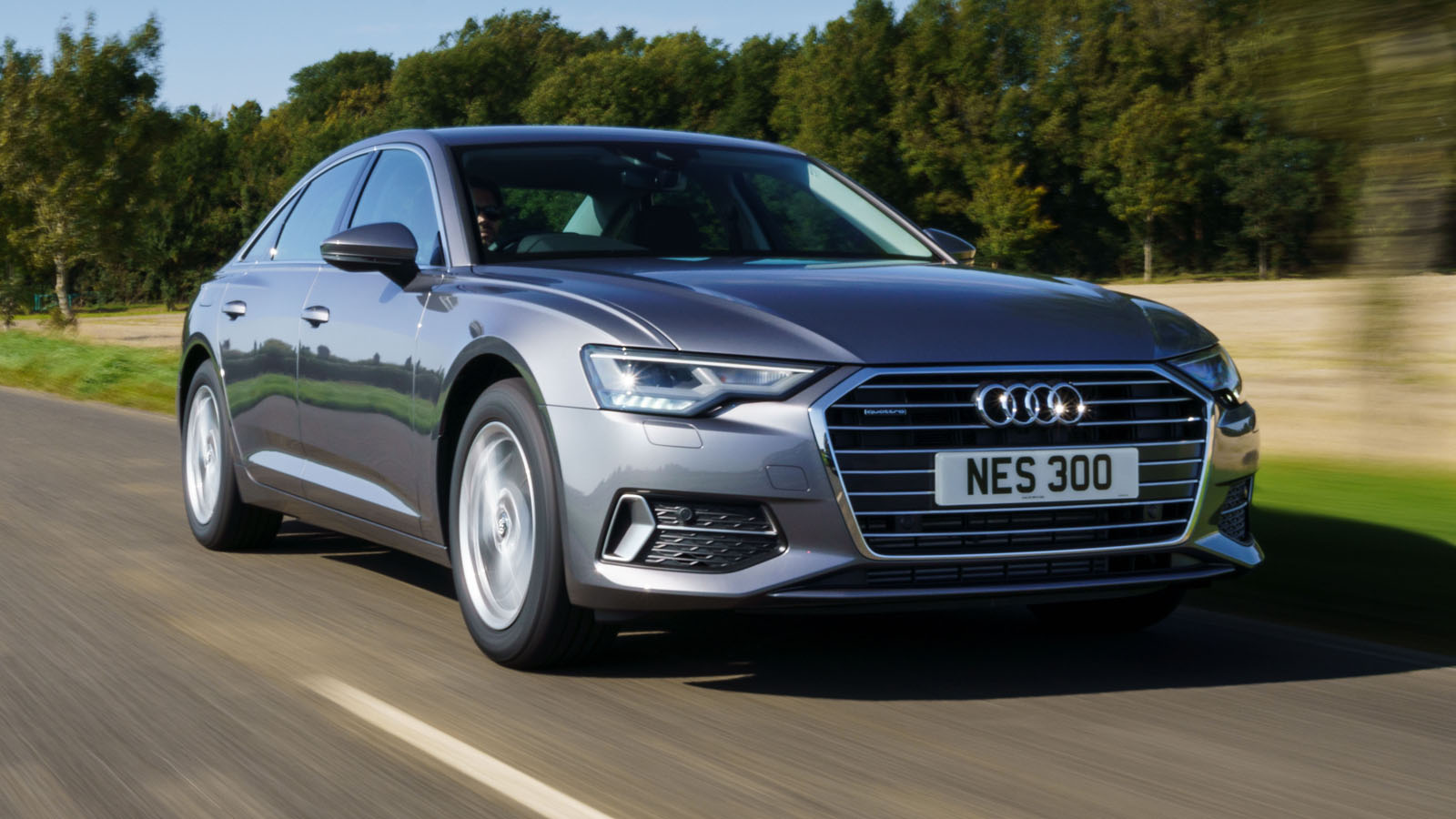
4. Audi A6
The Audi A6 incorporates adaptive cruise control that emphasizes comfort, precision, and ease of use. Using a combination of radar and cameras, the system maintains set speeds while adjusting to traffic flow. It automatically slows down when vehicles are detected ahead and accelerates when the lane is clear, creating a stress-free driving environment.
Audi’s interface ensures the system is intuitive, with straightforward steering wheel controls and digital display feedback. Drivers can see the exact distance to vehicles in front and receive warnings when manual intervention is necessary. The clarity of information enhances user confidence.
The A6 also provides lane guidance support, helping drivers stay centered without oversteering. The system applies minor steering corrections to reduce drift and enhance stability. This feature is especially valuable during long highway journeys or when driving in heavy traffic.
Another strength of the A6 system is its ability to anticipate changes in traffic speed. It adjusts smoothly when approaching curves, exits, or congestion, avoiding abrupt acceleration or braking. Passengers benefit from consistent motion, minimizing discomfort during long trips.
With its combination of precise control, predictive adjustments, and user-friendly interface, the Audi A6 stands out as a model for intuitive cruise control. Its technology integrates seamlessly into the driving experience, enhancing both comfort and safety.
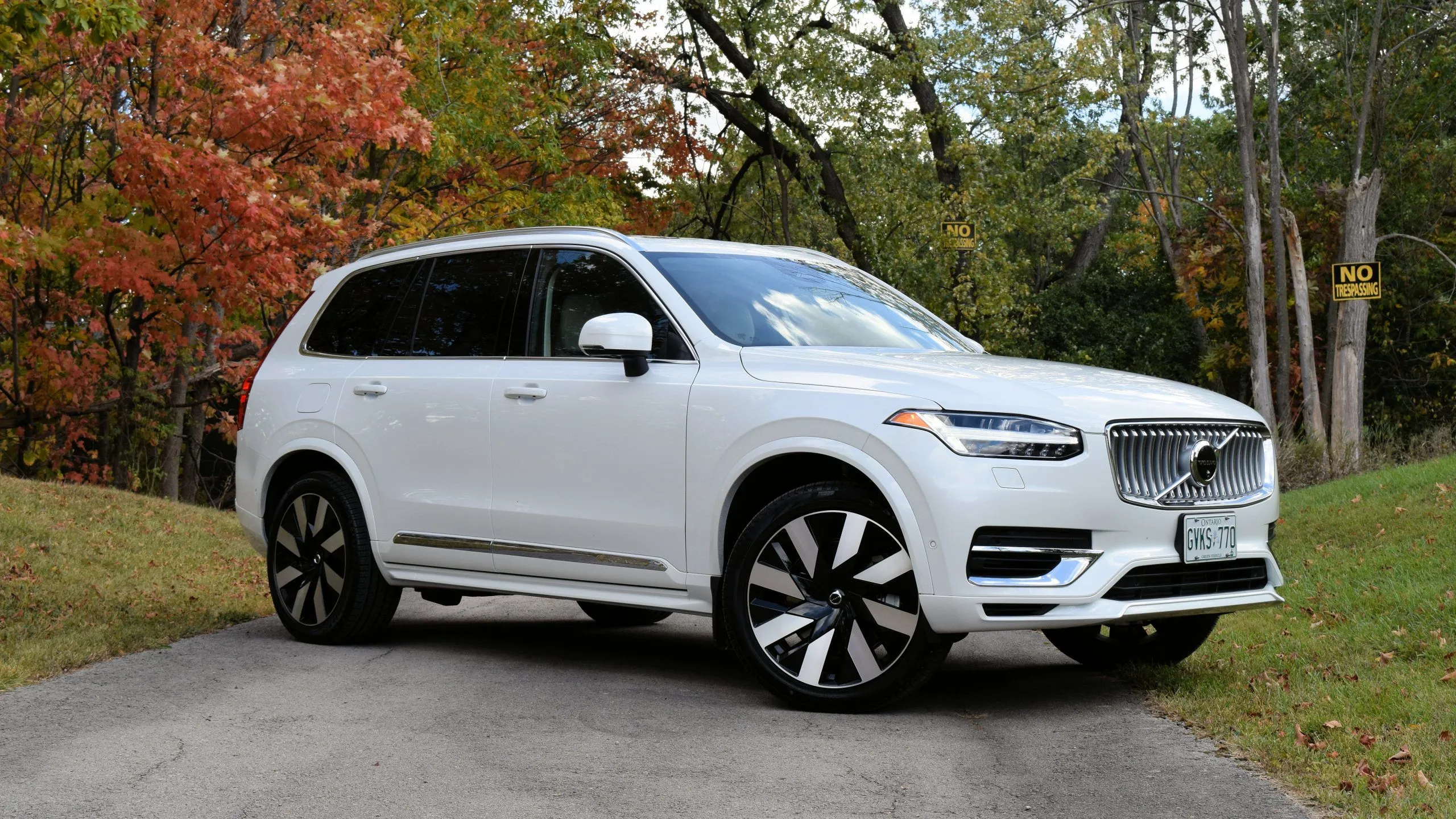
5. Volvo XC90
The Volvo XC90 is recognized for its advanced adaptive cruise control system, which prioritizes safety and ease of use. The system uses radar and camera technology to maintain speed and distance, automatically adjusting in response to traffic conditions. It also works effectively in stop-and-go scenarios, making urban driving less demanding.
Volvo emphasizes intuitive controls, allowing drivers to operate the system with steering wheel buttons and simple digital menus. Clear feedback on speed, distance, and lane alignment helps drivers stay informed while keeping attention on the road. This transparency increases confidence in the technology.
The XC90 also includes lane-centering support, gently assisting with steering corrections to keep the vehicle in its lane. The system’s subtle interventions reduce fatigue during long trips and enhance safety. The combination of speed management and lane guidance is particularly useful on highways.
Predictive adjustments are another hallmark of Volvo’s cruise control. The system can slow down for upcoming curves, changes in speed limits, or slower vehicles, providing smooth acceleration and braking. This responsiveness ensures a comfortable ride for passengers while maintaining safety.
With its focus on safety, predictability, and intuitive operation, the Volvo XC90 delivers one of the most user-friendly cruise control experiences. It demonstrates how intelligent assistance can improve long-distance driving comfort without overwhelming the driver.
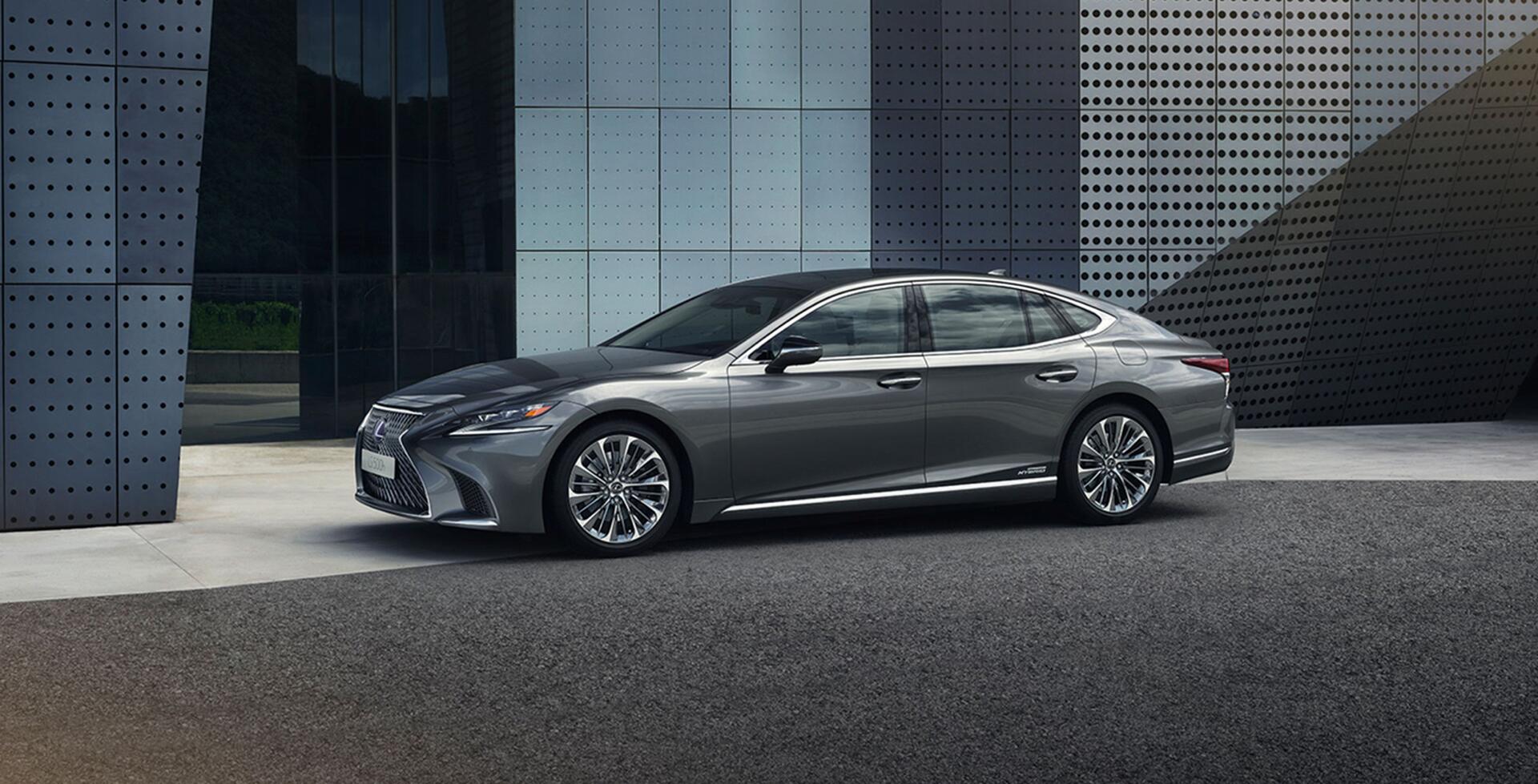
6. Lexus LS
The Lexus LS features an adaptive cruise control system that integrates smoothly with its advanced safety suite, offering a refined driving experience. The system uses radar sensors and a front-facing camera to monitor traffic, automatically adjusting speed to maintain safe distances.
This responsiveness ensures the vehicle can handle stop-and-go traffic or changing highway speeds without requiring constant driver input, making long journeys more comfortable.
Lexus focuses on an intuitive interface, with controls located on the steering wheel and information clearly displayed on the digital instrument cluster. Drivers can view following distance, lane guidance status, and system alerts without diverting attention from the road. The user-friendly layout reduces learning curves and encourages safe use of technology.
Lane-centering support in the LS assists the driver subtly, providing gentle steering inputs when needed. This prevents drifting and keeps the vehicle properly aligned, especially during extended highway travel. Combined with smooth acceleration and braking, this feature enhances confidence in both city and highway driving environments.
The system also includes predictive capabilities, adjusting speed for upcoming curves, hills, or vehicles merging into the lane. By anticipating changes in traffic flow, the LS ensures a steady ride and reduces abrupt braking or acceleration. Passengers benefit from a consistent, controlled motion that minimizes discomfort over long distances.
The Lexus LS demonstrates how adaptive cruise control can merge comfort, safety, and driver assistance. Its thoughtful integration into the vehicle’s systems makes it one of the most intuitive and reliable options for drivers seeking a high-end, stress-free highway experience.
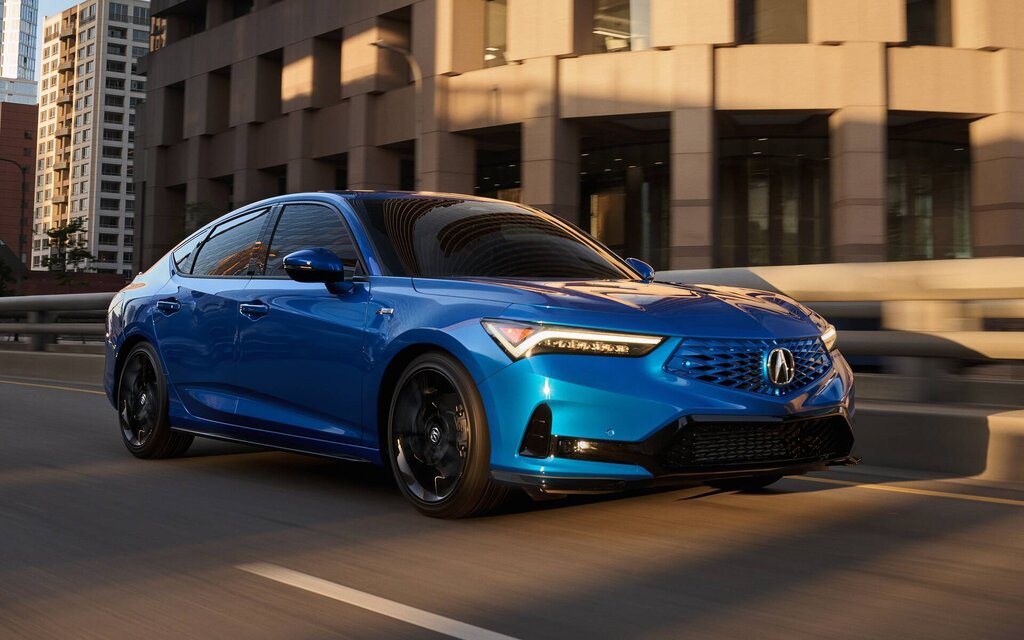
7. Acura TLX
The Acura TLX comes equipped with an advanced adaptive cruise control system designed to keep the driver engaged yet assisted. Its sensors continuously monitor vehicles ahead, adjusting speed to maintain a safe following distance. The system is responsive in congested traffic and capable of resuming speed smoothly after stops, making city driving and long highway trips much less demanding.
Acura emphasizes intuitive usability, placing all cruise control functions on easily reachable steering wheel buttons. The digital dashboard displays crucial information such as current speed, system status, and distance to surrounding vehicles. The clear presentation ensures drivers are aware of system behavior at all times without distraction.
Lane-keeping assist complements the cruise control system, providing subtle steering inputs to help maintain proper lane alignment. This is particularly useful during longer drives or on highways where minor drifts can occur. The TLX system’s balance of support without overreach ensures drivers feel aided rather than controlled.
The TLX also anticipates traffic changes, gradually slowing for curves, intersections, or merging lanes. This predictive behavior results in smoother acceleration and braking, reducing passenger discomfort and enhancing driving safety. The car’s system feels intelligent yet unobtrusive, reacting naturally to real-world conditions.
In practice, the Acura TLX offers a harmonious blend of technology and driver control. Its adaptive cruise control system provides confidence, comfort, and precise responsiveness, making it a standout among vehicles in its segment for highway assistance and driving satisfaction.
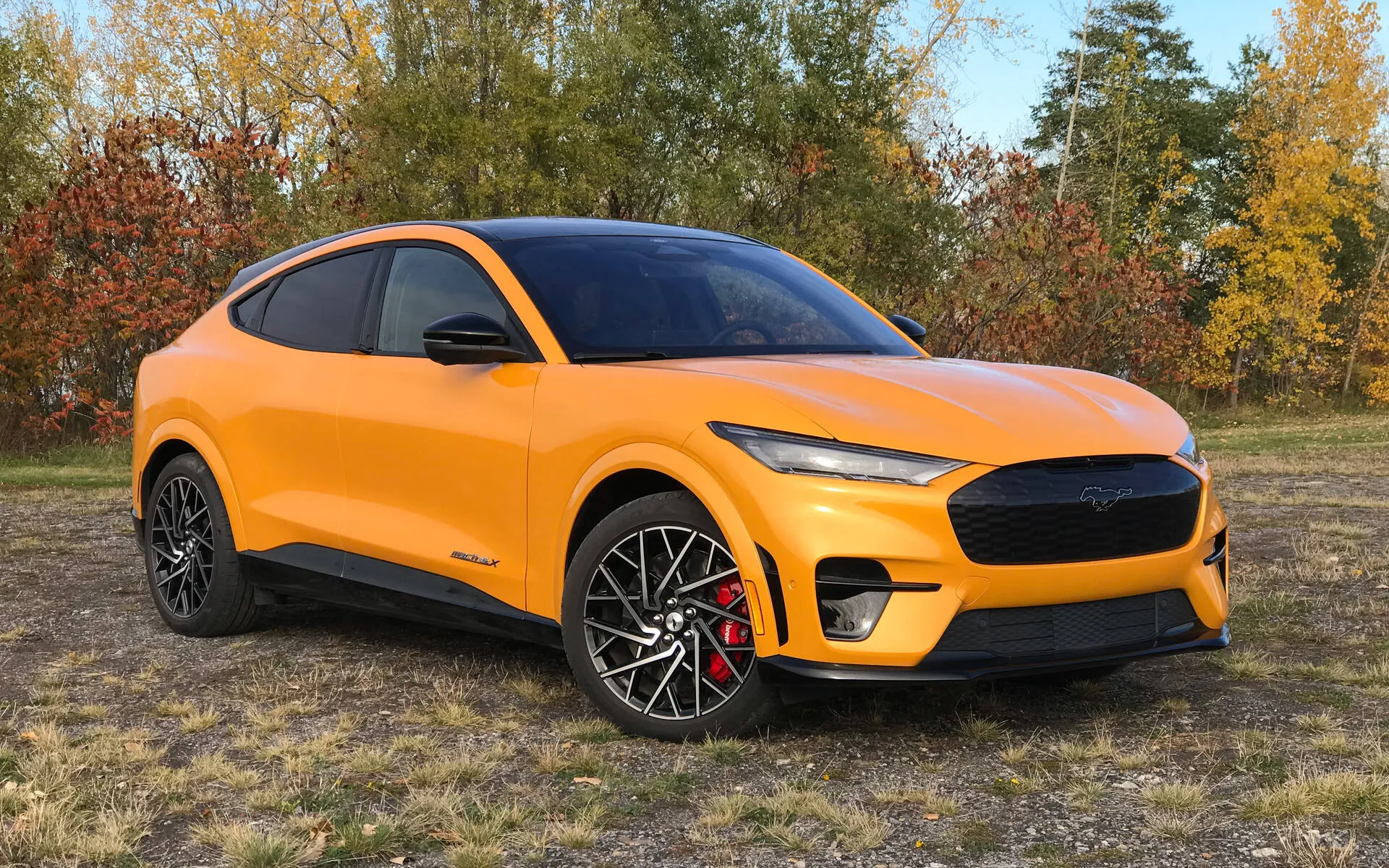
8. Ford Mustang Mach-E
The Ford Mustang Mach-E brings electric performance together with highly capable adaptive cruise control. Using radar and camera technology, the system maintains set speeds and adjusts automatically to traffic conditions. Its responsiveness allows for a smooth ride even in stop-and-go situations, minimizing stress on long commutes and providing confidence in both urban and highway environments.
Ford’s interface is designed for intuitive use, with clearly marked buttons on the steering wheel and visual feedback on the central display. Drivers can quickly see following distances, speed settings, and system engagement. The layout ensures minimal distraction, allowing drivers to keep attention focused on the road while enjoying assistance.
The Mach-E also includes lane-centering support, gently guiding the vehicle to remain within its lane without requiring constant driver input. This feature proves particularly helpful on highways or multi-lane roads, where minor steering adjustments can reduce fatigue over time. Its smooth corrections enhance both safety and comfort.
Predictive adjustments are a feature of the Mach-E’s cruise control system. The vehicle monitors upcoming curves, traffic slowdowns, and changes in road conditions, adjusting speed in advance to maintain a consistent and comfortable ride. Passengers benefit from steady acceleration and braking that feels natural rather than abrupt.
The Ford Mustang Mach-E offers an intuitive and responsive cruise control experience that complements its electric performance. The system integrates seamlessly with the vehicle’s driving dynamics, making it a strong choice for drivers seeking modern technology and convenience on highways.
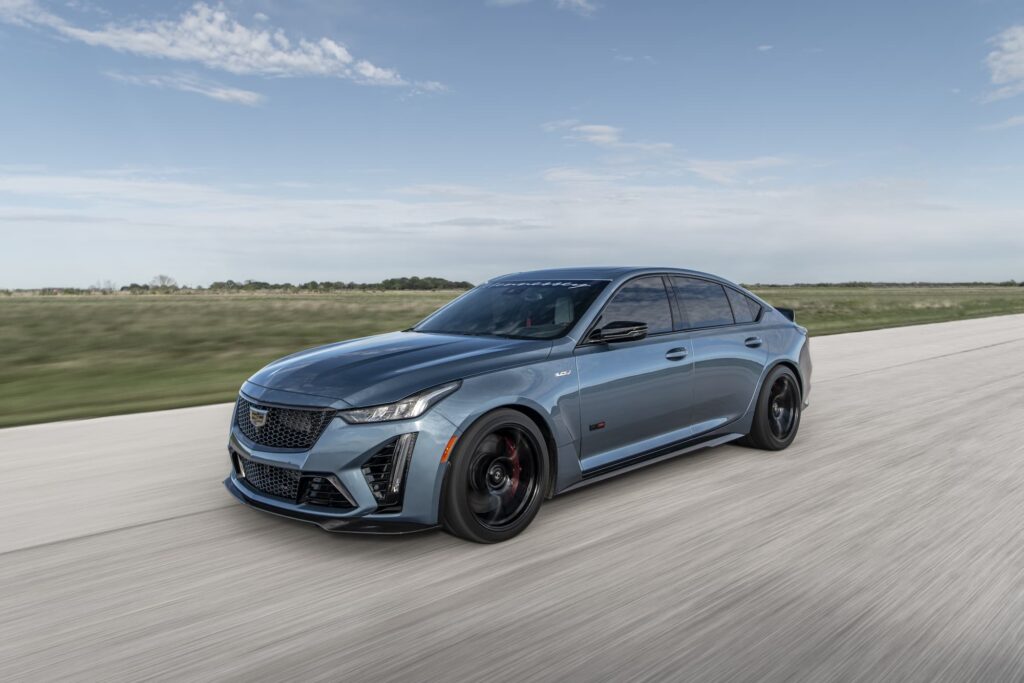
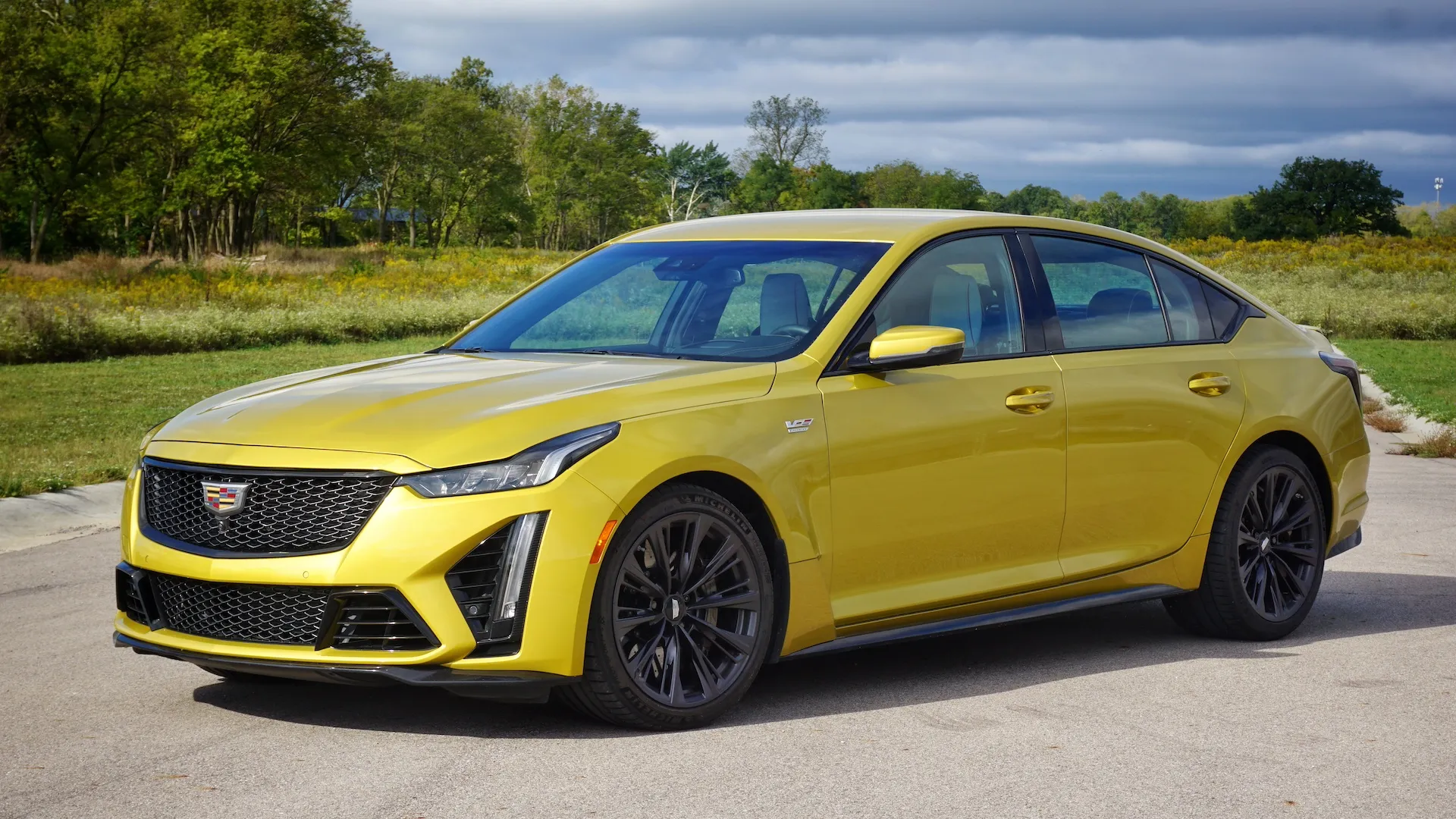
9. Cadillac CT5
The Cadillac CT5 provides adaptive cruise control with a focus on precision and comfort. Radar and camera sensors continuously monitor surrounding vehicles, adjusting speed to maintain safe distances. The system responds effectively in stop-and-go traffic, making it suitable for city driving and extended highway journeys. Its smooth operation reduces fatigue and provides a sense of control without overwhelming the driver.
Cadillac emphasizes user-friendly operation with steering wheel controls and a clear digital display. Drivers can monitor system status, following distance, and lane alignment with ease. The straightforward interface minimizes distraction and ensures the system is simple to engage, enhancing driver confidence in its functionality.
Lane-keeping support in the CT5 works in tandem with adaptive cruise control to provide subtle steering corrections. These adjustments help the vehicle remain properly centered within lanes while maintaining smooth motion. This combination ensures a comfortable and safe ride during long drives or when navigating highway traffic.
Predictive functionality allows the CT5 to adjust speed ahead of curves, traffic slowdowns, or lane merges. By anticipating changes, the system prevents abrupt braking or acceleration, resulting in smoother passenger experiences. The seamless operation contributes to the car’s reputation as a comfortable and technologically advanced sedan.
The Cadillac CT5 demonstrates the effectiveness of intuitive adaptive cruise control in everyday driving. Its balance of responsiveness, comfort, and clarity makes it a strong option for drivers seeking modern assistance without sacrificing engagement or control.
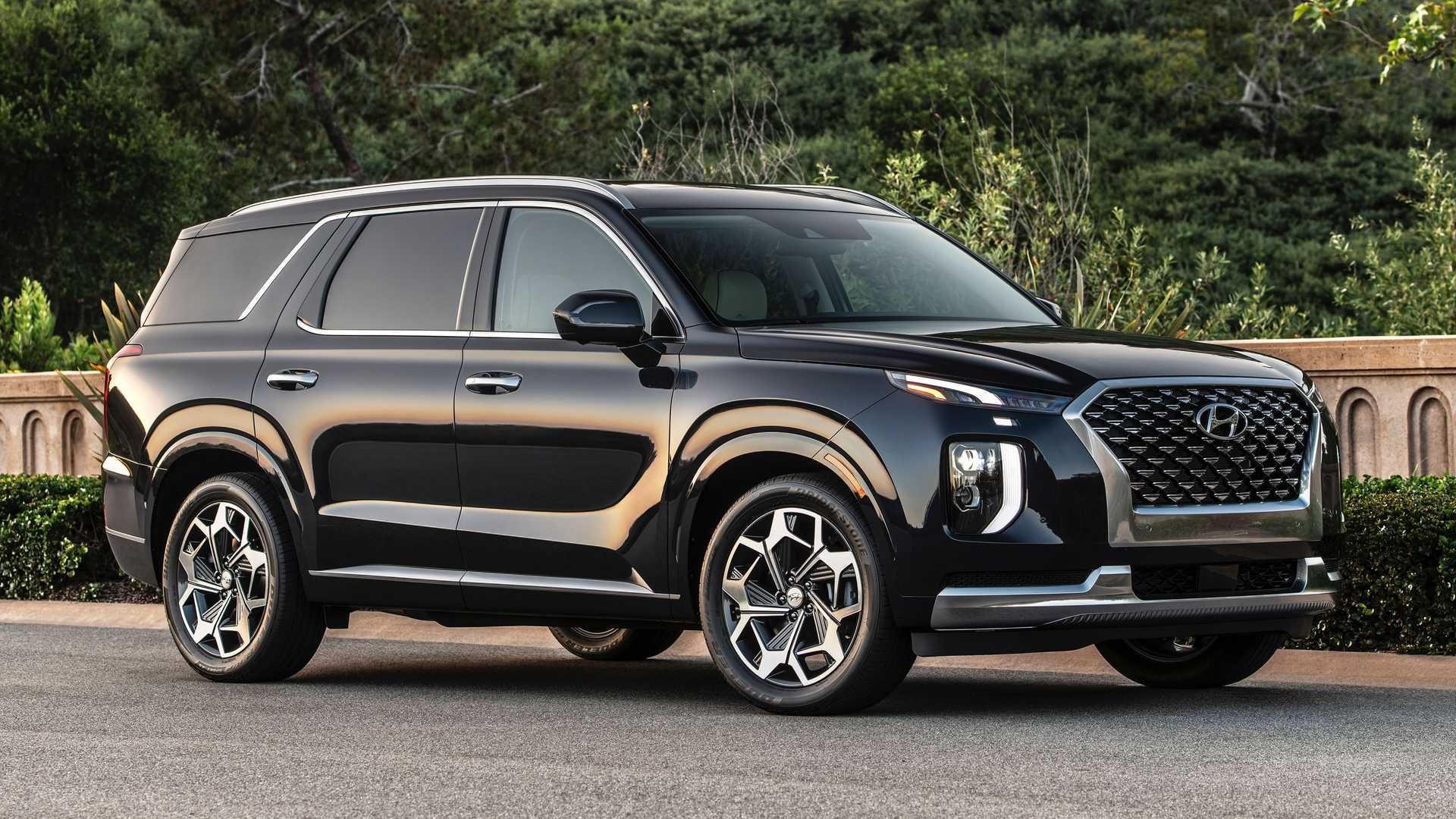
10. Hyundai Palisade
The Hyundai Palisade offers adaptive cruise control that emphasizes safety, comfort, and convenience for SUV drivers. Its radar and camera systems monitor surrounding traffic, automatically adjusting speed to maintain safe following distances. The system performs well in stop-and-go traffic and on highways, reducing driver workload during extended journeys.
Hyundai ensures intuitive operation, with cruise control settings easily accessible on the steering wheel. The dashboard provides clear feedback on system status, following distance, and lane guidance. Drivers can quickly understand how the system operates, promoting confidence and safe use in a variety of driving conditions.
Lane-keeping assistance works with cruise control to provide subtle steering inputs, keeping the vehicle centered within its lane. This is particularly useful on highways or long stretches of road, where maintaining alignment can become tiring. The gentle corrections contribute to a more relaxed driving experience.
The system also includes predictive adjustments, slowing down for curves, traffic merges, and changes in speed limits. This proactive functionality ensures smooth acceleration and braking, enhancing passenger comfort and ride quality. The Palisade delivers a consistent and controlled experience across varying road conditions.
The Hyundai Palisade stands out as an SUV with a highly intuitive cruise control system. Its combination of clarity, predictiveness, and gentle lane support provides a reassuring and convenient driving experience, demonstrating how adaptive technology can enhance everyday travel.