Luxury sedans are often defined not only by their design and performance but also by the comfort they provide to the driver and passengers. One of the most significant advancements in automotive comfort technology is the air suspension system.
Unlike traditional steel spring suspensions, air suspension uses compressed air to adjust the ride height and stiffness, allowing for smoother rides on uneven roads, better handling during high-speed driving, and the ability to maintain a level posture regardless of passenger or cargo weight.
This technology also contributes to reduced wear and tear on other components by absorbing impacts more efficiently. Among luxury sedans, air suspension has become a hallmark of vehicles that combine elegance with advanced engineering, offering drivers a refined and adaptable driving experience.
Reliability is a crucial aspect when considering air suspension. While the concept of air suspension has been around for decades, early systems often suffered from frequent leaks, compressor failures, and sensor malfunctions. Modern systems, however, have improved significantly, incorporating durable materials, advanced electronics, and self-diagnostic features.
Reliable air suspension allows owners to enjoy the benefits of superior ride quality without worrying about unexpected breakdowns or costly repairs. This reliability is especially important in luxury sedans where passenger comfort and vehicle prestige are integral to the brand’s reputation.
Drivers expect that when they invest in a high-end vehicle, the air suspension will function seamlessly for years, providing consistent performance under varying road conditions.
Different manufacturers take unique approaches to air suspension systems, which affects both comfort and longevity. Some brands focus on creating an adaptive experience, adjusting stiffness and damping based on driving mode or road conditions. Others prioritize load leveling and stability, ensuring that even with a full passenger load, the car remains balanced and controlled.
Beyond comfort, the integration of air suspension with other vehicle systems, such as traction control, stability management, and active steering, enhances safety. This makes reliability a combination of mechanical durability and software precision, both of which are critical when evaluating the best luxury sedans in this category.
The luxury sedan market has seen consistent innovation over the past decade, with manufacturers pushing the limits of what an air suspension system can achieve. Reliability records, user reviews, and manufacturer engineering improvements are strong indicators of which vehicles stand out.
Some models consistently outperform others due to meticulous design, premium components, and rigorous testing under varied environmental conditions. For buyers, understanding these differences can help in making an informed decision that balances performance, comfort, and long-term reliability.
In this article, we will examine ten luxury sedans that are renowned for having the most reliable air suspension systems. Each model will be assessed not just for its ride quality but also for engineering consistency, owner satisfaction, and maintenance history.
These vehicles represent a combination of innovation, precision, and practical reliability, offering insight into how modern air suspension technology has transformed the luxury driving experience.
From European brands known for sophisticated engineering to American sedans that blend comfort and power, this list covers a range of options for anyone seeking a high-end vehicle with dependable air suspension.
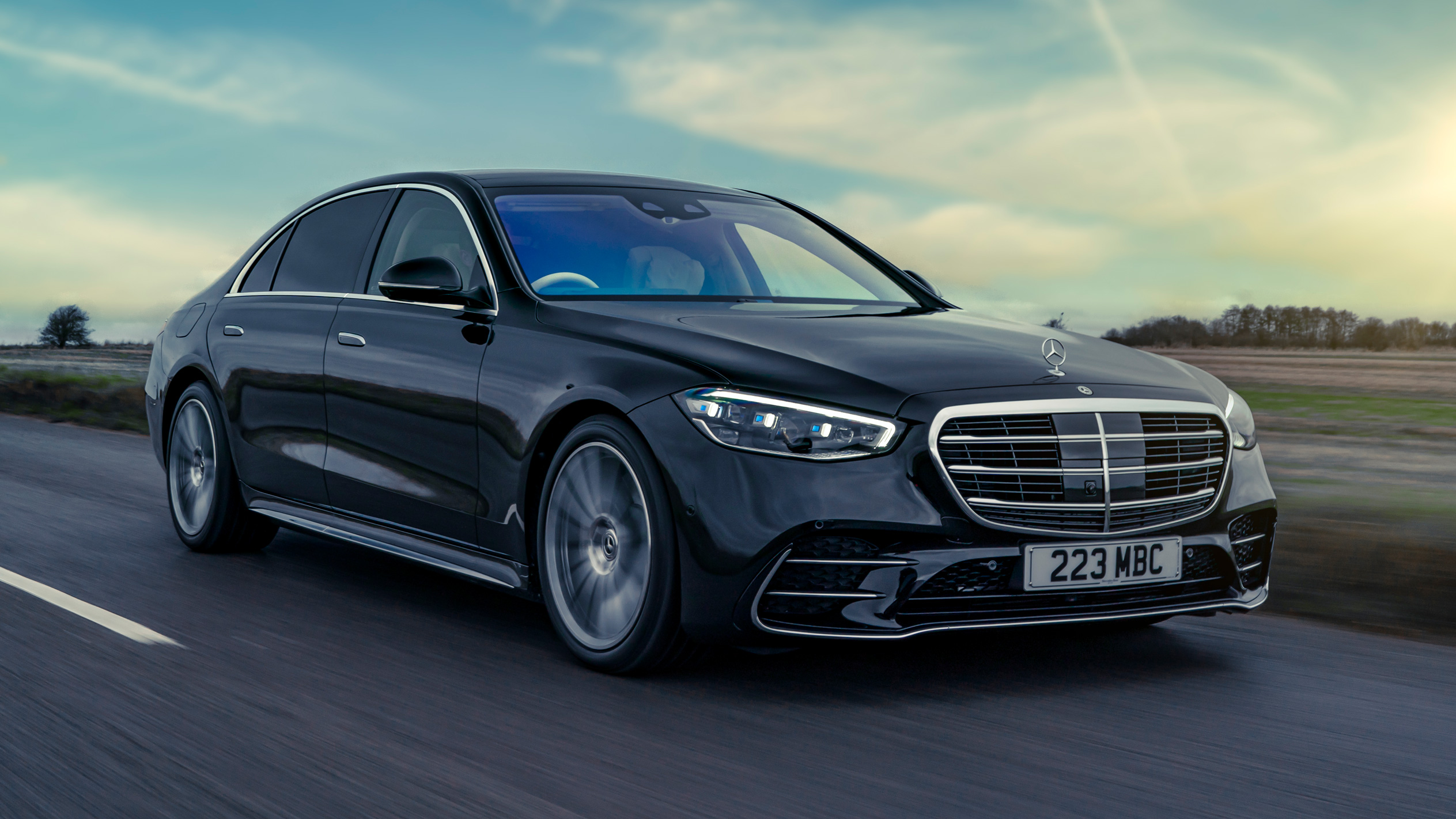
Mercedes-Benz S-Class
The Mercedes-Benz S-Class has long been considered the benchmark in luxury sedans, and its air suspension system is one of the main reasons. The AIRMATIC system uses multiple air springs and adaptive dampers to adjust the ride based on road conditions and driving preferences.
It provides a smooth, cushioned ride while maintaining stability during high-speed maneuvers. The sensors constantly monitor the vehicle’s orientation, ensuring that the chassis remains level even when fully loaded.
Maintenance records for the S-Class indicate a high level of reliability in its air suspension, with modern models experiencing fewer failures than previous generations. Mercedes engineers have reinforced critical components, including the air struts and compressors, to reduce the risk of leaks or malfunctions.
Owners also report consistent performance in both city and highway driving. The system adapts to cornering, braking, and acceleration, providing a balance between comfort and dynamic handling.
The integration of the air suspension with the car’s driving modes allows for tailored experiences. Comfort mode maximizes softness and smoothness, while sport mode stiffens the suspension for a more engaging drive.
Even in the harshest road conditions, the system compensates to maintain stability, showing its engineering precision. This adaptability is one reason the S-Class consistently ranks high among luxury sedans with reliable suspension.
Mercedes’ approach to durability extends to the software controlling the air suspension. Self-diagnostic features alert drivers to potential issues before they become serious.
Compressors are designed for longevity, and replacement parts are engineered to fit precisely, minimizing failure risk. The system’s ability to maintain ride height and prevent sagging over time demonstrates a combination of mechanical and electronic reliability.
For buyers seeking a combination of prestige, comfort, and dependable air suspension, the Mercedes-Benz S-Class represents an excellent choice. Its long-standing reputation is built on consistent engineering improvements and owner satisfaction.
Drivers can enjoy a serene cabin, precise handling, and confidence that the air suspension will perform reliably for years, even under varied driving conditions.
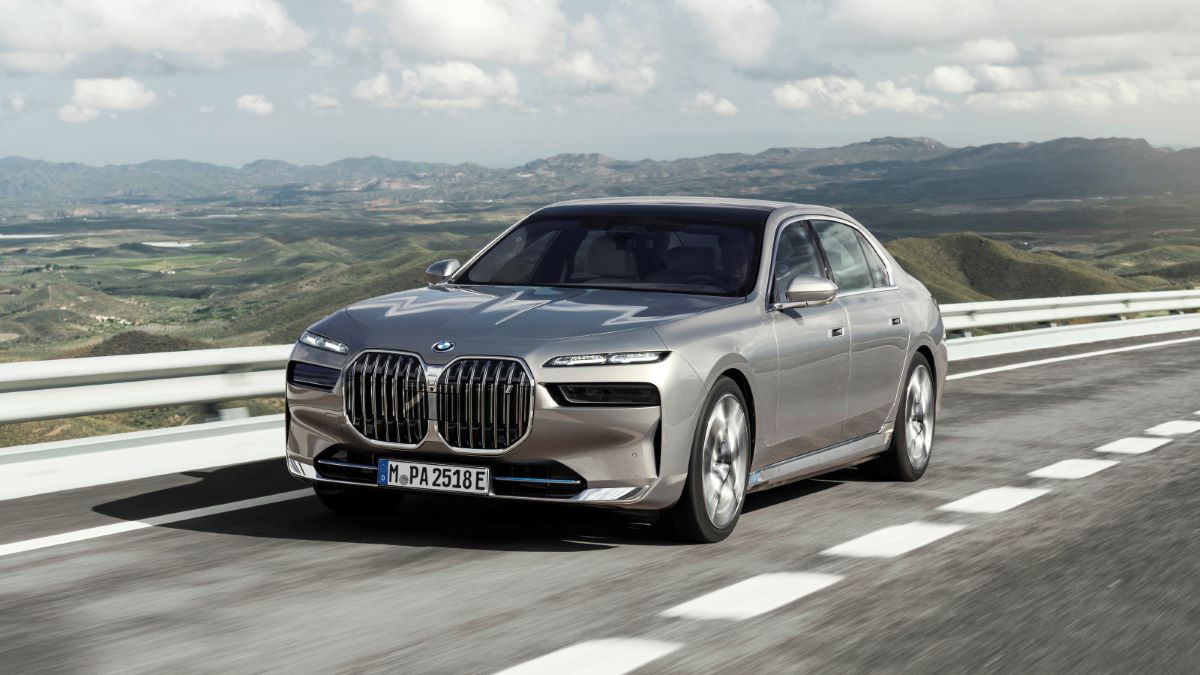
BMW 7 Series
The BMW 7 Series has earned a reputation for precise handling and refined comfort, largely thanks to its reliable air suspension system. BMW’s Dynamic Drive Air Suspension uses electronically controlled air springs to balance ride quality and stability, adjusting damping rates according to driving conditions.
The system ensures that the vehicle maintains optimal posture regardless of load, which is especially valuable during long-distance drives. Its smooth operation allows passengers to experience luxury without the harshness often associated with performance sedans.
BMW engineers have focused on reliability by reinforcing critical components such as air struts, compressors, and pressure sensors. These measures reduce the likelihood of leaks or sudden failures, which have been common complaints in older systems.
Maintenance records show that the 7 Series air suspension performs consistently over time, even in climates with extreme temperature variations. Drivers frequently highlight the system’s durability when carrying multiple passengers or heavy cargo, noting that the suspension continues to provide a level, stable ride.
The 7 Series offers adaptive ride modes that interact seamlessly with the air suspension. Comfort mode provides a plush, cushioned ride, while Sport and Sport+ modes stiffen the dampers to enhance responsiveness and handling.
The system automatically compensates for sharp turns, sudden stops, and uneven road surfaces, maintaining vehicle stability. This adaptability ensures that the sedan can deliver both performance and comfort without compromising safety or reliability.
One of the distinguishing features of the BMW 7 Series air suspension is its integration with driver assistance systems. Lane-keeping, adaptive cruise control, and active steering all interact with the suspension, creating a more controlled driving experience.
Software updates improve responsiveness and alert drivers to potential issues with minimal disruption. Combined with high-quality components, these measures contribute to an air suspension system that is both technologically advanced and mechanically sound.
Owners of the BMW 7 Series consistently praise its smooth ride, particularly during city driving or on poorly maintained roads. The system reduces road vibrations effectively, offering a feeling of serenity inside the cabin.
Reliability is further enhanced by BMW’s commitment to quality control, ensuring that parts are engineered for longevity. For buyers prioritizing comfort and dependable performance, the 7 Series offers a strong balance of engineering excellence and luxurious driving experience.
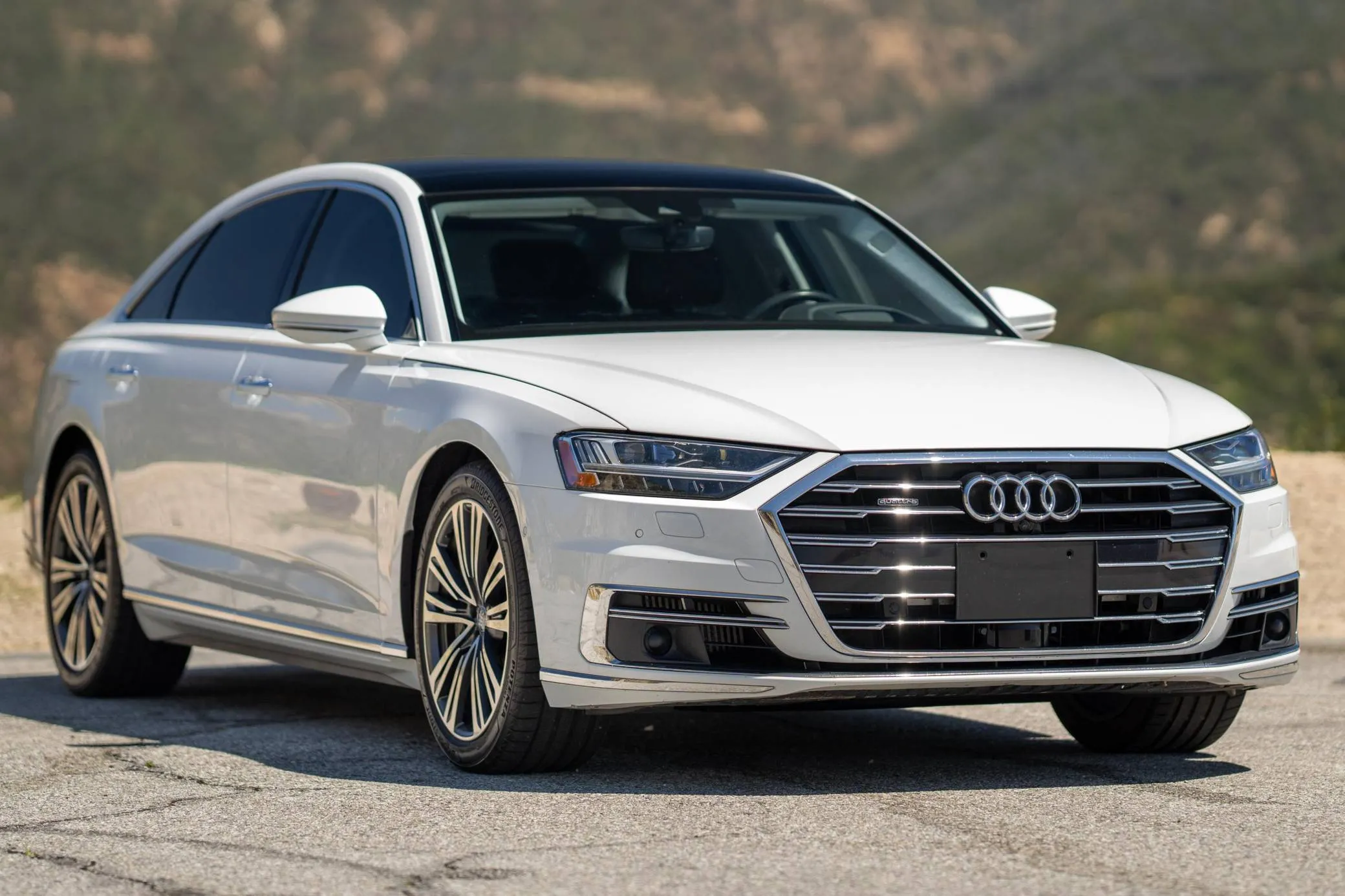
Audi A8
The Audi A8 is widely recognized for its quiet, composed ride, largely made possible by its advanced air suspension system. Audi’s adaptive air suspension combines pneumatic springs with electronically controlled dampers, providing precise control over ride height and stiffness.
Passengers benefit from minimal cabin vibrations, while the vehicle remains balanced even under heavy loads. The system adapts continuously to road conditions, improving stability and handling during dynamic driving situations.
Reliability is a key feature of the A8’s air suspension. Audi uses durable materials for the air struts and high-performance compressors to minimize the risk of leaks or mechanical failure. Sensors continuously monitor the suspension, allowing the vehicle to adjust automatically and prevent uneven wear.
Owner reports indicate that the system maintains consistent performance over thousands of miles, with minimal maintenance requirements compared to older models. This level of dependability enhances the car’s reputation in the luxury segment.
The A8’s air suspension allows for customizable ride experiences. Comfort mode provides a soft, smooth ride that absorbs road imperfections, while Dynamic mode firms the suspension for more precise cornering. Even with a full passenger load, the car maintains level alignment, which enhances driving confidence and passenger comfort. The suspension’s adaptive nature ensures a harmonious balance between smoothness and control under varying conditions.
Audi has also integrated advanced technology with the air suspension to increase reliability. The system’s self-monitoring capabilities identify potential issues early, alerting the driver and reducing the risk of unexpected breakdowns.
Compressors and sensors are designed for extended durability, allowing the A8 to maintain ride quality even after years of regular use. The combination of software intelligence and mechanical robustness is a hallmark of Audi’s engineering philosophy.
The Audi A8 stands out among full-size luxury sedans because of the way its air suspension manages comfort and stability simultaneously.
Drivers and passengers alike report a feeling of serenity on long drives and confidence during spirited driving. The system’s reliability is reinforced by Audi’s rigorous testing and attention to detail, making it a top choice for those seeking a high-end sedan that balances advanced technology with practical longevity.
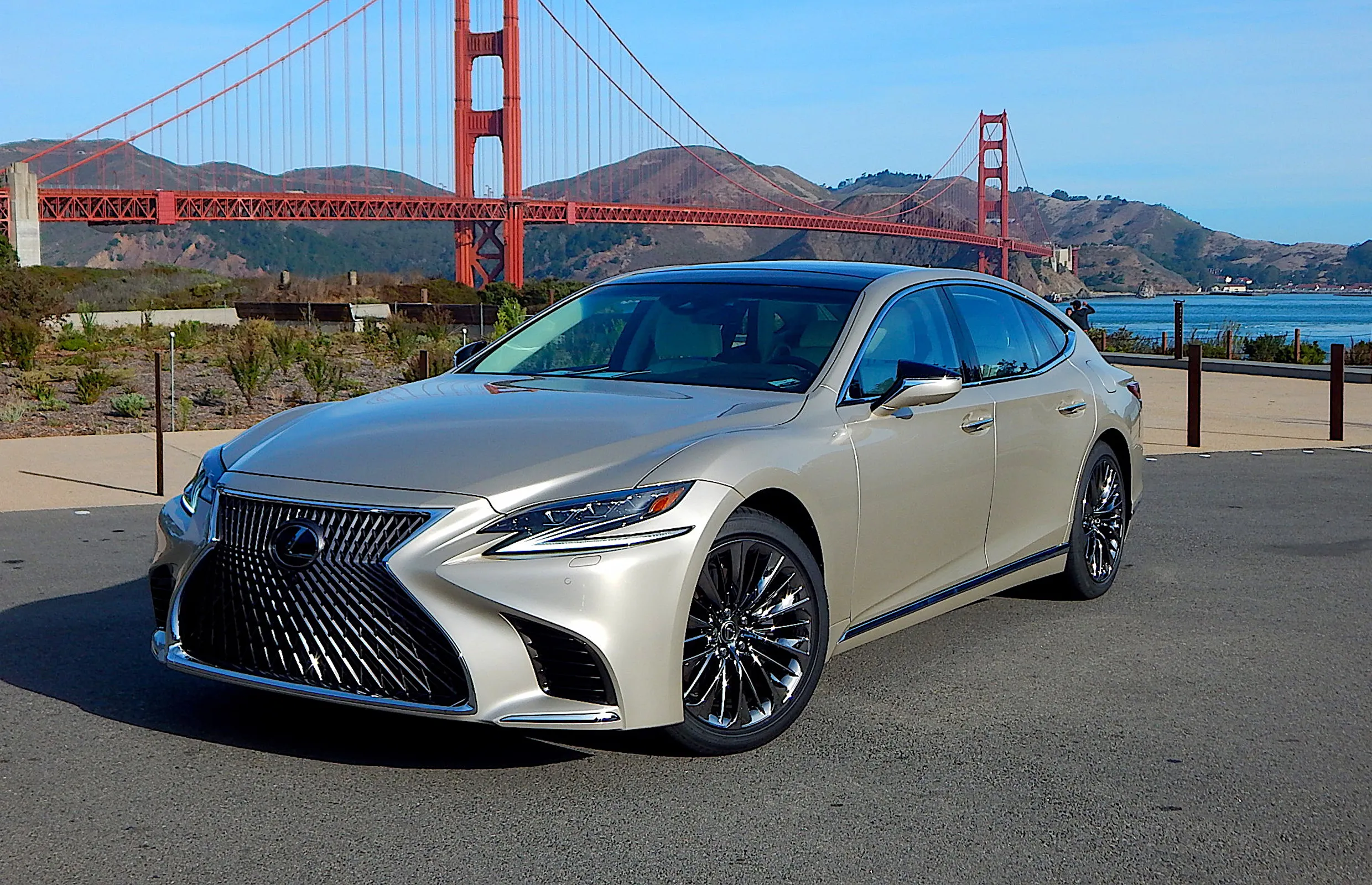
Lexus LS
The Lexus LS is synonymous with smoothness and quietness, and its air suspension system plays a central role in this reputation. Lexus uses an adaptive variable suspension with air springs that adjust ride height and damping rates based on road and speed conditions.
This system allows the LS to glide over rough surfaces while keeping passengers isolated from vibrations. Load leveling ensures that the car remains stable even when fully occupied or carrying heavy cargo.
Durability has been a priority in the LS’s design. Lexus uses high-quality air struts, compressors, and reinforced hoses that resist leaks and degradation over time. Many owners report minimal issues with their air suspension even after several years of use.
Regular inspections and preventive maintenance are generally straightforward, reflecting the brand’s commitment to long-term reliability. This makes the LS a dependable option for buyers seeking consistent ride quality.
The LS offers multiple driving modes that interact with the air suspension. Comfort mode prioritizes softness, while Sport and Sport+ modes increase suspension firmness to enhance control and responsiveness.
Adaptive adjustments occur in real-time, automatically responding to road imperfections and driver behavior. These capabilities ensure that the vehicle performs predictably while maintaining a high level of comfort.
Integration with advanced driver systems enhances the LS’s reliability further. Electronic sensors monitor vehicle pitch, load distribution, and wheel movement, enabling precise adjustments.
The system is capable of self-correction, reducing stress on mechanical components and extending service life. This combination of electronic sophistication and robust hardware makes the LS air suspension exceptionally dependable.
Passengers in the Lexus LS consistently praise the car’s serene cabin, noting that even long journeys feel effortless. Ride height adjustments occur smoothly without noticeable transitions, and the car maintains exceptional stability. With its long-term durability and superior comfort, the LS demonstrates how a well-engineered air suspension can define the luxury driving experience.
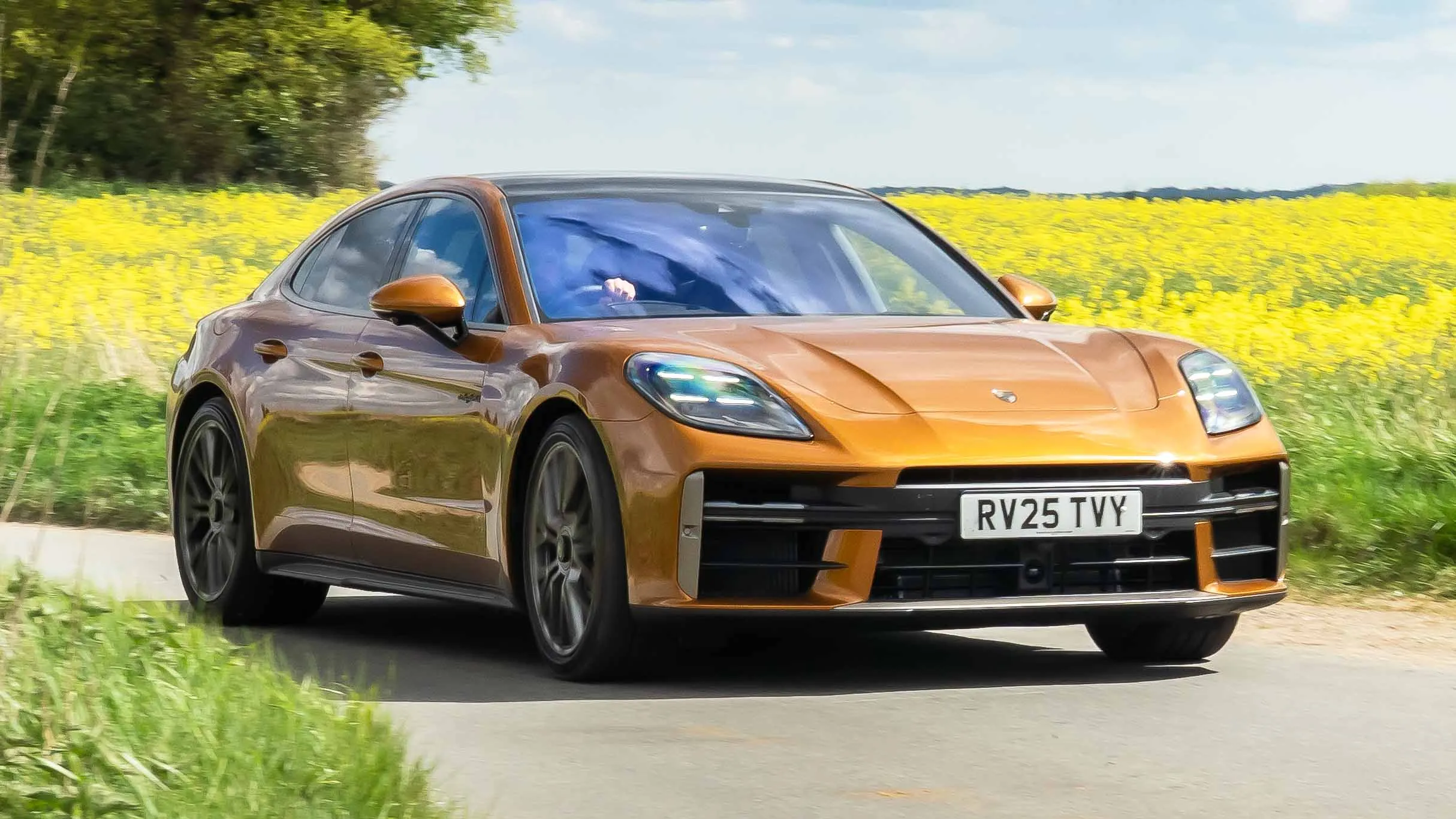
Porsche Panamera
The Porsche Panamera combines sports car DNA with executive comfort, and its adaptive air suspension is central to that balance. Porsche Active Suspension Management works with three chamber air springs to vary spring rates depending on road input and driving style.
This allows the vehicle to shift from refined cruising to sharp cornering without sacrificing composure. The system continuously monitors wheel travel, steering angle, and acceleration to maintain ideal body control.
Reliability in the Panamera air suspension comes from Porsche’s motorsport influenced engineering standards and rigorous durability testing. The air struts are built to withstand repeated high load compression cycles without premature wear.
Owners frequently report consistent ride height retention and minimal compressor related issues even after extended mileage. The reinforced sealing systems reduce air leakage risks, contributing to long term operational stability.
Driving modes dramatically influence how the suspension behaves, yet transitions remain smooth and predictable. In Comfort mode, the Panamera absorbs road irregularities with impressive calmness for a performance focused sedan. Switching to Sport or Sport Plus tightens the chassis, lowers the ride height, and enhances aerodynamic efficiency. Despite these aggressive adjustments, the system maintains mechanical integrity and does not exhibit instability under stress.
Another strength lies in the system’s integration with rear axle steering and stability management technologies. The suspension reacts proactively rather than reactively, adjusting pressure in milliseconds to maintain balance. Software calibration ensures that height changes and damping shifts occur without abrupt sensations. This harmony between electronics and hardware plays a large role in long term reliability.
Drivers who choose the Porsche Panamera often expect performance first, yet they remain impressed by its durability and comfort. The air suspension supports spirited driving while still delivering executive level smoothness. Its consistent performance record and engineering depth make it one of the most dependable systems in the luxury sport sedan category.
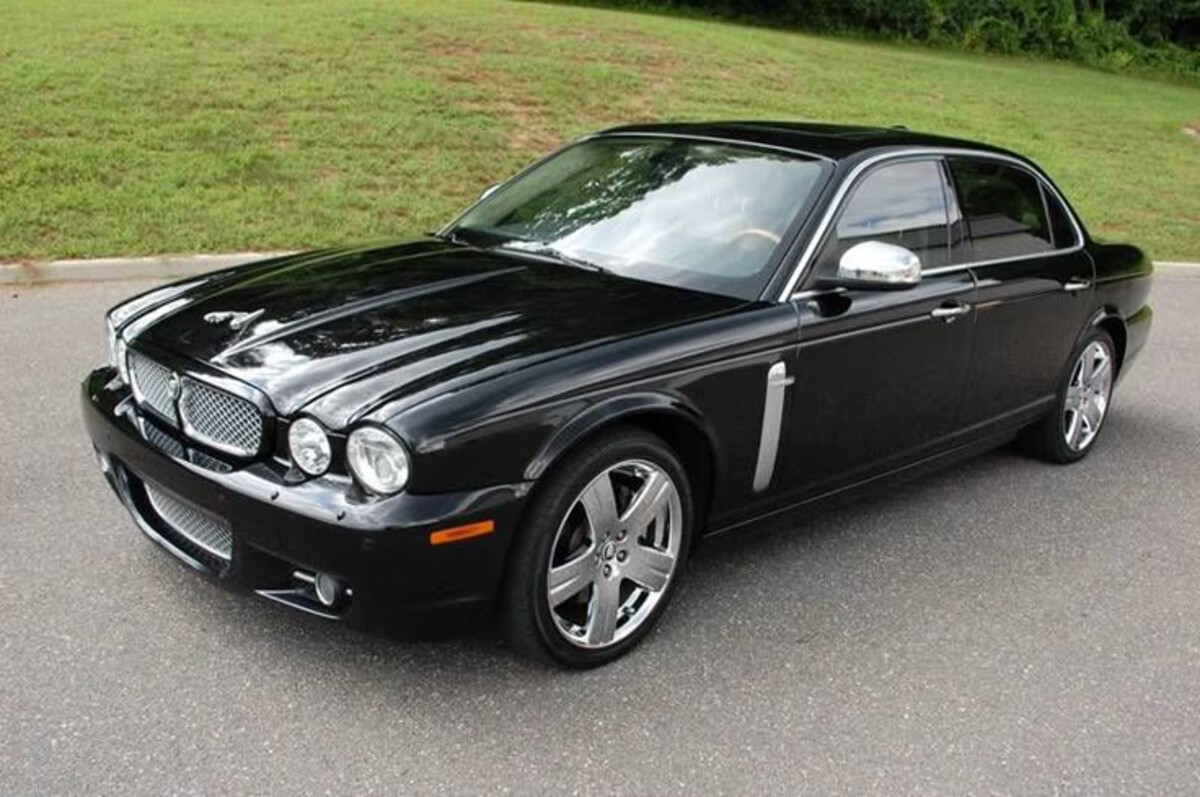
Jaguar XJ
The Jaguar XJ stands out with its elegant styling and lightweight aluminum architecture, supported by a refined air suspension setup. Jaguar engineered the system to provide automatic leveling and adaptive damping, ensuring composure across varying terrains.
The suspension adjusts ride height to optimize aerodynamics at highway speeds while maintaining comfort in urban settings. This balance gives the XJ a composed and graceful driving character.
Earlier generations of air suspension in luxury vehicles sometimes struggled with longevity, but the X351 generation showed clear improvements. Enhanced air compressors and improved sealing materials reduced common failure points significantly.
Owners have noted that routine servicing keeps the system operating smoothly for extended periods. Reliability is further supported by simplified component layouts that ease maintenance procedures.
The XJ adapts fluidly between driving modes, allowing for either relaxed cruising or confident cornering. Comfort settings emphasize ride smoothness and isolation from road imperfections. Dynamic settings firm up the chassis and reduce body roll without causing harshness. This flexible tuning demonstrates thoughtful calibration that prioritizes both driver enjoyment and mechanical resilience.
Integration with traction and stability systems enhances suspension reliability. The vehicle distributes pressure evenly across all four air springs to maintain equilibrium during acceleration or braking. Continuous monitoring ensures that minor irregularities are corrected before they escalate into larger issues. This proactive system management supports consistent long term operation.
For drivers seeking distinctive British luxury combined with dependable engineering, the Jaguar XJ remains a compelling choice. Its air suspension offers refined comfort while maintaining structural stability. With proper maintenance, the system delivers enduring performance and contributes significantly to the vehicle’s premium driving feel.
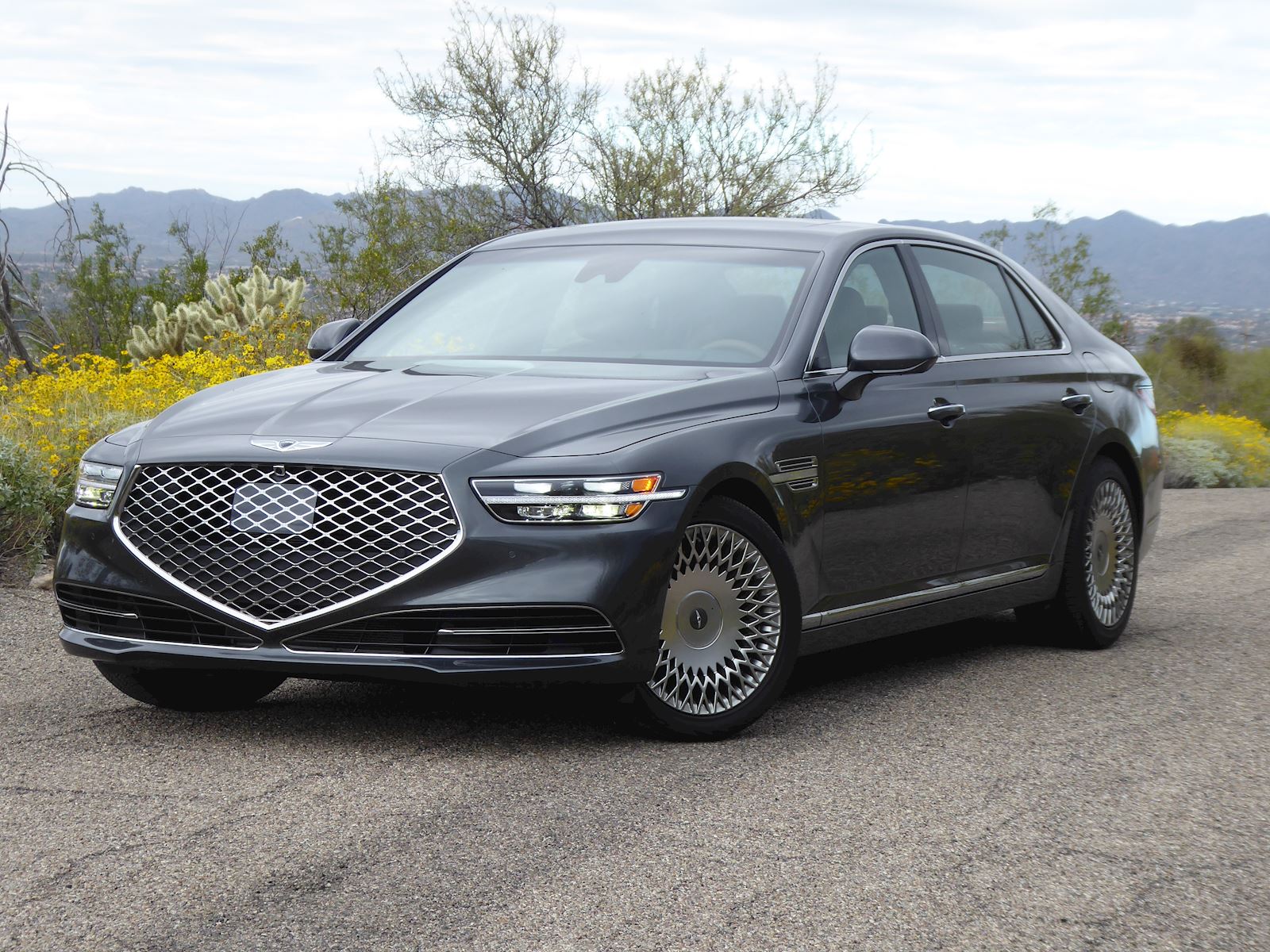
Genesis G90
The Genesis G90 has gained recognition for delivering high end comfort with impressive value, and its electronically controlled air suspension reinforces that reputation.
Designed to scan road surfaces and adjust damping instantly, the system anticipates imperfections rather than merely reacting to them. This predictive capability enhances ride smoothness and reduces cabin disturbances. The result is a composed and stable driving experience in varied environments.
Genesis focused heavily on durability when developing the G90 suspension components. High strength air springs and advanced compressor units were tested under extreme temperature conditions. These measures minimize wear related issues and extend service intervals. Owners frequently highlight the system’s consistent ride height control and minimal maintenance concerns.
Multiple drive modes allow drivers to personalize ride characteristics while preserving reliability. Comfort settings prioritize isolation and softness for long highway journeys. Sport settings lower the vehicle slightly and increase firmness for improved body control. Transitions between modes occur seamlessly without mechanical strain.
The G90 suspension also works closely with advanced driver assistance features. Cameras and sensors feed information to the system, enabling precise adjustments in real time. This coordinated approach reduces stress on individual components and enhances system longevity. Electronic diagnostics further contribute by alerting drivers to potential concerns early.
Buyers of the Genesis G90 often cite its smooth ride as comparable to more established European rivals. The air suspension delivers consistent comfort while maintaining structural composure. Its reliability record continues to strengthen the model’s standing in the competitive luxury sedan segment.
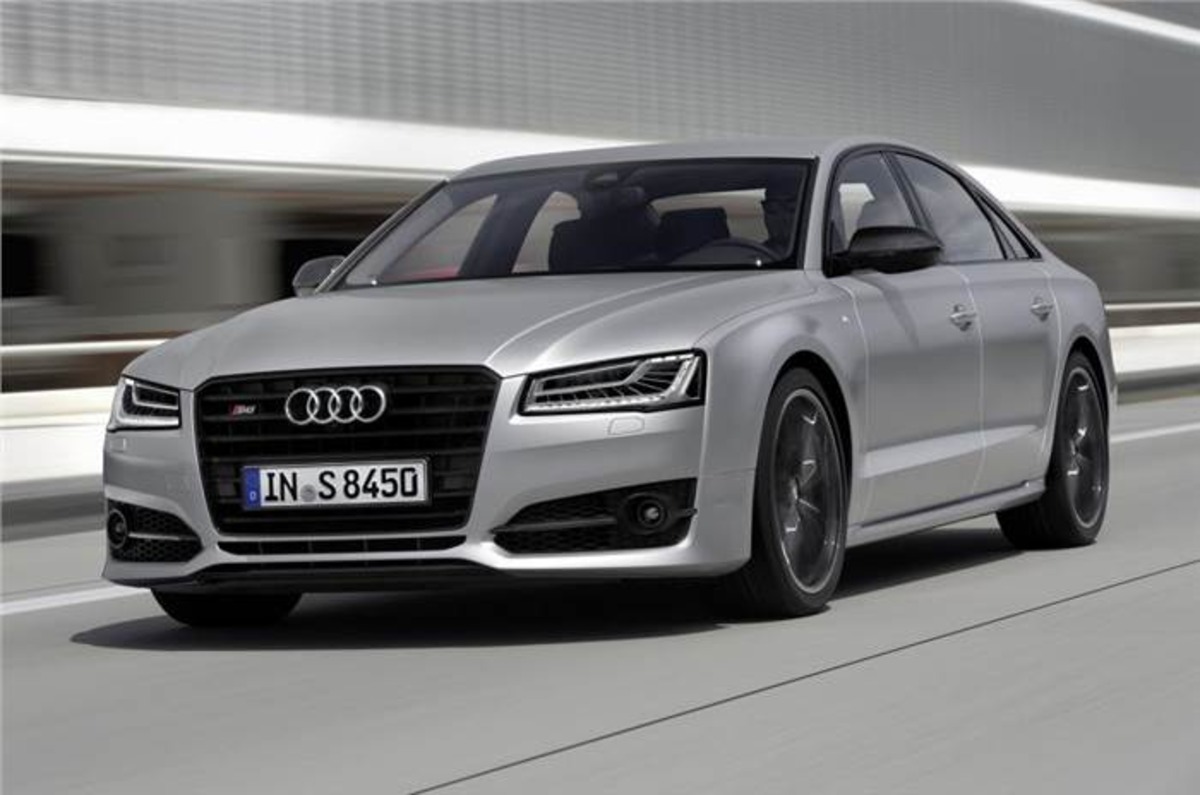
Audi S8
The Audi S8 merges high output performance with executive refinement, supported by a sophisticated predictive air suspension. This system reads the road ahead using cameras and adjusts each wheel individually for optimal balance. By preparing for bumps before contact, it reduces impact forces and improves passenger comfort. The system also lowers the car at high speeds to enhance aerodynamic stability.
Reliability is reinforced through Audi’s use of reinforced air bladders and advanced compressor technology. The suspension components are engineered to withstand high speed driving stresses. Owner experiences indicate strong durability even with frequent dynamic use. Preventive software monitoring helps identify irregularities before they lead to mechanical failure.
Performance modes significantly influence suspension characteristics while preserving system stability. Comfort mode delivers a surprisingly gentle ride for a high powered sedan. Dynamic mode sharpens responses and minimizes body roll during aggressive driving. Despite these variations, the air system maintains structural integrity under repeated stress cycles.
The S8 also integrates active roll stabilization with its air suspension setup. This reduces lateral lean during cornering and enhances vehicle control. The synergy between mechanical hardware and electronic intelligence contributes to long term reliability. Such integration reduces uneven wear across suspension components.
Drivers who select the Audi S8 benefit from both thrilling acceleration and sustained ride comfort. The air suspension consistently delivers stability, height control, and smooth adaptability. Its durability under performance conditions sets it apart within the luxury performance sedan class.
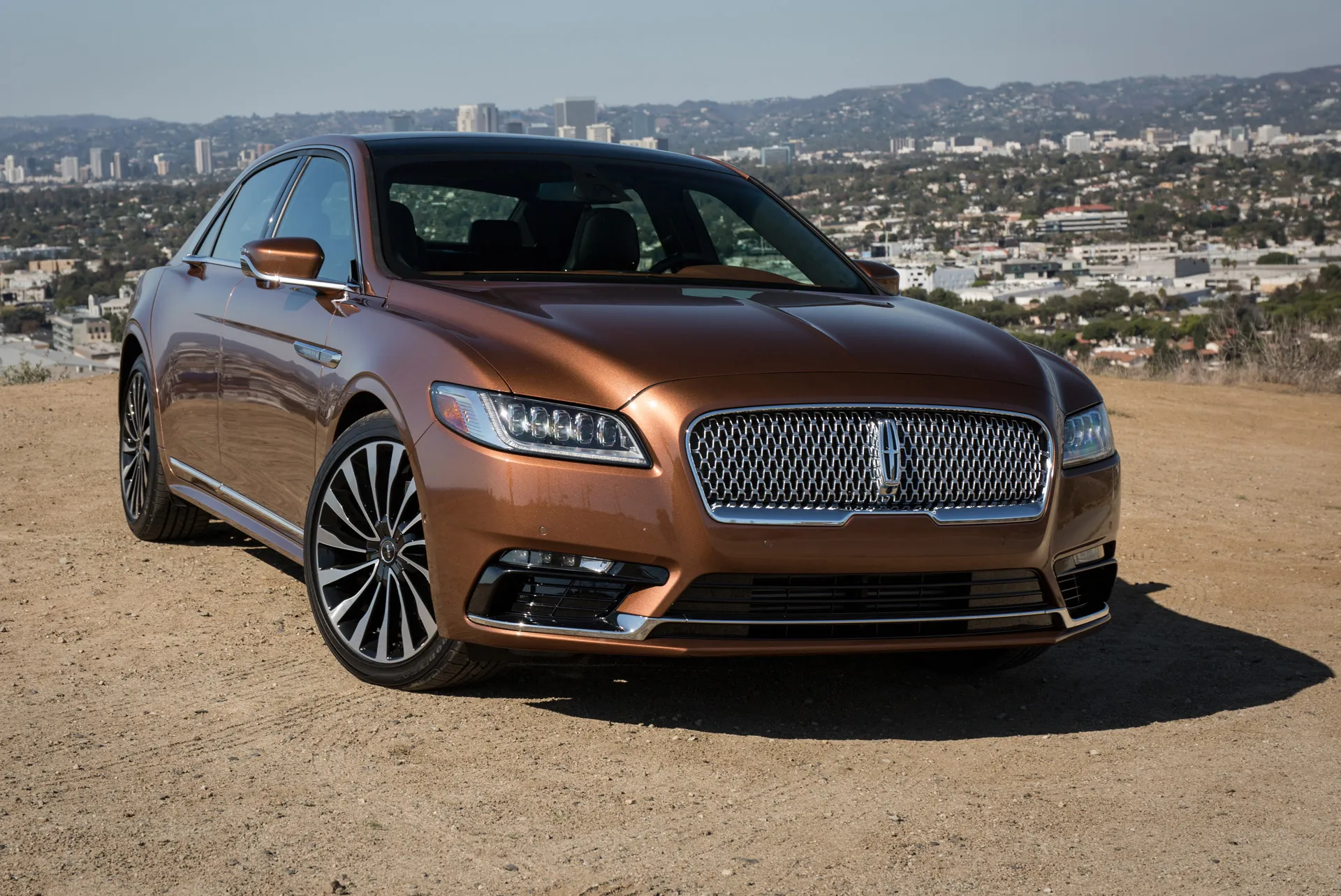
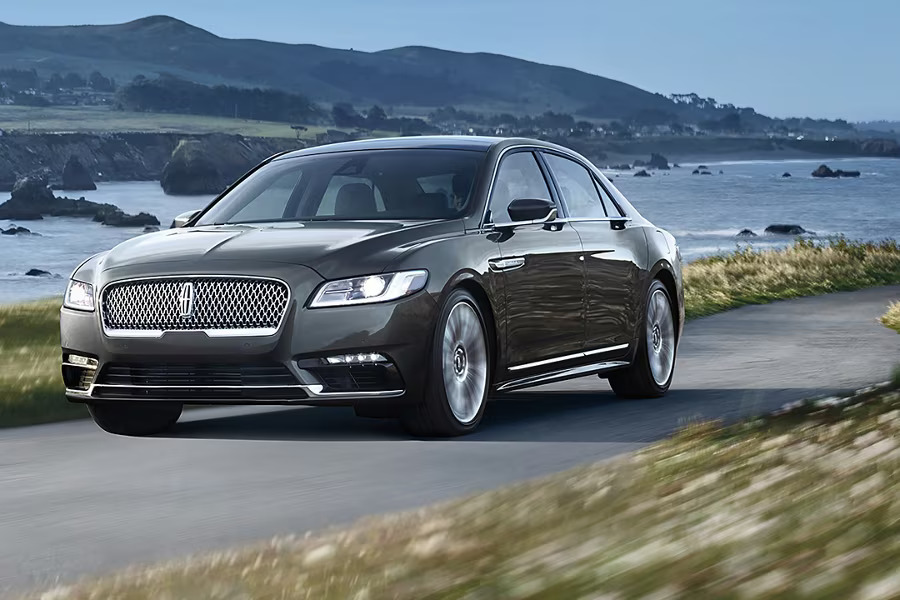
Lincoln Continental
The Lincoln Continental represents American luxury with a strong emphasis on ride comfort, supported by a well engineered adaptive air suspension system. Designed to isolate passengers from harsh road conditions, the suspension continuously adjusts damping and height to maintain smooth travel.
The system focuses on absorbing imperfections while preserving chassis balance at highway speeds. This creates a composed driving experience suited for both urban commuting and long distance cruising.
Lincoln refined the air suspension components to improve durability compared to earlier implementations. Enhanced sealing around the air springs reduces the likelihood of pressure leaks over time.
The compressor unit is built with heat resistant materials to maintain consistent performance under repeated use. Owners frequently report stable ride height retention and minimal unexpected suspension warnings.
Drive modes influence how the suspension responds, yet transitions remain subtle and controlled. Comfort settings emphasize maximum isolation from uneven pavement and road noise. Sport settings introduce firmer damping to improve steering precision and reduce body movement. Despite these adjustments, the system avoids placing excessive strain on its mechanical parts.
Integration with driver assistance technologies strengthens the suspension’s reliability profile. Sensors monitor steering input, braking force, and acceleration to maintain equilibrium. The vehicle distributes air pressure carefully across each corner to prevent uneven wear. This intelligent distribution enhances both stability and component longevity.
For drivers who prioritize quiet refinement and dependable comfort, the Lincoln Continental offers a reassuring choice. Its air suspension supports a relaxed and stable ride without frequent maintenance concerns. The combination of thoughtful engineering and premium materials helps ensure long term operational consistency.
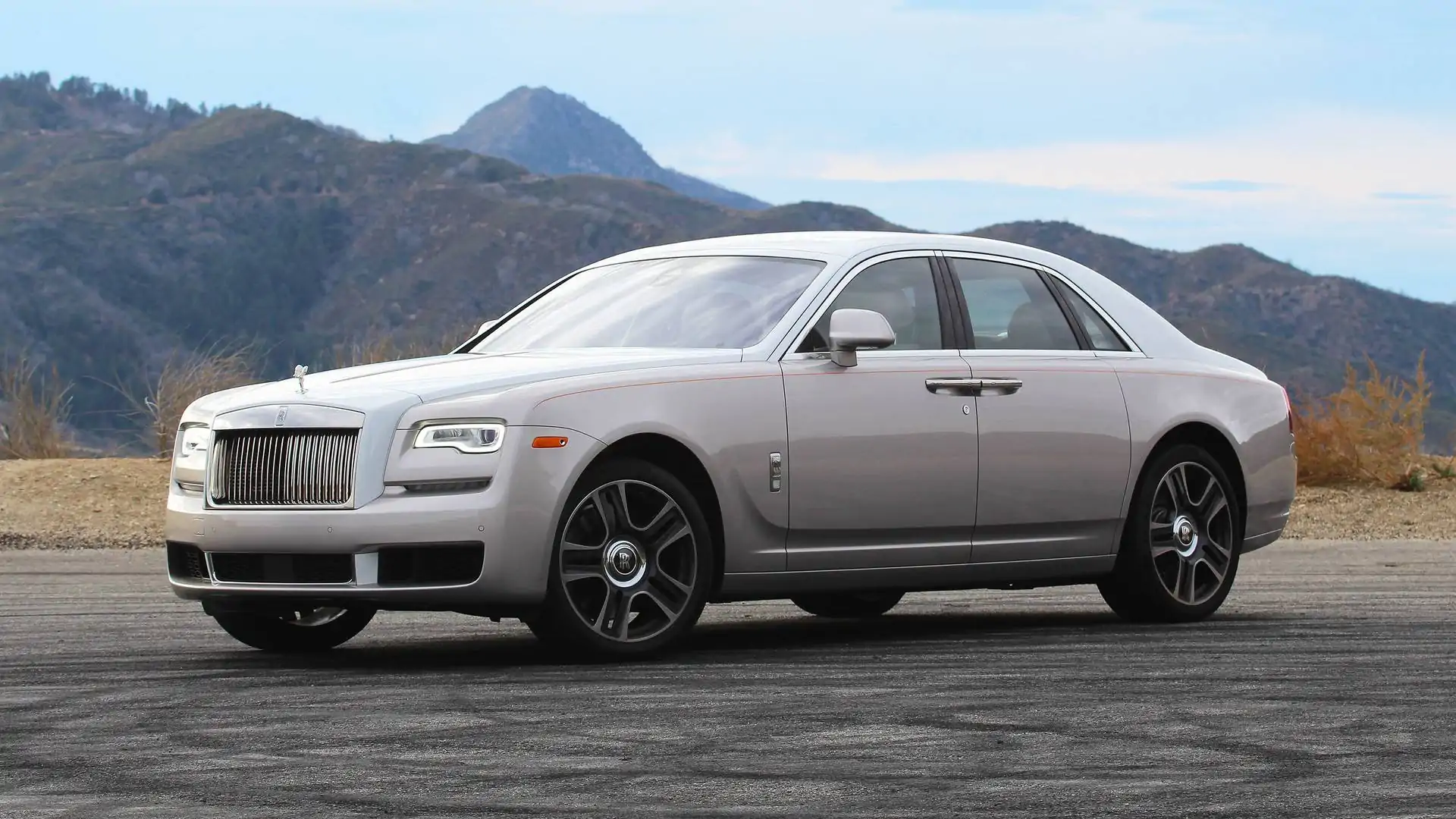
Rolls-Royce Ghost
The Rolls-Royce Ghost stands at the pinnacle of luxury sedans, and its advanced air suspension system plays a defining role in its character. Engineered to deliver an almost floating sensation, the suspension uses self leveling air springs paired with sophisticated damping control. The system reads road conditions continuously and makes adjustments in fractions of a second. This allows the vehicle to maintain exceptional smoothness regardless of surface quality.
Rolls Royce places extraordinary emphasis on durability and refinement in its suspension components. Each air spring and damper is constructed using premium materials designed for extended service life. The compressor operates quietly and efficiently, maintaining stable air pressure without noticeable fluctuation. Owners rarely report mechanical concerns, reflecting meticulous assembly and rigorous quality standards.
The Ghost suspension also works in harmony with advanced chassis technologies. Cameras scan the road ahead and prepare the suspension for upcoming irregularities. This predictive response minimizes vertical body movement and enhances passenger comfort. Even during spirited driving, the vehicle remains balanced and composed.
Reliability is supported by comprehensive electronic monitoring systems. The car continuously checks air pressure levels and damping responses to ensure proper operation. Any irregularities are addressed promptly through onboard diagnostics. This proactive design philosophy reduces the likelihood of sudden failures and protects the system’s longevity.
Choosing the Rolls-Royce Ghost means investing in one of the most refined air suspension systems available in any production sedan. Its consistency, quiet operation, and structural stability reflect an uncompromising commitment to excellence. The Ghost demonstrates how advanced engineering and careful craftsmanship can produce an air suspension system that remains both luxurious and remarkably dependable over time.