A pickup’s cargo bed defines how well it handles years of hauling, exposure, and hard labor. In 5 Pickups With Composite Beds vs 5 With Steel Beds That Rust, the difference between material choices becomes impossible to ignore.
Some automakers invested in advanced composites to combat corrosion and reduce maintenance. Others continued using traditional steel, delivering proven strength but leaving owners vulnerable to oxidation and long-term wear.
Composite beds made from sheet molded composite or carbon fiber resist dents, scratches, and moisture without requiring aftermarket liners. Trucks like the Toyota Tacoma, GMC Sierra 1500 CarbonPro, Honda Ridgeline, Ford Explorer Sport Trac, and Toyota Tundra demonstrate how these materials improve durability while allowing creative storage features and lighter construction.
Meanwhile, steel bed models such as earlier Chevrolet Silverado, Toyota Tacoma, Nissan Frontier, Dodge Ram 1500, and Ford F-150 versions reveal how seams, drainage flaws, and road salt exposure can lead to corrosion that spreads from the inside out. This side-by-side comparison highlights how engineering decisions affect long-term ownership costs and reliability.
5 Pickups With Composite Beds
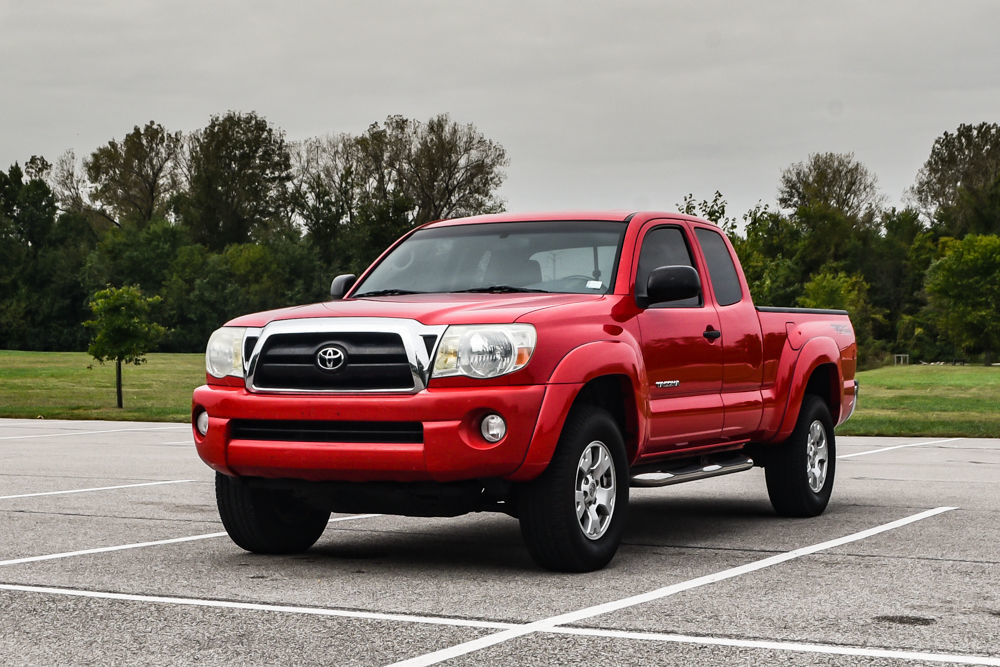
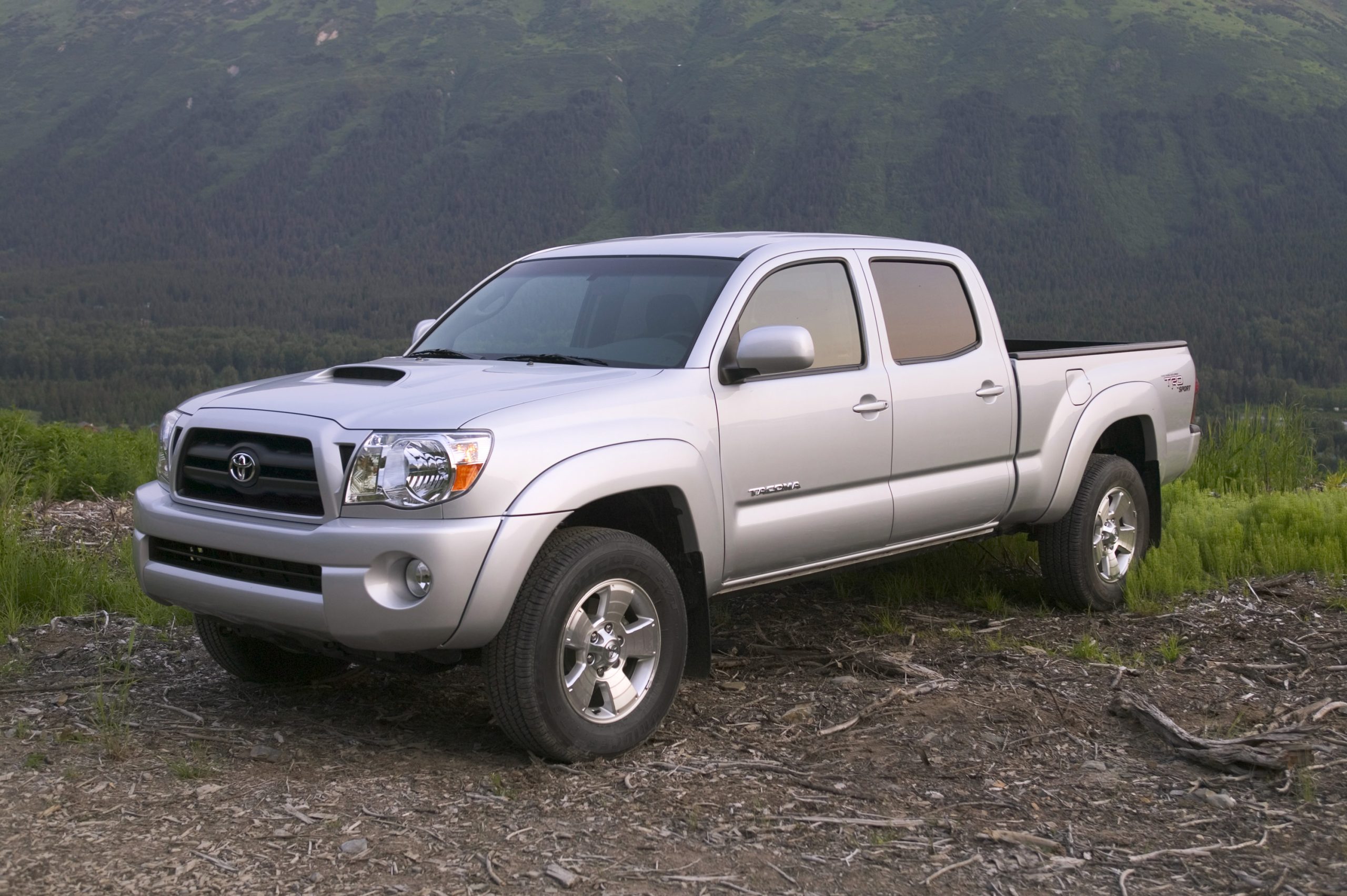
1. Toyota Tacoma (2005–Present): Durable, Practical, and Modern Pickup
Since 2005, the Toyota Tacoma has featured a Sheet-Molded Composite (SMC) bed, replacing traditional steel designs. This fiber-reinforced plastic surface acts as a built-in bed liner, offering exceptional resistance to dents, scratches, chemical spills, and heavy loads.
Weighing about 10 percent less than steel, the SMC bed helps reduce vehicle weight while eliminating the risk of rust. Its moldable design allows Toyota to integrate functional features such as storage bins, a deck rail system, and a 120V/400W power outlet.
Many owners praise the bed’s longevity and practicality, though some add bed stiffeners to reduce flex when carrying extremely heavy loads. This innovation highlights Toyota’s focus on utility and long-lasting performance.
The Tacoma’s engine lineup includes a turbocharged 2.4-liter four-cylinder for base models and more powerful i-Force engines producing up to 278 horsepower and 317 pound-feet of torque. Transmission choices include an eight-speed automatic or a six-speed manual, with rear- and four-wheel-drive options.
Entry-level models use leaf-spring rear suspension, while coil-spring setups on higher trims deliver improved ride comfort. The 278-hp Tacoma accelerates to 60 mph in seven seconds, while the manual version does it in 7.9 seconds. Towing capacity reaches 6,500 pounds, and payload tops out at 1,705 pounds.
The interior combines ruggedness with modern amenities. The redesigned dashboard features higher-quality materials, digital gauge clusters up to 12.3 inches, and infotainment displays ranging from 7.0 to 14.0 inches.
Wireless Apple CarPlay and Android Auto are standard, with optional JBL audio, wireless charging, heated and cooled front seats, and a head-up display on Limited trims. Seating is raised for improved visibility and headroom, and XtraCab and Double Cab configurations offer flexible cargo-bed lengths.
Safety includes forward-collision warning with automatic emergency braking, lane-departure warning, lane-keeping assist, adaptive cruise control, and optional blind-spot monitoring with rear-cross-traffic alert. Toyota’s coverage includes a three-year or 36,000-mile limited warranty, five years or 60,000 miles for the powertrain, and two years or 25,000 miles of complimentary maintenance.
The Toyota Tacoma remains a durable, versatile pickup that balances utility, technology, and comfort. Its SMC bed, capable powertrain options, and updated interior make it a strong choice for both work and adventure, offering a practical and dependable experience for drivers on and off the road.
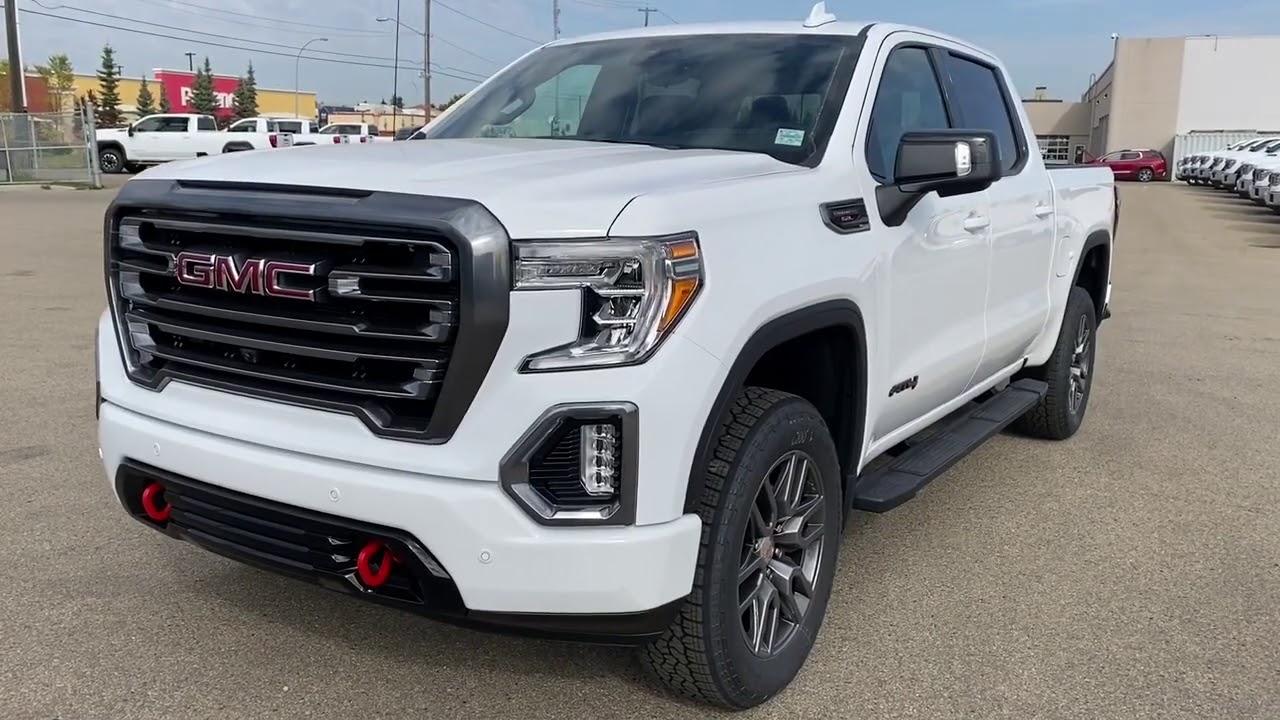
2. GMC Sierra 1500 CarbonPro: Premium Pickup with Industry-First Carbon-Fiber Bed
The GMC Sierra 1500 CarbonPro introduces a groundbreaking carbon-fiber composite bed, setting a new standard for durability in light-duty pickups. Available on high-end trims like the AT4 and Denali, the CarbonPro bed is 25 percent lighter than traditional steel, shedding roughly 60 pounds and increasing payload capacity accordingly.
Its corrosion-resistant, dent- and scratch-proof construction eliminates the need for aftermarket bedliners, ensuring long-term utility and maintaining a premium appearance even under heavy use.
The bed also adds one cubic foot of cargo volume, thanks to its moldable material, and features specialized indentations for securing motorcycles or ATVs alongside 12 tie-down points, highlighting its functional design for work and recreation.
Performance on the Sierra 1500 is versatile, with engine options including a 310-hp TurboMax four-cylinder, a 355-hp 5.3L V8, a 420-hp 6.2L V8, and a 3.0L Duramax Turbo-Diesel. Properly equipped, the truck can tow up to 13,300 pounds.
Off-road capability is enhanced on AT4X trims through Multimatic DSSV dampers and locking differentials, enabling confident handling in rugged terrain. Reviewers note that while the truck handles well, the ride can feel slightly firm over rough pavement compared to competitors like the Ram 1500.
Inside, the Sierra 1500 blends luxury and technology. Higher trims feature full-grain leather, authentic wood accents, and a 13.4-inch infotainment touchscreen with Google integration, wireless Apple CarPlay, and Android Auto.
The Denali Ultimate trim includes Super Cruise for hands-free driving on compatible highways, enhancing convenience during long trips. Despite these premium touches, some lower-tier trims retain basic materials, which slightly undermines the cabin’s refinement.
The Sierra 1500 CarbonPro shines for owners who demand a resilient bed capable of handling heavy-duty cargo without sacrificing technology or comfort. Its combination of lightweight carbon-fiber construction, superior impact resistance, and thoughtfully designed utility makes it ideal for work-focused drivers who also value a high-end driving experience.
While top trims are expensive and a hybrid option is absent, the CarbonPro Sierra stands out as a truck that resists wear, maximizes cargo utility, and delivers a tech-forward, premium cabin for everyday use.
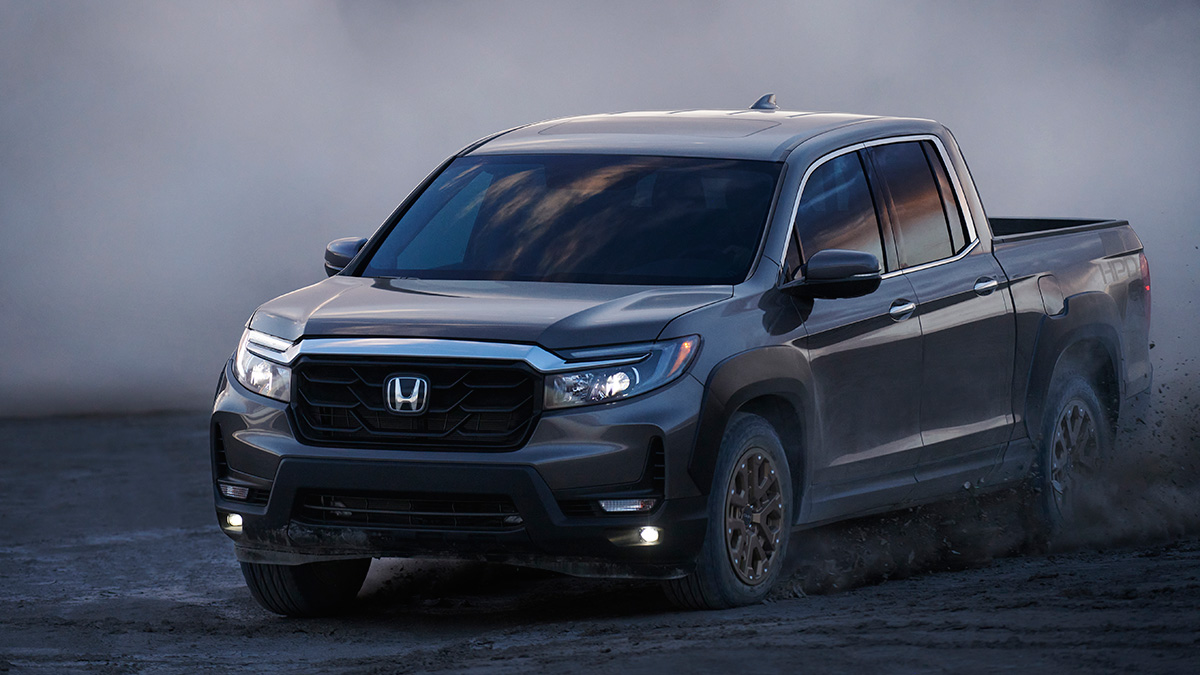
3. Honda Ridgeline: Innovative Mid-Size Pickup with Practical Bed and Carlike Ride
The Honda Ridgeline stands out in the mid-size pickup segment with its fiberglass-reinforced composite bed, a durable, rust-proof, and scratch-resistant design that requires no separate liner. This UV-stabilized bed can handle heavy cargo like landscaping blocks or firewood without sustaining damage, and its flat floor accommodates 4-foot-wide items perfectly between the wheel wells.
A unique feature is the lockable In-Bed Trunk, a 7.3-cubic-foot weatherproof compartment with a drain plug that doubles as a cooler for tailgating or secure storage. The dual-action tailgate folds down or swings out, and the composite bed is stiff enough to act as a speaker for the optional Truck Bed Audio System, enhancing its multifunctional design.
Powering the Ridgeline is a 280-horsepower 3.5-liter V6 paired with a nine-speed automatic transmission and standard all-wheel drive. The truck’s independent rear suspension and coil springs give it a carlike ride and responsive handling, setting it apart from leaf-spring competitors.
Acceleration is competent, with a 0–60 mph time of 6.0 seconds in the TrailSport trim, making it quicker than comparable four-cylinder mid-size pickups. Towing capacity reaches 5,000 pounds, while payload tops out at 1,583 pounds, placing it in the midrange among its rivals.
Fuel economy is respectable, with EPA ratings of 18 mpg city, 24 mpg highway, and 21 mpg combined, though highway testing has produced as much as 28 mpg.
Inside, the Ridgeline delivers comfort and practicality. The first row has fold-down armrests and a low center console, while the rear seat is the most spacious in its class, fitting a bicycle with the seats up or 19 carry-on suitcases when stowed.
Cabin technology includes a 9.0-inch touchscreen with wireless Apple CarPlay and Android Auto, optional 8-speaker audio, and wireless charging. TrailSport and Black Edition trims add built-in navigation. Safety features are comprehensive, including adaptive cruise control, lane-keeping assist, and blind-spot monitoring, with optional front and rear parking sensors.
Honda backs the Ridgeline with a three-year/36,000-mile limited warranty, five-year/60,000-mile powertrain coverage, and two years/24,000 miles of complimentary maintenance. Combining a rugged, low-maintenance bed, practical storage solutions, carlike driving dynamics, and a well-equipped cabin, the Ridgeline is ideal for buyers who want a versatile, capable pickup without sacrificing daily comfort.
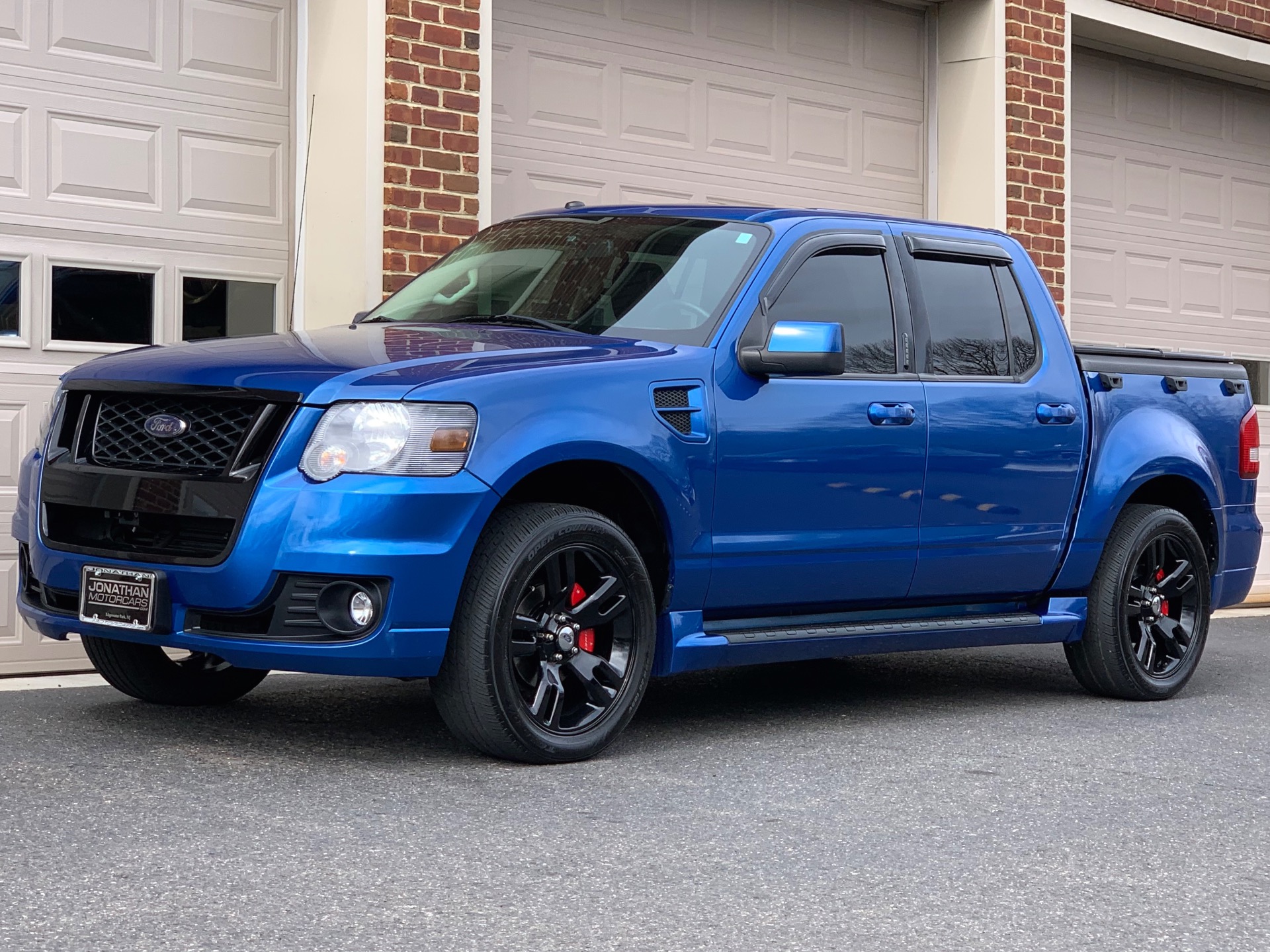
4. Ford Explorer Sport Trac: Versatile SUV-Truck Hybrid with Durable Composite Bed
The Ford Explorer Sport Trac, produced from 2001 to 2010, was a pioneering vehicle that combined the passenger comfort of a four-door SUV with the utility of a pickup truck. Its standout feature was the sheet-molded composite (SMC) bed, a lightweight, rust-proof, and scratch-resistant material that offered roughly 20–30% weight savings over traditional steel.
The composite bed was engineered to handle heavy and wet cargo without corroding, withstand impacts from heavy materials, and incorporate practical features like three water-resistant storage compartments with drain plugs, molded tie-downs, and a 12-volt power outlet. This made it ideal for hauling tools, dirt, or outdoor gear without the need for a separate bed liner.
The first-generation Sport Trac (2001–2005) was essentially a stretched Ford Explorer with a 4-foot composite cargo bed and a unique power-down rear window for ventilation and extended cargo access.
While the composite bed earned praise for its durability, this generation was criticized for a truck-like ride due to its live rear axle and experienced reliability issues, including transmission failures, timing chain guide wear, and electrical problems.
The second-generation Sport Trac (2007–2010) addressed many earlier shortcomings. Built on the fourth-generation Explorer platform, it featured a fully independent rear suspension, delivering a smoother, more car-like ride. The optional 4.6-liter V8 engine boosted towing capacity to 7,160 pounds, significantly outperforming the V6 models.
The interior was updated with features like Ford SYNC, though cabin materials were still considered subpar compared with premium rivals. Fuel economy remained a weak point, often reaching just 14–15 mpg in city driving.
Experts recommend focusing on 2008–2010 models due to improvements in transmission programming and the addition of Electronic Stability Control, which enhanced reliability and driving safety. Despite its niche appeal, the Sport Trac remains a unique option for buyers seeking a secure five-passenger SUV with occasional cargo-hauling capability.
Its combination of a durable composite bed, flexible storage, and a balance of SUV comfort with pickup practicality makes it a cult classic in the mid-size SUV-truck segment. While not as rugged as a full-size F-150 or as efficient as a modern crossover, the Sport Trac carved out a lasting reputation for versatility and innovation.
5. Toyota Tundra: Durable Composite Bed Meets Full-Size Pickup Capability
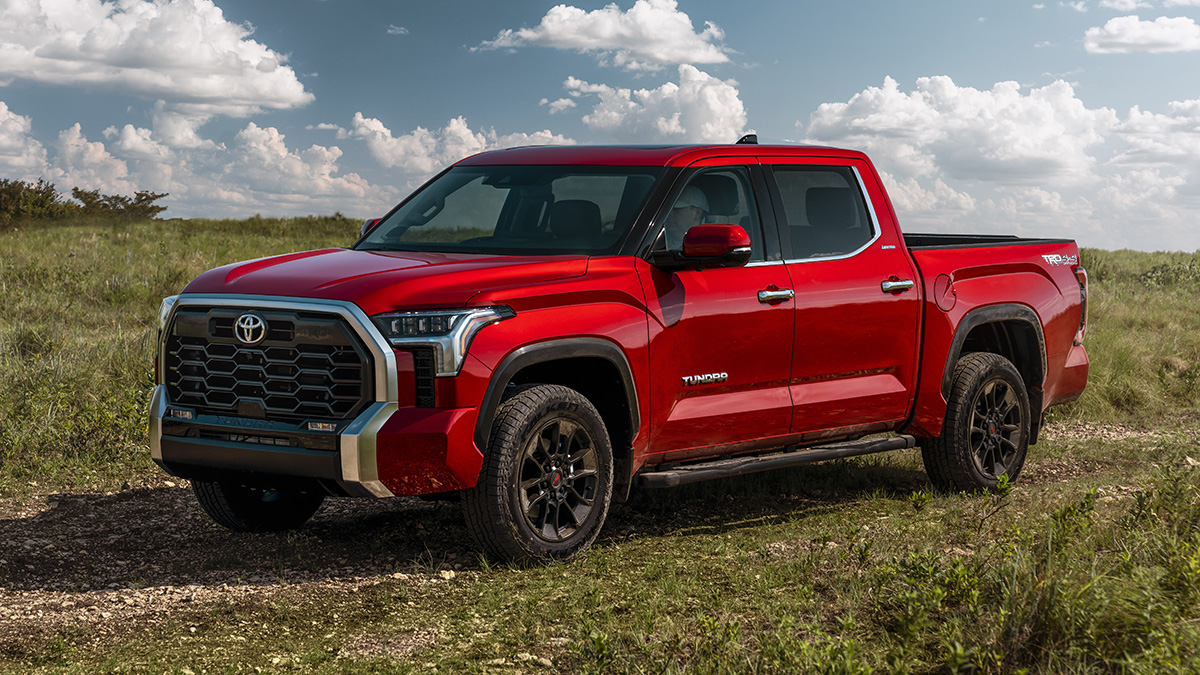
The current-generation Toyota Tundra, introduced in 2022, extends Toyota’s use of Sheet-Molded Composite (SMC) beds from the Tacoma to a full-size platform. The composite bed is reinforced with aluminum cross members to enhance strength, handle heavy loads, and prevent cracking or flexing.
Designed to resist dents, scratches, and corrosion, it eliminates the need for an aftermarket bedliner, providing a maintenance-free surface capable of withstanding abrasive cargo and harsh weather. Available in 5.5-, 6.5-, and 8.1-foot lengths, the bed includes reinforced tie-down points and optional 400W power outlets, making it practical for work and recreational use.
The Tundra’s twin-turbo 3.4-liter V6 powers the lineup, producing 348 horsepower in the base SR model and 389 horsepower in higher trims. A smooth-shifting 10-speed automatic transmission sends power to either rear- or all-wheel drive, while four-wheel-drive models feature a part-time setup rather than a full-time system.
Coil-spring rear suspension contributes to a smoother ride than older leaf-spring designs, making it comfortable for daily driving. The Tundra accelerates to 60 mph in roughly 6.1 seconds in our testing, with the hybrid CrewMax variant hitting 60 mph in 5.5 seconds.
Towing capacity reaches up to 12,000 pounds when properly equipped, placing it behind competitors like the Ford F-150 and Chevrolet Silverado. The maximum payload is 1,940 pounds, also trailing the class leaders.
Fuel efficiency is modest for the segment, with the two-wheel-drive Tundra rated at 18 mpg city and 23 mpg highway, and four-wheel-drive models slightly lower. In real-world highway testing, the Limited CrewMax achieved 19 mpg.
Interior design emphasizes functionality over luxury. First-row legroom measures 41.8 inches, while the second row offers 33.3 inches. Head and shoulder room is adequate, though slightly less than some rivals.
Storage is plentiful, with a center console bin, overhead sunglasses holder, and rear under-seat box with adjustable partitions. Bed dimensions accommodate 4×8 sheets of plywood between wheel wells, and crew cab models benefit from the larger 8-foot bed option.
Infotainment features an 8-inch touchscreen as standard, with a 14-inch display available on higher trims. Wireless Apple CarPlay and Android Auto, multiple USB ports, and optional 120V AC outlets add convenience. Audio options range from a six-speaker system in base trims to a 12-speaker JBL setup in Platinum and 1794 editions.
Safety comes via Toyota Safety Sense 2.5, including adaptive cruise control, forward-collision warning, and lane-departure assistance. Blind-spot monitoring, rear cross-traffic alert, and trailer detection are standard on Limited and above.
Warranty coverage includes three years or 36,000 miles for the limited warranty, five years or 60,000 miles for the powertrain, and two years or 25,000 miles of complimentary maintenance, underscoring Toyota’s commitment to long-term reliability and service.
Also read: 5 Cars That Are Unstoppable in Deep Snow vs 5 AWD Models That Get Stuck
5 With Steel Beds That Rust
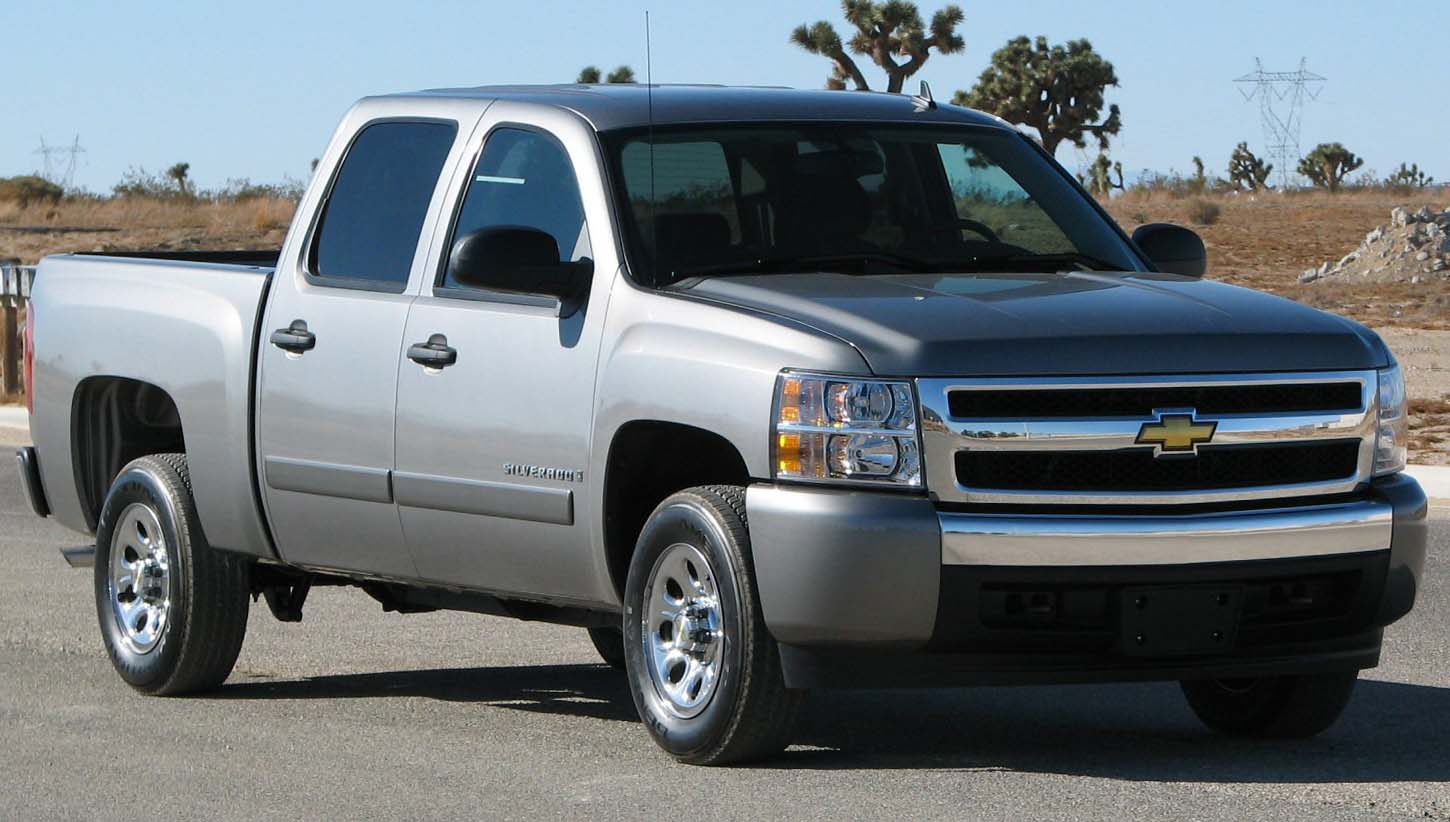
1. Chevrolet Silverado (2007–2013): Rust Challenges and Prevention
The 2007–2013 Chevrolet Silverado, part of the GMT900 generation, is widely known for severe rust issues, particularly in the rear wheel arches and bed floor. Despite using high-strength steel for structural durability, design flaws combined with environmental factors made these trucks highly susceptible to corrosion.
The factory-applied wax-based coating frequently peeled away over time, leaving the steel exposed to moisture and road salt. Without aftermarket protection, the bed and wheel wells often developed surface rust that could progress into deep rot, compromising structural integrity within a decade, especially in “rust belt” regions.
A primary design flaw is the V-shaped cavity in the rear wheel wells, formed where the inner and outer bed panels meet. This gap traps dirt, salt, and moisture, making standard cleaning nearly impossible.
Even minimal rainfall can reactivate trapped salt, causing year-round corrosion. Compounding the problem, the factory’s rust-proofing and primer were inadequate. The wax coating often failed, and the primer lacked strong adhesion once chips or scratches exposed bare steel.
Drainage issues further exacerbate rust development. Water entering the bed or gaps in trim tends to settle in lower rockers and wheel arches. Small washout plugs exist but are hidden behind wheel liners, ironically acting as salt traps themselves. Environmental factors, including heavy use of road salt in northern climates, accelerate oxidation, particularly in steel prone to rapid corrosion.
Preventing rust on these models requires aggressive maintenance. Regularly removing hidden plugs, flushing cavities with high-pressure water, and applying aftermarket undercoating or bed liners can significantly reduce rust formation. Silverado owners in vulnerable regions are advised to inspect wheel wells frequently, address surface corrosion early, and maintain protective coatings to extend the life of their trucks.
2. Toyota Tacoma Pre-2005: Steel Bed Rust Problems
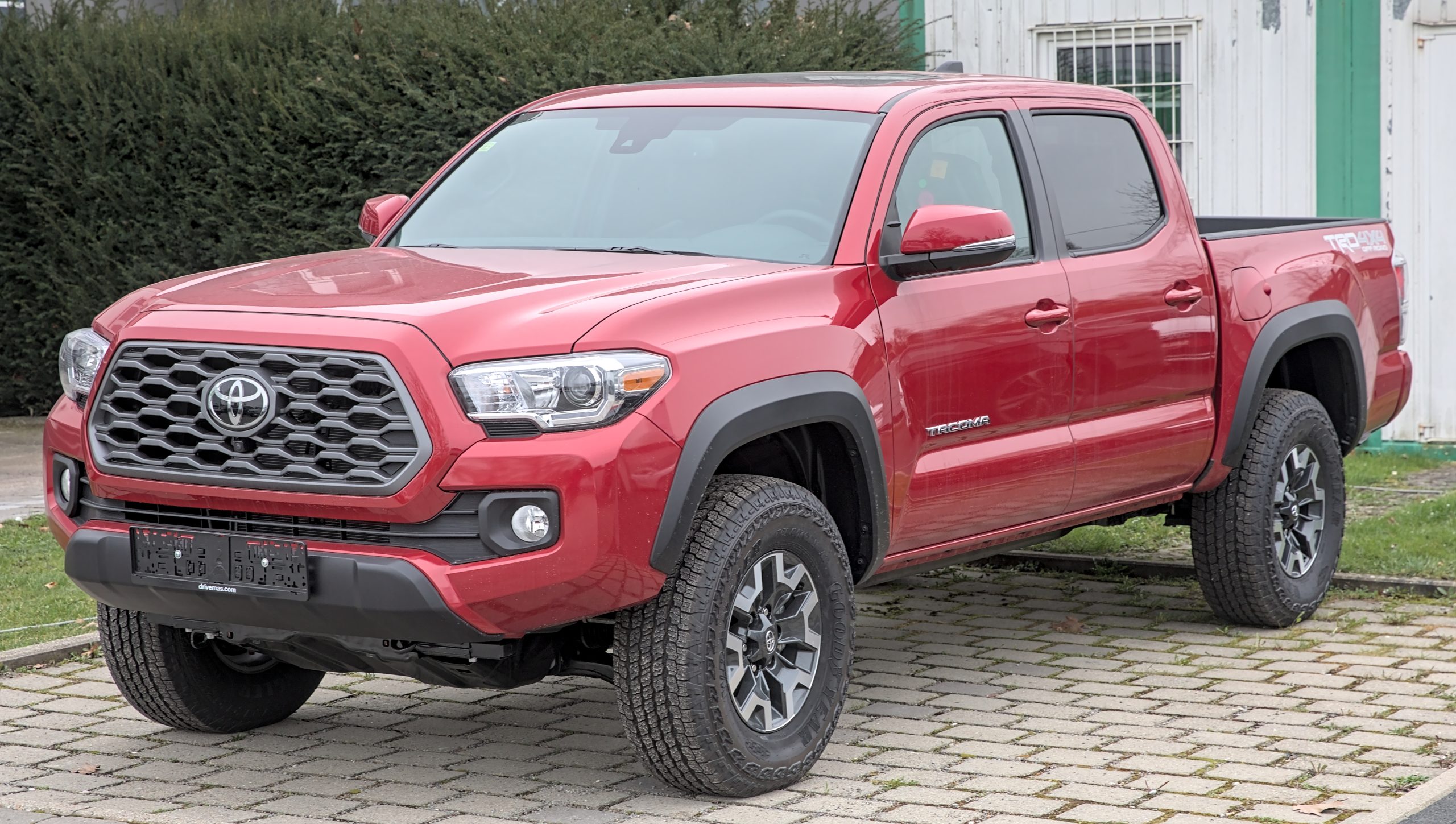
Before 2005, the Toyota Tacoma used a traditional steel bed that was highly prone to corrosion, which earned it a reputation for bed rot. While these trucks were mechanically reliable, their steel components, particularly the bed and wheel wells, often failed prematurely in wet or salted-road environments.
A combination of design flaws, insufficient rust protection, and environmental exposure made these early Tacomas very vulnerable to structural damage.
One major cause of rust was the multi-piece bed design. The steel beds were made of several panels that were spot-welded and seam-sealed together. Over time, these seams could crack or dry out, allowing water, dirt, and road salt to collect in small crevices. This trapped moisture caused the steel to corrode from the inside out. By the time rust appeared on the exterior, the bed panels were often already weakened.
Insufficient factory rustproofing made the problem worse. Some steel panels were not properly treated with phosphate coatings before painting, leaving them exposed to oxidation. Removable interior panels were not fully sealed, which allowed contaminants to reach the unprotected underside of the bed. Combined with heavy loading, vibration, and thin protective paint, the steel often failed early.
Environmental conditions also contributed. In areas where road salt was heavily used, corrosion progressed quickly. Poor drainage in the bed design prevented salts and moisture from washing away, creating ideal conditions for rust. Many trucks in northern climates developed severe rust damage even with regular maintenance.
To address this problem, Toyota introduced a major change in 2005. The second-generation Tacoma replaced the steel bed with a Sheet-Molded Composite bed. This fiber-reinforced plastic material is resistant to rust, scratches, and dents. The new bed solved the issue of rotting steel and provided a durable, low-maintenance cargo solution that improved the longevity of the Tacoma lineup.
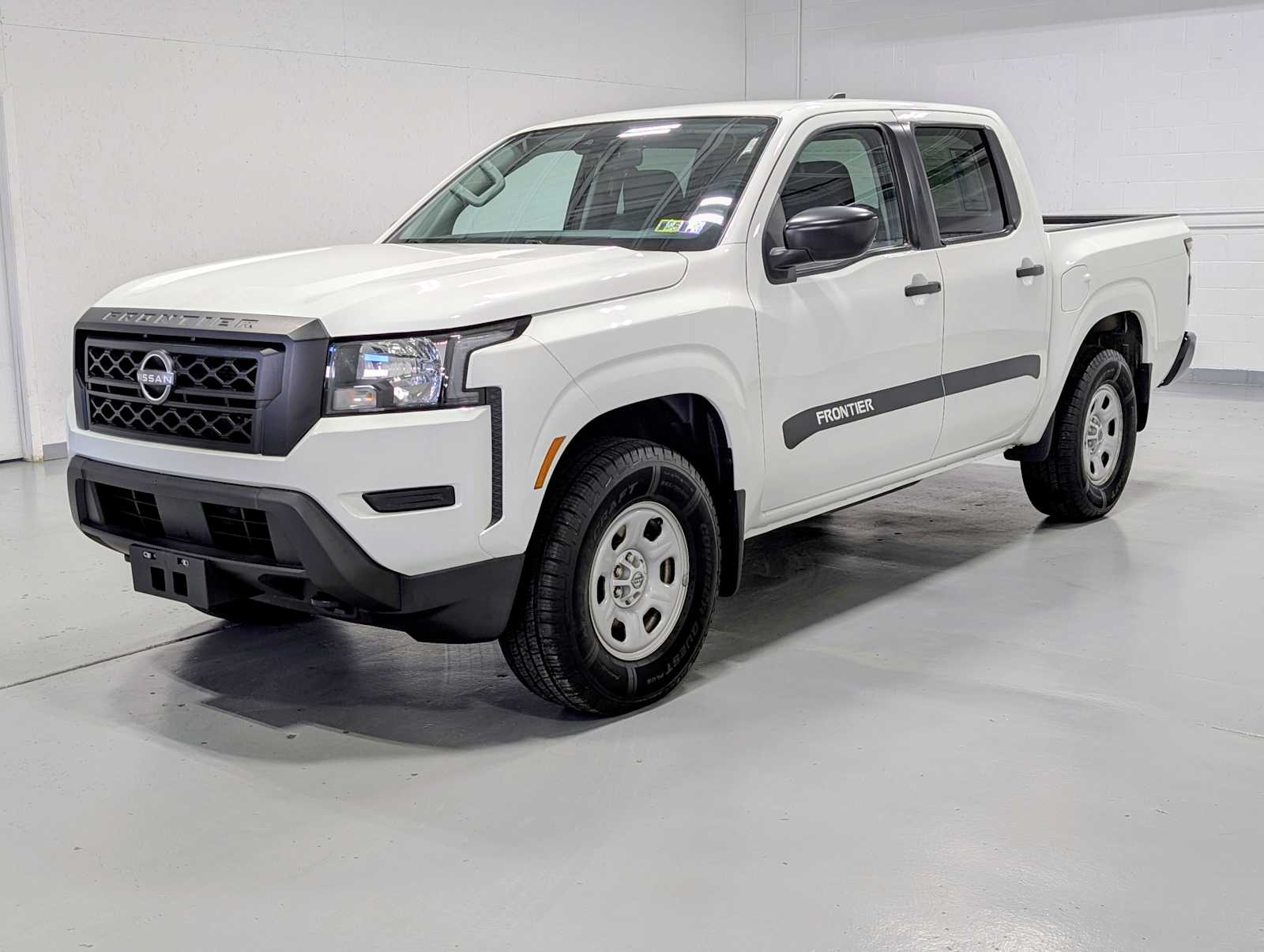
3. Nissan Frontier Pre-2022: Steel Bed Rust Vulnerabilities
Before the 2022 redesign, the Nissan Frontier, particularly the D40 generation (2005–2021), used traditional steel beds that were highly susceptible to corrosion. While the all-steel construction offered impact resistance and structural durability, it relied heavily on paint, primer, and factory coatings to prevent rust.
Once these protective layers were compromised through scratches, heavy use, or environmental exposure, the steel would oxidize, leading to significant long-term damage if a protective liner was not applied.
The bed’s design contributed to its vulnerability. The steel was stamped and cold-rolled, making it strong but prone to rust in seams and mounting points. A notable weak spot was the front passenger-side bed mount, which could crack under heavy loads or off-road flexing, exposing raw steel to moisture.
This created hidden corrosion that could progress out of sight. Some models included factory spray-on liners intended to protect the bed. However, if the liner peeled or was poorly bonded, it trapped moisture and debris against the steel, accelerating rust from the inside out.
Additional design factors worsened the problem. Certain Frontiers lacked comprehensive rear wheel-well liners, allowing road salt, mud, and chemicals to contact the steel and frame rails directly.
Over time, especially in regions using heavy winter salt, the exposed areas rusted rapidly, with bed-to-frame interfaces being particularly susceptible. Environmental conditions, such as humidity and coastal salt exposure, also intensified corrosion, making some trucks prone to early bed degradation.
Compared to modern trucks, the pre-2022 Frontier reflects an era when untreated steel and moisture-trapping designs were common. The 2022 redesign improved corrosion resistance with better manufacturing techniques, reinforced brackets, and upgraded coatings, although steel remained the primary material.
For owners of pre-2022 models, rust is an expected consequence of the design and materials rather than catastrophic failure, emphasizing the importance of preventive care like bed liners and regular cleaning in harsh climates.
4. Dodge Ram 1500 (2002–2008): The “Ram Rot” Problem
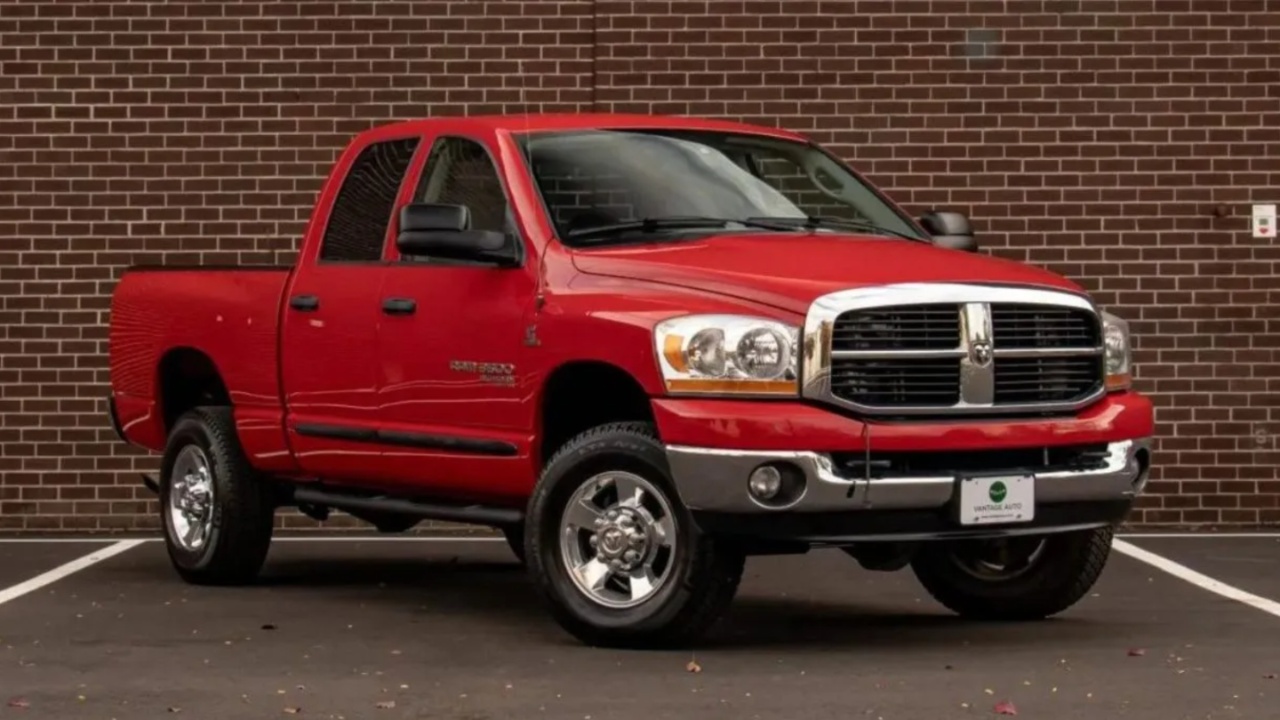
The 2002 to 2008 Dodge Ram 1500, part of the third generation, became infamous for severe bed rust, commonly referred to by enthusiasts as “Ram Rot.” While praised for strong engine options and bold styling, these trucks developed a reputation for corrosion concentrated around the rear fender flares and bed panels.
In many cases, visible rust bubbles on the exterior paint signaled far more extensive structural decay hidden beneath the surface.
A major cause was the design of the rear wheel arches. The stamped sheet metal created a lip or pocket between the inner and outer fender panels. As the truck was driven, mud, dirt, and road salt were thrown into these crevices by the tires. Poor drainage allowed debris to remain trapped, holding moisture directly against the steel.
Even after washing, damp material often lingered inside these cavities, accelerating corrosion. As a result, the metal frequently rusted from the inside out, leaving owners unaware of the damage until bubbling paint appeared.
Material and manufacturing factors also played a role. Although high-strength steel provided durability, it was vulnerable once protective coatings were compromised.
Factory corrosion protection in hidden seams and pinch welds was often thin or inconsistently applied by early 2000s standards. Small gaps in seam sealers allowed saltwater intrusion, creating ideal conditions for oxidation in areas that were difficult to inspect or clean.
Environmental exposure intensified the issue. Trucks operated in northern states or coastal regions experienced faster deterioration due to road salt and humidity. Gravel and road debris also chipped away at paint and primer, exposing bare steel.
Repairs commonly required cutting out large rusted sections or replacing entire bed assemblies. Owners who prevented major damage typically relied on frequent cleaning and aftermarket oil-based undercoatings to protect vulnerable areas.
5. Ford F-150 (Pre-2015): Steel Bed Rust and the Shift to Aluminum
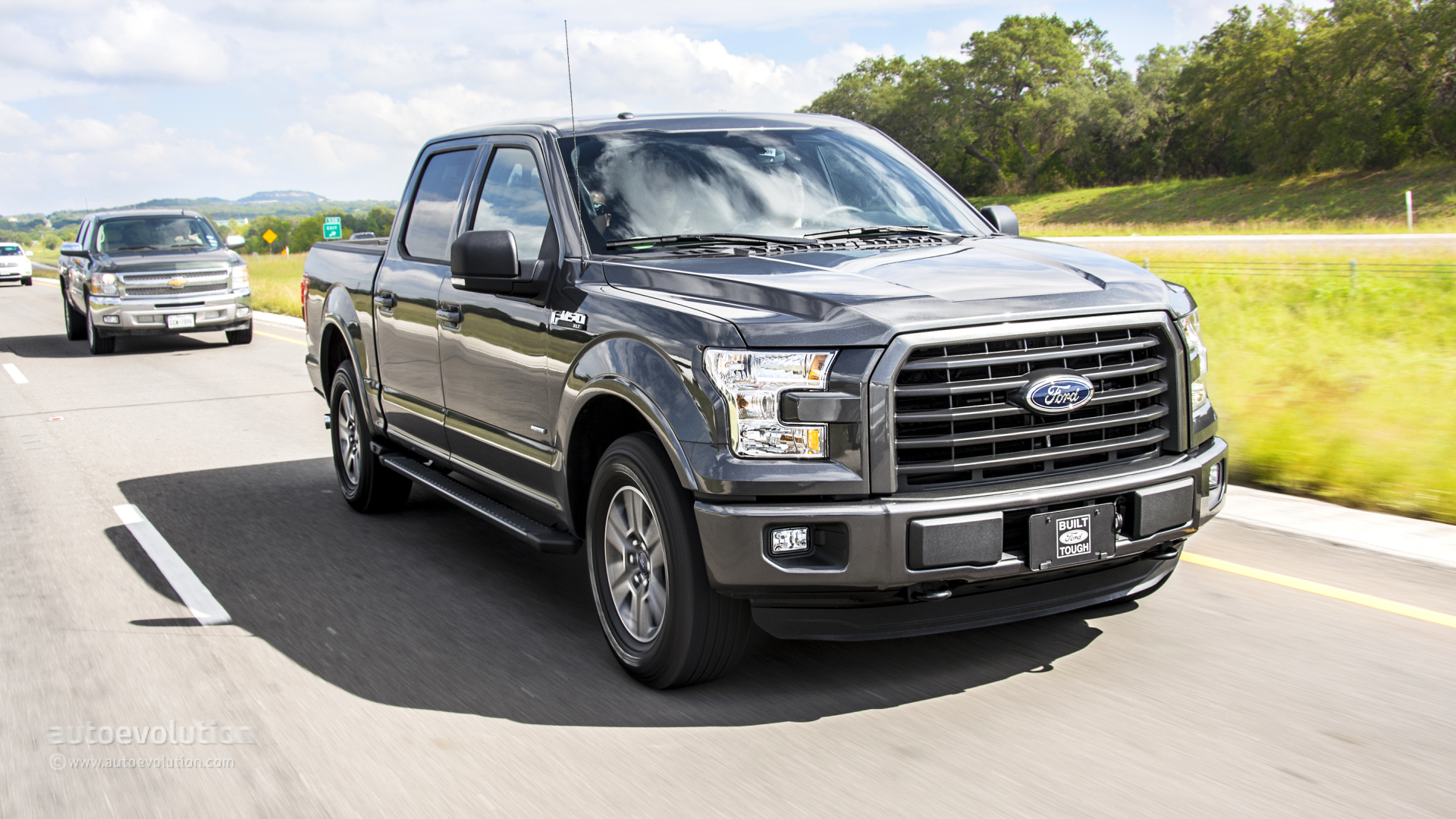
Before 2015, the Ford F-150 relied on traditional cold-rolled steel for its bed construction. While steel delivered strong load-carrying capability and structural rigidity, it was inherently vulnerable to oxidation. When iron in the steel reacts with oxygen and moisture, it forms iron oxide, commonly known as rust.
Unlike aluminum oxidation, which creates a protective surface layer, rust is porous and flakes away, exposing fresh metal and allowing corrosion to spread. Over time, this process led to bubbling paint, pinhole rust, and eventual structural weakening in neglected beds.
Design characteristics of pre-2015 models often accelerated corrosion. The seam where the outer bed panel met the inner wheel well created tight gaps that could trap moisture. Road vibration sometimes caused microscopic cracks in paint along these seams, allowing water and salt to penetrate.
Many trucks also lacked full inner fender liners, so mud, salt, and debris were frequently thrown into wheel arches and underside channels. Once trapped, these contaminants held moisture against the steel and sped up the electrochemical reaction responsible for rust.
Drainage limitations further contributed to hidden damage. Certain structural channels beneath the bed allowed water to pool, especially in harsh climates. Because these areas were difficult to inspect and sometimes thinly coated, corrosion often developed from the inside out.
Owners in northern regions faced even greater risk due to heavy road salt and liquid brine treatments, which seeped into seams and remained active long after roads dried.
In 2015, Ford transitioned the F-150 to a high-strength aluminum alloy body. Aluminum does not produce red rust, addressing one of the most persistent complaints about earlier models. For pre-2015 trucks, careful paint maintenance, proper drainage, and protective liners remain essential to preventing long-term bed deterioration.
The contrast between composite and steel beds centers on corrosion resistance and upkeep. Composite designs offer built-in protection against moisture, eliminating one of the most common causes of structural deterioration. They also reduce weight and allow molded features that improve cargo management. For drivers seeking long-lasting performance with minimal maintenance, these benefits carry real value.
Steel beds continue to offer toughness and familiarity, yet they demand consistent care. Protective liners, undercoating, and routine cleaning are critical in regions where road salt accelerates oxidation. Neglect can result in bubbling paint, weakened panels, and expensive repairs.
Selecting the right pickup involves more than horsepower and towing capacity. Material choice plays a major role in how a truck ages. Understanding these differences helps buyers choose a model that aligns with their climate, workload, and long-term expectations.
Also Read: 10 Cars That Offer a True Cloud Like Ride for Long Distances