
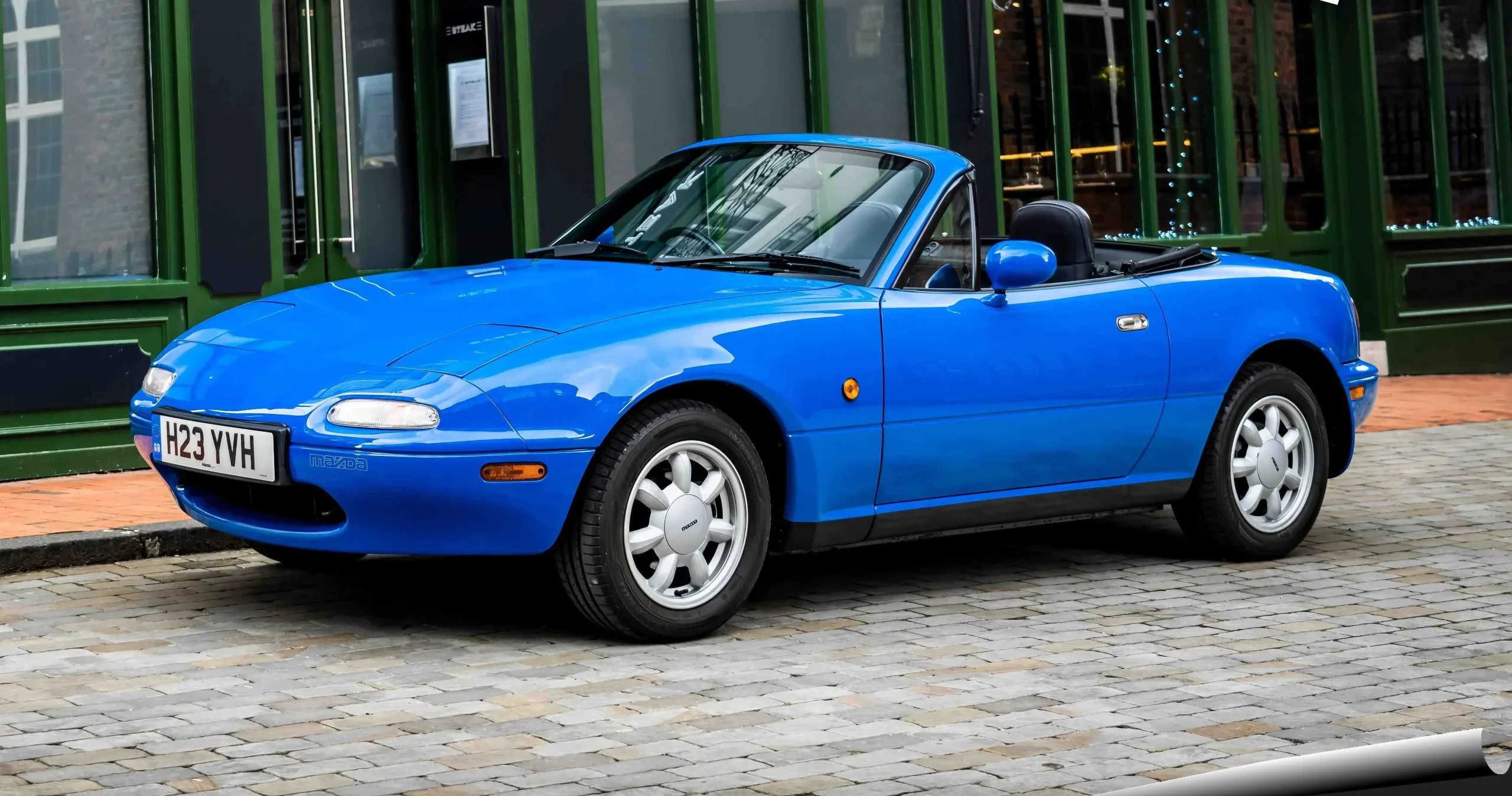
When it comes to engineering excellence, few things speak louder than a decades-long track record of bulletproof reliability. The inline four-cylinder engine also known as the straight-four or I4 has become one of the most trusted powerplants in automotive history.
Its balanced architecture, relative mechanical simplicity, and efficient use of space make it ideally suited for mass-market vehicles, performance machines, and everything in between. But not all inline fours are created equal.
While most modern four-cylinder engines are reasonably dependable, a select few have raised themselves into legendary status earning the trust of mechanics, fleet operators, taxi companies, and everyday drivers across millions of miles and decades of use.
What separates a merely good engine from a truly extraordinary one? It comes down to a combination of factors: the quality of internal components, the wisdom of engineering decisions, the robustness of the lubrication and cooling systems, and how gracefully the engine ages under real-world conditions.
The engines on this list have powered some of the world’s most iconic vehicles and have outlasted rivals by hundreds of thousands of miles. This article celebrates ten inline four-cylinder engines that have earned their legendary reputation through decades of proven, real-world performance.
1. Toyota 22R/22RE (1981–1995)
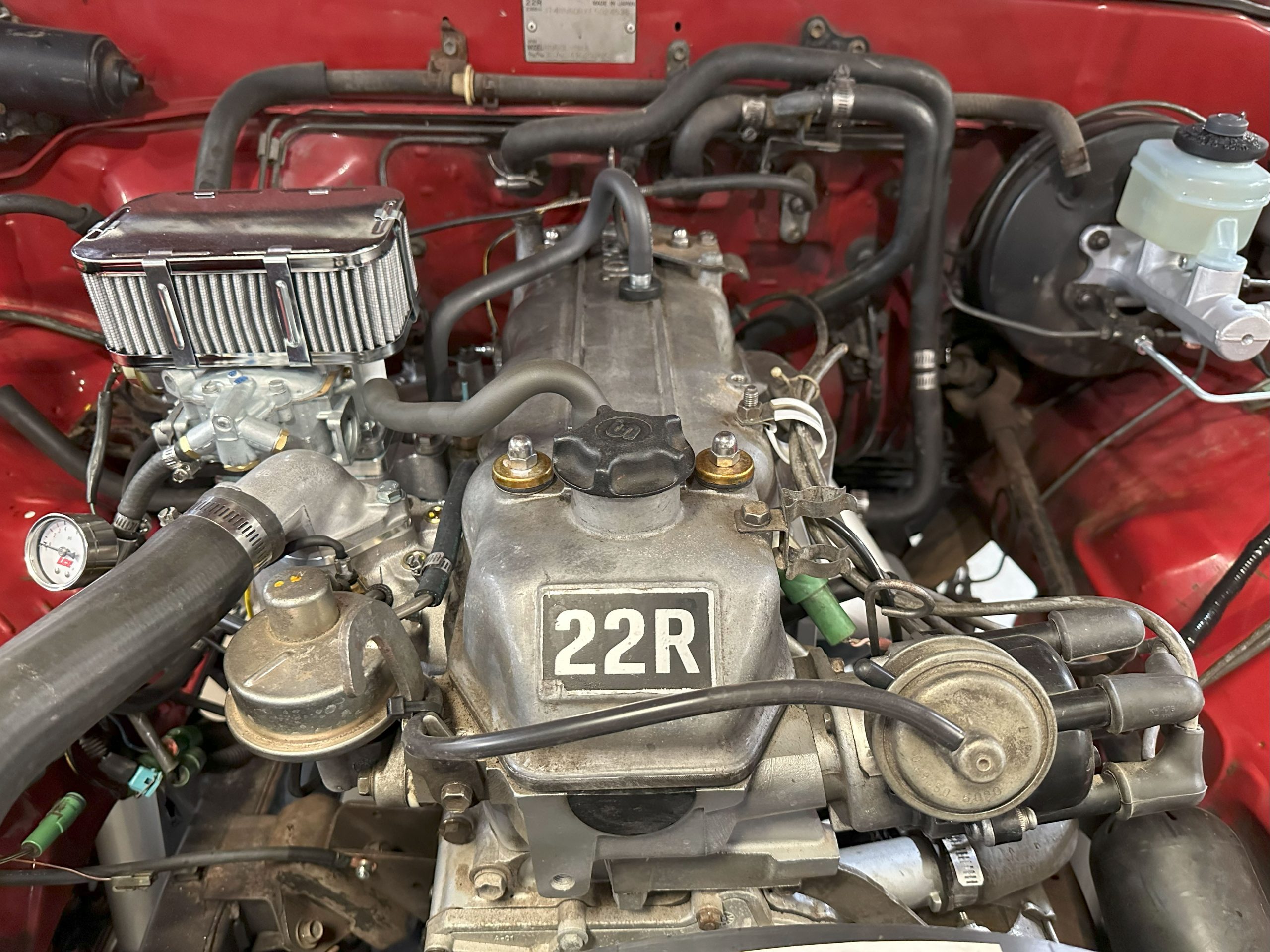
If there is one engine that automotive enthusiasts and off-road veterans universally agree upon as a benchmark of reliability, it is the Toyota 22R and its fuel-injected sibling, the 22RE. Introduced in 1981, this 2.4-liter inline four-cylinder engine was installed in a staggering variety of Toyota vehicles, including the Hilux pickup truck, the 4Runner, the Celica, and several Land Cruiser-adjacent models.
It remained in production until 1995 a 14-year run that speaks volumes about its proven design. Even today, decades after the last one rolled off the assembly line, countless 22R and 22RE engines continue to run reliably around the world, many of them well past 300,000 miles with only basic maintenance.
The secret to the 22R’s extraordinary durability lies in its conservative engineering philosophy. Toyota designed this engine with wide tolerances, a robust short block, a chain-driven camshaft rather than a rubber timing belt, and a simple overhead camshaft layout that was straightforward to service.
The engine breathed easily through its ports, ran cool under load, and rarely suffered catastrophic failures when oil and coolant were kept in good condition. The 22RE added Bosch-designed electronic fuel injection in 1984, improving cold-start behavior and fuel economy without sacrificing the core reliability of the base design.
In real-world use, 22R-powered Toyota pickups became famous for their ability to keep running through conditions that would cripple lesser engines. Australian outback drivers, Central American delivery fleets, and American off-road enthusiasts all came to rely on this engine with an almost religious devotion.
Stories abound of 22R engines running past 400,000 miles with nothing more than oil changes and the occasional timing chain replacement. Parts remain widely available to this day, and a thriving aftermarket ensures that these engines can be rebuilt and maintained indefinitely.
The 22R/22RE also demonstrated exceptional thermal resilience. Unlike many engines of its era, it was forgiving of occasional overheating episodes and tolerant of less-than-perfect oil change intervals.
Its iron block and iron head formed a thermally stable combination that resisted warping and cracking under stress. For anyone looking at vintage Toyota trucks or wanting to understand what true engine longevity looks like, the 22R series remains the gold standard a testament to what a well-engineered, conservatively tuned powerplant can achieve over decades of unrelenting service.
2. Honda B-Series (B16, B18, B20) (1988–2001)
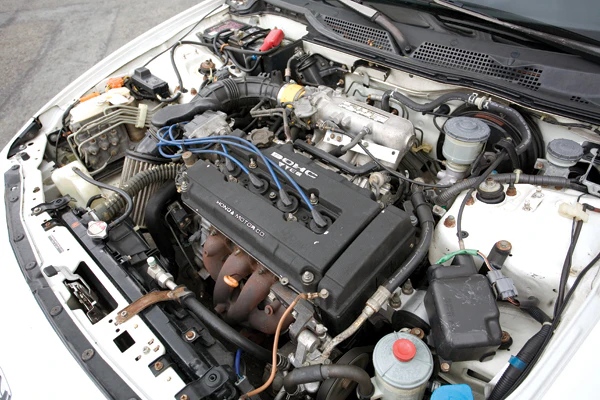
Honda’s B-series family of inline four-cylinder engines represents one of the most celebrated chapters in Japanese automotive engineering. Produced from 1988 through 2001, the B-series powered an iconic lineup of Hondas including the Civic, CRX, Integra, and CR-V.
Across its various displacement variants most notably the B16A, B18B, B18C, and B20B the B-series earned a reputation not just for performance, but for exceptional long-term reliability that made it equally at home in daily commuters and weekend track cars. These engines combined a high-revving, naturally aspirated character with a durability that surprised even its harshest critics.
The foundation of the B-series’ reliability is its DOHC VTEC architecture. Honda’s Variable Valve Timing and Lift Electronic Control system is mechanically elegant it uses oil pressure to engage a secondary rocker arm profile at higher RPMs, giving the engine a distinctly different character at low and high revs.
Critically, VTEC proved to be mechanically durable provided the engine was maintained with clean, fresh oil. The aluminum block and head were cast to exceptional tolerances, and Honda’s manufacturing quality control during this era was among the finest in the industry.
What makes the B-series truly extraordinary is how well it ages. Examples with 200,000 miles on the odometer are common, and with a proper engine rebuild, a B-series can be brought back to like-new performance at reasonable cost. The engines are remarkably resistant to oil consumption and rarely suffer from head gasket failures when properly maintained.
Their interference engine design means that a timing belt failure can cause serious damage, but Honda’s recommended service intervals, when followed, make this a manageable concern rather than a chronic problem.
The B-series also benefits from one of the most active and knowledgeable enthusiast communities in the automotive world. Rebuilding, tuning, and maintaining these engines is extensively documented, with high-quality aftermarket parts available globally.
Whether used as a reliable daily driver or built into a high-output performance machine, the Honda B-series represents a masterclass in combining engineering integrity with long-term durability a combination that made it one of the most beloved inline fours of its generation.
3. Volkswagen/Audi 1.8T (AEB, AWM, AMB) (1996–2006)
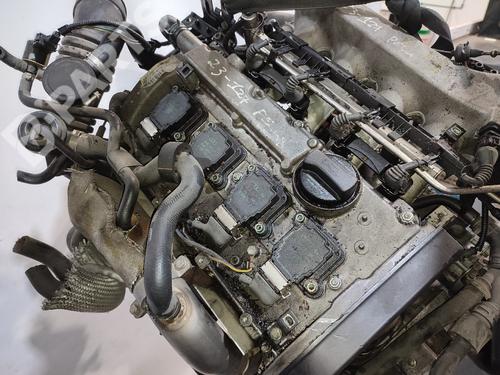
The Volkswagen and Audi 1.8T engine designated under codes such as AEB, AWM, and AMB depending on the variant is one of the most versatile and enduring turbocharged inline four-cylinders ever produced.
Displacing 1.8 liters and using a single turbocharger, this engine was installed across a remarkable range of platforms during its decade-long production run, including the Golf, Jetta, Passat, Audi A4, TT, and Seat Leon.
In stock form it produced between 150 and 190 horsepower depending on the variant, but its robust internal construction allowed tuners to extract much greater outputs making it one of the most modified engines in automotive history.
The 1.8T’s reliability reputation was built on solid engineering choices. Volkswagen used a cast-iron block combined with an aluminum cylinder head a pairing that offered excellent thermal stability.
The five-valve-per-cylinder head design offered exceptional breathing without sacrificing durability. The engine’s oil-fed turbocharger was positioned for good heat management, and the cooling system design was adequate for the power levels involved. High-quality German manufacturing standards at the Wolfsburg and Ingolstadt facilities meant consistent internal tolerances and dependable assembly quality across millions of units.
The 1.8T’s reliability comes with important caveats, however. Its longevity is almost entirely dependent on strict adherence to oil change intervals using a quality synthetic lubricant.
The engine is particularly susceptible to sludge buildup when oil is neglected a design quirk that caused significant problems for owners who did not service their cars on schedule.
When properly maintained, though, the 1.8T routinely exceeds 200,000 miles with minimal major repairs. The timing belt must be replaced on schedule, typically every 60,000 to 80,000 miles, but this is affordable and straightforward.
Across Europe, where the 1.8T was especially popular in Golf and A4 bodies, the engine earned a strong reputation among taxi operators and high-mileage commuters.
The availability of replacement parts is exceptional, and the engine’s well-documented quirks make it straightforward for knowledgeable mechanics to maintain and repair.
For a turbocharged engine of its era, the 1.8T stands out as genuinely durable combining the performance advantages of forced induction with a longevity that most naturally aspirated engines struggle to match.
4. Mazda BP-Series (1.8L DOHC) (1989–2005)
The Mazda BP-series engine is one of the lesser-celebrated but thoroughly proven inline four-cylinders in automotive history. Displacing 1.8 liters and using a twin-cam layout, the BP engine powered some of Mazda’s most beloved vehicles including the MX-5 Miata (NA and NB generations), the 323, the 626, the Ford Escort GT, and the Familia.
Produced from 1989 through 2005, the BP series demonstrated the kind of long-lived dependability that only becomes apparent after hundreds of thousands of collective owner miles. It was never the most powerful engine in its class, but its conservative state of tune and high-quality construction made it one of the most durable.
Mazda engineered the BP with an aluminum block and head, keeping weight low while maintaining structural integrity through careful design. The engine used a timing belt rather than a chain, which required periodic replacement, but when serviced on schedule the belt system was trouble-free.
Internal clearances were machined to tight tolerances consistent with Mazda’s reputation for quality, and the engine’s naturally aspirated simplicity meant fewer components to fail compared to turbocharged alternatives. Oil consumption rates were low even at high mileages, and head gasket failures were rare a significant achievement for an aluminum engine of this era.
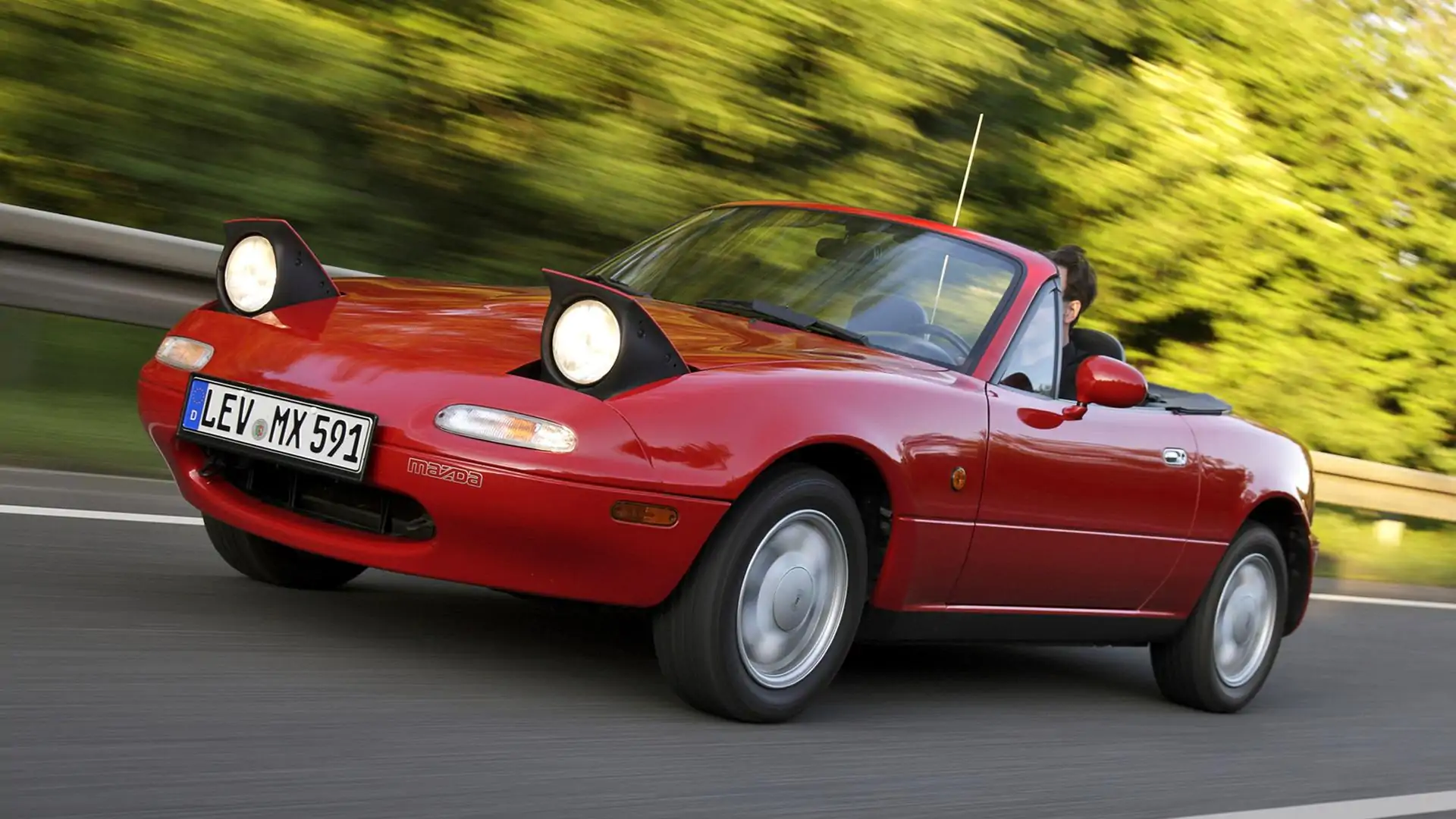
In the Miata application specifically, the BP engine became legendary among sports car enthusiasts for its smooth power delivery, mechanical precision, and ability to accept high-revving operation without fatigue.
Many Miata owners have reported clocking over 200,000 miles on the original engine with nothing more than basic maintenance. The engine’s modest output ranging from about 115 to 140 horsepower depending on variant and market meant it was never stressed during normal operation, contributing significantly to its longevity and mechanical health.
The BP’s reliability was further enhanced by Mazda’s excellent manufacturing standards during the 1990s and early 2000s. Quality control was rigorous, and the consistency between individual engines was high.
Parts availability remains good thanks to the engine’s wide fitment across different vehicles and markets, and the Miata owner community has generated extensive documentation on maintenance and repair.
The BP-series engine is proof that an engine does not need to be exotic or powerful to be genuinely extraordinary thoughtful engineering and quality construction are sufficient.
Also Read: 5 Used Sedans With Bulletproof Engines vs 5 That Frequent the Shop
5. Toyota 2AZ-FE (2.4L) (2000–2014)
The Toyota 2AZ-FE is a 2.4-liter DOHC inline four-cylinder engine that powered many of Toyota’s most popular models during the 2000s, including the Camry, RAV4, Highlander, Solara, and the Scion tC.
With a production run from 2000 to 2014 and installation in millions of vehicles worldwide, the 2AZ-FE accumulated a vast real-world dataset of performance and by any measure, it passed with flying colors.
This engine combined Toyota’s legendary build quality with modern aluminum construction and VVT-i variable valve timing to produce a powerplant that was smooth, efficient, and remarkably long-lived.
The 2AZ-FE’s architecture reflects Toyota’s mature understanding of engine design. The all-aluminum block and head construction kept the engine light, while careful attention to cooling passages managed thermal expansion effectively.
The VVT-i system added a degree of complexity but proved to be highly reliable in practice, rarely causing problems even at high mileages. Toyota’s chain-drive system for the camshafts eliminated the periodic timing belt replacement requirement, and the chain tensioner design was robust enough to avoid the premature wear issues seen in some competing designs of the era.
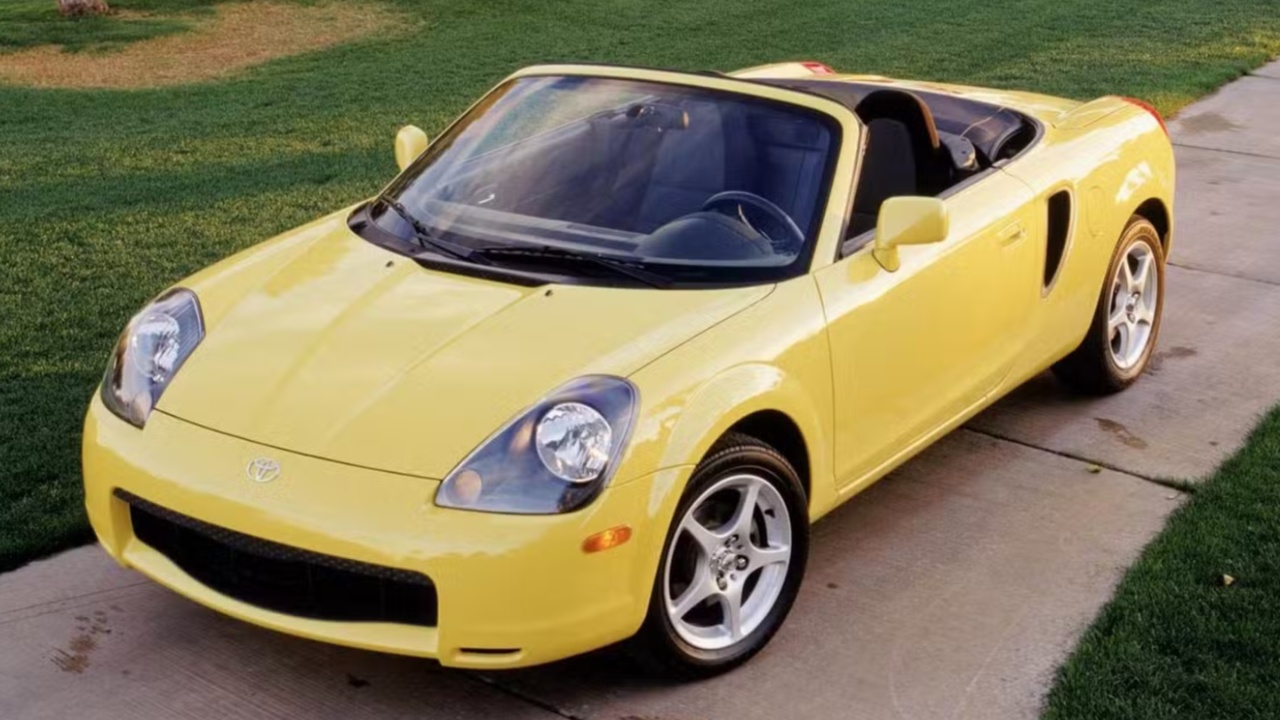
Taxi fleets across Southeast Asia, the Middle East, and South America embraced the 2AZ-FE-equipped Camry as a workhorse, and the engine rarely disappointed. Reports of 300,000-mile Camrys with the original 2AZ-FE still running are common, particularly from markets where maintenance culture is strong.
The engine’s oil consumption was low throughout its operational life, and internal wear rates were modest even under demanding conditions such as constant urban stop-and-go traffic and extreme heat. Toyota’s reputation for quality assembly meant that individual unit variation was minimal.
The 2AZ-FE is not without its noted weaknesses early versions had a well-documented issue with oil consumption in certain Camry applications, and some owners reported premature head bolt thread stripping in the aluminum block.
Toyota addressed both of these concerns through production revisions, and later versions of the engine largely corrected these shortcomings. When maintained properly, the revised 2AZ-FE is a genuinely outstanding engine reliable, smooth, and capable of lasting the full lifespan of the vehicle it powers.
6. Subaru EJ20 (Naturally Aspirated) (1989–2019)
The Subaru EJ20 is best known in its turbocharged form in the Impreza WRX and STI, but it is the naturally aspirated variants of this 2.0-liter inline-derived engine used in the Legacy, Impreza, Forester, and Outback that deserve recognition for extraordinary reliability.
Produced over a remarkable 30-year span from 1989 to 2019, the naturally aspirated EJ20 series powered millions of everyday Subaru owners who never experienced a significant engine failure.
While the turbocharged EJ20 variants have a more complicated reliability reputation, the base engines in normal passenger car duty proved to be robust and long-lasting under real-world conditions.
The EJ20’s flat-four layout (technically a horizontally opposed engine, but sharing the inline-four’s fundamental simplicity of a single bank of four cylinders) benefited from excellent primary balance.
Subaru’s engineering placed particular emphasis on low vibration and smooth operation, which translated into reduced mechanical stress on internal components over time.
The engine’s aluminum construction was paired with robust forged steel crankshafts and connecting rods in many variants, giving the bottom end considerable durability. The dual overhead camshaft configuration in later versions offered good performance without demanding exotic maintenance.
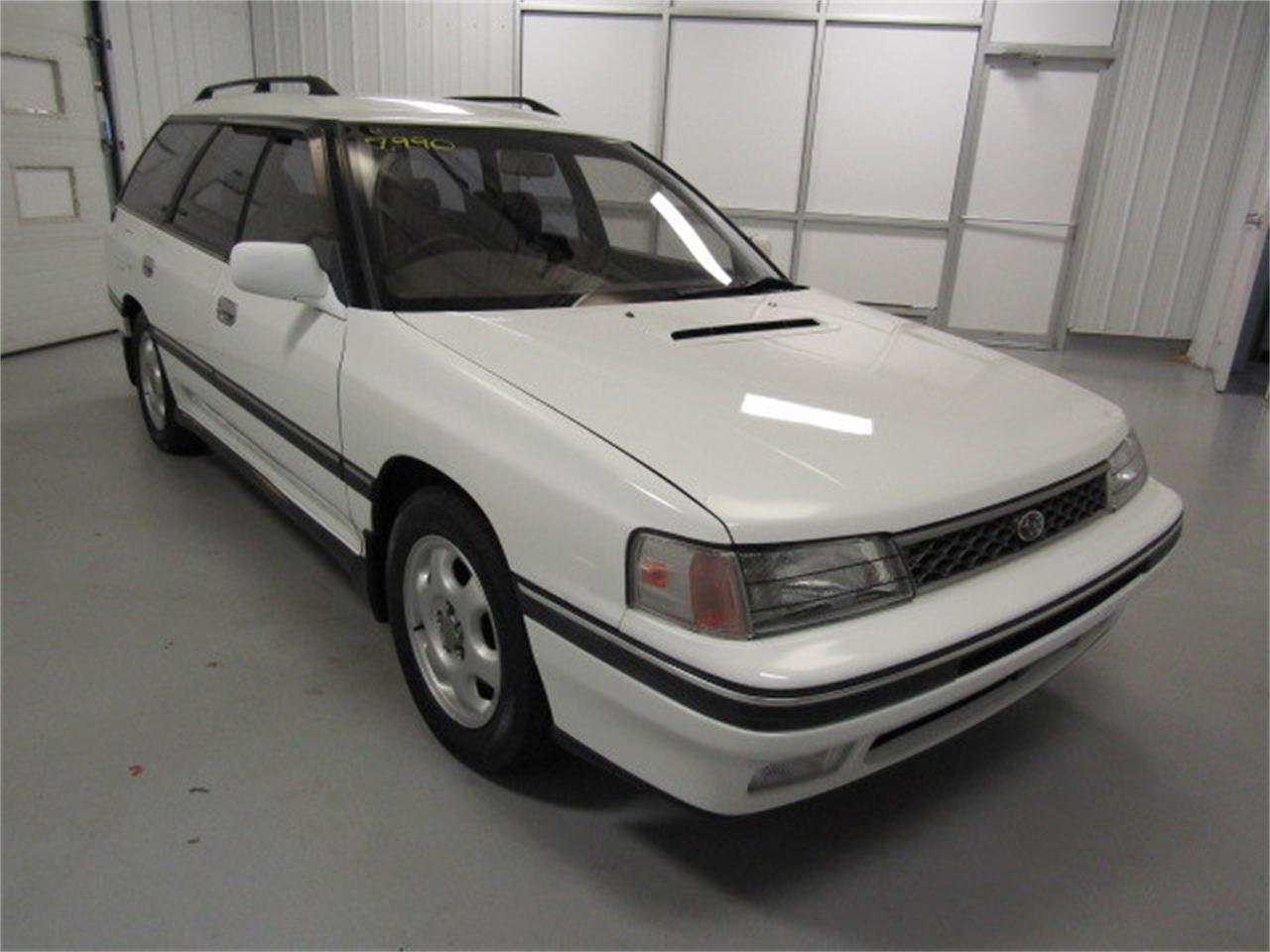
In markets like Australia, the United Kingdom, and Japan, the naturally aspirated EJ20 became a trusted companion in family wagons and crossover SUVs that racked up enormous mileages in the hands of rural families and outdoor enthusiasts.
The Outback and Legacy in particular earned reputations as near-indestructible family haulers, with engine reliability being a key factor in that perception.
Oil consumption was generally low and consistent, and the engines responded well to extended maintenance intervals without punishing their owners for minor lapses.
The EJ20 did have its share of documented weaknesses notably head gasket failures in certain configurations, particularly the SOHC variants used in the late 1990s and early 2000s.
Subaru addressed these through improved head gasket materials in later production. When the revised head gaskets are fitted whether from the factory in later models or as an upgrade in earlier ones the EJ20 becomes a genuinely durable engine capable of surpassing 200,000 miles without major intervention. Its 30-year production run is perhaps the most compelling argument for its fundamental soundness.
7. BMW M10 (1962–1988)
The BMW M10 is one of the oldest engines on this list and arguably the most historically significant. Introduced in 1962 and produced until 1988 a staggering 26-year production run this 1.5 to 2.0-liter inline four-cylinder engine powered some of BMW’s most important vehicles, including the early 2002, the 1600, the 318i, and various E21 and E30 3 Series models.
But the M10’s legacy extends far beyond the showroom: in highly developed turbocharged form, it powered the legendary BMW F1 engine that produced well over 1,000 horsepower in qualifying trim during the 1983 Formula One season a remarkable testament to the fundamental strength of its design.
In street-going form, the M10 was a paragon of mechanical conservatism. Its iron block and aluminum head formed a thermally stable combination, and the engine’s single overhead camshaft was chain-driven for longevity.
Fuel delivery in early variants was through carburetors, later transitioning to Bosch fuel injection systems that improved reliability and efficiency without adding significant complexity. The engine’s relatively low specific output in road-going applications meant it was rarely stressed, allowing internal components to wear slowly and gracefully over time.
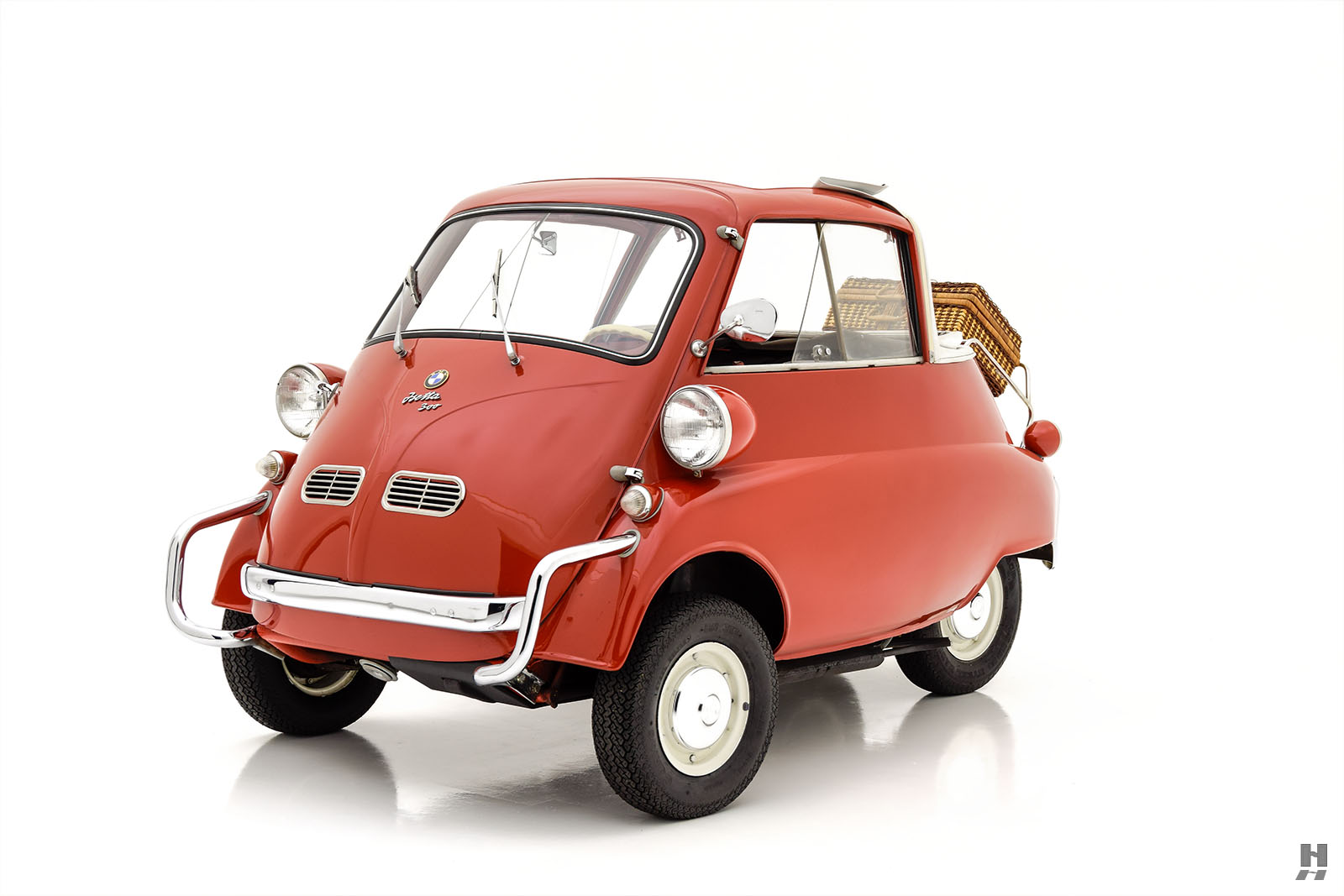
Owners of vintage BMW 2002s and early 3 Series regularly report M10 engines that have covered 250,000 miles or more without requiring a full rebuild. The engine’s cooling system, when maintained correctly, managed heat effectively even in urban stop-and-go conditions.
Oil consumption was low, and the engine was notably tolerant of using slightly older, less refined engine oils a significant advantage in markets where high-quality lubricants were not always readily available during the engine’s long production run in the 1960s and 1970s.
The M10 is also celebrated for how easily it can be rebuilt. Parts availability remains surprisingly good for an engine of its age, and BMW’s engineering documentation was thorough enough that independent mechanics have been maintaining these engines for decades.
The M10 represents BMW at its most fundamentally sound an engine that prioritized longevity and serviceability alongside performance, creating a powerplant that has outlasted many more modern designs by several decades and counting.
8. Ford Duratec 2.0 / Mazda LF (2000–Present)
The Ford Duratec 2.0 also known as the Mazda LF when fitted to Mazda vehicles is a modern inline four-cylinder engine that has demonstrated outstanding reliability across an enormous range of applications since its introduction in the late 1990s and early 2000s.
Installed in the Ford Focus, Fusion, Mondeo, C-Max, Mazda 6, and numerous other models across multiple global markets, this engine accumulated one of the highest combined production and installation volumes of any modern four-cylinder.
Its widespread use naturally exposed it to extensive real-world scrutiny, and the overwhelming verdict from owners, mechanics, and fleet operators has been highly positive.
The Duratec/LF’s architecture is a textbook example of mature, conservative modern engineering. The all-aluminum construction keeps weight manageable, while the DOHC, 16-valve layout provides good breathing efficiency across a broad RPM range.
The timing chain system replacing the timing belt used in some predecessors eliminated a common maintenance concern and contributed to lower long-term ownership costs.
The engine’s variable valve timing system, added in later revisions, improved efficiency and reduced emissions without introducing meaningful reliability concerns. Internal clearances and machining tolerances were held to high standards at the Cologne and other production facilities.
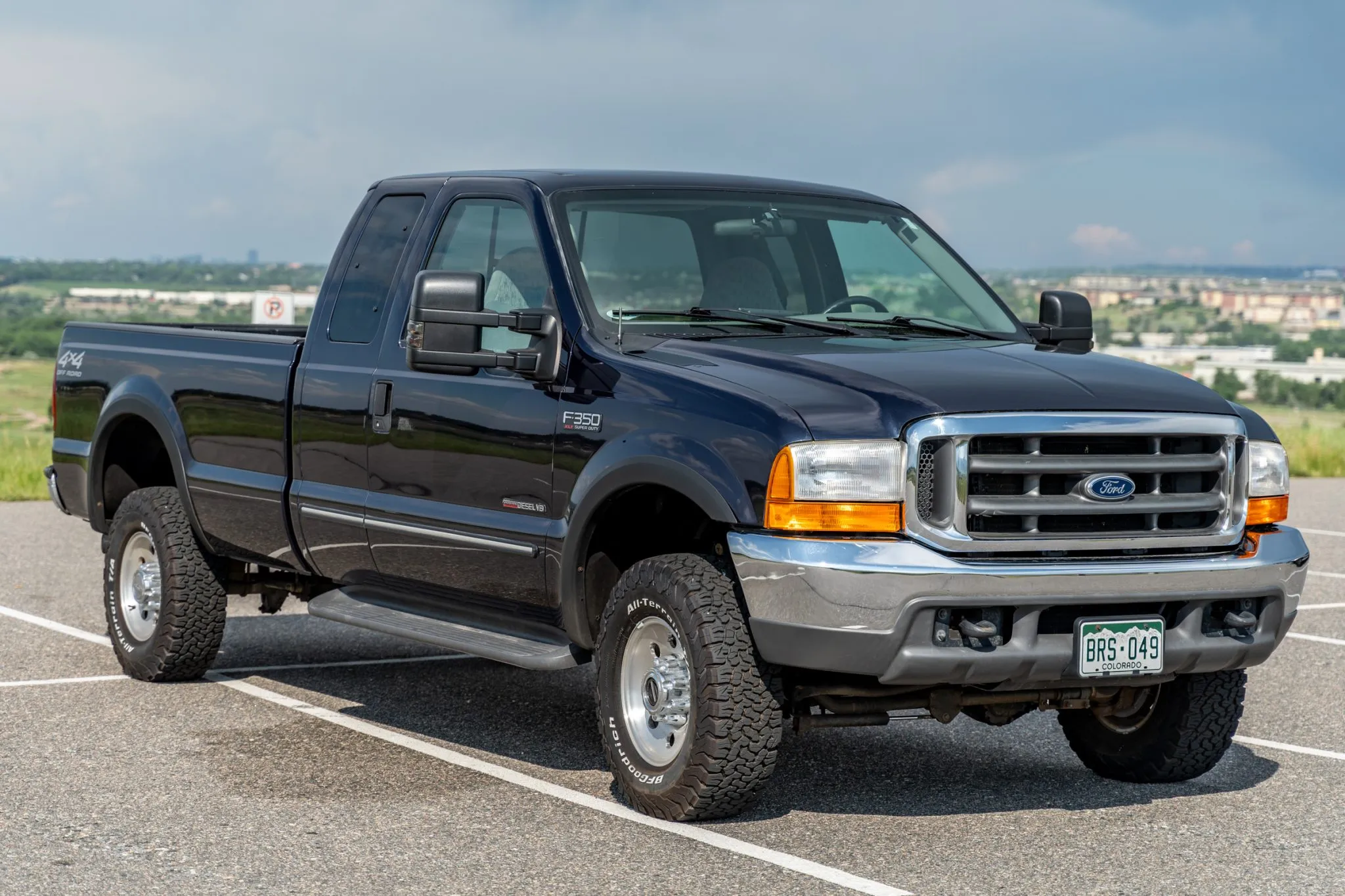
Fleet operators across Europe in particular came to trust the Duratec 2.0 as a dependable workhorse. Taxi companies in the UK operating Ford Mondeos with this engine routinely reported 200,000-mile service lives without major engine work, a benchmark that few naturally aspirated four-cylinders of the era could consistently match.
In Mazda 6 applications, the LF variant demonstrated equally impressive longevity, with many examples reaching 250,000 miles on the original engine with only routine servicing. Oil consumption throughout the engine’s life was typically low, and the cooling system design was robust enough to manage heat effectively even in hot climates.
The Duratec/LF’s reputation is further bolstered by the extensive availability of replacement parts and the simplicity of its design from a serviceability standpoint. Unlike some more exotic modern engines that require specialized tools and software to maintain, the Duratec 2.0 is within the reach of competent independent mechanics worldwide.
This accessibility has contributed to lower ownership costs and higher owner satisfaction over the full lifecycle of the vehicles it powers, cementing its position as one of the most reliable inline fours of the modern era.
9. Toyota 4A-FE / 7A-FE (1987–2002)
The Toyota 4A-FE and its larger-displacement sibling, the 7A-FE, represent another chapter in Toyota’s long history of producing extraordinarily reliable inline four-cylinder engines.
The 4A-FE displaced 1.6 liters while the 7A-FE offered 1.8 liters, and together they powered an enormous range of Toyota and Geo vehicles through the late 1980s and 1990s, including the Corolla, Celica, Carina, and the Geo Prizm in North America.
These engines were never exciting or sporty they were meticulously engineered tools of reliable personal transportation, and in that role they excelled to a degree that few contemporaries could match.
The 4A-FE’s design philosophy was rooted in simplicity and proven engineering principles. The engine used a DOHC layout with Toyota’s characteristic attention to precision manufacturing, resulting in tight tolerances that translated directly into low oil consumption and minimal internal wear.
The timing belt system required periodic replacement, but when serviced on schedule it was entirely trouble-free. Toyota’s choice of materials high-quality aluminum alloy for the block and head, precision-forged steel for the crankshaft and connecting rods resulted in an engine that aged gracefully and maintained its performance characteristics over very high mileages.
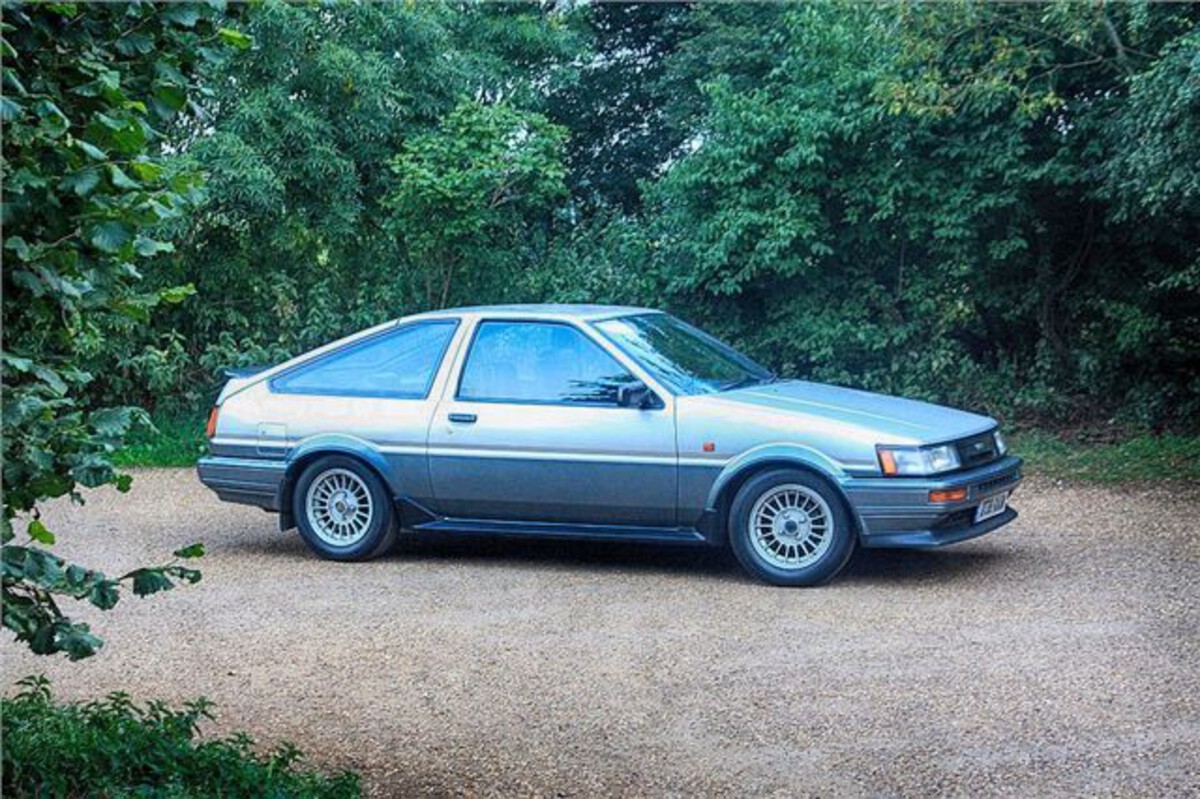
In global markets, particularly across Asia, Africa, and South America, the Corolla equipped with the 4A-FE or 7A-FE became a byword for automotive dependability.
Taxi operators, government fleets, and private owners alike placed enormous trust in these engines, and that trust was consistently rewarded. The engines demonstrated remarkable tolerance for varied fuel quality, less-than-ideal oil change intervals, and demanding ambient conditions characteristics that made them particularly valuable in developing markets where maintenance resources were not always readily available or affordable.
The 7A-FE, introduced in 1993 as a larger displacement variant, extended the family’s reputation further by offering improved low-end torque while retaining the fundamental reliability of the 4A-FE’s architecture.
Both engines routinely exceeded 200,000 miles with minimal major repairs, and examples with 300,000 miles are documented with enough regularity to be genuinely impressive rather than exceptional.
The 4A-FE/7A-FE family stands as one of Toyota’s most significant contributions to the cause of affordable, accessible, long-lasting personal transportation.
10. Mitsubishi 4G63 (1981–2013)
The Mitsubishi 4G63 is an engine of extraordinary range capable of powering everything from humble economy sedans to the fire-breathing Lancer Evolution rally cars that dominated motorsport stages for over a decade.
This 2.0-liter DOHC inline four-cylinder was produced for over 32 years, from 1981 to 2013, in both naturally aspirated and turbocharged configurations.
While the turbocharged version earned global fame in the Lancer Evolution series, it is the naturally aspirated and lightly turbocharged versions used in the Eclipse, Galant, Sigma, and various commercial vehicles that built the 4G63’s bedrock reputation for extraordinary reliability and durability.
The 4G63’s longevity is rooted in its exceptionally robust short block. Mitsubishi engineered the engine with a cast-iron block and a forged steel crankshaft, giving the bottom end far more strength than was strictly necessary for its road-going power outputs.
This overbuilding philosophy common in Japanese engineering of the 1980s meant that the engine had enormous reserves of mechanical strength that allowed it to accumulate very high mileages without internal fatigue.
Even in turbocharged form, the 4G63’s bottom end was rarely the weak point; most failures in high-output applications were related to ancillary components rather than the fundamental engine architecture.
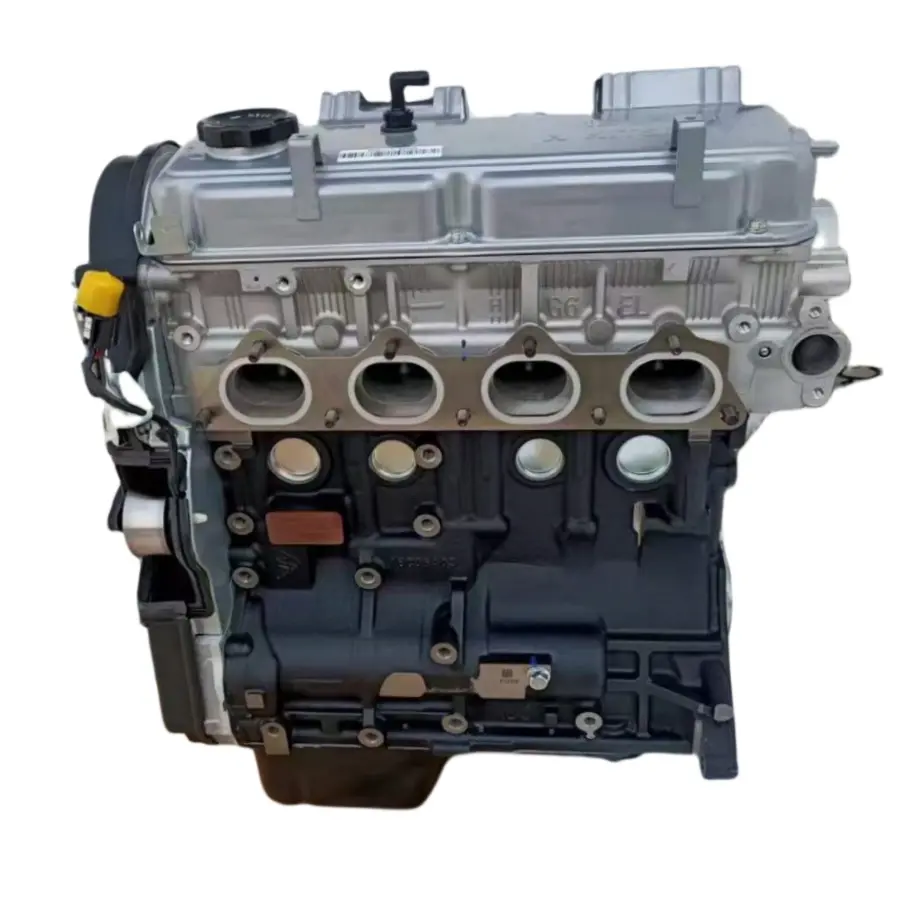
In naturally aspirated form, fitted to everyday Mitsubishi sedans and compact cars, the 4G63 delivered the kind of unspectacular but profound reliability that defines truly great engines.
The timing belt required regular replacement, but the engine was otherwise notably low-maintenance. Oil consumption was minimal throughout a properly maintained engine’s life, and the aluminum cylinder head, while initially prone to minor issues in some early variants, proved durable in revised later forms.
The engine’s broad torque curve made it pleasant and unstressed in daily driving, a characteristic that contributed directly to its long-term mechanical health.
The 4G63’s 32-year production run spanning three decades of automotive development is perhaps the single most compelling testament to its fundamental soundness.
During that time it powered vehicles across multiple continents, in climates ranging from Arctic cold to equatorial heat, and it performed dependably in all of them.
The engine’s continued use in enthusiast circles, motorsport applications, and working vehicles long after its official discontinuation speaks to a depth of engineering integrity that remains deeply impressive to this day.
Also Read: 10 Most Reliable Lexus Models Famous for Never Quitting
