
In a world where automotive design often veers toward aggressive aerodynamics, flamboyant body kits, and attention-seeking aesthetics, there exists a rare and rarefied category of luxury cars that speak in whispers rather than shouts.
These are vehicles that command respect not through visual noise, but through the quiet confidence of restrained perfection. Understated elegance in automotive design is arguably the most difficult achievement in the industry it requires an almost philosophical commitment to the idea that less, when executed flawlessly, is infinitely more.
The cars featured in this list share a common language: clean silhouettes, harmonious proportions, subtle detailing, and an unwavering refusal to compromise dignity for drama.
They are the sartorial equivalent of a perfectly tailored suit nothing excessive, nothing missing. Owning or driving one of these automobiles communicates something that no amount of chrome accents or aggressive body lines ever could: the profound confidence of those who have nothing to prove.
From the serene cabins of British grand tourers to the architectural precision of Scandinavian-influenced saloons, these ten luxury cars represent the absolute pinnacle of design sophistication proof that true luxury has always been about subtraction, not addition.
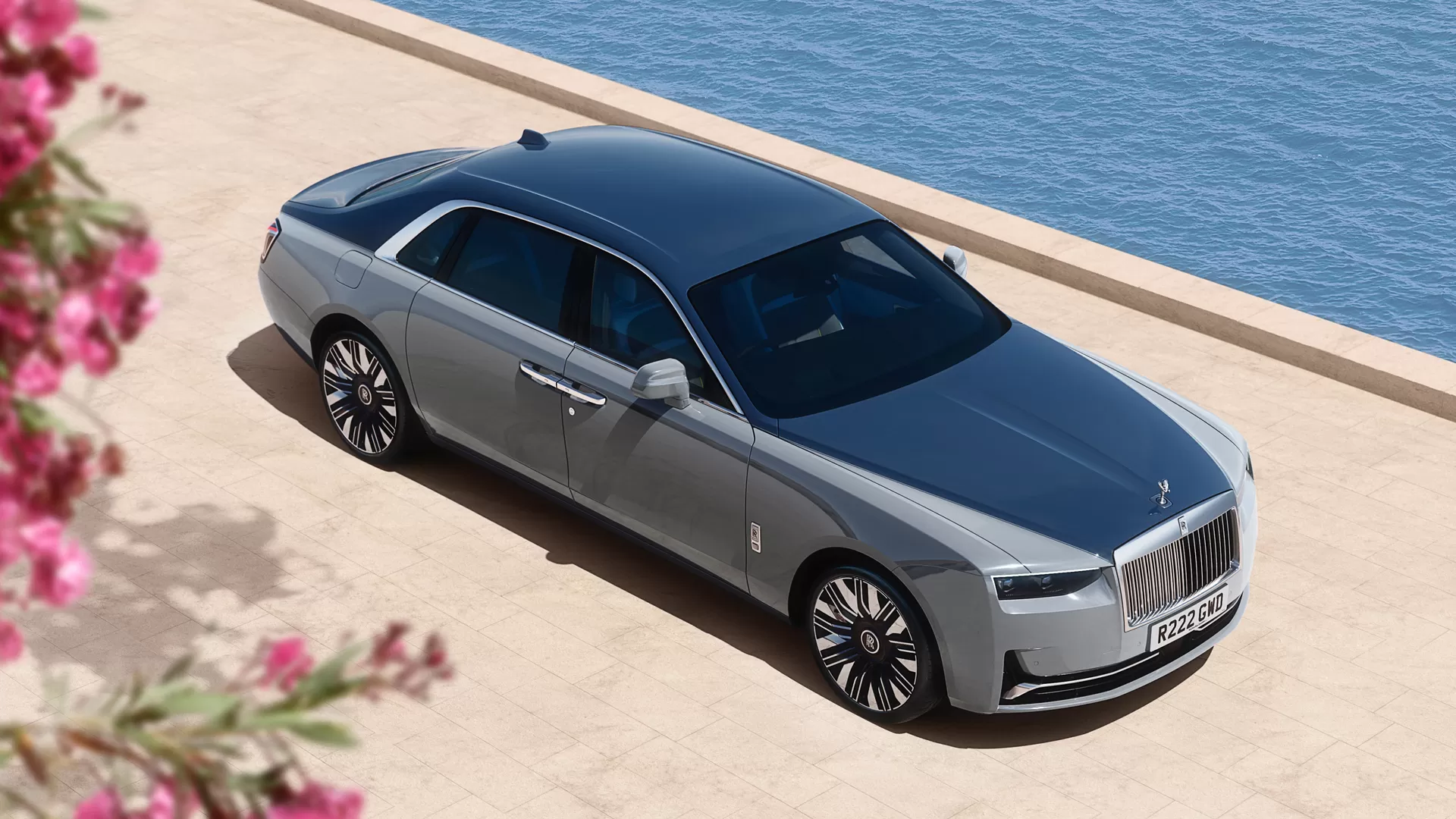
1. Rolls-Royce Ghost (2021–Present)
When Rolls-Royce revealed the second-generation Ghost in 2020, the company made a bold and somewhat counterintuitive declaration: its most important new design direction would be defined by what they chose to remove.
Internally, Rolls-Royce designers referred to this philosophy as “post opulence” a conscious stripping away of ornamentation in favor of architectural purity. The result is arguably the most elegant automobile in production today, a car that achieves something almost paradoxical: it is immediately recognizable as a Rolls-Royce, yet it carries none of the visual excess one might associate with that heritage.
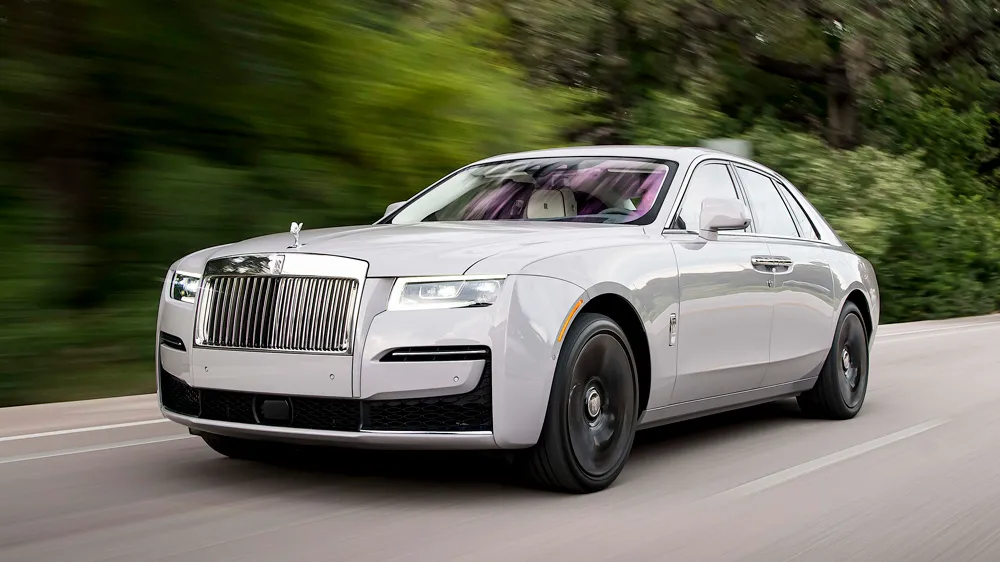
The exterior silhouette of the new Ghost is a study in restrained authority. The long hood stretches forward with a calm, unhurried confidence. The Pantheon grille present but refined sits as a quiet declaration of identity rather than a boastful announcement
The body surfaces are swept clean of unnecessary character lines; instead, Rolls-Royce engineers spent enormous effort perfecting the subtle interplay of light across the Ghost’s flanks, creating what they describe as a “waft” a gentle, almost imperceptible visual movement as the car passes through different lighting conditions.
There are no dramatic creases, no aggressive vents, no performative aerodynamic flourishes. Just surface, proportion, and light.
Step inside, and the Ghost’s philosophy deepens into something approaching meditative. The “Starlight Headliner” a canopy of 1,340 individually hand-threaded fiber optic lights creates the impression of sleeping beneath an open sky, yet it does so with such restraint that it never feels theatrical.
The dashboard flows in a single, uninterrupted arc of the finest open-pore wood and hand-stitched leather. Digital elements are present but subservient, integrated so seamlessly that they feel inevitable rather than intrusive.
What makes the Ghost so remarkable from a design standpoint is its complete rejection of trend-chasing. At a moment when many luxury brands are festooning their interiors with enormous touchscreens and ambient lighting strips in seventeen colors, the Ghost remains quietly, magnificently itself.
The materials are the finest available leather tanned to bespoke specifications, wood sourced and dried over years, metal finished by hand but they are presented without ceremony or showmanship.
The Ghost’s ride quality is legendary, and this too is part of its design statement. To sit inside a Ghost moving at speed is to experience a kind of enforced serenity the world outside rendered distant and irrelevant by the car’s extraordinary acoustic isolation and its uncanny ability to glide over imperfections as though the road itself has been smoothed in advance.
It is a car that demands nothing of its occupants except the willingness to arrive in absolute, unhurried comfort. In the Ghost, Rolls-Royce has produced something genuinely rare: a monument to elegance that grows more beautiful the more carefully one looks. It is a car that rewards attention without demanding it the very definition of understated luxury at its most evolved and considered.
2. Bentley Flying Spur (2020–Present)
The Bentley Flying Spur occupies a curious and magnificent position in the luxury automotive world. It is a car that could easily announce itself with brashness after all, it produces 626 horsepower from its W12 engine and accelerates to 60 mph in under 3.7 seconds yet it chooses, with considerable dignity, to do almost none of that.
The Flying Spur’s design is a masterclass in controlled tension: the energy of a thoroughbred racehorse contained within the composed bearing of a diplomats’ limousine.
The exterior design, penned under the direction of Bentley’s design team in Crewe, England, draws on decades of brand heritage while pushing firmly into contemporary territory.
The long, sweeping roofline descends in a graceful arc from the prominent bonnet to the abbreviated tail, creating a fastback-influenced silhouette that manages to feel both classically proportioned and architecturally modern.
The famous Bentley matrix grille is present but never overbearing, framed by sculpted headlights that manage to convey technological sophistication without resorting to the aggressive, insectoid expressions so common in contemporary luxury car design.
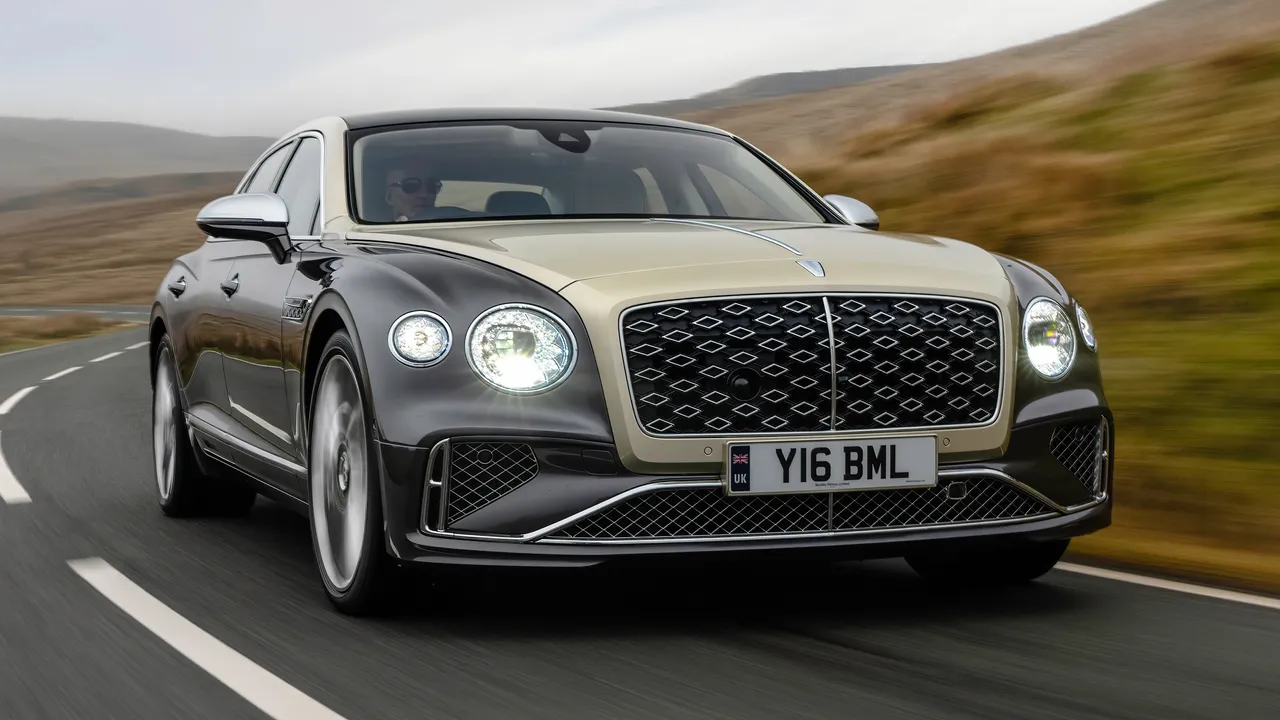
Perhaps the most impressive design achievement of the Flying Spur is its body surfacing. Bentley’s designers and craftspeople have created exterior panels that are almost devoid of sharp character lines, relying instead on subtly curved, light-catching surfaces to create visual depth and movement.
The effect is one of restrained muscularity you are always aware that significant power lies beneath the skin, but it is presented as a quiet, confident fact rather than a boast.
The interior of the Flying Spur continues this theme with extraordinary conviction. Bentley’s Mulliner division offers an almost limitless palette of leather hides, wood veneers, and metal finishes, but the architecture into which these materials are placed is defined by elegant simplicity.
The instrument cluster is a beautifully engineered rotating fascia that transitions between digital and analog displays with the quiet ceremony of a Swiss watchmaker’s complication.
The seats, available in configurations from two-tone hides to single-color suede, offer comfort levels that approach the soporific without ever crossing into the slovenly.
What raises the Flying Spur above mere opulence is its coherence. Every design decision from the proportioning of the exterior to the weight and feel of every interior control feels like part of a singular, considered vision.
This is a car designed not to impress at a glance, but to reveal itself slowly and rewarding continued acquaintance. For those fortunate enough to experience it, the Flying Spur is not simply a luxury car. It is a moving argument for the enduring superiority of restraint.
3. Mercedes-Benz S-Class (W223, 2021–Present)
The Mercedes-Benz S-Class has, for over five decades, served as the automotive world’s benchmark for luxury sedan design. Each successive generation has attempted to redefine what a large luxury car can be technologically, dynamically, and aesthetically.
The current W223 generation, introduced in 2021, may be the most successfully understated iteration the model has ever produced: a car that wears its extraordinary technological sophistication with genuine visual humility.
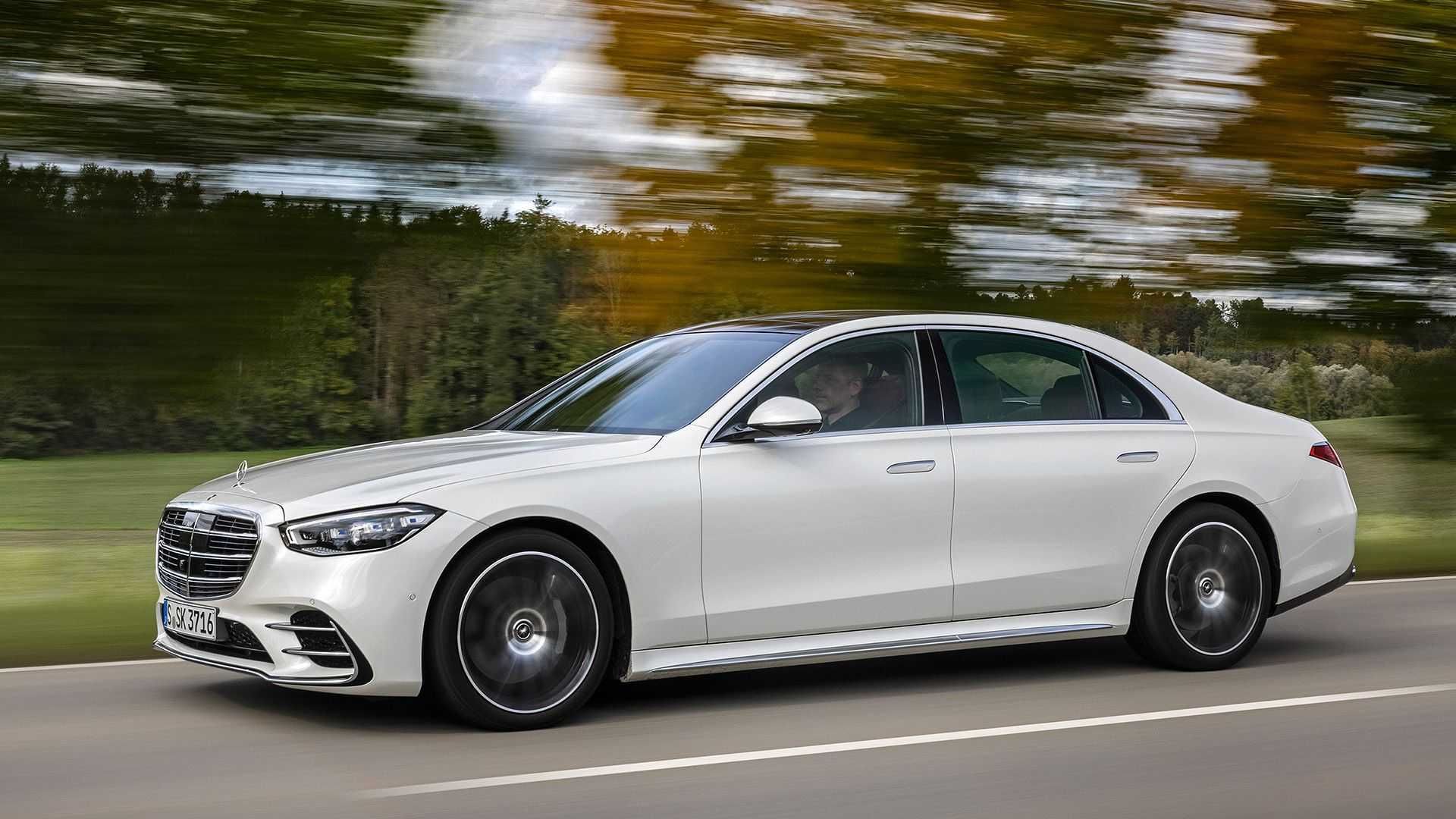
Externally, the W223 S-Class presents a silhouette that is almost aggressively calm. The three-box sedan form is executed with exceptional precision surfaces are taut and clean, the greenhouse is elegantly proportioned, and the whole car sits with a poise that communicates authority without aggression.
Mercedes-Benz’s design language, which the company calls “sensual purity,” is perhaps most convincingly realized in the S-Class than anywhere else in the lineup.
The front end avoids the oversized grille arms race that has afflicted so many luxury competitors, instead presenting a composed, symmetrical face in which no single element dominates.
It is inside the W223 that Mercedes-Benz has made its most daring and successful design statement. The dashboard is organized around a massive, curved glass panel that integrates the instrument cluster and infotainment screens into a single, seamless surface yet somehow, despite its scale, it never feels overwhelming.
The use of ambient lighting is sophisticated and intuitive rather than garish, shifting through 64 colors in ways that are functional rather than merely decorative. The seats, available with heating, ventilation, massage, and automatic adjustment, are upholstered in materials of exceptional quality and presented with a restraint that allows their craftsmanship to speak for itself.
The S-Class also pioneered the integration of rear-seat entertainment and comfort technology at a level previously unimaginable in a production sedan, yet it does so without transforming the rear cabin into something resembling a commercial aircraft.
The proportions and materials remain those of a fine interior space, not a gadget-laden showroom display. This is the crucial distinction technology in service of the occupant experience, rather than technology as a substitute for genuine design quality.
Few cars manage to combine genuine technological leadership with genuine design elegance as convincingly as the current S-Class. It is a car that has earned its benchmark status not through spectacle, but through the sustained, patient excellence of a design that knows exactly what it is.
4. Aston Martin DB11
There is a particular kind of beauty that belongs to Aston Martin and to Aston Martin alone. It is not the angular, aggressive beauty of Italian supercars, nor the stately, formal beauty of British limousines.
It is something altogether more personal and more poetic a beauty rooted in proportion, in the harmony between form and function, in the sense that every surface has been resolved through feeling as much as engineering. The DB11 is perhaps the purest expression of this philosophy in the modern Aston Martin lineup.
Designed under the direction of Marek Reichman, Aston Martin’s long-serving Chief Creative Officer, the DB11 represents a significant evolution of the design language that has defined the brand since the legendary DB4 of the late 1950s.
The long hood, the low roofline, the near-perfect 50/50 visual balance between front and rear these are hallmarks of Aston Martin design that the DB11 inherits and refines without slavishly repeating. The car manages the considerable trick of feeling both unmistakably contemporary and timelessly proportioned simultaneously.
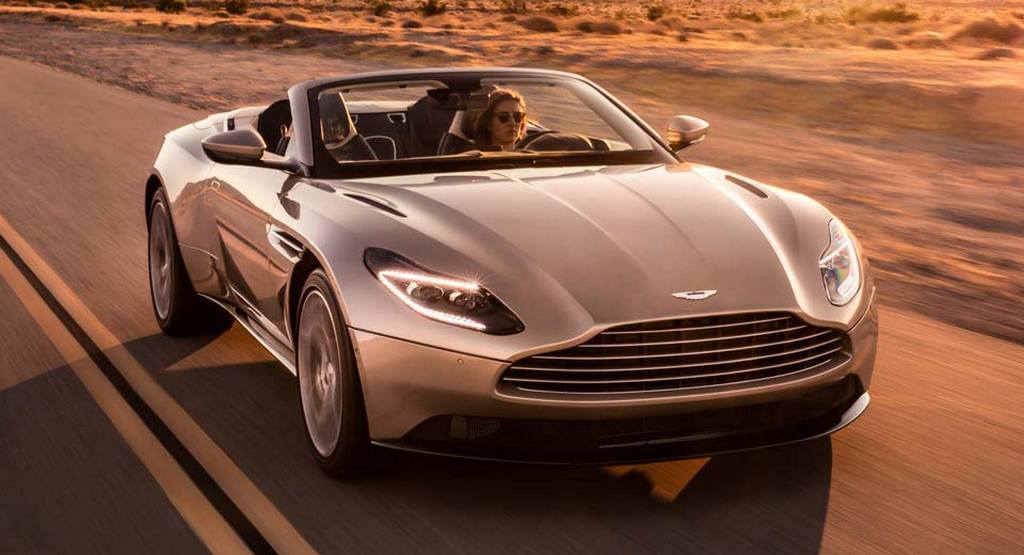
The DB11’s most distinctive design innovation is its “Aeroblade” an integrated rear downforce system that channels air through the car’s body to emerge from discreet exits at the tail, creating significant aerodynamic effect without the visual intrusion of a conventional spoiler or wing.
This commitment to achieving functional goals through design intelligence rather than applied hardware speaks eloquently to Aston Martin’s design philosophy. The car does what it needs to do, but it does so invisibly, with a magician’s sleight of hand.
Inside, the DB11’s cabin reflects both the brand’s heritage and its ambitions. The dashboard is driver-focused without being exclusionary, with materials Bridge of Weir leather, machined aluminum, glass presented with a jeweler’s sensitivity to detail and finish.
The infotainment system, inherited from Mercedes-Benz following a technology partnership, integrates with uncommon smoothness into Aston Martin’s tactile, analog-feeling interior architecture.
To drive the DB11 is to understand its design more completely. The car communicates with its driver through weight, resistance, and sensation rather than through electronic mediation, and this philosophy is inseparable from its visual restraint. The DB11 does not need to look dramatic because it is dramatic in the best and most meaningful sense of that word.
Also Read: Legendary Classic Car Engines That Defined Performance History
5. Lexus LS 500h
In a segment dominated by German engineering supremacy and British aristocratic heritage, the Lexus LS has long occupied an interesting and underappreciated position.
The current fifth-generation LS, and particularly its hybrid LS 500h variant, represents something genuinely remarkable: a luxury flagship sedan that combines authentic Japanese design philosophy with world-class engineering to produce an experience that is quietly, persistently extraordinary.
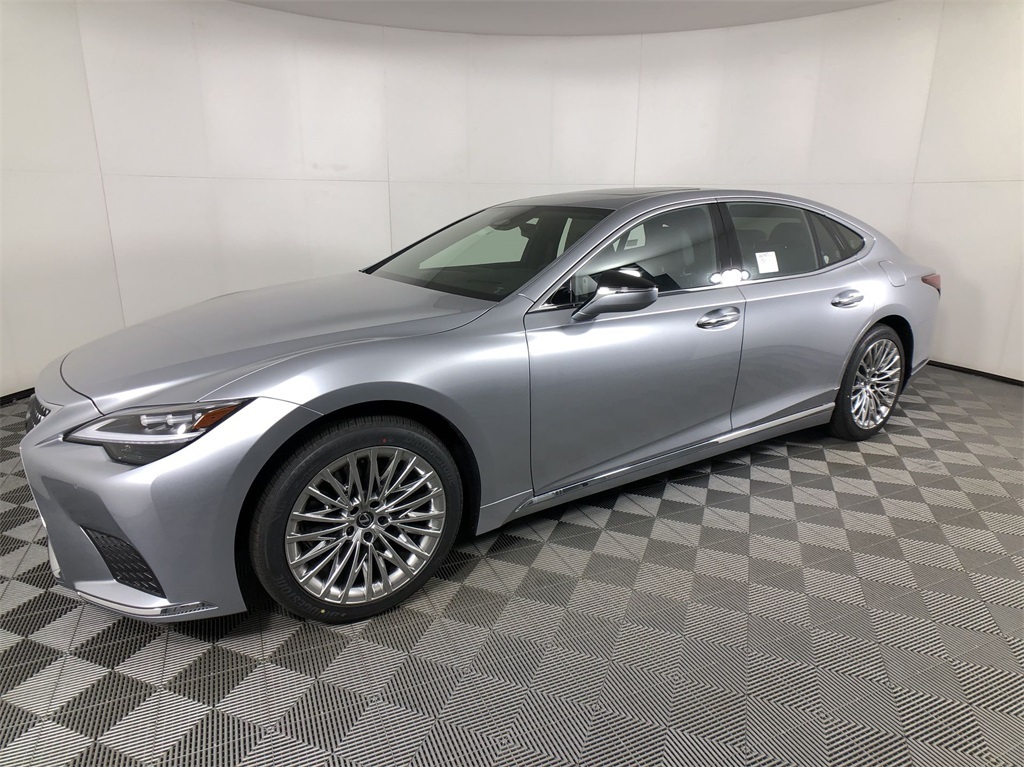
The exterior of the LS 500h is not conventionally understated Lexus’s “L-finesse” design language employs a signature spindle grille and elaborately detailed headlight and taillight signatures that are decidedly bold in their geometry.
Yet there is an important distinction between visual complexity and visual aggression, and the LS navigates this distinction with considerable skill. The car’s forms are intricate but never fussy, detailed but never overwrought.
Standing before an LS 500h in person, the overwhelming impression is not of ostentation but of extraordinary craft the sense that every surface has been considered and resolved with an almost philosophical dedication to excellence.
It is inside the LS that Lexus’s design philosophy reaches its most persuasive expression. The interior of the LS draws deeply on the Japanese concept of “Omotenashi” the art of anticipatory hospitality and the results are genuinely moving in their attention to occupant wellbeing.
The seats are masterworks of ergonomic and aesthetic design, available in Kiriko cut-glass inspired patterns that reference traditional Japanese craft without descending into mere decoration. The dashboard architecture flows with a natural, organic logic that feels both contemporary and deeply rooted in Japanese aesthetic tradition.
The LS 500h’s powertrain a 3.5-liter V6 paired with two electric motor generators produces an experience of motion that perfectly complements the interior’s tranquil sophistication.
The transition between electric and combustion power is handled with such seamlessness that occupants are rarely conscious of it; the car simply moves, with a smoothness and quietness that few rivals can match.
What the LS 500h offers that its European competitors sometimes struggle to provide is a sense of genuine, unperformed sincerity. The materials are exceptional, the craftsmanship is extraordinary, and the design is unmistakably distinctive but none of it feels manufactured for the purpose of impression management. The LS is a car that wants to take care of you, and it does so with the quiet, profound elegance of a master craftsperson at work.
6. BMW 7 Series (G70, 2023–Present)
The latest generation of the BMW 7 Series arrives at a complicated moment for the brand’s design identity. BMW has attracted considerable debate and some controversy with its recent design direction, particularly its treatment of the iconic kidney grille.
Yet the G70 7 Series, examined on its own terms and in its most refined configurations, reveals a large luxury sedan of considerable design sophistication and, in its most restrained specification, genuine elegance.
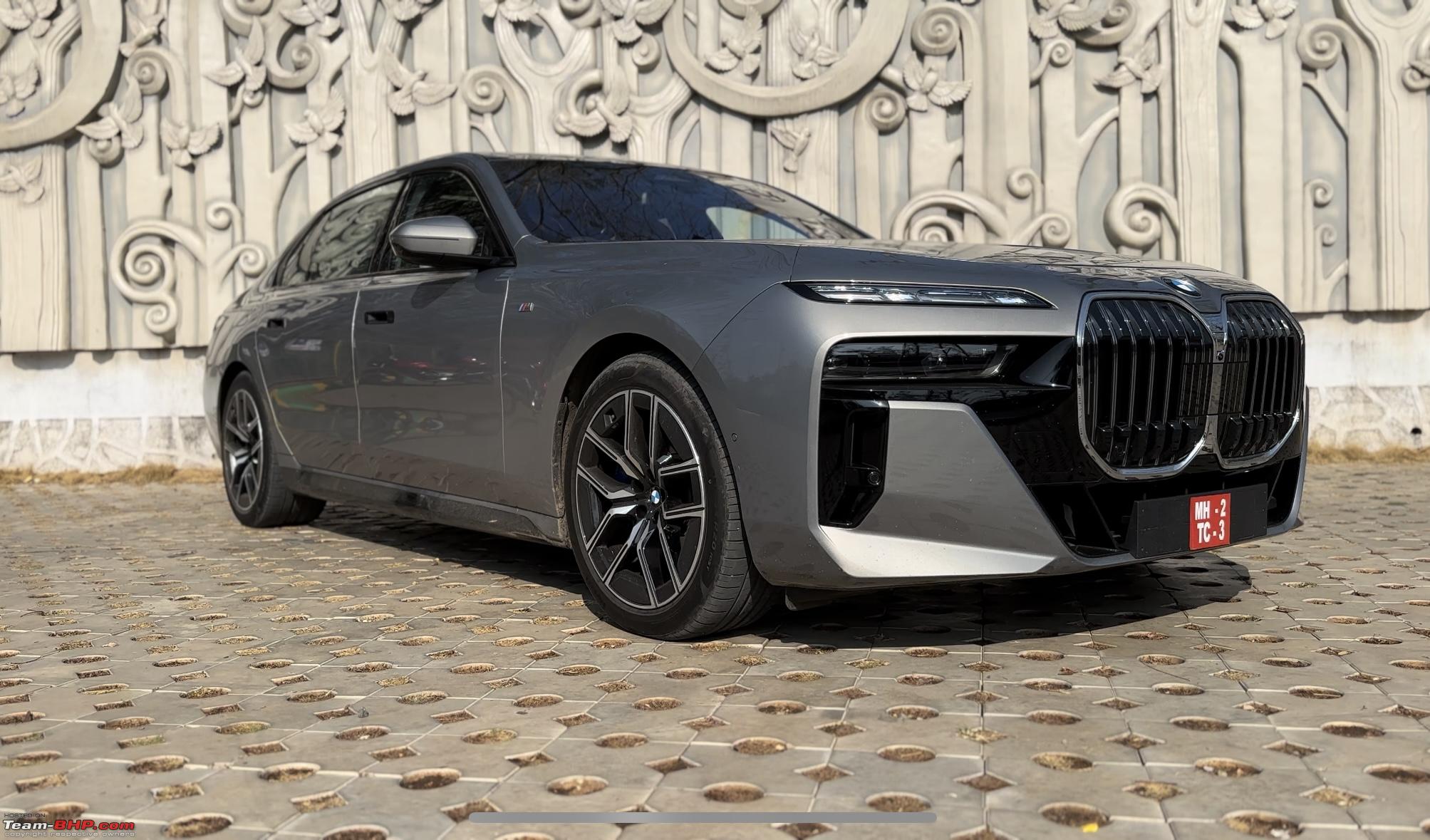
The G70’s exterior is more architecturally complex than its predecessor, with a more upright greenhouse, a more formal three-box silhouette, and a front-end treatment that, while undeniably bold, is ultimately more composed than its detractors suggest.
In darker colors deep graphite, midnight blue, or classic black the 7 Series presents a genuinely imposing and handsome profile, the visual mass of its proportions resolving into something that reads as stately rather than aggressive. The rear treatment is particularly successful: clean, horizontal, and organized with a precision that references BMW’s best sedan design heritage.
The interior of the G70 7 Series is where the car’s design ambition is most convincingly realized. The “BMW Theatre Screen” a 31-inch 8K resolution display that deploys from the roof of the rear cabin is headline-grabbing technology, but the surrounding interior architecture is defined by thoughtful restraint.
Materials include open-pore wood veneers of exceptional quality, Merino leather of notable refinement, and metal surfaces finished with a precision that rewards close inspection.
The interior composition avoids the minimalist severity of some competitors, instead offering a warm, enveloping richness that feels genuinely welcoming.
The 7 Series is also available in a pure electric variant the i7 which offers the same interior excellence with an even quieter, more serene driving experience that enhances the sense of luxury isolation.
The near-silent progress of the i7 at motorway speeds creates an interior acoustic environment approaching that of a recording studio, within which the quality of the materials and design becomes even more apparent.
The G70 7 Series may not achieve the timeless visual purity of the very best cars on this list, but in its finest configurations, it offers a powerful argument for a version of luxury that is technologically ambitious yet aesthetically composed a car for those who demand the best of both worlds without wishing to choose between them.
7. Jaguar XJ (X351, Final Edition)
The final generation of the Jaguar XJ the X351 model produced from 2010 to 2019 was, and remains, one of the most beautiful large luxury sedans ever produced.
Designed by Ian Callum, Jaguar’s legendary Design Director, it was a car that succeeded where so many luxury flagships fail: it was visually distinctive without being flamboyant, technologically sophisticated without being cold, and quintessentially British without being parochial.
Its discontinuation in 2019, when Jaguar chose not to produce a successor in the traditional sense, remains one of the great losses in contemporary automotive design.
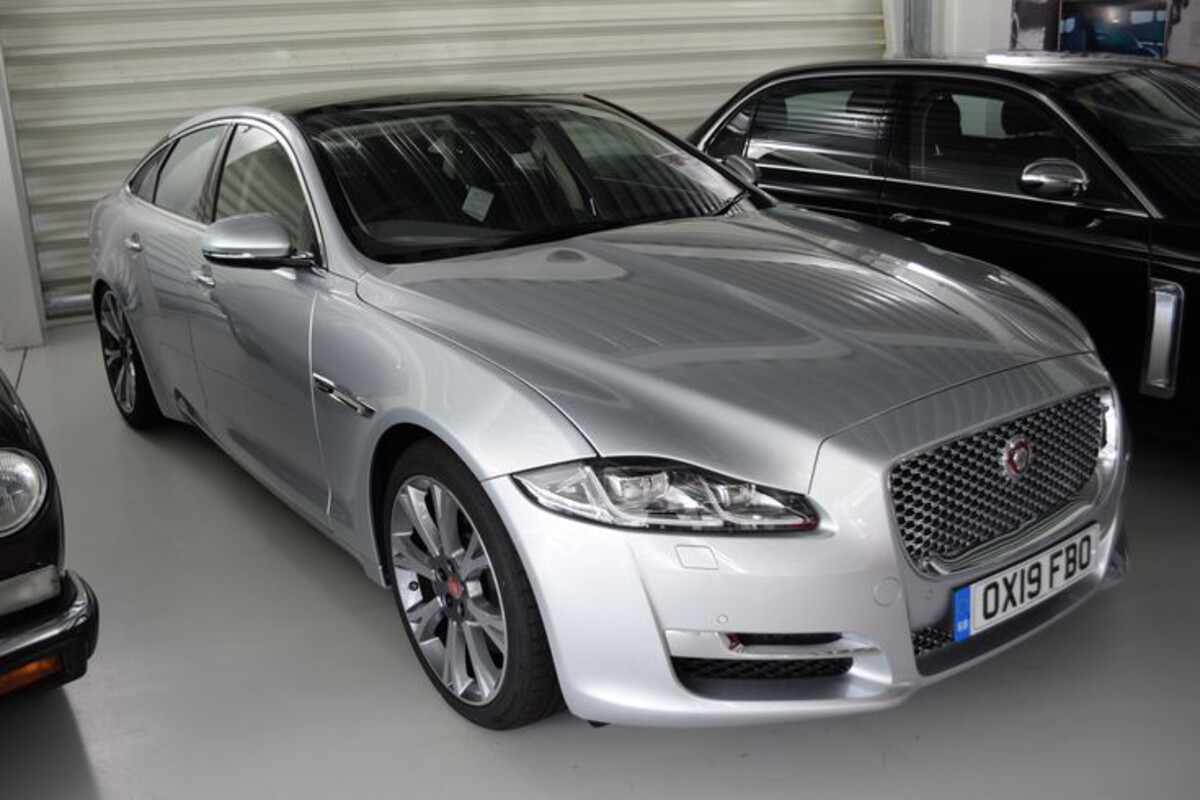
The XJ’s exterior was a revolutionary departure from its predecessor, abandoning traditional notions of what a Jaguar flagship should look like in favor of a form-language that was contemporary, dynamic, and entirely coherent.
The long, sweeping roofline reminiscent of a four-door coupé but practical enough to serve as a genuine luxury sedan gave the car a profile of exceptional elegance.
The aluminum body, lightweight and precisely formed, caught light in ways that drew the eye without ever demanding it. In long-wheelbase form, the XJ achieved a visual balance that most cars of comparable length struggle to maintain.
Inside, the XJ was a study in warm, characterful luxury that stood in marked contrast to the cool, technical precision of its German competitors. The dashboard was driver-focused but generously proportioned, with materials Bridge of Weir leather, veneer of genuinely beautiful wood, aluminum trim that felt authentic rather than applied.
The seats were exceptionally comfortable without sacrificing the sense of lateral support appropriate to a car that was genuinely capable of rewarding spirited driving. The cabin had personality something that cannot be engineered, only designed, and only by those who genuinely care about the experience of the person inside.
The final XJR575 special edition, produced in limited numbers in the final year of production, represented the apex of this design vision: the same calm, composed exterior wearing a very slight intensification of visual character that served to remind observers of the extraordinary performance available at the driver’s right foot.
It was a car that demonstrated conclusively that performance and elegance need not be mutually exclusive. The XJ’s loss from the new-car market leaves a genuine gap in the luxury sedan world a gap that no current model, however excellent, has yet succeeded in filling. It remains the benchmark against which all subsequent Jaguar designs will inevitably be measured.
8. Porsche Panamera (Third Generation, 2024–Present)
The Porsche Panamera has always faced a considerable design challenge: how to translate Porsche’s iconic sports car DNA into a four-door luxury sedan without sacrificing either the sports car character or the practical luxury credentials.
Early generations of the Panamera attracted criticism for their somewhat ungainly proportions the inevitable consequence of imposing a sloping, sporty roofline onto a body required to accommodate four adult passengers in genuine comfort. The third generation, revealed in 2023, represents the most successful resolution of this fundamental tension yet achieved.
The new Panamera’s exterior is immediately more confident and resolved than its predecessors. The roofline is lower and more dramatically raked, giving the car a genuinely coupé-like profile that manages to feel both purposeful and elegant.
The front end has been simplified and made more cohesive, with lighting signatures that reference Porsche’s sports car design heritage while remaining clearly appropriate to a luxury executive sedan.
The rear, which has always been the most challenging aspect of the Panamera’s design, is now resolved with considerable skill the full-width light bar, integrated spoiler, and clean lower valance combining to create a tail that is both distinctively Porsche and genuinely handsome.
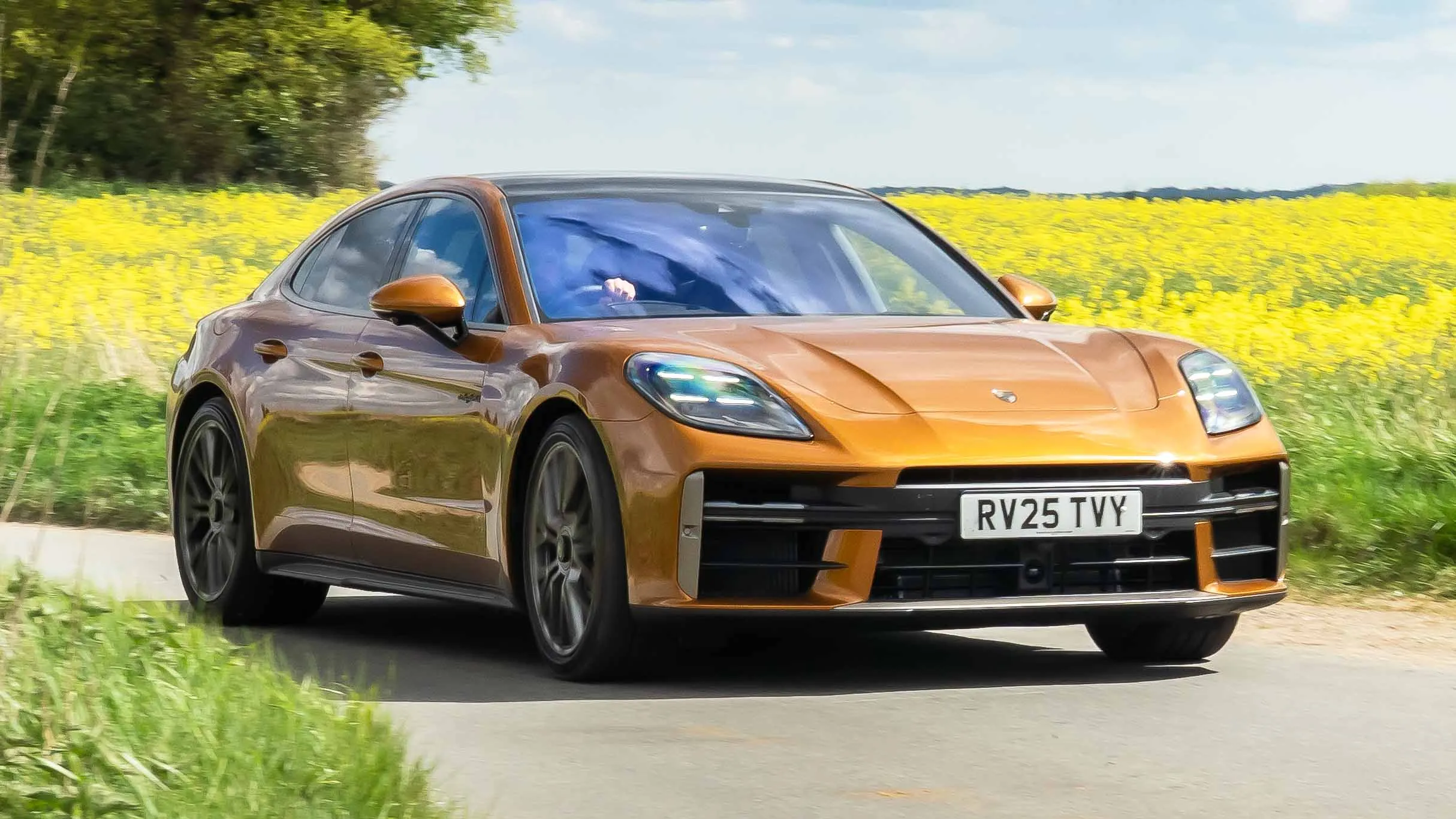
Inside, the third-generation Panamera raises the standard of interior design that Porsche established with its second-generation model. The “Porsche Advanced Cockpit” is a masterwork of ergonomic and aesthetic integration a curved display architecture that places all information and controls in logical, accessible positions while maintaining a visual coherence that avoids the screen-covered dashboard approach of some competitors.
The materials available through Porsche’s Exclusive Manufaktur personalization program include leather hides, Alcantara, and wood veneers of exceptional quality, executed with the precision and care one expects from a manufacturer with Porsche’s heritage.
What the Panamera offers that few cars in this segment can match is a genuine sense of driver engagement. The car is a luxury sedan in every meaningful sense comfortable, refined, superbly isolated from road and wind noise but it is also capable of rewarding an enthusiastic driver in ways that its purely chauffeured competitors cannot.
This duality, achieved without visual compromise, is the Panamera’s greatest design triumph. It is a car that looks equally convincing parked outside a five-star hotel or attacking a mountain pass, and the design that achieves this dual identity with such apparent ease deserves the greatest respect.
9. Genesis G90
The Genesis G90 represents something genuinely extraordinary in the contemporary luxury car market: a first-generation flagship from a brand that is itself still finding its footing, which nonetheless succeeds in delivering a design of such authority, coherence, and restrained elegance that it forces comparison with the established masters of the segment.
That Genesis Hyundai’s luxury marque, established only in 2015 has produced in the G90 a car capable of standing alongside Rolls-Royce, Bentley, and Mercedes-Benz without embarrassment is one of the most remarkable achievements in recent automotive design history.
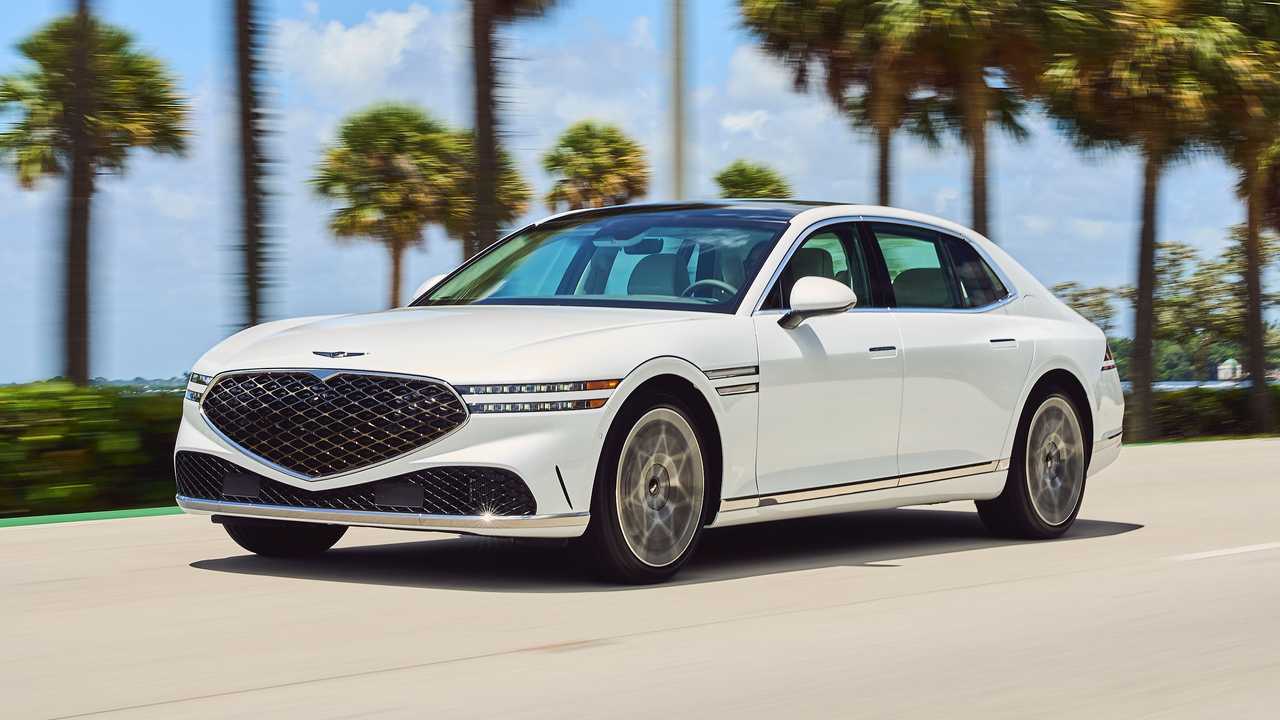
The G90’s exterior design draws on a philosophy Genesis describes as “Athletic Elegance” a concept that might sound generic but is here executed with surprising conviction.
The car’s proportions are impeccable: a long hood, a low greenhouse, a gently tapering roofline, and a tail that resolves cleanly without resorting to visual gimmickry.
The “Two-Line” headlight signature a distinctive horizontal graphic that runs the full width of the front end gives the G90 an immediately recognizable identity that is genuinely distinctive without being aggressive or unusual for its own sake. In darker colors, the G90 presents a profile of extraordinary composed authority.
The interior of the G90 is where the car’s most persuasive case for inclusion in this list is made. Genesis has invested extraordinary resources in the cabin of its flagship, and the results are apparent from the first moment of occupancy.
The materials fine leathers, genuine wood veneers, brushed metal are of a quality that would have been unthinkable from a Korean manufacturer just a decade ago.
The architecture of the dashboard is calm and horizontal, with screens integrated with unusual sophistication into an composition that feels genuinely designed rather than assembled from available components.
The rear seat experience in the G90 deserves particular mention. Reclining rear seats, a refrigerated compartment, rear-seat entertainment, and massage functions are all available, but they are integrated into a cabin environment of such genuine beauty and material richness that they feel like natural extensions of the luxury experience rather than afterthought additions.
10. Volvo S90
The Volvo S90 arrives at the end of this list as perhaps its most surprising and most persuasive entrant. Volvo is not a brand traditionally associated with the upper echelons of luxury motoring it is known for safety, for Scandinavian practicality, for a certain democratic accessibility that sits at some remove from the aristocratic pretensions of the more established luxury marques.
Yet the S90, introduced in 2016 and continuously refined since, represents a design vision of such clarity, confidence, and genuine beauty that it demands a place among the finest understated luxury cars in production.
The S90’s exterior design, penned under the direction of Thomas Ingenlath and now refined by Robin Page, is rooted in the cleanest principles of Scandinavian design: functionality expressed with precision, restraint raised to artistry, and a complete rejection of ornament for its own sake.
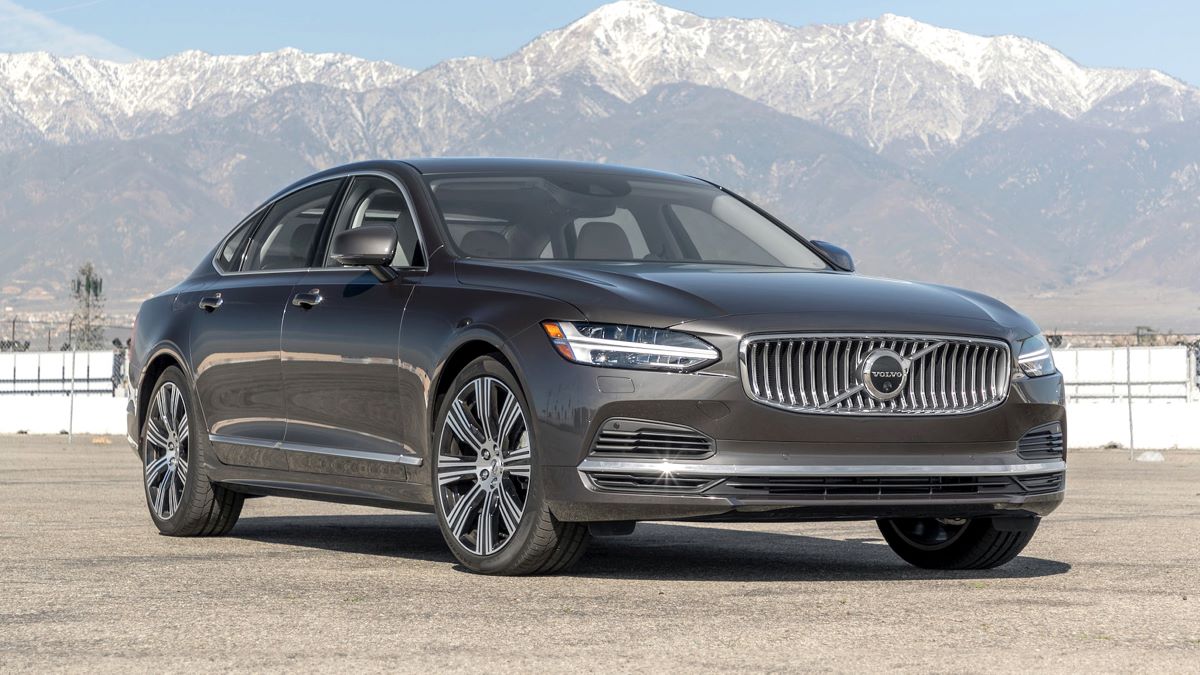
The car’s silhouette is exceptional a long, low four-door that manages to feel both spacious and sporting without resolving into either the formal stiffness of a traditional luxury sedan or the aggressive dynamism of a sports saloon.
The “Thor’s Hammer” LED headlights are one of the most distinctive and instantly recognizable design signatures in the contemporary automotive world, yet they achieve this recognizability through elegance rather than exaggeration.
The interior of the S90 is, in the view of many automotive design critics, the most genuinely beautiful cabin currently available in a luxury car at any price.
The Scandinavian design philosophy is expressed with extraordinary conviction: materials are natural and honest (open-pore wood, fine wool, supple leather), surfaces are clean and uncluttered, and the organization of the interior environment prioritizes the experience of the occupant above all other considerations.
The “Orrefors crystal” gear selector a partnership with one of Sweden’s most distinguished glass manufacturers is a single, exquisite example of the care and intelligence with which Volvo has approached every element of the S90’s interior design.
The S90’s powertrain options include a superb plug-in hybrid system that delivers near-silent electric running for the majority of everyday journeys, further enhancing the sense of serene isolation that the car’s acoustic engineering establishes.
To sit in a moving S90 on a long motorway journey, surrounded by natural materials and genuine craftsmanship, gliding almost silently through a world rendered abstract by the car’s exceptional acoustic insulation, is to understand what understated luxury can mean at its most complete and most fully human.
The Volvo S90 does not compete on prestige or heritage or power. It competes on the most fundamental luxury proposition of all: the quality of the experience it provides to the people fortunate enough to be inside it. And on that measure, it is surpassed by very few cars at any price.
Also Read: 10 Inline-Six Engines Known for Expensive Repairs You Can Avoid
