
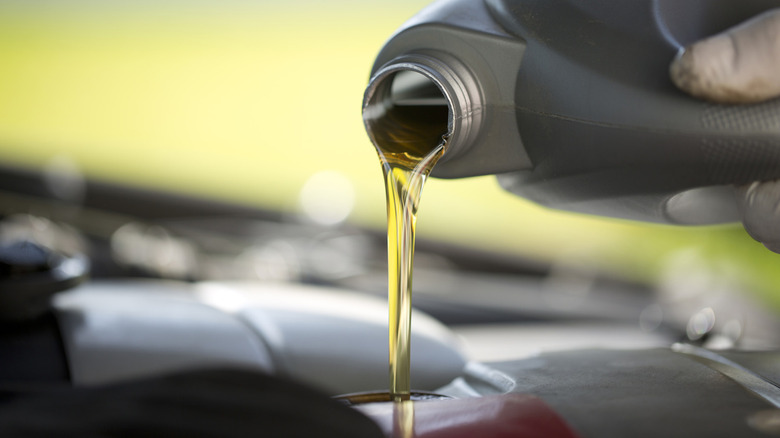
If your vehicle has crossed the 75,000-mile mark, you’ve probably heard someone, a mechanic, a neighbor, or a well-meaning relative, tell you that it’s time to switch to high mileage oil. But along with that advice comes a flood of misinformation, half-truths, and outdated beliefs that can lead car owners to make poor decisions about their engine care.
High mileage oil is one of the most misunderstood products in the automotive world. Some people swear by it like it’s a magic elixir, while others dismiss it as nothing more than a marketing gimmick designed to squeeze extra dollars out of aging car owners. The truth, as it usually is, sits somewhere far more nuanced than either extreme.
With engines becoming more sophisticated and motor oils more advanced than ever before, it’s time to separate fact from fiction. Whether you drive a 2005 sedan with 120,000 miles or a pickup truck approaching six figures on the odometer, understanding what high mileage oil actually does and doesn’t do could save you money, prevent engine damage, and extend the life of your vehicle significantly.
High Mileage Oil Is Just Regular Oil with a Fancy Label
One of the most widespread myths about high mileage oil is that it’s simply a marketing trick that manufacturers slap a “high mileage” label on a standard bottle of motor oil and charge a premium for it.
This belief causes many drivers with older vehicles to skip the specialized formula entirely, assuming they’re saving money by sticking with conventional oil. In reality, they may be doing their engine a quiet but significant disservice.
High mileage oil is genuinely different from standard conventional or even full synthetic oil. It contains a carefully engineered blend of additives that are specifically designed to address the problems that arise in engines with 75,000 miles or more on the clock.
These additives include seal conditioners, which help restore the flexibility and shape of rubber seals and gaskets that have hardened or shrunk over time due to heat cycles and age. When these seals degrade, they allow oil to leak past them which is why older cars are far more prone to oil leaks than newer ones.
Beyond seal conditioners, high mileage oils typically contain higher concentrations of detergents and dispersants. Over time, engines accumulate deposits, sludge, and varnish build-up especially if the vehicle has not had consistent oil change intervals throughout its life.
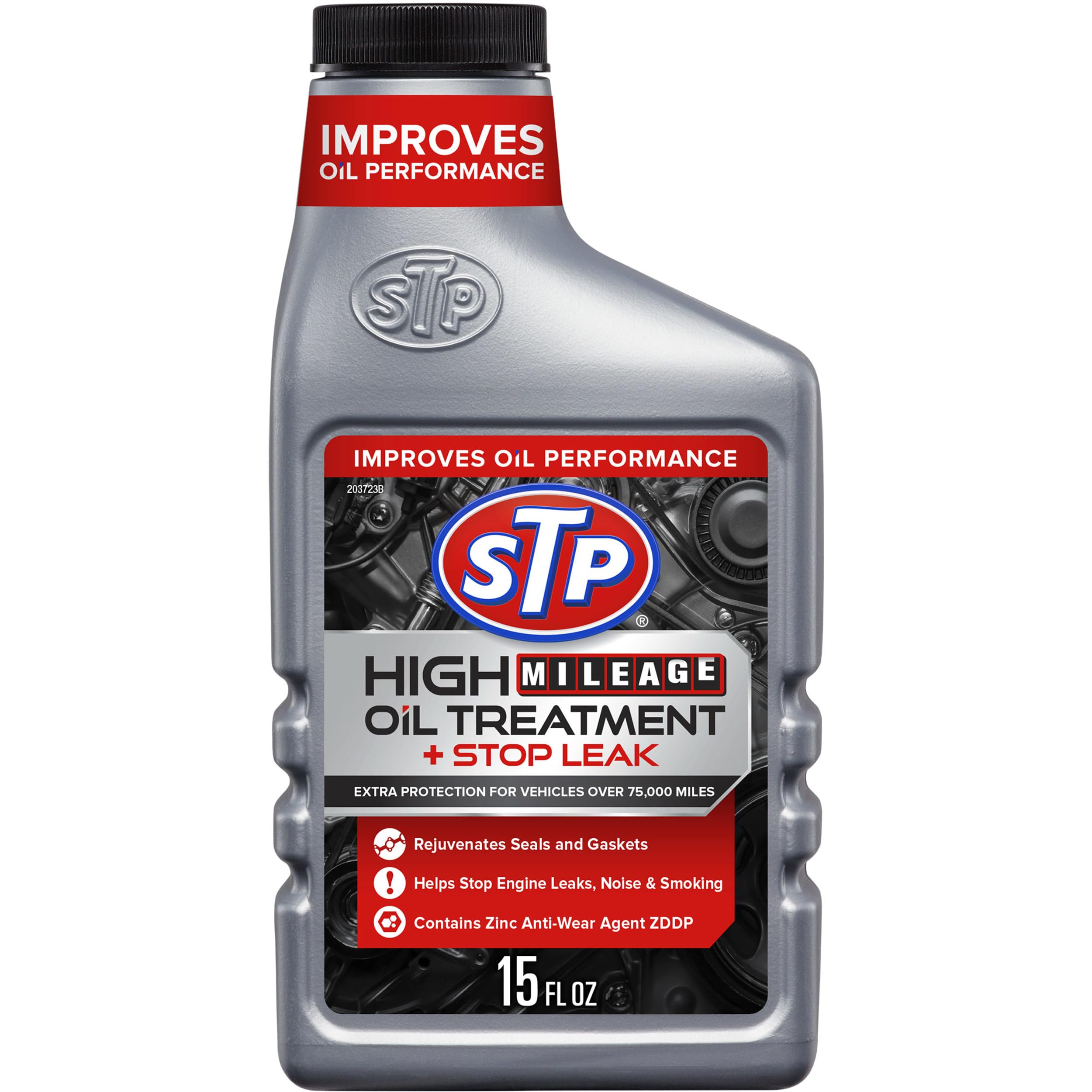
The raised detergent levels in high mileage oil help break down and suspend these deposits so they can be safely carried out of the engine during a drain.
Additionally, high mileage formulas often include more robust antioxidant packages. Older engines run hotter and experience more oxidative stress, which causes oil to break down faster.
The enhanced antioxidants in high mileage oil slow this degradation, helping the oil maintain its protective properties for a longer period between changes.
Many high mileage oils also feature a slightly higher viscosity or viscosity modifiers that help maintain the proper oil film thickness in worn engine clearances.
As engine components wear, the gaps between them increase. A thicker or more viscosity-stable oil can compensate for this, reducing metal-to-metal contact and protecting surfaces that would otherwise be vulnerable.
So no high mileage oil is not a relabeled conventional product. It’s a thoughtfully formulated blend built specifically for the realities of older, higher-wear engines. Dismissing it as a gimmick means potentially missing out on real protective benefits your aging engine genuinely needs.
Switching to High Mileage Oil Will Fix Major Engine Problems
On the opposite end of the spectrum from the skeptics are the true believers drivers who have heard so many good things about high mileage oil that they begin to think of it as some kind of mechanical cure-all.
Got a knocking engine? Switch to high mileage oil. Burning oil excessively? High mileage oil will sort it out. Noticing blue smoke from the exhaust? Pour in a bottle of high mileage and hope for the best.
This myth is not just wrong it can actually be dangerous, because it encourages drivers to delay or avoid necessary repairs by substituting a lubricant change for actual mechanical attention.
High mileage oil is a preventive and maintenance product, not a repair solution. The seal conditioners it contains can help restore minor seal shrinkage and improve the flexibility of slightly degraded gaskets but they cannot fix a seal that is completely blown or a gasket that has failed catastrophically.
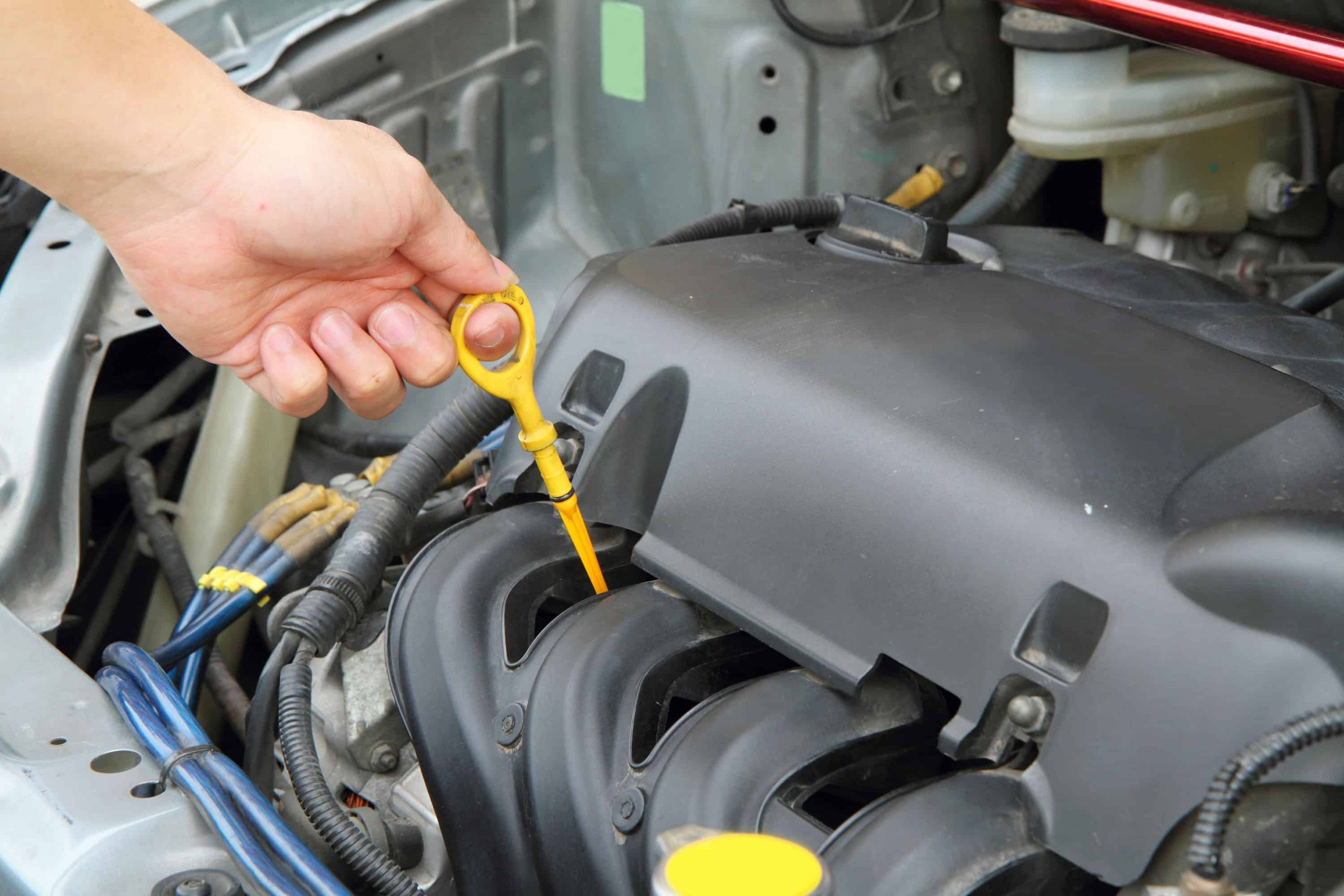
If your engine has a significant oil leak due to a cracked seal housing, a damaged valve cover gasket, or a failed rear main seal, high mileage oil will reduce but not eliminate the leak. The underlying mechanical problem still needs to be addressed by a qualified technician.
Similarly, if your engine is consuming oil at a high rate say, a quart every 1,000 miles or less the cause is likely worn piston rings, damaged valve seals, or scored cylinder walls.
High mileage oil’s slightly higher viscosity can reduce oil consumption somewhat by making it harder for oil to slip past worn piston rings, but it does not repair those rings. The consumption will continue; it may simply be slightly slower.
The danger of believing this myth is that drivers postpone proper diagnosis and repair while the underlying problem continues to worsen. A small oil leak ignored for months can turn into a major leak.
Worn piston rings that go unaddressed can lead to catastrophic engine failure. High mileage oil buys time and reduces stress on an aging engine it does not turn back the clock on mechanical wear.
Think of it like taking a pain reliever for a broken bone. The pain might ease, but the bone is still broken. High mileage oil manages symptoms of engine aging; it does not heal the engine itself.
You Should Switch to High Mileage Oil the Moment Your Car Hits 75,000 Miles
Many oil manufacturers and automotive retailers market high mileage oil as the appropriate choice for vehicles with 75,000 miles or more. This has led to a rigid myth that the moment your odometer clicks past that magic number, you must immediately switch from your current oil to a high mileage formula or risk damaging your engine.
The truth is far more flexible and depends entirely on the condition of your specific engine rather than an arbitrary mileage threshold. The 75,000-mile figure is a general guideline, not a mechanical law.
Some engines show significant wear, leaking seals, and sludge accumulation well before reaching 75,000 miles particularly if they’ve been driven hard, subjected to extreme temperatures, or serviced inconsistently.
In these cases, switching to high mileage oil earlier may actually make sense. Conversely, many well-maintained engines can cruise comfortably past 100,000, 150,000, or even 200,000 miles with no meaningful symptoms of aging and no pressing need to switch from a quality full synthetic oil.
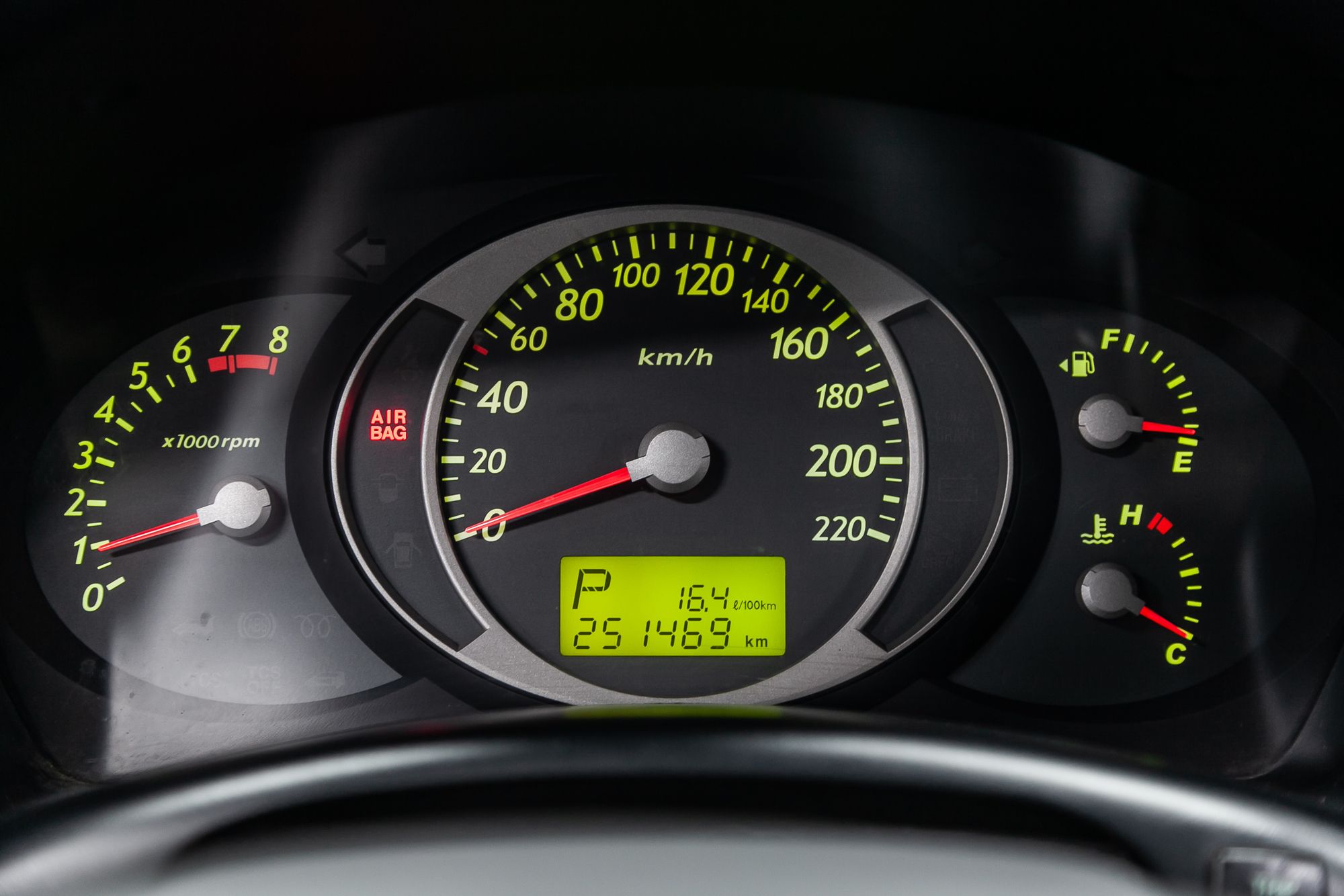
The better approach is to base your decision on observable engine behavior rather than a number on your dashboard. Are you noticing oil leaks spots in the driveway, oil residue around the valve cover, or a burning oil smell? Is your engine consuming more oil between changes than it used to? Are there any signs of increased engine noise or roughness at idle? If the answer to these questions is yes, high mileage oil may be a worthwhile switch regardless of your exact mileage.
On the other hand, if your 90,000-mile engine is running cleanly, quietly, and with no leaks or unusual consumption, there is no urgent need to switch. Your current quality synthetic oil may be doing a perfectly adequate job. Switching unnecessarily won’t harm anything, but it also may not deliver meaningful benefit.
Always consider your engine’s actual condition, your driving habits, your climate, and your maintenance history when making this decision. Talk to a trusted mechanic who can assess your engine’s current state rather than relying solely on the mileage displayed on your instrument cluster.
High Mileage Oil Will Cause New Leaks in a Well-Maintained Engine
This myth often circulates among drivers who have heard secondhand stories about someone switching to high mileage oil and then suddenly noticing oil spots appearing beneath their car.
The end drawn often incorrectly is that high mileage oil somehow damages seals or causes leaks in engines that were previously fine. What’s actually happening in these stories is almost always the opposite of the myth, and understanding the distinction is important.
High mileage oil does not create leaks. What it does is restore aging seals and gaskets that have already begun to harden, shrink, or develop minor cracks over time and as these seals soften and re-expand, they can temporarily cause oil to migrate through pathways it hadn’t been flowing through previously.
In some cases, this can look like a new leak when in reality it’s an existing, pre-existing condition being revealed. Think of it this way: if a seal has hardened and shrunk just enough to begin weeping very slowly, the oil may have been evaporating before it ever dripped.
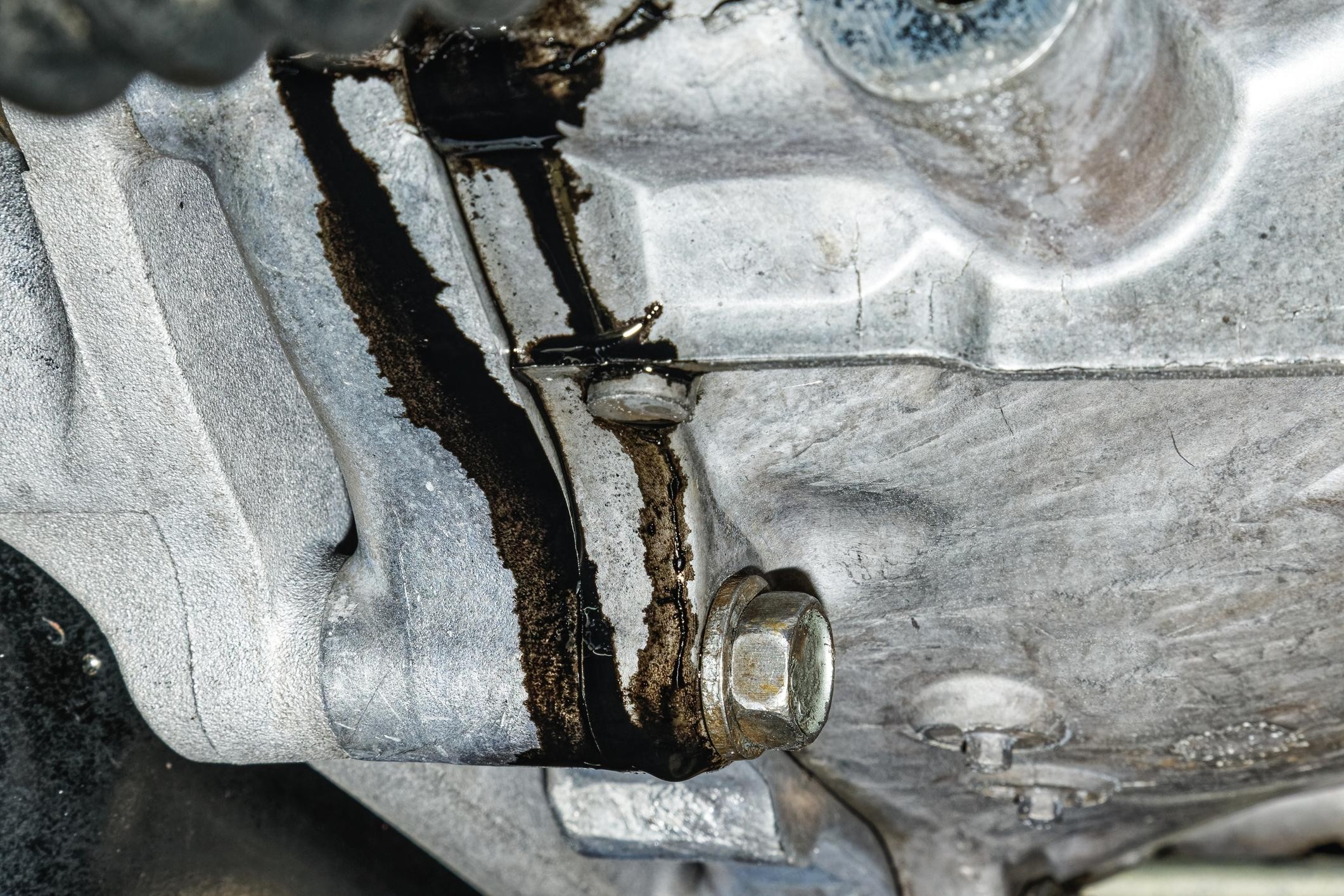
When the seal conditioners in high mileage oil cause that seal to partially re-expand and move differently, the flow may temporarily increase or become visible in a new way making it appear as though the oil caused the problem when in fact it simply changed how an already-present problem manifested.
Additionally, if an engine has a significant build-up of sludge and deposits that have been partially sealing small gaps or cracks (essentially acting as unintentional gap filler), the enhanced detergents in high mileage oil can dissolve that sludge which may then reveal the gaps or cracks that were being inadvertently plugged.
This is real, but it’s not damage caused by the oil. It’s the unmasking of existing damage by a more aggressive cleaning action. For drivers with genuinely well-maintained engines, healthy seals, and no sludge accumulation, high mileage oil poses no threat whatsoever.
The seal conditioners in the formula need degraded seals to act upon they don’t affect healthy, pliable seals in any meaningful negative way. This myth should not deter drivers with older vehicles from trying high mileage oil.
Also Read: 5 Reasons to Buy a CPO Vehicle vs 5 Reasons to Buy From a Private Seller
High Mileage Oil Means You Can Skip Oil Changes
Perhaps the most dangerous myth on this list is the idea that because high mileage oil is premium, specially formulated, and contains extra protective additives, it somehow lasts longer and allows you to extend your oil change intervals significantly or even skip changes altogether for a while.
This belief can cause serious and irreversible engine damage, and it needs to be dismissed firmly and completely. No oil not conventional, not full synthetic, not high mileage lasts forever inside a running engine.
As oil circulates through an engine, it performs an enormous amount of work: it lubricates hundreds of moving metal surfaces, absorbs and transfers heat, carries away microscopic metal particles from wear, suspends combustion by-products and contaminants, and maintains a protective film between parts moving at thousands of revolutions per minute.
All of this activity degrades the oil and depletes its additive package over time. High mileage oil contains a richer additive package than standard oil, which does give it some additional staying power in terms of its protective qualities.
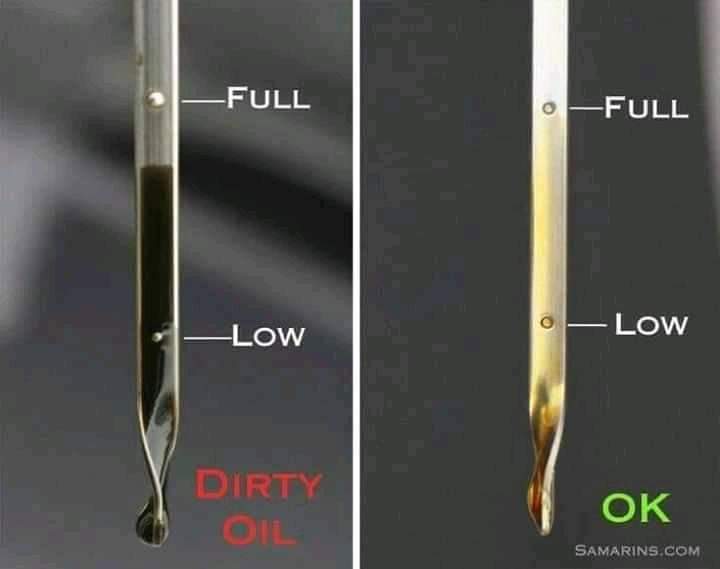
But this does not translate into dramatically extended oil change intervals. The base oil still oxidizes, the detergent and dispersant additives still get consumed, and combustion by-products still contaminate the oil. Eventually just as with any other oil it loses its ability to protect the engine adequately.
For most high mileage oils, the manufacturer’s recommended change interval is typically the same as for standard oil: 3,000 to 5,000 miles for conventional-based high mileage oil, and 5,000 to 7,500 miles (sometimes up to 10,000 miles) for synthetic-based high mileage oil.
Always follow the recommendation on the bottle and your vehicle manufacturer’s guidelines not some informal understanding that premium oil means fewer changes. For older, high-mileage engines in particular, regular oil changes are even more critical than for newer engines, not less.
These engines generate more combustion blow-by, shed more metal particles from worn surfaces, and are more prone to contamination. Letting oil go too long between changes in a high-mileage engine is one of the fastest ways to accelerate damage and shorten engine life.
High Mileage Oil and Oil Additives Are the Same Thing
Walk into any auto parts store and you’ll find an entire shelf dedicated to aftermarket oil additives bottles of various treatments that promise to reduce friction, stop leaks, restore engine compression, quiet noisy lifters, and more.
A common myth is that high mileage oil and these aftermarket oil additives are essentially the same product, or that adding an aftermarket additive to standard oil is equivalent to using high mileage oil.
These are genuinely different products, and conflating them can lead to poor choices and in some cases, actual engine harm. High mileage oil is a fully formulated engine lubricant that has been engineered from the ground up as a complete system.
Every component the base oil, the viscosity modifiers, the detergents, the antioxidants, the seal conditioners is present in carefully balanced proportions.
Oil formulation is a highly precise science, and the ratios of these additive components matter enormously. Too much of one additive can interfere with the performance of another or even damage engine components.
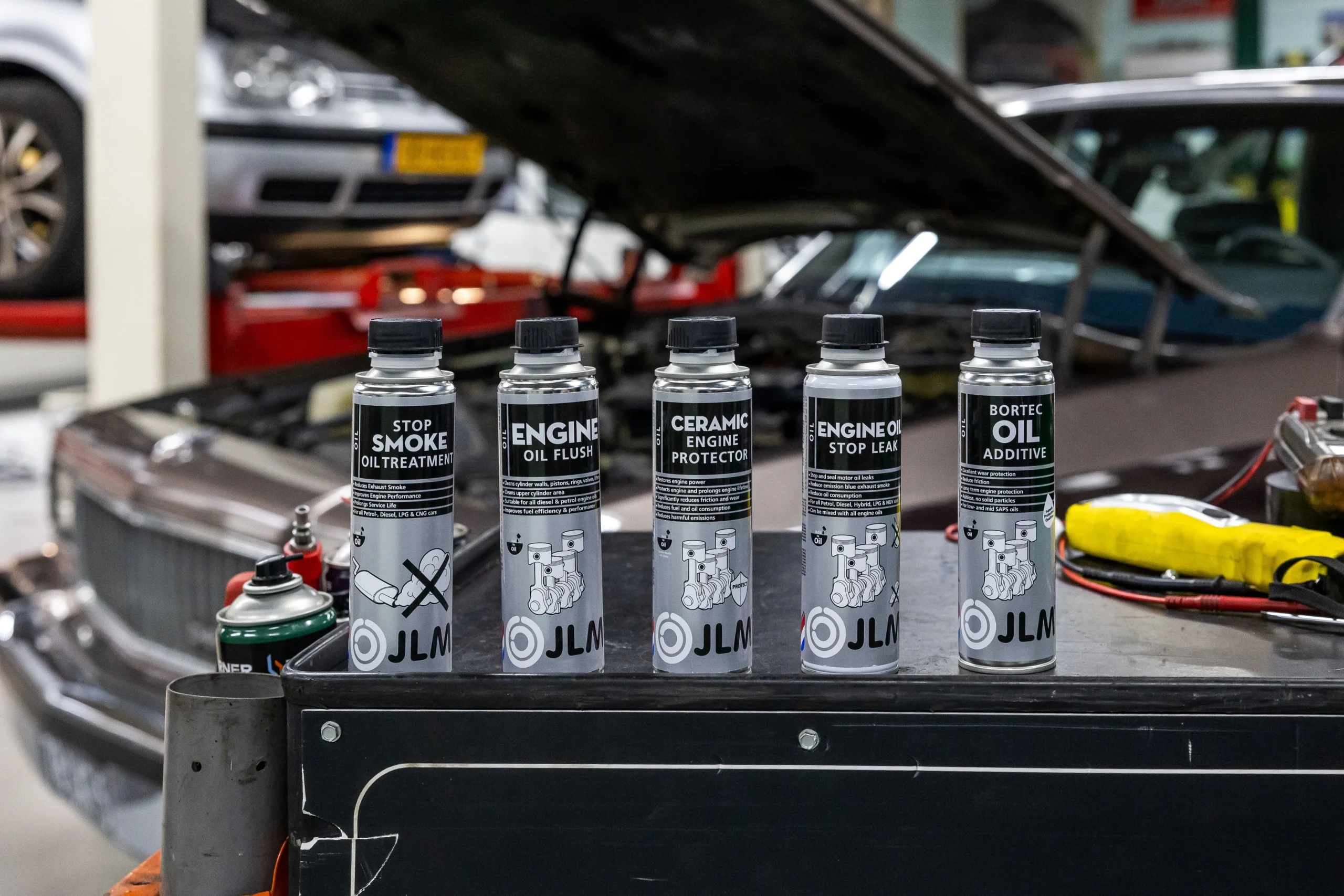
Aftermarket oil additives, by contrast, are concentrated packages of one or more specific chemical compounds designed to be added to an already-formulated oil.
The problem is that these additives are being introduced into an oil that already contains a complete additive package. Adding more of a particular compound especially seal swellers, friction modifiers, or viscosity improvers without knowing how they’ll interact with the existing additive chemistry is a gamble.
Some aftermarket additives contain compounds like chlorinated paraffins or other substances that can degrade seals over time, potentially making leaks worse rather than better.
Others simply dilute the base oil without providing meaningful benefit. While there are some aftermarket products that are genuinely useful and properly formulated, the quality is inconsistent and many products on the market make claims that aren’t backed by rigorous independent testing.
High mileage oil from a reputable brand has been tested, certified to industry standards (like API or ILSAC ratings), and validated to perform as advertised.
It is a far more reliable solution for an aging engine than attempting to supplement a standard oil with aftermarket additives. If you’re considering either option, high mileage oil from a trusted brand is almost always the better, safer, and more scientifically sound choice.
All High Mileage Oils Are Basically the Same
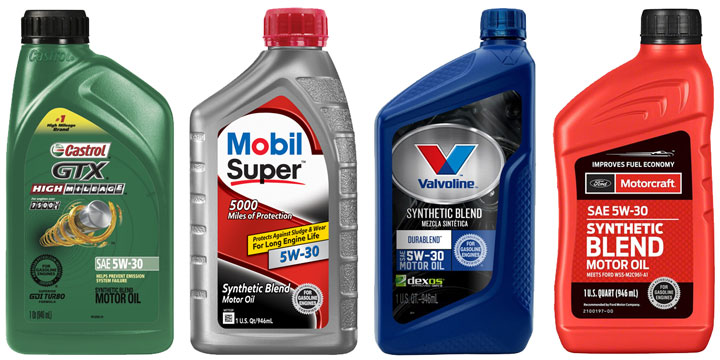
Given that most major oil brands offer a high mileage product Castrol, Valvoline, Pennzoil, Mobil 1, Quaker State, and many others it’s easy to fall into the assumption that they’re all essentially the same thing in different bottles.
After all, they all say “high mileage” on the label, they’re all designed for engines with 75,000+ miles, and they’re all sold in the same aisle at the auto parts store.
This is a significant oversimplification that can lead you to make choices based purely on price when other factors matter considerably. High mileage oil formulations vary widely between brands in terms of the type and quality of base oil used, the specific additive chemistry employed, and the concentration and balance of those additives.
Some high mileage oils use a conventional mineral base oil, others use a blend of conventional and synthetic base stocks, and others are fully synthetic. These distinctions have a major impact on performance, particularly at temperature extremes.
A conventional-based high mileage oil thickens more in cold weather and breaks down faster in high heat compared to a full synthetic high mileage oil.
For someone in a cold climate who takes a lot of short trips where the engine never fully warms up a conventional high mileage oil may leave the engine under-protected during those critical cold-start moments, which are responsible for a disproportionate share of total engine wear.
The quality and effectiveness of seal conditioners also varies between products. Some formulas include more robust conditioning agents than others, and the specific chemistry used can make a meaningful difference in how well they restore aging seals versus simply treating them superficially.
Independent testing by organizations like the American Petroleum Institute (API) certifies oils to minimum performance standards, but there is significant room for variation in performance above those minimums. Consumer reviews, third-party oil analysis services, and professional testing all reveal meaningful differences between brands.
The practical takeaway is this: read labels carefully, check certifications, consider your climate and driving conditions, and don’t automatically default to the cheapest option. In many cases, spending a few extra dollars on a quality full synthetic high mileage oil can meaningfully extend engine life and reduce the likelihood of costly repairs down the road.
Once You Switch to High Mileage Oil, You Can Never Go Back
The final myth is one that creates unnecessary anxiety for drivers who have switched to high mileage oil and are now worried they’ve made a permanent, irreversible commitment.
The belief goes something like this: high mileage oil changes the engine in some fundamental way it softens the seals, alters the chemistry inside the engine, or creates a dependency such that switching back to a regular oil will cause damage or accelerate wear.
This is completely false. There is no physiological dependency created between an engine and any particular type of oil. Motor oil, regardless of its type or formulation, is drained out of the engine completely (or very nearly so) at each oil change.
When you add new oil, the engine’s internal environment is reset to whatever chemistry the new oil provides. There is no meaningful carryover of additive chemistry from one oil type to another that would create compatibility problems or dependencies.
If you switched to high mileage oil and found that it didn’t seem to make a noticeable difference for your engine, or if your mechanic recommends a different viscosity or formulation for a specific reason, you can switch back to a standard conventional or synthetic oil without concern. Your engine will not suddenly develop leaks, knock, or wear faster simply because it had high mileage oil in it for a period of time.

The one practical nuance to be aware of is this: if you’ve been using high mileage oil and its seal conditioners have been gradually restoring your engine’s seals, switching to an oil without those conditioners means the seals will no longer receive that ongoing treatment. Over time, they may continue to age and harden naturally.
But this is not engine damage it’s simply the normal aging process continuing in the absence of the conditioning agents. Conversely, if high mileage oil revealed a pre-existing leak by partially cleaning away sludge that was acting as unintentional gap-filler, that leak will continue to exist whether you use high mileage oil or not. Switching back won’t make it worse; the damage was always there.
The freedom to choose, switch, and adapt your oil type based on your engine’s evolving needs is entirely yours. Don’t let this myth lock you into a single product out of fear.
Make informed decisions, consult your mechanic when needed, and adjust your oil choice as your engine’s condition and your driving circumstances change over time.
Also Read: 5 Reasons to Buy a CPO Vehicle vs 5 Reasons to Buy From a Private Seller
