American classic cars no longer exist solely as six-figure auction stars or museum pieces. While certain models from the golden era of Detroit command premium prices, there remains a wide range of attainable classics that deliver authentic V8 soundtracks, chrome-laden styling, and mechanical simplicity, without exceeding a $20,000 budget. For enthusiasts willing to shop carefully, the entry point into classic American motoring is far more accessible than many assume.
Affordability in the collector market depends on several variables: production numbers, drivetrain desirability, condition, originality, and current demand trends.
While numbers-matching muscle icons often sit well beyond this price ceiling, many base-engine variants, later production years, and overlooked nameplates still offer substantial value. These vehicles provide the look and character of classic American performance, even if they don’t carry the highest horsepower ratings or rare factory options.
This list highlights ten affordable classic American cars that can realistically be found under $20,000 in today’s market. Each selection balances purchase price with parts availability, ownership costs, driving enjoyment, and long-term collectibility.
From vintage pony cars and full-size cruisers to underappreciated performance coupes, these models prove that classic American ownership remains within reach for buyers who prioritize smart shopping over speculation.
1) Ford Mustang
The first-generation Mustang changed the American car market forever. Introduced in 1964, it created the “pony car” segment. It combined sporty styling, affordable pricing, and strong performance. Young drivers loved it, and sales quickly broke records across America.
Ford designed the Mustang to look exciting but still practical. It had a long hood and short rear deck, giving it a sporty shape. Buyers could choose between a coupe, convertible, or fastback body style depending on taste.
Engine choices were one reason for its huge popularity. The base model came with a simple and reliable inline-six engine. Buyers wanting more power could upgrade to small-block V8 engines for stronger acceleration and better performance.
The small-block 289 V8 became especially popular. It offered smooth power and a deep exhaust sound without being too expensive. This balance between power and price helped the Mustang appeal to everyday drivers and enthusiasts alike.
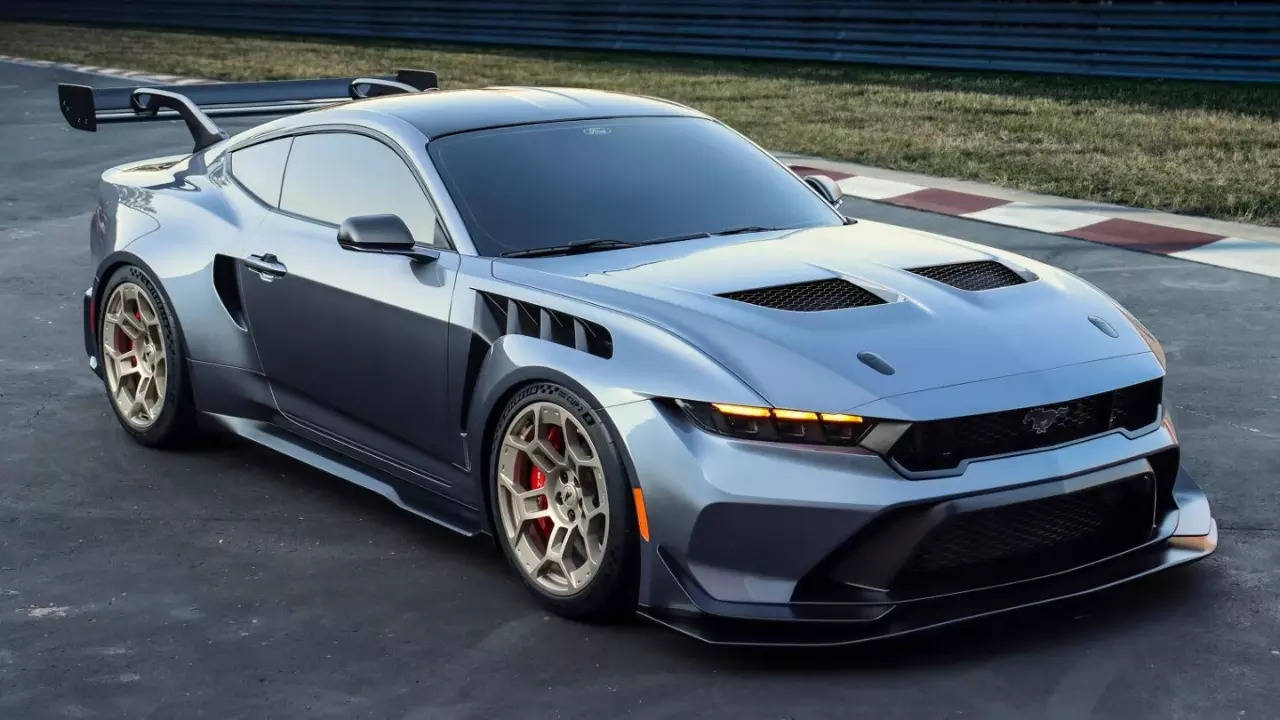
Inside, the Mustang offered a simple but stylish cabin. Round gauges, bucket seats, and optional wood trim gave it a sporty feel. It was comfortable enough for daily driving while still feeling exciting behind the wheel.
One big advantage today is affordability. While rare high-performance models cost much more, standard six-cylinder or small V8 versions can still be found under $20,000. This makes classic Mustang ownership possible for many car lovers.
Maintenance is also easier compared to many other classic cars. Replacement parts are widely available because so many Mustangs were built. New reproduction panels, engines, and interior parts are easy to find at reasonable prices.
The Mustang also has strong community support. Owners clubs, online forums, and restoration shops specialize in these cars. This makes it easier for beginners to learn about repairs, upgrades, and proper maintenance procedures.
Driving a first-generation Mustang feels raw and mechanical compared to modern cars. The steering is heavier, and the ride is simpler. However, this classic driving experience is exactly what many enthusiasts enjoy the most.
2) Chevrolet Camaro
The first-generation Camaro was introduced in 1967 as Chevrolet’s answer to the Mustang. It quickly became one of America’s favorite muscle cars. With bold styling and strong engines, the Camaro built a reputation for power and attitude.
The design of the early Camaro looks aggressive and sporty. It features a long hood, short rear deck, and wide stance. Buyers could choose coupe or convertible body styles, giving drivers flexibility depending on personal preference.
Engine options were a major selling point for the Camaro. Base models came with a reliable inline-six engine. Buyers wanting stronger performance could upgrade to several V8 options that delivered impressive horsepower and acceleration.
The small-block V8 engines were especially popular. They offered a strong balance between power and affordability. These engines provided exciting performance without the high cost of rare high-performance SS or Z/28 versions.
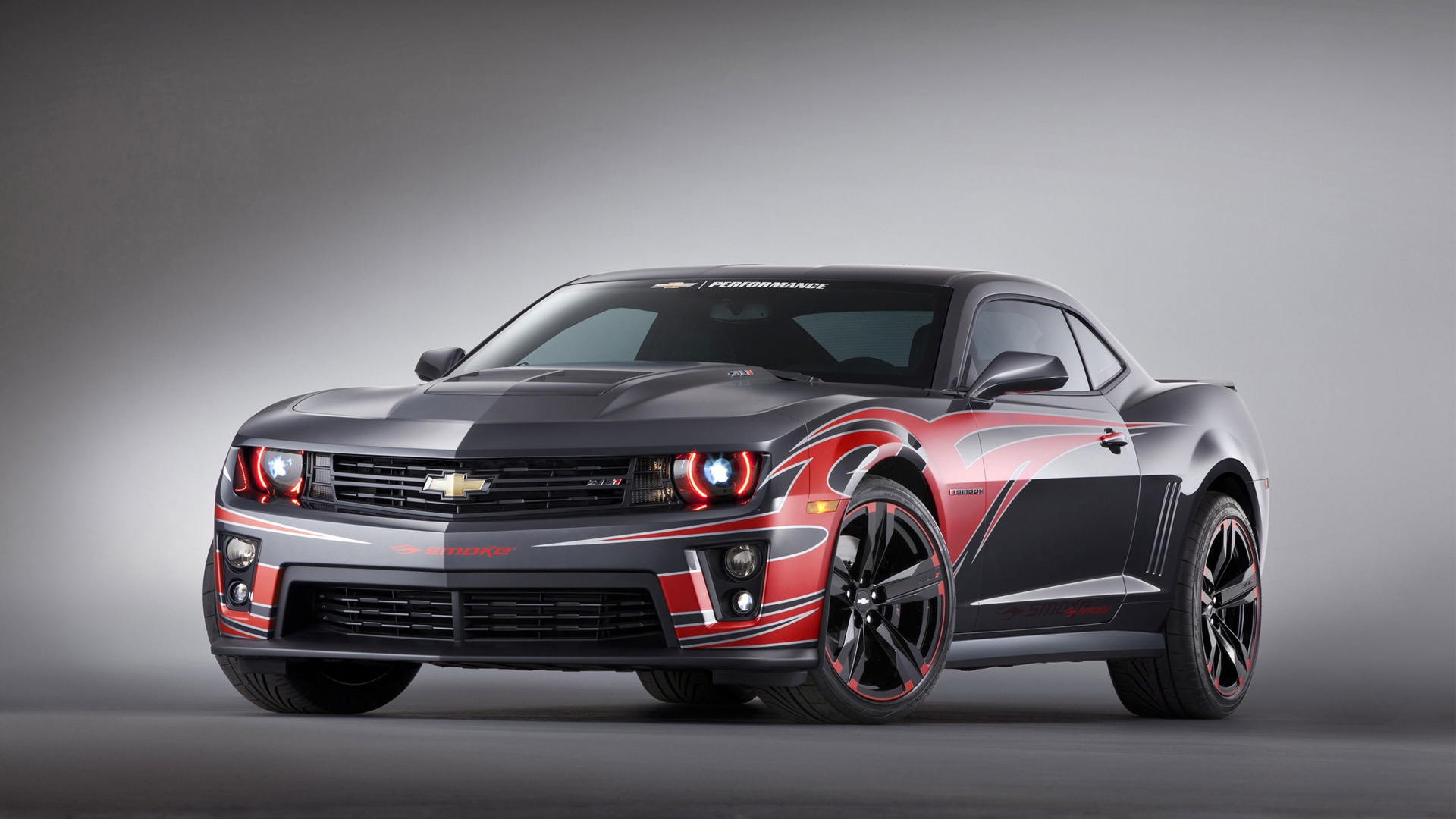
Inside, the Camaro offered a simple but driver-focused cabin. The dashboard featured clear gauges and a sporty steering wheel. Bucket seats were common, adding to the performance feel while still keeping comfort for daily driving.
Today, first-generation Camaros remain highly desirable. While rare performance versions are expensive, base models can still be found under $20,000. Cars needing light restoration are often the most affordable options available.
Parts availability is strong because many Camaros were produced. Reproduction body panels, trim pieces, and engine parts are easy to find. This helps keep maintenance and restoration costs more manageable for owners.
Driving a classic Camaro feels powerful and mechanical. The steering is heavier than modern cars, and the ride is firm. However, the sound of a V8 engine and rear-wheel drive excitement make it very enjoyable.
The Camaro also has a large enthusiast community. Owners share advice, restoration tips, and performance upgrades. This support network makes ownership easier, especially for first-time classic car buyers.
3) Chevrolet Corvette
The C3 Corvette is one of the most recognizable American sports cars ever built. Introduced in 1968, it featured dramatic curves and a long hood. Its bold design helped it stand out during the golden era of muscle cars.
The styling of the C3 Corvette was inspired by concept cars of the 1960s. It had sharp fenders, hidden headlights, and a low stance. The fiberglass body kept weight lower and gave it a unique appearance.
Engine options varied throughout its long production run. Early models offered powerful V8 engines with strong horsepower. Later models from the mid and late 1970s had less power but remain more affordable today.
For buyers with a $20,000 budget, later 1970s models are usually the best option. These cars still offer classic Corvette styling and V8 sound, but prices are much lower than rare early high-performance versions.
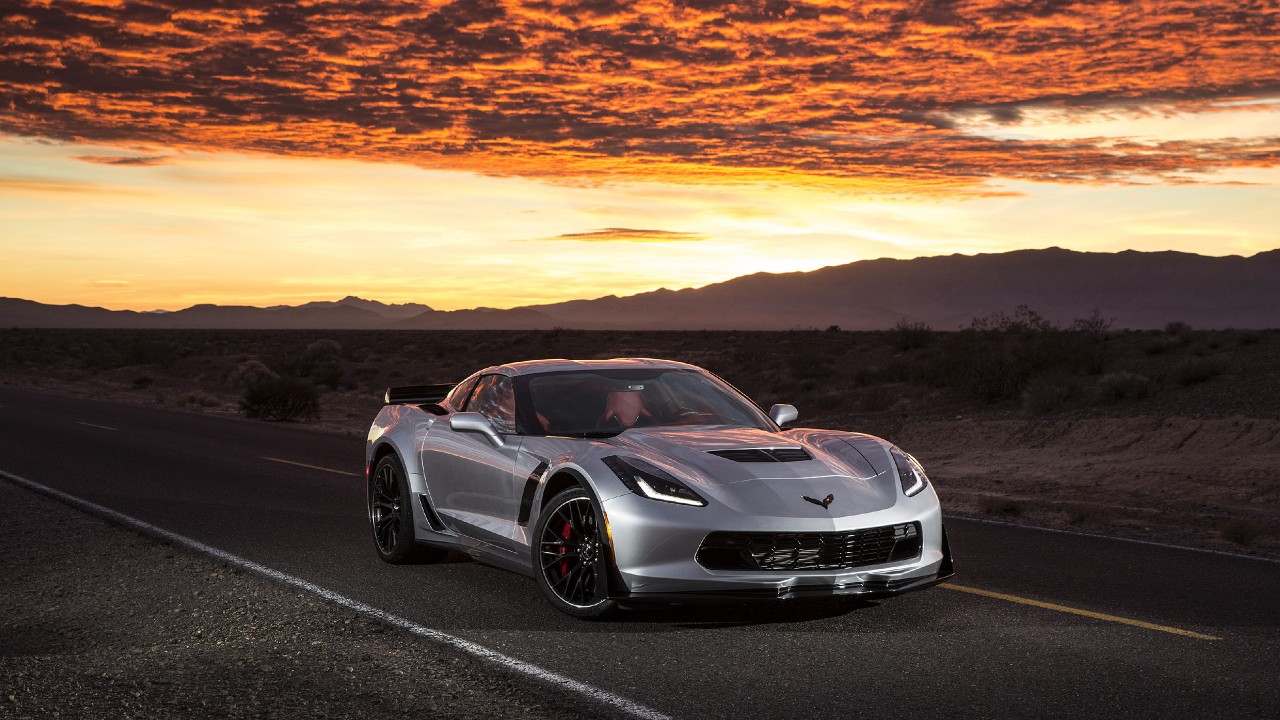
Inside, the C3 Corvette featured a driver-focused cockpit design. The dashboard wrapped around the driver, creating a sporty feeling. Bucket seats and clear gauges made it feel like a true American sports car.
Driving a C3 Corvette feels different from modern sports cars. The steering is heavier, and the ride can be firm. However, the rumble of the V8 engine and rear-wheel drive layout create an exciting experience.
Maintenance is manageable because parts are widely available. Many mechanical components are shared with other Chevrolet models of the time. Fiberglass body repairs may require special care but are not impossible.
One advantage of the C3 is its strong enthusiast community. Owners clubs and online forums provide helpful advice for repairs and restoration. This support makes ownership easier, especially for beginners.
Fuel economy is not a strong point, but that is expected in a classic V8 sports car. Most owners drive them for enjoyment rather than daily commuting, which keeps maintenance stress lower.
4) Pontiac Firebird
The second-generation Firebird is one of the most stylish American muscle cars of the 1970s. Introduced in 1970, it featured a longer, lower body design. Its bold appearance made it instantly recognizable on American roads.
The Firebird shared its platform with the Chevrolet Camaro. This helped keep production costs lower and made parts easier to find. Despite sharing components, the Firebird had its own unique styling and personality.
Its front end design was especially dramatic. Many models featured split grilles and aggressive headlights. Later versions became famous for large hood decals and sporty details that gave the car a strong road presence.
Engine options ranged from inline-six engines to powerful V8 choices. Early 1970s V8 models delivered strong horsepower. Later versions had less power due to stricter emissions rules but still offered classic V8 sound.
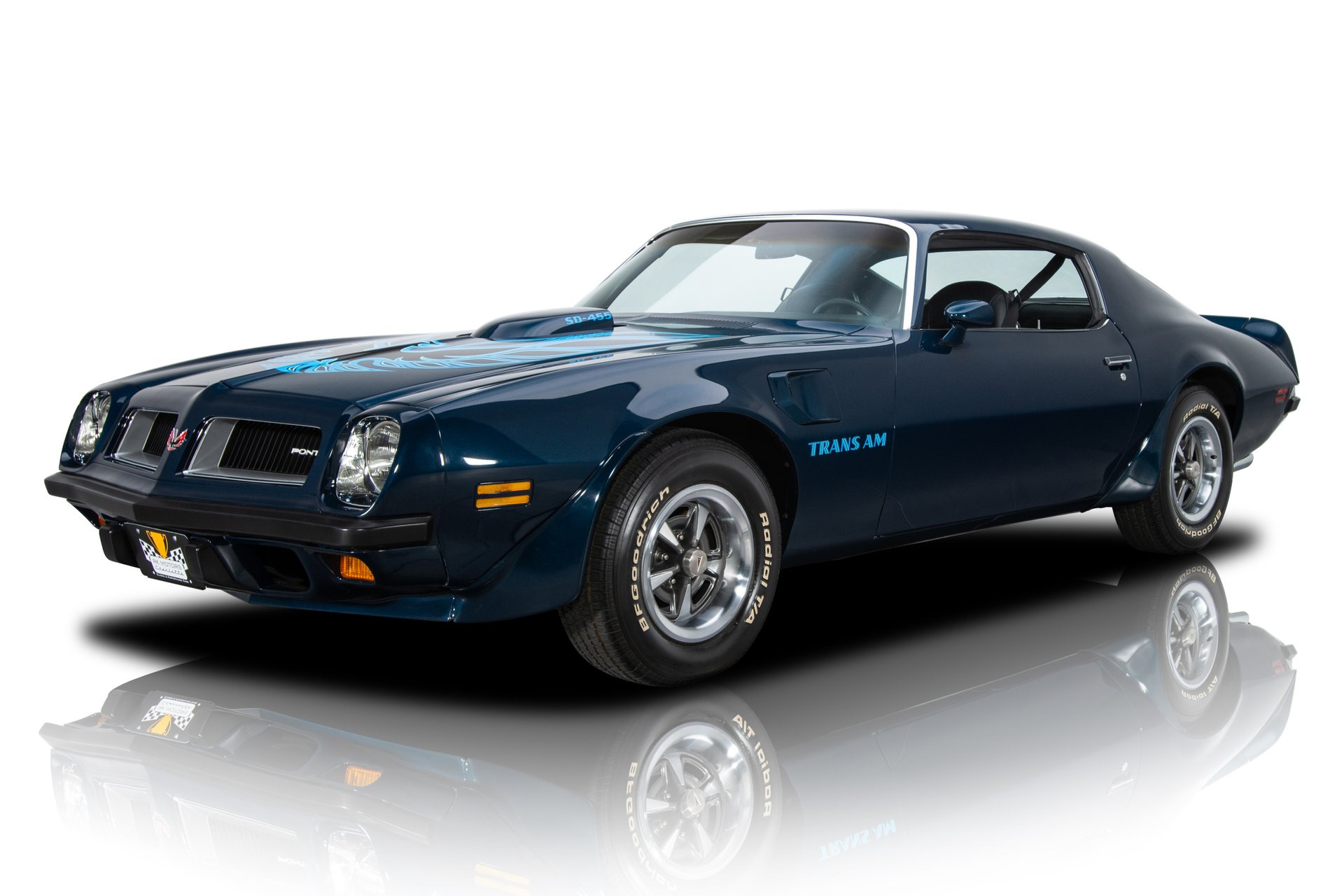
For buyers on a $20,000 budget, base Firebird models are usually more affordable. High-performance Trans Am versions can cost more, but standard trims still provide classic looks and enjoyable driving experience.
Inside, the Firebird offered a driver-focused cockpit. The dashboard wrapped slightly around the driver, creating a sporty feel. Bucket seats and clear gauges made it comfortable while still maintaining muscle car character.
Driving a second-generation Firebird feels smooth and solid. The suspension is tuned more for cruising than sharp cornering. It performs best as a comfortable highway cruiser with strong straight-line performance.
Maintenance is manageable because many mechanical parts are shared with the Camaro. Replacement parts, body panels, and trim pieces are widely available through classic car suppliers across the United States.
The Firebird also benefits from a large and passionate fan base. Owners clubs and restoration communities provide support, advice, and access to rare components when needed for proper restoration work.
5) Dodge Dart
The Dodge Dart is one of the most affordable classic American cars from the 1960s. It may not be as famous as larger muscle cars, but it offers strong performance and simple design at a lower price.
The Dart was built as a compact car, which helped keep costs down. Its smaller size made it lighter than many other muscle cars. This lighter weight improved performance, especially when paired with stronger engines.
Base models often came with reliable inline-six engines. These engines were simple, durable, and easy to maintain. Buyers who wanted more power could choose small-block V8 engines for better acceleration and stronger performance.
The 1968 to 1970 models are especially popular today. They feature clean body lines and a classic late-1960s muscle car look. Sportier trims like the Swinger added stripes and small styling upgrades.
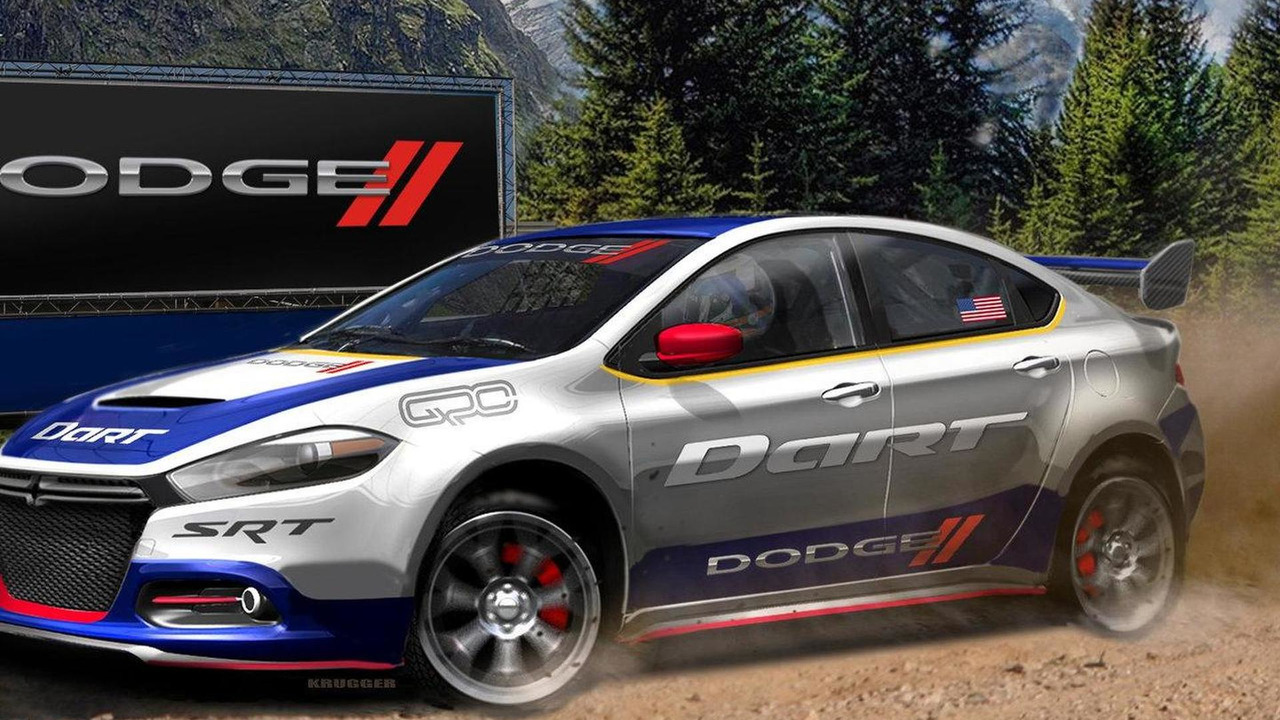
Inside, the Dodge Dart offered a simple and practical cabin. The dashboard layout was easy to understand, and the seats were comfortable for daily driving. It was not overly fancy, but it was functional.
One major advantage of the Dart is affordability. Many good-condition examples can still be found under $20,000. Even V8 models are often cheaper than similar Mustangs or Camaros from the same era.
Maintenance is usually straightforward because of the car’s simple design. Mechanical parts are widely available, and many components are shared with other Dodge and Plymouth models from that time period.
Driving a Dodge Dart feels raw and mechanical compared to modern cars. The steering is heavier, and there are fewer comfort features. However, this classic feel is exactly what many enthusiasts enjoy most.
The Dart also has strong modification potential. Owners often upgrade engines, suspension, and brakes to improve performance. Its lighter body makes it a great platform for affordable performance builds.
6) Chevrolet Nova
The Chevrolet Nova is a simple and strong classic American car from the late 1960s and early 1970s. It may not look as flashy as some muscle cars, but it offers solid performance and lasting popularity.
The 1968 to 1972 models are especially desirable today. They feature clean body lines, a compact shape, and a tough stance. The design is simple but still very attractive for classic car lovers.
Engine options ranged from small inline-six engines to powerful V8 choices. The V8 versions are the most exciting to drive. Even base engines provide smooth performance and dependable daily driving capability.
One reason the Nova remains affordable is its simple construction. It was built as a compact car, so it is lighter than many full-size muscle cars. This lighter weight improves acceleration and handling.
Inside, the Nova has a basic but comfortable cabin. The dashboard layout is clear and easy to understand. Bucket seats and simple controls give it a classic and honest driving feel.
Many good-condition Novas can still be found under $20,000. High-performance SS versions may cost more, but standard trims are still reasonably priced for buyers entering the classic car world.
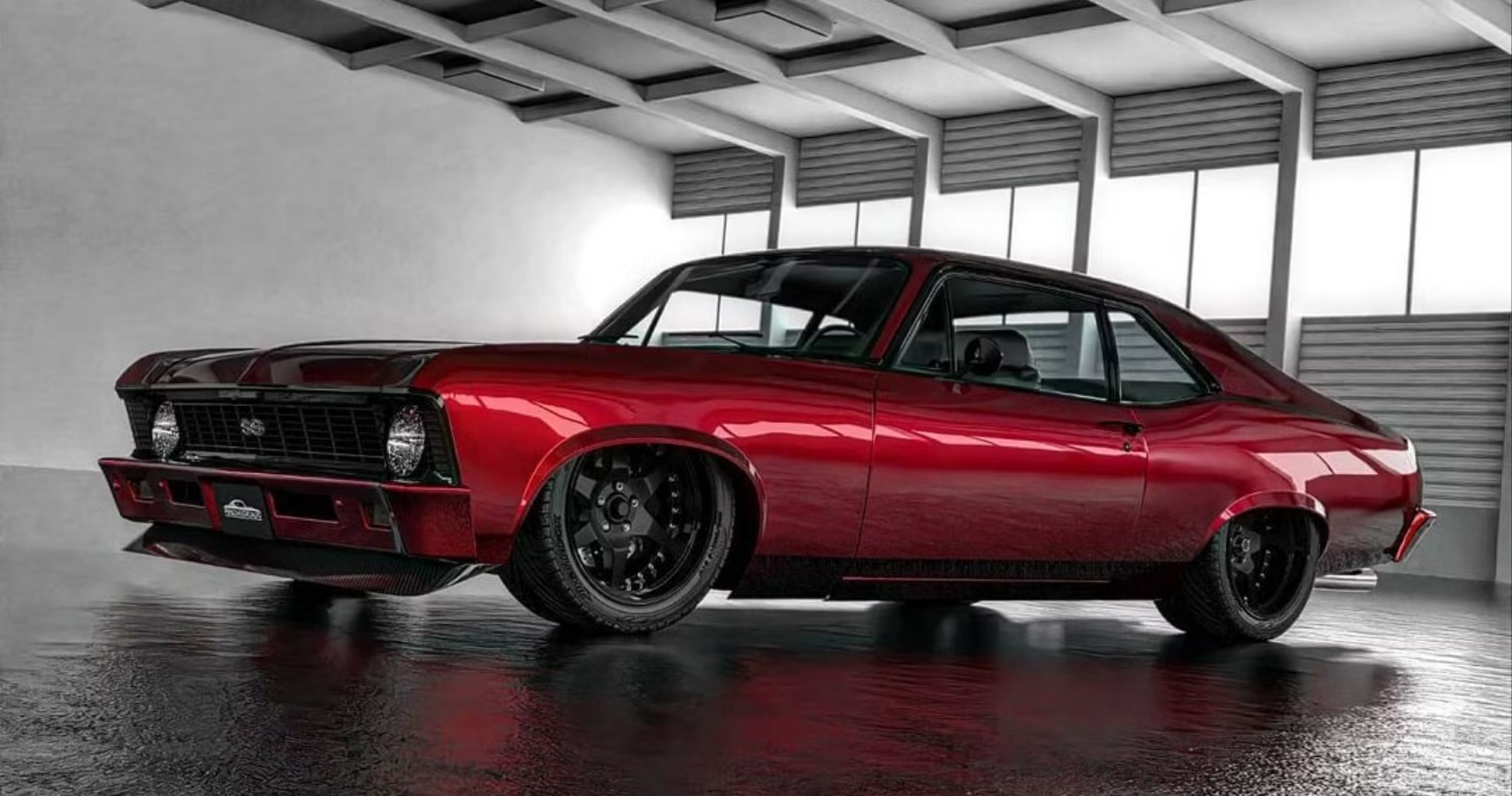
Parts availability is excellent because the Nova shares many components with other Chevrolet models. Replacement panels, engine parts, and interior pieces are widely available from classic car suppliers.
Driving a Nova feels raw and mechanical compared to modern cars. Steering is heavier, and safety features are limited. However, the V8 sound and rear-wheel-drive layout make it enjoyable and exciting.
The Nova is also popular for modifications. Many owners upgrade engines, brakes, and suspension systems. Its strong frame and simple layout make it a great base for performance improvements.
7) Ford Thunderbird
The Ford Thunderbird from the 1960s is a stylish American classic that focuses more on comfort than pure speed. It was designed as a personal luxury car, offering smooth performance and elegant design.
Unlike smaller muscle cars, the Thunderbird is larger and heavier. Its long body and wide stance give it a strong road presence. Chrome details and sharp lines make it look classy and impressive.
Most 1960s Thunderbirds came with powerful V8 engines. These engines delivered smooth acceleration and quiet cruising ability. While not built for racing, they provide enough power for relaxed highway driving.
Inside, the Thunderbird offered a very comfortable cabin. Many models included wide seats, stylish dashboards, and advanced features for the time. Some versions even had swing-away steering wheels for easier entry.
The focus of the Thunderbird was luxury and smooth driving. The suspension is tuned for comfort rather than sharp cornering. It feels stable on highways and is perfect for relaxed weekend drives.
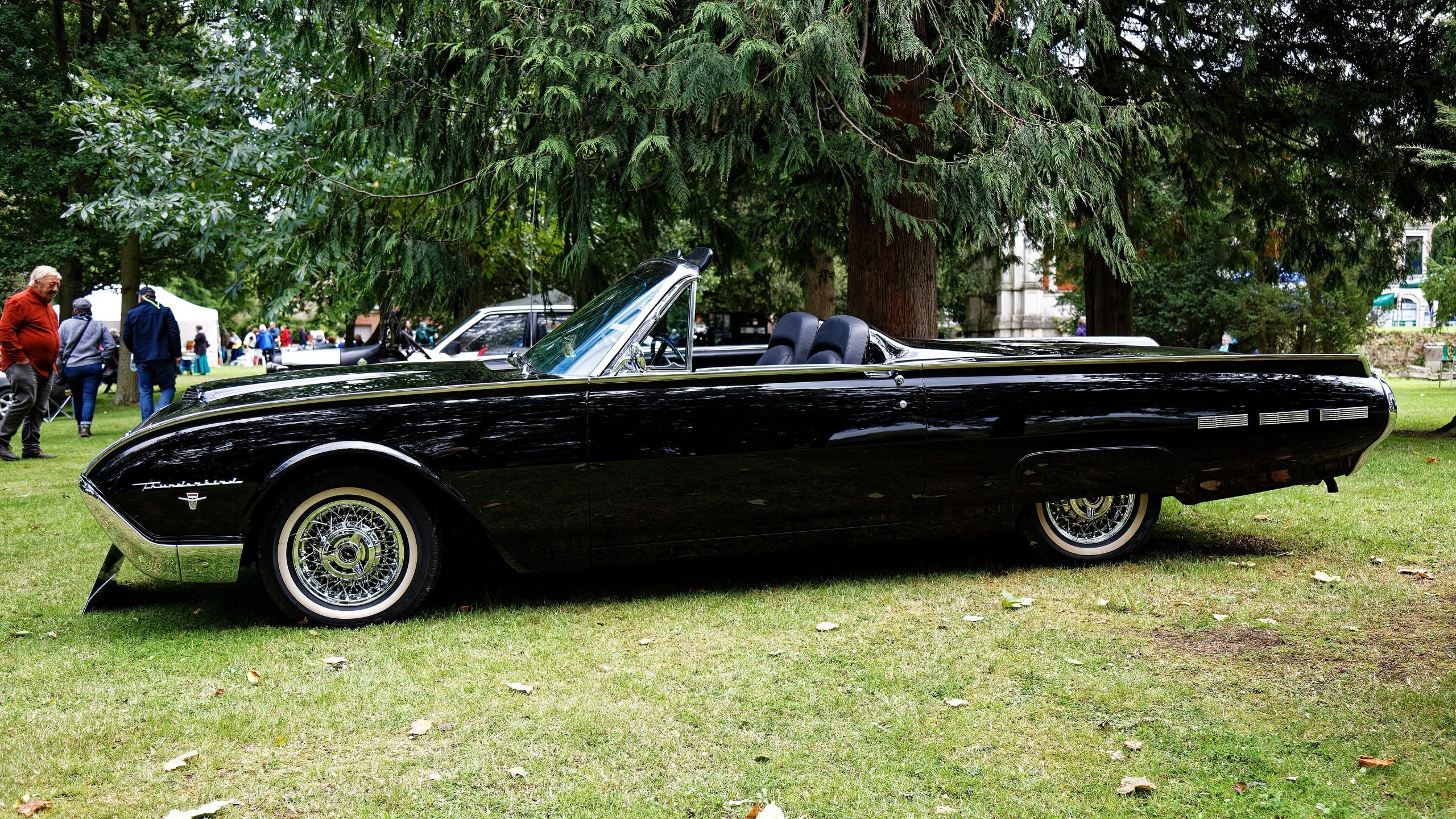
One big advantage today is affordability. Compared to Mustangs and Camaros from the same era, Thunderbirds are often less expensive. Many good-condition models can still be found under $20,000.
Maintenance is manageable because many mechanical parts are shared with other Ford vehicles. Replacement parts are widely available through classic car suppliers and restoration specialists across the country.
Fuel economy is not its strongest feature, but most classic car owners do not use it daily. The smooth V8 sound and comfortable ride make up for higher fuel consumption.
The Thunderbird also stands out at car shows because it is less common than other muscle cars. Its unique luxury styling makes it special among classic American vehicles.
8) Oldsmobile Cutlass
The Oldsmobile Cutlass was one of the best-selling American cars of the 1970s. It combined muscle car style with everyday comfort. Because so many were produced, it remains one of the most affordable classics today.
The Cutlass featured clean body lines and a balanced design. It was not overly aggressive, but it still looked strong and confident. Chrome trim and wide grilles gave it a classic American appearance.
Engine options included reliable V6 and V8 choices. Early 1970s V8 models offered stronger performance, while later versions focused more on smooth driving and fuel efficiency due to changing regulations.
The Cutlass Supreme trim became especially popular. It added extra comfort features and stylish details. Vinyl roofs, upgraded interiors, and special badges made it feel more premium without being too expensive.
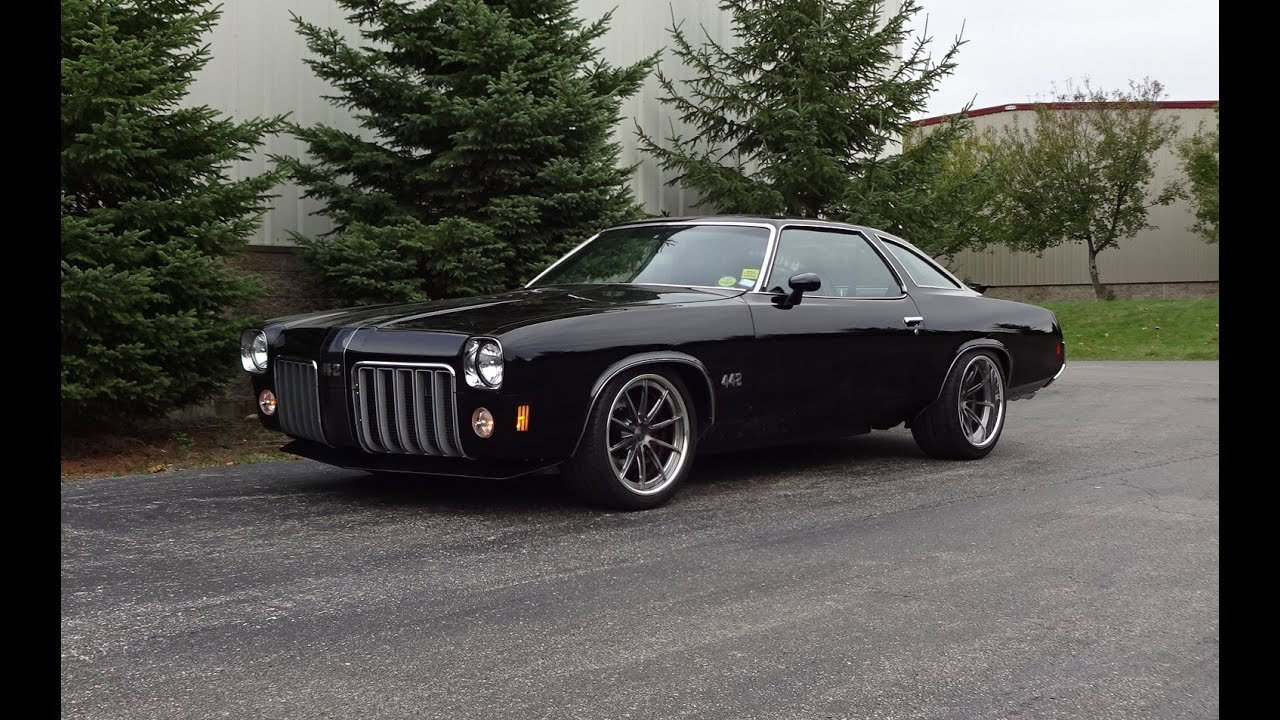
Inside, the Cutlass offered a spacious and comfortable cabin. Bench seats were common, making it practical for families. The dashboard layout was simple, clear, and easy to use for daily driving.
One major benefit today is affordability. Because production numbers were high, prices remain lower than many other classic muscle cars. Clean examples can often be found under $20,000.
Maintenance is generally straightforward. Many mechanical parts are shared with other General Motors vehicles from the same era. This makes finding replacement components easier and more affordable for owners.
Driving a Cutlass feels smooth and relaxed. The suspension is tuned for comfort rather than sharp performance. It performs best as a comfortable cruiser for highways and weekend trips.
The Cutlass is also popular for light customization. Owners often upgrade wheels, exhaust systems, or suspension parts to improve appearance and driving feel without large investments.
9) Chevrolet El Camino
The Chevrolet El Camino is one of the most unique classic American vehicles ever built. It combines the front of a car with the bed of a pickup truck. This unusual design makes it both stylish and practical.
The El Camino shares many parts with Chevrolet muscle cars like the Chevelle. Because of this, it offers similar engine options and performance. At the same time, it provides useful cargo space in the back.
Engine choices ranged from simple inline-six engines to powerful V8 options. V8 models are especially popular because they deliver strong acceleration and the deep exhaust sound that muscle car fans love.
The 1970s models are generally the most affordable today. While rare high-performance SS versions cost more, standard trims can still be found under $20,000 in good driving condition.
Inside, the El Camino feels similar to other Chevrolet cars of the era. It offers a simple dashboard layout, comfortable seating, and clear gauges. The cabin is practical and easy to maintain.
One of the biggest advantages of the El Camino is versatility. Owners can use the rear bed to carry tools, equipment, or even motorcycles. This makes it more useful than many other classic cars.
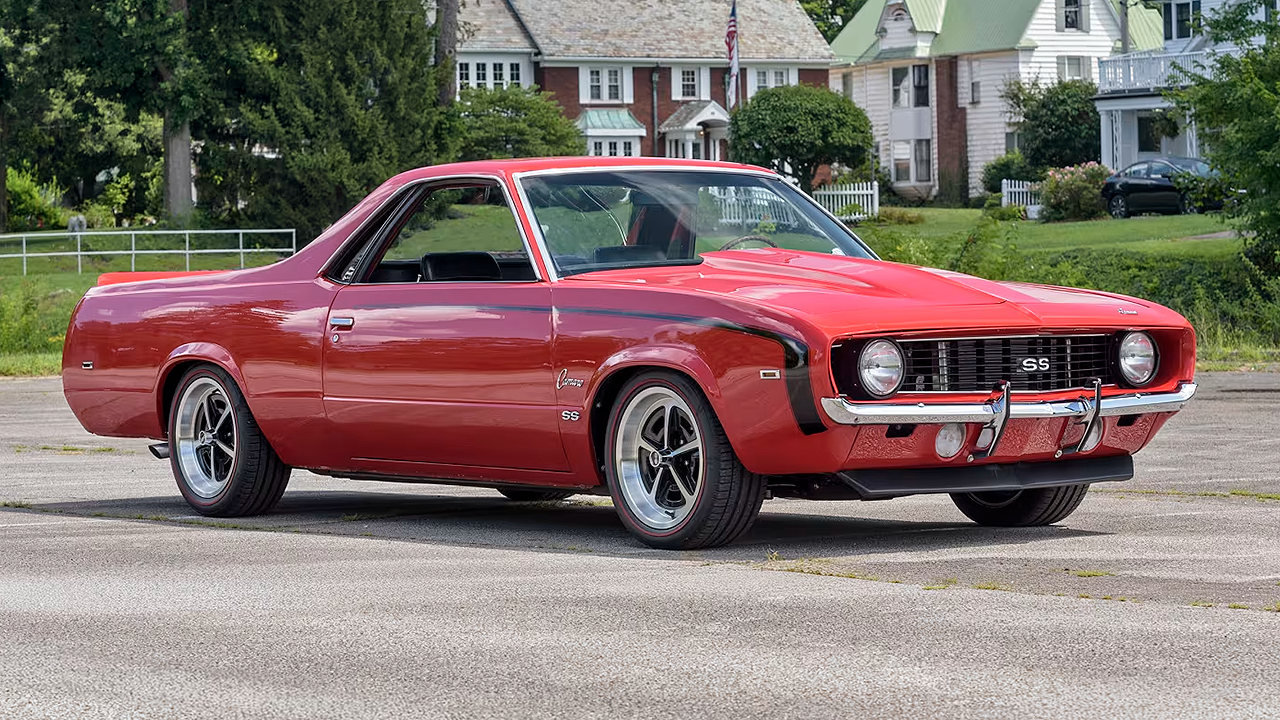
Maintenance is usually manageable because many mechanical components are shared with other Chevrolet vehicles. Replacement parts are widely available, which helps keep repair costs reasonable for owners.
Driving an El Camino feels solid and powerful, especially with a V8 engine. It may not handle like a small sports car, but it offers strong straight-line performance and smooth cruising ability.
The El Camino also stands out at car shows because of its unique design. It attracts attention from both muscle car fans and truck enthusiasts who appreciate its unusual style.
10) Mercury Cougar
The Mercury Cougar from 1967 to 1970 is a stylish and slightly more luxurious alternative to the Mustang. It shares many mechanical parts with the Mustang but offers a more refined design and smoother appearance.
One of the most famous features of the Cougar is its hidden headlights. The front grille looks clean and elegant when the lights are closed. This design detail makes the Cougar stand out from other muscle cars.
The Cougar was built to feel more premium than the Mustang. It had extra chrome trim, better interior materials, and more sound insulation. This made it attractive to buyers who wanted both performance and comfort.
Engine options included reliable inline-six engines and strong V8 choices. Many buyers preferred the V8 models because they delivered better acceleration and a classic American muscle car sound.
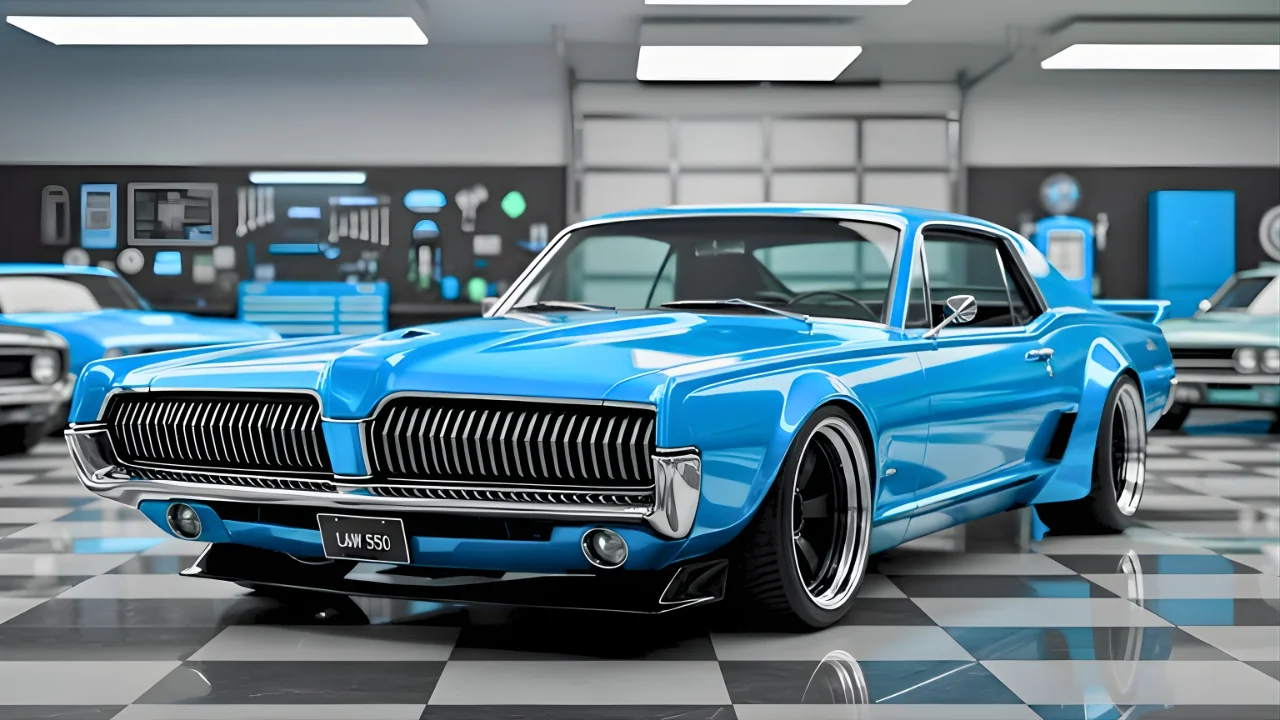
The XR-7 trim level became especially popular. It added woodgrain interior trim, upgraded gauges, and extra features. Even with these improvements, many standard models remain affordable today.
For buyers with a $20,000 budget, base Cougars are usually within reach. High-performance versions cost more, but clean and well-maintained examples of regular trims are still reasonably priced.
Maintenance is manageable because of shared parts with the Mustang. Replacement components are widely available, making restoration and repairs easier for classic car enthusiasts and first-time owners.
Driving a late-1960s Cougar feels balanced and smooth. It offers strong straight-line performance and comfortable cruising. The ride quality is slightly more refined than some other muscle cars.
The Cougar also has a loyal fan community. Owners clubs and online forums provide advice, parts sources, and restoration guidance. This support helps make ownership less stressful for beginners.