Choosing the right vehicle is crucial for older drivers, especially when it comes to visibility, ease of entry, and comfort. The 10 cars highlighted in this guide excel in providing large windows, high seating positions, and thoughtfully designed interiors that reduce blind spots and make driving less physically demanding.
Models like the Subaru Forester and Honda CR-V combine elevated sightlines with practical ergonomics, while vehicles such as the Toyota RAV4, Kia Soul, and Subaru Outback enhance safety through advanced driver-assistance systems and intuitive controls.
These features allow seniors to monitor traffic, pedestrians, and obstacles with minimal neck or body strain. From hybrid sedans like the Toyota Camry Hybrid to versatile SUVs like the Hyundai Santa Fe and Nissan Rogue, each vehicle on this list balances visibility, technology, and comfort. By prioritizing clear sightlines and accessible design, these cars empower older drivers with confidence and peace of mind behind the wheel.
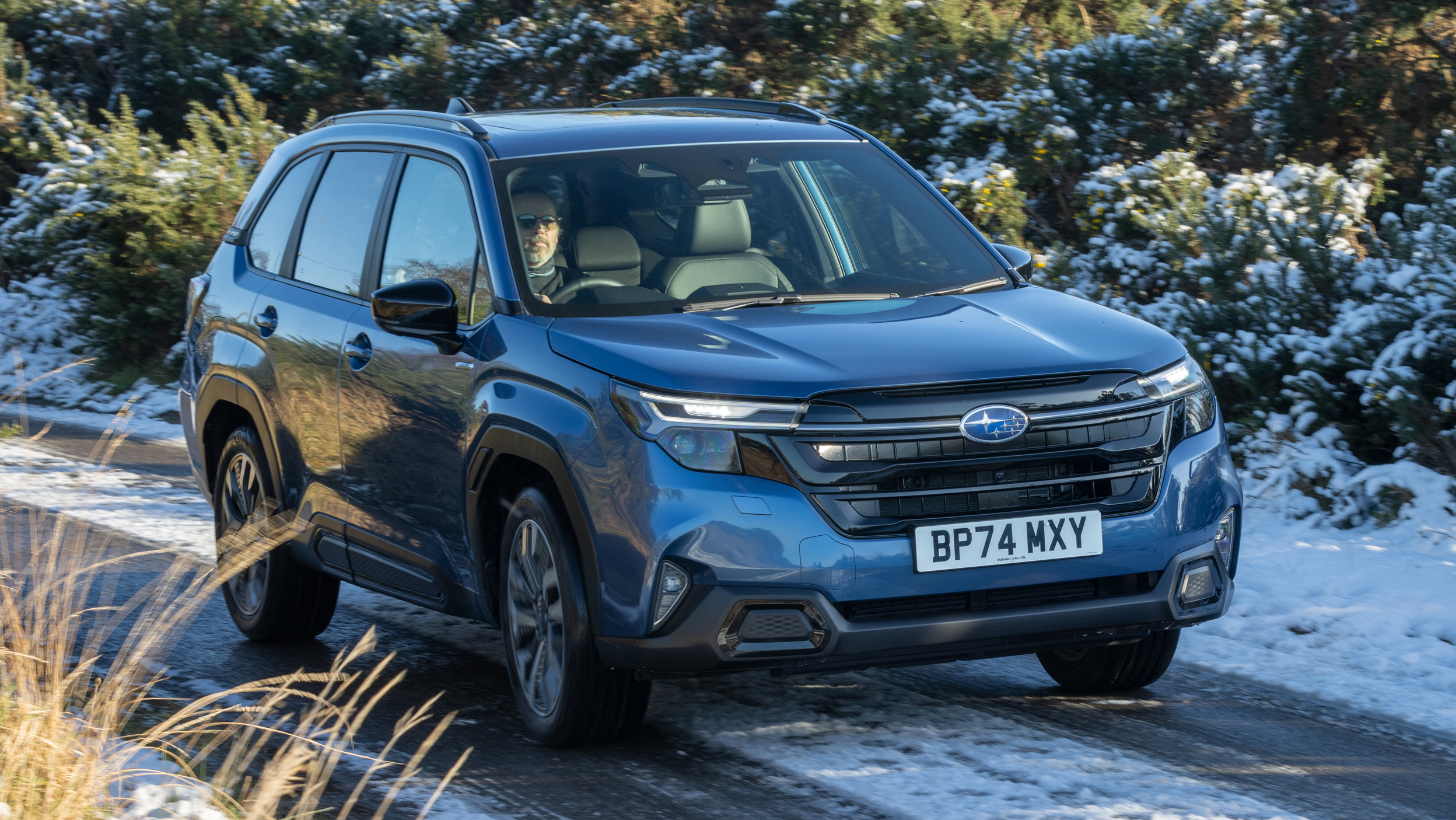
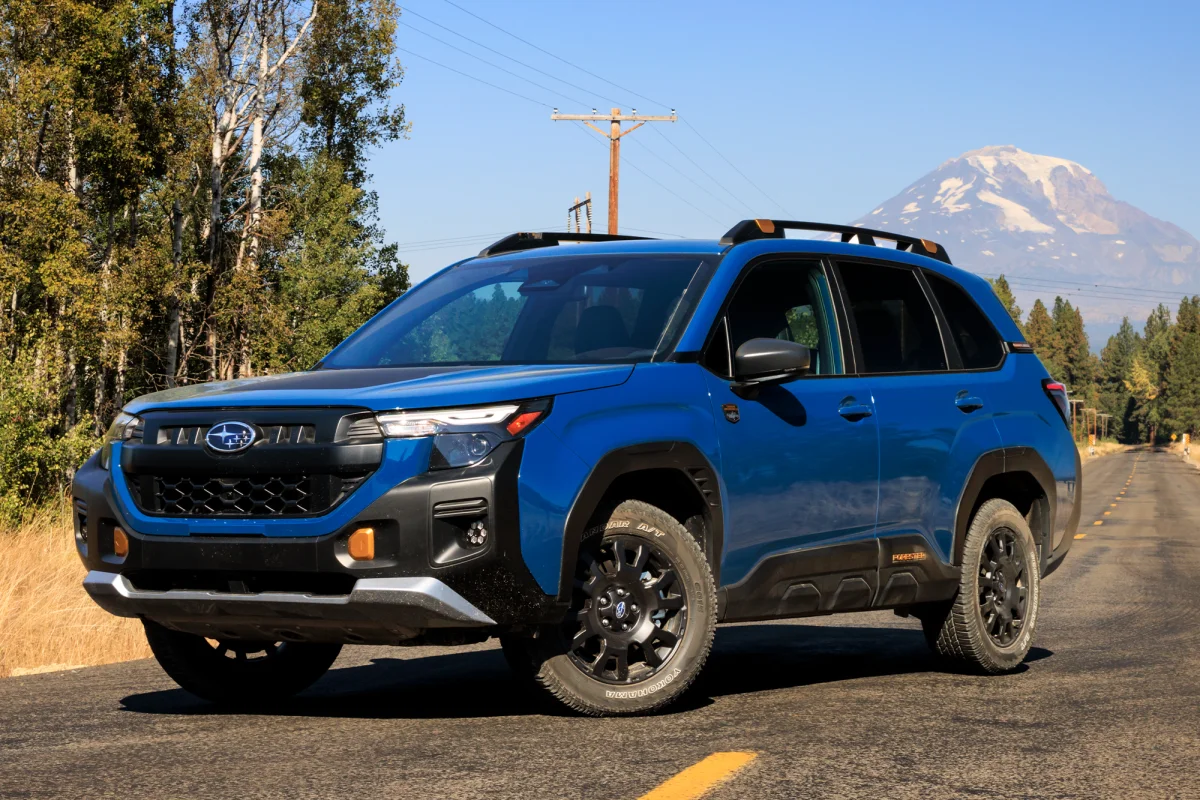
1. Subaru Forester: Clear Sightlines and Senior-Friendly Practicality
The 2026 Subaru Forester is widely praised for its exceptional outward visibility, often compared to sitting inside a glass enclosure. Its upright shape, tall roof, and expansive windows create a bright cabin with impressive 360-degree sightlines.
Exceptionally thin A pillars and low window sills reduce traditional blind spots, making it easier to check surroundings without excessive head movement. For 2026, Subaru lowered the rear window trim height by 40 mm to further improve rear visibility, strengthening the Forester’s reputation as a leader in driver awareness.
This design is particularly beneficial for older drivers. The elevated seating position provides a commanding view of the road, helping drivers spot pedestrians, cyclists, and traffic with confidence. The sloping hood allows even shorter drivers to better judge the vehicle’s front edges.
Wide door openings and a comfortable step-in height simplify entry and exit, which is helpful for those with limited mobility. Standard Subaru EyeSight driver assistance technology adds reassurance with features such as automated emergency braking, adaptive cruise control, and lane keeping assist, reducing strain during daily driving.
Under the hood, the Forester uses a 2.5-liter flat four engine producing 180 horsepower and 178 pound-feet of torque. It is paired with a continuously variable transmission and standard All Wheel Drive. Acceleration is adequate for daily use, reaching 60 mph in a little over eight seconds.
The suspension is tuned for comfort, delivering a compliant ride that absorbs bumps effectively. Steering feedback is modest, and the Forester is not intended for sporty driving, but it feels stable and predictable. The Wilderness trim increases off-road capability and raises towing capacity to 3,500 pounds, while other trims can tow 1,500 pounds.
Fuel economy is competitive, with most trims rated at 26 mpg city and 33 mpg highway. Inside, the cabin offers generous passenger space and up to 75 cubic feet of cargo capacity with the rear seats folded. A large touchscreen with wireless smartphone connectivity and straightforward physical controls completes a practical, confidence-building compact SUV.
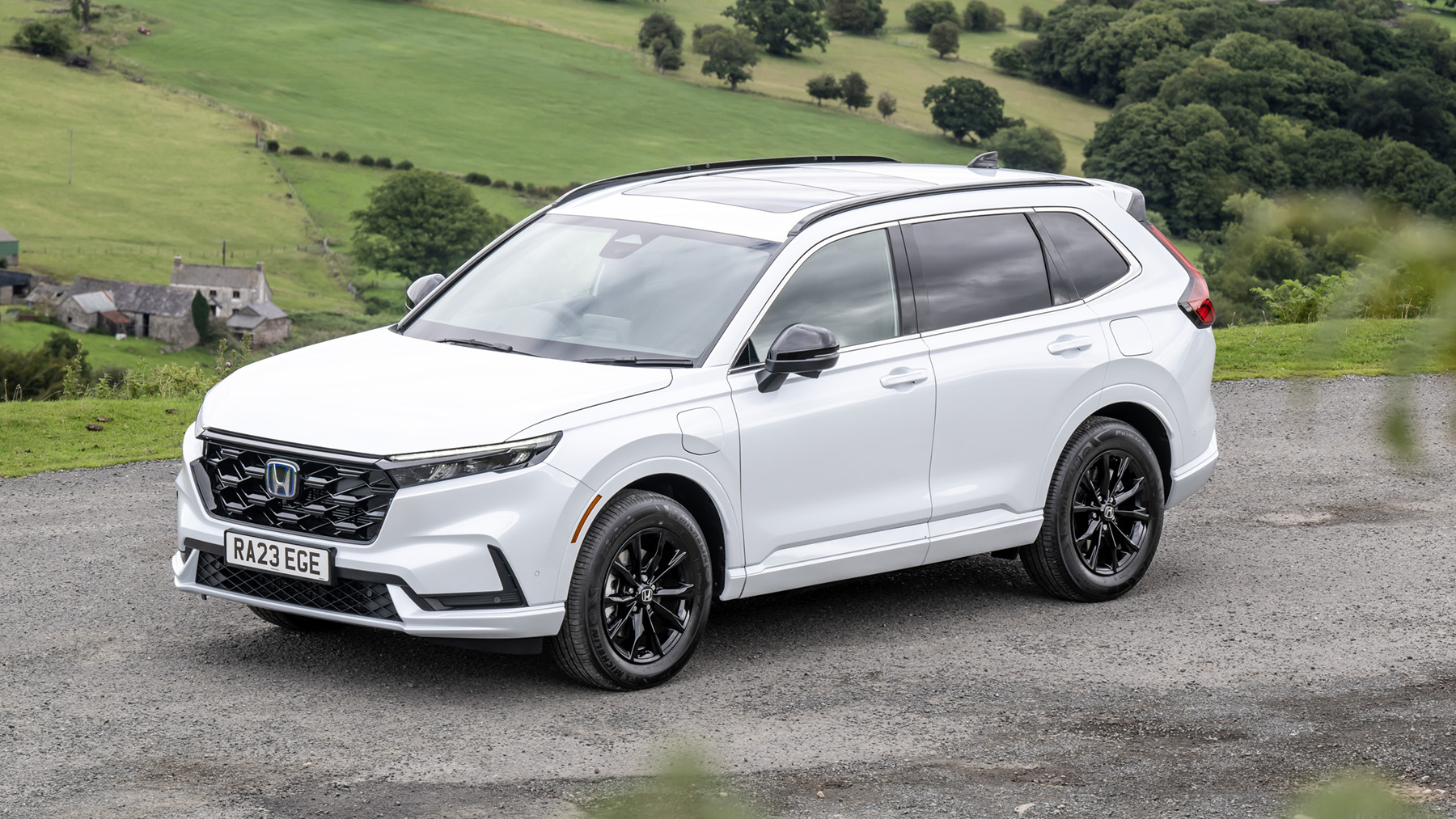
2. Honda CR-V: Clear Visibility, Comfort, and Everyday Confidence
The 2026 Honda CR-V is designed with clarity, comfort, and ease of use at the forefront. Its clean, uncluttered cabin layout naturally directs the driver’s attention toward the road. A large windshield, thin A pillars, and low-mounted side mirrors create wide front quarter visibility and reduce blind spots.
The low-set dashboard provides a clear view over the hood, helping drivers better judge distances in traffic and parking situations. For 2026, Honda standardized a larger 9.0-inch touchscreen to improve readability and reduce eye strain. Although the rear pillars are slightly thicker for structural strength, a standard multi-angle rearview camera and available parking sensors help compensate when maneuvering.
The CR-V’s expansive glass area gives what many describe as an IMAX-like view of the road. Large side windows and carefully positioned mirrors allow drivers to check their surroundings with minimal neck movement. Its ride height strikes a thoughtful balance.
The seating position is high enough to provide a commanding view over smaller vehicles, yet low enough to avoid feeling like a climb when getting in or out. Wide-opening doors and a chair-like seat height further simplify entry and exit, which is particularly helpful for older drivers or anyone with mobility concerns.
Power comes from a 190-horsepower turbocharged 1.5-liter four-cylinder engine paired with a continuously variable transmission. Buyers can choose Front Wheel Drive or All Wheel Drive.
Acceleration to 60 mph takes about 8.1 seconds in nonhybrid models. While not sporty, the CR-V delivers a smooth ride and steady road manners suited to daily driving. Hill descent control and updated traction management software enhance stability in slippery conditions. Towing capacity reaches 1,500 pounds when properly equipped.
Fuel economy remains competitive, with Front Wheel Drive models rated at 28 mpg city and 33 mpg highway. Inside, the cabin features a honeycomb-textured dash design, supportive front seats aimed at reducing fatigue, and generous rear legroom. Cargo space measures 39 cubic feet behind the second row, surpassing rivals such as the Toyota RAV4.
Standard Honda Sensing safety technology includes forward collision warning, automated emergency braking, lane keeping assist, and adaptive cruise control. With its strong visibility, practical space, and user-friendly technology, the 2026 CR-V remains a confident and versatile compact SUV choice.
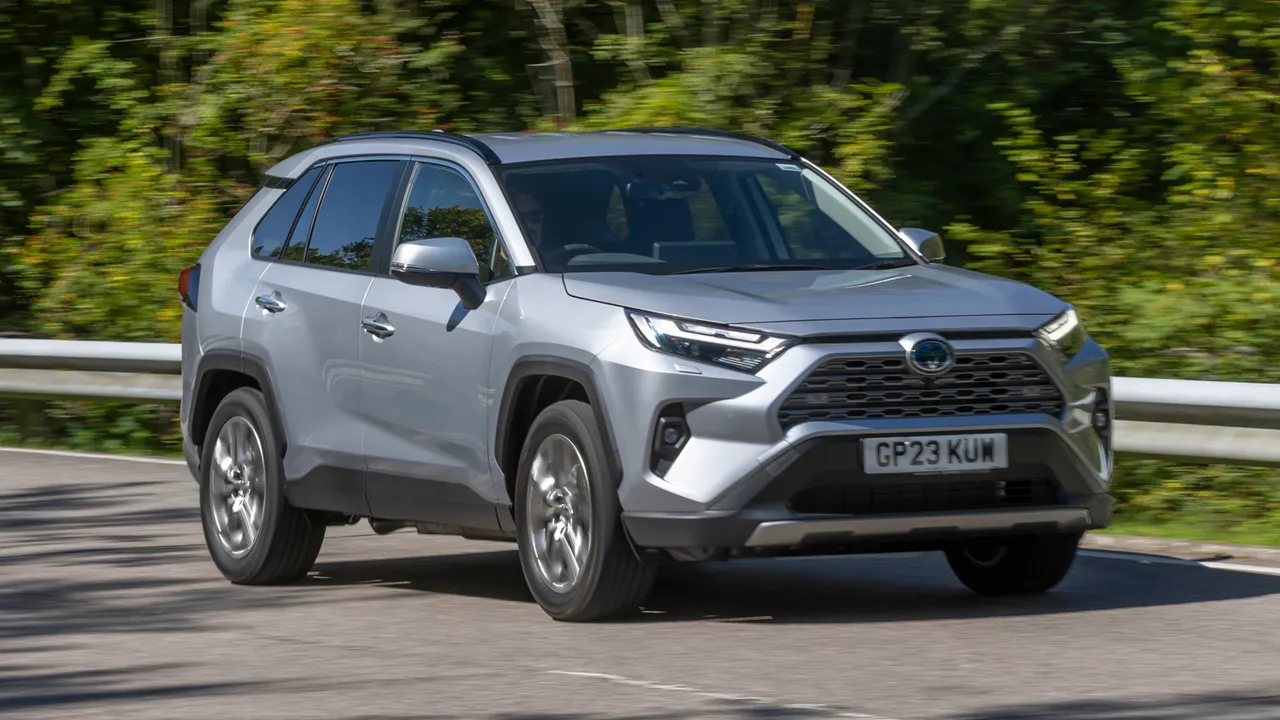
3. Toyota RAV4: Redesigned for Visibility, Comfort, and Hybrid Power
Completely redesigned for 2026, the Toyota RAV4 places a strong emphasis on visibility and driver confidence. A more horizontal instrument panel lowers the front cowl, significantly improving forward sightlines.
Engineers also incorporated a low beltline and large glass areas so drivers can better see the road surface, even in tight parking situations. Thin pillars and deep side windows reduce blind spots and limit the need for excessive head movement, which is particularly helpful for older drivers.
Higher trims introduce a Digital Rearview Mirror that uses a rear-mounted camera to project a wide, unobstructed view behind the vehicle. This feature maintains rear visibility even if passengers or cargo block the back window.
The RAV4’s boxy shape and square corners make it easier to judge distances when maneuvering. Standard rearview cameras and parking sensors support, rather than replace, the vehicle’s strong natural sightlines.
The seating position strikes a practical balance. Drivers sit high enough to see over smaller vehicles, yet entry and exit remain easy thanks to upright door openings and a manageable step-in height. Inside, the cabin features large, rubberized controls that are simple to operate, an advantage for drivers with arthritis or reduced dexterity. A high-mounted infotainment screen and clear layout further enhance usability.
The 2026 RAV4 is offered primarily with electrified powertrains. The RAV4 Hybrid pairs a 2.5 liter four cylinder engine with two electric motors for 226 horsepower in Front Wheel Drive form. Adding All Wheel Drive introduces a third rear motor and increases output to 236 horsepower.
The RAV4 Plug In Hybrid delivers a robust 320 horsepower and standard All Wheel Drive, with an estimated 0 to 60 mph time of about 5.2 seconds. In testing, the All Wheel Drive hybrid reached 60 mph in 7.1 seconds. Fuel economy estimates reach as high as 44 mpg in the most efficient hybrid configuration, and plug-in models offer up to 52 miles of electric driving range.
Cargo capacity is generous, fitting 10 carry-on suitcases behind the rear seats and 24 with them folded. Standard Toyota Safety Sense 2.5 includes automated emergency braking, lane keeping assist, and adaptive cruise control. With improved visibility, practical ergonomics, and efficient hybrid options, the 2026 RAV4 delivers a secure and user-friendly compact SUV experience.
4. Kia Soul: Boxy Design, Big Visibility, Everyday Ease
The 2026 Kia Soul stands out for one defining trait: its iconic boxy shape. While many competitors adopt sloping rooflines, the Soul keeps its roof high and flat all the way to the rear, resulting in tall side and back windows that dramatically improve outward visibility. This upright design creates a greenhouse effect with minimal blind spots and excellent 360-degree sightlines.
Thin pillars, a tall windshield, and a nearly vertical rear window make it easy to judge distance and position, especially in tight parking situations. Its compact size and squared-off rear also make parallel parking simple, even without relying entirely on cameras.
For 2026, Kia enhanced its Blind Spot View Monitor, which displays a live video feed of adjacent lanes directly in the digital gauge cluster when the turn signal is activated. Large side mirrors and a standard rearview camera further support drivers who may have limited neck mobility. These features make the Soul particularly appealing to older drivers seeking confidence and clarity behind the wheel.
The seating position adds to its accessibility. The chair height design sits between a low sedan and a tall SUV, allowing drivers to step in comfortably without bending down or climbing up. The upright posture provides a commanding view of traffic while maintaining easy entry and exit. Combined with a tight turning radius, the Soul feels practical and manageable in urban settings.
Power comes from a 147 horsepower 2.0 liter four cylinder engine paired with a continuously variable automatic transmission and Front Wheel Drive. While not designed for spirited driving, the Soul delivers a comfortable ride and adequate acceleration for daily use, reaching 60 mph in about 8.0 seconds. Around town, it feels responsive and easygoing.
Fuel economy is respectable, with EPA ratings as high as 35 mpg on the highway and 27 mpg in the city. Inside, the upright body creates generous space for passengers and cargo.
It fits seven carry-on suitcases behind the rear seats and up to 20 with them folded. With its distinctive styling, strong visibility, practical interior, and user-friendly features, the 2026 Kia Soul remains a smart and approachable compact crossover choice.
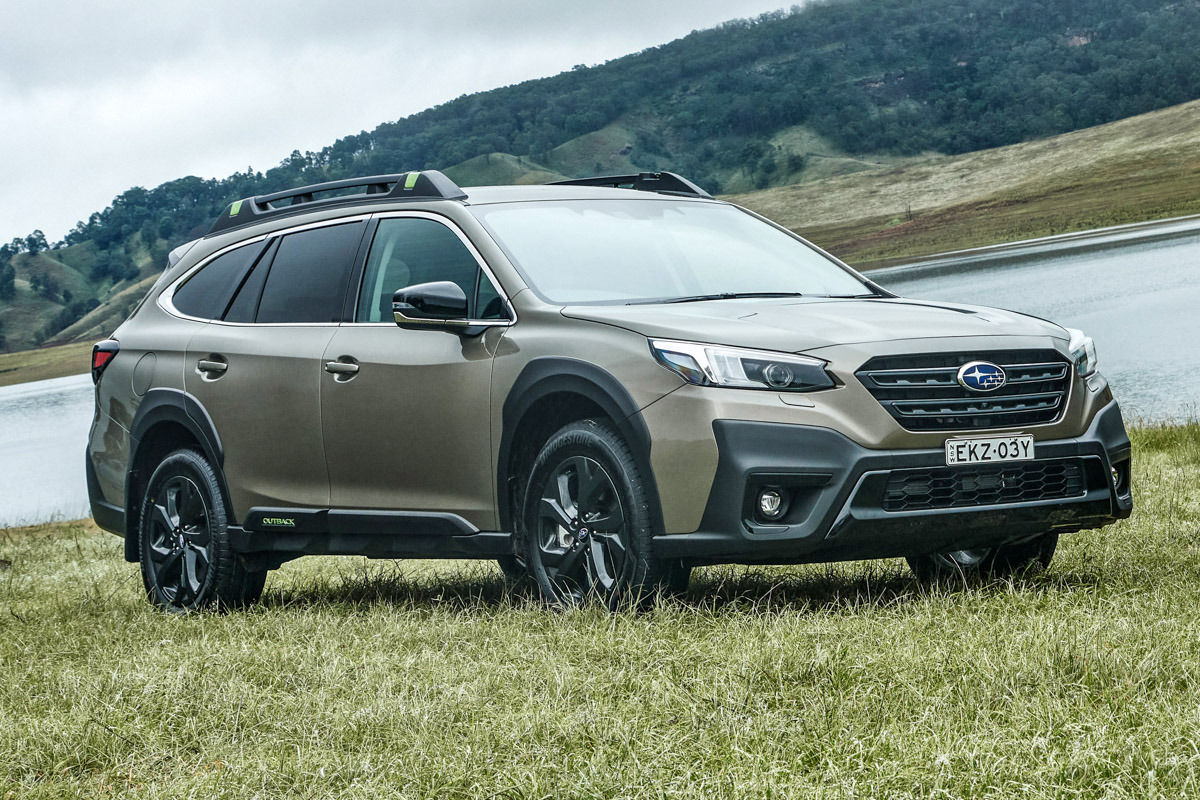
5. Subaru Outback: Elevated Comfort, Clear Visibility, and Confident Capability
The 2026 Subaru Outback strikes a practical balance between a sedan and a traditional SUV, offering what many describe as a “Goldilocks” height. It sits higher than a car for better visibility but lower than larger SUVs, making entry and exit especially easy. This chair height seating position is ideal for older drivers who want a commanding view of the road without climbing up into a tall vehicle.
Visibility is one of the Outback’s greatest strengths. Long, expansive side glass stretches toward the cargo area, while large upright windows and a low dashboard create wide, open sightlines. A low beltline allows drivers to better see the road surface and nearby obstacles.
Subaru’s Global Platform for 2026 uses high tensile steel to keep roof pillars slim without compromising safety, reducing blind spots that are common in many modern vehicles. The design minimizes the need for excessive head movement, which can ease strain for drivers with limited mobility.
Standard Steering Responsive Headlights further enhance visibility. These headlights swivel in the direction of the steering wheel, illuminating curves, driveways, and dark corners more effectively than fixed lights.
Subaru EyeSight driver assistance technology comes standard and includes forward collision warning, automated emergency braking, adaptive cruise control, and lane keeping assist. Available blind spot monitoring and rear cross traffic alert act as an added layer of awareness.
The Outback offers two engine choices. A 180 horsepower 2.5 liter four cylinder engine comes standard, while a 260-horsepower turbocharged 2.4-liter engine is available in XT trims and standard in the Wilderness model.
All versions use a continuously variable transmission and standard All Wheel Drive. The Wilderness trim adds 9.5 inches of ground clearance, adaptive dampers, and enhanced off-road capability. Towing capacity reaches 2,700 pounds with the base engine and 3,500 pounds with the turbo.
Inside, the redesigned cabin features updated materials, a raised roofline for added headroom, and increased cargo capacity. With its balanced ride height, excellent visibility, standard All Wheel Drive, and advanced safety features, the 2026 Outback delivers comfort and confidence in a versatile package.
Also Read: 5 Cars With Simple Dash Layouts vs 5 With Confusing Ones
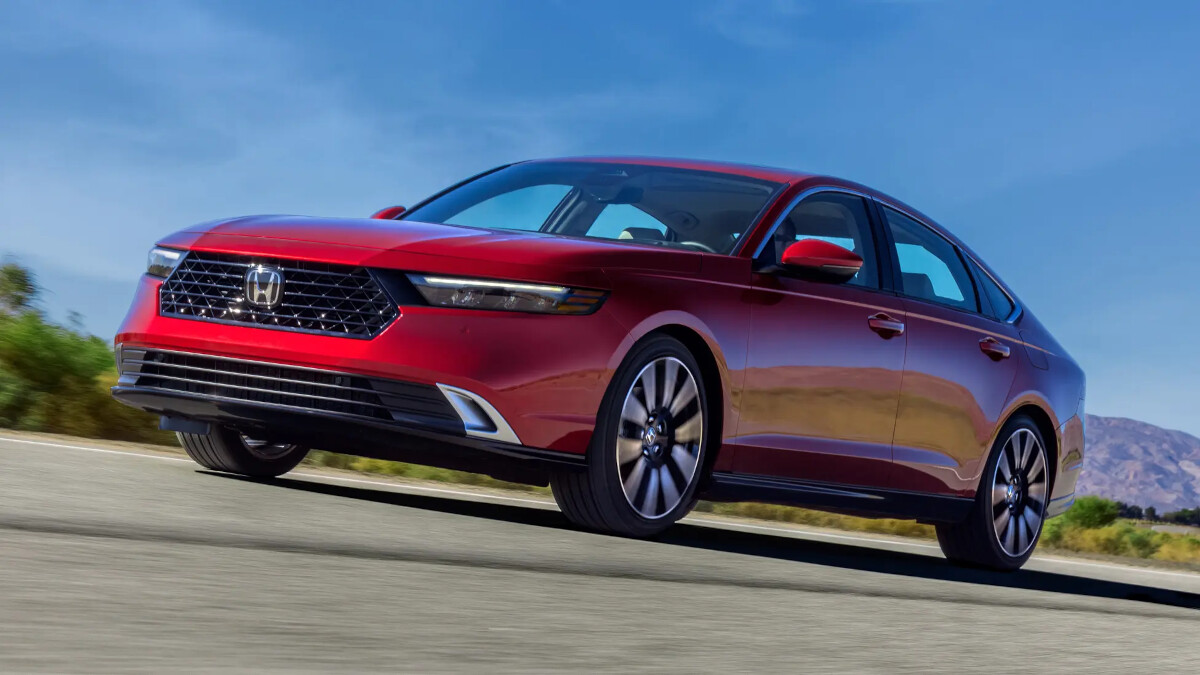
6. Honda Accord: Comfort, Clarity, and Confidence in a Midsize Sedan
The 2026 Honda Accord continues to define what many drivers want in a midsize sedan, especially those who value visibility, comfort, and straightforward design. Rather than adopting SUV proportions, the Accord refines the traditional sedan formula with smart engineering choices that enhance the driving experience.
Honda repositioned the A pillars farther back and made them thinner, creating a broad field of vision through the windshield. The low hood line allows drivers, including those of shorter stature, to clearly see where the front of the car ends, which improves confidence during parking and tight maneuvers.
Visibility remains one of the Accord’s most praised attributes. Large windows, slim roof pillars, and a low dashboard reduce blind spots and decrease the need for excessive head movement. These features make the vehicle particularly appealing to older drivers.
The seating height and door openings support easy entry and exit, helpful for anyone with mobility limitations. Inside, the cabin layout emphasizes simplicity. Physical climate control knobs allow quick adjustments without digging through digital menus, helping drivers keep their attention on the road. A long wheelbase adds stability and helps smooth out bumps, contributing to a calm and composed ride.
Under the hood, buyers can choose between two powertrains. LX and SE trims come with a turbocharged 1.5-liter four-cylinder engine producing 192 horsepower, paired with a continuously variable transmission and Front Wheel Drive. Higher trims use a hybrid system that pairs a 2.0-liter four-cylinder engine with two electric motors, delivering a combined 204 horsepower.
Both options provide responsive acceleration and steady handling. The nonhybrid model reaches 60 mph in 7.3 seconds, while the hybrid does so in 6.7 seconds. Steering feels precise, and body movements remain controlled through corners.
Fuel efficiency is another strength. The nonhybrid model is rated at 29 mpg city and 37 mpg highway. The hybrid achieves ratings as high as 51 mpg city and 44 mpg highway, making it a strong contender for drivers focused on reducing fuel costs.
The interior offers generous rear legroom and a 16.7 cubic foot trunk, expandable by folding the rear seats. Standard Honda Sensing safety features include automated emergency braking, lane keeping assist, and adaptive cruise control. With its clear sightlines, smooth ride, efficient engines, and accessible technology, the 2026 Accord remains a smart and reassuring choice in the midsize sedan class.
7. Toyota Camry Hybrid: Elevated Comfort, Clear Sightlines, and Efficient Performance
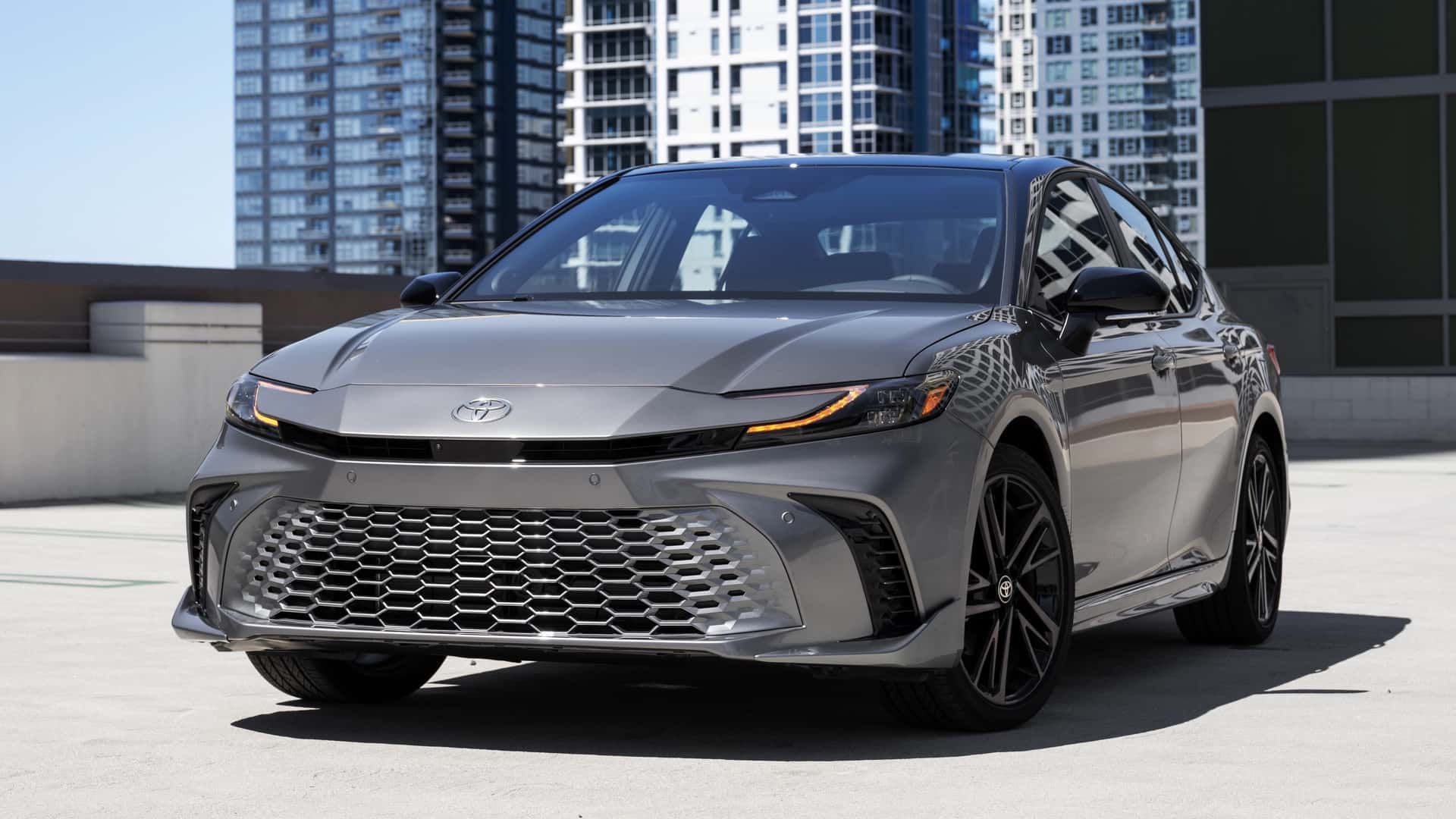
The 2026 Toyota Camry Hybrid is designed with a high seating hip-point, allowing drivers to sit more upright than in a typical sedan. This elevated position, combined with a low dashboard, large glass area, and narrow rear pillars, provides excellent 360-degree visibility. Side mirrors are mounted lower on the doors to reduce front-side blind spots, making lane changes and merging easier.
Standard Toyota Safety Sense features, including adaptive cruise control, lane-keeping assist, and automatic emergency braking, help reduce cognitive load by proactively supporting the driver during traffic or curves. These factors make the Camry an ideal choice for older drivers seeking comfort, awareness, and safety.
The cabin offers ergonomic design with accessible seat height and intuitive infotainment controls that reduce distraction. Large windows, slim pillars, and a commanding seating position allow drivers to monitor their surroundings with minimal head movement.
Rear cross-traffic alert, backup cameras, and optional 360-degree cameras further improve situational awareness during parking or city driving. Comfort is enhanced with dual-zone climate control, generous rear legroom, and available leather upholstery, heated seats, and a heated steering wheel in higher trims. Cargo space holds seven carry-on suitcases behind the rear seats and 19 with seats folded.
Powertrain options include hybrid setups with either front-wheel drive or all-wheel drive. The front-drive hybrid combines a 2.5-liter four-cylinder engine with two electric motors for 225 horsepower, while the all-wheel-drive system adds a third motor for 232 horsepower. Both use a continuously variable automatic transmission.
In testing, an XSE AWD model accelerated to 60 mph in 6.8 seconds, making it quicker than many rivals while maintaining a smooth and responsive ride around town. Sportier trims feature tighter suspension tuning for improved handling, though steering feedback is still light.
Fuel economy is impressive, with front-drive LE trims achieving up to 52 mpg city and 49 mpg highway. Even all-wheel-drive models maintain efficiency with up to 50 mpg combined in lighter trims.
Infotainment options include an 8.0-inch standard display or a 12.3-inch touchscreen in higher trims, supporting wireless Apple CarPlay and Android Auto. Optional upgrades include a nine-speaker JBL stereo system and a fully digital gauge cluster.
With its elevated seating, wide visibility, advanced driver-assistance technologies, efficient hybrid performance, and user-friendly interior, the 2026 Toyota Camry Hybrid offers a senior-friendly, safe, and practical midsize sedan experience.
Warranty highlights: limited warranty covers three years or 36,000 miles, powertrain for five years or 60,000 miles, hybrid components for ten years or 150,000 miles, and two years or 25,000 miles of complimentary scheduled maintenance.
8. Hyundai Santa Fe: Panoramic Visibility, Comfort, and Tech-Forward Design
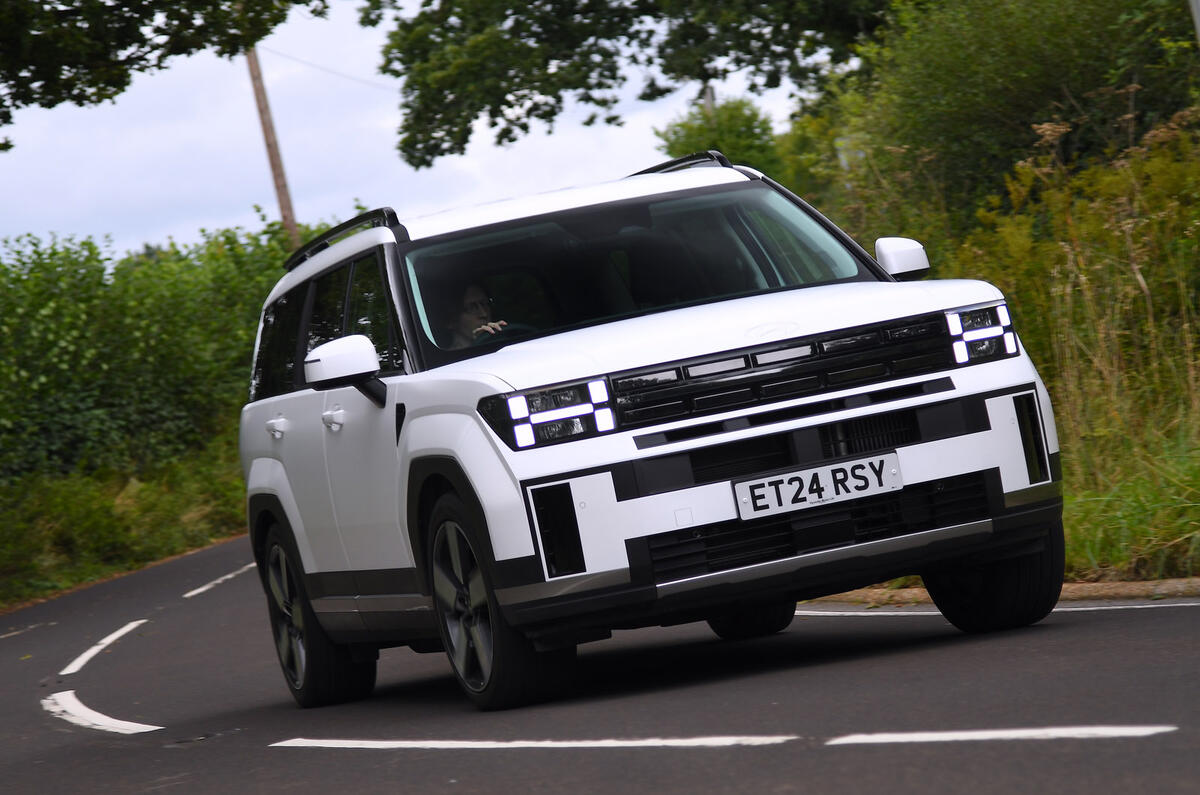
The 2026 Hyundai Santa Fe combines a bold, upright exterior with a driver-focused interior, offering excellent visibility and comfort, especially for older drivers. Its boxy, upright silhouette maximizes window size in every row, while a flat hood and narrow pillars provide clear sightlines.
The high seating position enhances road awareness, allowing drivers to spot hazards, curbs, and traffic signs with ease. Wide, low-step doors make entry and exit simple, reducing strain for those with limited mobility.
Technological enhancements further improve usability and safety. The Santa Fe offers high-resolution 360-degree cameras, blind-spot monitoring, and a rearview camera mirror for a clear view even if cargo obstructs the rear window.
LED headlights with auto-dimming and high-beam assist improve night driving, while ergonomic interior controls, including physical knobs for climate and audio, keep essential functions accessible. A standout feature for 2026, Remote Smart Parking Assist, allows the driver to move the vehicle in or out of tight spaces via key fob, ideal for garages or tight parking spots.
Under the hood, the Santa Fe comes with a 277-hp turbocharged 2.5-liter inline-four-cylinder engine paired with an eight-speed automatic transmission. Front-wheel drive is standard, with all-wheel drive available. The suspension is tuned for a smooth, quiet ride, absorbing road imperfections while maintaining stability, though body roll is noticeable in sharp corners.
Performance testing shows the Santa Fe accelerates to 60 mph in 6.3 seconds, adequate for highway and city driving without emphasizing sporty handling. Towing capacity ranges from 1,650 to 3,500 pounds, depending on trim, with the rugged XRT trim rated for 4,500 pounds.
Inside, the cabin emphasizes comfort and practicality. The first row features upscale materials and modern tech, while the second row offers power-operated captain’s chairs on higher trims.
Cargo space is generous, fitting 5 carry-on suitcases behind the third row, 16 with the third row folded, and 34 with both rear rows stowed. Infotainment includes a 12.3-inch touchscreen, wireless Apple CarPlay and Android Auto, optional 12-speaker Bose audio, and dual wireless charging.
Standard driver-assistance features include forward-collision warning with automated emergency braking, adaptive cruise control, lane-departure warning, and lane-keeping assist. Hyundai provides a strong warranty package: five years/60,000 miles limited, ten years/100,000 miles powertrain, and three years/36,000 miles of complimentary maintenance.
With expansive visibility, accessible seating, advanced technology, and comfortable performance, the 2026 Hyundai Santa Fe is a senior-friendly SUV that balances safety, convenience, and refinement.
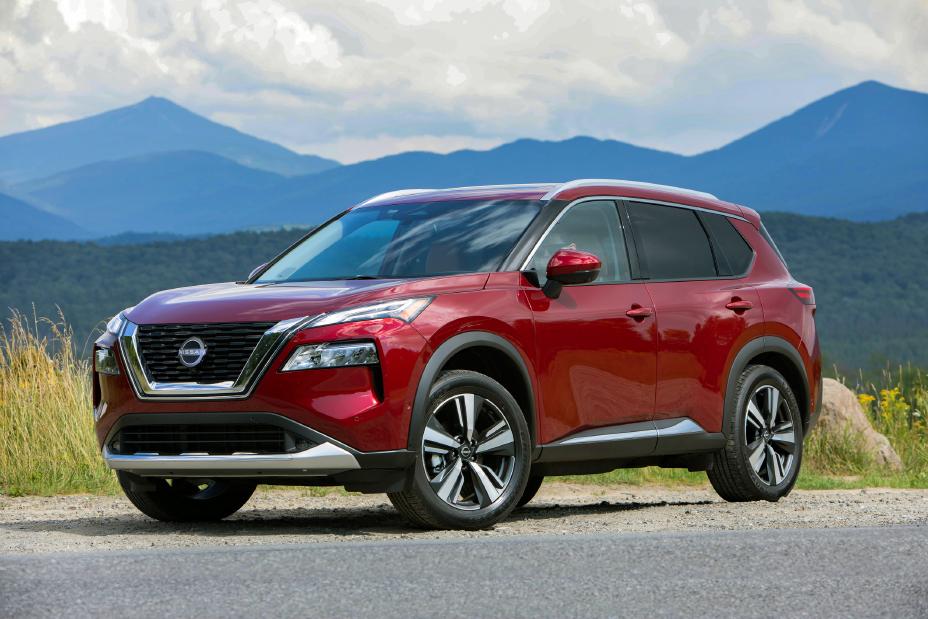
9. Nissan Rogue: Senior-Friendly Visibility and Technology
The 2026 Nissan Rogue is tailored for seniors, emphasizing visibility, accessibility, and advanced driver support. Its high seating position, large windows, and thin pillars provide a commanding view of the road and surroundings, reducing blind spots and limiting neck strain.
Doors open a full 90 degrees, making entry and exit effortless, even for passengers with mobility aids. The Divide-N-Hide cargo floor keeps rear items from blocking the window, preserving a clear rear view.
Technology enhances safety and ease of driving. The Intelligent Around View Monitor delivers a 360-degree bird’s-eye perspective, minimizing the need to twist or turn while reversing.
Additional systems include blind-spot warnings, moving object detection, and bright exterior lighting to improve visibility in low-light conditions. Ergonomically positioned controls and an intuitive infotainment system simplify interaction for drivers who prefer minimal physical strain.
Performance comes from a 201-hp turbocharged three-cylinder engine, available with front- or all-wheel drive. Handling is confident and stable, with a suspension tuned for comfort and smoothness on city streets and highways. The 2026 Rogue introduces a three-row Plug-in Hybrid (PHEV) model with roughly 38 miles of electric range, appealing to drivers seeking more eco-friendly options.
The cabin focuses on comfort and convenience. Zero-gravity seats reduce fatigue on longer drives, while upper trims include quilted leather upholstery, dual 12.3-inch displays, a 360-degree camera, and a head-up display. Google-integrated infotainment provides seamless smartphone connectivity, while generous cargo capacity accommodates luggage or daily items.
Safety is a strong point. Nissan ProPilot Assist 2.1 offers semi-autonomous features such as lane keeping, adaptive cruise control, and traffic-jam assistance. The Rogue has received high ratings from IIHS, including “Good” in small overlap tests, making it particularly suitable for drivers who prioritize security.
With high visibility, easy entry, advanced safety systems, and a comfortable, tech-forward interior, the 2026 Nissan Rogue provides a confident, stress-reducing driving experience for senior drivers. Its combination of practical design and supportive features positions it as a competitive alternative to the Toyota RAV4 and Honda CR-V.
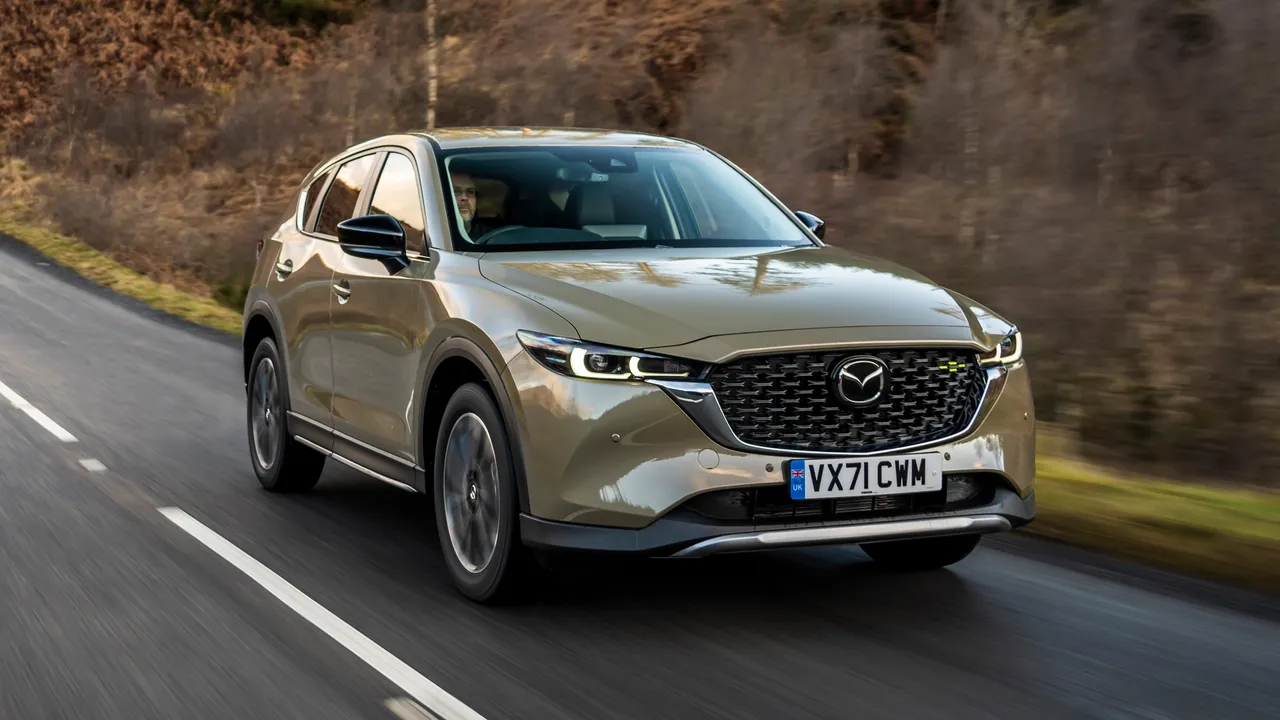
10. Mazda CX-5: Enhanced Visibility and Comfort for Seniors
The 2026 Mazda CX-5 is engineered with “human-centric” visibility, prioritizing a natural, unobstructed view of the road. Pillars are positioned to match the eye’s natural movement, reducing hidden zones during turns, while large windows and a high seating position provide a commanding view of traffic and surroundings.
Although the rear window is smaller than some competitors’, the high-resolution 360-degree camera system delivers a crisp, distortion-free view, aiding low-speed maneuvers and parking.
Older drivers benefit from elevated seating, reduced blind spots, and ergonomically designed interiors. Physical controls and a straightforward layout replace overly complex digital interfaces, limiting distractions. Mirrors and thin pillars improve side and rear visibility, while standard blind-spot monitoring supports safe lane changes.
The Active Driving Display (Heads-Up Display) projects key information such as speed and navigation directly onto the windshield, allowing drivers to maintain focus on the road.
The CX-5 balances visibility with comfort and handling. Its 187-hp 2.5-liter four-cylinder engine, paired with a six-speed automatic transmission and standard all-wheel drive, provides linear power delivery suitable for everyday driving.
While acceleration is modest, the suspension absorbs road imperfections effectively, and light steering at low speeds makes parking and tight turns effortless. A hybrid version is planned for the 2027 model year for improved fuel efficiency.
Interior space has been optimized for comfort. The second row now offers increased leg, knee, and headroom, and the cargo area features a lower load floor for easier access. Materials are upgraded for a more refined cabin, although the CX-5 is slightly less luxurious than the larger CX-50.
Infotainment centers on a standard 12-inch touchscreen, with an optional 15.6-inch display featuring Google-based apps, Google Maps, and Google Assistant voice control. Many vehicle functions, including climate control, are integrated into the touchscreen.
Safety is reinforced with standard features like adaptive cruise control, lane-keeping assist, traffic-sign recognition, blind-spot assist, and automated emergency braking with pedestrian detection. These systems, combined with the CX-5’s high seating position and thoughtful design, support confident, low-stress driving for older adults.
With its combination of human-centered visibility, supportive seating, intuitive technology, and safe handling, the 2026 Mazda CX-5 stands out as a practical and comfortable choice for drivers seeking both reassurance and control behind the wheel.
Large windows, high seating, and thoughtful cabin design are not just conveniences; they are essential elements that enhance safety, awareness, and comfort for senior drivers. Vehicles such as the Mazda CX-5 and Nissan Rogue demonstrate how modern engineering and technology can combine to reduce blind spots, simplify parking, and ease entry and exit.
With driver-assistance systems, ergonomic controls, and panoramic visibility, these 10 cars help older adults navigate daily driving challenges with confidence. Whether it’s commuting, running errands, or long road trips, selecting a vehicle that prioritizes visibility and user-friendly design ensures a safer, more enjoyable driving experience.
By focusing on models that blend practicality with technology, older drivers can maintain independence while feeling secure and comfortable on the road.
Also Read: 10 Cars That Offer a True Cloud Like Ride for Long Distances