The modern SUV market reflects a clash between practical ergonomics and digital innovation. Some 2025 models focus on physical buttons and tactile controls, giving drivers direct, intuitive access to essential functions such as climate control, audio adjustments, and drive modes.
SUVs like the Toyota Grand Highlander, Mazda CX-50, Honda CR-V, Toyota RAV4, and Hyundai Kona demonstrate how well-placed knobs and switches can enhance safety, reduce distractions, and provide a comfortable, user-friendly driving experience.
In contrast, other 2025 models embrace a screen-centric approach, removing nearly all traditional buttons in favor of large touchscreens and haptic interfaces. Vehicles such as the Volvo EX30, Tesla Model 3, Volkswagen ID.4, MG Marvel R, and Mercedes-Benz EQE SUV offer a sleek, high-tech cabin but often make routine adjustments more complicated.
Deep menus, touch-dependent controls, and predictive software can increase cognitive load and reduce ease of use, creating a steeper learning curve for drivers who must interact with the system while on the road.
5 SUVs With Physical Buttons for Controls
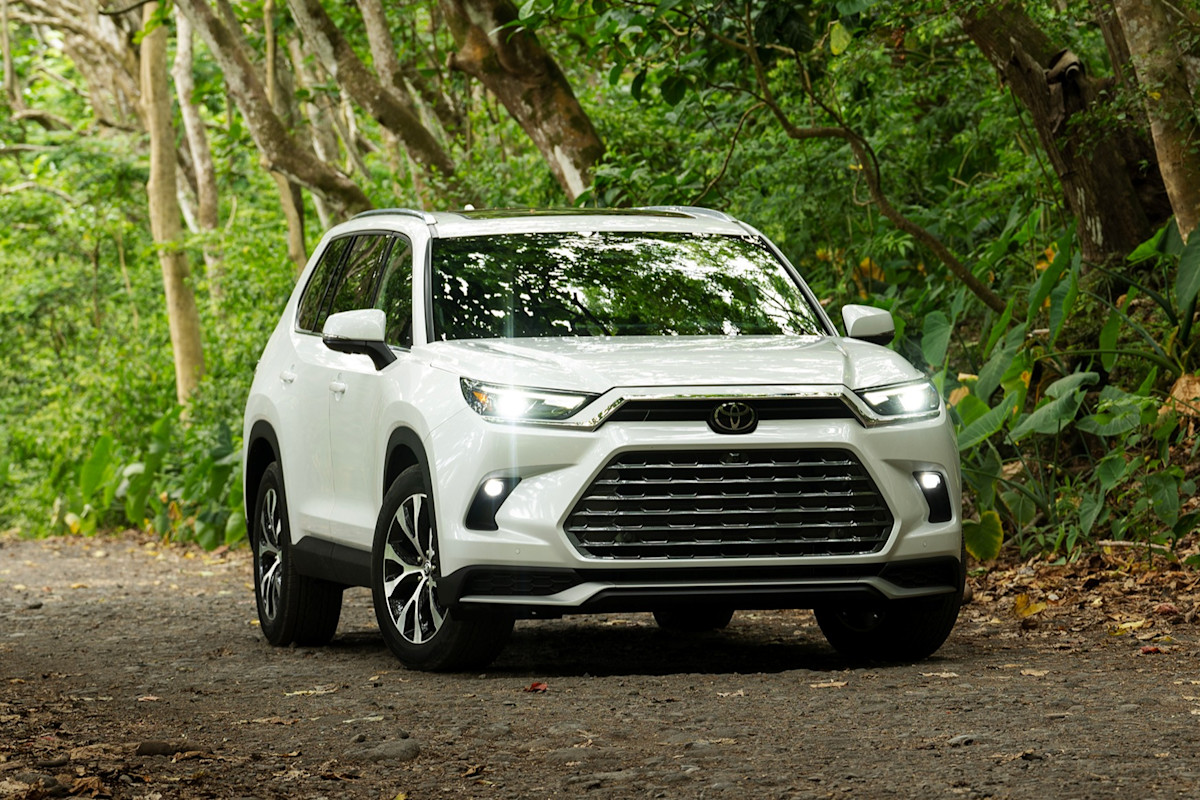
1. 2025 Toyota Grand Highlander: Practical Design Meets Family Comfort
The 2025 Toyota Grand Highlander stands out in the competitive three-row SUV segment by focusing on practicality, usability, and family-friendly design. Rather than relying solely on large touchscreens, Toyota has prioritized ergonomics by including dedicated physical controls for essential functions.
The climate system features two large textured temperature knobs and a separate row of hard buttons for fan speed and airflow modes. Audio adjustments are just as straightforward, with physical volume and tuning knobs that reduce the need to scroll through menus on the 12.3-inch touchscreen. This thoughtful layout allows drivers to adjust settings by feel, improving safety by minimizing distractions.
Introduced for 2024, the Grand Highlander builds on the success of the Highlander while offering more passenger and cargo space. It competes with popular family SUVs like the Kia Telluride, Ford Explorer, and Honda Pilot.
For 2025, Toyota adds a new entry-level LE trim and a Nightshade Edition with dark exterior accents. A removable second-row center console is now included on seven-seat models, and certain paint options have been updated.
Performance options include a standard turbocharged 2.4-liter four-cylinder engine producing 265 horsepower, paired with an eight-speed automatic transmission. Front-wheel drive is standard, and all-wheel drive is available. Acceleration from 0 to 60 mph takes about 8.3 seconds in AWD models.
Two hybrid powertrains are also offered. The standard hybrid produces 245 horsepower and delivers strong fuel economy at approximately 36 mpg city. The more powerful Hybrid Max generates 362 horsepower while maintaining respectable efficiency.
Inside, the Grand Highlander excels in space and storage. Its boxy design provides generous cargo capacity, with up to 97.5 cubic feet of space when the rear seats are folded. Legroom across all three rows is competitive, and access to the third row is straightforward.
The cabin includes wireless Apple CarPlay and Android Auto, multiple USB-C ports throughout the vehicle, and an available JBL premium audio system. Higher trims offer features such as a head-up display and a digital rearview mirror.
Standard Toyota Safety Sense 3.0 includes automatic emergency braking, adaptive cruise control, lane-keeping assist, blind-spot monitoring, and more. Upper trims add a 360-degree camera and enhanced parking sensors.
While the driving experience is steady rather than exciting, the 2025 Grand Highlander delivers excellent functionality, modern technology, and family-focused comfort in a well-rounded package.
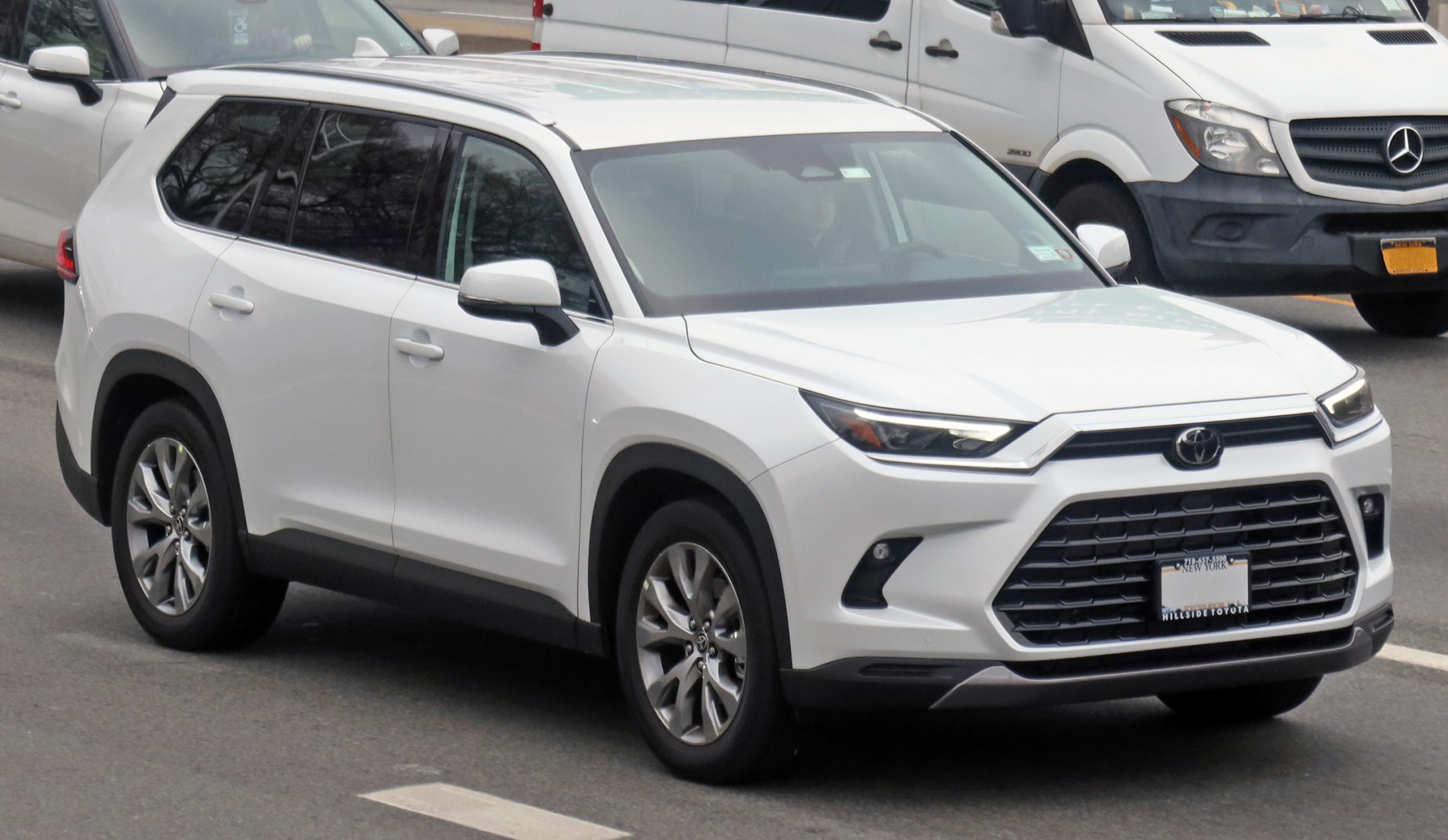
2. 2025 Mazda CX-50: Driver-Focused Design with Tactile Precision
The 2025 Mazda CX-50 stands out in the compact SUV segment by embracing a driver-centered philosophy that prioritizes focus, ergonomics, and tactile control. Rather than following the industry trend toward fully touchscreen-based systems, Mazda continues to rely on physical buttons and a rotary “Commander” knob mounted on the center console.
This setup allows drivers to control the infotainment system without reaching forward or taking their eyes off the road. The screen is positioned farther back in the driver’s line of sight and often limits touch functionality while driving, reinforcing Mazda’s “heads-up” cockpit approach.
Below the 10.3-inch display, the CX-50 features high-quality, click-style climate control dials and a dedicated row of physical buttons for seat heating and defrosting. These tactile elements provide clear feedback and eliminate the need to scroll through digital menus for basic adjustments.
Mazda’s research suggests many drivers prefer this intuitive layout, as it reduces distraction and simplifies operation. While some future Mazda models may adopt more screen-focused designs, the CX-50 maintains this traditional, safety-oriented interface.
Performance is another strong point. Every CX-50 comes with a 2.5-liter four-cylinder engine paired with a six-speed automatic transmission and standard all-wheel drive. The base engine produces 187 horsepower, while turbocharged models deliver up to 256 horsepower.
In testing, the turbo variant accelerates from 0 to 60 mph in about 6.4 seconds, while the non-turbo model completes the sprint in approximately 8.4 seconds. Mazda has tuned the CX-50 for crisp handling and accurate steering without sacrificing ride comfort, creating an engaging yet composed driving experience.
Fuel economy remains competitive, with EPA estimates around 24 mpg city and 30 mpg highway for non-turbo models, and slightly lower figures for turbo versions. Towing capacity varies by engine, with turbo models capable of pulling up to 3,500 pounds.
Inside, the CX-50 offers an upscale feel with supportive front seats and modern technology, including wireless Apple CarPlay and Android Auto. Rear-seat space and cargo capacity are slightly below some competitors, but practicality remains solid. Standard safety features include automatic emergency braking, lane-keeping assist, blind-spot monitoring, and adaptive cruise control.
With its blend of engaging performance, refined design, and thoughtfully placed physical controls, the 2025 Mazda CX-50 delivers a balanced and distraction-conscious driving experience.
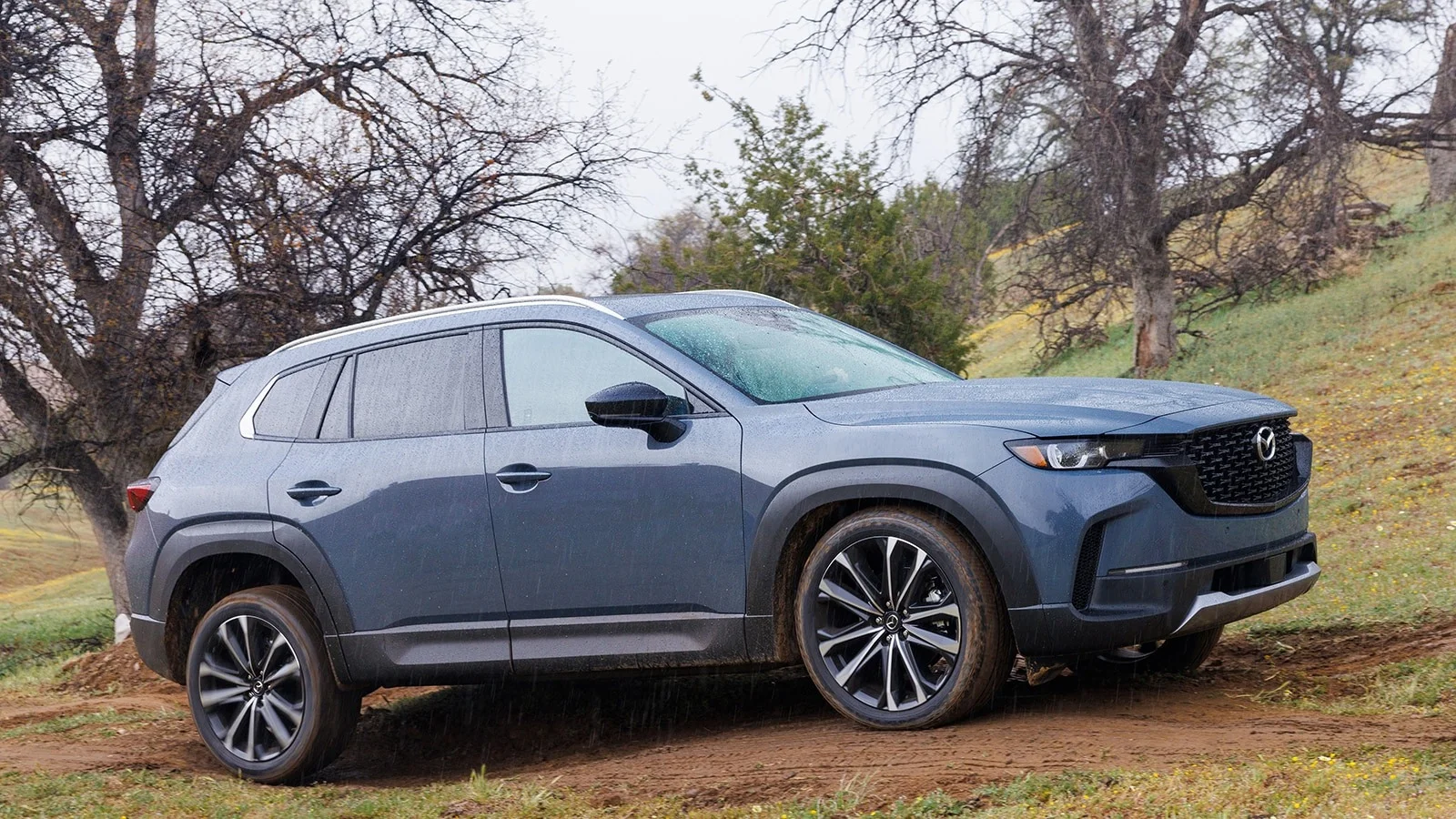
3. 2025 Honda CR-V: Intuitive Design with Everyday Practicality
The 2025 Honda CR-V continues to earn praise for its user-friendly interior, which emphasizes physical controls and logical organization over touchscreen-heavy interfaces. Unlike many modern SUVs that bury climate and audio settings within digital menus, the CR-V features three large, knurled knobs for temperature and fan speed that deliver clear tactile feedback.
A physical volume knob sits directly on the 9.0-inch infotainment screen, alongside dedicated Home and Back buttons. This straightforward layout allows drivers to make adjustments without looking away from the road, improving safety and convenience during daily commutes or long trips.
Honda’s focus on ergonomics reflects growing industry recognition that tactile controls reduce distraction. Backlit buttons and clearly grouped functions make it easier to operate features on uneven roads or in heavy traffic.
Heated seat controls and other commonly used settings remain accessible through physical switches, eliminating the need to scroll through complicated menus. The design aligns with Honda’s broader philosophy of creating functional, clutter-free cabins that prioritize ease of use.
Under the hood, the CR-V comes standard with a 190-horsepower turbocharged 1.5-liter four-cylinder engine paired with a continuously variable automatic transmission. Front-wheel drive is standard, while all-wheel drive is available.
Acceleration to 60 mph takes about 8.1 seconds in nonhybrid models, delivering adequate performance for everyday driving. While it may not feel as sporty as rivals like the Mazda CX-50 or Volkswagen Tiguan, the CR-V provides a smooth, comfortable ride and predictable handling. It can tow up to 1,500 pounds when properly equipped.
Fuel economy remains competitive, with front-wheel-drive models rated at approximately 28 mpg city and 33 mpg highway. All-wheel-drive versions achieve slightly lower figures.
Inside, the CR-V offers generous space and comfort. The cabin features a distinctive honeycomb dash design that conceals air vents, supportive front seats designed to reduce fatigue, and ample rear legroom. Cargo space measures 39 cubic feet behind the second row, accommodating up to 12 carry-on suitcases.
Standard safety features include automated emergency braking, lane-keeping assist, adaptive cruise control, and driver-attention monitoring. With its practical layout, strong efficiency, and spacious interior, the 2025 Honda CR-V remains one of the most intuitive and dependable compact SUVs available.
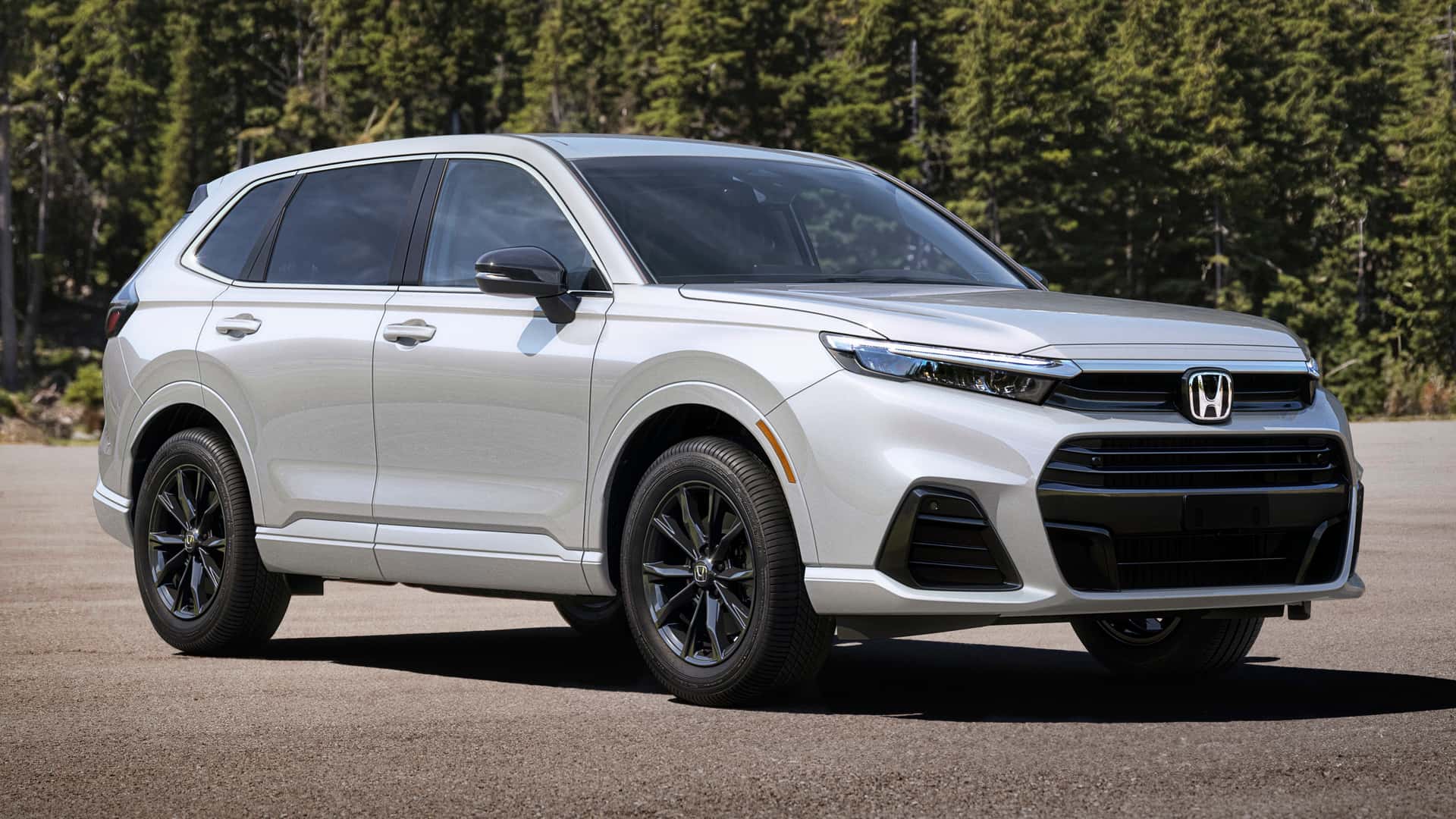
4. 2025 Toyota RAV4: Rugged Practicality with Tactile Control
The 2025 Toyota RAV4 continues to build on its reputation for reliability by pairing durable engineering with a thoughtfully designed, driver-friendly interior. One of its defining characteristics is the use of large, rubberized climate control knobs that are easy to grip and operate, even while wearing gloves.
This rugged approach reflects the RAV4’s practical personality and ensures that essential adjustments can be made quickly without relying solely on touchscreen menus. Core functions such as temperature, fan speed, seat heating, and audio volume are controlled through physical buttons and dials, providing immediate tactile feedback and reducing driver distraction.
In addition to climate controls, the RAV4 features a physical Multi-Terrain Select knob and dedicated switches for drive modes including Normal, Eco, Sport, and Trail. Buttons for the electronic parking brake and brake-hold function are also clearly positioned.
While the SUV includes a modern 10.5-inch infotainment screen, with an available 12.9-inch upgrade, Toyota keeps primary driving and comfort controls anchored to permanent hardware. This blend of digital convenience and mechanical simplicity enhances usability and reinforces the RAV4’s reputation for long-term durability.
Performance options center around electrified powertrains. The RAV4 Hybrid combines a 2.5-liter four-cylinder engine with electric motors for a total of 226 horsepower in front-wheel-drive form and 236 horsepower with all-wheel drive. In testing, the all-wheel-drive hybrid reached 60 mph in 7.1 seconds.
The more powerful Plug-In Hybrid produces 320 horsepower and is estimated to accelerate even quicker. Fuel economy is a major strength, with Toyota estimating up to 44 mpg in the most efficient hybrid configuration. Plug-in models offer up to 52 miles of electric-only driving range and available DC fast charging on select trims.
Inside, the RAV4 offers a spacious cabin with practical storage solutions and a straightforward design. Cargo capacity is generous, accommodating up to 10 carry-on suitcases behind the rear seats and 24 with the seats folded.
Standard safety features include automated emergency braking, lane-keeping assist, and adaptive cruise control. With strong efficiency, functional design, and dependable engineering, the 2025 Toyota RAV4 remains a versatile and user-focused compact SUV.
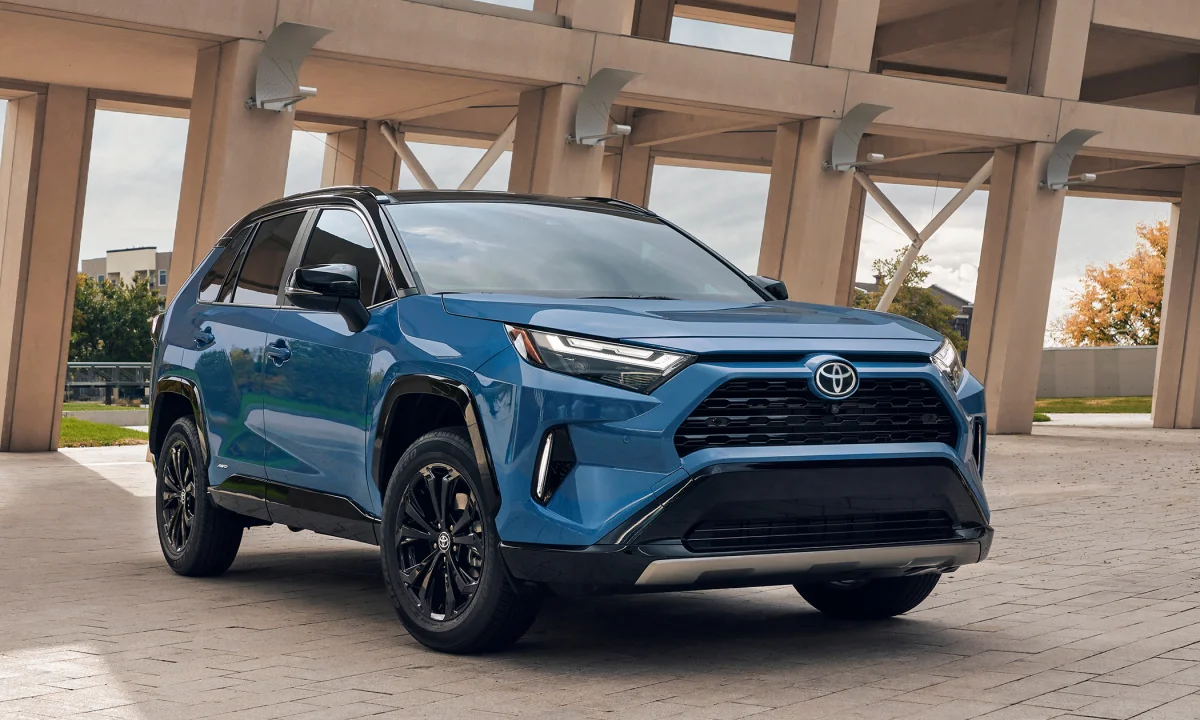
5. 2025 Hyundai Kona: Modern Design with User-Friendly Controls
The 2025 Hyundai Kona pairs its futuristic exterior styling with a surprisingly traditional and practical interior layout. Instead of relying solely on touchscreen inputs, Hyundai equips the Kona with a generous number of physical knobs and buttons.
The center stack includes clearly defined climate control dials and a full row of shortcut keys for audio, media, and system menus. This setup allows drivers to access essential features instantly, without digging through layered digital screens.
Hyundai’s decision to retain tactile controls stems from customer feedback and safety research. Drivers reported that touch-only systems can feel complicated and distracting during daily use. By keeping physical buttons for frequently used functions such as temperature adjustment and volume control, the Kona enables blind operation and provides satisfying tactile feedback.
This reduces the need to glance at the screen and helps maintain focus on the road. It also ensures that key features remain functional even if the infotainment display slows down or becomes temporarily unresponsive. Many reviewers highlight the Kona’s layout as a strong example of thoughtful ergonomics in an affordable vehicle.
The Kona offers two engine choices. The standard 2.0-liter four-cylinder produces 147 horsepower and pairs with a continuously variable transmission. For drivers seeking more power, a turbocharged 1.6-liter engine delivers 190 horsepower through an eight-speed automatic transmission.
All-wheel drive is available on all trims. The turbo model accelerates to 60 mph in about 7.5 seconds, offering smooth and refined performance. Fuel economy is competitive, with front-wheel-drive models achieving up to 29 mpg city and 34 mpg highway.
Inside, the Kona provides generous space for a subcompact SUV. The rear seat accommodates adults comfortably, and cargo space is practical for daily errands or travel. A 12.3-inch infotainment display supports wireless Apple CarPlay and Android Auto, while higher trims feature a configurable digital instrument cluster.
Standard safety equipment includes automated emergency braking and lane-keeping assist, with available adaptive cruise control and self-parking capability. Backed by Hyundai’s 10-year powertrain warranty and complimentary maintenance coverage, the 2025 Kona delivers modern styling, accessible technology, and a driver-focused control layout designed for everyday convenience.
5 With Confusing Screens
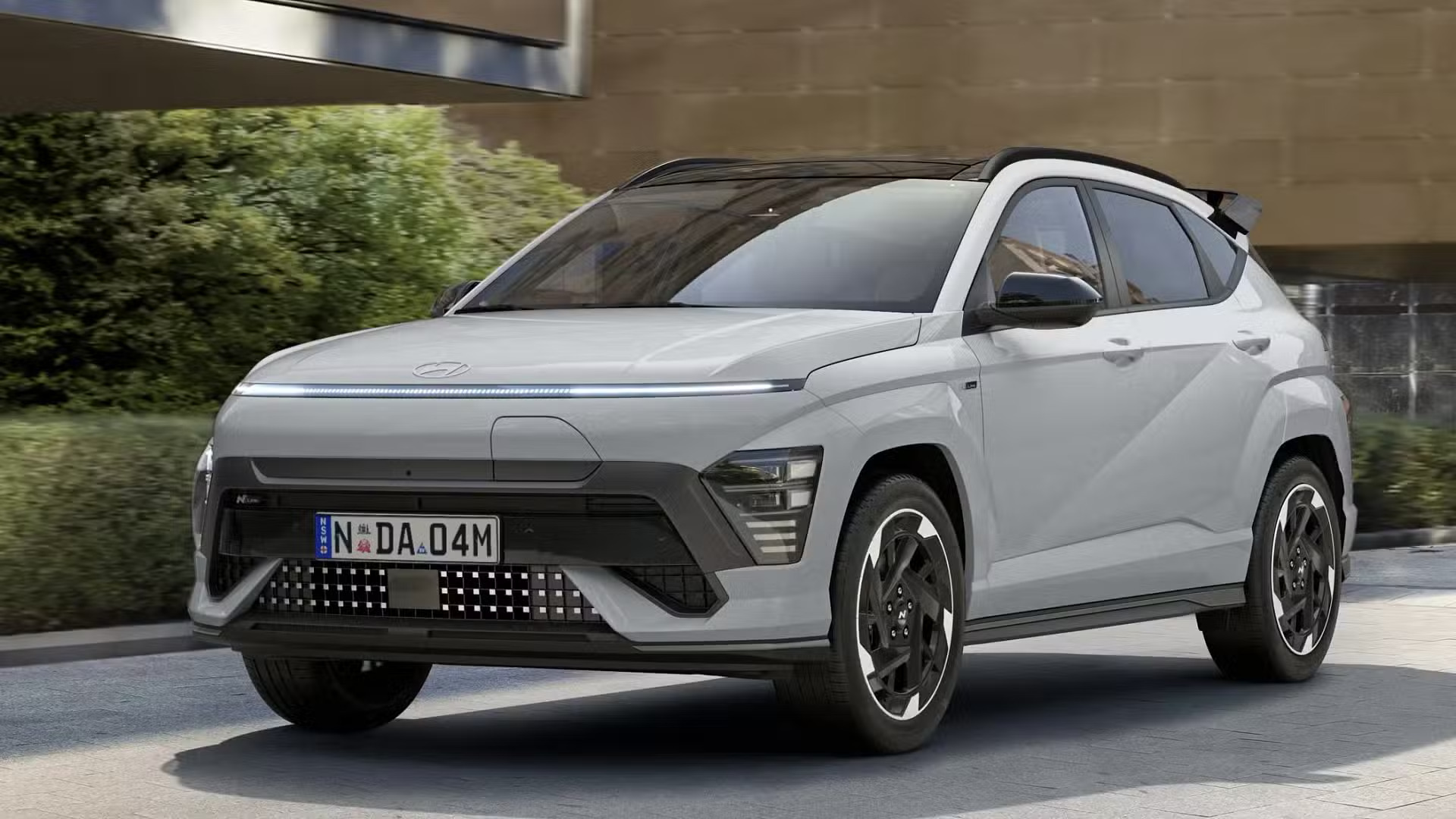
1. 2025 Volvo EX30: Minimalist Interior Sparks Mixed Reactions
The 2025 Volvo EX30 represents Volvo’s most extreme step toward minimalism, removing almost every physical button from the cabin. Instead, nearly all functions, including climate control, side mirror adjustments, and even opening the glovebox, are controlled via a 12.3-inch central touchscreen.
This “tablet-first” design has been widely criticized for requiring drivers to take their eyes off the road to perform tasks that were once instantaneous.
One of the most notable changes is the elimination of a traditional instrument cluster. Critical information such as speed, battery level, and navigation prompts is displayed on a small portion of the central screen rather than directly behind the steering wheel. This forces drivers to frequently shift focus from the road, creating safety concerns for some users.
Physical controls have been almost entirely removed. Adjusting fan speed or temperature involves multiple taps on digital sliders. Opening the glovebox requires a virtual button on the touchscreen, while side mirrors are adjusted through a multi-step process involving menu selections and steering wheel haptic buttons.
Even basic lighting controls, like overriding automatic headlights or activating rear fog lights, are buried in software menus.
A key irony arises from Volvo’s renowned safety systems. The EX30 includes a driver-monitoring camera designed to alert the driver when attention drifts from the road. Because basic controls demand looking at the central screen, the car frequently issues audible warnings for behavior it requires, creating a “catch-22” scenario that can cause driver anxiety.
The touchscreen system is supported by capacitive steering wheel buttons, but some users report unresponsiveness or accidental inputs. Early software glitches, including blank screens and delayed display of turn signals, have also been reported.
Volvo defends this design, citing reduced wiring and materials, lower production costs, and a more competitive pricing strategy. While some long-term users eventually develop “muscle memory” for the system, the steep learning curve remains a major point of criticism.
The 2025 Volvo EX30 prioritizes minimalist design and sustainability over conventional usability. While the central touchscreen approach allows for a sleek, modern cabin, it sacrifices the instant accessibility and tactile feedback offered by traditional controls.
For drivers accustomed to physical buttons and clear instrument clusters, the EX30 can feel unintuitive and distracting, making it a polarizing choice in the subcompact electric SUV segment.
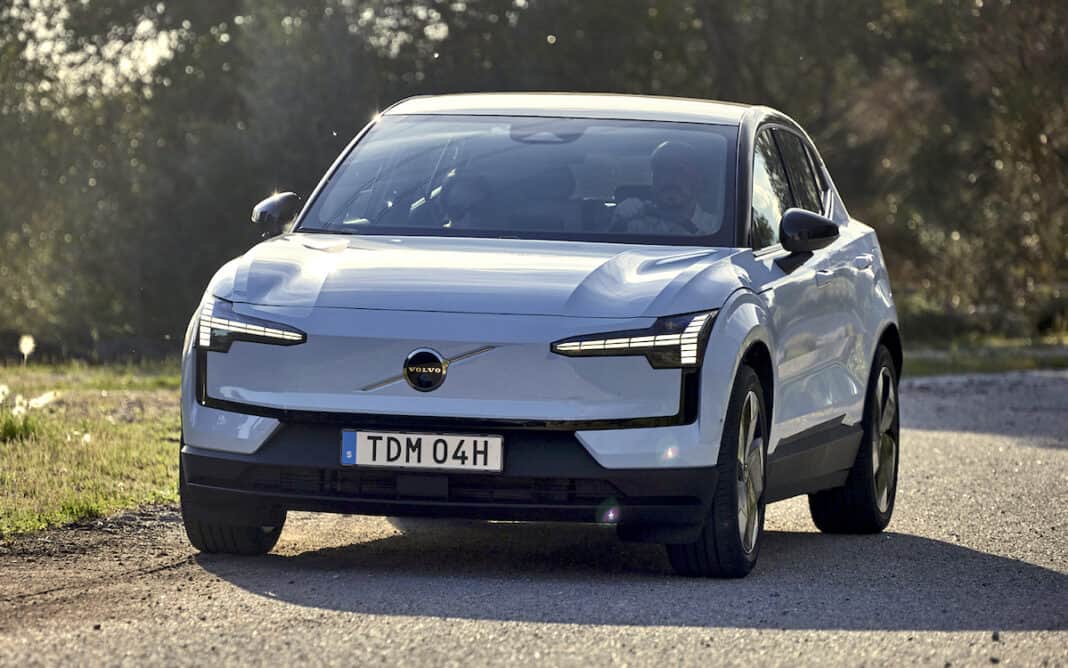
2. 2025 Tesla Model 3: Screen-Centric Design Creates Driver Challenges
The 2025 Tesla Model 3 exemplifies Tesla’s radical approach to minimalism, replacing nearly all traditional physical controls with digital interfaces. Even basic functions like gear shifting and turn signals are now managed through the touchscreen or haptic buttons on the steering wheel.
While enthusiasts appreciate the sleek, modern design, many drivers find the layout unintuitive, requiring constant attention and cognitive effort for tasks that were once instantaneous.
One major change is the removal of the steering column stalks. Turn signals are now capacitive buttons on the steering wheel, which can be difficult to locate when the wheel is turned sharply.
Gear selection has moved entirely to a vertical slider on the touchscreen, with emergency mechanical overrides positioned on the ceiling near the hazard lights. Many drivers report that these adjustments feel unnatural, especially during roundabouts or tight maneuvers.
The Model 3 heavily relies on sub-menus for functions traditionally controlled by tactile inputs. Air vents cannot be moved manually and must be adjusted through the climate menu on the screen.
Side mirror and steering adjustments require first selecting the relevant option on the touchscreen, which then repurposes the steering wheel scroll wheels. Even opening the glovebox demands a screen tap or a voice command. This digital-first setup significantly increases cognitive load and can distract drivers at high speeds.
Adding to the challenge, there is no instrument cluster behind the steering wheel, nor a head-up display. Speed, turn indicators, and Autopilot status are displayed in the top-left corner of the central 15.4-inch screen. Drivers must constantly glance away from the road to monitor essential information, creating a steep learning curve and potential safety concerns.
The new 8-inch rear touchscreen, intended for passenger control of climate and seat heaters, introduces additional complexity and can sometimes override driver settings, causing conflicts. The Model 3’s dependence on software stability also raises concerns: if the main display freezes, essential controls such as climate, navigation, and speed readouts become inaccessible, adding psychological stress for the driver.
Tesla’s design philosophy anticipates a future of Full Self-Driving, where screens are intended for entertainment rather than operation. For human drivers in 2025, however, the Model 3 demands a high level of attention and adaptation, making its minimalist interface both innovative and polarizing.
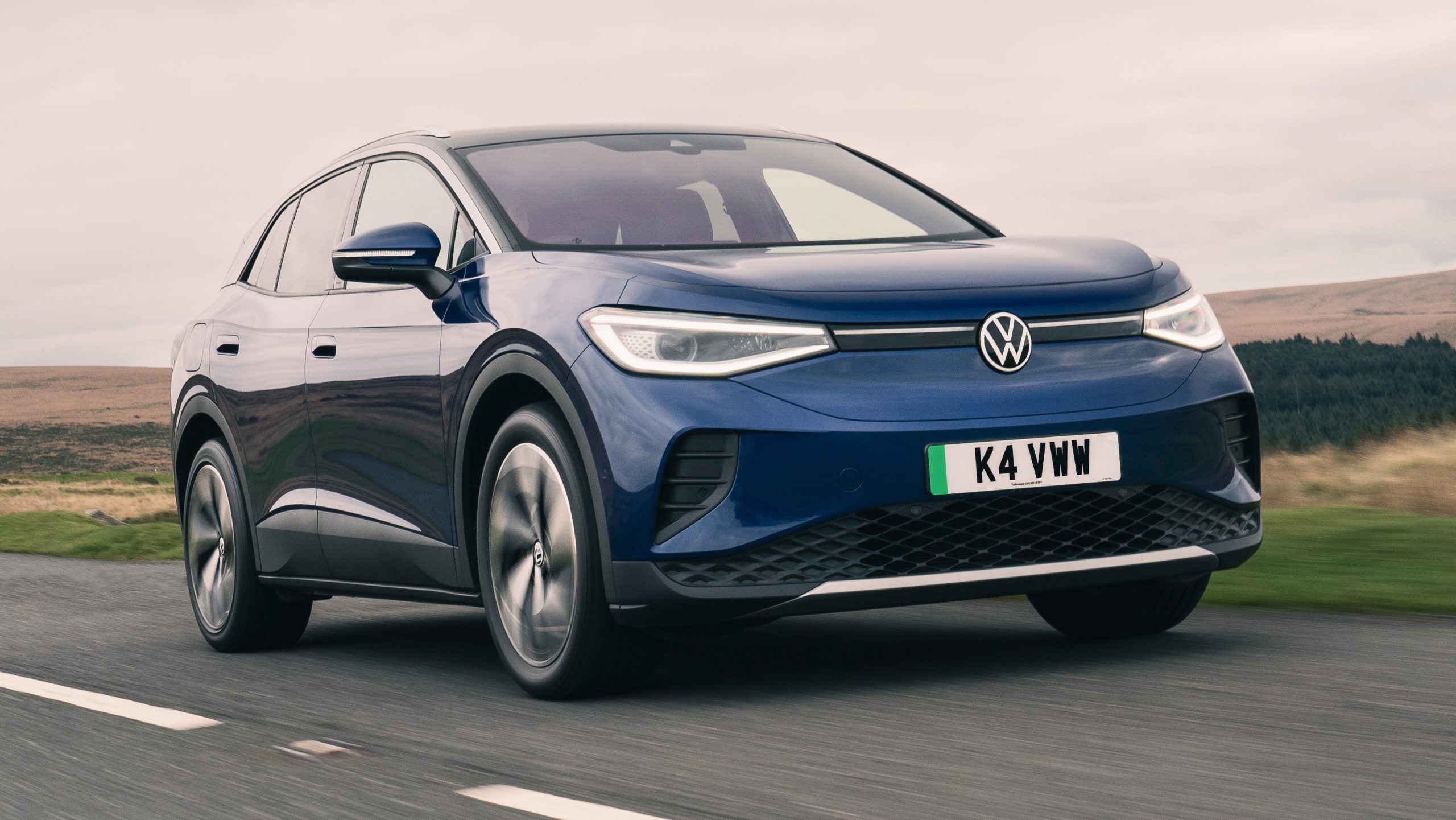
3. 2025 Volkswagen ID.4: Touch-First Controls Spark Criticism
The 2025 Volkswagen ID.4 has generated controversy due to its reliance on touch-sensitive controls instead of traditional knobs and buttons. The central “Touch Slider” system manages volume and temperature without tactile feedback.
Haptic panels on the steering wheel control cruise, media, and other functions. While this approach creates a sleek and minimalist cabin, many drivers find it unintuitive, difficult to use while driving, and prone to accidental activations.
The main source of confusion is the absence of physical controls. Key functions such as climate adjustment and audio volume are handled via touch-sensitive surfaces. Drivers must look at the screen instead of using muscle memory to operate the controls.
The touch sliders below the display, although backlit in 2025, are still imprecise on uneven roads. Steering wheel haptic controls are very sensitive and can trigger features unintentionally. The menu system adds to the complexity, requiring multiple steps for tasks like adjusting vent direction or accessing certain vehicle settings.
Volkswagen made several improvements for the 2025 model to reduce these usability issues. High-trim Pro and S models now feature a larger 12.9-inch display with a faster and more stable operating system. Backlit sliders improve nighttime visibility.
Permanent shortcut icons on the screen allow quicker access to climate and media settings. The IDA voice assistant has been upgraded to handle natural language commands, enabling drivers to perform complex functions without using the touchscreen.
Despite these updates, the ID.4 interface remains less intuitive than systems in competitors like Tesla or Hyundai. While the software improvements and backlighting reduce some frustration, the reliance on touch-sensitive controls without physical feedback continues to challenge many drivers.
The 2025 Volkswagen ID.4 shows the trade-offs of a minimalist, screen-focused interior design. Hardware and software updates demonstrate progress, but the learning curve and potential for distraction from touch-based controls remain significant concerns for many owners and reviewers.
4. 2025 MG Marvel R: Screen-Centric Design Creates Driver Frustration
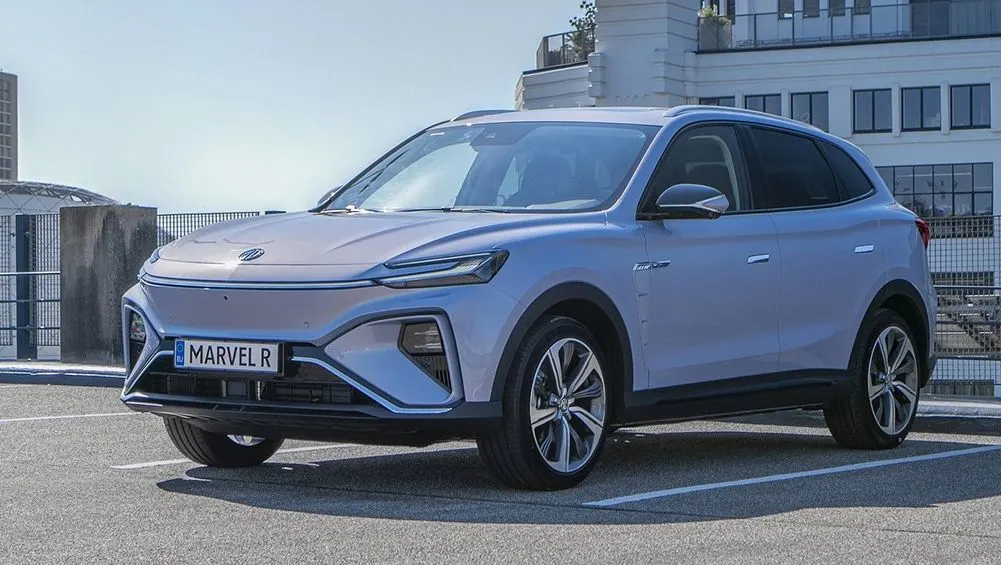
The 2025 MG Marvel R is an electric SUV that emphasizes a digital-first interior, featuring a massive 19.4-inch portrait touchscreen that dominates the dashboard. While visually impressive, the interface has drawn criticism for being slow, overly complex, and distracting.
Independent testing shows that performing routine tasks, such as adjusting climate settings, takes significantly longer than in vehicles with physical buttons. The absence of tactile feedback forces drivers to repeatedly check the screen to confirm inputs, increasing cognitive load and reducing ease of use.
A key issue is the near-total removal of physical controls. Traditional buttons and knobs allow drivers to make adjustments by feel without looking away from the road. In the Marvel R, temperature, audio, and mirror controls are fully digital.
Reviewers, including the Swedish publication Vi Bilägare, found that simple actions like changing the radio station or adjusting the air conditioning take several times longer than in conventional setups. This slows driver response and can feel unintuitive during high-speed driving.
The screen’s steep orientation further complicates usability. Positioned diagonally from the dashboard down to the center console, the display forces drivers to glance far from the windshield. Sunlight glare can wash out the display, making icons hard to see and requiring drivers to lean forward or squint to operate controls.
Software design adds another layer of difficulty. Many functions are buried in multiple sub-menus, with icons replacing text in ways that are not always clear. Adjusting airflow, activating lane-keep assist, or accessing other safety features often requires several taps through nested menus. The 12.3-inch driver display attempts to show navigation, energy flow, and driver assistance information simultaneously, which can be overwhelming.
Performance issues exacerbate the problem. The touchscreen can feel sluggish, with noticeable lag between touches and system responses. Cold start times can take 20 seconds or more, delaying access to critical functions such as mirrors or defrosters.
The Marvel R’s interior prioritizes smartphone-style aesthetics over functional ergonomics. The combination of steeply angled screens, sluggish software, and deeply nested controls creates a steep learning curve.
While the SUV’s digital design looks modern, it often frustrates drivers who need rapid, intuitive control of basic functions while on the road. The Marvel R highlights the tension between flashy digital interfaces and the practical demands of safe driving.
5. 2025 Mercedes-Benz EQE SUV: Digital Overload Challenges Drivers
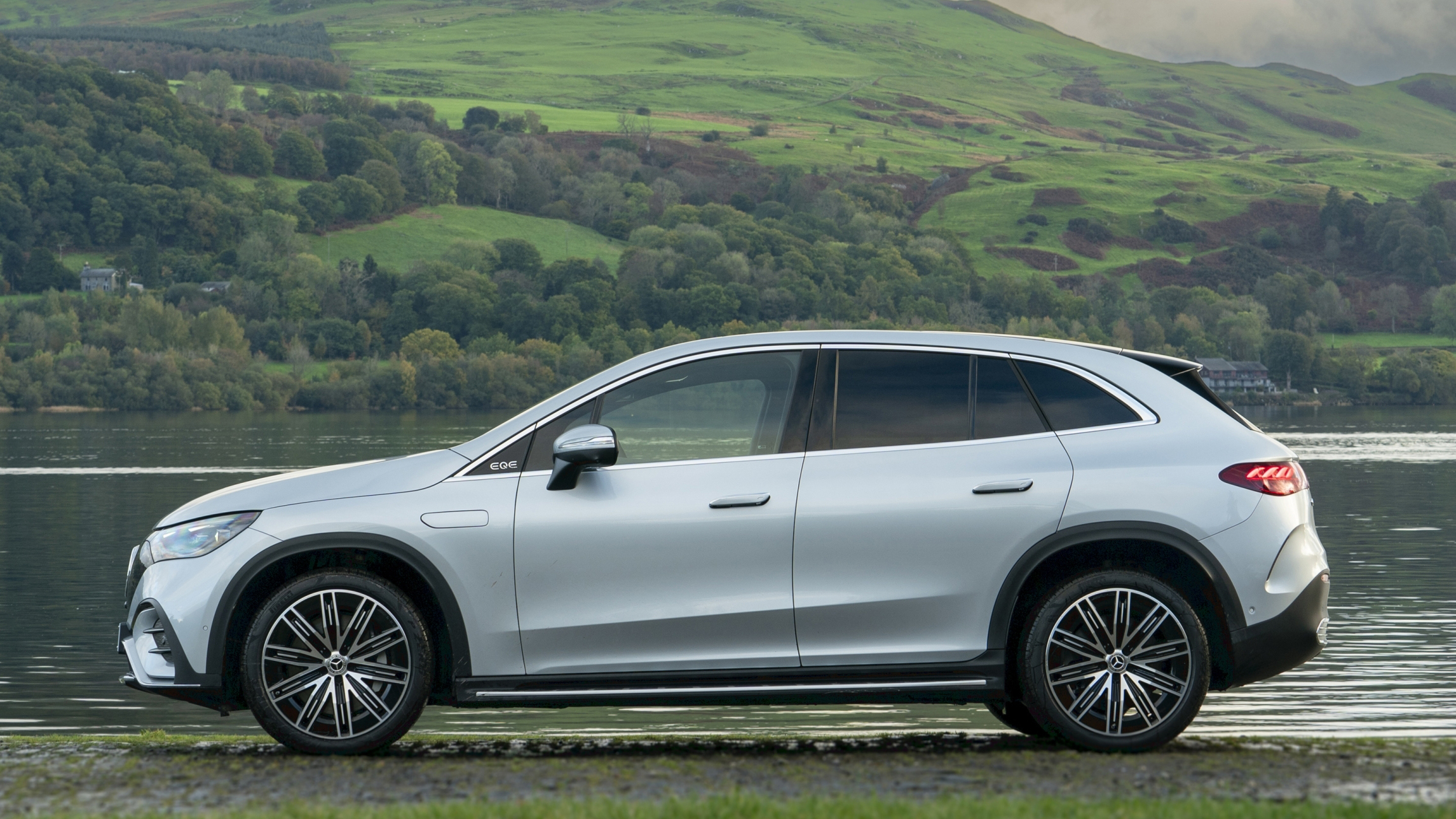
The 2025 Mercedes-Benz EQE SUV is a showcase of advanced automotive technology, highlighted by the optional MBUX Hyperscreen, a 56-inch curved glass panel that spans the entire dashboard.
This single unit merges a 12.3-inch driver display, a 17.7-inch central touchscreen, and a 12.3-inch passenger screen. While visually impressive, the Hyperscreen has been criticized for overwhelming drivers with too much illuminated information and contributing to a distracting cabin environment, especially at night.
Mercedes employs the “Zero Layer” interface to predict driver needs, surfacing context-based apps and shortcuts. However, when tasks fall outside these AI suggestions, the menu system can feel convoluted.
Crucial vehicle settings, such as head-up display adjustments, are sometimes buried under multiple layers of menus or hidden behind counterintuitive controls, forcing drivers to search for the correct icon or press physical buttons that mimic digital options.
Ergonomics presents another challenge. The central touchscreen can be partially blocked by the steering wheel rim, while the high-mounted driver cluster may require adjusting the wheel into uncomfortable positions to see all readouts.
The steering wheel’s touch-sensitive haptic sliders for volume, cruise control, and other functions are prone to accidental activation, further adding to driver frustration. The absence of traditional dials and buttons for volume and HVAC controls forces reliance on precise finger taps or voice commands, which can be difficult on uneven roads.
Software and hardware issues compound the usability concerns. Users have reported touchscreen freezing after software updates, input lag when switching between applications, and occasional Bluetooth or GPS connectivity drops. While the system is powerful, these glitches interrupt the driving experience and can cause confusion during critical moments.
Despite being one of the most technologically advanced cockpits on the market, the EQE SUV’s emphasis on digital interfaces comes with trade-offs. The combination of multiple screens, predictive software, touch-dependent controls, and occasional system hiccups creates a steep learning curve for new drivers.
For some, the Hyperscreen impresses with its futuristic design, but for many, it prioritizes aesthetics and novelty over practical usability and ease of control. The EQE SUV demonstrates the challenges of extreme digital minimalism when applied to everyday driving ergonomics.
The comparison between SUVs with physical buttons and those relying on touchscreens highlights a trade-off between usability and futuristic design. Physical controls offer immediate, reliable operation, allowing drivers to adjust settings without diverting attention from driving.
These systems provide practicality, confidence, and safety for everyday use. Digital-first cabins deliver advanced features and a modern aesthetic but often require more attention and adaptation.
Choosing between these approaches depends on driver priorities. For those who value convenience, predictability, and minimal distraction, SUVs with physical buttons remain preferable.
For drivers seeking innovation and technology-driven experiences, touchscreen-focused models offer excitement and sophistication, albeit with additional complexity. This contrast emphasizes how design choices impact usability and driver satisfaction across the SUV segment.
Also Read: 10 Cars With Large Windows and Great Visibility for Older Drivers