Finding a dependable vehicle for students can be a challenge, especially when balancing affordability, safety, and long-term reliability. Families often look for cars that will survive the rigors of daily commuting, campus parking, and weekend trips while keeping maintenance costs manageable.
The good news is that many used vehicles under $10,000 meet these criteria, offering parents peace of mind and students practical, student-friendly transportation. Models like the Toyota Corolla, Honda Civic, and Toyota Prius combine proven reliability, strong safety features, and fuel efficiency, making them ideal for first-time drivers.
Others, such as the Mazda3, Honda Fit, and Toyota RAV4, add versatility, cargo space, or engaging driving dynamics to accommodate different lifestyles. This guide highlights ten used cars under $10,000 that parents trust for students, showing options that balance affordability, safety, practicality, and long-term value, so families can make confident, budget-conscious choices.
1. Toyota Corolla (2014–2016): Reliable and Student-Friendly
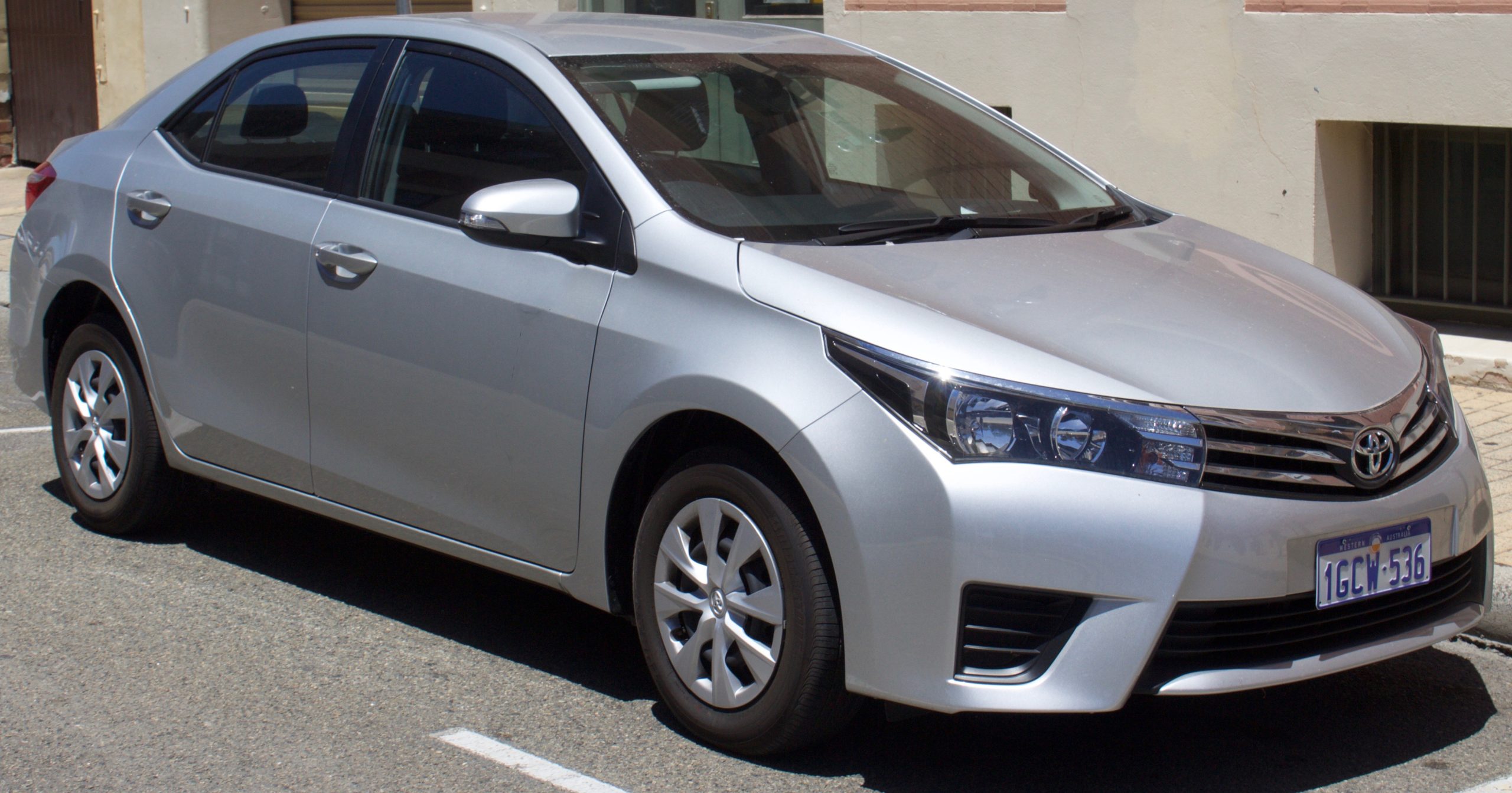
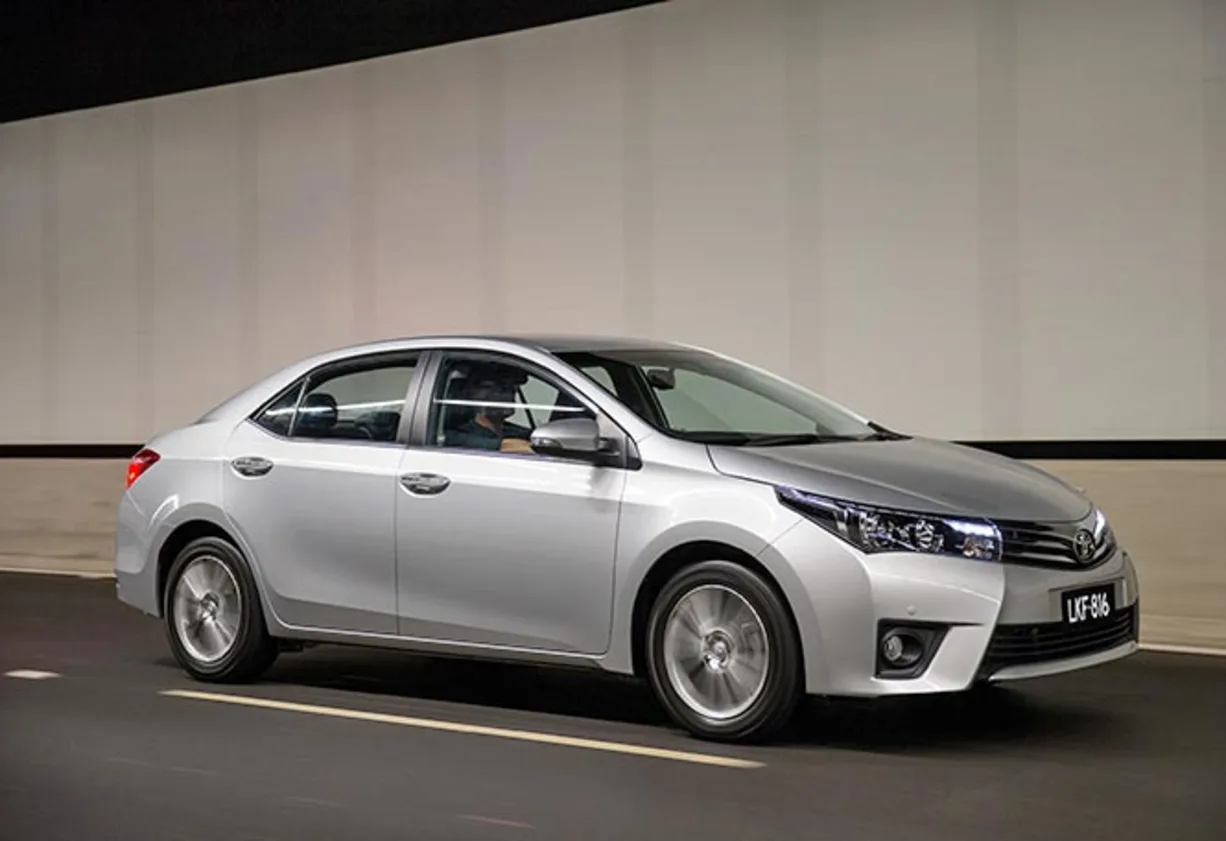
The 11th-generation Toyota Corolla, produced from 2014 to 2016, is an excellent choice for students and first-time drivers because it focuses on reliability, safety, and affordability rather than sporty performance. Most trims come with eight airbags and a backup camera, contributing to a five-star crash-test rating from the NHTSA. Its 1.8-liter engine is known for longevity and can often reach 200,000 miles with basic care.
Fuel efficiency is strong, with standard models achieving around 31 to 32 miles per gallon combined, and the LE Eco trim reaching up to 42 miles per gallon on the highway. The car has simple controls and a calm driving experience, making it ideal for inexperienced drivers, while its high resale value makes it a financially smart choice.
The Corolla offers excellent financial value. Base 2014 models typically start around $9,775, and older or higher-mileage units can be found for $3,600 to $8,400. Routine maintenance is affordable due to its simple mechanical design and the lack of complex turbochargers.
Ten-year maintenance costs are estimated at $4,434, more than $1,300 below the average for sedans. Corollas retain their value better than many competitors, making them a practical long-term investment.
Inside, the Corolla is roomy for a compact car, offering more rear legroom than the class average. Student-friendly features include Bluetooth connectivity, touchscreen infotainment, and, on higher trims, the Entune system with navigation and streaming apps.
Higher trims add alloy wheels, leatherette seats, and a sportier suspension. Cargo space is generous with a 13-cubic-foot trunk and foldable rear seats for additional storage.
While it is not designed for spirited driving, the 2014–2016 Toyota Corolla excels as a practical, safe, and economical vehicle. Its combination of low maintenance costs, strong fuel economy, dependable engineering, and spacious interior makes it an ideal choice for students and first-time drivers seeking reliable transportation without unnecessary complexity.
2. Honda Civic (2012–2015): Reliable, Safe, and Student-Friendly
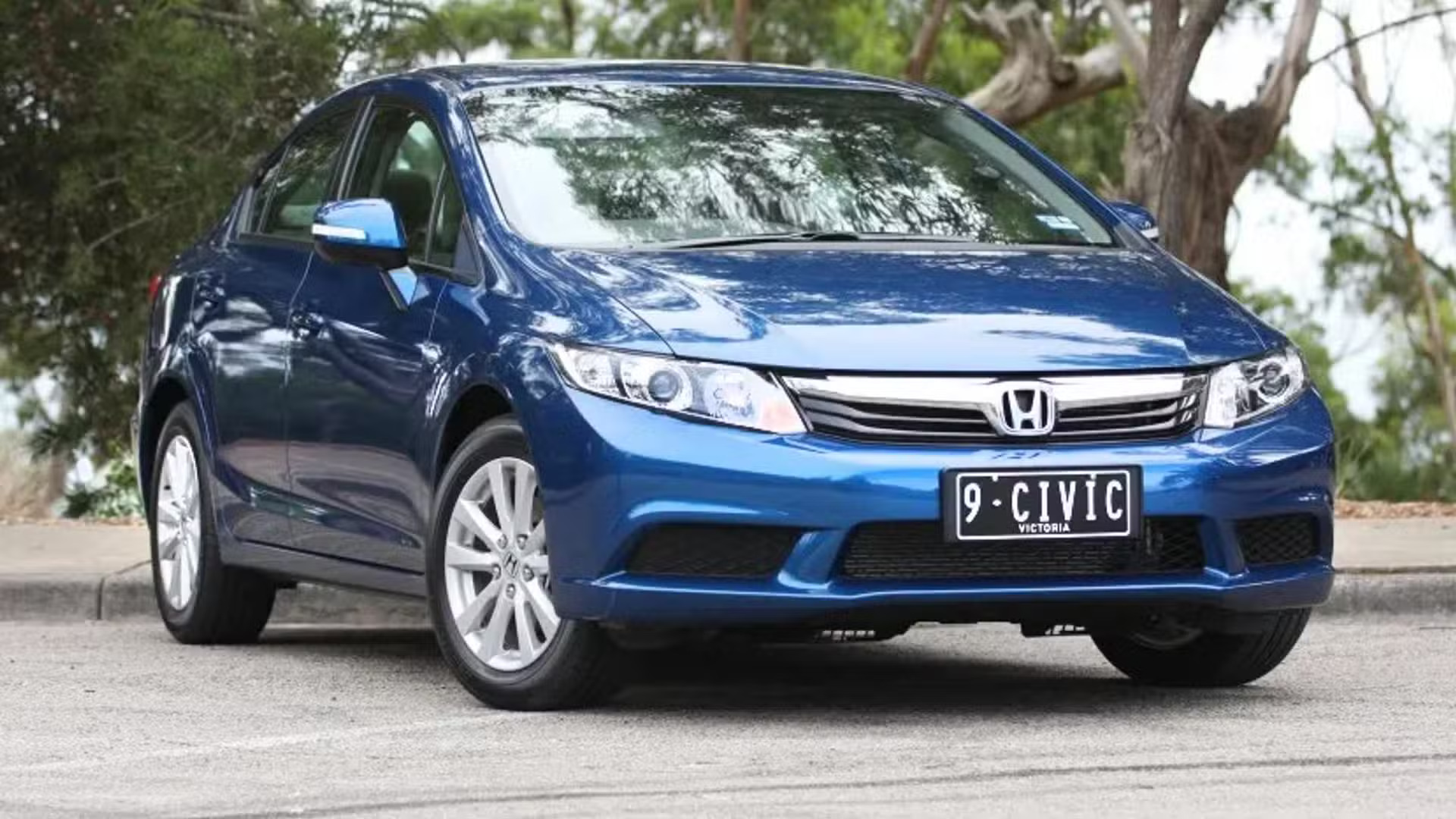
The ninth-generation Honda Civic, produced from 2012 to 2015, is widely regarded as a reliable and practical choice for students and first-time drivers. Redesigned for its ninth generation, the Civic features Honda’s Advanced Compatibility Engineering (ACE) body structure, which efficiently manages crash energy to protect occupants.
Standard safety equipment includes stability control, anti-lock brakes, and six airbags, while higher trims like the EX offer LaneWatch, a camera system that eliminates passenger-side blind spots. Its 1.8-liter i-VTEC engine uses a timing chain instead of a belt, reducing long-term maintenance costs.
The ergonomic two-tier dashboard keeps controls visible without distracting the driver, striking a balance between modern technology and safe, distraction-free operation.
The 2012–2015 Civic is known for its exceptional reliability. With proper care, most models can reach 200,000 to 300,000 miles, making them a durable and cost-effective option. These cars are also fuel-efficient, with the HF trim achieving up to 41 mpg on the highway and the hybrid variant offering 44 mpg combined.
Maintenance costs are generally low thanks to the simple and proven engineering, including conventional automatic or manual transmissions, which avoid the issues seen in earlier, less reliable CVTs. Pricing remains reasonable, making it accessible for families and students seeking dependable transportation.
The Civic’s design is both practical and student-friendly. The sedan offers 94.6 cubic feet of passenger space and 12.5 cubic feet of trunk volume, while the coupe provides slightly less passenger space but increased cargo room.
Features like Bluetooth connectivity, the intelligent media info display (i-MID), and steering wheel controls allow students to manage audio, navigation, and fuel information conveniently. The suspension and electronic power steering have been updated for smoother handling, making city driving and commuting comfortable and manageable.
Performance varies across models, from the standard 1.8-liter, 140-horsepower engine in DX, LX, and EX trims to the sportier 2.4-liter, 201-horsepower engine in the SI coupe. The hybrid model includes a 1.5-liter engine paired with an electric motor, emphasizing fuel economy. Most models accelerate from zero to 60 mph in just over ten seconds, providing adequate performance for everyday driving.
The 2012–2015 Honda Civic combines durability, safety, and efficiency with versatile styling and thoughtful interior design. Its low maintenance costs, high fuel economy, and wide range of trims make it an ideal choice for students and families seeking a dependable, economical, and practical vehicle.
3. Toyota Prius (2011–2015): Fuel-Efficient and Practical for Students
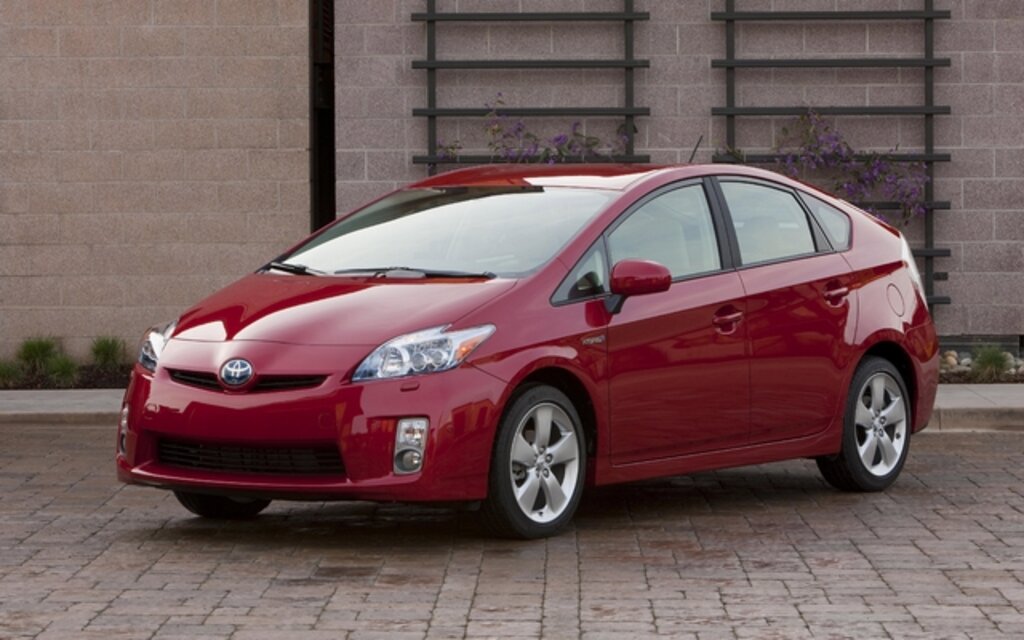
The third-generation Toyota Prius, produced from 2011 to 2015, is a top choice for students with long commutes because it offers exceptional fuel economy, practical cargo space, and strong reliability. Known for its hybrid efficiency, this generation averages around 50 miles per gallon combined, saving students roughly $4,000 in fuel over five years compared to typical vehicles.
The 1.8-liter engine produces 134 horsepower and pairs with Toyota’s Hybrid Synergy Drive system, providing smooth, quiet acceleration while maintaining excellent efficiency. The continuously variable transmission (CVT) further enhances fuel savings, and the Prius can reach 60 mph in just over 10 seconds.
Reliability and low running costs are key reasons parents trust the Prius for students. With proper maintenance, many examples surpass 200,000 miles. Annual repair costs are below average at roughly $408, and hybrid batteries can often be refurbished rather than replaced, avoiding costly repairs. Standard maintenance is simple, requiring routine oil changes, tires, and inspections, making it ideal for budget-conscious students.
Safety is another major advantage. Standard features include anti-lock disc brakes, stability control, and a full set of airbags, including driver knee airbags and side-curtain protection. Later models include backup cameras, improving visibility, while the split rear-window design ensures excellent rear sightlines. Handling is compact and predictable, making the Prius easy to drive in both city and highway settings.
Practicality and interior space make the Prius highly functional for student life. The hatchback design allows rear seats to fold flat, creating room for dorm gear, bicycles, or other cargo. The cabin offers more legroom, shoulder room, and headroom compared to previous generations, along with modern features such as Bluetooth connectivity, smart key systems, and intuitive hybrid gauges.
Under $10,000 in the used market, these Priuses are widely available due to high production numbers and moderate depreciation. Models from 2011 to 2015 remain affordable, often priced between $8,100 and $9,800, while still holding resale value well for later sale.
The 2011–2015 Toyota Prius combines outstanding fuel efficiency, low maintenance costs, a spacious interior, and strong safety features. Its reliability, practicality, and affordability make it a highly appealing choice for students who need dependable, economical, and safe transportation.
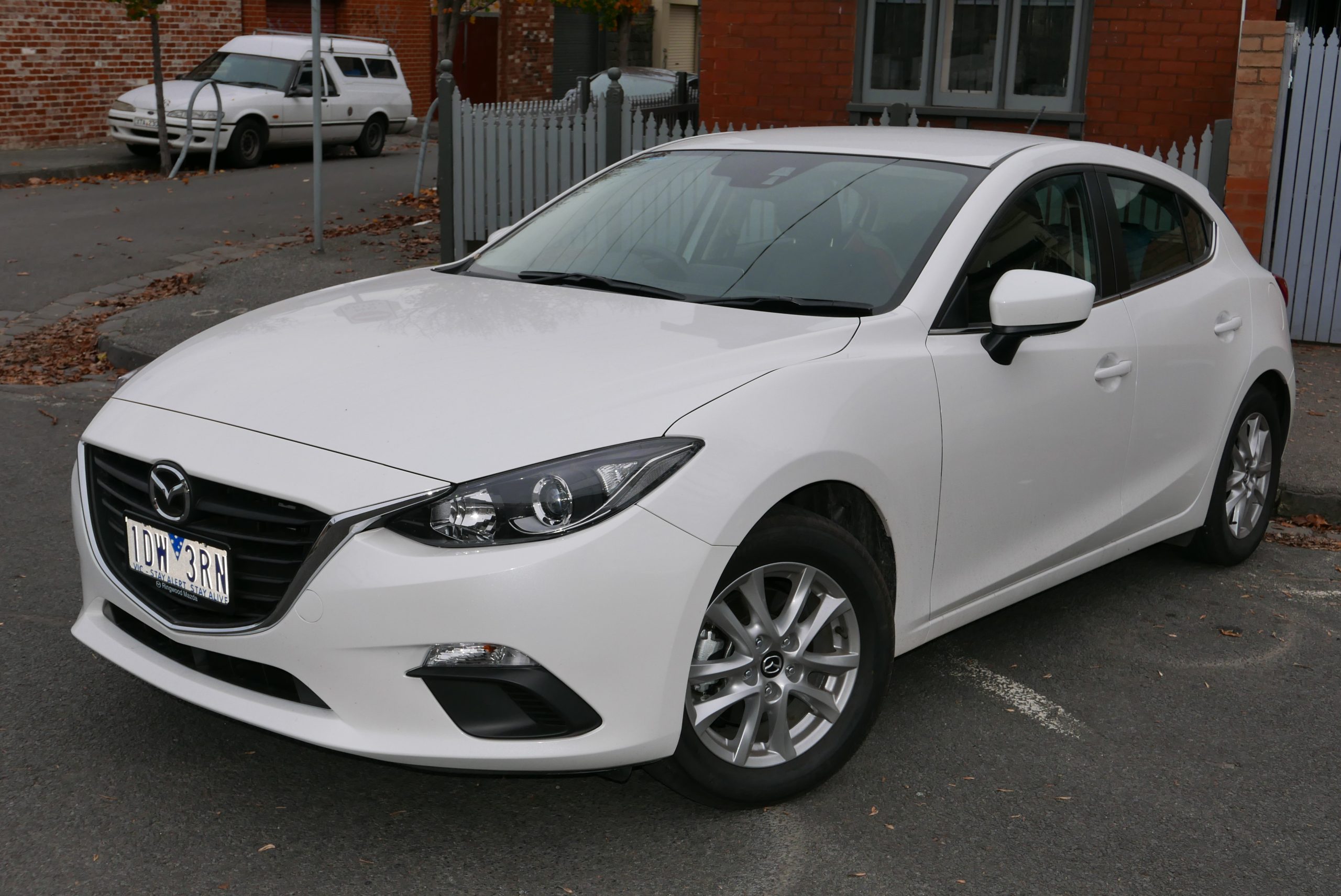
4. Mazda3 (2014–2016): Engaging and Safe Choice for Students
The 2014–2016 Mazda3 is often called the “enthusiast’s choice” among compact cars, combining sporty driving dynamics with high safety standards and practicality, making it an excellent option for students.
This generation was the first to fully integrate Mazda’s Skyactiv technology, which improves fuel efficiency and performance without relying on complex turbochargers or CVTs. Both sedan and hatchback models offer stylish, modern designs, with the hatchback providing nearly three times the cargo space when rear seats are folded, making it ideal for moving dorm gear.
Safety is a standout feature of the Mazda3. It earned IIHS Top Safety Pick+ status in 2014 and 2016, achieving “Good” scores in all crash tests, including the small-overlap frontal test. The NHTSA awarded it a five-star safety rating, and many used models include blind-spot monitoring and rear cross-traffic alert.
Its rigid Skyactiv-Body structure enhances occupant protection, while standard features like stability control, traction control, and multiple airbags ensure peace of mind for parents.
Reliability and affordability make the Mazda3 a practical student vehicle. The engines and transmissions are known for longevity, often lasting 200,000 to 300,000 miles with basic maintenance.
Repair costs are modest, averaging around $433 per year, and the car retains its value well. Unlike many competitors, Mazda used traditional 6-speed automatic transmissions, avoiding some of the long-term reliability issues seen with CVTs.
Fuel efficiency is strong, even with its sporty character. The 2.0-liter engine delivers 30 city / 41 highway mpg, while the 2.5-liter engine offers slightly more power with up to 39 mpg on the highway. Students benefit from a car that is fun to drive without incurring high fuel costs.
Inside, the Mazda3 provides a premium-feeling interior with a 7-inch touchscreen, intuitive controls, and well-designed seating. Materials and fit are above class average, and the available MazdaConnect infotainment system is responsive and easy to use.
While rear seat space and trunk capacity are slightly smaller than those of competitors like the Toyota Corolla, the hatchback model compensates with excellent cargo flexibility.
The 2014–2016 Mazda3 balances fun, safety, and practicality. Its engaging driving experience, high-quality interior, long-term reliability, strong safety ratings, and reasonable fuel economy make it a standout choice for students seeking a vehicle that is both enjoyable and dependable.
5. Honda Fit (2012–2015): Compact, Versatile, and Student-Friendly
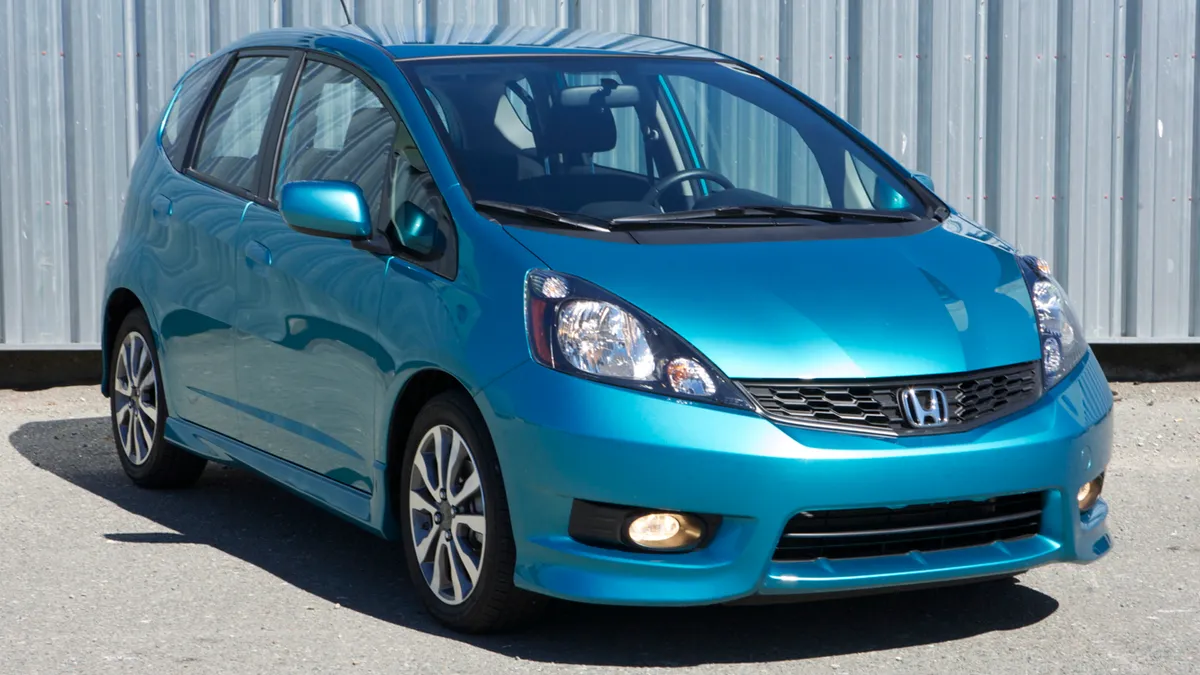
The 2012–2015 Honda Fit is an excellent choice for students because it combines space efficiency, reliability, and affordability. Its standout feature is the “Magic Seat” system, which allows the rear seats to fold flat or flip up to accommodate tall or bulky items, providing up to 57.3 cubic feet of cargo space.
This makes it more versatile than many small crossovers while maintaining a compact footprint that is easy to park and maneuver in city and campus environments.
Safety is a strong point of the Fit. It comes with standard front-side and side-curtain airbags, stability control, and a rigid chassis that provides above-average protection for a subcompact car.
Its handling is precise, and the steering feels sharp and responsive, offering an engaging, go-kart-like driving experience. While the interior is basic and highway engine noise can be noticeable, the Fit remains a practical, safe, and fun-to-drive option for students.
The Fit is also economical to own and operate. The 1.5-liter four-cylinder engine produces 117 horsepower and delivers excellent fuel efficiency, rated at 27 city and 33 highway mpg for manual models, and 28 city and 35 highway mpg for automatic models.
With proper maintenance, the Fit can reach 200,000 to 300,000 miles, keeping long-term costs low. For eco-conscious students, the 2014 Fit EV, available in select markets, features a 92-kW electric motor and a 20-kWh battery with a range of 82 miles and a combined 118 mpg-e.
Two trims were offered in this generation: the base Fit and the sportier Fit Sport. The Sport adds larger wheels, a rear spoiler, foglights, a leather-wrapped steering wheel, and paddle shifters for the automatic transmission. Standard equipment on all models includes power doors and windows, keyless entry, cruise control, 15-inch wheels, and a tilt-and-telescoping steering wheel.
With prices often under $10,000 on the used market, the 2012–2015 Honda Fit provides outstanding value for students. Its combination of compact size, versatile cargo space, fuel efficiency, safety, and reliability makes it an ideal car for commuting, campus life, and daily errands. The Fit delivers practical design, thoughtful features, and an enjoyable driving experience in a budget-friendly package.
Also Read: 5 Cars With Simple Dash Layouts vs 5 With Confusing Ones
6. Toyota Camry (2012–2015): Reliable and Safe Midsize Choice for Students
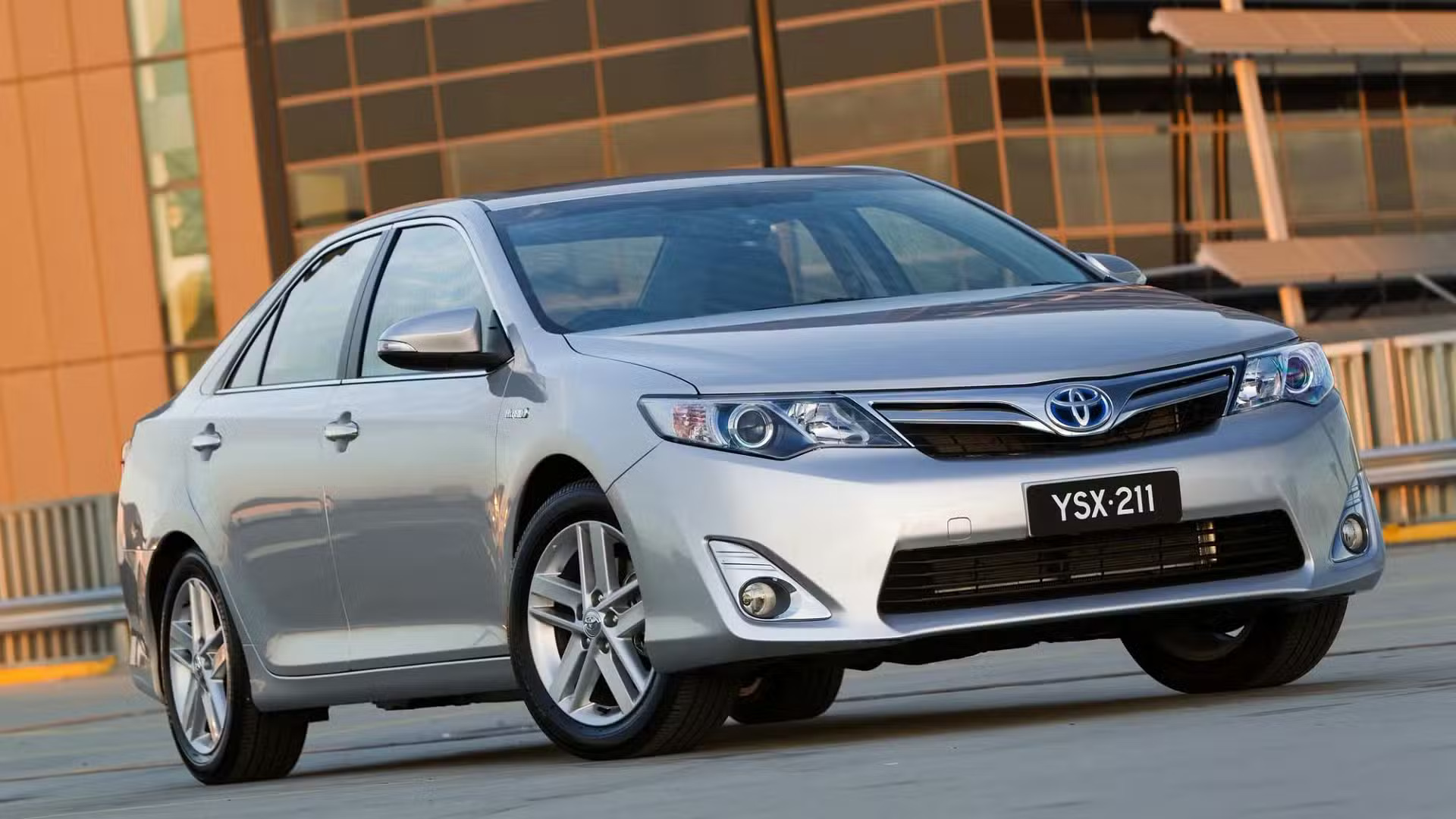
The 2012–2015 Toyota Camry is an excellent option for students seeking a larger, stable vehicle for commuting and highway travel. Known for its reliability and low maintenance costs, this generation of Camry balances comfort, safety, and affordability, often priced under $10,000 for well-maintained used models. Its spacious interior and smooth ride make long trips easier for new drivers, while its widespread popularity ensures parts and service are readily available.
Parents and students trust this Camry for its renowned longevity. With proper maintenance, the 2.5-liter four-cylinder engine and 6-speed automatic transmission can exceed 200,000 to 300,000 miles.
RepairPal rates this generation at 4.5 out of 5 for reliability, noting average annual maintenance costs around $378 to $388, lower than most midsize sedans. It’s simple, durable engineering reduces the risk of expensive repairs, making it a cost-effective choice for long-term ownership.
Safety is a major strength of the 2012–2015 Camry. Standard features include ten airbags, stability control, traction control, and Toyota’s Smart Stop Technology. The reinforced cabin and careful crash design earned Top Safety Pick recognition from the Insurance Institute for Highway Safety.
It also received five-star side crash ratings from the National Highway Traffic Safety Administration, giving students confidence in their protection on the road. Additional safety features, such as blind-spot monitoring, rear cross-traffic alert, lane departure warning, and adaptive cruise control, are available on higher trims.
This generation is also practical and convenient. The cabin comfortably seats passengers, and the 15.4-cubic-foot trunk offers ample space for dorm moves or weekend trips.
Many models include modern amenities such as Bluetooth, USB ports, and rearview cameras. While the styling is conservative and the base engine may feel underpowered compared with sportier competitors, the Camry prioritizes dependability over flair, making it ideal as a first car.
Fuel economy is reasonable for a midsize sedan, with the four-cylinder engine rated at 25 MPG city and 35 MPG highway. Its quiet, composed ride reduces driver fatigue on longer trips, while its larger footprint gives a “big car” feel that many parents find reassuring.
The combination of safety, reliability, comfort, and affordability makes the 2012–2015 Toyota Camry a practical and trusted choice for students and first-time drivers.
7. Subaru Legacy (2013–2015): Safe and Reliable AWD Sedan for Students
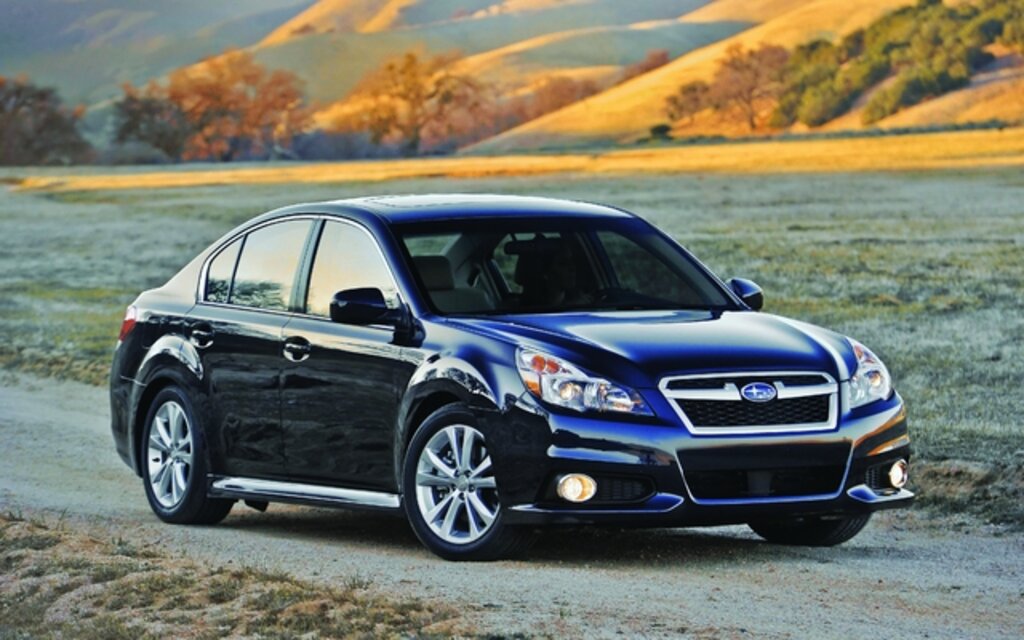
The 2013–2015 Subaru Legacy is a top choice for students in regions with snow or heavy rain because it comes standard with Symmetrical All-Wheel Drive. This feature provides excellent traction and stability, giving inexperienced drivers confidence in foul weather conditions.
In addition to its all-weather capability, the Legacy is praised for a spacious interior, generous rear legroom, and a large 15-cubic-foot trunk, making it practical for commuting and moving belongings to and from campus.
Safety is a key strength of the Legacy. These models consistently earned top ratings from the Insurance Institute for Highway Safety, including the Top Safety Pick+, and five-star ratings from the National Highway Traffic Safety Administration.
Later models often include Subaru’s EyeSight driver-assist system, which features pre-collision braking, lane departure warning, and adaptive cruise control. Additional options such as blind-spot monitoring, rear cross-traffic alert, and a rearview camera enhance protection. Excellent visibility, a reinforced cabin, and thoughtfully designed safety features make the Legacy a reliable choice for student drivers.
The Legacy is also budget-friendly and reliable over the long term. Used models often sell under $10,000, with four-cylinder versions priced around $8,300 to $9,500. The 2.5-liter flat-four engine paired with a continuously variable transmission provides smooth acceleration and achieves an EPA-rated 30 miles per gallon combined, keeping fuel costs low.
The optional 3.6-liter flat-six offers more power but comes at a higher price and reduced fuel efficiency. Subaru’s reputation for durability allows these vehicles to surpass 200,000 miles with regular maintenance.
The cabin combines comfort with functionality. It features a quiet interior, quality materials, and a well-designed control layout, including a 6.2-inch touchscreen infotainment system with Bluetooth, USB ports, and media streaming support. Seats are spacious and supportive, and the 60/40 split-folding rear bench expands cargo flexibility.
The 2013–2015 Subaru Legacy delivers a strong mix of all-weather capability, advanced safety, comfort, and dependable performance, making it a practical and safe choice for students, particularly in climates where traction and stability are essential.
8. Kia Soul (2014–2017): Stylish, Safe, and Practical Choice for Students
The 2014–2017 Kia Soul is a standout option for students seeking an affordable, safe, and practical vehicle. Its high seating position provides excellent visibility, which, combined with its sturdy build and comprehensive airbag system, results in top safety ratings.
Many used car guides recognize this generation as an IIHS Top Safety Pick, giving parents peace of mind. The boxy design creates a spacious cabin and generous cargo area, making it ideal for transporting dorm essentials, sports equipment, or luggage.
The Soul’s affordability and reliability make it a top choice for budget-conscious students. Used models typically range between $3,500 and $11,000, depending on condition and mileage, offering strong value for the price.
With proper maintenance, the Soul has a reputation for longevity and dependable performance, though buyers should check for potential engine issues on certain 2014–2019 models before purchase. Its compact size and maneuverable design also make it convenient for city driving and campus parking.
Performance varies across the three available powertrains. The base 1.6-liter four-cylinder produces 131 horsepower and pairs with either a six-speed manual or automatic transmission. The mid-range 2.0-liter Plus trim delivers 161 horsepower with a six-speed automatic, providing confident acceleration for city and highway driving.
The Exclaim trim features a turbocharged 1.6-liter engine with a seven-speed dual-clutch automatic, offering 201 horsepower and more spirited performance. All trims benefit from a refined suspension that balances comfort and responsiveness, making the Soul both smooth on rough roads and enjoyable on twisty routes.
Inside, the Kia Soul offers a comfortable, practical interior with upright seating, soft-touch materials, and thoughtful design touches such as leather-grain detail and optional accent stitching. Rear-seat comfort is strong, and the folding rear seats expand the cargo area. Infotainment features vary by trim, with Apple CarPlay, Android Auto, USB ports, Bluetooth, and larger touchscreen options available on higher trims.
The 2014–2017 Kia Soul combines style, safety, and utility in a compact package. Its spacious interior, high driving position, and flexible cargo space make it well-suited for students, while reliable performance, budget-friendly pricing, and excellent safety ratings give parents confidence in their investment.
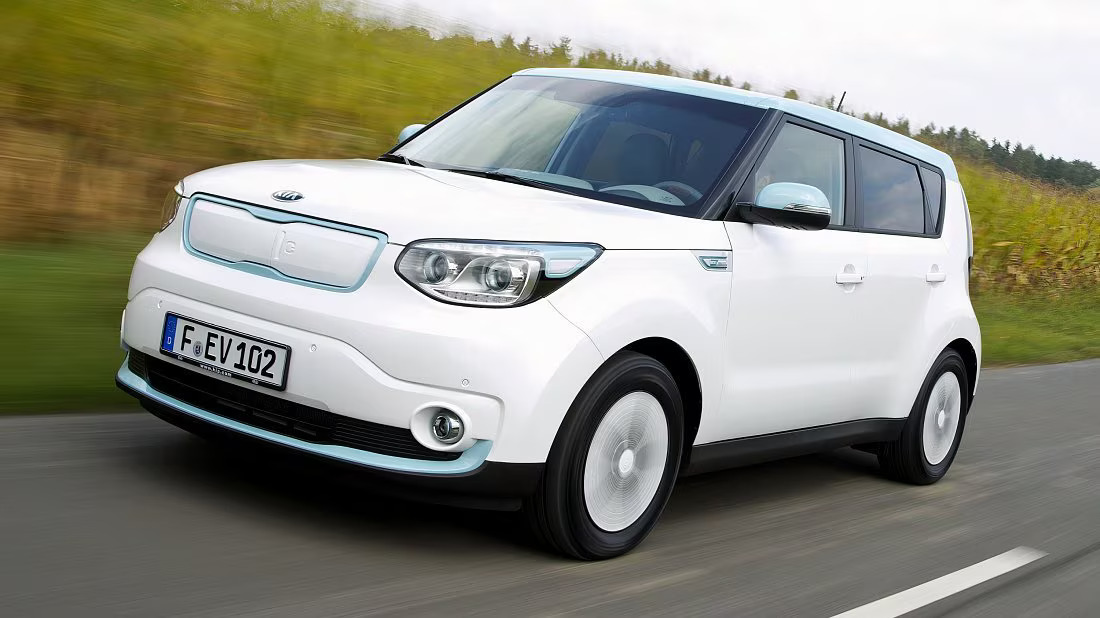
9. Honda Accord (2011–2013): Reliable, Safe, and Student-Friendly Sedan
The 2011–2013 Honda Accord is a trusted choice for students seeking a dependable mid-size sedan with spacious accommodations and long-term reliability. Known for its refined suspension, the Accord offers a smooth ride and confident handling, making it easier for novice drivers to control.
Its robust frame and advanced safety features, including multiple airbags, stability and traction control, and strong crash-test scores, provide parents with peace of mind. The 2011 Accord was the first vehicle to earn five stars in all NHTSA categories, while IIHS awarded top ratings in frontal and side-impact tests.
Reliability is a major strength of this generation. The 2.4-liter four-cylinder engine is particularly favored for students because it uses a timing chain, reducing maintenance costs, and can last well beyond 200,000 miles with basic care.
Owner surveys report high satisfaction, and annual maintenance averages around $400, keeping it affordable for a student budget. Parts are widely available, and mechanics are familiar with Honda’s high-volume models, ensuring repairs are straightforward and economical.
The Accord also excels in student-focused practicality. The cabin comfortably seats four adults, with generous front and rear legroom and a large trunk suitable for carpooling or transporting school supplies.
Fuel economy is competitive for its class, with four-cylinder models reaching up to 33–37 MPG on the highway. Controls are intuitive, and the car’s handling is responsive without being overwhelming, helping new drivers feel secure behind the wheel.
Trim levels vary in features and pricing, with base LX models offering essential comforts and safety, while higher-end EX-L trims provide leather seating, dual-zone climate control, and navigation. Prices for used 2011–2013 Accords generally fall under $10,000, with LX models around $7,400 and EX-L models near $8,700, making it a budget-friendly choice for students and families.
With its combination of safety, reliability, fuel efficiency, and roomy interior, the 2011–2013 Honda Accord remains a practical, trusted option for students seeking a sedan that balances performance, comfort, and affordability. Its durable powertrains, high safety ratings, and comfortable interior make it ideal for daily commuting, carpooling, and long-term ownership, ensuring peace of mind for both students and parents alike.
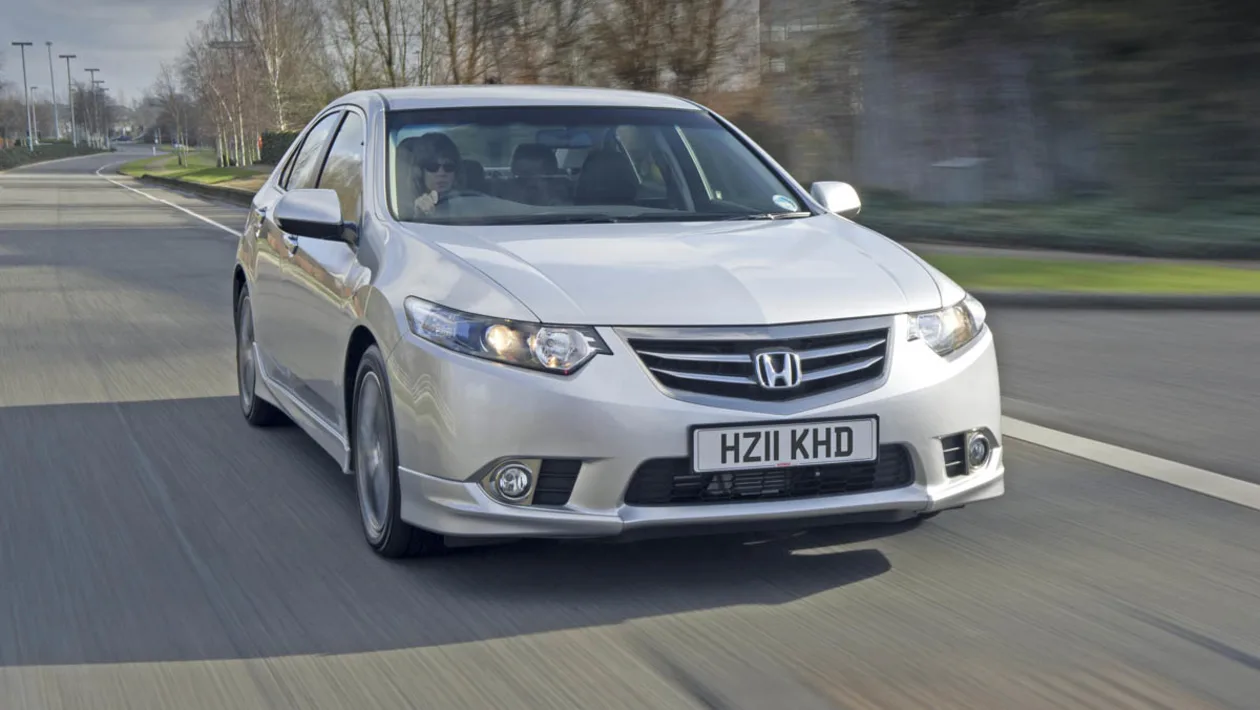
10. Toyota RAV4 (2010): Reliable, Versatile, and Student-Friendly SUV
The 2010 Toyota RAV4 is a practical choice for students seeking an affordable and dependable SUV under $10,000. Known for its long-lasting reliability, many RAV4s reach 200,000 to 250,000 miles with routine maintenance.
Parents appreciate its simple mechanical layout, which avoids the costly electronic systems found in newer crossovers. Its solid construction and strong safety features make it a trusted option for young drivers.
The RAV4 provides versatility with optional all-wheel drive and higher ground clearance, allowing it to handle snow, rain, or uneven terrain better than most compact vehicles. The 2.5-liter four-cylinder engine is smooth and fuel-efficient, achieving around 21 MPG in the city and 27 MPG on the highway.
The optional 3.5-liter V6 delivers 269 horsepower, offering strong acceleration and towing capacity. Both engines use automatic transmissions. The four-wheel-drive system can send up to 50 percent of torque to the rear wheels and includes a center differential lock for extra traction. The ride is stable and comfortable, with the Sport trim offering firmer suspension for improved handling.
Practicality is a strong point for the RAV4. Its upright design provides good visibility and a spacious cabin for five passengers. A third-row seat is available, but is suitable only for children.
Cargo capacity is generous, with a low load floor, folding rear seats, and storage wells for smaller items. Some users note that the side-swinging rear door can make parking in tight spaces slightly difficult, and cabin noise is noticeable in certain trims.
Safety features include front and side airbags, side curtain airbags, anti-lock brakes, electronic stability control, and optional Hill-start and Downhill Assist Controls. The RAV4 earned top marks for frontal and side impacts from the IIHS and five-star frontal driver ratings from the NHTSA. Rear-impact protection received a marginal rating.
Trim levels Base, Sport, and Limited cover a range of features. Base models include air conditioning, cruise control, keyless entry, and a six-speaker sound system.
Sport trims add heated mirrors, sport suspension, and styling upgrades, while Limited models provide leather upholstery, dual-zone climate control, upgraded audio, and towing options. Optional features such as a JBL sound system, power moonroof, and rear DVD entertainment enhance comfort and convenience.
With its combination of reliability, versatility, safety, and cargo space, the 2010 Toyota RAV4 remains an excellent option for students who need a capable SUV that handles city driving and outdoor adventures while staying budget-friendly.
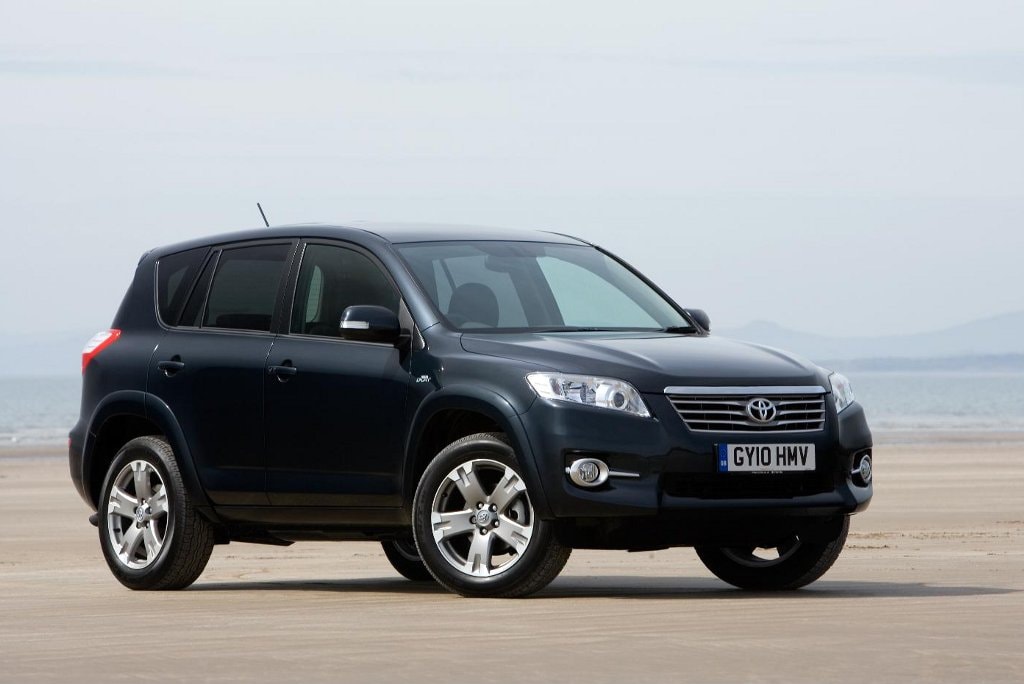
Choosing the right vehicle for a student is about more than price alone. Reliability, safety, low maintenance costs, and practicality are critical factors that ensure a vehicle meets both a student’s needs and a parent’s expectations.
The ten cars highlighted, from compact sedans like the Toyota Corolla and Honda Civic to versatile options like the Toyota RAV4 and Honda Fit, provide a mix of fuel efficiency, cargo space, and proven longevity.
Features such as airbags, stability control, and modern infotainment systems make daily driving safer and more convenient, while engines known for durability keep ownership costs low. For families on a budget, these under-$10,000 options offer the best balance of performance, comfort, and dependability.
By focusing on trusted models, parents can provide students with a vehicle that not only serves as reliable transportation but also builds confidence and independence behind the wheel.
Also read: Top 10 Cars That Hit the Depreciation Sweet Spot at 5 Years Old