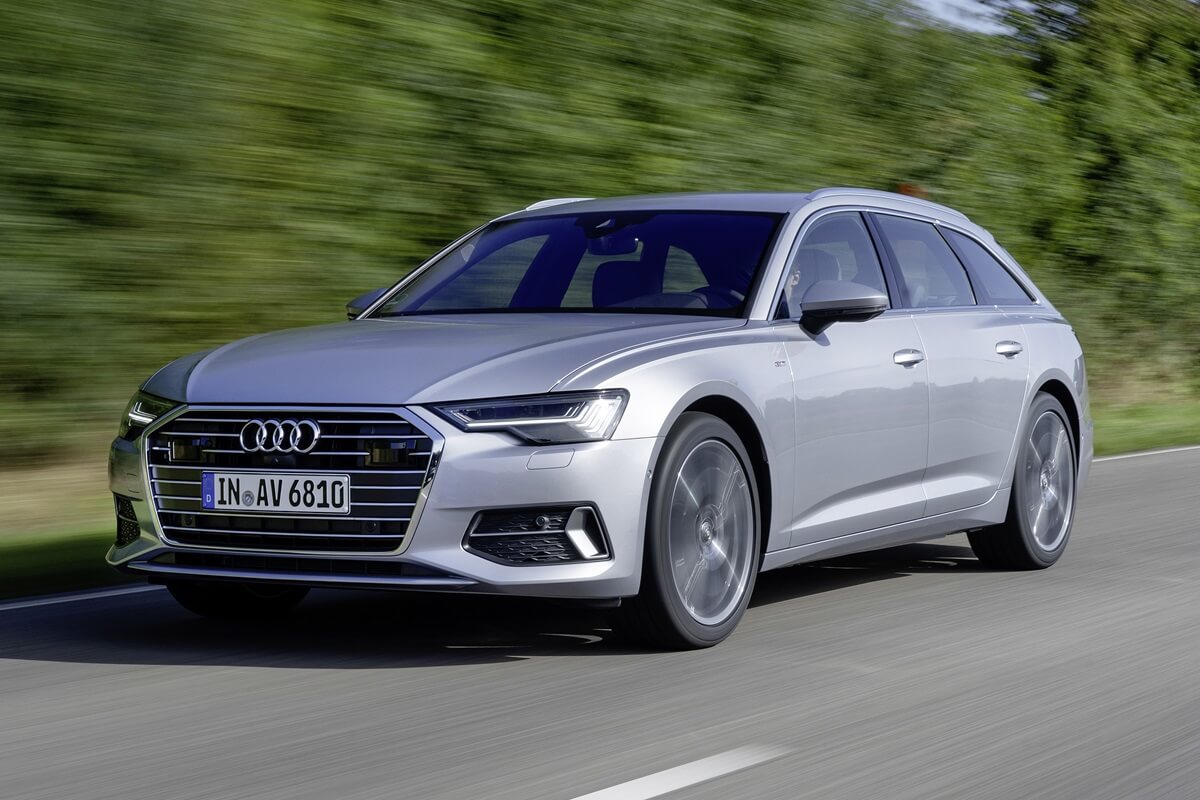
Driving after dark is one of the most demanding situations motorists face. According to U.S. safety data, a disproportionate number of serious crashes happen at night, largely because visibility drops while reaction time stays the same.
Modern vehicles now fight that problem with advanced LED and matrix lighting, adaptive high beams, cornering illumination, and wide, evenly distributed light patterns that reveal hazards sooner.
But not all headlights are created equal. Some cars project farther down the road, others spread light more evenly across lanes and shoulders, and a few actively adapt to curves or oncoming traffic in real time.
This list focuses on vehicles available in the U.S. market that consistently earn praise from drivers and lighting evaluations for real-world nighttime visibility.
These aren’t just bright headlights, they’re smart systems designed to reduce eye strain, improve contrast, and help you spot pedestrians, animals, and road edges earlier.
Below are ten vehicles that stand out for exceptional nighttime headlight performance.
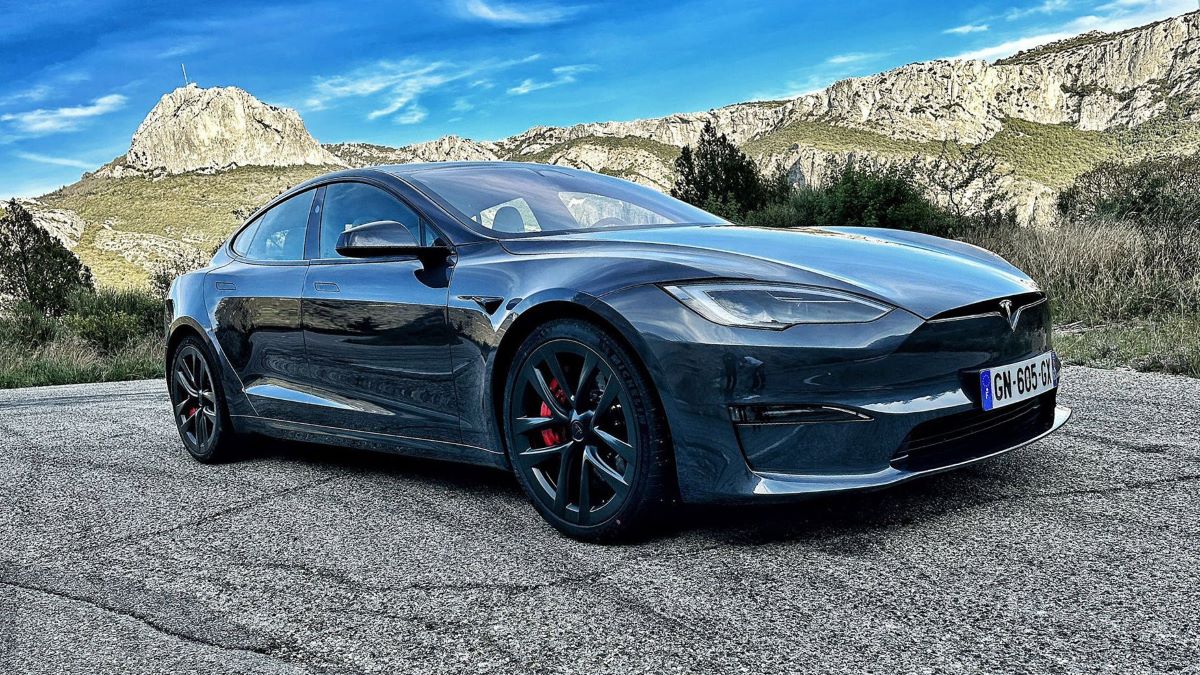
1. Tesla Model S
Tesla’s Model S uses powerful LED headlights paired with software-driven adaptive controls.
The system automatically adjusts beam height based on speed and road conditions, and newer builds support matrix-style light shaping that avoids dazzling oncoming traffic while keeping maximum illumination ahead.
What really sets it apart is the reach. On dark highways, the Model S projects light far down the road while maintaining a wide spread across both shoulders. This gives drivers more time to react to debris, animals, or stalled vehicles, especially useful on rural interstates.
Equipped with a dedicated electric motor for both the front and rear axles, the Model S delivers full-time all-wheel drive across every variant in the lineup.
Acceleration in the two available versions spans from exceptionally quick to outright astonishing. Even in its standard form, the Model S establishes itself as a nimble sports sedan, exhibiting composed body control and precise, responsive steering.
Drivers can select between two steering weight settings, one heavier and one lighter, but neither option enhances road feel or provides additional feedback.
Regrettably, the optional yoke-style steering wheel feels awkwardly executed and detracts from the driving experience; opting for the traditional steering wheel comes at no additional cost. Ride quality remains comfortable, cornering capability is skillful and controlled, and on the highway the car feels assured, stable, and nearly serene.
2. Audi A6
Audi has long been a leader in automotive lighting, and the A6 showcases that expertise with Matrix LED headlights.
These systems selectively dim individual segments to carve shadows around other cars while keeping the rest of the road brightly lit.
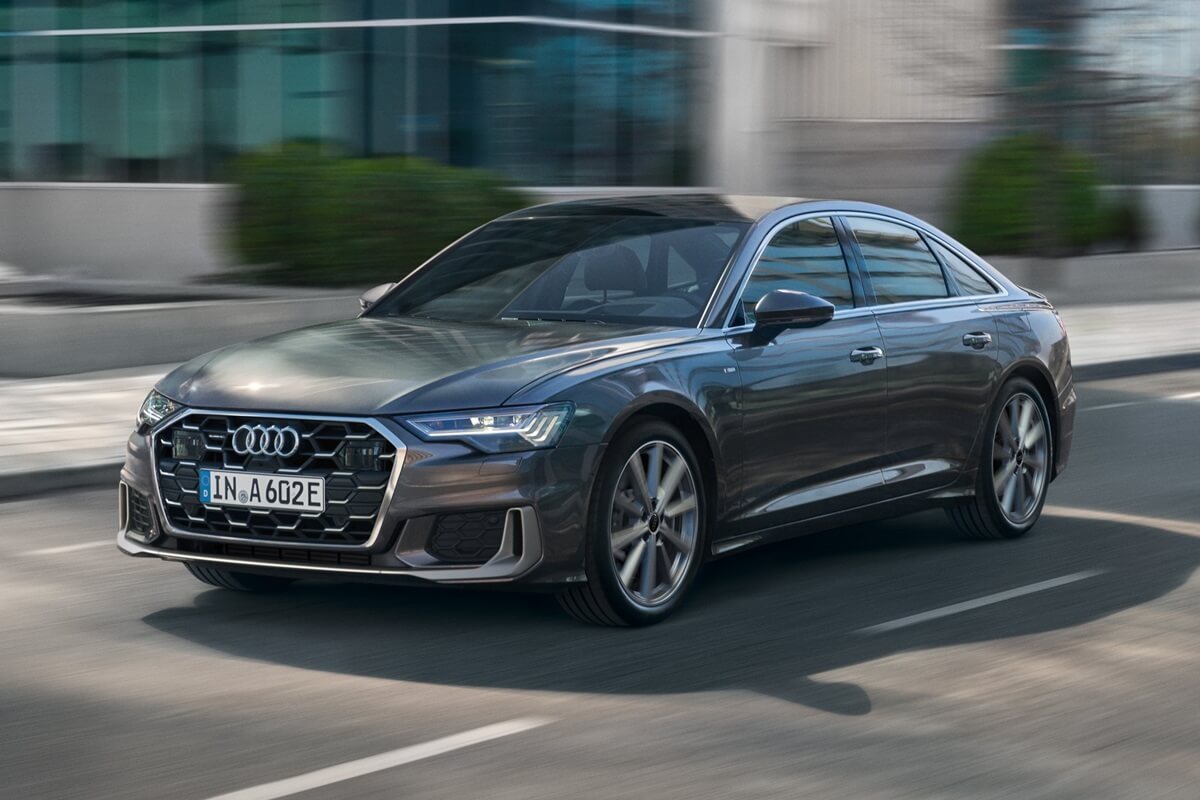
In practice, this means you can drive with near-high-beam brightness most of the time without blinding anyone.
The beam pattern is crisp, evenly distributed, and excellent at revealing lane markings and roadside objects, ideal for mixed urban and highway driving.
The Audi A6 offers two engine choices: a 261-horsepower turbocharged 2.0-liter four-cylinder and a 335-horsepower turbocharged 3.0-liter V-6. Both provide ample power for daily driving, moving this mid-size sedan with ease and without feeling overworked.
Each engine is paired with mild-hybrid technology, utilizing either a 12-volt or 48-volt starter-generator system to support the stop-start function and power auxiliary systems. A seven-speed automatic transmission comes standard, as does Quattro all-wheel drive.
The V-6 variant delivers particularly strong acceleration, making highway merging and overtaking effortless. In testing, it reached 60 mph in 4.8 seconds. While that is a quick time, it trails slightly behind key competitors. Comparable rivals complete the sprint in the mid–4-second range, giving them a marginal performance edge.
On the road, the A6 leans more toward comfort than outright sportiness. Its ride quality is smooth and composed, absorbing imperfections effectively and reinforcing its luxury orientation.
Handling is balanced and predictable, and the steering is accurate, but the overall driving experience prioritizes refinement over engagement. When pushed through winding roads, it remains competent yet stops short of delivering the sharper, more immersive feel associated with dedicated sport sedans.
3. Subaru Outback
The Outback earns its place thanks to Subaru’s Steering Responsive Headlights. As you turn the wheel, the headlights pivot to follow the curve, lighting up corners before you enter them.
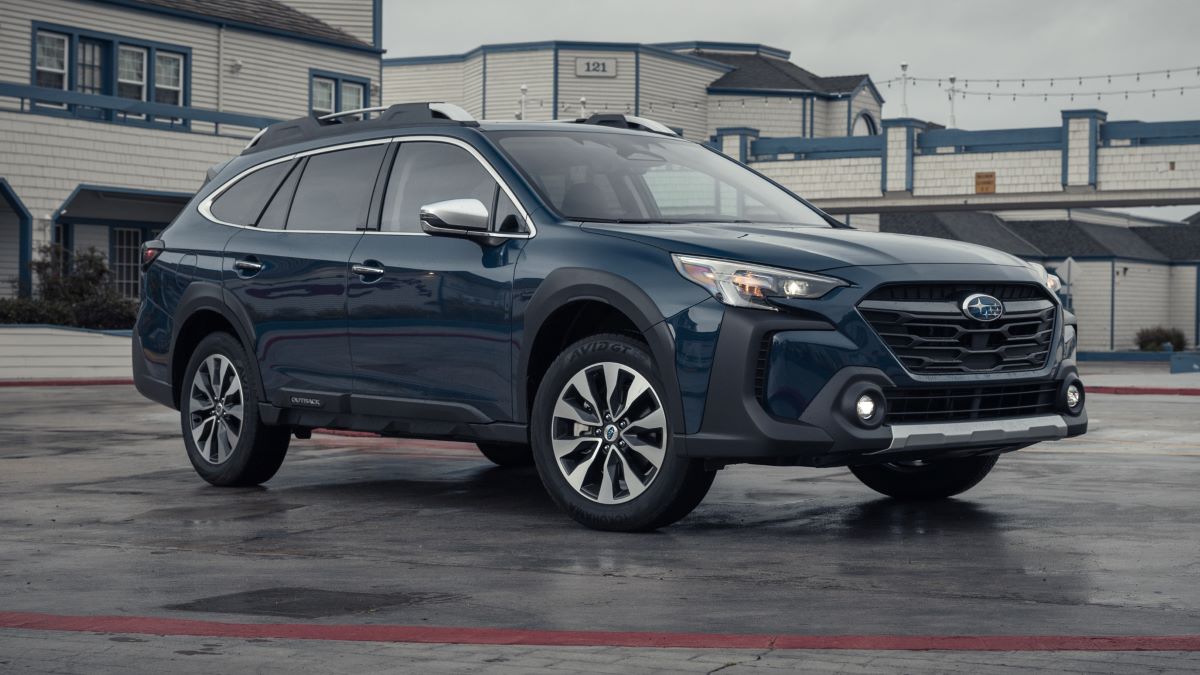
This is especially valuable on winding two-lane roads, where traditional fixed headlights often leave blind spots.
Combined with strong LED output and reliable automatic high beams, the Outback delivers excellent nighttime confidence for drivers who regularly travel outside well-lit cities.
In an automotive landscape increasingly dominated by large, heavy SUVs, the wagon-like Subaru Outback continues to carve out a strong position. For the 2022 model year, it receives a noteworthy update designed to further enhance the rugged character of this “Sport Utility Wagon.”
For 2022, the newly introduced Wilderness trim brings 9.5 inches of ground clearance, compared to the 8.7 inches offered on other variants. This more trail-focused Wilderness version also benefits from a revised suspension setup, all-terrain tires, and the more powerful 2.4T engine. Meanwhile, the base Outback now comes equipped with LED fog lights.
The Outback’s distinctive blend of crossover and wagon proportions merges the planted road manners and crisp styling of a well-designed sedan with the practicality, raised seating position, and light off-road ability typically associated with an SUV.
Among its most compelling attributes is ride comfort; it absorbs bumps and surface imperfections so effectively that many road flaws become barely noticeable. Once the pavement ends, the standard all-wheel-drive system and generous ground clearance provide reassuring capability.
The new Outback Wilderness is engineered to handle more demanding terrain, although the continuously variable transmission (CVT) paired with the 2.4-liter turbocharged flat-four feels inadequately calibrated, at times making it difficult to deploy the engine’s power effectively.
The cabin is attractively finished, featuring detailed contrast stitching and practical waterproof upholstery materials. However, the infotainment system can feel slow and somewhat distracting to operate, and Apple CarPlay integration is less intuitive than it should be. Subaru’s suite of driver-assistance technologies can also be overly sensitive in certain situations.
Historically, we have also noted shortcomings in the Outback’s powertrain lineup. The standard engine operates smoothly, but its modest output requires more deliberate planning and heavier throttle inputs when merging or overtaking.
While the available turbocharged engine provides a meaningful boost in performance, noticeable turbo lag and CVT calibration issues sometimes prevent the engine from remaining within its optimal power band. Despite these drawbacks, the Outback as a whole effectively combines key strengths of wagon and sedan formats, delivering a balanced mix of comfort, interior space, and all-weather capability.
For 2022, the Outback continues with two four-cylinder engine choices, each paired with a CVT automatic transmission and standard all-wheel drive. Base, Premium, and Limited trims are powered by a 2.5-liter flat-four generating 182 horsepower and 176 lb-ft of torque, with EPA ratings of 26 mpg in the city and 33 mpg on the highway.
Limited XT, Onyx Edition XT, Touring XT, and Wilderness models use a 2.4-liter turbocharged flat-four producing 260 horsepower and 277 lb-ft of torque. That engine is rated at 23/30 mpg city/highway, or 22/26 mpg when configured in Wilderness form with its increased ride height and more aggressive all-terrain tires.
In testing, turbocharged variants have achieved 0–60 mph times as quick as 5.9 seconds, whereas models with the base engine require approximately 8.7 seconds to reach 60 mph. The Outback Wilderness is rated to tow up to 3,500 pounds.
4. BMW 5 Series
BMW’s adaptive LED (and optional laser) headlights on the 5 Series provide one of the longest visible ranges in the luxury sedan segment.
At highway speeds, the beams stretch impressively far ahead while maintaining a smooth transition between bright and dark zones.
The system also adapts to curves and traffic automatically, reducing glare while preserving forward visibility. For frequent nighttime commuters, this translates into less eye fatigue and a clearer picture of what lies ahead.
The BMW 5 Series has evolved into a sedan that prioritizes refinement and long-distance comfort over the sharp, engaging dynamics traditionally associated with the brand’s “Ultimate Driving Machine” identity.
The previous year’s refresh introduced updated exterior styling and added a mild-hybrid system to the 540i, yet these revisions did little to eliminate the sense of detachment that characterizes much of the driving experience. While competent and composed, the car no longer delivers the level of steering feel and road communication enthusiasts once expected from a 5 Series.
One of the model’s strongest attributes remains its spacious interior. Both front and rear passengers benefit from generous room, and the overall fit and finish of materials is commendable.
Even so, the cabin does not quite reach the effortless richness of the Mercedes-Benz E-Class or the understated, serene minimalism of the Audi A6. Technological features are robust and well integrated, although the system does not yet incorporate the most current version of BMW’s iDrive infotainment interface, which slightly tempers its competitive edge.
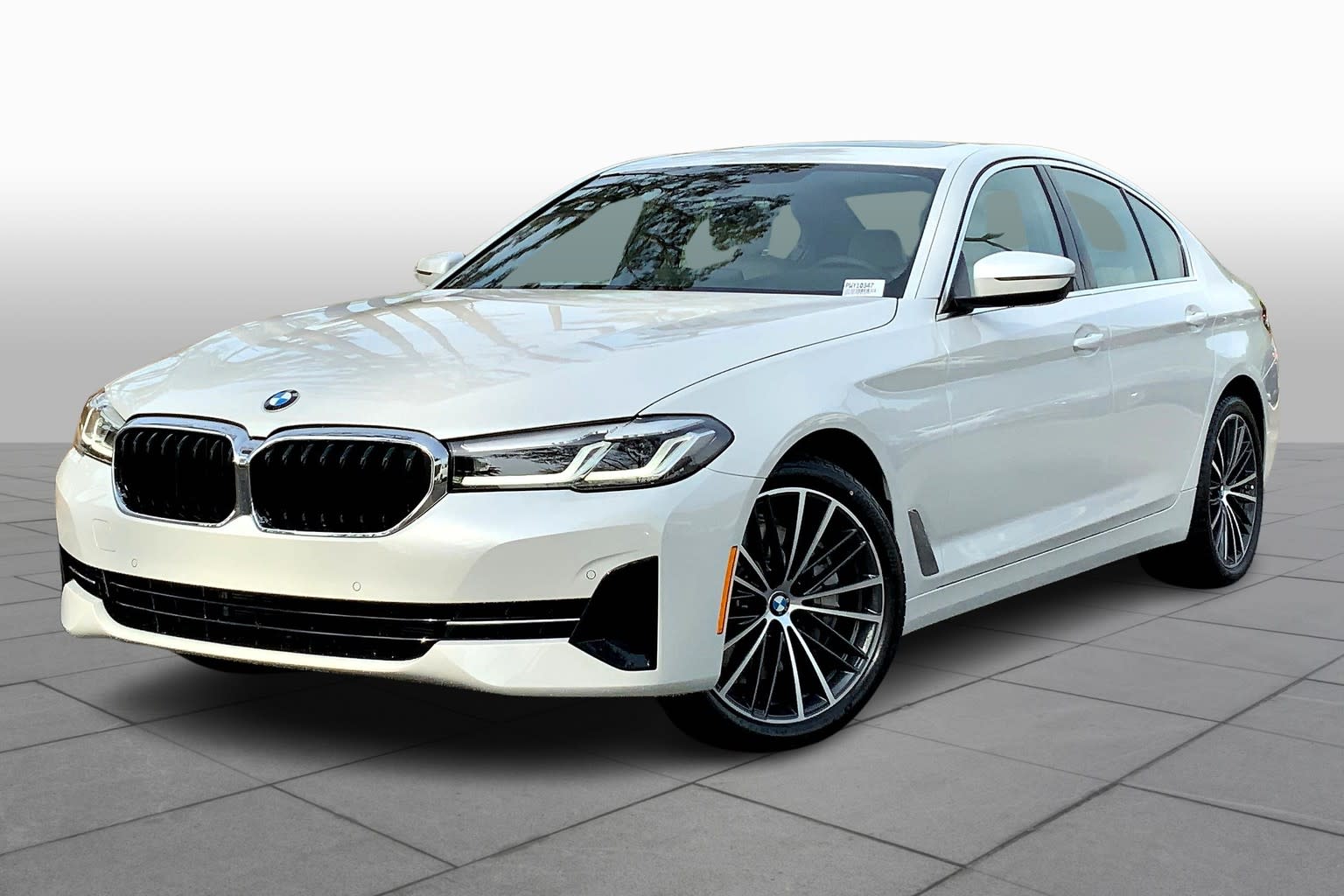
On the road, the 5 Series demonstrates impressive high-speed stability and effectively shields occupants from wind and road disturbances. That isolation, however, contributes to the subdued character behind the wheel. The suspension maintains good composure over varying surfaces, but limited tactile feedback reaches the steering wheel, reducing driver involvement.
The high-performance BMW M5, discussed separately, offers a more spirited alternative, though it still falls short of recapturing the visceral excitement found in earlier generations. The plug-in hybrid 530e remains a noteworthy choice, combining strong fuel efficiency with pricing that is only marginally higher than that of the base 530i.
For 2022, the 5 Series is offered with four available powertrains, each paired with an eight-speed automatic transmission. Notably, it stands among the limited number of midsize luxury sedans available with a hybrid configuration, sharing that distinction with models such as the Volvo S90 Recharge.
The 530i and 530i xDrive are available with either rear-wheel drive or all-wheel drive and are powered by a 2.0-liter turbocharged four-cylinder engine producing 248 horsepower and 257 lb-ft of torque.
Fuel economy is rated at 25 mpg city and 33 mpg highway in rear-wheel-drive form, and 23 mpg city and 32 mpg highway with all-wheel drive. According to manufacturer estimates, the rear-wheel-drive 530i accelerates from 0 to 60 mph in 5.9 seconds, while the all-wheel-drive 530i xDrive completes the same sprint in 5.8 seconds.
5. Toyota Highlander
Toyota equips higher trims of the Highlander with advanced LED projector headlights and automatic high beams.
While not as complex as luxury matrix systems, they deliver a strong, evenly spread beam that performs exceptionally well for a family SUV.
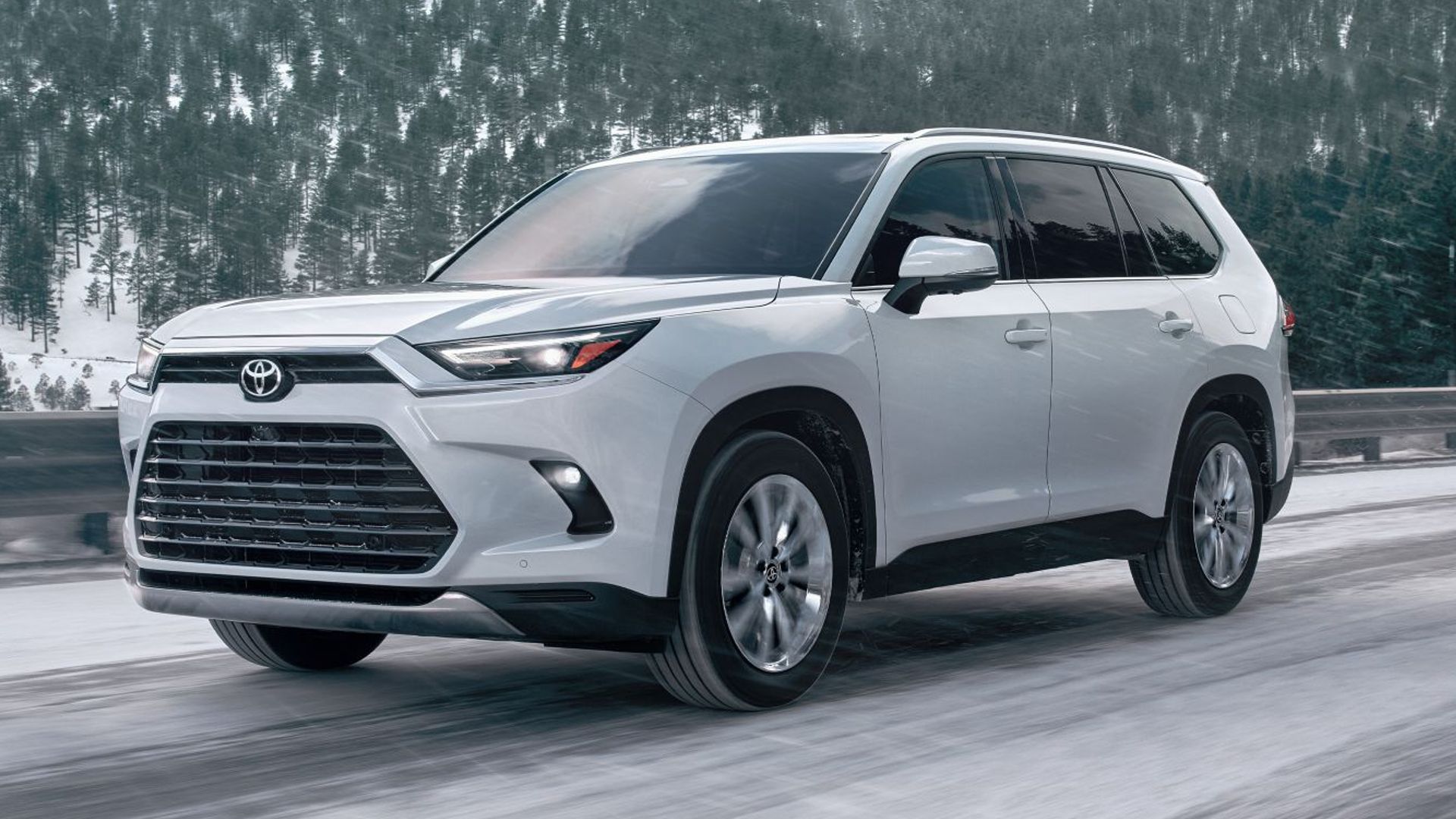
Drivers often note how clearly the Highlander lights up sidewalks and road edges, an important safety factor in suburban neighborhoods where pedestrians or cyclists may appear unexpectedly.
6. Mazda CX-5
Mazda’s Adaptive Front-lighting System gives the CX-5 a surprising edge in nighttime driving. The headlights swivel into turns and subtly adjust beam height depending on speed.
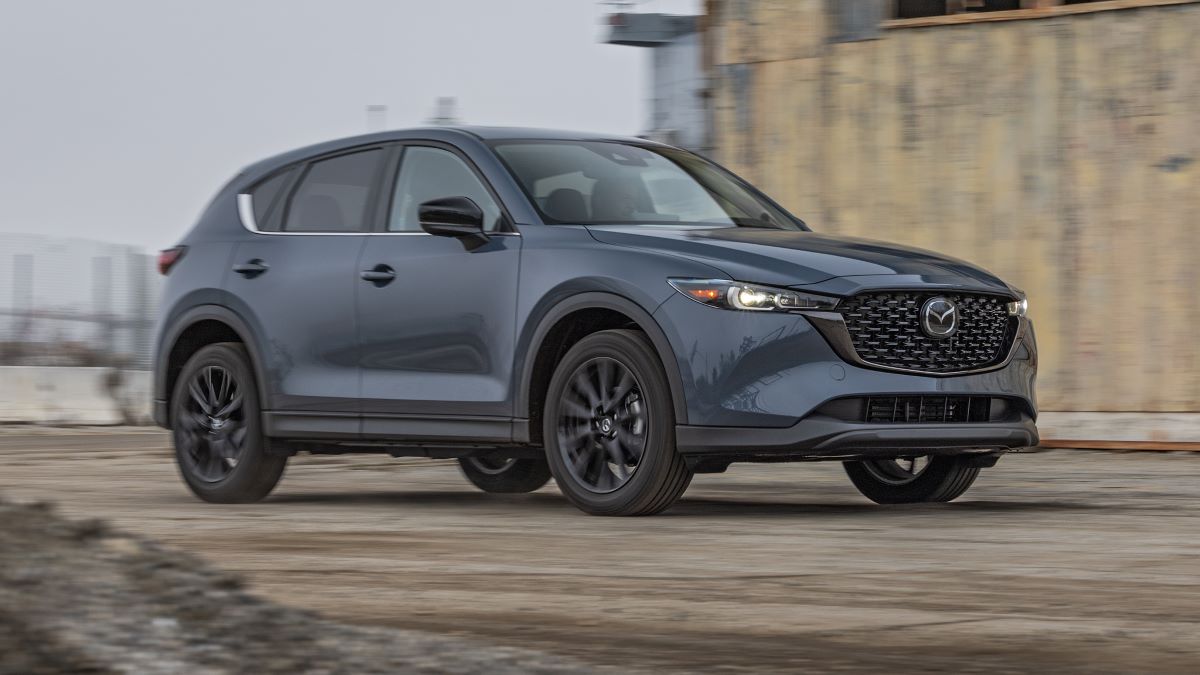
The result is a clean, natural-looking light pattern that avoids harsh hotspots while still illuminating far enough for confident highway travel. For a compact SUV, the CX-5 punches well above its weight in headlight performance.
The Mazda CX-5 comes standard with a 187-horsepower four-cylinder engine that delivers strong throttle response when accelerating from traffic lights or maneuvering through city streets, giving it a livelier impression than its raw acceleration figures might suggest. At elevated speeds, particularly during highway passing or freeway merging, the engine reveals a need for additional power.
The 256-horsepower turbocharged variant we evaluated offered substantially quicker acceleration and a more authoritative surge of power. Both engine options are matched to a responsive six-speed automatic transmission and standard all-wheel drive.
The CX-5 does not require aggressive driving to showcase its strengths. While its accurate steering and well-controlled body motions make it especially enjoyable on a winding Sunday drive, it remains equally composed during everyday use.
It absorbs uneven pavement with minimal disturbance and delivers a level of ride comfort comparable to crossovers positioned at significantly higher price points. This balanced integration of comfort and handling places it ahead of many rivals in the segment.
Road imperfections are effectively muted, cabin noise remains subdued, and the suspension tuning strikes an ideal balance, neither overly firm nor excessively soft. At the same time, the vehicle feels responsive and engaging on curving roads.
The electrically assisted steering system provides precise and confidence-inspiring feedback. In the Signature trim we tested, the brake pedal exhibited reassuring feel, engaging promptly without delay and avoiding excessive sensitivity under normal application.
7. Volvo XC90
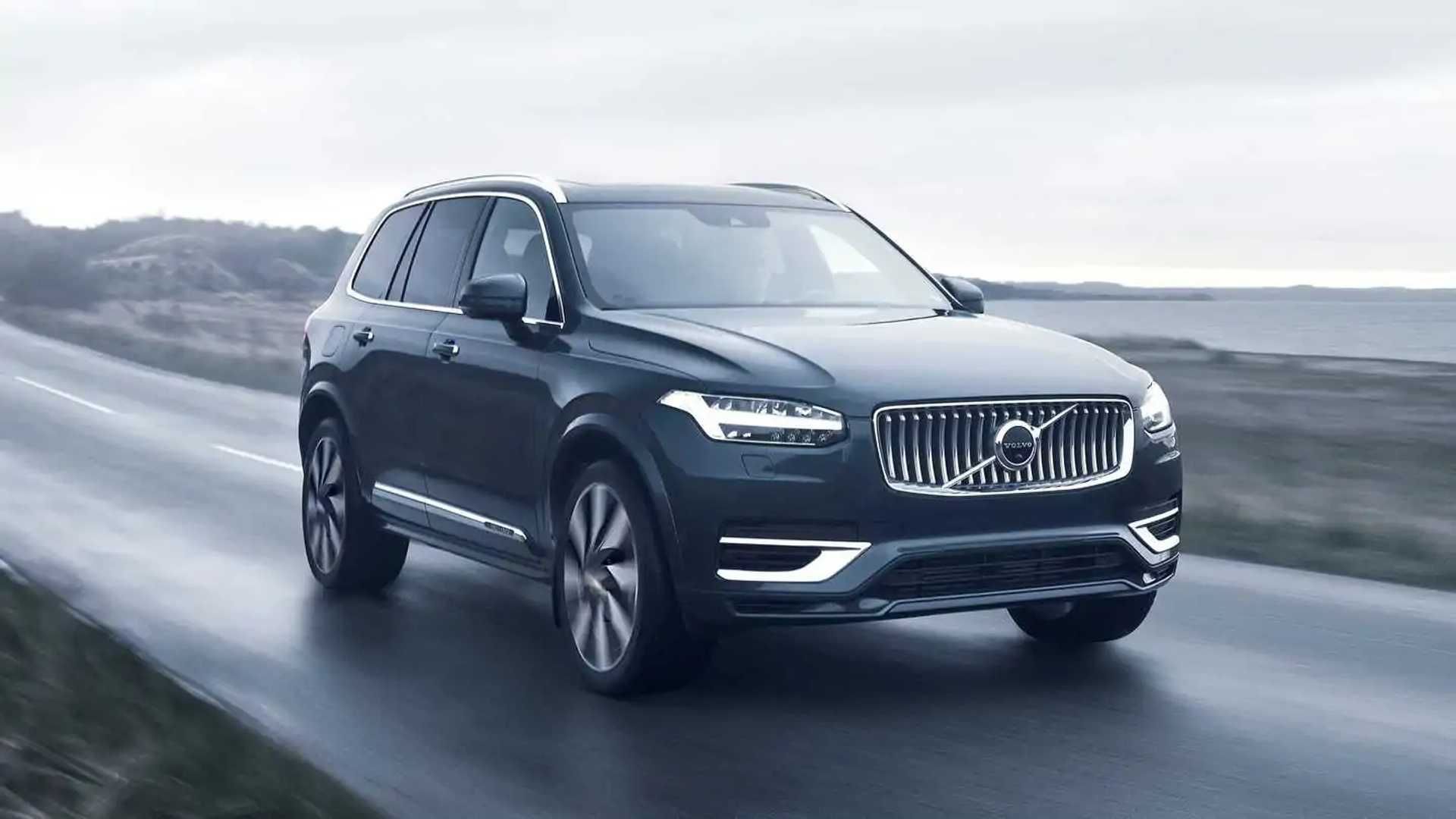
Volvo’s signature “Thor’s Hammer” headlights aren’t just stylish, they’re highly functional. The XC90 uses adaptive full-LED lighting that automatically switches between city, highway, and curve modes.
Visibility is excellent in poor weather and on dark backroads, with particularly strong shoulder illumination.
Volvo also integrates pedestrian and animal detection with lighting behavior, helping draw attention to potential hazards sooner.
The Mazda CX-5 comes standard with a 187-horsepower four-cylinder engine that delivers strong throttle response when accelerating from traffic lights or maneuvering through city streets, giving it a livelier impression than its raw acceleration figures might suggest.
At elevated speeds, particularly during highway passing or freeway merging, the engine reveals a need for additional power. By contrast, the 256-horsepower turbocharged variant we evaluated offered substantially quicker acceleration and a more authoritative surge of power. Both engine options are matched to a responsive six-speed automatic transmission and standard all-wheel drive.
The CX-5 does not require aggressive driving to showcase its strengths. While its accurate steering and well-controlled body motions make it especially enjoyable on a winding Sunday drive, it remains equally composed during everyday use.
It absorbs uneven pavement with minimal disturbance and delivers a level of ride comfort comparable to crossovers positioned at significantly higher price points. This balanced integration of comfort and handling places it ahead of many rivals in the segment.
Road imperfections are effectively muted, cabin noise remains subdued, and the suspension tuning strikes an ideal balance, neither overly firm nor excessively soft. At the same time, the vehicle feels responsive and engaging on curving roads.
The electrically assisted steering system provides precise and confidence-inspiring feedback. In the Signature trim we tested, the brake pedal exhibited reassuring feel, engaging promptly without delay and avoiding excessive sensitivity under normal application.
8. Honda Accord
The Honda Accord proves you don’t need a luxury badge for great headlights. Its LED low beams and automatic high beams provide a wide, consistent light pattern that ranks well in independent evaluations.
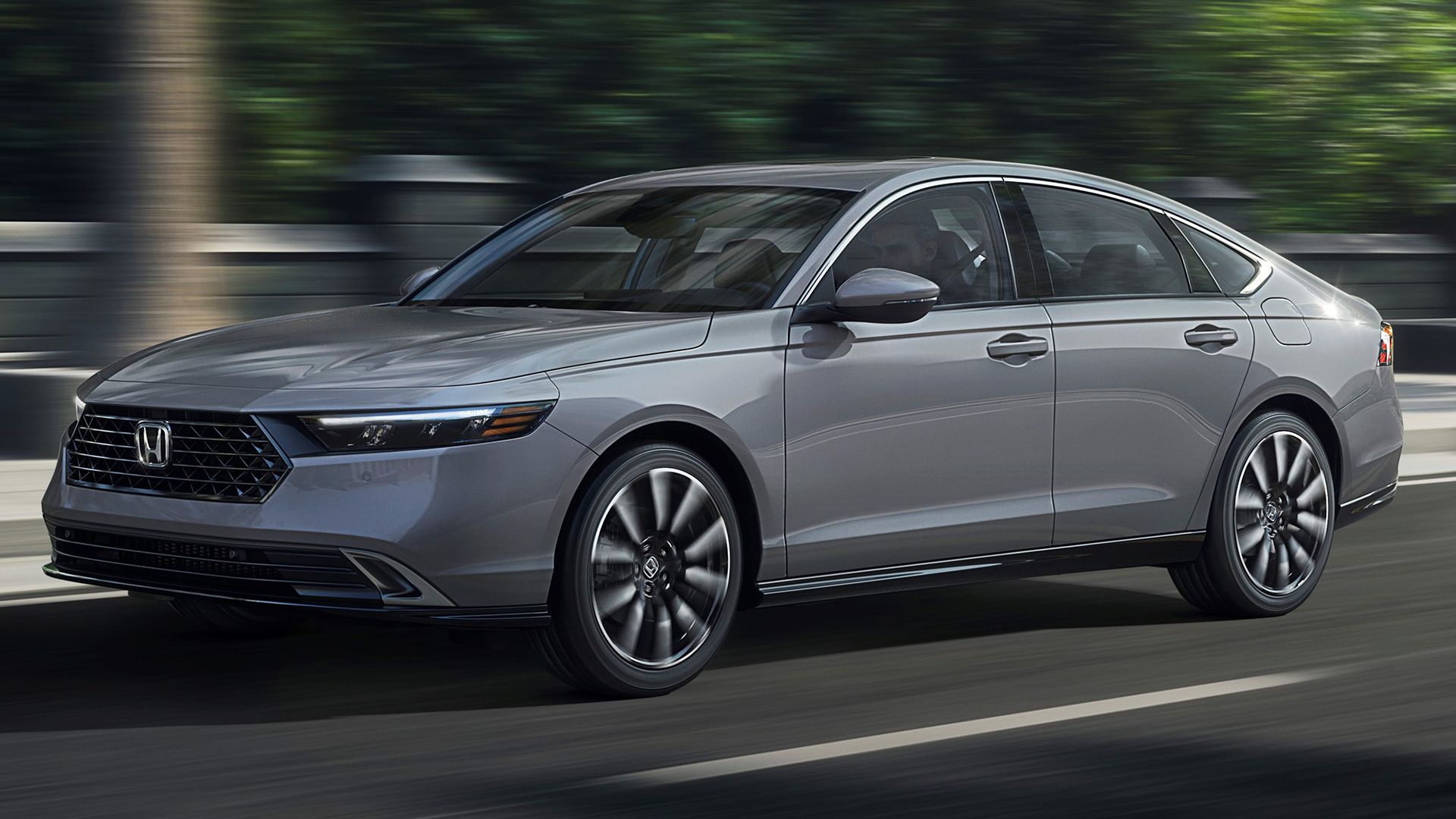
For everyday commuters, the Accord offers excellent clarity in rain and darkness, making it one of the strongest performers in the midsize sedan category.
9. Ford F-150
Pickup trucks sit higher than cars, which naturally improves forward visibility, and the F-150 takes full advantage with available LED headlights that cast a broad, powerful beam.
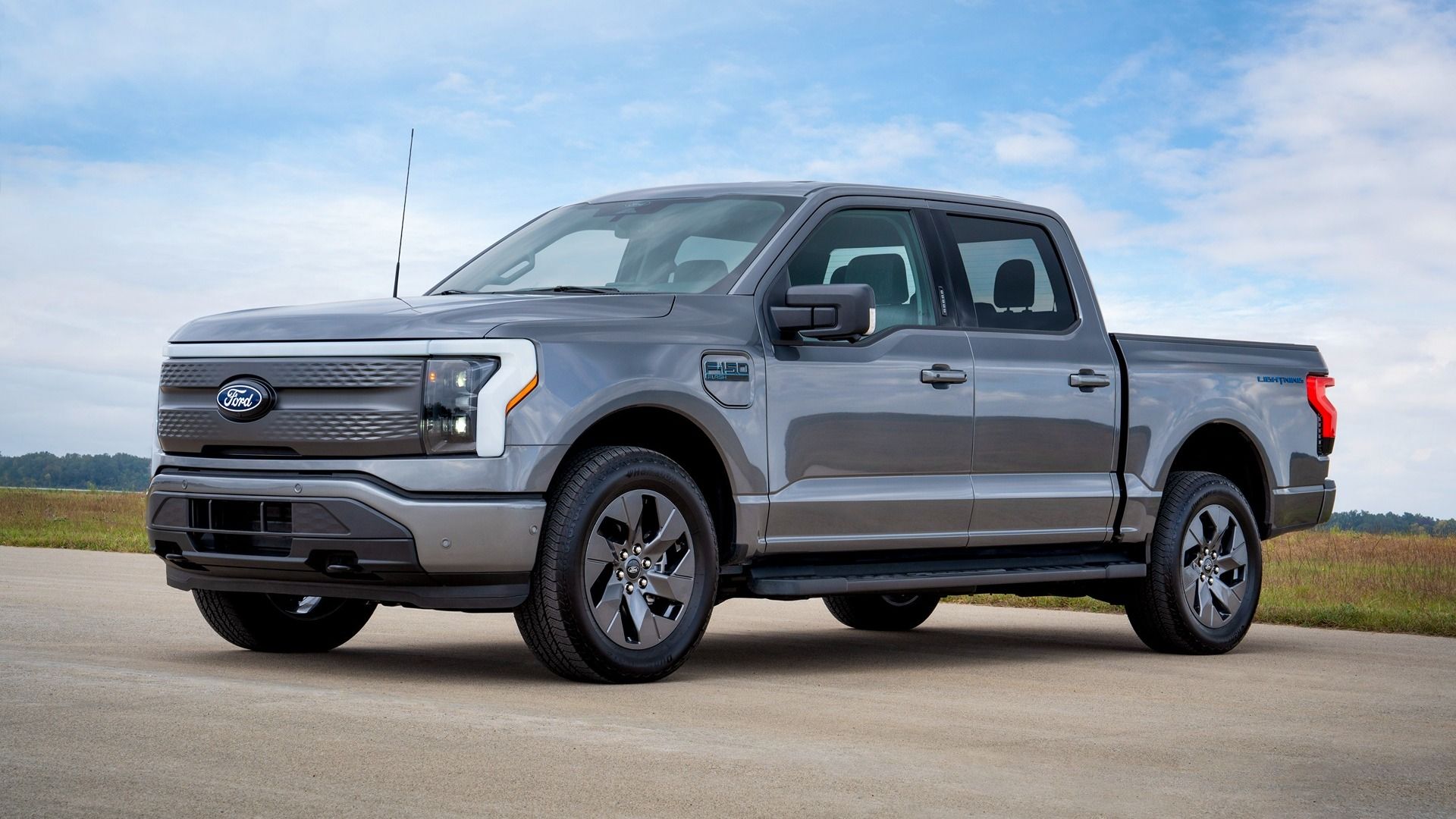
These lights excel on dark rural roads and job sites, illuminating both distance and peripheral areas. For drivers who tow or travel long stretches at night, the F-150’s lighting system is a major practical benefit.
The Ford F-150 is offered with a broad selection of engines, giving buyers considerable flexibility. The lineup includes a 290-horsepower 3.3-liter V-6, a 400-horsepower 5.0-liter V-8, a 325-horsepower twin-turbocharged 2.7-liter V-6, a 400-horsepower twin-turbocharged 3.5-liter V-6, and a 250-horsepower 3.0-liter diesel V-6. Every configuration is paired with a 10-speed automatic transmission, regardless of engine choice.
For the first time, the F-150 is also available with a hybrid powertrain. According to Ford, the new 400-horsepower hybrid system, combining a 3.5-liter twin-turbo V-6, a 35-kW electric motor, and a 10-speed automatic transmission, can deliver up to 700 miles of driving range on a single tank.
In addition, it is capable of operating an onboard generator to supply power at job sites or during outages. Across the range, buyers can select either rear-wheel drive or four-wheel drive with any available powertrain.
In performance testing, a four-wheel-drive Lariat model equipped with the hybrid system accelerated from 0 to 60 mph in a swift 5.4 seconds. On the road, the truck demonstrated a compliant ride and well-balanced handling characteristics.
Higher trims such as the King Ranch feature a variable-assist steering system that enhances responsiveness at lower speeds, contributing to a more maneuverable feel. For those prioritizing off-road performance, the Tremor variant stands out as the most trail-focused configuration.
It comes equipped with 33-inch all-terrain tires, a revised suspension setup, a locking rear differential, and a four-wheel-drive transfer case sourced from the formidable Ford F-150 Raptor. In testing, the Tremor reached 60 mph in just 5.3 seconds, only one-tenth of a second behind the more powerful Raptor.
10. Genesis G80
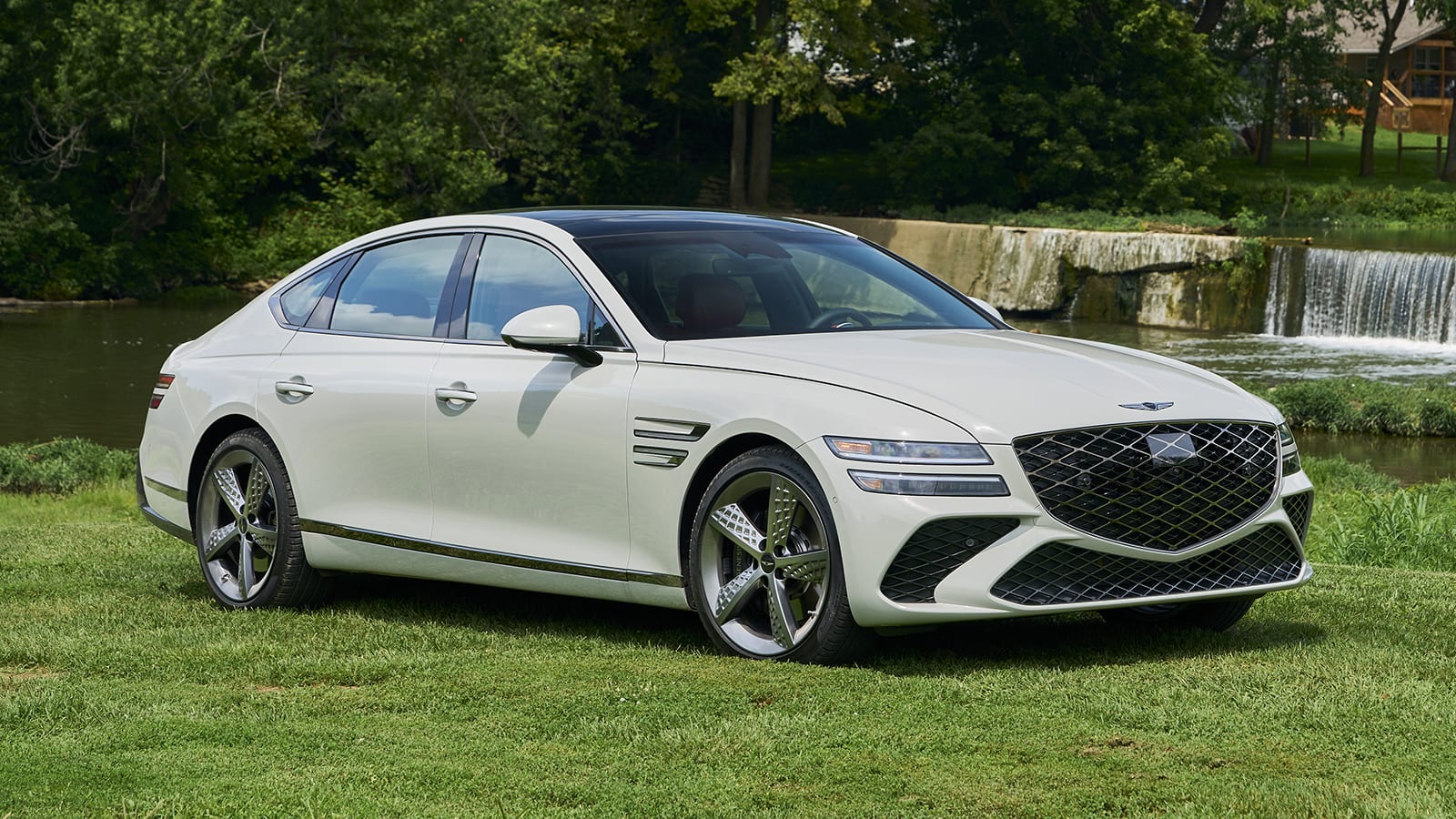
Genesis rounds out the list with the G80, which features adaptive LED headlights designed for smooth, glare-free illumination. The system automatically adjusts beam shape for curves and traffic while maintaining excellent forward reach.
What stands out is refinement: light transitions feel natural, and contrast is strong without being harsh. It’s a calm, confidence-inspiring setup that rivals far more expensive luxury sedans.
Great headlights aren’t just about brightness. The best systems combine distance, width, adaptability, and intelligent glare control to create a safer nighttime driving experience.
The Genesis G80 in its base configuration is equipped with a turbocharged 2.5-liter inline-four engine producing 300 horsepower, available with either rear-wheel drive or all-wheel drive.
Those prioritizing stronger acceleration are better served by the Sport trim, which features a 375-horsepower twin-turbocharged 3.5-liter V-6 and comes standard with all-wheel drive. In both cases, power is routed through an eight-speed automatic transmission.
In performance testing, the turbocharged four-cylinder delivered a brisk 0-to-60-mph time of 5.7 seconds at our test track, while the V-6-powered model reduced that sprint to 4.9 seconds.
On the road, the G80 emphasizes comfort, offering a smooth and composed ride, light and effortless steering, and dependable braking performance. However, in standard form, it does not exhibit the same level of athleticism as some competitors in the segment.
The Sport variant, introduced for 2022, enhances the sedan’s dynamic character and is intended to appeal more directly to driving enthusiasts. Although it uses the same 375-horsepower twin-turbo V-6 as other upper trims, it incorporates a launch control system that contributed to a 0.2-second improvement in its zero-to-60-mph time during our testing.
Whether you’re navigating city streets, cruising interstates, or tackling dark rural roads, strong visibility reduces stress and increases reaction time.
If nighttime driving is a regular part of your routine, prioritize vehicles with adaptive LED or matrix-style headlights, automatic high beams, and curve-responsive lighting. Those features consistently make the biggest difference in real-world conditions.