Finding a vehicle that offers generous headroom and legroom can be a game changer for tall drivers. Standard sedans and compact SUVs often fall short in accommodating drivers above six feet, leaving knees cramped and posture awkward during longer journeys.
This guide highlights eight vehicles that excel in interior space and ergonomics, making them particularly well-suited for taller occupants. From full-size luxury sedans like the Mercedes-Benz S-Class with its expansive 42-inch headroom and adjustable multicontour seats, to rugged pickups like the Ford F-150 boasting nearly 44 inches of front legroom, these vehicles combine thoughtful interior design with comfort-focused engineering.
SUVs such as the Toyota Sequoia and innovative electric models like the Rivian R1S further demonstrate how intelligent packaging can provide tall drivers with roomy cabins without sacrificing performance, style, or utility.
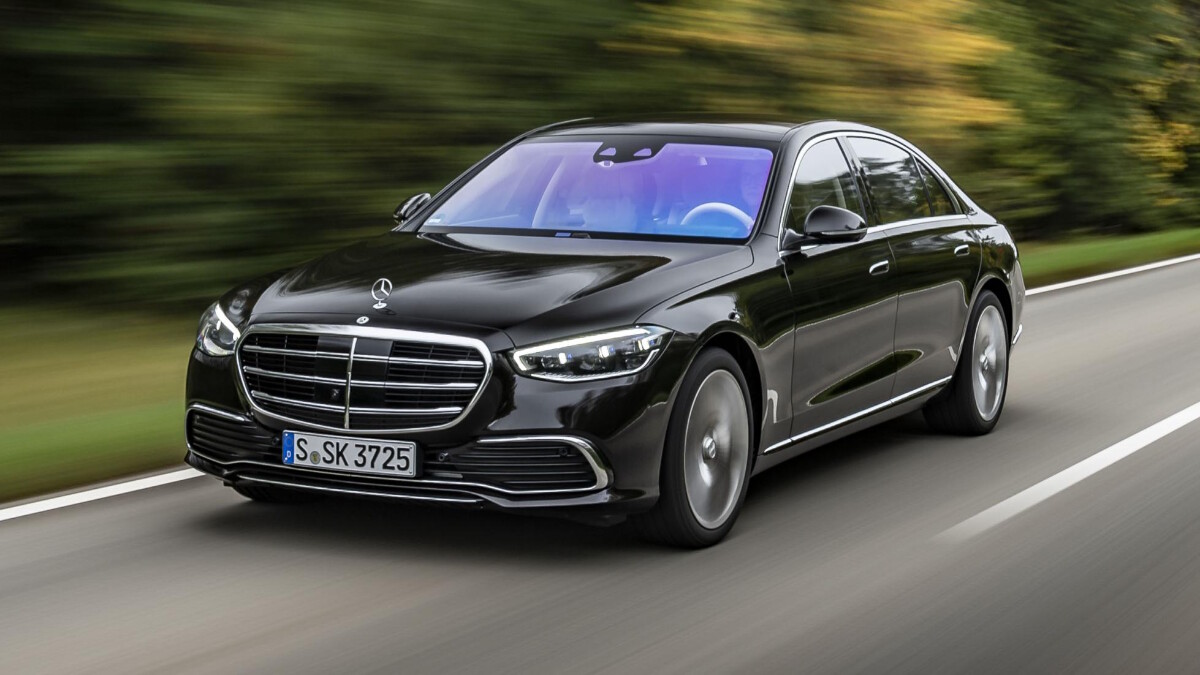
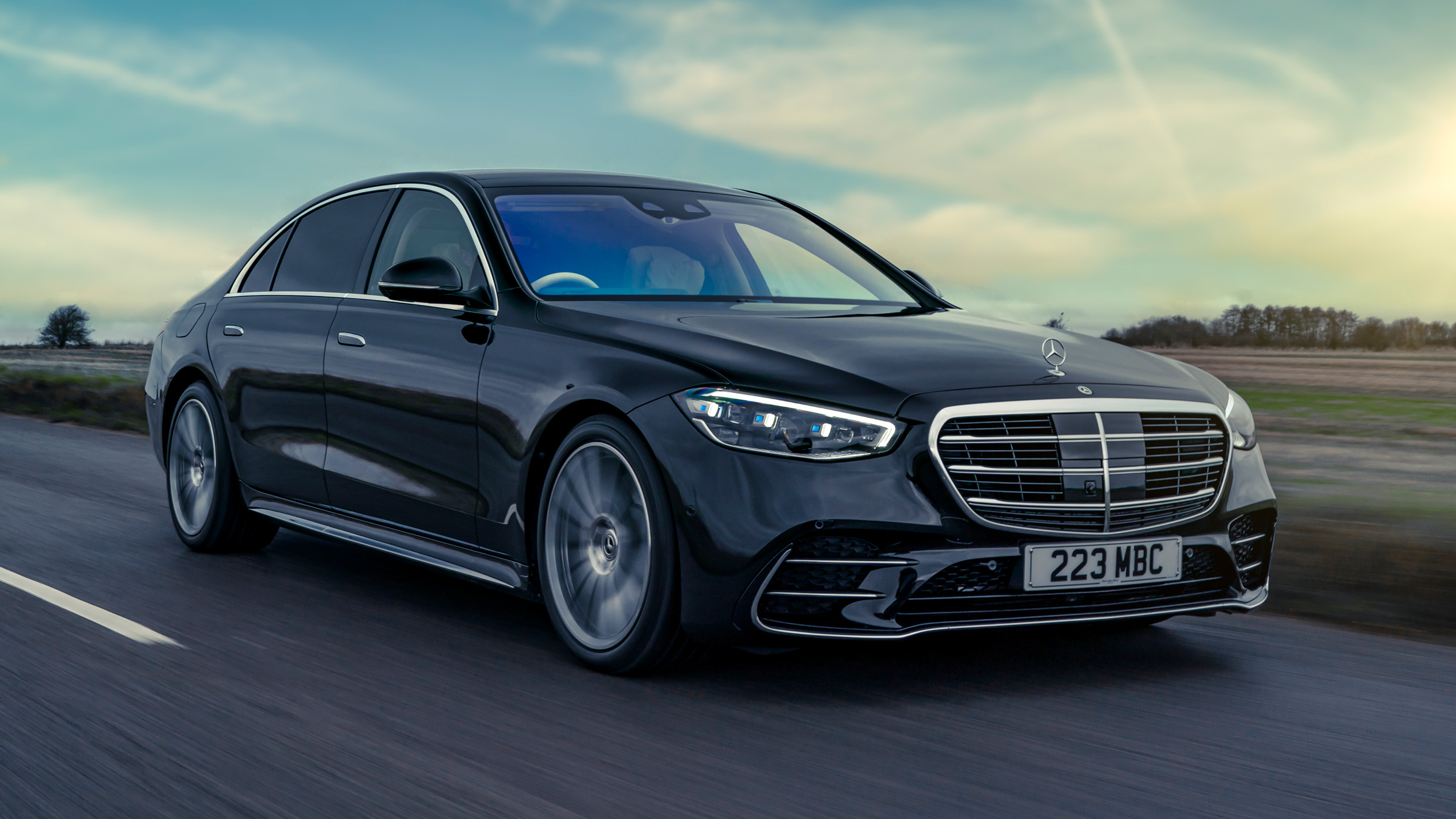
1. Mercedes-Benz S-Class
The Mercedes-Benz S-Class continues to define the standard for full-size luxury sedans, especially for tall drivers who prioritize space and comfort. With 42.1 inches of front headroom and 41.7 inches of legroom, the cabin allows a natural and relaxed seating posture without the cramped positioning found in smaller vehicles.
The highly adjustable multicontour seats include an extendable cushion that supports longer thighs, making extended drives more comfortable. A relatively flat roof design further improves headroom, even when equipped with a sunroof, reinforcing the model’s reputation for generous interior proportions.
Built on a long wheelbase platform, the S-Class is engineered with passenger space as a central focus. The extended dimensions provide substantial rear legroom while maintaining balanced proportions.
Its seats are designed to reduce fatigue and musculoskeletal strain through wide adjustment ranges. As the flagship sedan in the Mercedes lineup, the S-Class places comfort and ergonomics at the forefront of its design.
The model offers three primary powertrains. The S500 uses a 442-horsepower turbocharged 3.0-liter inline six-cylinder engine. The S580 features a 496 horsepower twin turbocharged 4.0 liter V 8. Both include a 48-volt mild hybrid system and pair with a nine-speed automatic transmission and standard 4Matic All Wheel Drive.
The S580e plug-in hybrid combines an inline six engine with an electric motor to produce 510 horsepower. Acceleration is strong across the range, with 0 to 60 mph times of 4.5 seconds for the S500, 3.9 seconds for the S580, and 4.2 seconds for the S580e. Competitors such as the Audi S8 and the BMW 760i xDrive are quicker in outright acceleration, but the S-Class focuses more on ride comfort and refinement.
All models come standard with air suspension. The optional E Active Body Control system includes a curve function that gently leans the vehicle during cornering. Available rear wheel steering improves maneuverability in tight urban settings.
The S580e plug-in hybrid has an EPA-rated electric range of 48 miles and achieved 58 miles in highway testing. A 9.6 kW onboard charger is standard, with an optional 60 kW DC fast charger available. Fuel economy remains competitive, with the S500 rated up to 29 mpg highway and the S580 surpassing its EPA estimate in testing.
Inside, premium materials, available Manufaktur upgrades, and advanced seating packages create a refined environment. Rear passengers can enjoy reclining and massaging seats, folding tables, and entertainment screens.
A 12.8-inch OLED touchscreen running the MBUX system anchors the dashboard, complemented by available Burmester audio. Comprehensive driver assistance features and innovative safety technologies further reinforce the S-Class as a leader in flagship luxury.
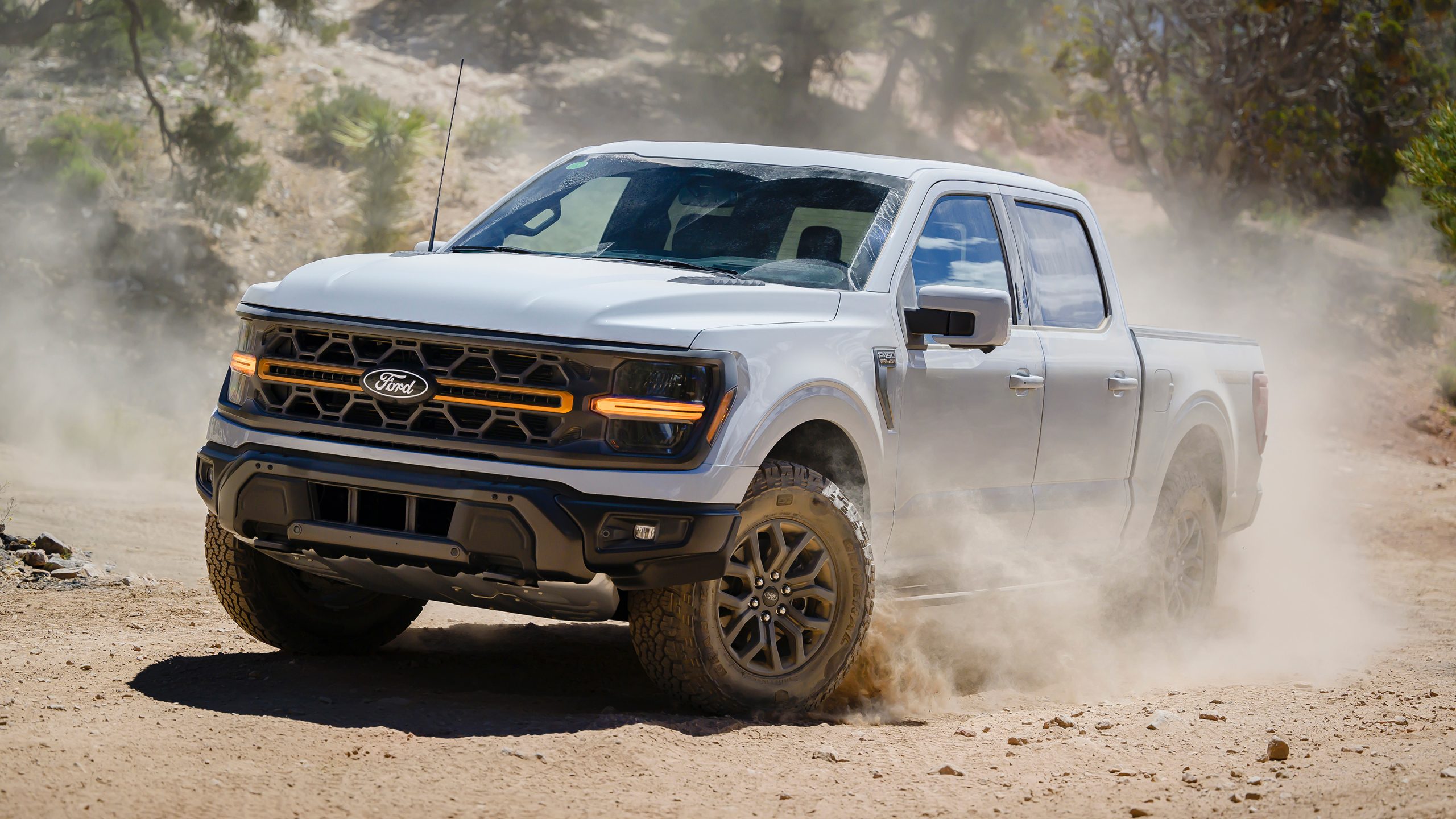
2. Ford F-150
The Ford F-150 stands out in the full-size pickup segment for its exceptional interior space and thoughtful ergonomics, particularly for tall drivers. With approximately 40.8 inches of headroom and an impressive 43.9 inches of front legroom, it offers some of the most generous dimensions in its class.
The wide cabin prevents knees from pressing against the center console or door panels, while long seat travel allows drivers over 6 feet 5 inches to find a comfortable position without maxing out the seat track.
Wide-opening doors make entry and exit easier, and features such as a tilt and telescoping steering wheel and available power-adjustable pedals help fine-tune driving posture. The upright seating position and tall windshield also provide strong outward visibility and a commanding view of the road.
This spacious design carries across body styles, including regular, extended, and crew cab models, as well as the all-electric F-150 Lightning. Unlike some electric vehicles that sacrifice cabin space for battery packaging, the Lightning maintains the same roomy feel. The interior layout, combined with abundant storage compartments, supports the truck’s reputation as a practical mobile workspace.
Under the hood, the F-150 offers a broad range of powertrains. The lineup begins with a 325 horsepower twin turbocharged 2.7 liter V 6 and includes a 400 horsepower 5.0 liter V 8 and a 400 horsepower twin turbocharged 3.5 liter V 6. A hybrid option pairs the 3.5-liter twin-turbo V6 with a 47-horsepower electric motor for a combined 430 horsepower.
All engines are matched with a 10-speed automatic transmission, and buyers can choose Rear Wheel Drive or Four Wheel Drive. Acceleration is strong for a truck of this size, with tested 0 to 60 mph times ranging from 5.0 to 6.0 seconds depending on configuration.
A properly equipped F-150 can tow up to 13,500 pounds and carry a payload of up to 2,455 pounds, keeping it competitive with rivals such as the Chevrolet Silverado 1500, GMC Sierra 1500, and Ram 1500.
Ride quality is generally composed, though the rear leaf springs can feel firm compared to coil spring setups in some competitors. Off-road focused trims such as the Tremor add 33-inch all-terrain tires, upgraded suspension components, and enhanced Four Wheel Drive hardware.
Inside, higher trims offer upscale materials, while practical features such as a fold-flat shifter create a large work surface between the front seats.
A 12.0-inch touchscreen running Sync 4 infotainment comes standard, with wireless smartphone integration and available Bang and Olufsen audio. Safety technology includes automated emergency braking, blind spot monitoring, and available hands-free driving assistance through Blue Cruise.
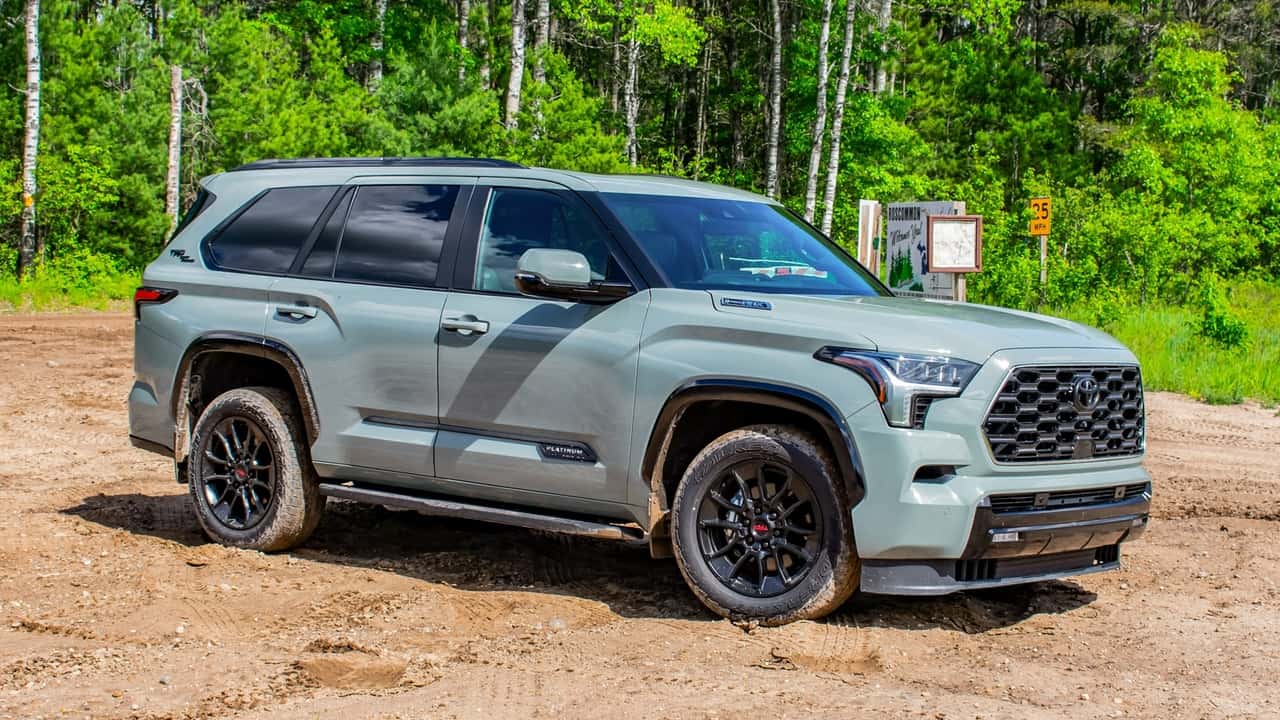
3. Toyota Sequoia
The Toyota Sequoia is a full-size SUV designed to deliver expansive interior space and strong capability, particularly for tall drivers who often feel cramped in other vehicles. For 2026, it offers an impressive 44.5 inches of front legroom, placing it ahead of many luxury sedans in sheer stretch-out space.
Front headroom measures up to 39.3 inches, supported by a high roofline and upright SUV proportions. The wide cabin, vertical windshield, and elevated seating position provide excellent outward visibility without the narrow feel created by sloping roof designs.
Built on a body-on-frame platform shared with the Toyota Tundra, the Sequoia benefits from a large, sturdy foundation that naturally supports generous cabin dimensions.
Drivers over 6 feet 6 inches can take advantage of significant rearward seat travel and a telescoping steering wheel to fine-tune their position. Models without a moonroof offer slightly more headroom.
One advantage of the Sequoia’s size is that a tall driver can sit comfortably up front while still leaving usable legroom for rear passengers. However, rear headroom can feel tighter, especially with the available panoramic sunroof, and the raised floor slightly reduces legroom for those in the second and third rows.
Powering every Sequoia is the iForce MAX hybrid system, which pairs a twin-turbocharged 3.4-liter V6 engine with an electric motor for a combined 437 horsepower and 583 pound-feet of torque. A 10-speed automatic transmission sends power to the rear wheels as standard, with Four Wheel Drive optional and standard on the off-road-focused TRD Pro trim.
The TRD Pro adds upgraded Fox dampers, skid plates, a locking rear differential, and 33-inch tires. Other trims can be equipped with a TRD Off Road package that includes hill descent control and Crawl Control.
In testing, a Four Wheel Drive Capstone model reached 60 mph in 5.6 seconds, making it quicker than the GMC Yukon Denali but slightly slower than the Ford Expedition Timberline. Towing capacity ranges from 8,980 to 9,520 pounds, surpassing the Chevrolet Tahoe and edging out the Expedition in maximum rating.
Fuel economy is rated at up to 21 mpg city and 24 mpg highway for Rear Wheel Drive models, with slightly lower figures for Four Wheel Drive versions. Inside, the Sequoia offers seating for seven or eight, a standard third row, and a 14.0-inch touchscreen on most trims.
All driver assistance features come standard, and Toyota includes two years of complimentary maintenance along with competitive warranty coverage, reinforcing the Sequoia’s appeal as a spacious and capable family SUV.
4. Ford Mustang
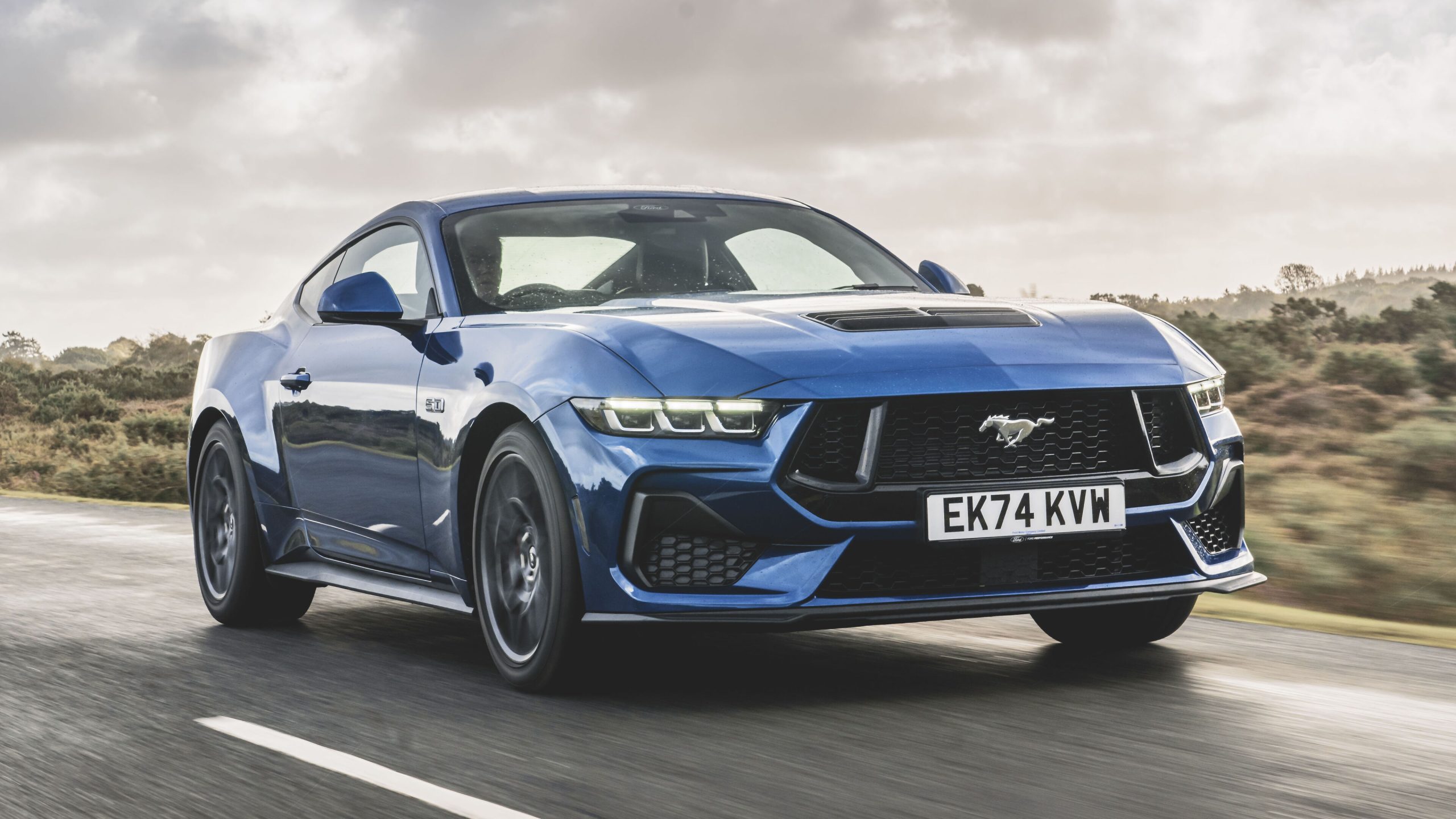
The Ford Mustang may not seem like an obvious choice for tall drivers, but it delivers impressive front seat space that rivals much larger vehicles. With 44.5 inches of front legroom, the Mustang allows drivers with long legs to stretch out comfortably while maintaining proper pedal reach.
Although front headroom measures 37.6 inches, the seats are mounted low to the floor, creating a bucket-style driving position that increases the distance between the driver’s head and the roof. A concave headliner design further improves usable space.
The tilt and telescoping steering wheel, along with highly adjustable seats, helps drivers fine-tune their posture and maintain knee clearance. Convertible models offer even more headroom for those concerned about the coupe’s lower roofline. These packaging advantages are especially evident in the current S650 generation and the previous S550 models.
Under the hood, the Mustang offers a range of performance options. The base EcoBoost model uses a turbocharged 2.3-liter four-cylinder engine producing 315 horsepower and 350 pound-feet of torque, paired exclusively with a 10-speed automatic transmission.
The iconic 5.0-liter V8 in the GT model produces 480 horsepower and 415 pound-feet of torque, with an available performance exhaust increasing output to 486 horsepower and 418 pound-feet. Buyers can choose between a six-speed manual or the 10-speed automatic with the V 8.
The track-focused Dark Horse variant raises output to 500 horsepower from a specially tuned 5.0-liter V8 and includes adaptive dampers and performance tires. At the top of the lineup, the Dark Horse SC features a supercharged 5.2-liter V8 expected to produce more than 700 horsepower.
Performance is strong across the range. In testing, a Mustang GT with the performance exhaust reached 60 mph in 4.2 seconds, while the EcoBoost followed closely at 4.5 seconds.
The Dark Horse achieved 4.1 seconds to 60 mph and completed the quarter mile in 12.5 seconds at 115 mph, outperforming competitors such as the Toyota Supra 3.0 in extended speed testing. Ride and handling balance have improved with each generation, and the latest Mustang benefits from a sharper steering feel and better body control.
Inside, the Mustang blends retro inspiration with modern technology. A 12.4-inch digital instrument cluster and available 13.2-inch infotainment display running Sync 4 anchor the cabin.
Apple CarPlay and Android Auto are standard. The trunk accommodates five carry-on suitcases, expanding to 14 with the rear seats folded. Standard driver assistance features and competitive warranty coverage round out a sports car that combines everyday usability with serious performance.
Also Read: 5 Cars That Are Unstoppable in Deep Snow vs 5 AWD Models That Get Stuck
5. Nissan Rogue
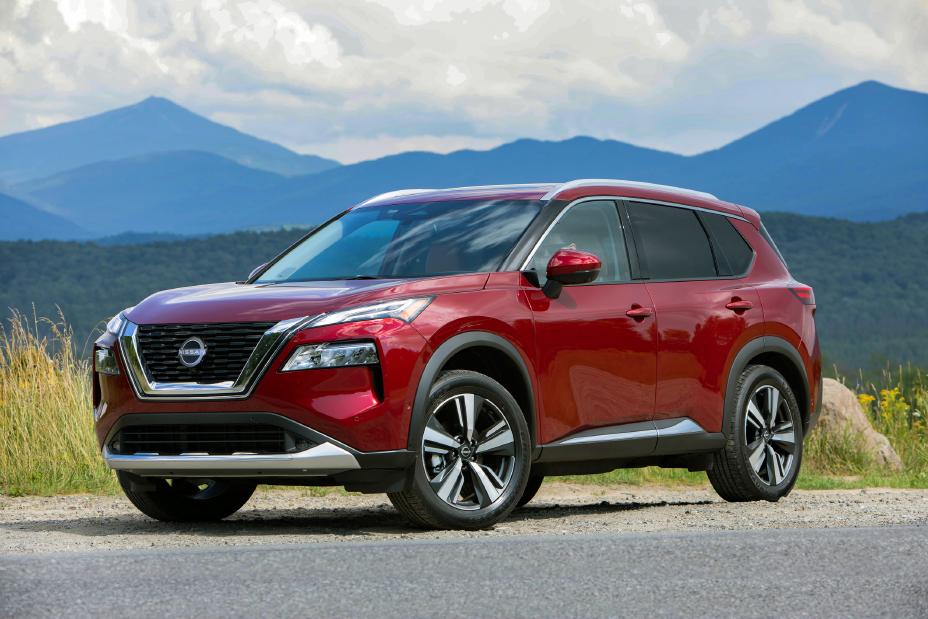
The Nissan Rogue stands out in the compact SUV segment by offering interior space that rivals some midsize vehicles. While many small crossovers prioritize sleek styling over function, the Rogue’s boxy shape translates into impressive room for both tall and average-sized occupants.
It provides 41.1 inches of front headroom and 41.5 inches of front legroom, dimensions that help it feel open rather than cramped. Nissan’s Zero Gravity seats are a highlight, engineered to reduce pressure points and improve long-distance comfort.
This design is especially beneficial for taller drivers, whose weight distribution can make smaller seats uncomfortable. The result is a compact SUV that remains maneuverable in city environments without feeling tight inside.
Power comes from a 201-horsepower turbocharged 1.5-liter three-cylinder engine paired with a continuously variable automatic transmission. Front Wheel Drive is standard, and All Wheel Drive is available across the lineup.
The Rock Creek trim includes standard All Wheel Drive and adds rugged styling cues and hill descent control, but it lacks the underbody protection and increased ride height needed for serious trail use. It is better suited to gravel roads than challenging off road terrain, especially when compared with vehicles such as the Ford Bronco Sport.
Acceleration is modest, with an All Wheel Drive Platinum model reaching 60 mph in 8.0 seconds. While that is only a slight improvement over the previous generation, the turbocharged engine delivers stronger midrange response, making the Rogue feel more energetic in everyday driving. Ride quality is smooth and comfortable, though handling is not particularly engaging.
Fuel economy is a strong point. The Rogue is rated at up to 29 mpg city and 36 mpg highway with Front Wheel Drive, with a slight decrease for All Wheel Drive models. In highway testing, an All Wheel Drive Platinum achieved 31 mpg. Properly equipped, the Rogue can tow up to 1,500 pounds.
Inside, the cabin features useful storage spaces and quality materials that improve as you move up the trim levels. Cargo space measures 32 cubic feet behind the rear seats, expanding to 74 cubic feet with them folded.
Most trims include an 8.0-inch touchscreen with wired smartphone integration, while higher trims offer a 12.3-inch display with wireless connectivity. Standard safety features include blind spot monitoring, automated emergency braking, and lane departure warning, helping the Rogue compete with rivals such as the Toyota RAV4 and Subaru Forester.
6. Rivian R1S
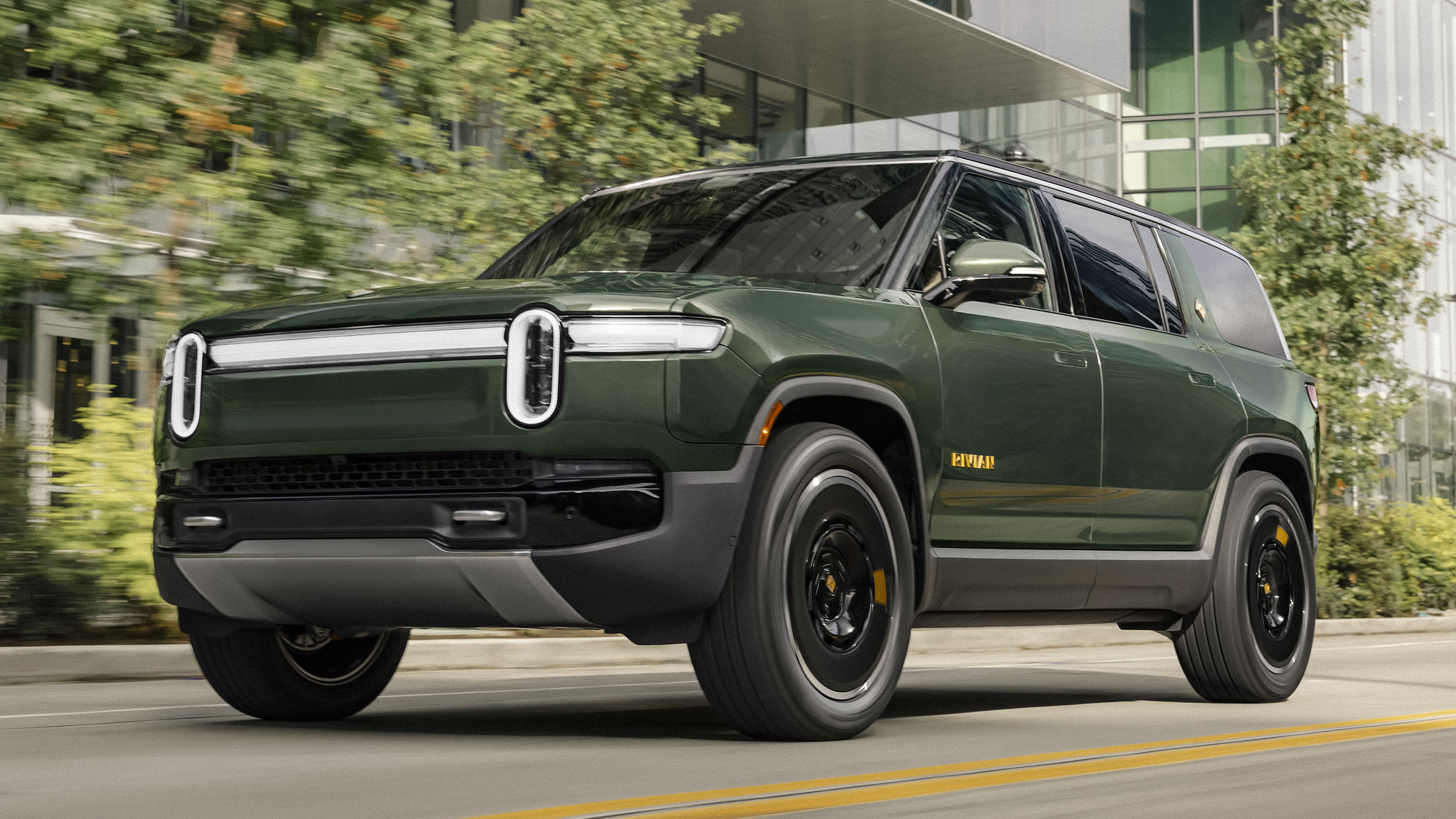
The Rivian R1S stands out in the three-row electric SUV segment for its intelligent packaging and impressive performance range. Built on a dedicated electric skateboard platform, the R1S eliminates the need for a traditional engine bay and transmission tunnel. The battery pack is mounted beneath the floor, freeing up cabin space and allowing for a flat floor design.
This architecture contributes to 41.1 inches of front headroom and 41.4 inches of front legroom, dimensions that comfortably accommodate drivers well over six feet tall. The absence of a drivetrain hump also gives the driver’s right leg more freedom to stretch out.
Its upright, boxy shape and high roofline play a major role in maintaining consistent headroom throughout the cabin. A standard panoramic glass roof enhances the sense of openness without significantly reducing vertical space.
The seating position is commanding and upright, offering excellent forward visibility and a spacious feel. While the first row is generous, the third row is better suited for children or shorter passengers, as the legroom there can feel tight for taller adults.
Performance is a major highlight. The R1S is offered with multiple All Wheel Drive powertrains, starting with a 533-horsepower dual motor setup and ranging up to a 1,025-horsepower quad motor configuration.
The quad motor version uses a one-wheel, one motor system that allows each wheel to operate independently for precise traction control. This setup enables advanced off road features such as a kick turn function that can pivot the vehicle in tight conditions. Specialized drive modes like Desert Rally and Hill Climb were developed and proven in competitive events.
Acceleration is exceptionally quick for a large SUV. In testing, a tri-motor R1S reached 60 mph in just 2.8 seconds, rivaling high-performance EVs such as the BMW iX xDrive50 and approaching the expected performance of the Lucid Gravity. A revised suspension tune for newer models improves body control and steering response, addressing earlier concerns about excess movement under hard acceleration.
Towing capacity is rated at up to 7,700 pounds, making the R1S capable of towing boats and trailers. Range varies by configuration, with EPA estimates spanning from 258 miles to a maximum of 410 miles, depending on battery pack and motor choice. In real-world highway testing at 75 mph, a tri-motor Max pack model achieved 250 miles. Efficiency ratings range from 71 to 94 MPGe city, depending on the setup.
Inside, the R1S blends understated luxury with technology. A 15.6 inch touchscreen controls most vehicle functions, supported by a digital interface with navigation, media, and climate access. Apple CarPlay and Android Auto are not offered. Cargo capacity is versatile, with a 10 cubic foot front trunk, 18 cubic feet behind the third row, 49 cubic feet behind the second, and up to 91 cubic feet with rear seats folded.
Safety features fall under the Rivian Autonomy Platform, which uses cameras, radars, and sensors to support driver assistance technologies such as automated emergency braking and adaptive cruise control. Warranty coverage includes five years or 60,000 miles bumper to bumper and eight years or 175,000 miles for the battery and drivetrain, reflecting confidence in its electric components.
7. BMW X1
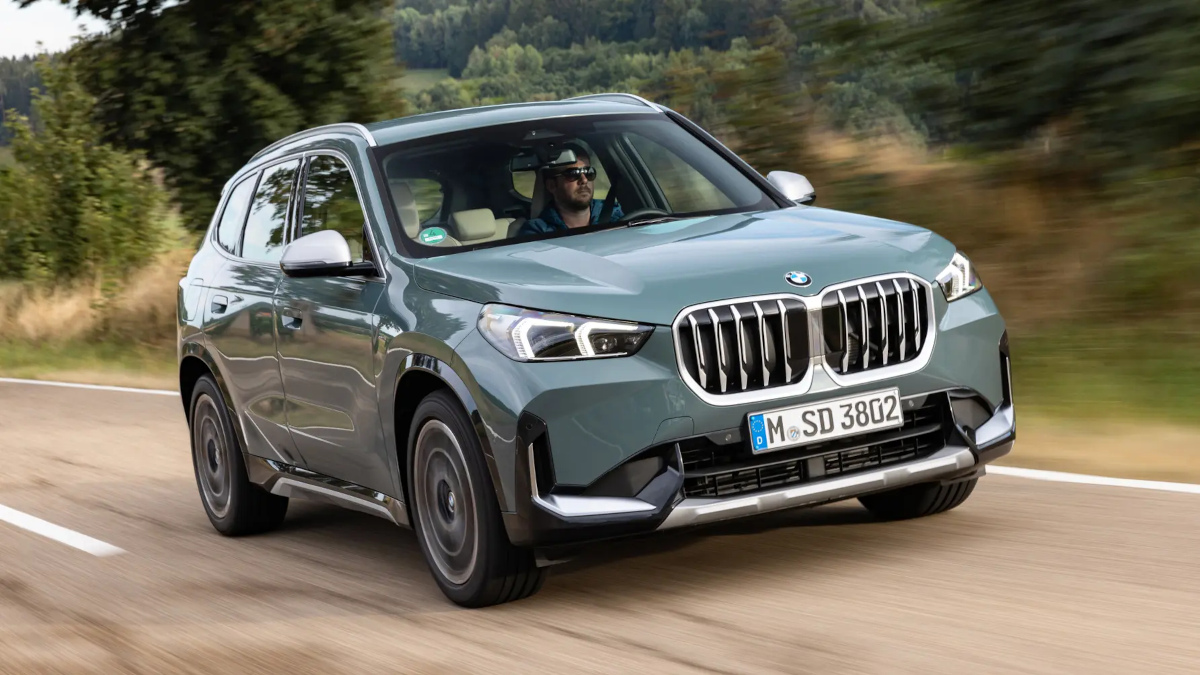
The BMW X1 may carry a subcompact label, but its interior packaging makes it a strong choice for tall drivers. With 42.1 inches of front headroom, it surpasses several larger SUVs in vertical space. BMW achieves this through a tall, upright body design, a relatively low hip point seating position, and a long wheelbase for its class. The result is a cabin that feels open rather than confined.
Front legroom measures 40.4 inches, and the tilt and telescoping steering wheel offers a broad adjustment range, allowing drivers to pull the wheel closer even when the seat is positioned far back. Slim seatbacks and a large greenhouse with expansive windows further enhance the airy atmosphere.
The X1’s proportions have grown in recent generations, becoming taller and wider while maintaining compact exterior dimensions that are easy to maneuver in urban settings. Compared with rivals such as the Audi Q3, the X1 often delivers superior headroom and competitive legroom. The available M Sport package adds extendable seat cushions for improved under-thigh support, which can be particularly beneficial for taller occupants.
The standard xDrive28i model is powered by a 241-horsepower turbocharged 2.0-liter four-cylinder engine paired with a seven-speed dual-clutch automatic transmission. All Wheel Drive is standard.
Acceleration is brisk for the segment, with a tested 0 to 60 mph time of 5.4 seconds. The suspension tuning leans toward athletic handling, making the X1 engaging on winding roads, though some turbo lag may be noticeable during highway passing.
For those seeking more performance, the M35i variant raises output to 312 horsepower from a tuned version of the same 2.0-liter engine. It reaches 60 mph in 4.7 seconds and includes adaptive dampers and upgraded brakes. While quicker and sharper, it can feel overly firm in daily driving, making the xDrive28i the more balanced option for most buyers.
Fuel economy is competitive. The xDrive28i is rated at 25 mpg city and 34 mpg highway, while the M35i returns slightly lower figures. In highway testing, the M35i exceeded expectations with 34 mpg.
Inside, the X1 features a modern design with a curved glass display housing both digital gauges and the infotainment system running BMW’s latest software. Wireless smartphone integration comes standard. Cargo space is practical, accommodating nine carry-on suitcases behind the rear seats and 23 with them folded.
Standard safety features include automated emergency braking and blind spot monitoring, with more advanced driver assistance systems available as options. Complimentary scheduled maintenance for three years adds further value in this competitive segment.
8. Honda CR-V
The Honda CR-V has built its reputation on practical design and efficient use of space, making it a strong choice for tall drivers in the compact SUV segment. With about 40 inches of front headroom and 41.3 inches of front legroom, the CR-V delivers dimensions that allow adults to stretch out comfortably.
Honda’s design philosophy emphasizes human comfort, pushing the dashboard forward and keeping it low to create a more open cabin. Wide door openings and relatively low step-in height make entering and exiting simple, which is especially helpful for taller individuals who often struggle with tighter crossovers.
A major contributor to the CR-V’s roomy feel is its lower, car-like hip point seating position. Instead of a tall, upright posture that can reduce head clearance, the CR-V positions occupants slightly lower in the cabin. This increases the distance between the seat and roof, improving usable headroom while maintaining good visibility.
The long wheelbase supports generous legroom, and available 10-way power seat adjustment with lumbar support allows drivers to tailor their seating position for reduced fatigue on long drives. The cabin’s width also provides comfortable shoulder space, preventing the closed-in sensation found in some competitors.
Powering most CR-V models is a 190-horsepower turbocharged 1.5-liter four-cylinder engine paired with a continuously variable automatic transmission. Buyers can choose between Front Wheel Drive and All Wheel Drive. Acceleration is adequate for daily use, with a previously tested nonhybrid EX-L model reaching 60 mph in 8.1 seconds.
While the continuously variable transmission can cause the engine to drone under hard acceleration, the ride quality remains smooth and composed. The CR-V favors comfort and predictability over sharp handling, especially when compared with sportier alternatives like the Mazda CX-50 or the Volkswagen Tiguan.
Fuel economy remains competitive in the class. Front wheel drive models are rated at up to 28 mpg city and 33 mpg highway, while all wheel drive versions see only a slight reduction. When properly equipped, the CR-V can tow up to 1,500 pounds, suitable for small trailers or recreational gear.
Inside, the CR-V features a clean dashboard layout highlighted by a honeycomb-style trim element that discreetly hides the air vents. A 9.0-inch touchscreen with Apple CarPlay and Android Auto comes standard. Cargo capacity measures 39 cubic feet behind the rear seats, fitting up to 12 carry on suitcases and exceeding the capacity of rivals such as the Toyota RAV4.
Standard driver assistance technologies include automated emergency braking, lane keeping assist, and adaptive cruise control, reinforcing the CR-V’s focus on safety and everyday usability.
Tall drivers no longer have to compromise on comfort or functionality when selecting a vehicle. From luxury sedans like the S-Class and versatile crossovers like the Honda CR-V to high-performance electric SUVs such as the Rivian R1S, these eight vehicles prioritize headroom, legroom, and ergonomic seating.
Features like adjustable seats, low hip points, telescoping steering wheels, and high rooflines make it easier for tall occupants to find a natural driving position.
Whether seeking a family-friendly SUV, a capable pickup, or a performance-oriented sports car, this collection demonstrates that generous interior space can coexist with style, technology, and power. For drivers over six feet tall, choosing one of these vehicles ensures comfort, visibility, and a more enjoyable ride every time they get behind the wheel.
Also Read: 10 Cars With Large Windows and Great Visibility for Older Drivers