
Infotainment systems have become one of the most important decision points for American car buyers.
With daily commutes stretching 30 to 60 minutes in many metro areas and road trips remaining a cultural staple, drivers expect seamless navigation, media streaming, smartphone integration, and voice control.
However, the rapid shift toward larger touchscreens and software-driven cabins has introduced a new problem: cognitive overload.
A distracting infotainment system is not necessarily one with the biggest screen. Distraction typically stems from poor menu hierarchy, laggy responses, buried climate controls, excessive animations, and an overreliance on touch-only interfaces.
In contrast, well-executed systems prioritize ergonomics, minimize visual clutter, integrate physical controls where appropriate, and provide accurate voice recognition to reduce manual interaction.
The following vehicles stand out in the U.S. market for delivering infotainment systems that enhance functionality without overwhelming the driver.
1. Toyota Camry
The Toyota Camry remains one of the most established midsize sedans in the U.S. market, known for balancing comfort, efficiency, and everyday usability. Alongside its reputation for reliability, the Camry distinguishes itself with an infotainment system designed to minimize distraction rather than overwhelm the driver with excessive visual elements.
The centrally mounted touchscreen sits high on the dashboard for improved visibility, and the interface uses large, clearly labeled icons with logical menu structures.
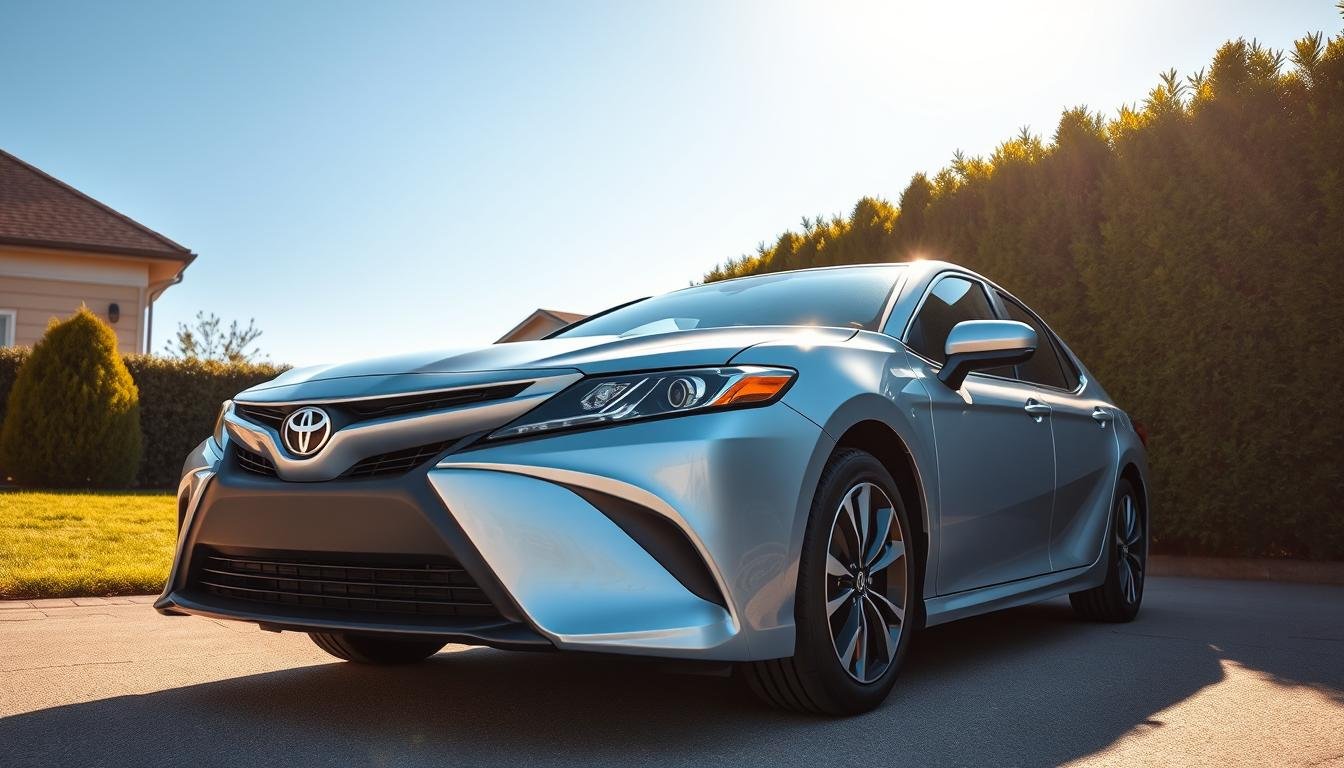
Toyota continues to include physical knobs for volume and tuning, along with dedicated climate-control buttons, reducing reliance on touchscreen inputs while driving. Steering-wheel-mounted controls allow quick access to audio, phone, and driver information functions. Standard Apple CarPlay and Android Auto integration further streamline smartphone connectivity without requiring complex setup procedures.
Beyond technology, the Camry offers a 2.5-liter four-cylinder engine producing 203 horsepower (up to 206 hp in certain trims), paired with an eight-speed automatic transmission.
A 3.5-liter V6 generating 301 horsepower is also available, delivering notably stronger acceleration. A hybrid variant combines efficiency with smooth performance, returning impressive fuel economy ratings exceeding 50 mpg in city driving.
The Camry blends straightforward infotainment design with solid performance and practicality, making it a well-rounded daily driver.
2. Honda Accord
The Honda Accord remains one of the most composed and user-focused entries in the midsize sedan segment, particularly in how it handles in-car technology. At a time when many vehicles rely on oversized displays and menu-heavy systems, the Accord’s infotainment layout emphasizes clarity, structure, and ease of operation.
The central touchscreen is positioned at eye level, reducing the amount of time a driver needs to glance away from the road. Interface graphics are clean and restrained, avoiding excessive animations or cluttered layouts.
Honda integrates shortcut tabs and persistent menu bars that limit the number of inputs required to access common functions. Higher trims benefit from a larger display and Google built-in capability, but even these systems maintain logical navigation and consistent responsiveness.
Importantly, climate controls remain fully independent from the touchscreen, operated through dedicated physical knobs and buttons. This separation significantly lowers cognitive load during driving.
Steering-wheel controls are intuitively mapped, allowing drivers to manage audio, phone calls, and driver information without shifting hand position. Wireless Apple CarPlay and Android Auto come standard on most trims, providing seamless smartphone integration without forcing users into proprietary software ecosystems.
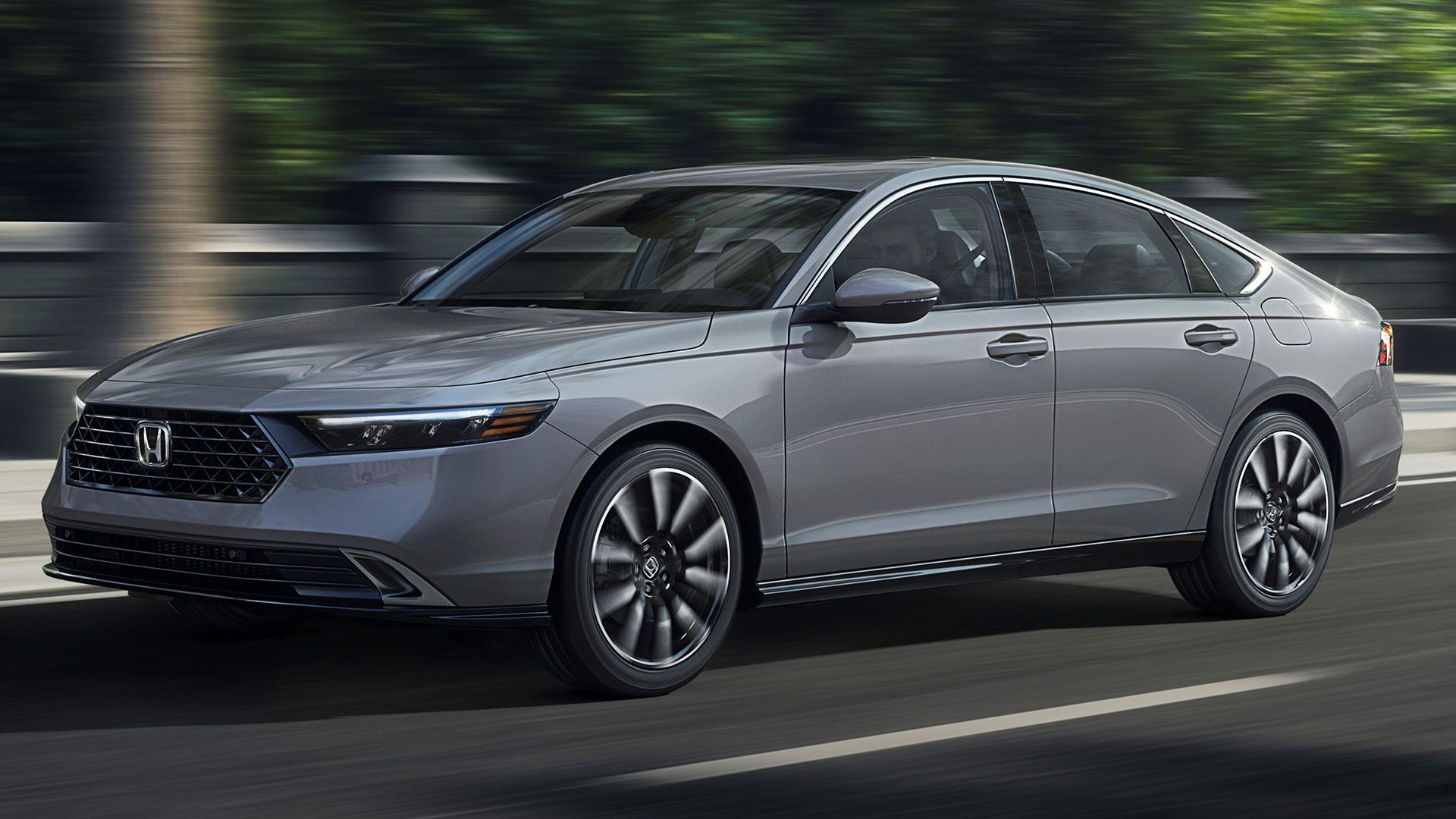
Beyond technology, the Accord offers two well-calibrated powertrains. The standard 1.5-liter turbocharged four-cylinder produces 192 horsepower and delivers smooth, predictable acceleration through a continuously variable transmission.
Hybrid variants combine a 2.0-liter engine with dual electric motors for a combined 204 horsepower, offering strong low-speed torque and exceptional efficiency, often exceeding 45 mpg combined in real-world use.
Ride quality is composed and stable, with confident steering and controlled body motions. Cabin insulation keeps road and wind noise subdued, reinforcing the Accord’s relaxed driving character. Altogether, it pairs thoughtful infotainment execution with efficient performance and balanced dynamics, making it one of the least distracting and most cohesive daily drivers in its class.
3. Subaru Outback
The Subaru Outback approaches infotainment with a practicality-first mindset, even as it incorporates a large vertically oriented touchscreen in most trims. While a tall display can sometimes increase distraction, Subaru mitigates this risk through structured menu layers, persistent on-screen shortcuts, and a hybrid control layout that blends digital and physical inputs.
The 11.6-inch touchscreen (standard on higher trims) organizes major functions, navigation, media, and vehicle settings, into clearly separated zones. Frequently used features such as temperature adjustment still retain physical buttons or dedicated touch controls positioned consistently on the screen, minimizing the need to dig through submenus.
The system responds quickly to inputs and avoids excessive animations, helping reduce cognitive load while driving. Wireless Apple CarPlay and Android Auto integration allow drivers to rely on familiar smartphone interfaces, further streamlining interaction.
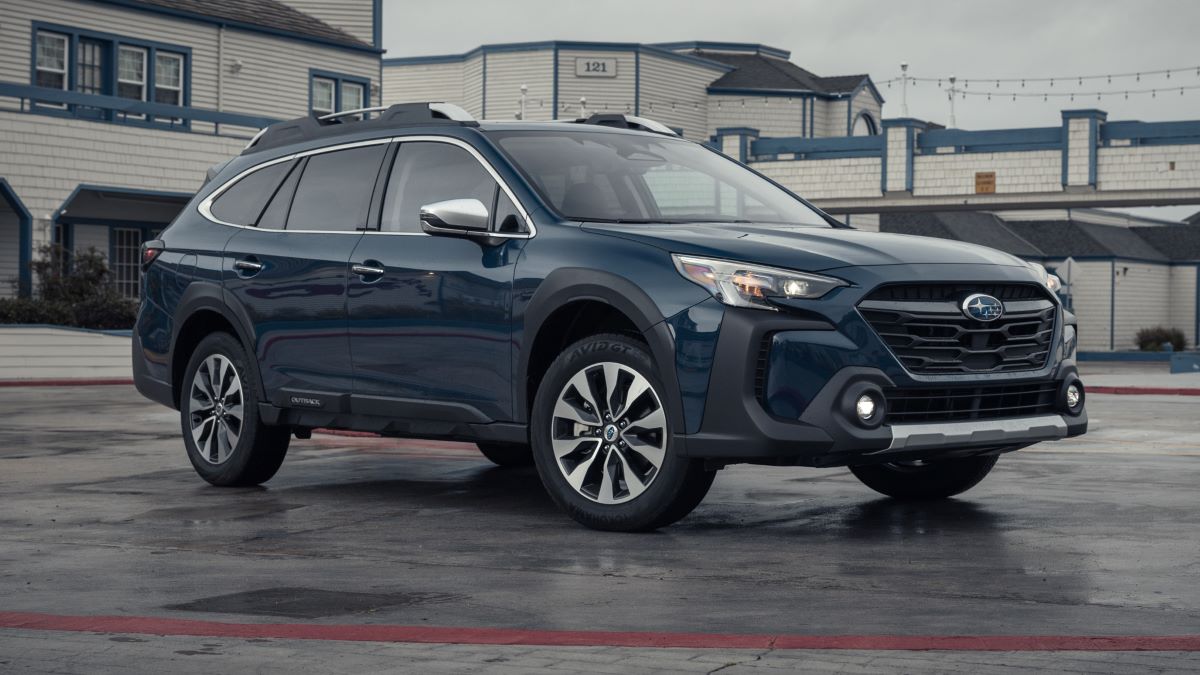
Beyond infotainment, the Outback reinforces ease of use with large, well-spaced steering wheel controls and a straightforward digital driver display. Subaru’s EyeSight driver-assist suite operates in the background without intrusive alerts under normal conditions.
Performance varies by engine choice. The standard 2.5-liter flat-four produces 182 horsepower, while the available 2.4-liter turbocharged flat-four delivers 260 horsepower for stronger highway merging and towing capability. All models come with a continuously variable transmission and standard all-wheel drive.
Combined with a comfortable ride and elevated driving position, the Outback offers technology that complements daily usability rather than complicating it.
4. Mazda CX-5
Engineered by Mazda Motor Corporation, the Mazda CX-5 adopts a fundamentally different approach. Instead of encouraging touchscreen use while driving, Mazda emphasizes a rotary controller located on the center console.
This design allows drivers to navigate menus by feel, reducing the need to reach forward or precisely tap a glass surface.
The screen is positioned high on the dash to minimize eye movement away from the road. The interface itself is minimal, with simple typography and subdued graphics.
While some drivers require an adjustment period, the tactile interaction model significantly reduces visual distraction once learned.
For those who value physical input over touch gestures, the CX-5 remains one of the least intrusive infotainment systems available in its segment.
The Mazda CX-5 delivers mixed results in straight-line performance depending on engine choice. Models equipped with the standard 2.5-liter four-cylinder engine, producing 187 horsepower, feel adequate around town but lack urgency at highway speeds.
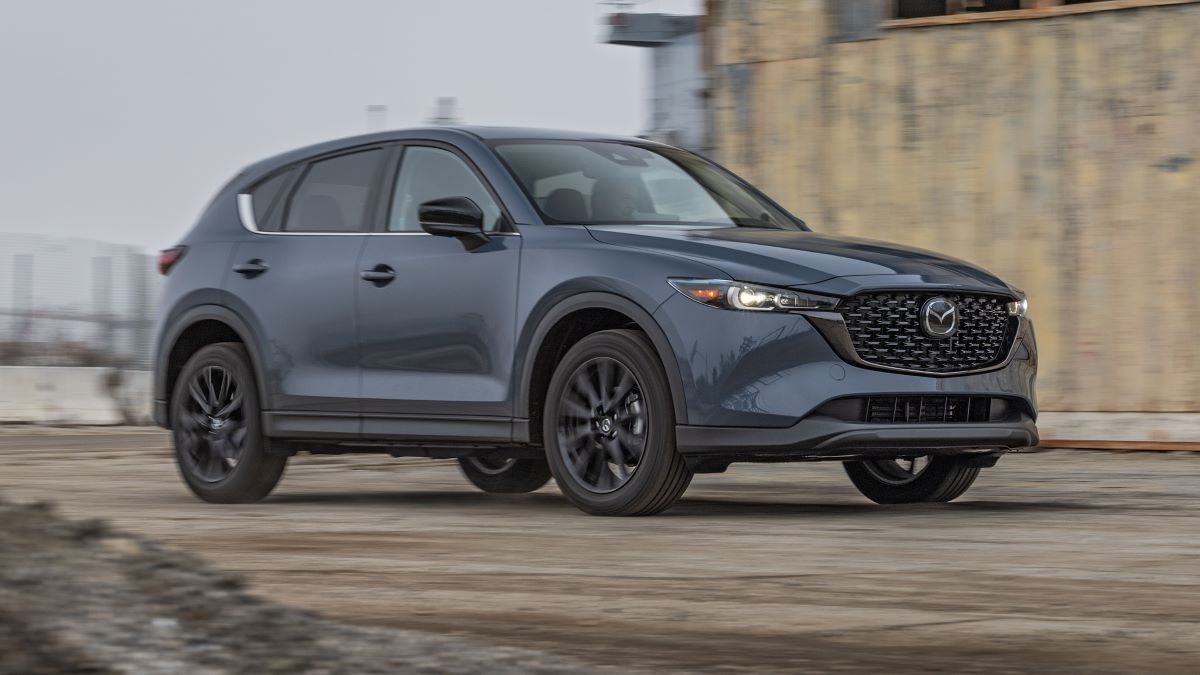
Passing maneuvers require deliberate throttle input and advance planning, particularly when merging into fast-moving traffic. In instrumented testing, the base engine recorded a 0–60 mph time of 8.7 seconds, which aligns with segment norms but does not stand out.
The available turbocharged 2.5-liter engine significantly improves acceleration, reducing the 0–60 mph sprint to just 6.6 seconds and providing stronger midrange response for overtaking.
Where the CX-5 clearly distinguishes itself is in handling. Steering response is precise and communicative, allowing the vehicle to maintain composure through corners at speeds that would unsettle many competitors.
Body roll is well controlled, and rapid left-to-right transitions are handled with confidence. Grip levels remain high without excessive tire noise or instability, reinforcing its position as one of the most engaging small crossovers to drive.
In terms of comfort, the front seats are supportive and ergonomically shaped for extended use. Rear seating is less contoured at the cushion, which may reduce long-distance comfort, though the reclining seatbacks add flexibility.
Ride quality is firm but controlled, absorbing midcorner bumps without float. Cabin noise remains subdued, becoming noticeable primarily at highway speeds but never intrusive enough to disrupt conversation.
5. Volvo XC60
Produced by Volvo Cars, the Volvo XC60 centers its infotainment strategy around voice functionality.
The Google-based system integrates Google Maps and Assistant natively, allowing natural-language commands such as navigation searches or climate adjustments.
This reduces the frequency of manual interaction. The vertical interface is visually restrained, employing a minimalist Scandinavian design philosophy that avoids excessive color contrast or animated transitions.
Volvo’s interior layout further supports low distraction. The cabin design limits visual clutter, ensuring that infotainment content does not compete with driving information.
In a premium midsize SUV context, the XC60 demonstrates how advanced technology can remain calm and understated.
The Volvo XC60 takes a minimalist, Scandinavian approach to infotainment design, aiming to reduce visual clutter and cognitive overload.
Its vertically oriented touchscreen sits cleanly integrated into the center stack, framed by a restrained dashboard layout with minimal physical buttons. While the display is prominent, Volvo’s interface design is structured in a way that keeps primary functions easily accessible.
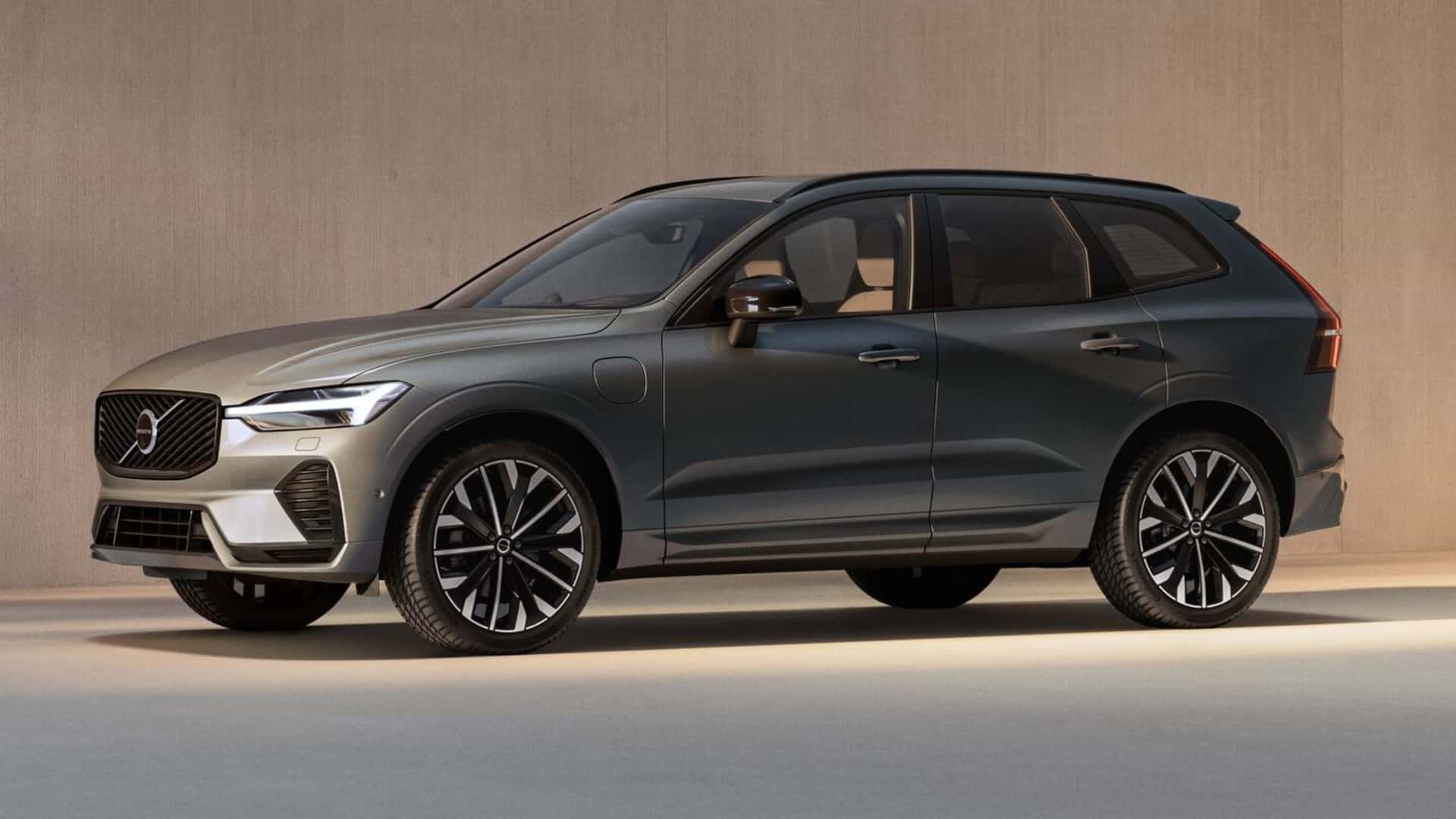
The system now runs on Google built-in software, incorporating Google Maps, Google Assistant, and access to the Google Play ecosystem. This integration reduces the need for complex menu navigation, as voice commands can manage navigation, media, and climate adjustments with natural speech inputs.
The home screen layout limits deep submenus by presenting key categories clearly, and screen graphics remain simple and high-contrast rather than overly animated.
Climate controls are embedded within the touchscreen, which may require brief glances for adjustments, but the layout is consistent and predictable. Steering wheel controls are logically arranged, supporting audio and driver-assist functions without distraction. A fully digital driver display complements the central screen with clear, customizable information.
Performance varies by configuration, with mild-hybrid and plug-in hybrid options available. The B5 mild-hybrid produces 247 horsepower, while the Recharge plug-in hybrid variant delivers substantially higher combined output. Paired with composed ride quality and strong cabin insulation, the XC60 offers a technology experience that feels modern yet controlled rather than overwhelming.
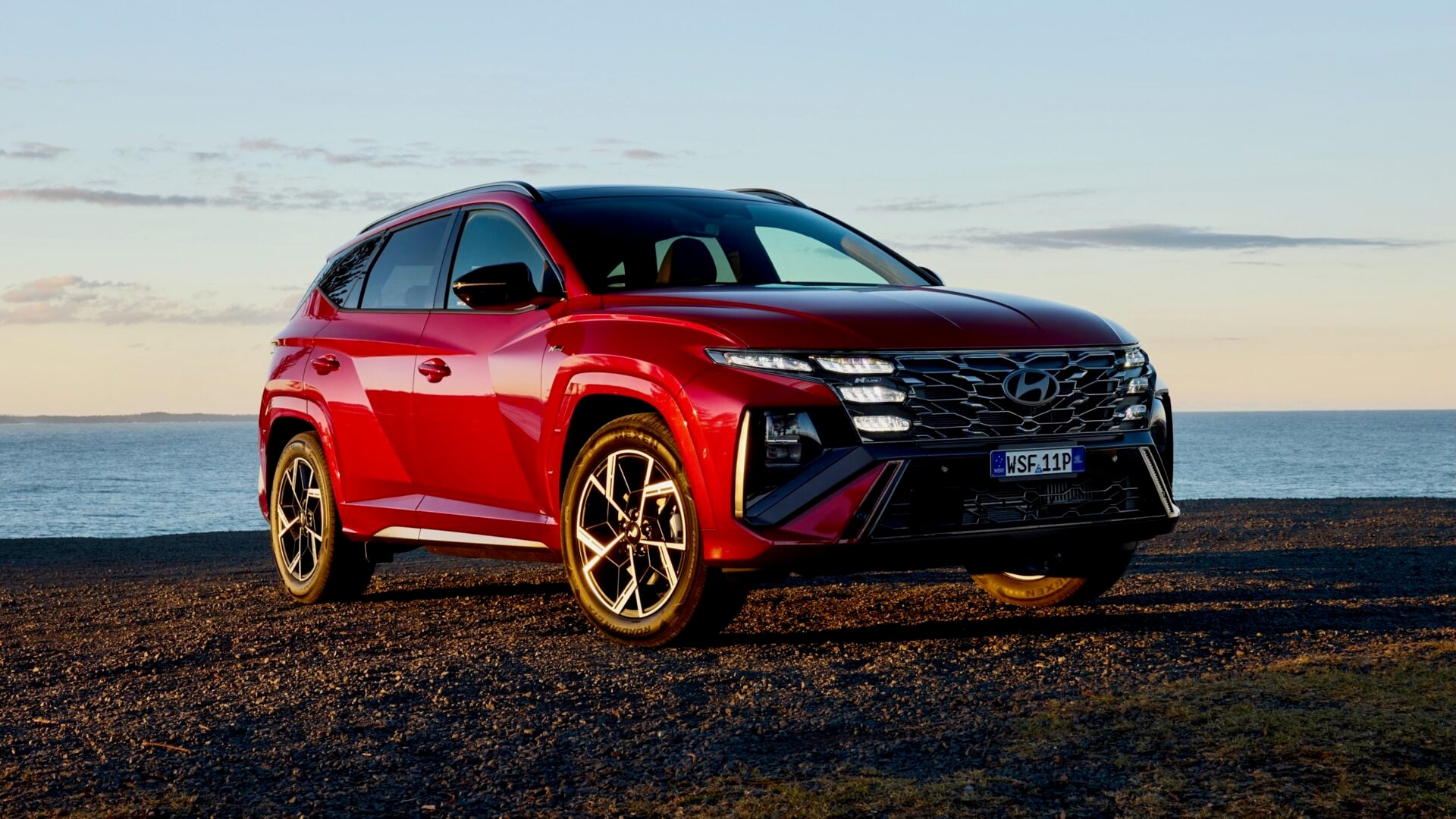
6. Hyundai Tucson
Manufactured by Hyundai Motor Company, the Hyundai Tucson blends futuristic aesthetics with functional design.
The curved digital display integrates the instrument cluster and infotainment screen into a unified visual plane.
Despite its modern appearance, the interface remains logically organized. Wireless Apple CarPlay and Android Auto are widely available, reducing cable clutter and simplifying connectivity.
Hyundai’s software is responsive, and the menu structure avoids excessive depth. Steering-wheel controls are comprehensive, enabling drivers to manage calls, media, and driver assistance settings without shifting posture.
The Tucson illustrates that modern digital dashboards can remain manageable when supported by efficient interface architecture.
The Hyundai Tucson demonstrates that modern digital design does not have to translate into driver distraction. While its dashboard appears high-tech at first glance, with a wide touchscreen and a clean, button-light center stack, the system is structured in a way that keeps key functions accessible and logically arranged.
The central infotainment display is positioned high on the dash and angled slightly toward the driver. Menu layouts are organized into clearly labeled tiles, reducing the number of steps required to access navigation, media, or vehicle settings.
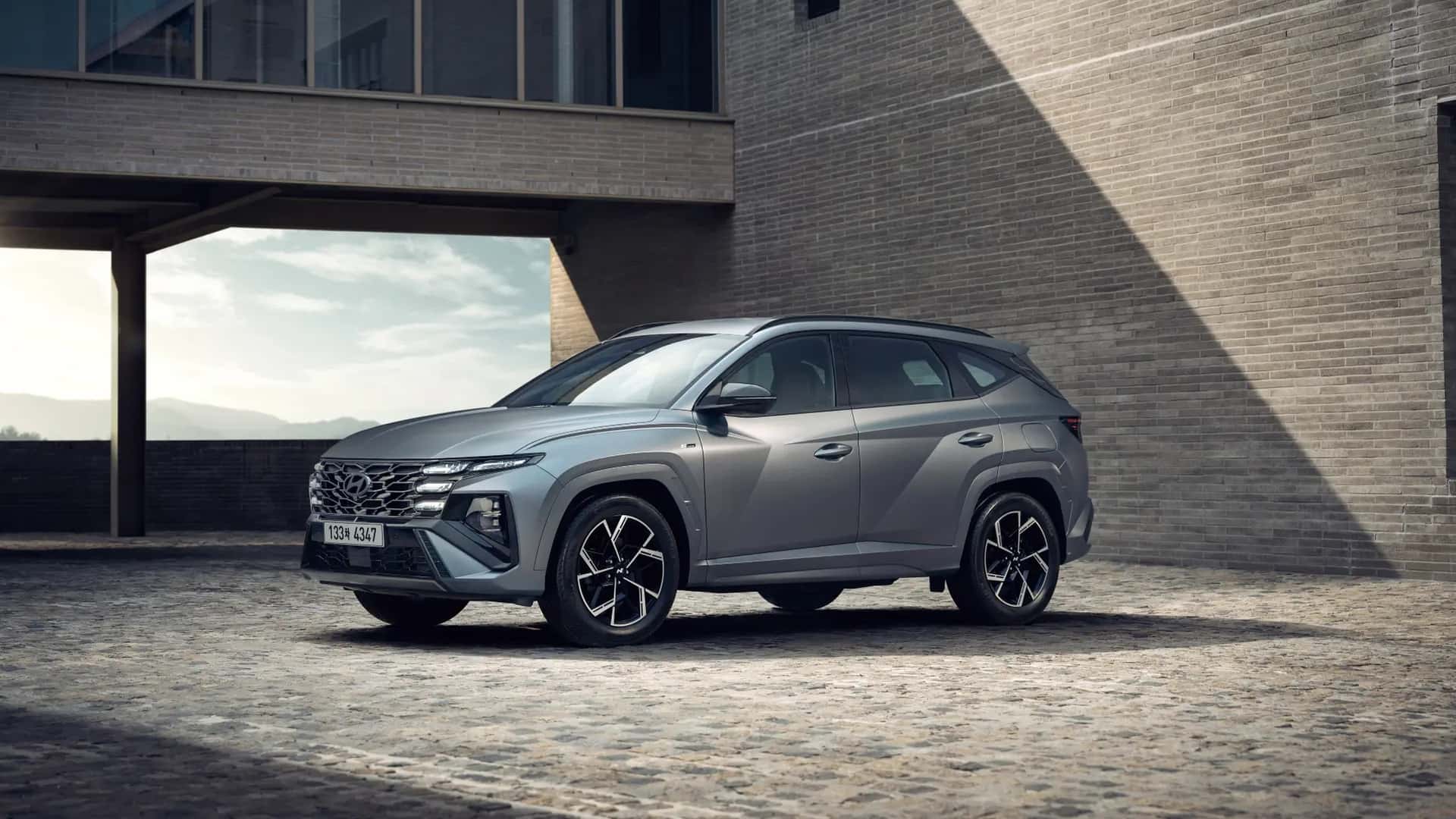
Graphics are crisp but restrained, avoiding excessive animation that can pull attention away from driving. Wireless Apple CarPlay and Android Auto are widely available, allowing drivers to rely on familiar smartphone interfaces rather than learning an entirely new ecosystem.
Hyundai integrates touch-sensitive climate controls into the center panel on most trims, but these are separated visually from the main infotainment screen.
Higher trims feature dual 10.25-inch displays, one for infotainment and one for the digital instrument cluster, yet both maintain simple fonts and high-contrast information for easy readability. Steering-wheel controls are intuitive, with clearly defined toggles for audio, cruise control, and driver-assist features.
Beyond infotainment, the Tucson offers a range of powertrains. The standard 2.5-liter four-cylinder engine produces 187 horsepower and is paired with an eight-speed automatic transmission. Hybrid variants combine a turbocharged 1.6-liter engine with electric motors for a combined 226 horsepower, while the plug-in hybrid version increases total output to 261 horsepower. All-wheel drive is available across multiple trims.
Ride quality is composed, with a suspension tuned for comfort rather than sportiness. Cabin insulation is effective at limiting road and wind noise, reinforcing a calm driving environment. Overall, the Tucson balances contemporary design with structured usability, offering a technology-forward experience that remains practical and manageable in everyday driving conditions.
7. Ford Mustang Mach-E
Developed by Ford Motor Company, the Ford Mustang Mach-E features a large vertical touchscreen that might appear distracting at first glance. However, its execution mitigates many common pitfalls.
A physical volume dial integrated into the screen provides tactile control for audio adjustments.
The interface supports split-screen functionality, allowing navigation and media to coexist without repeated switching. Wireless smartphone integration is seamless and stable.
The separation between driver information and infotainment content ensures that essential driving data remains distinct and readable.
In the EV space, where screen size often dominates marketing, the Mach-E demonstrates that thoughtful layout design can offset potential distraction risks.
The Ford Mustang Mach-E features one of the largest infotainment displays in its class, yet its interface design helps prevent that size from becoming a liability.
Dominating the dashboard is a vertically oriented 15.5-inch touchscreen that consolidates navigation, media, vehicle settings, and climate functions into a single panel. While that might suggest complexity, Ford’s SYNC 4A software is structured with persistent menu bars and clear category separation to reduce unnecessary digging through submenus.
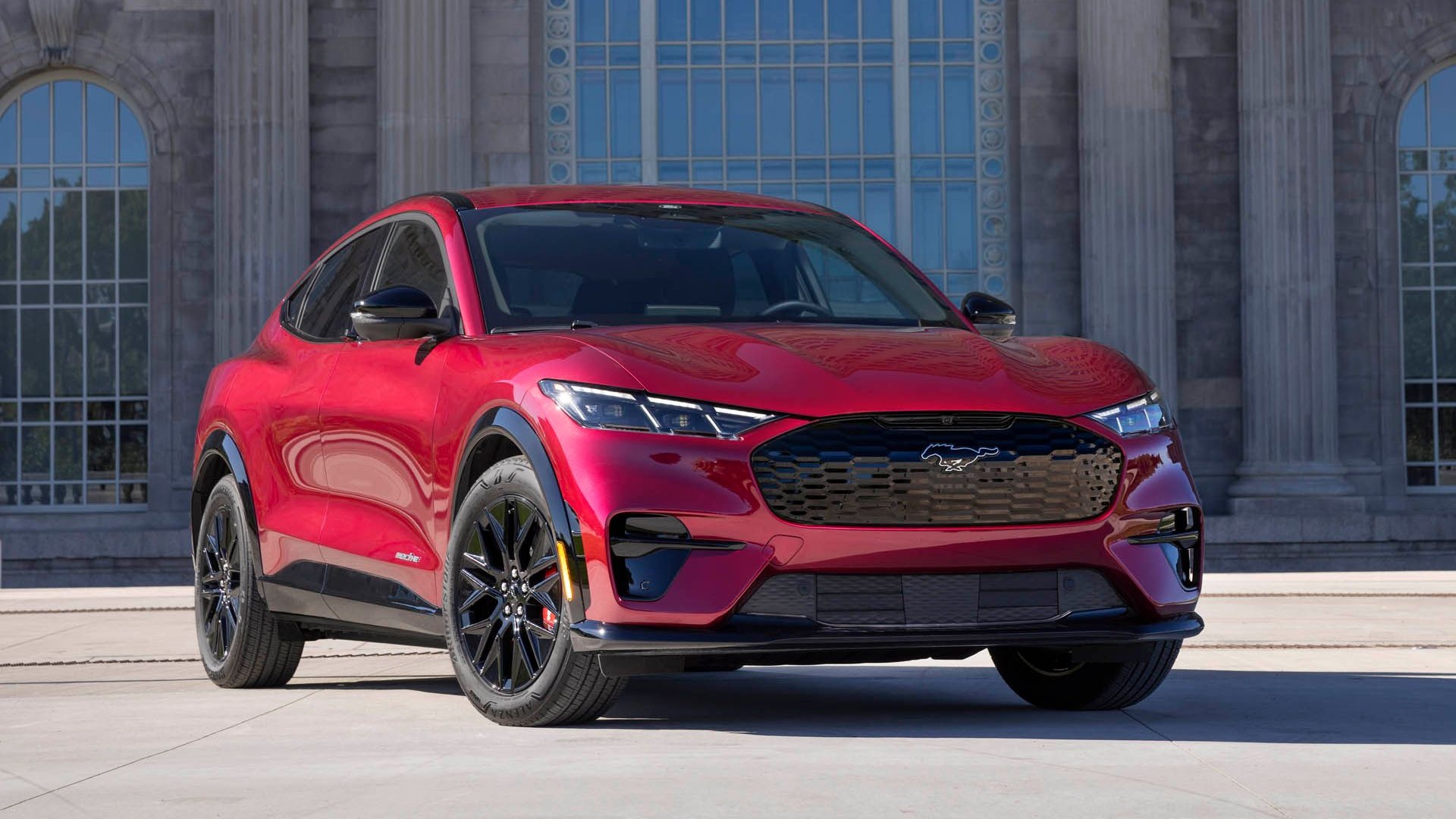
A physical volume knob integrated directly into the touchscreen provides tactile feedback for one of the most frequently used controls. The home screen layout is divided into logical sections, allowing drivers to access core features quickly without navigating away from the main interface.
Wireless Apple CarPlay and Android Auto are standard, and over-the-air updates allow the system to improve functionality without dealership visits. Voice commands are responsive and capable of handling navigation inputs, helping minimize manual interaction.
In front of the driver, a separate digital instrument cluster presents speed, range, and driver-assistance information in a simplified, high-contrast format. Steering-wheel controls are clearly labeled and easy to operate.
Performance varies by configuration. Standard-range models produce between 266 and 290 horsepower depending on drivetrain, while extended-range and GT variants deliver up to 480 horsepower. Instant electric torque ensures quick acceleration, with some versions reaching 60 mph in under four seconds.
Despite its tech-forward presentation, the Mach-E’s interface remains structured and intuitive, supporting focus rather than undermining it.
8. Lexus ES
Offered by Lexus, the Lexus ES reflects a measured evolution in infotainment design. Earlier Lexus systems relied heavily on touchpad interfaces that required precision.
Recent updates have shifted toward touchscreen accessibility while maintaining physical controls for climate and essential settings. The display is positioned closer to the driver, reducing reach and eye movement.
The interface favors clarity over experimentation. Menus are predictable, transitions are smooth, and the cabin’s quiet environment further reduces sensory overload.
For luxury sedan buyers in the U.S. who prioritize refinement over novelty, the ES provides a composed and non-distracting digital experience.
Infotainment systems should function as supportive tools rather than central attractions.
In real-world American driving conditions, heavy traffic, highway cruising, urban navigation, the best systems minimize manual input, preserve physical controls where appropriate, and maintain clean, readable layouts.
The Lexus ES emphasizes calmness and simplicity, and that philosophy extends directly to its infotainment system. While earlier versions relied heavily on a touchpad interface, newer models transition toward a more conventional touchscreen setup, positioned closer to the driver for easier reach. The display is wide and clearly organized, with large icons and straightforward menu layers that reduce the need for prolonged interaction.
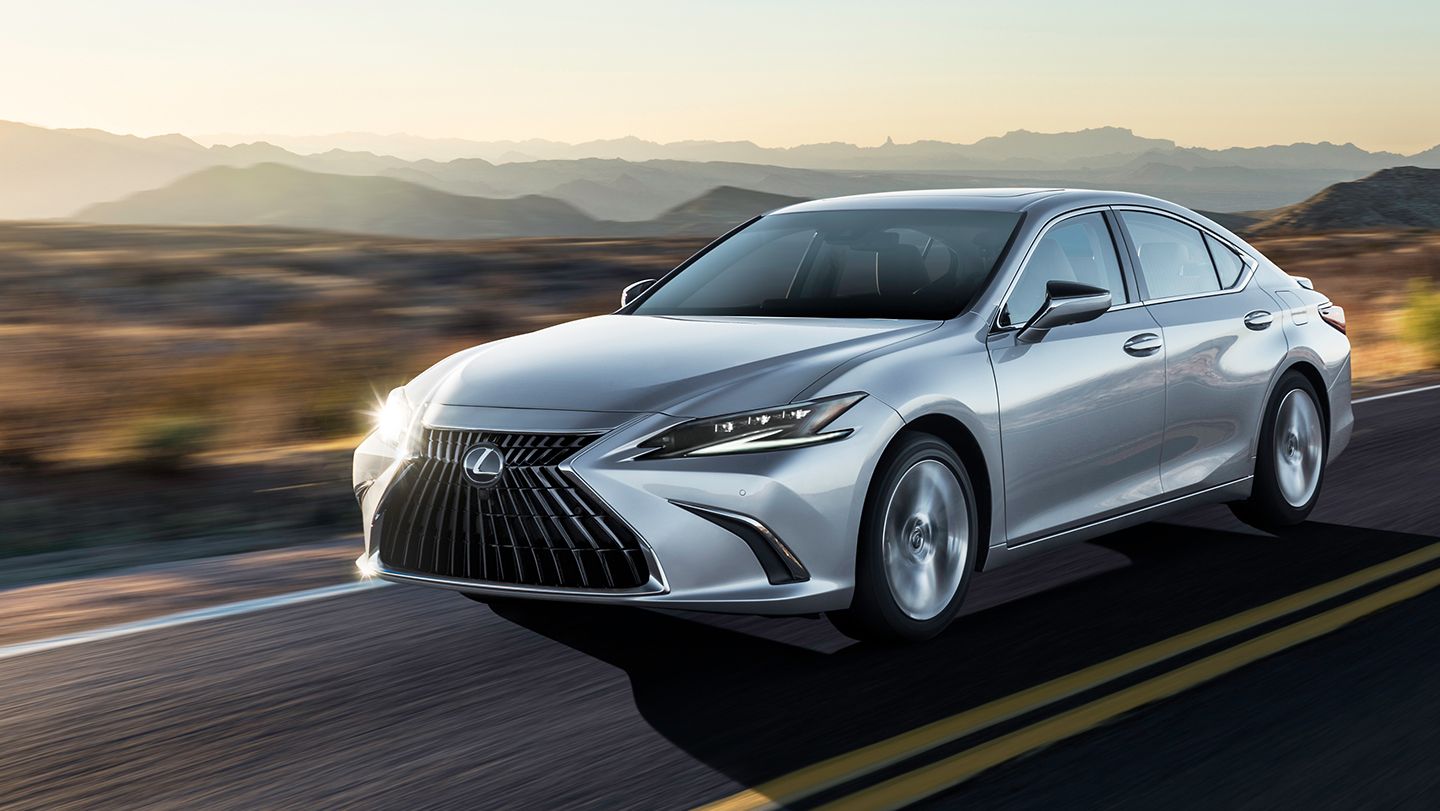
Lexus avoids excessive animation and visual clutter. Core functions such as navigation, audio, and phone connectivity are grouped logically, and shortcut buttons remain visible for quicker access.
Climate controls are kept separate from the screen, using dedicated physical switches and dials that allow for adjustments without diverting attention. Steering-wheel-mounted controls further streamline operation by placing common functions within thumb’s reach.
Wireless Apple CarPlay and Android Auto integration are available, enabling drivers to use familiar smartphone interfaces. Voice recognition also handles navigation inputs and media commands effectively, reducing manual inputs during driving.
Performance varies by configuration. The ES 250 uses a 2.5-liter four-cylinder with all-wheel drive, producing 203 horsepower. The ES 350 features a smooth 3.5-liter V6 delivering 302 horsepower, while the ES 300h hybrid pairs a 2.5-liter engine with electric assistance for a combined 215 horsepower and excellent fuel economy exceeding 40 mpg combined.
With a quiet cabin, soft ride quality, and intuitive controls, the ES delivers technology that complements its relaxed luxury character rather than distracting from it.
The vehicles discussed above succeed because they emphasize ergonomic logic, fast responsiveness, intuitive voice control, and smartphone integration without sacrificing driver focus.
As automakers continue to expand digital interfaces, these models serve as benchmarks for balancing technological advancement with safety-conscious design.
