
Retro design sells emotion. Chrome accents, round headlights, squared-off muscle silhouettes they all trigger memories of earlier automotive eras. But nostalgia alone doesn’t pay repair bills.
For American buyers, especially those shopping used or keeping vehicles long-term, reliability matters just as much as style.
Fortunately, a small group of modern retro-inspired cars manage to do both: they look like throwbacks, yet they’re built on proven platforms with dependable drivetrains, widely available parts, and established service networks across the US.
Below are eight retro-styled vehicles that don’t just look cool in your driveway they’ve earned reputations for mechanical durability, reasonable ownership costs, and everyday usability.
1. Ford Mustang
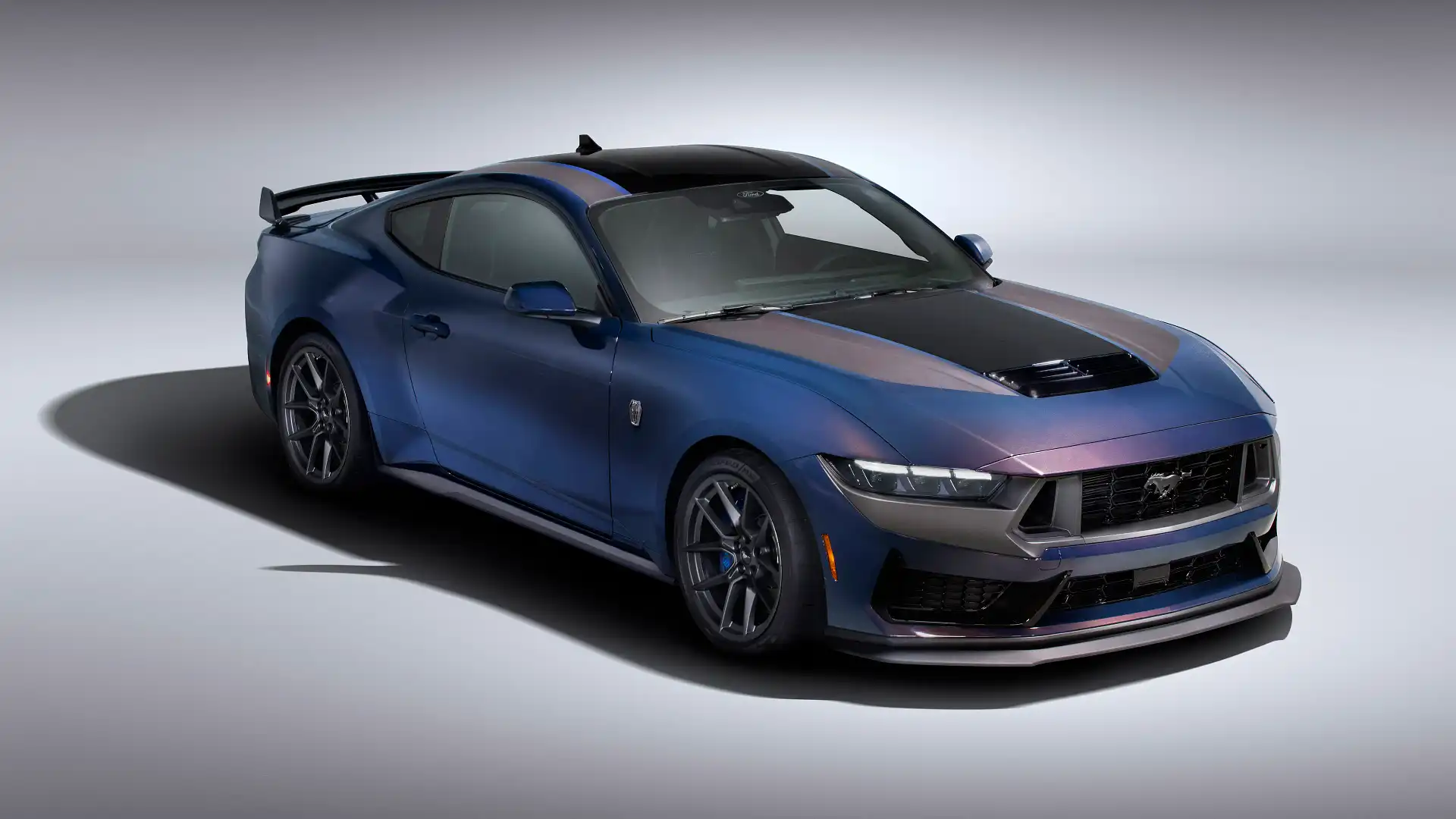
Few cars represent American retro better than the Mustang. Since its mid-2000s redesign, Ford deliberately leaned back into classic fastback proportions, triple-bar taillights, and aggressive long-hood styling while keeping modern engineering underneath.
From a reliability standpoint, the naturally aspirated V6 and V8 Mustangs (especially post-2011) are known for solid engines, simple layouts, and easy access to parts nationwide.
Independent mechanics know these cars well, and Ford’s dealer network makes maintenance straightforward almost anywhere in the country.
What makes the Mustang particularly attractive is its balance of performance and practicality.
You get rear seats, a usable trunk, modern safety tech, and drivetrains that routinely exceed 150,000 miles with basic maintenance. Insurance and parts availability also tend to be more affordable than European alternatives.
For buyers who want retro muscle without exotic ownership costs, the Mustang remains one of the safest bets.
At first glance, the seventh-generation model appeared to be little more than a facelift of its predecessor. However, beneath the familiar silhouette, the car was entirely reengineered from front to rear. The GT, as one of the most in-demand trims in the Mustang range, received particular attention in this transformation.
Up front, the Mustang GT adopted a redesigned fascia featuring sharp LED headlights with daytime running lights positioned along the upper edges, resembling eyebrows. These DRLs also functioned as sequential turn signals.
Distinguishing the GT from the inline-four models were functional hood vents, emphasizing its performance credentials. In profile, the car retained proportions similar to the outgoing generation, but subtle refinements were evident. At the rear, a more pronounced forward-leaning crease across the back panel added visual tension and enhanced the car’s dynamic stance.
Inside the cabin, Ford moved away from the long-standing double-bubble dashboard layout that had defined previous Mustang generations. In its place, the brand introduced a fully modernized dual-screen configuration.
Powering the Mustang GT is Ford’s naturally aspirated 5.0-liter Coyote V8 engine. Buyers can choose between a six-speed manual transmission for a more traditional driving experience or a ten-speed automatic for optimized performance and efficiency.
The seventh-generation Mustang GT remains true to its heritage while integrating contemporary technology and design, continuing its role as the performance benchmark within the lineup.
2. Dodge Challenger
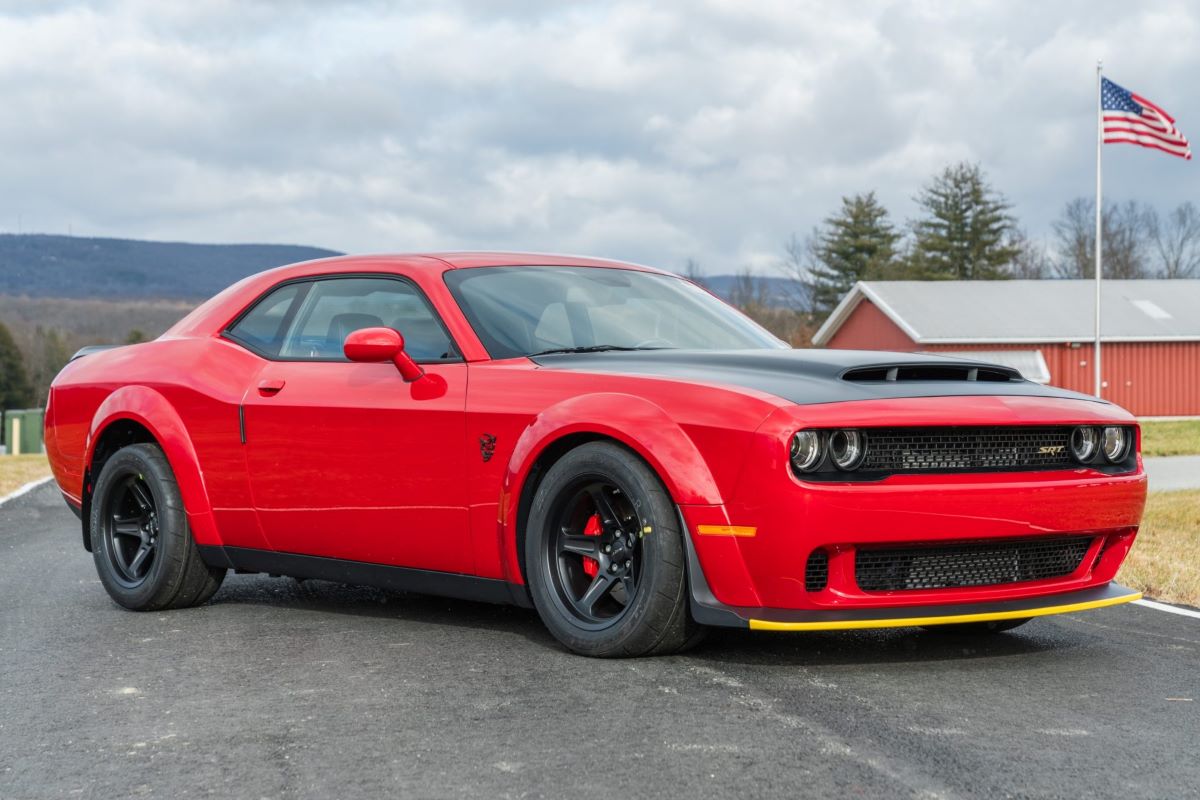
The Challenger goes even harder on old-school muscle proportions: wide body, squared lines, and unmistakably vintage presence. Underneath, however, it rides on a modern platform with robust transmissions and well-proven engines.
The 3.6L Pentastar V6 deserves special mention for reliability. It’s widely used across Chrysler products, inexpensive to service, and known for longevity.
Even the V8 variants, while thirstier, tend to be mechanically straightforward and durable when properly maintained.
Another advantage for US buyers is interior space. Unlike many retro coupes, the Challenger offers real rear legroom and a large trunk, making it surprisingly practical for daily driving.
It’s retro styling backed by mainstream American engineering and that combination works.
The Dodge Challenger stands apart from its cross-town rivals by virtue of its size. It is noticeably larger and heavier than competitors such as the Ford Mustang and Chevrolet Camaro, offering greater interior room and a more generous trunk. That added space translates into real-world comfort.
The Challenger delivers a quieter, smoother ride, making it a more capable long-distance cruiser than many of its sportier competitors. Dodge’s Uconnect infotainment system is another highlight, widely regarded as one of the most intuitive and user-friendly interfaces in the segment.
Rather than prioritizing razor-sharp athleticism, the Challenger leans into brute-force performance. Its lineup includes a range of exceptionally powerful V-8 engines that emphasize straight-line dominance.
The Hellcat variants produce more than 700 horsepower, bringing supercar-level output within reach of mainstream buyers. At the top of the hierarchy sits the SRT Demon 170, which generates an astonishing 1,025 horsepower and is capable of quarter-mile runs in under nine seconds.
For buyers less focused on maximum horsepower, the Challenger offers something its segment rivals do not: available all-wheel drive. While AWD is limited to the base V-6 models paired with the eight-speed automatic transmission, it provides enhanced year-round usability in colder climates.
The Challenger may not attack a road course with the same agility as a Mustang or Camaro, but it offers a distinct alternative. Its appeal lies in delivering immense power within a comfortable, smooth-riding, and spacious package. For drivers seeking a traditional American muscle car experience combined with everyday practicality, the Challenger remains a compelling choice.
The Challenger’s engine lineup is extensive, rivaling that of some full-size pickup trucks. Whether the goal is an all-weather V-6 daily driver or a supercharged V-8 capable of overwhelming the rear tires, Dodge provides a broad spectrum of options. With the exception of the SXT and GT trims, all Challenger models are offered exclusively with rear-wheel drive.
The 3.6-liter Pentastar V-6 provides adequate performance for daily driving while maintaining reasonable fuel efficiency for a large coupe. When equipped with available all-wheel drive, it becomes one of the few muscle cars capable of handling winter conditions without sacrificing its rear-drive heritage in other trims.
3. Chevrolet Camaro
The Camaro channels late-60s design cues through a sharper, more modern lens. While visibility can be tight, mechanically the car is built around dependable GM components.
Both the turbocharged four-cylinder and naturally aspirated V6 engines have proven reliable over time, and the V8 models benefit from GM’s long experience building performance powerplants.
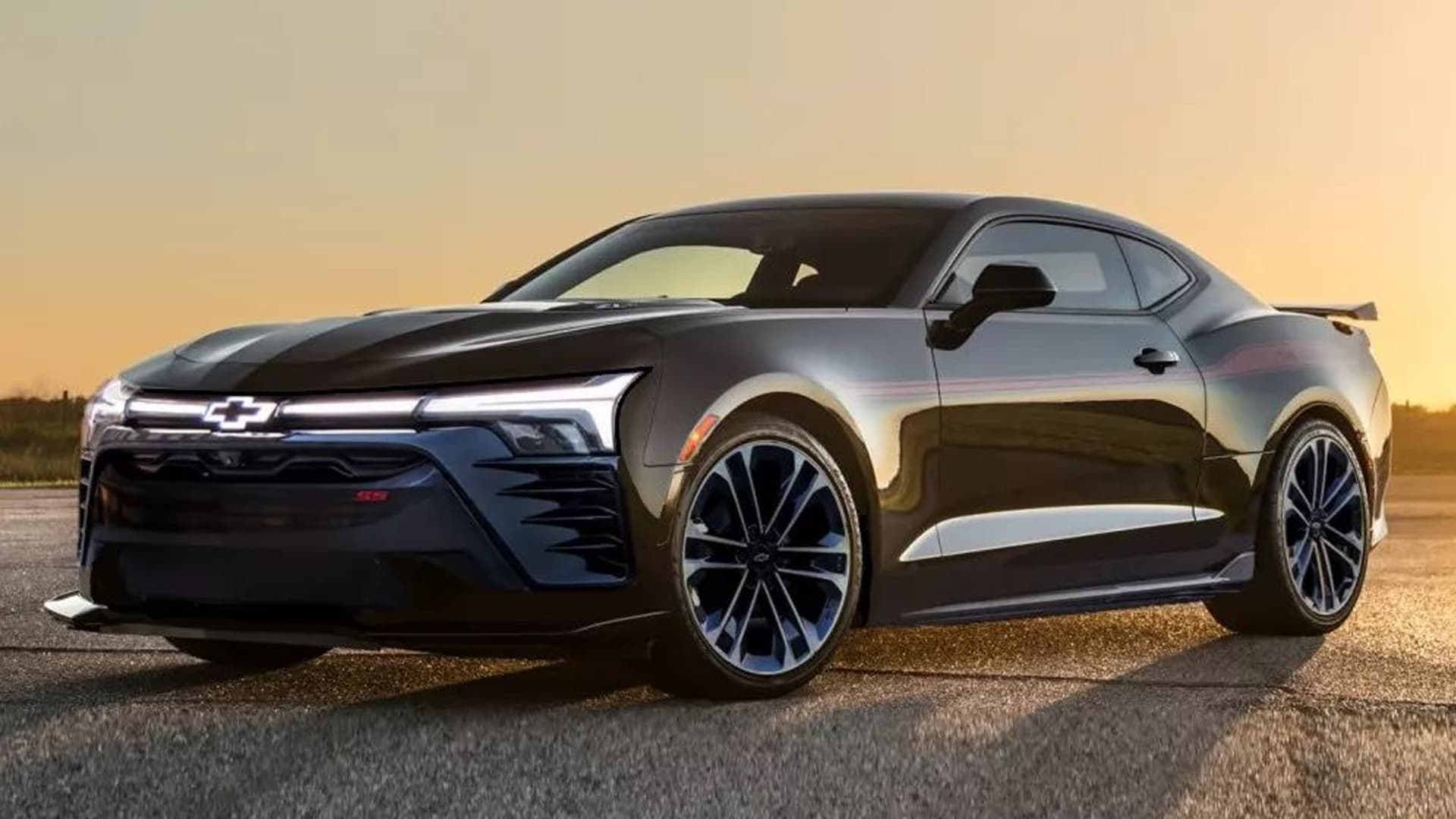
Parts are plentiful, aftermarket support is massive, and nearly every repair shop in America understands GM drivetrains.
The Camaro’s strength lies in its driving dynamics. It feels tighter and more athletic than most retro competitors, yet still delivers classic muscle aesthetics.
For drivers who want reliability with handling precision, it occupies a unique middle ground.
4. Toyota FJ Cruiser
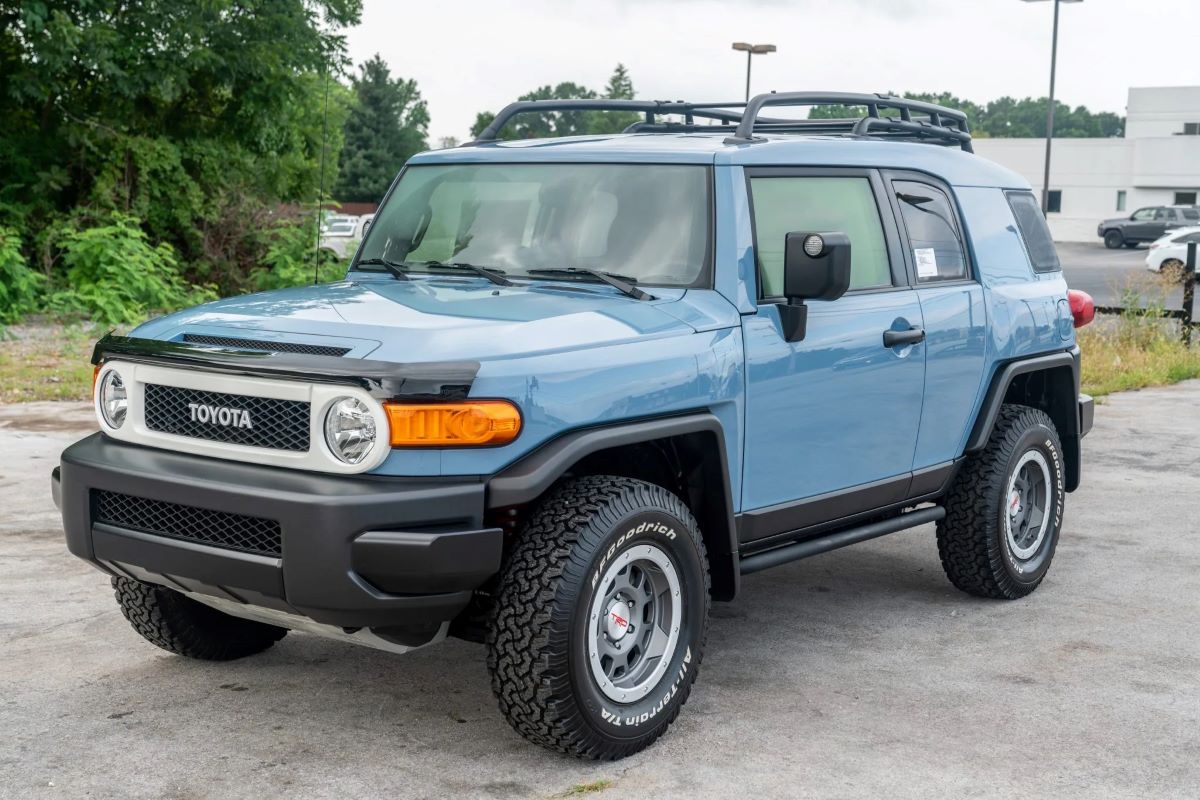
Inspired by Toyota’s original FJ40 Land Cruiser, the FJ Cruiser blends retro boxy design with modern off-road engineering. Although discontinued, it remains highly sought after in the US used market, largely because of Toyota’s legendary reliability.
Powered by a naturally aspirated V6 and paired with durable transmissions, the FJ Cruiser routinely clocks high mileage with minimal issues.
It shares components with other Toyota trucks and SUVs, keeping parts prices reasonable.
This is not a luxury vehicle, but that simplicity is part of its appeal. Body-on-frame construction, robust suspension, and proven mechanicals make it ideal for buyers who value durability over refinement.
If you want retro looks with real long-term dependability, this Toyota stands out.
The Toyota Land Cruiser 250 has officially arrived in Europe, where it will be offered with a different powertrain than the versions sold in North America and China. While those markets receive a turbocharged 2.4-liter gasoline engine paired with an electric motor, producing a combined 326 horsepower and 465 lb-ft (630 Nm) of torque, Western Europe and Australia will get a diesel alternative.
For these regions, Toyota is equipping the Land Cruiser 250 with a 2.8-liter turbodiesel engine delivering 201 horsepower and 369 lb-ft (500 Nm) of torque. Power is routed through a newly introduced eight-speed automatic transmission.
In select markets, the SUV continues to carry the “Prado” nameplate. The diesel-powered Land Cruiser will retain strong utility credentials, including a maximum towing capacity of 3,500 kilograms (7,716 pounds).
At launch in Western Europe, the diesel will be the sole available engine option. However, Toyota has confirmed that a 48-volt mild-hybrid version of the same 2.8-liter engine will be introduced in early 2025.
Sales of the diesel Land Cruiser are scheduled to begin in October, with a First Edition model limited to approximately 3,000 units. As with the North American variant, buyers will have a choice between round and rectangular headlight designs, both serving as visual references to previous Land Cruiser generations.
Toyota also notes that this is the first Land Cruiser to feature electric power steering. In addition, it becomes the brand’s first model to offer a disconnecting front anti-roll bar.
Depending on the market, the Land Cruiser 250 will be available with additional engine options beyond the diesel and upcoming mild-hybrid.
In both Eastern and Western Europe, as well as the Middle East, Toyota will offer a turbocharged 2.4-liter gasoline engine producing 278 horsepower and 430 Nm (316 lb-ft) of torque. Meanwhile, Eastern Europe and Japan will also receive a naturally aspirated 2.7-liter gasoline engine rated at 161 horsepower and 246 Nm (181 lb-ft) of torque.
With multiple powertrain configurations tailored to regional preferences, the Land Cruiser 250 continues Toyota’s strategy of adapting its global off-road icon to diverse market demands while preserving its core capability and durability.
5. Volkswagen Beetle
The modern Beetle kept the iconic silhouette while moving to a contemporary front-engine, front-wheel-drive layout.
Later production years benefited from improved Volkswagen reliability, especially with naturally aspirated engines and conventional automatic transmissions.
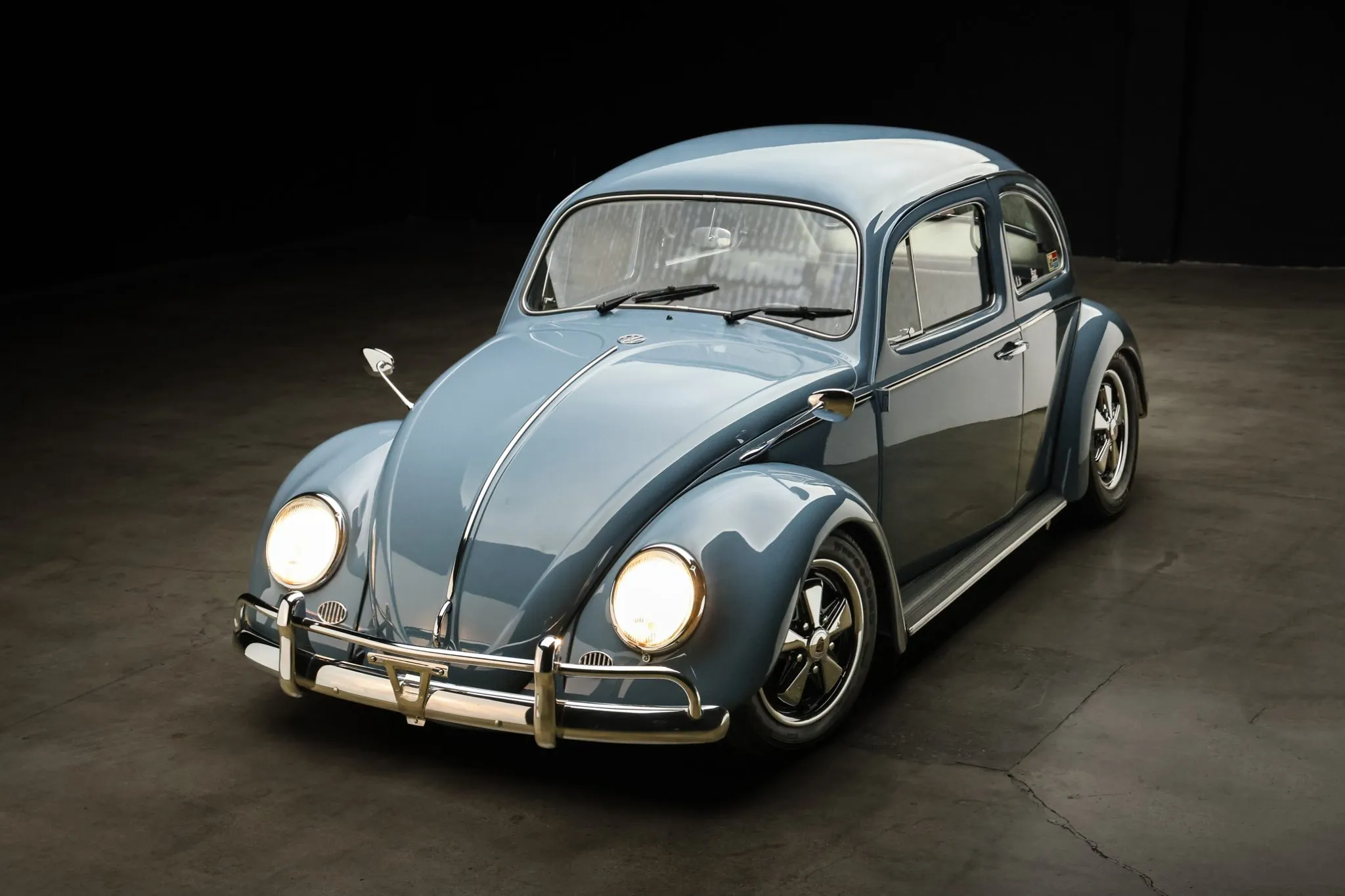
While early models had electronic quirks, newer Beetles proved far more dependable, offering comfortable interiors, good fuel economy, and a familiar driving experience. They’re easy to maneuver in cities and practical for daily commuting.
For US buyers seeking something playful and retro without muscle-car size or fuel costs, the Beetle delivers character in a compact, manageable package.
6. Jeep Wrangler
The Wrangler’s design barely changes because it doesn’t need to. Flat fenders, round headlights, and exposed hinges directly echo WWII-era Jeeps.
Reliability varies by generation, but models equipped with the 3.6L V6 have earned solid reputations when maintained properly.
More importantly, Wranglers benefit from enormous aftermarket support, simple mechanical layouts, and unmatched parts availability across the US.
They’re not quiet, not aerodynamic, and not especially refined but they’re tough. For drivers who want retro utility with genuine off-road capability, few vehicles are as mechanically resilient.
The Jeep Wrangler’s defining strength is its off-road capability. Built on a traditional body-on-frame platform and equipped with solid axles, available locking differentials, and a wide range of tire options, it remains one of the most trail-focused SUVs on the market.
These hardware fundamentals allow the Wrangler to excel in rock crawling and challenging terrain, reinforcing its reputation as a purpose-built off-roader.
That rugged focus, however, comes with compromises in everyday driving. On paved roads, the Wrangler delivers a firm and sometimes unsettled ride. Steering response tends to feel slow and lacks precision, while brake-pedal feedback can be vague. Compared with more road-oriented SUVs, the Wrangler prioritizes durability and articulation over ride comfort and handling refinement.
Under the hood, the Wrangler is offered with five different powertrains, each designed to deliver strong performance rather than efficiency. The base engine is a 3.6-liter V6 producing 285 horsepower and 260 lb-ft of torque.
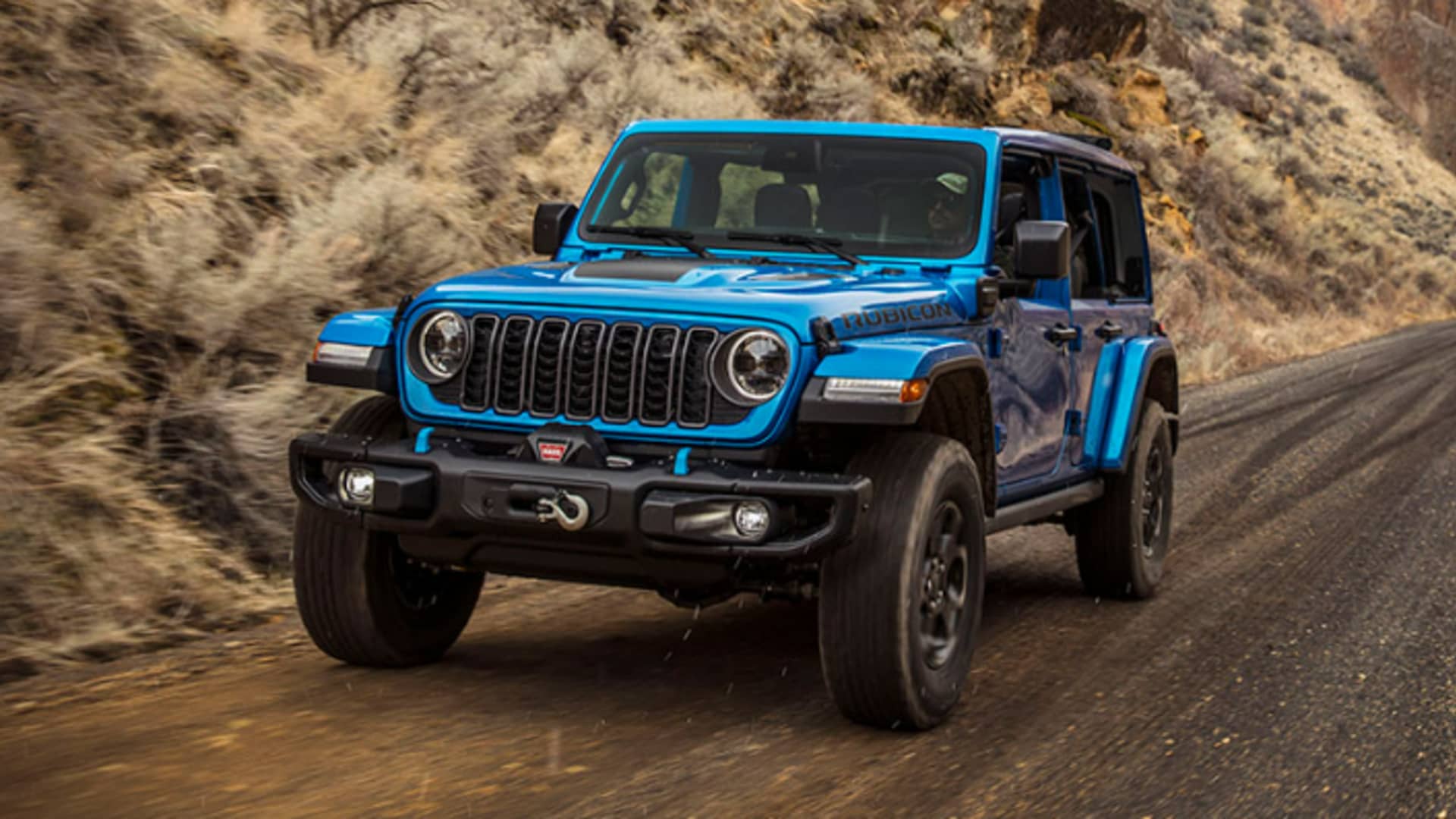
Buyers can also opt for a turbocharged 2.0-liter four-cylinder engine rated at 270 horsepower and 295 lb-ft of torque, or a turbocharged 3.0-liter V6 diesel generating 260 horsepower and an impressive 442 lb-ft of torque.
The plug-in hybrid configuration pairs a turbocharged 2.0-liter four-cylinder with two electric motors, delivering a combined 375 horsepower and 470 lb-ft of torque. For maximum output, the 6.4-liter V8 produces 470 horsepower and 470 lb-ft of torque. Despite the hybrid option, overall fuel efficiency across the lineup remains modest.
Every Wrangler comes standard with four-wheel drive, reinforcing its off-road mission. A six-speed manual transmission is standard equipment, while an eight-speed automatic transmission is available for those who prefer a more relaxed driving experience.
Overall, the Wrangler remains a vehicle engineered primarily for serious off-road enthusiasts. While it may sacrifice comfort and refinement on the highway, it compensates with unmatched trail performance and a broad selection of powerful engine options.
7. Fiat 500
Small, rounded, and unmistakably European, the Fiat 500 channels 1950s Italian charm in a modern urban package.
Earlier models had mixed reliability, but later production years improved significantly, particularly with naturally aspirated engines.
Its strengths are simplicity and efficiency. The Fiat 500 is light, easy to park, inexpensive to insure, and surprisingly durable when serviced on schedule. It’s best suited to city driving and short commutes, not long highway road trips.
For US buyers who want retro aesthetics in a tiny footprint, the 500 offers character without excessive ownership costs.
The previous-generation Fiat 500 proved to be a major global success, accumulating millions of sales over a 17-year production run. Its lifecycle officially ended last August. Because Fiat had not originally planned to produce an internal combustion version of the latest-generation model, the brand has effectively been without a gasoline-powered 500 in Europe since then.
That gap will close later this year with the introduction of the new 500 Hybrid. On Monday, Stellantis released images of pre-production models, revealing an unexpected detail: the upcoming hatchback will be offered with a manual transmission.

The presence of a stick shift makes the 500 Hybrid something of a rarity in today’s market, combining a hybrid powertrain with a traditional manual gearbox.
While unusual, the decision reflects European buyer preferences, particularly in the city car segment where manual transmissions remain popular. Fiat appears to have invested additional engineering effort to deliver an electrified powertrain that still allows drivers to shift for themselves.
The delayed arrival of the 500 Hybrid stems from the company’s initial strategy for this generation. When the all-electric 500e debuted in Europe in 2020, it was conceived as the sole third-generation Cinquecento.
However, slower-than-expected EV adoption and the scale of Fiat’s production capacity led the company to continue manufacturing the outgoing internal combustion model well into the 2020s.
The result is the 500 Hybrid, a model that blends electrification with conventional combustion technology, and unexpectedly, a manual transmission.
8. Mini Cooper
Modern Minis preserve the classic British hatchback look while benefiting from BMW engineering.
Earlier generations struggled with reliability, but newer models, especially those with standard turbocharged engines, show much better long-term durability.
They’re engaging to drive, efficient, and surprisingly practical for their size. Interior quality is high, and safety tech matches contemporary standards.
Maintenance costs can be higher than domestic brands, but reliability has improved enough to make ownership far less risky than before.
For drivers who prioritize handling and retro charm over brute power, the Mini Cooper fits neatly into that niche.
Retro styling doesn’t automatically mean outdated engineering. The cars above prove that manufacturers can honor the past while delivering dependable modern drivetrains.
The modern Mini Cooper returned to North America two decades ago, reintroducing the brand’s retro-inspired design and playful driving dynamics to a new generation of buyers.
Twenty years later, it remains just as distinctive and entertaining as when it first relaunched. Its blend of classic styling cues and contemporary detailing continues to attract attention, while its sharp chassis tuning ensures that driving remains central to the experience.
Available as a two-door hatchback, a four-door hatchback, or a convertible, the Cooper prioritizes personality over practicality. Interior and cargo space are limited, particularly in the three-door configuration, but for singles or couples seeking a compact car with character, the smallest Mini still holds strong appeal.
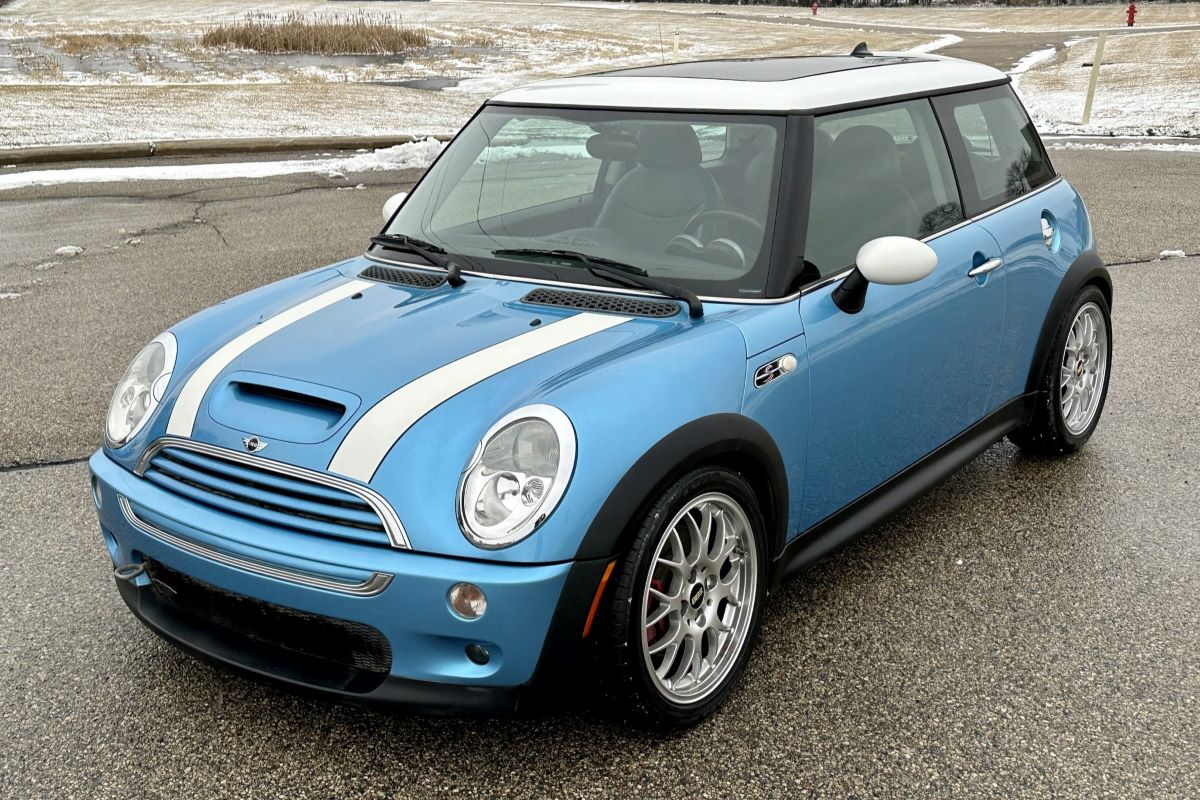
The standard Cooper is powered by a 134-horsepower turbocharged 1.5-liter three-cylinder engine. While adequate for daily driving, buyers looking for stronger performance will gravitate toward the Cooper S, which upgrades to a 189-horsepower turbocharged 2.0-liter four-cylinder.
The additional output noticeably improves acceleration and overall responsiveness. However, stepping up to the S model also increases the price, bringing it close to entry-level luxury competitors such as the BMW 2 Series Gran Coupe and Mercedes-Benz A-Class.
For the 2023 model year, Mini introduced a new Resolute Edition. This special version features Rebel Green exterior paint, frosted bronze trim accents, distinctive yellow-and-cream tweed seat upholstery, and unique Resolute Edition door-sill plates. On convertible models, the package substitutes the hardtop’s white roof and mirror caps with a black soft top and black mirror caps.
Pricing for the 2023 Mini Cooper starts at $24,395 for the base Hardtop and rises to $32,895 for the Cooper S Convertible, depending on configuration and options.
The Cooper S Hardtop begins at $27,895, while the base Convertible starts at $29,395. With extensive personalization options available, buyers can easily tailor the Cooper to their tastes, though additional features can quickly increase the final price.
For those focused on maximizing driving enjoyment, the Cooper S Hardtop paired with the manual transmission offers the most engaging experience. While the five-door variant provides slightly improved practicality, the three-door maintains the classic Mini proportions and is the more cohesive choice given the model’s compact dimensions.
Under the hood, the base 1.5-liter turbocharged three-cylinder delivers sufficient energy for urban driving in this lightweight, front-wheel-drive platform.
The 2.0-liter turbocharged four-cylinder in the S model significantly enhances performance, reducing the 0–60 mph sprint to 6.2 seconds, more than a full second quicker than the base engine. Both engines can be paired with either a manual or an automatic transmission. Although the automatic shifts smoothly and efficiently, the manual gearbox provides a greater sense of driver involvement.
The Mini’s firm suspension setup contributes to its agile handling and sharp turn-in response, characteristics that make it particularly enjoyable on winding roads. However, that same firmness can translate to a stiff ride over rough pavement. Ultimately, the Mini Cooper continues to emphasize fun and style over comfort and space, maintaining its identity as a compact car built primarily for driving enthusiasts.
For American buyers, the key takeaway is this: reliability comes from proven engines, strong service networks, and parts availability, not just brand reputation.
Muscle cars like the Mustang and Challenger offer durability through simplicity and scale. Imports like the FJ Cruiser and Beetle rely on conservative engineering. Smaller retro options like the Mini and Fiat succeed by staying lightweight and efficient.
If you’re drawn to nostalgic design but still need something you can trust on Monday morning, these eight vehicles represent some of the smartest retro-modern choices on US roads today.