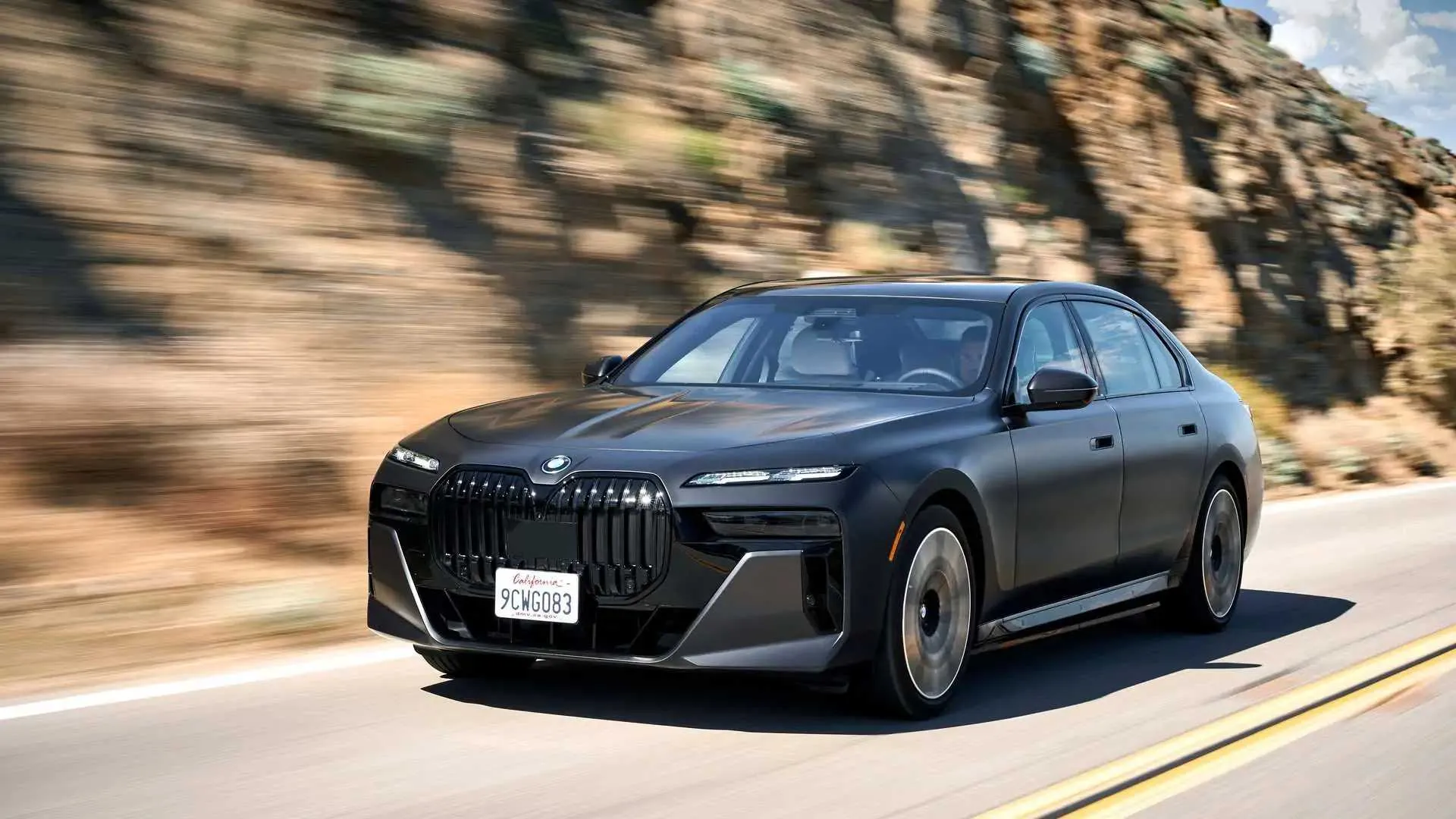
BMW is known for making luxury SUVs that feel powerful, smooth, and comfortable. These vehicles offer strong engines, advanced technology, and premium interiors.
However, owning a BMW SUV can be expensive, especially when it comes to maintenance and repairs. Parts are costly, labor is high, and complex systems can fail over time. While these SUVs deliver excellent performance and status, long-term ownership can put serious pressure on your wallet. Here are nine BMW SUVs that are known to cost a fortune to maintain.
1) BMW X5 M
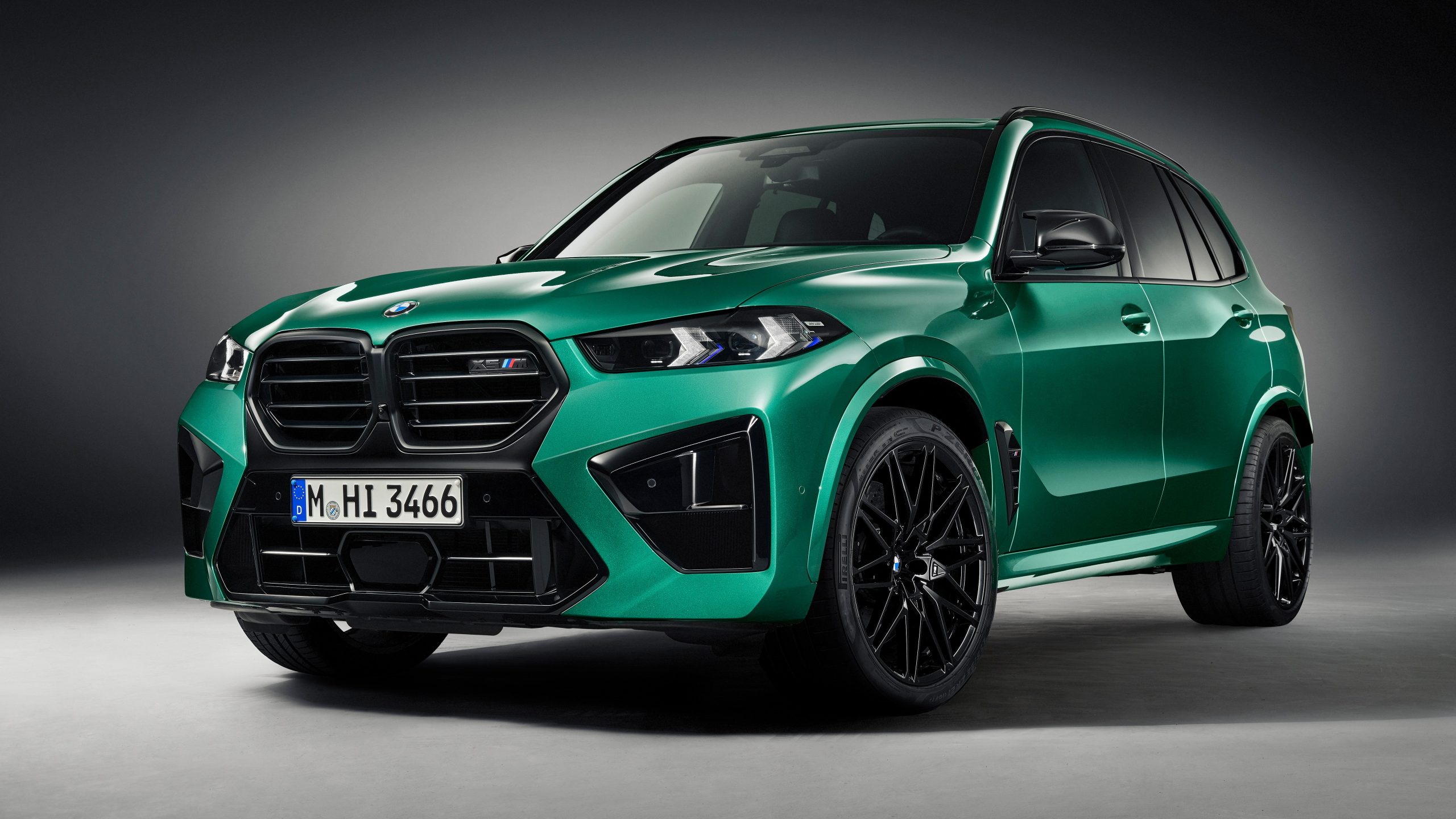
The BMW X5 M is a high-performance luxury SUV that blends comfort with extreme power. It looks bold and aggressive while offering a premium cabin. Many buyers love it for speed and status, but ownership can become expensive over time.
Under the hood, the X5 M uses a twin-turbocharged V8 engine that produces massive horsepower. Acceleration feels quick and smooth, even for a heavy SUV. However, such a powerful engine creates heat and stress, which increases maintenance needs.
Because of its performance setup, engine components can wear out faster than in regular SUVs. Turbochargers, cooling systems, and oil lines may require attention. Repairs for these parts are not cheap, especially once the factory warranty has expired.
The braking system is another major expense. The X5 M comes with large performance brakes designed to handle high speeds. Brake pads and rotors wear quickly, especially if driven aggressively. Replacing them can cost significantly more than standard SUV brakes.
Suspension components also add to long-term costs. The vehicle uses advanced adaptive suspension systems for better handling and comfort. Air suspension parts, control arms, and bushings may fail with age. Fixing these systems can require thousands of dollars.
Fuel costs are also high because the V8 engine consumes a lot of petrol. Premium fuel is required for proper performance. Owners who drive frequently may notice that fuel bills rise quickly compared to smaller or less powerful SUVs.
Insurance premiums are generally higher for the X5 M. Its powerful engine and high price increase coverage costs. In addition, replacement parts are expensive, which raises repair claims and insurance rates for many owners.
Electronics inside the cabin add luxury but increase complexity. The SUV includes advanced driver aids, large touchscreens, and digital displays. If sensors or control modules fail, diagnosing and fixing them can be costly and time-consuming.
Routine maintenance such as oil changes and fluid services also costs more than average. BMW recommends high-quality synthetic oils and special fluids. Labor rates at authorized service centers are usually higher than regular repair shops.
The BMW X5 M delivers thrilling performance and luxury comfort in one package. However, buyers must understand the financial responsibility that comes with it. Strong performance always brings higher running costs, making careful budgeting very important.
2) BMW X6 M
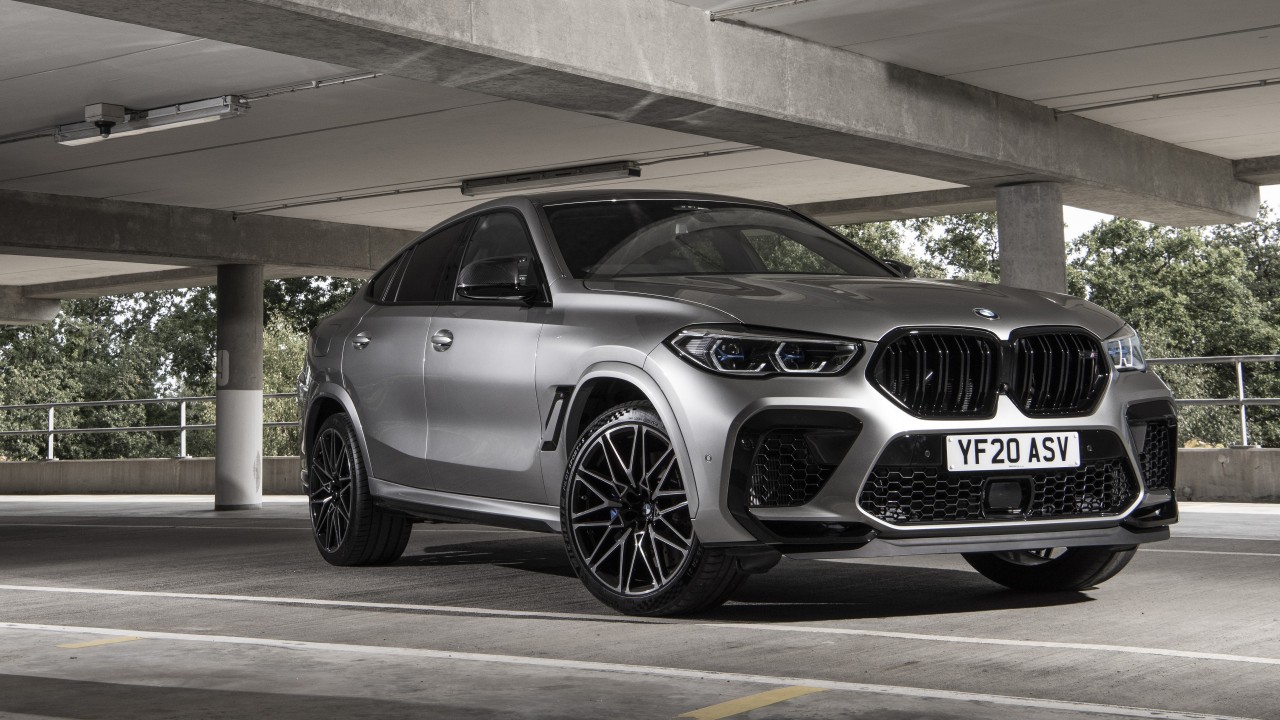
The BMW X6 M is a bold and sporty luxury SUV with a coupe-style design. It combines aggressive looks with strong performance. Many drivers choose it for its unique shape and powerful engine, but long-term ownership can be costly.
Like the X5 M, the X6 M uses a twin-turbocharged V8 engine that delivers massive horsepower. It accelerates very quickly and feels exciting to drive. However, this level of performance increases stress on many mechanical parts over time.
The engine system is complex and tightly packed under the hood. Turbochargers, fuel injectors, and cooling components may need repairs as the vehicle ages. When problems happen, parts and labor costs can be very high.
The braking system is built for high-speed driving and strong stopping power. Large brake discs and performance pads wear out faster than normal SUV brakes. Replacing them can cost a significant amount, especially at authorized service centers.
Tires are another expensive factor. The X6 M uses wide, high-performance tires for better grip and handling. These tires wear out quickly, particularly if driven aggressively. A full set of replacements can be very expensive.
The suspension system is advanced and designed for both comfort and sharp handling. Adaptive dampers and other electronic components add complexity. If these parts fail, repairs can cost thousands of dollars depending on the issue.
Fuel economy is not a strong point of the X6 M. The powerful V8 engine consumes a large amount of premium fuel. For drivers who use the SUV daily, fuel expenses can add up quickly over the year.
Insurance costs are also higher than average. Because the X6 M is a high-performance luxury vehicle, premiums reflect the higher repair and replacement values. This adds to the cost of ownership.
Interior technology adds comfort but also increases potential repair costs. Large displays, advanced driver assistance systems, and electronic modules can be expensive to fix if they stop working after warranty coverage ends.
The BMW X6 M offers thrilling performance and eye-catching design. However, buyers should be prepared for high maintenance and repair expenses. Owning this SUV requires a strong budget and careful planning for long-term costs.
3) BMW X7
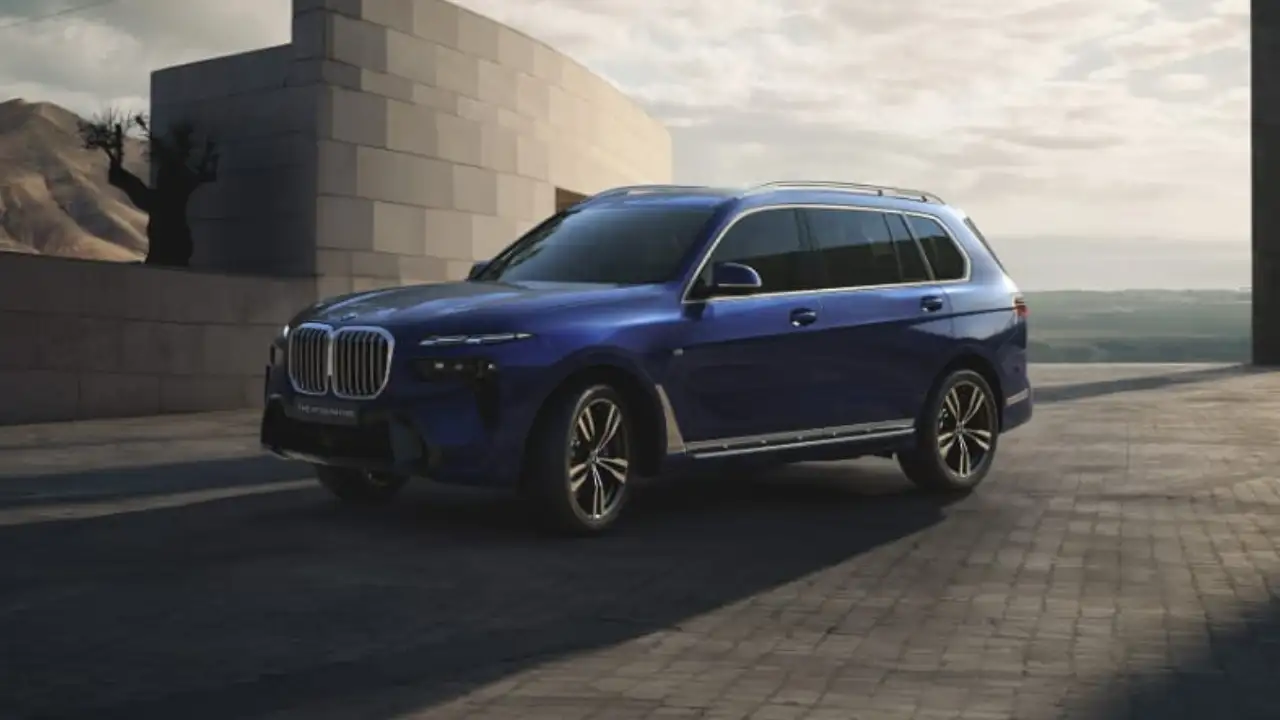
The BMW X7 is the largest SUV in BMW’s lineup. It offers three rows of seating, a smooth ride, and a very luxurious interior. Many families choose it for comfort and space, but maintaining it can become very expensive.
The X7 comes with powerful engine options, including turbocharged six-cylinder and V8 engines. These engines deliver strong performance for such a large SUV. However, more power usually means more stress on parts and higher repair costs over time.
Because the X7 is large and heavy, many components work harder than in smaller SUVs. Suspension parts, brakes, and tires wear out faster. Replacing these parts can cost much more due to the vehicle’s size and weight.
One of the most expensive systems in the X7 is its air suspension. This system provides a smooth and adjustable ride. If air springs or compressors fail, repairs can cost thousands of dollars after the warranty ends.
The braking system is also large and complex. Big brake discs and pads are needed to stop this heavy SUV safely. When it is time to replace them, owners may face very high service bills.
Technology is another reason maintenance costs rise. The X7 includes large digital screens, advanced driver assistance features, and many sensors. If electronic modules or cameras stop working, repairs can be both time-consuming and costly.
Fuel consumption can also be high, especially in V8 models. Premium fuel is required for proper engine performance. Over time, fuel expenses add to the cost of owning this luxury SUV.
Routine maintenance is not cheap either. Oil changes, fluid replacements, and regular inspections cost more at BMW dealerships. Labor rates are usually higher compared to non-luxury vehicle service centers.
Insurance premiums are often higher for the X7 because of its luxury status and expensive parts. Even small accidents can result in costly repairs due to advanced safety systems and premium materials.
The BMW X7 offers comfort, space, and advanced technology in one impressive package. However, buyers must be prepared for high maintenance and repair expenses. Owning this full-size luxury SUV requires careful budgeting and long-term planning.
4) BMW XM
The BMW XM is one of the most powerful and expensive SUVs ever made by BMW. It combines bold design, luxury features, and advanced hybrid technology. While it offers impressive performance, maintaining it can be extremely costly.
The XM uses a twin-turbocharged V8 engine paired with an electric motor. This plug-in hybrid system produces massive power and quick acceleration. However, the combination of petrol and electric components makes the system very complex.
Because of this complex setup, repairs can be expensive once the warranty expires. The hybrid battery pack, electric motor, and control systems are costly to replace. Even small electrical issues may require specialized service and advanced diagnostic tools.
The V8 engine itself also adds to maintenance expenses. Turbochargers, cooling systems, and fuel components can wear out over time. Since the engine produces high performance, parts experience more stress compared to standard SUVs.
The XM is a heavy vehicle due to its battery and performance parts. This extra weight increases wear on brakes and suspension components. Replacing brake pads and rotors can cost a large amount, especially at official service centers.
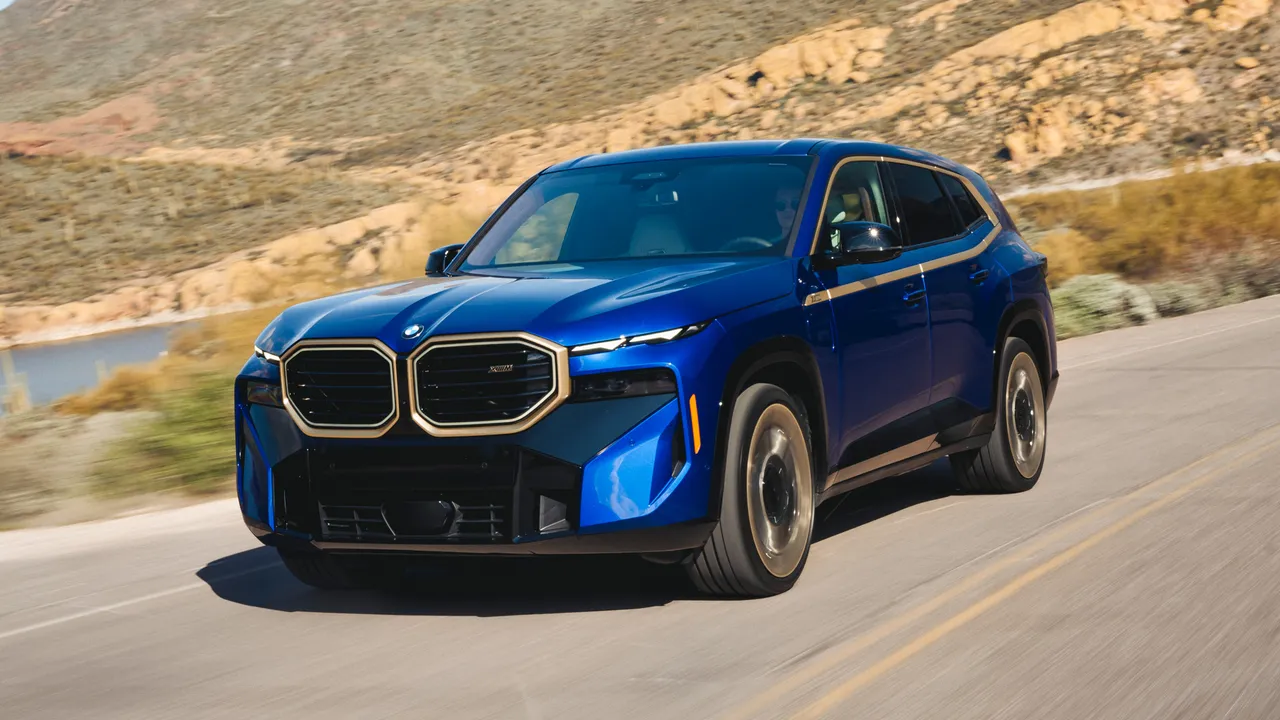
Air suspension and adaptive driving systems improve comfort and handling. However, these advanced features are expensive to repair if they fail. Air springs, sensors, and electronic dampers can cost thousands to fix.
Fuel costs remain high despite the hybrid system. While short electric drives help save fuel, the powerful V8 engine still consumes premium petrol during longer trips. Owners may notice that running costs remain significant.
The interior is filled with advanced technology and luxury materials. Large screens, ambient lighting, and driver assistance systems add comfort. However, any malfunction in these electronic systems can result in high repair bills.
Insurance premiums are usually higher because the XM is a high-value performance SUV. Expensive parts and complex systems increase repair costs, which affects coverage prices for many owners.
The BMW XM delivers outstanding power, luxury, and advanced hybrid technology. However, its complex engineering and premium components make maintenance very expensive. Buyers should carefully consider long-term costs before choosing this powerful SUV.
5) BMW X5 xDrive50i
The BMW X5 xDrive50i is a powerful luxury SUV that offers strong acceleration and smooth driving. It uses a twin-turbocharged V8 engine, which gives it impressive speed. However, this performance also brings higher maintenance and repair costs.
The V8 engine is known for delivering excellent power, but it can develop issues over time. Oil leaks, valve stem seal problems, and cooling system failures are common in older models. Fixing these problems can be very expensive.
Turbochargers in this engine work under high pressure and heat. If they fail, replacement costs can be very high. Labor charges add even more because the engine layout is tight and complex to work on.
Cooling systems are another weak point. Water pumps, radiators, and coolant lines may need replacement as mileage increases. If overheating occurs, engine damage can follow, which leads to even bigger repair bills.
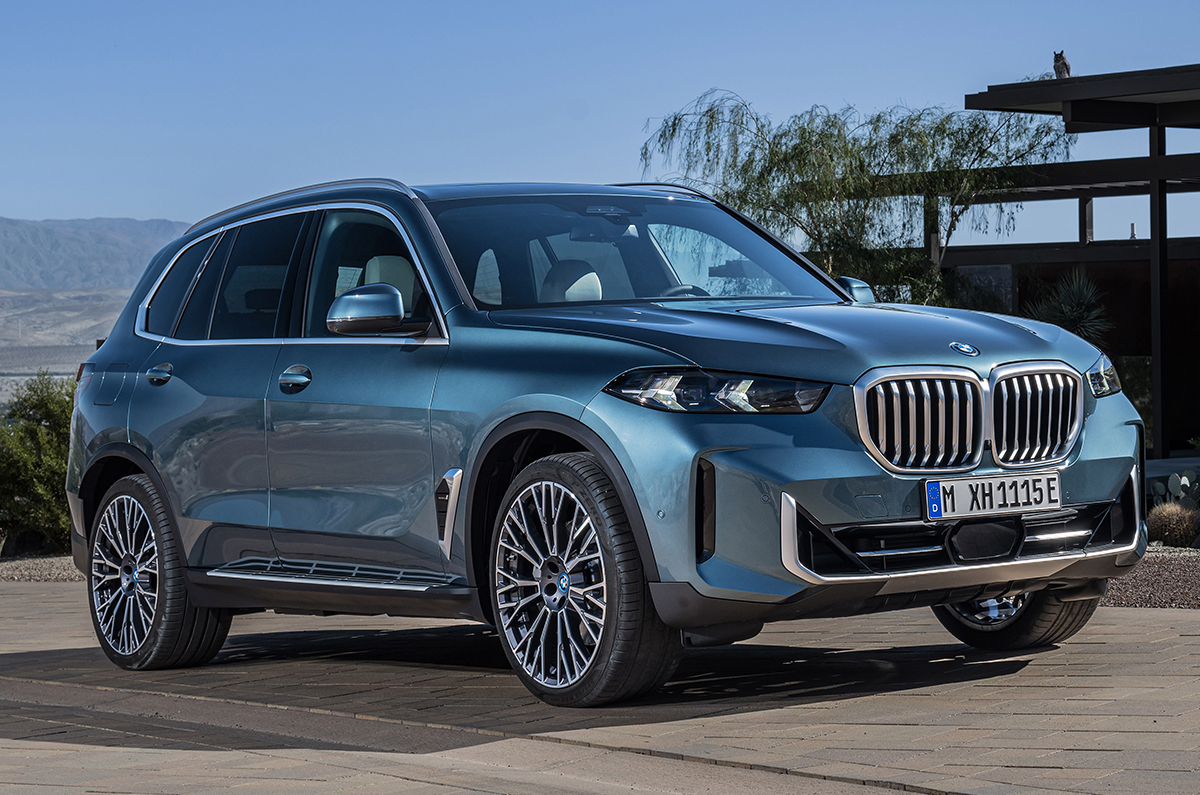
The SUV’s weight also affects maintenance costs. Being a heavy vehicle, it puts extra stress on brakes and suspension parts. Brake pads and rotors wear out faster, and replacements are not cheap.
Many models come with advanced air suspension systems. While these systems improve ride comfort, they are costly to repair if airbags or compressors fail. Repairs often require specialized parts and trained technicians.
Fuel consumption is high because of the powerful V8 engine. Premium petrol is required for proper performance. Owners who drive daily may find fuel costs rising quickly compared to six-cylinder versions.
The X5 xDrive50i also includes advanced electronic systems and luxury features. Touchscreens, sensors, and driver assistance technologies can malfunction over time. Electronic repairs are often expensive and time-consuming.
Routine maintenance such as oil changes and spark plug replacements costs more than average. BMW recommends high-quality synthetic oil and specific service intervals. Dealership labor rates are generally higher than regular repair shops.
The BMW X5 xDrive50i offers strong performance and luxury comfort. However, buyers must be prepared for high ownership costs. Its powerful V8 engine and complex systems make long-term maintenance expensive and financially demanding.
6) BMW X6 xDrive50i
The BMW X6 xDrive50i is a stylish coupe-style SUV that offers strong power and luxury comfort. Its bold design attracts many buyers who want something sporty and different. However, maintaining this powerful SUV can be expensive.
Under the hood, it uses a twin-turbocharged V8 engine that delivers quick acceleration and smooth performance. While the engine feels impressive on the road, it also creates higher repair and maintenance costs as the vehicle ages.
The V8 engine is known for possible oil leaks and cooling system issues. Valve cover gaskets, coolant pipes, and water pumps may require replacement over time. Repairs for these components can be costly once the warranty ends.
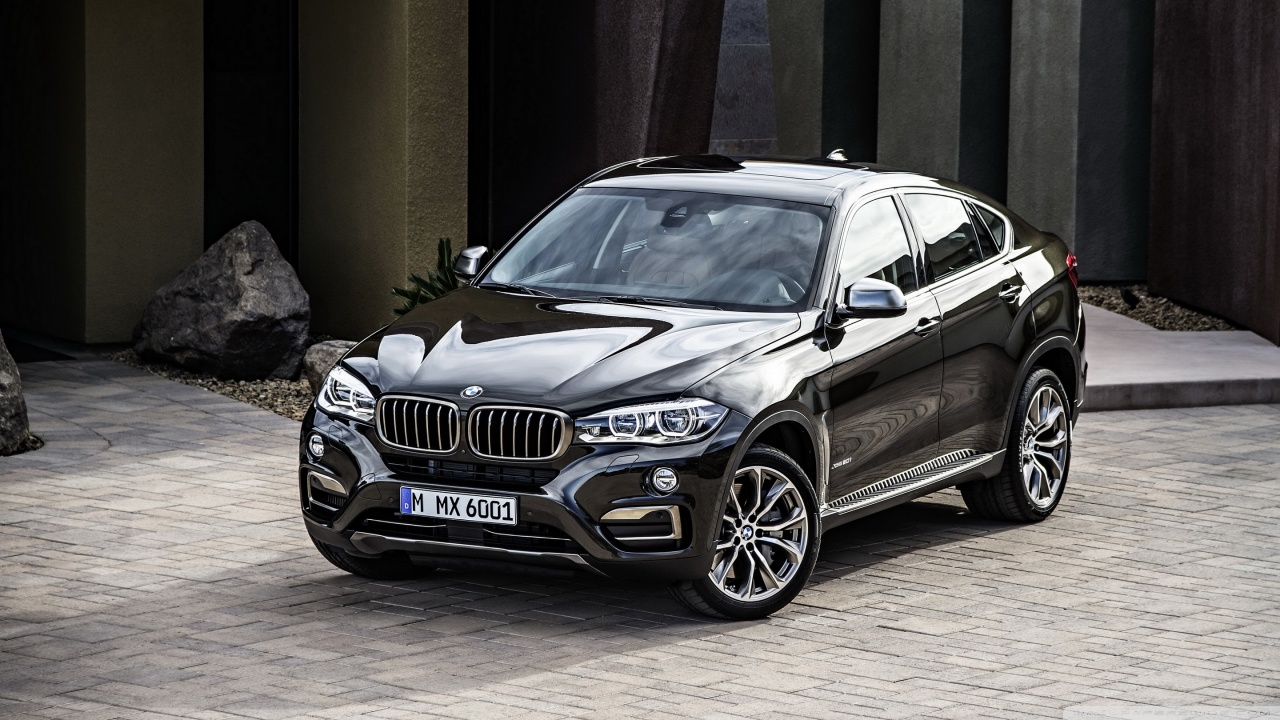
Turbochargers add more performance but also more complexity. If turbo units fail, replacement can cost a large amount. Labor charges increase because mechanics must work in tight engine spaces.
The X6 xDrive50i is heavy, which means brakes and suspension parts wear out faster. Large brake discs and pads are expensive to replace. Suspension arms, bushings, and shocks may also need attention as mileage increases.
Many models include adaptive suspension systems for better handling and ride comfort. While these systems improve driving quality, repairs can be very expensive if electronic dampers or air components fail.
Fuel consumption is high due to the powerful V8 engine. Premium petrol is required to maintain performance. Owners who drive frequently may spend a significant amount on fuel every year.
The SUV also comes with advanced electronic features and luxury equipment. Navigation systems, digital displays, and driver assistance sensors can develop faults. Fixing electronic issues often requires specialized diagnostic tools.
Insurance premiums are usually higher because of the vehicle’s powerful engine and expensive replacement parts. Even minor accidents can lead to costly repairs due to advanced technology and premium materials.
The BMW X6 xDrive50i offers impressive speed, bold styling, and luxury comfort. However, buyers should carefully consider long-term costs. Its powerful engine and advanced systems make maintenance and repairs expensive over time.
7) BMW X3 M
The BMW X3 M is a compact performance SUV that delivers thrilling speed and sharp handling. It may be smaller than other BMW SUVs, but it offers serious power. However, owning this sporty model can become expensive over time.
The X3 M uses a high-performance turbocharged six-cylinder engine. It produces strong horsepower and quick acceleration. While the engine feels exciting, performance tuning increases wear on internal components and raises long-term maintenance costs.
Because it is built for sporty driving, brakes wear out faster than in regular SUVs. Large performance brake pads and rotors are costly to replace. Drivers who enjoy aggressive driving may need brake service more often.
The suspension system is designed for tight cornering and stability. Adaptive dampers and sport-tuned components improve handling. However, these advanced parts are more expensive to repair or replace compared to standard suspension systems.
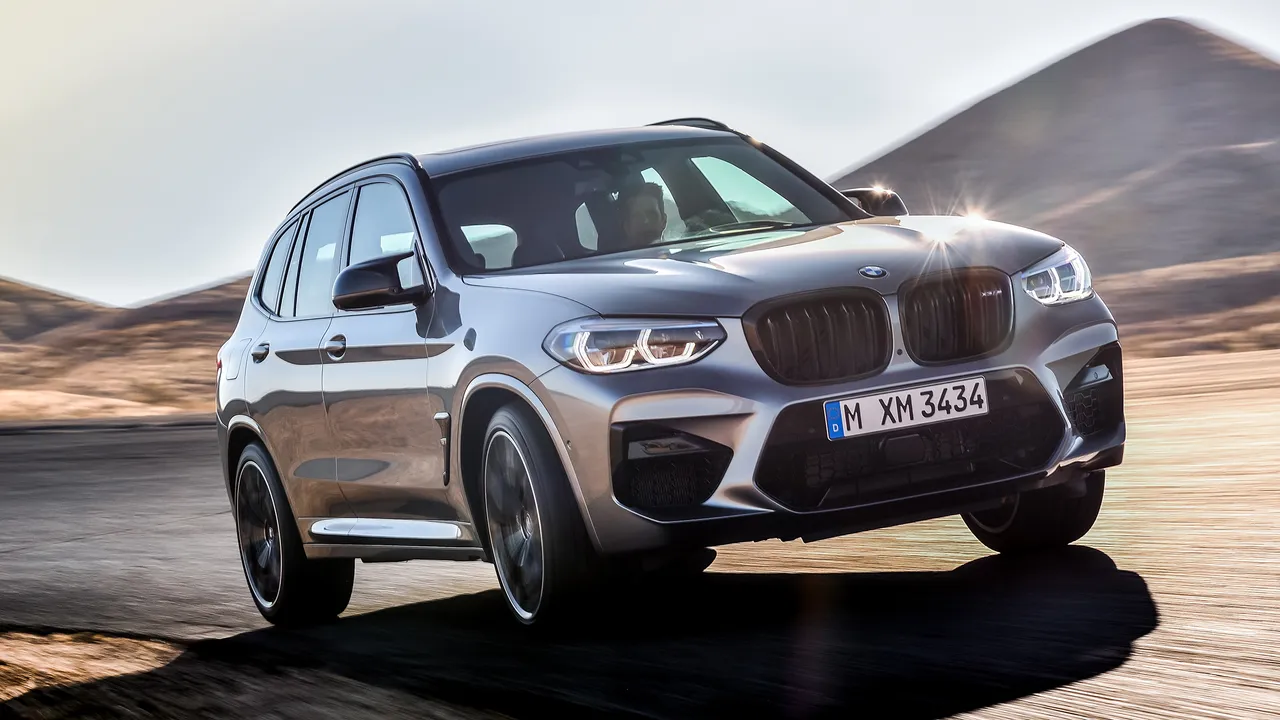
High-performance tires are another major cost. The X3 M uses wide tires for better grip and control. These tires wear quickly, especially during spirited driving, and replacing a full set can be very expensive.
Fuel economy is not very impressive because the engine is tuned for power. Premium fuel is required to maintain proper performance. Over time, fuel expenses add significantly to the total cost of ownership.
The SUV also includes advanced technology features. Digital displays, safety sensors, and driver assistance systems add comfort and convenience. If any electronic components fail, repairs can be complicated and costly.
Routine maintenance costs are higher than a normal X3 model. Oil changes require high-quality synthetic oil, and service intervals must be followed carefully. Labor at BMW dealerships is usually more expensive than local repair shops.
Insurance premiums are often higher due to the vehicle’s performance capabilities. The strong engine and expensive parts increase coverage costs for many owners. Even small repairs can result in high service bills.
The BMW X3 M offers exciting performance in a compact SUV package. However, its sporty design and powerful engine make maintenance expensive. Buyers should plan their budget carefully before choosing this high-performance model.
8) BMW X4 M
The BMW X4 M is a sporty coupe-style SUV that combines bold design with strong performance. It shares many parts with the X3 M but has a sleeker roofline. While it looks stylish, maintaining it can be costly.
The X4 M uses a high-performance turbocharged six-cylinder engine. It delivers quick acceleration and sharp throttle response. However, this powerful setup increases stress on engine components, which may lead to expensive repairs over time.
Performance brakes are standard on this model. Large brake pads and rotors provide strong stopping power. These parts wear out faster during spirited driving, and replacing them can cost much more than standard SUV brakes.
The suspension system is tuned for sporty handling. Adaptive dampers and reinforced components improve cornering ability. If these advanced parts fail, repairs can be very expensive due to specialized components and labor.
Wide performance tires improve grip and stability. However, they wear out quickly, especially if driven aggressively. A new set of high-quality tires can cost a significant amount, adding to ownership expenses.
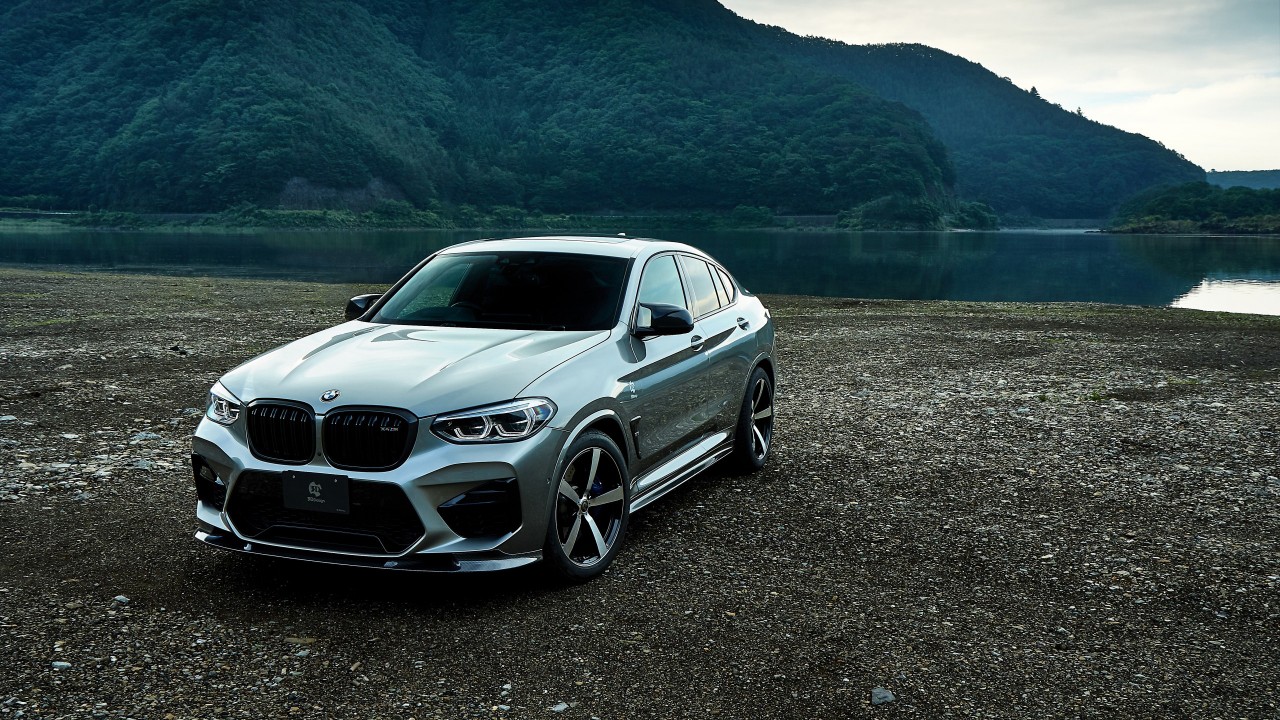
Fuel economy is not a strong point. The engine requires premium petrol to perform properly. Drivers who use the SUV daily may notice higher fuel costs compared to regular compact SUVs.
The interior includes modern digital displays and advanced driver assistance systems. While these features add comfort and safety, electronic repairs can become costly once the warranty period is over.
Routine service is also more expensive than a standard X4. Oil changes, spark plugs, and fluid services use premium materials. Dealership service rates are generally higher than independent repair shops.
Insurance premiums are usually higher because the X4 M is considered a performance vehicle. Expensive replacement parts and powerful engine output increase coverage costs for many owners.
The BMW X4 M offers sporty performance and eye-catching design. However, its high-performance components and advanced systems make maintenance costly. Buyers should carefully consider long-term expenses before choosing this luxury performance SUV.
9) BMW X5 xDrive40e
The BMW X5 xDrive40e is a plug-in hybrid SUV that combines a petrol engine with an electric motor. It was one of BMW’s early hybrid SUVs. While it offers better fuel efficiency, long-term maintenance can be costly.
The hybrid system includes a turbocharged engine, electric motor, and battery pack. This combination makes the vehicle more complex than regular SUVs. More components mean more chances for repairs as the vehicle ages.
The high-voltage battery is one of the most expensive parts. If battery performance drops significantly, replacement can cost a large amount. Although batteries are designed to last years, repairs outside warranty can be very expensive.
The turbocharged petrol engine also requires regular care. Oil leaks, cooling system problems, and worn turbo components may appear with higher mileage. Repairs for these issues can quickly increase ownership costs.
Electrical systems in hybrid vehicles are more advanced. Control modules, charging systems, and sensors must work together perfectly. If one part fails, diagnosing and fixing the issue may require specialized equipment.
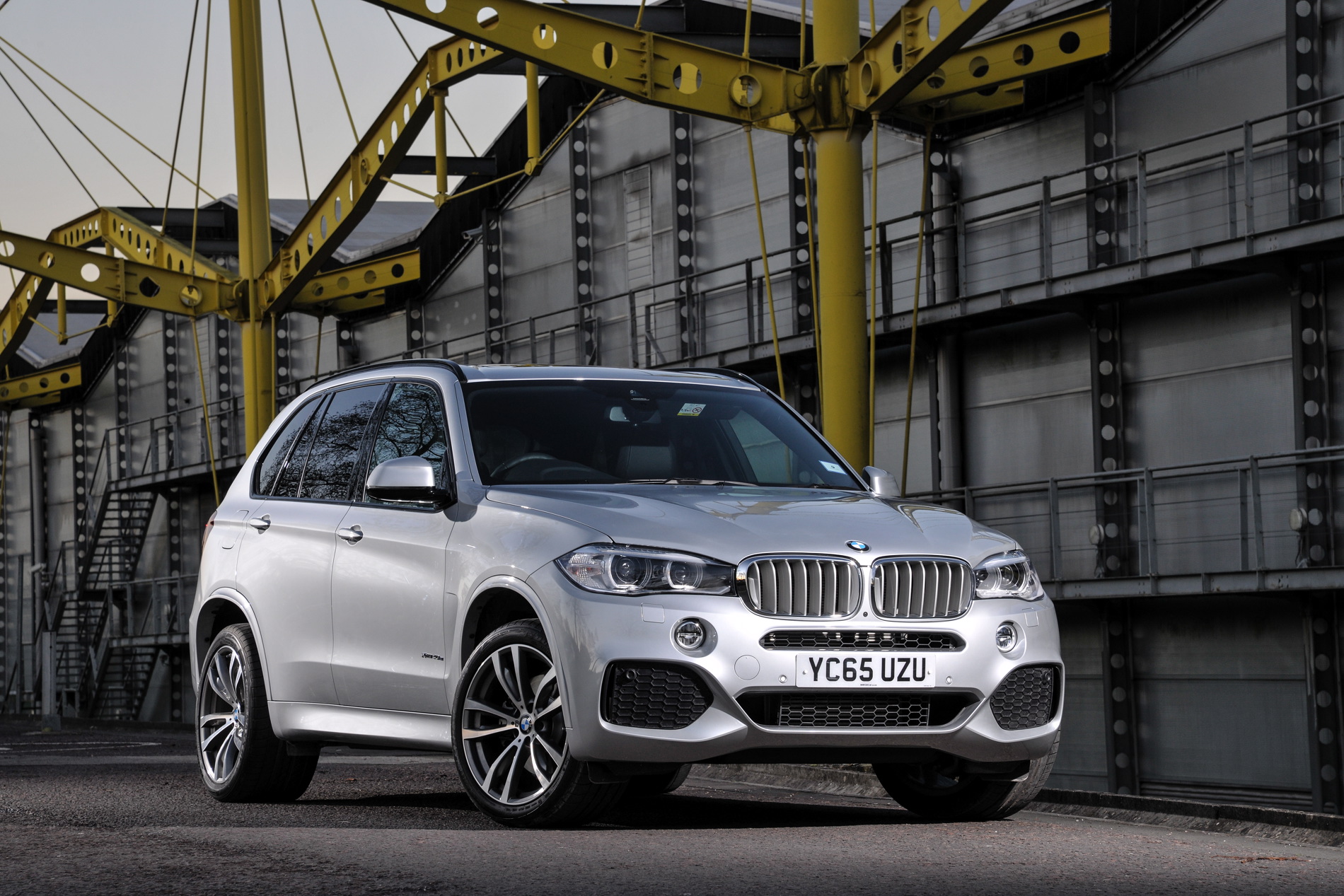
Because the X5 xDrive40e is heavy due to its battery pack, brakes and suspension parts wear faster. Brake pads, rotors, and suspension components can be costly to replace compared to smaller vehicles.
Routine maintenance still includes oil changes and fluid services. Even though it is a hybrid, the petrol engine needs proper care. Service visits at authorized centers are usually more expensive.
Fuel savings can help reduce running costs, especially for short city drives using electric mode. However, on longer trips, the petrol engine consumes premium fuel, which increases fuel expenses.
Insurance premiums may be higher because hybrid parts are costly to repair or replace. Accidents involving battery systems or electronic components can result in expensive claims and higher coverage rates.
The BMW X5 xDrive40e offers a mix of efficiency and luxury. However, its hybrid technology and complex systems make maintenance expensive over time. Buyers should carefully consider repair costs before choosing this plug-in hybrid SUV.