Modern vehicle safety focuses on preventing accidents before they occur rather than only protecting passengers during a crash. Advanced driver-assistance systems use cameras, radar, sensors, and artificial intelligence to continuously monitor the road and provide real-time support.
Features such as automatic emergency braking, lane-keeping assistance, blind-spot monitoring, and adaptive cruise control help reduce the risk of collisions, safeguard occupants, and protect pedestrians and cyclists.
This article highlights six vehicles that excel at proactive safety while also delivering performance, efficiency, and comfort. The Tesla Model 3 uses Tesla Vision and obstacle-aware acceleration to help drivers avoid collisions. The Toyota Camry incorporates the TSS 3.0 suite with proactive steering and braking.
The Subaru Outback combines EyeSight technology with capable handling in various conditions. The Mazda 3 offers i-Activsense features and responsive driving dynamics. The Hyundai IONIQ 6 provides a long-range electric experience with SmartSense collision prevention.
Finally, the Volvo XC90 demonstrates luxury, semi-autonomous support, and comprehensive hazard detection. These vehicles illustrate how modern engineering and technology can actively assist drivers, making daily driving safer and more confident.
1. Tesla Model 3: Safety, Performance, and Efficiency Redefined
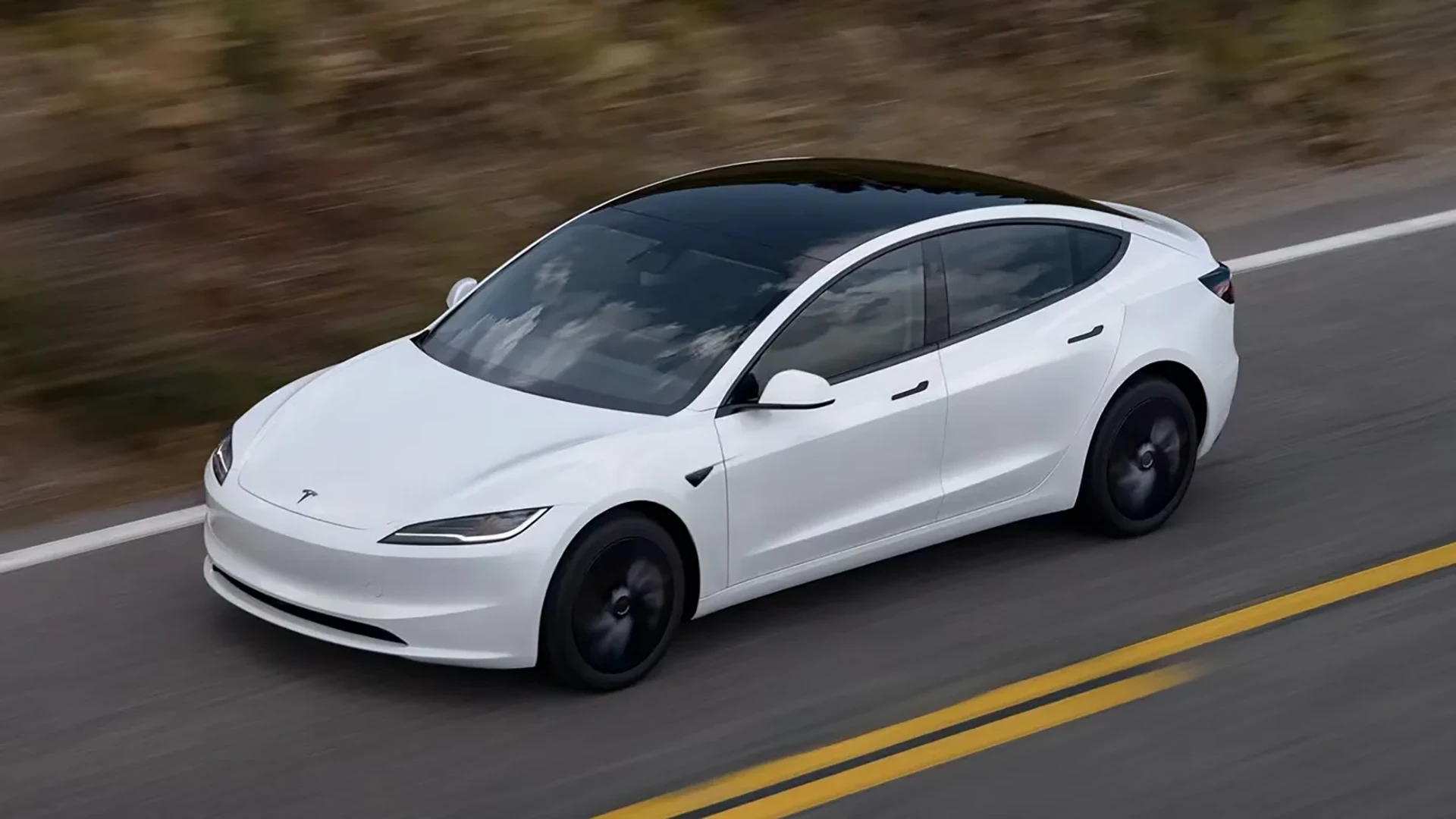
The Tesla Model 3 has become a benchmark in the electric vehicle (EV) market for its combination of advanced safety, performance, and efficiency. The 2025 Model 3 is particularly notable for its proactive safety systems, consistently earning top ratings from organizations like Euro NCAP. Central to this is Tesla Vision, a camera-only system that provides 360-degree visibility and powerful real-time processing.
This system enables features like Automatic Emergency Braking (AEB), which can detect pedestrians, cyclists, and vehicles, and intervene with braking or steering to prevent collisions.
The new model also includes an Active Hood system that lifts during frontal impacts to reduce injury risks for pedestrians, while standard technologies like lane-departure avoidance and obstacle-aware acceleration help the car manage hazards before they escalate into accidents.
The Model 3’s advanced sensor suite and driver-assist features form a comprehensive safety net. Equipped with 360-degree cameras, 12 ultrasonic sensors, and sophisticated computing, the car actively monitors its surroundings. Key systems include AEB, lane-departure warning, blind-spot monitoring, and obstacle-aware acceleration, which can reduce motor torque at low speeds to prevent collisions in tight spaces.
Structural design further enhances safety, with a rigid body and low center of gravity from the floor-mounted battery, reducing rollover risk. Tesla also leverages billions of miles of real-world driving data to continuously refine its algorithms, improving collision prevention over time and reducing accident rates for drivers using Autopilot.
Performance in the Model 3 is both swift and composed. Drivers can choose from a 286-hp single motor, 425-hp dual motor, or 510-hp dual motor Performance configuration, with front- or all-wheel drive options. The low battery placement contributes to precise handling, stability, and a planted feel in corners, while the steering is accurate and adjustable across three settings.
Acceleration is impressive, with the Performance model achieving 0–60 mph in just 2.8 seconds, making it faster than higher-priced competitors such as the BMW i4 M50. Ride quality balances firmness and comfort, and the Performance trim adds adaptive suspension, upgraded brakes, and grippier tires for a sportier, more controlled experience.
Range and efficiency are among the Model 3’s strongest attributes. The single-motor RWD version delivers approximately 310 miles per charge, while the dual-motor Performance variant provides about 260 miles. Charging is flexible, with Tesla Superchargers, public stations, and home chargers supported.
On a DC fast charger, a dual-motor Performance battery can recharge from 10% to 90% in 39 minutes, with maximum charging rates ranging from 225 kW to 250 kW depending on the trim. Efficiency is competitive, achieving 128 MPGe on the highway for the RWD model and 91 MPGe for the Performance model, outperforming many rivals in real-world fuel economy.
Inside, the Model 3 offers a minimalist and tech-forward cabin. The 15.4-inch touchscreen dominates the dashboard, controlling infotainment and climate functions. Front seats are supportive and comfortable, though the rear is tighter and less ideal for long trips. Cargo space includes a rear trunk that expands with a folding 60/40 rear seat, capable of holding up to 15 carry-on suitcases.
Infotainment relies on internet streaming for radio and video services, along with games and rear-seat climate control for Premium and Performance trims. Tesla provides warranty coverage of four years/50,000 miles for the basic vehicle and eight years/100,000 miles for the powertrain, including additional battery coverage for Long Range models.
Collectively, the Model 3 blends advanced safety, exhilarating performance, and impressive EV efficiency, establishing itself as a leading choice in the electric sedan segment.
2. 2025 Toyota Camry: Advanced Safety and Efficient Hybrid Performance
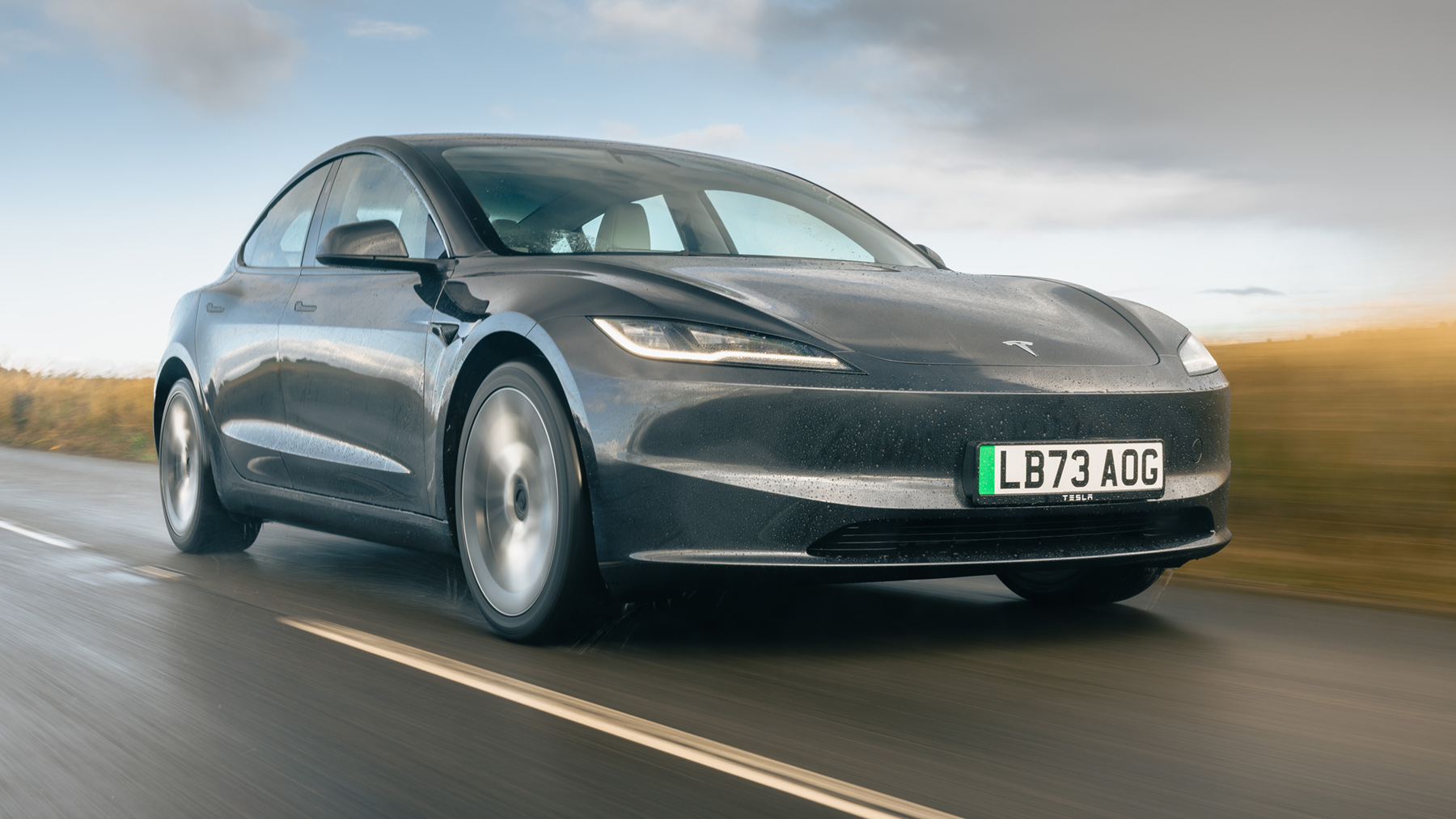
The 2025 Toyota Camry sets a high standard for midsize sedans with its advanced safety and driver-assistance technologies. Central to this is Toyota Safety Sense 3.0 (TSS 3.0), which brings significant upgrades to collision prevention.
A highlight is Proactive Driving Assist (PDA), which uses cameras and radar to provide gentle steering and braking support, helping maintain safe distances from vehicles, pedestrians, and cyclists even when cruise control is off. Upgraded sensors now detect motorcyclists and better recognize lane boundaries, including guardrails.
Additional features such as Intersection Turn Assistance and Front Cross-Traffic Alert make the Camry particularly adept at avoiding common urban accidents, enhancing its reputation as one of the safest midsize sedans.
The Camry’s safety suite emphasizes accident prevention through a combination of radars, cameras, and structural design. Key systems include the Pre-Collision System (PCS) with Pedestrian Detection, which identifies vehicles, pedestrians, cyclists, or motorcyclists and applies automatic emergency braking if the driver fails to react.
Lane Departure Alert with Steering Assist corrects unintentional lane drifting, while Full-Speed Range Dynamic Radar Cruise Control maintains a safe following distance in traffic. The Star Safety System, which includes Vehicle Stability Control, Traction Control, Anti-lock Brakes, and Brake Assist, helps maintain vehicle control under various conditions.
Built on Toyota’s TNGA platform, the Camry’s high-strength steel structure and energy-absorbing crumple zones provide robust occupant protection in the event of a collision. Studies show that forward-collision warning and automated braking systems can reduce rear-end collisions by up to 50%, demonstrating the real-world effectiveness of these technologies.
Performance comes from a range of efficient hybrid powertrains. Front-wheel-drive Camry Hybrids combine a 2.5-liter four-cylinder engine with two electric motors for 225 horsepower, while all-wheel-drive models add a third motor to increase output to 232 horsepower.
Both use a continuously variable automatic transmission. The hybrid setup delivers smooth, responsive acceleration, particularly around town, thanks to the instant torque from the electric motors. Sportier trims like the SE, XSE, and Nightshade feature firmer suspension tuning and improved body control, though the steering lacks a more engaging feel.
On the track, a Camry XSE AWD reaches 0–60 mph in 6.8 seconds, and a front-wheel-drive Nightshade in 7.0 seconds, placing the Camry ahead of some rivals in acceleration while remaining slightly behind competitors like the Accord Hybrid.
Fuel economy is a strong point for the Camry Hybrid, with EPA ratings ranging from 52 mpg city/49 mpg highway for front-wheel-drive LE models to 43 mpg city/highway for the XSE AWD. Real-world highway testing confirmed these numbers, with the XSE AWD achieving 43 mpg.
Interior comfort is ample for both front and rear passengers, with standard cloth upholstery, dual-zone climate control, and a spacious dashboard layout. Higher trims add leather, heated seats, heated steering, ambient lighting, and adjustable rear-seat headrests. Cargo capacity is competitive, holding seven carry-on suitcases in the trunk or up to 19 with rear seats folded.
Technology and connectivity are well-integrated, with either an 8.0-inch or optional 12.3-inch touchscreen depending on trim, alongside a digital gauge display and wireless Apple CarPlay and Android Auto. Optional upgrades include a nine-speaker JBL stereo for premium trims.
Toyota provides standard adaptive cruise control with lane-centering, automated emergency braking with pedestrian and cyclist detection, and automatic high beams.
Warranty coverage includes three years/36,000 miles limited, five years/60,000 miles powertrain, and ten years/150,000 miles hybrid components, plus two years or 25,000 miles of complimentary scheduled maintenance, ensuring both peace of mind and long-term value. The Camry’s combination of safety, efficiency, and hybrid performance makes it a standout choice in the midsize sedan segment.
3. 2026 Subaru Outback: Safety, Capability, and Modern Comfort
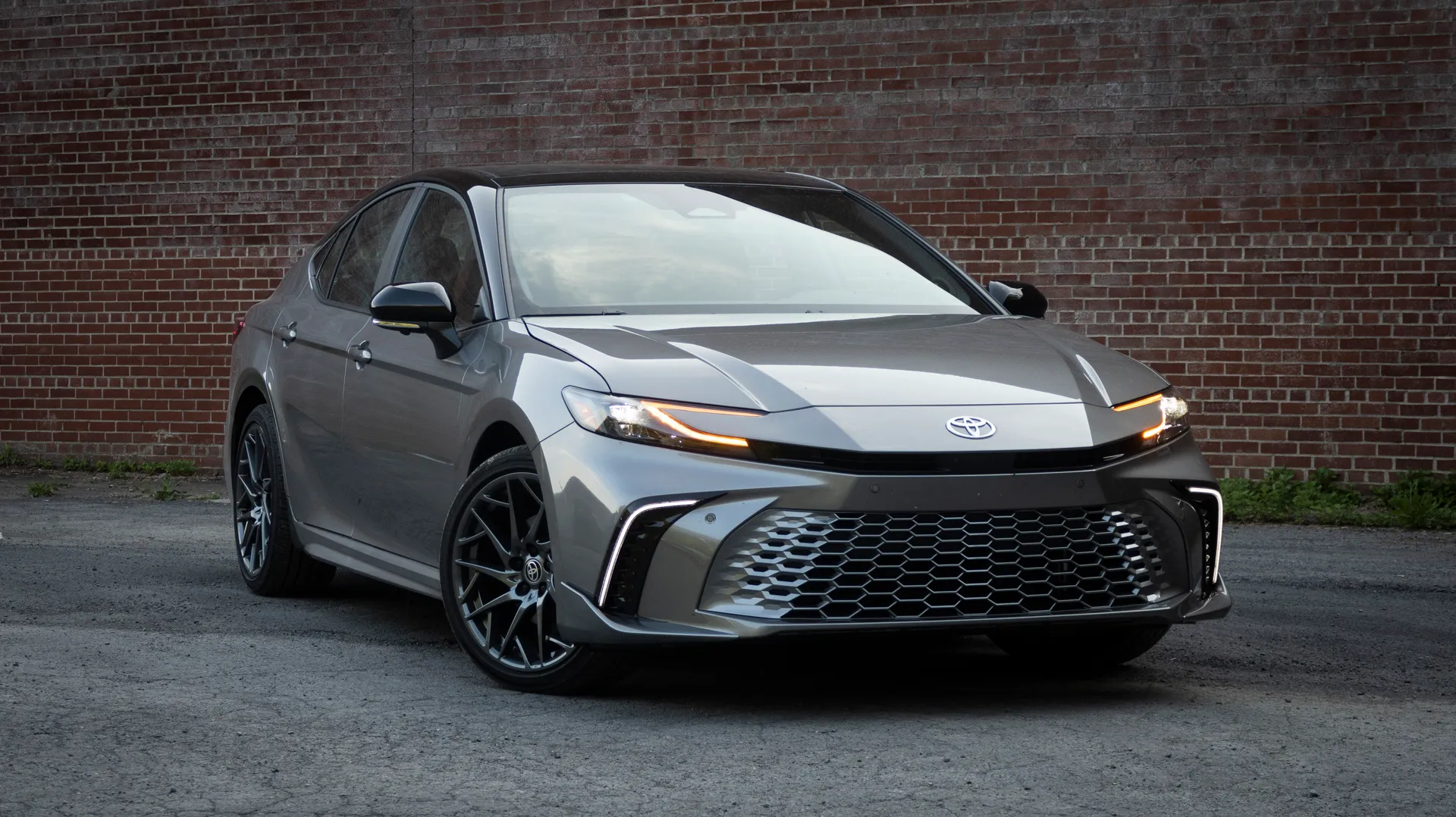
The 2026 Subaru Outback remains a standout in the midsize crossover segment, combining advanced safety technology with off-road capability and a comfortable, modern interior. At the core of its safety features is EyeSight® Driver Assist Technology, which uses dual color cameras mounted near the rearview mirror to monitor traffic, detect lane markings, and identify potential obstacles.
This system has proven to reduce rear-end collisions with injuries by up to 85%. Key features include Pre-Collision Braking, which can apply full braking force in emergencies, and Pre-Collision Throttle Management, which reduces engine power to minimize impact severity.
The DriverFocus® Distraction Mitigation System ensures that the driver remains attentive, providing alerts for drowsiness or distraction. Together, these technologies not only protect occupants during a crash but also actively work to prevent accidents before they occur.
The Outback’s safety suite extends with adaptive systems designed for proactive accident avoidance. Automatic pre-collision braking, adaptive cruise control, lane-centering, and evasive steering can respond faster than human reaction times.
Additional features include Reverse Automatic Braking (RAB) to prevent collisions when backing up, Active Torque Vectoring, and Vehicle Dynamics Control (VDC) to improve handling and maneuverability.
The structural design of the Outback, built on the Subaru Global Platform, incorporates a ring-shaped reinforcement frame and a Boxer engine positioned to drop below the cabin during a front-end collision, enhancing passenger protection while maintaining rigidity and crash energy absorption.
Performance and capability are hallmarks of the Outback lineup. Two four-cylinder engines are available: a standard 2.5-liter 180-hp engine and an optional 260-hp turbocharged 2.4-liter engine for XT trims and the Wilderness model. Both engines pair with a continuously variable automatic transmission (CVT) and come standard with all-wheel drive.
Ground clearance ranges from 8.7 inches on standard models to 9.5 inches in the Wilderness, which also features adaptive dampers, chunky all-terrain tires, and off-road styling.
The turbocharged Wilderness reaches 0–60 mph in 6.0 seconds, while the base engine takes around 8.8 seconds. Despite some criticisms of numb steering and the CVT’s jerky feel, the Outback offers confident off-road performance and improved handling in the Wilderness trim.
Fuel economy and utility are strong points for the Outback. EPA ratings show 25 mpg city and 31 mpg highway for the base engine, with turbocharged and Wilderness trims rated slightly lower. Real-world testing confirmed that the Wilderness achieves 27 mpg on the highway.
The interior has been redesigned for comfort and versatility, featuring a flat roofline raised by two inches, premium materials, a dual-panel digital instrument cluster, and a 12.1-inch touchscreen infotainment system with Apple CarPlay, Android Auto, and cloud-based voice recognition.
Cargo capacity is generous, fitting 11 carry-on suitcases with seats up and 29 with seats folded, making it highly practical for families and outdoor enthusiasts.
Safety and driver convenience are further enhanced with standard forward-collision warning, automated emergency braking, adaptive cruise control with lane-keeping assist, and available blind-spot monitoring and rear cross-traffic alert. Highway hands-free driving up to 85 mph is also supported.
Subaru provides a three-year/36,000-mile limited warranty and a five-year/60,000-mile powertrain warranty, though no complimentary scheduled maintenance is included. The 2026 Subaru Outback successfully combines class-leading safety, capable powertrains, off-road readiness, and a refined, spacious cabin, making it one of the most versatile and reliable options in the midsize crossover segment.
Also Read: 5 Cars With Simple Dash Layouts vs 5 With Confusing Ones
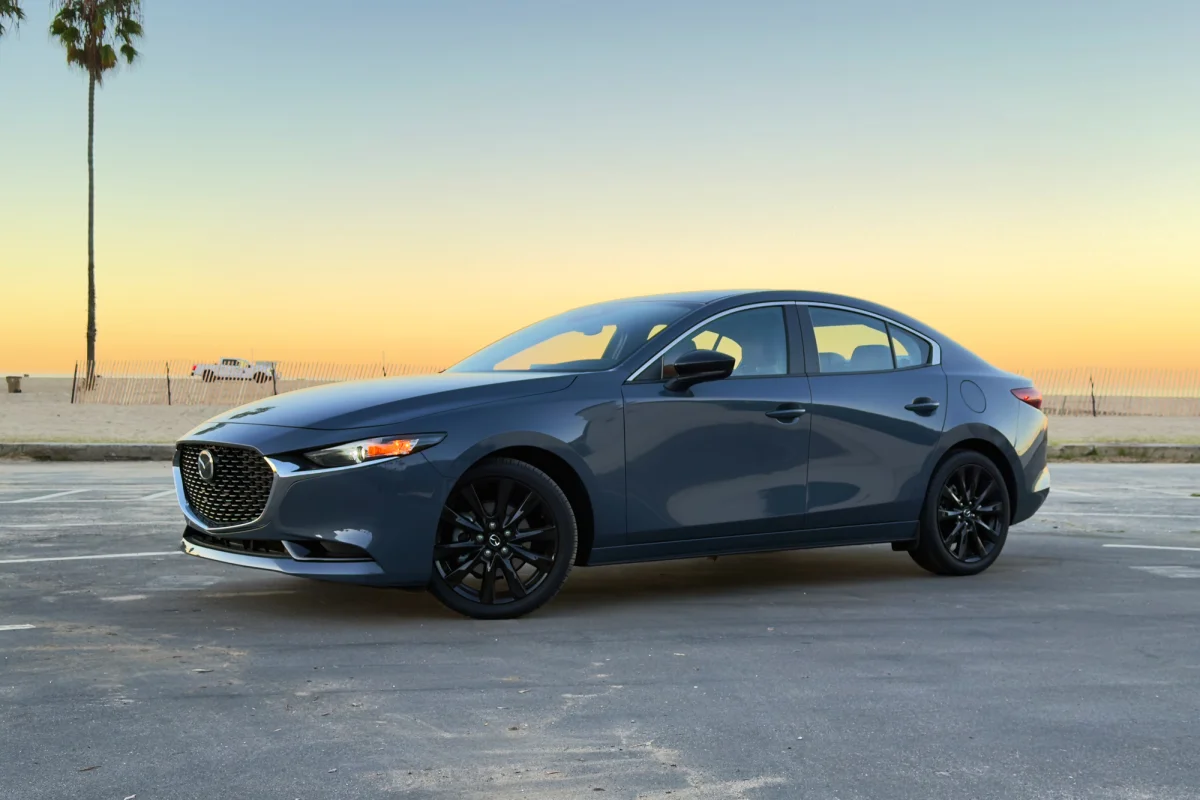
4. 2026 Mazda 3: Safety, Performance, and Stylish Practicality
The 2026 Mazda 3 distinguishes itself in the compact car segment through a combination of advanced safety technology, engaging driving dynamics, and premium interior design. At the heart of its safety offerings is the i-Activsense suite, which uses cameras, radar, and AI to actively monitor the vehicle’s surroundings.
The suite includes Blind Spot Monitoring and Rear Cross-Traffic Alert, which help prevent side and reversing collisions, and Smart City Brake Support, which automatically applies brakes at low speeds to avoid frontal impacts in traffic.
Higher trims add an Active Driving Display, projecting key safety alerts onto the windshield, keeping the driver’s focus on the road. Lane-Keep Assist gently corrects unintentional lane drift, while the Driver Monitoring System detects fatigue or distraction and provides timely alerts. These systems work in tandem to prevent accidents and reduce the severity of potential collisions.
The Mazda 3 also emphasizes proactive accident avoidance through a comprehensive suite of safety technologies. Smart Brake Support (SBS) and Smart City Brake Support (SCBS) detect vehicles, pedestrians, and obstacles ahead, automatically applying braking if the driver fails to react.
The Mazda Radar Cruise Control (MRCC) with Stop & Go maintains safe following distances and can bring the car to a complete stop in traffic. The Adaptive Front-Lighting System (AFS) enhances nighttime visibility by pivoting headlights with steering input.
These features are reinforced by the rigid Skyactiv-Body structure, designed to absorb impact energy while keeping occupants safe. Collectively, these technologies aim not just to protect passengers during a collision but to actively reduce the likelihood of accidents occurring.
Performance is another strong suit of the Mazda 3. The standard 186-hp 2.5-liter four-cylinder engine powers most trims, paired with a six-speed automatic transmission, with optional all-wheel drive or a six-speed manual in select models. The top turbocharged 2.5-liter engine produces 250 horsepower, comes standard with all-wheel drive, and delivers brisk acceleration.
On the test track, the turbo AWD sedan achieved 0–60 mph in 5.6 seconds, while the naturally aspirated front-wheel-drive models managed 7.0–7.5 seconds. Both sedan and hatchback variants offer composed handling, taut body control, and refined ride quality, retaining the fun-to-drive character Mazda is known for, though only the turbo model provides truly spirited acceleration.
The Mazda 3 delivers strong fuel efficiency for a compact car. EPA ratings range from 23–27 mpg city and 31–36 mpg highway, depending on engine, drivetrain, and transmission. On real-world highway testing, all tested models met or slightly exceeded their EPA estimates.
Inside, the cabin combines comfort with modern styling, featuring supportive front seats, quality materials, and an intuitive layout. Cargo capacity is competitive, with the sedan holding six carry-on suitcases in the trunk and the hatchback five, expanding to sixteen with the rear seats folded.
Infotainment is managed via an 8.8-inch touchscreen standard on most trims or an optional 10.3-inch display for turbo models, supporting wired or wireless Apple CarPlay and Android Auto, along with a premium 12-speaker Bose stereo on higher trims.
Standard driver-assistance features include automated emergency braking, blind-spot monitoring, and adaptive cruise control, with optional upgrades like a 360-degree camera system and front/rear parking sensors.
Mazda offers a three-year/36,000-mile limited warranty and a five-year/60,000-mile powertrain warranty, though complimentary maintenance is not included. The 2026 Mazda 3 balances advanced safety, refined performance, and a premium-feeling interior, making it a compelling choice for drivers seeking a compact car that is both practical and enjoyable to drive.
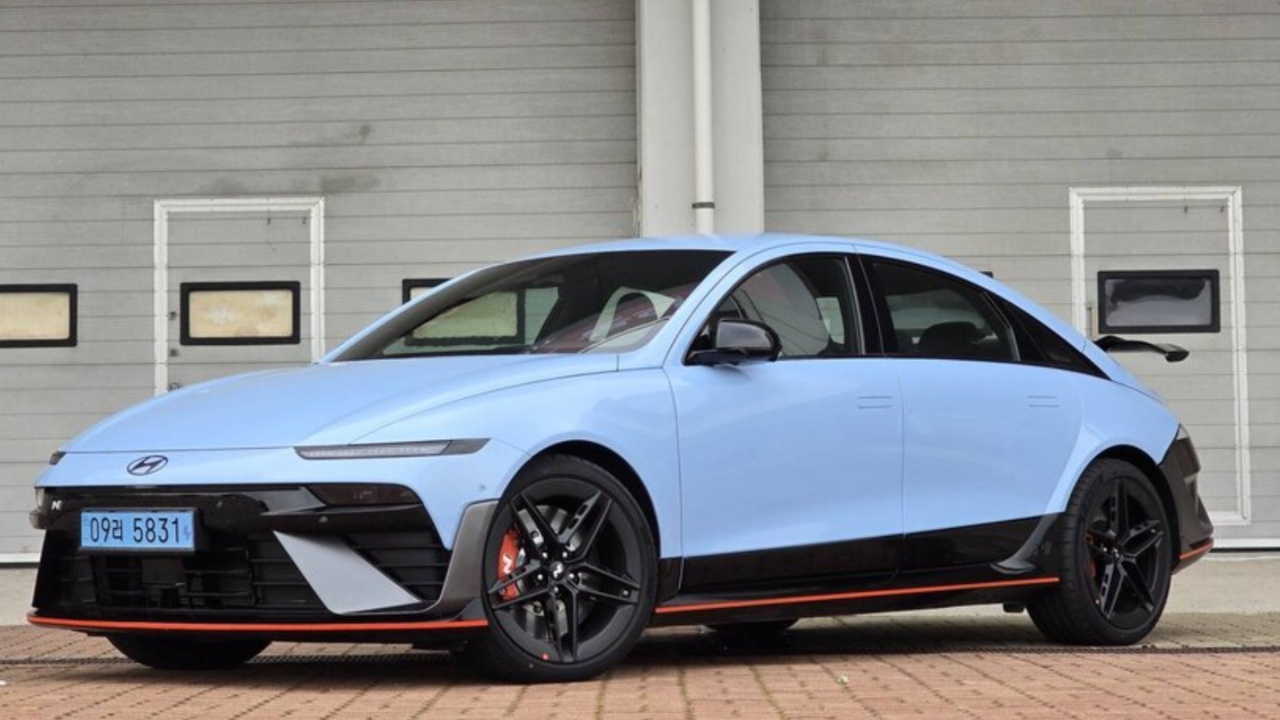
5. 2026 Hyundai IONIQ 6: Efficient, Safe, and Refined Electric Driving
The 2026 Hyundai IONIQ 6 is a streamlined electric sedan that combines advanced safety technology, impressive efficiency, and refined driving dynamics. At the heart of its safety suite is Hyundai SmartSense, which includes high-tech sensors, cameras, and AI-powered software designed to actively prevent collisions.
Notable features include Highway Driving Assist II, which integrates adaptive cruise control with lane-centering for safer highway travel, and Junction Turning Assist, which monitors oncoming traffic during left turns and applies braking if a collision is imminent.
The innovative Blind-Spot View Monitor displays live video of blind spots in the digital instrument cluster, significantly enhancing situational awareness during lane changes.
Additional safety technologies include Forward Collision-Avoidance Assist 2, Blind-Spot Collision-Avoidance Assist, Rear Cross-Traffic Collision-Avoidance Assist, Safe Exit Warning, and Rear Occupant Alert, all working together to protect passengers and prevent accidents.
The IONIQ 6 also benefits from a high-strength steel “SUPERSTRUCTURE” frame, contributing to its five-star Euro NCAP safety rating. These systems, along with Navigation-Based Smart Cruise Control (NSCC) and lane-keeping assistance, ensure the vehicle can maintain safe distances and speeds while proactively responding to potential hazards.
Compared to rivals like the Tesla Model 3, Polestar 2, and BMW i4, the IONIQ 6 stands out for its efficiency-focused design and long-range capability, prioritizing a smooth, worry-free electric driving experience.
Performance-wise, the IONIQ 6 offers two powertrain options. The rear-wheel-drive single motor produces 226 horsepower and 258 lb-ft of torque, while the all-wheel-drive dual motor delivers 320 horsepower and 446 lb-ft of torque.
Both use a 77.4 kWh battery, with the RWD model achieving an estimated 338 miles per charge and 0–62 mph in 5.1 seconds, while the AWD model offers slightly less range at 322 miles WLTP due to higher output.
The vehicle rides on 20-inch wheels, with optional 18-inch wheels for a quieter, more efficient drive. Its 0.21 drag coefficient and lightweight 4,409-pound curb weight contribute to exceptional aerodynamics and energy efficiency, achieving 4.3 miles per kWh.
The interior emphasizes comfort and quality, borrowing some elements from the IONIQ 5 but with refined materials and layout. The cabin is quiet, with minimal wind or suspension noise, making it a relaxing environment for long drives. Rear legroom is excellent, though boot usability is slightly compromised due to the sedan design.
The IONIQ 6 supports multiple driving modes: Eco, Normal, and Sport, primarily adjusting throttle response, steering weight, and regenerative braking. One-pedal driving is available with five levels of regen, while traditional braking is seamlessly integrated for safety and convenience.
Pricing for the Hyundai IONIQ 6 in the US starts around $58,000 for the base RWD model, with higher AWD trims like the Premium 77 kWh AWD reaching approximately $63,500.
Its combination of advanced safety, long-range efficiency, quiet ride, and refined interior makes it a compelling alternative to higher-priced EV competitors. Designed as a luxury-oriented cruiser without the EQS-level price tag, the IONIQ 6 offers a comfortable, smooth, and efficient driving experience while addressing range anxiety through smart engineering and aerodynamic efficiency.
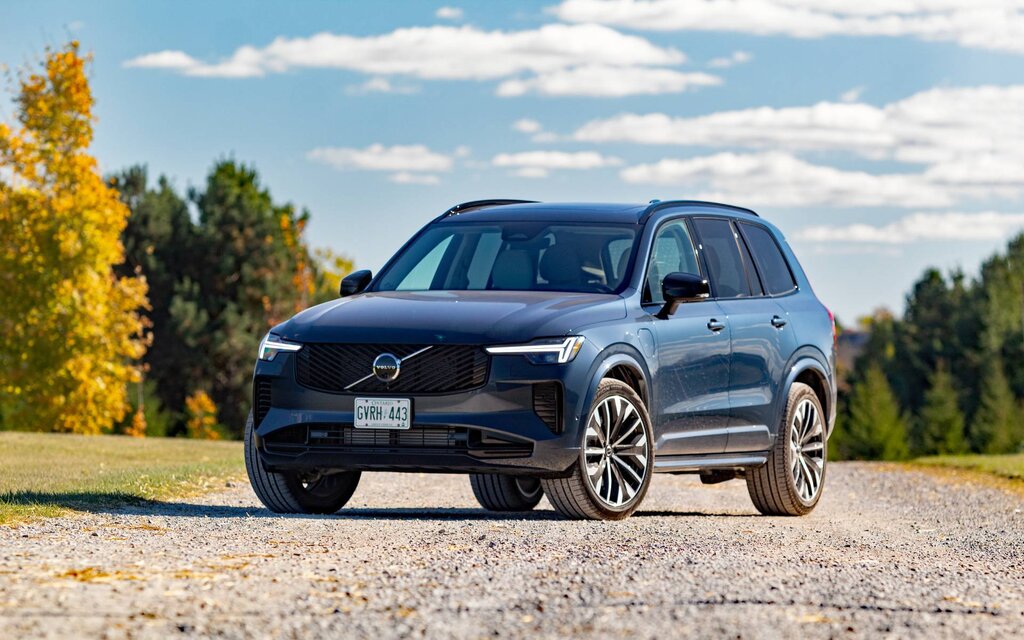
6. 2026 Volvo XC90: Advanced Safety and Refined Comfort in a Luxury SUV
The 2026 Volvo XC90 continues the brand’s long-standing reputation for safety with a suite of advanced, proactive technologies designed to prevent accidents before they occur. Central to its safety offerings is City Safety, which detects vehicles, pedestrians, cyclists, and even large animals, providing warnings and automatically applying brakes if a collision is imminent.
The XC90 also includes Oncoming Lane Mitigation, which steers the vehicle back into its lane if it drifts toward oncoming traffic, and Intersection Auto Brake, which stops the car when turning into an occupied lane.
Run-off Road Mitigation and Cross Traffic Alert further enhance accident prevention by correcting steering if the SUV unintentionally leaves the roadway and by alerting the driver to approaching obstacles while reversing. Together, these systems use high-precision cameras, radars, and ultrasonic sensors to provide a 360-degree view of the vehicle’s surroundings, allowing real-time detection and intervention in critical scenarios.
Driver assistance is enhanced with Pilot Assist, a semi-autonomous system that helps maintain speed and lane position, reducing driver fatigue on long journeys. Volvo leverages decades of real-world accident data to fine-tune these technologies, with continuous over-the-air updates ensuring the systems improve over time.
The XC90’s holistic approach to safety focuses on preventing collisions in common real-world scenarios, including intersections, lane departures, and backing maneuvers, which has contributed to its reputation as a leader in passenger protection. Additional features include standard automated emergency braking, lane-departure warning, lane-keeping assist, and adaptive cruise control with lane-centering functionality.
Performance-wise, the XC90 offers B5 and B6 powertrains, both supported by a 48-volt mild hybrid system. The B5 features a turbocharged 2.0-liter four-cylinder engine producing 247 horsepower, while the B6 increases output to 295 horsepower. All models come with all-wheel drive and an eight-speed automatic transmission.
On the test track, the B6 achieves 0–60 mph in 6.8 seconds, while the B5 is estimated at 7.3 seconds. Optional air suspension provides a smooth, insulated ride, balancing comfort with accurate steering responses, though the SUV leans noticeably through curves. Tow ratings vary by engine, with the B6 capable of up to 5,000 pounds and the B5 limited to 4,000 pounds.
Fuel efficiency ranges from 20–22 mpg city and 26–27 mpg highway, depending on the powertrain, with the plug-in T8 hybrid version reaching 26–27 mpg combined. The interior emphasizes Scandinavian design, combining high-quality materials with a clean, minimalist layout.
Seating is available in 5-, 6-, or 7-passenger configurations, though the third row is best suited for short trips or children. Cargo space benefits from the XC90’s wide, boxy silhouette, with expanded capacity when the rear seats are folded.
Infotainment is handled through an 11.2-inch touchscreen and a 12.3-inch digital gauge cluster, running on Android Automotive with Google Maps navigation and Google Assistant voice control. Apple CarPlay is standard, and audio options range from a 220-watt, 10-speaker system to a premium 1,410-watt, 19-speaker Bowers & Wilkins setup.
Warranty coverage includes a four-year/50,000-mile limited and powertrain warranty, along with three years/36,000 miles of complimentary scheduled maintenance, making the XC90 a well-rounded luxury SUV that prioritizes safety, comfort, and technological sophistication.
Safety in modern vehicles extends beyond crash protection to active accident prevention. Systems like automatic emergency braking, lane-centering, blind-spot detection, and cross-traffic alerts significantly reduce the likelihood of collisions and protect everyone on the road.
The Tesla Model 3 delivers precise real-time interventions, while the Volvo XC90 combines semi-autonomous driving with extensive hazard detection. Hybrid and electric models such as the Toyota Camry, Hyundai IONIQ 6, and Mazda 3 balance efficiency with advanced accident-prevention technology.
The Subaru Outback pairs proactive safety features with strong handling and capability. These vehicles show that advanced safety technology, performance, and comfort can coexist. Choosing a car equipped with these features is not just about convenience; it is a practical way to protect lives and increase driver confidence.
Also Read: 10 Cars That Cost Less Than 20000 But Last 15 Years