For many commuters, long hours stuck in city streets and highway congestion can make daily drives exhausting and stressful. Choosing the right vehicle can transform these challenging routines into a more comfortable, efficient, and even enjoyable experience.
The Top 8 Cars for Commuters Who Spend Hours in Traffic Every Day highlights models that excel in fuel economy, cabin quietness, advanced driver-assistance features, and daily comfort.
From hybrids such as the Toyota Corolla Hybrid and Honda Accord Hybrid to electric options like the Tesla Model 3, these cars are designed to reduce stress, save money, and make stop-and-go traffic less taxing.
Whether your priority is low operating costs, supportive interiors, responsive handling, or cutting-edge technology, this guide presents the top choices for commuters who spend significant time behind the wheel and helps make daily traffic a safer and more pleasant part of the day.
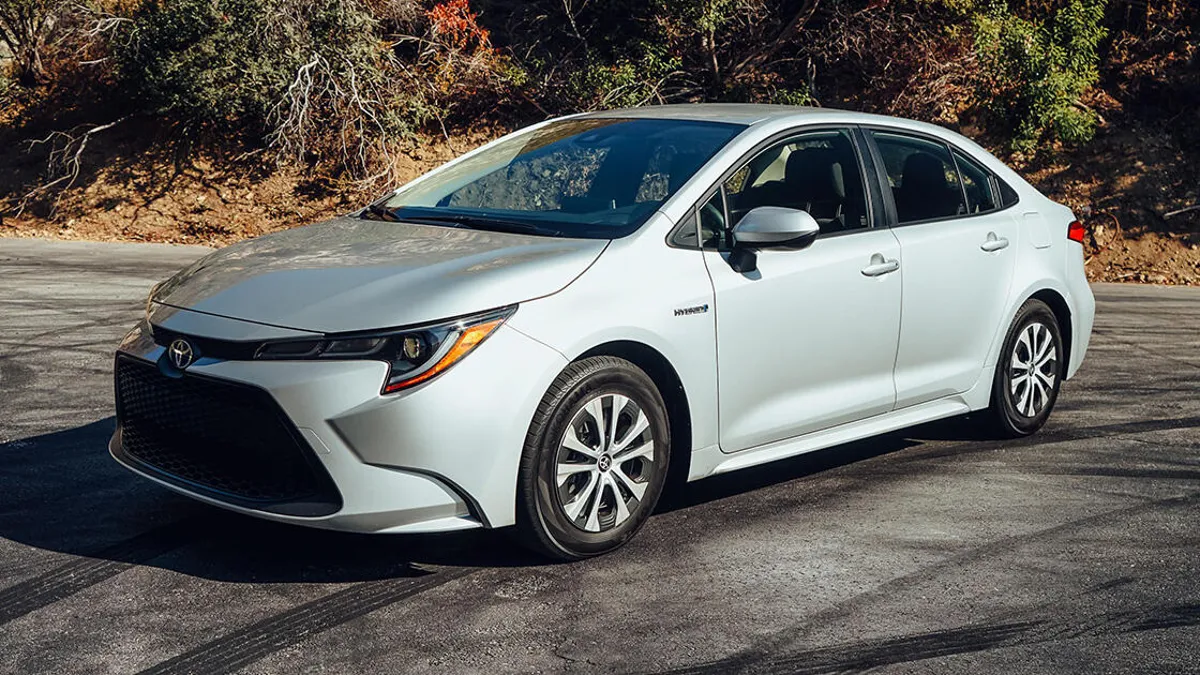
1. Toyota Corolla Hybrid: The Efficient and Stress-Free Commuter
The Toyota Corolla Hybrid is designed for commuters who face heavy traffic and long daily drives. Its hybrid powertrain excels in stop-and-go conditions, often running on electric power alone in slow-moving traffic and delivering up to 53 miles per gallon in city driving.
The regenerative braking system captures energy during frequent stops to recharge the battery, further enhancing fuel efficiency. Beyond economy, the Corolla Hybrid prioritizes driver comfort and reduced stress. Its quiet cabin, ergonomic seats, and suspension tuned for smoothness create a relaxed environment, even during extended commutes.
The Corolla Hybrid comes equipped with Toyota Safety Sense 3.0, a suite of driver-assistance technologies tailored for traffic-heavy scenarios. Full-Speed Range Dynamic Radar Cruise Control maintains a safe distance from the vehicle ahead and can bring the car to a complete stop when necessary.
Proactive Driving Assist gently intervenes with braking or steering as needed, while connectivity features such as wireless Apple CarPlay and Android Auto provide entertainment and real-time traffic updates. Available all-wheel drive adds confidence in wet or slippery conditions without compromising fuel economy.
Under the hood, the Corolla Hybrid uses a 169-horsepower 2.0-liter four-cylinder engine paired with a continuously variable transmission. Acceleration is modest, with 0–60 mph times ranging from 8.3 seconds for hatchbacks to 9.0 seconds for AWD models.
The ride remains composed, isolating road imperfections, although engine noise can be noticeable during hard acceleration. Steering is progressive but less engaging compared with sportier competitors such as the Mazda 3 or Honda Civic.
Inside, both the sedan and hatchback offer a clean, functional interior with soft-touch materials. Cargo space is practical but limited, with the hatchback providing 18–23 cubic feet behind the rear seats and the sedan offering 13 cubic feet.
Infotainment includes an 8.0-inch touchscreen standard, with larger 10.5-inch displays optional, alongside Apple CarPlay, Android Auto, multiple USB-C ports, wireless charging, and an upgraded JBL audio system.
The Corolla Hybrid stands out for its low operating costs, reliability, and long-term value. Toyota provides a three-year/36,000-mile limited warranty, a five-year/60,000-mile powertrain warranty, and a ten-year/150,000-mile warranty for hybrid components, along with two years of complimentary scheduled maintenance.
With its fuel efficiency, advanced safety features, and stress-reducing design, the Corolla Hybrid is an ideal solution for urban commuters seeking comfort, reliability, and savings on fuel and maintenance.
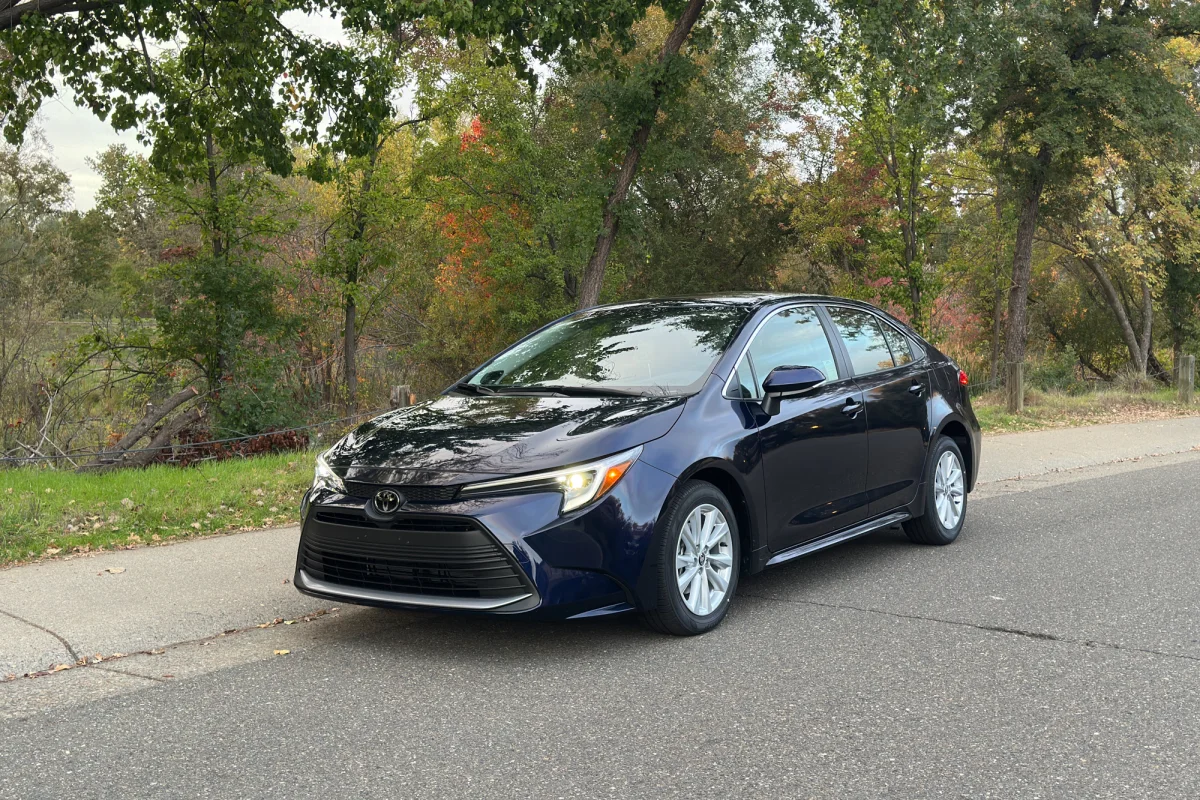
2. Toyota Prius: High-Efficiency Hybrid Built for Stress-Free Commuting
The 2025 Toyota Prius has transformed from a quirky econobox into a sleek, high-tech hybrid ideal for long-distance commuters and city drivers alike. Its standout feature is exceptional fuel efficiency, achieving up to 57 miles per gallon in the city and offering over 600 miles of range per tank.
The hybrid system excels in stop-and-go traffic, using the electric motor at low speeds to reduce fuel consumption while regenerative braking recaptures energy during frequent stops. Unlike full electric vehicles, the Prius does not require charging stations, providing worry-free, continuous operation for daily commutes.
The Prius is designed for comfort and reduced stress during heavy traffic. Its cabin remains quiet due to the hybrid powertrain, while supportive seats and options like heated and ventilated SofTex upholstery enhance comfort for extended periods behind the wheel.
The air conditioning system runs off the high-voltage battery, allowing occupants to stay cool while stationary without idling the engine. Traffic Jam Assist, available on select models, can handle steering, braking, and acceleration below 25 miles per hour, dramatically reducing mental fatigue in congested conditions.
Full-Speed Adaptive Cruise Control and Proactive Driving Assist further enhance ease of driving by maintaining safe distances and gently adjusting speed and steering in traffic.
Under the hood, the Prius combines a 2.0-liter inline-four gasoline engine with two electric motors for front-wheel-drive models and three motors for all-wheel-drive variants, producing 194 and 196 horsepower, respectively. A continuously variable automatic transmission ensures smooth power delivery.
While acceleration is modest, the car provides sufficient responsiveness for daily driving and maintains a composed ride, although engine noise can become noticeable under hard acceleration.
Inside, the Prius features a driver-focused cockpit with a centered digital gauge cluster, an 8.0-inch touchscreen standard on LE and XLE trims, and a 12.3-inch option for Limited models.
Connectivity includes wireless Apple CarPlay, Android Auto, Bluetooth, Wi-Fi hotspot, and over-the-air updates. Cargo space ranges from 20.3 to 23.8 cubic feet, depending on trim, and the hatchback design with split-folding rear seats adds versatility for daily errands.
Toyota pairs the Prius with competitive warranties, including three years or 36,000 miles limited, five years or 60,000 miles powertrain, ten years or 150,000 miles hybrid components, and two years or 25,000 miles of complimentary scheduled maintenance.
With its blend of remarkable fuel efficiency, traffic-friendly technology, reliability, and comfort, the 2025 Prius remains a top choice for commuters seeking a practical, stress-reducing, and cost-effective hybrid vehicle.
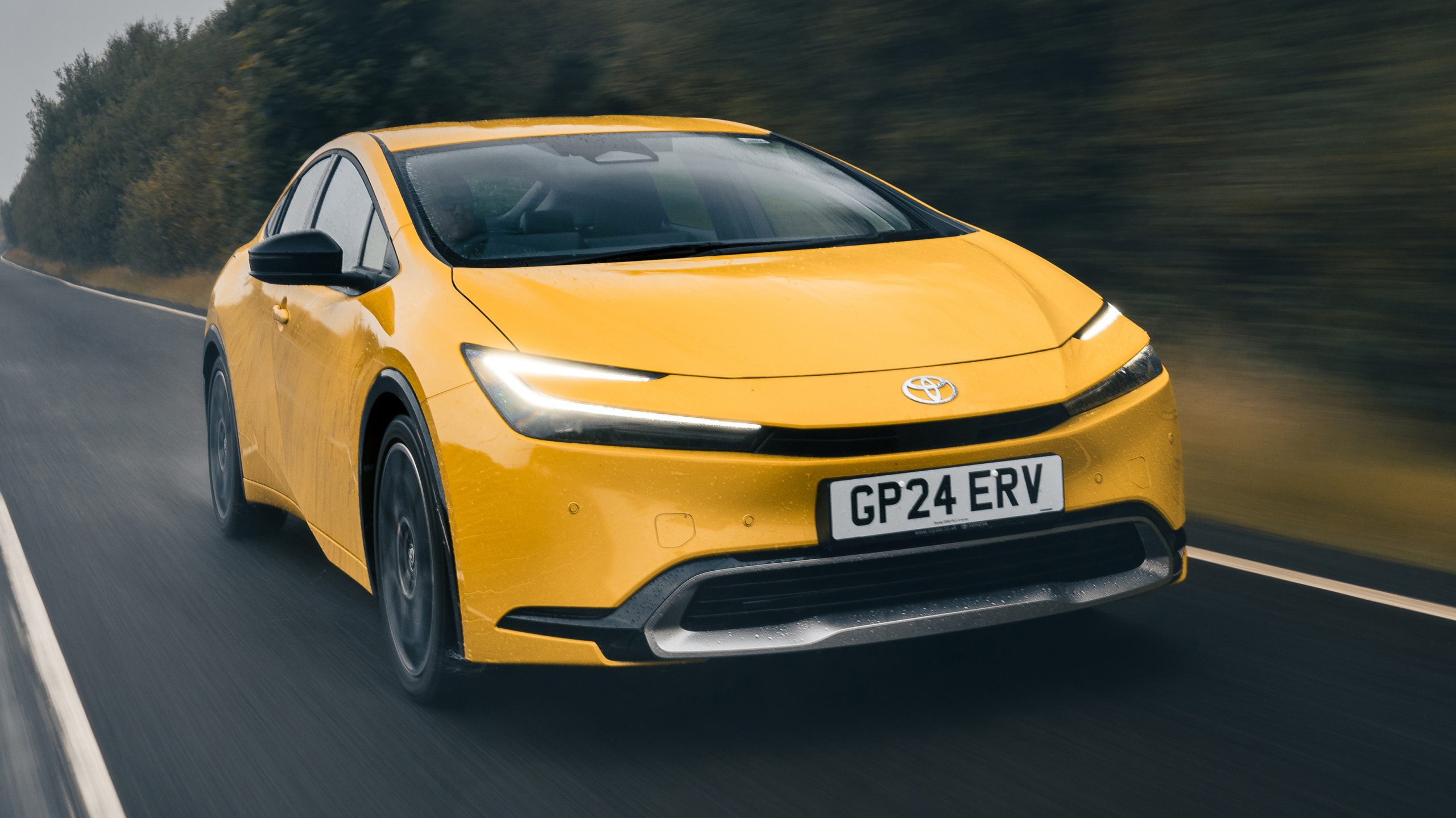
3. Honda Accord Hybrid: Spacious, Efficient, and Stress-Free Commuting
The 2025 Honda Accord Hybrid is a top choice for commuters who spend hours in stop-and-go traffic. Its spacious cabin offers near-luxury levels of legroom, high-quality materials, and a serene environment that transforms a stressful commute into a comfortable experience.
The hybrid system combines a 2.0-liter four-cylinder engine with two electric motors for a total of 204 horsepower, seamlessly switching between electric and gas power to deliver whisper-quiet performance at low speeds. This smooth operation, combined with regenerative braking and an EV mode for short distances, maximizes efficiency in heavy traffic while reducing fuel consumption and wear on brake components.
Fuel economy is impressive, with city ratings reaching up to 51 miles per gallon and highway figures around 44 mpg, giving the Accord Hybrid a practical range of over 600 miles.
Its front-wheel-drive system, paired with a continuously variable transmission, offers predictable and composed handling for urban and highway driving. Acceleration to 60 mph takes just 6.7 seconds in hybrid models, providing sufficient responsiveness for merging or passing in traffic.
The Accord Hybrid prioritizes driver comfort and reduces fatigue with Traffic Jam Assist and adaptive cruise control with low-speed follow, helping manage lane position, acceleration, and braking in congested conditions.
The quiet cabin, supportive seats, and dual-zone climate control further enhance long-duration comfort. Technology also plays a role in easing commutes, with a standard 12.3-inch touchscreen, wireless Apple CarPlay and Android Auto, and optional Google Built-in for live traffic updates and voice-controlled navigation.
Practicality is also a strength. Rear passengers enjoy over 40 inches of legroom, while the trunk offers 16.7 cubic feet of space, expandable with folding rear seats.
The Accord Hybrid accommodates daily work gear and personal items without sacrificing passenger comfort. High-end trims include premium features such as a 12-speaker Bose stereo system, a 6-inch head-up display, and wireless phone charging, combining convenience and connectivity for modern commuters.
Safety is addressed through the Honda Sensing suite, which includes automated emergency braking, lane-keeping assist, and adaptive cruise control, providing confidence in dense urban and highway traffic. Warranty coverage includes a three-year/36,000-mile limited warranty, five-year/60,000-mile powertrain warranty, and one year/12,000 miles of complimentary maintenance, supporting long-term ownership.
The Honda Accord Hybrid blends efficiency, comfort, and advanced technology into a practical, quiet, and capable commuter car. Its spacious interior, fuel-saving hybrid system, and driver-assistance features make it ideal for long daily drives, heavy traffic, and stress-free city commuting.
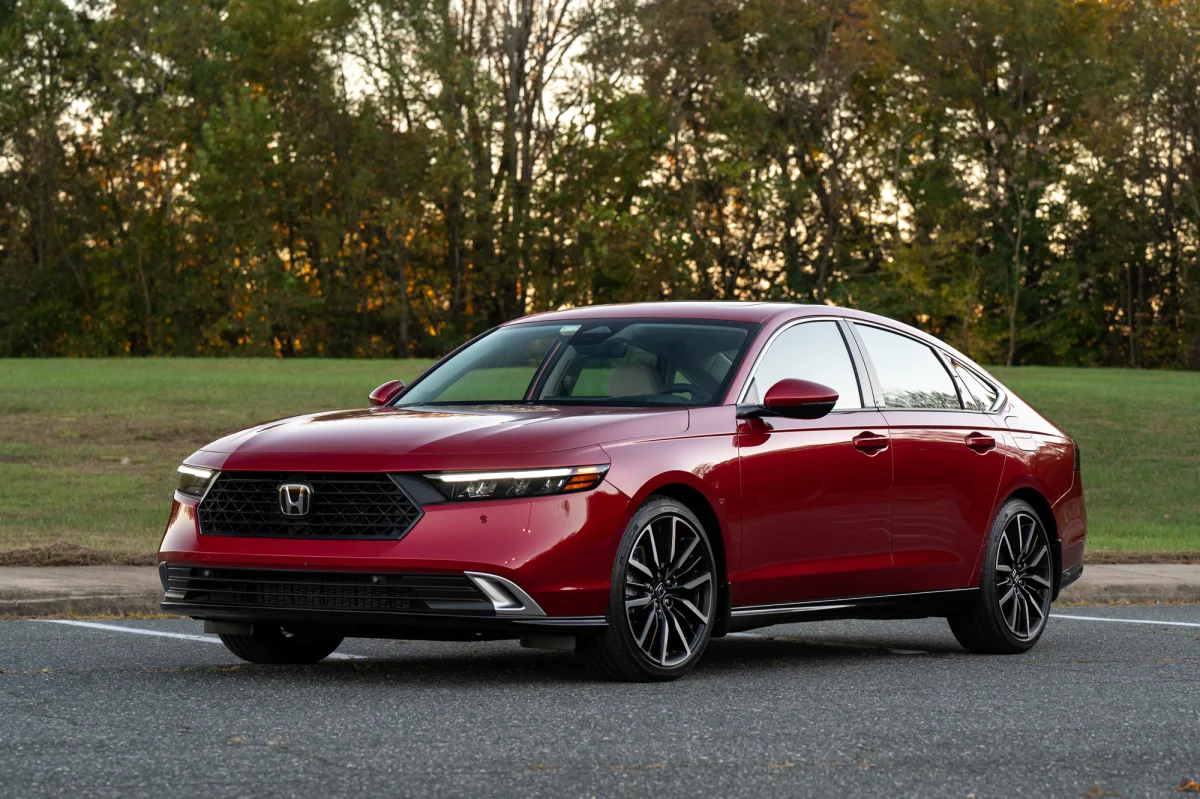
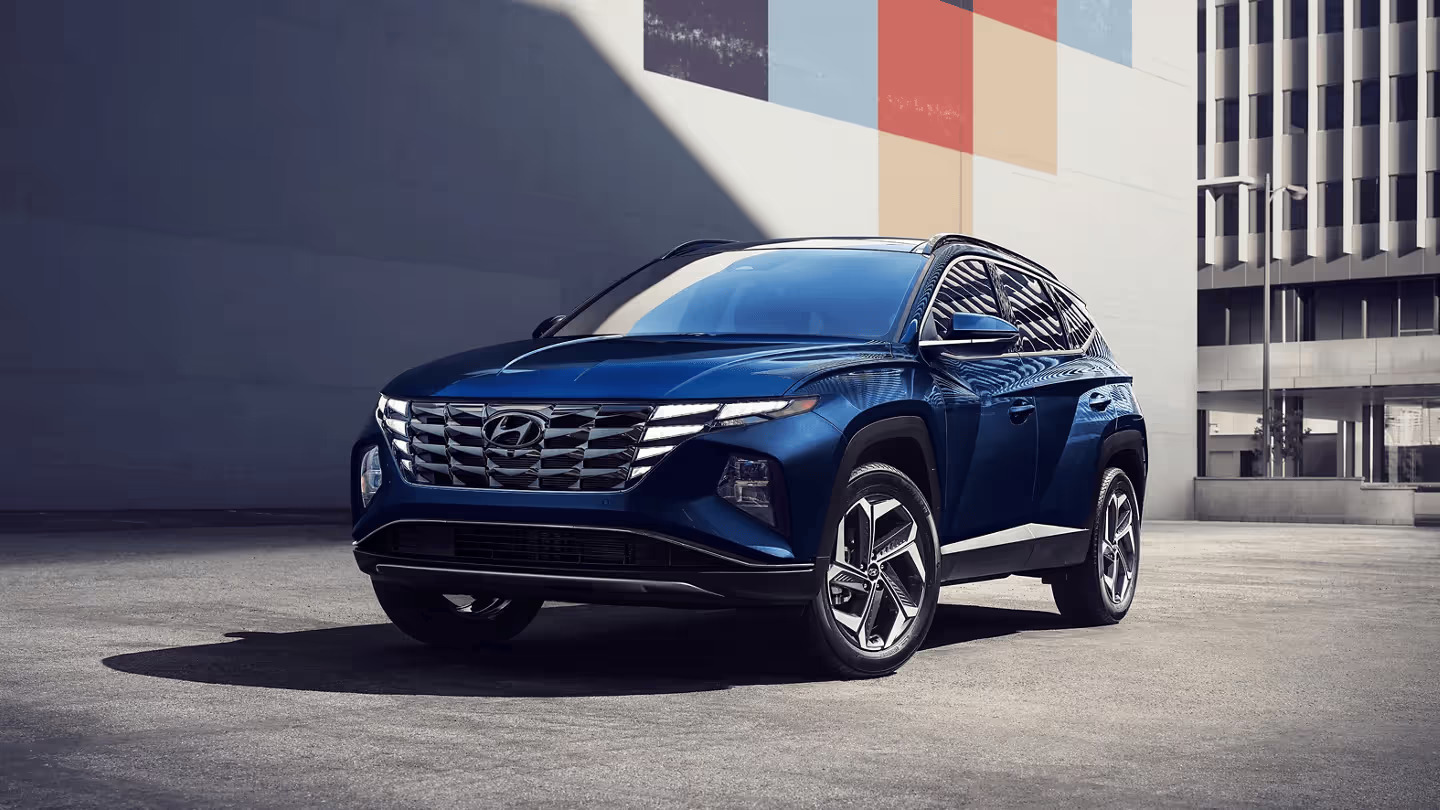
4. Hyundai Tucson Hybrid: Efficient and Comfortable SUV for Daily Commuting
The Hyundai Tucson Hybrid delivers a commuter-friendly combination of SUV practicality, hybrid efficiency, and comfort. Its elevated driving position gives a clear view of traffic, while the cabin remains quiet and smooth, reducing fatigue during stop-and-go conditions.
Standard features include ventilated seats for hot weather and a 12.3-inch infotainment touchscreen, with an optional two-screen digital dashboard replacing the analog instrument panel.
Wireless Apple CarPlay and Android Auto come standard, while Hyundai’s digital key smartphone app and remote start add convenience. Highway Driving Assist helps keep the vehicle centered in its lane, and Remote Smart Parking Assist simplifies tight parking situations.
Fuel efficiency is a major advantage for the Tucson Hybrid. The standard hybrid achieves up to 38 mpg city and 38 mpg highway per EPA estimates, although real-world highway testing shows closer to 28 mpg at 75 mph.
The plug-in hybrid (PHEV) version provides roughly 30 miles of electric-only range, allowing short commutes without using gasoline. The PHEV’s combined electric and gas range reaches about 380 miles, making it a practical choice for both city streets and longer drives.
The powertrain combines a turbocharged 1.6-liter four-cylinder engine with an electric motor for 231 horsepower and 258 lb-ft of torque, while the PHEV increases output to 268 horsepower.
A six-speed automatic transmission and standard all-wheel drive provide confident acceleration and composed handling. In testing, the Tucson Hybrid achieved 0–60 mph in 7.1 seconds, faster than the nonhybrid model, while maintaining a solid, comfortable ride with precise steering.
The interior is spacious and practical. The cabin comfortably seats four adults, and cargo capacity is impressive: nine carry-on suitcases fit behind the rear seats, expanding to 22 bags with the rear seats folded. Design highlights include dark textures with bright accents and physical controls for HVAC and audio functions. Higher trims add premium features like a Bose audio system and wireless charging.
Safety is comprehensive, with standard automated emergency braking with pedestrian detection, lane-departure warning, lane-keeping assist, and adaptive cruise control with lane-centering. Hyundai backs the Tucson Hybrid with a five-year/60,000-mile limited warranty, a 10-year/100,000-mile powertrain warranty, and three years/36,000 miles of complimentary maintenance, offering reassurance for long-term ownership.
With its combination of fuel efficiency, comfort, and advanced technology, the Hyundai Tucson Hybrid provides a smooth, capable, and practical solution for daily commuting in both heavy traffic and longer drives.
Also read: 5 Cars With Simple Dash Layouts vs 5 With Confusing Ones
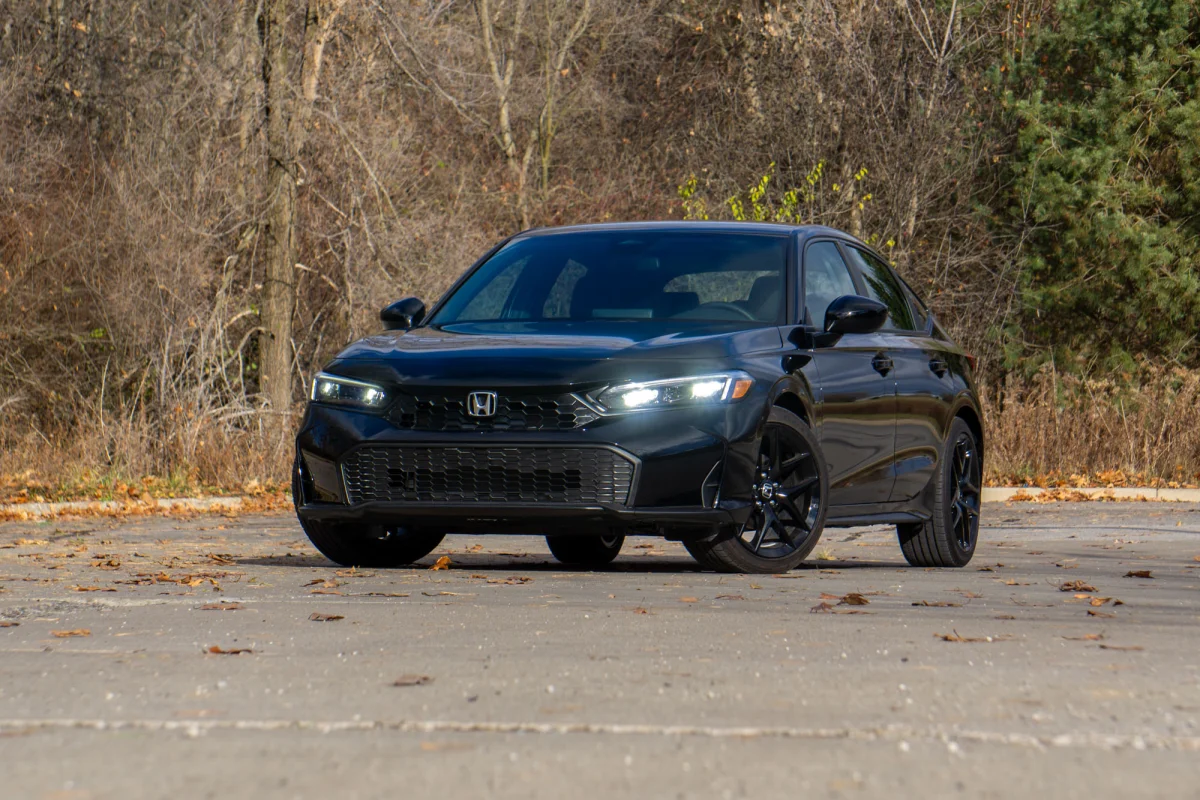
5. Honda Civic: Efficient, Comfortable, and Smart for Daily Traffic
The Honda Civic continues to be a benchmark for practical, reliable, and efficient commuting. Its interior combines a clean, ergonomic design with a honeycomb-mesh dashboard that conceals air vents, creating a visually calming environment.
The seats are engineered to minimize pressure points, making long, stop-and-go drives more comfortable. With nimble handling and a 41 mpg highway rating, the Civic performs admirably in urban traffic, while its low beltline and thin A-pillars offer excellent visibility for city streets.
Standard safety technologies such as traffic-sign recognition, adaptive cruise control with low-speed follow, and lane-keeping assist help reduce driver fatigue during heavy traffic.
Fuel efficiency is a strong point for the Civic, especially in hybrid form. The 2025 Civic Hybrid delivers up to 50 mpg city, 47 mpg highway, and 49 mpg combined, making it extremely cost-effective for commuters covering long distances in congested conditions.
The Eco Assist™ system encourages efficient driving habits, while regenerative braking in the hybrid model helps recapture energy during frequent stops. Nonhybrid Civics also offer respectable efficiency, with EPA ratings up to 32 mpg city and 41 mpg highway.
The Civic’s drivetrain options support both efficiency and performance. Nonhybrid models use a 150-hp 2.0-liter four-cylinder engine paired with a CVT, providing a smooth, responsive drive that suits city traffic.
Hybrid models combine a 2.0-liter four-cylinder with two electric motors for a total of 200 horsepower, offering strong low-speed performance and seamless power transitions while keeping the cabin quiet. In testing, the Civic Hybrid Sport Touring sedan accelerated from 0–60 mph in 6.1 seconds, demonstrating that fuel efficiency does not come at the expense of adequate performance.
The cabin is spacious and practical for commuting. Both sedan and hatchback configurations seat five, with ample front-seat space and comfortable rear seating for adults. Cargo capacity is generous: the hatchback accommodates up to 17 carry-on suitcases with the rear seats folded, while the sedan fits six in the trunk or 17 with the rear seats down.
Infotainment includes a standard 7.0-inch touchscreen, with optional 9.0-inch or 10.2-inch digital displays on hybrid models. Wireless Apple CarPlay and Android Auto are available, alongside optional features like in-dash navigation, wireless charging, and a 12-speaker Bose stereo.
Safety features are comprehensive. Standard adaptive cruise control, lane-keeping assist, and automated emergency braking provide peace of mind, while options such as blind-spot monitoring and rear-cross-traffic alert enhance security in dense traffic.
Honda backs the Civic with a three-year/36,000-mile limited warranty, a five-year/60,000-mile powertrain warranty, and an eight-year/100,000-mile hybrid component warranty, with one year of complimentary maintenance.
The Honda Civic blends fuel efficiency, comfort, and technology into a reliable daily commuter car, making it a practical and low-stress choice for long hours in traffic.
6. Toyota Camry: Comfortable, Efficient, and Commuter-Friendly
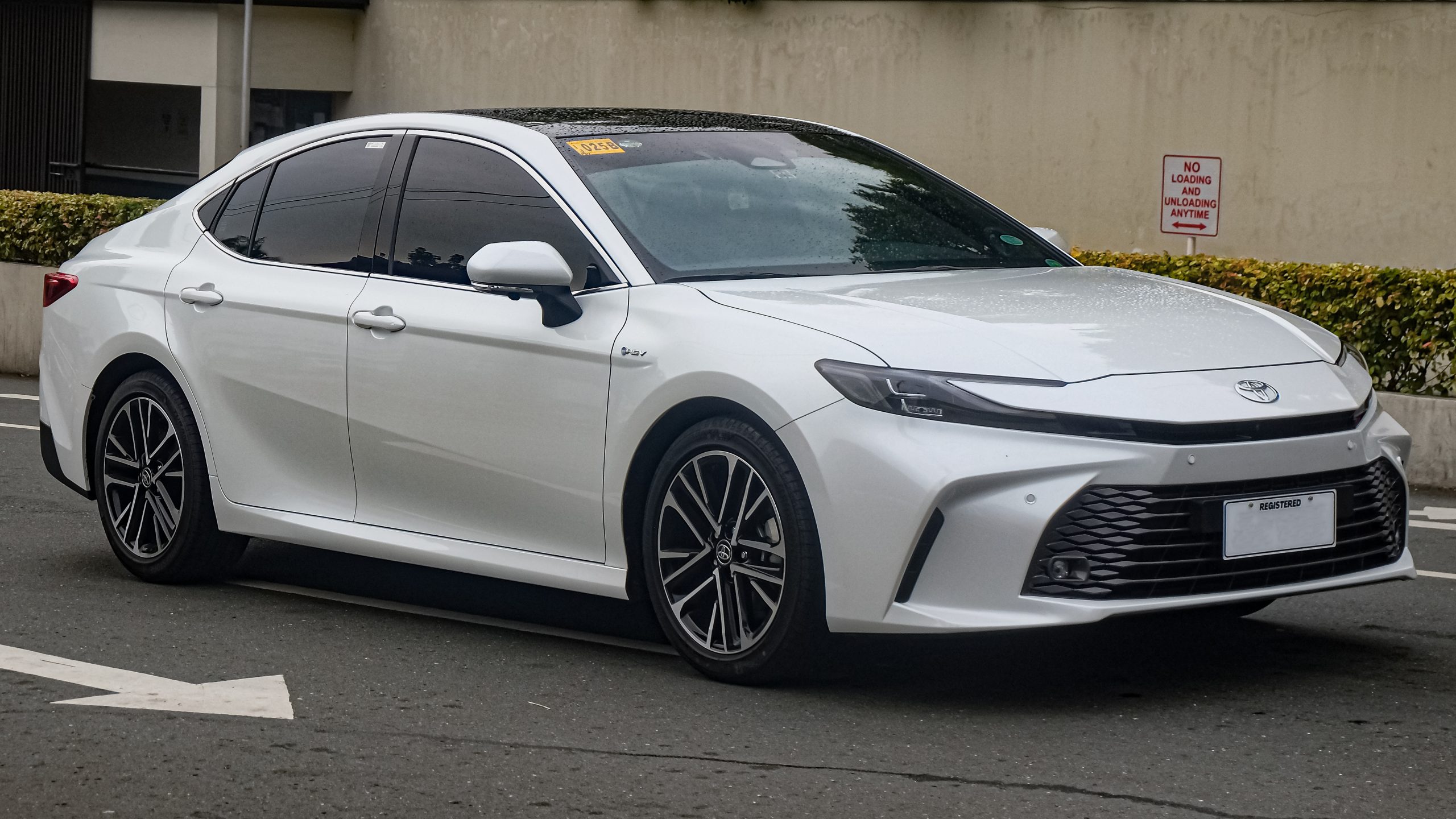
The Toyota Camry has long been regarded as a benchmark for daily commuters, and the 2025 model continues this tradition with a focus on comfort, efficiency, and reliability. Now exclusively available as a hybrid, the Camry combines excellent fuel economy with a quiet, stress-free cabin.
Its suspension is tuned to absorb potholes and rough roads, while the Acoustic Noise-Reducing Windshield keeps traffic noise at bay, creating a serene environment for long commutes. Ergonomic seats, dual-zone climate control, and supportive cushions help reduce fatigue, allowing drivers to arrive at their destination feeling refreshed.
Fuel efficiency is a standout feature. Front-wheel-drive Camry hybrids achieve up to 52 mpg city and 49 mpg highway, while all-wheel-drive trims are rated slightly lower. Electric-only operation at low speeds in stop-and-go traffic provides a quieter, smoother, and more economical driving experience.
A 13-gallon tank enables a range of 570 to 660 miles between refueling, reducing interruptions on long commutes.
The hybrid powertrain combines a 2.5-liter four-cylinder gas engine with two electric motors for 225 horsepower on FWD models, while AWD variants add a third motor for 232 horsepower. Both setups use a continuously variable automatic transmission, providing smooth acceleration and responsive handling for city and highway driving.
The Camry’s cabin balances comfort and practicality. Adults enjoy generous front and rear seating space, while the trunk accommodates seven carry-on suitcases or 19 with the rear seats folded. Cloth upholstery is standard, with leather, heated seats, ambient lighting, and other premium touches available on higher trims.
Infotainment includes an 8.0-inch touchscreen as standard, with larger 12.3-inch displays on SE, XLE, and XSE trims. Apple CarPlay and Android Auto come standard across all models and work wirelessly. Optional nine-speaker JBL audio enhances in-car entertainment for long drives.
Safety and convenience are key priorities. Standard Toyota Safety Sense 3.0 features include automated emergency braking with pedestrian and cyclist detection, lane-keeping assist, adaptive cruise control with lane-centering, and traffic-jam support on select trims.
Optional cameras and panoramic view monitors assist with low-speed maneuvers in tight urban spaces. These systems help reduce stress and improve confidence in congested conditions.
The Camry also boasts reliability and low maintenance costs. ToyotaCare covers scheduled maintenance for the first two years or 25,000 miles, while the hybrid components are backed by a ten-year/150,000-mile warranty.
The Camry combines fuel efficiency, comfort, and safety into a commuter-friendly package, making it an ideal choice for drivers who spend long hours in traffic but value performance, refinement, and long-term dependability.
7. Mazda3: Premium Comfort and Agile Performance for Commuters
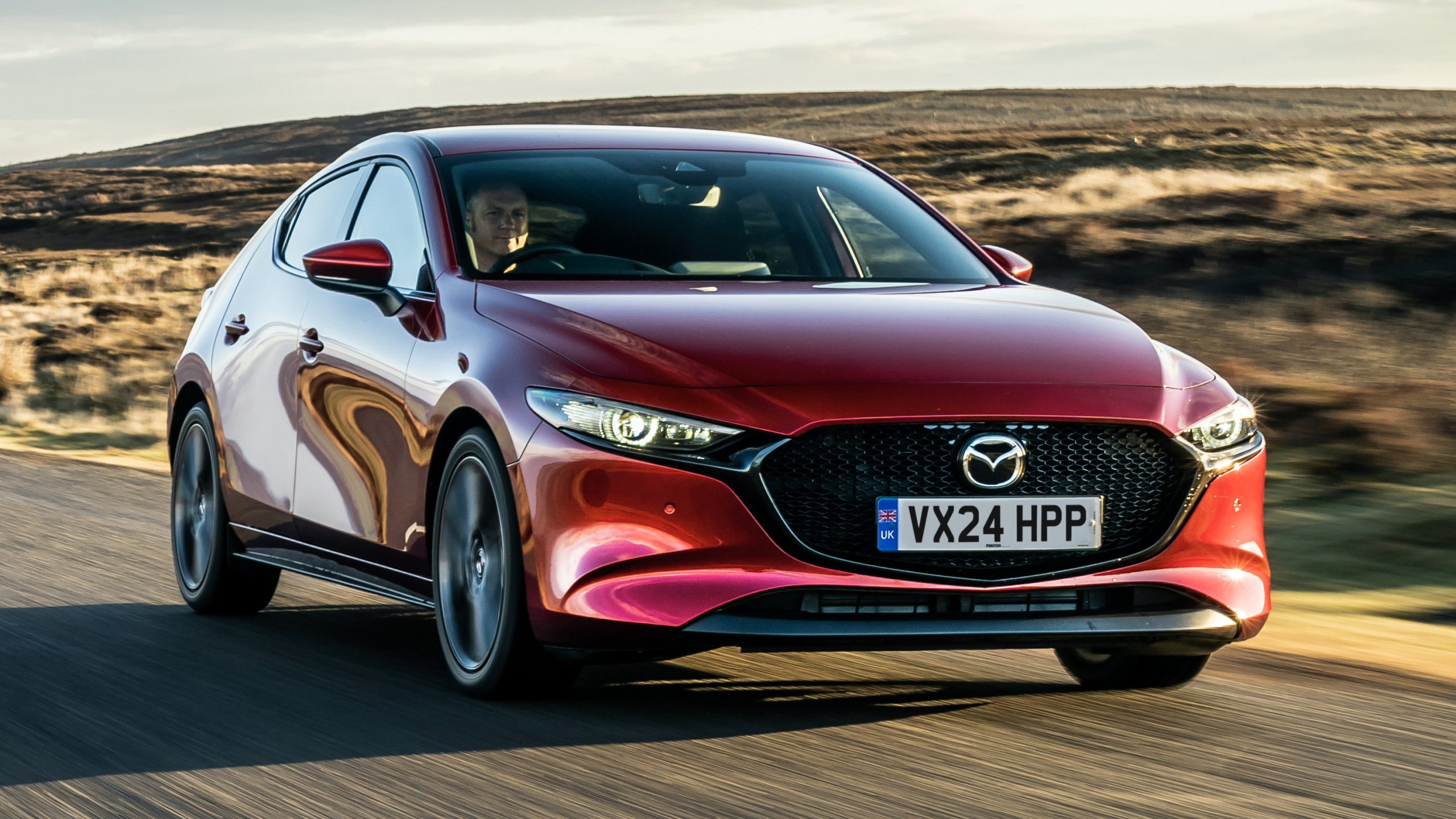
The Mazda3 offers a near-luxury experience without the high price, making it an excellent choice for daily commuters seeking comfort, style, and driving enjoyment. Its interior rivals that of premium brands like Audi or BMW, with soft-touch leather, minimalist design, and a cabin layout that reduces sensory overload during stop-and-go traffic.
Ultra-quiet insulation and a superior audio system create an ideal environment for listening to music, podcasts, or audiobooks, turning even heavy traffic into a more enjoyable commute.
Fuel efficiency is competitive for a non-hybrid compact car. The naturally aspirated Skyactiv-G engine delivers up to 37 mpg on the highway, while front-wheel-drive sedans achieve 27 mpg city/36 mpg highway. All-wheel-drive models and the turbocharged 2.5-liter variant offer slightly lower ratings but provide confident traction and responsiveness for urban driving.
The turbocharged model produces 250 horsepower and comes standard with AWD, while the base 186-hp engine is paired with either front-wheel drive or AWD and a six-speed automatic or manual transmission. Both configurations offer agile handling, taut body control, and responsive steering, making lane changes and tight maneuvers in congested city streets easier and more confidence-inspiring.
The cabin emphasizes comfort and low-stress commuting. Front seats are supportive for long drives, and the minimalist dashboard keeps controls within easy reach. While rear legroom is slightly tight, it remains practical for short trips or occasional passengers. Cargo capacity is competitive for the segment, with the sedan accommodating six carry-on suitcases and the hatchback five, expanding to sixteen with the rear seats folded.
Technology and connectivity enhance the commute. Most trims feature an 8.8-inch touchscreen controlled via a center rotary dial, with Apple CarPlay and Android Auto included; higher-end Turbo trims offer a 10.3-inch display and wireless connectivity. Optional premium audio and head-up display improve both entertainment and convenience.
Safety and driver assistance are robust, including standard adaptive cruise control, automated emergency braking, and blind-spot monitoring. Higher trims offer a 360-degree camera system and front/rear parking sensors, helping to reduce stress in dense traffic.
Reliability is a key factor for daily drivers. The Mazda3 is known for its long-lasting build and responsive engineering, though warranty coverage is standard with three years/36,000 miles for basic and five years/60,000 miles for the powertrain, without complimentary maintenance.
The Mazda3 combines premium cabin comfort, responsive and agile driving dynamics, advanced safety technology, and practical fuel efficiency, making it a compelling choice for commuters who prioritize refinement and engagement without sacrificing reliability or daily practicality.
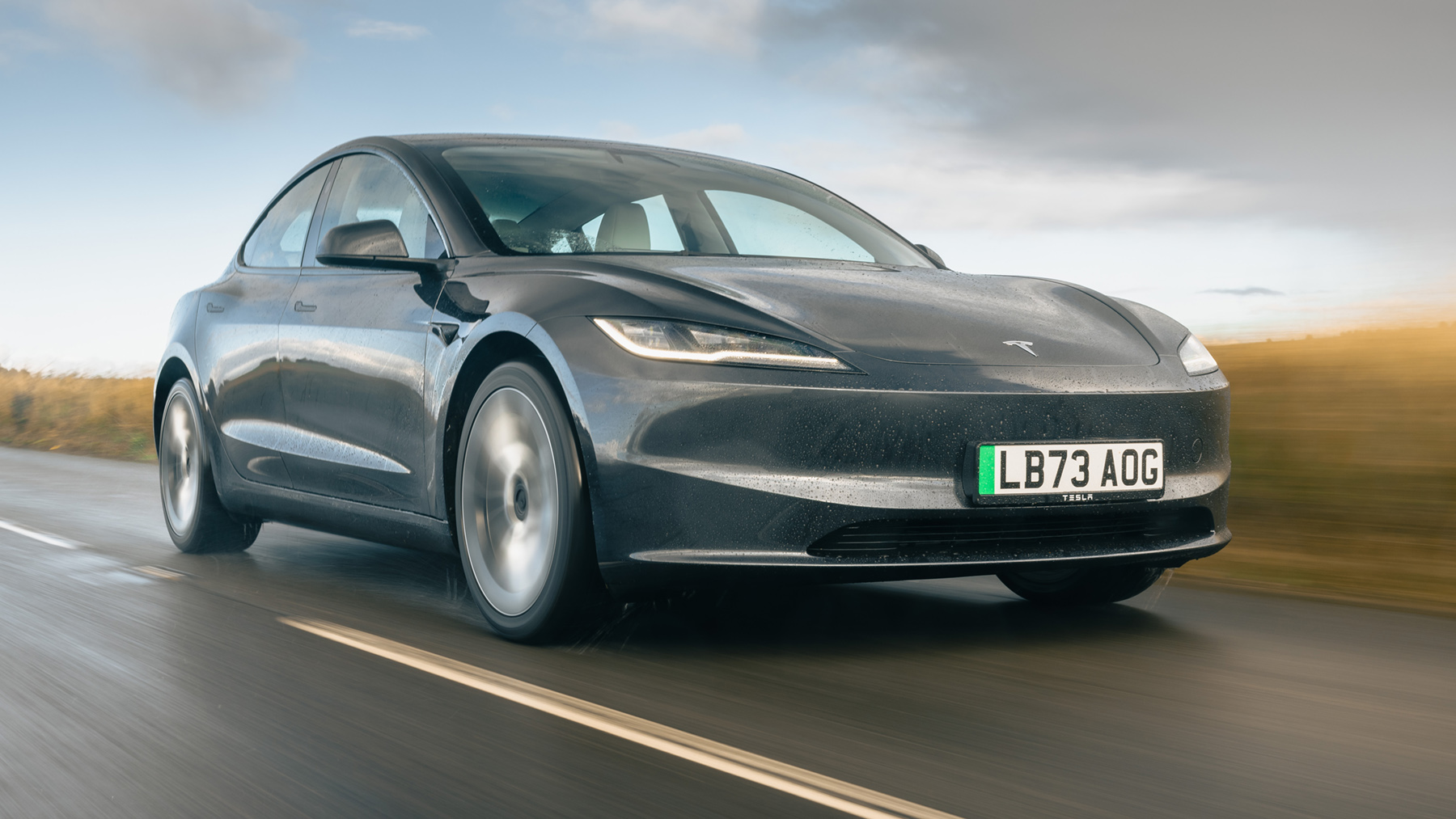
8. Tesla Model 3: High-Tech Comfort and Efficiency for Commuters
The Tesla Model 3 is designed to make daily commuting easier, quieter, and more efficient, especially for those with access to home charging. Its standout feature is the Autopilot system, which can manage speed, distance, and lane positioning in heavy traffic, reducing driver fatigue during long commutes.
For extra convenience, the Full Self-Driving (FSD) option adds capabilities like automatic lane changes and stop-and-go traffic handling. Combined with one-pedal driving, regenerative braking, and preconditioning features, the Model 3 creates a stress-free and energy-efficient driving experience.
Efficiency and cost savings are major advantages. The Model 3 eliminates gasoline costs entirely, and regenerative braking minimizes wear on brake pads, lowering maintenance needs. EPA ratings range from 120 to 145 MPGe in the city and 107 to 128 MPGe on the highway, with real-world testing showing a highway efficiency of 128 MPGe for the Long Range model.
Fast charging is supported via Tesla Superchargers, reaching 10–90% battery levels in under 40 minutes for dual-motor Performance versions, while home charging allows overnight top-ups for daily commutes. Range varies from 260 to 363 miles depending on the drivetrain and trim, offering confidence for urban and suburban driving.
Performance is brisk and engaging. The base rear-wheel-drive Model 3 has 286 horsepower, while dual-motor Long Range and Performance trims offer 425 and 510 horsepower, respectively.
Acceleration is rapid, with the Performance model reaching 60 mph in just 2.8 seconds. The battery pack’s low placement gives the car a low center of gravity, resulting in precise handling, stable cornering, and composed ride quality. Steering is responsive and adjustable, with multiple weighting settings to suit driver preference.
The interior is minimalist and technologically advanced, featuring a 15.4-inch central touchscreen that controls nearly all vehicle functions, while rear passengers in Premium and Performance trims have access to an 8-inch touchscreen.
Front seats are supportive, though rear seating is somewhat cramped for adults. Cargo space includes a standard rear trunk and a modest front trunk, accommodating up to 15 carry-on suitcases with the rear seats folded.
Safety is reinforced through Tesla’s driver-assist systems, including adaptive cruise control, automated emergency braking, and lane-departure warning. Autopilot enhances safety further by easing the mental load of congested driving.
Warranty coverage is strong for an EV, with a four-year/50,000-mile limited warranty and eight-year/100,000-mile battery and drive unit protection, though routine maintenance is not included.
The Tesla Model 3 combines advanced driver assistance, exceptional energy efficiency, rapid acceleration, and a quiet, modern cabin, making it a highly compelling option for commuters who want technology, performance, and low operating costs in one electric vehicle.
Long daily commutes do not have to be exhausting when drivers choose cars built for efficiency, comfort, and smart features. The top eight models, including fuel-efficient hybrids like the Toyota Prius and Honda Civic, premium-feeling sedans like the Mazda3, and tech-forward electric vehicles such as the Tesla Model 3, offer quiet cabins, adaptive cruise control, and safety systems that reduce stress in heavy traffic.
With excellent fuel economy, responsive performance, and well-designed interiors, these cars help drivers save on costs, minimize fatigue, and arrive at their destinations feeling refreshed. For commuters who spend hours behind the wheel, these eight vehicles provide a practical combination of comfort, reliability, and advanced technology, turning daily traffic into a smoother, safer, and more enjoyable experience.
Also Read: 10 Cars That You Can Buy for Cheap and Sell for a Profit Later