Classic muscle cars are loved for their loud engines, bold looks, and powerful performance. Many people dream of owning one because of movies, racing history, and nostalgia. However, not every famous muscle car truly lives up to its reputation.
Some were slow, overpriced, poorly built, or simply not as exciting as people remember.
While they may look amazing and carry legendary names, their real-world performance and reliability sometimes fail to match the hype. Here are ten classic muscle cars that many believe don’t fully justify their reputation.
1) Pontiac GTO
The Pontiac GTO is often called the car that started the muscle car era. When it first appeared in 1964, it combined a powerful V8 engine with a midsize body. This simple idea changed American performance cars forever.
Early GTO models were fast, loud, and exciting to drive. They offered strong acceleration and bold styling that attracted young buyers. The car quickly became a symbol of freedom and performance during the golden age of muscle cars.
Under the hood, early models featured large V8 engines like the 389 cubic inch unit. These engines produced impressive horsepower for the time. Drivers loved the strong pull, deep exhaust sound, and street presence the GTO delivered.
However, the success of the GTO did not last forever. By the early 1970s, new government emission rules began to limit engine performance. Car companies were forced to reduce compression ratios and add equipment that lowered horsepower.
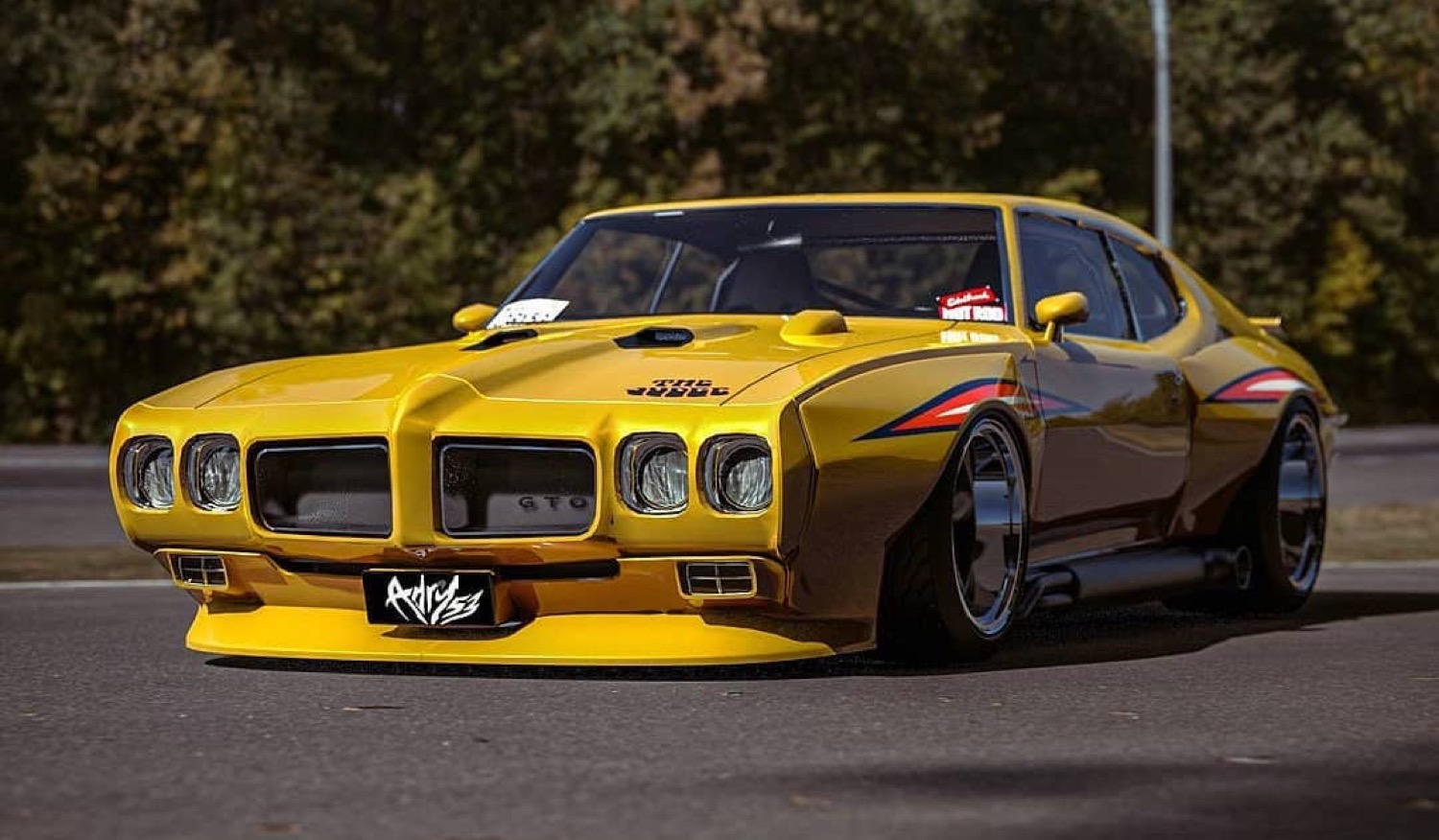
As a result, the GTO slowly lost its strength. Engines that once made well over 300 horsepower were now producing much less. On paper, the numbers dropped sharply, and drivers could feel the difference on the road.
At the same time, safety regulations added more weight to vehicles. Bigger bumpers and additional features made cars heavier. The GTO became bulkier, which further reduced its speed and agility compared to earlier versions.
Insurance costs for muscle cars also increased during the 1970s. High-performance cars were expensive to insure, especially for young drivers. This reduced demand and forced manufacturers to tone down performance even more.
By 1974, the GTO was very different from its original version. It was smaller in size but far less powerful. Many enthusiasts felt it no longer represented true muscle car performance.
Despite these changes, the GTO badge remained. Pontiac continued using the famous name, hoping it would attract buyers. However, the performance no longer matched the legendary reputation built in the 1960s.
Today, collectors strongly prefer the early GTO models. The 1964 to 1969 versions are considered the true icons. Later 1970s models are often seen as shadows of the original muscle car legend.
The story of the GTO shows how changing laws and market conditions can reshape even the most powerful cars. While it began as a performance revolution, its later years remind us that not every legend stays strong forever.
2) Ford Mustang II
The Ford Mustang II was introduced in 1974 during a difficult time for the auto industry. Rising fuel prices and strict emission laws forced car companies to rethink performance. The new Mustang focused more on economy than raw power.
Earlier Mustang models from the 1960s were true muscle machines. They offered strong V8 engines, exciting speed, and aggressive styling. Many fans expected the next generation to continue that tradition of performance and driving excitement.
Instead, the Mustang II was smaller and less powerful. It was built on a compact platform and designed to save fuel. While this made sense for the time, it disappointed drivers who wanted classic muscle car performance.
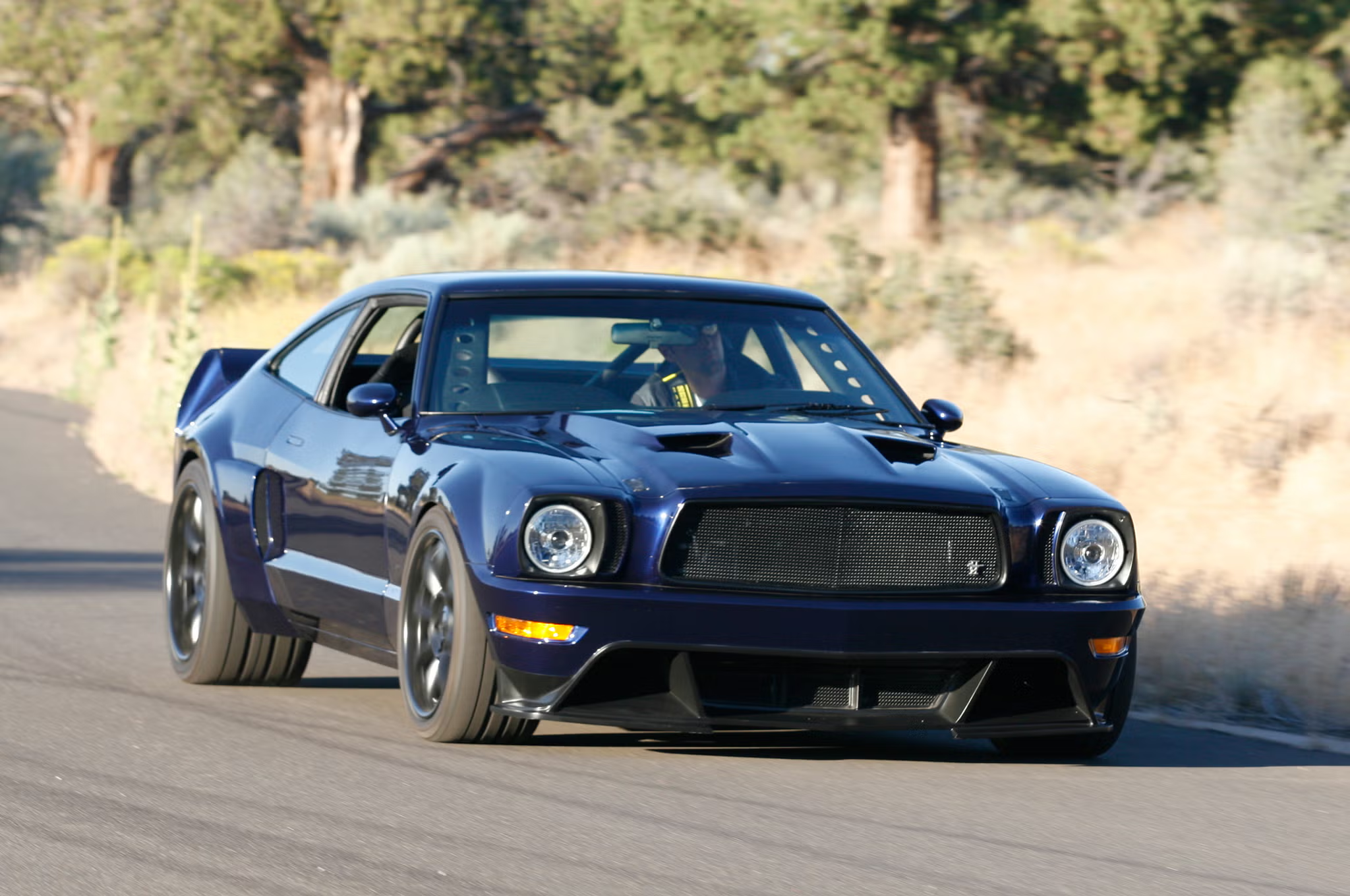
The base engine was a small four-cylinder unit, which was very different from the roaring V8 engines of earlier Mustangs. Even the optional V6 and V8 engines produced much less horsepower than older models.
Because of strict emission controls, engines had lower compression and reduced output. Acceleration was slower, and the car felt less exciting to drive. Many enthusiasts believed it did not deserve the famous Mustang name.
However, the Mustang II was not completely unsuccessful. It actually sold very well in its early years. Buyers during the fuel crisis appreciated its better fuel economy and smaller size compared to large muscle cars.
The styling was modern for the 1970s, with sharp lines and sporty trim packages like the Cobra II. Some versions looked aggressive, even if the performance did not fully match the appearance.
Interior comfort was also improved compared to older models. The car offered better ride quality and more refined features. This made it practical for daily driving, but it moved away from pure muscle car character.
Over time, the Mustang II gained a mixed reputation. Some people respect it for helping the Mustang survive during tough economic conditions. Others criticize it for lacking the power and excitement of earlier generations.
Today, the Mustang II remains one of the most debated chapters in Mustang history. While it played an important role in keeping the brand alive, many fans still feel it never truly lived up to the legendary Mustang legacy.
3) Chevrolet Camaro Z28
The Chevrolet Camaro Z28 was once one of the most exciting muscle cars on American roads. In the late 1960s, it offered strong V8 engines, sharp handling, and serious performance that could compete with the best.
By 1975, things had changed dramatically. New emission laws and fuel regulations forced car companies to reduce engine power. The Camaro Z28 still looked aggressive, but it no longer delivered the same thrilling performance.
Earlier Z28 models produced impressive horsepower numbers. However, mid-1970s versions saw major reductions in power. Engines were tuned for lower emissions, which meant slower acceleration and less excitement behind the wheel.
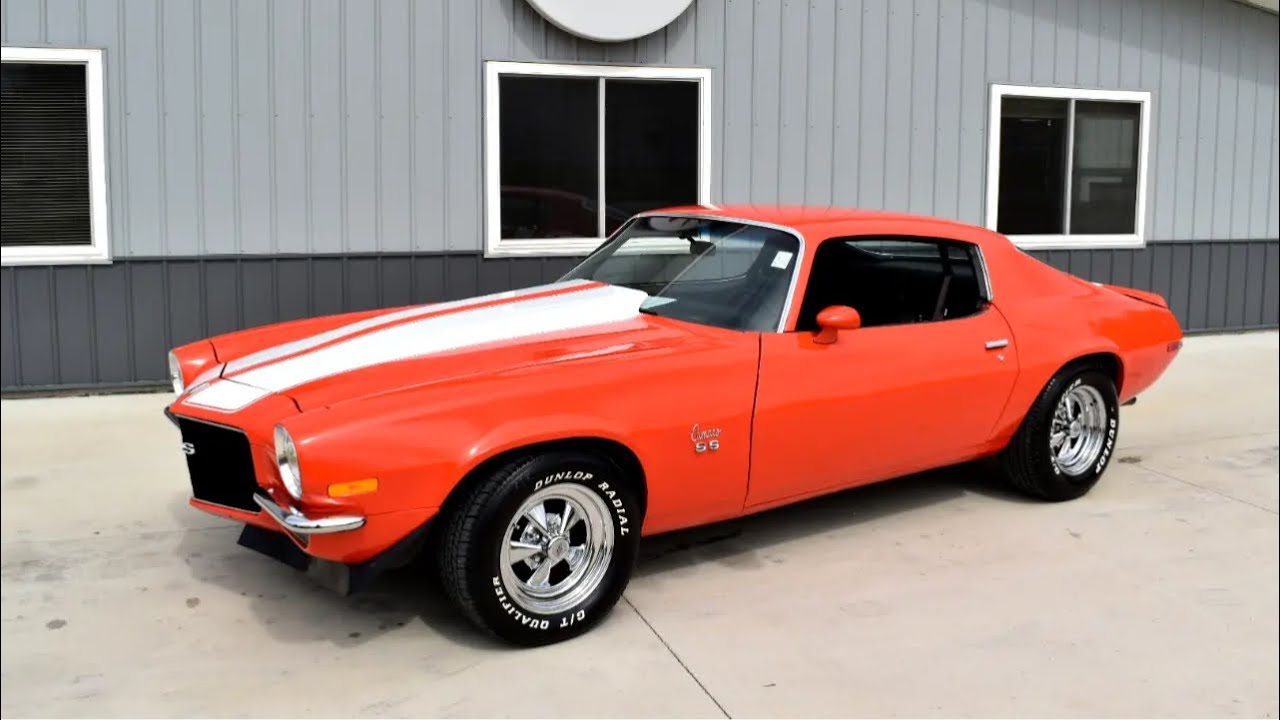
The 1975 Camaro Z28 used a small block V8, but its output was much lower than earlier years. On paper and on the road, it simply did not match the strong reputation built by its predecessors.
Despite the drop in performance, Chevrolet continued using bold stripes, sporty wheels, and aggressive styling. The car looked fast and powerful, which helped maintain its image among casual buyers.
However, experienced drivers could feel the difference immediately. The heavier body and reduced horsepower made it slower in straight-line speed. It also lacked the raw, loud personality of earlier muscle cars.
Another challenge during this period was rising insurance costs. High-performance cars were expensive to insure, especially for young drivers. This led manufacturers to focus more on appearance than true performance.
The interior of the 1975 Z28 was more comfortable than older models. It offered improved safety features and better ride quality. While this made it more practical, it moved further away from pure muscle car character.
Over time, collectors began to favor the earlier Z28 models from 1967 to 1970. Those cars are remembered for their strong engines and racing spirit. The mid-1970s versions are often seen as less exciting.
Today, the 1975 Camaro Z28 represents a transitional period in muscle car history. It kept the famous name alive during tough times, but many enthusiasts believe it never truly lived up to the Z28 legend.
4) Dodge Charger
The Dodge Charger became a muscle car icon during the late 1960s. Early models were known for their bold styling, powerful V8 engines, and strong street presence. They quickly earned respect among performance enthusiasts across America.
By 1975, however, the Charger had changed dramatically. The new generation was based on a more personal luxury coupe platform. Instead of being a true muscle car, it leaned more toward comfort and smooth driving.
Strict emission regulations played a big role in this transformation. Engine compression ratios were lowered, and horsepower numbers dropped sharply. The powerful big-block engines of the past were no longer available.
The 1975 to 1978 Charger models offered V8 engines, but they were much weaker than earlier versions. Acceleration was slower, and the thrilling performance that once defined the Charger name was mostly gone.
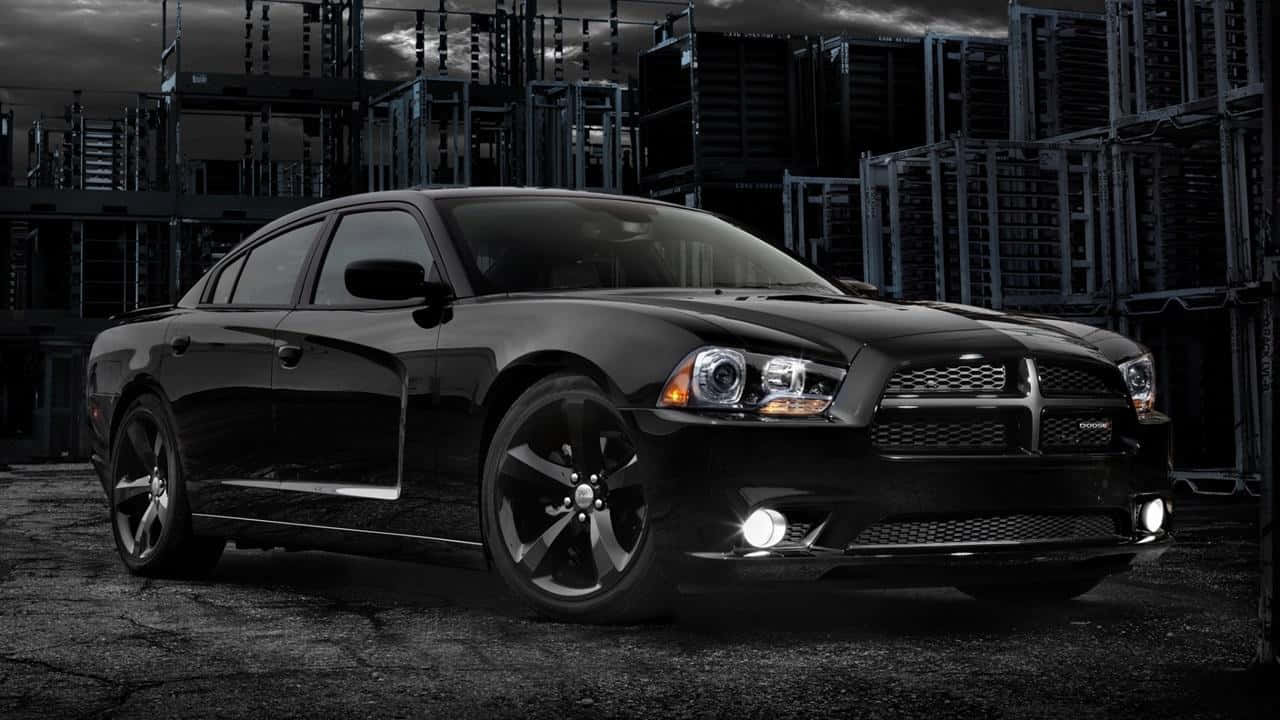
In addition to lower power, the car became heavier. Safety requirements added weight, which further reduced performance. The Charger no longer felt like the aggressive machine that once dominated streets and drag strips.
Styling also changed significantly. The sharp, muscular lines of the late 1960s were replaced with softer shapes and opera windows. Some buyers liked the new look, but many enthusiasts missed the classic design.
Inside, the Charger focused more on comfort and luxury features. The ride quality improved, and the cabin felt more refined. However, this shift moved the car away from its original high-performance identity.
Because of these changes, many fans believe the mid-1970s Charger did not live up to its legendary badge. It carried the famous name, but it did not deliver the same excitement or performance.
Sales during this period were decent, as buyers wanted comfort and style during uncertain economic times. Still, the car’s reputation among muscle car lovers suffered greatly compared to earlier generations.
Today, collectors strongly prefer the 1968 to 1970 Chargers. The mid-1970s versions are often seen as symbols of the muscle car decline. They remind us how changing laws and markets reshaped even the most famous performance cars.
5) Mercury Cougar
The Mercury Cougar began life in the late 1960s as a stylish and sporty car. Early models shared many parts with the Mustang and offered strong V8 engines. They were known for performance and sharp handling.
By the mid-1970s, the Cougar had changed direction completely. The 1974 to 1976 generation became larger and heavier. Instead of focusing on speed, Mercury shifted its attention toward comfort and smooth driving.
Emission rules during the 1970s reduced engine power across the industry. The Cougar still offered V8 options, but horsepower numbers were far lower than earlier versions. Acceleration became slower and less exciting.
At the same time, the car gained weight due to added safety features and luxury equipment. Bigger bumpers, extra insulation, and more interior features made the Cougar feel more like a personal luxury car.
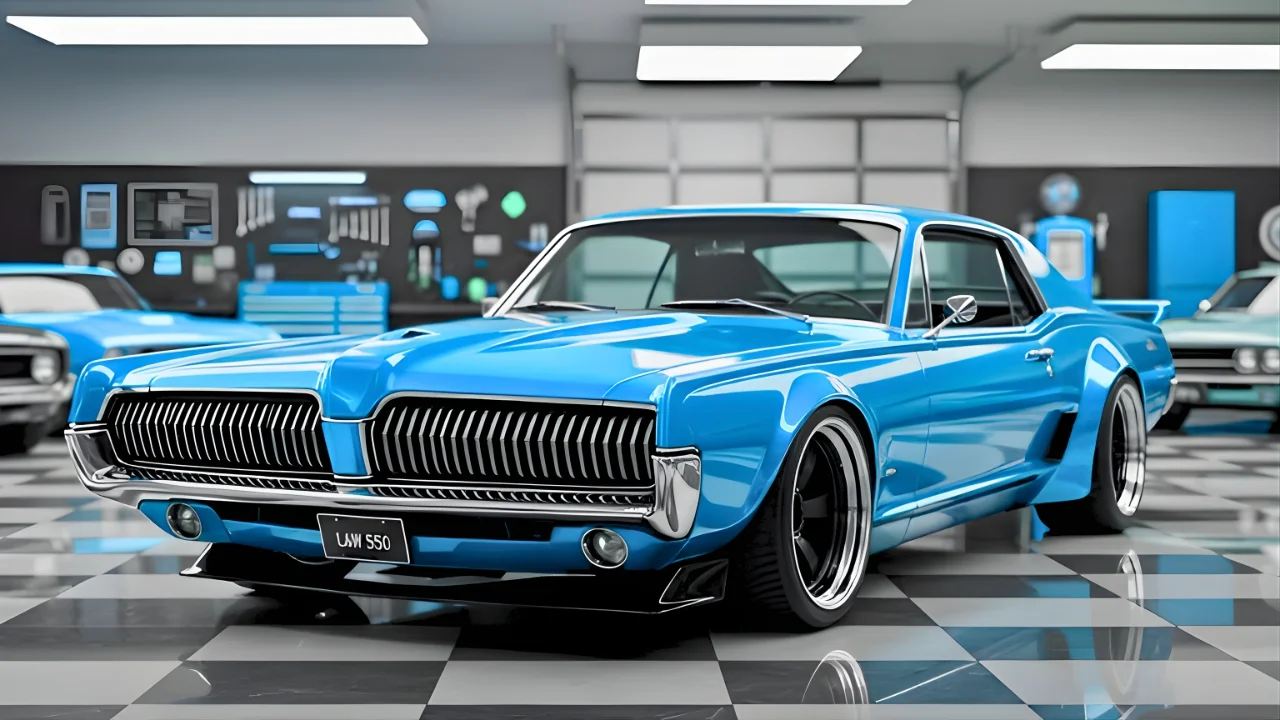
The styling also reflected this shift. The design became more formal, with longer bodies and opera windows. While some buyers liked the classy appearance, performance fans felt it had lost its sporty personality.
Inside, the Cougar focused heavily on comfort. Soft seats, wood-style trim, and improved ride quality made it pleasant for long drives. However, it no longer delivered the raw driving feel of earlier models.
Insurance costs and fuel prices also influenced this change. Buyers during the 1970s wanted smoother, more practical cars. Mercury responded by turning the Cougar into a comfortable cruiser rather than a muscle machine.
Because of this transformation, many enthusiasts believe the mid-1970s Cougar does not deserve the same respect as the original models. It carried the famous name, but the performance spirit was mostly gone.
Sales remained steady, showing that there was still demand for stylish coupes. Yet among muscle car collectors today, these later Cougars are rarely as desirable as the earlier high-performance versions.
The story of the mid-1970s Cougar highlights how the muscle car era faded. It represents a time when comfort and regulations replaced horsepower and excitement, changing the identity of many once-powerful American cars.
6) Oldsmobile 442
The Oldsmobile 442 was once one of the most respected muscle cars in America. In the late 1960s, it offered strong V8 engines, quick acceleration, and bold styling that made it a serious competitor on the street.
The name “442” originally stood for four-barrel carburetor, four-speed manual transmission, and dual exhaust. It represented real performance. Early models delivered impressive horsepower and a driving experience that excited muscle car fans.
By 1975, however, the story had changed. Strict emission laws reduced engine compression and limited power output. The powerful big-block engines of earlier years were no longer available in the same form.
The 1975 442 mainly came with a 350 cubic inch V8 engine. While it still had a V8 badge, the horsepower was much lower than earlier versions. Acceleration felt slower and less dramatic.
In addition to reduced power, the car became heavier. Safety rules required stronger bumpers and additional equipment. This added weight made the car feel less agile and further reduced performance.
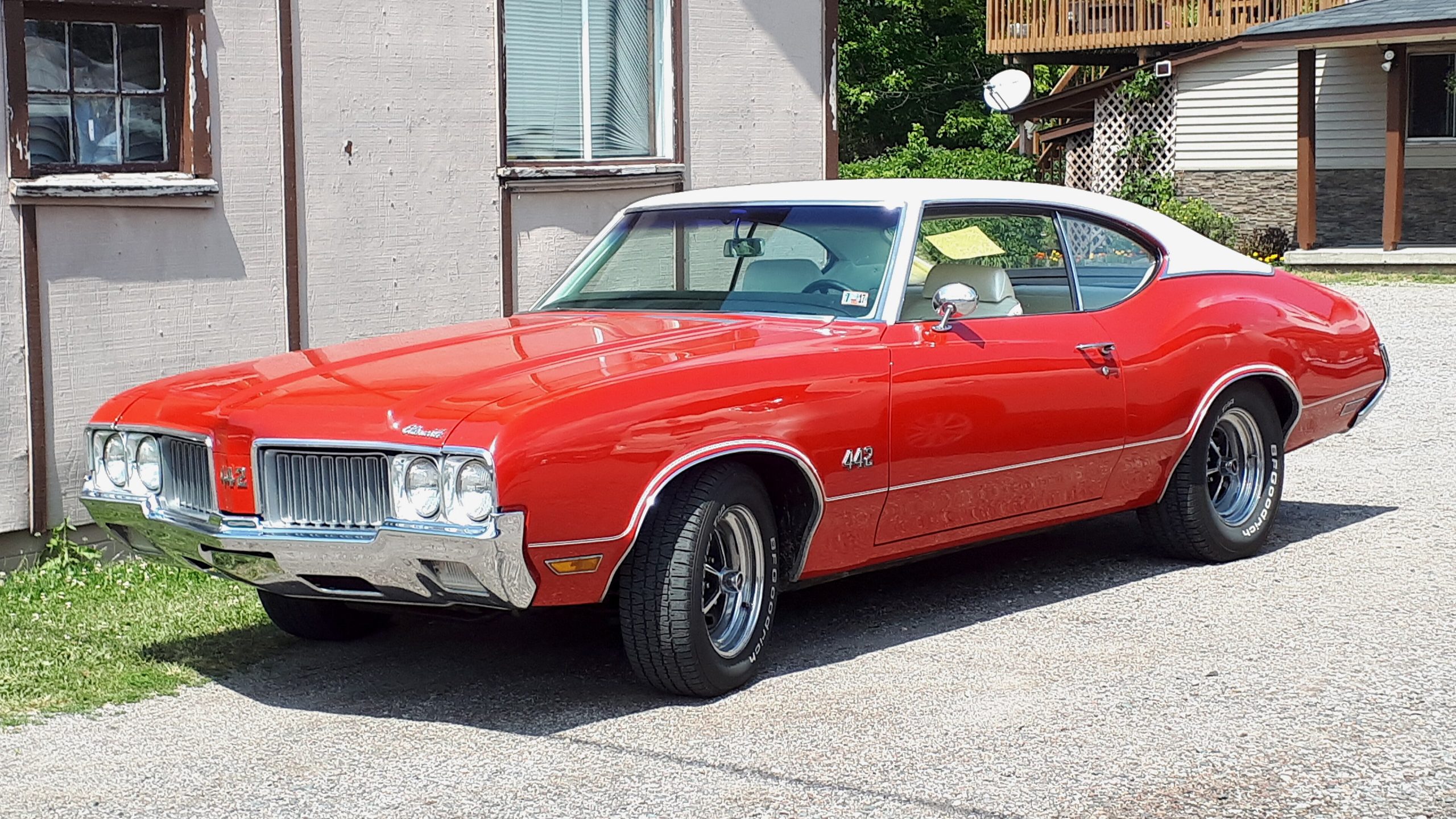
Styling remained attractive, with sporty stripes and bold badging. At first glance, it looked like a serious muscle machine. However, the performance numbers did not match the aggressive appearance.
The interior also became more focused on comfort than speed. Softer suspension tuning improved ride quality, making it smoother for daily driving. But this shift moved the 442 away from its original performance roots.
Insurance costs during the mid-1970s were high for performance cars. As a result, manufacturers often tuned engines for lower power to keep costs down. This also contributed to the decline in true muscle car performance.
Many enthusiasts believe the 1975 442 carried the famous name without delivering the same excitement. It kept the badge alive during a difficult time but lacked the strong identity of earlier models.
Today, collectors prefer the 1968 to 1972 442 versions. The 1975 model represents the muscle car era’s decline, showing how changing regulations and market demands reshaped even the most respected performance legends.
7) Chevrolet El Camino SS
The Chevrolet El Camino was always different from other muscle cars. It combined a car’s front end with a pickup truck bed. Early SS models offered strong engines and real performance, making them both practical and powerful.
By 1976, the El Camino SS had changed like many muscle cars of the era. Emission laws and fuel economy concerns reduced engine output. The powerful big-block engines from earlier years were no longer available.
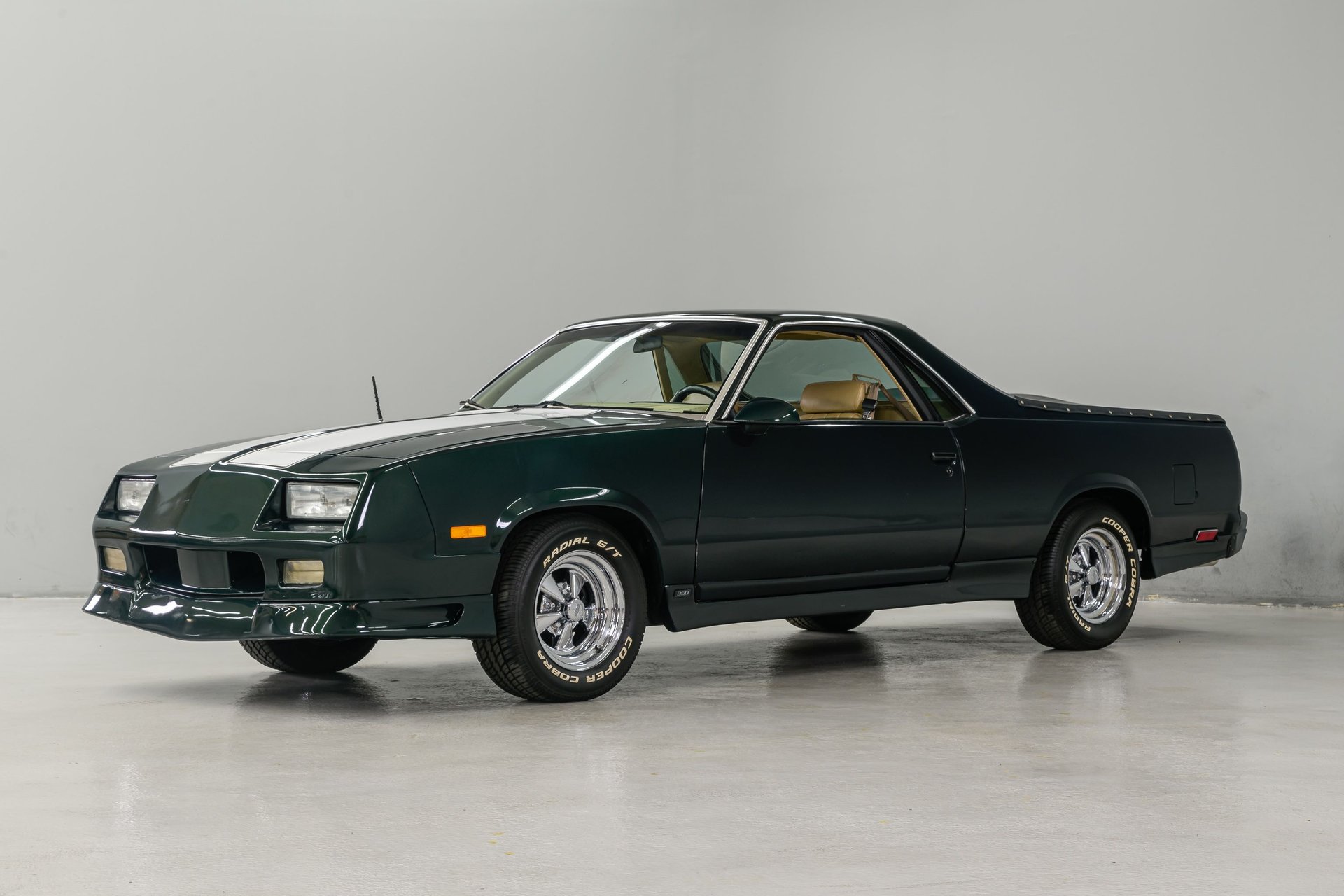
The 1976 SS usually came with a 350 cubic inch V8 engine. While it sounded impressive, horsepower numbers were far lower than late 1960s versions. Acceleration was decent but not truly exciting for muscle car fans.
The vehicle also gained weight due to safety regulations and added features. Bigger bumpers and extra equipment made it heavier. This additional weight reduced performance and made it feel less aggressive on the road.
Styling remained sporty with bold stripes, special wheels, and SS badging. From the outside, it looked strong and confident. However, the driving experience did not fully match the tough appearance.
The suspension was tuned more for comfort than speed. Ride quality improved, which helped daily usability. Still, the handling was not as sharp or performance-focused as earlier high-powered El Camino models.
Insurance costs during the mid-1970s also influenced design choices. Manufacturers reduced horsepower to keep cars affordable to insure. This made many SS models more about style than true high-performance capability.
Despite the decline in raw power, the El Camino SS still had a loyal fan base. Its unique design appealed to buyers who wanted something different from traditional coupes or sedans.
However, many muscle car enthusiasts believe the 1976 SS does not live up to the strong reputation built by earlier versions. It carried the SS name but lacked the thrilling performance once expected.
Today, collectors usually prefer late 1960s or early 1970s El Camino SS models. The 1976 version represents a transitional period when muscle cars focused more on looks and comfort than pure speed and power.
8) Pontiac Firebird Formula
The Pontiac Firebird Formula was designed as a performance version of the Firebird lineup. In the late 1960s and early 1970s, it offered strong engines and sporty handling that made it a respected muscle car choice.
By 1977, however, the muscle car era was fading. Strict emission regulations and rising fuel prices forced manufacturers to reduce engine output. The Firebird Formula still looked fast, but its performance numbers were lower than before.
The 1977 Formula offered V8 engine options, including the 400 cubic inch V8. While this sounded impressive, horsepower ratings had dropped compared to earlier years. Acceleration was no longer as thrilling as fans expected.
Government rules also required lower compression ratios and added emission equipment. These changes limited engine efficiency and reduced power. Even though the car had a large engine, it did not deliver classic muscle car speed.
The Firebird’s bold styling helped maintain its popularity. Sharp body lines, dual hood scoops, and sporty decals gave it an aggressive appearance. Many buyers were attracted to its strong road presence.
Inside, the cabin focused more on comfort and modern features. Improved seats, better sound insulation, and smoother suspension made daily driving easier. However, this shift moved the Formula further from its raw performance roots.
The car also gained extra weight due to safety standards. Heavier bumpers and structural reinforcements reduced agility. Combined with lower horsepower, this made the driving experience less exciting than earlier models.
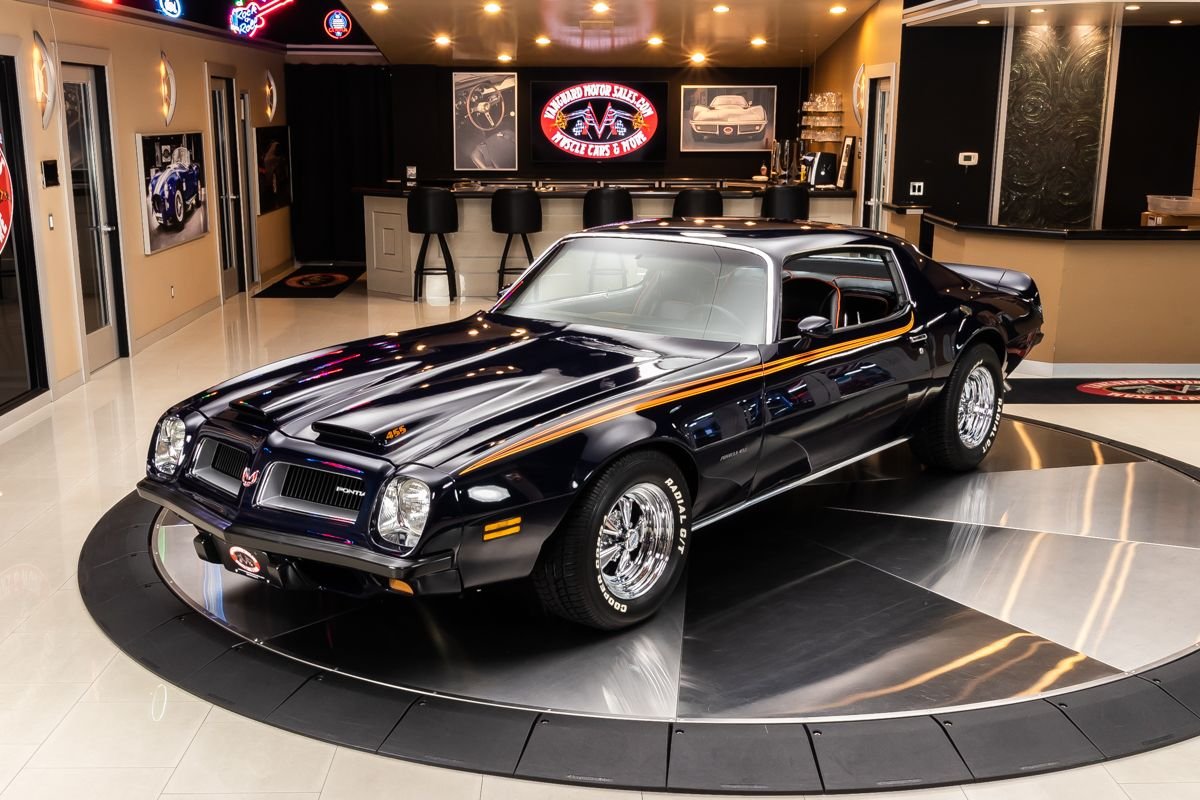
Despite these issues, the Firebird remained popular thanks to its image. Movies and pop culture during the late 1970s boosted its reputation. Many people loved how it looked, even if it was not the fastest car.
Enthusiasts today often prefer earlier Firebird Formula models from the early 1970s. Those versions delivered stronger performance and a more authentic muscle car feel compared to the 1977 model.
The 1977 Firebird Formula represents a time when style sometimes mattered more than speed. It carried a proud name and bold design, but many believe it did not fully live up to the powerful legacy it inherited.
9) Ford Torino Cobra
The Ford Torino Cobra was once known as a serious performance machine. In the late 1960s and early 1970s, it offered powerful big-block V8 engines and strong straight-line speed that impressed muscle car enthusiasts.
By 1976, the story had changed significantly. Emission regulations and fuel economy concerns reduced engine power across the industry. The Torino Cobra still carried a bold name, but its performance was far less exciting.
The 1976 model typically came with smaller V8 engine options compared to earlier years. Horsepower numbers were much lower than the powerful 429 Cobra Jet engines of the past. Acceleration felt slower and less dramatic.
The car also became heavier due to added safety features. Larger bumpers and reinforced structures increased weight. This made the Torino feel less agile and reduced its ability to deliver true muscle car performance.
Styling during this period was more formal and less aggressive. The sharp lines and bold shapes of earlier Torinos were replaced with softer designs. While still stylish, it lacked the intense road presence of older models.
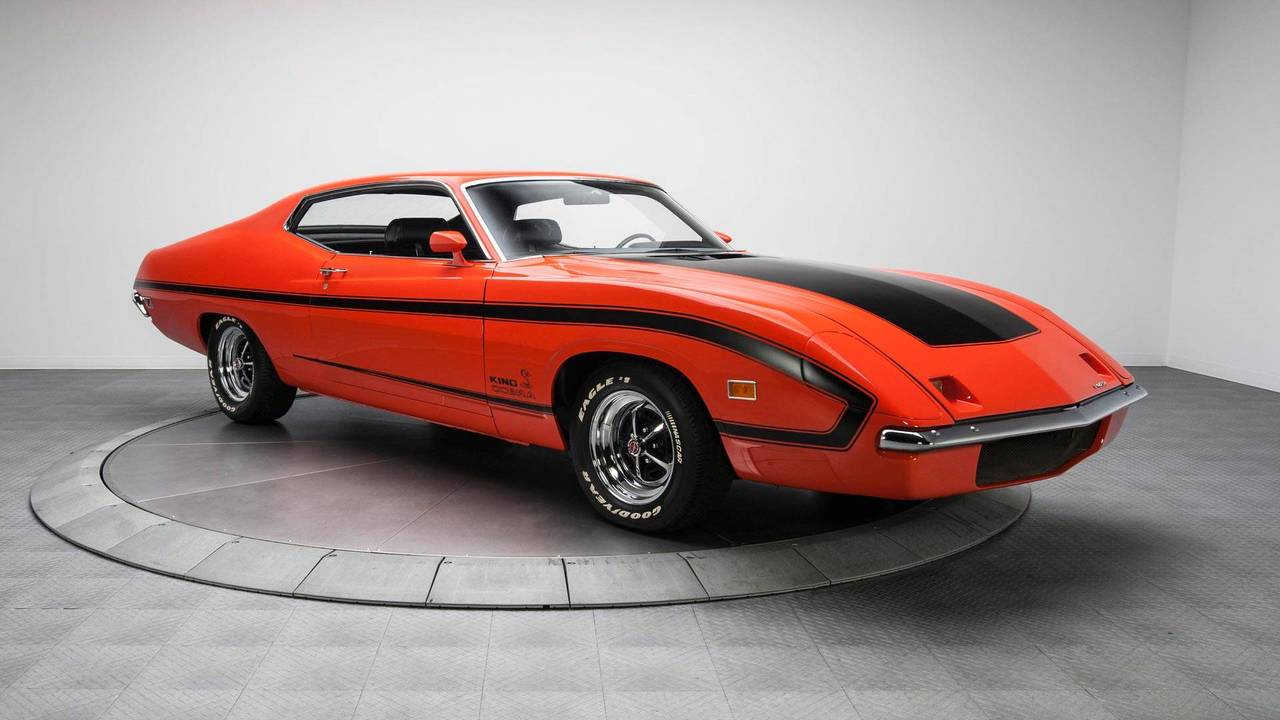
Inside, the Torino focused more on comfort than speed. Softer suspension tuning improved ride quality, making it better for daily driving. However, this comfort-focused setup moved it away from its performance identity.
Insurance costs during the mid-1970s also influenced engine tuning. Manufacturers reduced horsepower to keep premiums manageable for buyers. This further weakened the Torino Cobra’s performance reputation.
Despite these limitations, the Torino still attracted buyers who wanted a stylish and comfortable coupe. It remained a recognizable name, even if it no longer dominated the streets like earlier versions.
Collectors today usually prefer the early 1970s Torino Cobra models. Those versions offered strong engines and true muscle car excitement that better matched the powerful Cobra badge.
The 1976 Ford Torino Cobra shows how changing laws and market conditions reshaped classic muscle cars. While it carried a legendary name, many enthusiasts feel it did not fully justify the performance legacy it once represented.
10) AMC Matador Machine
The AMC Matador Machine was introduced as a performance version of the Matador. American Motors wanted to compete with larger brands in the muscle car market. The Machine package aimed to give the Matador a stronger image.
It featured bold stripes, bright colors, and special badging. From the outside, the car looked aggressive and sporty. AMC clearly wanted buyers to see it as a serious rival to bigger muscle car names.
Under the hood, the Matador Machine offered V8 engine options, including a 360 cubic inch engine. While respectable, it did not always match the raw power of competitors from larger companies like Ford or Chevrolet.
The car was also quite large and heavy. Its size reduced agility and made it feel less nimble than smaller muscle cars. Straight-line performance was decent, but not truly class-leading for its time.
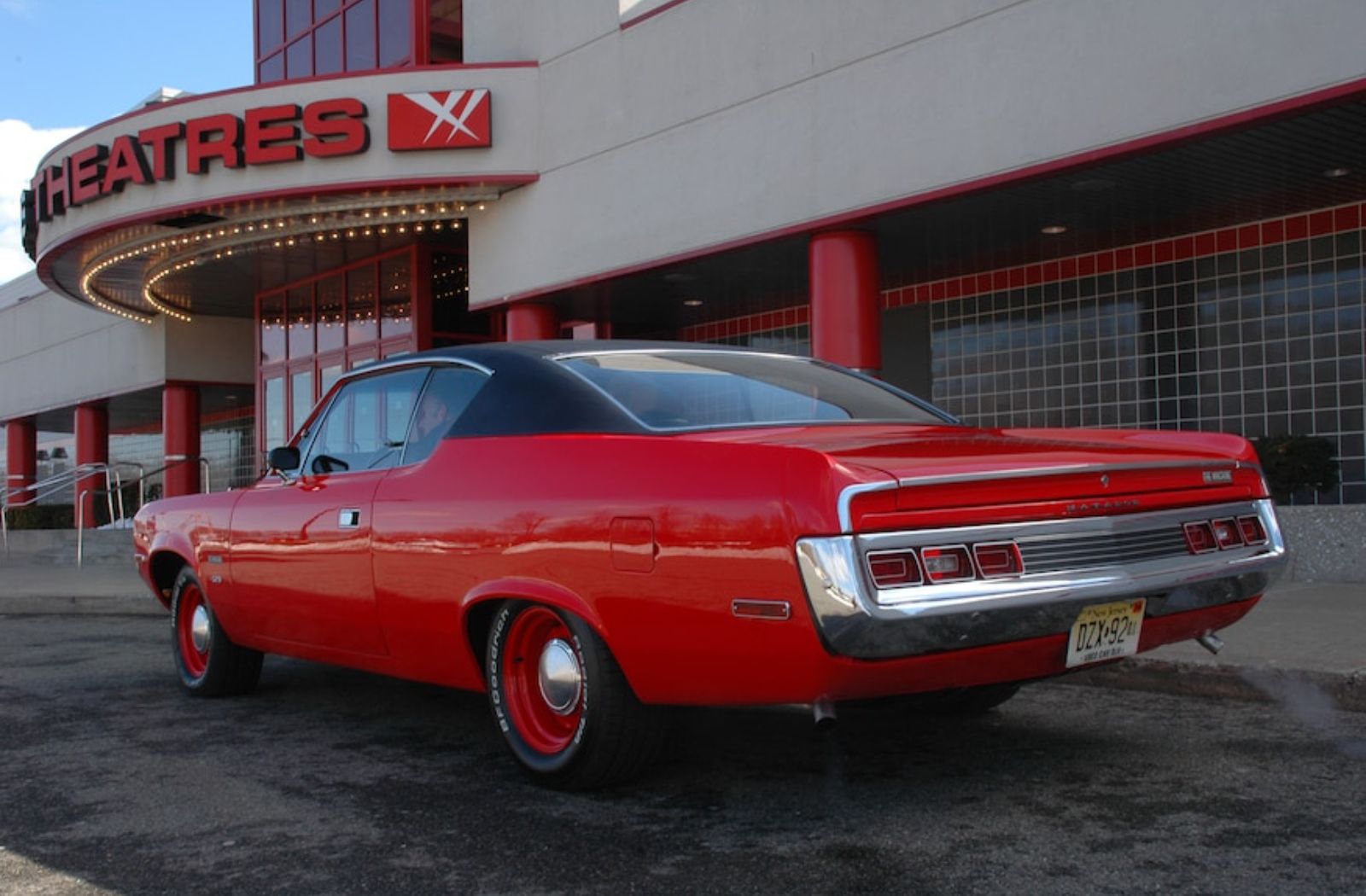
AMC did not have the same performance reputation as bigger brands. Because of this, many buyers overlooked the Matador Machine. It struggled to gain the same respect as more famous muscle car models.
Build quality and interior design were average for the era. While comfortable enough, it did not feel especially premium or advanced. Buyers often compared it directly with stronger, more established competitors.
Marketing also played a role in its limited success. Without a strong racing history or major media presence, the Matador Machine failed to build a lasting performance legacy in the muscle car world.
As emission rules tightened in the early 1970s, performance across the industry began to decline. This further limited the Matador Machine’s potential to stand out in a shrinking high-performance market.
Today, the car is rare and interesting to collectors. However, many enthusiasts believe it never fully justified the hype of being a true muscle car competitor during its time.
The AMC Matador Machine represents ambition during the muscle car era. It had bold styling and respectable power, but it lacked the strong performance impact and reputation needed to truly compete with the legends.