
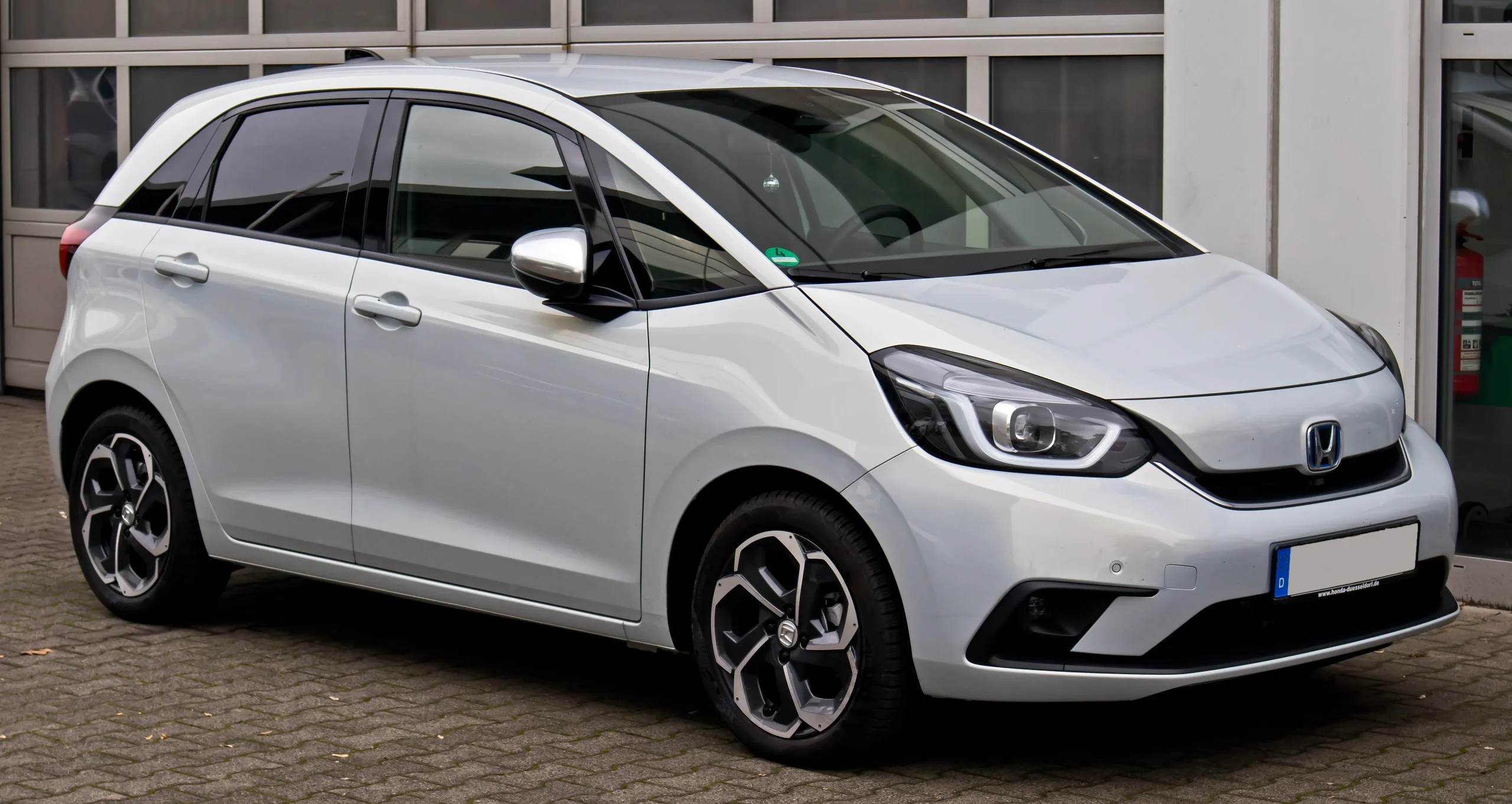
Space perception inside a vehicle often defies expectations. Exterior size gives one impression, yet daily comfort tells a very different story once doors close and seats adjust. Shoppers regularly assume larger bodies guarantee roomy cabins, while compact designs get dismissed as tight or restrictive. Real-world experience proves otherwise.
Smart packaging, seat placement, window design, and dashboard layout shape how open or confined a car feels far more than length measurements on paper. Urban driving, shared households, and changing lifestyles have pushed automakers to rethink interior efficiency.
Designers now focus on how occupants move, stretch, store items, and relax during long trips. This attention has produced small vehicles that surprise first-time drivers with generous legroom, head clearance, and cargo flexibility. A well-designed compact can feel welcoming rather than limiting, even for taller passengers.
This first section focuses on five smaller vehicles that consistently impress drivers with how much space they deliver once inside. Each example shows how thoughtful engineering turns modest footprints into comfortable living spaces. These cars prove that interior comfort does not require oversized exteriors, high fuel bills, or parking challenges.
In the next section, we will flip the discussion, spotlighting larger vehicles that disappoint once occupants settle in. For now, attention stays on compact champions that stretch every inch wisely.
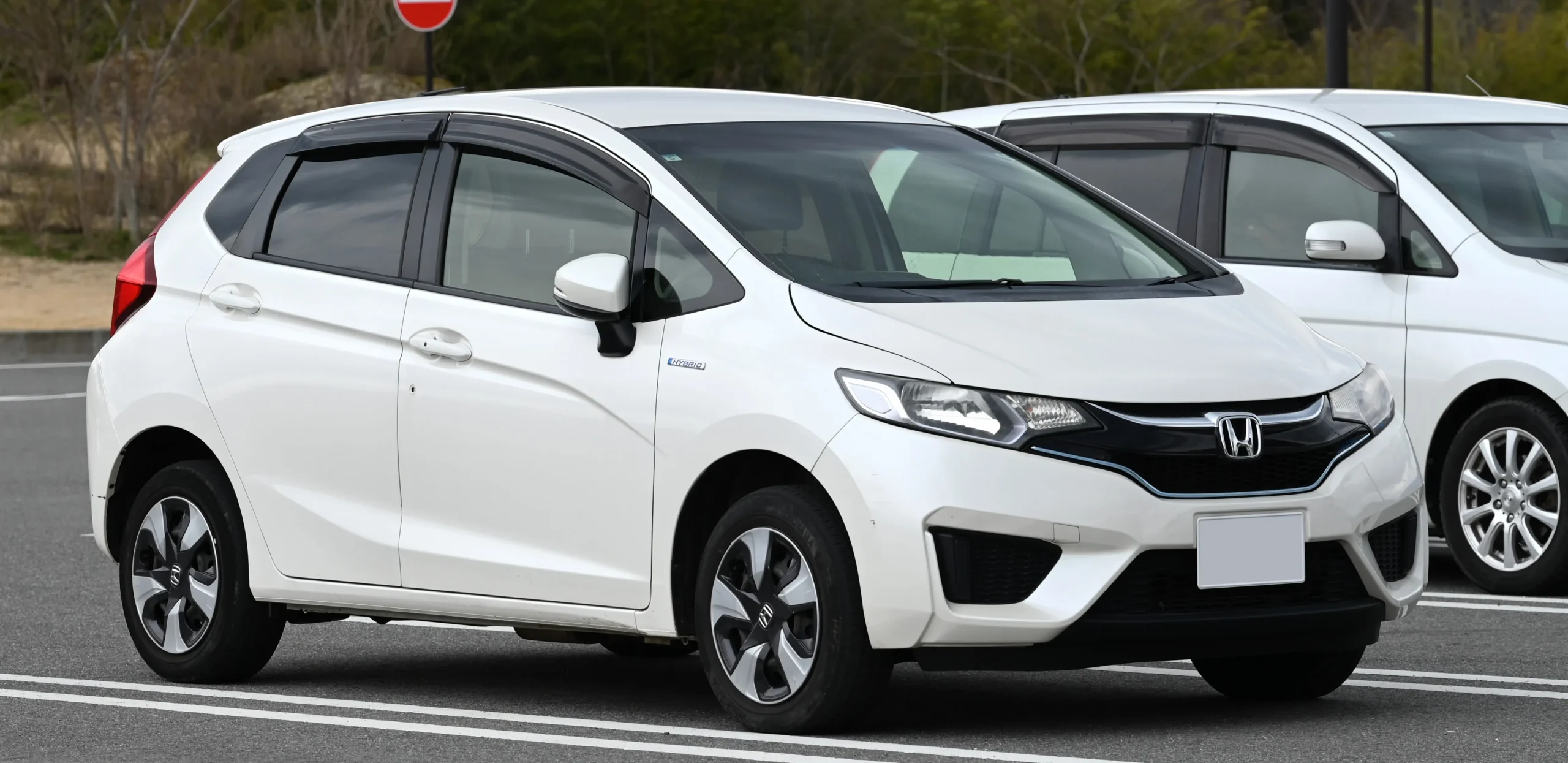
1. Honda Fit Hatchback
Surprise greets most first-time occupants of the Honda Fit Hatchback the moment doors swing open. Despite its short length, this car delivers an interior that feels open, flexible, and thoughtfully arranged. Honda engineers prioritized cabin utility, and that choice defines every inch of the Fit’s design.
Seating position plays a large role. Front seats sit slightly higher than expected, improving outward visibility and freeing foot space underneath. Rear passengers benefit from generous legroom that rivals vehicles a class above. Headroom remains ample even for taller adults, thanks to a tall roofline paired with slim seat bases.
Magic Seat technology transforms how space works. Rear seat cushions fold upward, allowing tall items like bicycles or houseplants to stand upright behind the front seats. Fold them flat instead, and the cargo floor stretches impressively long. This flexibility supports daily errands, weekend trips, and moves without frustration.
Dashboard layout avoids a bulky design. Controls remain compact, the center stack stays slim, and door panels use minimal intrusion. Windows extend generously upward, creating an airy feel that reduces any sense of confinement. Light enters easily, enhancing the perception of the room even on shorter drives.
Storage solutions appear everywhere. Cup holders, door bins, and seatback pockets accommodate daily clutter without crowding passengers. This attention to practical use prevents cabin mess from shrinking perceived space.
Driving reinforces comfort. Suspension tuning absorbs road imperfections, preventing occupants from feeling boxed in by harsh movement. Quiet operation further supports relaxation, allowing the cabin to feel calm rather than cramped.
Honda Fit Hatchback demonstrates how thoughtful packaging reshapes expectations. Its interior feels ready for life rather than limited by size, making it a favorite among drivers who value space without excess exterior bulk.
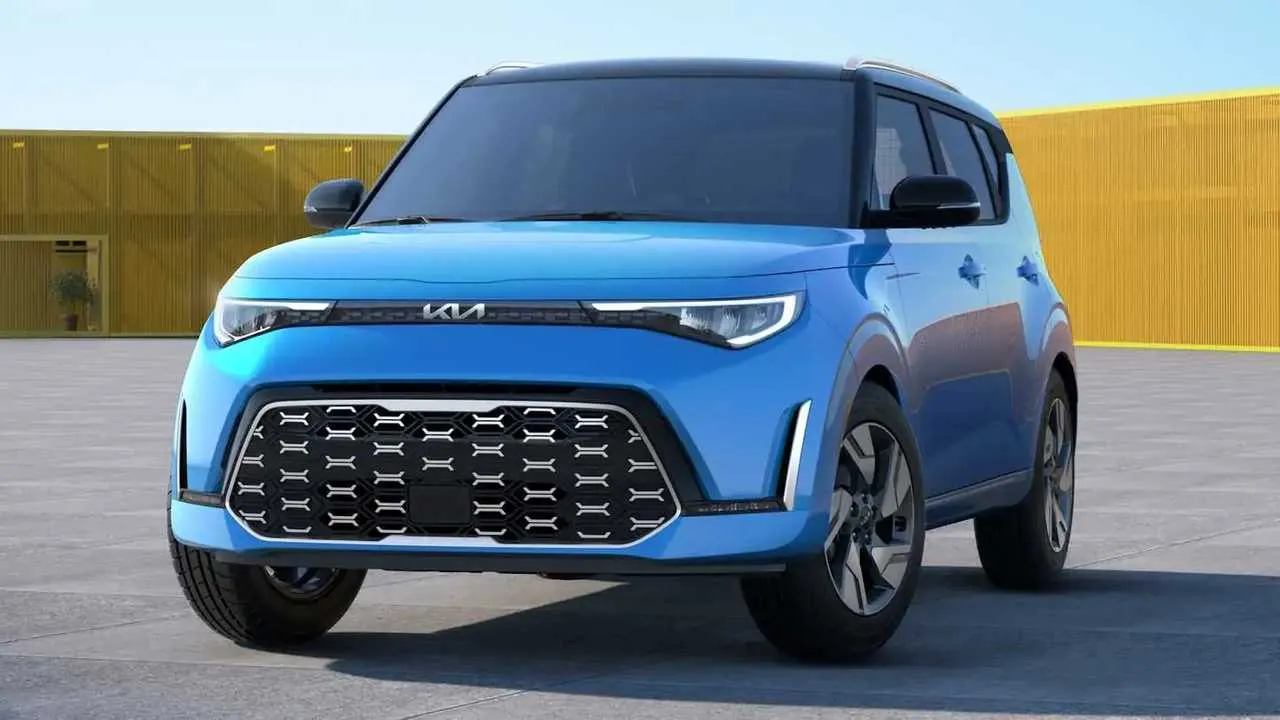
2. Kia Soul Compact Crossover
Boxy shapes often invite jokes, yet the Kia Soul Compact Crossover turns that silhouette into a genuine advantage. Straight rooflines and upright sides allow this small vehicle to deliver interior space that feels honest and accommodating from front to back.
Step inside, and vertical space stands out immediately. Headroom remains generous across both rows, creating comfort for taller passengers who usually struggle in compact cars. Seating height improves visibility and ease of entry, making daily use feel effortless rather than tight.
Rear seating surprises many drivers. Legroom supports adult passengers comfortably, while wide door openings simplify entry and exit. Flat floors further enhance comfort, allowing feet to rest naturally without awkward angles. Cargo capacity benefits from the squared shape.
The load area feels usable rather than shallow, fitting groceries, luggage, or sports gear with ease. Fold the rear seats, and the expanded space supports larger items without complicated rearranging. Interior layout emphasizes simplicity.
Dashboard placement avoids deep protrusions, keeping knee and shoulder space clear. Large windows surround occupants, reducing blind spots and enhancing openness. Materials remain straightforward, yet placement supports durability and comfort.
Ride quality supports the roomy feeling. Stable suspension tuning keeps movement controlled, preventing the cabin from feeling unsettled. Quiet operation during cruising enhances the sense of space by reducing sensory clutter. Kia Soul Compact Crossover proves that smart shape choices matter.
Instead of chasing sleek lines, designers focused on human comfort. The result feels welcoming, flexible, and easy to live with despite its compact footprint.
Also Read: 8 Vehicles With Generous Headroom and Legroom for Tall Drivers
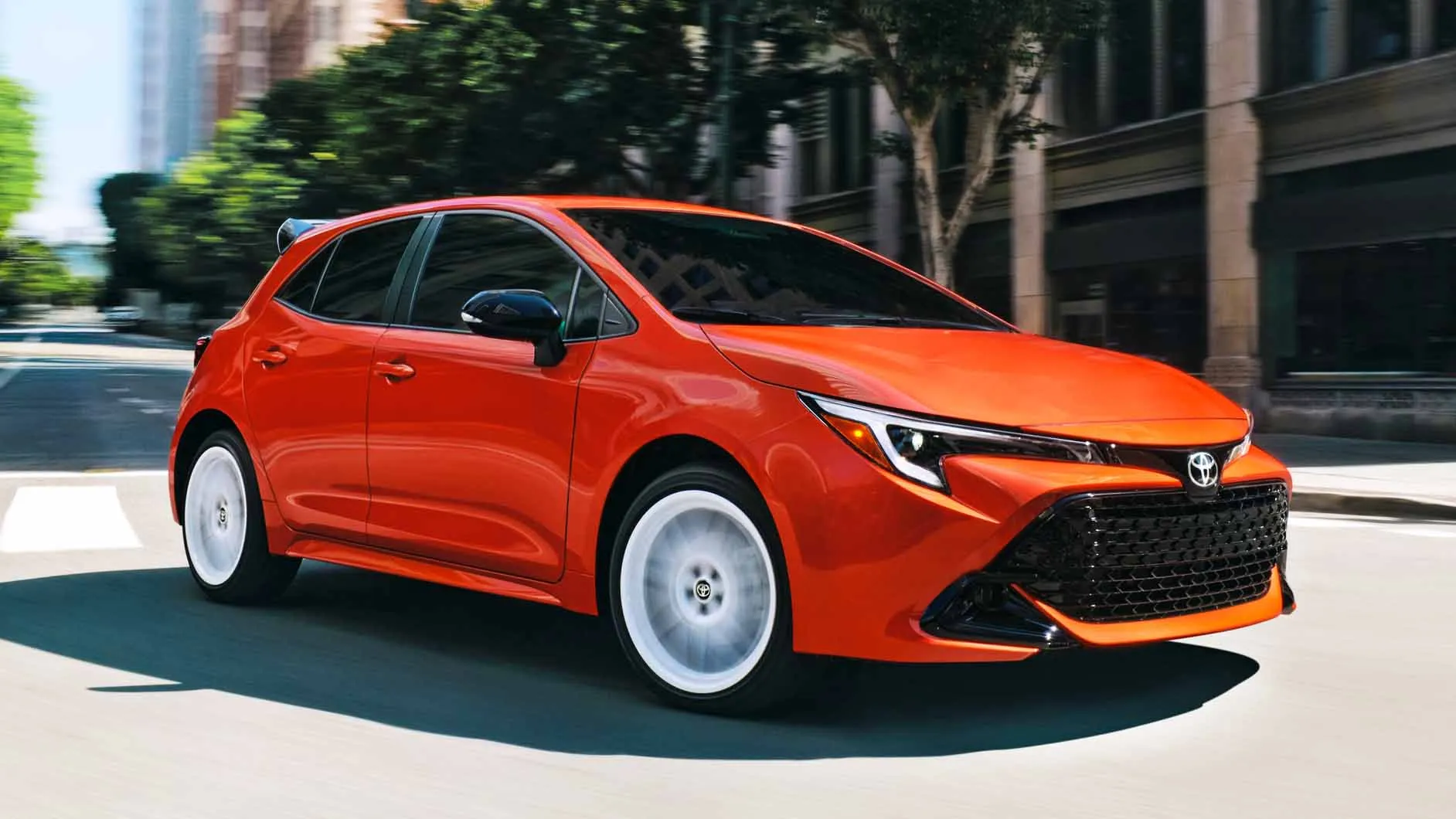
3. Toyota Corolla Hatchback
Many drivers assume a hatchback automatically means tight quarters, yet the Toyota Corolla Hatchback challenges that belief once the doors close. Toyota approached this model with a focus on how occupants experience space rather than relying only on measurements, and that decision reshapes daily comfort in noticeable ways.
Front seating sets the tone immediately. The dashboard sits low and stretches outward instead of rising vertically, which opens the forward view and prevents the cabin from feeling compressed. Windshield placement feels well judged, while slim roof pillars allow light to spread across the interior. These choices reduce any boxed feeling and help drivers feel settled rather than enclosed.
Seat design plays a large role in the perceived room. The front seats provide proper thigh support without excessive padding that would steal legroom. Adjustability allows drivers of varying heights to find a relaxed posture without knees pressing into the center console. Controls remain close enough for convenience yet never intrude into personal space.
Rear seating performs better than expected for a vehicle of this size. Adults can sit comfortably for everyday travel, with legroom that supports normal posture rather than forcing knees upward. Head clearance benefits from smart seat shaping that lowers cushion height slightly, preserving comfort without sacrificing support. Rear doors open wide, which simplifies entry and exit and avoids awkward movements.
Cargo space supports daily routines with ease. While not oversized, the load area uses its shape effectively. Depth allows suitcases or grocery bags to sit securely, while height accommodates bulkier items. Folding the rear seats produces a flat surface suitable for travel gear, small furniture, or longer loads without frustration.
Interior layout reinforces the sense of balance. Materials feel clean and purposeful, avoiding thick panels that waste space. The center console stays slim, preserving shoulder room for both front occupants. Door panels curve outward gently, adding elbow space where it matters most during longer drives.
Noise management contributes quietly to comfort. Road and tire sounds remain subdued, helping the cabin feel calmer during extended use. Suspension tuning absorbs everyday bumps smoothly, preventing jarring motion that could make the space feel smaller.
The Toyota Corolla Hatchback demonstrates how thoughtful proportions and interior planning can transform expectations. It delivers a cabin that feels intentional, comfortable, and well-suited for daily living without relying on size alone.
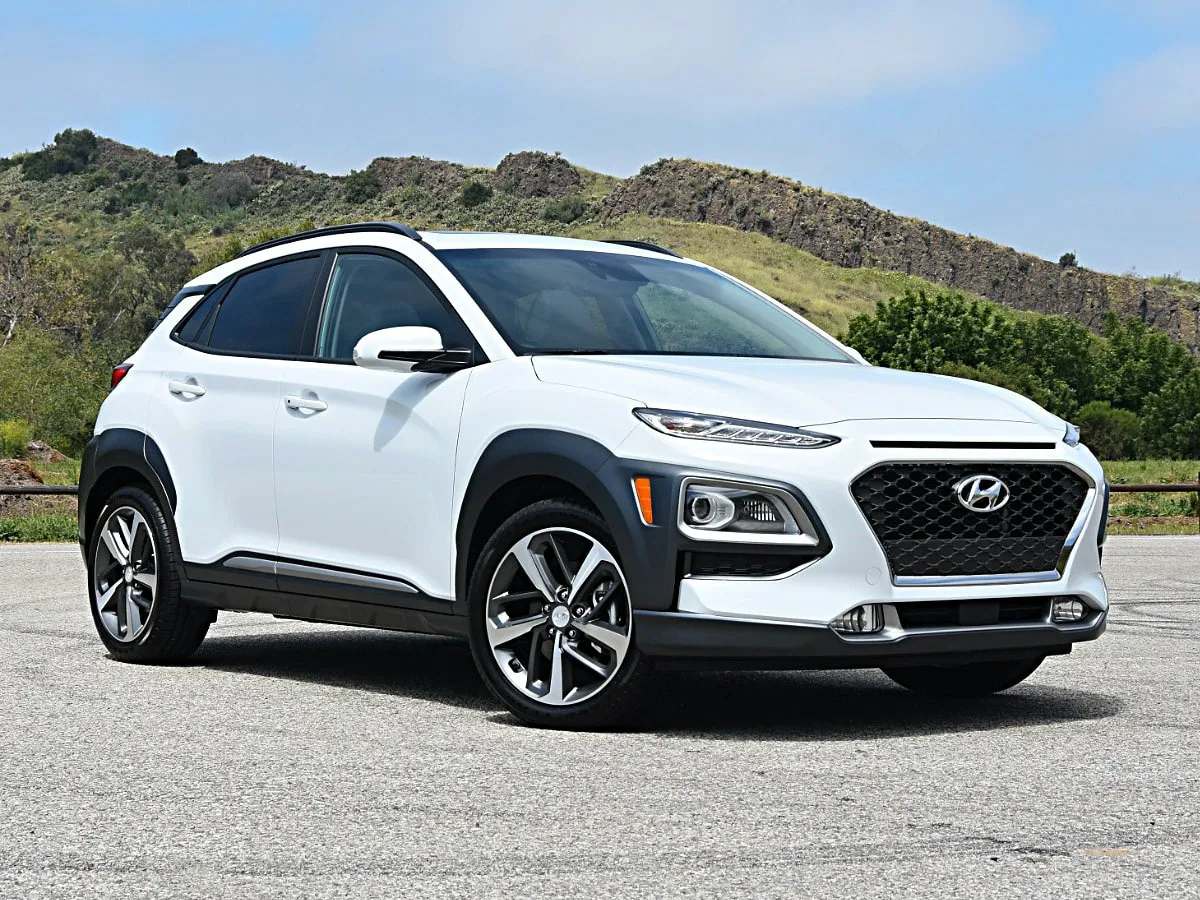
4. Hyundai Kona Compact SUV
Bold styling often draws attention first, yet the Hyundai Kona reveals its true strength after stepping inside. Despite its short exterior length, the cabin accommodates occupants with ease through smart layout decisions and efficient use of available space.
Front seating feels supportive and open from the start. The seating position offers clear sightlines without placing the driver too high or too low. Legroom remains generous for the class, and shoulder space avoids the narrow feel common in smaller SUVs. Dashboard placement stays respectful of knee clearance, allowing relaxed posture during long drives.
Seat cushioning strikes a comfortable balance. It supports the body without adding unnecessary bulk that could crowd the cabin. Steering wheel reach and pedal alignment encourage a natural driving stance, helping occupants feel settled rather than squeezed.
Rear seating proves practical for regular use. Adults can sit comfortably on daily trips, aided by efficient spacing between rows. Knee clearance stays reasonable, even when front seats are adjusted for taller drivers. Head clearance benefits from a roofline that remains upright rather than tapering sharply, preserving comfort for rear passengers.
Cargo capacity meets everyday demands without compromise. Grocery runs, backpacks, and weekend luggage fit without effort. The load floor remains accessible, making lifting items straightforward. Folding the rear seats expands the usable area quickly, supporting flexible needs without complicated steps.
Cabin design emphasizes clarity and ease. Controls follow intuitive placement, screens integrate smoothly into the dashboard, and storage areas feel thoughtfully arranged. Door pockets, center bins, and cup holders help manage clutter, maintaining an open and organized atmosphere.
Driving comfort reinforces positive impressions. Stable handling keeps body movement controlled, while suspension tuning absorbs uneven surfaces smoothly. Passengers remain relaxed, and the cabin avoids the unsettled feel that can make smaller interiors feel restrictive.
The Hyundai Kona Compact SUV shows how intelligent design transforms modest exterior size into comfortable interior living. Its cabin feels welcoming, practical, and well-suited for modern routines without demanding excess space.
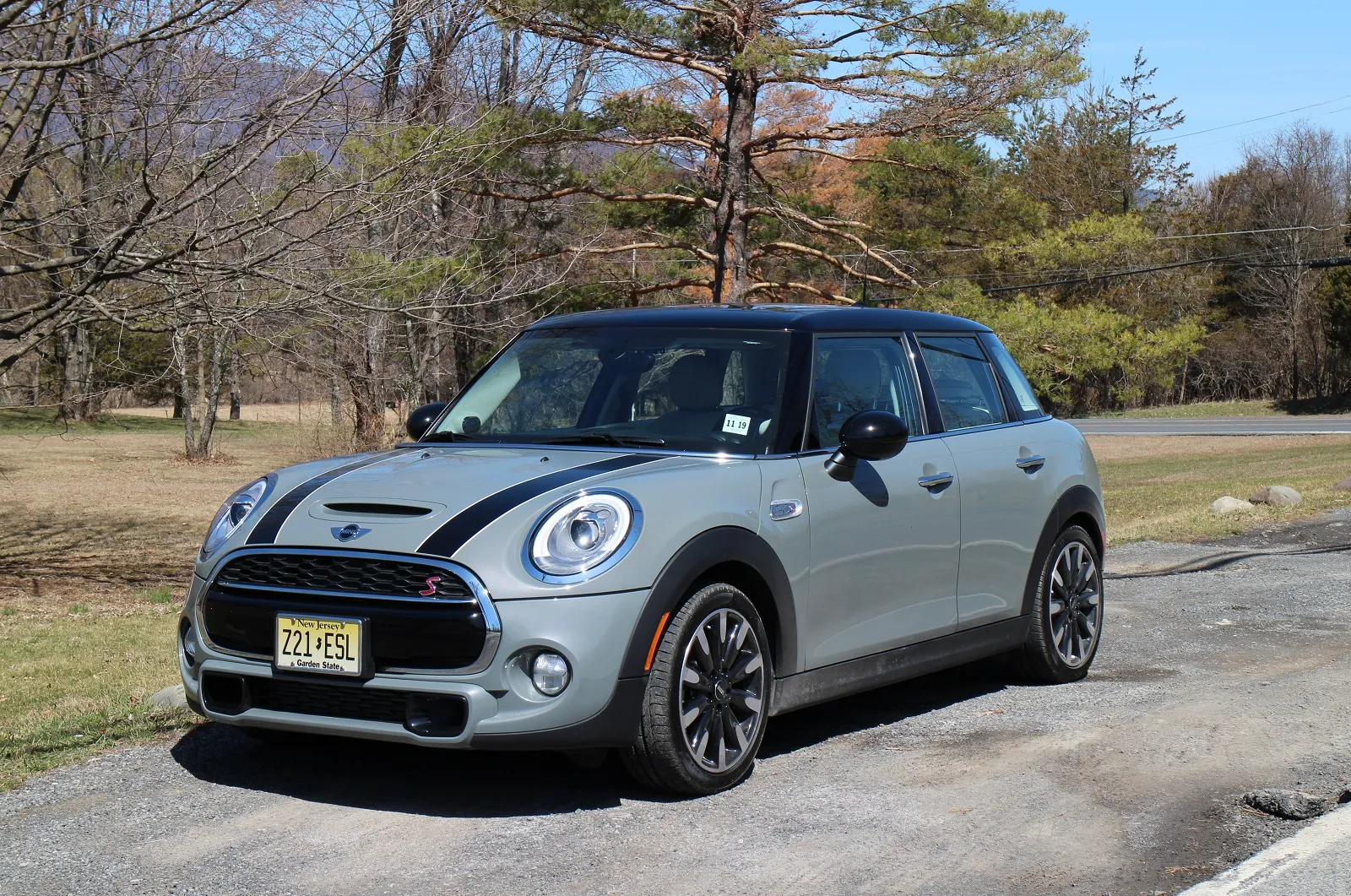
5. Mini Cooper Hardtop Four Door
Distinct styling often overshadows practicality, yet the Mini Cooper Hardtop Four Door surprises with how effectively it uses limited dimensions. While the exterior remains tight, interior packaging stretches every available inch to support daily comfort.
Front seating delivers unexpected generosity. Legroom allows drivers and passengers to stretch comfortably, while head clearance suits a wide range of heights. Thin seatbacks preserve rear passenger space without reducing front seat support. Steering wheel and pedal placement encourage a relaxed posture that feels natural rather than cramped.
Rear seating improves markedly compared to two-door versions. Adults fit comfortably for everyday trips, supported by clever seat contouring that maximizes knee and foot space. Door access simplifies entry, and the upright roof profile maintains acceptable head clearance without forcing awkward seating angles.
Cargo space reflects creative organization. While smaller than traditional hatchbacks, the usable area supports shopping bags, backpacks, and short travel needs. Depth proves practical, and folding the rear seats expands possibilities without complicated mechanisms or heavy lifting.
Interior styling plays an important psychological role. Large circular design elements break up straight lines, making the cabin feel wider. Expansive windows allow light to flow through the space, reducing any closed feeling. Bright trim options and lighter materials further enhance openness.
Storage solutions appear in thoughtful locations. Small compartments, door bins, and under-floor areas help keep personal items organized, preventing clutter from shrinking the perceived room. Driving experience complements interior comfort. Agile handling and responsive steering create confidence, helping occupants feel engaged rather than restricted. Smooth motion and controlled feedback prevent fatigue during daily use.
The Mini Cooper Hardtop Four Door proves that careful design and personality can coexist with genuine comfort. It offers compact dimensions without sacrificing interior livability, making it a practical choice for drivers who value efficiency without feeling constrained.
5 Big Cars with Cramped Interiors
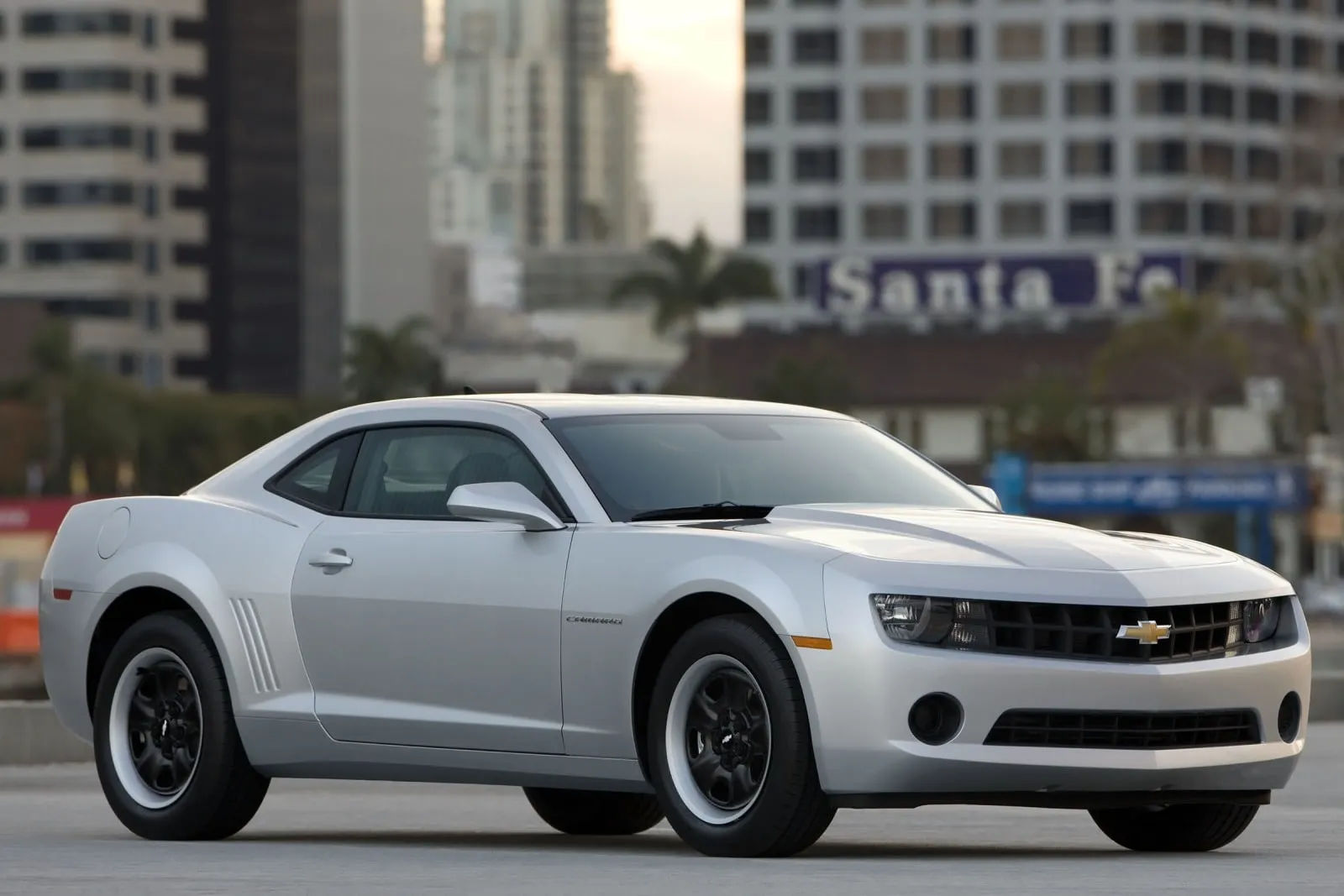
1. Chevrolet Camaro Coupe
Size promises often fall apart once doors close, and the Chevrolet Camaro Coupe illustrates that reality clearly. Broad shoulders, long hood proportions, and muscular stance suggest a roomy cabin, yet occupants quickly notice how styling priorities reshape interior comfort. Design focus leans heavily toward exterior drama, leaving interior space compromised in multiple areas.
The seating position sits low, which may appeal to driving purists but reduces head clearance for taller occupants. Thick roof pillars and a shallow windshield frame restrict outward visibility, creating a boxed sensation that persists during daily driving. Side windows appear narrow, limiting natural light and adding to the enclosed feel.
Rear seating remains the largest disappointment. Access proves awkward due to long doors and tight entry angles. Once seated, legroom barely supports short trips, and headroom limits use for anyone beyond child size. Rear seats often serve more as storage shelves than passenger accommodations.
The front cabin width also feels tighter than expected. Center console height intrudes into knee space, while dashboard depth pulls controls closer to occupants. Shoulder room suffers as door panels curve inward aggressively, prioritizing exterior form over interior comfort.
Cargo space follows the same pattern. Trunk opening appears wide, yet internal shaping reduces usable depth. Loading larger items becomes challenging due to limited vertical clearance and narrow access points. Driving experience does not fully compensate for these compromises.
While handling feels engaging, long drives magnify discomfort caused by tight seating and limited movement. Noise levels also remain higher, increasing fatigue during extended use. Chevrolet Camaro Coupe delivers visual impact and performance heritage, yet interior livability tells a different story. Buyers expecting spacious comfort from its size often leave surprised by how confined daily use feels.
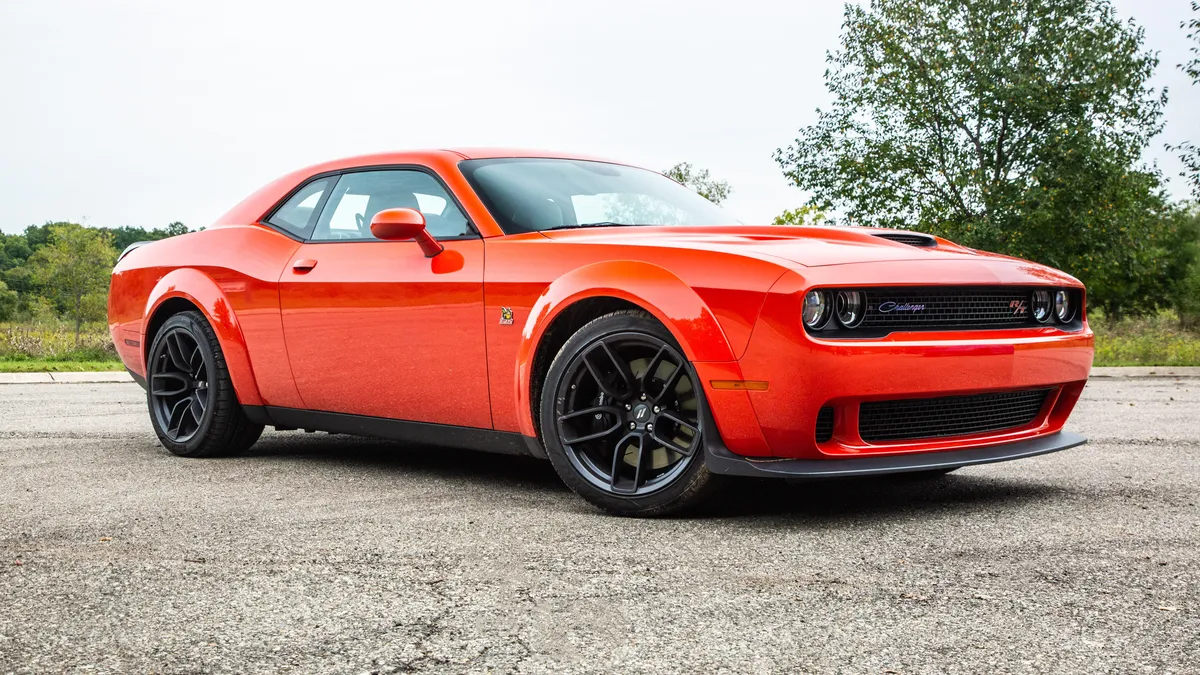
2. Dodge Challenger Coupe
Retro styling brings presence, yet the Dodge Challenger Coupe struggles to translate its broad exterior into generous interior comfort. Long doors and wide body panels suggest abundant space, but cabin design choices limit how that space serves occupants.
Front seating feels wide initially, though high beltlines reduce window area and shrink perceived openness. Dashboard height rises noticeably, pulling visual focus inward rather than outward. Seating position emphasizes a laid-back posture that limits adjustment flexibility for different body types.
Rear seating appears more usable than some rivals, yet comfort remains limited. Legroom accommodates short trips, though knee clearance tightens quickly with taller front occupants. Headroom drops due to roof curvature, making extended rear seating uncomfortable for adults.
Interior width does not fully translate to usable room. Door panels push inward, reducing elbow space. Center console bulk adds to the confined sensation, particularly for drivers with longer legs. Storage areas exist, yet placement feels awkward rather than intuitive.
Trunk size measures large on paper, though loading practical items reveals challenges. Narrow opening height and deep floor placement complicate access. Everyday cargo fits, yet versatility falls short of expectations set by the car’s footprint. Driving character emphasizes straight line confidence, yet cabin comfort limits long-distance enjoyment.
Road noise and vibration seep inside, reminding occupants that performance image often outweighed comfort goals during development. Dodge Challenger Coupe delivers unmistakable presence, yet interior execution leaves buyers wishing for space matched exterior confidence. For drivers valuing comfort alongside size, this cabin may feel unexpectedly tight.
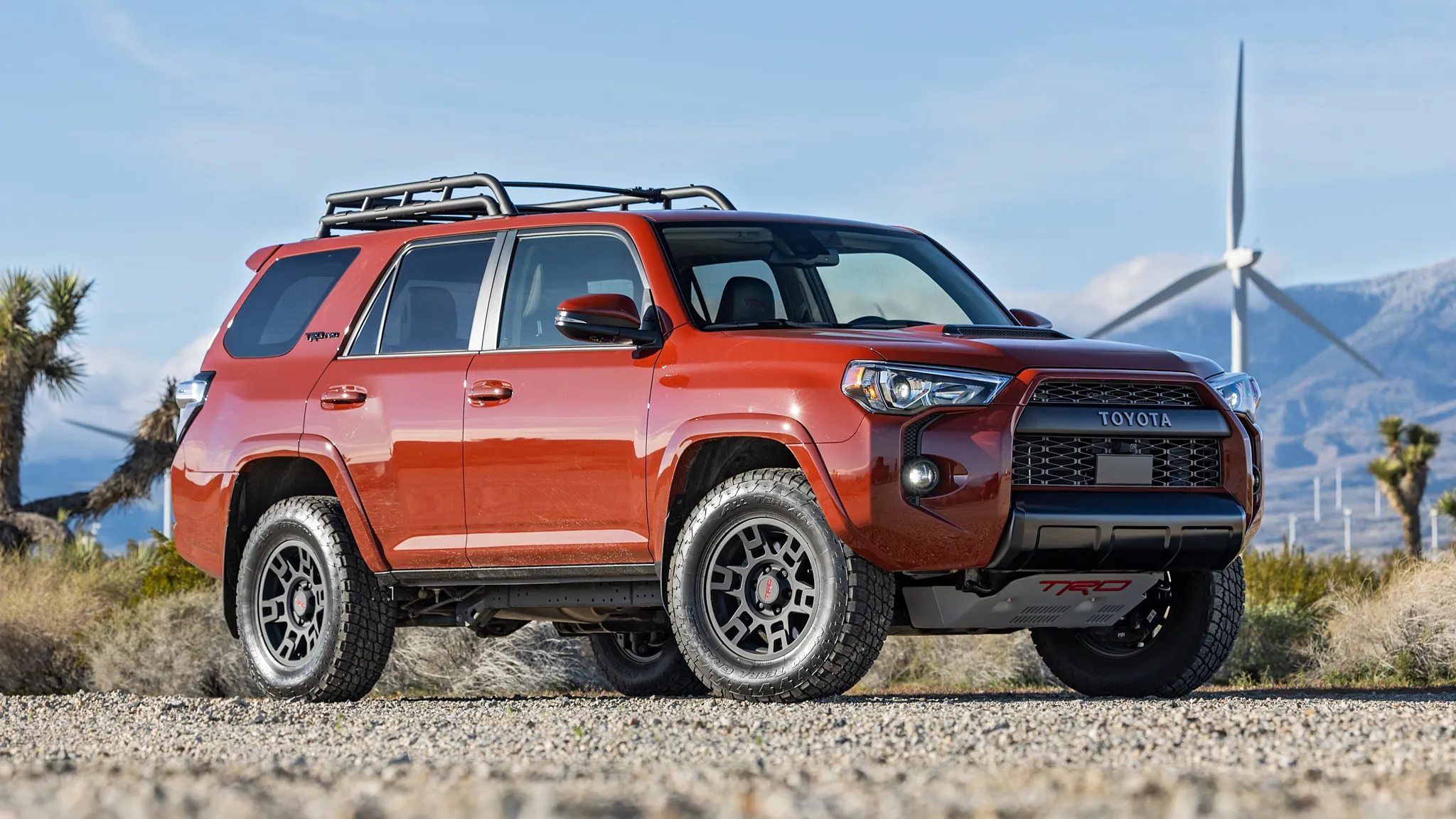
3. Toyota 4Runner SUV
Utility expectations rise with height and length, yet the Toyota 4Runner SUV presents a cabin that feels more restrictive than anticipated. Rugged design priorities shape the interior, often at the expense of passenger comfort and efficient space use. Front seating offers commanding views, though the dashboard bulk reduces leg extension.
Center stack depth pushes controls closer, limiting knee clearance. Door panels remain thick, trimming usable width despite the vehicle’s broad stance. Second row seating fails to impress. Legroom trails expectations, especially when front seats slide rearward.
Cushion height remains low, affecting thigh support for adults. Window placement also limits outward visibility, creating a closed feeling during longer drives. Third row availability adds appeal, yet execution disappoints.
Access proves awkward, and the seating position remains tight. Head clearance restricts use to children or short trips, reducing practical value for families. Cargo space appears generous, though interior shaping limits flexibility. High load floors complicate lifting heavier items, and side wall intrusions reduce usable width. Folding seats improve capacity, yet flatness remains imperfect.
Driving comfort emphasizes durability over refinement. Suspension tuning supports off-road use, though it transmits road imperfections during daily driving. Noise isolation lags behind modern expectations, contributing to cabin fatigue. Toyota 4Runner SUV excels in rugged reliability, yet interior space efficiency lags behind exterior promise. Buyers expecting spacious comfort may find the cabin feels tighter than anticipated for its size.

4. Jeep Wrangler Unlimited
Adventure-focused design shapes nearly every aspect of the Jeep Wrangler Unlimited, and that philosophy shows clearly once seated inside. Rugged image suggests abundant room, yet lived-in experience tells a more restrained story influenced heavily by trail readiness rather than passenger comfort.
Front seating establishes expectations early. Upright posture places the driver high, which helps with visibility on uneven paths, yet cabin width limits shoulder freedom. Elbows sit closer than expected, especially with doors installed.
Dashboard depth adds to the sense of enclosure, pushing seating slightly rearward and limiting leg extension. Windshield angle stays nearly vertical, reinforcing a utilitarian feel while reducing the sense of openness common in more road-focused SUVs.
Seat padding favors durability instead of long-distance ease. Cushions feel firm and flat, designed to withstand dirt and moisture rather than cradle occupants. The adjustment range allows basic positioning, though taller drivers may wish for greater steering wheel reach.
Control layout emphasizes function, with chunky switches and knobs that feel sturdy but visually crowd the dash area. Rear seating serves a purpose rather than comfort. Legroom supports short trips adequately, though seat depth feels shallow for adults. Knees sit higher than ideal, reducing relaxation during extended drives.
Window placement sits higher on the door, limiting outward view and contributing to a boxed sensation even with generous head clearance. Removable roof panels help introduce light, yet the structural frame remains visually dominant.
Cargo space reflects trail priorities. Tall load floor clears suspension components, but makes loading heavier items awkward. The width between wheel arches restricts bulky cargo, and grocery bags tend to move during travel. Folding the rear seats increases capacity, though the resulting surface lacks uniformity due to upright seatbacks and squared interior contours.
Noise presence defines daily driving. Road and wind sounds enter freely, especially at highway speeds, reinforcing the vehicle’s rugged identity. Long drives reveal fatigue caused by constant sound and limited ability to change posture. Suspension tuning, while excellent off pavement, transfers more movement into the cabin during regular commuting.
Jeep Wrangler Unlimited delivers unmatched outdoor capability and visual presence. Interior space usage, however, prioritizes durability and trail function, leaving daily comfort behind expectations suggested by its size.
Also Read: 8 Vehicles With Easy Entry and Exit for Seniors With Mobility Issues
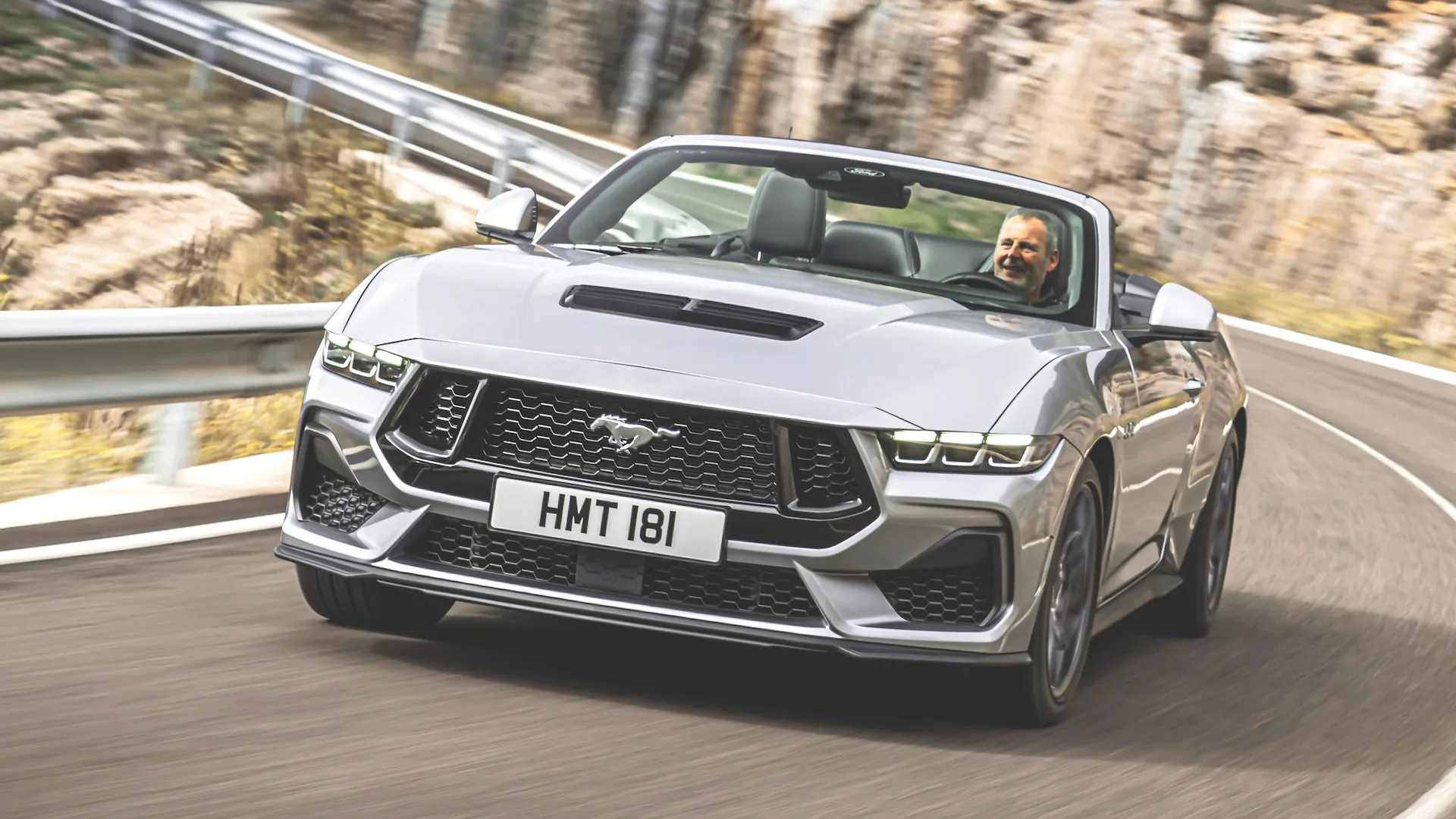
5. Ford Mustang Convertible
Visual presence defines the Ford Mustang Convertible, and first impressions promise freedom and space to match the long hood and wide stance. Seating experience reveals a different reality shaped by performance focus and open top engineering.
Front seats sit low within the body, creating a sporty posture that appeals to enthusiasts yet limits head clearance once the roof is raised. Taller occupants may notice hair brushing the headliner. Windshield pillars appear thick from inside, narrowing the forward view and adding to the cockpit-style enclosure.
Dashboard height reinforces this sensation, placing controls close and reducing open space around the knees. Seat bolstering holds occupants firmly during spirited driving, though firmness becomes noticeable during longer trips.
Adjustment options allow drivers to find a precise driving position, yet lateral movement remains restricted. Center console width pushes inward, further tightening shoulder room for both front passengers. Rear seating functions more as an occasional option.
Entry requires careful movement, especially with the roof in place. Space suits children or short adult trips, though legroom and head clearance limit comfort quickly. Seatbacks stand upright, and foot space narrows due to front seat positioning, reducing usability for everyday passenger transport.
Trunk space faces challenges unique to convertibles. Roof storage mechanisms occupy valuable volume, shrinking cargo capacity compared to hardtop versions. The opening width narrows, complicating the loading of larger items. Grocery runs and weekend luggage require planning rather than casual loading.
Driving pleasure remains the Mustang’s strength. Steering response and acceleration deliver excitement, yet comfort compromises grow during extended use. Wind noise increases at highway speeds, even with the roof secured. Seat firmness combined with limited movement options can increase fatigue as time goes on.
Ford Mustang Convertible delivers iconic style and engaging performance. Interior packaging, however, reflects its priorities clearly. Buyers expecting interior comfort that matches exterior presence may find the cabin feels tighter than anticipated during daily use.
