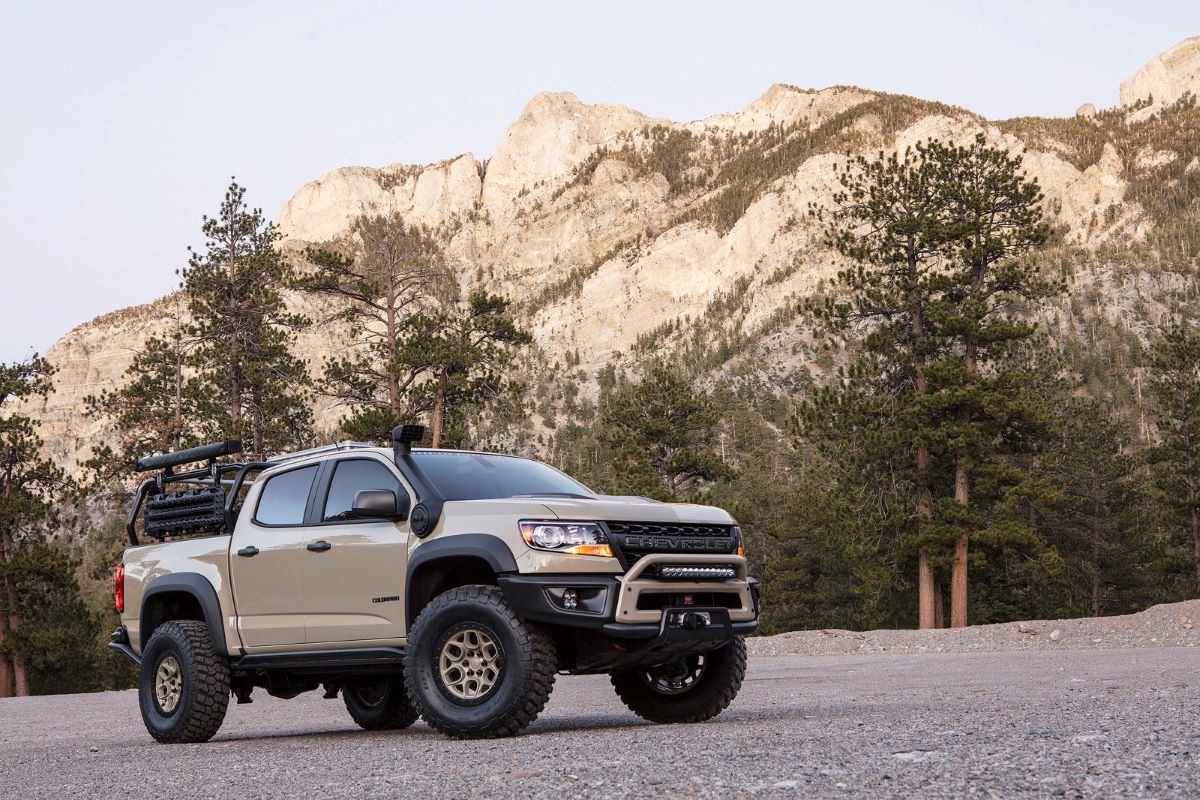
Pickup trucks dominate the American vehicle landscape for a reason. They are tools, status symbols, family haulers, and weekend adventure rigs rolled into one.
But when pavement ends and terrain turns hostile, one component matters more than horsepower, torque figures, or touchscreen size: suspension durability.
In the United States, where off-road use ranges from desert running in Arizona to snow-choked forest roads in Montana, a truck’s stock suspension must handle washboard trails, articulation demands, payload stress, and long-term abuse without immediately requiring aftermarket intervention.
Manufacturers market “off-road packages” aggressively, but not all factory setups are created equal. Some trucks leave the showroom with shock absorbers, springs, geometry, and underbody protection robust enough to survive years of hard use.
Others, despite strong branding, quickly reveal limitations such as soft damping, insufficient travel, or overheating shocks under repeated impacts.
Below are five off-road trucks with durable stock suspensions that hold up under serious use, followed by five that typically benefit from immediate upgrades for demanding terrain.
Off-Road Trucks With Durable Stock Suspensions
Durable stock suspension isn’t just about articulation or ground clearance. It involves shock longevity under repeated compression, bushing strength, consistent damping over extended heat cycles, and structural components that resist bending under load.
A well-designed factory suspension also maintains ride quality and stability during daily driving, ensuring the truck remains practical for commuting, towing, and hauling.
This article examines off-road trucks that stand out for the strength and reliability of their factory suspension systems. These are models engineered to handle challenging terrain directly from the dealership lot, offering confidence for buyers who want real capability without immediate modification.
For drivers who prioritize durability and long-term performance over marketing hype, these trucks represent the strongest starting points in today’s market.
1. Ford F-150 Raptor
The Ford F-150 Raptor is engineered from inception for high-speed desert durability. Unlike standard F-150 trims with mild off-road add-ons, the Raptor features long-travel suspension, reinforced control arms, and FOX internal bypass shocks (with Live Valve technology on newer models).
These shocks actively adjust damping in real time, mitigating bottom-out events and maintaining control at speed. Crucially, the Raptor’s suspension geometry is purpose-built rather than modified from a street-biased configuration.
Wider track width, reinforced mounting points, and heavy-duty components allow it to endure repetitive impacts without premature shock fade or bushing failure.
For most owners, stock components are more than adequate unless pursuing competitive desert racing.
The Ford F-150 Raptor is engineered as a purpose-built high-speed desert runner rather than a conventional full-size pickup with cosmetic off-road upgrades. Its performance credentials begin with a high-output twin-turbocharged V6 delivering strong midrange torque and rapid throttle response.
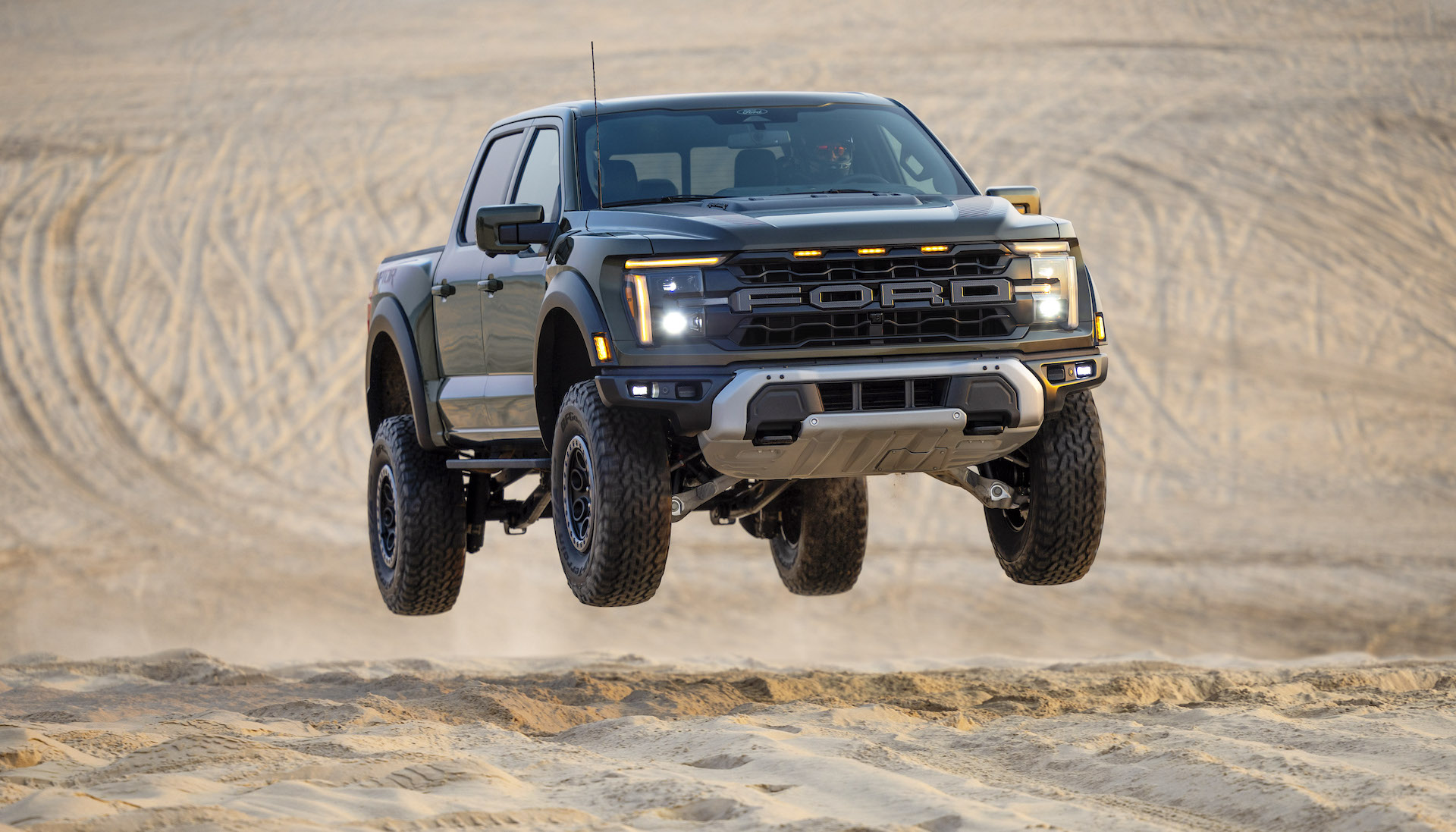
Acceleration is forceful for a truck of its size, and the advanced 10-speed automatic transmission keeps the engine within its optimal power band under both hard acceleration and crawling scenarios. What truly defines the Raptor, however, is its long-travel suspension system featuring sophisticated internal-bypass dampers.
These components allow it to absorb high-speed impacts, deep ruts, and uneven terrain without losing composure. Reinforced control arms, a widened track, and specialized terrain management modes further enhance capability across sand, mud, and rock.
Despite its aggressive off-road focus, comfort remains surprisingly refined. The cabin is well insulated from wind and road noise, even with large all-terrain tires fitted. The suspension, while tuned for durability and articulation, maintains controlled on-road behavior, preventing excessive bounce or harshness during daily driving.
Seats are supportive and available with premium materials, heating, and ventilation, making long highway journeys manageable despite the truck’s rugged intent. Rear-seat space is generous in SuperCrew configurations, reinforcing its dual-purpose usability.
Design plays a central role in the Raptor’s identity. Its flared fenders, bold grille, skid plates, and elevated stance create an unmistakably muscular presence. Functional elements such as front tow hooks, aggressive approach angles, and reinforced underbody protection signal genuine purpose rather than styling theatrics.
2. Toyota Tacoma TRD Pro
The Toyota Tacoma TRD Pro has built its reputation on reliability and conservative engineering. The TRD Pro trim incorporates FOX shocks tuned specifically for trail compliance and durability.
While it does not match the Raptor in high-speed desert capability, it excels in slow-to-moderate technical terrain.
The Tacoma’s body-on-frame construction, proven rear leaf spring setup, and carefully tuned dampers give it predictable articulation and resilience.
Many American overlanders run TRD Pros for tens of thousands of trail miles without upgrading suspension components, which speaks to factory-level durability.
The Toyota Tacoma TRD Pro is engineered as a factory-built trail specialist, combining proven durability with carefully selected off-road hardware. Unlike appearance-focused trims, the TRD Pro is tuned for genuine backcountry capability straight from the dealership.
Performance centers on a responsive turbocharged powertrain that delivers strong low-end torque, which is critical for crawling and controlled throttle modulation on uneven terrain. Power delivery is smooth and predictable, helping maintain traction over rocks and loose surfaces.
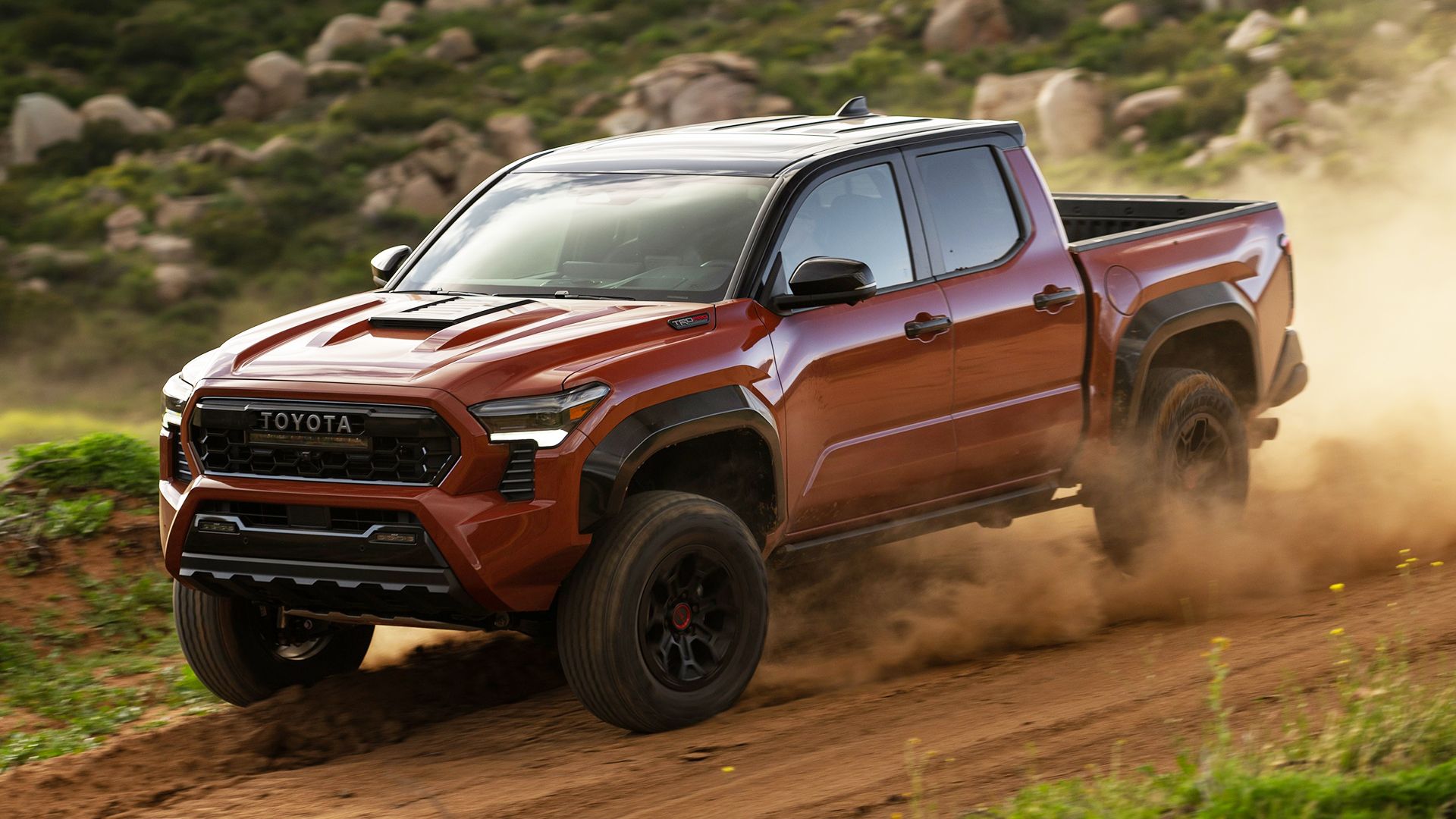
The suspension system is the highlight, featuring upgraded dampers specifically calibrated for off-road articulation and impact absorption. Increased wheel travel, reinforced control arms, and a lifted stance allow the truck to handle deep ruts and abrupt compressions with stability.
Electronic aids such as crawl control and selectable terrain modes further enhance traction management in challenging environments. Steering is precise for a body-on-frame midsize truck, and braking performance remains consistent even when descending steep grades.
Comfort has improved significantly compared to earlier generations. The cabin feels more refined, with improved sound insulation and supportive, bolstered seating designed for extended drives. While the suspension is tuned for trail work, it maintains reasonable compliance on pavement, avoiding excessive harshness during daily commuting.
Design reinforces its rugged intent. The exterior features an aggressive front fascia, heritage-inspired grille, skid plates, and distinctive off-road tires that communicate purpose. Functional details such as high ground clearance and protective underbody components are integrated cleanly into the aesthetic.
Inside, durable materials, contrast stitching, and off-road-specific instrumentation create a cohesive theme. The Tacoma TRD Pro ultimately balances reliability, trail-focused engineering, and everyday usability in a compact yet highly capable package.
3. Chevrolet Colorado ZR2
The Chevrolet Colorado ZR2 stands out for its Multimatic DSSV spool-valve dampers.
Unlike conventional shocks that rely on shims, DSSV dampers use precisely machined spool valves for consistent damping under heat and repeated stress.
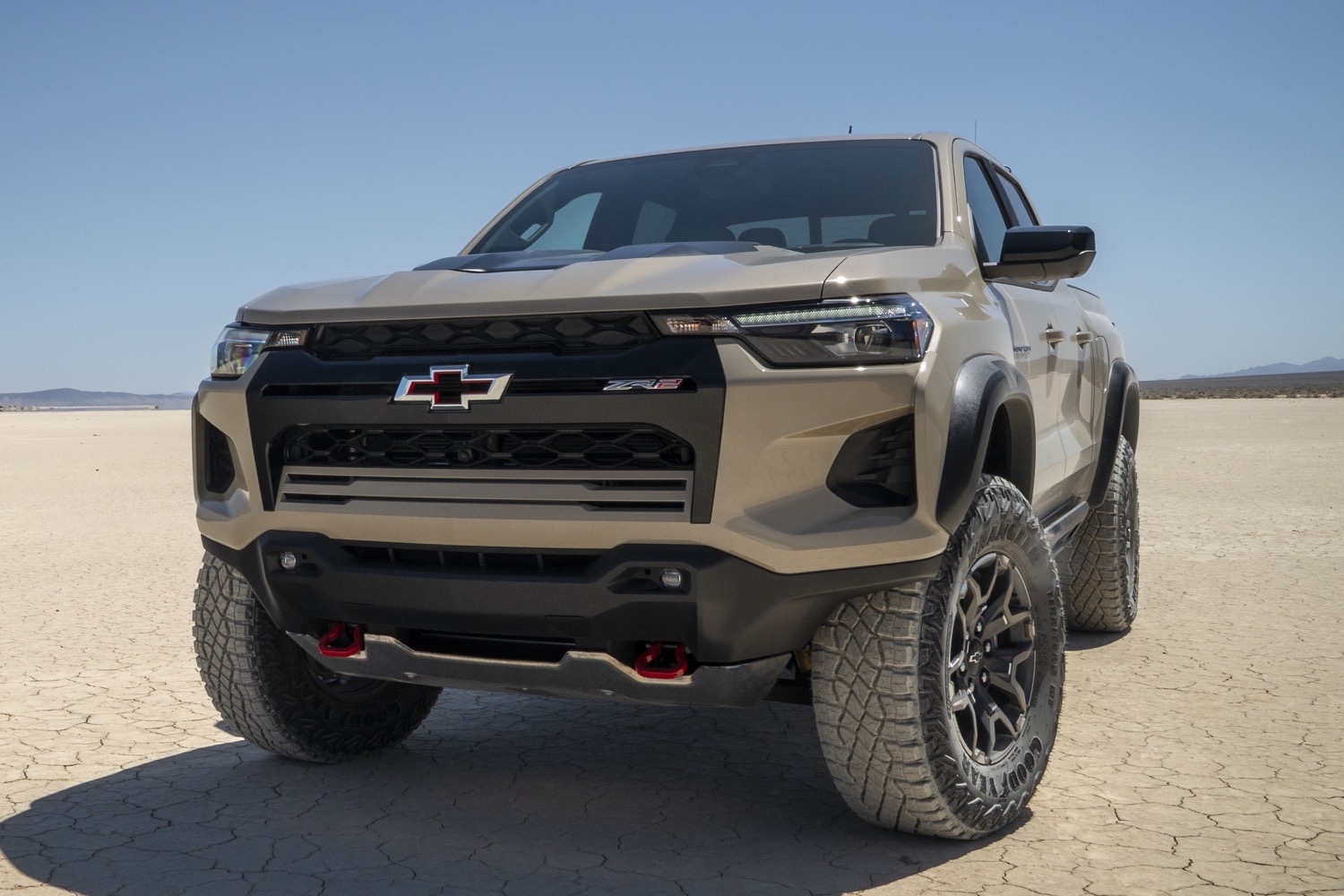
This system resists fade better than many conventional monotube shocks. Combined with factory front and rear electronic lockers and increased suspension travel, the ZR2 performs impressively in rock crawling and uneven terrain straight from the showroom.
For most U.S. recreational off-roaders, suspension upgrades are unnecessary unless increasing tire size significantly.
4. Ram 2500 Power Wagon
The Ram 2500 Power Wagon occupies a niche: a heavy-duty truck with genuine trail hardware. It includes a factory electronic disconnecting sway bar, front and rear locking differentials, and heavy-duty Bilstein dampers.
Despite its size, the solid front axle and articulation-focused setup make it unusually capable for a ¾-ton truck.
The suspension is engineered to handle both payload and trail punishment. For U.S. buyers who need towing capability but also venture off pavement, the stock suspension is impressively durable.
The Ram 2500 Power Wagon occupies a unique position in the truck market, blending heavy-duty capability with factory-engineered off-road hardware rarely found in three-quarter-ton pickups. Unlike standard HD trucks that prioritize towing above all else, the Power Wagon is purpose-built to handle demanding terrain without aftermarket modification.
Performance begins with a large-displacement V8 that delivers substantial low-end torque, ideal for controlled rock crawling and steep trail climbs. Throttle response is smooth and predictable, allowing precise modulation in technical environments.
A robust four-wheel-drive system with a two-speed transfer case, electronically locking front and rear differentials, and a factory-installed disconnecting front sway bar significantly enhances articulation.
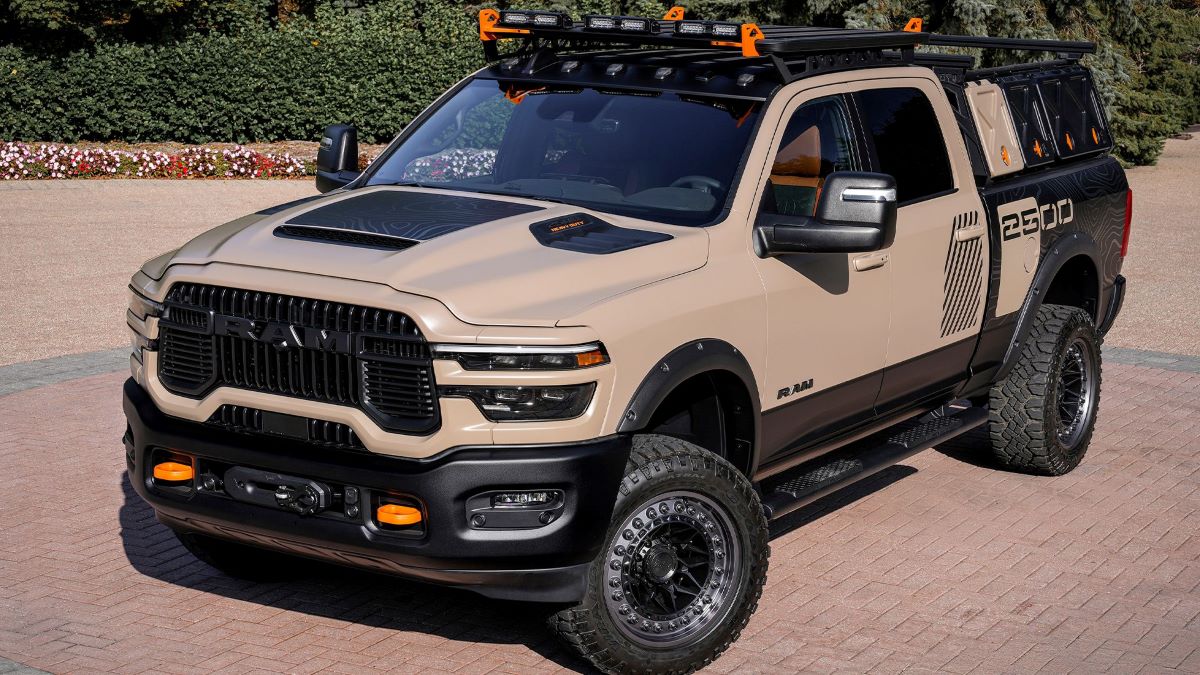
The suspension setup, featuring specially tuned dampers and softer spring rates compared to other Ram 2500 models, allows improved wheel travel and impact absorption over uneven terrain. An integrated front-mounted winch further reinforces its recovery capability straight from the factory.
Comfort remains impressive given the truck’s size and off-road focus. The cabin is spacious, offering generous headroom and legroom in both rows, particularly in crew cab configurations.
Ride quality is more compliant than typical heavy-duty trucks due to its unique suspension tuning, reducing harshness over broken pavement. Noise insulation is effective, and available premium materials, large infotainment displays, and advanced driver assistance systems elevate the overall experience.
Design-wise, the Power Wagon projects a commanding presence. A lifted stance, aggressive all-terrain tires, bold grille design, skid plates, and visible tow hooks signal its serious intent.
Functional styling dominates over cosmetic enhancements. Inside, durable materials and subtle off-road branding reinforce its rugged identity. The Power Wagon ultimately delivers a rare combination of heavy-duty strength and authentic trail capability in a factory-backed package.
5. Ford F-250 Tremor
The Ford F-250 Super Duty Tremor package enhances the Super Duty platform with upgraded springs, dampers, and geometry tuned for trail use.
While not as specialized as the Raptor, it is significantly more robust than a standard F-250.
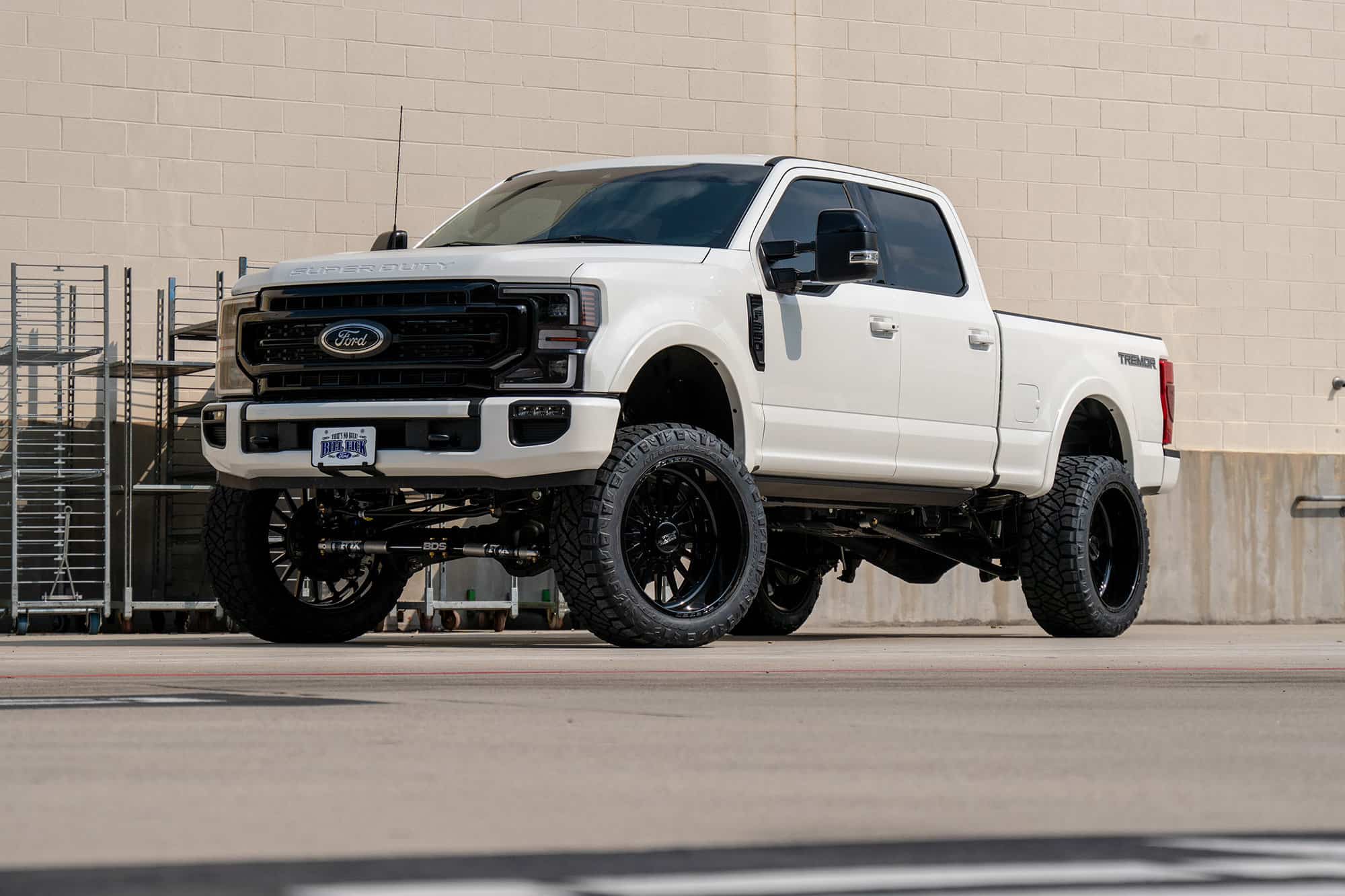
Given its intended dual-use for towing and off-road travel, Ford engineered the suspension for durability under load.
Owners who remain within stock tire sizes often report that the factory setup handles forest service roads and moderate rock trails without immediate modification.
The Ford F-250 Tremor is designed to bridge the gap between traditional heavy-duty work trucks and serious off-road machines. Rather than being a separate trim, the Tremor package transforms the F-250 into a more trail-capable version of Ford’s Super Duty platform while retaining its core strength for towing and hauling.
Performance begins with a choice of powerful engines, including a large gasoline V8 or a high-torque turbo-diesel. Both deliver substantial low-end pulling power, essential for controlled off-road maneuvering and heavy-load stability.
The Tremor package adds a lifted suspension, retuned dampers, and larger all-terrain tires, increasing ground clearance and improving approach and departure angles.
A locking rear differential comes standard, with a front locker available, significantly improving traction in mud, sand, or rocky terrain. Despite its size, the truck maintains composed steering and stable braking, though its weight and length require deliberate input in tight trail situations.
Comfort remains consistent with the broader Super Duty lineup. The cabin is spacious and quiet for a heavy-duty pickup, particularly in crew cab configurations. Seats are supportive and available with premium materials, heating, and ventilation.
The suspension tuning strikes a careful balance: firm enough to support payload and towing demands, yet compliant enough to absorb uneven surfaces without excessive harshness. Long-distance highway travel feels stable and predictable, even with the off-road hardware fitted.
Off-Road Trucks That Typically Need Suspension Upgrades
Factory suspension systems are frequently tuned with compromise in mind. Automakers must balance cost, ride comfort, fuel efficiency, and broad consumer appeal.
As a result, base and mid-level trims often use lighter-duty shocks, softer spring rates, and bushings that prioritize smooth on-road manners over long-term off-road punishment. Under repeated stress, these setups can exhibit premature shock fade, excessive body roll, bottoming out over uneven terrain, or reduced articulation when traction matters most.
Upgrading suspension components is common in the off-road community for good reason. Higher-quality dampers improve heat dissipation during extended trail driving, stronger control arms increase durability under load, and revised spring rates better support accessories such as winches, bumpers, rooftop tents, and camping gear.
This article highlights off-road trucks that typically benefit from suspension upgrades when pushed beyond casual trail use. These models may perform adequately for light dirt roads and weekend adventures, but owners seeking consistent performance in harsher conditions often turn to aftermarket solutions to unlock their full potential.
1. Nissan Frontier (Non-PRO-4X)
The Nissan Frontier in base or mid trims is durable mechanically, but its stock suspension is tuned more for daily comfort than sustained off-road punishment.
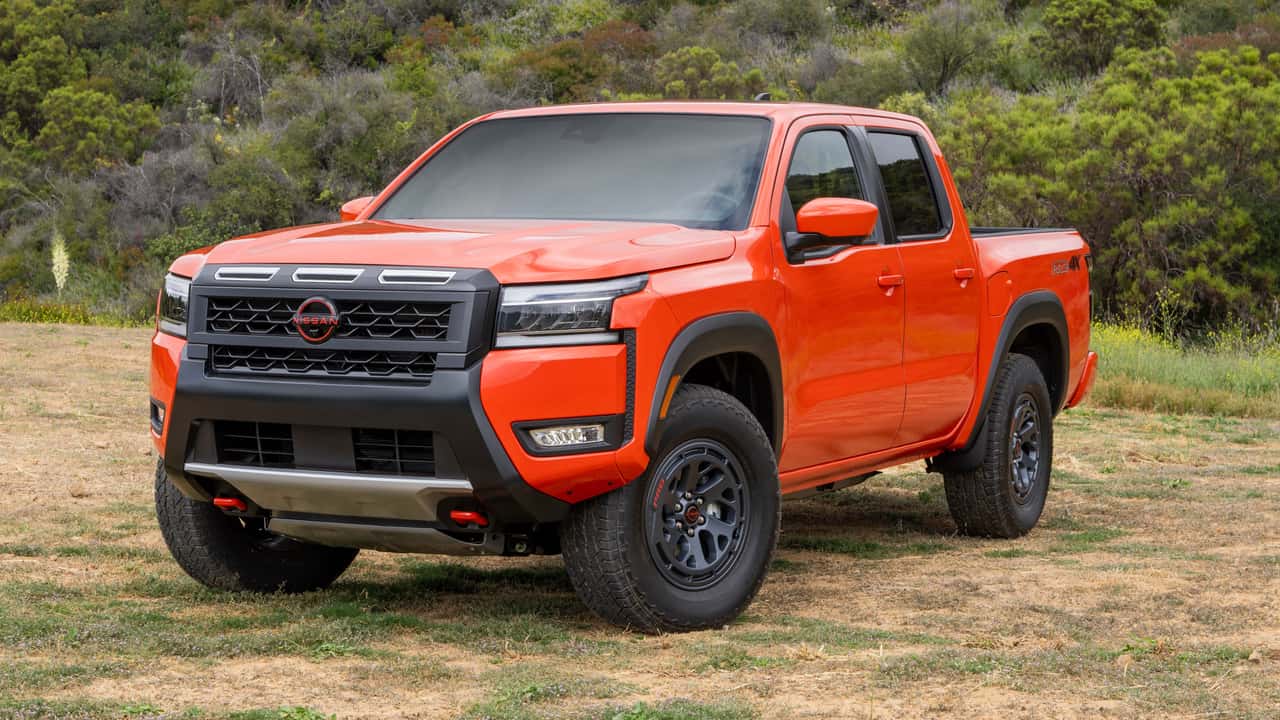
Shock fade on washboard surfaces is common. Many U.S. owners upgrade to aftermarket monotube shocks to improve damping consistency.
The Nissan Frontier in non-PRO-4X trims is fundamentally tuned for light-duty utility and daily comfort rather than sustained off-road punishment. While it remains durable for moderate use, several suspension limitations become apparent when the truck is pushed beyond gravel roads or mild trail work.
First, the standard suspension lacks upgraded dampers designed to manage heat buildup during repeated compression cycles. Under extended off-road driving, particularly on washboard surfaces or uneven terrain, the stock shocks can exhibit fade, leading to reduced damping control and increased body movement. This results in diminished stability and less precise wheel control over time.
Second, rear suspension tuning prioritizes payload stability over articulation. The leaf spring setup is relatively stiff when unladen, which helps maintain composure while hauling but limits flexibility on uneven trails.
Reduced rear articulation can cause wheel lift in cross-axle situations, decreasing traction where it matters most. Without a rear locking differential in most non-PRO-4X trims, this limitation becomes more noticeable.
Ground clearance and underbody protection are also modest compared to more off-road-focused variants. Approach and departure angles are less aggressive, increasing the risk of scraping in steep transitions. Suspension travel itself is adequate for light terrain but not optimized for high-speed desert-style driving or technical rock crawling.
2. Chevrolet Silverado 1500 Trail Boss
The Chevrolet Silverado 1500 Trail Boss includes a factory lift and Rancho shocks, but under aggressive use, the damping can feel under-controlled.
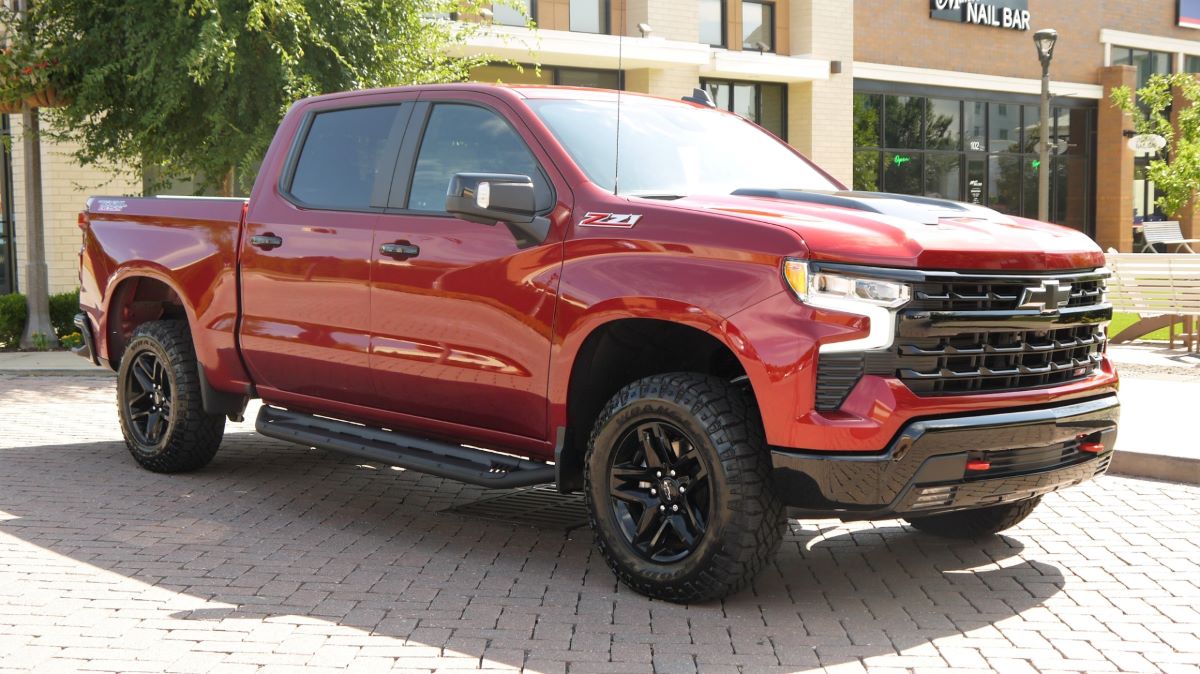
For moderate dirt-road use it suffices, but for repeated high-speed or rocky terrain, many American owners move to higher-grade shocks.
3. Toyota Tundra (Standard TRD Off-Road)
The Toyota Tundra in standard TRD Off-Road configuration is reliable but softly sprung relative to aggressive trail demands.
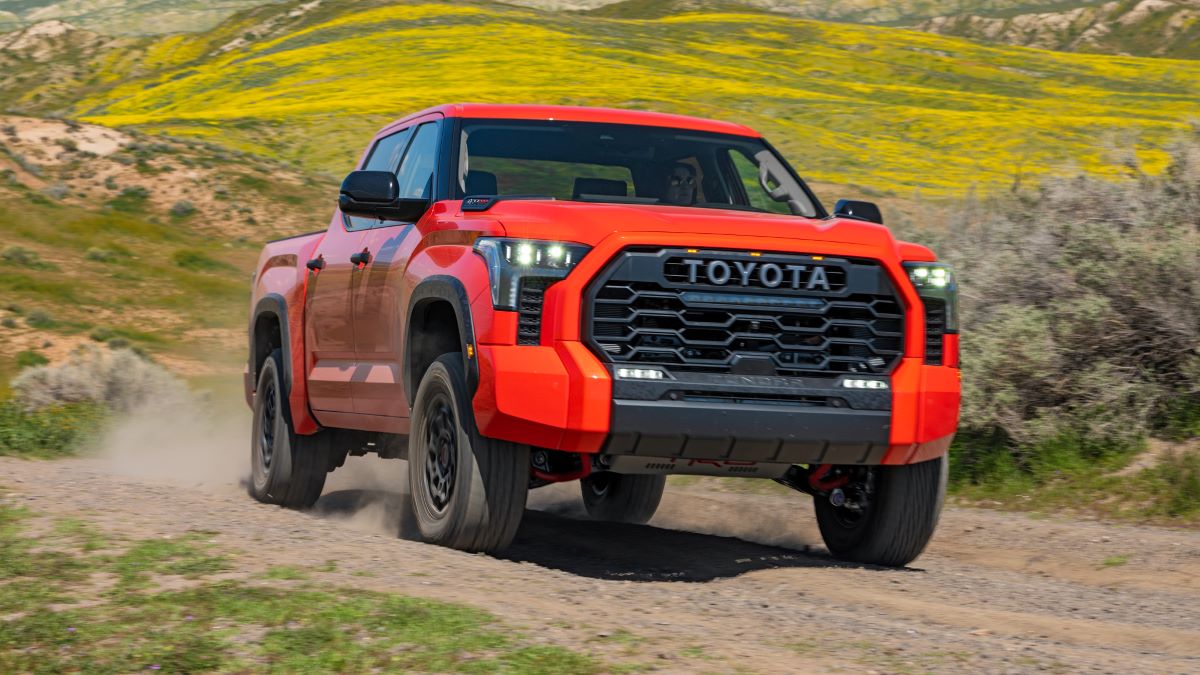
Under heavy loads or larger tires, the rear leaf pack can feel overwhelmed, prompting upgrades to heavier-duty springs or shocks.
The Toyota Tundra in standard TRD Off-Road form is more capable than base trims, but it still carries suspension limitations when subjected to sustained or technical off-road use. While it benefits from tuned dampers, skid plates, and selectable terrain modes, it is not engineered to the same extreme standard as higher-performance variants.
One primary shortcoming lies in shock performance under prolonged stress. The factory-tuned dampers are adequate for moderate trail driving and uneven surfaces, but during extended high-speed runs over washboard terrain or repeated compression cycles, they can experience heat buildup. This may result in reduced damping consistency, increased body oscillation, and diminished control over rough sections.
Rear suspension tuning also prioritizes load-carrying capability over articulation. The leaf spring configuration provides stability when towing or hauling, but limits axle flex in uneven terrain.
In off-camber or cross-axle scenarios, this can reduce wheel contact and traction. While the TRD Off-Road package includes a rear locking differential, articulation constraints can still limit effectiveness in more technical environments.
Another consideration is overall suspension travel. Compared to more off-road-focused models with long-travel setups, the standard TRD Off-Road maintains conservative geometry. This affects its ability to absorb deep ruts or sudden impacts at higher speeds. Approach and departure angles are respectable but not optimized for aggressive rock crawling.
On-road, the suspension strikes a reasonable balance between firmness and comfort, but off pavement it can feel more tuned for versatility than specialization. For owners intending to tackle demanding trails regularly, upgraded shocks, revised spring rates, and enhanced underbody protection are common improvements to unlock greater durability and control.
4. GMC Sierra 1500 AT4
The GMC Sierra 1500 AT4 prioritizes comfort and daily drivability. While capable on dirt and snow, its factory dampers are not designed for sustained heavy off-road impacts. Serious off-roaders often upgrade to improve articulation and shock longevity.
The GMC Sierra 1500 AT4 is marketed as a premium off-road-oriented trim, but its factory suspension has limitations when subjected to sustained or aggressive trail use. While it includes a factory lift, off-road-tuned shocks, and underbody protection, it is engineered more for versatility and daily drivability than extreme terrain durability.
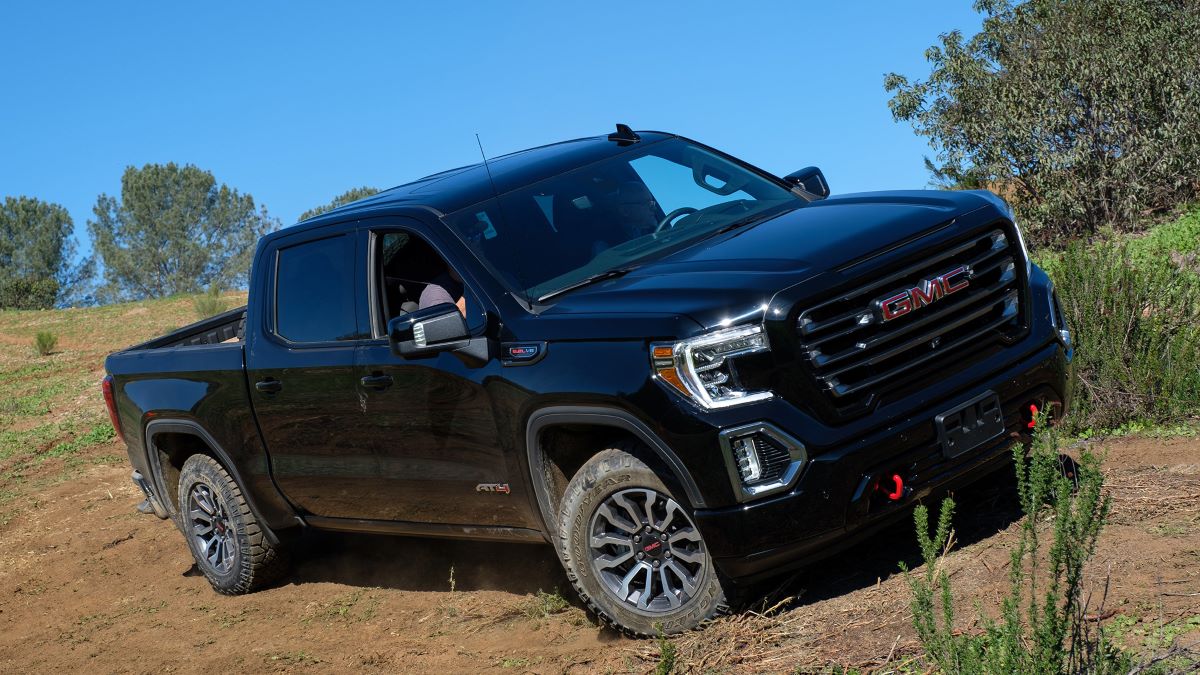
One key shortcoming is shock capacity under prolonged stress. The factory dampers provide decent control over moderate trails and uneven surfaces, but during repeated high-speed impacts, such as washboard roads or desert-style driving, they can exhibit heat fade.
Rear suspension tuning also reflects the Sierra’s dual-purpose nature. The leaf spring setup is designed to support towing and payload stability, which results in a relatively firm, load-focused calibration.
While this benefits hauling performance, it limits rear axle articulation in technical off-road scenarios. In cross-axle situations, reduced suspension flex can impact traction, even with the available locking rear differential.
Suspension travel, though improved over base trims, remains moderate compared to high-performance off-road variants. The AT4’s lift improves ground clearance and approach angles, but it does not offer the extended wheel travel or specialized long-travel geometry found in more purpose-built off-road trucks. This becomes noticeable when navigating deep ruts, rocky climbs, or uneven obstacles at speed.
On pavement, the suspension remains composed and comfortable, reinforcing its role as a premium daily driver with off-road styling and moderate capability. However, owners seeking consistent performance in demanding off-road environments often upgrade to higher-capacity dampers, revised springs, and reinforced components to improve durability and articulation.
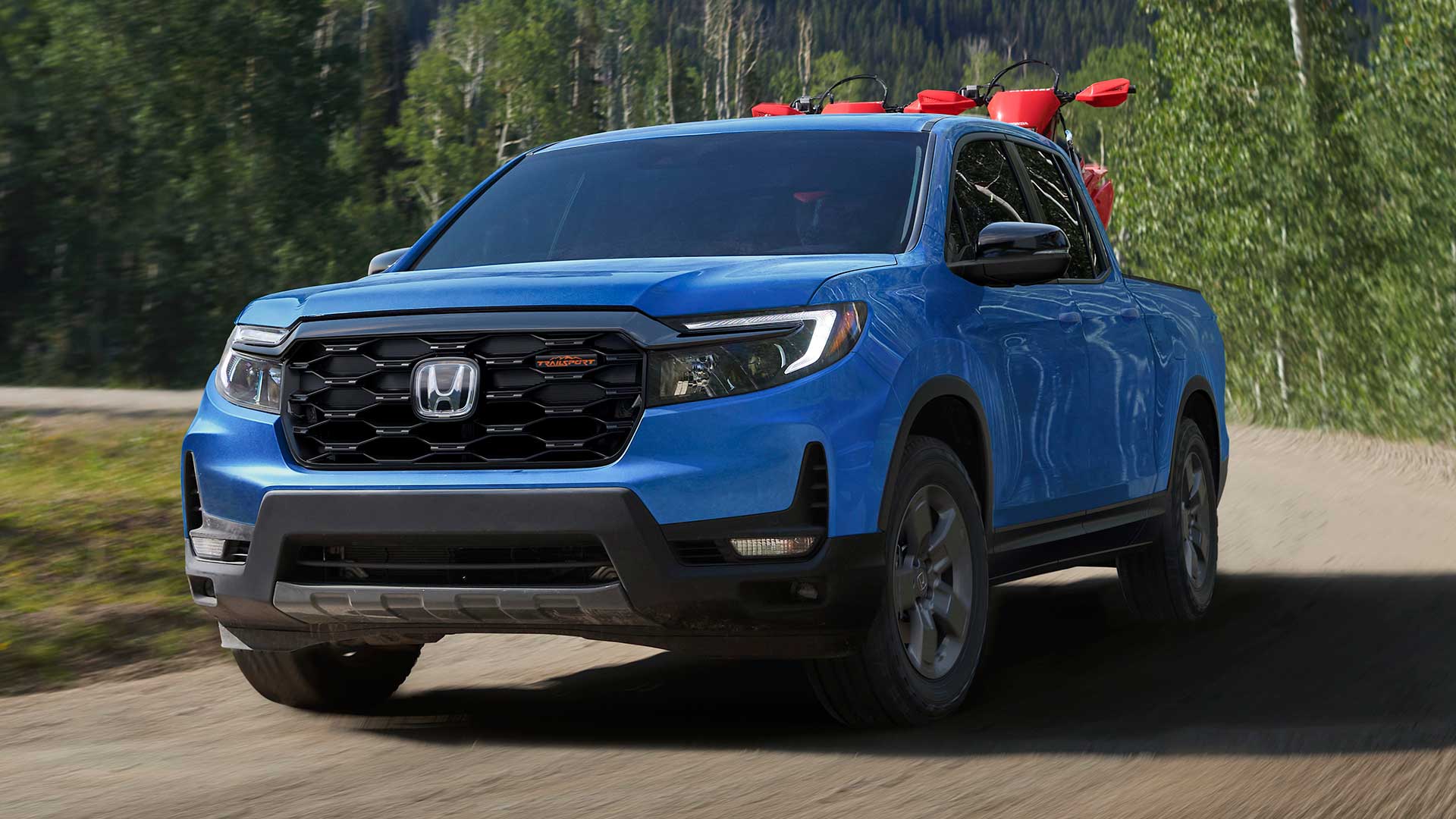
5. Honda Ridgeline
The Honda Ridgeline uses a unibody platform with independent rear suspension. It performs well on gravel and light trails but lacks the suspension travel and durability of body-on-frame trucks under severe off-road conditions.
Upgrades are limited by platform design, and serious trail users typically choose different vehicles.
In the American market, “off-road capable” spans a wide spectrum. Trucks such as the Raptor, Colorado ZR2, and Power Wagon are engineered with suspension systems designed to endure mechanical stress without immediate modification.
Their dampers resist fade, their geometry supports articulation, and their hardware withstands repeated impacts.
By contrast, many trims marketed with off-road aesthetics remain street-biased in suspension tuning. They are competent for occasional dirt roads but require upgraded shocks, springs, or control arms for sustained technical use.
For U.S. buyers, the critical question is use case. If off-roading means occasional camping trips on graded forest roads, most factory setups will suffice.
If it involves rock crawling in Moab, desert running in Nevada, or repeated heavy articulation under load, selecting a truck with genuinely durable stock suspension can save thousands in aftermarket costs and significantly improve long-term reliability.