
Choosing a hatchback often begins with size expectations. Small footprint, easy parking, good fuel economy. Cargo space usually sits lower on the priority list until daily life steps in. Grocery runs stretch beyond a single bag. Weekend trips require luggage. Sports gear, strollers, or home improvement supplies suddenly matter more than curb length. That moment reveals how smart design can outperform raw dimensions.
Some hatchbacks feel like clever puzzles, using vertical height, square openings, and flexible seating to deliver room that feels generous and usable. Others promise convenience yet frustrate owners with narrow openings, awkward floor heights, or shapes that waste precious inches. Visual size alone rarely tells the full story.
This guide separates perception from reality by focusing on cargo practicality. Numbers help, yet real usefulness depends on how easily items load, how flat the floor becomes, and how adaptable the space feels when seats fold down. Smart hinges, wide liftgates, and thoughtful trim placement can change everything.
The first part highlights five hatchbacks that quietly excel at hauling more than expected. Each earns its place through everyday usability rather than marketing claims. The next part will cover five that struggle to deliver similar satisfaction, even when their exterior dimensions suggest better potential.
The goal remains simple. Help shoppers find vehicles that work hard behind the rear seats without demanding SUV ownership.
5 Hatchbacks With Surprisingly Large Cargo Space
1. Honda Civic Hatchback
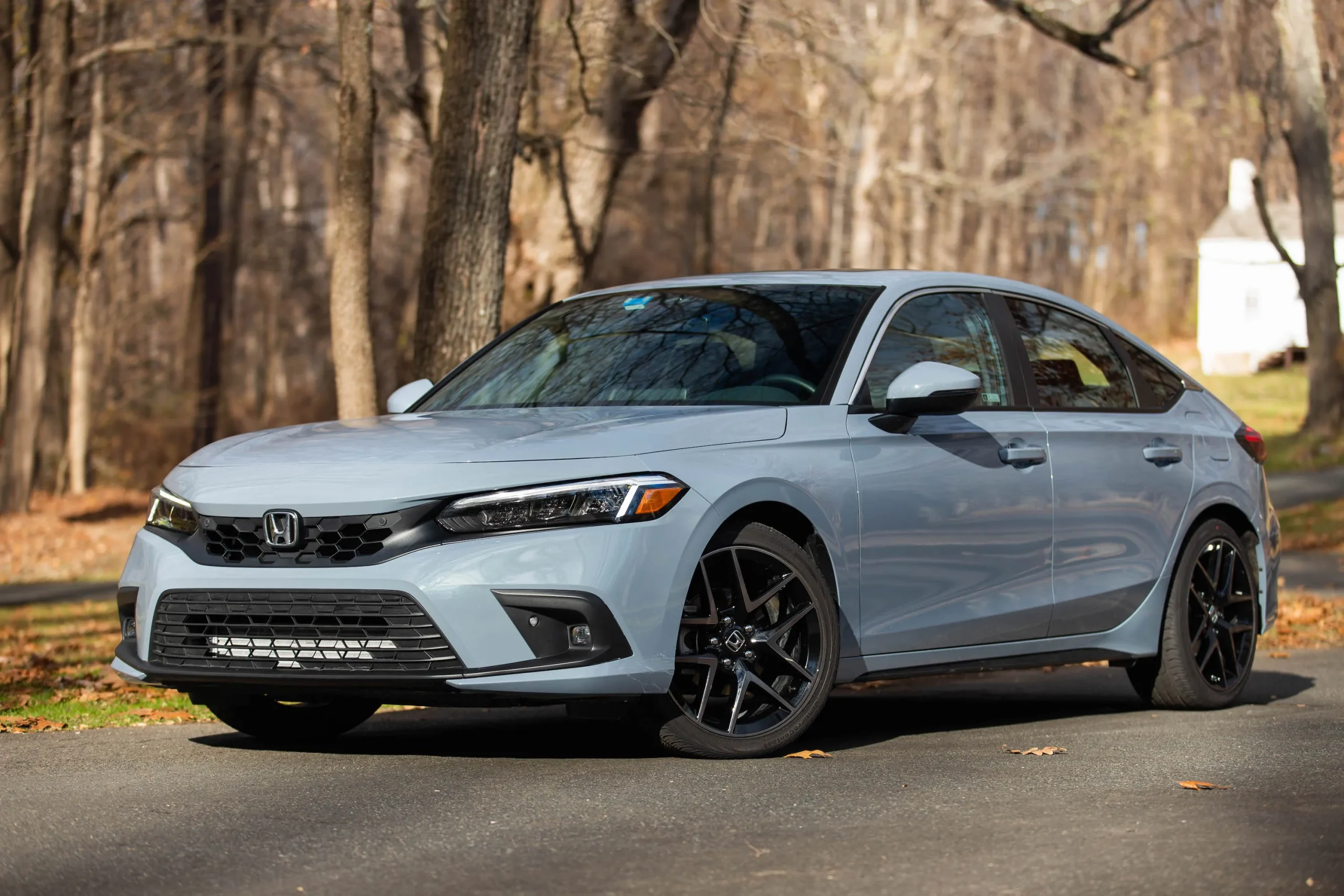
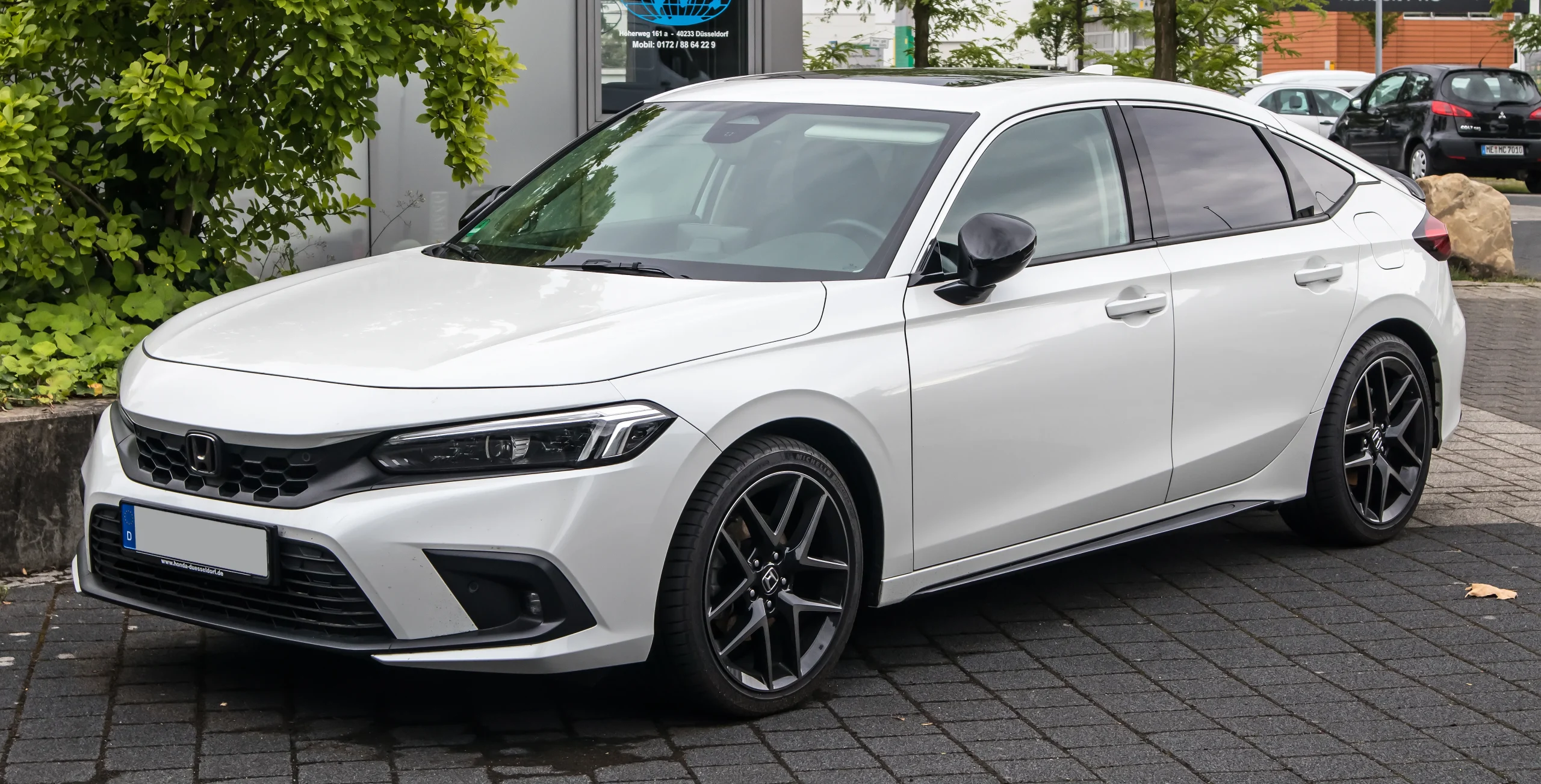
Quiet confidence defines the Honda Civic Hatchback, especially when daily cargo demands enter the picture. Styling suggests a compact footprint built for efficiency, yet the rear storage area delivers more than first impressions imply. Owners quickly realize that this hatchback favors real use rather than visual exaggeration.
Opening the rear hatch reveals a wide entry that removes frustration from loading. Boxes slide in smoothly without angling or reshaping placement. Floor height stays low enough to reduce strain, which proves helpful during grocery runs or weekend packing. Wheel arch intrusion remains minimal, preserving a clean rectangular layout that welcomes bulky items.
Seat folding transforms the experience further. Rear seatbacks drop easily and align close to flat, creating a continuous surface that supports longer cargo. Furniture pieces, bicycles, and storage bins fit with fewer compromises than expected. Length extends forward generously, making full use of cabin depth without forcing front occupants into uncomfortable positions.
Every day, practicality shows up in thoughtful touches. Tie-down hooks keep items secure during motion. Side pockets store loose essentials such as cleaning supplies or emergency gear. A hidden underfloor compartment adds discretion for valuables while keeping the primary space uncluttered.
Passenger comfort stays intact even with a focus on storage. Rear seating offers usable legroom, which allows families or groups to carry both people and cargo without constant rearranging. Split folding seating supports flexibility, allowing longer items on one side while keeping another seat available.
Ride quality reinforces confidence in the cargo area. Stable suspension tuning reduces sudden jolts that cause shifting. Road noise remains controlled, preventing cargo from amplifying vibrations through the cabin. Rear visibility stays usable even with moderate stacking, which enhances safety during daily driving.
Honda Civic Hatchback proves that a compact design can support demanding routines. Smart proportions, reliable execution, and balanced usability turn it into a practical companion rather than a compromise.
2. Toyota Corolla Hatchback
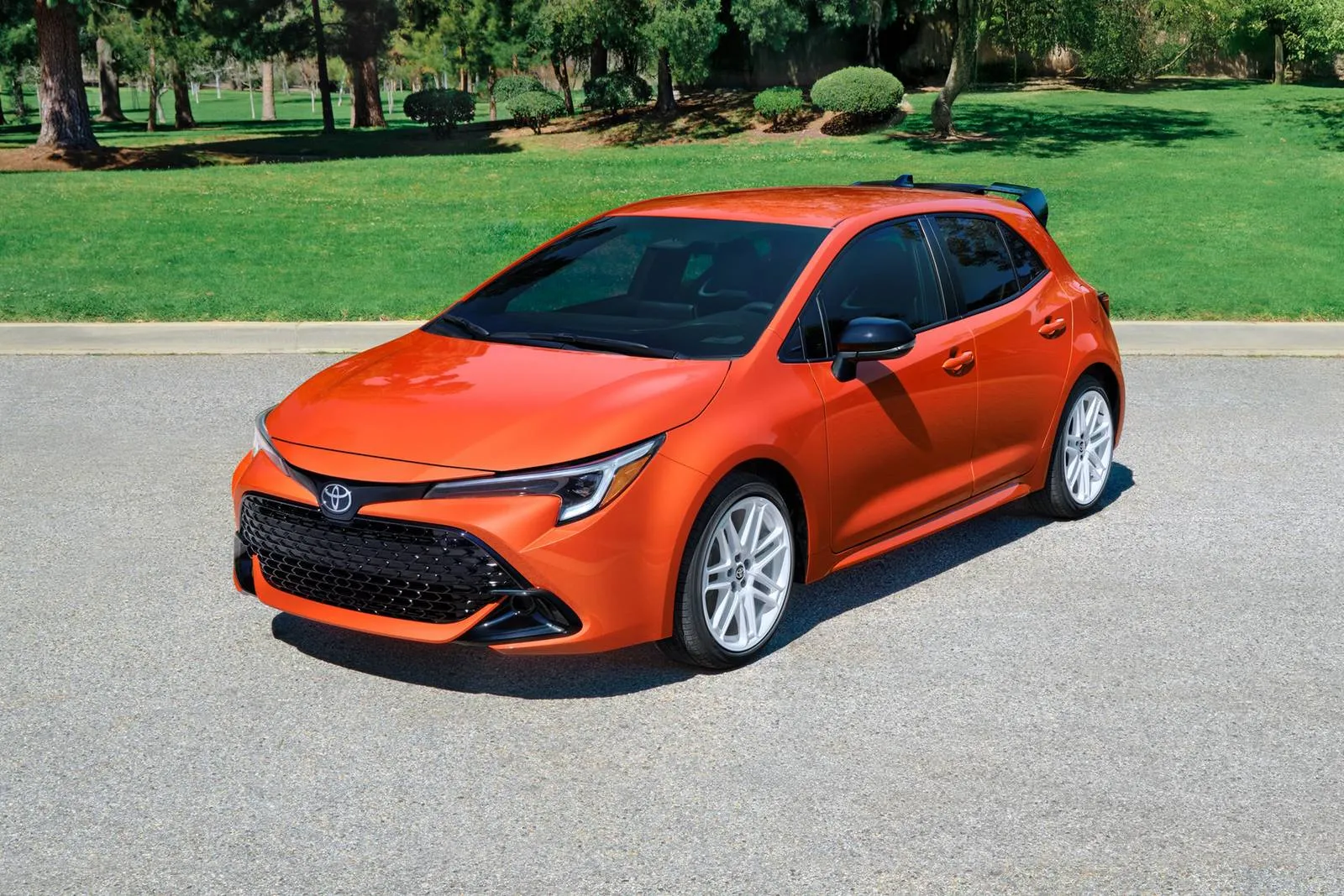
Design restraint works in favor of the Toyota Corolla Hatchback, especially when cargo expectations rise. While exterior lines lean sporty and tight, the rear storage area tells a different story, built around efficiency and shape rather than inflated measurements.
Rear access feels inviting. The hatch opens wide enough to accommodate awkward items without awkward positioning. Floor space stays flat and uniform, helping boxes sit squarely without wasted corners. Vertical clearance supports stacking, which adds real volume during shopping trips or travel packing.
Rear seats fold with ease and align closely with the cargo floor. That continuity matters during longer hauls, preventing items from tipping forward. Length reaches farther than expected, especially useful for flat-packed furniture or recreational equipment. Small design details enhance day-to-day use.
A retractable cargo cover moves smoothly and stores without drama. Tie-down hooks stabilize loose items. Side compartments help organize cleaning products or travel accessories without cutting into the main space. Passenger comfort remains part of the equation.
Rear seats provide supportive positioning without intruding heavily into cargo volume. Split folding creates adaptable arrangements, allowing passengers and long cargo to share the cabin without discomfort. Noise control adds subtle value. Reduced road sound creates a calmer environment that prevents cargo from feeling compressed or intrusive.
Suspension tuning minimizes bounce, keeping stacked items stable across uneven pavement. Toyota Corolla Hatchback succeeds by making space feel intentional. Through careful shaping and thoughtful folding, it delivers cargo usability that supports everyday life without demanding attention.
Also Read: 8 Used Hot Hatchbacks That Are Reliable Enough for Daily Driving
3. Skoda Octavia Hatchback (Fifth Generation)
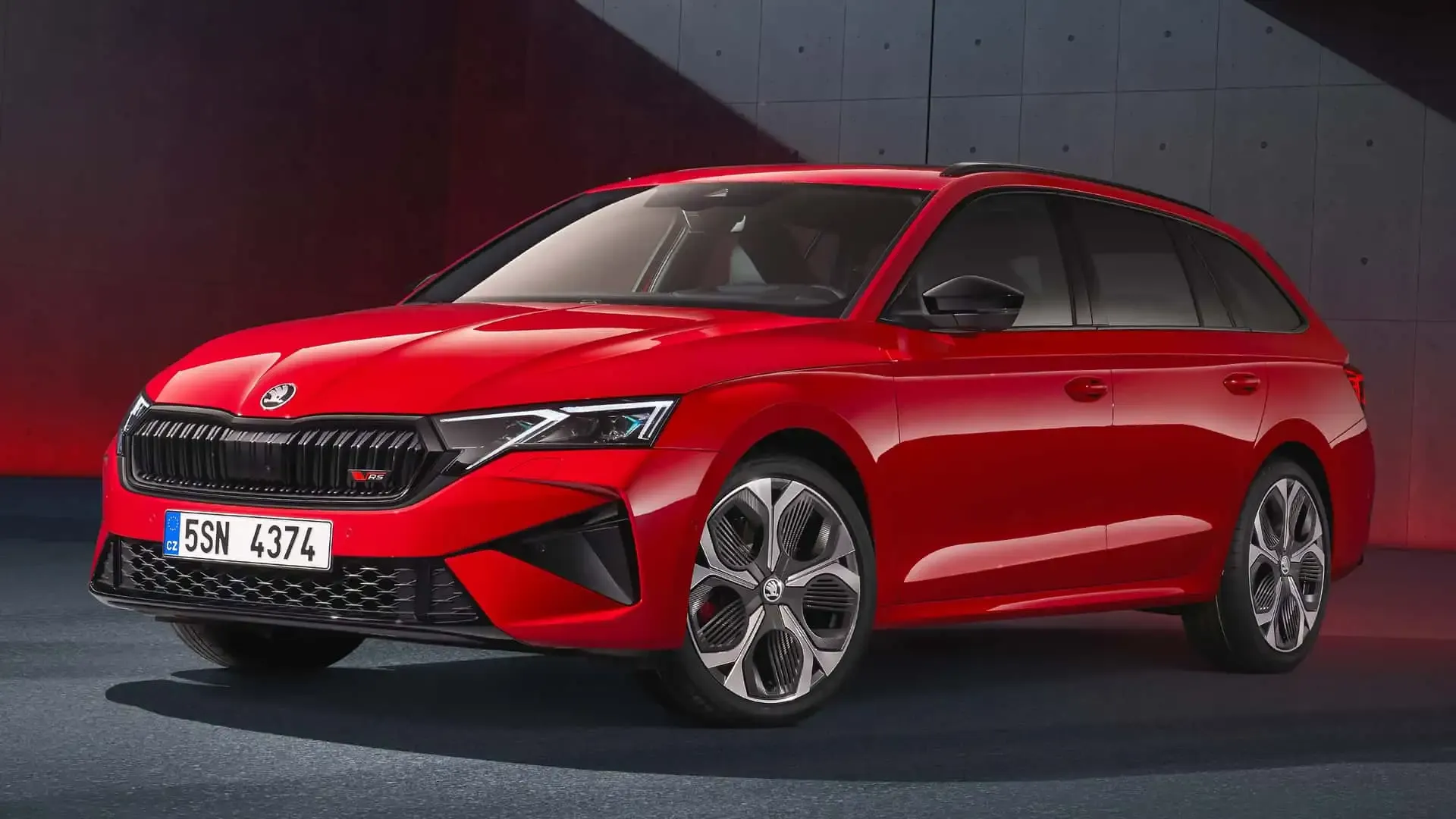
There is a well-known joke among car enthusiasts that if you want the practical version of a Volkswagen, you buy a Skoda. The 2024 Skoda Octavia Hatchback fifth generation takes that observation and turns it into a full-blown argument. This car does not just compete with other hatchbacks on cargo space. It humiliates most of them.
Pop the hatch on the 2024 Octavia, and you are greeted with 600 liters of cargo volume with the rear seats in place. That converts to roughly 21.2 cubic feet, and it is not a number pulled from some optimistic corner measurement. It is a genuine, usable, flat-floored space that you can load without any tricks or creative stacking.
Fold those rear seats flat, and that total climbs to around 1,555 liters, or approximately 54.9 cubic feet. At that point, you are not comparing this car to hatchbacks anymore. You are comparing it to compact SUVs, and it holds its ground very well.
Part of what makes the Octavia so impressive is Skoda’s philosophy around practical design. The brand refers to its clever storage features as “Simply Clever” elements, and the cargo area is full of them. There are removable LED flashlights built into the cargo bay walls.
There are grocery bag hooks. There is a reversible cargo mat that has a rubber side for wet or dirty loads and a fabric side for cleaner everyday use. There is even a net beneath the cargo floor for storing flat items separately from bulkier goods.
The tailgate itself opens wide and sits high when open, making it possible to stand upright while loading the car in a way that most compact hatchbacks do not allow. The loading sill is deep and cushioned, protecting both your cargo and the car’s bodywork during the loading process.
These are the kinds of details that you do not fully appreciate until you own the car and start living with it week after week. Skoda has positioned the Octavia as the thinking person’s choice in the compact segment, and the cargo area is one of the strongest arguments for that positioning.
If you genuinely need a hatchback that can replace a small wagon for hauling purposes, this is one of the most convincing options available at this price level.
4. Volkswagen Golf GTI (MK8)
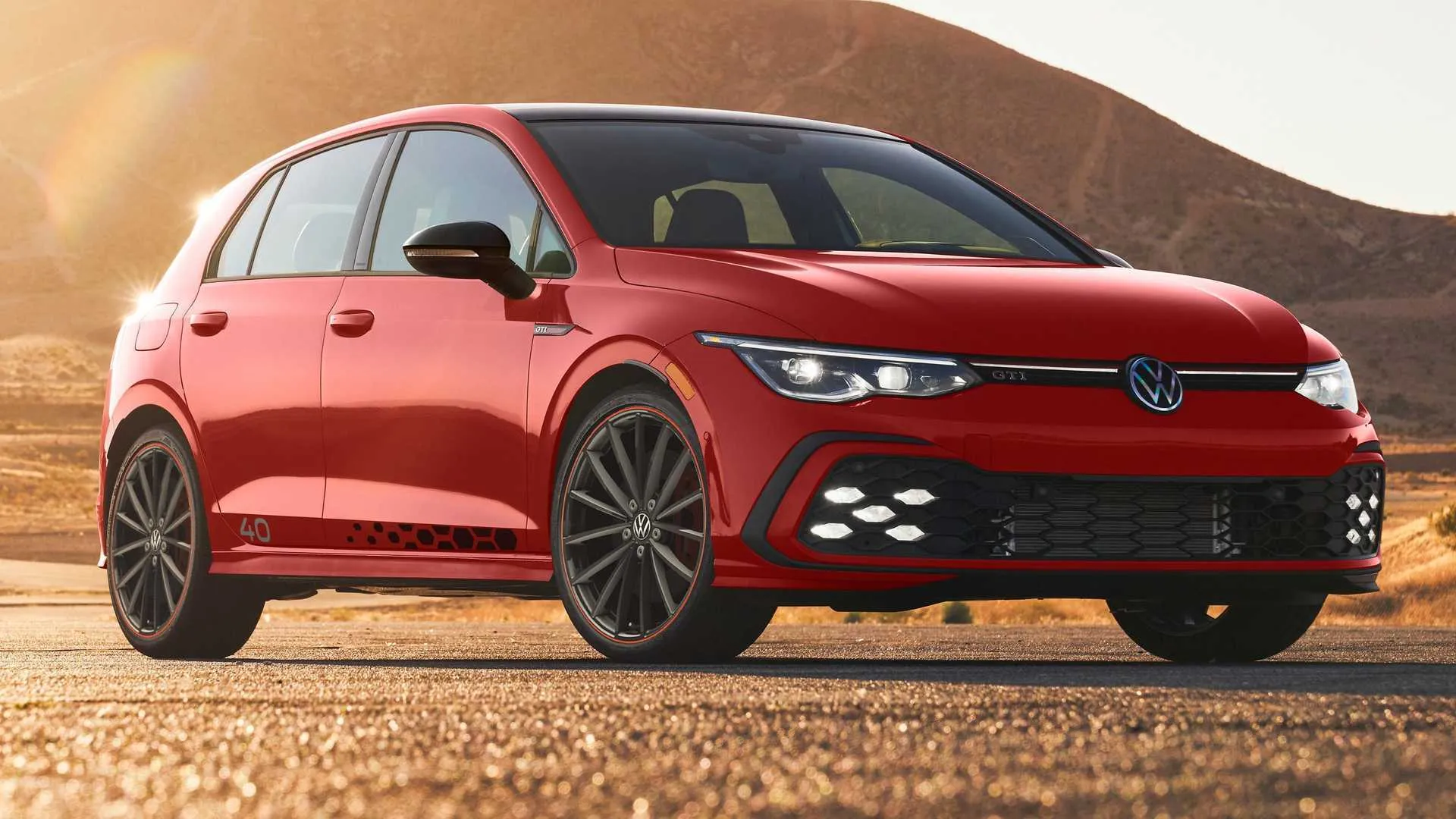
If you have ever assumed that a sporty, driver-focused hatchback must sacrifice cargo space to look good, the 2024 Volkswagen Golf GTI MK8 is about to change your thinking completely. This is one of those rare cars that manages to keep its athletic identity fully intact while also giving you a cargo area that actually works hard in daily life.
Behind the rear seats, the Golf GTI MK8 offers 14.1 cubic feet of cargo space. That number might not sound massive on paper, but get behind the car and open that tailgate, and the practicality of it becomes obvious very quickly.
The loading lip is low, the floor is flat, and the width of the cargo bay is generous for a car of this size. Loading awkward items like flat-pack furniture, luggage sets, or large equipment bags is far less of a struggle than you would expect from a sport-focused compact.
Fold down those rear seats, and the picture gets even better. The Golf GTI MK8 opens up to approximately 52.7 cubic feet of total cargo volume when the rear seats are fully collapsed. That puts it in genuine competition with some small crossovers, which is an impressive achievement for a car riding on a compact hatchback platform.
The seats fold in a 60/40 split, giving you flexibility to carry a mix of passengers and cargo without being forced into one configuration or the other. What makes the Golf GTI MK8 especially practical is the thoughtful design of the cargo area itself. The floor is lined with durable, easy-to-clean material.
There are hooks on the side walls for hanging bags, small pockets for securing loose items, and a cargo cover that tucks away neatly when you need full access to the space. None of this feels like an afterthought. Volkswagen clearly designed this car knowing that its buyers live real lives with real hauling needs.
The rear hatch opening is wide and tall enough that getting large boxes or oddly shaped items in and out does not require a gymnastics routine. Paired with the MK8’s modern interior design and refined driving feel, this is a hatchback that genuinely earns its place on any practical car buyer’s shortlist. You get the fun, you get the style, and you get a trunk that actually shows up when you need it.
5. Hyundai i30 Hatchback (Third Generation Facelift)
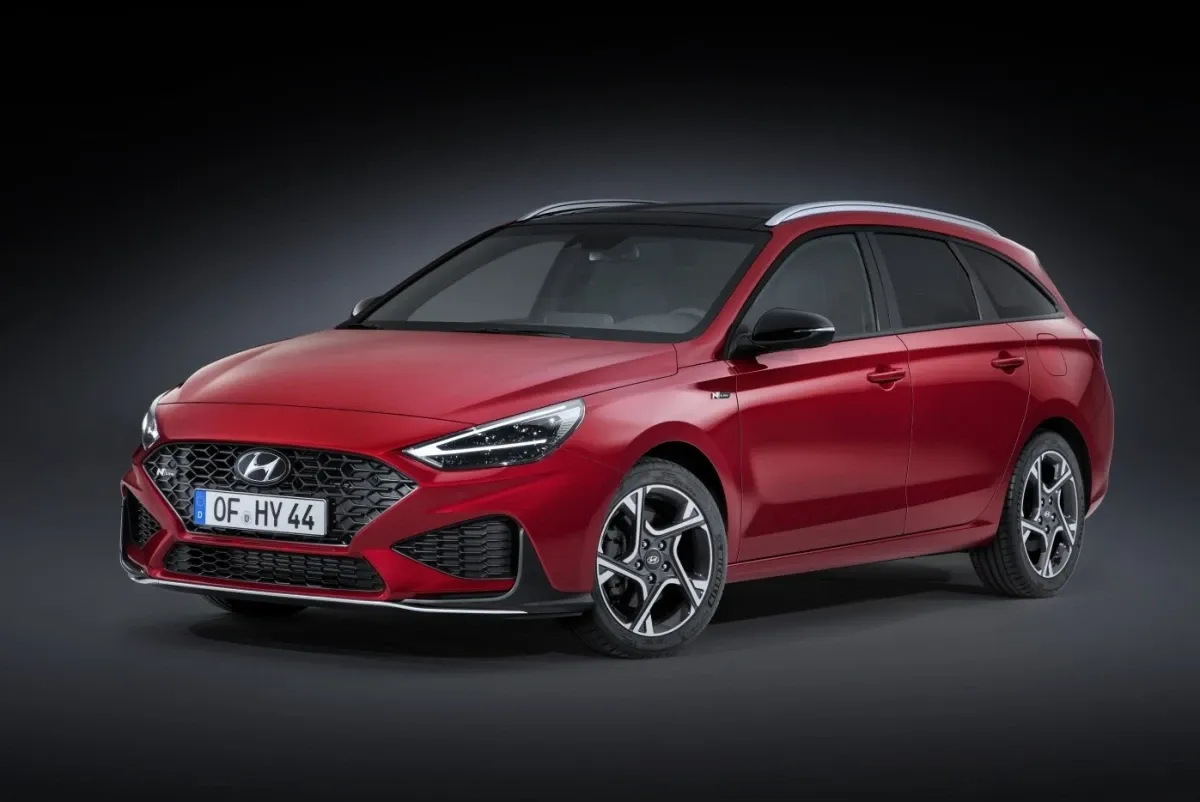
Closing out the spacious side of this list is a car that consistently flies under the radar in cargo space conversations: the 2023 Hyundai i30 Hatchback third-generation facelift. Hyundai’s compact hatchback has always been a solid seller, but it rarely gets the credit it deserves for how practical its rear cargo area actually is.
With the rear seats in the upright position, the i30 hatchback delivers 395 liters of cargo space, approximately 13.9 cubic feet. Fold the rear seats flat, and the total rises to 1,301 liters, which translates to roughly 45.9 cubic feet. Those are healthy numbers for a car in this segment, but the raw volume is only part of the story.
Hyundai engineered the i30’s cargo area with a very deliberate focus on usable shape. The floor is flat, the walls are reasonably vertical, and the opening is wide enough to accommodate large, unwieldy items that narrower competitors would struggle to accept. The loading lip sits at a height that makes lifting heavy bags manageable without throwing out your back on a busy moving day.
One of the more underappreciated features of the i30’s cargo area is the adjustable cargo floor. Like the Kia Ceed, the i30 gives you the option to configure the floor at two different heights, which lets you either maximize depth for tall items or create a flush, level surface when the rear seats are folded.
This two-position design is a simple idea, but it solves a genuine, real-world problem that owners encounter constantly. Hyundai’s five-year warranty program gives i30 buyers additional peace of mind, knowing that any issues with the car are covered for a substantial period.
Combined with the i30’s comfortable rear passenger seat space, its competent and confidence-inspiring driving dynamics, and a price that undercuts many European rivals in the same class, the 2023 i30 hatchback makes a persuasive case as one of the most genuinely practical compact hatchbacks currently available in the market. It does not shout about its cargo ability, but it absolutely delivers on it.
5 Hatchbacks That Feel Cramped Despite Expectations
1. Mazda3 Hatchback
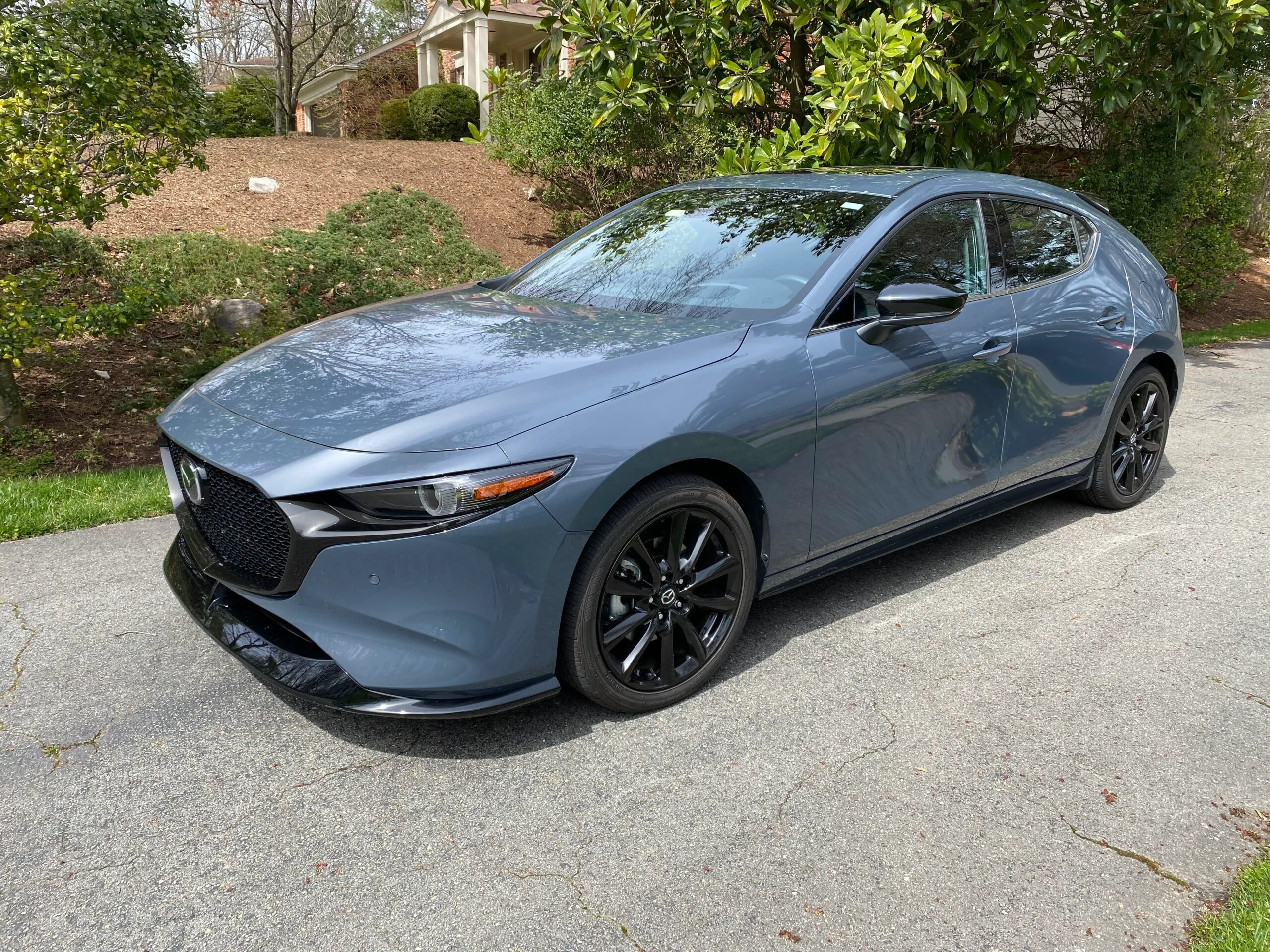
Style leads the conversation around the Mazda3 Hatchback, yet cargo usability quickly reveals limitations. Exterior lines flow smoothly and create a premium presence, but that same design philosophy restricts how much the rear area can actually handle.
Rear hatch access introduces the first challenge. The opening narrows toward the top, forcing larger items to angle inward. Floor height sits higher than expected, reducing vertical clearance and complicating heavier lifts. Wheel arches intrude aggressively, breaking up usable width and making box placement less intuitive.
Seat folding adds length but not freedom. Rear seatbacks do fold down, though the resulting surface slopes slightly rather than forming a true flat plane. Long items tend to slide forward, requiring added effort to stabilize cargo. Height remains limited, which discourages stacking even when floor space appears available.
Daily storage frustrations appear quickly. Side walls curve inward, stealing valuable inches. Underfloor storage remains shallow, offering little help for organization. Cargo cover placement eats into headroom when installed, further limiting usable volume.
Passenger seating contributes to the issue. Rear seats prioritize style over posture, pushing cushions lower and reducing knee clearance. When passengers ride along, available cargo space shrinks fast, leaving little room for groceries or luggage without compromise.
Driving refinement remains strong, yet cargo confidence suffers. Suspension tuning favors sportiness, which can cause unsecured items to slide during turns. Rear visibility drops quickly when stacking cargo, adding stress during parking or lane changes.
Mazda3 Hatchback appeals visually, yet cargo duties feel secondary. Buyers expecting flexibility may find daily hauling tasks require more planning than anticipated.
2. Mini Cooper 3-Door Hatchback (F56 Final Edition)
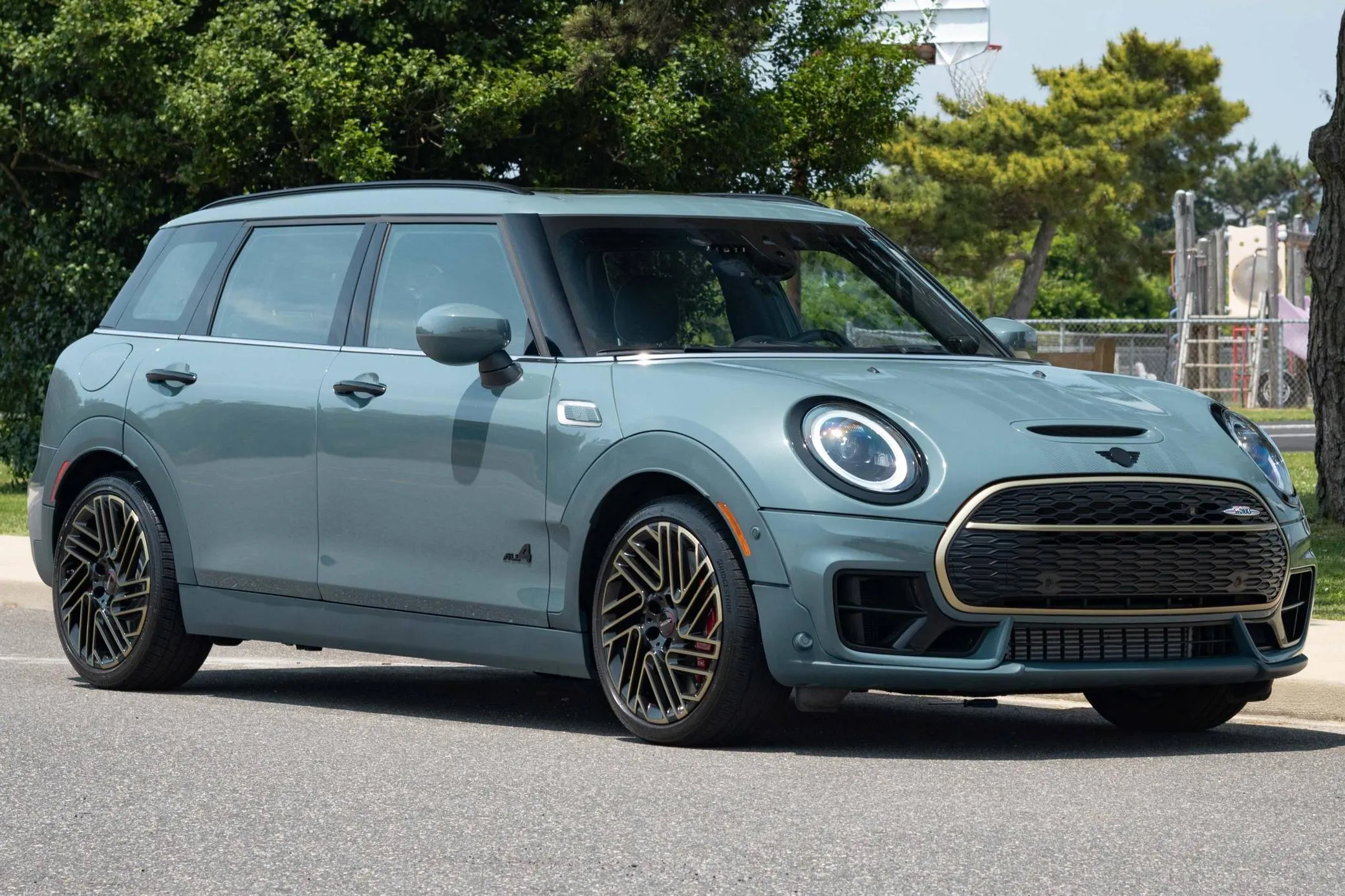
Let’s be upfront about something: the 2023 Mini Cooper 3-Door Hatchback F56 Final Edition is one of the most charming, characterful cars you can buy in this segment. It turns heads everywhere it goes, it drives with a grin-inducing enthusiasm, and sitting inside it feels like being wrapped in something personality-packed and premium. But cargo space? That is where the charm runs out in a hurry.
Behind the rear seats of the Mini Cooper 3-Door F56 Final Edition, you get a cargo area of just 211 liters, which converts to approximately 7.5 cubic feet. To put that in perspective, several midsize sedans offer more than twice that amount in their trunks alone.
The Mini’s cargo bay is narrow, shallow, and hemmed in by the wheel arch intrusions and the high loading lip that sits at the base of the tailgate opening. Loading anything larger than a carry-on suitcase and a couple of grocery bags becomes a puzzle you are not guaranteed to solve.
Fold the rear seats and the total climbs to 731 liters, roughly 25.8 cubic feet, which is better but still trails most of the competition in this class by a meaningful margin. The rear seats also do not fold completely flat in the F56, leaving a step in the floor that limits how effectively you can slide longer items straight through from the rear opening.
The tailgate itself is narrow, and the opening sits high enough that getting heavy items in and out requires some awkward lifting technique. People who regularly shop in bulk, carry sports equipment, or take longer road trips will find themselves constantly having to make difficult decisions about what makes the cut and what gets left behind.
None of this makes the Mini Cooper a bad car. It is genuinely wonderful to drive, beautifully built inside, and unlike almost anything else in the compact hatchback segment. But if cargo capacity is anywhere near the top of your priority list, the F56 Final Edition will leave you wanting more than it can offer.
It is a car that rewards drivers who live lightly, but it struggles with buyers who need their hatchback to haul anything beyond the basics.
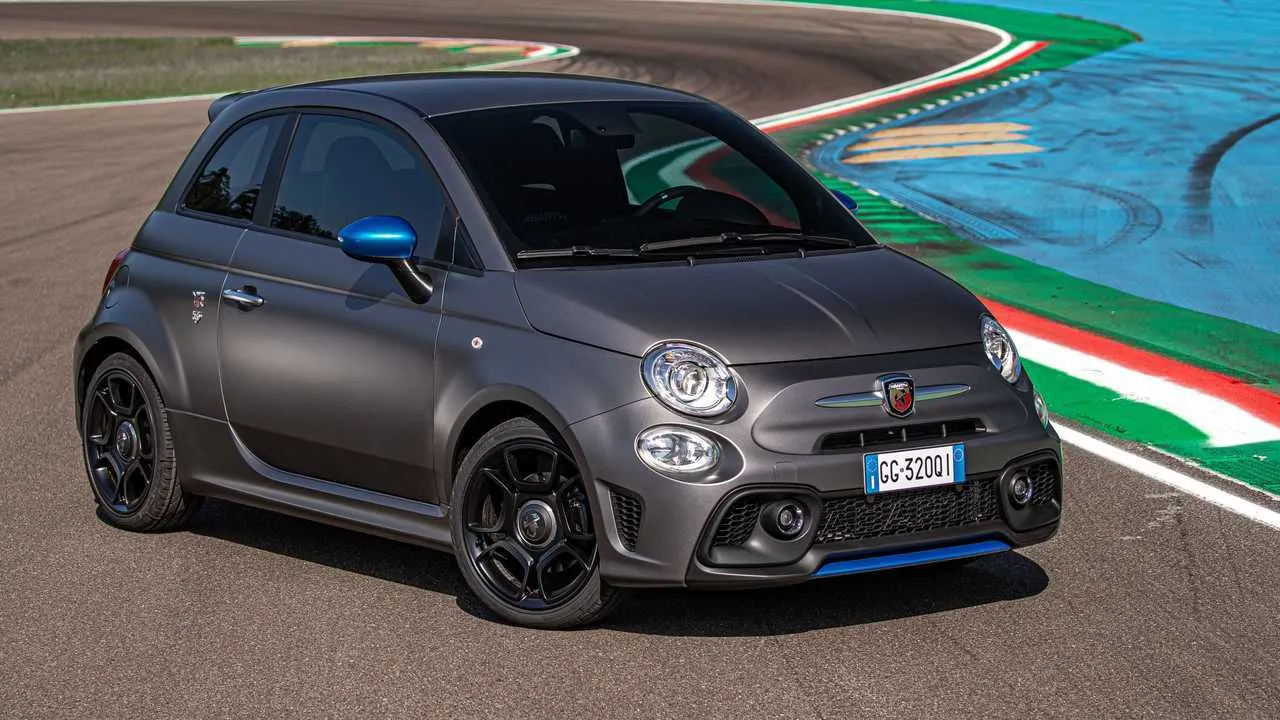
3. Abarth 595 Hatchback (Series 4)
When you buy an Abarth, you are buying attitude. The 2023 Abarth 595 Hatchback Series 4 is loud, aggressive, visually dramatic, and packed with old-school Italian performance character that makes it impossible to ignore.
Driving one through a city is an experience that draws attention and puts a massive grin on your face. Loading it up for a weekend away, however, is a deeply humbling experience. The Abarth 595 Series 4 carries exactly 185 liters of cargo space behind its rear seats. That is approximately 6.5 cubic feet, and the space is shaped in a way that makes even that modest volume difficult to use efficiently.
The floor is high due to the spare tire sitting underneath, the walls taper aggressively, and the rear seats are so close to the tailgate that there is barely room to stand anything taller than a water bottle upright without it pressing against the rear seatbacks.
This car shares its platform with the Fiat 500, which was designed decades ago as an urban microcar. That heritage means the entire rear structure of the car was never intended to accommodate serious cargo needs.
The wheelarches cut deeply into the available floor width, and the opening at the rear is narrow enough that getting wide bags or boxes inside requires turning and angling them in a way that quickly becomes irritating.
The Abarth 595 Series 4 is a weekend toy and an urban personality vehicle. It is not a practical family hatchback, and it does not pretend to be. But for anyone who has considered this car as their only vehicle and expects it to handle real-world cargo needs regularly, the reality of its storage limitations will become a source of constant frustration in ways that no amount of exhaust crackle can fully compensate for.
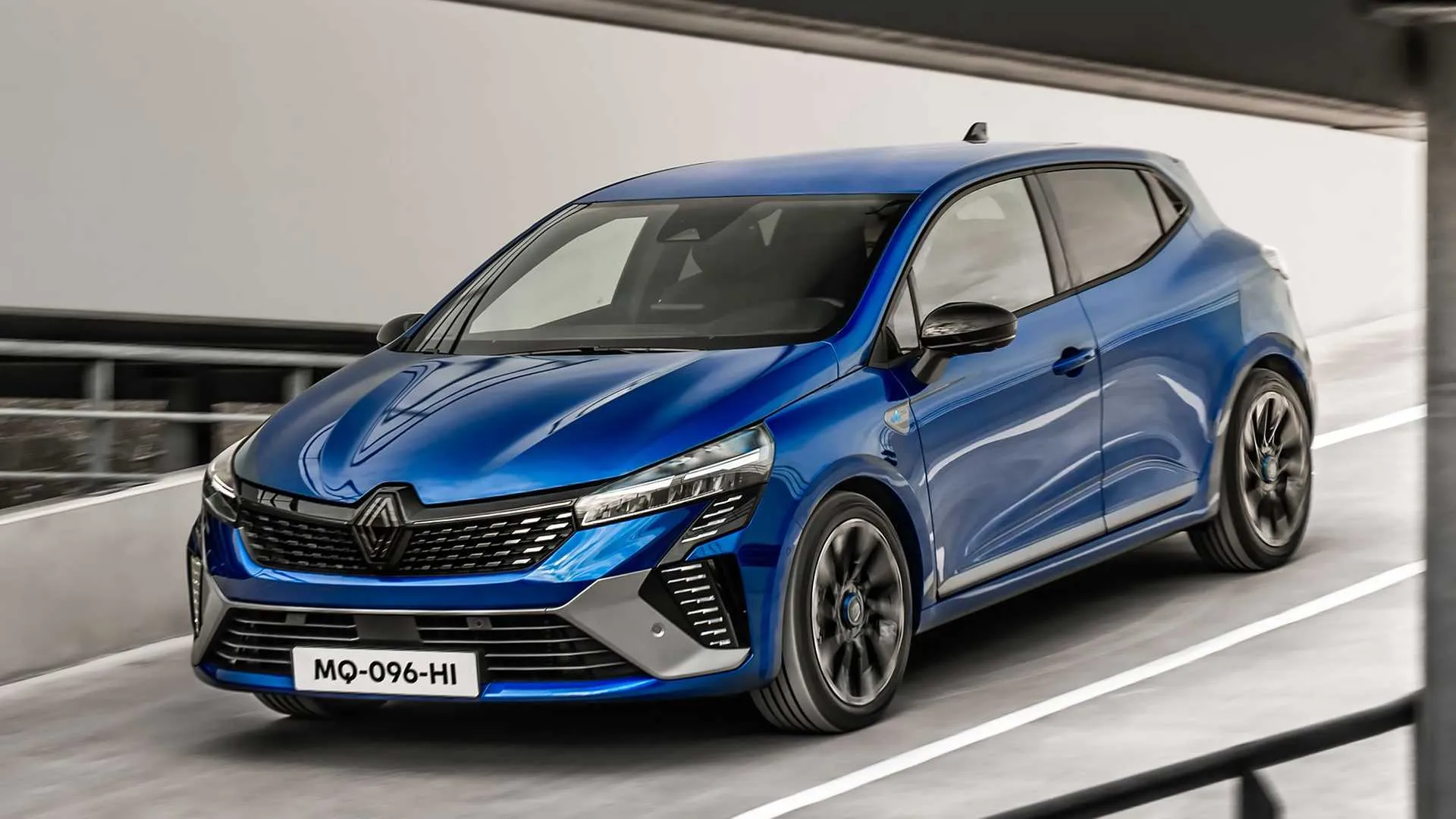
4. Renault Clio Hatchback (Fifth Generation RS Line)
Here is a case where perception and reality diverge in a way that catches a lot of buyers off guard. The 2024 Renault Clio Hatchback fifth-generation RS Line looks like a proper, well-proportioned compact hatchback from the outside. It has a sensible silhouette, a full-size rear door, and enough visual substance to suggest that real cargo capacity lives behind that tailgate. Open the hatch, though, and the disappointment arrives faster than expected.
Renault rates the Clio fifth generation at 391 liters of cargo capacity, which is approximately 13.8 cubic feet with the rear seats up. That number is actually reasonable on paper and sits in line with segment averages. The problem is not the raw volume. It is the shape of the space and the way it is bounded by Clio’s design priorities.
The rear opening on the Clio RS Line is noticeably narrow. The car’s tapered roofline and sculpted rear pillars create a narrower aperture than competitors, meaning wider items have to be angled in carefully. The loading lip sits relatively high, adding awkward lifting for heavier loads.
Once inside, the wheel arch protrusions cut into the floor width at the base, leaving less flat, usable floor area than the top-level number suggests. The 2024 Clio fifth-generation RS Line is a genuinely pleasant car to drive and live with in many ways. It is stylish, efficient, refined for its class, and comes equipped with thoughtful technology.
But buyers who prioritize cargo capacity and loading convenience should spend time at the dealership with a measuring tape and their actual gear before committing, because the usable practicality falls behind the headline number in ways that become apparent very quickly in daily use.
Also Read: 8 New Hatchbacks That Carry Bikes Without Removing Wheels
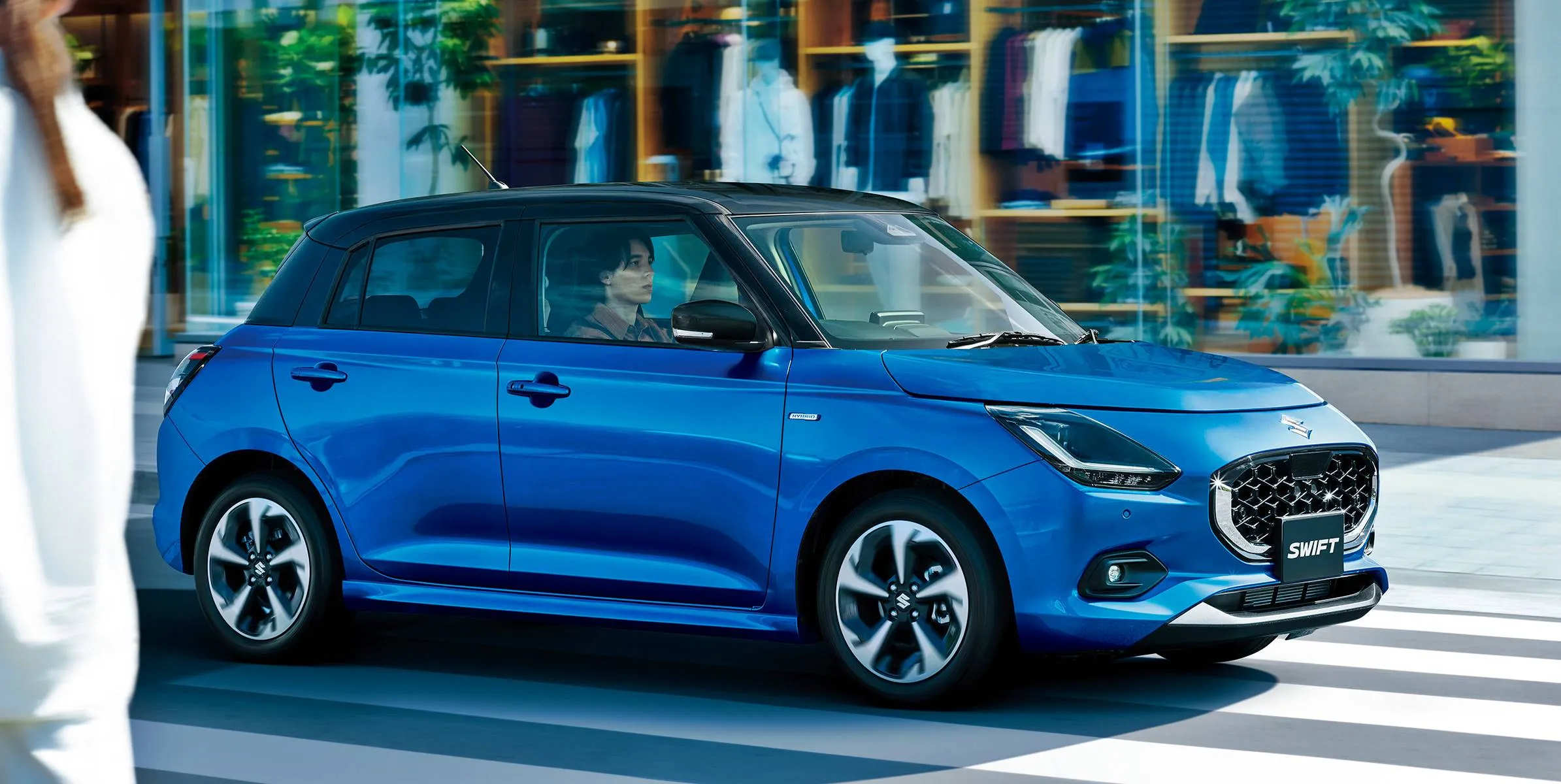
5. Suzuki Swift Sport Hatchback (Fourth Generation)
Rounding out the list is a car that has built a devoted following on the strength of its spirited performance, lightweight feel, and affordable price point: the 2023 Suzuki Swift Sport Hatchback, fourth generation. It is punchy, fun, economical, and genuinely entertaining to throw around on a winding back road.
What it is not, unfortunately, is generous with cargo space, and that reality catches buyers off guard more often than Suzuki probably would like. Cargo volume behind the rear seats in the Swift Sport fourth generation sits at just 265 liters, approximately 9.4 cubic feet.
That places it well below the compact segment average and puts it in the company of microcars rather than practical everyday hatchbacks. The rear bay is particularly narrow at the base where the wheel arches intrude, and the floor is not deep enough to accommodate taller upright items without having them fold against the rear seatbacks.
The loading aperture is narrow and low, which means crouching and reaching are unavoidable parts of loading anything beyond small bags. Families, frequent travelers, or anyone who regularly carries sports equipment, tools, or large bags will constantly feel the limitation of this cargo area in a way that affects their daily routines.
None of this changes the fact that the Swift Sport fourth generation is an excellent driver’s car at an accessible price. It rewards enthusiastic driving, fits into tight parking spaces with ease, and returns solid fuel economy for a turbocharged performance variant.
But as a practical, cargo-focused hatchback for someone who genuinely needs to move things around regularly, the Swift Sport fourth generation asks for a level of sacrifice that only fully committed performance buyers will find acceptable. For everyone else, the cargo area is a weekly reminder of what was traded away for all that fun.
