
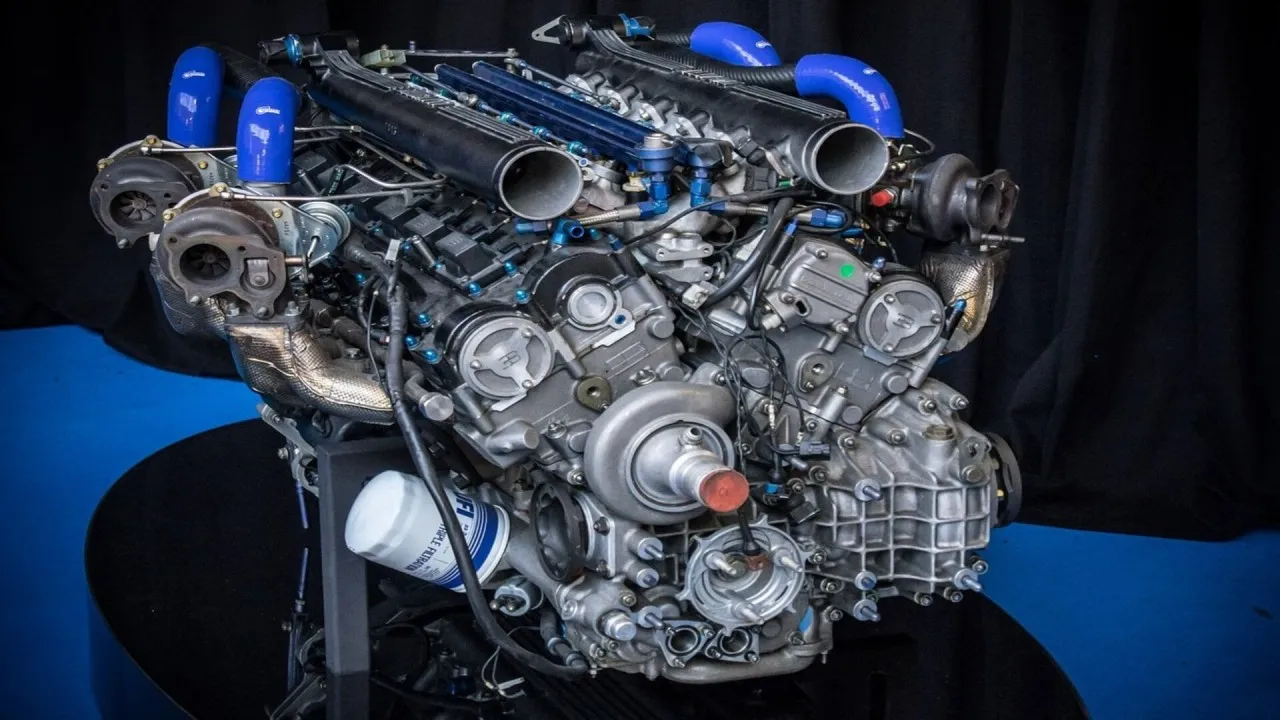
Gas prices spike, emissions targets tighten, and suddenly the conversation about what actually powers your engine becomes a lot more interesting than it used to be. For decades, gasoline and diesel held a near-total monopoly on internal combustion engines, and most drivers never had reason to think beyond the pump.
That picture is changing fast, and not just because of electric vehicles. A growing wave of research is focused on something that does not require scrapping the internal combustion engine at all. It requires rethinking what goes inside it.
Alternative fuels for internal combustion engines represent one of the most active and genuinely exciting areas of automotive research happening right now. Engineers, chemists, automakers, and energy companies are pouring resources into fuels that could run in modified versions of existing engines, or in some cases in engines that need very little modification at all.
That matters enormously for the real world, where hundreds of millions of combustion-engine vehicles are already in service and where replacing all of them with electric alternatives is neither financially nor logistically realistic within any near-term timeline. Some of these alternative fuels are already in limited commercial use.
Others are in laboratory and prototype stages, with research programs funded by major automakers including Toyota, BMW, Stellantis, and Mazda, all of which have publicly committed research budgets to combustion engine fuel alternatives alongside their electric vehicle programs. That parallel investment is not a contradiction. It is a recognition that the path to lower emissions runs through multiple technologies at once, not through a single solution applied universally.
This page covers eight alternative fuels currently under active research for use in internal combustion engines. Each one has a genuine scientific and commercial case being made for it by serious researchers and manufacturers. Whether any of them becomes the dominant fuel of the next generation depends on a combination of technical progress, infrastructure investment, and market forces that are still playing out.
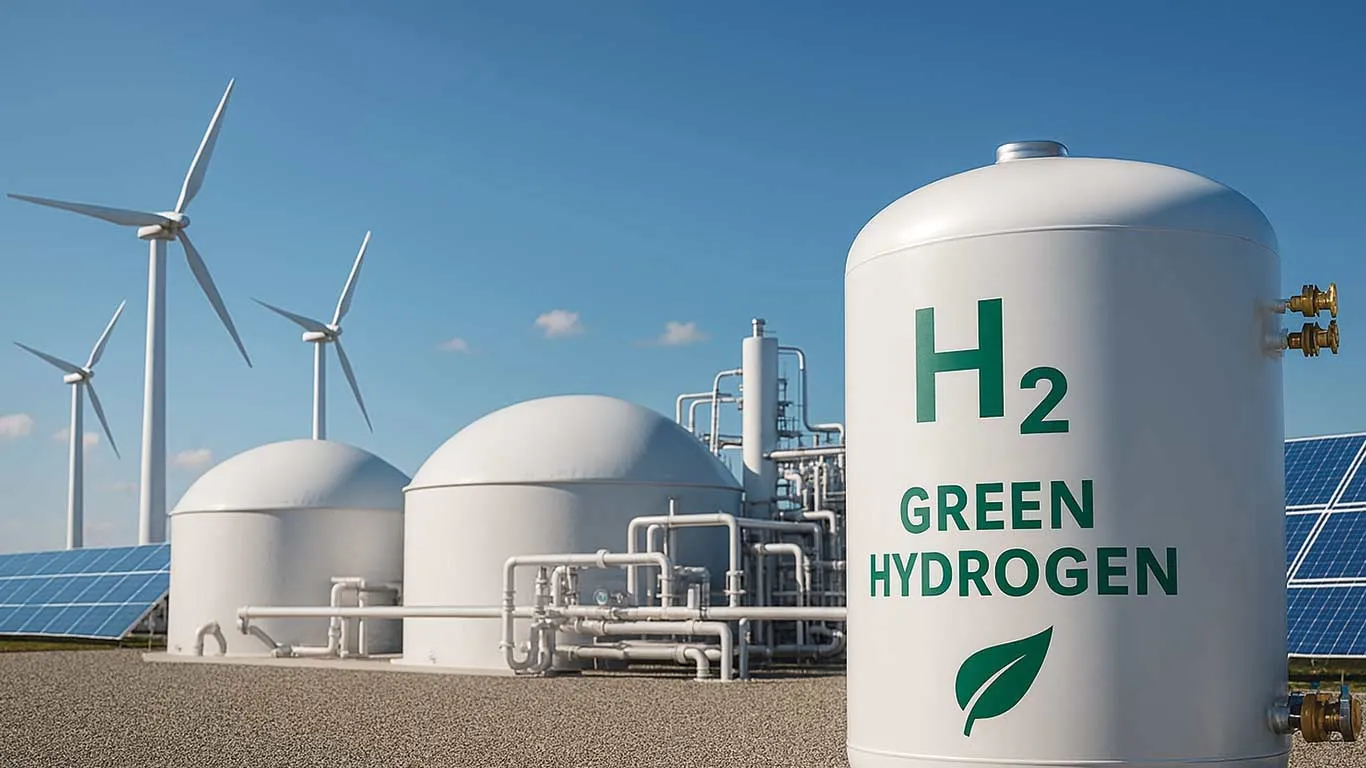
1. Green Hydrogen
Hydrogen has been part of the alternative fuel conversation for long enough that some people have started treating it as a perpetual promise that never quite arrives. Green hydrogen, produced through electrolysis powered by renewable energy, deserves a more serious look than that dismissal allows, and the internal combustion engine research being done around it is more advanced than most people outside the automotive engineering community realize.
Burning hydrogen in an internal combustion engine produces water vapor as its primary byproduct. No carbon dioxide, no carbon monoxide, no particulate matter from the fuel itself. From a pure emissions standpoint, a hydrogen combustion engine running on green hydrogen comes as close to a zero-emissions combustion cycle as current chemistry allows. That proposition has attracted serious research investment from manufacturers who see hydrogen combustion as a bridge technology between conventional engines and whatever comes after.
Toyota has been among the most publicly committed manufacturers in hydrogen combustion engine research. Toyota has tested a hydrogen combustion engine in motorsport conditions, running a modified version of the 1.6-liter turbocharged engine from the GR Yaris in endurance racing events in Japan.
That real-world motorsport testing is not just a publicity exercise. It generates engineering data on combustion characteristics, material durability, fuel system performance under stress, and heat management challenges that laboratory testing cannot fully replicate.
BMW has pursued a parallel path with its hydrogen combustion research, historically demonstrated in the BMW Hydrogen 7 (E65 platform), a limited-production car based on the 7 Series that ran a modified version of the M73 V12 engine on hydrogen.
BMW’s more recent hydrogen research has moved toward fuel cell systems, but the combustion engine work done on the Hydrogen 7 platform contributed foundational data on hydrogen combustion behavior that continues to inform the field. Challenges for hydrogen combustion in practical applications center on fuel storage, energy density, and infrastructure.
Hydrogen must be stored at extremely high pressure or in cryogenic liquid form, both of which present packaging and safety challenges for passenger vehicle applications. Energy density per liter is lower than that of gasoline, meaning hydrogen combustion engines require larger or higher-pressure tanks to achieve a comparable range.
Green hydrogen production at scale also currently requires more energy input than the combustion output returns, a math problem that improving electrolyzer efficiency and renewable energy expansion are working to solve. Progress is real, the technical case is strong, and dismissing hydrogen combustion as a dead end is a premature conclusion.
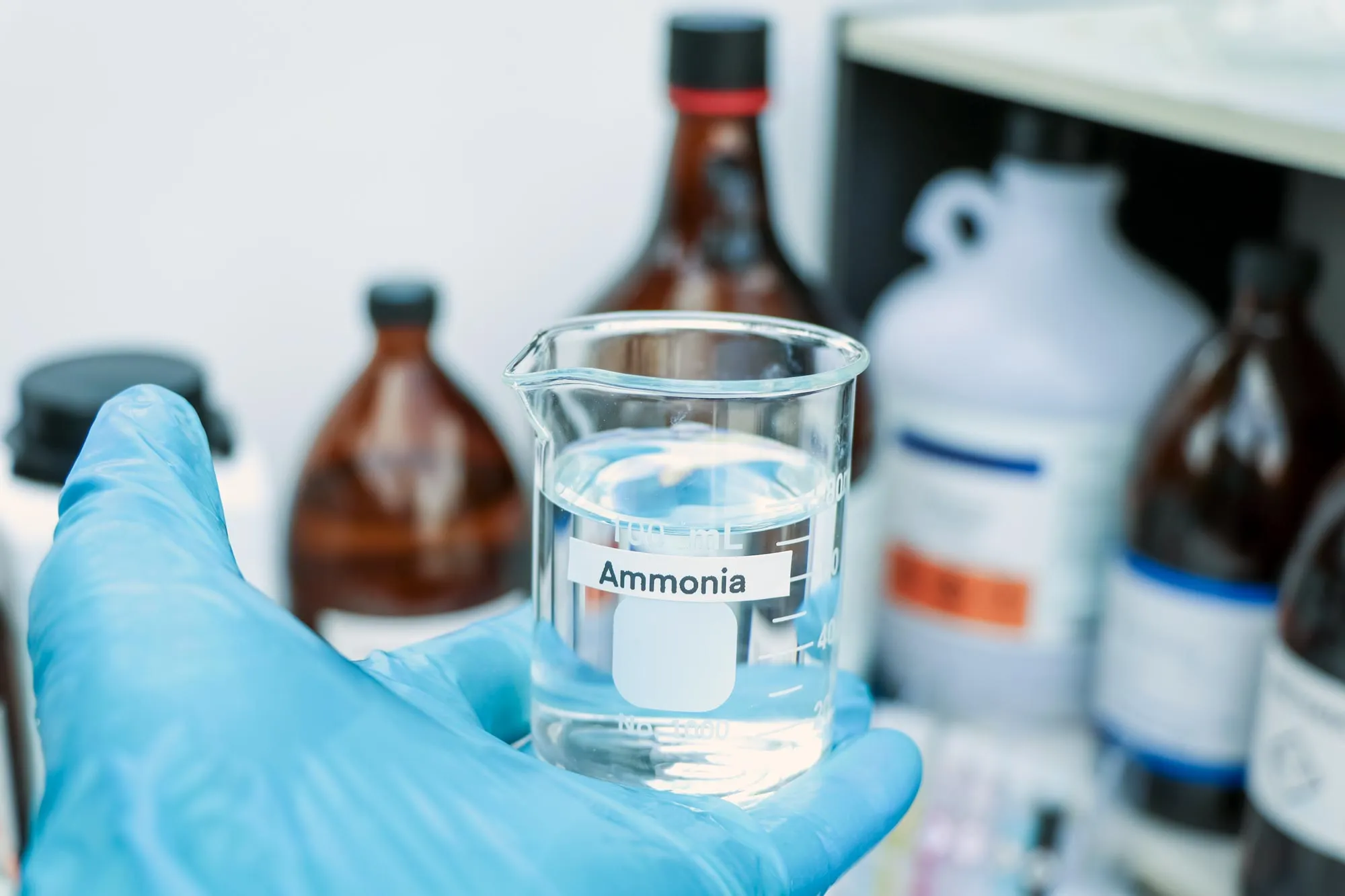
2. Ammonia
Ammonia as a fuel sounds unusual at first. Most people’s association with ammonia is cleaning products and sharp chemical smells, not engine combustion.
Research programs at several major institutions and automakers are showing that this reaction is premature, and that ammonia has properties that make it a genuinely interesting candidate for internal combustion applications when the engineering challenges surrounding it are properly addressed.
Ammonia, chemically written as NH3, contains no carbon. Burning it in an internal combustion engine produces nitrogen and water vapor as its primary combustion products, with no carbon dioxide emissions from the fuel itself.
That zero-carbon combustion characteristic is the foundation of ammonia’s appeal as a fuel candidate, and it is what has drawn research attention from institutions ranging from universities to national laboratories to automotive engineering departments.
Practical ammonia combustion in an internal combustion engine requires addressing several real technical challenges. Ammonia has a high autoignition temperature and low flame speed, meaning it does not ignite as readily or burn as quickly as gasoline.
Engineers working on ammonia combustion have addressed this through blending strategies, combining ammonia with a small proportion of hydrogen or other combustion promoters to improve ignition reliability and flame propagation.
Research programs at the University of Minnesota and at the Korean Aerospace Research Institute, among others, have demonstrated that properly formulated ammonia-blend combustion can achieve acceptable performance characteristics in modified engine configurations.
Stellantis, through its research partnerships, has participated in ammonia combustion feasibility studies that look at the potential for modified diesel engine architectures to run on ammonia-blend fuels.
Diesel engines’ compression ignition design creates a more favorable environment for ammonia combustion than spark ignition gasoline engines, giving ammonia research a natural starting point in the commercial vehicle and heavy equipment sectors where diesel dominates.
Ammonia production from renewable energy through a process called green ammonia synthesis represents the fuel’s most compelling long-term case.
Green ammonia can be produced by combining green hydrogen with atmospheric nitrogen, creating a fuel that carries hydrogen’s clean combustion properties in a form that is considerably easier to store and transport than hydrogen itself.
Liquid ammonia at relatively modest pressure is stable and energy-dense enough to be viable as a vehicle fuel in a way that liquid hydrogen’s cryogenic requirements make it more difficult. Research momentum behind ammonia combustion is accelerating, and several research programs expect to demonstrate production-feasible ammonia combustion engine specifications within the current decade.
Also Read: Top 10 Tips for Negotiating the Best Price on a New Car in 2026

3. Methanol
Methanol is not a new idea. Racing programs have used methanol-based fuels for decades, IndyCar ran on pure methanol for years, and the chemistry of methanol combustion in internal combustion engines is well understood from decades of motorsport, industrial, and research applications.
What is new is the serious research effort being directed at producing methanol from renewable or captured carbon sources and using it as a low-emissions fuel in modified production vehicle engines.
Methanol, also called wood alcohol, is the simplest alcohol fuel and burns cleanly in internal combustion engines with lower emissions of certain pollutants compared to gasoline. Engines running on methanol benefit from its high octane rating, which allows higher compression ratios and more aggressive ignition timing, contributing to improved thermal efficiency.
Methanol also has a high latent heat of vaporization, which provides a charge-cooling effect when injected into the intake, helping reduce knock tendency and potentially improving power output. Research into e-methanol, methanol produced by combining green hydrogen with captured carbon dioxide, has attracted attention from manufacturers interested in what are called e-fuels or synthetic fuels.
Because e-methanol uses carbon dioxide that was already in the atmosphere as part of its production feedstock, combustion of e-methanol in an engine returns that same carbon dioxide to the atmosphere without adding net new carbon to the cycle.
That carbon-neutral characteristic is the foundation of e-fuel research across multiple fuel types, and methanol is one of the more technically accessible starting points for that approach.
Volvo has conducted research into methanol as a fuel for modified versions of its diesel engine architectures in commercial vehicle applications, looking specifically at high-blend methanol fuels that require engine hardware modifications but offer meaningful emissions reductions in freight transport applications.
Modified fuel system components, including methanol-compatible injectors, seals, and fuel line materials, are required because methanol is more corrosive to some conventional fuel system materials than gasoline or diesel.
Mazda has also explored high-compression methanol combustion in research contexts, connecting to the brand’s long-standing interest in thermal efficiency improvement through its Skyactiv engine development program.
Research from Mazda’s engineering teams has looked at methanol’s high-compression combustion behavior as a potential pathway to efficiency gains beyond what gasoline compression ratios currently allow in production applications.
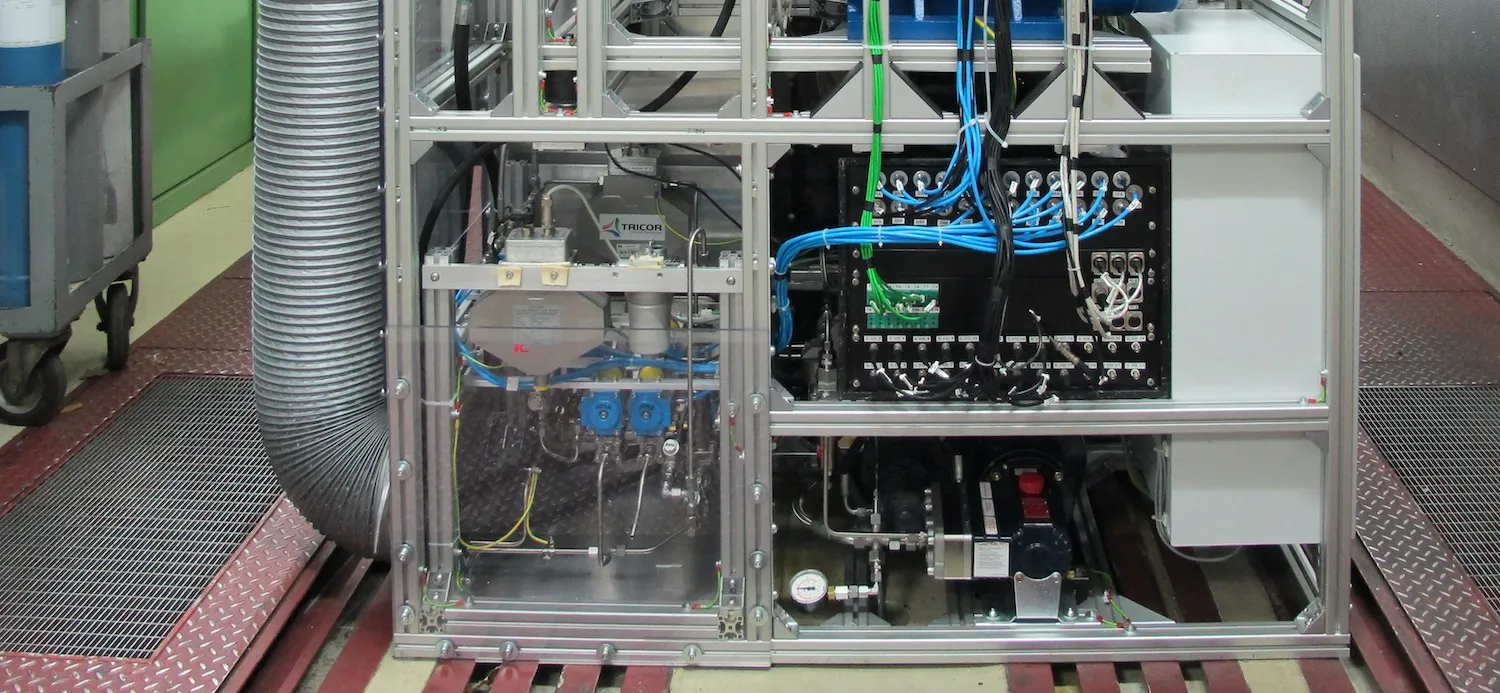
4. Dimethyl Ether
Dimethyl ether, abbreviated as DME, is a compound that shares important combustion characteristics with diesel fuel while producing a substantially cleaner emissions profile at the point of combustion.
Research programs focused on DME as an alternative fuel for compression ignition engines have been running for several decades, but recent advances in bio-based and e-fuel production pathways have given DME research new momentum and commercial relevance.
Engines running on DME do not produce soot or particulate matter from fuel combustion because the fuel’s molecular structure contains no carbon-carbon bonds, the structural feature responsible for particulate formation in diesel and gasoline combustion.
That near-zero particulate characteristic is a substantial advantage in the context of increasingly strict particulate emissions regulations in urban areas. Combustion of DME does produce carbon dioxide, but when DME is produced from biomass or through e-fuel synthesis using captured carbon dioxide, the lifecycle carbon balance can be substantially improved compared to fossil diesel.
Research from Volvo Trucks, one of the most active commercial participants in DME research among vehicle manufacturers, demonstrated through its DME truck program that vehicles based on a modified D13 engine architecture could operate on bio-DME with substantially reduced lifecycle greenhouse gas emissions compared to fossil diesel equivalents.
Practical challenges for DME as a vehicle fuel center on its lower volumetric energy density compared to diesel, approximately 65 percent of diesel’s energy per liter, and the requirement for pressurized fuel storage because DME is a gas at standard temperature and pressure. Vehicle fuel systems running on DME require pressure vessels similar in concept to LPG systems, along with modified fuel pumps, injectors, and seals compatible with DME’s physical properties.
Ford has participated in DME research through engineering studies examining potential application in modified versions of its diesel engine architectures used in commercial and heavy-duty applications, recognizing that DME’s cleanest combustion case is in compression ignition applications, where diesel’s emissions profile is most problematic.
Research progress on DME production efficiency and distribution infrastructure represents the critical path for this fuel’s commercial viability, and several industrial energy companies have active programs aimed at building out DME supply chains in major markets.

5. Ethanol High-Blend Fuels
Most drivers in the United States have been burning ethanol without thinking much about it for years. E10, a blend of ten percent ethanol and ninety percent gasoline, is standard at most filling stations across the country, and most modern vehicles run on it without issue or modification.
What research programs are now pursuing is a fundamentally different proposition: running engines on high-blend ethanol fuels, from E85 through to near-pure ethanol, in engine designs specifically optimized to extract maximum performance and efficiency from the fuel’s unique properties.
Ethanol’s higher octane rating compared to standard gasoline is the technical property that drives its appeal in high-compression, high-efficiency engine research.
Octane resistance to knock allows engineers to raise compression ratios and advance ignition timing beyond what gasoline safely permits, improving thermal efficiency and creating opportunities for power output that exceed what the same displacement gasoline engine could achieve.
When an engine is purpose-designed for high-ethanol operation rather than merely tolerant of it, the efficiency picture for ethanol improves substantially compared to the modest blending ratios that current flex-fuel vehicles use.
General Motors has been one of the most active manufacturers in high-blend ethanol engine research, operating flex-fuel capable engines across multiple vehicle lines and investing in research into optimized combustion strategies for E85 and higher ethanol concentrations.
Chevrolet’s application of flex-fuel capability to the Silverado 1500 (T1XX generation) using the 5.3-liter EcoTec3 V8 engine is a production example of ethanol-tolerant engine design that points toward the direction more specialized research programs are pushing: fully optimized ethanol combustion for maximum efficiency rather than simple compatibility.
Honda has conducted ethanol combustion optimization research through its engineering programs in Brazil, where ethanol fuel infrastructure is the most developed in the world, allowing researchers to operate in a real market environment where high-ethanol fuels are genuinely available at scale.
Research outputs from Honda’s Brazilian engineering operations have fed back into global engine development programs, providing data on long-term durability, cold start performance, and real-world efficiency with high-blend ethanol fuels. Production at scale of cellulosic ethanol, derived from agricultural waste and non-food plant material rather than food crops, addresses one of the most persistent criticisms of ethanol as a large-scale fuel solution.
Cellulosic ethanol research at institutions, including the National Renewable Energy Laboratory, and through partnerships with manufacturers, has demonstrated production pathways that do not compete with food production and deliver stronger lifecycle carbon reductions than first-generation corn or sugar-based ethanol. That improved lifecycle performance strengthens the long-term case for high-blend ethanol in optimized combustion engine applications.
6. Synthetic Gasoline (E-Gasoline)
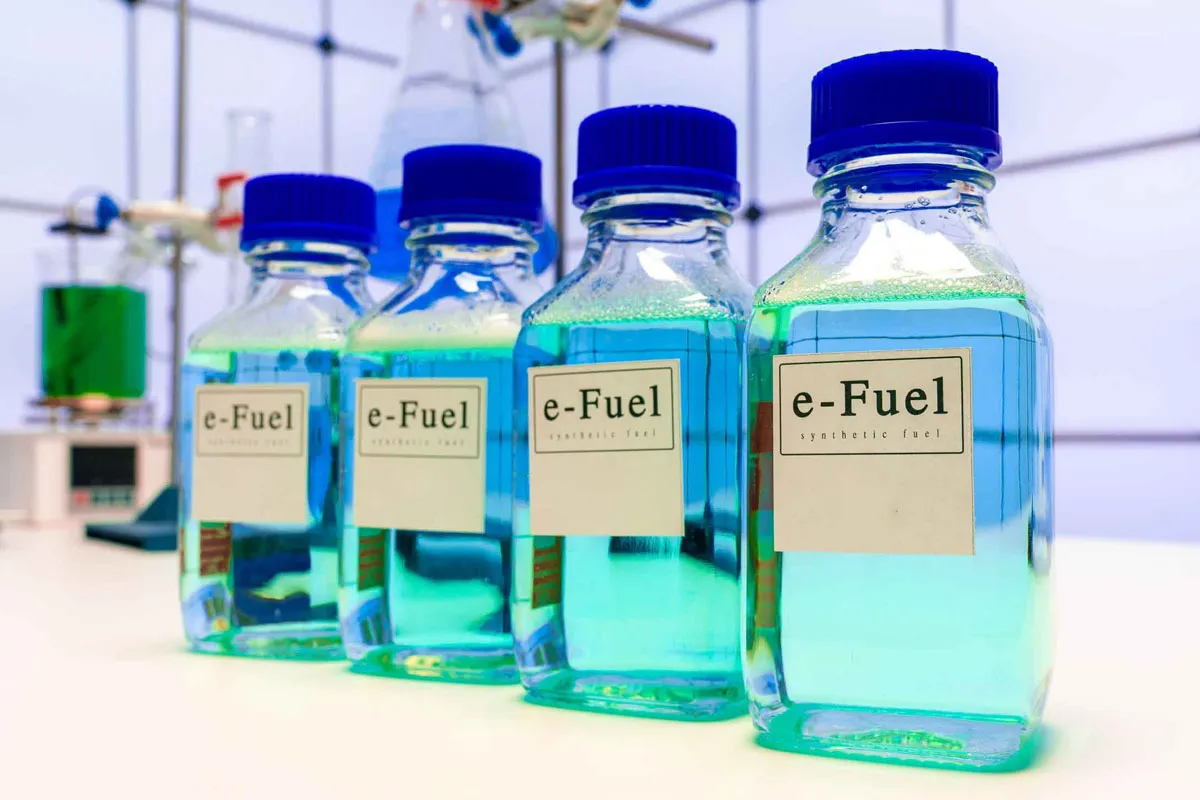
Imagine a fuel that works in every existing gasoline engine without any modification, delivers comparable energy density to conventional gasoline, and carries a lifecycle carbon footprint that approaches neutral because it was made from carbon dioxide already in the atmosphere.
That is the promise of synthetic gasoline, or e-gasoline, and it is one of the most commercially interesting areas of alternative fuel research precisely because it does not require replacing any existing vehicle or engine technology.
E-gasoline is produced through a process that begins with green hydrogen, created by electrolyzing water with renewable electricity, and combines that hydrogen with carbon dioxide captured from industrial emissions or directly from the atmosphere.
Through Fischer-Tropsch synthesis or similar chemical processes, these inputs are converted into liquid hydrocarbon fuels that are chemically similar to conventional gasoline and can be used as drop-in replacements without engine modification.
Porsche has committed the most publicly visible commercial investment in e-gasoline production of any major automaker. Porsche’s Haru Oni e-fuel plant in Chile, developed in partnership with Siemens Energy and other collaborators, has been producing synthetic methanol and e-gasoline in pilot quantities using wind power as the renewable energy source.
Porsche’s financial interest in the project reflects the brand’s understanding that a large portion of its existing and future customer base will want to continue operating high-performance internal combustion engines, and that providing a carbon-neutral fuel for those engines is a more commercially realistic path than expecting all performance car buyers to switch to electric alternatives.
BMW has expressed strong research interest in e-fuels as a complement to its electric vehicle program, recognizing that the combustion engines in its current and near-future lineup could operate on synthetic fuels without modification if those fuels become available at scale.
BMW’s research engagement with e-fuel production chemistry and supply chain development reflects a broader industry recognition that synthetic fuels represent a tool for decarbonizing the existing vehicle fleet without waiting for full electrification. Production cost is the most substantial barrier e-gasoline currently faces on its path to commercial relevance.
Current production costs for synthetic gasoline are considerably higher than conventional refined gasoline, reflecting the energy-intensive nature of the synthesis process and the early-stage economics of the production facilities. Research programs aimed at improving electrolyzer efficiency, scaling renewable energy capacity, and optimizing synthesis process efficiency are all working against that cost barrier.
Industry analysts project that e-gasoline could reach cost-competitive territory with conventional fuel in certain market conditions within the next fifteen to twenty years if current investment trajectories continue.
7. Propane Autogas
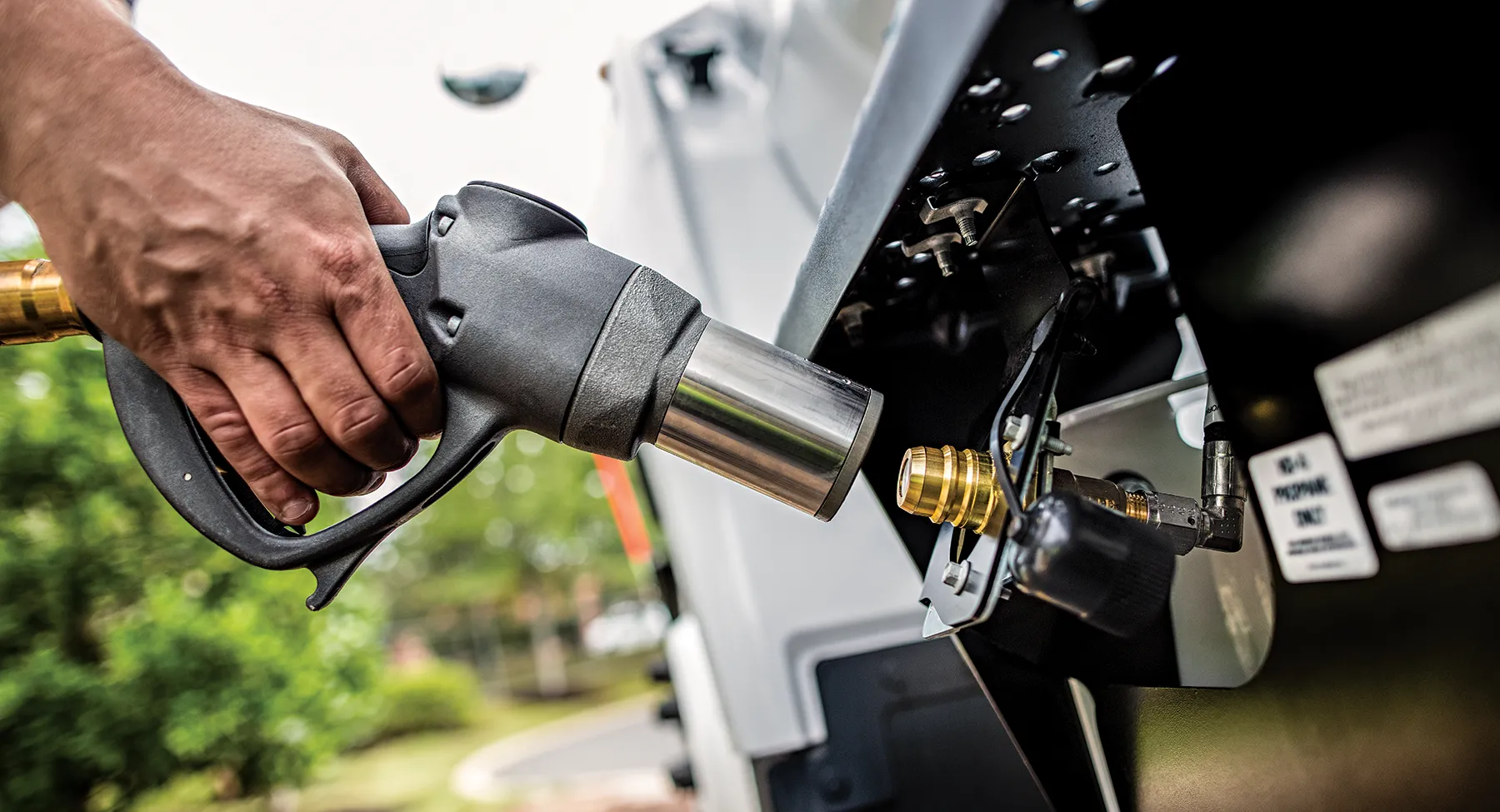
Propane autogas occupies an interesting position in the alternative fuels conversation. It is not experimental or theoretical. Propane has been powering vehicle fleets, forklifts, buses, and agricultural equipment for decades in the United States and internationally.
What current research is focused on is refining propane’s combustion performance in modern, high-compression, direct-injection engine architectures to extract efficiency and emissions performance that older carbureted or port-injection propane systems could not achieve. Propane autogas burns cleaner than gasoline in direct emissions terms, producing lower levels of carbon monoxide, certain hydrocarbons, and particulate matter in properly calibrated engines.
Its lower carbon content per unit of energy compared to gasoline means that even without renewable production pathways, propane combustion generates less carbon dioxide per mile than equivalent gasoline combustion. When bio-propane, produced from organic waste streams and renewable feedstocks, is substituted for fossil-derived propane, the lifecycle emissions picture improves substantially.
Ford has been one of the most engaged mainstream automakers in propane autogas applications for its commercial vehicle lineup. Ford’s Super Duty F-450 (P558 platform) is available with a factory-installed gaseous fuel prep package that prepares the 7.3-liter V8 gasoline engine for upfitter-installed propane autogas conversion systems.
This OEM involvement in propane vehicle preparation reflects Ford’s recognition that commercial fleet operators represent a strong market for alternative fuel vehicles, because fleet operators have centralized fueling infrastructure that makes propane distribution logistics manageable in ways that are more difficult for individual consumer vehicles.
Research at organizations including the Propane Education and Research Council and at university automotive engineering programs has focused on direct-injection propane combustion strategies that allow higher compression ratios and more precise fueling control than port-injection systems allow.
Direct-injection propane engines can achieve thermal efficiency levels that approach those of modern turbocharged gasoline engines while maintaining propane’s emissions advantages. Several research prototypes have demonstrated direct-injection propane combustion in passenger car engine architectures, providing a technical foundation for potential production application.
Infrastructure is propane autogas’s strongest practical advantage over most alternative fuels covered in this article. Propane distribution networks already exist across the United States and in most developed markets, with thousands of fueling points serving commercial and fleet customers.
Expanding that infrastructure to serve a broader vehicle population is an incremental challenge rather than the ground-up infrastructure build that hydrogen or synthetic fuel distribution networks require.
Also Read: 8 Tips for Keeping an Older Car Running Like New on a Budget

8. Biodiesel High-Blend Fuels
Biodiesel has moved well beyond the experimental phase and now carries decades of operational history across trucking fleets, agricultural equipment, and passenger vehicles. That long track record gives researchers a solid base of field data rather than theoretical projections.
Current development efforts are refining higher blend ratios and improving consistency, storage stability, and cold weather behavior. Instead of inventing an entirely new fuel category, engineers are building on existing distribution systems and engine platforms to expand biodiesel’s practical range.
Production begins with renewable feedstocks such as soybean oil, animal fats, or recycled cooking grease. Through a chemical reaction called transesterification, these raw lipids are converted into fatty acid methyl esters that can ignite under compression in a diesel engine.
B20, which contains twenty percent biodiesel and eighty percent petroleum diesel, has become a common commercial blend and is approved in many unmodified diesel vehicles. Research initiatives now concentrate on enabling reliable B100 use while shifting feedstock supply toward waste streams and non-food sources. That transition reduces concerns about land competition and strengthens biodiesel’s environmental case.
Automakers have contributed to these studies. Mercedes-Benz has evaluated high blend biodiesel compatibility in modern common rail engines such as the OM656 six-cylinder diesel found in the Mercedes-Benz E 350d (W213). Testing has examined injector wear, fuel system deposits, filter life, and cold start performance.
Findings from such programs help shape service guidelines and material updates that support broader biodiesel adoption in daily driving conditions. A parallel pathway involves Hydrotreated Vegetable Oil, commonly called renewable diesel.
Unlike traditional biodiesel, HVO undergoes hydrotreatment rather than transesterification, resulting in a fuel that closely resembles petroleum diesel at the molecular level. It can be blended at any ratio or used on its own without engine modification.
Volvo Cars has endorsed HVO for engines, including the D5 used in the Volvo XC90 B5 AWD, citing compatibility and lifecycle emissions benefits. When produced from verified waste sources, HVO can reduce greenhouse gas output dramatically compared with fossil diesel, offering a practical emissions reduction pathway using existing diesel technology.
