
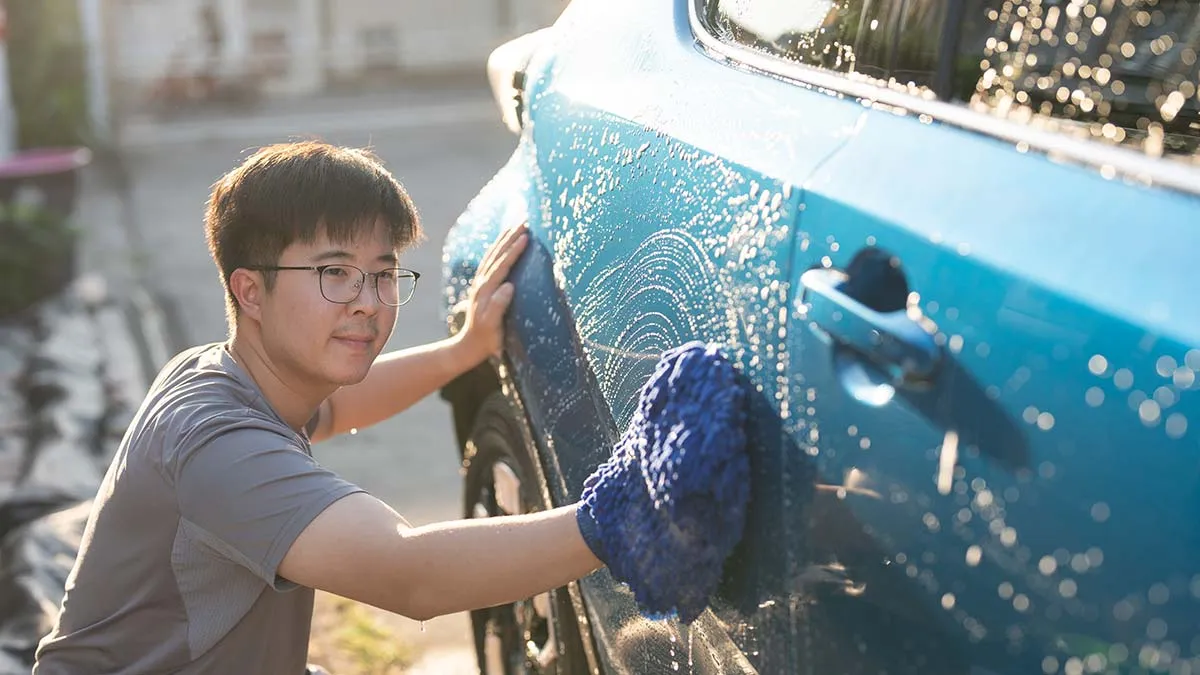
Your car’s paint is under attack every single day, and most of the damage happens so gradually that you do not notice it until the problem is already serious. UV rays break down the clear coat layer by layer. Rain carries acid from pollution that settles on the surface. Snow brings road salt that creeps into every exposed area.
Bird droppings and tree sap etch into paint within hours if left untreated. Wind kicks up sand and grit that scratches the clear coat with every gust. Harsh weather is relentless, and it does not take a break between seasons. Here is the good news: waxing is not the only answer.
For years, traditional carnauba wax was the default solution for paint protection, and while it still has its place, it is far from the only tool available. Wax requires frequent reapplication, offers limited protection against the most aggressive environmental threats, and simply cannot keep up with the demands that modern driving conditions place on a vehicle’s exterior.
Fortunately, the car care industry has developed a range of protection methods that outperform traditional wax in durability, ease of application, and resistance to exactly the kind of weather damage that causes paint to fade, oxidize, and deteriorate prematurely.
Whether you drive a brand-new daily driver or a weekend vehicle you want to keep in showroom condition for years, the ten methods covered in this article give you real, practical options for protecting your paint without ever picking up a tin of wax.
Some of these solutions are professional-grade treatments that last for years. Others are simple habits and products that any car owner can apply at home on a Saturday morning. All of them work, and all of them address specific types of weather damage in ways that traditional waxing never could.
Read through every method before deciding which combination works best for your vehicle, your budget, and your climate. Protecting car paint is not a single action. It is a strategy, and this article gives you everything you need to build one.
1. Paint Protection Film: The Armor Your Car’s Exterior Actually Deserves
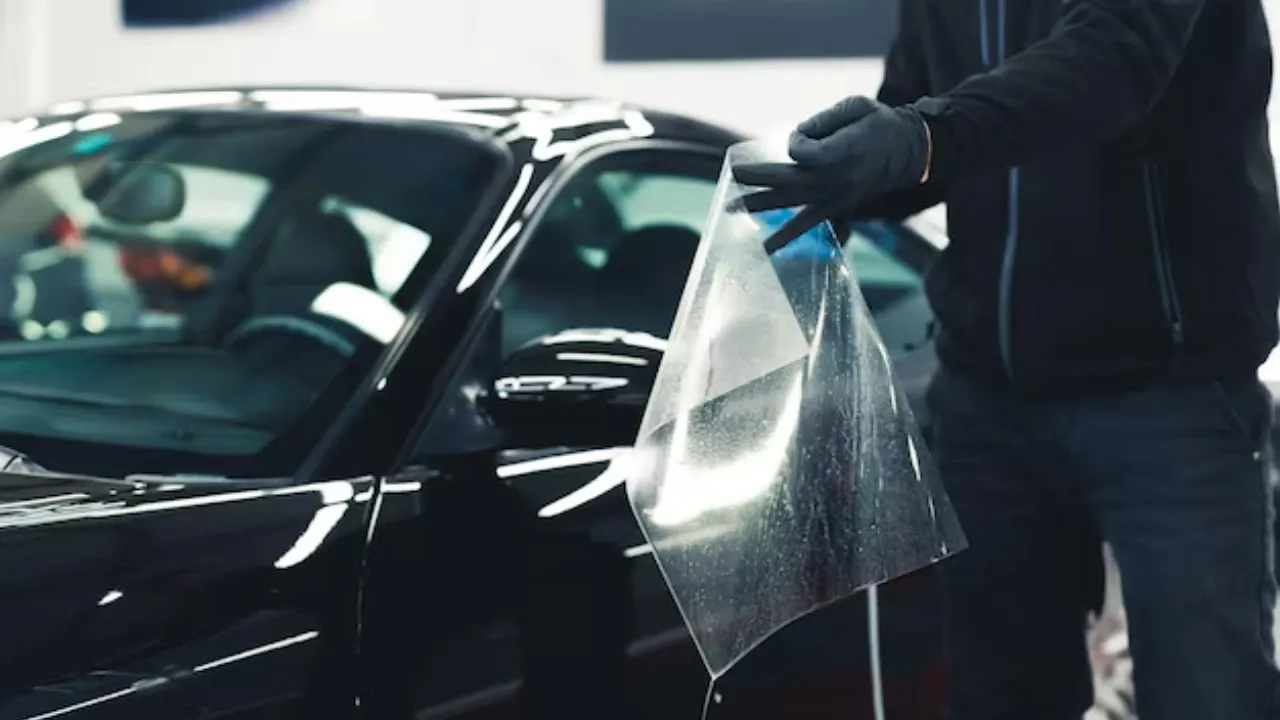
If you want the strongest physical barrier between your car’s paint and everything the weather throws at it, paint protection film is the answer that professionals have been recommending for years.
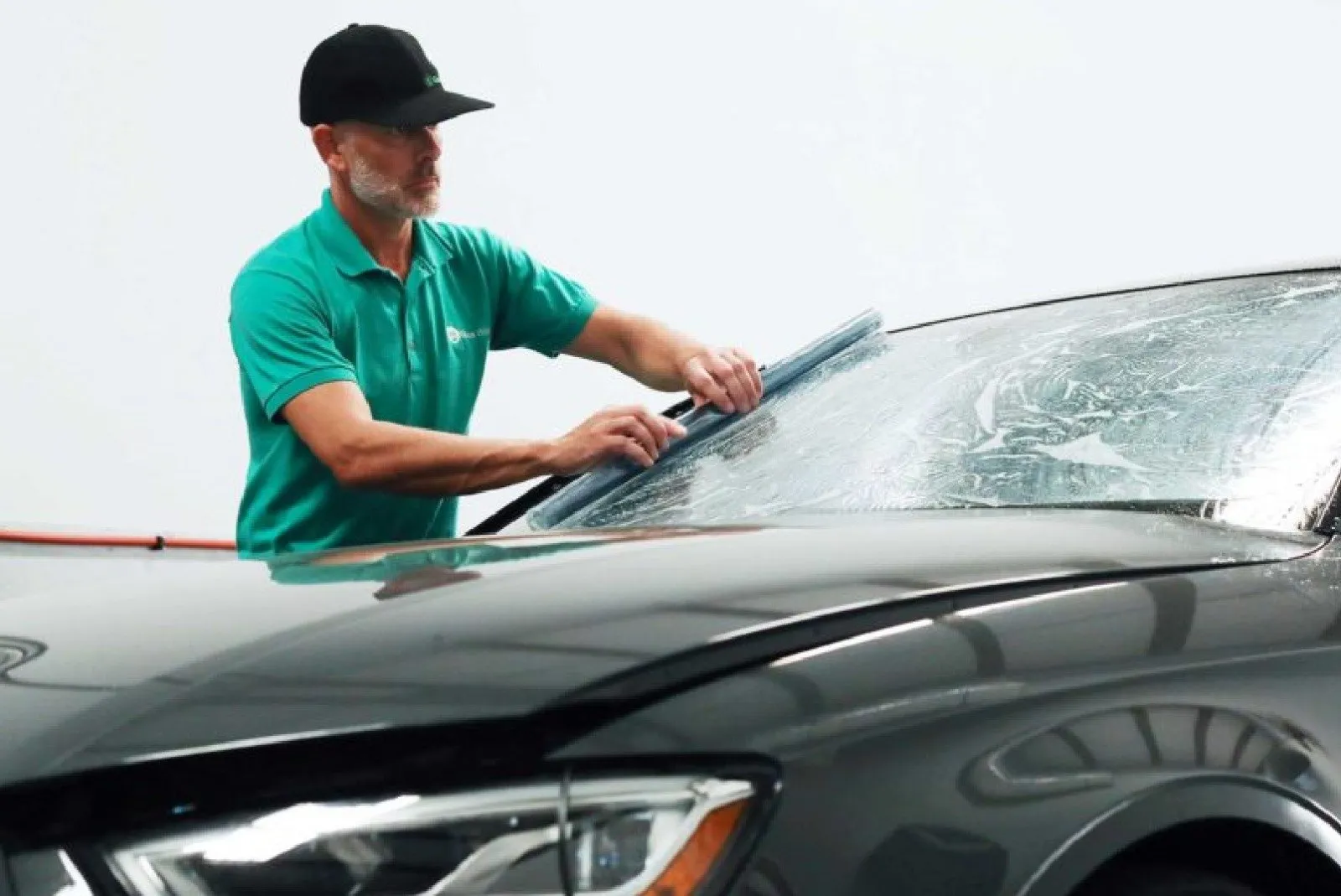
Also known as PPF or clear bra, this product is a thermoplastic urethane film applied directly to painted surfaces to shield them from stone chips, road debris, UV radiation, acid rain, bird droppings, and abrasion damage.
It is invisible when properly installed, and on a well-maintained vehicle, it can preserve factory paint condition for years without any of the limitations that come with regular wax applications.
PPF was originally developed for military use to protect helicopter rotor blades from debris damage during combat operations. Automotive applications followed, and the technology has advanced considerably since those early industrial origins.
Modern PPF products from brands like XPEL Ultimate Plus, 3M Scotchgard Pro Series, and Llumar Platinum offer self-healing topcoats that cause minor surface scratches to disappear with heat exposure from sunlight or warm water.
That self-healing characteristic is a genuine technological advancement over older film products, which would retain surface scratches permanently once the damage occurred.
Installation quality makes an enormous difference in how well PPF performs and how long it lasts. Professional installation by a certified installer using computer-cut patterns specific to the vehicle’s body panels produces results that are virtually invisible and cover every exposed surface without lifting edges or trapped air bubbles.
A poorly installed film will peel at the edges, trap moisture, and potentially cause more problems than it prevents. For high-end vehicles where the investment in professional installation is proportionate to the vehicle’s value, PPF is one of the most cost-effective long-term paint protection decisions available.
2. Ceramic Coating: Long-Term Chemical Resistance That Wax Cannot Match
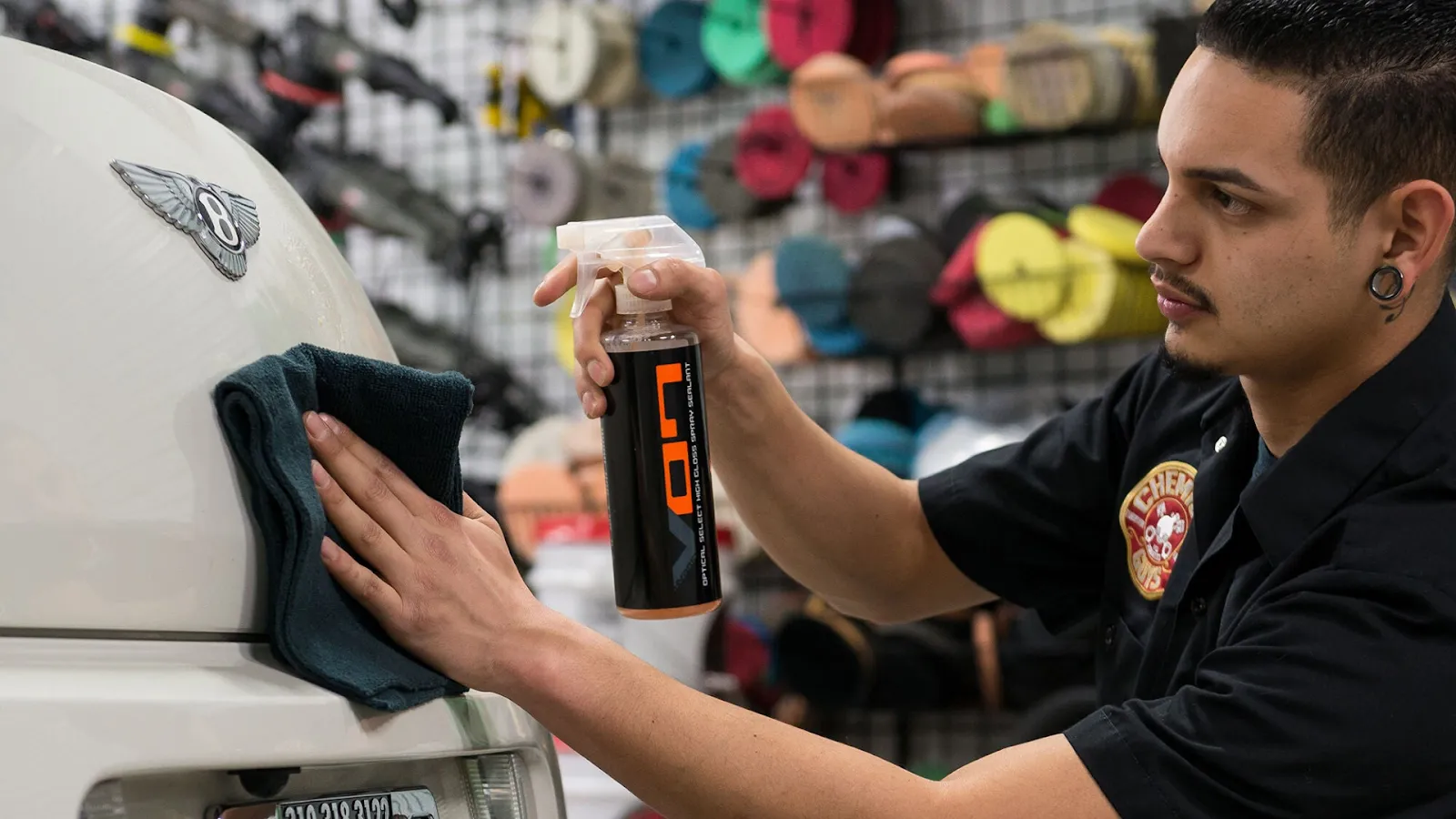
Ceramic coating changed the paint protection industry when it entered the mainstream market, and its popularity has only grown as product quality has improved and professional installation has become more accessible.
Unlike wax, which sits on top of the paint surface and wears away within weeks, ceramic coating bonds chemically to the clear coat, creating a semi-permanent protective layer that lasts for years and resists the chemical and environmental threats that wax simply cannot handle.
Ceramic coatings are silica-based products that, when cured, form a hard, hydrophobic layer over the painted surface. That hydrophobic property is one of the ceramic coating’s most visible and practical benefits.
Water beads up and rolls off the surface with enough force to carry surface contaminants with it, which means that rain, in many cases, performs a partial self-cleaning function on a properly coated vehicle.
Dirt and grime that would bond stubbornly to an unprotected or wax-protected surface have far less grip on a ceramic-coated surface, making washing faster, easier, and less abrasive. Chemical resistance is the ceramic coating’s strongest argument against harsh weather damage.
Acid rain, industrial fallout, road salt, and bird droppings all interact with painted surfaces through chemical processes that break down the clear coat at a molecular level. A properly applied and cured ceramic coating creates a sacrificial layer that takes the chemical impact before it reaches the paint, dramatically slowing the degradation process.
For vehicles in urban environments where industrial air pollution is a constant presence, or in coastal areas where salt air creates ongoing chemical exposure, ceramic coating delivers protection that no other non-film product can match.
Take the 2023 Tesla Model Y Long Range AWD (RWD Propulsion Platform) as a real-world example. Tesla’s factory paint, particularly in lighter colors like Pearl White Multi-Coat, is well-documented among owners as requiring careful protection against environmental contamination.
Ceramic coating applied within the first few months of ownership creates a protective barrier that keeps that white paint looking clean and bright despite the UV exposure, road grime, and bird-dropping incidents that accumulate across years of daily driving.
Also Read: 10 Storage Tips to Protect a Mazda CX-5 from Sun Damage
3. Car Covers: Simple, Portable Protection That Works Harder Than You Think
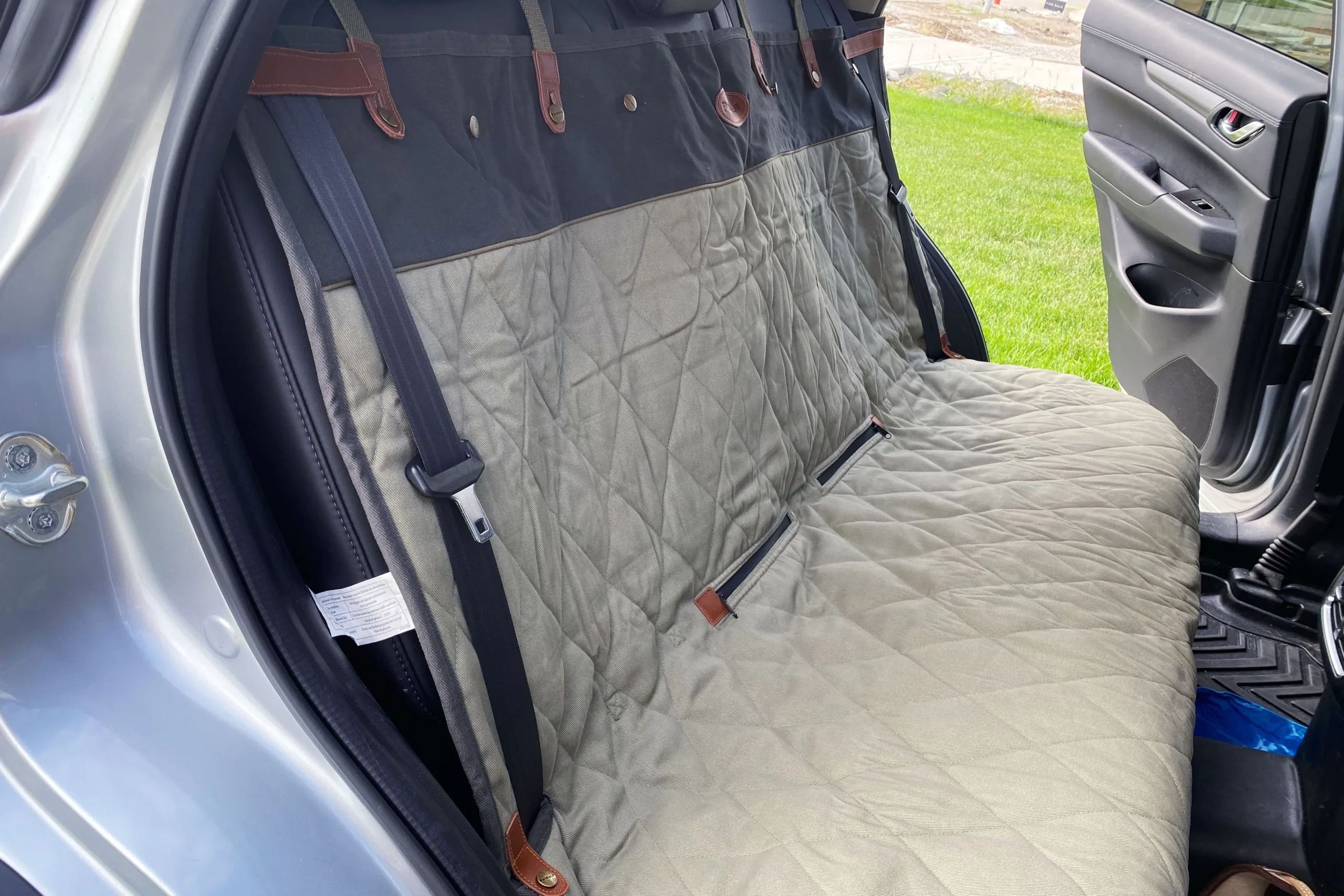
Not every paint protection solution requires a professional installer or a specialized product application process. Sometimes the most practical tool is also the most straightforward one, and a high-quality car cover is exactly that kind of solution.
Used correctly, a good car cover addresses multiple weather threats simultaneously, protecting paint from UV radiation, rain, snow, hail, bird droppings, tree sap, and airborne debris in a single layer of physical protection that can be deployed in minutes.
Choosing the right car cover is where most people either get it right or get it completely wrong. Budget covers made from thin, non-breathable synthetic materials do more harm than good.
Moisture that gets under a non-breathable cover cannot escape, creating a humid microenvironment that promotes paint oxidation and, in worst cases, encourages mold and mildew growth on soft trim and rubber seals.
A quality car cover uses breathable materials that allow moisture vapor to escape while blocking liquid water, UV rays, and physical debris from reaching the surface. Brands like Covercraft, Coverking, and California Car Cover produce vehicle-specific covers cut to match individual car models precisely.
A cover that fits properly stays in place in the wind, does not flap against the paint surface in ways that cause microscopic scratches, and provides full coverage without gaps that defeat the protection purpose.
Custom-fit covers also typically use softer inner liner materials that do not scratch paint when the cover is placed and removed, which is a detail that generic universal-fit covers frequently fail to address adequately.
For vehicles that spend extended time parked outdoors, a quality car cover is one of the best investments available. Consider the 2022 BMW M4 Competition Coupe (G82 platform), which BMW paints to high standards that deserve serious protection during periods when the car is not in use.
Covering this car with a properly fitted, breathable cover during winter storage or extended periods of outdoor parking preserves paint condition that would otherwise be progressively degraded by UV exposure and environmental fallout.
4. Spray Sealants: Quick-Application Protection for Busy Car Owners
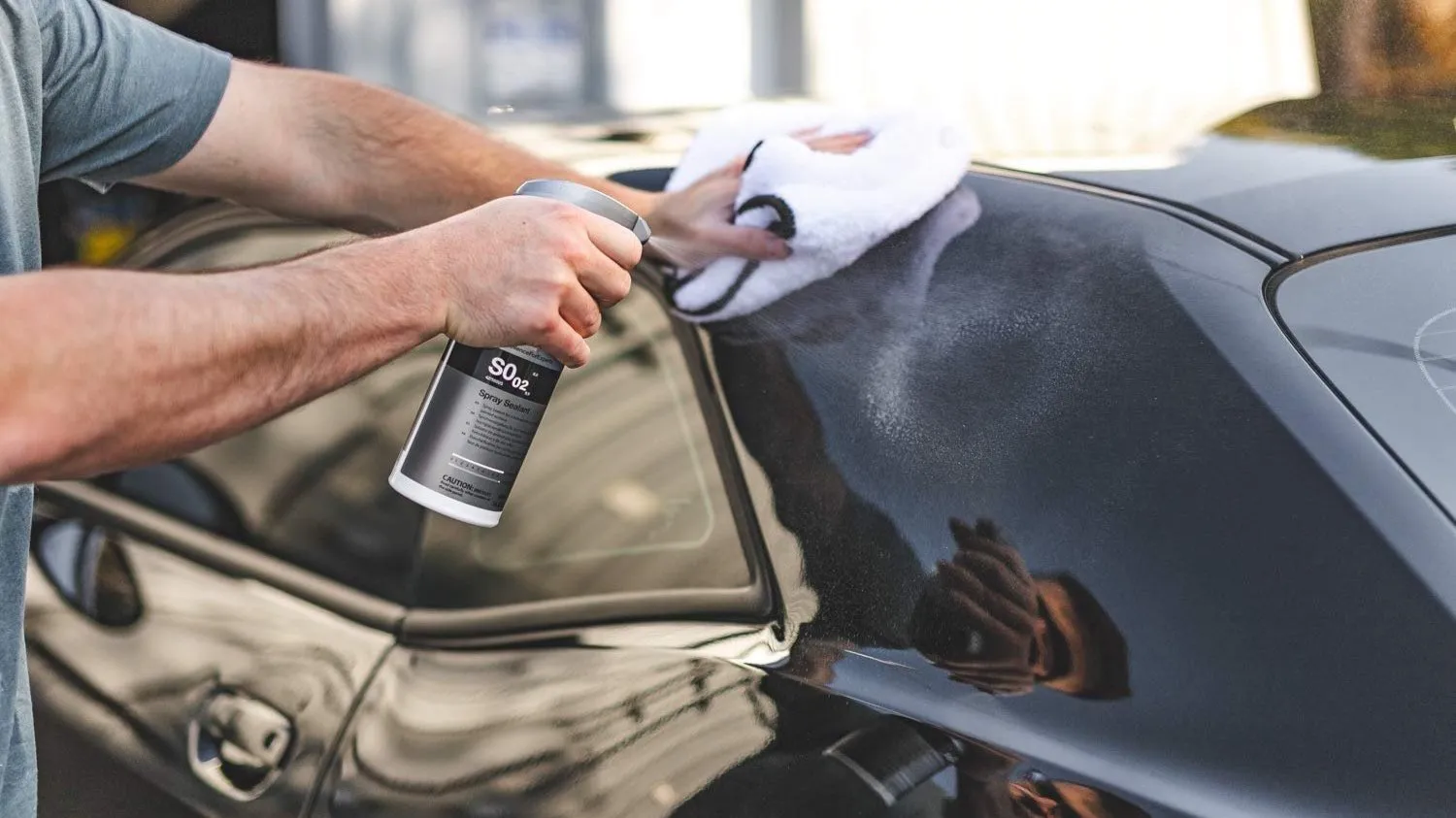
Spray sealants occupy the space between wax and ceramic coating, offering better durability than traditional wax with an application process that is fast enough to fit into a regular car washing routine.
For car owners who want meaningful paint protection without committing to a professional coating installation or the time investment of traditional wax application, spray sealants deliver a practical middle ground that is genuinely worth understanding.
Polymer-based spray sealants bond to painted surfaces through electrostatic attraction rather than the mechanical embedding process that paste wax relies on. That bonding mechanism produces a more uniform, consistent protective layer than hand-applied paste wax and delivers better resistance to water, UV radiation, and light chemical exposure.
Most quality spray sealants provide protection lasting between three and six months, which compares favorably against carnauba wax’s typical four to eight-week window before reapplication is needed. The application is simple enough that most car owners complete it without special equipment or preparation beyond a clean, dry vehicle surface.
Spray the product onto a panel, spread it with a clean microfiber applicator, allow the brief flash time specified by the manufacturer, and buff off the residue with a clean microfiber cloth. Products like Meguiar’s Ultimate Fast Finish, Adam’s UV Paint Guard Spray, and Chemical Guys JetSeal can be applied in the time it takes to listen to a podcast episode, making them genuinely compatible with busy schedules.
Picture the 2023 Honda CR-V Sport Touring Hybrid (Sixth Generation) as an everyday example. This is a vehicle that spends its life in regular use, accumulating road exposure, parking lot hazards, and weather damage across every season.
Regular spray sealant application after washing gives the CR-V’s paint a consistent layer of chemical and UV resistance that costs almost nothing in time or money but preserves paint clarity and finish quality that improves long-term resale value in a vehicle category where condition matters to buyers.
5. Garage and Covered Parking: The Prevention Strategy Everyone Underestimates
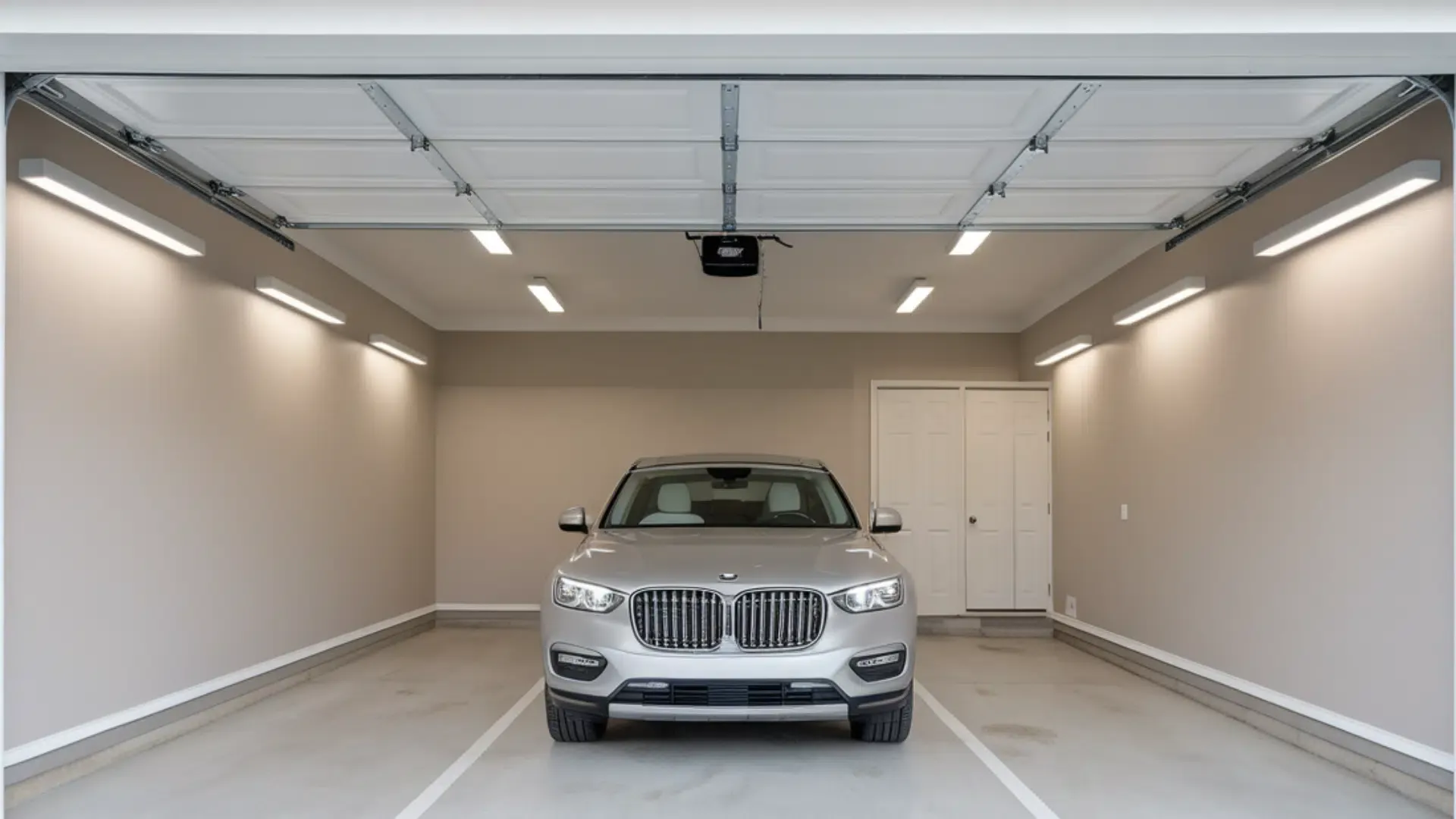
Ask any professional detailer what single habit makes the biggest difference in long-term paint preservation, and a large number will give you an answer that has nothing to do with products at all. Storing your vehicle in a garage or covered parking structure removes it from the primary sources of weather-related paint damage for the hours it spends stationary, which adds up to a substantial portion of every twenty-four-hour period for most vehicles.
UV radiation causes more cumulative paint damage than any other single environmental factor in most climates. Clear coat degradation from ultraviolet exposure is a slow, continuous process that happens every minute a car sits in sunlight. A vehicle stored in a garage during overnight hours and whenever it is not in use accumulates dramatically less UV exposure than one left in an outdoor parking space around the clock.
That reduced UV accumulation translates directly into preserved paint depth, color vibrancy, and clear coat integrity that becomes visible in the comparison between well-stored and poorly stored vehicles of the same age.
Rain and its chemical payload represent the second major threat that covered storage addresses. Acid rain, which forms when atmospheric pollution dissolves into precipitation, deposits mildly corrosive compounds onto paint surfaces with every rainfall.
A single rain event does not cause visible damage in most cases, but repeated exposure without thorough cleaning allows acid deposits to accumulate and etch progressively deeper into the clear coat. Vehicles stored under cover during rain events avoid this accumulation entirely, giving them a measurable advantage in long-term paint condition.
6. Paint Decontamination Treatments: Removing What Washing Alone Cannot Touch
Regular washing removes surface dirt, dust, and loose grime. What it does not remove is the layer of embedded contamination that builds up on painted surfaces through ordinary driving and environmental exposure. Iron particles from brake dust and rail dust, industrial fallout, hard water mineral deposits, and bonded tar and road film all embed into the clear coat at a level that soap and water cannot reach.
Leaving this contamination layer in place accelerates paint degradation by creating a chemically active surface that interacts destructively with UV radiation, moisture, and temperature changes. Iron decontamination sprays are the most effective tool for removing metalite contamination from painted surfaces without physical abrasion.
Products like CarPro IronX, Koch Chemie Green Star, and Gtechniq W6 Iron and General Fallout Remover work by chemically reacting with iron particles embedded in the paint surface, dissolving the bond that holds them in place and allowing them to be rinsed away without scratching. The chemical reaction turns the product purple as it contacts iron contamination, giving a visible indicator of how much fallout is present on any given vehicle.
Look at the 2023 Audi A6 Allroad quattro (C8 platform) as a vehicle where decontamination matters in very practical terms. This is a wagon designed for both urban professional use and light off-road capability, meaning it accumulates both urban industrial fallout and rural road contamination in regular use.
Keeping that contamination cleared prevents the layered chemical attack that degrades paint faster than UV exposure alone, preserving the A6 Allroad’s sophisticated paint finish across years of mixed-use driving.
7. Hydrophobic Glass Coatings Applied to Body Panels: Expanding Rain Protection Beyond the Windshield
Hydrophobic coatings are most commonly associated with windshield treatments that cause rain to bead and run off glass surfaces, improving visibility in wet conditions.
Applying the same hydrophobic principle to painted body panels through purpose-formulated paint hydrophobic treatments creates a water management system across the entire vehicle exterior that reduces the time moisture sits on painted surfaces, which directly reduces the opportunity for water-carried contaminants to bond with or etch into the paint.
Water sitting on a painted surface is not neutral. Every drop of water that rests on a car’s exterior carries dissolved pollutants, minerals, and acidic compounds collected from the atmosphere during its fall. As that water evaporates, the dissolved contaminants concentrate and deposit onto the surface in increasingly concentrated form.
Hard water spots, one of the most persistent cosmetic issues affecting car paint in many regions, form through exactly this process. Hydrophobic surface treatments that cause water to shed quickly rather than sit and evaporate dramatically reduce hard water spot formation and the associated surface etching.
Products specifically formulated for paint hydrophobic protection rather than glass treatment include Gtechniq C2 Liquid Crystal, GYEON Quartz Q2 Cure, and Optimum No Rinse with Polymer Seal. These products can be applied quickly to clean, dry paint surfaces and provide weeks of hydrophobic behavior that makes each subsequent wash faster and reduces contamination adhesion between washes.
For a vehicle like the 2024 Mazda CX-90 PHEV (Premium Plus trim), which Mazda finishes in deep, richly pigmented colors that show water spotting and paint oxidation clearly, regular hydrophobic treatment keeps those premium paint colors looking vivid and clean between washes.
Maintaining paint appearance on a vehicle at this price point through a product costing a few dollars per application is straightforward, cost-effective car care that any owner can manage independently.
8. Vinyl Wraps as Full-Body Paint Protection: Function Meets Customization
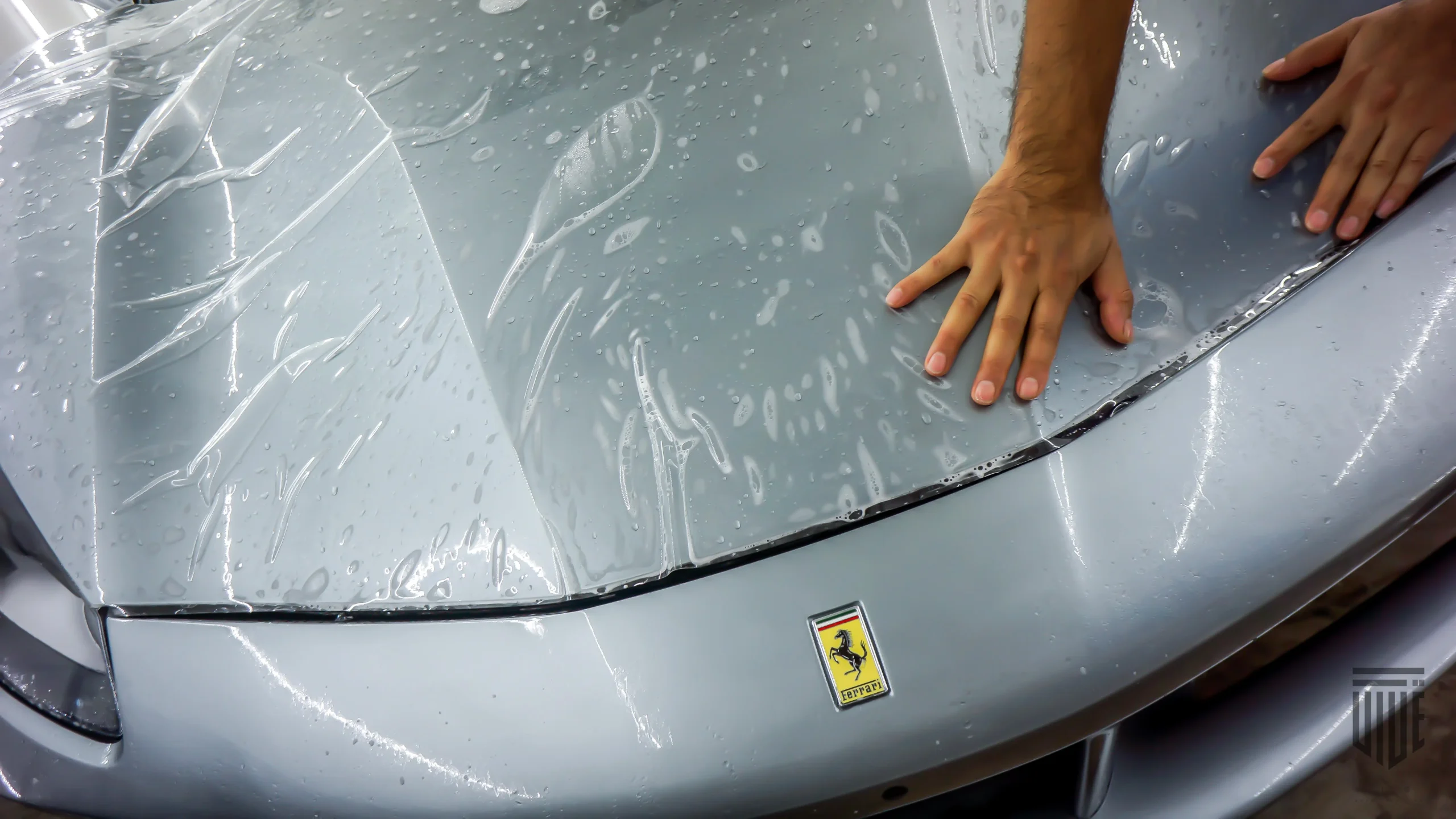
Vinyl wrapping a vehicle was once primarily associated with commercial fleet graphics and bold aesthetic customization. Its role has expanded considerably, and vinyl wrapping now serves as a legitimate full-body paint protection strategy that shields factory paint from weather damage while offering the additional benefit of a reversible finish change.
For owners who want comprehensive paint protection that covers every exterior panel rather than just high-impact areas, a quality full vinyl wrap provides coverage that no spray product can replicate.
Protection from UV radiation is one of vinyl wrap’s strongest practical qualities as a weather protection tool. Quality cast vinyl films contain UV inhibitors that absorb and block ultraviolet radiation, preventing it from reaching the paint beneath.
A vehicle wrapped and unwrapped after several years will often reveal factory paint in better condition than equivalent panels on an unwrapped vehicle of the same age parked in similar conditions, because the wrap has absorbed the UV load that would otherwise have degraded the clear coat.
Rain, snow, road salt, industrial fallout, and most surface contaminants interact with the wrap surface rather than the paint, and vinyl’s chemical resistance handles these threats effectively. Acid rain deposits on a vinyl surface do not etch in the same way as they affect the clear coat because vinyl’s surface chemistry responds differently to acidic compounds.
Road salt that would promote corrosion on exposed paint edges and chips sits on the vinyl surface, where it can be rinsed away during washing. A vehicle like the 2023 Mercedes-Benz GLE 580 4MATIC (V167 platform) represents exactly the kind of investment where a full vinyl wrap makes financial sense as paint protection.
Protecting the factory paint on a vehicle at this price level through a quality wrap installation preserves the option for a clean, factory-paint-condition vehicle at resale, which matters substantially in the premium SUV market where discerning buyers pay close attention to exterior condition.
9. pH-Neutral Washing Products: Protecting Paint at the Most Basic Level of Care
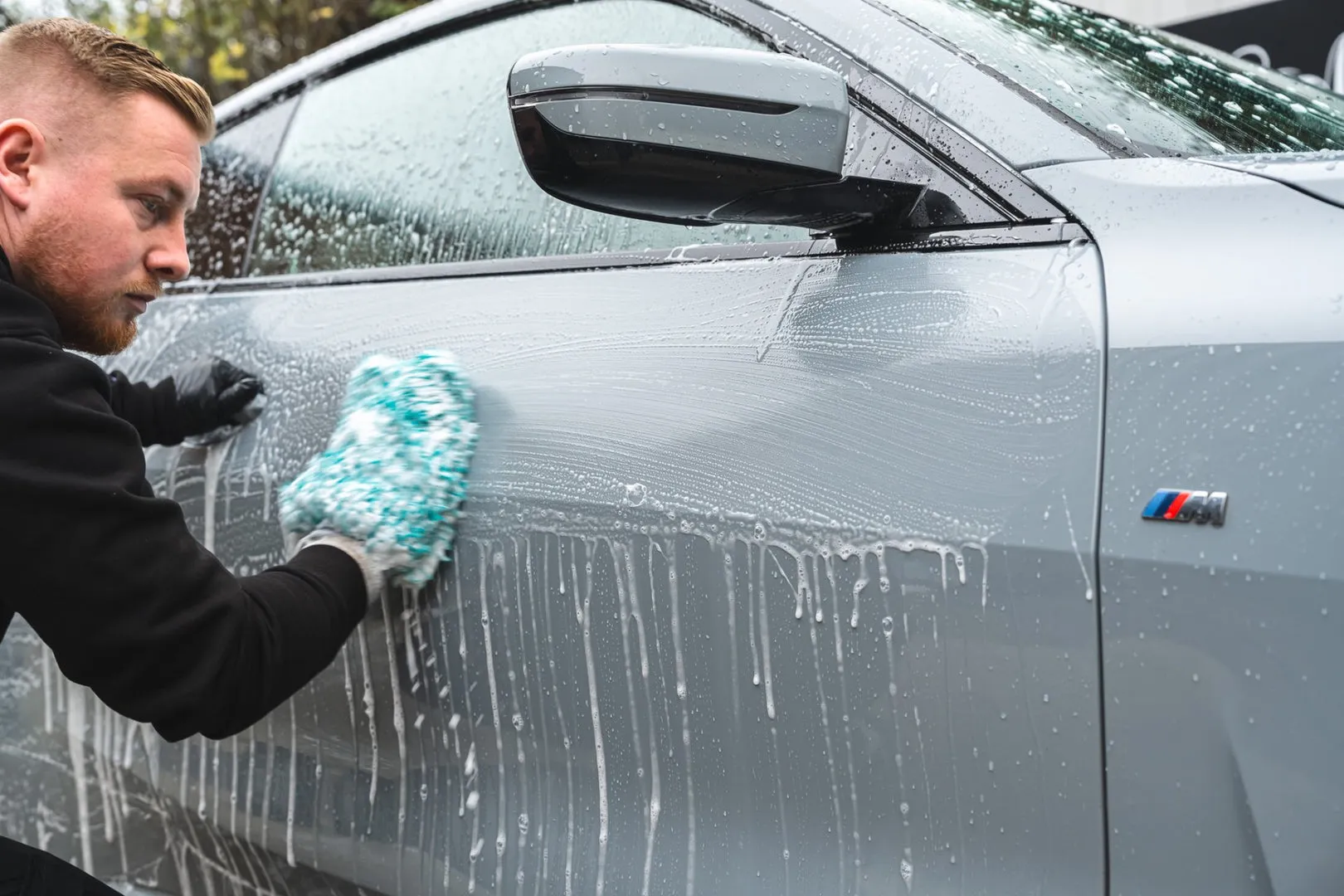
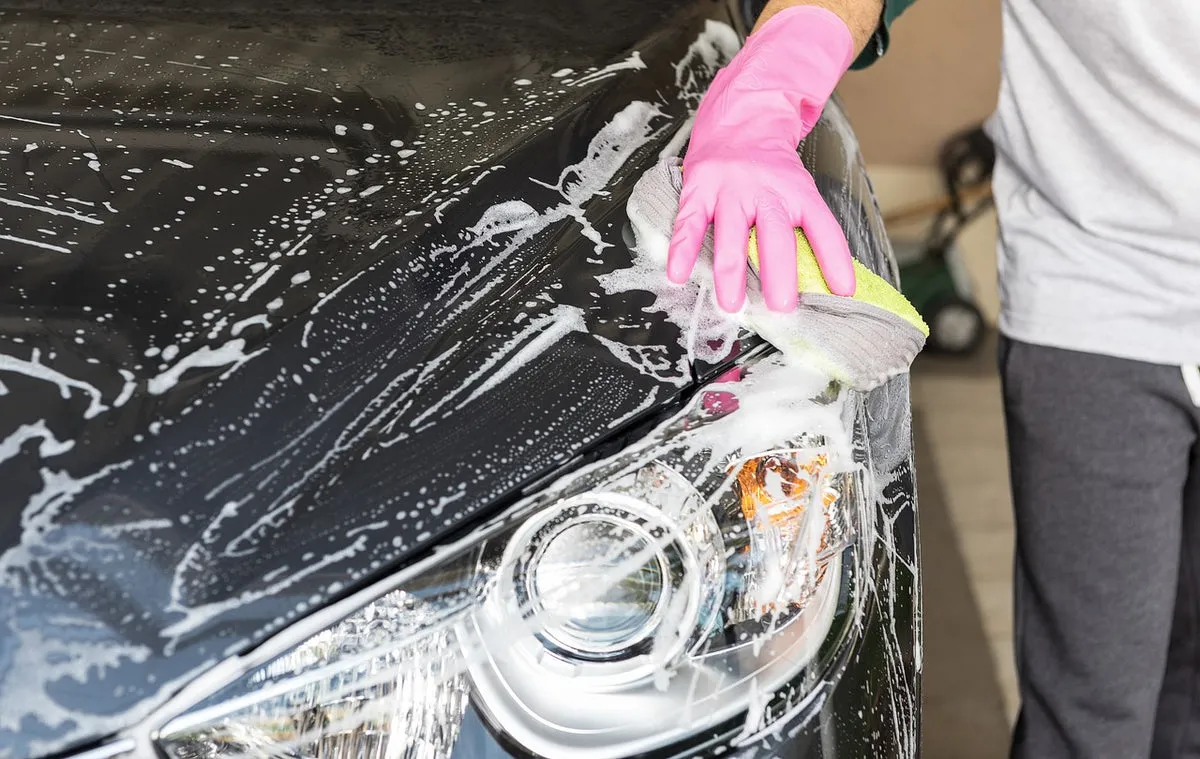
Every time you wash your car, you are choosing whether that wash helps or harms the paint. Products containing harsh detergents, alkaline cleaning agents, or abrasive compounds strip protective layers, accelerate clear coat degradation, and leave paint more vulnerable to weather damage after every wash cycle.
Switching to pH-neutral, paint-safe washing products is one of the simplest and most consistently impactful habits any car owner can adopt for long-term paint protection.
Standard dish soap, which many car owners reach for out of habit or convenience, has a pH level that strips protective coatings, removes lubricating layers from rubber seals, and leaves paint surfaces more exposed to UV and chemical damage than they were before the wash.
Even a single wash with a harsh alkaline detergent removes weeks of protection that a spray sealant or ceramic coating top coat provides. Using the right product every single time builds consistent protection rather than cycling between applying and removing it.
Washing technique matters as much as product choice. Using the two-bucket wash method, one bucket for soapy wash water and one for clean rinse water, used to clean the wash mitt between passes, prevents the recontamination of clean panels with dirty water from previous passes.
A clean, soft microfiber wash mitt generates far less surface abrasion than sponges or chamois leather, preserving the clear coat integrity that weather protection depends on.
For a high-volume daily driver like the 2024 Toyota Camry XSE V6 (XV70 platform), which accumulates road grime, brake dust, and environmental fallout across heavy weekly mileage, consistent pH-neutral washing with proper technique maintains the paint condition that less careful washing would steadily degrade.
Small habits applied consistently produce large results across the life of a vehicle, and choosing the right washing products is the most accessible of those habits for every car owner.
Also Read: 8 Tips to Prevent Engine Overheating Permanently and Keep Your Car Road-Ready Always
10. Detailing Sprays With UV Protection: Fast Defense Between Full Detail Sessions
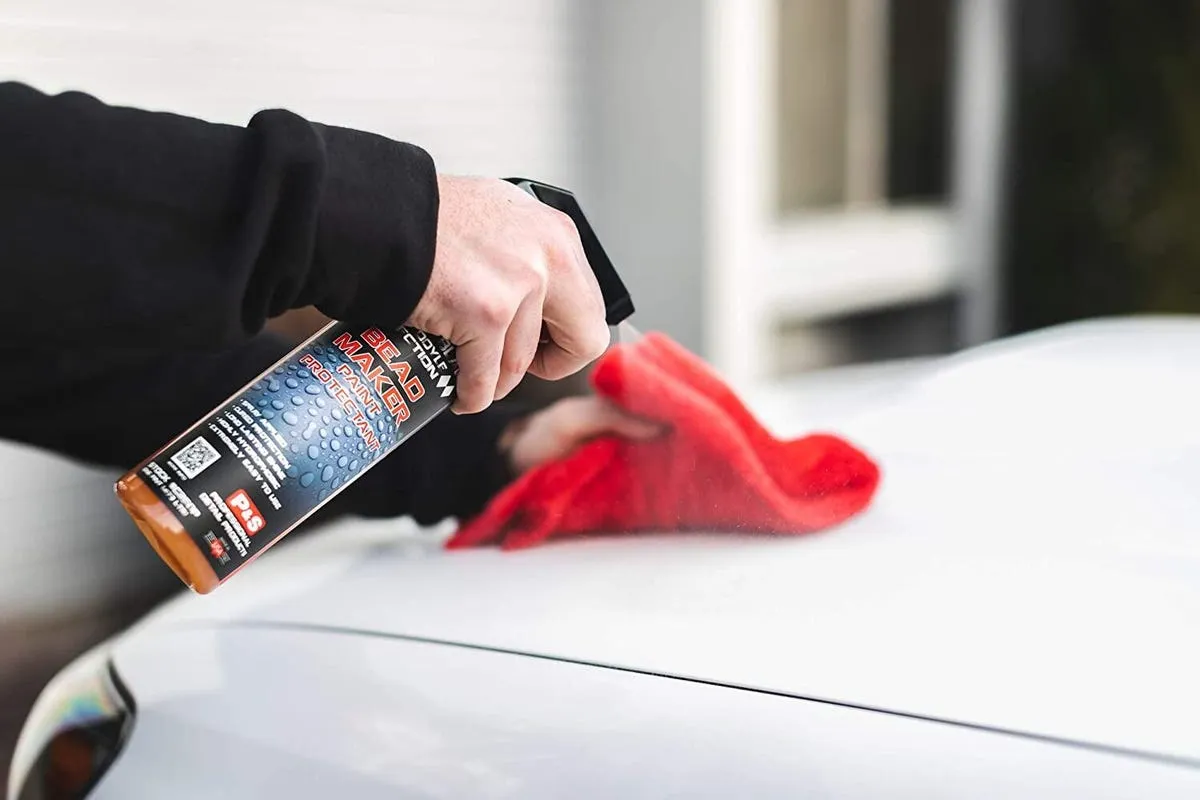
Not every paint protection application requires a dedicated session with preparation steps, application tools, and curing time. Detailing sprays formulated with UV protection and light chemical resistance provide a quick, accessible layer of weather protection that car owners can apply during a quick wipe-down between full washes, after drying the car post-wash, or whenever the vehicle needs a fast refresh and a protective boost.
Products like Griot’s Garage Speed Shine, Sonax Brilliant Shine Detailer, and Meguiar’s Ultimate Quik Detailer contain UV absorbers alongside their cleaning and gloss-enhancing agents.
Spraying one of these products onto a panel and wiping it with a clean microfiber cloth takes approximately sixty seconds per panel and leaves behind both a visual improvement and a functional protective layer that begins working immediately upon application.
Picture the 2024 Chevrolet Corvette Stingray Convertible (C8 platform) as a vehicle where this habit pays clear dividends. Owners of this car drive it specifically to enjoy the performance and the open-air experience it provides, which necessarily means high UV exposure for the paint.
Regular quick detailing spray application between wash sessions provides continuous UV protection that preserves the depth and vibrancy of Corvette’s distinctive color options across years of enthusiastic outdoor driving.
Combining UV-protective detailing spray with a base protection layer like ceramic coating or paint protection film creates a two-level defense system that handles both long-duration UV exposure and short-term chemical threats more effectively than either product manages alone.
At a product cost of under twenty dollars per bottle and an application time measured in minutes, this is one of the most accessible and most consistently valuable paint protection habits any car owner can build into their routine.
