
Tight parking garages, narrow side streets, crowded grocery store lots, and parallel parking on busy avenues can test even the calmest driver. Urban life demands a vehicle that feels nimble, responsive, and easy to position within inches of a curb. Subcompact cars often promise exactly that. Their smaller footprints suggest effortless maneuverability and stress-free parking.
Yet size alone does not guarantee agility. Turning radius plays a critical role in how a car behaves in confined spaces. Two vehicles may share similar exterior dimensions, while one executes a smooth U-turn and the other requires a three-point shuffle. Steering geometry, wheelbase, suspension design, and tire setup all influence how tightly a car can pivot.
For city dwellers, delivery drivers, college students, and commuters who frequently park on the street, these differences matter daily. A car that spins neatly into a space reduces frustration and saves time. One that struggles to make sharp turns can quickly feel cumbersome despite its compact label.
This guide highlights five subcompact cars that excel at city parking thanks to tight turning circles and responsive steering. It then examines five models that, while competent in many areas, suffer from wider turning radii that may frustrate drivers in cramped environments. Each vehicle brings its own personality, strengths, and limitations to the pavement.
5 Subcompacts That Shine in City Parking
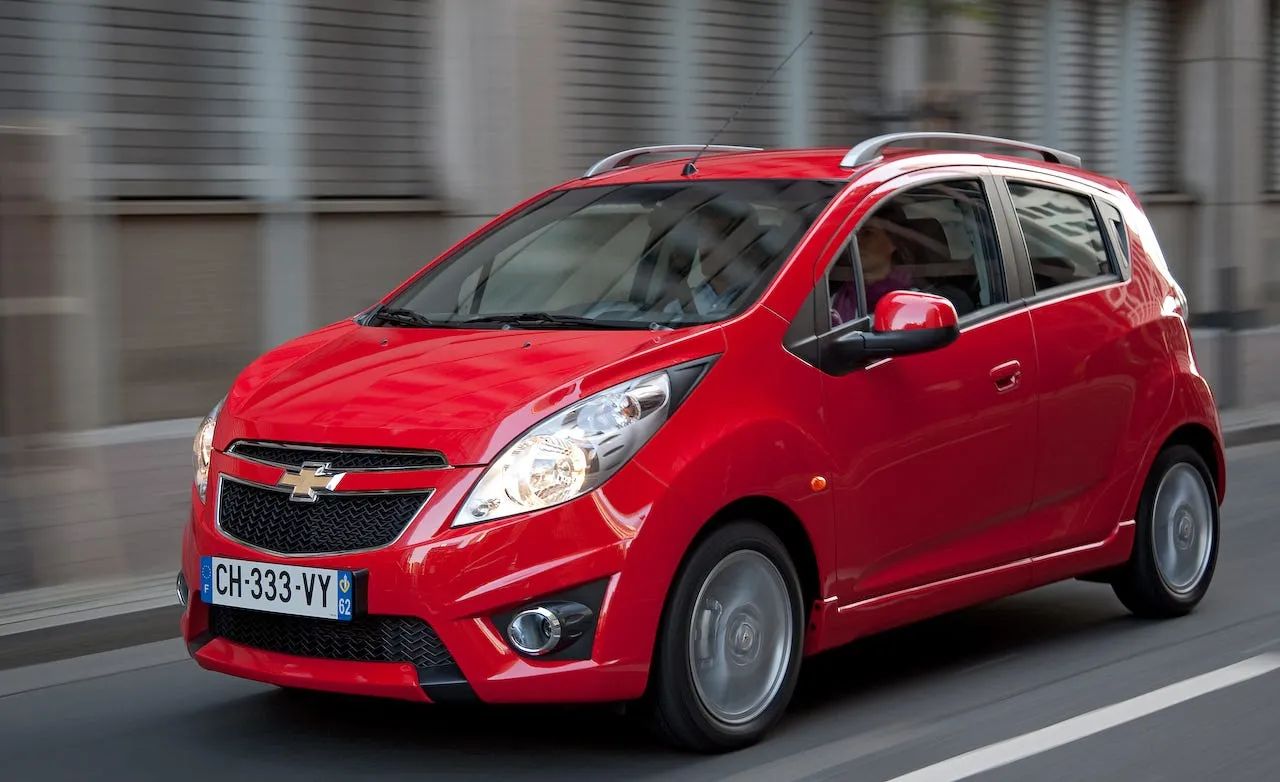
1. Chevrolet Spark
Small in size yet surprisingly confident in urban traffic, the Chevrolet Spark stands out as a true city specialist. With a very tight turning radius and compact length, it slips into spaces that would intimidate larger vehicles. Drivers looking for stress-free parallel parking often find this hatchback refreshingly cooperative.
Steering feels light at low speeds, which makes quick adjustments simple when backing into a curbside spot. A short wheelbase contributes to its ability to pivot easily in narrow alleys or cramped parking garages. Executing a U-turn on a typical city street rarely requires a second attempt. That agility becomes especially useful in older neighborhoods with tight intersections.
Exterior dimensions play a large role in its friendliness. The Spark’s slim body width allows drivers to open doors comfortably even when parked between larger vehicles. Large windows enhance outward visibility, helping drivers judge distances accurately. Rearview camera systems available on later models add another layer of confidence.
Inside, space remains adequate for daily commuting and short errands. Front seats provide decent headroom, and folding rear seats expand cargo capacity when needed. While it does not deliver high performance or luxury appointments, its mission focuses squarely on convenience.
Fuel efficiency adds to the appeal for city residents who deal with stop-and-go traffic regularly. Lightweight and small-displacement engines keep fuel consumption reasonable. For drivers prioritizing effortless maneuverability above all else, the Chevrolet Spark proves that smaller truly can mean smarter in tight urban settings.
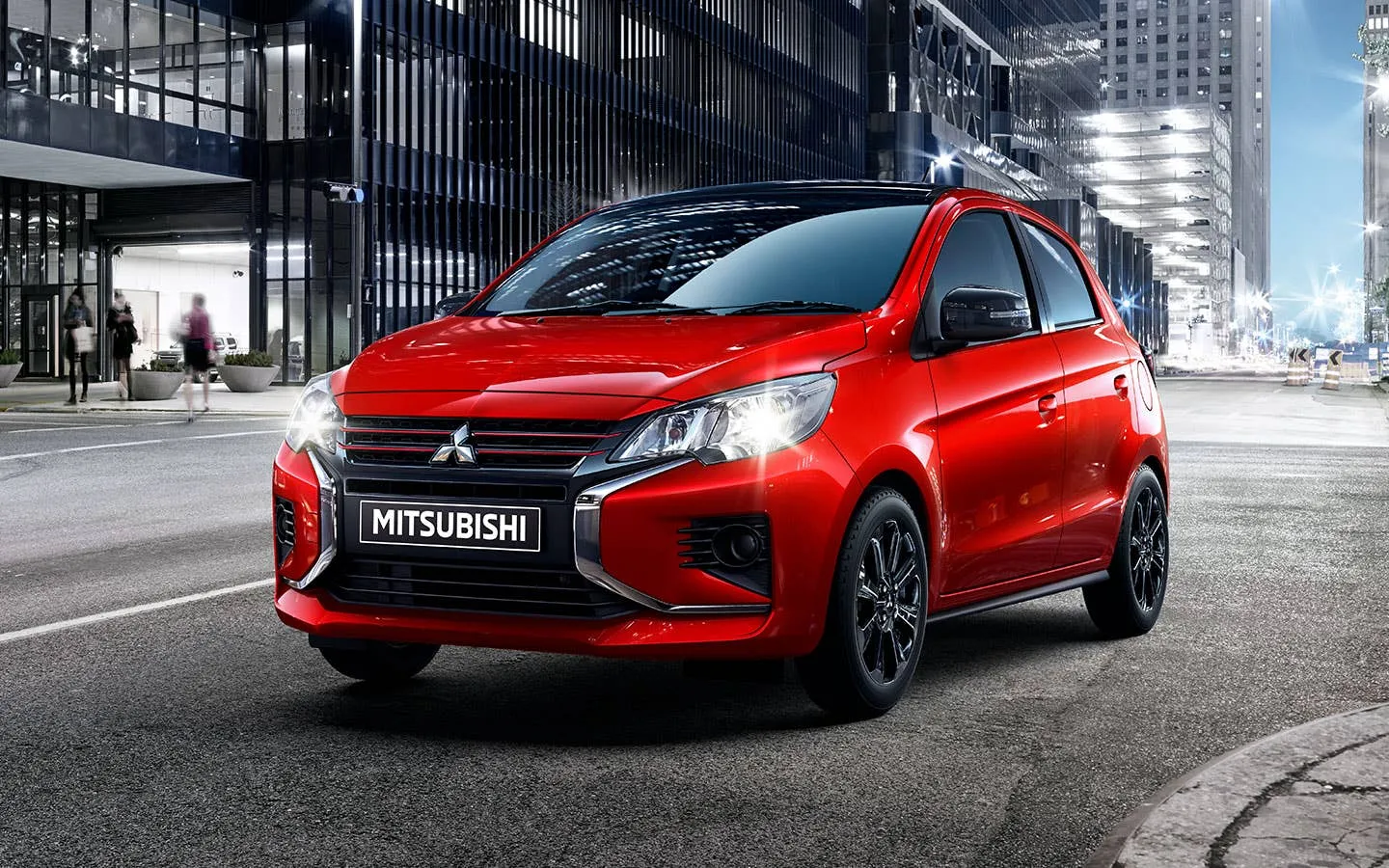
2. Mitsubishi Mirage
Practicality defines the Mitsubishi Mirage, and that practicality extends to how easily it fits into tight urban spaces. Its modest footprint and responsive steering geometry give it a nimble character that feels well-suited to dense neighborhoods.
Unlike some small cars that require multiple adjustments to complete a tight turn, the Mirage completes most low-speed maneuvers smoothly. Its turning radius ranks among the better figures in the subcompact category. Quick errands in crowded downtown districts become less stressful when a car responds immediately to steering input.
Driver visibility enhances confidence. A relatively upright seating position offers a clear view of surrounding traffic. Slim pillars and generous glass area help drivers gauge proximity to curbs and other vehicles. Parking sensors and rearview camera options add reassurance for those less comfortable with tight spacing.
Interior design focuses on simplicity. Controls are straightforward, and cabin layout avoids clutter. Although materials lean toward the budget side, durability and ease of cleaning suit urban living. Folding rear seats allow for additional cargo flexibility, which helps during grocery runs or small furniture pickups.
Fuel economy remains one of the Mirage’s strongest selling points. City drivers benefit from its efficiency during frequent stops. Light steering effort reduces fatigue in heavy traffic. For drivers who prioritize easy maneuvering, low operating costs, and straightforward functionality, the Mitsubishi Mirage earns a place among the most city-friendly subcompacts available.
Also Read: 5 Compact Cars That Hold Together Over 150000 Miles vs 5 That Feel Flimsy
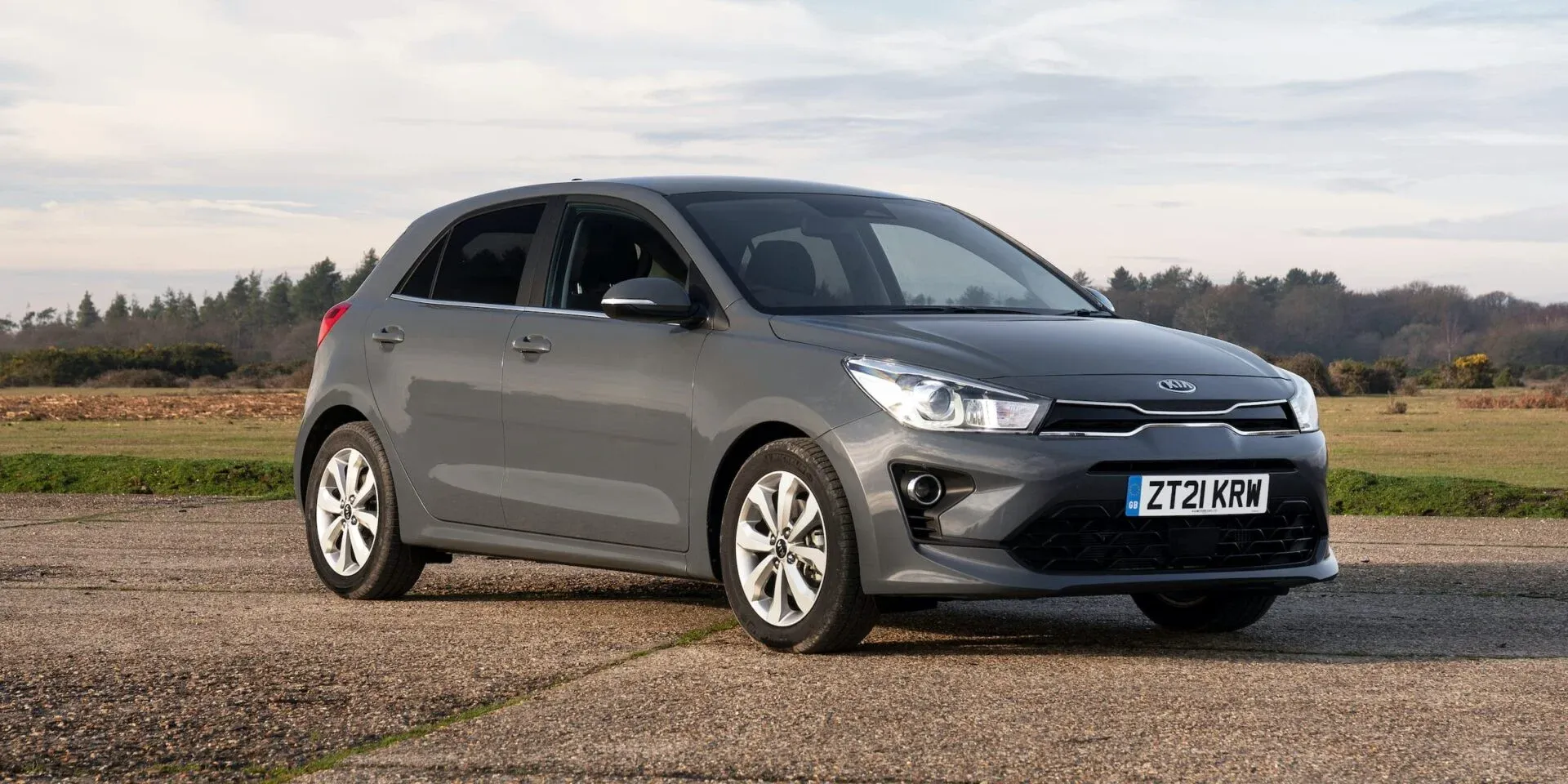
3. Kia Rio Hatchback
A blend of style and urban agility defines the Kia Rio Hatchback. While it offers more polish than some entry-level competitors, it maintains a compact size that works well in crowded areas.
Turning performance stands out immediately during low-speed driving. The Rio’s steering setup allows tight cornering in parking structures and narrow driveways. Completing a U-turn rarely requires hesitation. That responsiveness helps new drivers build confidence quickly.
Exterior design balances sportiness with practicality. Short overhangs and manageable widths simplify space estimation during parallel parking. Standard rearview cameras on recent models support accuracy when backing into spots. Higher trims may include additional safety technology that enhances awareness in traffic.
Inside, cabin quality exceeds expectations for its class. Materials feel solid, and the infotainment system responds promptly. Apple CarPlay and Android Auto integration allow drivers to access navigation apps easily, which can prove useful when searching for street parking.
Ride comfort remains composed for a subcompact vehicle. Suspension tuning absorbs smaller road imperfections, making daily commutes less jarring. Although rear seat space is limited compared to larger vehicles, it remains sufficient for short trips.
For urban professionals who want maneuverability without sacrificing modern features, the Kia Rio Hatchback presents a well-rounded solution that performs admirably in tight quarters.
4. Nissan Versa
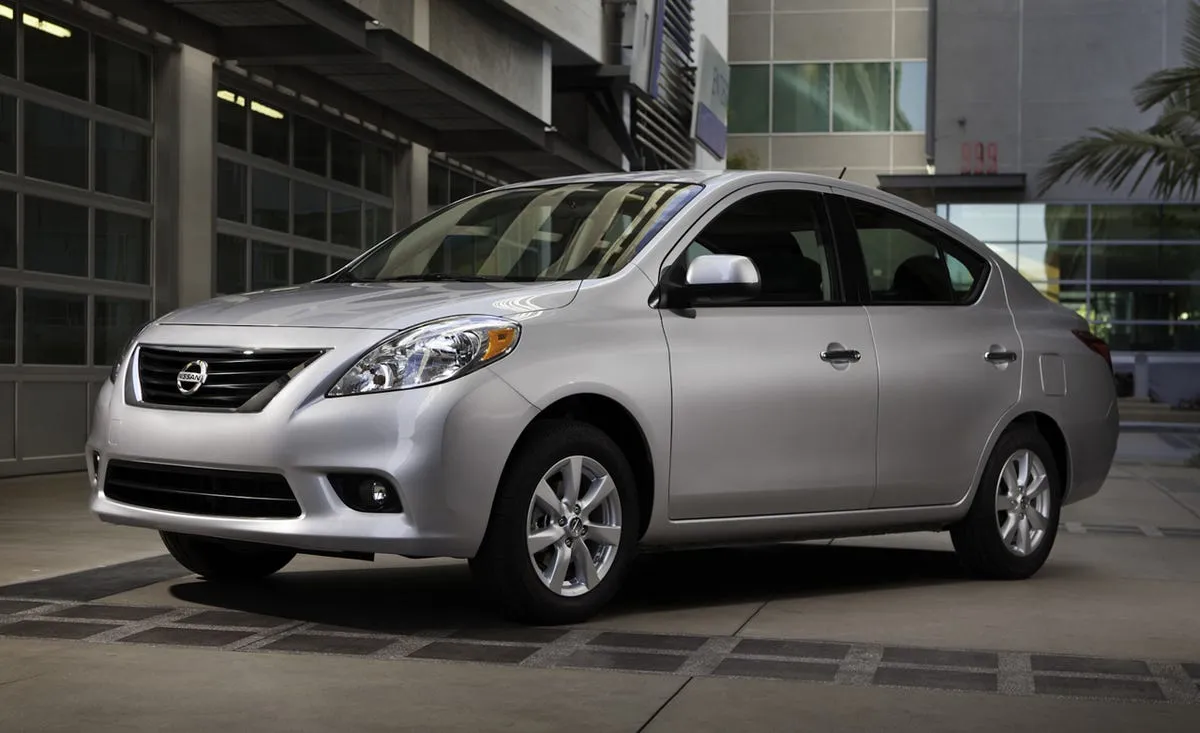
Affordable yet surprisingly composed, the Nissan Versa delivers a user-friendly driving experience tailored for city life. While classified as a subcompact sedan, it offers impressive maneuverability that benefits daily urban use.
Drivers who spend their mornings searching for curbside parking or squeezing into compact garage spaces will appreciate how approachable the Versa feels from the first mile.
Steering response feels predictable at low speeds, which makes a noticeable difference in crowded areas. Its turning radius allows relatively tight cornering, helping drivers perform clean U-turns on narrower streets without excessive correction.
Smooth brake modulation assists when inching into parallel parking spaces, especially when precise control is required to avoid tapping the curb. The light steering effort reduces arm strain during repetitive stop-and-go traffic, which is common in busy downtown districts.
Exterior dimensions make positioning straightforward. The Versa’s compact profile, combined with clear sightlines, simplifies parking near busy sidewalks and tightly packed vehicles. Large side mirrors provide useful visual references when aligning with painted lines in a parking structure.
Modern models include rearview cameras as standard equipment, and some trims offer blind spot warning and rear cross traffic alert, adding reassurance when backing out of tight spots between larger SUVs. Interior design emphasizes comfort for a vehicle in this price range. Front seats provide adequate support for extended commutes, and controls are intuitive enough to operate without distraction.
Dashboard layout feels uncluttered, which enhances the sense of space in the cabin. Trunk space exceeds what many expect from a subcompact sedan, offering enough room for luggage, shopping bags, or small equipment needed for daily routines.
Fuel economy remains competitive, supporting budget-conscious drivers who commute daily through congested areas. Suspension tuning leans toward comfort, helping absorb bumps encountered on worn city streets. Instead of feeling jittery, the Versa maintains a composed ride that reduces fatigue over long workdays.
For those seeking a subcompact sedan that handles parking duties with ease while offering practical space, steady road manners, and everyday comfort, the Nissan Versa stands as a dependable companion in dense urban environments.
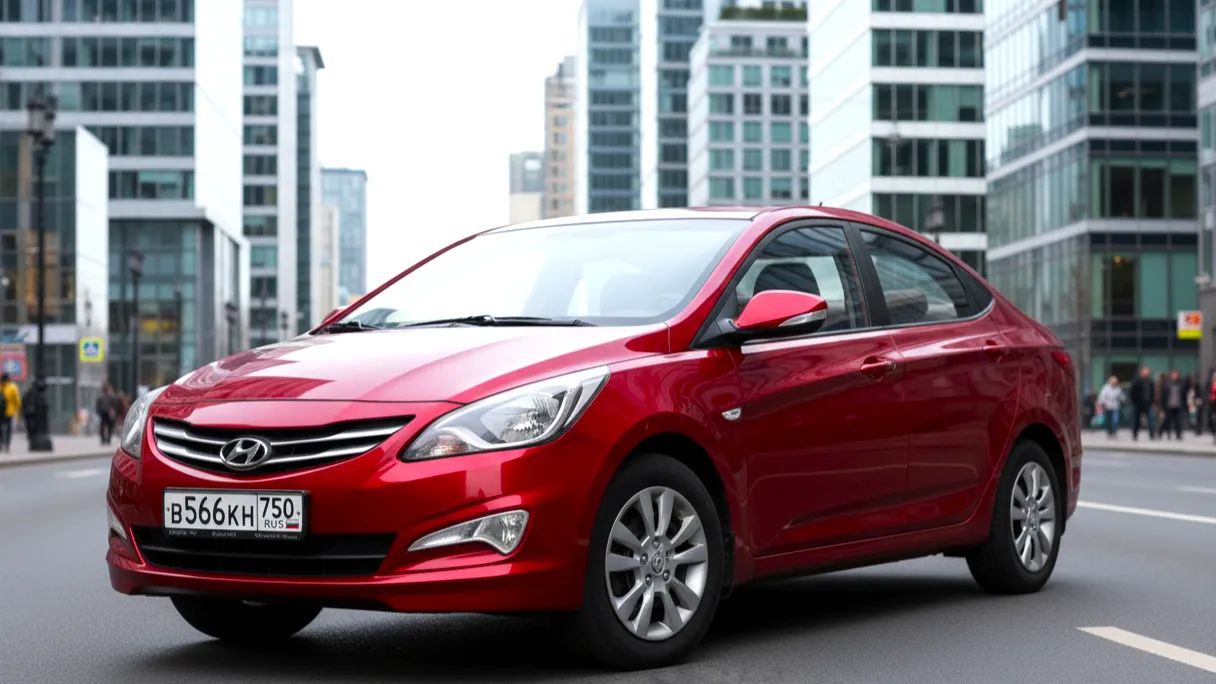
5. Hyundai Accent
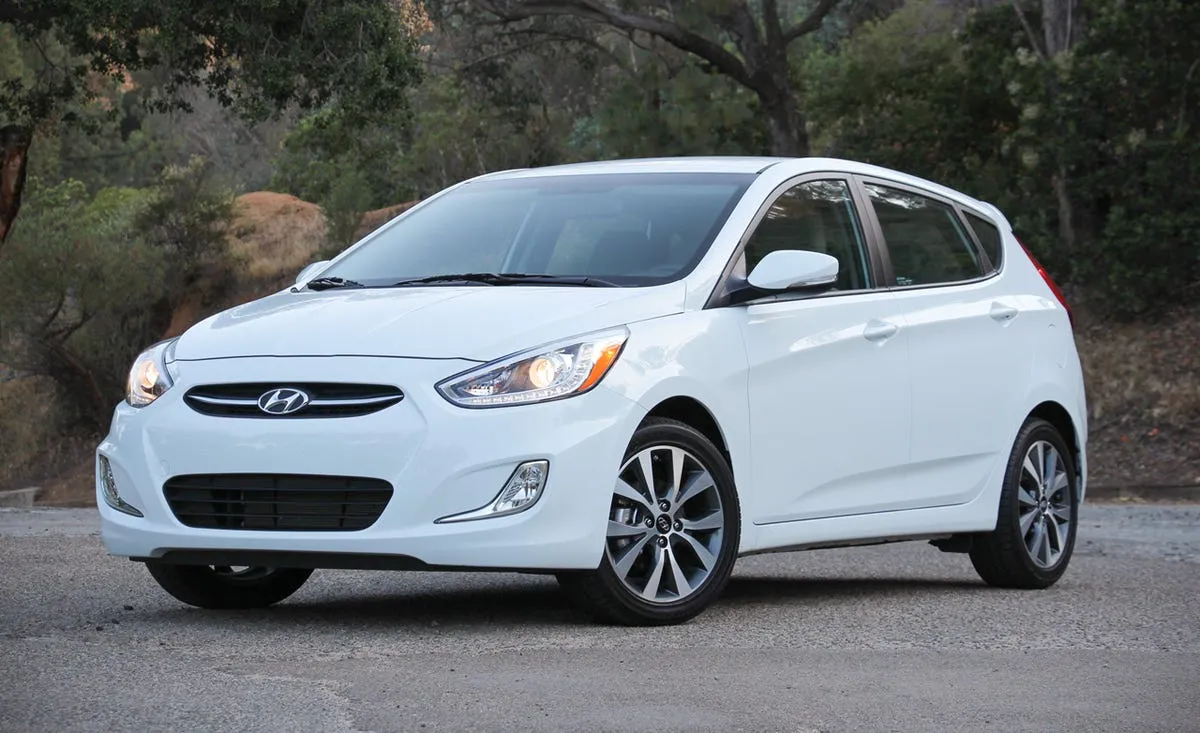
Confidence in tight areas often stems from predictability, and the Hyundai Accent delivers exactly that. Its compact dimensions and cooperative steering make city parking far less intimidating for drivers who deal with limited space every day. Rather than feeling twitchy or awkward, the Accent maintains a balanced, easygoing demeanor in crowded settings.
Turning capability remains one of its strongest qualities. The Accent responds quickly to steering inputs, enabling efficient maneuvers in cramped garages and narrow alleyways.
Drivers rarely need multiple attempts to complete tight turns, which reduces frustration during rush hour traffic. Executing a U-turn on a residential street feels manageable without requiring a wide swing into opposing lanes.
Exterior proportions remain tidy and manageable. Slim body lines and a relatively short wheelbase contribute to easy positioning near curbs.
Visibility from the driver’s seat feels adequate, allowing accurate judgment of surrounding obstacles such as poles, bicycles, or delivery vehicles. Standard rearview cameras in recent model years assist with precise backing, and clearly defined body edges make it easier to gauge distance when parallel parking.
Cabin design focuses on functionality and comfort. Supportive front seats reduce fatigue during longer drives, and seat height offers a clear forward view of traffic. Infotainment systems include smartphone connectivity in most recent models, which assists with real-time traffic updates and route adjustments when certain streets become congested. Controls are logically arranged, helping drivers remain attentive to their surroundings.
Cargo space in both sedan and hatchback configurations supports everyday errands. Foldable rear seats add flexibility for transporting bulkier items such as small furniture or sports equipment. Despite its modest footprint, the Accent manages interior packaging efficiently, creating usable space without sacrificing maneuverability.
Ride quality stays composed on uneven pavement, enhancing comfort during daily commutes. Suspension absorbs potholes and rough patches reasonably well for a car in this class. For urban drivers who value straightforward maneuverability, sensible operating costs, and dependable performance, the Hyundai Accent rounds out this list of subcompacts that handle parking challenges with steady confidence.
5 Subcompacts With Poor Turning Radii
1. Toyota Corolla Hatchback
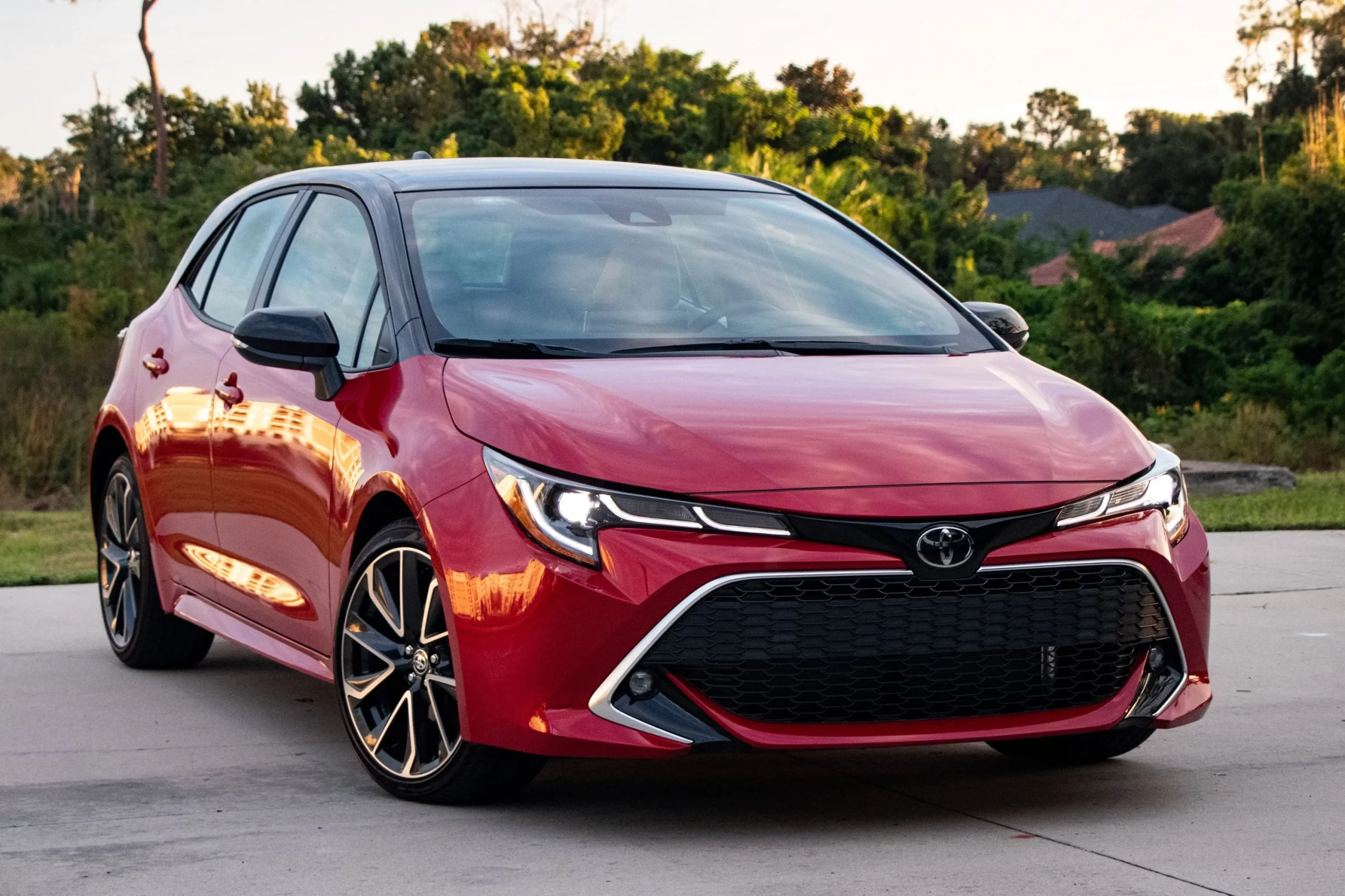
At first glance, the Toyota Corolla Hatchback seems like it should glide through tight city corners without hesitation. It is compact, stylish, and marketed toward drivers who appreciate efficiency and modern design. Yet when it comes to turning radius, this hatchback demands a bit more patience than expected.
Steering response feels precise at higher speeds, which benefits highway driving and spirited cornering. However, low-speed maneuvering in cramped urban settings reveals its limitations.
The turning circle is wider than several competitors in the subcompact segment, meaning U-turns may require extra room. On narrow residential streets, drivers might need a three-point maneuver where other small cars would complete the turn in one motion.
Wheelbase length plays a role in this behavior. The Corolla Hatchback rides on a platform that prioritizes stability and ride quality. That stability translates into confident road manners, though it reduces tight pivot capability. Parking garages with sharp entry ramps can demand careful steering input.
Parallel parking remains manageable thanks to good visibility and available rearview camera systems. Still, executing the final positioning may take an additional adjustment compared to models with tighter steering geometry. Drivers accustomed to ultra-nimble city cars could notice this difference quickly.
Interior comfort and technology remain strong points. Quality materials, a responsive infotainment system, and supportive seats enhance daily usability. Fuel economy also supports frequent city commuting.
For drivers who split time between urban streets and highways, the Corolla Hatchback offers balanced performance. Those who prioritize the smallest possible turning circle, though, may find it less cooperative in very tight spaces.
2. Mazda3 Sedan
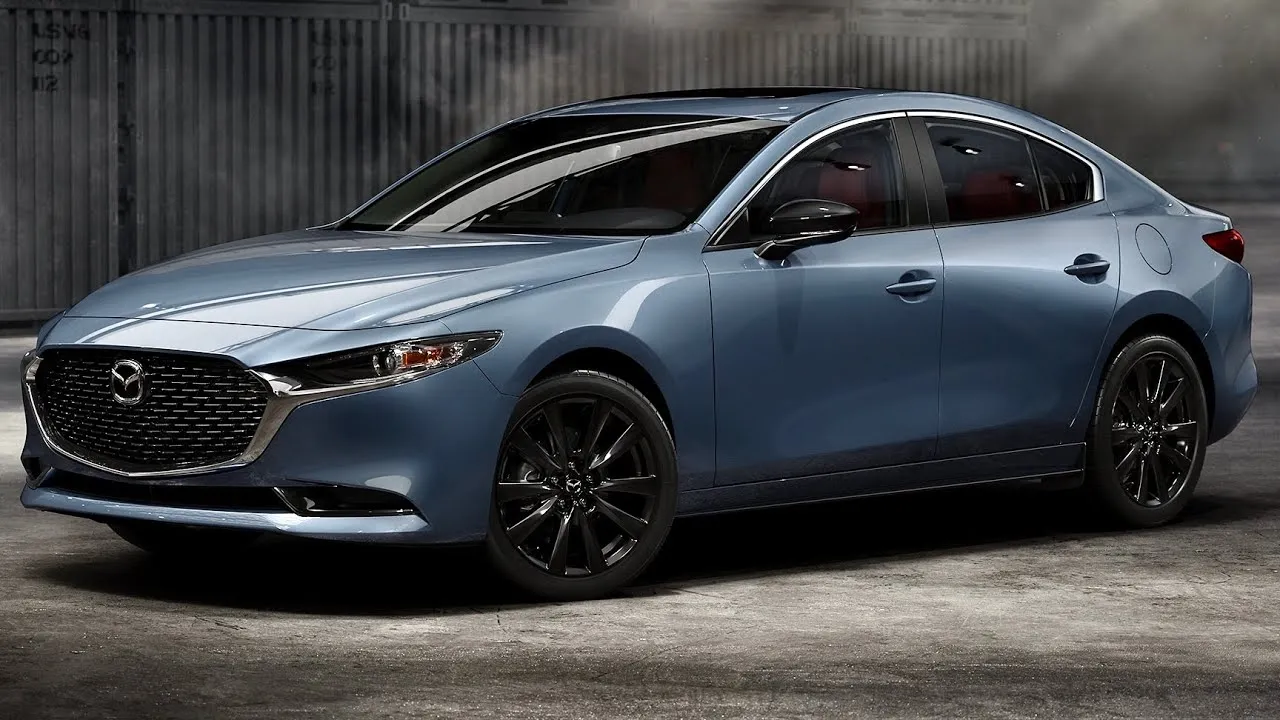
Sleek design and engaging driving dynamics define the Mazda3 Sedan. Its low, flowing profile and refined interior give it an upscale feel within the compact class. Yet tight cornering at low speeds is not its strongest trait.
Steering in the Mazda3 feels weighted and communicative, which driving enthusiasts often appreciate. During spirited driving on open roads, this tuning adds confidence. In dense urban environments, however, that same setup can make tight maneuvers feel less effortless. The turning radius leans wider than several rivals, leading to larger arcs when attempting U turns.
City intersections with limited space may require careful planning before turning. Drivers sometimes need to reposition the car slightly if the initial steering angle falls short. Parking garages with narrow lanes can feel restrictive, particularly when combined with larger wheel options that reduce sidewall flexibility.
Visibility also influences perception. Sloping rooflines and thicker rear pillars contribute to the Mazda3’s stylish exterior, yet they limit outward sightlines somewhat. Backup cameras and parking sensors help compensate, though drivers still need attentive steering input to fit into tighter curbside spots.
Interior quality remains impressive. Soft-touch materials, a driver-focused cockpit, and smooth ride quality create a pleasant commuting experience. Fuel efficiency remains competitive for daily use. Buyers seeking dynamic road manners may gladly accept the slightly wider turning circle. Those who spend most of their time in packed downtown neighborhoods may prefer alternatives with tighter steering geometry.
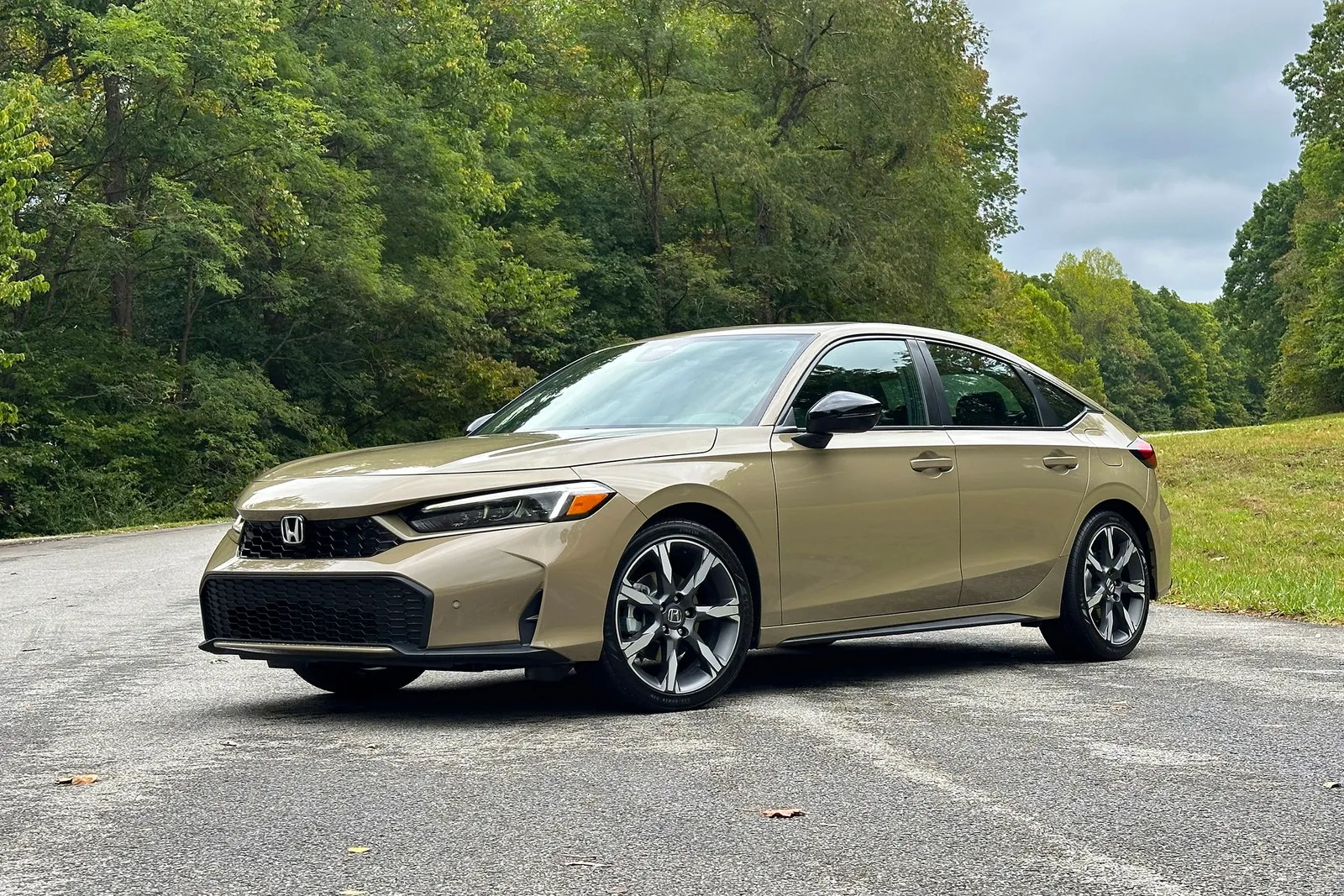
3. Honda Civic Hatchback
Sporty proportions and practical cargo space make the Honda Civic Hatchback a popular choice among drivers who want versatility. Although classified as compact rather than traditional subcompact, its footprint still places it in consideration for city use. Tight maneuverability, however, is not its defining strength.
Steering precision feels sharp on open roads. The Civic tracks confidently through sweeping curves and highway merges. When performing low-speed U-turns, though, the turning radius feels broader than expected. Narrow streets may require additional steering correction or a brief pause to complete the maneuver safely.
Wheelbase length contributes to its composed ride. That longer stance enhances stability and interior space but reduces its ability to pivot quickly in confined areas. Drivers transitioning from smaller city cars may notice the need for more space when parking.
Parallel parking remains manageable due to good forward visibility and modern driver assistance technology. Rearview cameras and available blind spot monitoring systems help reduce stress. Yet the physical turning arc cannot match smaller subcompact competitors designed specifically for tight city conditions.
Interior comfort and technology remain strong assets. Spacious rear seats, generous cargo capacity, and efficient engines support daily practicality. Suspension tuning balances comfort and control effectively. Drivers who value interior space and balanced road performance may accept the slightly larger turning circle.
For those prioritizing the smallest possible maneuvering footprint, alternatives in the subcompact category may prove more convenient.
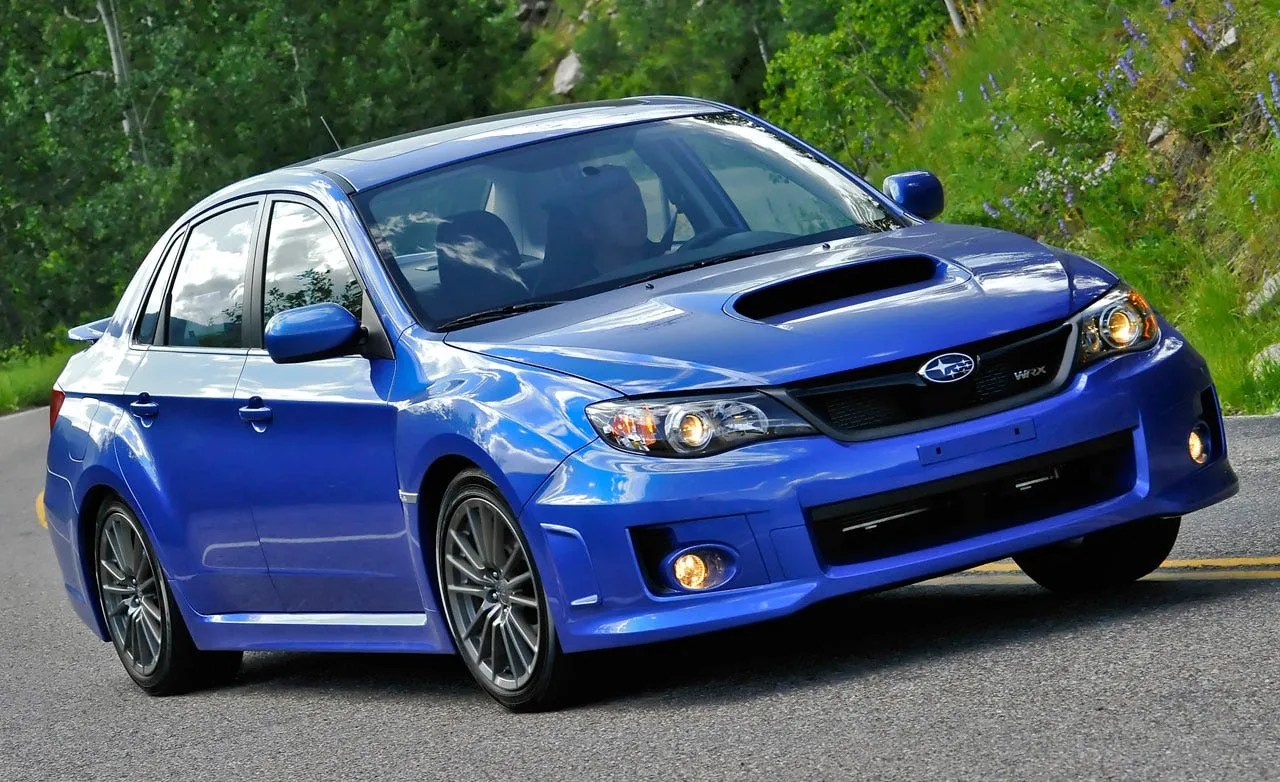
4. Subaru Impreza
All Wheel Drive capability distinguishes the Subaru Impreza in the compact segment, providing traction confidence for drivers who contend with rain, snow, or slippery urban streets. Unlike most Front Wheel Drive competitors, the Impreza comes equipped with symmetrical All Wheel Drive as standard, distributing power to all four wheels for enhanced stability.
While this feature improves handling under challenging conditions, it also affects steering geometry and turning performance, resulting in a slightly wider turning radius than typical city-oriented subcompacts. Low-speed maneuverability feels adequate but does not excel when compared to the most agile hatchbacks. U-turns on narrow streets require careful planning, particularly in tight urban environments with parked vehicles on both sides.
The extra hardware associated with All Wheel Drive, including the drive shaft and additional suspension components, contributes to a broader arc during slow maneuvers. While it does not make city driving impossible, drivers accustomed to tiny, nimble vehicles will notice a difference in effort and precision required for tight corners.
Steering effort remains relatively light, allowing smooth control at low speeds. Despite this, the Impreza’s steering lacks the ultra-tight pivot that some subcompact competitors offer, meaning drivers might have to make extra corrections in cramped parking garages. In tight residential streets or alleyways, patience and deliberate steering become important to maintain accuracy when positioning the vehicle between lines or curbs.
Visibility earns strong marks for city use. Large windows, a low dashboard, and slender A-pillars contribute to a clear forward view, minimizing blind spots. Recent models include standard rearview cameras, assisting drivers when backing into spaces or maneuvering in crowded lots.
Some trims also offer driver assistance features, such as reverse automatic braking and lane departure warnings, which further ease city parking. Interior practicality supports daily urban commuting. Hatchback configurations provide flexible cargo capacity, while rear seats fold flat for additional storage when needed.
The cabin design balances comfort and utility, making errands and weekend trips more manageable. Fuel efficiency remains reasonable given the standard All Wheel Drive system, with EPA ratings keeping operating costs competitive for its class.
For drivers who prioritize year-round traction, reliability, and utility, the Subaru Impreza delivers solid value. Its stable handling in adverse conditions and practical cabin space appeal to commuters and small families alike.
Those who place a premium on minimal turning radii may notice the difference, yet the trade-off rewards drivers with safety and versatility that are rare among compact cars.
Also Read: 5 Compact SUVs With Huge Cargo Space vs 5 That Can Barely Fit Groceries
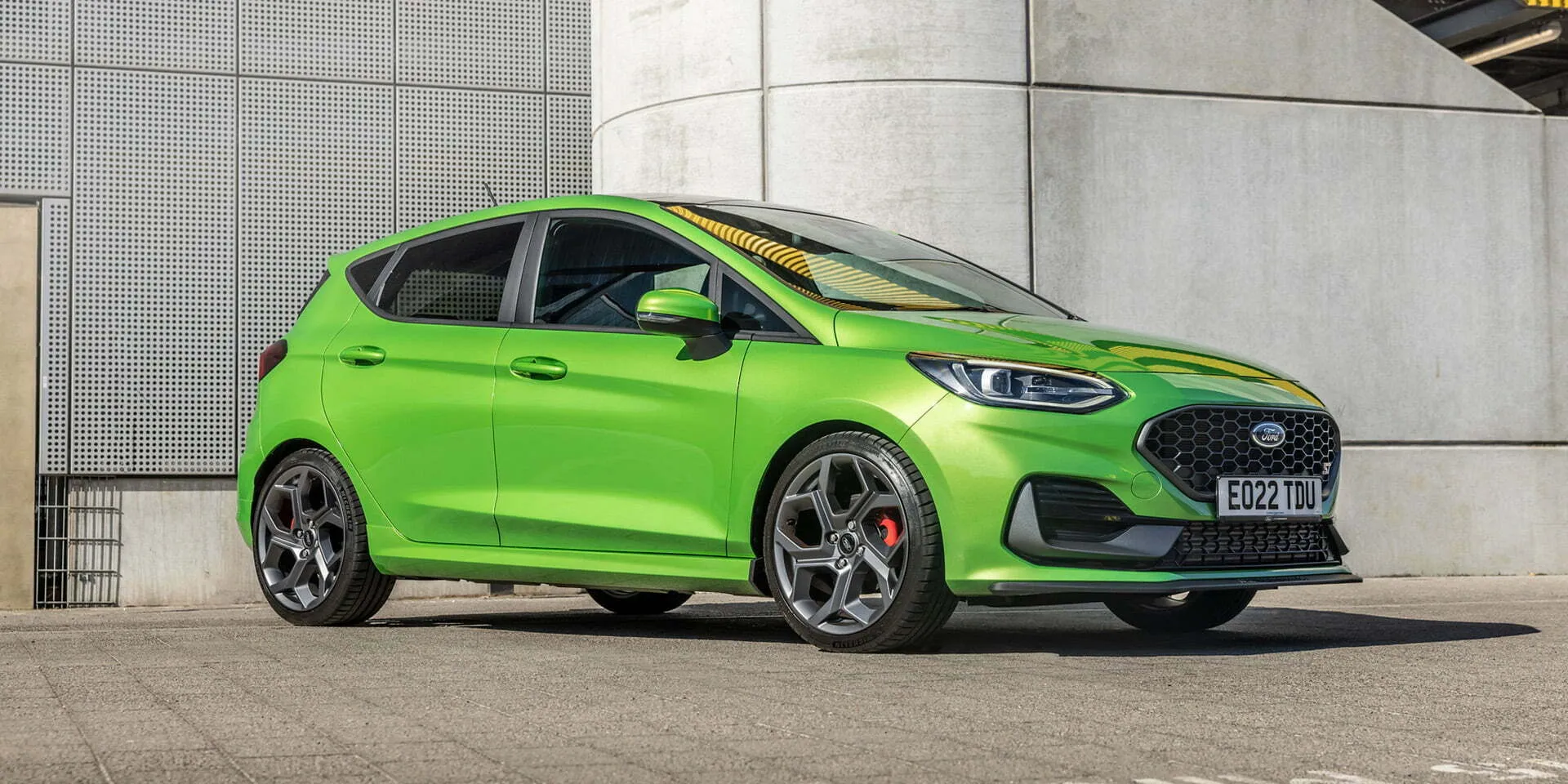
5. Ford Fiesta ST
Performance takes the spotlight in the Ford Fiesta ST, a subcompact hatchback engineered for spirited driving. With a turbocharged engine delivering lively acceleration and nimble chassis dynamics, this model stands out in the small car segment. City parking, however, presents a challenge relative to more economy-oriented subcompacts, as the turning radius is wider than expected given its diminutive size.
Steering in the Fiesta ST is direct and responsive, enhancing driving enjoyment when driving through faster roads or curvy backstreets. At very low speeds, tight maneuvers such as parallel parking or performing U turns on narrow streets require extra planning and measured steering input.
The vehicle’s sport-tuned suspension, designed for handling precision, slightly limits extreme wheel angles, making the car feel less accommodating in tight quarters compared to softer, commuter-focused hatchbacks.
Sharp suspension settings contribute to a firmer ride that communicates road feedback effectively. While this enhances cornering confidence, it also emphasizes the limitations of low-speed agility. Larger wheel options offered on some trims add style and grip but further impact maneuverability in confined spaces.
Drivers may find themselves making additional micro-adjustments to avoid curbs or obstacles when driving through extremely tight parking situations. Exterior dimensions remain compact, so the Fiesta ST is not cumbersome in typical city streets.
Rearview cameras assist with positioning in parking lots and garages, while precise body lines provide visual cues for spacing. Still, repetitive adjustments may be necessary for particularly narrow spots. The combination of firm steering response and slightly wider turning requirements creates a learning curve for urban drivers focused on maximum efficiency.
Interior design emphasizes sportiness and driver engagement. Bolstered seats provide lateral support during spirited driving, and performance-oriented accents create a distinctive cockpit atmosphere. Ride quality leans firm in line with the car’s athletic character, balancing fun with practical usability.
Fuel economy is reasonable for its turbocharged engine, though buyers are often willing to sacrifice a few MPG for the thrill of a responsive, agile hatchback. For drivers who prioritize performance and enjoy energetic handling, the Ford Fiesta ST delivers a satisfying experience.
Urban commuters who frequently tackle cramped garages or require the tightest possible turning circle may find themselves adjusting their driving style to accommodate the wider turning arc. Despite this, its combination of sporty design, engaging handling, and compact footprint ensures it remains an exciting choice among small hatchbacks.
