For many years, sports cars stood as the ultimate symbol of speed and performance. Their lightweight construction, aerodynamic shapes, and powerful engines allowed them to dominate acceleration and handling benchmarks.
SUVs were created for entirely different purposes, focusing on space, comfort, and versatility rather than outright performance. Modern engineering has completely reshaped that idea. Today’s performance SUVs deliver levels of speed that once belonged only to exotic coupes and supercars.
Advancements in turbocharging, electrification, traction control, and chassis design have allowed manufacturers to build larger vehicles that accelerate with astonishing force. Sophisticated all-wheel-drive systems maximize grip, while launch control technology ensures power reaches the pavement efficiently.
Electric motors add another layer of transformation by providing instant torque, eliminating the delay traditionally associated with combustion engines. As a result, many high-performance SUVs can now outrun older sports cars that were once considered the pinnacle of automotive achievement.
These vehicles represent a new philosophy in car design, where practicality and extreme performance coexist. The six SUVs featured here highlight how innovation has blurred the boundaries between family transportation and high-performance machines, proving that speed is no longer limited to low-slung sports cars.
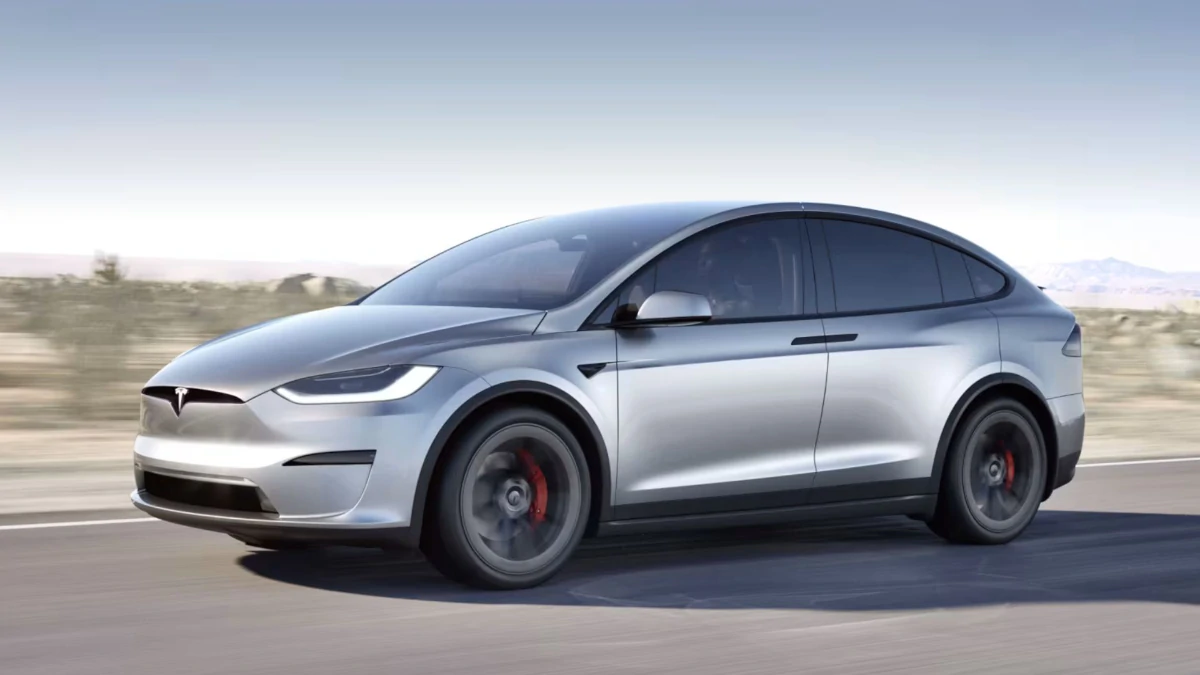
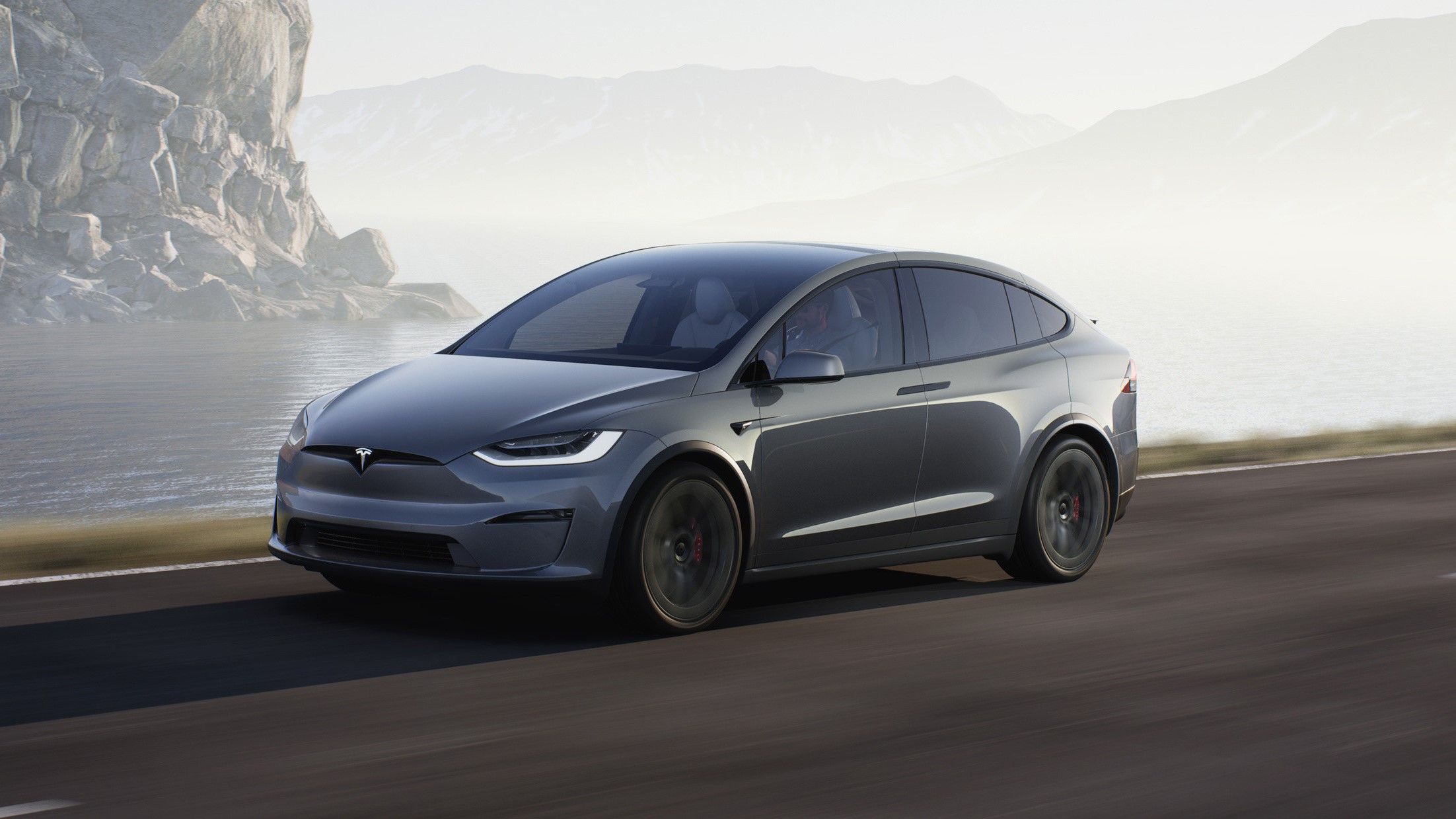
1. Tesla Model X Plaid: Supercar Performance in an SUV
The 2026 Tesla Model X Plaid is a groundbreaking electric SUV that combines extreme performance with family practicality. Powered by a tri-motor setup producing 1,020 horsepower, it can accelerate from 0 to 60 mph in just 2.5 seconds, surpassing many legendary sports cars, including the McLaren F1.
This astonishing speed is made possible by the instantaneous torque of its electric motors, which deliver peak power immediately without the delays associated with traditional engines.
Despite weighing more than 5,000 pounds, the Model X Plaid maintains exceptional traction and stability, using sophisticated powertrain management and a low center of gravity to translate its immense power into blistering straight-line performance.
The SUV’s tri-motor system features one motor on the front axle and two on the rear, allowing precise distribution of power to all four wheels. This configuration, combined with advanced electronic torque vectoring, prevents wheel spin during launches and maximizes acceleration efficiency.
The motors themselves incorporate carbon-sleeved rotors that can spin at extremely high speeds, enabling the vehicle to sustain intense power output without mechanical failure. In addition, Tesla’s “Cheetah Mode” prepares the battery and lowers the adaptive suspension to optimize launches, demonstrating a level of performance engineering usually reserved for dedicated race cars.
These technologies allow the Model X Plaid to outperform older supercars and even some modern exotic vehicles in straight-line acceleration, despite its size and weight.
Handling and ride quality are influenced by the SUV’s heavy battery pack positioned along the floor, which lowers the center of gravity and reduces weight transfer during hard acceleration. This design keeps the vehicle planted and stable, even under extreme performance conditions.
While the steering is precise and responsive, it has been described as functional rather than emotionally engaging. For 2026, Tesla has retuned the suspension with new bushings, providing a firmer but more comfortable ride than previous versions, particularly when equipped with the optional 22-inch wheels.
This balance of performance and ride comfort ensures that the Model X Plaid remains usable as a daily driver while still delivering near-supercar thrills.
The interior embraces Tesla’s minimalist philosophy while incorporating subtle upgrades for the 2026 refresh. A large 17-inch touchscreen serves as the primary interface for controls and infotainment, supported by a rear screen for passengers.
The cabin now features dynamic RGB lighting and additional sound insulation, enhancing comfort and creating a premium atmosphere.
The yoke steering wheel and absence of traditional stalks for gear selection or turn signals continue to draw mixed reactions, and while the interior is technologically advanced, it still does not support Apple CarPlay or Android Auto. The six-seat configuration with second-row captain’s chairs provides excellent comfort for passengers, although it limits cargo flexibility compared to fully folding seats.
Practicality remains a strong point for the Model X Plaid, with Falcon Wing doors offering impressive access in tight spaces, though long-term reliability and operational speed can be concerns. Total storage reaches 94.5 cubic feet, including the front trunk, providing ample space for luggage and daily use.
The SUV delivers an EPA-estimated range of 335 miles, and Tesla’s Supercharger network allows rapid replenishment, adding up to 179 miles of range in just 15 minutes. Reliability surveys indicate that Tesla has improved platform durability, addressing many of the issues that affected earlier models.
The 2026 Model X Plaid continues to excel as a high-performance family SUV, combining supercar-level acceleration with cutting-edge technology and practical usability, while remaining a benchmark for electric SUVs in its class.
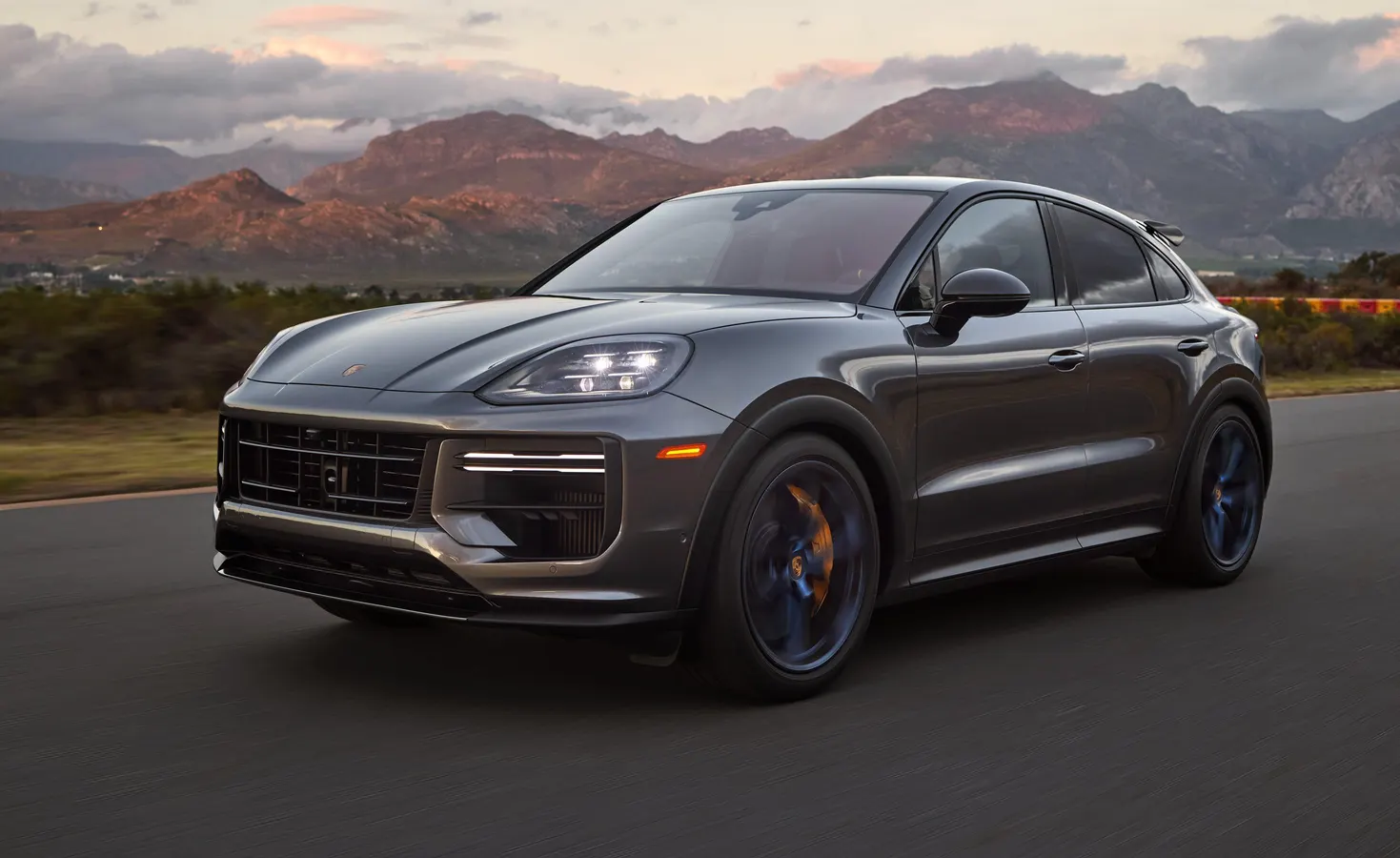
2. Porsche Cayenne Turbo GT: The Supercar SUV
The Porsche Cayenne Turbo GT is an extraordinary SUV that combines extreme performance with everyday usability, creating a vehicle that defies conventional expectations. Powered by a 4.0-liter twin-turbo V8 producing 650 horsepower and 626 lb-ft of torque, it accelerates from 0 to 60 mph in just 3.1 seconds, leaving older sports cars, including early 2000s Porsche 911 Turbos, in its wake.
Despite tipping the scales at more than 5,000 pounds, the Turbo GT demonstrates remarkable poise and agility. Porsche has engineered this SUV to deliver the thrill of a high-performance coupe while retaining seating for five passengers and a functional, if slightly reduced, cargo area.
The Cayenne Turbo GT achieves its performance through advanced drivetrain and handling technologies. Its all-wheel-drive system ensures power is transmitted efficiently to all four wheels, providing instant traction, while rear-wheel steering enhances cornering precision.
The eight-speed automatic transmission operates with dual-clutch efficiency, allowing rapid shifts without interrupting acceleration. Carbon-ceramic brakes offer exceptional stopping power, and Pirelli P Zero Corsa tires grip the road with confidence during both track runs and spirited street driving.
The SUV also sits 17 millimeters lower than standard models, lowering the center of gravity and enabling it to corner with sports-car-like stability. These features contributed to a Nürburgring lap time of 7:38.9, making it one of the fastest SUVs on record.
Weight reduction and aerodynamic enhancements further refine the Turbo GT’s dynamic abilities. A carbon-fiber roof, titanium exhaust system, and carbon diffuser reduce mass and improve balance, while multiple wings and a deployable rear spoiler adjust at high speeds to increase stability.
The aggressive exterior design communicates the vehicle’s performance intent, from its muscular stance to the dramatic spoiler elements. These details not only contribute to handling and aerodynamics but also ensure that the Turbo GT visually stands apart from more conventional SUVs, reinforcing its identity as a high-performance machine.
Inside, the cabin combines comfort, quality, and driver focus. Seats are supportive and secure, offering stability during aggressive driving while remaining comfortable for daily commutes. Porsche’s craftsmanship is evident in the use of premium materials and precise fit and finish.
While the infotainment system can feel slightly outdated and unintuitive compared to contemporary setups, the interior remains functional and practical. Seating for five is standard, and the coupe-style design slightly reduces cargo volume compared to other Cayenne variants, yet luggage space remains sufficient for everyday needs.
The Turbo GT is deliberately excessive, celebrating performance and spectacle over subtlety or efficiency. Its 4.0-liter V8 roars with authority, consuming 13.9 liters per 100 kilometers and producing 319 grams of CO2 per kilometer, emphasizing the SUV’s unapologetic focus on speed and driving pleasure rather than economy.
Priced from $369,900, the Cayenne Turbo GT caters to enthusiasts who value track-capable performance, engineering precision, and a vehicle that makes a bold statement. It delivers a combination of acceleration, handling, and presence that few SUVs can match, establishing itself as a vehicle that excites, challenges, and entertains in equal measure.
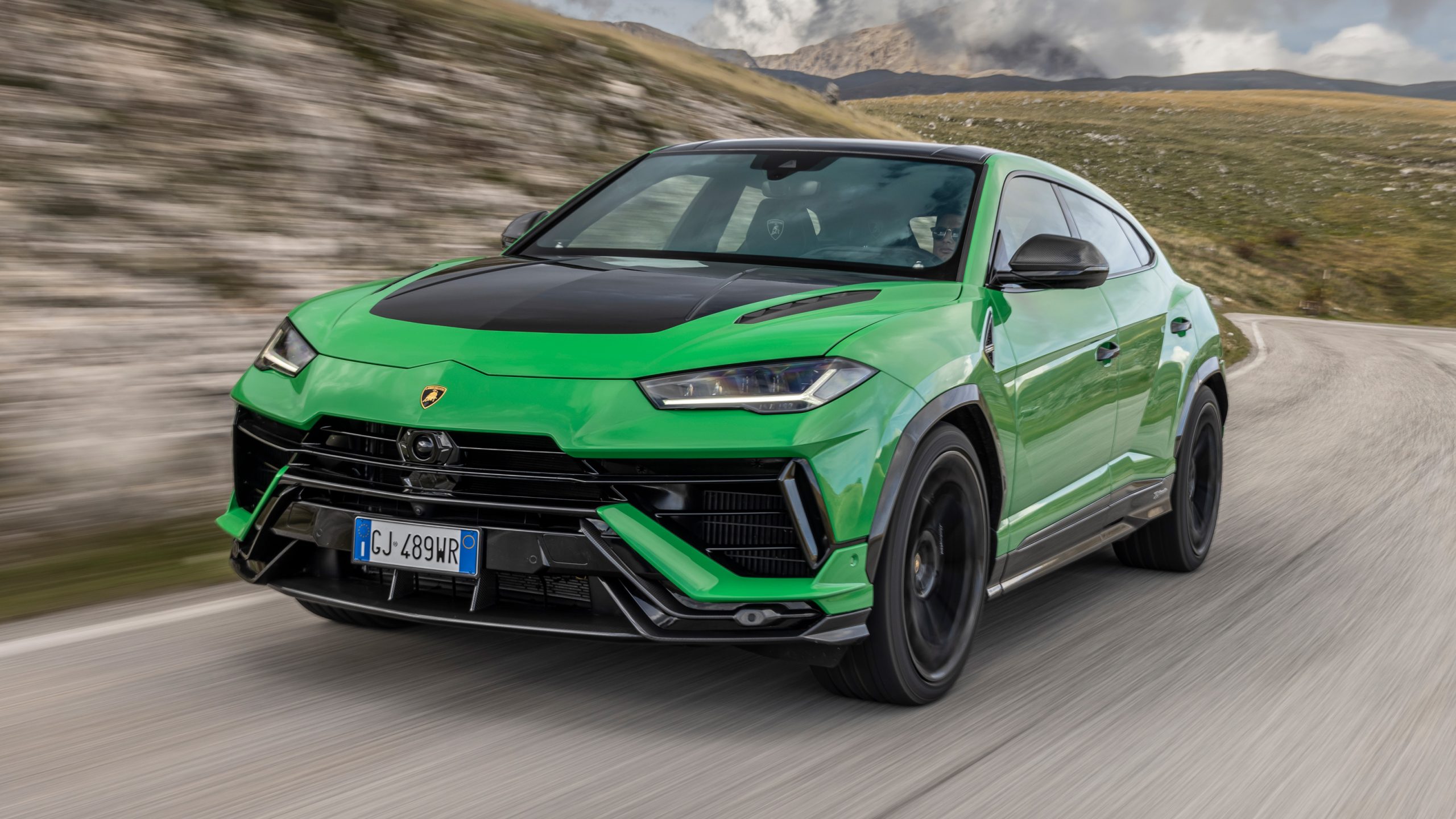
3. Lamborghini Urus Performante: Super SUV Unleashed
The Lamborghini Urus Performante takes the concept of a high-performance SUV to its extreme, blending brutal acceleration with track-inspired handling. Its 4.0-liter twin-turbo V8 produces 657 horsepower and 627 lb-ft of torque, allowing it to sprint from 0 to 60 mph in just 3.0 to 3.3 seconds. This puts it ahead of classic supercars like the Ferrari F355 and rivals even the Ferrari F50 in straight-line performance.
Lamborghini has focused on weight reduction and chassis refinement, incorporating carbon fiber panels, a titanium Akrapovič exhaust, and lighter forged wheels, shaving approximately 47 kilograms compared to the standard Urus. Despite its large size, the Performante demonstrates that intelligent engineering and modern turbocharged power can overcome the traditional limitations of a high-riding SUV platform.
The vehicle’s all-wheel-drive system, featuring a Torsen central differential, is central to its exceptional launch and traction capabilities. Unlike rear-wheel-drive sports cars from past decades, the Urus Performante transfers its immense torque to all four wheels instantly, while advanced launch control minimizes tire spin for optimal acceleration.
The twin-turbo V8 delivers maximum torque at low engine speeds, and the eight-speed dual-clutch transmission keeps the engine in its power band, ensuring that every press of the throttle produces immediate forward thrust. These systems allow a large SUV to accelerate like a supercar, combining brute power with refined mechanical control for a thrilling driving experience.
Handling is equally impressive, with Lamborghini deploying advanced aerodynamic and chassis solutions to make the Urus Performante agile in corners. A redesigned front bumper and rear spoiler increase downforce, while rear-wheel steering, active torque vectoring, and 48-volt active anti-roll bars control body roll and enhance stability.
The SUV can be equipped with Pirelli P Zero Trofeo R tires, essentially street-legal racing rubber, which provides exceptional grip on both tarmac and track surfaces.
These enhancements allow the 2,150-kilogram vehicle to corner like a sports car, minimizing understeer and maintaining poise despite its bulk. Steel springs replace the air suspension of the standard Urus, lowering the ride height and center of gravity for sharper reflexes, although at the cost of a firmer ride.
The interior balances sportiness with luxury, featuring extensive use of Alcantara and exposed carbon fiber throughout the cabin. Seats are supportive and comfortable, offering excellent grip during spirited driving, while high-quality materials and precise fit and finish reinforce Lamborghini’s attention to detail.
The cabin integrates some upcycled Audi switchgear, but it is largely masked by the sporty trims and textures. Sound insulation remains intact despite the performance upgrades, allowing the cabin to remain relatively quiet at moderate speeds while amplifying the aggressive tone of the titanium exhaust when driven hard.
Driving modes, including Strada, Sport, Corsa, Rally, and customizable Ego settings, allow precise control over powertrain, suspension, and steering characteristics, tailoring the driving experience to both road and track.
The Urus Performante is unapologetically extreme, offering a spectacle of speed, noise, and visual aggression. It achieves a top speed of 190 mph and a quarter-mile time of 11.25 seconds at 121 mph, while consuming premium fuel at a rate of approximately 14 mpg.
Its combination of acceleration, cornering ability, and dramatic presence makes it one of the most driver-focused SUVs available, capable of delivering supercar thrills from behind the wheel of a large, commanding vehicle. Lamborghini has created a car that defies expectations, challenging traditional notions of what an SUV can achieve, and doing so with style, ferocity, and unmistakable drama.
Also read: 6 Cars With Advanced Safety Features That Actually Help Avoid Accidents
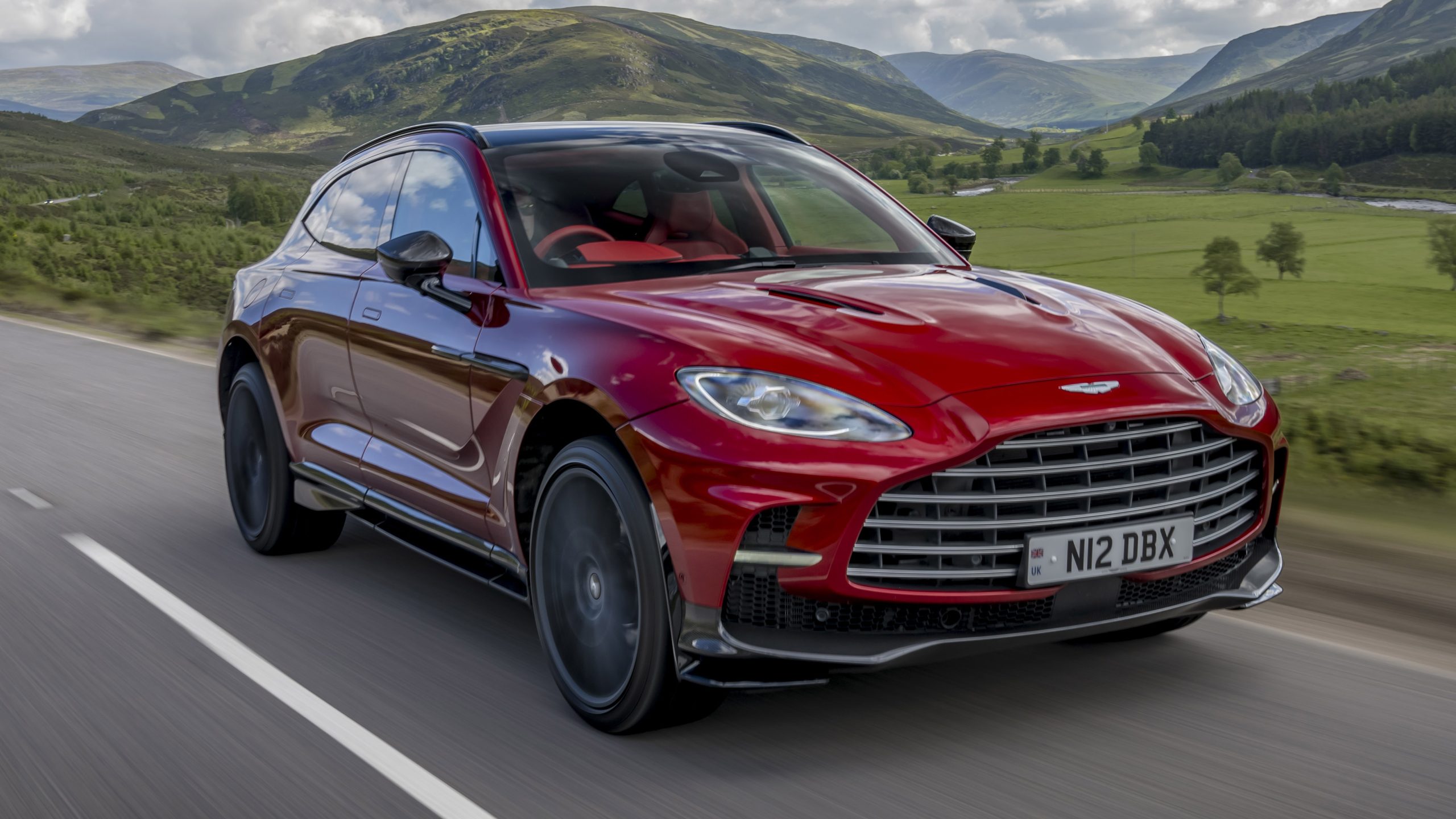
4. Aston Martin DBX707: The British Super SUV
The Aston Martin DBX707 is a remarkable fusion of luxury, performance, and practical SUV design, producing 697 horsepower and 663 lb-ft of torque from a 4.0-liter twin-turbo V8. This enables it to sprint from 0 to 60 mph in just 3.1 seconds, leaving mid-2000s Aston Martin sports cars like the Vanquish S far behind.
Power delivery is managed through a bespoke nine-speed wet-clutch automatic transmission, which shifts 30 percent faster than conventional units, while launch control ensures immediate and controlled acceleration. The DBX707 combines the elegance of a British grand tourer with the performance of a supercar, redefining expectations for what a large, five-seat SUV can achieve on highways and twisty back roads.
Aston Martin has made significant chassis and suspension improvements to support the vehicle’s performance capabilities. The body has been stiffened, electronic anti-roll bars recalibrated, and hydrobushes installed on the front suspension to reduce unsprung weight, improving ride quality and handling precision.
The three-chamber air suspension has been refined across all driving modes, delivering a composed and supple ride despite the SUV’s substantial mass. Carbon-ceramic brakes measuring 420mm at the front and 390mm at the rear provide exceptional stopping power, essential for taming a 2,245-kilogram vehicle with nearly 700 horsepower.
These upgrades ensure that the DBX707 feels both planted and responsive, transforming a large SUV into a machine capable of supercar-like dynamics.
Aerodynamics and drivetrain enhancements complement the powertrain and chassis improvements. A larger front splitter, winglets, and redesigned rear diffuser optimize airflow, reduce turbulence, and maintain lift neutrality at high speeds. The wet-clutch transmission, combined with a shortened final drive and recalibrated electronic rear limited-slip differential, enhances acceleration and cornering traction.
The all-wheel-drive system delivers torque intelligently between the axles, allowing the SUV to exit corners with poise and stability. Optional 23-inch wheels and high-performance Pirelli P Zero tires provide extra grip, and active anti-roll and chassis systems ensure minimal body roll, giving the DBX707 handling characteristics that rival dedicated sports sedans.
Inside, the DBX707 features a thoroughly redesigned cabin that elevates comfort and luxury to match its performance. Materials include premium leather, Alcantara, and carbon fiber trim, complemented by haptic controls, knurled metal knobs, and a configurable TFT instrument cluster.
Infotainment has been updated with wireless Apple CarPlay and Android support, while new gear selectors on the transmission tunnel replace the older push-button layout.
Seating is supportive and comfortable, allowing long-distance cruising without fatigue, and the cabin design emphasizes driver focus while retaining the refinement expected from Aston Martin. This balance of performance and luxury ensures that occupants experience both excitement and elegance on every journey.
The DBX707 is an uncompromising statement in the high-performance SUV segment. It blends nearly 700 horsepower with poise, precision, and comfort, making it one of the most capable and sophisticated vehicles in its class.
It competes with Lamborghini’s Urus SE, Porsche’s Cayenne Turbo E-Hybrid, and Bentley’s Bentayga Speed, yet it distinguishes itself with a superlative combination of British styling, ride refinement, and engaging dynamics.
Aston Martin has created a vehicle that can handle long motorway stretches with composure, tackle winding roads with confidence, and deliver thrilling performance, all while offering the space and practicality of a full-size luxury SUV.
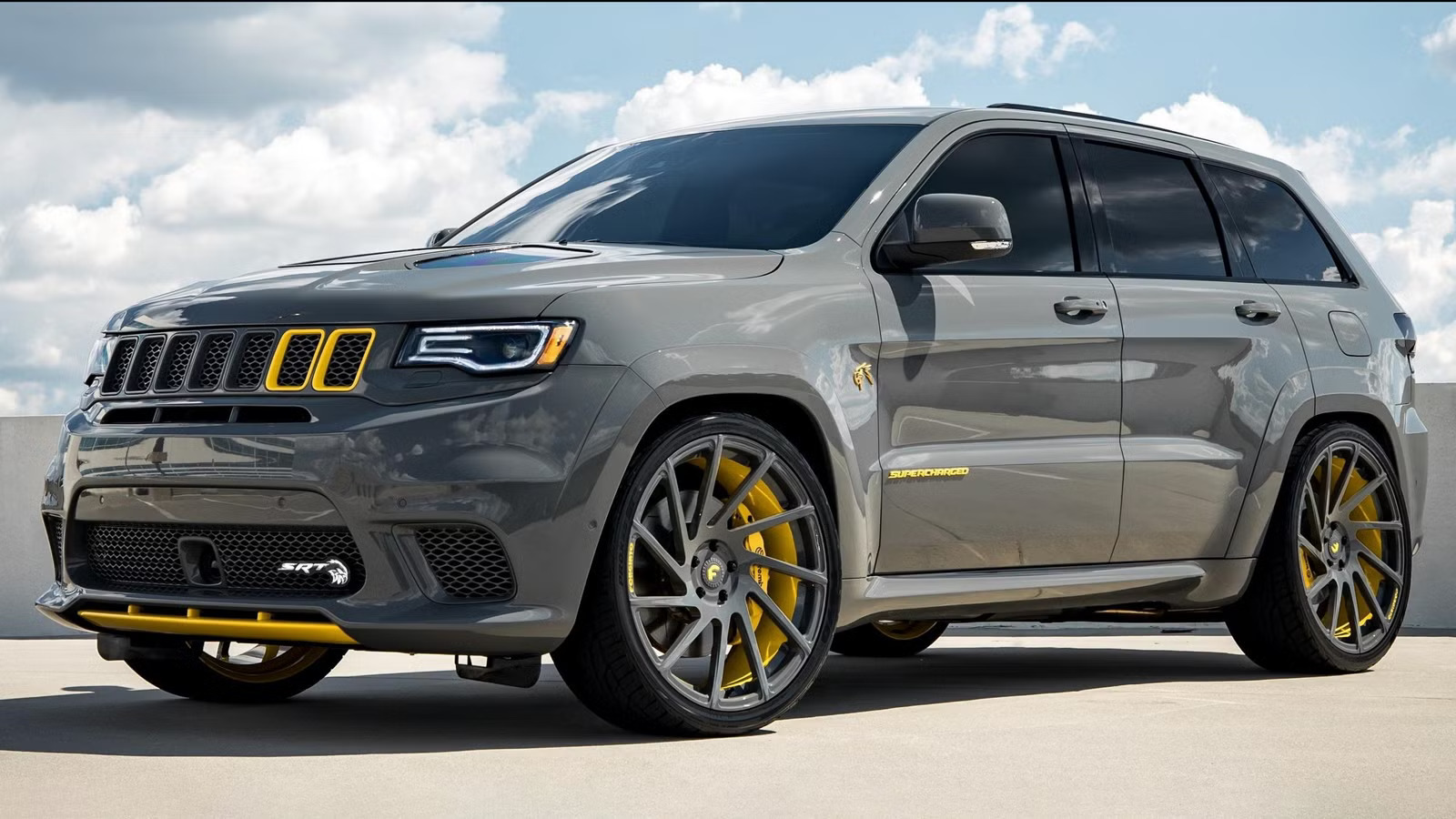
5. Jeep Grand Cherokee Trackhawk: Muscle Car Power in an SUV Body
The Jeep Grand Cherokee Trackhawk stands as one of the most outrageous performance SUVs ever built, combining traditional American muscle with everyday practicality.
Powered by a 6.2-liter supercharged Hellcat V8 producing 707 horsepower and 645 lb-ft of torque, the Trackhawk accelerates from 0 to 60 mph in just 3.5 seconds, making it quicker than many legendary sports cars from previous decades, including the late-1990s Dodge Viper GTS.
Despite weighing more than 5,000 pounds and retaining the familiar boxy shape of a standard Grand Cherokee, the Trackhawk transforms into a blunt-force performance machine capable of supercar-level acceleration while still offering seating for five and a towing capacity of up to 7,200 pounds.
This unusual pairing of practicality and extreme performance defines its identity and explains why it remains one of the most memorable SUVs ever produced.
At the heart of the Trackhawk’s performance is its supercharged Hellcat engine, shared with high-performance Dodge models. The massive power output is complemented by an advanced all-wheel-drive system designed to convert immense torque into usable traction.
Unlike older rear-wheel-drive sports cars that often struggled with wheelspin during launches, the Trackhawk distributes power to all four wheels instantly, allowing clean, explosive acceleration from a standstill.
Launch control technology further enhances this capability by managing throttle response, suspension behavior, and torque delivery to maximize grip. Paired with a TorqueFlite eight-speed automatic transmission capable of extremely rapid gear changes, the SUV delivers relentless forward thrust that feels more like a drag racer than a family vehicle.
While straight-line performance is its defining strength, the Trackhawk also incorporates engineering upgrades to maintain stability at high speeds. Adaptive Bilstein dampers and a rigid modern platform help control body movement, enabling confident acceleration up to its 180-mph top speed.
Massive Brembo brakes with bright multi-piston calipers provide the stopping power necessary to rein in such performance, while wide performance tires improve grip under hard acceleration. Still, physics cannot be ignored; the SUV’s substantial weight means it cannot match the cornering precision of lighter sports cars.
Instead, it relies on controlled power delivery and throttle steering characteristics in Track mode to help rotate the vehicle through turns, creating a driving experience that feels dramatic rather than delicate.
Living with the Trackhawk reveals a surprising dual personality. When driven calmly, it behaves like a relatively normal commuter SUV, with subdued exhaust noise and comfortable seating suitable for daily use.
However, unleash the throttle and the supercharger whine, aggressive exhaust note, and immense acceleration instantly dominate the experience. Ride quality is firm but controlled, though rough pavement can feel harsh due to performance-focused suspension tuning and wide tires.
Fuel economy is predictably poor, with real-world driving often dipping close to 11 miles per gallon, reminding owners that extreme performance comes with significant running costs. Interior space remains functional but not class-leading, with slightly tight rear seating and cargo limitations caused by audio equipment placement.
The Trackhawk’s greatest achievement lies in its sheer presence and emotional impact. It attracts attention wherever it goes, blending the practicality of a family SUV with the spectacle and excitement of a high-powered muscle car.
It is not designed for subtlety or efficiency but for delivering unforgettable performance in an unexpected form. By combining outrageous speed, everyday usability, and unmistakable character, the Jeep Grand Cherokee Trackhawk became a symbol of excess done intentionally and confidently, proving that performance enthusiasm can exist even in the most unlikely vehicle category.
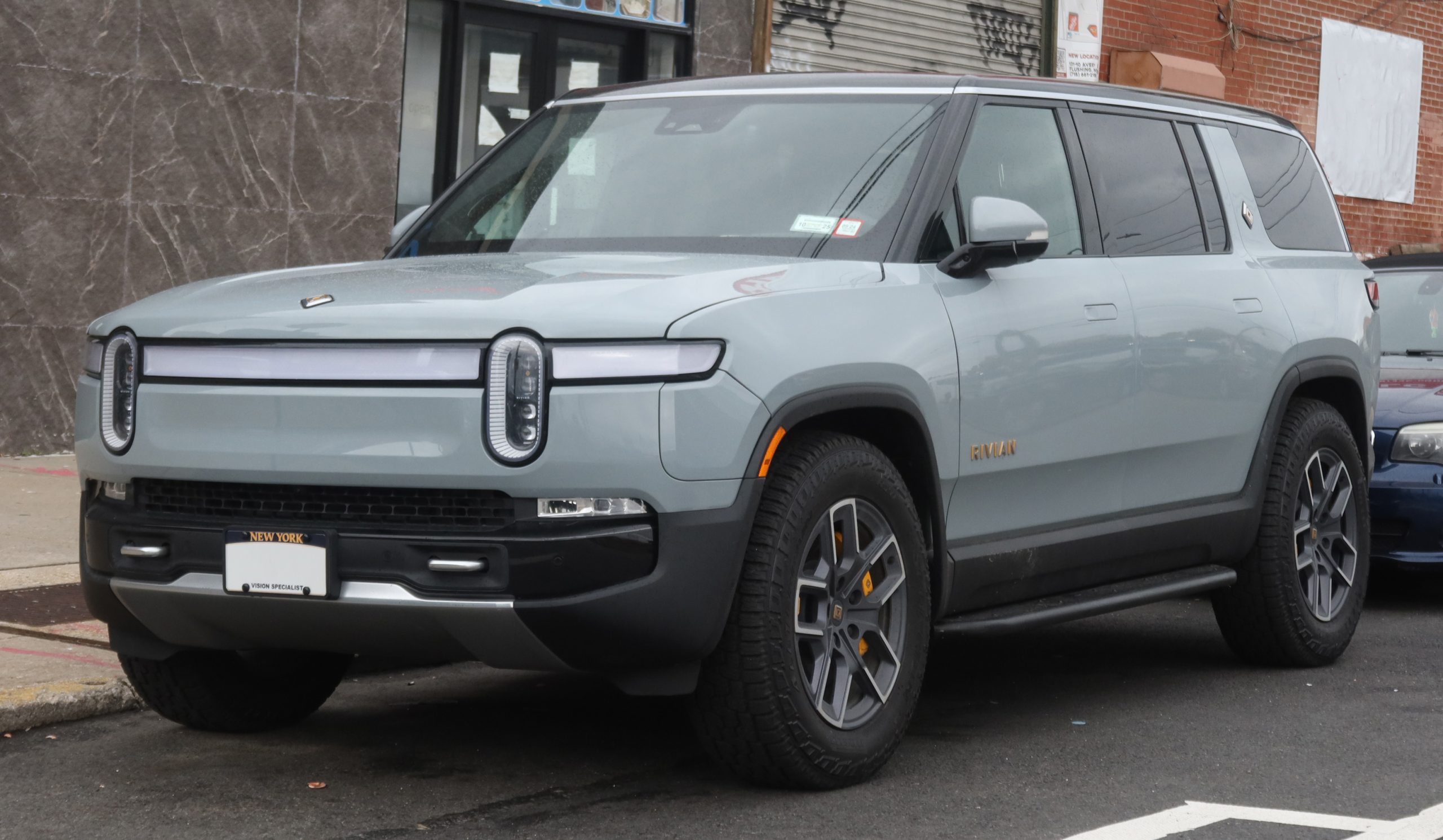
6. Rivian R1S Quad Max: Electric Power Redefining the Performance SUV
The Rivian R1S Quad Max represents a major evolution in automotive engineering, proving that electric vehicles can combine extreme acceleration, advanced technology, and everyday practicality within a single platform.
Powered by four independent electric motors producing up to 1,025 horsepower and nearly 1,200 lb-ft of torque, this three-row SUV accelerates from 0 to 60 mph in approximately 2.5 to 2.6 seconds.
Such performance allows it to outperform many legendary supercars from earlier decades, including icons once considered the peak of automotive speed.
Unlike traditional combustion-powered vehicles that rely on engine revs and gear changes, the R1S delivers immediate power the moment the accelerator is pressed, demonstrating how electric propulsion has fundamentally reshaped performance expectations for large vehicles.
A defining characteristic of the R1S Quad Max is its quad-motor architecture, where each wheel is powered and controlled independently. This configuration allows torque delivery to be adjusted in milliseconds, maximizing traction and stability under acceleration or changing road conditions.
Rather than distributing power through conventional mechanical systems, the SUV relies on precise digital control, enabling superior grip compared with older all-wheel-drive setups. Instant torque eliminates delays typically associated with internal combustion engines, producing rapid and seamless acceleration.
Oil-cooled motors and upgraded thermal management systems allow the vehicle to maintain peak performance repeatedly without overheating, ensuring consistent capability even during demanding driving situations.
The second-generation redesign also brings substantial improvements to ride comfort and handling refinement. Rivian recalibrated the air suspension system with new spring rates and introduced hydraulic roll control to reduce body movement and improve stability at speed.
These updates resolve earlier complaints about excessive bouncing and make the vehicle feel more composed on highways while remaining responsive through corners. Independent testing shows quarter-mile times around 10.5 seconds, placing the R1S among the quickest SUVs ever evaluated.
Despite weighing roughly 7,000 pounds, the vehicle delivers a surprisingly controlled driving experience, reinforcing its identity as a high-performance electric SUV rather than simply a fast utility vehicle.
The “Max” designation refers to the large 141.5-kWh battery pack, which provides an estimated driving range between 371 and 374 miles depending on wheel configuration. Efficiency improvements include the addition of a heat pump designed to preserve battery performance in colder temperatures, addressing a key concern for electric vehicle owners.
Charging capability has also improved with the inclusion of a native NACS charging port, granting direct access to Tesla’s widespread Supercharger network without adapters. With charging speeds reaching up to 220 kW, the R1S can add roughly 140 miles of range in about 20 minutes, making long-distance travel more practical for a vehicle of its size and capability.
Even with its extraordinary speed, the R1S Quad Max retains impressive off-road performance, staying true to Rivian’s adventure-focused philosophy. It offers up to 14.9 inches of ground clearance and strong water-fording capability, while software features such as “Kick Turn” allow the SUV to pivot sharply on loose terrain for improved maneuverability.
Inside, the cabin features a minimalist yet premium design using sustainable materials, vegan leather, and a panoramic roof that enhances openness and comfort. The updated Rivian Autonomy Platform employs multiple cameras and radar sensors to improve driver-assistance features, though the absence of Apple CarPlay and Android Auto remains a debated design decision.
By blending hypercar acceleration, advanced electric technology, and genuine utility, the Rivian R1S Quad Max demonstrates how modern electric SUVs are redefining performance and versatility in the automotive world.
Performance SUVs have fundamentally changed how enthusiasts define speed and capability. What was once viewed as an unlikely combination has become one of the most exciting segments in the automotive world. Modern technology allows large, practical vehicles to deliver acceleration figures that rival or surpass legendary sports cars from earlier eras, showing how far engineering has progressed.
Each SUV on this list demonstrates a unique approach to performance. Some rely on massive internal combustion engines and traditional mechanical power, while others showcase the advantages of electrification and advanced software-controlled drivetrains.
Despite these differences, all share a balance of practicality and excitement that would have seemed impossible not long ago. Spacious interiors, advanced technology, and daily usability now exist alongside breathtaking acceleration and impressive handling capability.
The continued evolution of performance SUVs suggests that the future of driving will involve fewer compromises. Drivers no longer need to choose between family comfort and thrilling performance.
Instead, modern vehicles offer both in a single package designed to excel in multiple roles. These six SUVs illustrate how innovation continues to redefine expectations, proving that performance can thrive in forms once considered purely practical.
Also Read: 6 Cars With Physical Knobs Seniors Prefer vs 6 That Are All Touch