When most enthusiasts think of Japanese sports cars, icons like the Nissan GT-R, Toyota Supra, or Honda NSX often come to mind. While these cars are legendary, they are now increasingly expensive and out of reach for many buyers. Fortunately, Japan produced a wide array of underrated performance vehicles that offer exceptional driving experiences without demanding a fortune.
From high-revving rotary engines to turbocharged kei-class roadsters, these cars blend affordability with fun, practicality, and unique engineering. This list of the “Top 10 Underrated Japanese Sports Cars That Are Affordable” highlights ten models that deliver excitement, reliability, and collector appeal while staying accessible to enthusiasts on a budget.
Each car represents a distinct approach to performance, whether through precision handling, turbocharged punch, all-wheel-drive grip, or clever packaging. These hidden gems remain overlooked in the market, allowing savvy buyers to enjoy true Japanese driving thrills without the inflated price tags of their more famous counterparts.
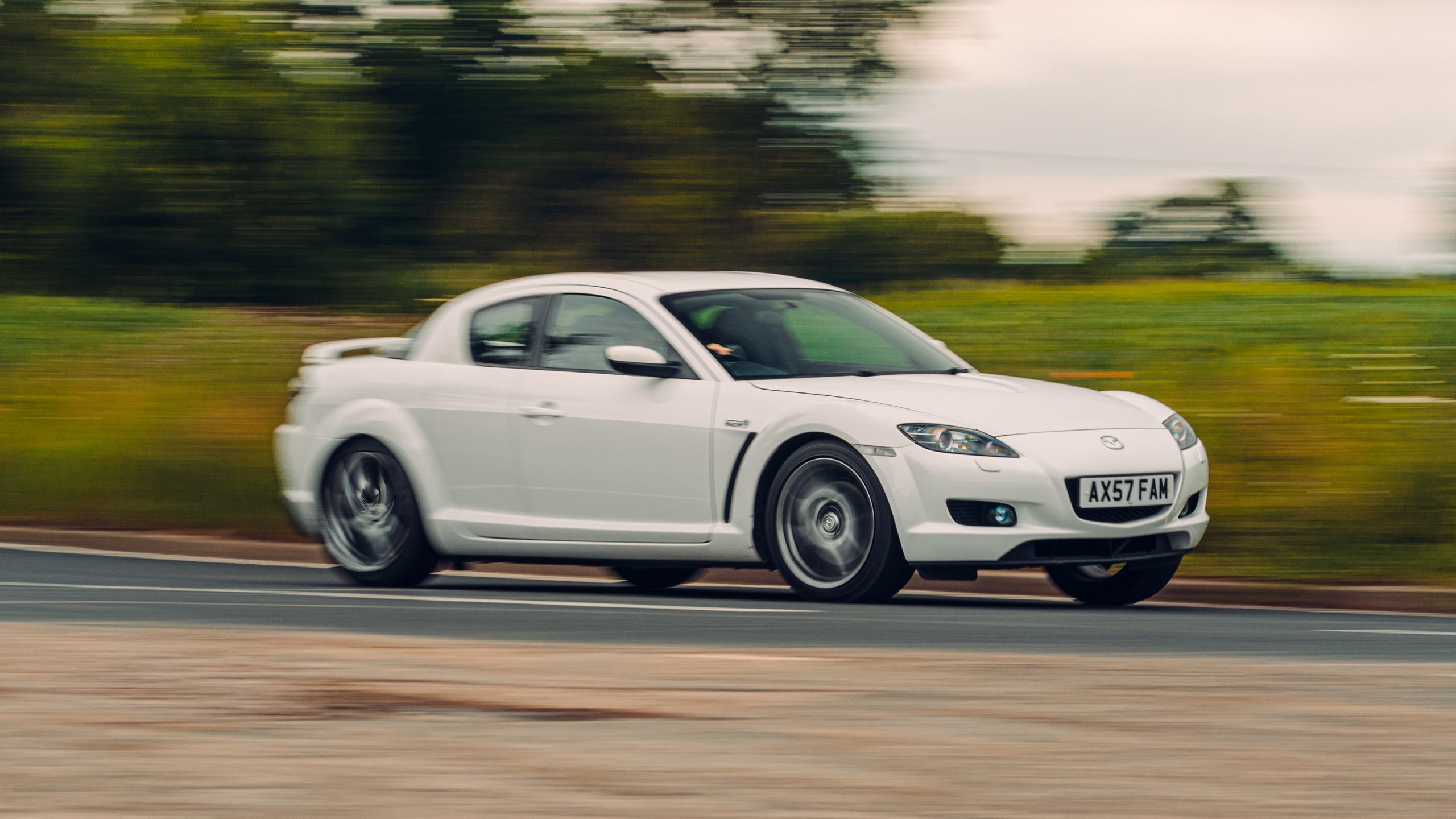
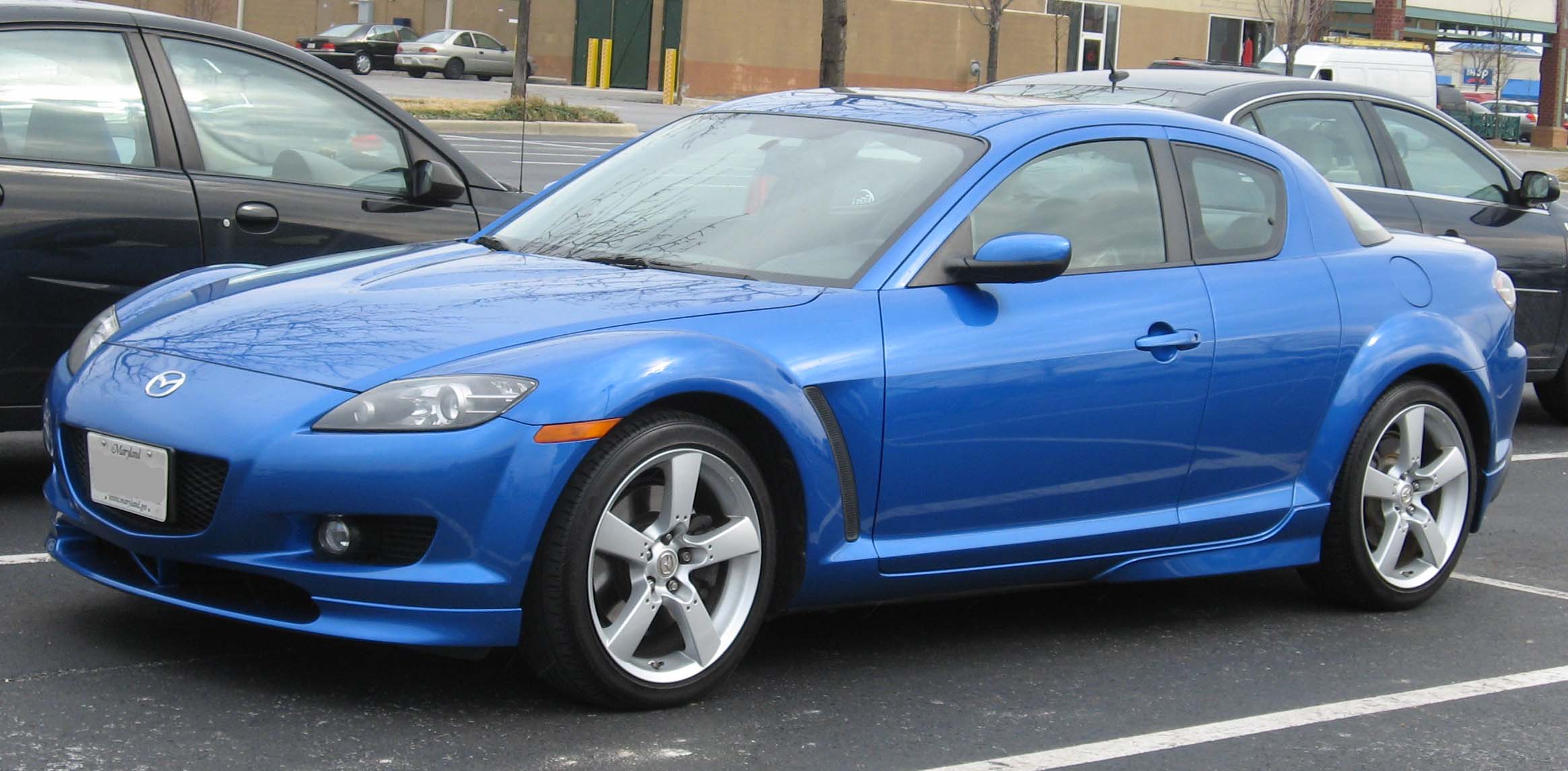
1. Mazda RX-8: An Underrated and Affordable Driver’s Sports Car
The Mazda RX-8 is widely regarded as one of the most misunderstood sports cars of the 2000s, yet it remains a standout example of driver-focused engineering and exceptional value. Frequently criticized because of its high-maintenance rotary engine, the RX-8 delivers a level of handling precision and driving engagement that many newer performance cars struggle to replicate.
Today, well-maintained examples can often be purchased for under $10,000, while clean manual-transmission models typically average around $12,500, making it one of the most affordable enthusiast cars on the market.
At the heart of the RX-8 is Mazda’s 1.3-liter Renesis rotary engine, a unique powerplant that distinguishes it from nearly every other production car. Unlike conventional piston engines, the rotary design prioritizes smoothness and high-revving performance over low-end torque.
Manual models reach an impressive 9,000 RPM redline, producing a distinctive sound and driving feel that enthusiasts often describe as mechanical and musical. However, the engine requires specialized care, including regular oil top-offs and consistent high-RPM driving to prevent carbon buildup. Many early owners misunderstood these needs, leading to reliability issues that harmed the car’s reputation and lowered resale values.
Beyond the engine, the RX-8’s greatest strength lies in its chassis. With near-perfect 50:50 weight distribution and a front-midship layout, the car offers exceptional balance and cornering stability. Its hydraulic steering system provides detailed road feedback that is often missing in modern electric steering setups, allowing drivers to feel closely connected to the road.
While the car lacks strong low-end torque compared to turbocharged rivals, it rewards drivers who actively work through the gears and keep the engine spinning at higher RPMs. This characteristic transforms everyday driving into an engaging experience and makes the RX-8 particularly enjoyable on winding roads and track days.
The RX-8 also stands out for combining sports car performance with surprising practicality. Its distinctive rear-hinged “freestyle” doors create a genuine four-seat configuration, making rear-seat access easier than in most coupes. The trunk provides enough space for luggage or recreational gear, allowing the car to function as both a weekend toy and a usable daily driver.
Despite weaknesses such as modest fuel economy and maintenance demands, the RX-8 remains undervalued largely because of misconceptions rather than a lack of capability. From 2009 to 2012, models introduced improvements to engine oiling systems, increasing reliability and desirability.
As prices of older rotary-powered sports cars continue to rise, the RX-8 is increasingly viewed as the last affordable entry into this unique automotive niche. For enthusiasts willing to understand its quirks, it offers distinctive engineering, excellent handling, and a pure driving experience at a remarkably accessible price.
2. Nissan 300ZX (Z31): The Overlooked 1980s Grand Touring Bargain
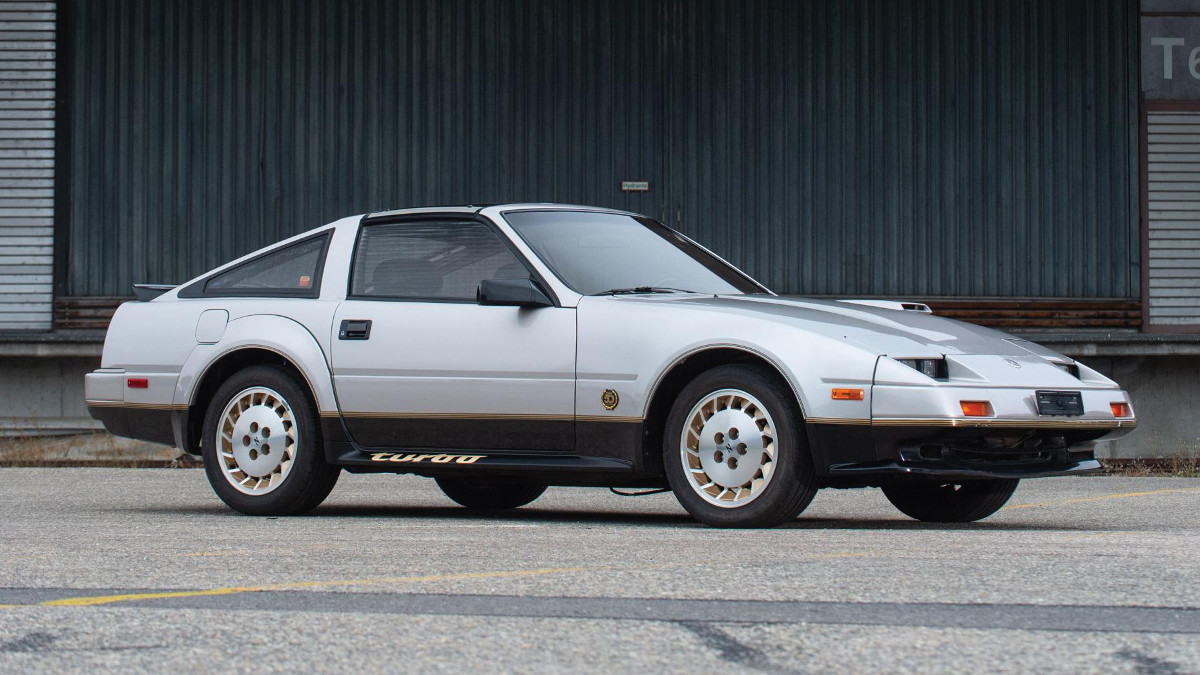
The Nissan 300ZX (Z31), produced from 1983 to 1989, represents one of the most underrated entries in Nissan’s legendary Z-car lineage. Overshadowed by both the earlier classic Z models and the later twin-turbo Z32, the Z31 has long remained a forgotten middle child.
However, this lack of attention has helped keep prices accessible, making it an appealing entry point into vintage Japanese sports cars. Project-ready examples can be found for around $3,000, while clean, well-maintained cars typically range between $5,000 and $15,000, offering strong value for collectors and enthusiasts alike.
The Z31 marked a significant transition for the Z-car formula. It was the first generation to replace the traditional inline-six engine with a V6, introducing the 3.0-liter VG30 series engines. Buyers could choose between the naturally aspirated VG30E, producing about 160 horsepower, or the turbocharged VG30ET, which delivered roughly 200 horsepower and a 0–60 mph time of about 7.1 seconds.
While not a pure track-focused sports car, the Z31 was designed as a grand tourer, prioritizing comfort and long-distance usability alongside respectable performance. Its softer suspension and heavier feel compared to rivals made it more suited to highway cruising than aggressive cornering, though adjustable suspension settings on higher trims allowed drivers to tailor ride firmness.
Stylistically, the Z31 perfectly captures 1980s automotive design. Its sharp wedge-shaped profile, pop-up headlights, and futuristic aesthetic define the era, while interior technology showcased Nissan’s ambition.
Many models featured a glowing digital dashboard, a voice warning system known as “Bitching Betty,” and driver-oriented cockpit elements such as trip computers and G-force meters. These features helped position the car as a high-tech flagship during its time and now contribute heavily to its nostalgic appeal.
Another advantage of the Z31 is accessibility. High production numbers mean parts availability remains relatively strong compared to rarer Japanese imports, making ownership more manageable for hobbyists. The platform also offers solid tuning potential, with turbocharged engines capable of significant power increases when properly modified.
Potential buyers should still watch for common issues, including rust, aging electronics, timing belt maintenance, and turbocharger wear. Despite these concerns, the Z31’s combination of retro styling, comfortable GT character, and affordable pricing makes it a stealth bargain.
For enthusiasts seeking an authentic 1980s driving experience without paying premium collector prices, the Nissan 300ZX (Z31) stands as a compelling and increasingly appreciated classic.
3. Mitsubishi FTO: The High-Revving JDM Coupe That Deserves More Recognition
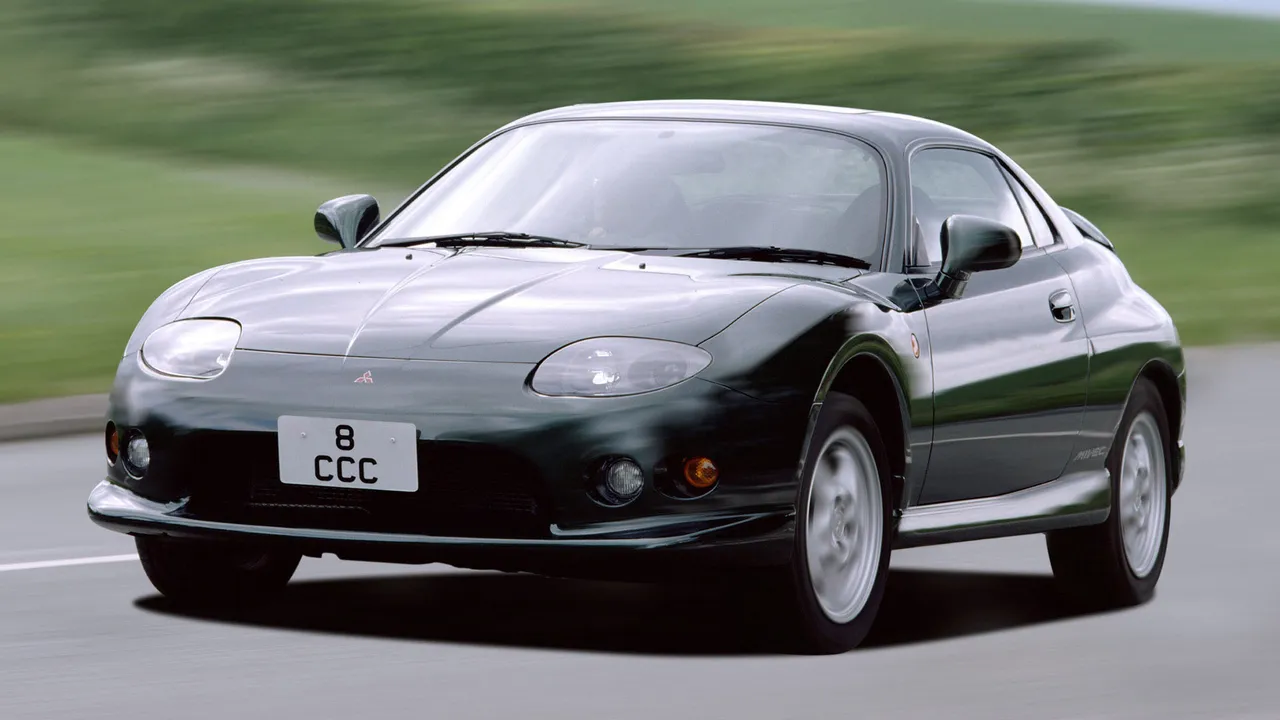
The Mitsubishi FTO is widely considered one of the most underrated Japanese sports coupes of the 1990s, combining striking design, sharp handling, and an unusually sophisticated engine for its class. Launched in 1994 and crowned Japan Car of the Year shortly after its debut, the FTO proved that a front-wheel-drive layout could still deliver an authentic sports car experience.
Despite this early success, it remained overshadowed by turbocharged, all-wheel-drive icons of the era, which helped keep prices accessible today. Imported examples are often available for under $10,000, making it an appealing entry point into classic JDM ownership.
At the core of the FTO’s appeal is its distinctive engine lineup, particularly the top-spec 2.0-liter 6A12 MIVEC V6. Unlike many rivals that relied on inline-four engines, Mitsubishi equipped the FTO with a compact, naturally aspirated V6 capable of producing around 197 to 200 horsepower at high revs.
Rather than focusing on low-end torque, the engine delivers performance through a thrilling high-RPM powerband, pulling strongly toward a 7,500 RPM redline. Enthusiasts frequently praise its exhaust note, often comparing its sharp, raspy sound to classic Formula 1 cars. This character gives the FTO a sense of drama rarely found in similarly priced coupes.
Handling is another standout quality. Weighing roughly 2,645 pounds, the FTO feels lightweight and responsive, aided by a well-engineered suspension setup consisting of MacPherson struts at the front and a multi-link rear arrangement.
Limited-slip differential options further improved cornering grip, allowing the car to tackle winding roads with surprising agility despite being front-wheel drive. The result is a nimble, balanced driving experience often described as “go-kart-like,” challenging the assumption that rear-wheel drive is necessary for genuine driving enjoyment.
Styling also plays a major role in the FTO’s lasting appeal. Its smooth, aerodynamic curves and compact wedge shape have aged remarkably well, giving it a timeless appearance that still attracts attention at modern car meets.
Inside, the driver-focused cabin blends sporty design with practical features, offering seating for four and reasonable cargo space for a coupe, making it usable as both a daily driver and weekend enthusiast car.
The FTO remains underrated largely because it was sold primarily in Japan and marketed as a smaller sibling to the Mitsubishi GTO. Maintenance considerations include checking for rust, aging transmissions, and sourcing parts outside Japan, but the naturally aspirated V6 is widely regarded as durable when properly serviced.
The Mitsubishi FTO stands as proof that innovation, balance, and driving excitement matter more than drivetrain layout, delivering a true sports car experience at an attainable price.
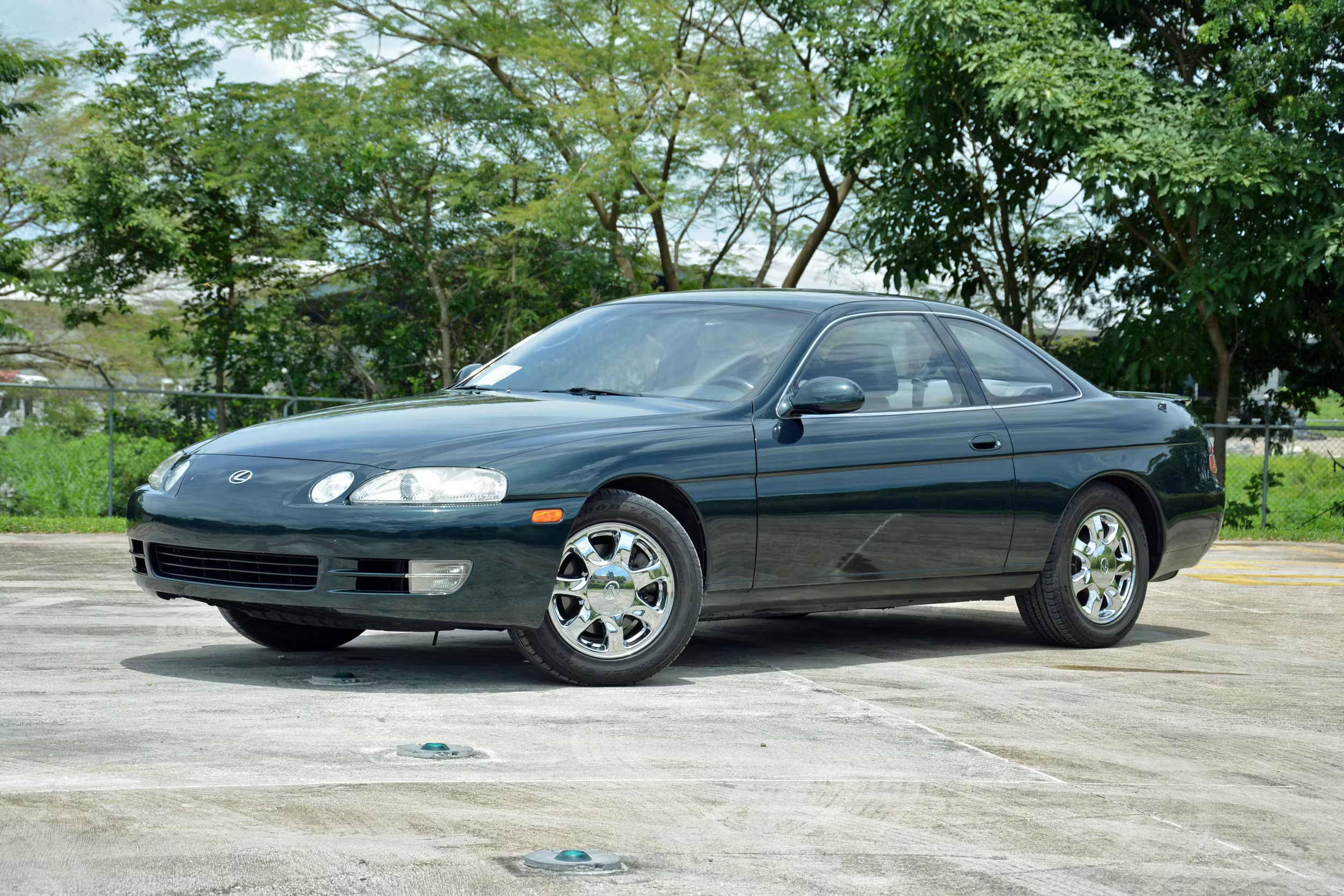
4. Lexus SC300: The Luxury Coupe with Hidden Supra Potential
The Lexus SC300 is widely regarded as one of the greatest sleeper cars of the 1990s, blending luxury grand touring comfort with serious performance potential beneath its refined exterior.
Often overlooked because of its upscale branding and relaxed character, the SC300 shares critical engineering DNA with the legendary Toyota Supra Mk4, making it an appealing alternative for enthusiasts seeking performance without the high collector price.
While Supras frequently command $25,000 to $50,000 or more, clean SC300 examples typically sell between $5,000 and $10,000, offering remarkable value for a rear-wheel-drive coupe with strong tuning capability.
At the heart of the SC300 lies the famed 3.0-liter 2JZ-GE inline-six engine, producing about 225 horsepower and over 210 lb-ft of torque. Although naturally aspirated in factory form, the engine is renowned for exceptional durability and strength, sharing much of its design philosophy with the twin-turbo 2JZ-GTE found in the Supra.
This robust construction allows owners to add turbochargers through popular “NA-T” conversions, unlocking massive horsepower potential without requiring extensive internal modifications. A five-speed manual transmission was also available, giving drivers a more engaging experience and further strengthening the car’s connection to its performance-focused sibling.
Unlike many sports cars of its era, the SC300 was designed primarily as a grand tourer. Lexus emphasized comfort and refinement, equipping the coupe with high-quality leather interiors, advanced sound insulation, automatic climate control, and optional premium audio systems such as the Nakamichi setup.
The cabin is notably quiet and smooth at highway speeds, making the SC300 equally suited for daily commuting or long-distance driving. Its sleek, aerodynamic styling, developed by Calty Design Research in California, has aged gracefully and continues to look modern decades after its release.
Another major advantage is strong aftermarket support. Because of shared components with the Supra, owners have access to a wide range of suspension, brake, and engine upgrades. The chassis’s long wheelbase and balanced rear-wheel-drive layout have also made the SC300 popular within drifting and tuning communities.
The model remained underrated largely because it was overshadowed by the more aggressive Supra and the V8-powered SC400, while its softer suspension tuning made it appear less sporty in stock form.
Still, owners consistently praise its reliability, smooth performance, and timeless design. Today, the Lexus SC300 stands as a hidden gem that combines luxury, dependability, and enormous performance potential, making it one of the smartest budget-friendly platforms for enthusiasts seeking both comfort and capability.
5. Nissan NX2000: The Quirky Pocket Rocket
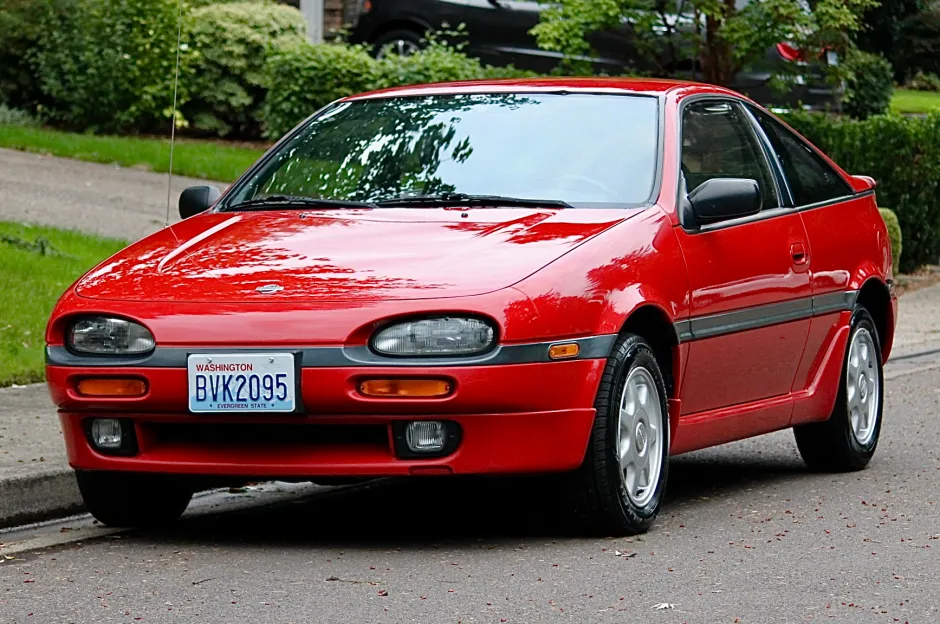
The Nissan NX2000 is one of the most underrated Japanese sports cars of the early 1990s, offering a blend of performance, affordability, and distinctive styling. Produced between 1991 and 1993, the NX2000 was essentially a sportier, T-top-equipped sibling to the Sentra SE-R, sharing its lightweight chassis and legendary SR20DE engine.
Despite being overlooked in its day, the NX2000 remains a compelling choice for enthusiasts seeking a fun, reliable, and budget-friendly front-wheel-drive sports car. Today, clean examples can often be found for under $5,000, making it a hidden gem in the affordable JDM market.
At the heart of the NX2000 is the 2.0-liter DOHC 16-valve SR20DE engine, producing 140 horsepower and 132 lb-ft of torque. While modest by modern standards, the lightweight chassis allows the car to achieve 0-60 mph times in the seven-second range, delivering punchy and engaging performance.
The SR20DE is also renowned for its durability and tunability, making the NX2000 a favorite among budget-minded enthusiasts who want to extract extra performance through bolt-ons or engine modifications.
Handling is a key strength of the NX2000. It uses the same firm chassis as the Sentra SE-R and comes standard with a viscous, limited-slip differential, providing enhanced cornering grip and predictable handling.
Road & Track praised the NX2000 in 1992, highlighting its agility and comparing its fun factor favorably against higher-profile cars like the Acura NSX and Porsche 911. Its suspension, brakes, and lightweight design make it an excellent choice for twisty backroads and occasional track use.
Styling sets the NX2000 apart as well. Its rounded, “egg-shaped” body earned it nicknames like the “baby 300ZX,” and many models featured removable T-top panels for a semi-convertible driving experience, adding to its playful character. Despite its polarizing looks, the design contributes to a low drag coefficient of 0.32 and makes the car visually distinct even today.
The NX2000 is also proven in motorsports. It competed successfully in SCCA events, earning podium finishes and national wins, demonstrating that this compact coupe could perform well beyond daily driving. Its combination of reliability, fun handling, and quirky style makes it an ideal entry-level sports car for enthusiasts who prioritize driving engagement and low running costs over prestige.
The NX2000 remains a hidden champion of the front-wheel-drive world, offering immense smiles per gallon at a fraction of the price of more celebrated 1990s Japanese performance cars.
Also read: 5 Cars Owners Are Happy With Long-Term vs 5 They Aren’t
6. Mitsubishi Galant VR-4: The Underrated Rally-Bred Sleeper
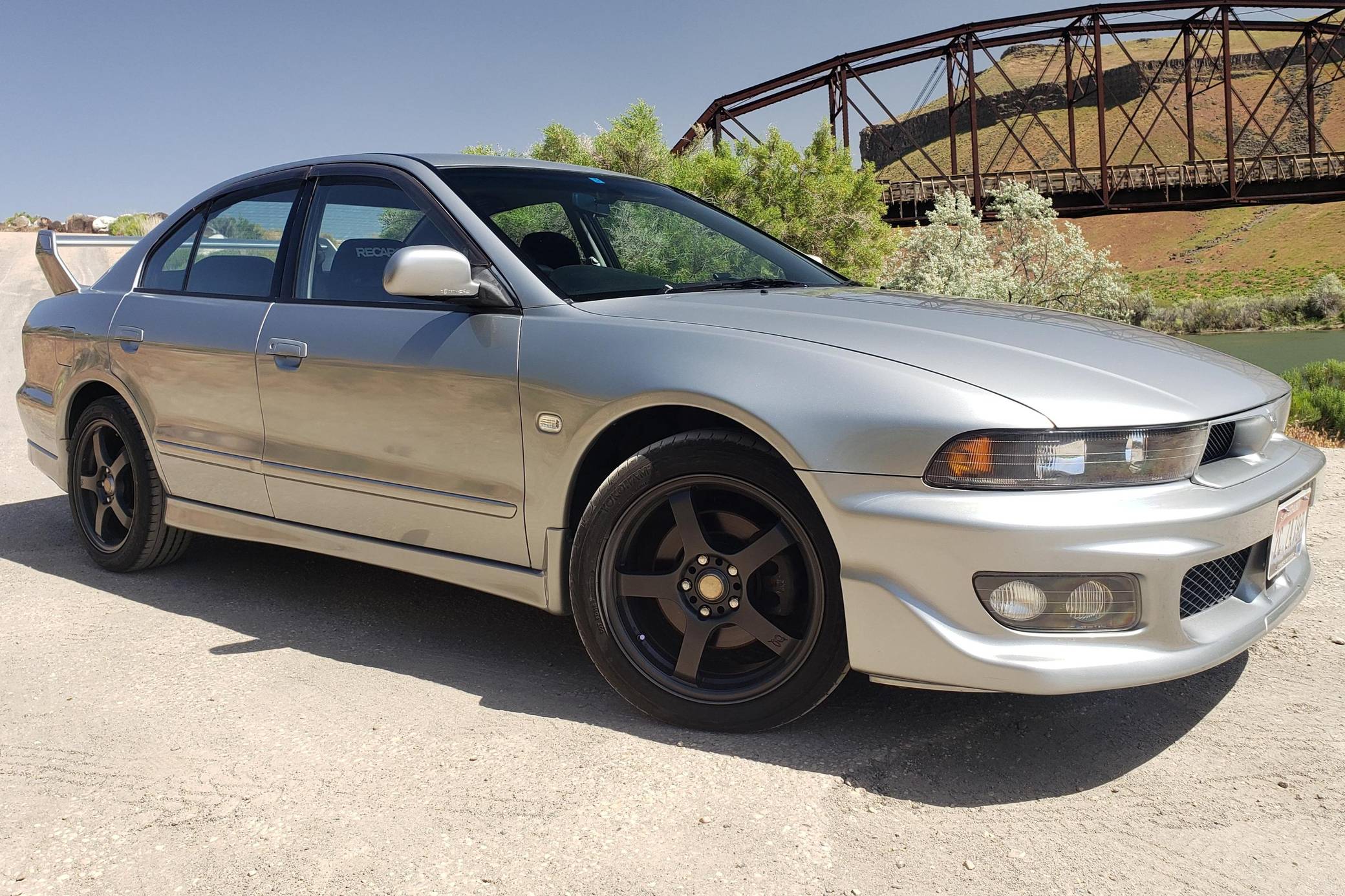
The Mitsubishi Galant VR-4 is one of the most underrated Japanese performance sedans of the 1990s, combining rally-bred technology with the understated appearance of a standard executive car. Preceding the Lancer Evolution, the VR-4 pioneered the turbocharged, all-wheel-drive (AWD) formula that would define Mitsubishi’s motorsport legacy.
While it shares much of its mechanical DNA with the Evo, the Galant VR-4 offers a more spacious and comfortable cabin, making it a practical sleeper for enthusiasts seeking performance without drawing attention. Despite its advanced features, clean examples remain affordable, often costing far less than early Lancer Evolutions.
At its core, the VR-4 was created to meet Group A rally homologation requirements. Early 1990s models feature the legendary 4G63 2.0-liter turbocharged inline-four, producing 195–205 horsepower and 203 lb-ft of torque. Later 8th-generation models upgraded to a 2.5-liter twin-turbo V6 (6A13TT), delivering 276 horsepower and incorporating Active Yaw Control (AYC) for improved cornering.
Even with modest power by modern standards, the car’s lightweight chassis, sophisticated AWD system, and four-wheel independent suspension deliver a lively and planted driving experience. A 0–60 mph time around seven seconds understates the VR-4’s visceral acceleration and mechanical engagement.
The Galant VR-4 was technologically advanced for its time. Its Dynamic Four system combined full-time AWD with a viscous-coupling center differential, speed-sensitive four-wheel steering (4WS), and four-wheel independent suspension (4IS). These features, along with a four-sensor anti-lock braking system, gave the VR-4 exceptional handling and stability, whether on tight mountain roads or wet highways.
Aesthetically, the VR-4 is a masterclass in subtlety. Aside from small cues like 15-inch alloys, a rear spoiler, and hood vents on certain models, it looks like an ordinary 1990s sedan. This sleeper quality, combined with rally-bred performance, allows owners to enjoy powerful driving without attracting attention.
Inside, the cabin is spacious, practical, and equipped with comfortable seating, climate control, and durable 90s Japanese materials, offering a balance of performance and daily usability.
The Galant VR-4’s low profile has kept it affordable, yet it offers immense tuning potential, historical significance, and AWD capabilities that rival more famous JDM icons.
While maintenance for complex systems such as 4WS can be demanding, its combination of comfort, performance, and rarity makes it a unique and highly desirable sleeper. For enthusiasts seeking a “wolf in sheep’s clothing,” the Mitsubishi Galant VR-4 represents one of the best bargains in classic Japanese performance sedans.
7. Nissan Stagea: The Underrated Skyline Wagon
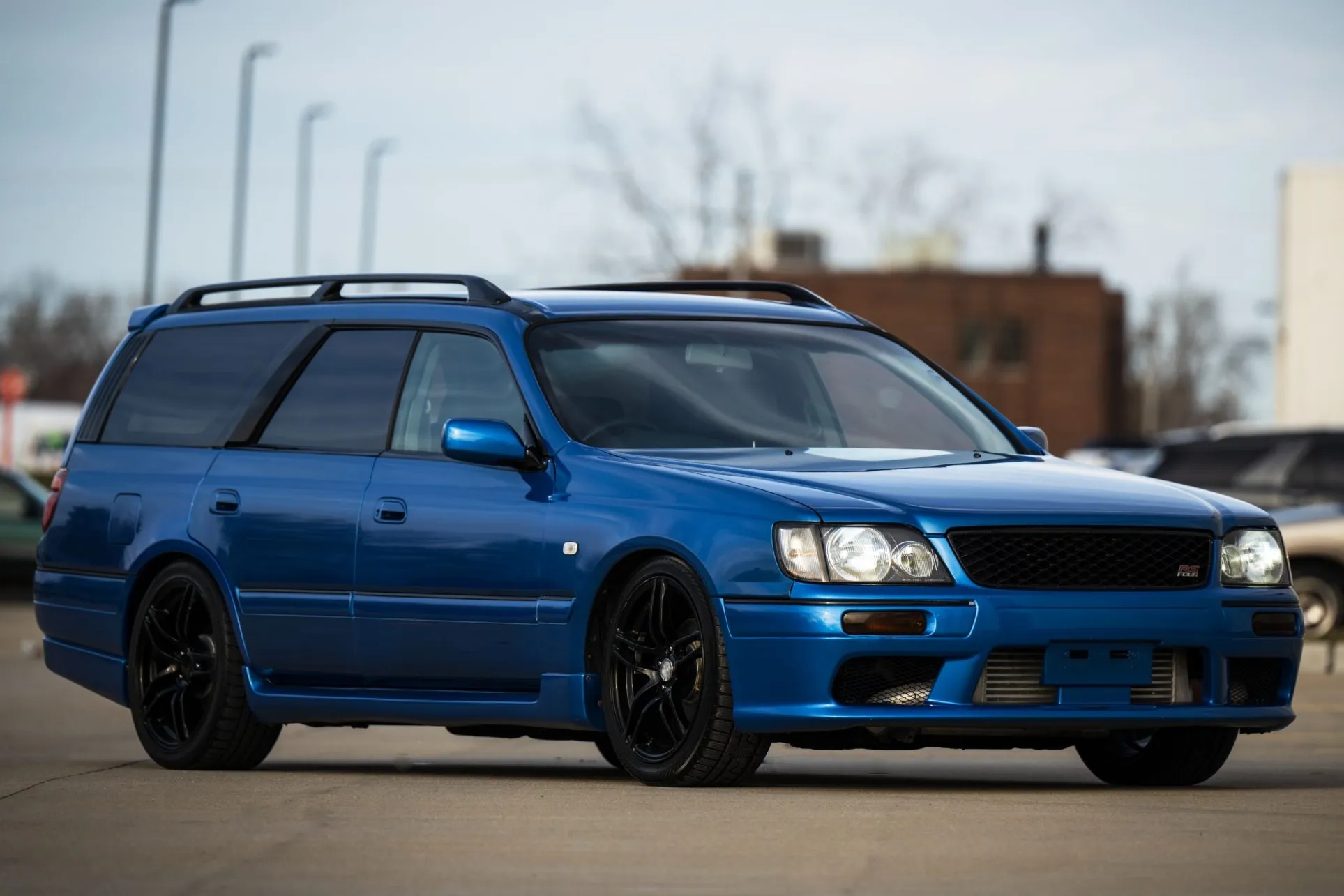
The Nissan Stagea is an often-overlooked JDM gem that combines Skyline performance with the practicality of a wagon. Built on the R33 and R34 Skyline platforms, it shares suspension, brakes, and engine components with its legendary coupe siblings.
High-end Stageas, especially those equipped with the RB25DET turbocharged inline-six and the ATTESA E-TS all-wheel-drive system, offer serious performance while maintaining the utility of a spacious wagon. Known as the Skyline Wagon, the Stagea provides enthusiasts with a stealthy vehicle capable of surprising faster-looking cars on the road.
The Stagea’s performance pedigree is evident in its engine lineup. The WC34 generation from 1996 to 2001 offers RB-series engines ranging from a base 2.0-liter to the turbocharged 2.5-liter RB25DET found in the RS Four V.
The Autech 260RS variant even features the RB26DETT twin-turbo from the R33 GT-R, complete with a five-speed manual and AWD, essentially making it a GT-R in wagon form. Later M35 models from 2001 to 2007 transitioned to the V35 Skyline platform with VQ-series V6 engines, providing smoother torque delivery and a more modern interior while slightly reducing tuning potential.
Despite its performance credentials, the Stagea remains affordable. Standard turbo models often sell for a fraction of the price of R33 and R34 coupes, avoiding the inflated prices applied to more iconic JDM vehicles.
Its understated wagon design helps it fly under the radar, offering a unique combination of power and practicality. The RB engines are highly tunable, making them a favorite among enthusiasts seeking a track-capable car that can also serve as a daily driver.
Practicality is another strength. With cargo capacity exceeding 500 liters in the M35 generation, flat load floors, and ample room for passengers, it handles touring duties well. Multi-link suspension and AWD provide strong cornering stability, although the car’s weight of over 1,600 kilograms can feel heavy in tight turns. Common ownership considerations include fuel consumption of 12 to 14 liters per 100 kilometers, potential rust issues, and maintenance of turbo components.
The Nissan Stagea offers a rare combination of performance, utility, and affordability. It delivers Skyline-level engineering in a practical package, making it a compelling choice for enthusiasts who want a unique JDM vehicle that can handle both spirited drives and everyday use.
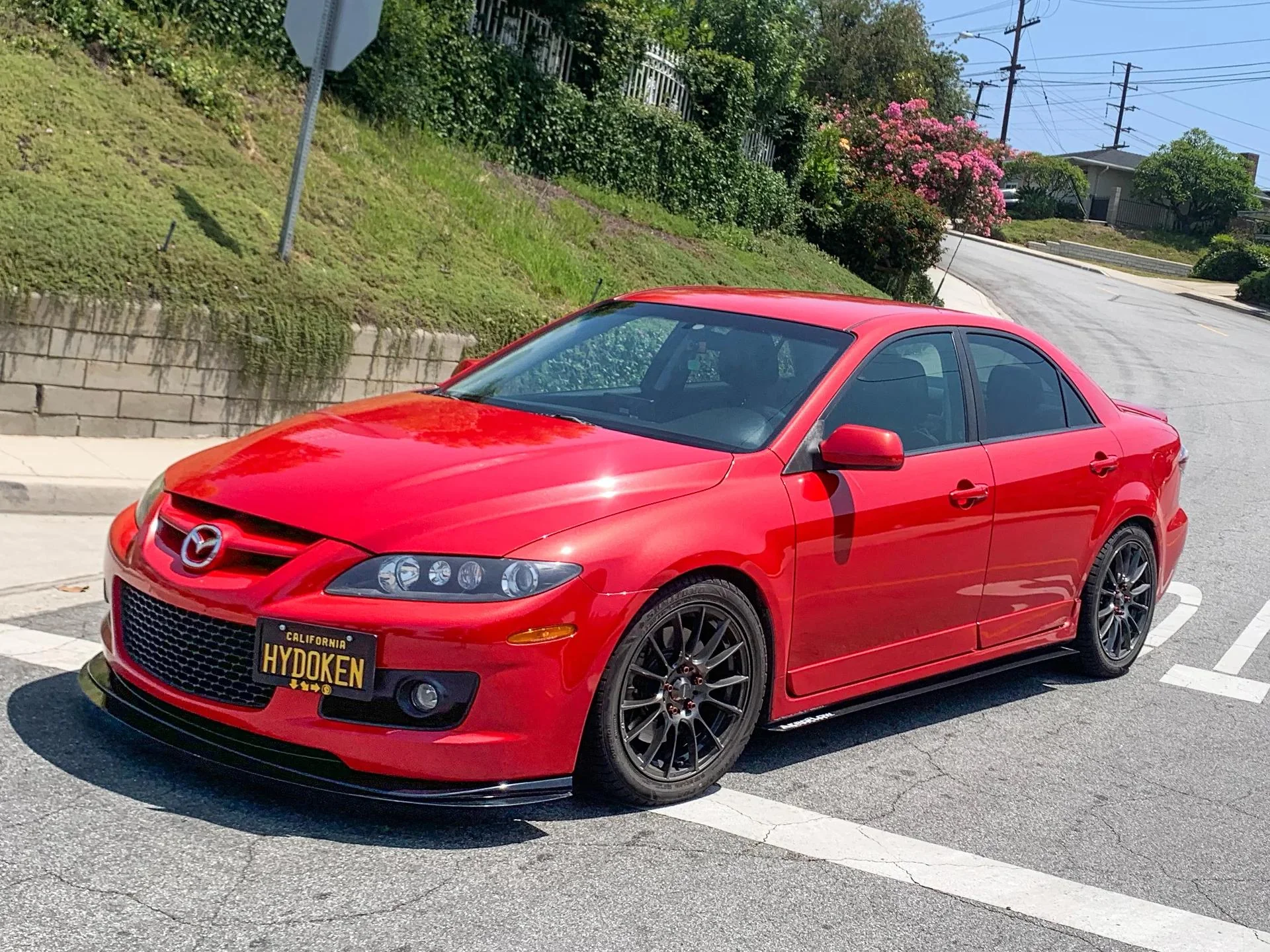
8. Mazda Mazdaspeed6: The Underrated Japanese Sports Sedan
The Mazda Mazdaspeed6 is an often-overlooked performance sedan that combines high-end Japanese engineering with subtle, sleeper styling. Produced from 2006 to 2007, it offers a 2.3-liter turbocharged four-cylinder engine producing 274 horsepower and 280 lb-ft of torque, paired with a six-speed manual transmission and an advanced active torque-splitting all-wheel-drive system.
Despite being capable of a 0–60 mph time of around 5.4 seconds, it maintains a refined, comfortable interior that feels more premium than contemporaries like the Subaru WRX or Mitsubishi Lancer Evolution. Today, clean examples can be found for $5,000 to $11,000, making it a high-performance bargain for enthusiasts seeking something unique and understated.
One of the Mazdaspeed6’s defining features is its sophisticated all-wheel-drive system, which can distribute up to 50 percent of torque to the rear wheels, giving it excellent stability and handling without the aggressive torque steer common to other turbocharged sedans.
On the road, it behaves like a traditional front-driver during casual driving, but pushing the throttle on twisty roads unlocks the rear torque, making it feel almost like a rear-wheel-drive car. Its suspension uses upper and lower A-arms up front and a multi-link rear setup, keeping body roll in check while providing confident grip on both dry and slick surfaces.
The Mazdaspeed6 also shines as a practical daily driver. Its four-door layout offers ample space for passengers, while the sedan retains a refined, understated exterior that allows it to blend in, making it a true sleeper car. Interior quality is high, with attention to detail in materials and ergonomics, ensuring comfort for long drives.
Owners and enthusiasts value the Mazdaspeed6 for its combination of performance, drivability, and affordability. Its 2.3-liter turbo engine is robust and highly tunable, although it requires regular maintenance, especially of the turbocharger and transfer case, to maintain reliability.
Its understated styling, solid performance, and AWD dynamics make it a compelling alternative for those seeking a high-performance Japanese sedan without the aggressive, boy-racer aesthetic.
The Mazdaspeed6 offers a rare balance of speed, refinement, and sleeper appeal, making it one of the most underrated Japanese sports sedans of its era. It delivers performance and handling on par with more celebrated rivals while maintaining everyday usability and a discreet, mature design.
9. Honda Accord Type R: The Underrated Four-Door Performance Sedan
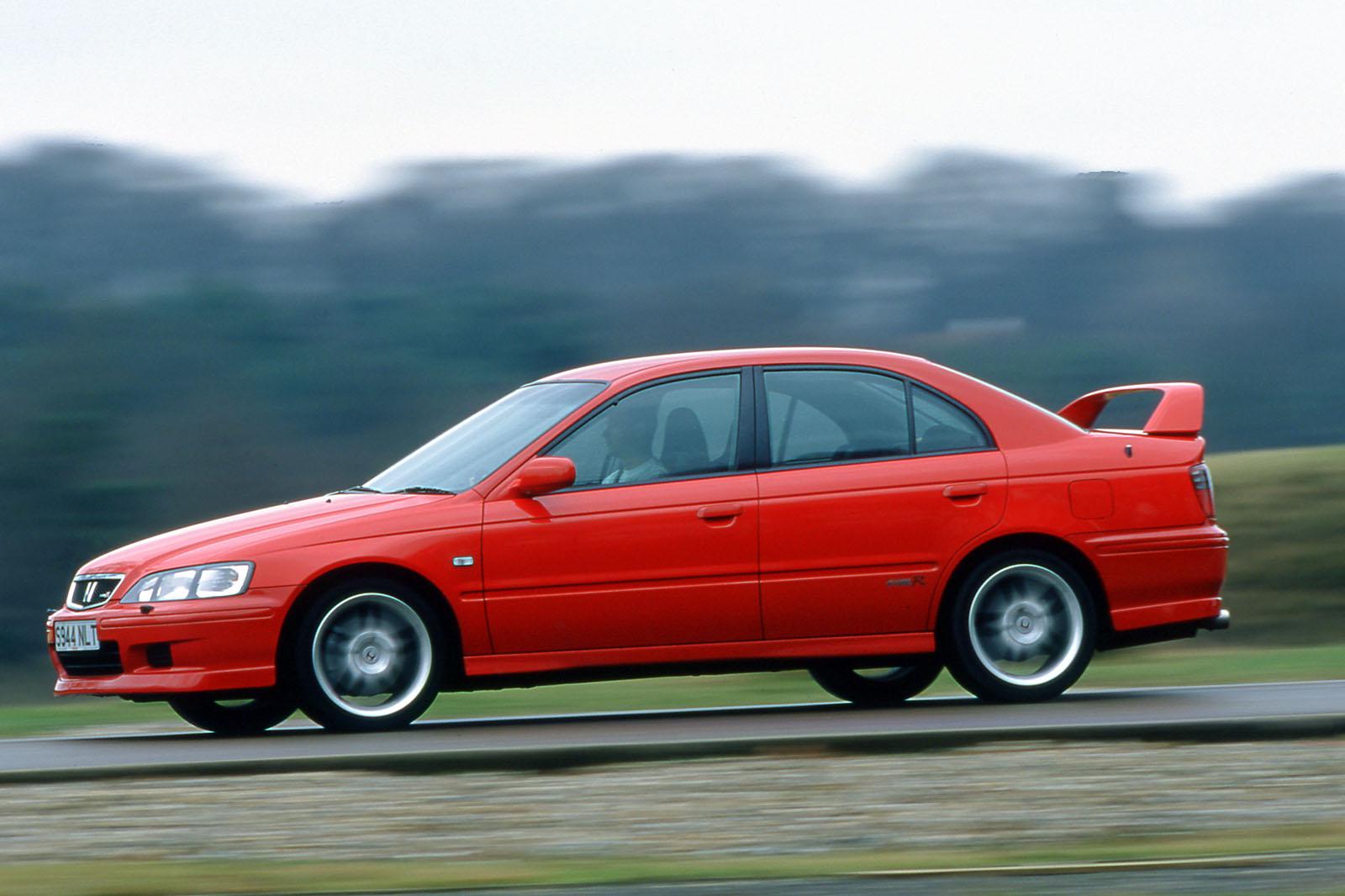
The Honda Accord Type R, specifically the CH1 generation produced between 1998 and 2002, is a highly underrated Japanese sports car.
While the Civic and Integra Type R models have become highly sought-after and expensive, the Accord Type R remains affordable, often available for under $10,000 in the UK. It combines high-revving VTEC performance with the practicality of a four-door sedan, making it a rare blend of daily usability and track-capable dynamics.
At its heart is the hand-built 2.2-liter H22A7 engine producing 210–217 horsepower. The engine features Honda’s legendary VTEC system, delivering a docile character at low RPMs that transforms into a high-revving powerhouse above 5,800 rpm.
Paired with a six-speed manual transmission, a helical Torsen limited-slip differential, and a stiffened chassis, the Accord Type R provides one of the finest front-wheel-drive driving experiences ever engineered. Its lightweight approach, twin-piston brakes, and reworked suspension make it extremely agile on twisty roads, often outperforming more powerful rivals.
Despite its performance pedigree, the Accord Type R maintains a subtle, understated exterior. Its styling includes modest 17-inch wheels, a twin-pipe exhaust, and an optional rear wing, allowing it to blend into traffic while retaining sleeper appeal. This discretion, combined with its limited European and Japanese release, has kept prices low compared to other Type R models.
Practicality is another highlight. The Accord Type R offers a spacious cabin with Recaro racing seats, a large boot, and Honda’s renowned reliability, making it suitable for daily driving or long trips. Unlike more extreme Type R models, it balances raw driving excitement with comfort and utility.
The driving experience is pure and analog, free from excessive electronic aids. The cabin emphasizes driver engagement with features like a Momo steering wheel and a titanium shift knob, reinforcing its focus on performance and connection.
The Honda Accord Type R is a sleeper classic that combines mechanical precision, high-revving excitement, and practical four-door usability. It offers enthusiasts a rare opportunity to experience Type R performance at a fraction of the cost of its smaller siblings while delivering an engaging and rewarding driving experience.
10. Suzuki Cappuccino: The Pocket Rocket Kei Car
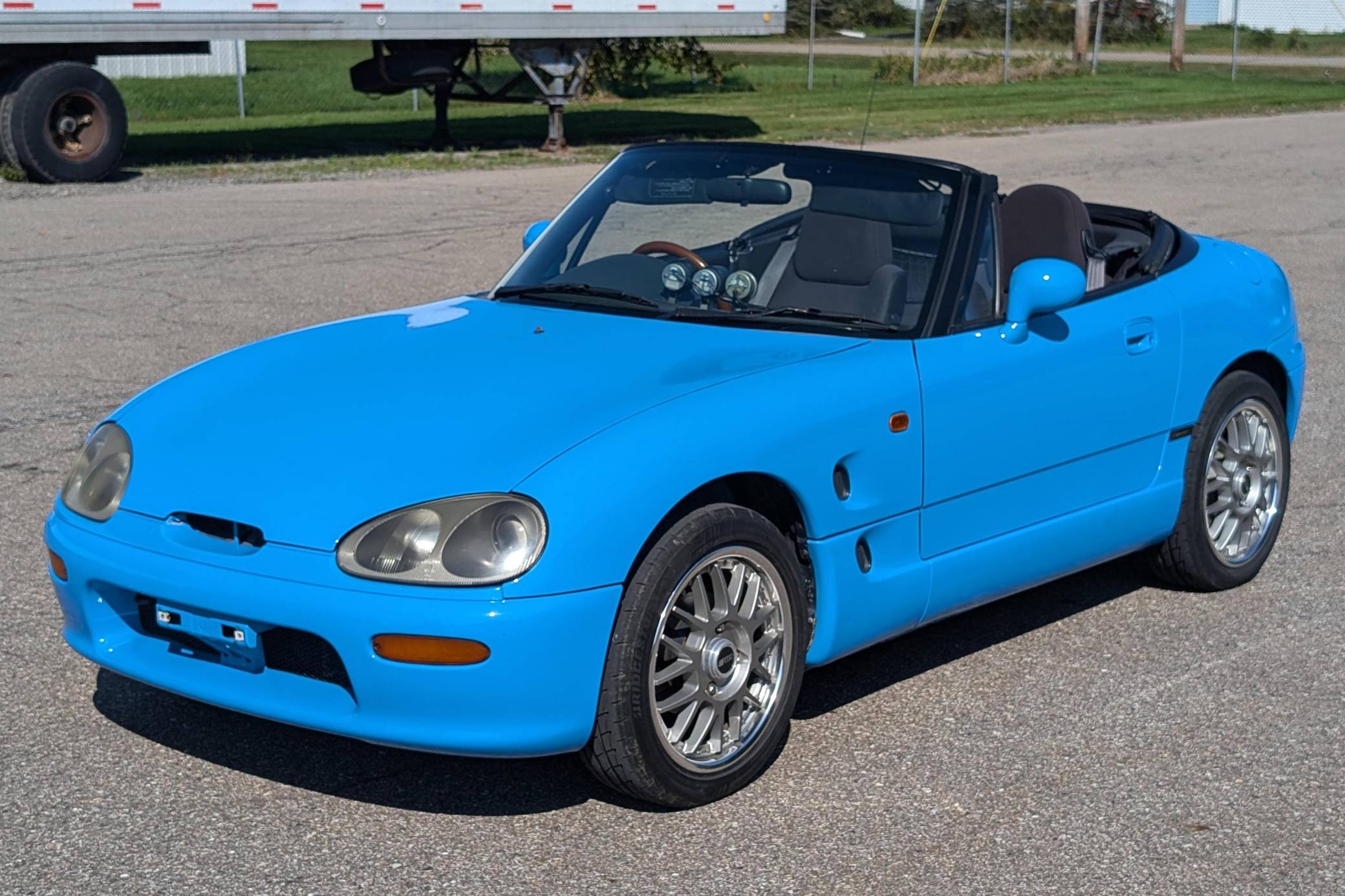
The Suzuki Cappuccino, produced from 1991 to 1998, is a rare and underrated Japanese sports car. Built as a Kei-class roadster, it weighs less than 1,600 pounds and offers a rear-wheel-drive layout, turbocharged three-cylinder engine, and an open-top driving experience that feels like piloting a go-kart on the street.
With prices ranging from $8,000 to $12,000 for imports, the Cappuccino delivers exceptional fun and versatility at a fraction of the cost of larger Japanese sports cars.
At the heart of the Cappuccino is a 657cc turbocharged engine producing 63 horsepower, the legal limit for its class. Despite the modest output, the car’s ultra-lightweight design and perfect 50:50 weight distribution give it remarkable agility and responsiveness.
Its high-revving nature, with an 8,500 rpm redline, produces a lively exhaust note and engaging acceleration. Paired with a double-wishbone suspension and rear-wheel-drive layout, the Cappuccino handles corners with precision, offering an experience often reserved for much larger and more expensive sports cars.
The Cappuccino’s unique modular roof system adds to its appeal. Three removable panels and a retractable rear glass allow four configurations: fully enclosed coupe, T-top, targa, and full roadster. This ingenious design provides practical adaptability while maintaining the car’s lightweight and sporty character. The aluminum roof, hood, and other components further reduce weight, enhancing performance and handling.
Affordability and accessibility are major advantages. Unlike high-profile JDM cars such as the Nissan Skyline or Toyota Supra, Cappuccinos remain reasonably priced.
Their low engine displacement also keeps fuel costs and insurance low, while aftermarket support allows enthusiasts to upgrade suspension, handling, or performance on a budget. Despite being overlooked due to its Kei-car status, the Cappuccino offers driving enjoyment that rivals larger and more powerful vehicles.
Living with a Cappuccino requires awareness of some compromises. Rust is a common concern, particularly on sills and floorpans, and the narrow cabin may feel tight for taller drivers. Maintenance, especially of the turbo, is critical to preserve its reliability. Modern safety aids are absent, and its tiny size makes it feel delicate compared to contemporary cars.
The Suzuki Cappuccino is a lightweight, agile, and highly engaging sports car that excels at delivering pure driving joy. Its combination of turbocharged performance, RWD handling, and modular roof versatility makes it a unique and affordable alternative to traditional Japanese sports cars. Enthusiasts seeking a compact, thrilling, and playful driving experience will find the Cappuccino a timeless pocket rocket.
The world of Japanese sports cars offers more than just headline-making legends. The ten cars highlighted here demonstrate that performance, character, and driving engagement can come in subtle, affordable packages. From the rotary-powered Mazda RX-8 to the turbocharged Suzuki Cappuccino, each vehicle delivers a unique experience while remaining accessible to enthusiasts seeking value.
These cars prove that raw driving excitement does not require top-dollar collector prices, and they offer opportunities for tuning, personalization, and long-term enjoyment.
For buyers willing to look beyond the mainstream, these underrated Japanese sports cars provide a blend of practicality, nostalgia, and sheer fun that makes every drive memorable. Embracing these hidden gems allows enthusiasts to experience the thrill of Japanese engineering without compromise, making them essential additions to any affordable sports car collection.
Also Read: Top 10 Cars With Manual Transmissions You Can Still Buy Brand New