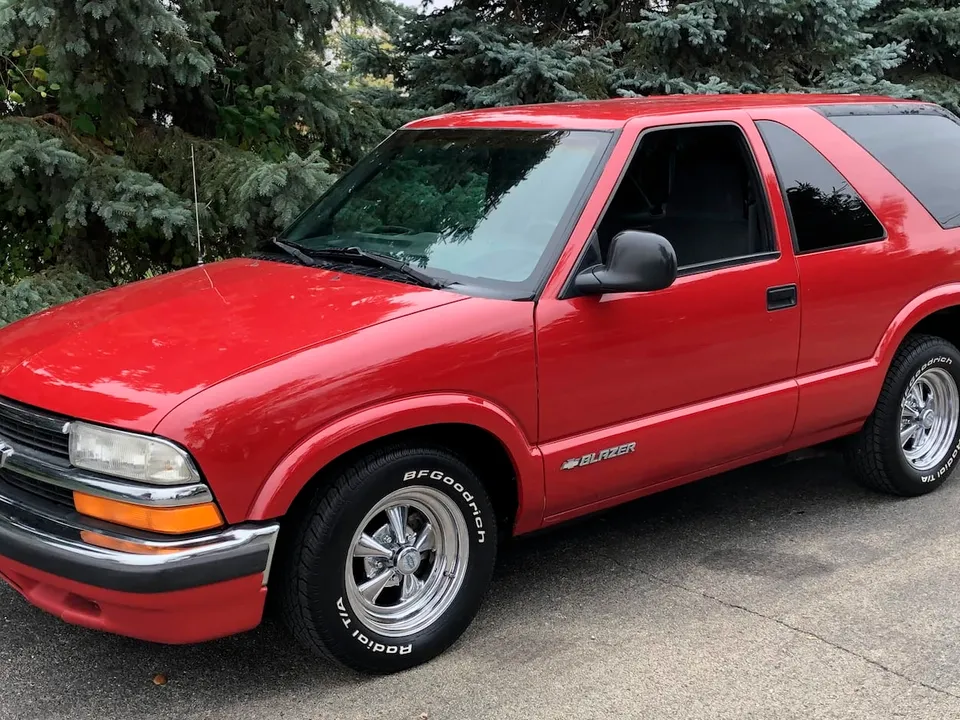
Pickup trucks have always played an important role in the automotive world, especially for drivers who need vehicles that combine practicality, durability, and versatility. While full size trucks dominate modern markets today, compact trucks once held a special place among buyers who wanted utility without the size and fuel consumption of larger pickups.
During the 1980s, 1990s, and early 2000s, compact trucks became extremely popular in many countries. They were smaller, easier to maneuver in tight spaces, and far more efficient than the massive trucks that dominate showrooms today.
For many drivers, these vehicles provided the perfect balance between everyday transportation and work capability.
Compact trucks were also incredibly versatile. Owners used them for everything from light construction work and small business deliveries to weekend adventures and home improvement projects. Their manageable size made them practical in urban environments, while their pickup beds still allowed them to carry tools, equipment, or recreational gear.
Another reason these trucks gained such a loyal following was their reliability. Many compact pickups earned reputations for lasting hundreds of thousands of miles with proper maintenance.
Because of their relatively simple engineering, they were often easier and more affordable to repair compared with modern vehicles filled with complex electronics.
Over time, however, the automotive market shifted toward larger trucks and crossover vehicles. Manufacturers began focusing more on full size pickups that offered higher profit margins and greater towing capabilities. As a result, many beloved compact trucks quietly disappeared from production lines.
Despite their disappearance, these vehicles remain fondly remembered by enthusiasts and owners who appreciated their practicality and character. Many people still search the used market for these trucks because they represent a unique combination of simplicity, durability, and everyday usability.
Looking back, several compact trucks stand out as models that left a lasting impression. The following list highlights six memorable compact pickups from the past that many drivers wish were still being produced today.
Also Read: 10 Iconic Cars That Were Almost Named Something Very Different
1. Toyota Pickup (Hilux in Global Markets)
Few compact trucks in automotive history have built a reputation as strong as the Toyota Pickup, known internationally as the Toyota Hilux. For decades this truck became a symbol of durability and dependability, earning respect from drivers in cities, farms, deserts, and construction sites across the world.
The design philosophy behind the Toyota Pickup focused on simplicity and strength. Unlike many modern vehicles that rely heavily on complicated electronics, this truck was engineered with straightforward mechanical components that prioritized reliability.
This approach made it extremely attractive to drivers who needed a truck that could handle difficult conditions without constant repairs.
One of the most remarkable qualities of the Toyota Pickup was its durability. Stories of these trucks lasting well beyond 300,000 miles became common in many parts of the world. Owners frequently reported that the engines continued running smoothly even after years of demanding work and rough terrain.
Toyota offered several engine options over the years, including dependable four cylinder engines and later V6 configurations that provided additional power. These engines were known for their balance of efficiency and strength.
While they were not designed to deliver sports car performance, they produced enough torque and reliability to handle daily workloads with ease.
The compact size of the truck played a significant role in its popularity. Compared with modern pickups, the Toyota Pickup was narrow, lightweight, and easy to drive through tight city streets or narrow trails. Drivers could maneuver it into places that would be difficult for today’s large trucks.
Another key advantage was its practical bed design. The truck bed provided enough space to carry construction tools, landscaping supplies, or recreational equipment such as dirt bikes and camping gear. Many small business owners relied on this capability to support their daily work.
The interior of the Toyota Pickup was simple but functional. Controls were easy to understand, seating was comfortable enough for long drives, and the overall layout focused on practicality rather than luxury. Drivers appreciated this straightforward design because it made the truck feel dependable and easy to maintain.
Off road capability was another highlight. Four wheel drive versions of the Toyota Pickup gained legendary status among off road enthusiasts. With strong suspension components and durable drivetrains, these trucks could travel through mud, rocky trails, and harsh environments without hesitation.
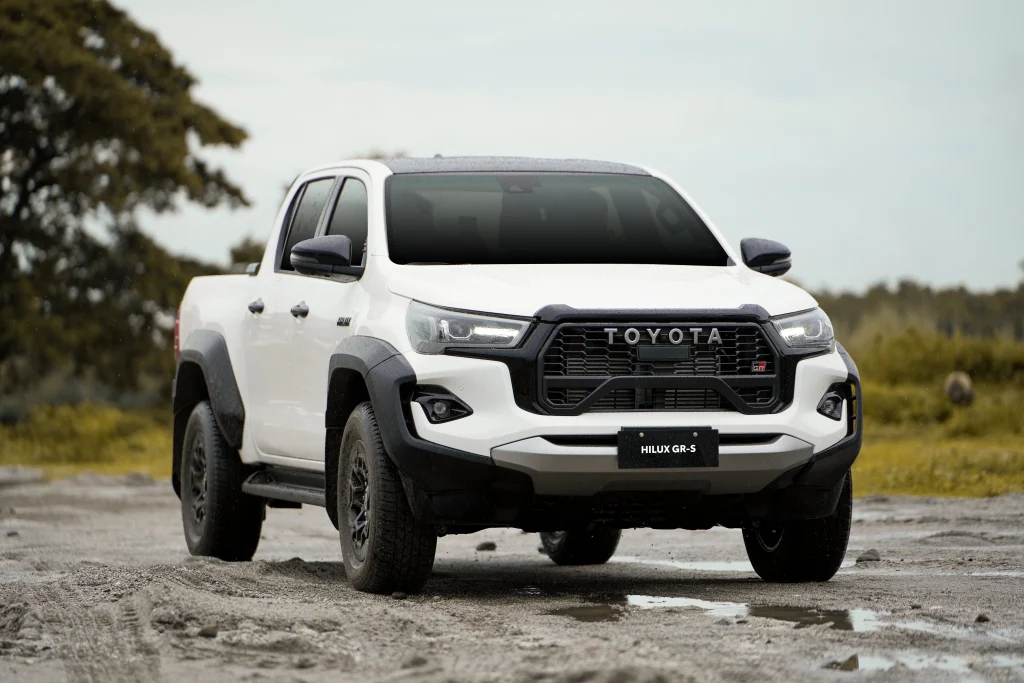
Over time, the Toyota Pickup became more than just a vehicle. It turned into a symbol of reliability that drivers trusted in some of the most challenging environments on earth. Farmers, explorers, contractors, and adventurers all found value in its rugged design.
Even today, many older Toyota Pickup trucks remain on the road, continuing to serve their owners decades after leaving the factory. This lasting presence is a powerful reminder of the truck’s exceptional engineering.
Because modern pickups have grown significantly larger and more expensive, many enthusiasts believe the world would benefit from a simple compact truck like the Toyota Pickup once again.
Its balance of practicality, durability, and manageable size represents a formula that many drivers still appreciate.
2. Ford Ranger (First and Second Generation)
When the Ford Ranger first appeared in the early 1980s, it quickly became one of the most recognizable compact trucks in North America.
At that time, the truck market was dominated by large work-oriented pickups, but many drivers needed something smaller and easier to live with daily. The Ranger stepped into that gap and built a reputation that lasted for decades.
The appeal of the early Ranger was easy to understand. It offered the practical benefits of a pickup truck while remaining compact enough for everyday commuting. Drivers could park it in tight urban spaces, navigate narrow streets, and still enjoy the usefulness of a cargo bed.
One of the reasons the Ranger became so popular was the wide variety of configurations available. Ford offered different cab styles, bed lengths, and engine options that allowed buyers to choose a truck suited to their needs.
Whether someone needed a basic work vehicle or a comfortable daily driver, the Ranger could be configured to match those requirements.
The engine lineup evolved through the years. Early models often used simple four cylinder engines that prioritized fuel efficiency. Later versions introduced stronger V6 engines that delivered improved towing capability and highway performance. These powertrain choices gave buyers flexibility depending on whether they valued economy or power.
Durability also played an important role in the Ranger’s long success. Many owners discovered that these trucks could handle demanding workloads without constant mechanical problems. Construction workers, small business owners, and outdoor enthusiasts all relied on the Ranger because it proved capable of handling daily stress.
Another factor that contributed to the Ranger’s popularity was its affordability. Compared with full size trucks, it was easier to purchase and cheaper to maintain. This allowed younger drivers and first time truck buyers to enter the pickup market without facing the high costs associated with larger vehicles.
The truck bed itself was one of the Ranger’s most useful features. Even though it was smaller than those found on larger pickups, it still provided enough space for tools, equipment, or weekend supplies. Many owners used the Ranger for hauling furniture, building materials, or camping gear.
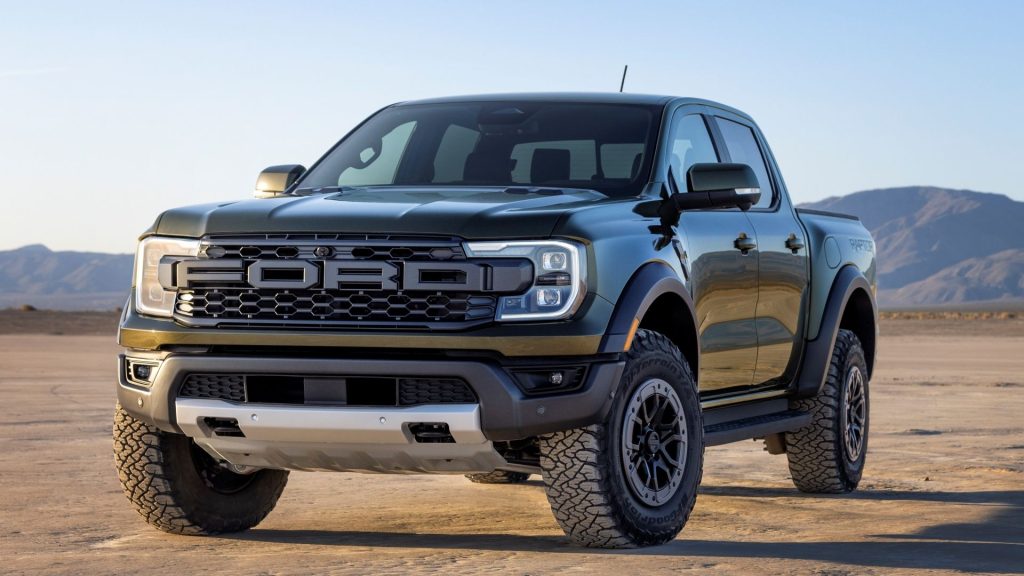
Inside the cabin, the Ranger focused on functionality rather than luxury. The dashboard layout was straightforward and controls were easy to operate. Seating was comfortable enough for long drives, and later versions introduced more modern features that improved convenience.
Ford also produced several special versions of the Ranger that became popular among enthusiasts. Models like the Ranger Splash and the off road focused FX4 package added personality and capability to the compact truck platform. These variations demonstrated how versatile the Ranger design could be.
Off road drivers also found plenty to appreciate. Four wheel drive versions provided solid traction on dirt roads, trails, and snowy environments. The truck’s relatively light weight and manageable size made it easier to control compared with much larger pickups.
Over time, the Ranger became more than just another small truck. It developed a strong community of loyal owners who appreciated its durability and practicality. Many drivers kept their Rangers for years because the trucks continued to perform reliably.
Although Ford eventually discontinued the compact Ranger in favor of larger trucks for a period of time, many enthusiasts felt that something valuable had been lost. The original Ranger represented a category of vehicle that balanced utility, affordability, and manageable size.
Today, when people remember classic compact pickups, the Ford Ranger almost always appears near the top of the list. Its long production run and dependable performance ensured that it would remain one of the most beloved small trucks ever built.
3. Nissan Hardbody Pickup (D21)
Some vehicles become memorable because of advanced technology or powerful engines. Others gain recognition through reputation built over years of consistent performance. The Nissan Hardbody pickup belongs firmly in the second category.
It was not flashy, it did not rely on luxury features, and it rarely tried to impress through aggressive marketing. Instead, it earned loyalty by being dependable, practical, and incredibly tough.
The nickname “Hardbody” came from the truck’s strong double wall bed construction and durable body panels. Nissan engineers designed the truck with durability in mind, and the result was a compact pickup that felt solid even after years of heavy use.
Owners quickly realized that this truck could handle demanding tasks without showing significant signs of wear.
Its appearance was simple but distinctive. Straight body lines and a squared off profile gave the truck a purposeful look. While modern trucks often feature dramatic styling and oversized grilles, the Hardbody relied on clean proportions and practical design. This straightforward styling helped it age well and remain recognizable even decades later.
Engine choices played a major role in the truck’s reliability. The most well known option was Nissan’s 2.4 liter KA24E four cylinder engine. This powerplant became famous for its durability and low maintenance requirements. Although it was not designed for extreme speed, it delivered steady power that suited the truck’s working nature perfectly.
Drivers appreciated how predictable and manageable the Hardbody felt behind the wheel. The compact size made it easy to navigate crowded streets and small parking areas. Compared with larger trucks, it felt less intimidating and more approachable for everyday driving.
Another aspect that helped the Hardbody gain popularity was its usefulness for small businesses. Contractors, landscapers, and delivery drivers often relied on these trucks because they were affordable to operate and capable of carrying tools or equipment without difficulty.
Off road enthusiasts also discovered the potential hidden in the Hardbody. Four wheel drive versions were equipped with strong drivetrains and durable suspension components. These trucks proved capable of traveling through dirt trails, rocky paths, and rural environments without excessive modification.
Inside the cabin, practicality remained the focus. The dashboard was straightforward and easy to understand, with controls placed in logical positions. Seats were designed for durability rather than luxury, reflecting the truck’s role as a reliable work companion.
During the 1990s, the Hardbody gained even more attention when Nissan introduced sport oriented variations such as the Desert Runner. This model combined the rugged look of a four wheel drive truck with rear wheel drive dynamics, appealing to drivers who wanted the appearance of an off road vehicle with a more affordable price.
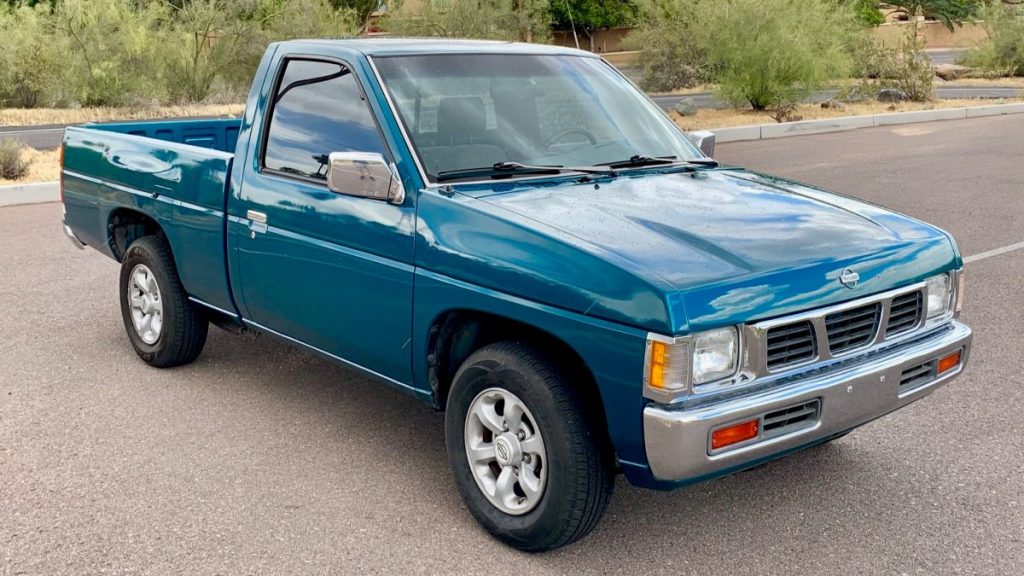
Over time, the Hardbody developed a strong reputation in both work and enthusiast communities. Many trucks remained on the road for decades, continuing to serve owners who valued their durability.
Even today, older Hardbody pickups can still be found in daily use. That longevity speaks volumes about the engineering that went into their construction. Few vehicles maintain such strong reputations long after production ends.
Modern trucks have become significantly larger and more complex. While these newer vehicles offer advanced technology and luxury features, they often lack the simplicity that made compact trucks like the Nissan Hardbody so appealing.
For many drivers, the Hardbody represents a golden era of compact pickups. Its balance of toughness, affordability, and manageable size remains something that enthusiasts still wish manufacturers would bring back.
4. Chevrolet S10
During the 1980s and 1990s, compact trucks were an important part of the American automotive landscape. Among them, the Chevrolet S10 stood out as one of the most recognizable and widely used pickups of its time.
It became a familiar sight in driveways, job sites, and small businesses because it offered the usefulness of a truck without the size and cost of a full size pickup.
General Motors introduced the S10 as a response to the growing demand for smaller trucks that could handle everyday work while remaining easy to drive.
At that time many drivers wanted the cargo carrying capability of a pickup but did not necessarily need the towing capacity or fuel consumption of larger trucks. The S10 delivered exactly that balance.
One of the defining characteristics of the S10 was its wide range of configurations. Buyers could choose between regular cab and extended cab versions, different bed lengths, and several engine options. This flexibility made the truck appealing to a broad group of drivers, from young first time truck owners to experienced contractors.
The engine lineup evolved through the years and played a major role in the truck’s success. Early models commonly used four cylinder engines that focused on fuel efficiency and reliability.
Later versions introduced V6 engines that provided noticeably stronger performance and better towing capability. This variety allowed customers to select a truck that matched their needs and budget.
The S10 also became known for its comfortable driving experience compared with many trucks of the same era.
Its suspension was designed to provide a smoother ride during everyday commuting while still maintaining enough strength to carry loads in the truck bed. This balance helped the S10 function both as a work vehicle and as a daily driver.
Another reason the truck gained popularity was its practicality. The bed offered enough space to carry tools, home improvement supplies, or outdoor equipment. For many owners, the S10 became a reliable partner for weekend projects such as moving furniture, transporting building materials, or hauling gardening supplies.
The truck also found success among small business owners. Electricians, plumbers, and landscapers frequently used S10 pickups because they were affordable to operate and capable of handling moderate workloads. The manageable size also made them easier to drive in crowded city environments compared with larger trucks.
Over time the S10 developed a unique cultural presence as well. It became a favorite platform within the custom truck community. Enthusiasts modified these trucks with lowered suspensions, upgraded wheels, and personalized paint designs. The S10’s simple structure made it an ideal starting point for creative customization.
Chevrolet also produced several specialized versions of the truck that attracted attention. One notable example was the S10 ZR2, an off-road focused variant that featured wider track dimensions, stronger suspension components, and improved ground clearance. This version demonstrated that the compact S10 platform could also perform well in rugged terrain.
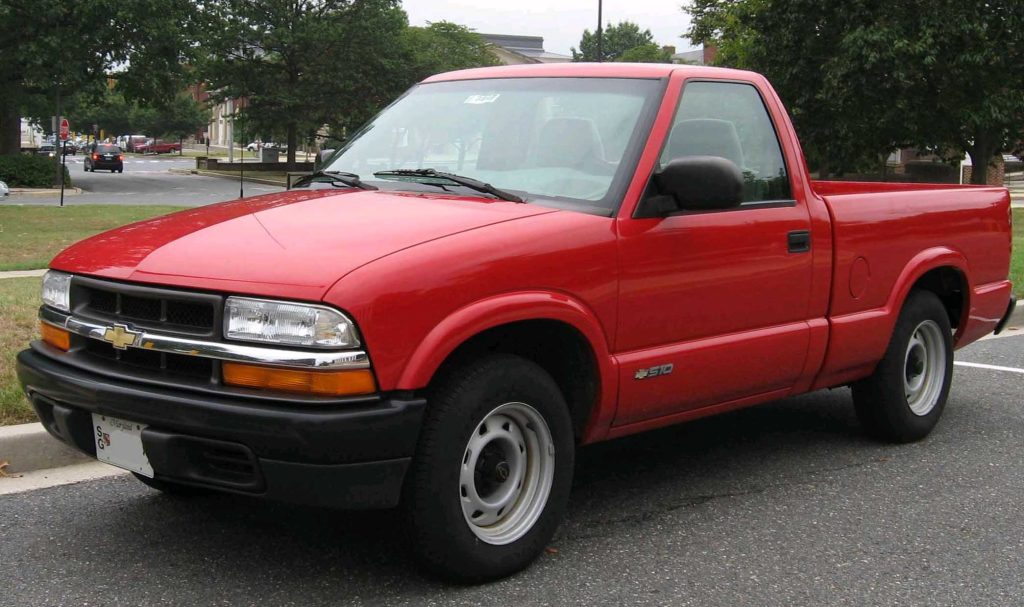
Inside the cabin, the truck remained straightforward and practical. The interior layout emphasized functionality, providing clear controls and durable materials designed to withstand years of use. Later models introduced improved comfort features, but the focus always remained on usability rather than luxury.
Despite its simplicity, the S10 built a strong reputation for dependability. Many owners kept their trucks for long periods because they continued performing their tasks without major mechanical issues. This reliability helped the truck maintain strong resale value throughout its production life.
When Chevrolet eventually replaced the S10 with newer models, many drivers felt that the original compact truck represented something special. It combined practicality, affordability, and versatility in a way that modern trucks sometimes struggle to match.
Even years after production ended, the Chevrolet S10 remains an important part of compact truck history. Its legacy continues through the memories of owners who appreciated its usefulness and through the many trucks that are still working on roads today.
5. Mazda B Series Pickup
Before compact trucks became rare in modern showrooms, the Mazda B Series quietly built a strong reputation among drivers who valued practicality and simplicity. It did not rely on bold marketing campaigns or dramatic styling to gain attention. Instead, the truck earned its place through reliability, affordability, and everyday usefulness.
The Mazda B Series had a long history that stretched across several decades. During that time it became a dependable choice for drivers who needed a vehicle capable of handling light work without the bulk of a full size pickup. Its compact footprint allowed it to fit comfortably into urban environments while still offering the practical benefits of a truck bed.
Many buyers appreciated how approachable the truck felt. For someone who had never owned a pickup before, the B Series offered an easy entry point. It was simple to drive, easy to maintain, and relatively affordable compared with larger trucks on the market.
Under the hood, the B Series typically relied on durable four cylinder engines that focused on efficiency and long term dependability.
These engines delivered steady power suitable for everyday tasks such as carrying tools, hauling supplies, or transporting equipment. While performance was not the primary goal, the engines proved reliable and economical to operate.
The truck also offered practical versatility through different configurations. Buyers could choose between regular cab or extended cab models, depending on how much passenger space they needed. Bed lengths varied as well, allowing owners to prioritize cargo capacity or maneuverability.
In many ways, the B Series was a vehicle designed for real world utility rather than appearance. Its exterior styling was straightforward, with clean lines and a balanced shape that emphasized function. The design avoided unnecessary complexity and focused instead on durability and ease of ownership.
The truck bed served as the center of its usefulness. Owners frequently used the B Series to carry construction materials, gardening tools, camping equipment, or recreational gear. For small projects and weekend activities, the truck provided exactly the amount of capability most people needed.
Inside the cabin, the layout reflected Mazda’s practical philosophy. Controls were clearly arranged and easy to understand. Seating was comfortable enough for long drives while still maintaining durability suitable for a work oriented vehicle.
One interesting aspect of the B Series history is its connection with the Ford Ranger. In certain generations the two trucks shared many components and engineering elements due to a partnership between Mazda and Ford. Despite these similarities, the Mazda version maintained its own identity through styling details and brand character.
Owners often described the B Series as a dependable companion that rarely demanded attention. With regular maintenance the truck could operate reliably for many years. This predictability made it attractive to drivers who needed transportation they could count on.
Another reason the B Series gained loyalty among drivers was its manageable operating costs. Fuel consumption was reasonable for a pickup truck, and parts were generally affordable. This combination helped the truck appeal to small business owners and individuals who relied on their vehicles for daily work.
Although the Mazda B Series never tried to compete with larger trucks in terms of towing power or luxury features, it excelled at the tasks it was designed for. It offered a straightforward solution for people who needed a compact vehicle capable of carrying cargo and handling practical responsibilities.
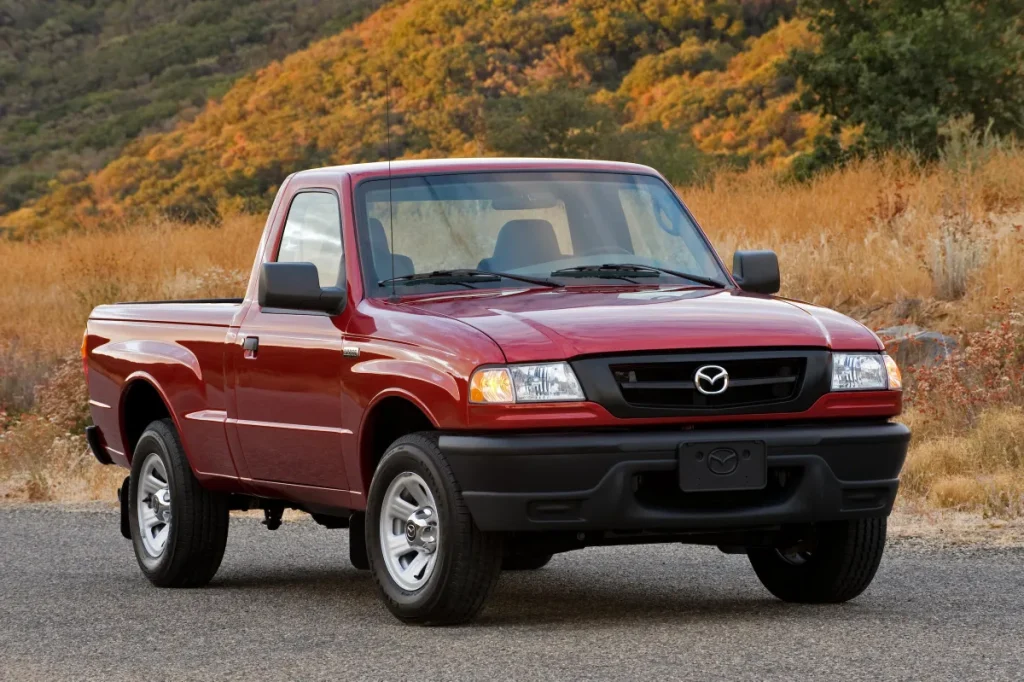
Today, many drivers remember the B Series as a reminder of a time when compact trucks were simple, efficient, and widely available. In a market now dominated by large pickups and crossover vehicles, the balanced design of the B Series is something that many enthusiasts would welcome back.
Its legacy remains a testament to the value of simplicity. The truck proved that a vehicle did not need to be massive or complicated to be useful. For countless owners, the Mazda B Series delivered exactly what a compact pickup should provide.
6. Dodge Dakota (Early Compact Generations)
The Dodge Dakota occupies an interesting position in the history of pickup trucks. While it was sometimes described as a mid size truck, its early generations delivered many of the characteristics that made compact pickups so appealing.
It offered manageable size, everyday usability, and the kind of versatility that drivers valued in smaller trucks during the 1980s and 1990s.
When Dodge introduced the Dakota in 1987, the company aimed to create a truck that bridged the gap between traditional compact pickups and larger full size models. The result was a vehicle that provided more capability than most small trucks while still remaining easier to drive than full size pickups.
The Dakota’s proportions played a major role in its appeal. Compared with the huge trucks seen today, the Dakota felt practical and approachable. Drivers could easily navigate city streets, fit into standard parking spaces, and still enjoy the benefits of owning a pickup truck.
Another advantage was the wide variety of powertrain options available throughout its production life. Early models offered reliable four cylinder engines for buyers focused on efficiency and affordability. For those who needed additional strength, Dodge also provided V6 engines that delivered stronger towing and hauling capability.
One feature that truly set the Dakota apart from other compact trucks was the availability of a V8 engine in later versions.
This option gave the truck performance that few competitors in its size class could match. Drivers who wanted the practicality of a compact pickup but still desired strong power often found the Dakota especially appealing.
The truck’s bed provided plenty of practical utility. Owners used it for hauling construction supplies, moving furniture, transporting motorcycles, and carrying outdoor gear. This versatility allowed the Dakota to serve both professional and personal purposes without feeling oversized.
The interior design followed a straightforward approach that emphasized durability and usability. Controls were easy to reach, gauges were clearly visible, and the seating layout offered reasonable comfort for daily driving. While it did not aim to deliver luxury, the cabin provided everything drivers needed for practical transportation.
Dodge also offered several body styles that increased the truck’s flexibility. Buyers could choose between regular cab and extended cab versions, depending on whether they prioritized cargo space or passenger seating. This range of choices helped the Dakota appeal to a wider group of drivers.
Another area where the Dakota earned respect was towing capability. Compared with many compact trucks of its era, it offered stronger towing ratings, especially when equipped with the V6 or V8 engines. This allowed owners to tow small trailers, boats, or recreational equipment with confidence.
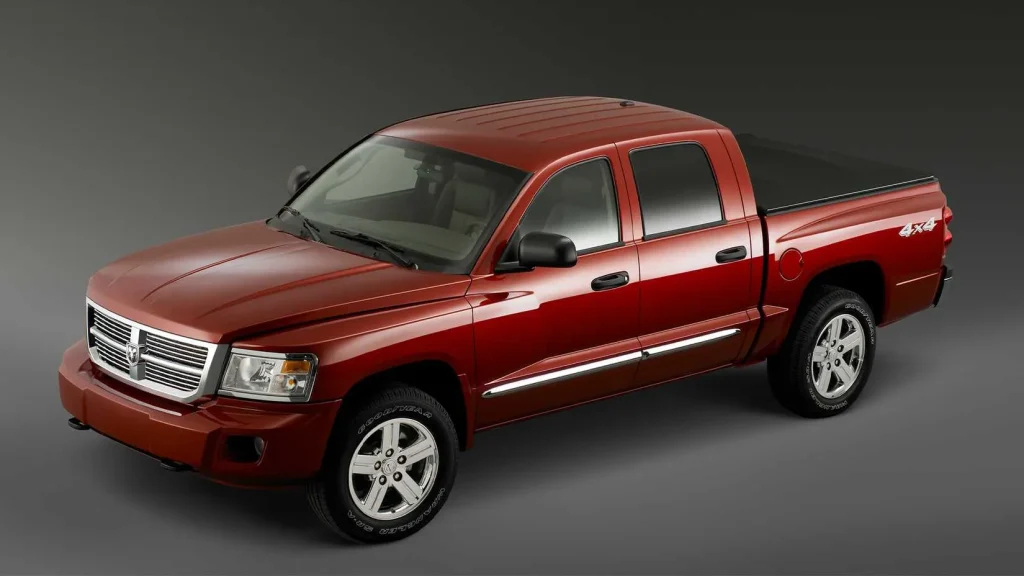
Off road enthusiasts also appreciated the Dakota’s capabilities. Four wheel drive versions provided solid traction on dirt roads and rough terrain. The truck’s sturdy construction allowed it to handle challenging environments without excessive modifications.
As the truck evolved through the years, Dodge introduced performance oriented versions such as the Dakota R T. This model featured a powerful V8 engine and sport tuned suspension, demonstrating that a smaller pickup could also deliver exciting driving performance.
Despite these strengths, the market gradually shifted toward larger trucks and crossover vehicles. Eventually the Dakota disappeared from production, leaving behind a legacy that many truck enthusiasts still remember.
Looking back, the Dakota represented a practical compromise between size and capability. It delivered the usefulness of a pickup truck while remaining manageable for everyday driving.
Today, as many pickups continue to grow larger and more expensive, the concept behind the Dakota feels increasingly relevant again. A truck that combines reasonable size, strong capability, and everyday usability is something many drivers still want.
Also Read: Top 10 Cars With Smart Windows That Tint Automatically