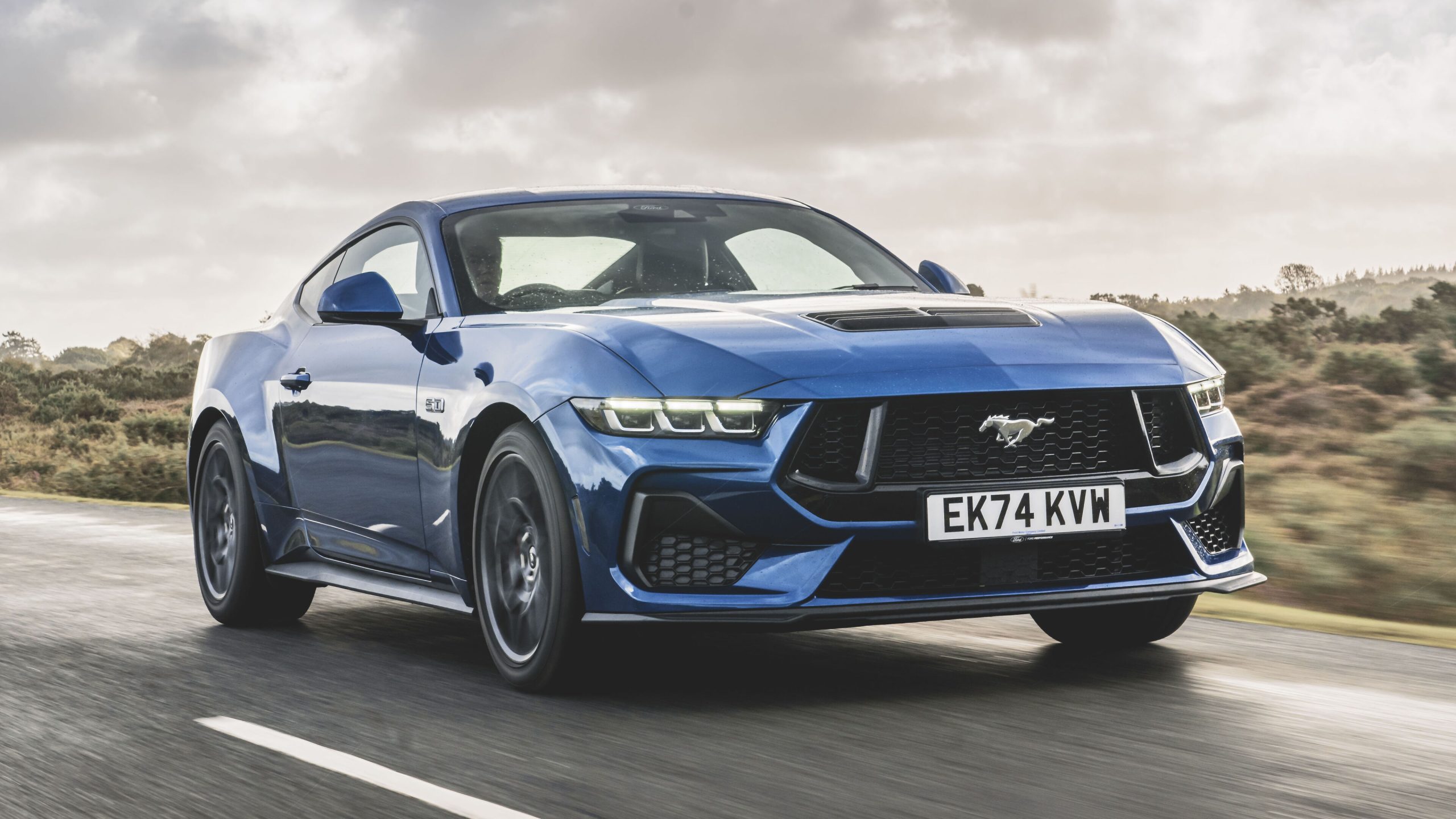
Movies and cars have always shared a special relationship. Long before CGI dominated action scenes, filmmakers relied on real machines to create excitement, emotion, and identity.
A memorable vehicle can become just as iconic as the actor driving it. Sometimes the car even becomes the character audiences remember most.
Over the decades, certain vehicles have appeared again and again across completely different films. Some were chosen for their timeless design, others for their toughness, and a few simply because they perfectly represent everyday life.
When directors need a car that feels believable, recognizable, or cinematic, they often return to the same trusted models.
This repeated use has created a unique category of automotive fame. These vehicles are not tied to one franchise or one hero. Instead, they quietly build a resume across hundreds of movies.
They show up in action scenes, romantic comedies, thrillers, crime dramas, and even animated films. Sometimes they play starring roles, while other times they sit in the background helping create a believable world.
Production teams often select vehicles based on availability, reliability, and how well they fit different time periods. A car that looks modern but not futuristic can work in films set in multiple decades.
Vehicles that are easy to repair and cheap to source are also favored, especially when stunt work is involved. This is why certain models become Hollywood regulars.
Another factor is visual identity. A car with a distinctive silhouette or recognizable front end is easier for audiences to connect with instantly.
When viewers see it on screen, they subconsciously understand the tone of the scene. A rugged truck signals toughness. A classic sedan suggests authority. A compact hatchback feels relatable and everyday.
In this article, we will explore eight vehicles that have appeared in more movies than almost any others. Each one earned its place through decades of screen time, proving that cinematic legends are not limited to actors alone.
Also Read: 10 Engines That Feature Overbuilt Components for Extra Durability
1. Ford Crown Victoria
Few cars in cinematic history have built a screen career as extensive as the Ford Crown Victoria. If a movie needed a police cruiser, taxi, government sedan, or anonymous city car, this model almost always made the casting shortlist.
Its long production run and unmistakable shape turned it into one of Hollywood’s most dependable background stars.
The Crown Victoria became especially popular after the 1990s when the Police Interceptor version dominated law enforcement fleets across North America. That decision unintentionally created one of the largest movie prop pools ever.
When departments retired older units, production companies could purchase them in bulk at affordable prices. Suddenly filmmakers had access to fleets of identical cars that already looked authentic. For action directors planning chase scenes or stunt crashes, this was a dream scenario.
Another reason this sedan became a film industry favorite was its body on frame construction. Unlike modern unibody cars, the Crown Victoria was incredibly tough and easy to repair.
Stunt teams could reinforce frames, swap panels, and rebuild damaged vehicles quickly between takes. This durability made it ideal for high speed pursuits, jump scenes, and dramatic collisions that would destroy more fragile cars.
Its design also helped it blend into countless story settings. The car looked official without being flashy.
It could appear in crime thrillers, comedies, political dramas, and even science fiction without feeling out of place. Audiences quickly associated its silhouette with authority and urban life, which made it perfect for establishing scenes instantly.
Taxi companies also relied heavily on this model, further expanding its cinematic presence. Whenever a script required a New York street scene, rows of Crown Victoria taxis made the environment feel believable.
Even films shot outside the United States often imported the cars simply because global audiences recognized them from decades of American cinema.
What makes the Crown Victoria unique is its versatility of roles. In one movie it might be the hero’s getaway vehicle. In another it becomes the police car chasing that hero. Sometimes it plays the victim in spectacular crash scenes. Very few vehicles have managed to occupy so many different identities on screen.
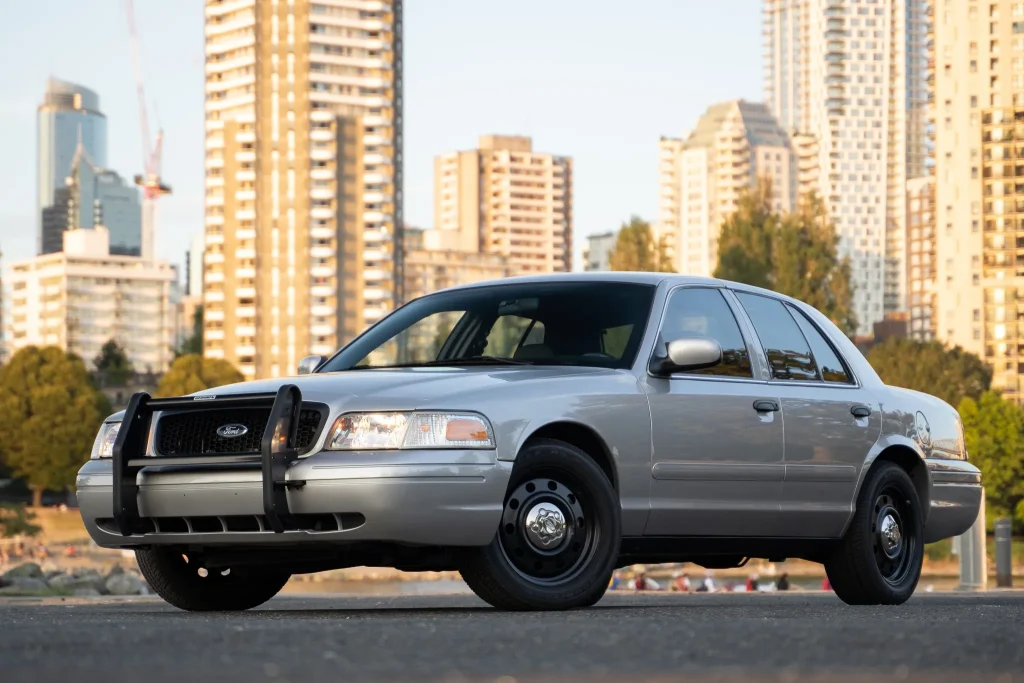
By the time production ended in 2011, the Crown Victoria had already secured its legacy as a cinematic workhorse. It may not be the flashiest car ever filmed, but its constant presence turned it into one of the most familiar machines in movie history.
2. Volkswagen Beetle
Unlike the serious and authoritative presence of the previous vehicle, the Volkswagen Beetle built its film career through personality and charm.
Its rounded shape, friendly proportions, and unmistakable silhouette gave filmmakers something rare: a car that could feel emotional without saying a single word.
The Beetle’s movie legacy stretches back to the mid twentieth century, when its unusual design stood out against the boxy sedans of the era.
Directors quickly realized the car could symbolize individuality, innocence, rebellion, or nostalgia depending on how it was used. That flexibility made it useful in stories spanning decades and genres.
Its most famous cinematic identity came from the Herbie films, where the Beetle became a literal character. However, limiting its legacy to one franchise would be a mistake.
After Herbie proved audiences could emotionally connect with the car, filmmakers began using Beetles everywhere. Romantic comedies, coming of age stories, family adventures, and indie films frequently featured the small German icon.
One reason the Beetle appears so often is its long production history. Built for generations across multiple continents, the car remained visually consistent even as decades passed.
This meant a Beetle could convincingly appear in films set in the 1960s, 1980s, or early 2000s with minimal modification. Few vehicles offer that kind of timeless continuity.
The car also communicates character traits instantly. When a protagonist drives a Beetle, audiences often perceive them as approachable, quirky, or optimistic. This subconscious storytelling tool saves filmmakers valuable screen time. Instead of lengthy exposition, the vehicle itself hints at personality and lifestyle.
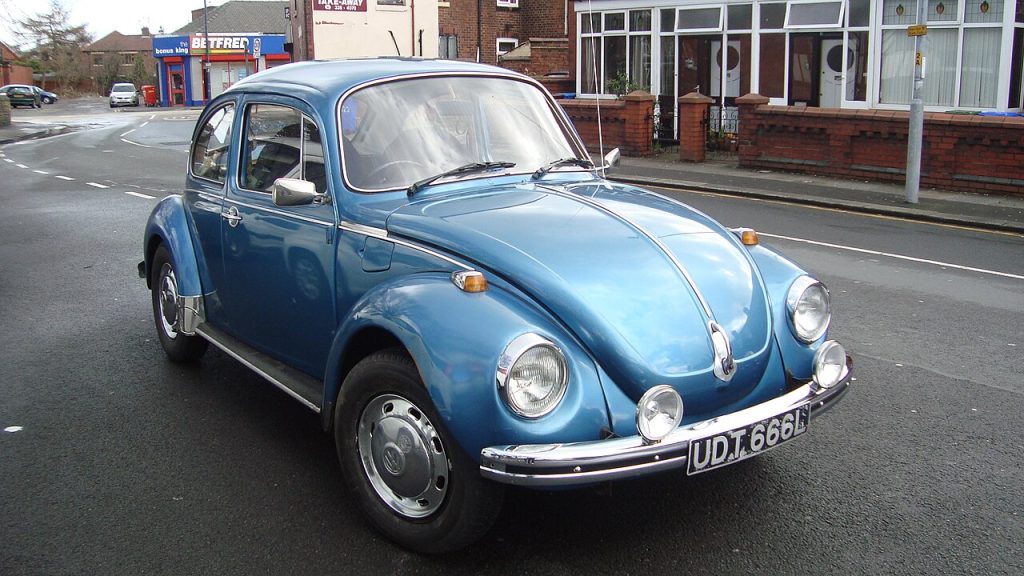
From a production perspective, the Beetle was affordable and widely available, making it easy to source for background scenes.
Entire streets filled with Beetles could be assembled without massive budgets. This practicality helped cement its presence in city scenes, college campuses, and suburban neighborhoods.
Its global recognition further boosted its film career. The Beetle is one of the few cars recognized across continents, making it useful in international productions aiming for universal familiarity. Whether the movie is set in Europe, America, or somewhere fictional, the Beetle feels believable.
Over time, the Volkswagen Beetle transformed from a simple economy car into a cinematic symbol of warmth and individuality. Its ability to evoke emotion explains why it continues appearing on screen long after production ended.
3. Ford Mustang
The Ford Mustang carved its cinematic legacy in a completely different way. While some vehicles became famous for blending into scenes, this one thrives on standing out.
From the moment it debuted in the 1960s, the Mustang represented speed, rebellion, and youthful energy. Filmmakers quickly realized it could inject excitement into a scene before the engine even started.
The car’s breakthrough moment came during the late 1960s when Hollywood began embracing high speed car chases as a new form of action storytelling.
The Mustang’s performance, aggressive styling, and availability made it perfect for these sequences. Once audiences saw it dominate chase scenes, directors kept returning to the same formula again and again.
Over time, the Mustang appeared in crime dramas, spy films, street racing movies, and even futuristic stories. Its design evolved across generations, yet it always retained a recognizable identity.
This continuity allowed filmmakers to use different model years while preserving the same symbolic meaning. A classic Mustang feels nostalgic and rebellious, while a modern one communicates power and technology.
Unlike vehicles that mainly fill background roles, the Mustang often becomes a narrative tool. It can symbolize freedom, escape, ambition, or danger depending on the story.
When a character grips the steering wheel of a Mustang, the audience expects movement, risk, and adrenaline. This expectation makes action scenes more impactful before they even begin.
Stunt teams also favor the Mustang because of its rear wheel drive layout and strong aftermarket support. Replacement parts are widely available, and the car can be modified for drifting, jumping, and high speed pursuits. This practicality helped it appear in countless chase sequences across multiple decades.
Another factor behind its repeated use is fan recognition. The Mustang has one of the largest enthusiast communities in the world.
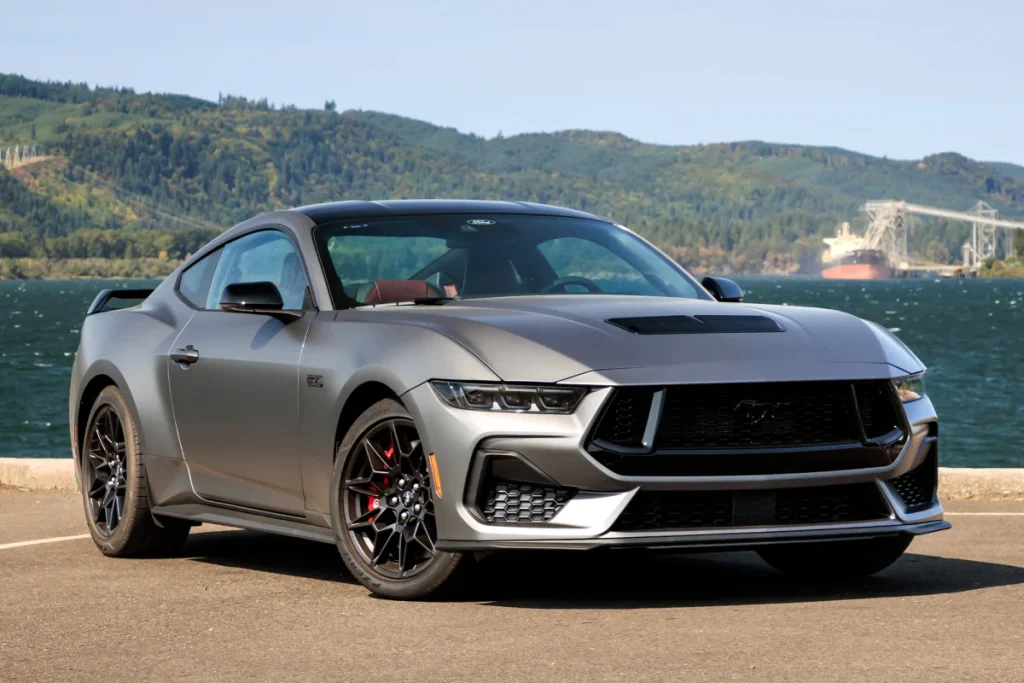
Including the car in a movie instantly attracts automotive fans and adds cultural credibility. Filmmakers understand that the Mustang carries emotional weight beyond the script.
The vehicle’s presence stretches across generations of cinema, from classic Hollywood productions to modern blockbusters. Each era reinterprets the Mustang while preserving its core identity. That ability to evolve while remaining recognizable keeps it relevant to filmmakers.
The Ford Mustang remains one of the most frequently seen performance cars in film history, proving that cinematic legends can run on gasoline.
4. Chevrolet Suburban
If the Crown Victoria became the face of city streets, the Chevrolet Suburban became the king of cinematic logistics. Few vehicles have served as many roles behind the scenes while still appearing constantly on camera. For decades, this full size SUV has been the quiet backbone of film productions across nearly every genre imaginable.
The Suburban’s story in Hollywood begins with its unmatched practicality. Production teams needed a vehicle capable of transporting equipment, crew members, and actors while still looking believable on screen.
The Suburban solved both problems at once. It could function as a real support vehicle during filming and then immediately appear in scenes without breaking immersion.
One reason the Suburban appears so often is its neutral design language. It looks official but not overly luxurious. That balance allows it to represent government agencies, law enforcement units, corporate security teams, and family road trip vehicles.
In one film it might carry secret agents, while in another it transports a suburban family to vacation. This flexibility keeps it constantly in demand.
Action movies rely heavily on the Suburban because it communicates authority and capability. When a convoy of identical SUVs pulls up, audiences instinctively recognize the presence of power and organization. Directors use this visual shorthand to establish tension quickly, saving valuable storytelling time.
Its large size also makes it perfect for camera work. Film crews can mount rigs, lights, and tracking equipment to the vehicle without compromising safety. This technical advantage makes the Suburban useful even when it is not visible in the final shot. Few cars offer this dual purpose functionality.
Durability plays another important role. The Suburban is designed for heavy use, long distances, and demanding environments. Stunt teams appreciate its rugged construction during chase scenes and off road sequences. The vehicle can handle rough terrain and repeated takes without constant mechanical issues.
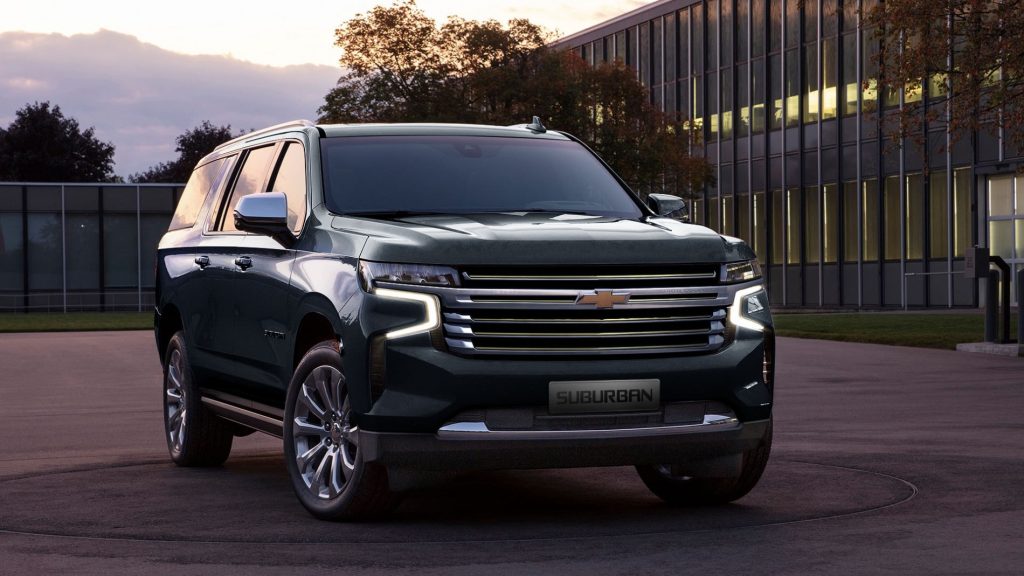
Another subtle advantage is generational continuity. The Suburban has evolved gradually rather than dramatically, allowing it to appear in films set across multiple decades. With minor modifications, the same model can fit different time periods, reducing production costs.
The Chevrolet Suburban may not always be the star of the scene, but its constant presence has made it one of the most frequently filmed vehicles ever. It represents reliability, authority, and practicality in cinematic storytelling.
5. Jeep Wrangler
The Jeep Wrangler built its film reputation by representing adventure and rugged freedom. Whenever a story needs off road exploration, military toughness, or wilderness survival, this vehicle often becomes the natural choice. Its distinctive shape and exposed design instantly communicate capability and resilience.
The Wrangler’s cinematic journey is closely tied to its military heritage. Its roots trace back to the original World War era Jeep, a machine that symbolized endurance and mobility.
That historical connection gives filmmakers a visual shortcut when portraying rugged environments or high risk missions. Audiences instinctively associate the vehicle with exploration and strength.
Adventure films frequently rely on the Wrangler because it feels authentic in remote settings. Whether the story takes place in deserts, jungles, mountains, or fictional islands, the vehicle blends seamlessly into the environment.
Its high ground clearance, short wheelbase, and off road reputation make it believable in situations where ordinary cars would feel unrealistic.
Another reason the Wrangler appears so often is its modular design. Doors and roofs can be removed, allowing filmmakers to capture actors clearly without complicated camera rigs.
This open air configuration creates dynamic shots and improves visibility during dialogue scenes. From a production standpoint, this flexibility is extremely valuable.
The vehicle also communicates personality traits without dialogue. Characters who drive Wranglers are often portrayed as adventurous, independent, or unconventional. This subtle storytelling device helps establish character identity quickly. Instead of explaining who someone is, the vehicle provides visual clues.
Stunt coordinators appreciate the Wrangler’s durability and off road capability. It can handle rough terrain, steep inclines, and challenging weather conditions.
These traits allow filmmakers to shoot in real locations rather than relying entirely on studio sets. Authentic environments enhance the realism of action and adventure sequences.
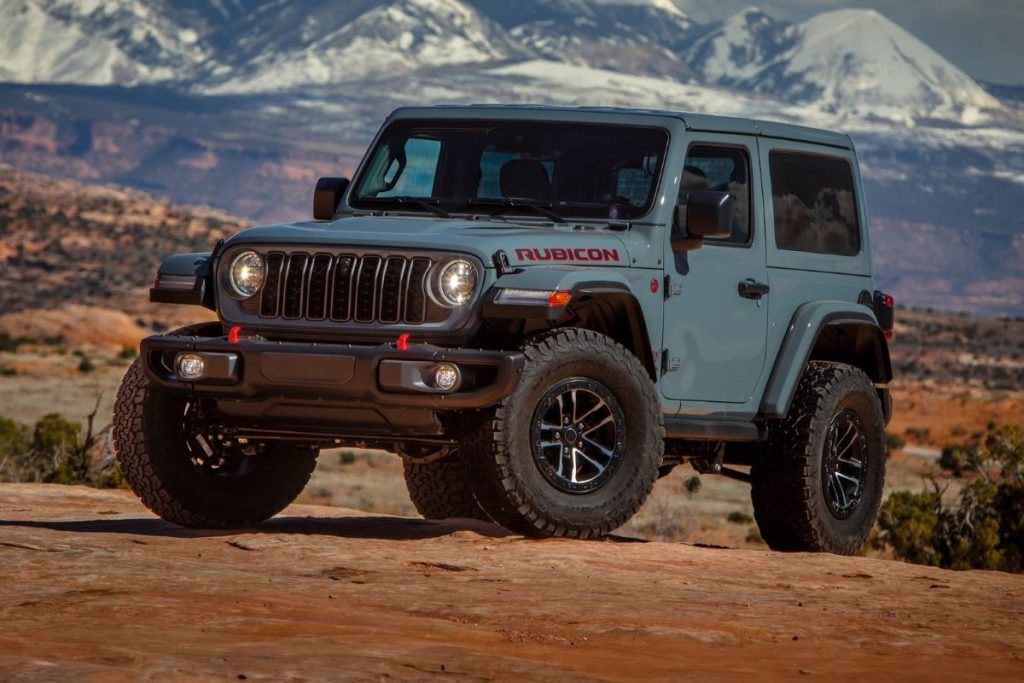
The Wrangler’s timeless design contributes to its long film career. Although each generation introduces updates, the overall silhouette remains consistent. This continuity allows it to appear in movies set across different decades without losing credibility.
Through years of appearances in action films, adventure stories, and survival dramas, the Jeep Wrangler has become a cinematic symbol of exploration. Its presence promises excitement and unpredictability before the engine even starts.
6. Cadillac DeVille
The Cadillac DeVille earned its place in movie history by representing elegance, wealth, and authority.
While some vehicles became famous for action or adventure, this luxury sedan built its reputation through atmosphere and symbolism. Whenever a scene needs to communicate status or sophistication, the DeVille often becomes the vehicle of choice.
Throughout the second half of the twentieth century, Cadillac was synonymous with American luxury. The DeVille in particular became a visual shorthand for success and power.
Filmmakers quickly recognized how effectively the car could establish character background without dialogue. A single shot of someone stepping out of a Cadillac could reveal their social standing instantly.
The vehicle’s long production history made it especially useful for period films. Different generations of the DeVille covered multiple decades, yet the nameplate always carried the same aura of prestige. This allowed filmmakers to use the car in stories set in various time periods while maintaining consistent symbolism.
Crime dramas frequently relied on the DeVille to portray organized crime figures, politicians, and business leaders. Its large size, chrome detailing, and smooth ride projected confidence and control. Even when parked quietly in a scene, the car conveyed influence and authority.
The DeVille also became a staple in scenes depicting luxury lifestyles. From glamorous city streets to suburban mansions, it helped create an atmosphere of comfort and success. Directors often used it in establishing shots to signal a character’s achievements or ambitions.
Another reason for its frequent appearances was practicality. Large American sedans were widely available and relatively affordable once they left the luxury market. Production teams could acquire multiple vehicles for filming without excessive costs. This availability encouraged repeated use across numerous projects.
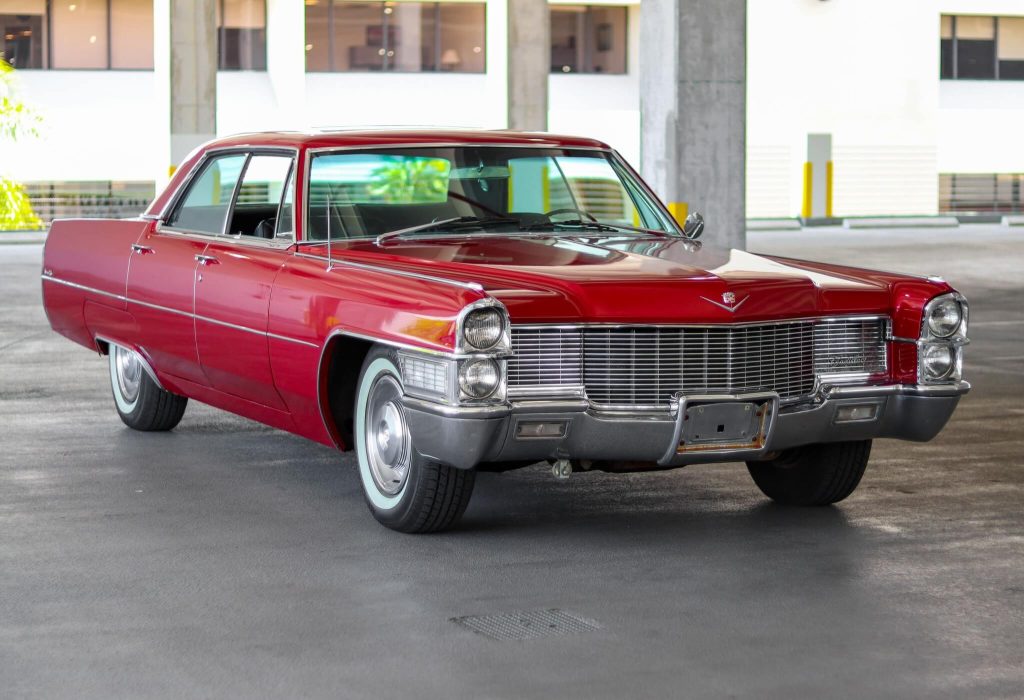
The car’s visual presence on screen is unmistakable. Long body lines, prominent grilles, and refined proportions make it stand out even in crowded scenes. Its elegance complements both dramatic storytelling and nostalgic settings.
Over decades of cinema, the Cadillac DeVille became more than transportation. It evolved into a storytelling device that communicates power, wealth, and ambition. This enduring symbolism explains why it continues to appear in films long after its peak production years.
7. Toyota Corolla
While some vehicles gained cinematic fame through action or luxury, the Toyota Corolla built its reputation by being the ultimate everyday car.
Its role in movies reflects real life more than fantasy. Whenever filmmakers need a believable street scene filled with ordinary commuters, this model often becomes the default choice.
The Corolla’s global popularity is the biggest reason behind its enormous screen presence. As one of the best selling cars in history, it naturally appears in urban environments across countless countries. Film productions aiming for realism frequently select vehicles that audiences see daily, and the Corolla perfectly fits that requirement.
Its understated design allows it to blend into nearly any setting. It does not look overly sporty, luxurious, or futuristic. That neutrality makes it adaptable to different genres and time periods. From romantic comedies to crime dramas, the Corolla can appear without drawing attention away from the story.
Another advantage is affordability and availability. Production teams often require large numbers of background vehicles to populate city streets. Because the Corolla is common and easy to source, it becomes a practical solution for creating realistic environments without inflating budgets.
The car also communicates relatability. When characters drive a Corolla, audiences perceive them as grounded and practical. This subtle storytelling tool helps establish everyday lifestyles quickly. Instead of emphasizing extravagance, the vehicle signals normalcy and reliability.
International filmmaking further increased its movie appearances. As global cinema expanded, the Corolla became a familiar presence in films produced outside North America. Its worldwide recognition allows it to feel authentic in stories set across continents.
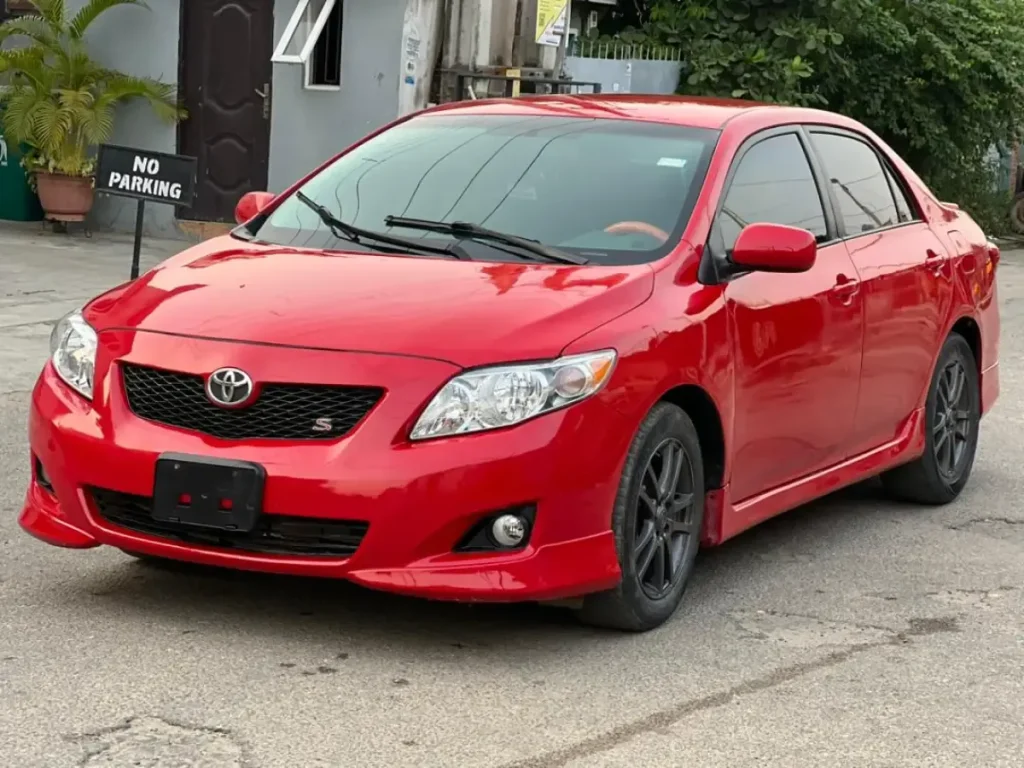
Unlike vehicles that dominate action scenes, the Corolla excels at supporting storytelling quietly. It helps build believable worlds without demanding attention. This understated role is precisely why it appears so frequently.
Over time, the Toyota Corolla became the cinematic symbol of everyday transportation. Its constant presence proves that even ordinary cars can achieve extraordinary levels of screen time.
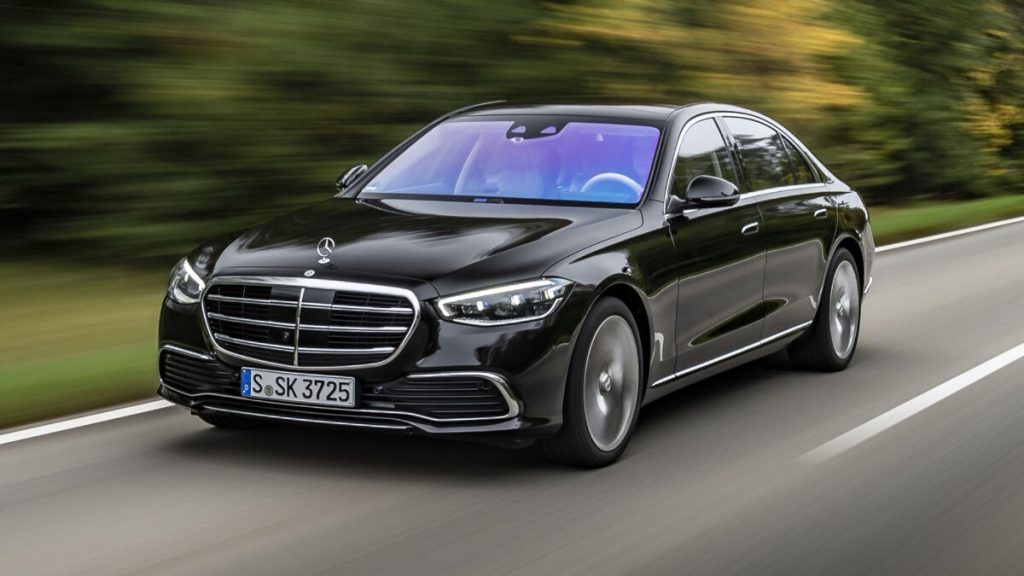
8. Mercedes-Benz S Class
The Mercedes Benz S Class completes this list by representing technological sophistication and executive prestige. Throughout decades of cinema, this flagship sedan has consistently appeared whenever a story requires refinement, influence, or advanced engineering. Its presence signals importance before any dialogue begins.
Unlike vehicles chosen for practicality or affordability, the S Class is selected for what it represents. The car has long been associated with world leaders, corporate executives, and high profile individuals. When filmmakers want to establish a character’s power or influence instantly, the S Class becomes a natural visual tool.
Political thrillers and espionage films rely heavily on this model. Scenes involving diplomats, intelligence agencies, or high level negotiations often feature the vehicle. Its elegant design and advanced features create an atmosphere of seriousness and control. Even a simple arrival scene becomes more dramatic when an S Class pulls into view.
The car’s reputation for innovation also contributes to its cinematic popularity. Many automotive technologies debuted in this model before spreading across the industry.
By including it in films, directors subtly communicate progress and modernity. It becomes a symbol of cutting edge engineering without requiring technical explanation.
Another reason for its repeated use is its timeless styling. Each generation evolves carefully, maintaining a recognizable identity while introducing modern elements. This balance allows the car to appear in films set in different eras without feeling outdated or out of place.
Luxury dramas often use the S Class to establish tone and setting. It complements scenes featuring upscale hotels, financial districts, and diplomatic environments. The vehicle reinforces themes of wealth, authority, and global influence.
The S Class also plays supporting roles in action films. High speed pursuits involving luxury sedans create contrast and tension. Seeing a refined executive vehicle placed in dangerous situations adds excitement and unpredictability.
Across genres and decades, the Mercedes Benz S Class has become a cinematic symbol of prestige and innovation. Its consistent appearances confirm that some vehicles achieve fame not through action, but through presence and reputation.
Cars have always played an important role in filmmaking, often becoming symbols that help audiences understand characters, settings, and tone without long explanations.
Over time, a small group of vehicles has appeared repeatedly across movies, building cinematic careers that rival many actors. These cars earned their place not through a single franchise but through decades of constant use across genres.
The Ford Crown Victoria became the backbone of urban storytelling thanks to its association with police fleets and taxi services. Its durability and availability made it perfect for chase scenes, crash sequences, and city backgrounds.
The Volkswagen Beetle followed a completely different path, gaining fame through personality and emotional appeal. Its friendly design allowed it to represent individuality and warmth in many types of films.
Performance and excitement arrived through the Ford Mustang, which helped define the car chase as a cinematic tradition. The Chevrolet Suburban quietly supported countless productions with its versatility, often portraying government agencies and security teams.
Meanwhile, the Jeep Wrangler built a reputation for adventure, appearing in stories set in remote landscapes and survival scenarios.
Luxury and status entered the spotlight with the Cadillac DeVille, a long standing symbol of success and authority.
In contrast, the Toyota Corolla became the ultimate everyday vehicle on screen, helping filmmakers create realistic city environments across the world. Completing the list, the Mercedes Benz S Class represented technology, influence, and executive power in political dramas and thrillers.
Together, these eight vehicles demonstrate how automobiles can become storytelling tools. Each one communicates a different mood or identity, allowing filmmakers to build believable worlds quickly. Their repeated appearances prove that cinematic legends are not limited to actors, because some machines become just as unforgettable.
Also Read: Top 10 SUVs With the Best Rollover Resistance Ratings