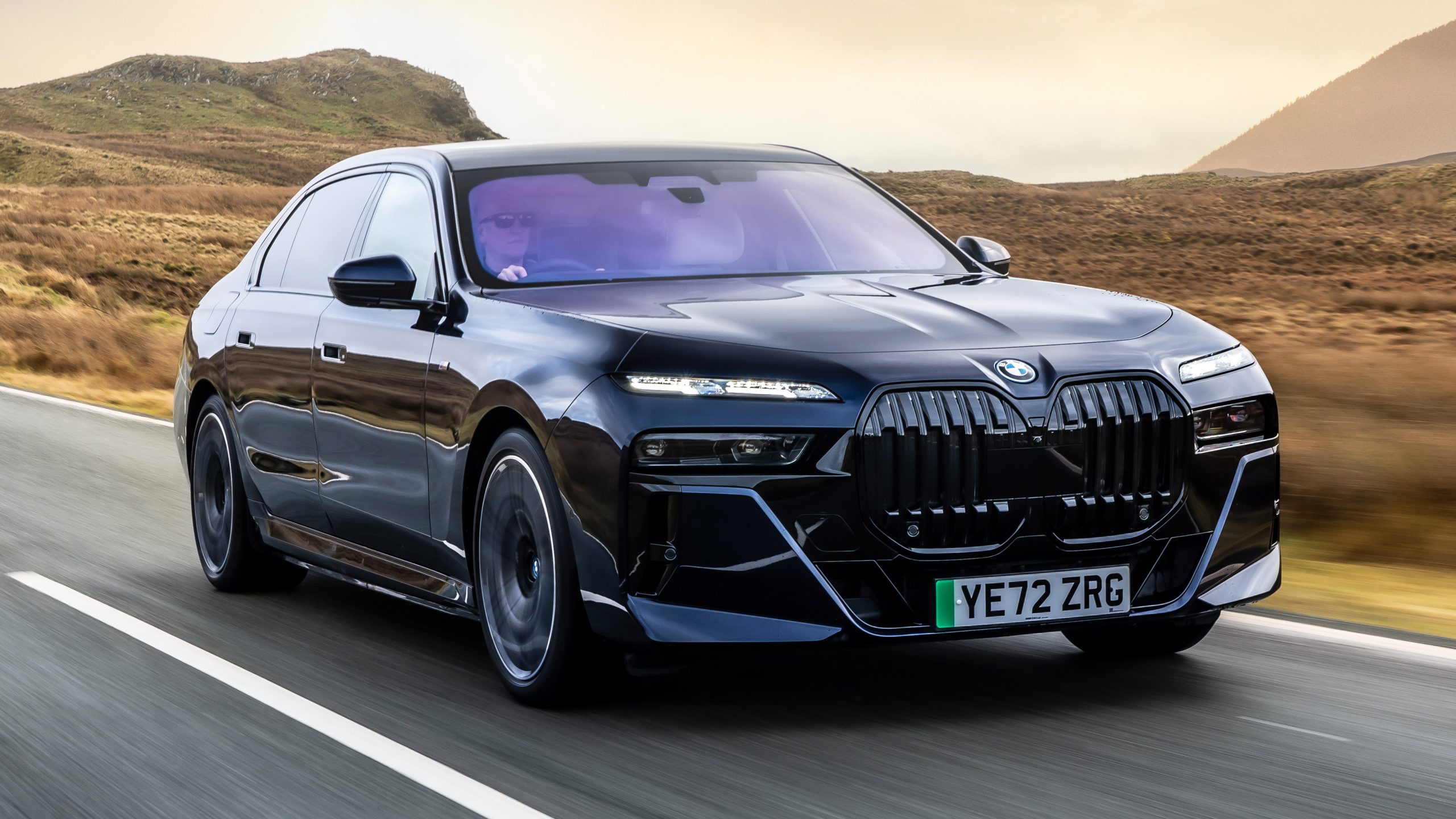
Luxury vehicles are judged not only by horsepower figures or advanced technology, but by how well their interiors stand the test of time.
True luxury reveals itself years later, when leather still feels supple, wood veneers remain rich in color, and cabin surfaces resist fading, cracking, and wear. Materials that age gracefully separate premium automobiles from those that simply look expensive when new.
High end manufacturers invest heavily in sourcing superior hides, applying multi stage tanning processes, and selecting hardwoods that can endure temperature shifts and humidity without warping.
Durability is not accidental. It comes from careful stitching techniques, protective coatings, precision climate control, and detailed craftsmanship that ensures every surface can survive daily use.
Owners who keep their vehicles for a decade or more often discover that interior longevity matters just as much as mechanical reliability.
Leather that resists creasing, wood trim that does not peel, and finishes that avoid discoloration preserve resale value and driving satisfaction. A well maintained luxury cabin should look refined even after thousands of journeys.
In this article, we explore ten luxury vehicles known for exceptionally durable leather and wood trims.
Each model represents a different philosophy of craftsmanship, from hand polished veneers to advanced treated hides engineered for resilience. The focus is not simply on appearance, but on how these interiors hold up under real world conditions.
Every vehicle listed here has earned a reputation for quality materials that endure heat, sunlight, and regular use without premature aging. These cabins prove that true luxury is measured over time, not just at the moment of delivery.
Also Read: Top 10 SUVs With the Best Rollover Resistance Ratings
1. Mercedes-Benz S-Class
The Mercedes Benz S Class has long been regarded as a benchmark for interior excellence, and its leather and wood durability reflect decades of refinement. Step inside, and the first impression is softness combined with solidity. The leather feels rich to the touch, yet firm enough to resist excessive wrinkling even after years of use.
Mercedes uses high grade Nappa leather that undergoes extensive treatment to improve resistance against fading and cracking.
The tanning process emphasizes moisture retention, which helps the seats remain supple in both hot and cold climates. Owners frequently report that even after high mileage, the bolsters retain their shape and stitching stays tight.
Wood trim in the S Class is not merely decorative. Real hardwood veneers are carefully layered and sealed with multiple protective coatings.
These layers guard against UV exposure and prevent discoloration over time. Whether finished in walnut, ash, or piano black lacquer, the surfaces resist peeling and maintain their gloss when properly maintained.
Another reason for the cabin’s longevity lies in climate management. The advanced air filtration and temperature control systems stabilize humidity levels inside the vehicle. This reduces stress on natural materials, especially wood, which can expand or contract with environmental changes.
Attention to detail extends to stitching patterns and panel alignment. Tight seams reduce the chance of leather separation, while precise installation prevents wood panels from loosening or rattling. Even frequently touched areas such as armrests and steering wheels are reinforced to withstand constant contact.
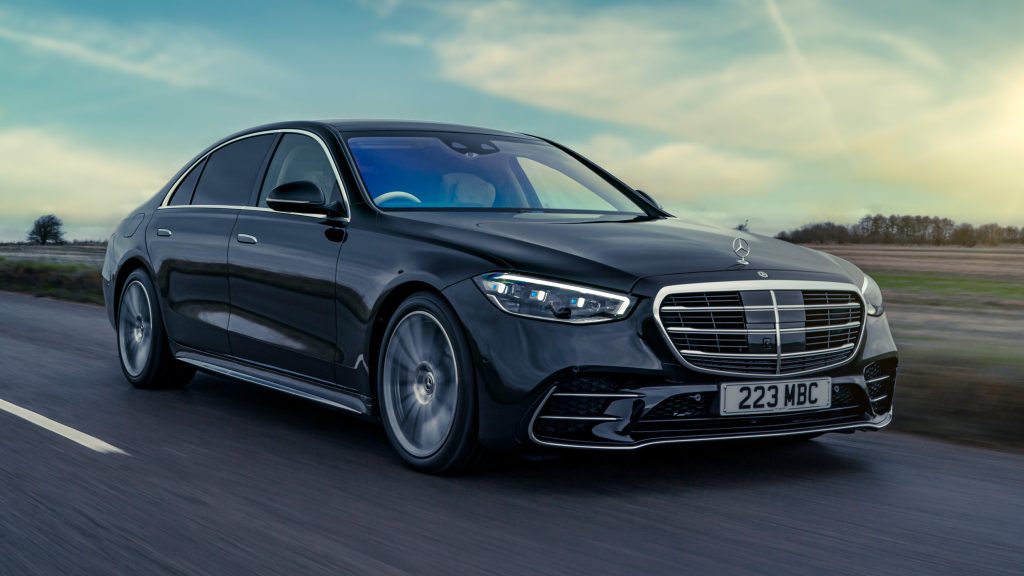
Long term ownership experiences consistently highlight how well the S Class interior ages. Creases develop naturally, but they tend to enhance character rather than signal deterioration. The finish on wooden trims remains deep and consistent, avoiding the cloudy appearance seen in lesser cabins.
For buyers seeking a luxury sedan whose interior feels almost as impressive after ten years as it did on day one, the S Class remains a standout. Its combination of treated leather, protected veneers, and controlled cabin conditions ensures that elegance is not temporary but enduring.
2. Lexus LS
The Lexus LS takes a different path toward durability, focusing on meticulous craftsmanship and material science rather than sheer opulence.
The moment you sit inside, the cabin feels calm, precise, and thoughtfully assembled. Every surface appears designed to withstand years of daily use without losing its refined appearance.
Lexus sources semi aniline leather that is treated to balance softness with resistance. This type of leather keeps a natural texture while receiving protective coatings that defend against stains, fading, and abrasion. The result is upholstery that remains smooth and evenly colored even after long exposure to sunlight.
Seat construction plays a major role in longevity. Lexus engineers carefully shape foam density and layering so the leather experiences minimal stress during entry and exit. Reduced stretching helps prevent the wrinkled seat look that appears in many older luxury cars.
Wood trim in the LS is particularly special because of the brand’s collaboration with Japanese artisans. Shimamoku wood, created through a layered lamination process, offers both strength and visual depth.
Thin layers of wood are compressed together, producing a material that resists warping and cracking more effectively than traditional veneers.
Temperature resilience is another strength. Lexus tests interior materials under extreme heat and humidity conditions. These tests ensure finishes will not peel, fade, or lose gloss when exposed to long summers or fluctuating climates.
Even small design choices contribute to durability. Frequently touched areas are shaped to reduce pressure points, and coatings protect high contact surfaces such as the center console and door handles. Over time, these thoughtful details slow the visible aging process.
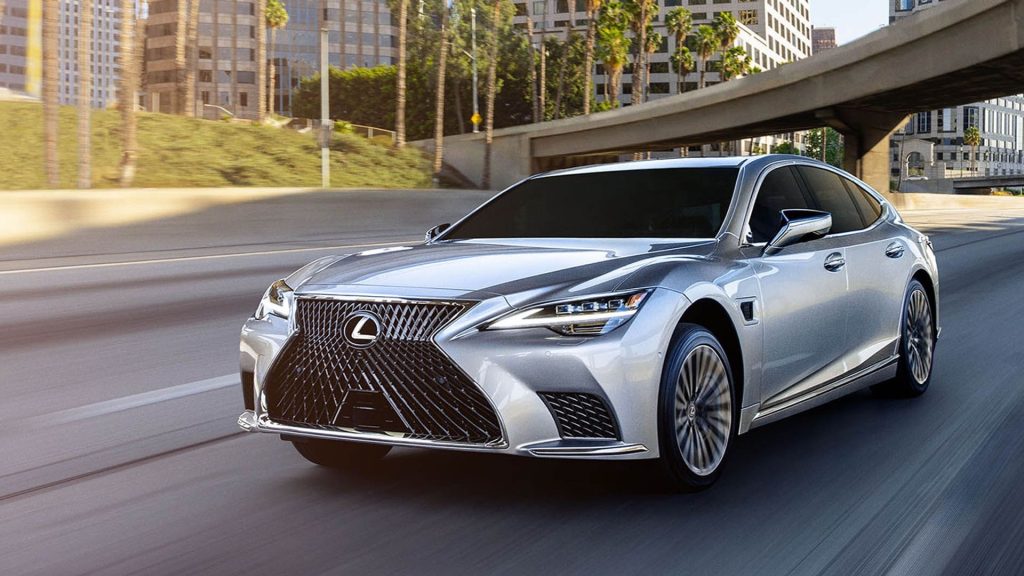
Owners often remark that the LS interior ages quietly. Instead of showing wear, the materials tend to maintain their original tone and texture. The wood keeps its sheen without becoming cloudy, and leather maintains a consistent feel across the cabin.
The Lexus LS demonstrates that durability can feel serene and understated. Its interior is engineered to age gracefully, proving that longevity can be achieved through patience, craftsmanship, and obsessive attention to detail.
3. BMW 7 Series
Open the door of the BMW 7 Series and the interior immediately communicates precision and strength. Where some luxury cars focus purely on softness, BMW aims for a balance between durability and driver oriented structure.
The leather and wood trim are designed to endure constant use without sacrificing the premium feel expected in a flagship sedan.
BMW uses extended Merino leather that undergoes a careful finishing process to protect the natural grain while increasing resistance to wear.
The treatment reduces the chances of premature cracking, especially on heavily used areas like seat bolsters and steering wheels. Even after years of regular driving, the leather tends to maintain a consistent tone and texture.
Seat ergonomics also play a major role in long term durability. BMW engineers design seating surfaces to distribute pressure evenly, preventing stress points that can stretch or deform leather. This structural approach helps the upholstery maintain its original shape over extended ownership.
The wood trim in the 7 Series reflects a technical philosophy. Instead of thick panels that may warp, BMW uses precision cut veneers reinforced with stable backing materials. These layers improve resistance to temperature changes while maintaining the authentic appearance of real wood.
Multiple protective coatings are applied to the wood surfaces. These coatings defend against UV rays and everyday contact, helping prevent fading and dullness. The finish remains glossy and smooth even after years of exposure to sunlight through the windshield.
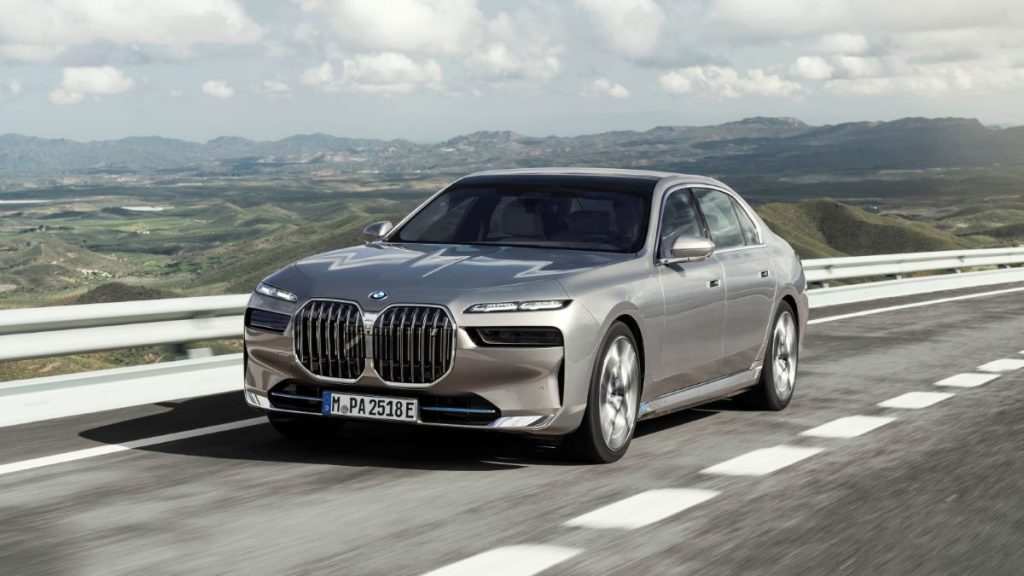
Assembly quality is another factor that supports durability. Panels fit tightly, reducing movement that could lead to squeaks or loosened trim. Over time, this tight construction helps the cabin feel solid rather than worn.
BMW also prioritizes the durability of frequently touched areas. Steering wheels, armrests, and door panels receive extra treatment to handle daily interaction. These surfaces tend to age more slowly than in many competing vehicles.
Owners who keep their 7 Series long term often appreciate how the interior maintains a clean and structured look. The leather develops character rather than damage, and the wood trim retains clarity and depth. The cabin continues to feel refined, even after years of regular use.
4. Audi A8
Inside the Audi A8, durability is approached with a blend of modern engineering and subtle craftsmanship. The cabin feels precise, calm, and immaculately assembled. Instead of relying solely on tradition, Audi combines material science and technology to create leather and wood trims that resist aging remarkably well.
Audi uses Valcona leather, known for its smooth texture and resilience. The treatment process includes protective coatings that guard against UV exposure and daily wear. Even in sunny climates, the leather tends to maintain consistent color without the uneven fading that can affect lesser interiors.
The shaping of the seats contributes significantly to longevity. Audi engineers minimize stress points by designing gentle curves and supportive bolsters. This careful shaping reduces stretching and prevents the deep creasing that often appears after years of entry and exit.
Wood trim in the A8 is selected for both beauty and stability. Audi favors veneers that can tolerate temperature shifts without expanding or contracting excessively. Multiple finishing layers seal the surface and protect it from scratches, fingerprints, and sunlight.
One unique strength of the A8 interior lies in its precision assembly. Panels fit together with minimal gaps, reducing vibration and movement over time. This tight construction helps prevent the loosening or rattling that sometimes appears in aging luxury vehicles.
Audi also integrates advanced cabin climate control to protect interior materials. Stable temperature and humidity levels reduce stress on natural materials such as leather and wood. This controlled environment slows the aging process significantly.
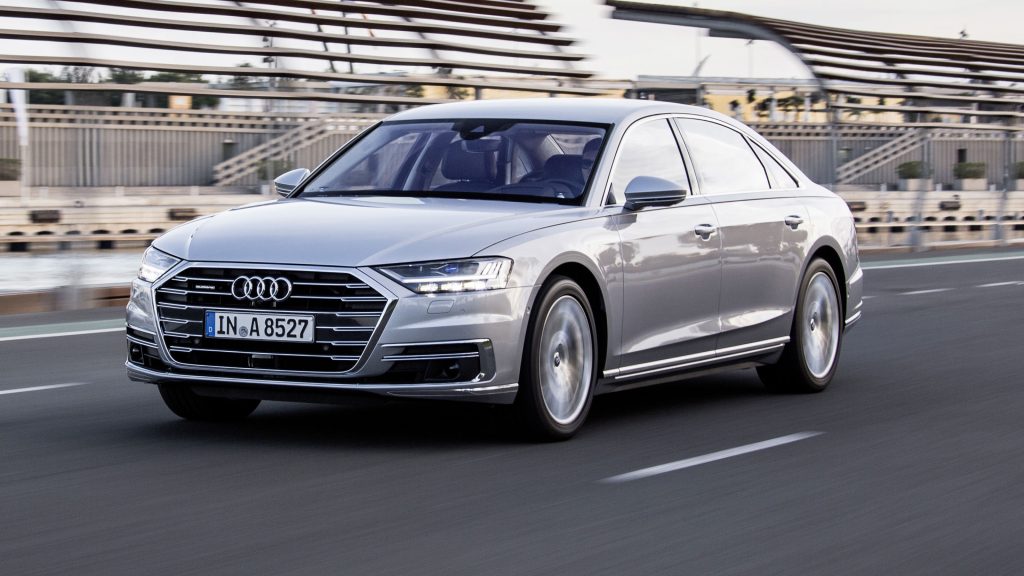
High contact areas receive additional protective treatments. Armrests, steering wheels, and center consoles are engineered to withstand daily interaction while retaining their original appearance. These thoughtful details make a noticeable difference over the years.
Owners often find that the A8 interior maintains a modern and fresh look even after extensive use. Leather remains supple, wood retains its shine, and the cabin continues to feel solid. The result is a luxury environment that ages with quiet confidence rather than visible wear.
5. Range Rover Autobiography
Step into the Range Rover Autobiography and the atmosphere feels closer to a luxury lounge than a typical vehicle interior.
The brand focuses on creating a sense of warmth and richness, while ensuring that the materials can endure real world use in varied environments. This balance between comfort and resilience is central to the model’s reputation.
The leather used in the Autobiography is carefully selected for thickness and strength. The hides receive treatments that help resist drying and cracking, especially important for vehicles that may experience extreme heat, cold, or humidity during off road adventures and long journeys.
Unlike many luxury vehicles that live mostly in cities, the Range Rover is expected to handle diverse conditions. Because of this, the leather must tolerate temperature swings without becoming brittle. Protective finishes help maintain softness and prevent discoloration from sunlight.
Wood trim in the cabin emphasizes authenticity. Real veneers are hand finished and sealed with durable coatings that protect against scratches and fading. The finishing process highlights natural grain patterns while ensuring long term resilience.
The design of the interior also contributes to durability. Surfaces that experience frequent contact are reinforced and positioned to minimize wear. Armrests, grab handles, and seat edges are built to handle constant use without showing early signs of aging.
Another factor is the vehicle’s advanced climate system. Controlled cabin temperatures help protect natural materials from excessive expansion and contraction. This helps prevent wood warping and keeps leather supple.
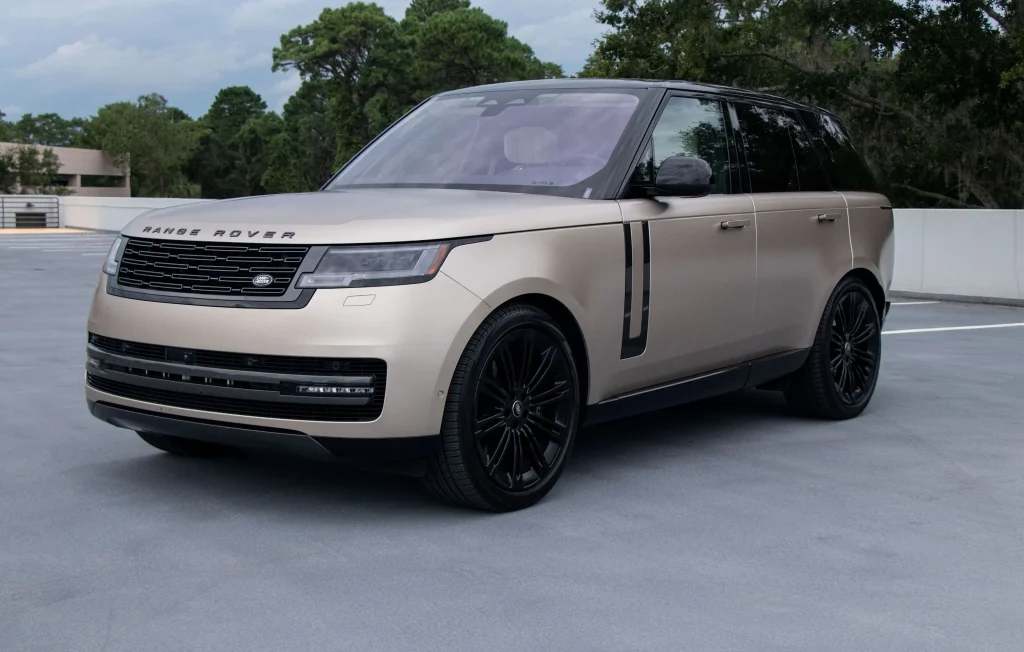
Owners often praise how well the interior withstands the passage of time. Even after years of use, the cabin retains its rich look and feel. The wood keeps its warmth and shine, and the leather continues to feel soft yet sturdy.
The Range Rover Autobiography demonstrates that luxury and durability can coexist in a vehicle designed for both comfort and adventure.
6. Porsche Panamera
The Porsche Panamera approaches luxury from a performance perspective, and that philosophy extends into the durability of its interior materials. The cabin blends sport oriented design with premium craftsmanship, ensuring leather and wood trims withstand both spirited driving and everyday use.
Porsche selects high quality leather that undergoes a precise finishing process to enhance resilience. The surfaces feel smooth and refined, yet they are designed to resist wear from frequent contact. Drivers often notice how well the seats maintain their shape even after years of daily commuting.
Seat design in the Panamera plays an important role in preserving the leather. Firm yet supportive cushioning reduces excessive movement and stretching. This structure prevents deep creases and helps maintain a clean, structured appearance over time.
Wood trim in the Panamera is treated to match the vehicle’s sporty character. The veneers are thin but reinforced, reducing the likelihood of warping or cracking due to temperature changes. Multiple layers of protective coating preserve the finish and guard against scratches.
The cockpit layout contributes to long term durability. Controls are positioned within easy reach, reducing unnecessary friction and wear on surrounding surfaces. High contact areas are reinforced to handle constant use without fading or losing texture.
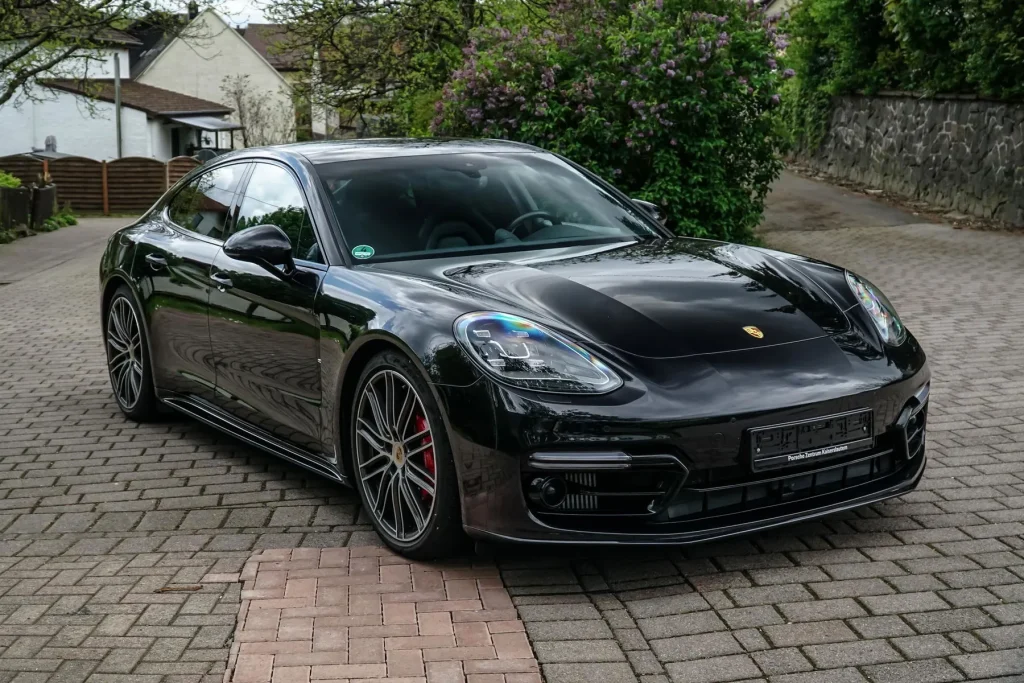
Temperature management is another advantage. Porsche equips the Panamera with advanced climate systems that stabilize cabin conditions. This protects natural materials from heat and humidity stress, helping them age more gracefully.
Many owners report that the interior continues to feel tight and well assembled after years of driving. Leather remains consistent in color and texture, while wood trims retain their polished appearance. The cabin does not develop the loose or worn feeling that can appear in lesser interiors.
The Panamera proves that a performance luxury car can maintain its premium interior quality for the long haul.
7. Bentley Flying Spur
The Bentley Flying Spur represents traditional luxury at its finest, and its interior craftsmanship is designed to last for decades rather than years. Entering the cabin feels like stepping into a handcrafted lounge where every surface has been carefully selected and finished by skilled artisans.
Bentley sources premium hides that undergo a long tanning process focused on longevity. The leather is thick, soft, and naturally grained, yet treated to resist fading and drying. This balance allows the upholstery to remain supple while maintaining structural strength over time.
Unlike mass produced interiors, the stitching in the Flying Spur is completed with extraordinary attention to detail. Hand stitched seams are reinforced to prevent separation, even after prolonged use. This craftsmanship contributes to the cabin’s long lasting integrity.
The wood veneers are among the most durable in the automotive world. Bentley selects high quality hardwoods and finishes them with multiple layers of lacquer. The polishing process is extensive, creating a deep gloss that resists scratches and UV damage.
Each wooden panel is carefully matched and aligned, reducing stress points that could lead to warping. The finishing process ensures the veneers maintain their color and clarity for many years.
Bentley also focuses on long term cabin stability. Climate control systems help maintain consistent temperature and humidity levels, protecting natural materials from environmental stress. This controlled environment slows the aging process significantly.
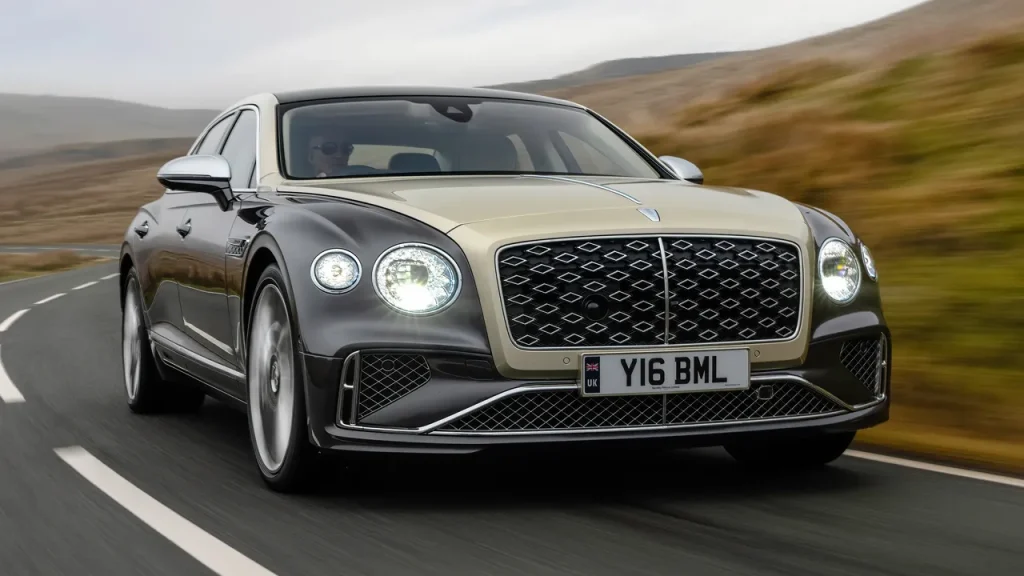
Owners often describe the Flying Spur interior as aging like fine furniture. Instead of appearing worn, the leather develops character and richness over time. The wood trim keeps its shine and warmth, preserving the handcrafted atmosphere.
The Flying Spur demonstrates how traditional craftsmanship can produce interiors that remain luxurious and durable for decades.
8. Rolls Royce Ghost
The Rolls Royce Ghost delivers a completely different interpretation of durability. Instead of emphasizing sportiness or technology, the cabin focuses on timeless craftsmanship and meticulous material preparation.
Every leather hide and wood veneer is selected with the expectation that the vehicle will remain elegant for many years.
Rolls Royce uses top tier leather sourced from carefully selected regions to minimize imperfections. The tanning process is gentle yet thorough, preserving the natural texture while strengthening resistance to wear. This approach ensures the upholstery remains soft without becoming fragile.
Seats are designed to avoid excessive tension on the leather surface. The cushioning distributes weight evenly, reducing stretching and preventing deep creases. Even after long periods of use, the seating surfaces tend to maintain a smooth and refined appearance.
Wood trim in the Ghost is finished through an extensive polishing process. Multiple lacquer layers protect the veneers from sunlight, humidity, and daily contact. This protective finish helps the wood maintain its deep color and mirror like shine over time.
The assembly process is equally important. Each panel is fitted with extreme precision to eliminate movement that could lead to rattling or loosening. This careful construction helps the cabin remain solid and quiet for years.
Climate management within the cabin is engineered to preserve natural materials. Stable temperature and humidity levels protect leather and wood from expansion and contraction, slowing the aging process.
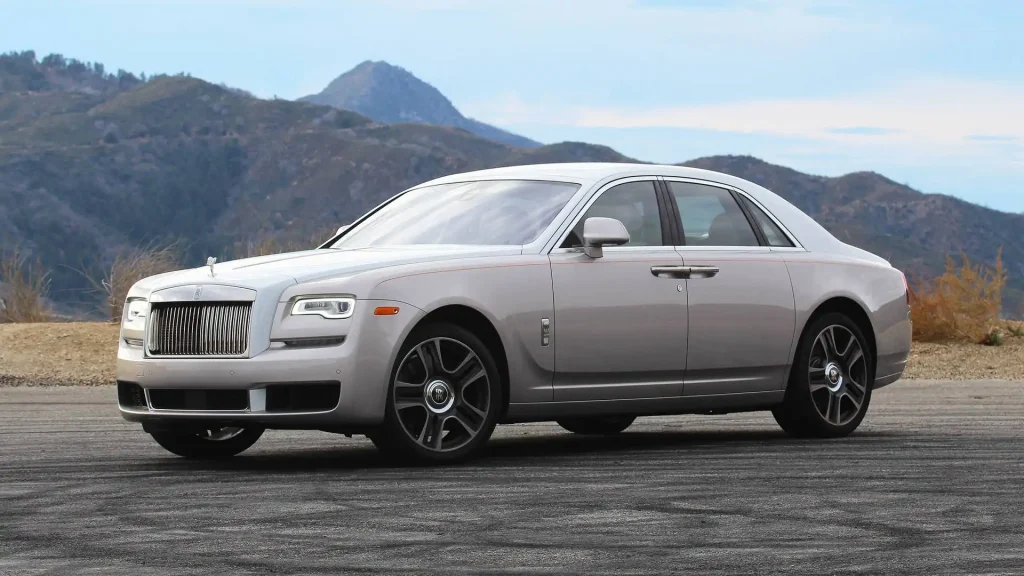
Owners often note that the Ghost interior appears remarkably unchanged even after years of ownership. Leather retains its softness, and wood trim continues to reflect light beautifully.
The Rolls Royce Ghost proves that when craftsmanship and patience meet engineering, luxury interiors can remain timeless.
9. Volvo XC90 Excellence
The Volvo XC90 Excellence takes a Scandinavian approach to luxury durability, focusing on simplicity, sustainability, and intelligent material selection.
Instead of overwhelming the cabin with decoration, Volvo prioritizes surfaces that feel natural, calm, and capable of aging gracefully through years of everyday use.
Volvo uses high quality Nappa leather that undergoes eco conscious tanning methods. The treatment process aims to preserve softness while adding resistance to wear and fading. The result is upholstery that retains a consistent color and texture even after extended exposure to sunlight.
Seat design reflects ergonomic thinking. The structure supports the body evenly, reducing strain on specific sections of leather. This careful shaping helps prevent stretching and keeps the upholstery looking smooth for longer periods.
The wood trim in the XC90 Excellence stands out for its matte finish. Instead of heavy gloss, Volvo uses open pore wood veneers that resist fingerprints and minor scratches. This approach reduces visible wear and maintains a clean appearance over time.
Protective coatings are still applied to ensure long term resilience. The wood surfaces resist discoloration and maintain their natural tone even after years of daily use.
Volvo also places strong emphasis on interior air quality and climate stability. The advanced air purification system helps regulate humidity and temperature, protecting natural materials from environmental stress.
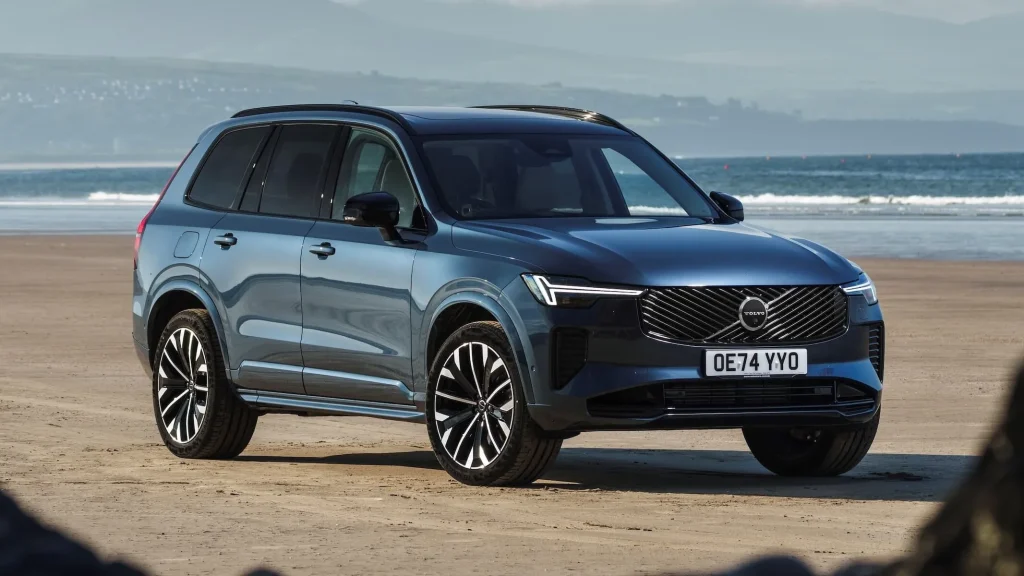
High contact areas are reinforced to handle everyday interaction. Door panels, armrests, and the center console are designed to resist scuffs and fading.
Owners often report that the cabin maintains a fresh and modern feel even after long ownership. Leather remains soft and evenly colored, while wood retains its natural character.
The XC90 Excellence shows that durability can be achieved through minimalism and smart engineering.
10. Genesis G90
The Genesis G90 closes this list with a fresh perspective on long term interior durability. As a newer luxury contender, Genesis invested heavily in material research to compete with long established brands. The result is a cabin that feels refined, resilient, and carefully engineered to withstand years of real world use.
Genesis uses premium Nappa leather treated with protective finishes that guard against fading, stains, and daily wear. The leather maintains a smooth texture while resisting the dryness that can appear in aging interiors. Owners often notice how well the seats retain their original softness.
The seat structure is designed to reduce tension on the upholstery. Balanced cushioning distributes pressure evenly, helping the leather avoid deep creases and stretching. This engineering contributes to a clean and well preserved look over time.
Wood trim in the G90 combines traditional craftsmanship with modern coatings. Real wood veneers are layered and sealed to resist scratches and discoloration. The finish remains rich and glossy even after years of sunlight exposure.
Assembly precision is another strength of the G90 interior. Panels fit tightly together, minimizing movement and preventing rattles. This structural integrity helps the cabin feel solid and well built throughout long term ownership.
Genesis also integrates advanced climate control to maintain stable cabin conditions. By regulating temperature and humidity, the system protects natural materials from environmental stress that can accelerate aging.
Frequently touched areas are reinforced with additional protective treatments. Steering wheels, armrests, and consoles are designed to handle constant use while maintaining their appearance.
Owners consistently praise how well the G90 interior holds up over time. Leather remains supple, wood retains its shine, and the cabin continues to feel premium long after purchase.
The Genesis G90 proves that a modern luxury brand can deliver durability that rivals established competitors.
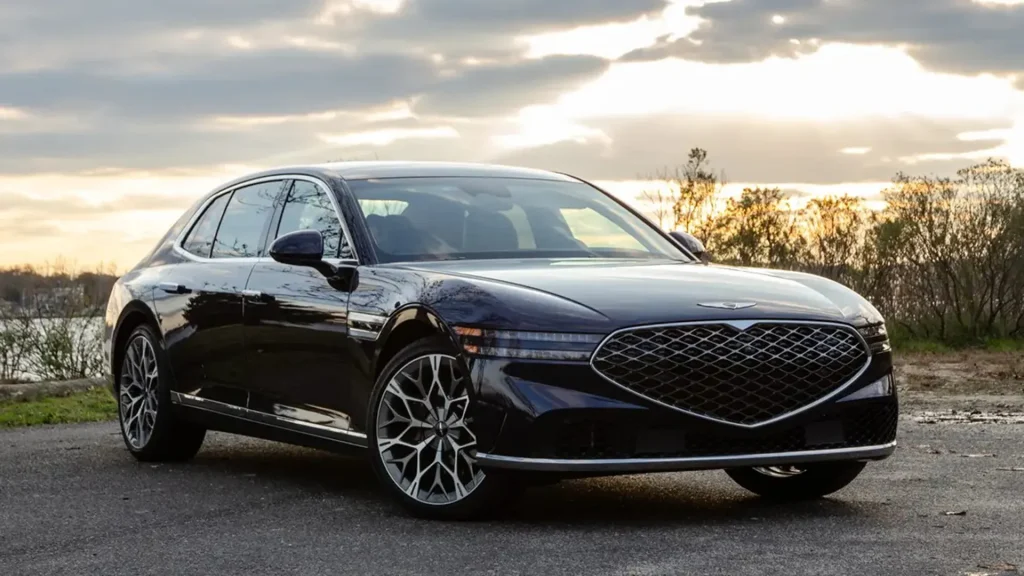
Luxury interiors are defined by how well they age, not just how impressive they look when new.
The vehicles in this list stand out because their leather and wood trims are engineered for long term durability through advanced tanning processes, protective coatings, climate control systems, and precise craftsmanship.
From the Mercedes Benz S Class to the Genesis G90, each model demonstrates a unique approach to preserving cabin quality through years of daily use.
These vehicles prove that premium materials can remain supple, glossy, and structurally sound over time when paired with thoughtful design and careful engineering.
Whether through handcrafted veneers, reinforced seating structures, or humidity controlled cabins, every model offers an interior built to last. Together, they show that true luxury is measured by how gracefully a cabin endures the passage of time.
Also Read: Top 10 Modern Cars With Retro Styling That Will Age Gracefully