

Cars are part of everyday life, yet the advice people follow about them often comes from decades of outdated information. Many of these beliefs started when cars were simpler, engines were less efficient, and technology was nowhere near as advanced as it is today.
Unfortunately, these old habits continue to spread through friends, relatives, and social media.
Mechanics hear the same statements repeatedly from customers who genuinely believe they are protecting their vehicles. In reality, some of these myths waste money, while others quietly cause long term damage.
What makes this situation worse is that car care advice is often passed down like tradition instead of being updated with modern engineering knowledge.
Automotive technology has changed dramatically in the past twenty years. Engines are now computer controlled, oil lasts longer, transmissions are smarter, and safety systems constantly monitor how the vehicle behaves.
Advice that made sense in the 1980s or early 2000s does not always apply to modern cars. Yet drivers still follow routines that were designed for a completely different generation of machines.
Mechanics wish drivers understood that proper maintenance is not about doing more. It is about doing the right things at the right time. Overmaintaining a car can be just as harmful as neglecting it, especially when unnecessary services introduce risk, extra cost, or incorrect parts.
This article breaks down ten of the most common car myths that professionals hear in workshops every week. Each myth sounds logical on the surface, which is why so many people continue to believe them.
Once you understand the truth behind these ideas, you will be able to maintain your car more effectively and avoid spending money where it is not needed.
Also Read: Top 10 SUVs With the Best Rollover Resistance Ratings
1. You Must Change Your Oil Every 3000 Miles
For decades, this rule has been repeated so often that many drivers treat it as absolute truth.
Service stickers, advertisements, and even older owner manuals helped cement the idea that engine oil becomes dangerous after 3000 miles. While this advice once had merit, modern vehicles operate in a completely different world.
To understand how this myth began, we need to look back at older engines. Cars built before the early 2000s used looser tolerances, simpler fuel systems, and lower quality oil. Fuel contamination, heat breakdown, and sludge buildup happened much faster.
Oil really did degrade quickly, and frequent changes were a smart precaution. Mechanics who worked during that era developed habits based on what they saw daily.
Today’s engines are engineered with extreme precision. Computer controlled fuel injection reduces contamination, modern cooling systems manage heat more efficiently, and synthetic oils are dramatically more durable than conventional oils from the past. The environment inside a modern engine is cleaner, more stable, and far less destructive to lubricants.
Synthetic oil is the biggest reason the 3000 mile rule is outdated. Modern full synthetic oils are designed to last between 7500 and 15000 miles depending on driving conditions.
They resist thermal breakdown, maintain viscosity longer, and contain advanced detergents that keep engines clean. Changing oil too frequently does not improve protection. In many cases, it simply wastes money.
Most modern vehicles now include an oil life monitoring system. These systems track driving habits, temperature cycles, idle time, and engine load.
Instead of using a fixed mileage interval, the car calculates when oil is actually wearing out. This technology is far more accurate than a blanket rule that ignores how the vehicle is used.
Short trip driving, heavy traffic, towing, and extreme heat can shorten oil life. Highway driving at steady speeds can extend it.
The oil monitoring system accounts for all of this automatically. Ignoring it and sticking to the old 3000 mile rule defeats the purpose of the technology built into the car.
Another overlooked factor is environmental impact. Unnecessary oil changes create millions of gallons of waste oil every year. While recycling programs exist, reducing unnecessary maintenance is better for the environment and reduces resource consumption.
Some drivers worry that longer oil intervals will shorten engine life. In reality, modern engines regularly reach 200000 miles or more while following manufacturer recommended oil schedules. Engineers design service intervals to balance longevity, cost, and real world performance testing.

The truth is simple. Changing oil too early does not make your engine safer. Following the manufacturer schedule and the oil life monitor is the smartest and most cost effective approach.
2. Premium Fuel Makes Every Car Run Better
Many drivers believe that filling their tank with premium petrol automatically improves performance, fuel economy, and engine health. Because premium fuel costs more, it feels logical to assume it must be better for every vehicle.
Mechanics hear customers proudly say they always choose the most expensive fuel to “take care of the engine.” In most cases, this extra expense provides no benefit at all.
To understand this myth, we need to talk about octane rating. Premium fuel does not contain more energy or higher quality ingredients.
The octane number simply measures resistance to knocking, which is uncontrolled combustion inside the engine. High performance engines with high compression ratios need this resistance to operate safely.
If a car is designed to run on regular fuel, its engine is built with compression levels that do not require high octane petrol. The engine control unit automatically adjusts timing and fuel delivery to operate perfectly on the recommended fuel grade. Using premium fuel in these engines does not unlock hidden power or efficiency.
Many drivers think premium fuel burns cleaner. Modern engines already burn fuel extremely efficiently regardless of octane level.
Emissions systems, fuel injectors, and combustion chamber design ensure proper combustion with the fuel grade specified by the manufacturer. Premium fuel does not magically clean the engine or improve reliability.
In fact, consistently using premium fuel in an engine designed for regular fuel can be a complete waste of money over the life of the vehicle. The cost difference per tank may seem small, but over years of ownership it adds up to a significant amount with no measurable gain.
The only time premium fuel makes a difference is when the engine specifically requires or recommends it. Turbocharged engines, high compression sports engines, and some luxury vehicles rely on premium fuel to avoid knocking. In these cases, using regular fuel can reduce performance or cause long term stress.
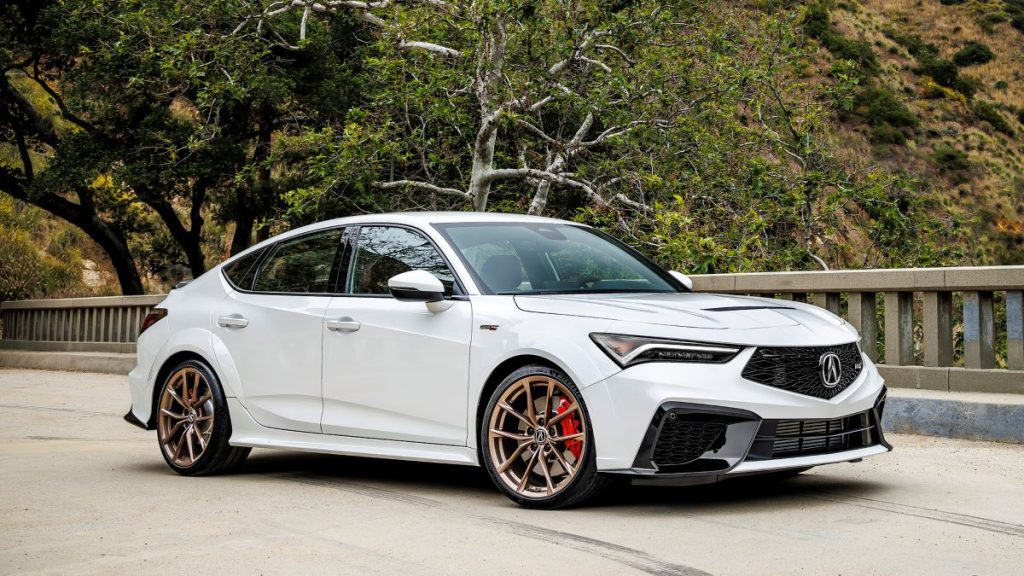
Some modern cars list premium fuel as recommended but not required. In these vehicles, the engine can safely run on regular fuel while slightly reducing power output. The difference is usually small and only noticeable during aggressive driving.
Another reason this myth persists is marketing. Fuel stations promote premium fuel as a superior product, which reinforces the belief that it must be better for every engine. In reality, it is simply a specialized fuel designed for specific engine designs.
The best choice is always the fuel grade listed in the owner manual. Engineers design engines to perform optimally with that fuel, and deviating from it rarely offers advantages. Using the correct fuel saves money and ensures the car runs exactly as intended.
3. Warming Up Your Car for a Long Time Is Necessary
On cold mornings, it is common to see drivers letting their cars idle for several minutes before driving away.
Many people believe this protects the engine and allows oil to circulate properly. This habit comes from older automotive technology, and it is one of the most outdated practices still followed today.
Decades ago, carbureted engines required long warm up periods. These engines relied on mechanical fuel delivery that struggled in cold temperatures.
Fuel did not vaporize efficiently, air fuel mixtures were inconsistent, and engines often stalled if driven immediately. Letting the car idle allowed the engine to stabilize before driving.
Modern vehicles use electronic fuel injection and advanced engine management systems. Sensors constantly monitor temperature, air density, and fuel flow.
The engine computer adjusts everything instantly, allowing the car to run smoothly even in cold weather. The problems that once made long warm ups necessary no longer exist.
In fact, idling for long periods can be harmful. Engines warm up much faster when driven gently rather than sitting still.
While idling, the engine takes much longer to reach optimal temperature. During this time, fuel does not burn as efficiently, which leads to increased carbon buildup inside the engine.
Another important factor is oil temperature. While oil begins circulating almost immediately after startup, it reaches its ideal operating temperature only when the car is moving. Driving lightly warms the oil faster and ensures proper lubrication throughout the engine.
Long idling also wastes fuel. Many drivers assume idling uses very little petrol, but even a few minutes every day adds up significantly over months and years.
This unnecessary fuel consumption contributes to pollution and increases running costs without providing any mechanical benefit.

Modern engines are designed to be driven shortly after starting. Most manufacturers recommend starting the engine, waiting around 20 to 30 seconds, and then driving gently until the engine reaches full operating temperature. Gentle acceleration allows components to warm evenly and reduces mechanical stress.
There is another overlooked issue with excessive idling. It can dilute engine oil with unburned fuel, especially in cold conditions. Over time, this reduces oil effectiveness and can increase engine wear.
The best practice is simple. Start the car, allow a brief moment for systems to stabilize, and then begin driving calmly.
Avoid aggressive acceleration until the temperature gauge reaches normal levels. This method warms the engine faster, reduces emissions, saves fuel, and actually protects the engine better than long idling sessions.
4. You Should Inflate Tires to the Maximum Pressure Listed on the Tire
Many drivers assume the number printed on the sidewall of a tire is the ideal pressure they should use. The logic seems reasonable.
If the tire shows a maximum PSI value, it must represent the best and safest pressure for daily driving. Mechanics constantly explain that this misunderstanding leads to poor ride quality, uneven tire wear, and reduced safety.
The number printed on the tire sidewall is not the recommended pressure for your car. It is the maximum pressure the tire can safely handle when carrying its maximum rated load.
That number exists as a safety limit, not as a daily driving guideline. Using it as a target pressure changes how the tire interacts with the road in ways engineers never intended.
Vehicle manufacturers carefully calculate the correct tire pressure for each model. Suspension geometry, weight distribution, braking behavior, and handling balance all depend on a specific pressure range.
This information is listed on a sticker inside the driver door frame or in the owner manual. That recommendation reflects real world testing and engineering design.
Overinflating tires makes the contact patch smaller. The contact patch is the portion of the tire touching the road. When pressure is too high, the center of the tire bulges outward and bears most of the load.
This reduces grip, especially during braking and cornering. In emergency situations, reduced traction can significantly increase stopping distance.
Ride comfort also suffers when tires are overinflated. Tires act as part of the suspension system, absorbing bumps and vibrations.
Excess pressure makes the tire stiff, causing the car to feel harsh and bouncy on uneven roads. Many drivers think this firmness means better efficiency, but the trade off in comfort and control is not worth it.

Uneven tire wear is another consequence. Overinflated tires wear faster in the center tread area, shortening tire life and forcing earlier replacement. Underinflation wears the edges, while correct pressure ensures even wear across the entire surface.
Temperature changes complicate the issue further. Tire pressure naturally increases as tires heat up while driving. Starting with the maximum pressure leaves little room for expansion, which can push tires beyond safe operating limits during long highway journeys.
Some drivers inflate tires to the maximum pressure hoping to improve fuel economy. While slightly higher pressure can reduce rolling resistance, the gain is extremely small and does not outweigh the safety and comfort compromises.
The correct approach is simple and consistent. Check tire pressure when the tires are cold and inflate them to the manufacturer recommended value, not the sidewall maximum. This ensures optimal grip, comfort, tire longevity, and overall vehicle safety.
5. Engine Flushes Are Always Good for Your Car
Walk into many service centers and you will eventually hear a recommendation for an engine flush. The pitch sounds convincing. Over time, sludge builds up inside the engine, so flushing it out must improve performance and extend engine life.
While that idea seems logical, mechanics often warn that routine engine flushes are unnecessary and sometimes harmful.
An engine flush involves pouring a chemical cleaning solution into the engine oil, running the engine briefly, and then draining everything out. The goal is to dissolve sludge and varnish deposits before replacing the oil. In theory, this sounds like a deep cleaning treatment for your engine.
The reality is that modern engines maintained with regular oil changes rarely develop serious sludge problems.
High quality synthetic oils already contain detergents and additives designed to keep internal components clean. If oil is changed at proper intervals, harmful buildup should not occur in the first place.
The bigger concern arises when a flush is performed on an older engine with high mileage. In some cases, accumulated deposits may actually be sealing small gaps around worn seals and gaskets. A strong chemical flush can break apart those deposits rapidly, potentially causing oil leaks shortly afterward.
There is also the issue of debris circulation. When heavy sludge is loosened suddenly, it does not always drain out completely.
Small particles can move through oil passages and potentially clog narrow channels. Modern engines have very tight tolerances, and even small restrictions can reduce lubrication efficiency.
Another overlooked factor is manufacturer guidance. Many automakers do not recommend routine engine flushes unless there is a specific mechanical reason.
Service schedules typically include regular oil and filter changes, not chemical flushing treatments. If flushes were essential, they would appear in official maintenance plans.

That does not mean engine flushes are never appropriate. In cases where oil changes were severely neglected and sludge is visible under the oil cap, a carefully supervised cleaning process may help.
However, this should be diagnosed by a professional who understands the engine’s condition, not sold as a routine upsell.
Drivers sometimes believe a flush will restore lost power or fix engine noise. In most situations, those issues stem from unrelated mechanical wear or sensor problems. A flush will not reverse physical damage or repair worn components.
The safest and most effective strategy is prevention. Use the correct oil grade, follow recommended change intervals, and replace the oil filter each time. Consistent maintenance keeps the engine clean naturally without the risks associated with aggressive chemical treatments.
6. All Brake Pads Are Basically the Same
Many drivers treat brake pads as a simple replacement part where the cheapest option should work just fine. After all, brake pads are just pieces of material that press against a rotor to slow the car down.
Mechanics frequently see customers shocked when they learn that brake pad quality can dramatically change braking performance, noise levels, and safety.
Brake pads are engineered using different friction materials. The most common types are organic, semi metallic, and ceramic. Each type behaves differently under heat, pressure, and repeated braking. Choosing the wrong type can change how the car feels and performs in everyday driving.
Cheap brake pads often use lower grade friction compounds. These pads may work adequately during light city driving but struggle when exposed to heat during long descents or emergency braking.
As temperature rises, low quality pads can lose effectiveness in a phenomenon called brake fade. This means the car takes longer to stop even though the brake pedal feels normal.
Noise is another major difference. Budget brake pads frequently produce squealing or grinding sounds because of inferior materials and poor vibration control. Higher quality pads include shims and engineered backing plates designed to reduce noise and vibration.
Brake dust is a common complaint among car owners. Some pad materials generate large amounts of dark dust that coats wheels quickly. Ceramic brake pads typically produce far less dust, keeping wheels cleaner and reducing maintenance.
Rotor wear also depends on pad quality. Cheap pads can be overly abrasive, causing rotors to wear faster.
Replacing rotors is far more expensive than choosing better brake pads in the first place. Quality pads are designed to balance stopping power with rotor longevity.
Modern vehicles rely heavily on electronic safety systems such as anti lock braking and stability control.
These systems are calibrated with specific braking characteristics in mind. Using poor quality pads can subtly change braking behavior, reducing the effectiveness of these safety technologies.

Another misconception is that performance brake pads are only for sports cars. In reality, even family vehicles benefit from higher quality pads because they provide consistent stopping power in varied driving conditions.
Saving money on brake pads may seem appealing during a service visit, but the long term costs can be higher due to increased noise, faster rotor wear, and reduced braking performance.
Brakes are the most important safety system in any vehicle. Investing in quality brake pads ensures consistent performance, quieter operation, and better protection for both passengers and other road users.
7. You Must Replace All Four Tires at the Same Time
Many drivers panic when one or two tires wear out because they believe replacing anything less than a full set will damage the vehicle. Some shops even strongly push complete tire replacement, which reinforces the idea that mixing old and new tires is dangerous.
The truth is more nuanced, and mechanics often wish drivers understood when full replacement is truly necessary.
The origin of this myth comes from all wheel drive vehicles. AWD systems rely on equal tire diameter to prevent strain on the drivetrain.
If one tire is significantly smaller due to wear, the system may constantly compensate, leading to premature wear of expensive components. Over time, this specific scenario turned into a blanket rule applied to every vehicle.
For most front wheel drive and rear wheel drive cars, replacing tires in pairs is completely safe. If the front tires are worn, installing two new tires on the rear axle is usually the recommended approach.
This may sound surprising, but placing the newest tires on the rear improves stability and reduces the risk of losing control in wet conditions.
Hydroplaning is the key reason behind this recommendation. Tires with deeper tread channels move water away from the contact patch more effectively.
When the rear tires have better grip in wet weather, the car is less likely to fishtail or spin. Stability is more important than steering traction in slippery conditions.
Many drivers assume new tires belong on the front because that is where steering happens. However, loss of rear traction is much harder for the average driver to control. Installing new tires on the rear axle helps maintain balance and predictability during emergency maneuvers.
There are situations where replacing all four tires is the best option. All wheel drive vehicles are the most common example. If tread depth differences become too large, drivetrain components can experience constant stress.
Some manufacturers allow replacing a single tire if it is shaved to match the others, but this process is specialized.

Tire age is another factor. Even if tread remains, rubber degrades over time due to heat and sunlight. If all tires are several years old, replacing the full set may be wise for safety and performance.
Budget considerations also matter. Tires are expensive, and replacing a full set unexpectedly can be financially difficult. Knowing that pair replacement is often safe gives drivers flexibility to maintain safety without unnecessary expense.
Understanding your vehicle’s drivetrain and tire condition is the key. Full replacement is sometimes necessary, but it is not a universal rule for every car on the road.
8. Using the Air Conditioner Wastes Huge Amounts of Fuel
Many drivers avoid using the air conditioner because they believe it dramatically increases fuel consumption. Some even drive in extreme heat with the windows down to save petrol. Mechanics often smile when they hear this because the truth is far less dramatic than the myth suggests.
The air conditioning system does use energy. The compressor is powered by the engine, and this adds a small extra load.
However, modern engines are designed to handle this load efficiently. Improvements in compressor technology and engine management systems have significantly reduced the fuel penalty compared to older vehicles.
The real fuel consumption increase from using the air conditioner is usually small. In most modern cars, the difference is often between three and seven percent depending on driving conditions. While this is not zero, it is far from the massive fuel drain many people imagine.
Driving with the windows down creates aerodynamic drag. At highway speeds, this drag can actually reduce fuel economy more than using the air conditioner. Air rushing into the cabin disrupts the smooth airflow around the vehicle, forcing the engine to work harder to maintain speed.
This creates an interesting trade off. At low city speeds, opening windows instead of using the air conditioner can save a small amount of fuel. At higher speeds, using the air conditioner with windows closed is often more efficient than driving with the windows open.
Another benefit of using the air conditioner regularly is system health. The AC system contains refrigerant and oil that circulate together. Running the system periodically keeps seals lubricated and prevents leaks from developing. Avoiding AC use for long periods can actually increase the likelihood of expensive repairs.
Cabin comfort also plays a safety role. Extreme heat can cause fatigue, slower reaction times, and reduced concentration. Maintaining a comfortable cabin temperature helps drivers stay alert and focused, especially during long journeys.

Some drivers worry that AC use strains the engine excessively. Modern engines are engineered with accessory loads in mind, including air conditioning, alternators, and power steering systems. Occasional AC use does not harm the engine when the vehicle is properly maintained.
Using the air conditioner wisely is the best approach. Combine AC use with moderate fan speeds and recirculation mode to maximize efficiency. This keeps the cabin cool while minimizing energy use.
The air conditioner is not the fuel draining monster many people believe it to be. Used sensibly, it provides comfort and safety with only a modest impact on fuel consumption.
Also Read: Top 10 Modern Cars With Retro Styling That Will Age Gracefully
