
Diesel engines have carried a stubborn reputation for decades. The moment many people hear the word diesel, they imagine loud clatter, heavy vibrations, and the unmistakable sound of a work truck idling in the distance.
That stereotype was not created without reason. Early diesel passenger vehicles often prioritized durability and efficiency over comfort and refinement.
Modern engineering has reshaped what diesel engines can feel like from the driver’s seat. Advances in fuel injection technology, improved engine mounts, better sound insulation, and precise electronic control systems have transformed the experience.
Today, some diesel powerplants are so refined that drivers can barely distinguish them from petrol engines during daily driving.
This evolution happened quietly. While attention often focused on electric vehicles and hybrid technology, diesel engineers continued refining combustion and vibration control. The result is a generation of engines that combine traditional diesel strengths with an unexpected level of smoothness.
Torque remains the core appeal of diesel performance. These engines deliver strong pulling power at low revs, making them effortless on highways and relaxing in city traffic. When that torque is paired with reduced noise and vibration, the driving experience becomes surprisingly luxurious.
For long distance travel, modern diesel engines can feel perfectly suited. Low engine speeds, excellent fuel efficiency, and relaxed cruising characteristics make them ideal companions for daily commuting and highway journeys. The old compromises are disappearing.
This article highlights five diesel powerplants that completely challenge outdated expectations. Each one demonstrates how far diesel refinement has progressed, proving that quiet operation and smooth performance are no longer exclusive to gasoline or hybrid vehicles.
Also Read: Top 10 Cars That Are Easiest for DIY Mechanics to Service
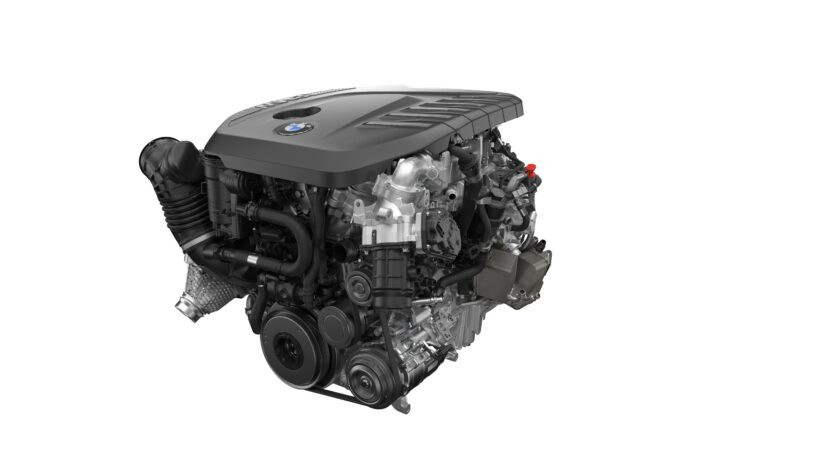
1. BMW B57 3.0 Liter Inline Six Diesel
Silence is not a word traditionally associated with diesel engines, yet BMW approached the B57 project with refinement as a primary goal rather than a secondary benefit.
The company wanted an engine that could sit comfortably inside luxury sedans without constantly reminding occupants what fuel it burns. That ambition shaped every engineering decision from the earliest development stages.
The B57 is a 3.0 liter inline six turbocharged diesel that appears across several BMW models. Its character becomes obvious within seconds of starting the engine.
Instead of the harsh metallic chatter older diesels produced, the sound is muted and distant. At idle, the engine fades into the background, allowing the cabin to feel calm and composed.
A major reason for this refinement lies in the fuel injection system. The B57 uses advanced common rail injection operating at extremely high pressure. Fuel is delivered in multiple tiny pulses rather than a single large burst. This multi stage injection process softens combustion events, reducing noise and vibration before they even begin.
The inline six layout contributes naturally to smoothness. This configuration is inherently balanced, meaning fewer vibrations travel through the engine block. While many diesel engines rely heavily on balancing shafts to control vibration, the B57 benefits from its basic architecture.
Engine mounting also plays a key role. BMW engineered specialized hydraulic mounts that absorb vibrations before they reach the cabin. These mounts adapt to engine load and speed, improving comfort during both idle and acceleration.
Turbocharging is another area where refinement becomes clear. The B57 uses advanced variable geometry turbochargers that provide smooth and progressive power delivery. Instead of sudden surges of torque, acceleration builds in a controlled and linear manner.
Low rev performance defines the driving experience. The engine produces strong torque at very low speeds, allowing relaxed cruising without frequent gear changes. Highway driving becomes effortless, with the engine operating quietly at low revs.
Transmission pairing enhances the smooth character. BMW typically matches the B57 with an eight speed automatic gearbox that shifts seamlessly. Gear changes occur almost imperceptibly, maintaining the calm atmosphere inside the cabin.
Sound insulation plays an important supporting role. BMW uses extensive acoustic treatment throughout the engine bay and firewall. These measures prevent mechanical noise from entering the passenger compartment.
Vibration control continues through the drivetrain. Carefully tuned driveshafts and suspension components reduce the transmission of mechanical harshness. The entire vehicle feels cohesive and refined.
Long distance travel highlights the engine’s strengths. Drivers can cover hundreds of kilometers without fatigue, thanks to the quiet and relaxed character. The engine becomes an unobtrusive companion rather than a constant presence.
Efficiency remains a major advantage. Strong fuel economy allows fewer stops during long journeys, reinforcing the engine’s touring capability.
The B57 demonstrates how modern diesel engineering can deliver luxury level refinement. It combines traditional diesel torque with impressive quietness and smooth operation.
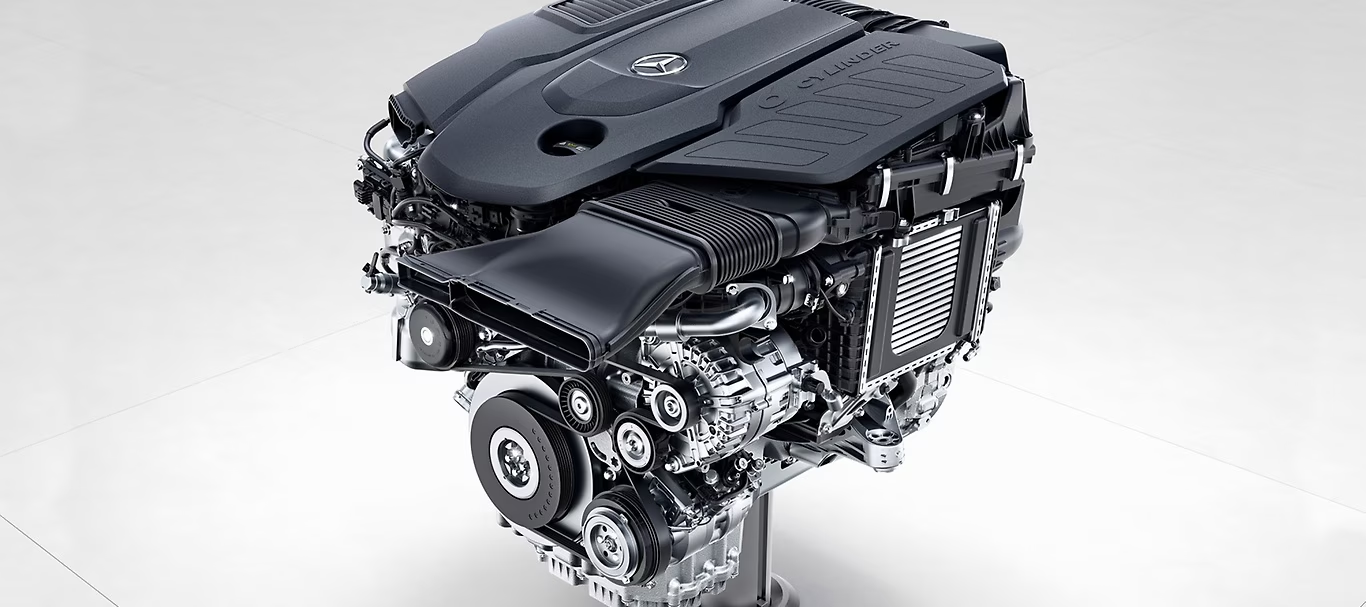
2. Mercedes Benz OM656 3.0 Liter Inline Six Diesel
Imagine stepping into a luxury sedan, pressing the start button, and feeling almost nothing happen. No shudder, no harsh vibration, no metallic rattle echoing through the cabin. That understated start up experience perfectly captures the personality of the OM656. Mercedes approached this engine with a philosophy rooted in luxury first, diesel second.
The OM656 replaced the long serving V6 diesel used in earlier Mercedes models. Instead of continuing with the V layout, engineers returned to an inline six configuration. This decision was not only about performance. It was about smoothness and refinement at a fundamental mechanical level.
Inline six engines possess natural balance. The pistons move in a way that cancels out many vibrations before they travel through the engine block. This inherent smoothness reduces the need for complex vibration countermeasures. The engine begins its life cycle with a major refinement advantage.
Mercedes then layered advanced technology on top of this balanced foundation. The fuel injection system operates at extremely high pressure, delivering fuel in carefully timed micro bursts. This process softens combustion and reduces the sharp knocking sound commonly associated with diesel engines.
A particularly clever feature is the use of stepped bowl pistons. These pistons shape the combustion process in a more controlled and gradual way. Instead of a harsh explosion, combustion becomes smoother and quieter. Small engineering details like this make a huge difference in everyday driving.
The engine block itself is made from aluminum rather than traditional cast iron. This material reduces weight while improving heat management. Better temperature control leads to more stable and refined operation, especially during long journeys.
Turbocharging plays a subtle but crucial role in the OM656 personality. Sequential turbochargers deliver power progressively. Drivers experience steady and predictable acceleration without sudden torque spikes. The engine feels calm and composed during overtakes and highway merging.
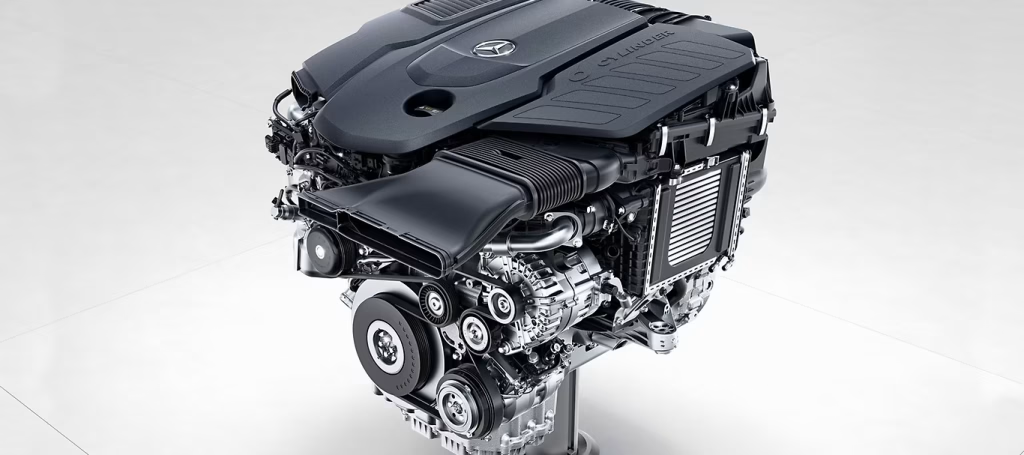
Sound management extends beyond the engine bay. Mercedes uses extensive acoustic insulation throughout the vehicle. Specialized engine covers and firewall treatments block unwanted noise from entering the cabin. The result is an environment that feels almost electric in its quietness.
Transmission integration enhances the overall experience. The engine is paired with the smooth shifting nine speed automatic gearbox. Gear changes occur with remarkable subtlety, helping maintain a relaxed driving atmosphere.
City driving highlights the engine’s refinement. Stop and go traffic feels effortless because of the strong low speed torque. The car moves smoothly without needing high engine speeds.
Highway cruising reveals another strength. The engine operates at low revs, producing minimal noise and vibration. Long distance travel becomes peaceful and comfortable.
The OM656 represents a new chapter for diesel luxury. It proves that compression ignition can coexist with premium refinement and comfort.
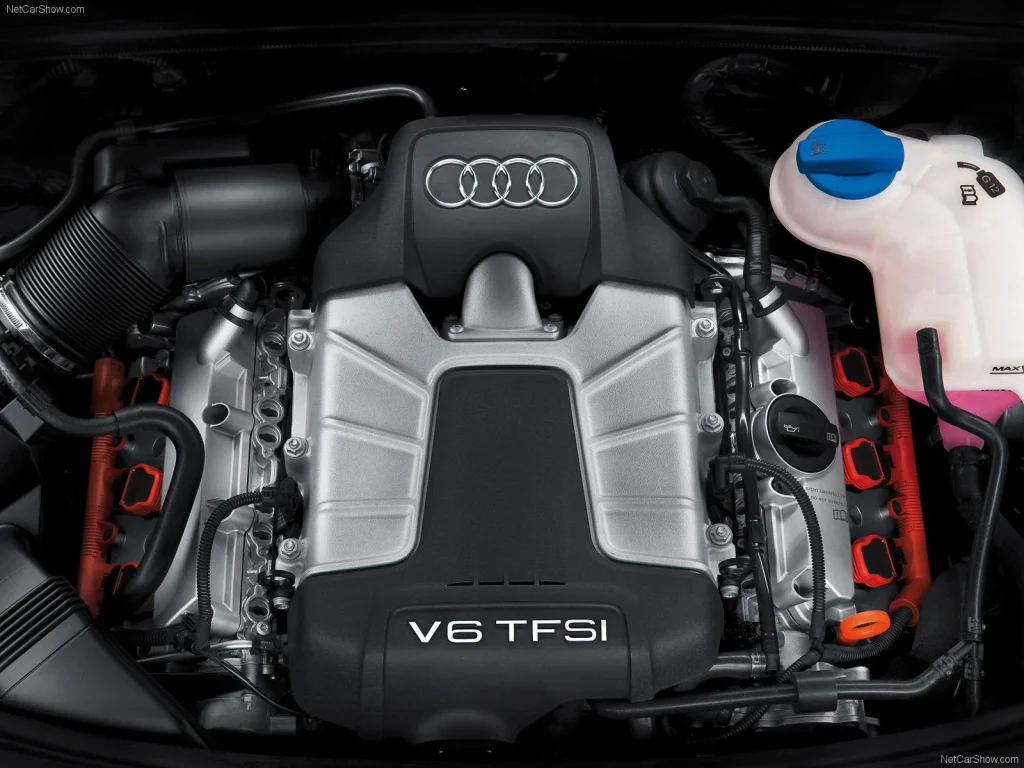
3. Audi 3.0 Liter V6 TDI
Some diesel engines impress through silence. Others win drivers over through the way they behave in motion. Audi designed the 3.0 liter V6 TDI to feel calm, polished, and effortless during everyday driving rather than focusing only on idle refinement. The result is an engine that feels sophisticated the moment the vehicle begins to move.
The first impression often surprises new drivers. Press the accelerator gently and the car glides forward without hesitation or drama. The power delivery feels fluid and measured. There is no sudden surge of torque or abrupt engine response. Everything builds in a smooth and controlled manner.
A major contributor to this character is the advanced common rail injection system. The engine injects fuel in several carefully timed phases during each combustion cycle. Instead of one aggressive combustion event, multiple smaller pulses create a softer and quieter burn. This approach reduces noise while improving throttle response.
Audi engineers paid special attention to vibration management. The engine uses carefully designed balancing shafts that counteract unwanted movement inside the engine block. These shafts rotate in the opposite direction of engine vibrations, helping the car feel steady and composed.
Engine mounts provide another layer of refinement. Hydraulic mounts absorb vibrations before they reach the cabin. Passengers experience a calm environment even during acceleration or hill climbing.
Turbocharging plays a defining role in the engine’s personality. The variable geometry turbocharger adjusts airflow depending on engine speed. This allows the engine to produce strong torque at low revs while maintaining smooth and progressive acceleration.
Transmission pairing enhances the overall experience. The engine often works with Audi’s eight speed automatic transmission. Gear changes occur quickly and gently, preserving the smooth character of the powertrain.
Noise reduction extends beyond the engine itself. Audi incorporates extensive sound insulation in the firewall and floor panels. The cabin remains quiet even during highway speeds.
Long distance driving highlights the engine’s strengths. The car cruises at low engine speeds, reducing both noise and fuel consumption. Drivers feel relaxed even after extended journeys.
Urban driving also benefits from the engine’s torque delivery. The car moves easily in traffic without requiring frequent gear changes or high revs.
Fuel efficiency adds another layer of appeal. Drivers enjoy fewer fuel stops while maintaining strong performance.
The Audi 3.0 TDI demonstrates how diesel engines can feel refined and polished in everyday use. It blends efficiency, torque, and quiet operation into a cohesive driving experience.
4. Ford 3.0 Liter Power Stroke V6 Diesel
Instead of beginning with luxury sedans or European engineering philosophy, this engine tells a different story.
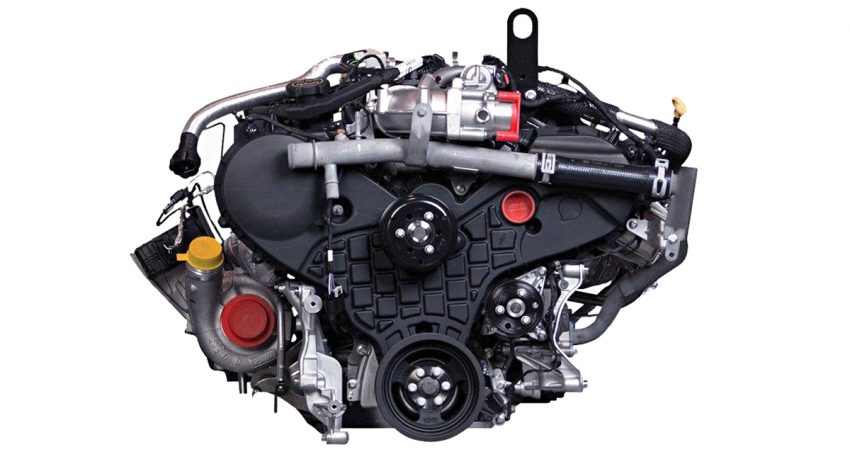
It lives in large pickup trucks and SUVs, environments where diesel engines are expected to be loud, rugged, and unapologetically mechanical. That expectation is exactly why the refinement of the 3.0 liter Power Stroke surprises so many drivers.
Start the engine in a quiet parking lot and the first reaction is usually confusion. The familiar diesel clatter never arrives. Instead, the engine settles into a subdued hum that feels closer to a gasoline V6 than a traditional truck diesel. Ford invested heavily in noise reduction because modern truck buyers increasingly expect comfort alongside capability.
The structure of the engine plays a major role in its behavior. The compacted graphite iron block provides excellent strength while reducing vibration compared to older cast iron designs. This material choice improves durability and contributes to smoother operation.
Fuel delivery technology represents a major leap forward. The Power Stroke uses high pressure common rail injection that delivers fuel with extreme precision. Multiple injection events occur during each combustion cycle, softening the combustion process and reducing noise.
Turbocharger design also shapes the driving experience. The single variable geometry turbocharger responds quickly to throttle inputs, eliminating the lag often associated with older diesel engines. Acceleration feels immediate and predictable, making the engine easy to manage in both city and highway driving.
The real transformation appears during everyday use. In city traffic, the engine feels relaxed and cooperative. The strong torque output allows the vehicle to move effortlessly without high engine speeds. This low rev operation reduces noise and vibration.
On highways, the engine reveals its long distance personality. The vehicle cruises at low rpm, creating a quiet and calm cabin environment. Conversations remain easy even during extended journeys.
Transmission pairing enhances smoothness. The engine works with modern automatic gearboxes that shift seamlessly. Gear changes feel nearly invisible, maintaining a steady and relaxed driving experience.
Ford also invested heavily in acoustic insulation. Sound absorbing materials line the engine bay and cabin, preventing mechanical noise from reaching passengers. The difference becomes especially noticeable during acceleration.
Vibration control extends throughout the vehicle. Engine mounts and chassis tuning reduce the transfer of harshness into the cabin. The result feels refined and comfortable rather than rugged and industrial.
Towing and hauling highlight the engine’s versatility. Even under heavy load, the engine maintains a composed and quiet demeanor. This consistency reinforces its refined character.
The 3.0 Power Stroke demonstrates how diesel refinement is no longer limited to luxury cars. Even work focused vehicles can deliver smooth and quiet performance.
5. Land Rover 3.0 Liter Ingenium Inline Six Diesel
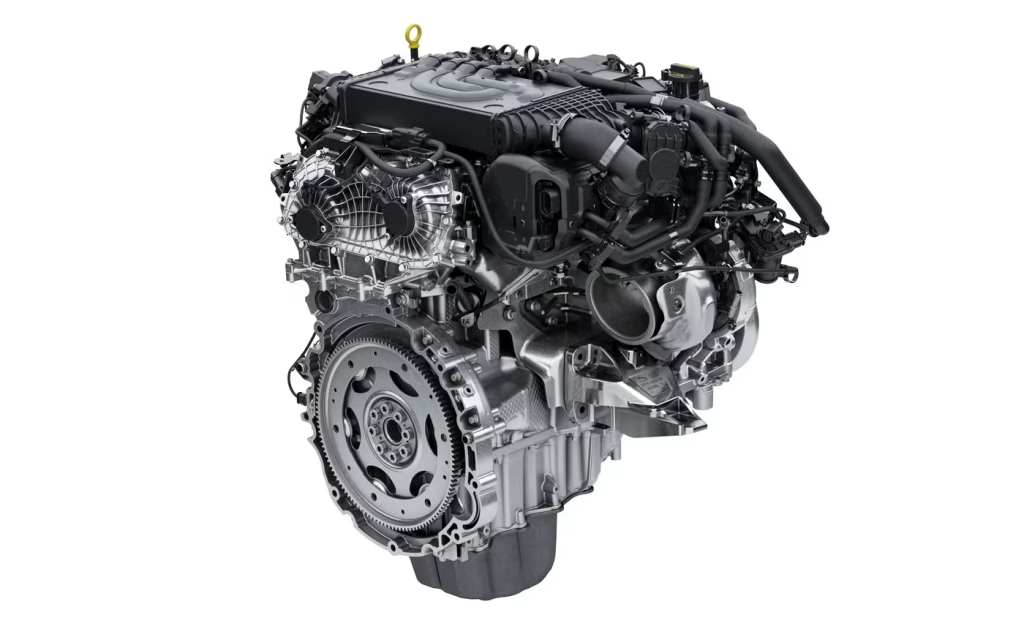
Refinement sometimes reveals itself through contrast. A luxury SUV is expected to feel quiet and smooth, yet the challenge becomes far greater when the vehicle is designed to climb mountains, cross rivers, and tackle rough terrain. The Ingenium inline six diesel meets that challenge by blending off road capability with unexpected calmness on paved roads.
Press the start button and the engine settles into a restrained and distant idle. The sound never dominates the cabin. Instead, it fades into the background, allowing the vehicle’s luxurious atmosphere to take center stage. This quiet start sets the tone for the entire driving experience.
The inline six configuration forms the backbone of the engine’s smooth character. This layout naturally balances internal forces, reducing vibration before it reaches the vehicle structure. The engine begins with a mechanical advantage that many diesel engines lack.
Mild hybrid technology adds another layer of refinement. The integrated starter generator assists during acceleration and smooths the stop start system. Engine restarts feel almost seamless, eliminating the jolts that once defined diesel stop start systems.
Fuel injection technology continues the refinement process. High pressure common rail injection delivers fuel in multiple precise bursts during each combustion cycle. This approach softens the combustion process and reduces noise at the source.
Turbocharging technology shapes the engine’s responsiveness. The engine uses both a turbocharger and an electric supercharger to provide immediate and smooth power delivery. This system eliminates hesitation during acceleration, creating a fluid and predictable driving experience.
Urban driving highlights the engine’s relaxed personality. The vehicle moves effortlessly through traffic thanks to strong low speed torque. The engine rarely needs high revs, which helps maintain a quiet cabin environment.
Highway travel reveals the engine’s touring strengths. Low engine speeds and strong torque allow comfortable long distance cruising. The vehicle feels calm and composed even after hours of driving.
Off road capability introduces a unique challenge for refinement. Rough terrain can transmit vibrations through the chassis, yet the engine maintains a smooth and controlled character. Careful mounting and insulation prevent harshness from entering the cabin.
Transmission pairing contributes to the overall smoothness. The engine works with a sophisticated automatic gearbox that shifts gently and consistently. Gear changes remain unobtrusive.
Sound insulation throughout the vehicle enhances comfort. Specialized materials block mechanical noise and vibration, preserving the luxury atmosphere inside the cabin.
The Ingenium diesel proves that refinement and rugged capability can coexist. It delivers smooth and quiet performance in a vehicle designed for adventure.
Modern diesel engines have undergone a transformation that challenges decades of assumptions. Where older generations were known for clatter, vibration, and harshness, today’s most advanced diesel powerplants deliver refinement that rivals many gasoline engines.
Through innovations in fuel injection, improved engine architecture, better insulation, and intelligent electronic control systems, diesel technology has evolved into something far more sophisticated.
The five engines highlighted in this article prove that quiet and smooth operation is no longer rare in the diesel world.
Each one approaches refinement in a unique way, yet all share a commitment to balancing torque with comfort. From luxury sedans to capable SUVs and even modern trucks, these engines demonstrate how broad the improvement has been.
The BMW B57 stands out for combining the natural balance of an inline six with advanced injection technology. Its smooth idle, progressive power delivery, and low vibration levels make it feel perfectly suited for long distance travel. It shows how diesel torque can coexist with executive level comfort.
Mercedes Benz takes refinement even further with the OM656. By returning to the inline six configuration and integrating precision combustion design, the engine achieves an exceptionally quiet and composed character. It delivers effortless torque without sacrificing the calm driving experience expected from a premium brand.
Audi’s 3.0 liter V6 TDI focuses on real world smoothness. Through carefully managed injection timing and vibration control, it creates fluid acceleration and relaxed highway cruising. The engine feels polished and predictable, blending efficiency with comfort.
The Ford 3.0 liter Power Stroke demonstrates that refinement is no longer limited to luxury cars. Even in pickup trucks and large SUVs, modern diesel engineering can provide subdued noise levels and smooth power delivery. It redefines expectations for what a truck diesel can feel like during daily driving.
Finally, the Land Rover Ingenium inline six diesel blends off road strength with quiet sophistication. Its mild hybrid assistance and advanced turbocharging system create seamless acceleration while maintaining cabin serenity.
Together, these engines highlight a clear reality. Diesel technology has matured significantly. Smoothness and quiet operation are now integral to modern diesel design, proving that compression ignition can deliver both strength and refinement in equal measure.
Also Read: Top 10 Cars From the 1980s That Are Finally Increasing in Value
