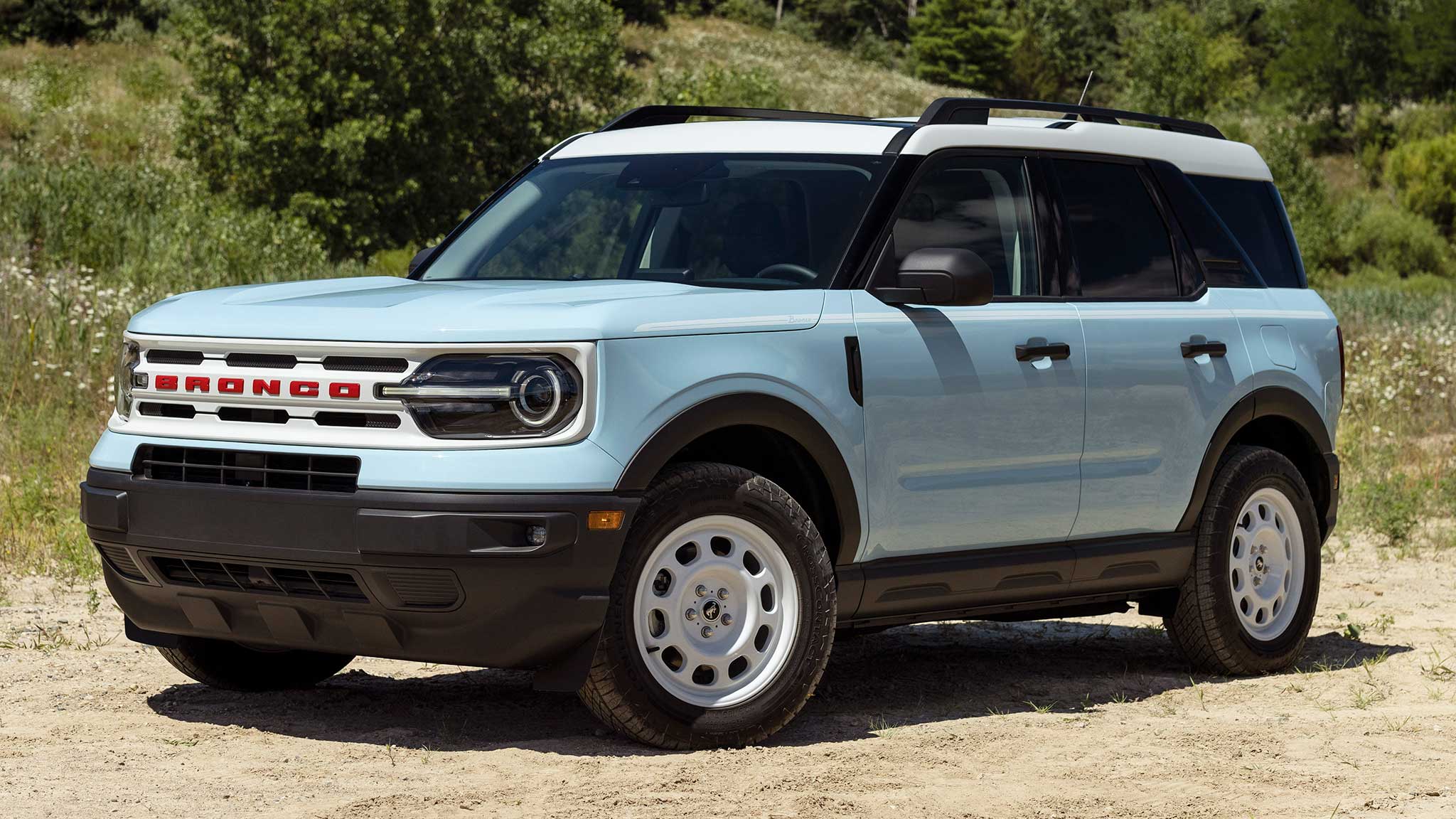
All wheel drive systems are often grouped together under a single label, but their real world capabilities can vary dramatically.
Some systems are engineered specifically for difficult terrain such as mud, loose dirt, and deep ruts where traction becomes unpredictable. Others are designed primarily to improve stability and safety on paved roads during rain or light snow.
The difference usually comes down to how the system distributes power and how much control the driver has over traction.
Off road oriented AWD systems typically include locking differentials, low range gearing, or terrain management modes that allow the vehicle to maintain momentum even when one or more wheels lose grip.
These features are essential when driving through deep mud, where traction constantly changes and wheel slip is unavoidable.
By contrast, many AWD systems found in crossovers are optimized for pavement. Their primary purpose is to improve cornering stability and reduce wheel spin on slippery roads. They often operate automatically and prioritize efficiency rather than heavy duty traction performance.
Because of these design differences, not every AWD system performs equally once the road disappears. Some excel in challenging off road environments, while others are better suited to everyday commuting.
This article explores both sides of that spectrum by examining AWD systems that perform exceptionally well in deep mud and those designed mainly for pavement conditions.
Also Read: 10 Toyota Models That Quietly Drain Your Wallet With Repair Costs
5 AWD Systems That Excel in Deep Mud
Driving through deep mud is one of the most demanding situations for any traction system. Unlike dry terrain, mud constantly shifts under the tires, reducing grip and making it difficult for a vehicle to maintain forward movement.
In these conditions, an effective AWD system must do more than simply send power to multiple wheels. It must actively manage traction and keep the vehicle moving even when several tires lose grip at the same time.
Vehicles built for serious off road use typically include systems that allow drivers to control how power is distributed. Locking differentials, advanced traction control programming, and low range gearing are often key components of these setups.
Together, they allow the vehicle to maintain momentum and prevent excessive wheel spin that could leave the vehicle stuck.
Another important factor is durability. Mud driving places heavy stress on drivetrain components, so the systems designed for this type of terrain are often reinforced and engineered to handle repeated strain.
The following examples highlight AWD systems that are widely respected for their ability to perform in deep mud. These vehicles combine strong mechanical design with advanced traction technology, making them particularly capable when the terrain becomes difficult.
1. Toyota Land Cruiser Full Time 4WD System
Few traction systems have earned the level of respect associated with the Toyota Land Cruiser’s full time four wheel drive system. For decades, this system has been engineered specifically for environments where traction can disappear quickly, including deep mud, sand, and rocky terrain.
One of the most important elements of this system is the locking center differential. Under normal driving conditions, the Land Cruiser distributes power between the front and rear axles to maintain balanced traction.
However, when the terrain becomes slippery, the driver can lock the center differential to ensure that both axles receive consistent power.
This capability becomes particularly valuable in muddy environments. Mud often causes one axle to lose traction while the other still has grip. With the differential locked, power continues flowing to both axles rather than being redirected away from the slipping wheels.
Another strength of the Land Cruiser system is its integration with advanced traction control technology. Sensors monitor wheel speed and automatically adjust braking and power delivery when individual wheels begin to spin excessively.
This helps maintain forward momentum even when the surface beneath the tires is uneven or unstable.
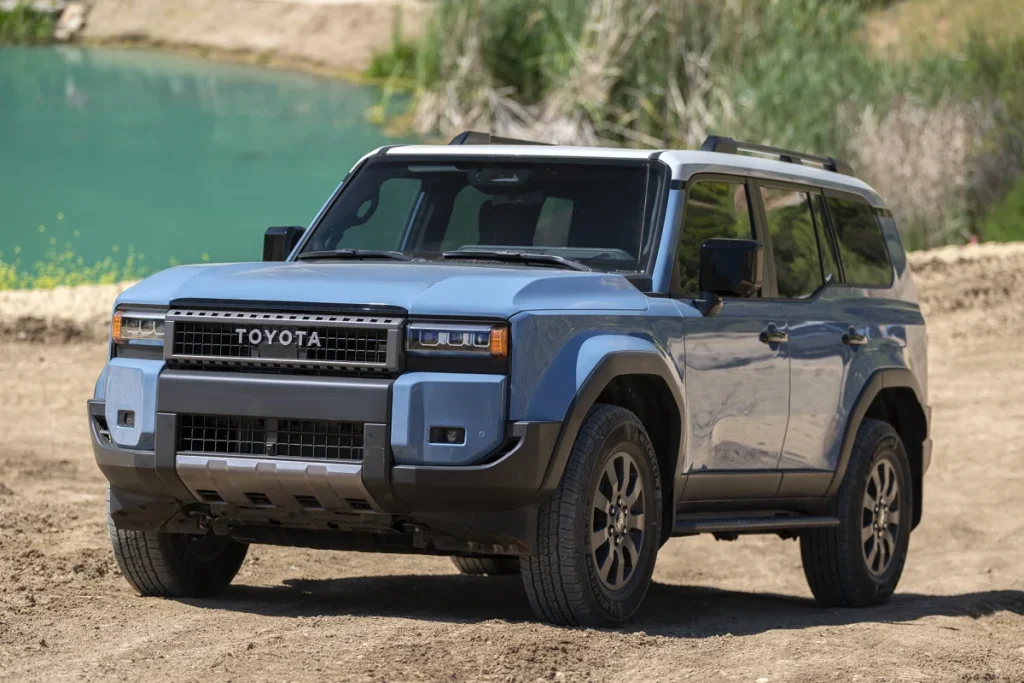
The system also works alongside a low range transfer case. Low range gearing allows the vehicle to move slowly while delivering greater torque to the wheels. In deep mud, this controlled power delivery can make the difference between maintaining traction and becoming stuck.
Because of these combined features, the Land Cruiser’s AWD system remains one of the most trusted solutions for navigating extremely muddy conditions.
2. Jeep Wrangler Command Trac 4WD System
The Jeep Wrangler has long been associated with serious off road driving, and a large part of that reputation comes from the Command Trac four wheel drive system.
Unlike many modern AWD setups that operate quietly in the background, this system gives the driver direct control over how power is delivered to the wheels. That level of control becomes extremely valuable when driving through deep mud.
Command Trac uses a traditional part time four wheel drive layout with a two speed transfer case. In normal driving situations, the Wrangler operates in two wheel drive to improve efficiency. However, when the terrain becomes difficult, the driver can shift into four wheel drive high or low depending on the level of traction required.
Low range gearing is especially important in muddy conditions. It multiplies torque while reducing vehicle speed, allowing the tires to maintain steady movement through thick mud without spinning uncontrollably. This controlled power delivery helps prevent the vehicle from digging itself deeper into soft terrain.
The Wrangler also benefits from strong mechanical components designed specifically for off road use. Solid axles, durable drivetrain parts, and available locking differentials allow the vehicle to keep moving even when one or more wheels lose traction. In mud, where surfaces change constantly, this type of mechanical advantage becomes critical.
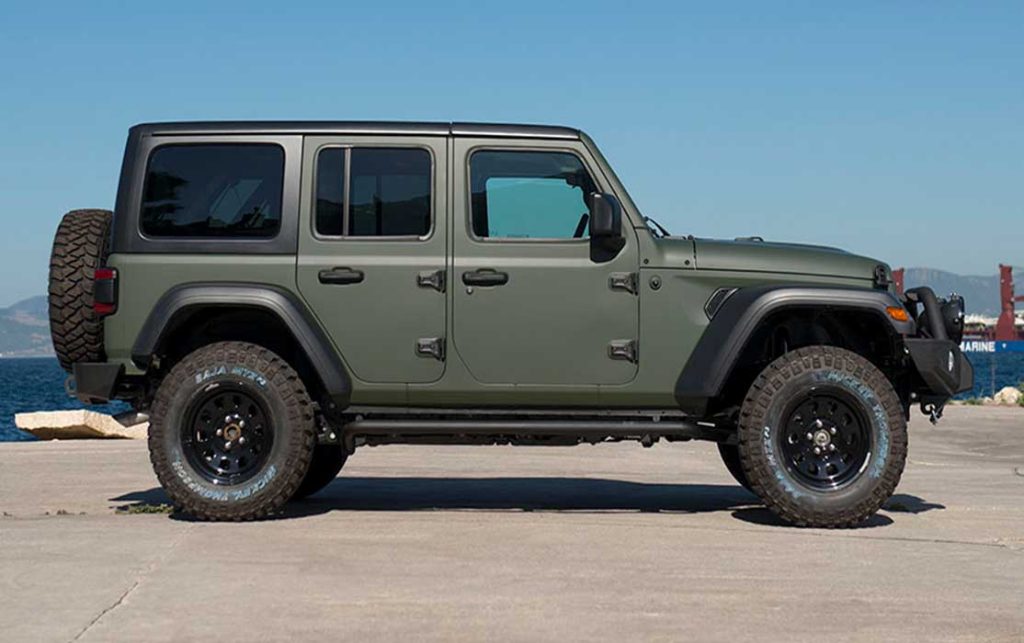
Another factor is the Wrangler’s overall design. High ground clearance and short overhangs help prevent the vehicle from becoming stuck in deep ruts or thick mud sections.
The Command Trac system earns its reputation because it focuses on mechanical reliability and driver control. Those qualities make it particularly effective in muddy environments where simpler AWD systems often struggle.
3. Land Rover Terrain Response AWD System
Land Rover developed the Terrain Response system to handle a wide range of challenging environments, and deep mud is one of the conditions where it performs particularly well. Instead of relying solely on mechanical components, this system combines sophisticated electronics with traditional four wheel drive hardware to maintain traction in difficult terrain.
One of the defining characteristics of Terrain Response is the ability to select different driving modes based on surface conditions.
When the mud and ruts setting is activated, the system adjusts several vehicle parameters simultaneously. Throttle sensitivity, transmission behavior, and traction control settings all change to help the vehicle maintain steady forward motion.
Power distribution is constantly monitored by sensors throughout the drivetrain. If a wheel begins to spin excessively, the system can redirect torque to the wheels that still have traction. This ability to react quickly to changing conditions allows the vehicle to continue moving even when the surface becomes unpredictable.
Another advantage comes from the integration of locking differentials. Many Land Rover models equipped with Terrain Response also include center and rear differential locks. These locks ensure that power continues flowing to both axles even when traction varies dramatically between the front and rear wheels.
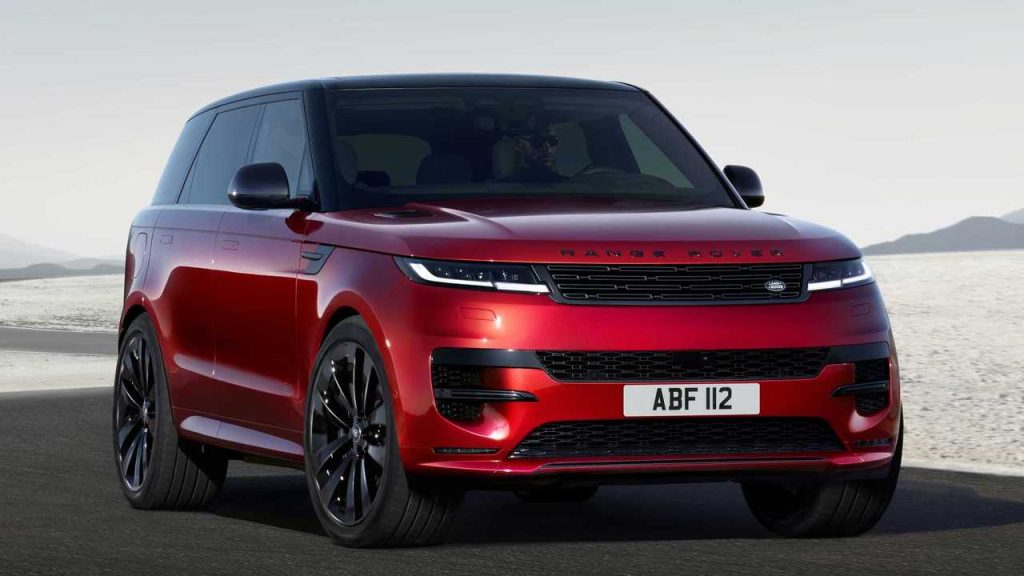
The system also works alongside an adjustable air suspension in many models. By increasing ride height, the vehicle can maintain ground clearance while traveling through deep ruts or thick mud sections.
Terrain Response stands out because it blends advanced software with strong mechanical components. This combination allows the AWD system to adapt quickly to muddy terrain and maintain traction in situations where simpler systems might struggle.
4. Subaru Symmetrical AWD with X Mode
Subaru has long promoted its Symmetrical AWD system as a core part of the brand’s identity. While many drivers associate Subaru vehicles with snow performance, the system can also perform impressively in muddy environments when paired with the company’s X Mode traction management feature.
This combination allows certain Subaru models to maintain traction on slippery surfaces where ordinary AWD systems might struggle.
The Symmetrical AWD layout is built around a balanced drivetrain design. The engine, transmission, driveshaft, and differentials are aligned along the centerline of the vehicle, which helps distribute weight evenly. This balanced configuration allows the tires to maintain consistent contact with the ground, an important factor when traction is limited.
What truly improves mud performance is the addition of X Mode. When activated, the system adjusts several vehicle functions at the same time.
Throttle response becomes smoother, the transmission holds lower gears longer, and the traction control system reacts more aggressively to wheel slip. These adjustments help the vehicle maintain forward movement even when the ground becomes soft and unstable.
Another advantage of the system is its ability to manage torque automatically between the front and rear wheels. Sensors constantly monitor wheel speed and traction levels. If one set of wheels begins to lose grip in mud, power is redirected to the wheels that still have traction.

While Subaru vehicles may not appear as rugged as traditional off road trucks, their AWD system demonstrates how thoughtful engineering can produce impressive traction capability. With the help of X Mode, Subaru’s Symmetrical AWD becomes surprisingly effective in muddy conditions where consistent grip is difficult to maintain.
5. Ford Bronco Advanced 4×4 System
The Ford Bronco was designed with serious off road capability as a central goal, and its Advanced 4×4 system reflects that mission. Built to handle challenging terrain including sand, rocks, and deep mud, this system combines mechanical strength with modern traction technology.
One of the most valuable features for muddy environments is the two speed transfer case. Drivers can switch between high range and low range depending on the situation. Low range gearing allows the Bronco to deliver higher torque at slower speeds, which helps the vehicle move steadily through thick mud without excessive wheel spin.
Another important element is the availability of locking differentials. When engaged, these locks force both wheels on an axle to rotate at the same speed. This ensures that power continues reaching the ground even if one wheel loses traction in slippery mud.
In situations where open differentials might allow power to escape through a spinning wheel, locking differentials keep the vehicle moving forward.
Ford also integrated the system with its terrain management technology known as GOAT Modes. One of these modes is specifically designed for mud and ruts. When activated, the system adjusts throttle response, traction control behavior, and transmission operation to help maintain traction.
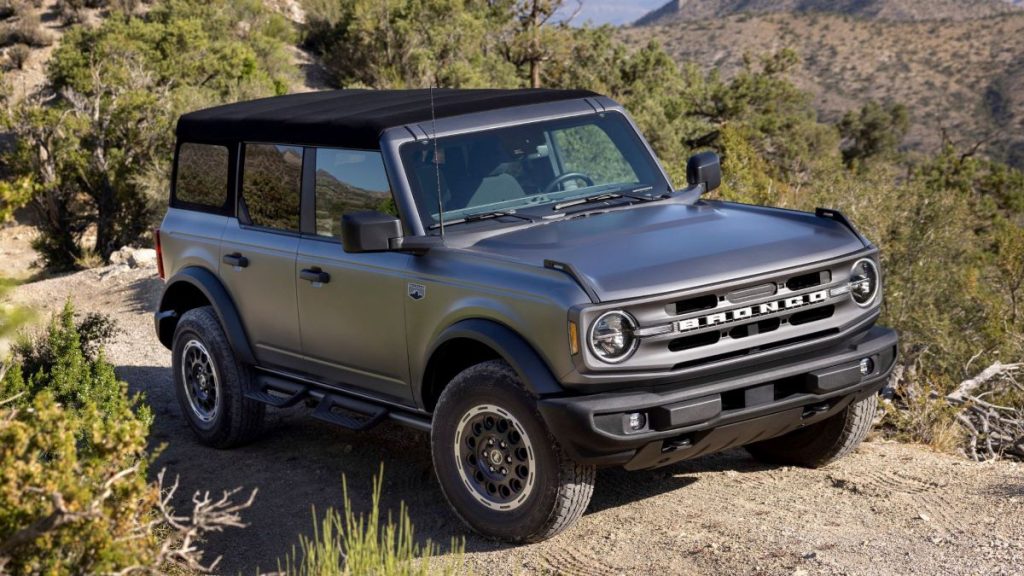
Ground clearance and suspension articulation further support the drivetrain’s performance. The Bronco is designed to keep its wheels in contact with uneven surfaces, which helps the AWD system deliver power effectively.
The Bronco’s Advanced 4×4 system earns recognition because it combines driver control, mechanical durability, and modern electronics to handle deep mud conditions with confidence.
5 AWD Systems That Are for Pavement Only
Not every all wheel drive system is built with off road performance in mind. In fact, many AWD setups are designed specifically to improve safety and stability during everyday driving on paved roads.
These systems focus on helping the vehicle maintain traction during rain, light snow, or slippery highway conditions rather than tackling mud, rocks, or loose terrain.
Crossover vehicles are the most common users of these pavement focused AWD systems. Manufacturers often prioritize smooth ride quality, fuel efficiency, and quiet operation. As a result, the drivetrain components are typically lighter and simpler than those found in heavy duty off road vehicles.
In many cases, these AWD systems operate automatically. Sensors detect when the front wheels begin to slip, and a portion of the engine’s power is transferred to the rear wheels to restore traction. Once the vehicle regains stability, the system often returns to front wheel drive to conserve fuel.
This approach works extremely well for daily commuting and highway travel. However, it also means that these systems are not designed to handle deep mud or rugged off road environments. Without features such as low range gearing or locking differentials, their ability to maintain traction in extreme conditions becomes limited.
The following examples highlight AWD systems that perform best on pavement rather than off road terrain.
1. Toyota RAV4 Dynamic Torque Control AWD
The Toyota RAV4 uses a system known as Dynamic Torque Control AWD in many of its configurations. At first glance, this system appears capable because it sends power to all four wheels when additional traction is needed.
However, its design priorities clearly focus on everyday road conditions rather than serious off road environments like deep mud.
Under normal driving situations, the RAV4 operates primarily as a front wheel drive vehicle. This setup improves fuel efficiency and reduces mechanical drag in the drivetrain. When sensors detect wheel slip, the system quickly transfers a portion of engine power to the rear wheels in order to restore traction.
For paved roads and wet highways, this approach works extremely well. The system reacts quickly and helps stabilize the vehicle when the front tires begin to lose grip. Drivers may notice improved control when accelerating in rain or navigating slippery urban streets.
However, the system’s capabilities become limited once the terrain becomes more demanding. Unlike traditional off road systems, Dynamic Torque Control does not include a low range transfer case. Without this feature, the vehicle cannot multiply torque for slow controlled movement through thick mud.
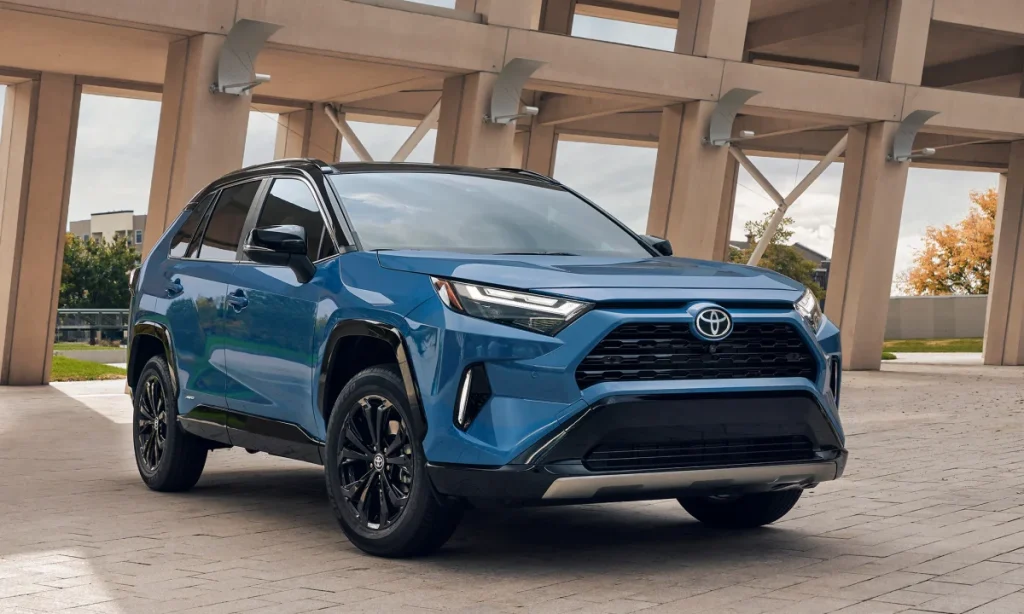
Another limitation is the absence of locking differentials. In muddy terrain, wheels often lose traction unevenly. Without the ability to lock power distribution, the system may struggle to maintain forward movement when multiple wheels begin to spin.
Because of these design choices, the RAV4’s AWD system excels at improving safety on paved roads but is not intended for serious off road mud driving.
2. Honda CR-V Real Time AWD
Honda developed the Real Time AWD system to enhance everyday driving stability rather than provide heavy duty off road capability. The design philosophy behind this system focuses on efficiency, smooth operation, and reliability during normal road use.
While the name suggests strong traction performance, its real strengths appear during wet pavement, light snow, and everyday commuting conditions.
In most driving situations, the CR-V operates as a front wheel drive vehicle. This configuration improves fuel economy and reduces drivetrain drag. The rear wheels remain inactive until the system detects a loss of traction at the front axle. Once wheel slip is identified, a clutch based mechanism sends a portion of engine power to the rear wheels.
This response happens quickly and usually without the driver noticing. During rain or icy road conditions, the system helps stabilize the vehicle by distributing torque more evenly. The driver benefits from improved acceleration and better control when road surfaces become slippery.
However, the system’s design also reveals why it is better suited for pavement rather than mud. Real Time AWD does not include low range gearing, which means the vehicle cannot deliver the slow controlled torque required for deep mud driving. Instead, it is tuned for moderate traction adjustments at higher road speeds.
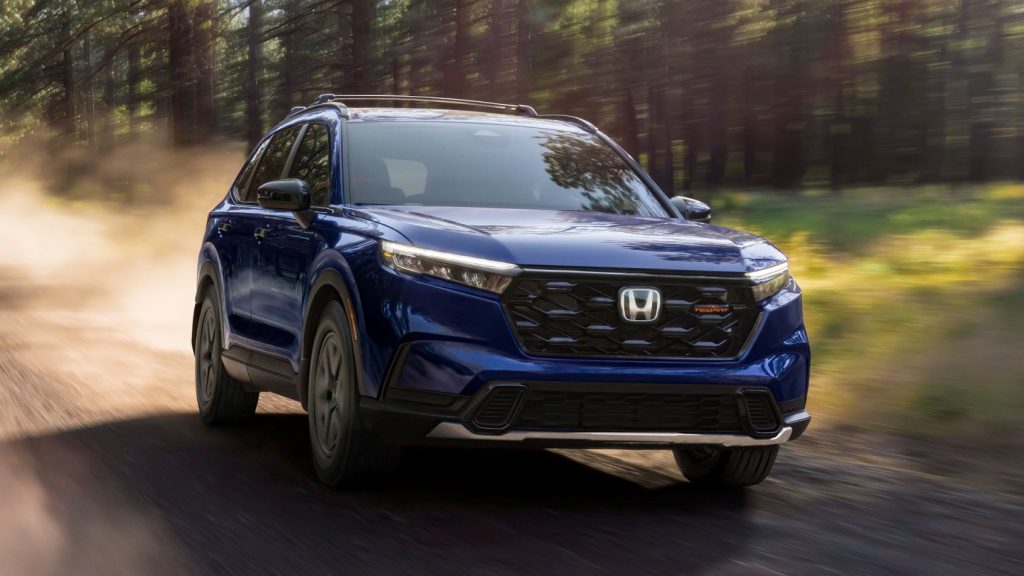
Another limitation appears when multiple wheels lose traction simultaneously. Because the system relies on electronic control and clutch engagement rather than mechanical locking differentials, it may struggle in situations where deep mud causes several wheels to spin freely.
The Honda CR-V remains an excellent crossover for daily driving conditions. Its AWD system performs exactly as intended by improving road safety, but it is not engineered for challenging off road environments.
3. Nissan Rogue Intelligent AWD
The Nissan Rogue uses a system known as Intelligent AWD, which is designed to support stability and traction in everyday driving situations. Nissan engineered this system primarily for urban environments and highway travel, where the goal is to maintain control during changing weather conditions rather than conquer rugged terrain.
In standard operation, the Rogue sends most of its power to the front wheels. This configuration improves fuel efficiency and keeps the drivetrain operating smoothly during normal driving. The rear wheels only receive power when the system detects that the front tires are beginning to slip.
Sensors throughout the vehicle monitor wheel speed, throttle input, and steering behavior. When traction loss occurs, the system redistributes torque to the rear axle in order to stabilize the vehicle. This process happens automatically and helps drivers maintain control when accelerating on wet or icy roads.
For paved environments, the system works effectively. Drivers benefit from improved traction when pulling away from traffic lights in the rain or navigating slippery city streets. The transition between front wheel drive and all wheel drive operation is usually smooth and nearly unnoticeable.
The system does reveal limitations once the vehicle leaves paved surfaces. Without low range gearing or mechanical differential locks, the Rogue’s AWD setup cannot maintain traction in deep mud where wheels frequently lose grip. Instead of powering through thick terrain, the system may reduce wheel spin to protect the drivetrain.
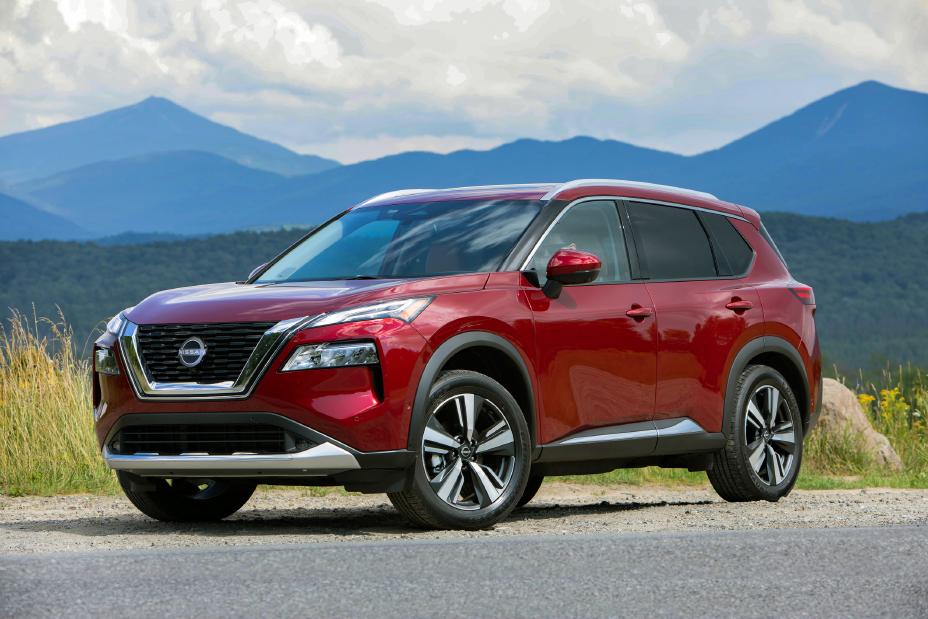
Because of these characteristics, the Rogue’s Intelligent AWD system serves its intended purpose well. It enhances safety and stability during everyday driving but is not designed for demanding off road environments.
4. Mazda CX-5 i-Activ AWD
Mazda approached all wheel drive from a different perspective compared with traditional off road brands. The company’s i-Activ AWD system was designed to improve handling stability and driver confidence on paved roads rather than tackle extreme terrain.
While the system is advanced and highly responsive, its strengths are clearly focused on everyday driving conditions.
Mazda developed i-Activ AWD with a predictive strategy. Instead of waiting for wheel slip to occur, the system constantly monitors driving conditions and driver inputs.
Sensors track steering angle, throttle position, outside temperature, windshield wiper activity, and wheel speed. By analyzing this data, the system can anticipate when additional traction might be needed.
When the system predicts potential loss of traction, it gradually transfers torque to the rear wheels. This helps stabilize the vehicle before significant wheel spin occurs. For drivers navigating wet highways or snowy city streets, this proactive behavior can provide smoother and safer handling.
However, the system’s design also explains why it is less suited for deep mud environments. The drivetrain uses electronically controlled clutches to distribute power rather than heavy duty mechanical components such as locking differentials.
These clutches are optimized for efficiency and smooth engagement rather than extreme traction demands.
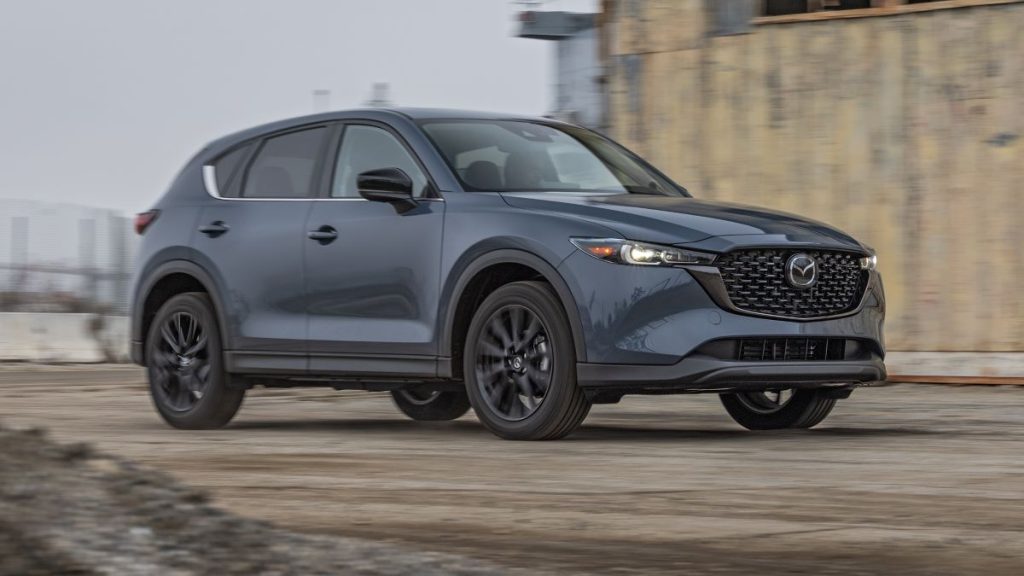
Another limitation comes from the lack of low range gearing. In muddy terrain, vehicles often need slow controlled torque to maintain forward movement without spinning the tires excessively. Because the CX-5 lacks this capability, it is better suited for moderate traction situations.
Mazda’s i-Activ AWD system excels at improving everyday driving stability. Its predictive technology enhances safety on pavement, but it was never intended to compete with the heavy duty off road systems designed for deep mud.
5. Hyundai Tucson HTRAC AWD
Hyundai’s HTRAC AWD system was developed to provide improved traction and stability for crossover vehicles that spend most of their time on paved roads. The system focuses on enhancing driver confidence in everyday conditions such as rain soaked highways, icy intersections, or slippery urban streets.
In standard driving situations, the Tucson primarily operates with power sent to the front wheels. This approach reduces fuel consumption and helps maintain efficient drivetrain performance. The rear wheels remain ready to assist when the system detects conditions that require additional traction.
Electronic sensors constantly monitor wheel rotation and vehicle movement. When the front tires begin to lose grip, HTRAC automatically sends torque to the rear axle. This redistribution helps restore balance and allows the vehicle to accelerate smoothly even when the road surface becomes slippery.
Hyundai also allows drivers to select different driving modes that slightly adjust how the system distributes power. These modes can improve traction during mild off pavement situations such as gravel roads or wet grass.
Despite these features, the system’s engineering priorities remain focused on road use. HTRAC does not include the heavy duty mechanical elements typically found in vehicles designed for deep mud or extreme off road conditions.
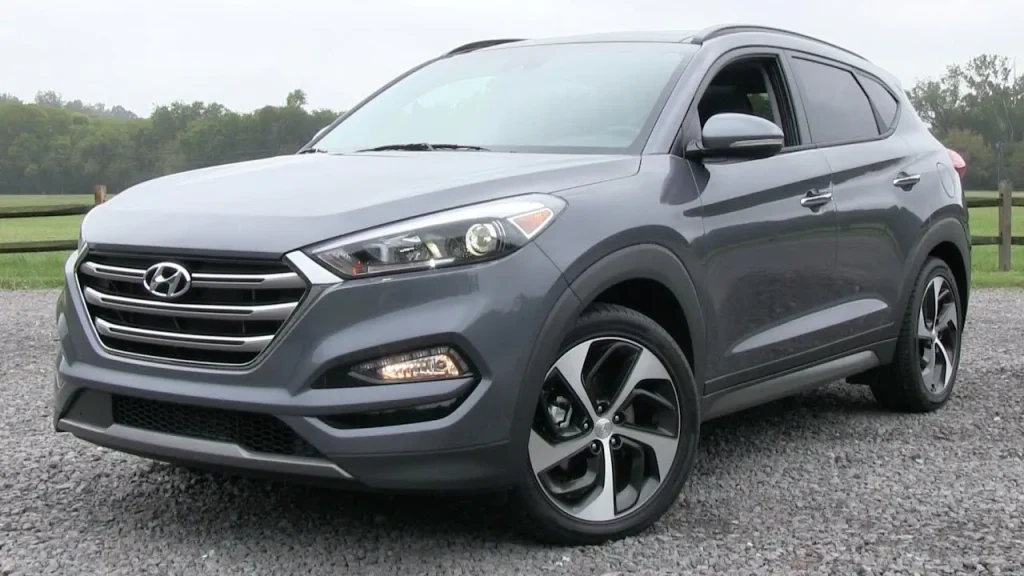
There are no locking differentials or low range transfer cases that could provide the additional torque and traction control needed for difficult terrain.
Because of these design decisions, the Tucson’s AWD system performs extremely well in normal driving environments. It enhances safety and stability during everyday travel, but it is not intended to function as a specialized off road drivetrain for muddy landscapes.
All wheel drive systems may share the same name, but their real world capabilities vary widely depending on how they are engineered. Some systems are specifically designed for extreme conditions such as deep mud, where traction constantly changes and wheels can easily lose grip.
Vehicles like the Toyota Land Cruiser, Jeep Wrangler, Land Rover Terrain Response models, Subaru AWD with X Mode, and the Ford Bronco demonstrate how strong mechanical components, locking differentials, and low range gearing allow vehicles to maintain momentum in challenging terrain.
Other AWD systems focus on improving everyday driving safety rather than off road performance. Crossovers such as the Toyota RAV4, Honda CR-V, Nissan Rogue, Mazda CX-5, and Hyundai Tucson use lighter systems that automatically adjust torque to maintain traction on paved roads.
These pavement oriented setups excel in rain, light snow, and slippery highways but lack the heavy duty hardware required for deep mud driving. The comparison highlights how AWD design priorities shape a vehicle’s true capability.
Also Read: 8 Components You Should Always Replace at 100000 Miles