
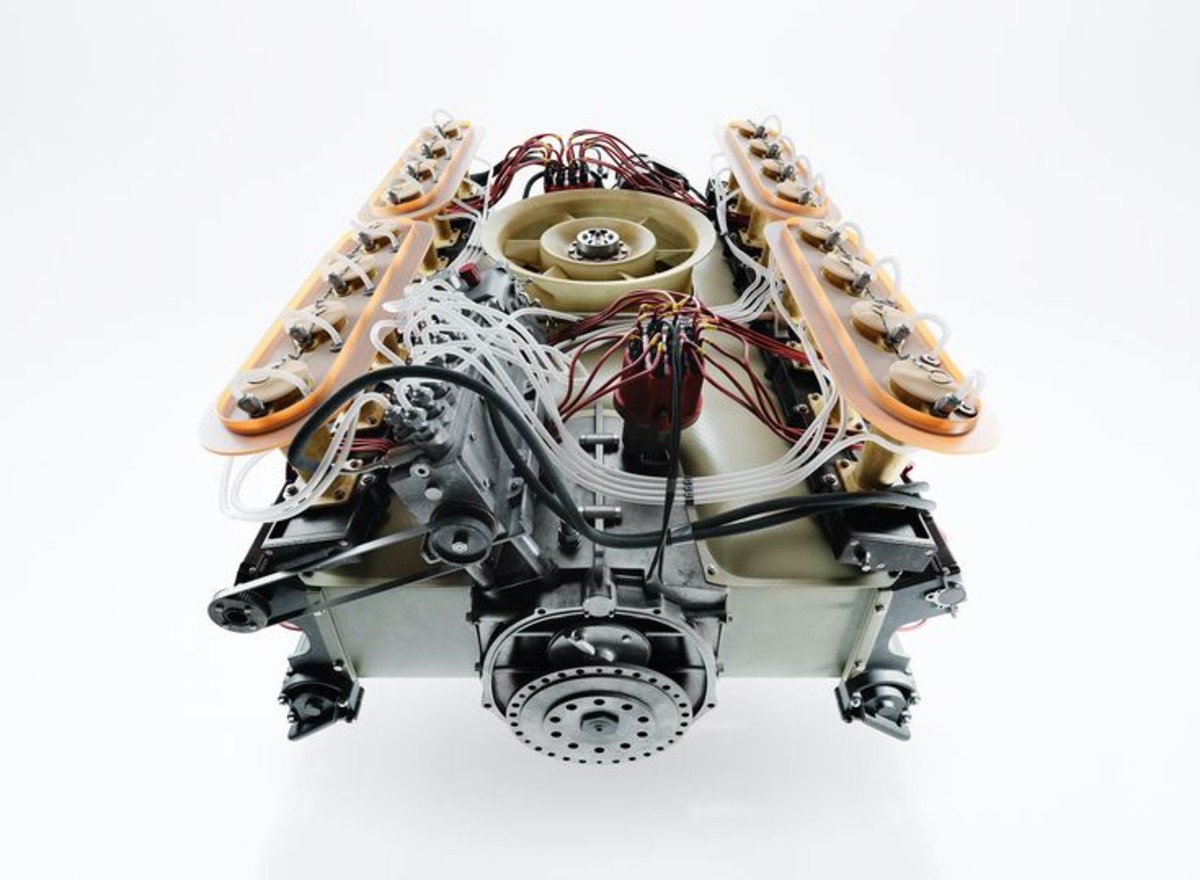
Performance engines do more than create speed. They create emotion. Before a car accelerates, corners, or even appears in view, its sound can reveal its identity. Enthusiasts often recognize legendary engines with their eyes closed simply by listening. Tone, rhythm, and mechanical character combine to form an unmistakable signature.
Every high performance engine develops a voice shaped by engineering choices. Cylinder layout, firing order, intake design, and exhaust tuning all influence the sound we hear. Engineers carefully shape these characteristics to create emotion as well as performance. In many cases, sound becomes part of the brand identity.
Some engines scream at high revs with razor sharp intensity. Others thunder with deep bass notes that shake the ground. A few produce unusual harmonics that sound almost musical. Each personality tells a story about the philosophy behind the machine.
Sound also connects drivers to mechanical activity. Modern cars increasingly isolate occupants from noise and vibration. Legendary performance engines come from an era when mechanical feedback was celebrated rather than hidden. Drivers heard every combustion event, every gear change, and every surge in revs.
These engines became icons not only because of horsepower figures but because they made people feel something. Movies, racetracks, and car culture amplified their reputation. The moment the engine started, audiences knew something special was about to happen.
This guide explores eight high performance engines celebrated for their unforgettable sound. Each one earned its reputation through a unique combination of engineering and character. These are machines that speak through combustion, rhythm, and resonance.
Also Read: Top 10 Muscle Cars From the 1970s That Are Still Affordable
1. Ferrari F136 V8
The Ferrari F136 V8 is widely considered one of the greatest sounding engines ever created. Built in collaboration with Maserati, this naturally aspirated V8 powered several legendary cars and became famous for a soundtrack that blends aggression with musical precision. Its voice is sharp, high pitched, and instantly recognizable.
At idle, the engine produces a restrained burble that hints at its potential. The tone is tight and mechanical rather than loud or boomy. This calm beginning creates contrast that makes the upper rev range even more dramatic.
Press the throttle and the personality transforms rapidly. The engine climbs through the rev range with a rising mechanical howl. Each thousand rpm adds intensity and urgency. By mid range speeds, the sound becomes a rich metallic growl that fills the cabin.
Above 6000 rpm, the F136 reveals its true character. The tone sharpens into a high frequency scream that feels almost like a racing engine. It is not simply loud. It is layered with harmonics that give it a musical quality. Many enthusiasts describe it as sounding like a symphony of combustion.
The flat plane crankshaft design plays a major role in this sound. Unlike cross plane V8 engines, a flat plane crank produces evenly spaced firing pulses. This creates a smoother, more exotic tone closer to a race car than a traditional muscle car.
Intake design also contributes significantly. Ferrari engineered the intake system to amplify airflow noise at higher rpm. As the engine breathes harder, the intake produces a distinctive wail that blends with exhaust sound. The result is a balanced and complex soundtrack.
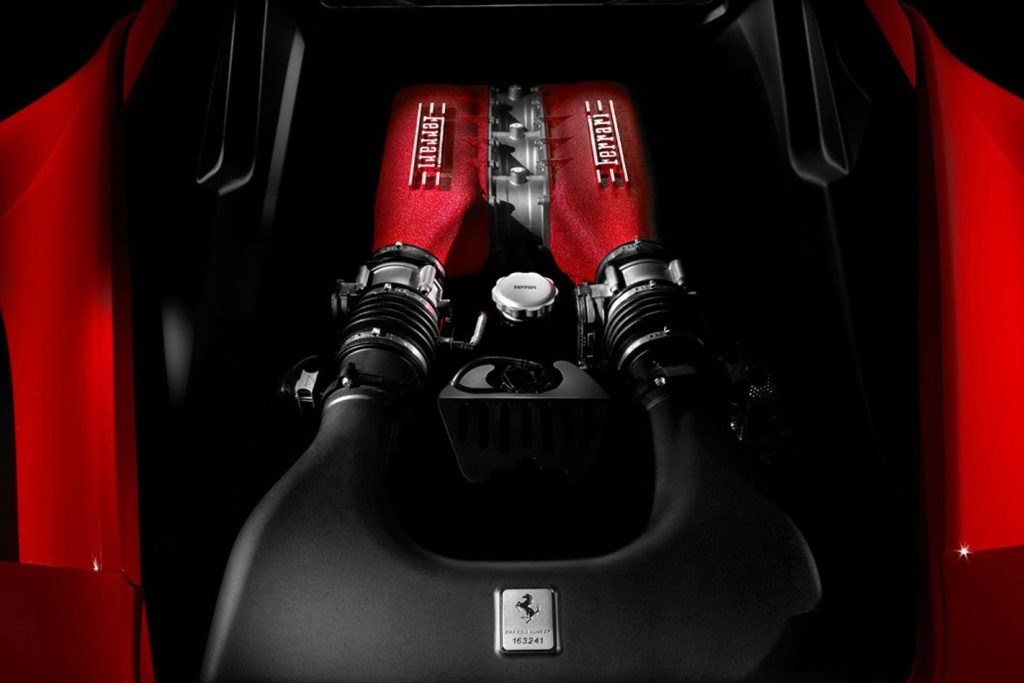
Exhaust tuning refined the character even further. Carefully designed headers and equal length runners ensure each cylinder contributes evenly to the sound. The exhaust note builds smoothly instead of producing uneven bursts.
One of the most special aspects of the F136 is how it encourages drivers to explore the upper rev range. Many engines lose excitement at high rpm. This one becomes more thrilling the harder it is pushed. The emotional payoff grows with engine speed.
The combination of mechanical precision and emotional drama makes the F136 unforgettable. It does not simply power a car. It performs like an instrument, turning acceleration into a concert of combustion.
2. Lexus LFA 1LR GUE V10
Few engines in automotive history sound as otherworldly as the Lexus LFA V10. Officially known as the 1LR GUE, this masterpiece was engineered with obsessive attention to detail and tuned with help from Yamaha’s musical instrument division. The result is an engine that behaves less like machinery and more like a precision instrument.
Start the engine and the tone feels tight, crisp, and surprisingly refined. There is no heavy rumble or lazy burble. Instead, the idle feels light and precise, hinting that this engine prefers revs rather than relaxation. Even before moving, the personality feels different from typical performance engines.
The real magic begins when the throttle opens. The engine responds instantly because its internal components are extremely lightweight.
The crankshaft is so light that the engine gains revs faster than an analog tachometer could track, which is why the car uses a digital display. This rapid climb through the rev range produces a rising pitch that feels smooth and continuous.
Mid range acceleration introduces a layered mechanical tone. There is a mixture of intake resonance, exhaust harmonics, and combustion rhythm blending together. The sound does not feel harsh or chaotic. It builds in a controlled and deliberate manner, like an orchestra increasing intensity before a crescendo.
Beyond 7000 rpm the character changes dramatically. The tone sharpens into a piercing scream that resembles a Formula style race car. It is high frequency, razor sharp, and incredibly emotional. Few road car engines reach this level of intensity without forced induction.
Cylinder layout contributes greatly to the sound. A V10 firing order creates evenly spaced combustion events that produce a smooth yet exotic tone. It sits between the deep rhythm of a V8 and the high pitch of a V12, creating a unique acoustic signature.
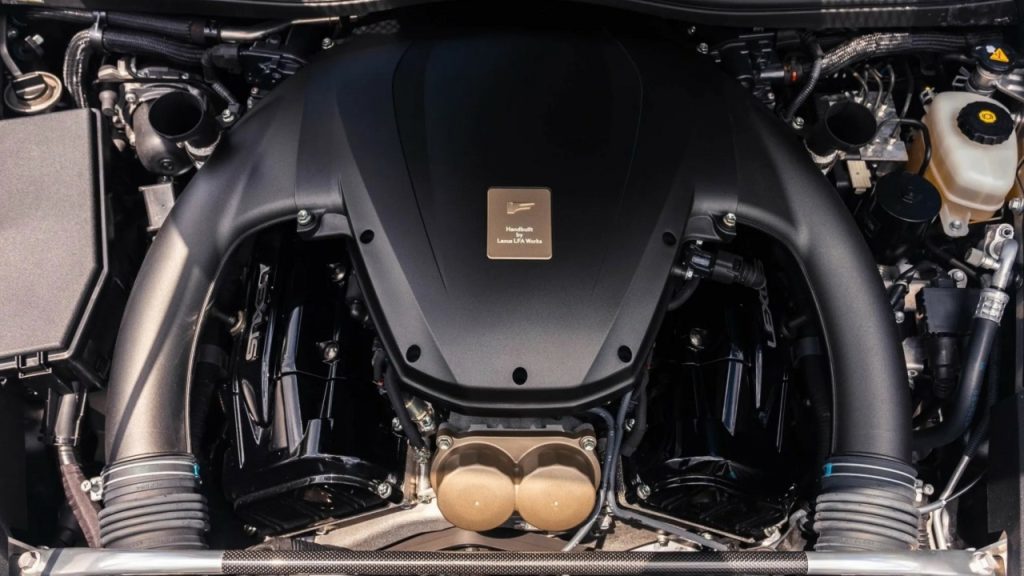
Intake and exhaust tuning were carefully engineered to amplify specific frequencies. Engineers reportedly tuned the sound to mimic the emotional qualities of musical instruments. The result is an engine that produces a rising melody rather than random noise.
Drivers often describe the experience as addictive. The engine encourages full throttle acceleration simply to hear the sound climb toward redline. Every gear change becomes an opportunity to repeat the experience.
The LFA V10 stands as proof that engineering can create emotion. It is remembered not only for performance but for a voice unlike anything else on the road.
3. Porsche Mezger Flat Six
The Porsche Mezger flat six holds legendary status among enthusiasts for both durability and its unmistakable mechanical song. Named after engineer Hans Mezger, this engine powered multiple generations of high performance 911 models and motorsport icons. Its sound is raw, mechanical, and deeply connected to racing heritage.
Unlike typical inline or V shaped engines, a flat six places cylinders horizontally opposed. Pistons move outward and inward simultaneously, creating a unique rhythm. This layout produces a balanced firing pattern that generates a distinctive tone unlike any other engine configuration.
At idle, the Mezger engine produces a soft but purposeful burble. It feels mechanical and precise rather than smooth or muted. Even stationary, it communicates that it was designed with motorsport in mind. There is an underlying tension in the sound that hints at its racing DNA.
Acceleration transforms that calm tone into a rising mechanical howl. The sound builds gradually, layering intake resonance with exhaust pulses. Unlike engines that suddenly change character, the Mezger flat six develops its voice progressively as revs climb.
Mid range driving reveals a deep mechanical growl mixed with a high frequency edge. The sound feels raw and unfiltered, allowing drivers to hear the internal workings of the engine. Every throttle input produces an immediate acoustic response.
High rev operation unlocks the signature Porsche scream. As the tachometer climbs, the tone sharpens and intensifies into a metallic wail. The sound feels urgent and alive, as if the engine is eager to continue climbing endlessly.
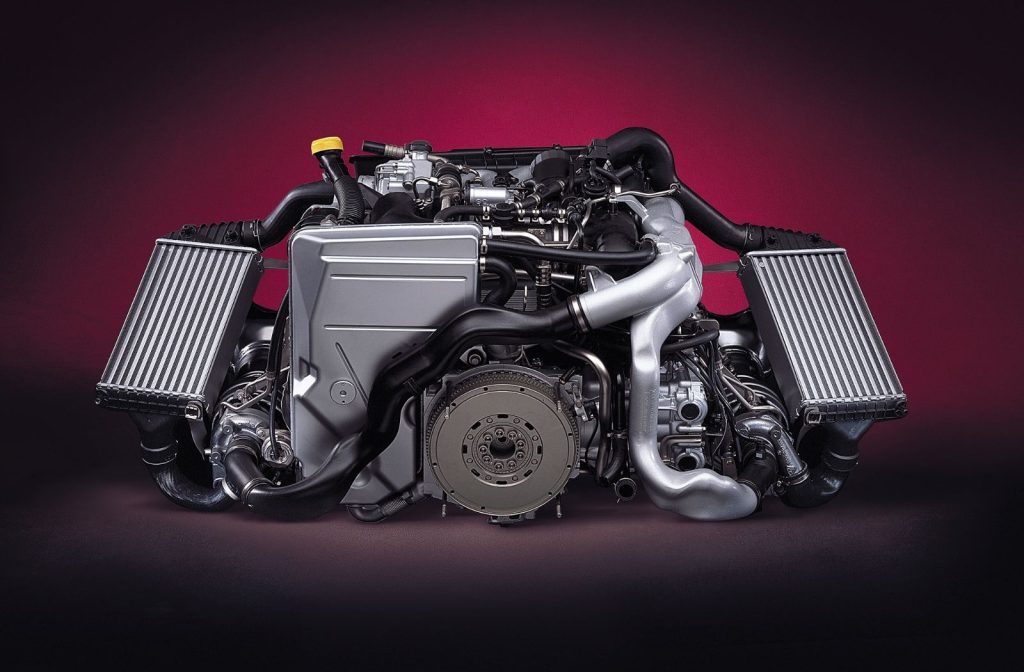
Exhaust layout plays a major role in shaping this character. Equal length headers and rear mounted exhaust routing create a balanced and harmonious sound. The result is a blend of mechanical growl and high pitched resonance.
Turbocharged versions add another dimension. The turbo whistle blends with the flat six howl, creating a layered soundtrack that feels both aggressive and refined. The combination is instantly recognizable to enthusiasts worldwide.
The Mezger engine stands as a symbol of Porsche engineering philosophy. It delivers performance, reliability, and a soundtrack rooted in racing tradition. Few engines communicate motorsport heritage so clearly through sound alone.
4. Chevrolet LS7 V8
The Chevrolet LS7 V8 represents a completely different philosophy of performance sound. Where some engines chase high pitched precision, the LS7 delivers raw thunder and deep mechanical authority. This naturally aspirated 7.0 liter V8 became famous for its brutal, unmistakable voice.
Turn the key and the engine erupts with a deep, uneven rumble. The idle feels alive and slightly restless, as if the engine is barely contained. Each combustion event can be felt as much as heard, creating a sense of power even before the car begins moving.
The cross plane crankshaft defines this character. Unlike flat plane V8 engines that produce smoother tones, the cross plane design creates uneven firing pulses. These pulses generate the classic American V8 rhythm that enthusiasts instantly recognize.
Gentle acceleration produces a rich and heavy growl. The sound feels thick and muscular, filling the surrounding space with bass heavy resonance. Even at low speeds, the engine announces its presence confidently.
Open the throttle further and the tone becomes aggressive and commanding. The exhaust note grows louder and more intense, transitioning from rumble to roar. Each gear change produces a sharp bark that emphasizes the engine’s torque.
High rpm operation introduces a surprising level of intensity. While not as high pitched as exotic engines, the LS7 develops a fierce mechanical roar near redline. The sound communicates immense displacement and airflow working at full capacity.
Intake design adds another layer of character. The large displacement engine inhales massive volumes of air, creating a deep induction sound under heavy throttle. This intake roar blends with the exhaust to produce a powerful acoustic experience.
Camshaft profile also contributes to the engine’s personality. The aggressive cam timing creates a choppy idle and strong midrange punch. These characteristics shape the rhythmic and unmistakable sound signature.
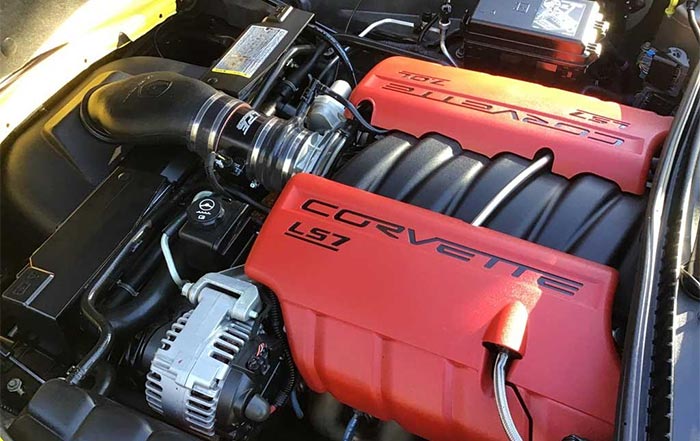
The LS7 embodies the spirit of traditional American performance. It does not aim for refinement or subtlety. Instead, it celebrates power through deep, visceral sound that shakes the ground and excites the senses.
5. BMW S85 V10
The BMW S85 V10 represents one of the boldest engine projects ever attempted by the brand. Inspired heavily by Formula One technology, this naturally aspirated V10 brought racing character into a road car. Its sound is sharp, urgent, and intensely mechanical, unlike any other BMW engine before or after.
The experience begins with a tight and purposeful idle. Instead of a relaxed burble, the engine produces a crisp and slightly metallic tone. It feels eager and energetic, as though it prefers motion over stillness. Even stationary, the engine communicates high revving intentions.
Gentle throttle inputs reveal how quickly the engine responds. Lightweight internal components allow the revs to climb rapidly. The sound rises smoothly through the lower range, transitioning from mechanical hum to a more aggressive growl.
Mid range acceleration introduces complexity. Intake resonance, exhaust flow, and combustion rhythm combine into a layered acoustic experience. The engine sounds precise and technical, reflecting its motorsport inspired engineering.
As revs approach the upper range, the personality transforms dramatically. The tone becomes sharper and more intense, evolving into a high frequency scream. This upper range character is where the engine truly shines.
Cylinder configuration plays a major role in this sound signature. Ten cylinders create evenly spaced firing events that produce a smooth and exotic tone. The sound sits between the deep punch of a V8 and the soaring pitch of a V12.
Individual throttle bodies enhance the intake sound significantly. Each cylinder breathes through its own throttle, creating a distinctive induction roar under heavy acceleration. This adds another layer to the engine’s complex voice.
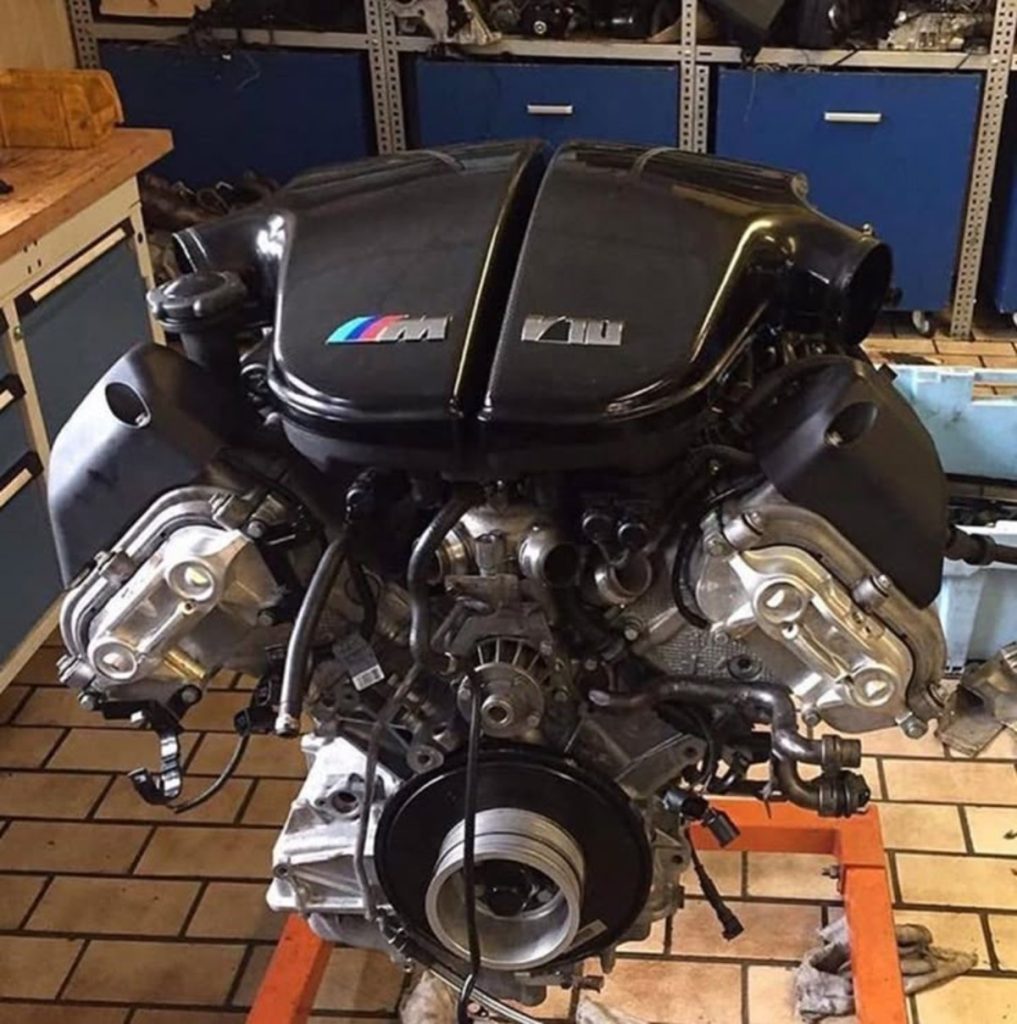
Exhaust tuning further amplifies the dramatic character. Carefully engineered headers and mufflers allow the high frequency harmonics to shine. The result is a rising crescendo that feels similar to race inspired machinery.
Drivers often describe the engine as addictive because of how it rewards high rev driving. The faster it spins, the more exciting it becomes. Every acceleration feels like a performance rather than simple transportation.
The S85 V10 stands as a reminder of an era when manufacturers pushed engineering boundaries purely for emotion and excitement. Its unforgettable soundtrack continues to define its legacy.
6. Subaru EJ25 Turbo Flat Four
The Subaru EJ25 turbocharged flat four has one of the most recognizable exhaust notes in automotive culture. Unlike engines known for smooth or musical tones, this one is famous for its uneven, rhythmic rumble. Enthusiasts instantly identify the sound even from a distance.
The unique character comes from the boxer engine layout combined with unequal length exhaust headers. Instead of evenly spaced exhaust pulses, gases travel different distances before reaching the turbocharger. This uneven flow creates the signature off beat rhythm.
At idle, the engine produces a soft but distinct burbling tone. The rhythm feels irregular compared to most engines, giving it personality even when stationary. This unusual cadence is the foundation of its famous sound.
Gentle acceleration introduces the turbocharger’s presence. As exhaust gases spin the turbine, a subtle whistle blends with the rumble. The combination of turbo noise and uneven exhaust pulses creates a layered acoustic experience.
Moderate throttle brings out the classic boxer rumble more clearly. The sound becomes deeper and more pronounced, echoing with a rhythmic pulse that feels mechanical and raw. It does not aim for refinement, and that is exactly why enthusiasts love it.
Hard acceleration adds another dimension. Turbo boost increases rapidly, producing a strong rush of air accompanied by a sharper exhaust note. The engine sounds energetic and eager as it builds power.
Gear changes often introduce a brief whoosh from the turbo system. This sound adds excitement and reinforces the engine’s performance focused personality. Every shift becomes part of the soundtrack.
Unlike engines celebrated for high pitch screaming, the EJ25 focuses on rhythm and character. The uneven cadence feels alive and distinctive, making it stand apart from smoother sounding engines.
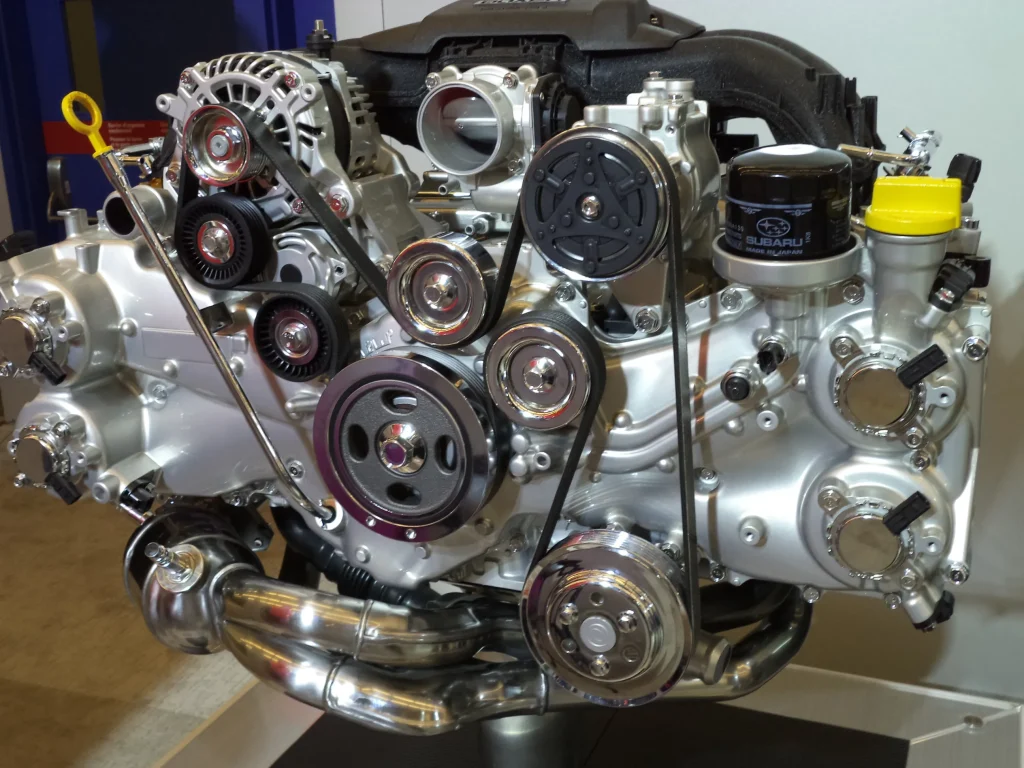
The engine’s popularity in rally racing strengthened its reputation. Fans associate the rumble with gravel roads, aggressive driving, and motorsport heritage. This cultural connection adds emotional depth to the sound.
The EJ25 proves that uniqueness matters as much as refinement. Its uneven rumble became a symbol of performance and identity for an entire generation of enthusiasts.
7. Lamborghini V12 Naturally Aspirated
The naturally aspirated Lamborghini V12 stands as one of the most dramatic sounding engines ever built. For decades, this configuration defined the brand’s identity and created a soundtrack that feels theatrical, aggressive, and unforgettable. It does not whisper its presence. It announces it with authority.
When the engine starts, the sound erupts sharply rather than settling quietly. The idle carries a tense and exotic tone, full of anticipation. Even without pressing the accelerator, the engine sounds alive and slightly unpredictable.
Low speed driving reveals a deep mechanical growl layered with metallic undertones. The sound feels complex rather than simple. Each cylinder firing event contributes to a rhythm that feels balanced yet powerful.
As throttle input increases, the character transforms dramatically. The V12 begins climbing through the rev range with a smooth but urgent rise in pitch. Unlike engines that build slowly, this one feels like it surges forward with relentless intensity.
Mid range acceleration produces a rich and full bodied roar. The sound expands outward, filling open space with an unmistakable presence. It feels less like noise and more like a performance unfolding in real time.
Approaching higher rpm unlocks the engine’s most famous trait. The tone sharpens into a piercing scream that seems to stretch endlessly toward redline. This upper range intensity creates goosebumps for many enthusiasts.
Twelve cylinders firing in precise sequence generate incredibly smooth power delivery. That smoothness translates into a continuous wave of sound rather than separated bursts. The result is a seamless and soaring acoustic experience.
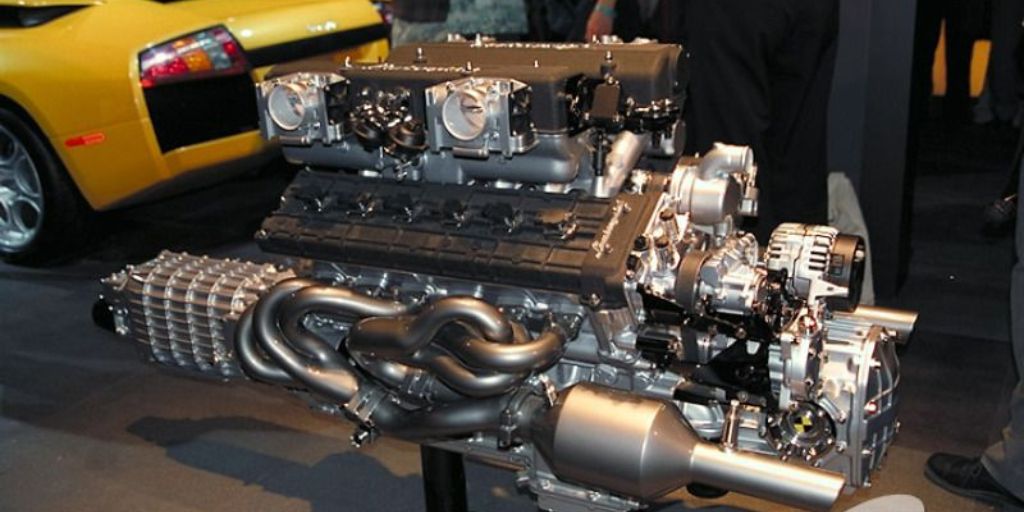
Intake resonance adds another layer of drama. As airflow increases, the engine produces a powerful induction note that complements the exhaust scream. Together they create a multi dimensional soundtrack.
The absence of turbochargers preserves the purity of the sound. Without forced induction muffling exhaust pulses, the engine communicates directly with minimal filtering. Every combustion event contributes clearly to the overall tone.
The Lamborghini V12 represents emotion in mechanical form. It transforms acceleration into spectacle and leaves a lasting impression long after the engine is shut down.
8. Mazda 13B Rotary
The Mazda 13B rotary engine produces a sound unlike any piston engine on the road. Instead of pistons moving up and down, triangular rotors spin inside a housing to create combustion. This entirely different motion produces a tone that feels smooth, high pitched, and unmistakably unique.
Starting the engine reveals a light and smooth idle. There is no traditional piston rhythm or deep rumble. Instead, the sound feels steady and continuous, hinting at the unconventional design operating inside the engine.
Gentle acceleration introduces a soft mechanical hum that rises quickly with engine speed. The absence of reciprocating pistons allows the engine to spin freely, creating a fluid and effortless sound signature.
As revs climb, the tone sharpens into a distinctive buzzing wail. Many enthusiasts compare it to the sound of a turbine or high speed machinery. The engine feels eager to rev, and the sound reflects that enthusiasm.
Mid range driving reveals a smooth and consistent pitch that continues climbing without interruption. The lack of traditional firing pulses creates a seamless acoustic experience. This smoothness sets the rotary apart from conventional engines.
High rpm operation brings out the most iconic aspect of the rotary soundtrack. The buzzing hum transforms into a piercing and energetic scream. It feels lightweight and intense at the same time.
Exhaust tuning plays a major role in shaping this character. Rotary engines produce a steady stream of exhaust gases, allowing engineers to craft a sharp and distinctive note. The result is a tone that cuts through ambient noise easily.
Turbocharged versions add an extra layer of sound. The turbo whistle blends with the rotary wail, creating a complex and futuristic acoustic signature. The combination feels modern and mechanical at once.
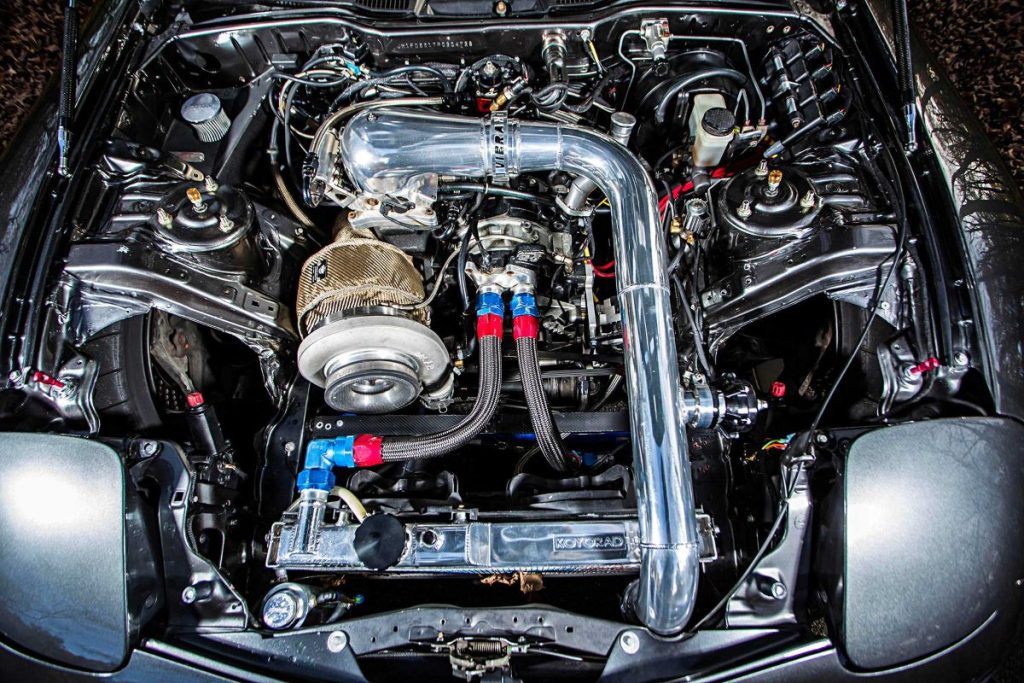
The rotary’s ability to rev smoothly encourages spirited driving. Drivers often push the engine higher simply to experience its unique sound. Every acceleration becomes a reminder of how different the design truly is.
The Mazda 13B stands as proof that innovation can create entirely new forms of automotive emotion. Its unforgettable voice ensures it remains one of the most distinctive performance engines ever produced.
High performance engines are remembered for more than speed figures or lap times. Their sound becomes part of their identity, shaping how enthusiasts connect emotionally with machines. The engines in this list earned legendary status because their acoustic character is instantly recognizable and deeply memorable.
The Ferrari F136 V8 represents the idea of mechanical music. Its flat plane crankshaft and carefully tuned intake and exhaust produce a rising scream that becomes more thrilling as revs increase. It rewards drivers who chase the upper rev range and transforms acceleration into a dramatic experience.
The Lexus LFA V10 shows how engineering and artistry can combine. Developed with musical instrument expertise, it produces a smooth rising pitch that builds into a race inspired scream. Its ability to climb revs rapidly gives the sound a continuous and emotional quality that feels almost orchestral.
Porsche’s Mezger flat six connects road cars directly to motorsport heritage. Its horizontally opposed layout creates a mechanical howl that grows sharper with engine speed. The sound communicates precision, durability, and racing tradition all at once.
The Chevrolet LS7 V8 demonstrates the appeal of raw displacement and classic muscle character. Its deep rumble and aggressive roar highlight the emotional power of large naturally aspirated engines. The sound emphasizes strength and torque rather than refinement.
BMW’s S85 V10 brought Formula inspired engineering into a road car. Its sharp and urgent tone rewards high rev driving and delivers a thrilling crescendo near redline. The engine proved that emotional performance can be just as important as raw speed.
Subaru’s EJ25 turbo flat four became famous for its uneven rumble. Unequal length headers created a rhythmic and distinctive cadence that enthusiasts instantly recognize. Its association with rally racing strengthened its identity and cultural significance.
The Lamborghini V12 represents theatrical performance in mechanical form. Smooth power delivery and high rev capability produce a dramatic scream that feels endless. The sound defines the brand’s personality and creates unforgettable emotional impact.
Mazda’s 13B rotary stands apart from traditional piston engines. Its spinning rotors generate a high pitched buzzing wail that feels futuristic and unique. The absence of piston rhythm gives the engine a smooth and continuous tone unlike anything else.
Together, these engines show how sound shapes automotive passion. Engineering choices such as cylinder layout, firing order, and intake design create distinct acoustic identities. These engines prove that the emotional experience of driving begins with the sound of combustion and continues long after the drive ends.
Also Read: 10 Engines That Feature Overbuilt Components for Extra Durability
