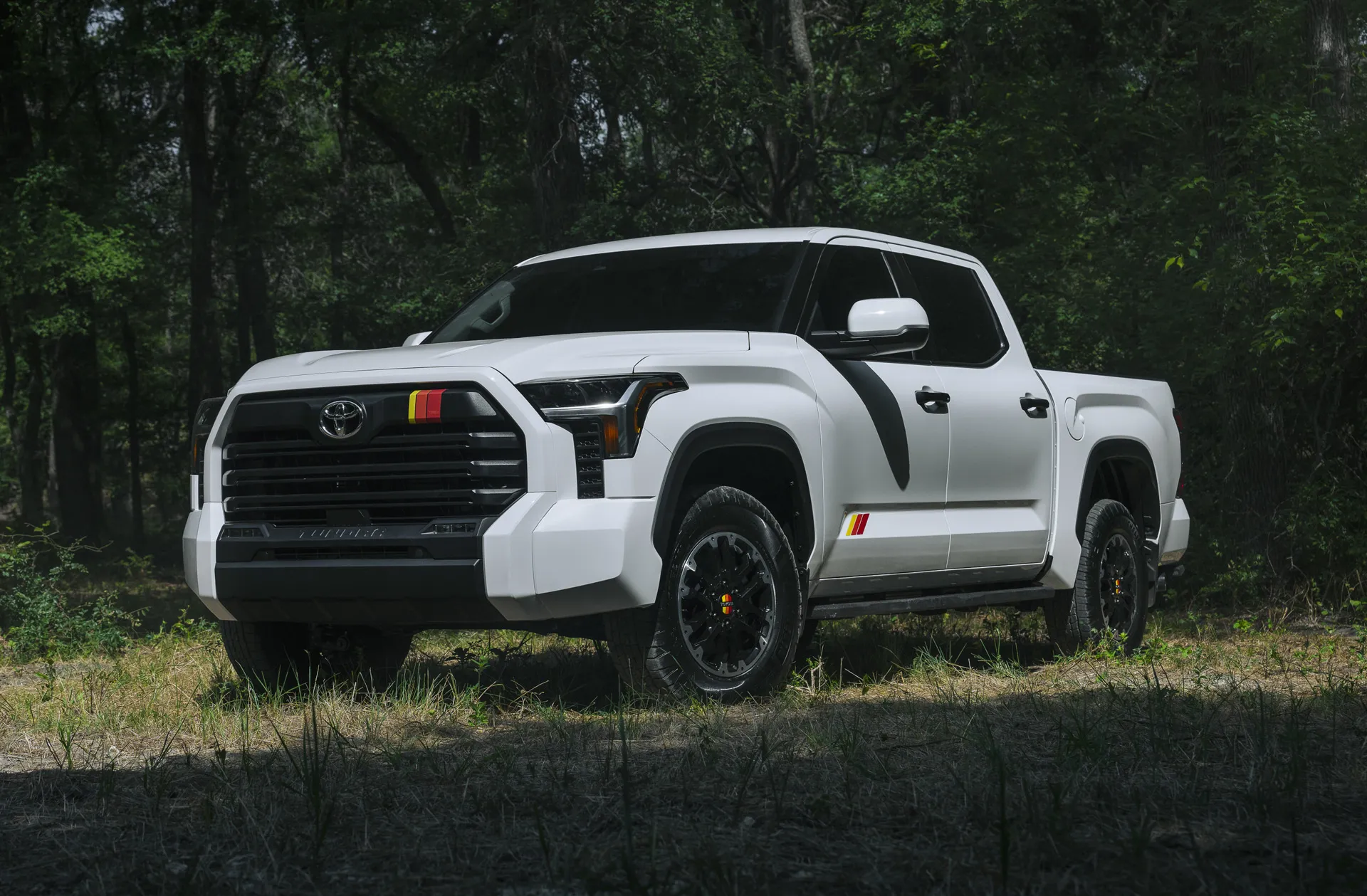
Pickup trucks occupy a distinct space in the American automotive landscape. For many buyers, a truck is not a lifestyle accessory but a daily tool, used for commuting during the week, hauling materials on Saturday, and towing equipment when needed.
While new full-size pickups now routinely crest $50,000, the used market still offers durable, work-ready trucks at a fraction of that price.
The key is understanding which models were engineered with longevity in mind: body-on-frame construction, proven naturally aspirated engines, simple transmissions, and readily available parts.
Below are eight bargain pickup trucks that, when properly maintained, can still deliver dependable daily service in the U.S. market.
1. Ford F-150
The F-150 has been America’s best-selling vehicle for decades, and that scale matters in the used market.
The 2015–2020 generation introduced an aluminum body to reduce corrosion and weight, but retained a fully boxed steel frame.
For budget-conscious buyers, the 5.0-liter V8 stands out for long-term durability. It avoids the complexity of turbocharging while delivering strong towing capacity and straightforward serviceability.
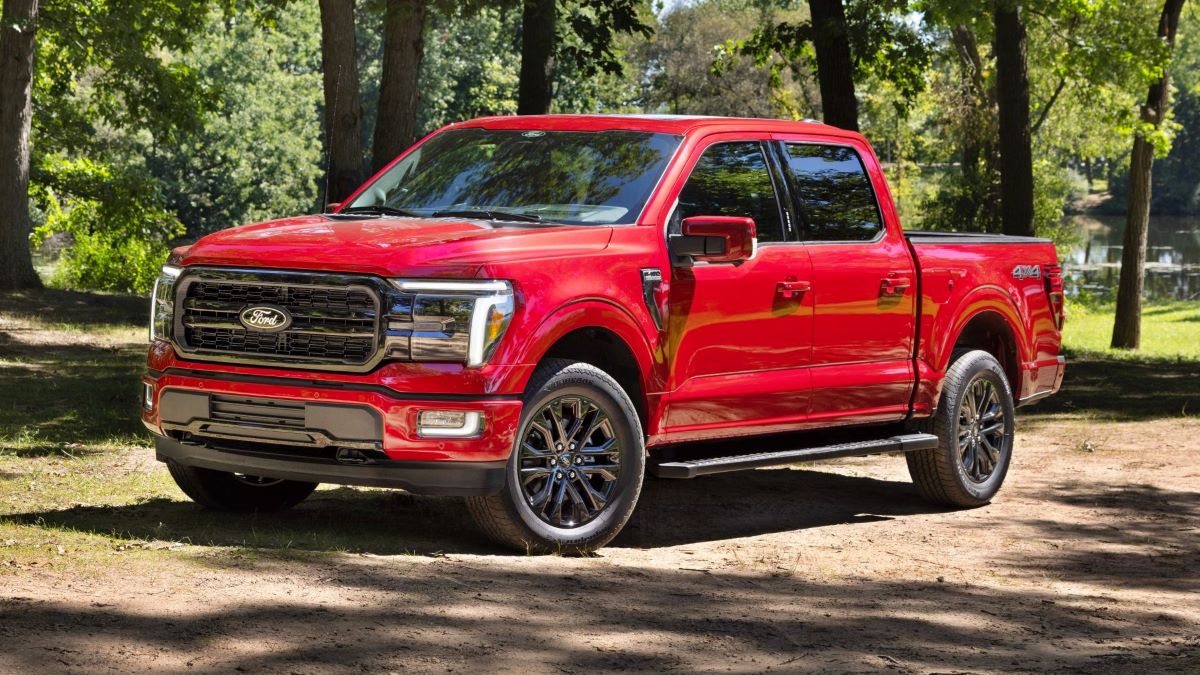
Fleet-spec XL trims are particularly attractive. Vinyl floors, manual seats, and minimal electronics reduce failure points. Parts availability is unmatched, and independent mechanics are intimately familiar with the platform.
For daily work, contracting, landscaping, delivery use, the F-150 balances capability and operating cost effectively.
The Ford F-150 has long functioned as more than just a pickup truck; it represents a cornerstone of American automotive culture. For decades, it has balanced worksite durability with everyday practicality, evolving from a straightforward utility vehicle into a technologically advanced, multi-purpose machine.
Its continued dominance in the full-size truck segment is not accidental, it reflects a deliberate blend of powertrain versatility, structural innovation, and broad consumer appeal.
Under the hood, the F-150 offers a range of engines designed to meet varying demands, from efficient turbocharged EcoBoost options to naturally aspirated V8 configurations that prioritize towing confidence and throttle response.
In recent generations, hybrid technology has expanded its capability profile even further, introducing onboard power generation through Pro Power Onboard, effectively transforming the truck into a mobile energy source. This integration of utility and modern engineering illustrates Ford’s adaptive approach to evolving buyer expectations.
Structurally, the shift to a high-strength, military-grade aluminum alloy body marked a significant industry move. By reducing weight without compromising rigidity, the F-150 improved fuel efficiency, payload capacity, and handling precision.
Beneath that aluminum skin, a fully boxed high-strength steel frame reinforces its towing and hauling credentials. Depending on configuration, the truck can manage substantial trailer weights, positioning it as both a workhorse and a lifestyle vehicle capable of supporting recreational towing, construction demands, or agricultural workloads.
Inside, the F-150 departs from the utilitarian interiors of past decades. Contemporary trims feature large infotainment displays, digital gauge clusters, advanced driver-assistance systems, and premium materials that rival some luxury SUVs.
Higher trims incorporate features such as massaging seats, fold-flat work surfaces, and integrated storage solutions that acknowledge the truck’s dual identity as both mobile office and family vehicle.
The F-150’s trim diversity is another defining characteristic. From entry-level work-oriented models to off-road-focused variants like the Tremor and performance-driven Raptor editions, the lineup accommodates a wide spectrum of buyers. Each configuration adjusts suspension tuning, drivetrain options, and aesthetic details to align with specific use cases.
The Ford F-150’s enduring success lies in its adaptability. It functions equally well on a job site, a highway commute, or an off-road trail. Rather than relying solely on tradition, it consistently integrates new technologies while preserving the rugged dependability that built its reputation.
2. Chevrolet Silverado 1500
The 2014–2018 Silverado offers a traditional half-ton formula: body-on-frame construction and a naturally aspirated V8. The 5.3-liter EcoTec3 V8 is widely regarded as durable if maintained properly.
While Active Fuel Management (cylinder deactivation) has been debated, many high-mileage examples continue to operate reliably with routine service.
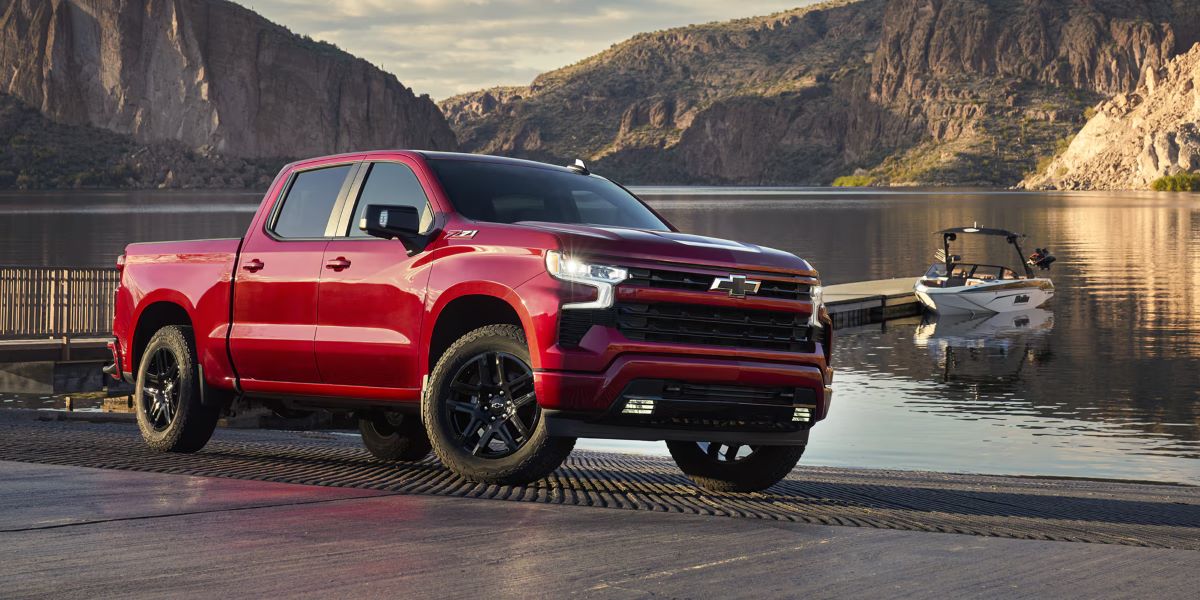
Work Truck (WT) trims are especially compelling bargains. They deliver robust payload ratings and uncomplicated interiors.
Compared to newer trucks laden with driver-assist systems and large infotainment screens, this generation keeps complexity manageable, an advantage for owners who intend to keep the truck long-term.
The Chevrolet Silverado 1500 approaches the full-size truck formula with a distinctly mechanical confidence. Where some competitors lean heavily into lifestyle marketing, the Silverado continues to emphasize structural integrity, drivetrain diversity, and functional design.
One of the Silverado’s defining strengths is its engine lineup. Buyers can choose from a turbocharged four-cylinder designed for balanced efficiency, multiple V8 options that deliver traditional small-block torque, or the available 3.0L Duramax turbo-diesel that excels in long-range driving and sustained towing.
The diesel in particular offers strong low-end torque characteristics, making it well-suited for hauling under load without excessive strain.
Paired with advanced automatic transmissions, including a 10-speed unit on higher trims, the Silverado delivers smoother gear transitions and improved power management. Acceleration feels controlled rather than aggressive, reinforcing its identity as a stable, torque-focused work platform rather than a performance novelty.
Underneath the body, a high-strength steel frame provides the backbone for serious towing and payload capability. Properly equipped, the Silverado 1500 handles substantial trailer weights with confidence.
Chevrolet enhances this capability with integrated trailering technology: multiple camera angles, trailer length monitoring, brake controller integration, and stability systems that reduce sway under crosswinds or uneven load distribution.
This practical approach ensures that capability is not merely a specification number, it is supported by driver-assist infrastructure designed to reduce fatigue and improve control.
Recent model updates significantly modernized the cabin environment. Larger digital displays, improved materials, and a reconfigured dashboard layout create a more contemporary feel. Wireless smartphone integration, advanced navigation systems, and customizable digital gauges reflect Chevrolet’s shift toward tech-forward usability.
Upper trims such as the High Country add premium seating surfaces and enhanced sound insulation, while off-road variants like the Trail Boss integrate suspension lifts and skid plates without sacrificing everyday drivability.
The Chevrolet Silverado 1500 remains grounded in durability, but its layered evolution ensures it meets the expectations of both commercial operators and private owners seeking capability without compromise.
3. Toyota Tundra
Toyota’s reputation for durability extends to the second-generation Tundra. Its 5.7-liter i-Force V8 is known for mechanical simplicity and longevity.
Fuel economy is not its strength, but buyers seeking a truck that can surpass 200,000 miles with disciplined maintenance often prioritize durability over efficiency.
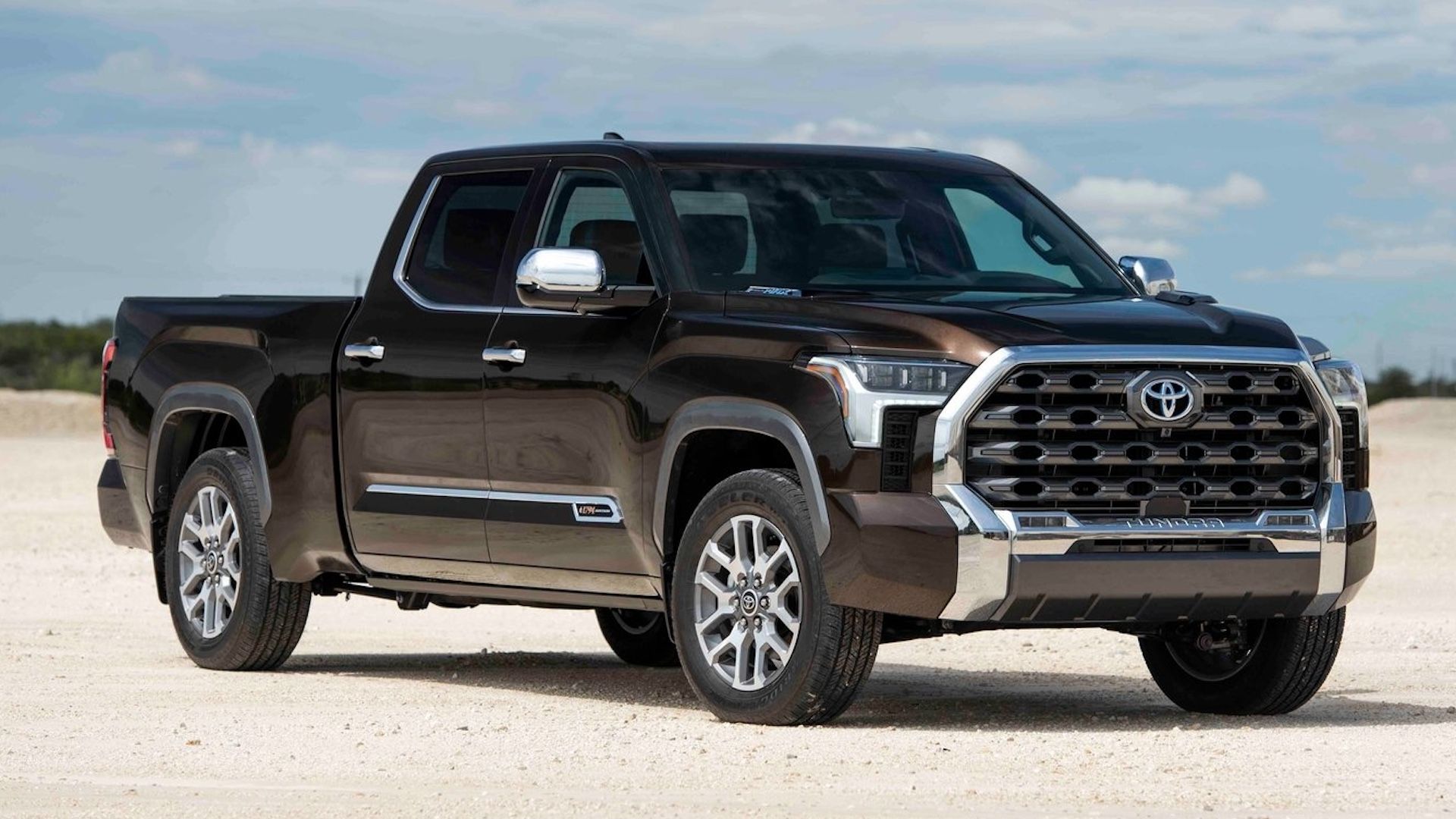
The Tundra’s resale values remain relatively strong, yet higher-mileage examples are increasingly accessible.
For daily use, especially in construction or towing-heavy roles, the Tundra’s conservative engineering and robust drivetrain inspire confidence.
The Toyota Tundra represents a deliberate reengineering of Toyota’s full-size truck strategy. Rather than relying on incremental updates, the latest generation marked a structural and mechanical overhaul aimed at improving efficiency, towing stability, and long-term durability.
A defining characteristic of the current Tundra is its departure from a naturally aspirated V8. Instead, Toyota introduced a twin-turbocharged V6 platform, paired in some configurations with the i-FORCE MAX hybrid system. This hybrid setup integrates an electric motor within the transmission housing, enhancing low-end torque and smoothing power delivery under load.
The hybrid configuration is engineered not strictly for fuel economy but for performance support, particularly during towing and acceleration. Immediate torque availability improves responsiveness, while overall output figures position the Tundra competitively within the segment.
Built on Toyota’s TNGA-F global truck platform, the Tundra benefits from a fully boxed frame engineered for increased rigidity. A multilink rear suspension replaces the previous leaf spring design, improving ride comfort without compromising payload capability. This structural evolution allows the truck to feel more composed over uneven surfaces while maintaining trailer stability at highway speeds.
Advanced towing technology further strengthens its capability profile. Integrated trailer backup assist, multiple camera views, and trailer monitoring systems reduce complexity when hauling larger loads. Toyota’s engineering emphasis leans toward predictable handling rather than aggressive towing numbers alone.
Inside, the Tundra’s cabin reflects a significant shift toward digital integration. Larger touchscreen displays, configurable digital instrument clusters, and improved material quality elevate the overall experience. Upper trims introduce premium upholstery, panoramic roof options, and advanced driver-assistance systems through Toyota Safety Sense.
Off-road-focused variants such as the TRD Pro add specialized suspension tuning, skid plates, and all-terrain equipment, while higher luxury trims like the Capstone emphasize refinement.
The Toyota Tundra positions itself as a technically updated alternative in the full-size truck segment, one that prioritizes engineered balance, hybrid-assisted torque delivery, and long-term reliability within a modernized structural framework.
4. Nissan Frontier
The second-generation Frontier remained largely unchanged for over 15 years.
While some critics viewed its aging design negatively, that longevity created a proven mechanical formula. The 4.0-liter V6 offers solid torque and a reputation for resilience.
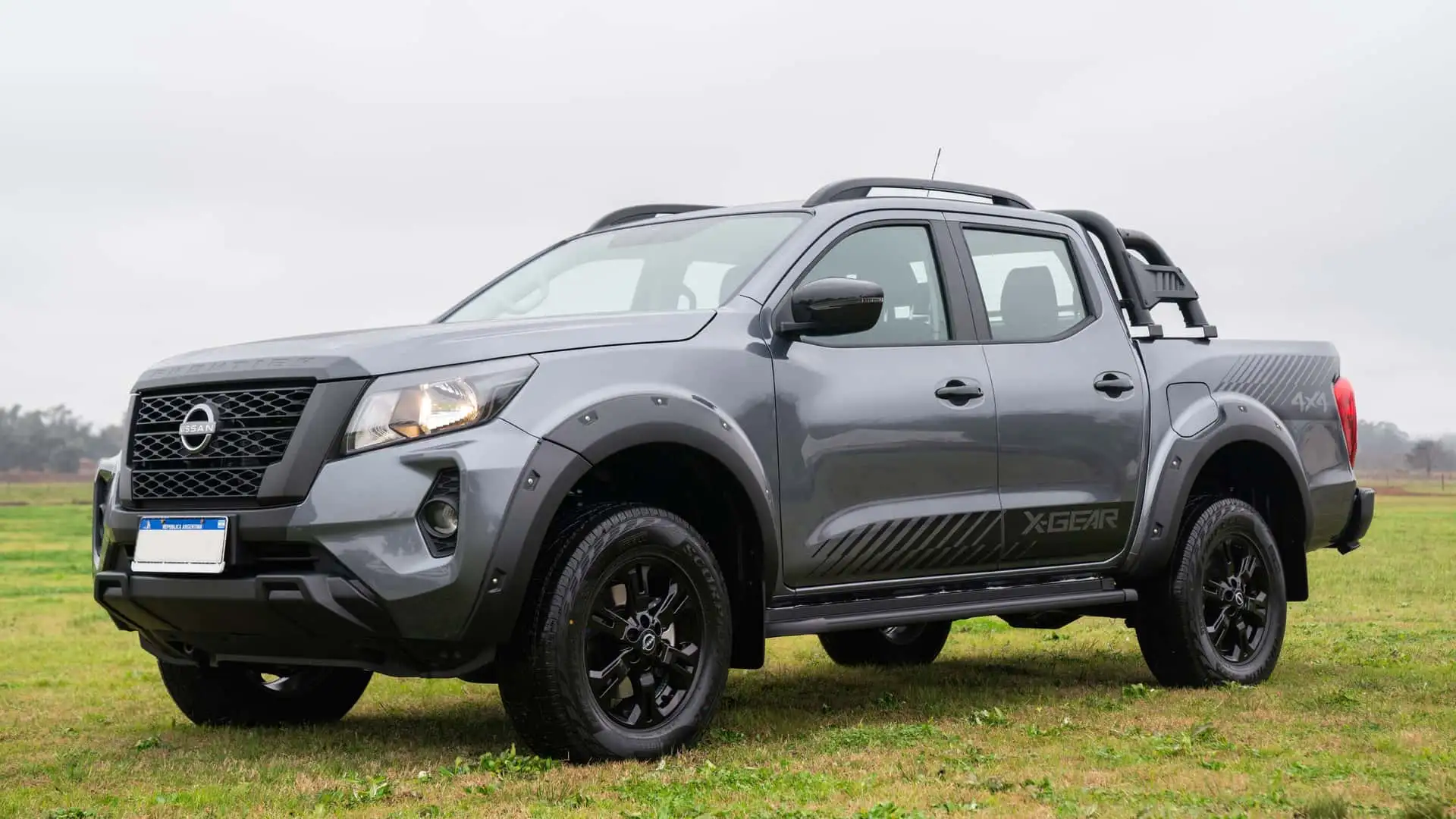
Because the platform persisted for so long, parts are inexpensive and widely available. Simpler interiors and modest electronics reduce long-term ownership risk.
For buyers needing a mid-size truck that can commute comfortably yet handle daily cargo demands, the Frontier represents one of the most cost-effective options on the used market.
The Nissan Frontier occupies a focused position within the midsize truck segment, emphasizing mechanical simplicity, proven durability, and practical performance rather than excessive technological experimentation.
While competitors increasingly blur the line between midsize and full-size capability, the Frontier maintains a balanced footprint designed for maneuverability, moderate towing demands, and long-term ownership reliability.
At the center of the Frontier’s appeal is its naturally aspirated 3.8-liter V6 engine, paired with a nine-speed automatic transmission. Unlike turbocharged rivals, this engine prioritizes linear throttle response and predictable torque delivery. The absence of forced induction simplifies the mechanical layout, which may appeal to buyers seeking long-term durability and reduced complexity.
Output figures place it competitively within the midsize class, offering strong acceleration for daily driving and adequate torque for moderate towing applications. While it does not attempt to dominate the segment in maximum tow ratings, it provides enough capability for recreational trailers, small boats, and light utility tasks without overstretching its chassis limits.
Built on a fully boxed ladder frame, the Frontier maintains traditional truck architecture. Suspension tuning balances ride firmness with off-road resilience, particularly in trims such as the PRO-4X. That variant integrates Bilstein shocks, skid plates, an electronic locking rear differential, and all-terrain tires to enhance traction in uneven terrain.
The Frontier’s relatively compact size compared to full-size trucks improves trail maneuverability and urban drivability. Tight turning radius and controlled body dimensions allow it to navigate confined environments where larger pickups may feel cumbersome.
Inside the cabin, Nissan modernized the Frontier with improved material quality, updated infotainment systems, and available digital driver displays. Wireless smartphone integration, USB connectivity, and driver-assistance features enhance usability without overwhelming the driver with excessive interface complexity.
Seating configurations and rear cabin space remain competitive for the midsize segment, though not expansive. Practical storage compartments and straightforward control placement reinforce its utilitarian focus.
The Nissan Frontier delivers a measured interpretation of the midsize pickup formula. It favors proven mechanical reliability, manageable dimensions, and focused off-road capability over aggressive powertrain experimentation, making it well-suited for buyers seeking durability within a practical size class.
5. Ram 1500
The fourth-generation Ram 1500 introduced coil-spring rear suspension, improving ride comfort without sacrificing work capability.
For buyers who split time between commuting and hauling, this matters. The 5.7-liter HEMI V8 delivers substantial torque for towing and highway merging alike.
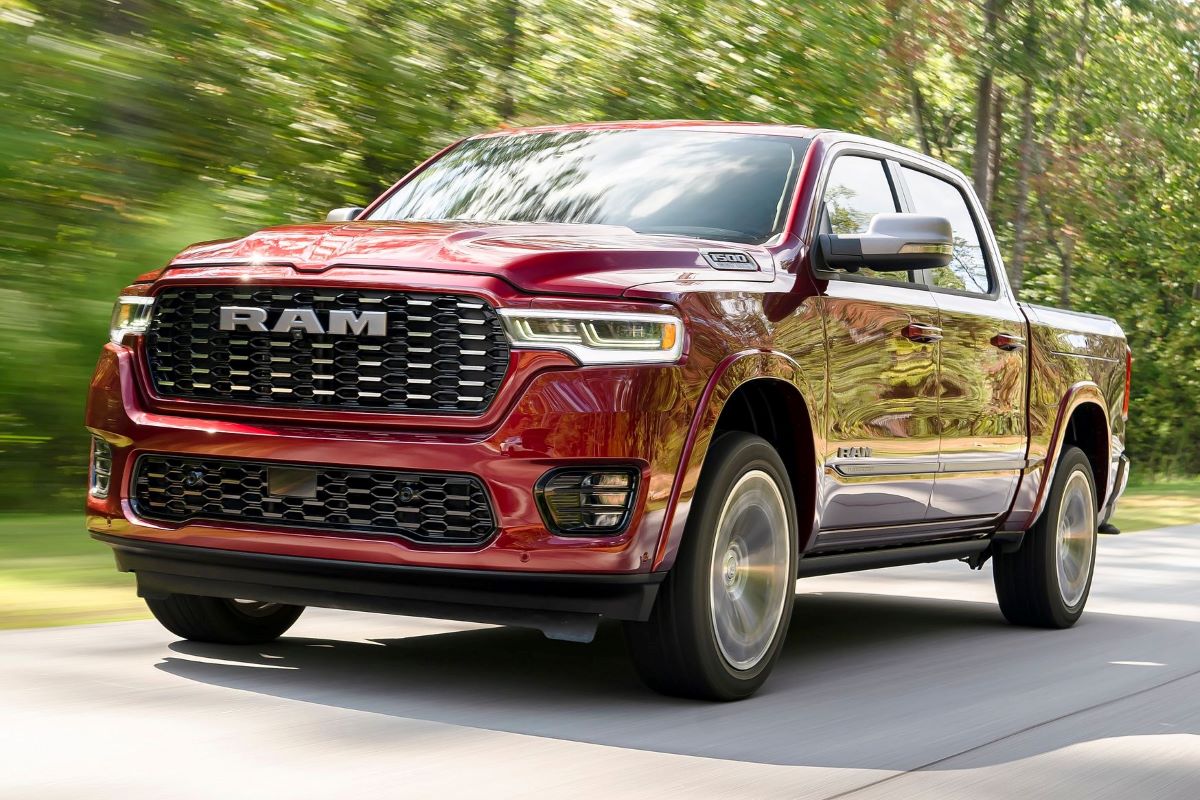
Tradesman trims maintain work-focused simplicity. While some higher-trim Rams leaned heavily into luxury features, base models retain straightforward functionality.
When properly serviced, these trucks provide strong capability at a competitive purchase price. The Ram 1500 distinguishes itself in the full-size truck category by placing equal emphasis on mechanical capability and ride refinement.
While many half-ton pickups prioritize maximum towing figures or aggressive styling, the Ram 1500 integrates structural strength with comfort-oriented engineering, creating a truck that performs as effectively on long highway drives as it does under load.
The Ram 1500 offers a diverse engine portfolio, including a naturally aspirated V6 with mild hybrid assistance, multiple HEMI V8 configurations, and in recent years, updated turbocharged six-cylinder alternatives in certain trims.
The available eTorque mild hybrid system integrates a belt-driven motor generator that enhances low-speed torque delivery and improves start-stop smoothness without transforming the truck into a full hybrid platform.
V8 variants deliver traditional torque-rich acceleration, particularly useful when towing heavier loads. Transmission calibration, typically paired with an eight-speed automatic, ensures controlled gear changes and steady power application across varied driving conditions. The overall powertrain strategy focuses on usable torque rather than peak horsepower theatrics.
One of the Ram 1500’s most defining attributes is its rear suspension setup. Unlike many competitors that rely on traditional leaf springs, the Ram utilizes a coil-spring rear suspension, with available air suspension in higher trims. This configuration significantly improves ride comfort and composure over uneven pavement while maintaining respectable towing and payload capabilities.
When properly equipped, the Ram 1500 delivers competitive towing figures, supported by integrated trailer management systems and stability control technologies. The optional air suspension also allows ride height adjustment, improving aerodynamics on the highway and clearance during off-road travel.
The Ram 1500 is often cited as one of the most refined interiors in the segment. Higher trims feature premium materials, large vertically oriented touchscreen displays, configurable digital instrument clusters, and advanced driver-assistance systems. Cabin insulation and seat comfort contribute to a quieter and more composed driving experience compared to many rivals.
Trim diversity ranges from work-focused Tradesman models to luxury-oriented Limited variants that rival upscale SUVs in presentation. Off-road-focused models such as the Rebel integrate reinforced skid plates and specialized suspension tuning without sacrificing everyday comfort.
Overall, the Ram 1500 positions itself as a technologically modern, comfort-forward full-size pickup that retains strong towing capability while elevating ride quality beyond traditional truck expectations.
6. Toyota Tacoma
Tacoma resale values are famously resilient, but early second-generation examples with higher mileage can now be found at accessible prices.
The 4.0-liter V6 provides reliable performance, and the truck’s compact size makes it practical for urban environments.
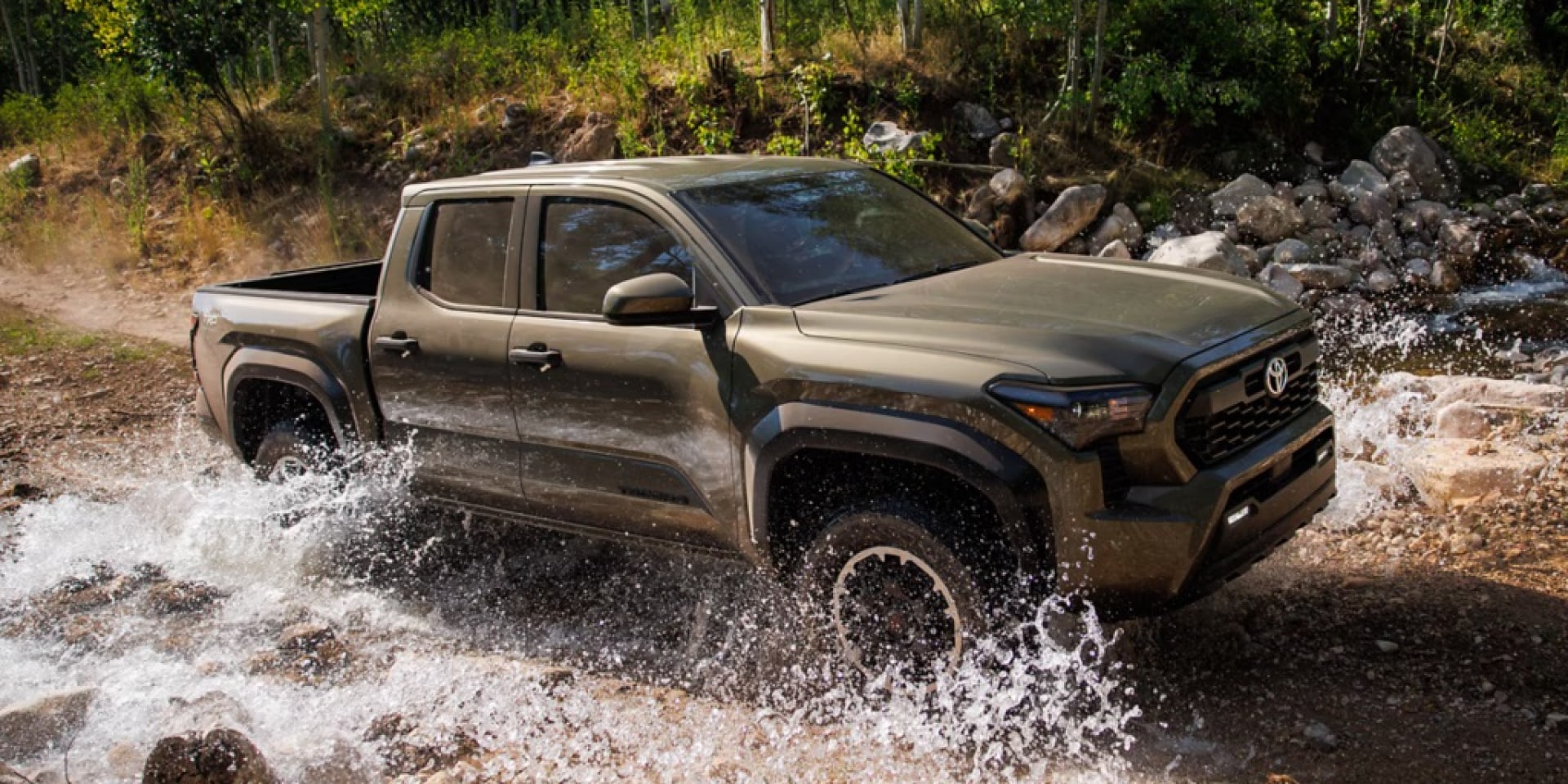
For contractors operating in tighter spaces or individuals who require a versatile daily vehicle that can still manage job-site duties, the Tacoma offers durability in a smaller footprint. Its reputation for longevity is well-documented in the U.S. market.
The Toyota Tacoma has built its reputation on durability, resale strength, and off-road credibility within the midsize truck segment. Rather than competing strictly on maximum output figures, the Tacoma emphasizes structural toughness, trail capability, and long-term dependability. Its identity has consistently centered on reliability and adventure-oriented utility.
In its most recent generation, the Tacoma transitioned toward turbocharged four-cylinder powertrains, moving away from the older naturally aspirated V6 architecture. The updated engines prioritize improved torque delivery and enhanced efficiency, particularly at lower RPM ranges where daily drivability and off-road crawling demand steady response.
Certain trims introduce hybrid-assisted configurations designed to increase torque output without dramatically increasing fuel consumption.
This approach improves throttle immediacy and towing performance while maintaining the Tacoma’s midsize footprint. Transmission options, including both automatic and manual availability in select trims, preserve driver engagement, particularly for enthusiasts who value mechanical control.
7. Ford Ranger
The pre-2011 Ranger is a straightforward, compact pickup built before midsize trucks grew substantially in size and complexity.
The 4.0-liter V6 option offers respectable torque for light-duty tasks. Its simplicity, manual transmissions, minimal electronic systems, smaller overall dimensions, makes it inexpensive to maintain.
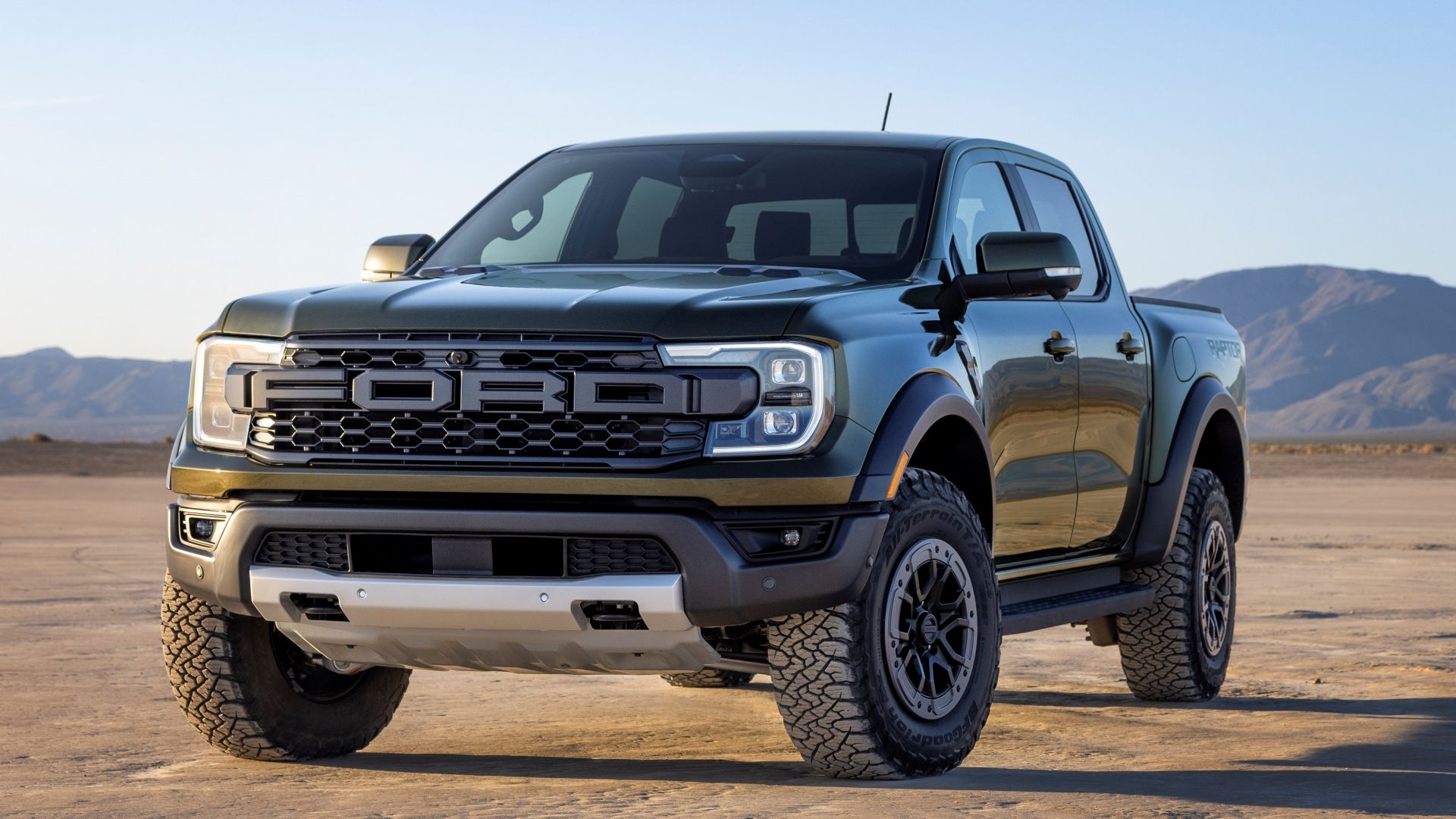
For daily use in trades such as maintenance, property management, or light contracting, the Ranger’s modest operating costs and mechanical accessibility are significant advantages.
The Ford Ranger reestablishes Ford’s presence in the midsize truck segment with a platform engineered to balance efficiency, torque delivery, and off-road capability. Positioned between compact lifestyle pickups and full-size work trucks, the Ranger is designed to deliver usable performance in a more maneuverable footprint without sacrificing structural integrity.
Recent iterations of the Ranger center around turbocharged engine technology, including a 2.3-liter EcoBoost four-cylinder that emphasizes torque density and fuel efficiency.
The turbocharged architecture allows the Ranger to produce strong mid-range pulling power, which is particularly beneficial when towing or accelerating under load. Unlike naturally aspirated engines that rely on high RPM output, the EcoBoost configuration provides accessible torque at lower engine speeds.
In newer global variants and performance-focused trims, additional engine options expand the Ranger’s range, including higher-output configurations tailored for enthusiasts. Transmission pairings typically include a responsive 10-speed automatic, calibrated to optimize both highway efficiency and low-speed crawling control.
8. Chevrolet Colorado
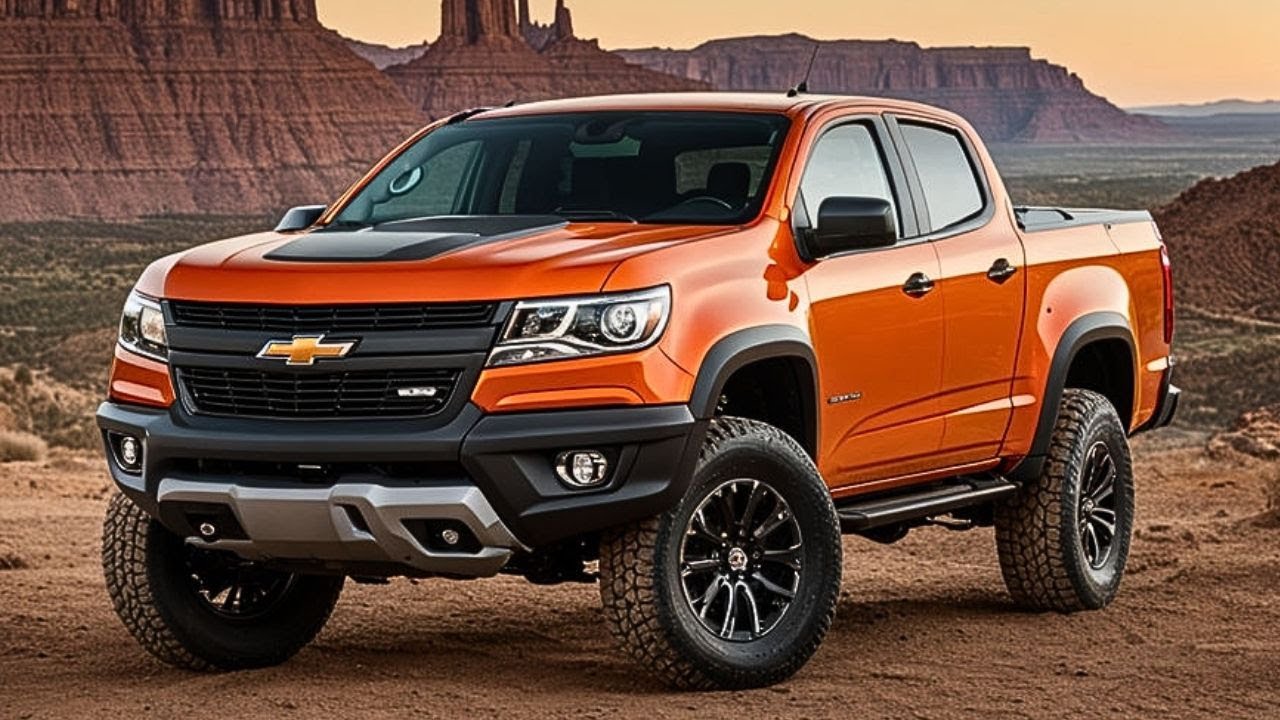
The second-generation Colorado modernized the midsize segment. The 3.6-liter V6 provides competitive towing capacity and strong daily drivability.
Compared to full-size trucks, operating costs, fuel, tires, and brakes, are typically lower.
Work Truck trims offer a practical blend of updated safety features and utilitarian durability. For buyers who want newer engineering without full-size pricing, the Colorado remains a rational compromise.
When evaluating any bargain pickup, condition outweighs badge loyalty. Service records, frame integrity (particularly in northern states with road salt exposure), transmission behavior, and cooling system health should take precedence over trim level or cosmetic appeal.
The 2026 Chevrolet Colorado continues Chevrolet’s focused push to redefine what a midsize truck can deliver in both capability and refinement. Rather than functioning as a scaled-down full-size pickup, the Colorado has evolved into a purpose-built platform engineered specifically for versatility, off-road performance, and balanced daily usability.
For 2026, the Colorado remains centered around a turbocharged 2.7-liter inline-four engine architecture, offered in multiple output calibrations depending on trim level. This engine strategy replaces older V6 options with a torque-focused approach. The turbocharged configuration produces strong low-end pulling power, which benefits towing and off-road crawling where immediate torque response is critical.
Higher-output variants generate substantially more torque than previous naturally aspirated engines in the segment, improving throttle responsiveness under load. Paired with an eight-speed automatic transmission, the powertrain prioritizes smooth gear transitions and consistent torque delivery rather than high-revving acceleration.
Towing capacity remains competitive within the midsize class, making the Colorado capable of handling recreational trailers, boats, and utility equipment without overextending its chassis limits.
In the U.S. market, depreciation works in favor of pragmatic buyers willing to prioritize mechanical substance over prestige.
The trucks listed above share common traits: proven powertrains, body-on-frame durability, widespread parts availability, and established service networks.
For individuals who need a pickup that can report for duty every morning, regardless of weather, mileage, or workload, these models continue to represent rational, cost-effective choices in an increasingly expensive segment.