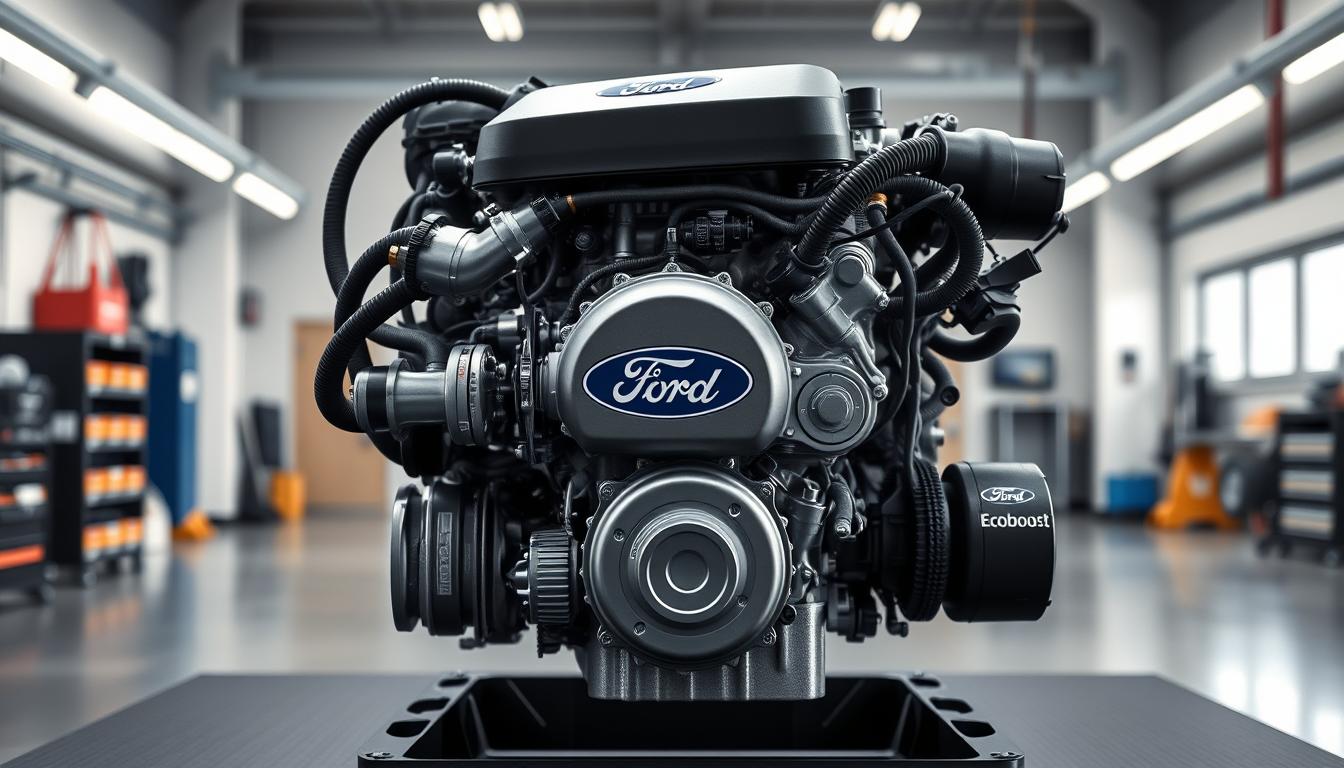
Performance and fuel octane have long been linked in the American car market. For decades, buyers were told that if they wanted serious horsepower, they needed to budget for premium gasoline.
High compression ratios, aggressive ignition timing, and forced induction typically demanded 91–93 octane to avoid knock. But in the mid-2020s, that assumption no longer holds true across the board.
Advances in direct injection, knock sensors, variable valve timing, and sophisticated engine management systems have allowed automakers to deliver strong output while still operating safely and efficiently on 87-octane regular unleaded.
For American drivers, where fuel prices fluctuate widely by region and commuting distances remain long, that distinction matters.
The difference between premium and regular fuel can amount to hundreds of dollars per year.
What follows are six performance-oriented engines that deliver serious output without requiring premium fuel, making them compelling choices for enthusiasts who want both speed and practicality.
1. Ford 5.0L Coyote V8 (Gen 4)
The 5.0-liter Coyote V8 remains one of the defining American performance engines. In its latest generation, found in the current Ford Mustang GT, it produces well over 450 horsepower while retaining compatibility with regular 87-octane gasoline.
Engineered by Ford Motor Company, the Gen 4 Coyote features dual fuel injection (port and direct), a higher redline, and revised cylinder heads for improved airflow.
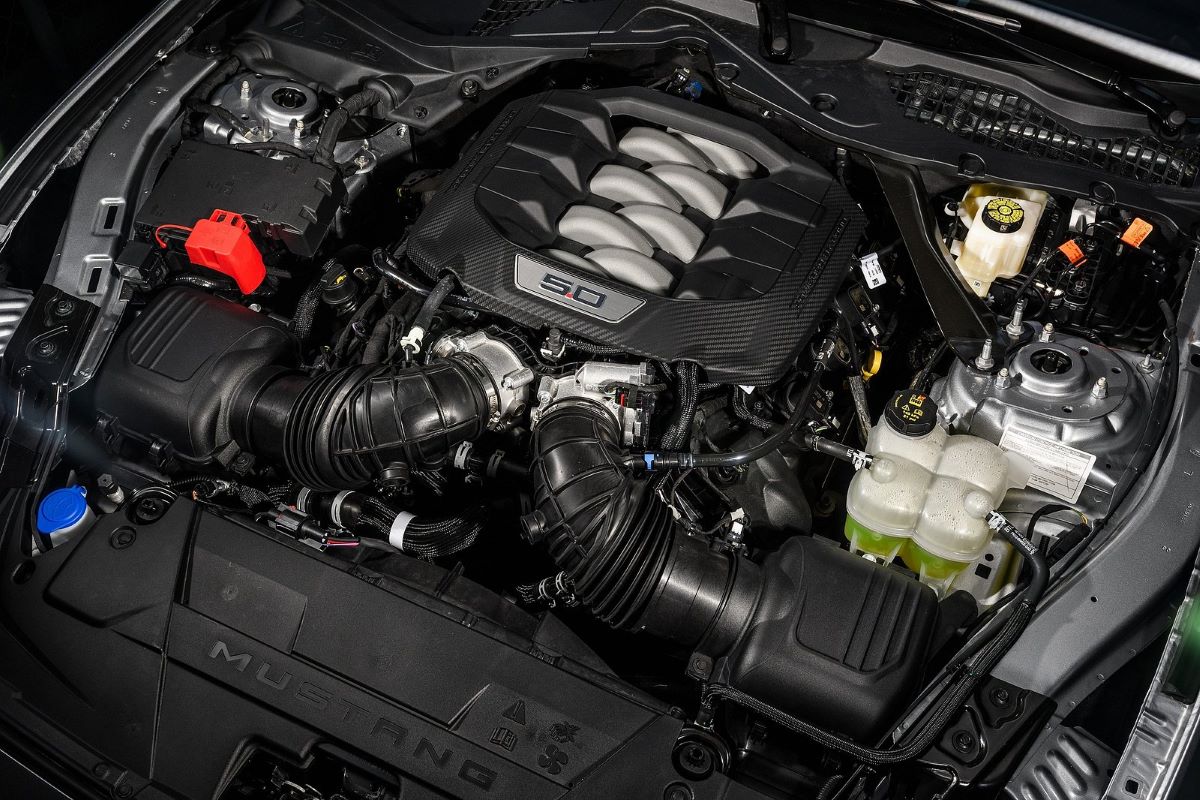
The dual-injection system is key. It allows precise fuel metering under varying load conditions, reducing the likelihood of detonation even with lower octane fuel.
While peak performance may benefit marginally from higher octane in extreme conditions, the engine is calibrated to deliver its rated output on regular fuel.
For American buyers who want traditional V8 character, high-revving, naturally aspirated, and durable, the Coyote offers genuine performance without premium fuel dependency.
The Ford 5.0L Coyote V8 (Gen 4) represents the latest evolution of Ford’s modular small-block architecture, engineered to preserve naturally aspirated character while integrating modern efficiency and emissions refinement.
Introduced as part of the fourth-generation Coyote family, this V8 continues to serve as the backbone of performance-oriented Ford applications, most notably within the Mustang lineup and select truck platforms.
The Gen 4 Coyote retains its 5.0-liter displacement and dual overhead camshaft configuration, utilizing an aluminum block and aluminum cylinder heads. However, internal revisions distinguish it from previous iterations. Ford implemented dual air intake systems and dual throttle bodies in certain configurations, optimizing airflow management and improving high-RPM breathing efficiency.
The engine maintains Ti-VCT (Twin Independent Variable Camshaft Timing), allowing precise adjustment of intake and exhaust cam timing. This system enhances torque distribution across the rev range while preserving strong top-end output. Direct fuel injection remains integrated alongside port injection in certain variants, balancing combustion efficiency with long-term intake valve cleanliness.
Compression ratios and piston design were refined for improved durability under sustained load, particularly in high-output applications.
As a naturally aspirated V8, the Gen 4 Coyote emphasizes linear throttle response and predictable power delivery. Unlike turbocharged alternatives that rely on forced induction to build torque, the Coyote develops output progressively as RPM increases, creating a responsive and mechanically engaging driving experience.
Horsepower output varies depending on application and calibration, but performance-focused configurations deliver substantial top-end power while maintaining usable mid-range torque. The engine’s redline capability remains a defining trait, supporting strong acceleration in performance vehicles without sacrificing reliability.
The Gen 4 Coyote benefits from reinforced internal components and updated engine management systems designed to handle both daily driving and track-oriented stress. Its adaptability allows installation in performance coupes as well as truck platforms where torque delivery and long-term durability are critical.
Modern electronic control systems enhance throttle mapping precision and emissions compliance without compromising mechanical character. Cooling system improvements further support sustained high-load operation.
Overall, the Ford 5.0L Coyote V8 (Gen 4) maintains the core identity of a naturally aspirated American V8 while incorporating contemporary engineering refinements. It delivers a structured balance of airflow optimization, variable valve timing control, and high-RPM capability, reinforcing its position as a technically evolved yet traditionally configured performance engine.
2. Chevrolet 6.2L LT1 V8
The LT1 V8, developed by General Motors and deployed in models like the Chevrolet Camaro SS and previous-generation Corvette Stingray, is a 6.2-liter small block producing around 455 horsepower.
Despite its high output and 11.5:1 compression ratio, it is engineered to run on 87-octane fuel.
GM’s direct injection system, variable valve timing, and sophisticated knock control enable the LT1 to operate efficiently across a broad range of driving conditions.
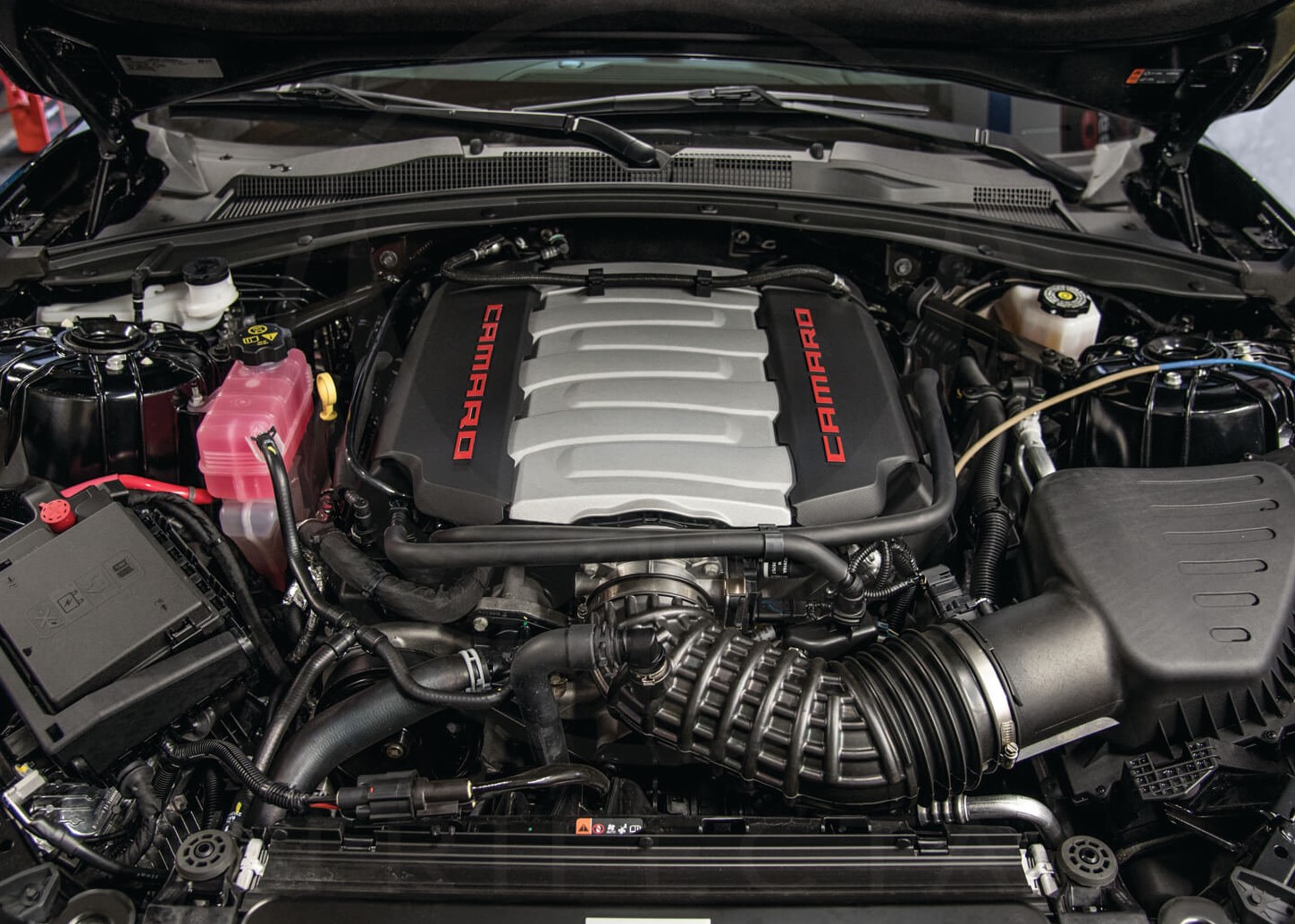
In practical terms, this means muscle car performance, 0–60 mph in roughly four seconds in certain applications, without the requirement for premium gas.
For drivers in regions where premium fuel is significantly more expensive, that flexibility lowers total cost of ownership while preserving the visceral appeal of a naturally aspirated V8.
The Chevrolet 6.2L LT1 V8 represents a core component of General Motors’ modern small-block engine family, combining traditional naturally aspirated displacement with contemporary combustion and efficiency technologies. I
ntroduced as part of the Gen V small-block architecture, the LT1 was engineered to deliver high-output performance while maintaining structural durability and everyday drivability.
The LT1 utilizes an aluminum block with cast-in iron cylinder liners, preserving weight efficiency while maintaining strength under high combustion pressures.
It retains the classic overhead valve (OHV) pushrod layout that has defined Chevrolet small-block engines for decades. Despite its relatively compact external dimensions compared to dual overhead cam engines, the LT1 achieves competitive output through refined airflow management and combustion control.
Direct fuel injection is a key element of the LT1’s design. By injecting fuel directly into the combustion chamber, the system improves thermal efficiency, allows higher compression ratios, and enhances throttle response. Variable Valve Timing (VVT) is integrated into the camshaft design, enabling optimized valve timing adjustments across different RPM ranges.
The engine also incorporates Active Fuel Management (AFM) in certain applications, allowing cylinder deactivation under light load conditions to improve fuel efficiency during steady cruising.
Displacing 6.2 liters, the LT1 produces strong naturally aspirated torque across a broad RPM band. Unlike forced induction engines that rely on turbocharging or supercharging to increase output, the LT1’s power delivery remains linear and predictable. Low-end torque is readily available, while upper RPM performance remains strong without requiring excessive revving.
In performance-focused applications such as the Chevrolet Corvette and Camaro SS, the LT1 delivers substantial horsepower figures while maintaining drivability in everyday traffic. Throttle calibration is precise, providing immediate response without abrupt transitions.
The LT1’s compact pushrod configuration contributes to lower overall engine height, benefiting vehicle weight distribution and hood clearance in performance chassis designs. The engine’s bottom-end components are engineered for sustained high-load operation, and cooling system improvements support consistent performance under track conditions.
Its adaptability extends beyond sports cars; variations of the 6.2L architecture are also utilized in truck platforms where towing torque and long-term durability are essential.
Overall, the Chevrolet 6.2L LT1 V8 blends traditional American small-block design principles with modern direct injection and variable timing technologies. It delivers strong naturally aspirated output while maintaining structural efficiency, reinforcing its role as a technically refined yet mechanically straightforward performance engine.
3. Chrysler 5.7L HEMI V8
The 5.7-liter HEMI V8 has powered a wide range of American performance sedans and trucks for years.
Originally introduced under the modern Chrysler umbrella and used extensively in Dodge and Ram vehicles, the engine produces between 370 and 395 horsepower depending on application.
What makes the 5.7 HEMI particularly appealing is its blend of performance and everyday usability.
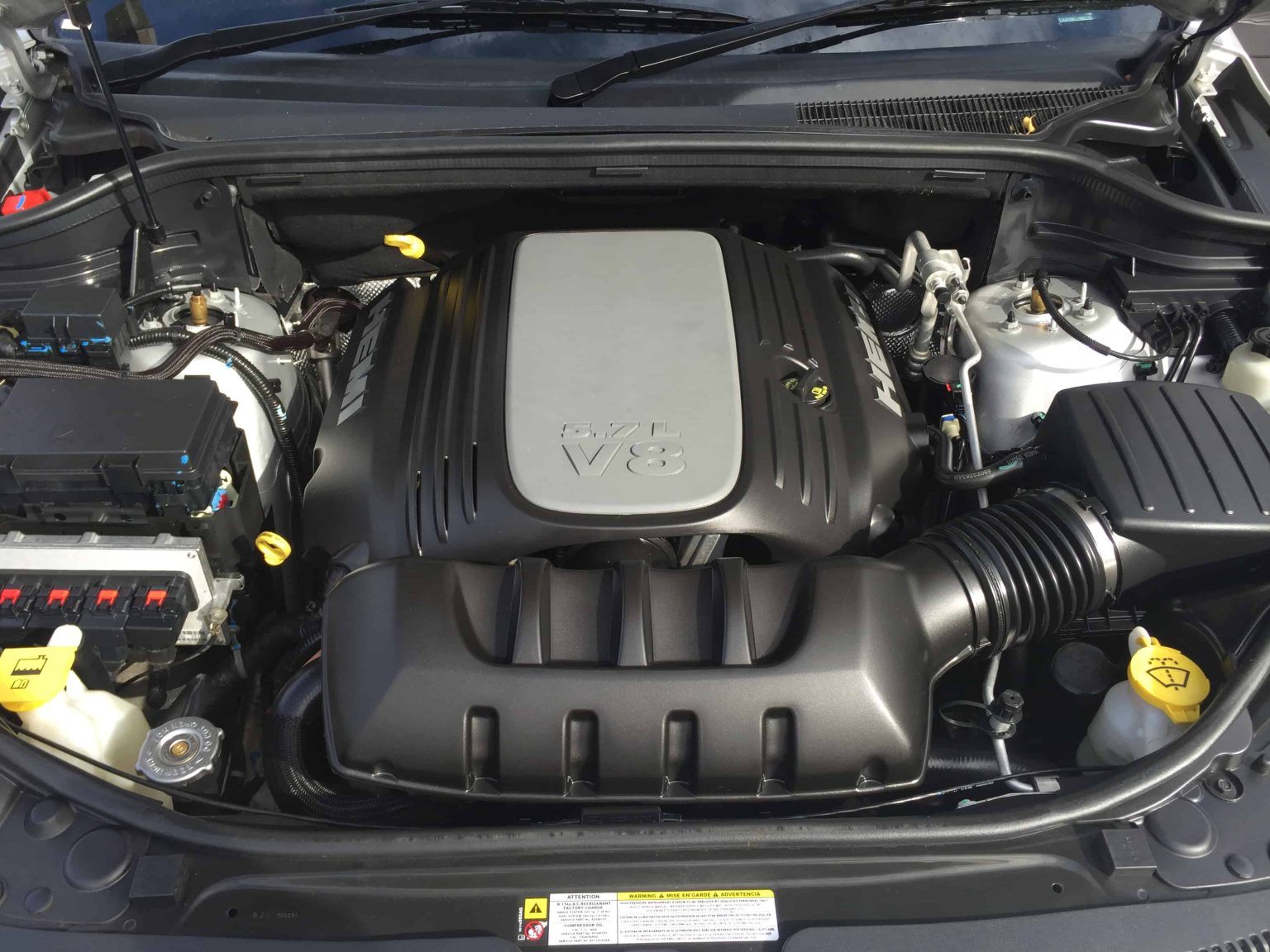
It incorporates Multi-Displacement System (cylinder deactivation) and variable cam timing, allowing it to switch to four-cylinder operation under light loads. Despite its displacement and output, it is rated for regular unleaded fuel.
For enthusiasts who want rear-wheel-drive V8 performance in a sedan like the Charger R/T or torque-rich acceleration in a Ram 1500, the 5.7 HEMI provides strong straight-line capability without a premium fuel mandate.
The Chrysler 5.7L HEMI V8 serves as one of the foundational engines within Stellantis’ modern performance and truck portfolio. Reviving the historic “HEMI” branding, this engine blends traditional American V8 displacement with contemporary combustion management systems.
It is engineered to deliver broad torque output, durable construction, and adaptable performance across a range of rear-wheel-drive platforms.
The 5.7-liter HEMI utilizes a cast-iron block in most truck applications and an aluminum block in certain passenger vehicle configurations, depending on weight and durability requirements. True to its name, the engine features hemispherical combustion chambers, a design that promotes efficient airflow and improved combustion efficiency compared to flat-head alternatives.
Unlike dual overhead cam competitors, the 5.7L HEMI employs a traditional overhead valve (OHV) pushrod configuration with two valves per cylinder. This layout contributes to a compact overall engine size while maintaining strong low-end torque characteristics. Variable Valve Timing (VVT) was introduced in later revisions, allowing the camshaft timing to adjust dynamically for improved efficiency and throttle response.
Many versions incorporate Multi-Displacement System (MDS) technology, which deactivates four cylinders under light load conditions. This system enhances fuel economy during highway cruising without sacrificing full eight-cylinder output when acceleration or towing demand increases.
The 5.7L HEMI emphasizes accessible torque rather than high-revving output. Power delivery is immediate and consistent, particularly in the lower RPM range, which supports towing applications and everyday drivability.
In passenger cars such as the Dodge Charger and Challenger, the engine provides strong straight-line acceleration with a distinctive exhaust tone that reinforces its performance identity.
When installed in truck platforms like the Ram 1500, the HEMI prioritizes hauling confidence and sustained load performance. Throttle calibration typically balances smoothness with responsiveness, making it adaptable across both work and recreational environments.
The engine’s internal components are designed to withstand prolonged stress, particularly in truck and SUV applications where towing loads are common. Cooling system integration and reinforced rotating assemblies support reliability under high thermal conditions.
Its mechanical simplicity relative to turbocharged alternatives appeals to buyers seeking naturally aspirated performance with fewer forced-induction components. At the same time, modern engine management systems maintain emissions compliance and efficiency optimization.
Overall, the Chrysler 5.7L HEMI V8 preserves the identity of a torque-focused American small-block while incorporating contemporary technologies such as cylinder deactivation and variable timing. It remains a versatile engine platform that balances performance character with functional durability.
4. Toyota 3.5L Twin-Turbo V6 (V35A-FTS)
Turbocharged engines are often associated with premium fuel requirements, but Toyota engineered its 3.5-liter twin-turbo V6 to operate on regular gasoline in truck applications like the Tundra.
Producing upwards of 389 horsepower (and more in hybrid variants), the V35A-FTS delivers torque figures that rival traditional V8s.
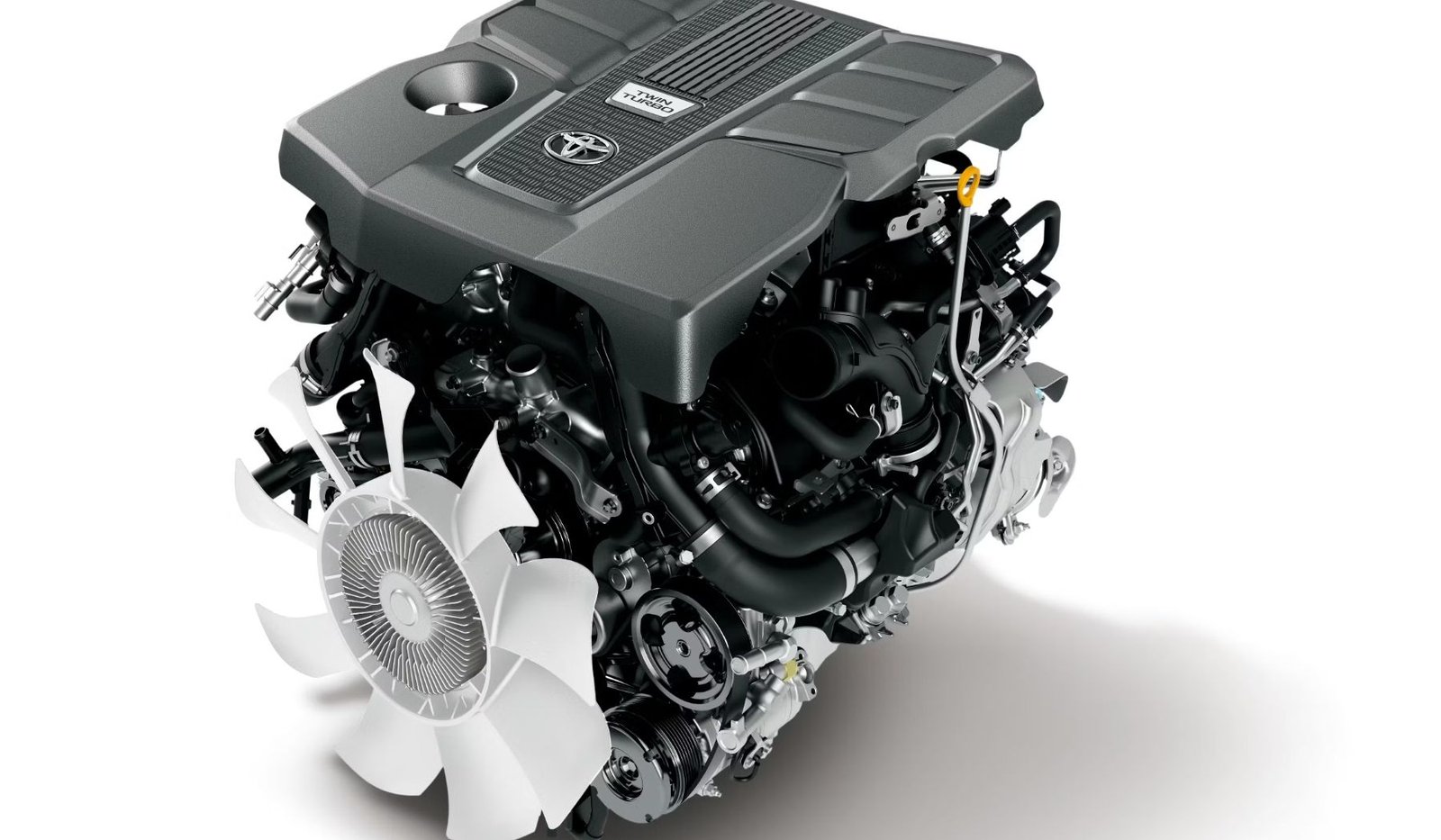
Toyota’s strategy centers on advanced cooling, direct injection, and conservative boost mapping for mainstream models.
In performance-oriented Lexus variants, premium is often recommended, but in its mainstream U.S. truck configuration, the engine is designed for 87 octane.
For American buyers transitioning from V8 pickups to more efficient turbocharged platforms, this engine offers modern performance without raising fuel grade requirements.
The Toyota 3.5L Twin-Turbo V6 (V35A-FTS) represents Toyota’s strategic shift away from naturally aspirated V8 engines toward downsized, forced-induction efficiency without sacrificing torque output.
Introduced as part of Toyota’s Dynamic Force engine family, the V35A-FTS was engineered to deliver strong low-end performance, improved fuel economy, and adaptable integration across trucks and large SUVs.
The V35A-FTS features a 3.5-liter displacement with a 60-degree V6 configuration, constructed with an aluminum block and aluminum cylinder heads to reduce weight. Dual overhead camshafts operate four valves per cylinder, enhancing airflow efficiency and high-RPM breathing compared to traditional pushrod designs.
Twin turbochargers are mounted to optimize response and minimize lag. By utilizing smaller, faster-spooling turbo units, Toyota prioritized immediate torque availability rather than delayed boost buildup. The engine also incorporates direct fuel injection combined with port injection in certain applications, balancing combustion precision with long-term intake cleanliness.
Variable valve timing on both intake and exhaust camshafts allows dynamic adjustment across varying load conditions. This system improves low-speed torque, mid-range efficiency, and high-speed output simultaneously.
The V35A-FTS was designed to replace larger-displacement V8 engines in vehicles such as the Toyota Tundra and Lexus LX. Its torque curve peaks early in the rev range, delivering strong pulling power ideal for towing and heavy-load scenarios.
Unlike high-revving naturally aspirated engines, the twin-turbo configuration ensures consistent mid-range acceleration without requiring excessive RPM.
When paired with a 10-speed automatic transmission, the engine maintains smooth gear transitions and optimal boost management. This pairing enhances both highway efficiency and low-speed drivability.
Toyota engineered the V35A-FTS with reinforced internal components to handle sustained boost pressure and thermal load. Cooling channels within the block and optimized oil circulation support long-term durability under demanding conditions.
The engine’s adaptability allows it to function in both luxury SUV applications and heavy-duty truck platforms. In hybrid-assisted variants such as the i-FORCE MAX configuration, an integrated electric motor further enhances torque while improving overall efficiency.
Overall, the Toyota 3.5L Twin-Turbo V6 (V35A-FTS) reflects a technically advanced evolution in Toyota’s powertrain strategy — combining forced induction, modern valve control systems, and structural reinforcement to deliver V8-level torque within a more efficient V6 architecture.
5. Honda 2.0L Turbo (K20C1/K20C4 Variants)
Honda’s 2.0-liter turbocharged four-cylinder has appeared in several U.S. models, including the Accord 2.0T and Civic Type R.
While high-performance variants may recommend premium for maximum output, the broader 2.0T family is engineered to run safely on regular fuel in many applications.
Developed by Honda, this engine uses direct injection, VTEC variable valve timing, and efficient intercooling to balance performance with durability.
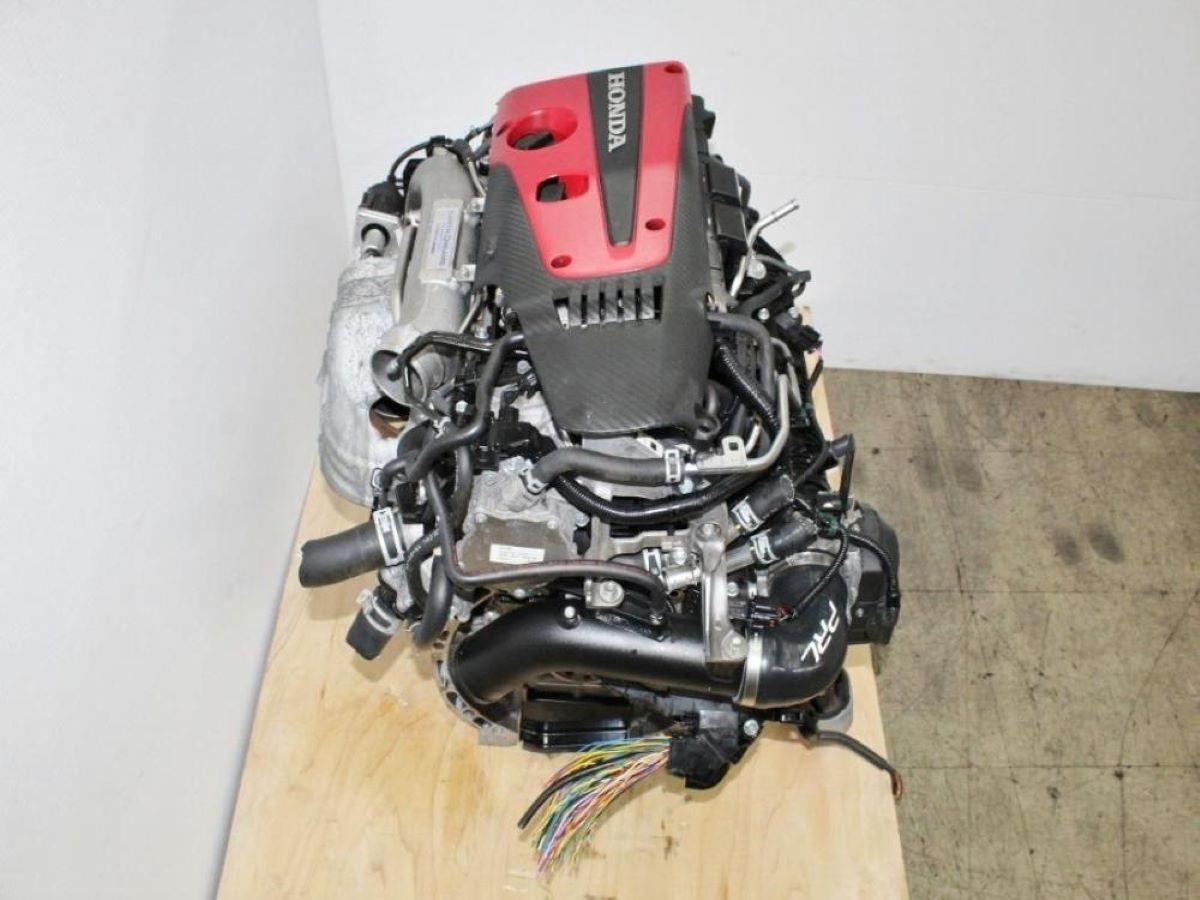
Output ranges from approximately 252 horsepower in mainstream sedans to over 300 horsepower in track-focused trims.
In everyday driving scenarios, particularly in non-Type R configurations, the engine management system adapts ignition timing to accommodate 87 octane without risking knock.
This makes it an accessible performance option for drivers seeking turbocharged acceleration without premium fuel costs.
The Honda 2.0L Turbo (K20C1 / K20C4 variants) represents Honda’s modern interpretation of high-output four-cylinder performance engineering.
Derived from the long-running K-series architecture, these turbocharged engines were designed to deliver elevated power density, refined throttle response, and structural durability across both performance and mainstream applications.
Both the K20C1 and K20C4 share a 2.0-liter inline-four configuration with an aluminum block and aluminum cylinder head. Dual overhead camshafts operate four valves per cylinder, supporting high airflow efficiency and precise combustion control.
Direct fuel injection improves atomization within the combustion chamber, enhancing thermal efficiency and reducing knock susceptibility under boost pressure.
While the engines share core design elements, their internal calibration and hardware vary depending on intended application. The K20C1, used in performance-focused vehicles such as the Civic Type R, incorporates reinforced internal components, a larger turbocharger, upgraded cooling systems, and optimized exhaust flow.
The K20C4, found in models like the Accord and Acura RDX (in earlier configurations), emphasizes balanced output and smooth torque delivery rather than peak track performance.
Both variants utilize a single turbocharger, but the K20C1 features a more aggressive boost strategy and higher-flow intake and exhaust pathways. This results in significantly higher horsepower output and stronger top-end performance. The engine’s tuning supports sustained high-RPM operation while maintaining torque across the mid-range.
The K20C4, by contrast, prioritizes daily drivability. Boost pressure is calibrated for smoother acceleration, reduced turbo lag, and controlled power application. Its torque curve peaks earlier in the rev range, making it well-suited for urban commuting and highway merging without requiring aggressive throttle input.
Honda engineered both variants with advanced cooling channels, piston oil jets, and reinforced connecting rods to withstand elevated cylinder pressures associated with turbocharging. The K20C1 includes additional cooling enhancements to support track-oriented stress conditions.
Variable valve timing further optimizes airflow under different load scenarios, improving efficiency during cruising and maximizing output during acceleration.
Overall, the Honda 2.0L Turbo K20C1 and K20C4 engines demonstrate Honda’s ability to scale a single architectural foundation into two distinct performance profiles: one tuned for high-output enthusiast driving, the other calibrated for refined, torque-rich everyday usability.
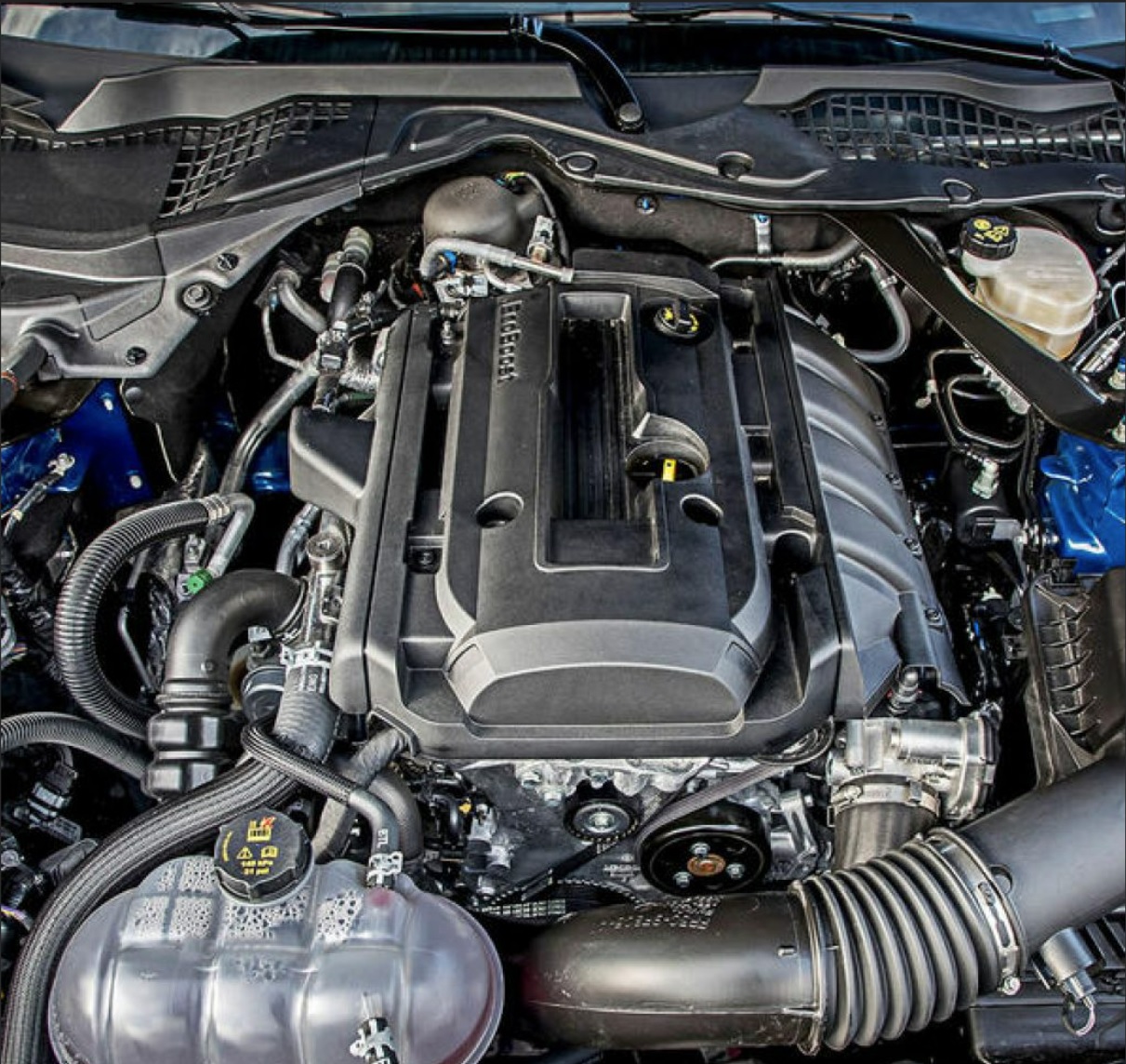
6. Ford 2.3L EcoBoost (High-Output Variant)
The 2.3-liter EcoBoost inline-four is one of the most versatile performance engines in the U.S. market.
Used in vehicles ranging from the Mustang EcoBoost to certain SUVs and performance compacts, it produces between 275 and 330 horsepower depending on calibration.
Engineered by Ford Motor Company, the 2.3L EcoBoost combines turbocharging with direct injection and twin-scroll turbo technology.
In standard Mustang configurations, it is rated to run on regular unleaded, although premium can unlock slight performance improvements in some scenarios.
Crucially, the engine does not require premium to meet its advertised baseline figures in regular production trims.
For buyers seeking a lighter, more efficient alternative to a V8 Mustang, the EcoBoost delivers strong midrange torque and competitive acceleration while remaining compatible with 87-octane fuel.
The historical link between performance and premium fuel has weakened considerably.
Through advancements in combustion control, fuel injection precision, and real-time knock detection, automakers can extract substantial horsepower from engines calibrated for regular gasoline.
The Ford 2.3L EcoBoost (High-Output Variant) represents Ford’s focused approach to extracting significant performance from a compact turbocharged four-cylinder platform. Derived from the broader EcoBoost engine family, the 2.3-liter inline-four was engineered to balance high power density, manageable weight, and adaptable integration across performance-oriented vehicles.
The high-output 2.3L EcoBoost features an aluminum block with an integrated exhaust manifold design, paired with an aluminum cylinder head and dual overhead camshafts. Four valves per cylinder support efficient airflow, while direct fuel injection optimizes combustion precision under boost pressure.
Variable cam timing on both intake and exhaust sides enhances flexibility across the rev range, allowing the engine to deliver usable torque at low RPM while sustaining strong airflow at higher engine speeds.
The defining element of the high-output variant is its turbocharger calibration. A twin-scroll turbocharger design separates exhaust pulses to improve spool response and reduce lag. This allows for quicker boost buildup, particularly during mid-range acceleration.
In performance applications such as the Ford Mustang EcoBoost High Performance Package and the Focus RS (in earlier shared architecture development), the engine delivers substantial horsepower and torque figures for its displacement. Torque peaks early, providing strong acceleration from low speeds, while horsepower builds steadily toward the upper RPM range.
Unlike naturally aspirated engines that require high revving to generate power, the 2.3L EcoBoost produces strong mid-range thrust, making it responsive during overtaking or merging scenarios.
High-output variants include enhanced cooling systems, including larger intercoolers and upgraded radiators, to manage heat generated by sustained boost operation. Engine management software continuously adjusts fuel delivery, ignition timing, and boost levels to maintain efficiency and reliability under varying load conditions.
Paired with manual or automatic transmissions depending on application, the engine supports both enthusiast driving and everyday usability. The compact inline-four configuration also contributes to improved front-end weight distribution compared to larger V6 alternatives.
Overall, the Ford 2.3L EcoBoost High-Output Variant demonstrates how turbocharging and structural reinforcement can transform a midsize displacement engine into a performance-capable platform. It delivers strong torque density, responsive boost behavior, and adaptable integration within modern rear- and all-wheel-drive chassis designs.
For U.S. consumers, who often face long commutes, regional fuel price disparities, and a growing emphasis on total ownership cost, this shift is significant.
The engines listed above span traditional naturally aspirated V8s and modern turbocharged four- and six-cylinder designs. Each demonstrates that high output does not automatically mandate high-octane fuel.
While premium gasoline may yield marginal gains under certain conditions, these powerplants are engineered to deliver their core performance metrics on standard 87-octane unleaded.
For performance-minded drivers who also value operational efficiency, that combination represents a pragmatic evolution of the American performance landscape.