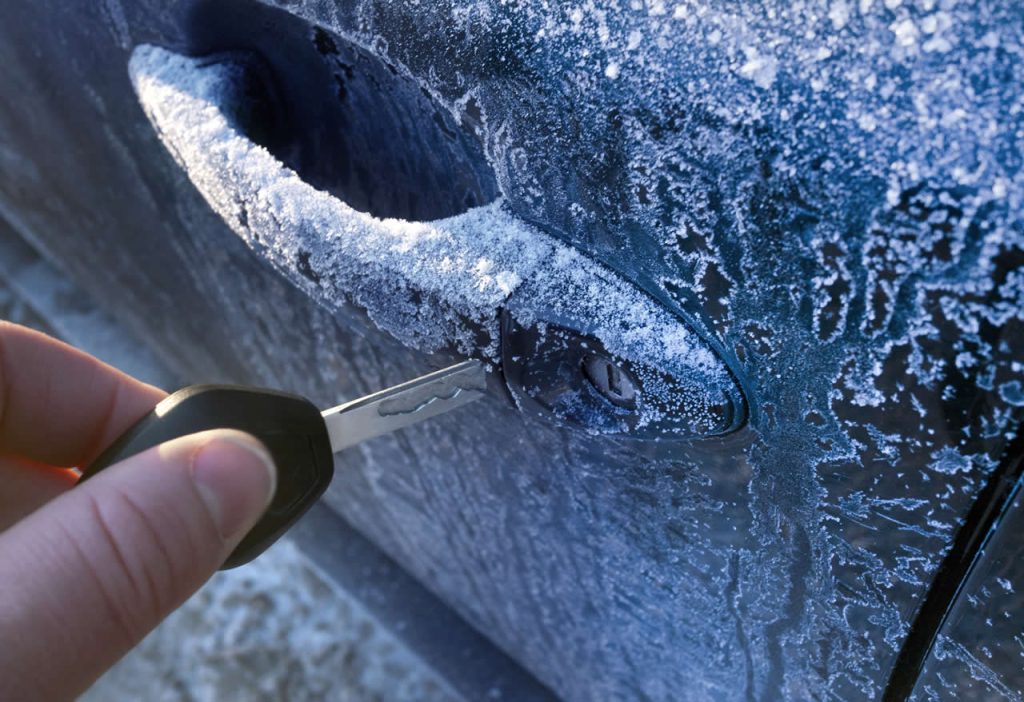
Winter driving in the United States brings more than icy roads and frosted windshields. For drivers in northern states and high-altitude regions, one of the most frustrating cold-weather problems is discovering that a car door lock has frozen solid.
Whether you rely on a traditional key cylinder or electronic locking systems, freezing moisture can immobilize mechanisms and leave you stuck outside your own vehicle.
Frozen locks occur when water enters the lock cylinder or door seam and temperatures drop below freezing. That moisture expands as it turns to ice, preventing internal components from moving. Repeated freeze-thaw cycles can also accelerate wear, increasing long-term damage. Fortunately, preventing frozen car door locks is largely about preparation and moisture control.
Below are eight practical and effective ways to prevent your car door locks from freezing shut this winter.
1. Apply a Silicone-Based Lubricant to the Car Lock Cylinder
Applying a silicone-based lubricant to your car’s lock cylinder is one of the most effective preventative measures against frozen door locks during winter. While often overlooked until a problem arises, this simple step can dramatically reduce the likelihood of moisture accumulating inside the lock mechanism and turning into ice when temperatures drop below freezing.
A car lock cylinder contains small internal pins and springs that must move freely for the key to turn properly. When water enters the cylinder, whether from rain, snow, melting ice, or even condensation, it can settle within these delicate components.
As temperatures fall, that trapped moisture expands as it freezes, preventing the internal pins from aligning. The result is a key that won’t insert fully, won’t turn, or becomes stuck altogether.
Silicone-based lubricants work differently than petroleum-based products. Instead of leaving behind a sticky residue that can attract dirt and grime, silicone creates a thin, moisture-repelling barrier.
This coating reduces friction inside the lock while also discouraging water from adhering to metal surfaces. The protective layer helps ensure that small moving parts remain operational even in extreme cold.
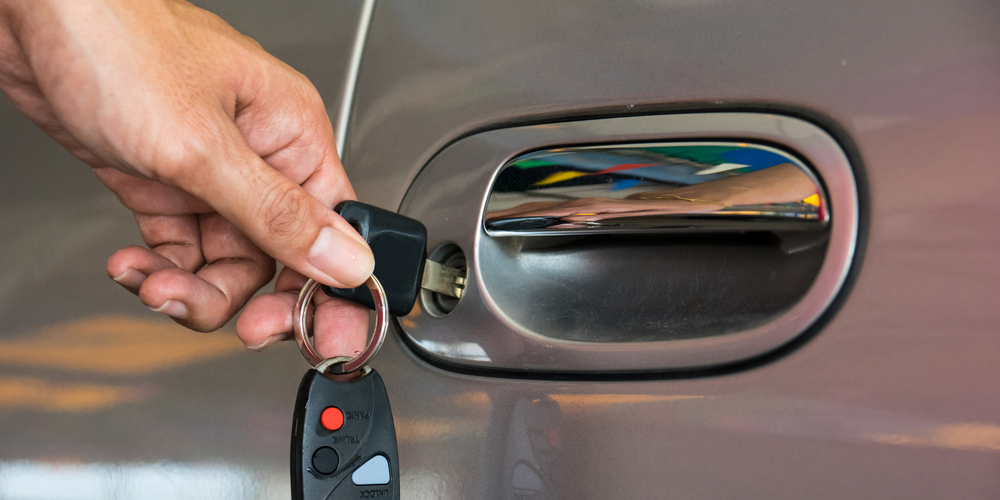
Application is straightforward but should be done properly. Begin by ensuring the lock cylinder is clean and dry. Insert the narrow spray straw of the silicone lubricant directly into the keyhole and apply a short, controlled burst.
After spraying, insert your key and gently turn it several times to distribute the lubricant throughout the internal components. Wipe away any excess around the keyhole to prevent buildup.
For drivers in colder U.S. regions such as the Midwest, Northeast, or Rocky Mountain states, it is advisable to apply lubricant before the first significant freeze of the season. Reapplication once or twice during winter may be beneficial, especially if the vehicle is frequently exposed to snow or freezing rain.
This preventative approach is inexpensive, requires minimal time, and can save considerable frustration on cold mornings. Rather than waiting until a lock freezes shut, applying silicone lubricant ahead of winter weather creates a proactive defense against one of the most common seasonal automotive inconveniences.
2. Keep Your Car Key Fob Batteries Fresh
Keeping your car key fob batteries fresh is a small but critical step in preventing cold-weather access issues. While many drivers focus on mechanical components during winter preparation, electronic systems are equally vulnerable to temperature extremes. A weak key fob battery may function adequately in mild weather but fail unexpectedly when exposed to freezing temperatures.
Cold conditions reduce battery efficiency by slowing the chemical reactions inside the battery. As temperatures drop, the voltage output of small coin-cell batteries, commonly used in key fobs, can decline significantly.
If the battery is already nearing the end of its lifespan, winter conditions may push it past its operational threshold. The result can be intermittent unlocking, reduced signal range, or complete failure at the worst possible moment.
In vehicles equipped with remote entry systems, a nonresponsive key fob forces the driver to rely on the physical key cylinder. If that cylinder has not been maintained or has accumulated moisture, it may also be frozen shut. In this way, a weak battery indirectly increases the risk of being locked out during winter.
Replacing key fob batteries proactively before the onset of colder weather is a straightforward solution. Most key fobs use widely available CR-series lithium coin batteries, which are inexpensive and simple to install.
Checking the owner’s manual for the correct battery type ensures proper replacement. Even if the fob still appears to function normally, replacing a battery older than one year before winter is a sensible precaution.
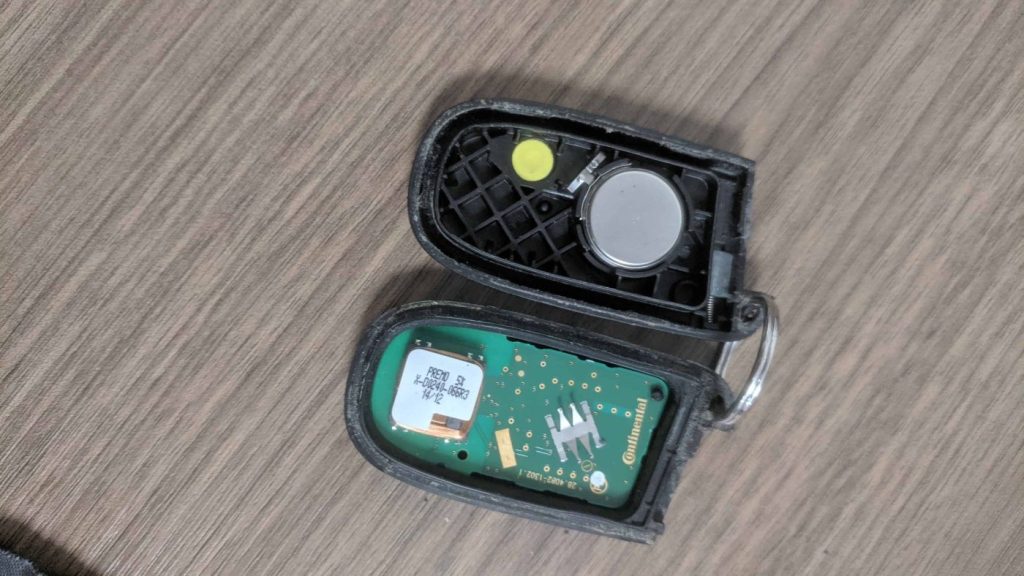
In addition to battery replacement, keeping a spare battery indoors during winter can provide added reassurance. Storing replacement batteries inside your home rather than in the vehicle prevents exposure to extreme cold, preserving their charge.
Some vehicles also provide warning messages on the dashboard when key fob battery levels are low. Paying attention to these alerts, rather than postponing replacement, can prevent inconvenience during freezing conditions.
Maintaining a strong key fob battery reduces dependence on manual locks and supports reliable vehicle access throughout winter. It is a minor maintenance step that contributes significantly to cold-weather readiness and everyday convenience.
3. Use a Car Lock De-Icer Preventatively
Using a car lock de-icer preventatively is one of the most practical ways to reduce the risk of frozen door locks during winter. Many drivers only reach for de-icer after discovering that their key will not turn, but applying it before temperatures drop can significantly lower the chance of ice forming inside the lock cylinder in the first place.
Lock de-icers typically contain alcohol-based compounds such as isopropyl alcohol or methanol. These substances are effective because they displace water and evaporate quickly, leaving little residual moisture behind. When sprayed into a lock cylinder ahead of freezing conditions, the de-icer helps remove any trapped condensation that might otherwise solidify overnight.
Moisture enters lock cylinders in several ways. Snow accumulation can melt and seep into the keyhole during daytime warming. Rainwater can penetrate small gaps around the cylinder.
Even routine car washes in winter can introduce water that lingers inside the mechanism. When temperatures fall below 32 degrees Fahrenheit, that moisture expands as it freezes, preventing internal components from moving freely.
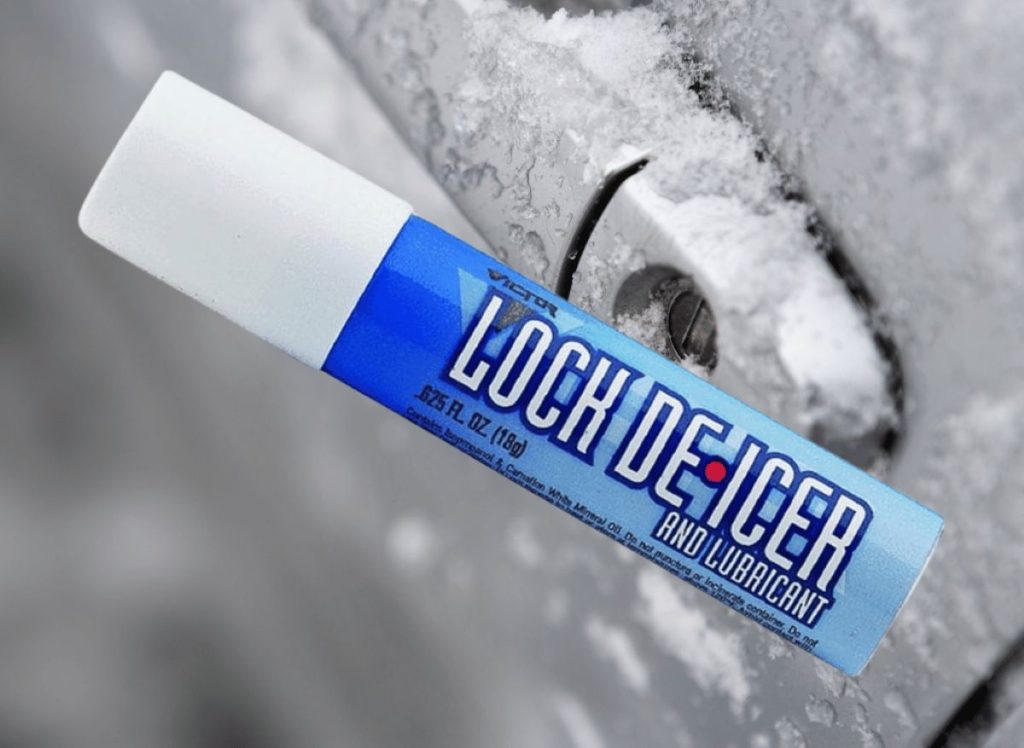
Applying a small amount of de-icer in advance, particularly before a forecasted freeze or winter storm, helps clear that hidden moisture before it can cause problems. To use it preventatively, insert the spray nozzle into the keyhole and apply a brief burst. Afterward, insert the key and turn it gently several times to distribute the solution throughout the internal pins and springs.
It is important to store de-icer in an accessible indoor location during winter. Keeping it inside the vehicle defeats its purpose if the door cannot be opened. A small bottle kept in a coat pocket, garage shelf, or entryway ensures it is available when needed.
Preventative use does not eliminate the need for proper lubrication or seal maintenance, but it adds another layer of protection against sudden freezes. For drivers in colder U.S. regions, incorporating lock de-icer into routine winter preparation can prevent the inconvenience of being locked out on icy mornings and reduce stress during severe weather conditions.
4. Dry Car Door Seals and Lock Areas After Washing
Drying car door seals and lock areas after washing is a simple but highly effective step in preventing frozen locks and doors during winter.
While washing your vehicle in cold months is essential for removing road salt and grime, it also introduces moisture into areas that are particularly vulnerable to freezing temperatures. If that water remains trapped overnight, it can quickly solidify and interfere with normal door operation.
Door seals, also known as weatherstripping, are designed to create a barrier between the cabin and outside elements. However, water can cling to the rubber surface or seep into small crevices along the edge of the door frame.
When temperatures fall below freezing, that moisture can cause the door to stick shut or compromise the locking mechanism’s movement. In addition, water that enters the key cylinder or surrounding trim can freeze internally, preventing the key from turning.
After washing your vehicle, whether at home or at a commercial car wash, take a few extra minutes to dry critical areas thoroughly. Use a clean microfiber towel to wipe along the full perimeter of each door seal, paying attention to corners and lower sections where water tends to collect. Gently dry around the keyhole, door handle seams, and any exposed lock cylinders.
If available, compressed air can help remove moisture from tight crevices around the lock area. Even lightly opening and closing each door several times can help dislodge trapped water.
This preventative step is especially important in regions of the United States where temperatures fluctuate around the freezing mark. Daytime melting followed by nighttime freezing creates ideal conditions for ice formation. By removing excess moisture before the temperature drops, you significantly reduce the risk of waking up to frozen doors or immobile lock mechanisms.
Drying seals and lock areas does not require special tools or products, only attention and consistency. Combined with proper lubrication and seasonal maintenance, this habit can prevent one of winter’s most common and frustrating vehicle issues.
5. Park The Car in a Garage or Sheltered Area When Possible
Parking your car in a garage or sheltered area whenever possible is one of the most reliable ways to prevent door locks from freezing shut.
While it may seem like an obvious solution, the protective benefits extend far beyond simple convenience. Exposure to precipitation, wind, and temperature swings significantly increases the likelihood of moisture entering lock cylinders and door seams, the primary cause of frozen locks.
When a vehicle is parked outdoors during winter, it is directly exposed to snow accumulation, freezing rain, sleet, and overnight condensation. As snow melts during daylight hours, water can seep into small gaps around the keyhole or door handle. Once temperatures drop after sunset, that moisture freezes and expands, immobilizing internal lock components.
A garage, even an unheated one, offers meaningful protection. By shielding the vehicle from direct snowfall and wind-driven rain, a garage reduces the amount of moisture that can enter critical areas. The enclosed environment also moderates temperature fluctuations. Even a few degrees of difference can prevent ice from forming inside the lock cylinder.
Heated garages provide additional benefits by keeping both the exterior surfaces and internal components above freezing. However, even a standard residential garage significantly lowers risk compared to open exposure.
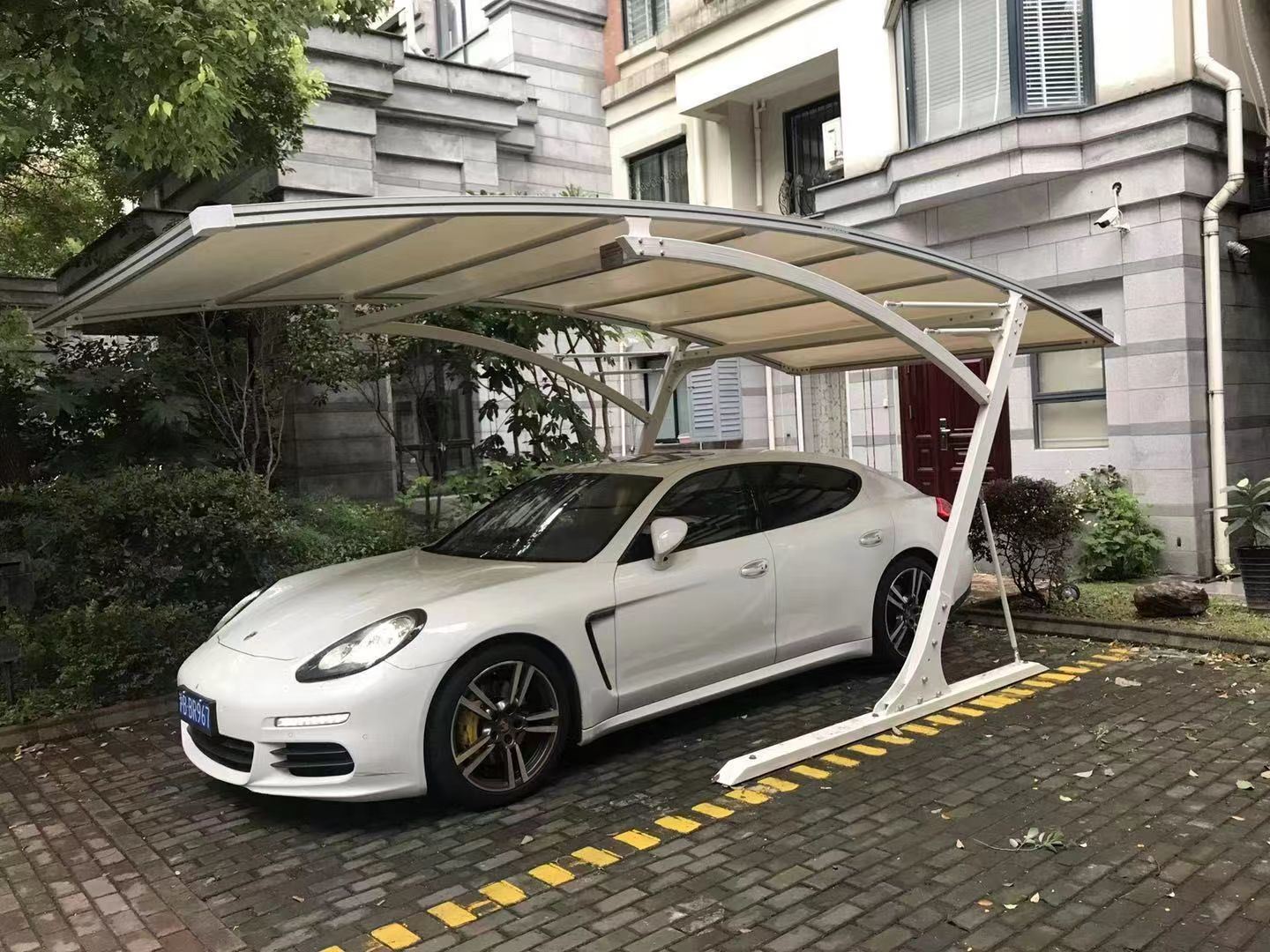
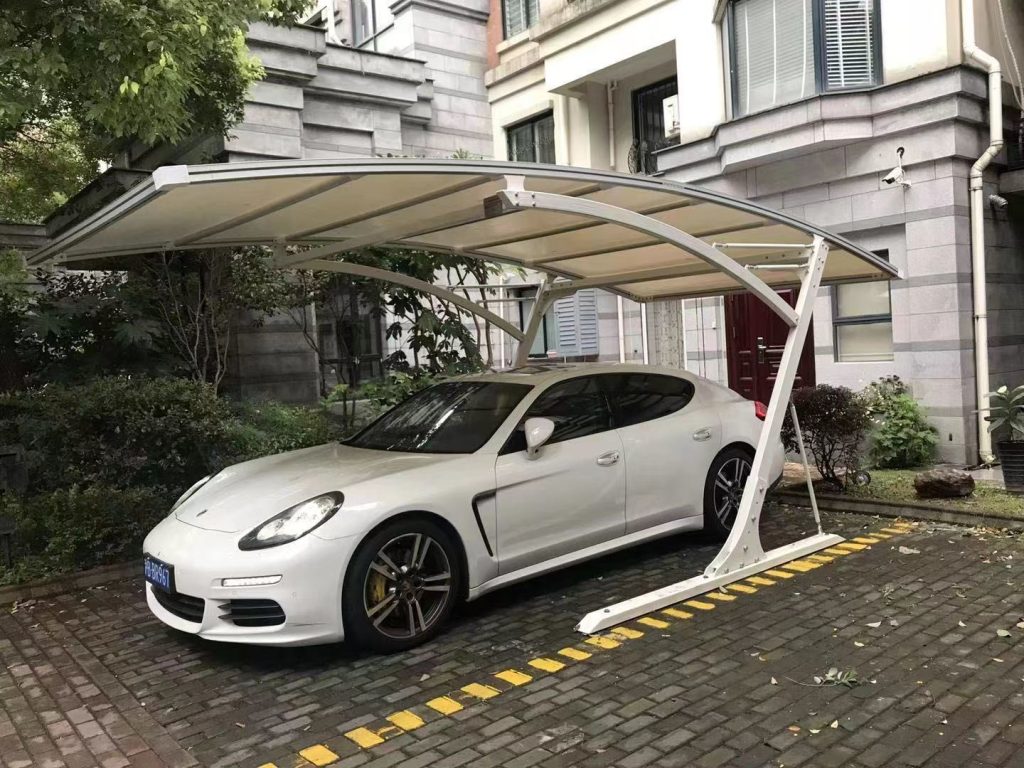
If a garage is not available, parking beneath a carport or in a location shielded from prevailing winds can help. Positioning the vehicle close to a building or structure reduces direct contact with blowing snow and freezing rain. In apartment complexes or urban settings, selecting parking spots that are less exposed to open wind channels can also make a difference.
While not every driver has consistent access to covered parking, using it whenever possible reduces repeated freeze-thaw cycles that accelerate wear on door seals and lock mechanisms.
Limiting exposure to winter precipitation is one of the most effective preventative measures. By reducing moisture contact before freezing temperatures set in, sheltered parking helps preserve both lock functionality and overall vehicle condition throughout the coldest months.
6. Cover the Car Keyhole Before a Storm
Covering the car keyhole before a winter storm is a simple yet effective preventative measure that can significantly reduce the risk of frozen door locks.
While modern vehicles increasingly rely on remote keyless entry systems, many still include exposed manual key cylinders as a backup. When freezing rain, sleet, or heavy snowfall is forecast, protecting that exposed opening can prevent moisture from entering the lock mechanism altogether.
The keyhole is particularly vulnerable during winter storms. Freezing rain can coat the entire vehicle in a thin layer of ice, and melting snow can seep directly into the cylinder. Once temperatures drop overnight, that moisture solidifies inside the lock, expanding around the internal pins and springs. The result is a key that will not insert properly or refuses to turn.
Applying a temporary barrier before the storm begins can stop this process at its source. A small piece of painter’s tape or masking tape placed directly over the keyhole acts as a protective seal against precipitation. Painter’s tape is preferred because it adheres well but removes cleanly without leaving residue on the paint or trim. The tape should be applied smoothly and pressed firmly along the edges to block water intrusion.
This method is especially useful for drivers who primarily rely on electronic key fobs and rarely use the manual key. In extreme cold, electronic systems can fail due to battery weakness, making the mechanical key essential. Preventing the keyhole from freezing ensures that backup access remains available if needed.
Once the storm has passed and conditions improve, the tape should be removed promptly. Prolonged exposure to sunlight or fluctuating temperatures can cause adhesive to harden if left in place too long.
While this is not a permanent solution and should be combined with lubrication and proper maintenance, covering the keyhole before severe weather provides an added layer of protection. It is a quick, inexpensive step that can prevent significant inconvenience on cold winter mornings, particularly in regions prone to freezing rain and sudden temperature drops.
7. Maintain Car Door Weatherstripping
Maintaining car door weatherstripping is a crucial yet often overlooked step in preventing frozen door locks and doors during winter. Weatherstripping refers to the rubber seals that line the perimeter of each door, forming a protective barrier between the cabin and the outside environment. When these seals are in good condition, they block moisture, wind, and debris from entering sensitive areas around the lock mechanism and door frame.
Over time, rubber weatherstripping can dry out, crack, flatten, or lose elasticity due to exposure to sunlight, road salt, and fluctuating temperatures. In colder climates, brittle seals become especially problematic. When moisture seeps past worn or damaged weatherstripping, it can collect inside the door assembly or along the edges of the frame. As temperatures drop below freezing, that trapped water turns to ice, causing doors to stick shut and increasing the likelihood of lock components freezing internally.
Regular inspection is the first step in proper maintenance. Drivers should check for visible cracks, gaps, or sections where the rubber appears compressed or detached. Running a hand along the seal can also help detect rough or hardened areas. If the weatherstripping feels stiff rather than flexible, it may no longer be forming an effective seal.
Applying a rubber conditioner or silicone-based protectant helps restore flexibility and prevent drying. These products create a light protective layer that repels moisture while keeping the rubber supple in cold weather. Application typically involves wiping the seal clean, then applying a thin coat of conditioner evenly along the entire length.
In cases where seals are severely damaged, replacement may be necessary. While weatherstripping replacement requires modest effort, it is far less costly than addressing long-term water damage or repeated freeze-related issues.
Well-maintained weatherstripping does more than prevent frozen locks. It also reduces wind noise, improves cabin insulation, and helps maintain interior comfort during winter. For drivers in colder U.S. regions, incorporating seal inspection and conditioning into seasonal maintenance can significantly reduce cold-weather door and lock problems while preserving overall vehicle integrity.
8. Avoid Pouring Hot Water on Car’s Frozen Locks
Avoiding the use of hot water on frozen car locks is an important precaution during winter, even though it may seem like an immediate and convenient solution. When faced with a key that will not turn or insert due to ice buildup, pouring warm or hot water over the lock can appear to offer quick relief. However, this method often creates more problems than it solves.
Hot water temporarily melts surface ice, allowing access to the key cylinder. The issue arises shortly afterward. As temperatures remain below freezing, the water that seeps deeper into the lock mechanism quickly cools and refreezes. Because water expands when it freezes, the newly formed ice can bind internal components more tightly than before. This can leave the lock even more difficult to operate later in the day or the following morning.
In addition to refreezing, rapid temperature changes may stress exterior surfaces. Pouring very hot water on metal and painted components in subfreezing conditions can cause minor surface damage over time, particularly if repeated frequently. While modern automotive finishes are durable, repeated thermal shock is not ideal for long-term protection.
A better approach is to use alcohol-based lock de-icer, which both melts ice and evaporates quickly without leaving excess moisture behind.
Another option is to gently warm the key indoors and insert it carefully into the lock, allowing heat transfer to loosen internal ice without introducing new water. Portable heating devices such as a hair dryer, when used safely with proper extension access, can also thaw frozen components without additional moisture.
Preventative measures, including applying silicone lubricant, maintaining door seals, and limiting moisture exposure, remain the most effective defense against frozen locks.
Ultimately, while hot water may provide temporary access in an emergency, it often worsens the underlying issue. Avoiding this shortcut helps prevent recurring freezing problems and protects the integrity of your vehicle’s locking system throughout the winter season.
Cold-weather maintenance extends beyond locks alone. Keeping your vehicle clean, applying protective wax coatings, and ensuring door alignment can all reduce water intrusion.
If your vehicle frequently experiences frozen locks despite preventative measures, consider having a technician inspect the door assembly. Persistent freezing may indicate worn seals or drainage issues inside the door panel.
For drivers in states such as Minnesota, North Dakota, Michigan, or upstate New York, winterizing your vehicle is not optional — it is essential. Door lock maintenance should be part of your seasonal preparation routine alongside battery checks, tire pressure adjustments, and antifreeze inspection.
Frozen car door locks are an avoidable winter frustration. Most instances occur due to trapped moisture combined with sudden temperature drops. By applying moisture-repelling lubricants, maintaining door seals, storing de-icer properly, and minimizing exposure to precipitation, drivers can dramatically reduce the likelihood of encountering frozen locks.
Preparation before the coldest nights arrive makes all the difference. A few preventative steps in early winter can save time, inconvenience, and potential mechanical damage when temperatures plunge.
In colder regions of the United States, proactive winter maintenance ensures that your vehicle remains accessible and functional — no matter how low the thermometer drops.