
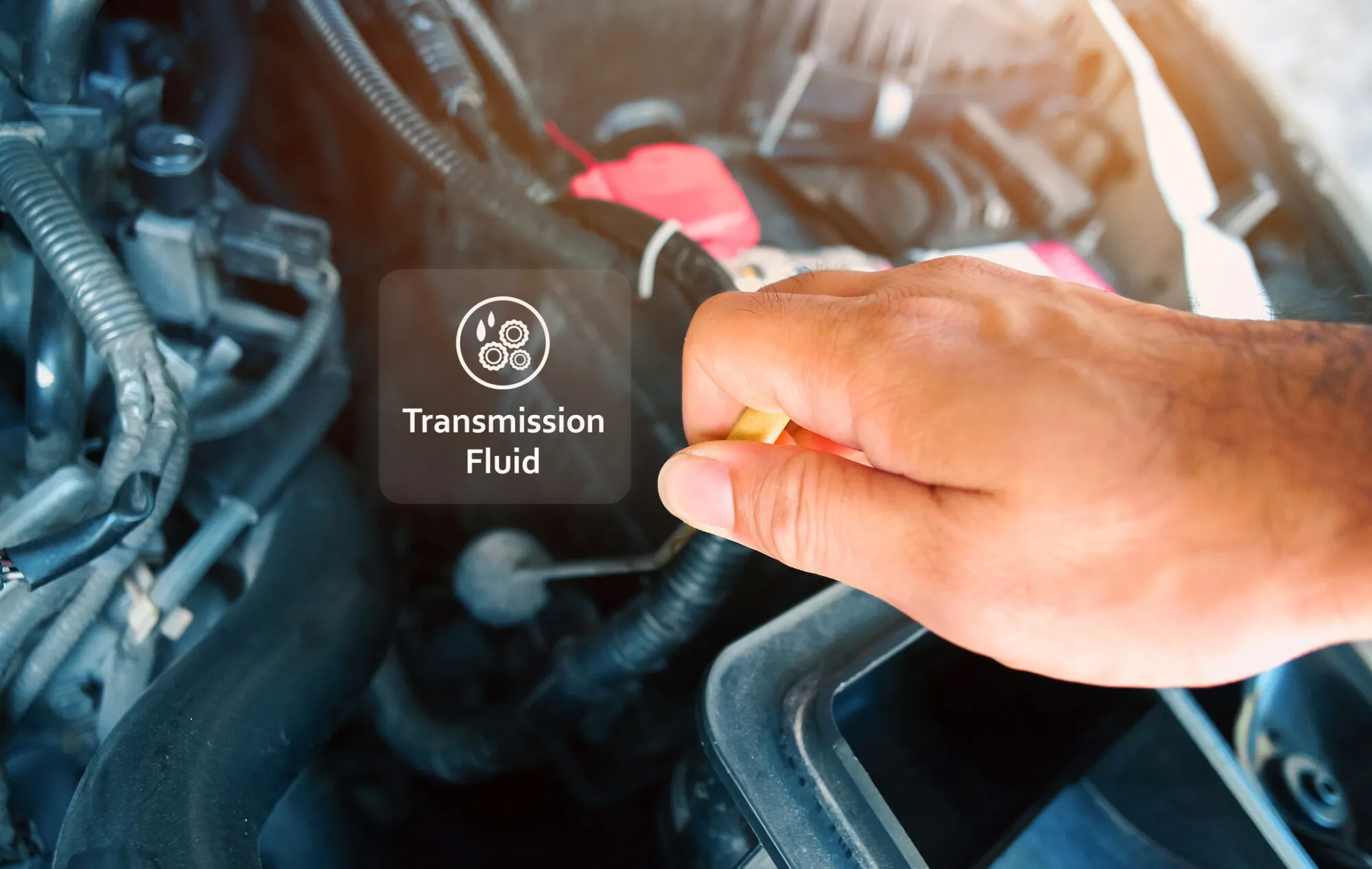
Your transmission works harder than almost any other component in your vehicle. Every time you accelerate, slow down, or change gears, this complicated system coordinates hundreds of moving parts under intense heat and pressure.
Transmission fluid acts as the lifeblood of the system, lubricating internal components, cooling metal surfaces, and creating the hydraulic force required for smooth gear engagement. When that fluid becomes contaminated, breaks down, or drops below proper levels, trouble can develop quickly, and repairs can become costly.
Overlooking transmission fluid maintenance costs drivers thousands of dollars each year. A complete transmission rebuild often ranges from $2,500 to $5,000, depending on the vehicle, while full replacement in some models can exceed $8,000.
Many drivers don’t realize their transmission needs attention until serious symptoms appear. Gears may begin slipping during acceleration. Unusual noises might come from beneath the vehicle. Dashboard warning lights can illuminate unexpectedly. By the time these obvious signs show up, internal wear may already be underway, transforming a minor maintenance need into a major mechanical expense.
Fortunately, transmission fluid deterioration happens gradually, not instantly. Changes in color, burnt odors, delayed gear engagement, or rough operation often appear first. Recognizing these early warnings allows you to take action before damage escalates.
Maintenance intervals vary by manufacturer. Some recommend service every 30,000 miles, others suggest 60,000 to 100,000 miles, and a few advertise “lifetime” fluid. In reality, no fluid lasts forever under constant heat and pressure. Understanding the warning signs helps protect your vehicle’s reliability and your budget over the long term.
1. Dark or Burnt-Looking Fluid Color
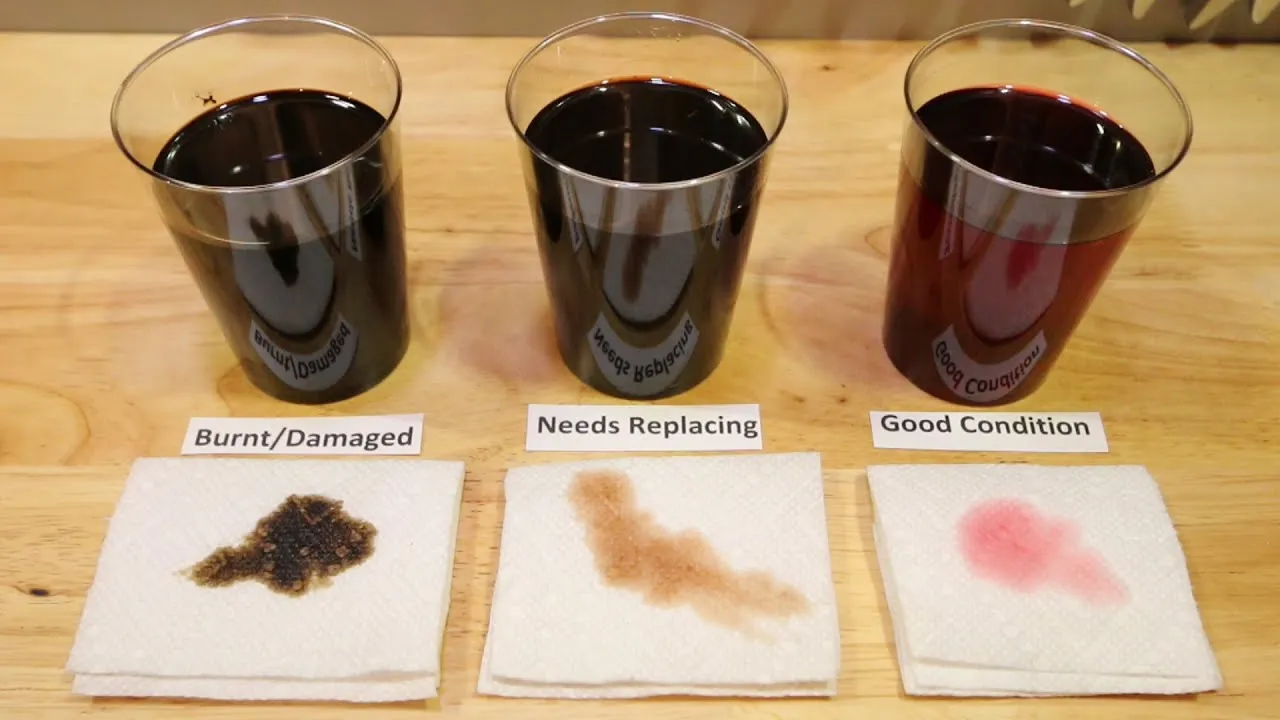
Fresh transmission fluid glows bright red, almost pink in some formulations, with crystal clarity that lets you see right through it. That vibrant color isn’t just for aesthetics; it helps you monitor fluid condition at a glance. When you check your transmission dipstick and see dark brown or black fluid instead of that cheerful red, your transmission is telling you it’s been working too hard for too long without proper care.
Color transformation happens gradually as transmission fluid ages. Heat breaks down the chemical compounds that give the fluid its lubricating properties and red color. Clutch material, metal particles, and other contaminants accumulate in the fluid, darkening it further.
A 2017 Ford Escape SE with 80,000 miles might show slightly brown fluid that’s still serviceable, while a 2015 Chevrolet Silverado 1500 LT with 120,000 miles and no transmission service history could have fluid so dark it looks like used motor oil.
Burnt transmission fluid develops a distinct appearance beyond just dark color. It might appear almost black with a gritty, opaque quality rather than the translucent nature of healthy fluid. This burnt appearance indicates the fluid has been exposed to excessive heat, breaking down its molecular structure.
When fluid burns, it loses its ability to lubricate properly, cool transmission components, and maintain proper hydraulic pressure. Continuing to drive on burnt fluid accelerates wear on internal components, potentially causing failure within thousands rather than tens of thousands of miles.
Checking transmission fluid color requires locating your dipstick, though not all modern vehicles include one. For vehicles equipped with dipsticks, park on level ground with the engine running and warmed to operating temperature.
Pull the dipstick, wipe it clean, reinsert it fully, then remove it again to check the fluid level and color. Drip some fluid onto a white paper towel to see its true color more clearly. Bright red means you’re good. Dark red or light brown suggests the fluid is aging but still functional. Dark brown or black means you need service immediately.
Some newer vehicles, including certain 2018 Honda Accord models and 2019 Toyota Camry variants, don’t include traditional dipsticks. Manufacturers claim sealed transmissions with lifetime fluid, though mechanics universally dispute the “lifetime” claim.
For these vehicles, checking fluid requires visiting a service facility with proper equipment to access the transmission fill port and evaluate fluid condition. This design choice makes regular fluid monitoring more difficult, increasing the importance of following manufacturer service intervals rather than waiting for problems to develop.
Temperature plays a role in fluid degradation. Transmissions running consistently hot break down fluid faster than those operating at moderate temperatures. Frequent towing, mountain driving, stop-and-go city traffic, and hot climates all increase transmission temperatures, accelerating fluid aging.
A 2016 Ram 1500 Big Horn used primarily for towing might need fluid changes every 30,000 miles, while an identical truck used for highway commuting could go 60,000 miles between services.

2. Burning Smell Coming From Underneath Your Vehicle
Your nose knows when something’s wrong. Transmission fluid burning creates a distinctive odor you won’t easily forget once you’ve encountered it. That smell, often described as similar to burnt toast or electrical fire, indicates your transmission is overheating and cooking its own fluid.
When you notice this acrid odor, especially after driving or while the vehicle is idling, your transmission is literally crying out for help. Burning transmission fluid smells noticeably different from other automotive odors. Engine oil burning smells heavy and greasy. Coolant leaking onto hot engine parts smells sweet.
Burning transmission fluid has a sharp, unpleasant chemical smell that makes you instinctively recoil. That distinctive odor comes from the fluid’s chemical compounds breaking down under extreme heat, releasing aromatic molecules that trigger your olfactory warning system.
A 2014 Nissan Altima 2.5 SV experiencing transmission overheating might release wisps of smoke from underneath the vehicle, along with that burning smell. You might notice the odor strongest after driving up steep hills, accelerating hard, or sitting in traffic on hot days.
These situations increase transmission load and temperature, pushing already-degraded fluid past its thermal limits. Fresh fluid with proper cooling capacity would handle these conditions without complaint, but old or low fluid can’t dissipate heat effectively.
Several conditions cause transmission fluid to burn. Low fluid levels top the list, since insufficient fluid can’t absorb and transfer heat away from working components. When fluid runs low, what remains works harder and gets hotter, eventually reaching temperatures where it begins to decompose.
Blocked transmission coolers prevent proper heat exchange, forcing fluid to circulate without cooling. Failed cooling lines leak fluid or restrict flow. Internal transmission problems like slipping clutches generate excessive friction heat that overwhelms even healthy fluid.
Detecting burning transmission fluid odor requires attention while driving and immediately after parking. During operation, the smell might enter the cabin through the ventilation system or simply drift in through the windows.
After parking, walk around your vehicle while the engine is still running or just after shutdown. Crouch near the front wheels and underneath the vehicle (safely, without getting under it) to catch odors rising from the hot transmission. That burning smell should trigger immediate concern and prompt you to check fluid levels and condition.
Continuous driving with burning transmission fluid causes progressive damage. High heat warps internal transmission components, burns clutch materials, and degrades seals that prevent fluid leakage. What might have been resolved with a simple fluid change and cooling system inspection becomes a rebuild requirement if ignored.
A 2016 Jeep Cherokee Latitude showing early signs of overheating and burning fluid might only need a transmission cooler flush and fresh fluid. Wait until gears start slipping, and you’re looking at internal repairs costing thousands.
Also Read: Top 10 Tips for Negotiating the Best Price on a New Car in 2026
3. Grinding, Whining, or Clunking Noises During Gear Changes
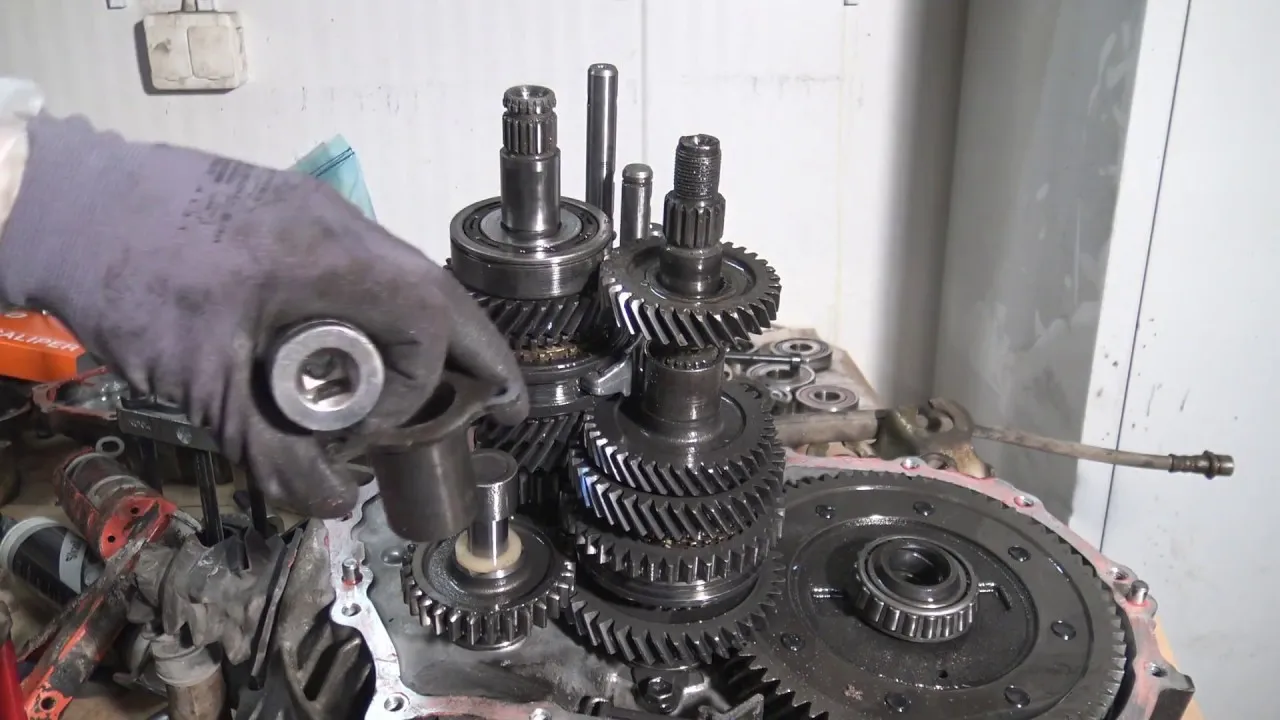
Smooth, nearly silent gear engagement defines a healthy automatic transmission. You may notice a faint click or a mild transition as gears change, but you should never hear grinding, loud clunking, or sharp whining. When unusual sounds develop, they often signal that internal metal components are contacting each other improperly. In many cases, degraded or low transmission fluid is the root cause.
Grinding noises typically point to inadequate lubrication. Transmission fluid forms a thin protective layer between moving parts, preventing direct metal-to-metal contact. When fluid levels drop or its protective qualities break down due to age or contamination, that barrier weakens.
Gears, clutch plates, and bearings can begin rubbing together, producing grinding sounds and accelerating wear. A 2015 Volkswagen Jetta S with insufficient fluid, for example, may generate noticeable grinding when moving from park into drive or during gear changes under acceleration.
Whining sounds that rise with engine speed often suggest pump or bearing concerns. The transmission pump circulates fluid to maintain hydraulic pressure for proper gear engagement and torque converter function. If fluid is low or contaminated, the pump must work harder to maintain pressure, sometimes creating a high-pitched whine.
This noise usually becomes more noticeable as speed increases and differs from normal operating sounds by its sharper tone and persistence. Clunking during gear engagement frequently indicates abrupt operation caused by unstable hydraulic pressure. Solenoids and valve bodies regulate fluid flow to ensure smooth transitions.
When fluid quality deteriorates, pressure regulation becomes inconsistent, causing components to engage forcefully instead of gradually. A 2017 Kia Sorento LX that produces clunking during acceleration may be experiencing increased strain on internal clutch packs and bands with each harsh engagement.
Noises heard in neutral also deserve attention. If rattling or grinding appears in neutral but fades in park or drive, it may indicate improper lubrication or weak hydraulic control. Recording these sounds can assist technicians in diagnosis.
Noting whether they occur during cold starts, after extended driving, or only at certain speeds provides valuable insight. A 2018 Subaru Outback 2.5i making noise only when cold may point to a fluid condition, while noise after highway driving could suggest heat-related wear.
4. Delayed Engagement When Shifting Into Drive or Reverse
You start your engine, press the brake pedal, move the selector into drive, release the brake, and…nothing happens for a moment before the transmission finally engages with a noticeable jolt. That pause between selecting a gear and feeling the vehicle respond usually signals a hydraulic pressure issue, most often tied to fluid condition or level. A healthy transmission engages almost instantly, delivering a smooth, immediate response when you’re ready to move.
Delayed engagement commonly appears during cold starts. After starting the engine, you select drive or reverse and wait two to five seconds before the transmission responds. During that hesitation, it’s easy to tap the accelerator, thinking the vehicle isn’t reacting, only to lurch forward once engagement finally occurs.
A 2016 Chrysler 300 Limited showing this symptom often has fluid that has lost its proper cold-temperature viscosity, becoming too thick to circulate quickly through internal passages and build pressure efficiently. If hesitation occurs even after the vehicle has warmed up, the concern becomes more serious.
Once at operating temperature, the transmission should respond without delay. Continued lag may indicate critically low fluid levels or internal seal leaks that prevent adequate pressure buildup. A 2015 Mazda CX-5 Touring that hesitates when warm likely requires prompt service to prevent escalating damage.
Low fluid levels contribute to engagement delays because there isn’t enough fluid to quickly fill internal channels and apply clutch packs. The pump must work longer to generate sufficient hydraulic force. As time goes on, this added strain accelerates wear.
Contaminated fluid creates similar symptoms through blockage rather than shortage. Debris such as metal particles and clutch material can accumulate in narrow valve body passages, restricting flow. This slows the delivery of pressurized fluid needed for smooth gear engagement. Fresh, clean fluid moves freely and restores quicker response.
You can test for hesitation by timing how long it takes for the transmission to engage after selecting drive or reverse during a cold start. Engagement should occur within 1 second. Delays of several seconds, especially when warm, indicate the need for immediate professional evaluation to avoid more extensive repairs.
5. Slipping Gears or Loss of Power During Acceleration
Pressing the accelerator should produce immediate, proportional acceleration as your transmission smoothly transfers engine power to the wheels. When gears slip, that relationship breaks down. Your engine revs higher without corresponding acceleration, creating a disconnect between what you’re asking the vehicle to do and what actually happens. This terrifying symptom indicates your transmission can’t maintain proper grip on gears, almost always stemming from fluid problems.
Gear slipping manifests differently depending on driving conditions. During gentle acceleration from a stoplight, you might notice the engine RPM jumping suddenly without speed increasing proportionally. Your tachometer climbs from 2,000 to 3,500 RPM, but your speedometer barely budges.
Then the transmission catches, and you lurch forward as power suddenly transfers. A 2017 Hyundai Elantra SE experiencing this symptom feels like someone momentarily disconnected the engine from the wheels, then reconnected it abruptly.
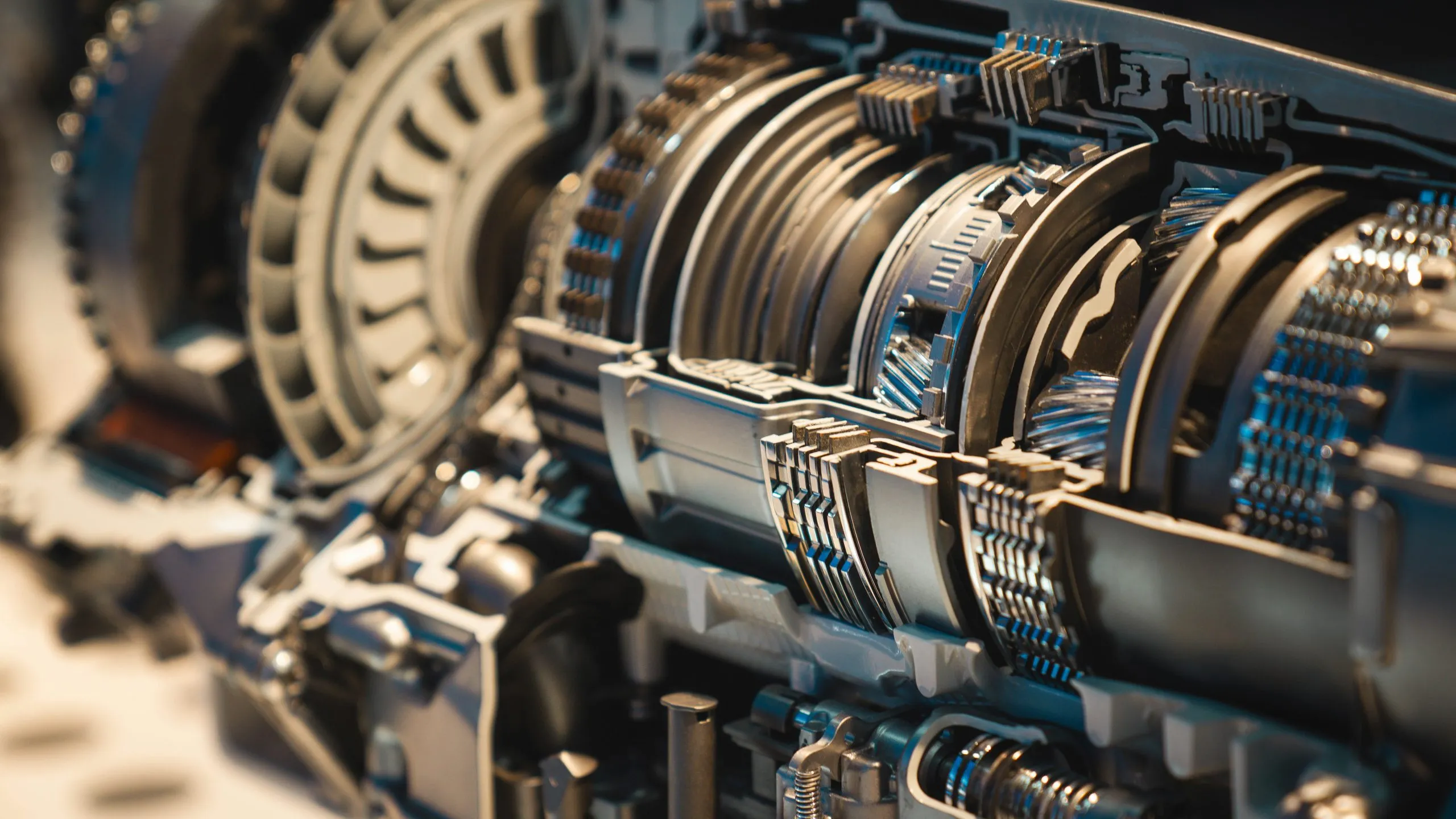
Worn clutch packs inside the transmission cause slipping when the transmission fluid can’t maintain sufficient hydraulic pressure to keep them engaged. Automatic transmissions use multiple clutch packs and bands that engage and release to create different gear ratios.
These clutches require precise hydraulic pressure to clamp together firmly. Degraded or low transmission fluid can’t maintain that pressure, allowing clutches to slip against each other rather than locking together. Each slip generates heat and wears the clutch material further, accelerating damage in a vicious cycle.
A 2016 GMC Acadia SLE might show slipping behavior that progressively worsens. Initially, slipping occurs only under hard acceleration when the transmission load peaks. Maintaining constant speed or gentle acceleration works normally.
As fluid degrades further and clutch wear increases, slipping begins to happen during moderate acceleration. Eventually, even gentle driving produces slipping, and the transmission may fail to engage certain gears entirely, leaving you stranded or limited to specific gears.
Torque converter problems also cause slipping sensations. Your torque converter acts as a fluid coupling between the engine and the transmission, using transmission fluid to transfer power. When fluid levels drop or fluid quality deteriorates, the torque converter can’t maintain proper lockup, causing slippage that feels similar to clutch problems but occurs at different points in acceleration.
Torque converter slipping typically feels like driving with a slipping clutch in a manual transmission vehicle, where engine speed and vehicle speed become disconnected. Temperature exacerbates slipping problems. Cold transmissions might work acceptably, but once the fluid heats up and becomes thinner, slipping begins.
This hot-weather slipping indicates fluid that’s lost its ability to maintain proper viscosity across temperature ranges. Fresh transmission fluid maintains consistent thickness whether cold or hot. Degraded fluid becomes too thin when heated, unable to maintain hydraulic pressure.
A 2018 Ford Fusion SE that works fine for the first 20 minutes of driving but starts slipping after warming up demonstrates this temperature-dependent failure pattern.
6. Fluid Leaking Underneath Your Parked Vehicle
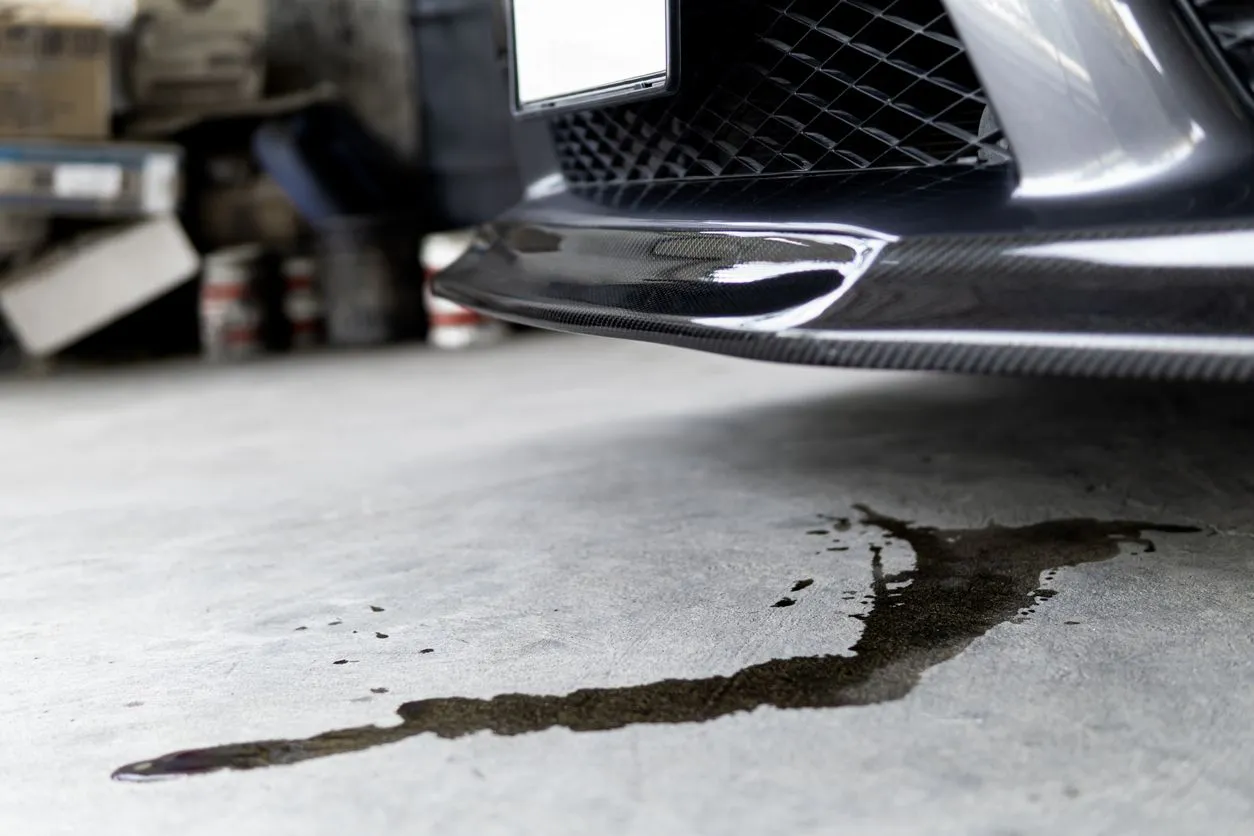
Waking up to discover a puddle underneath your parked car never brings good news. When that puddle glows bright red or dark reddish-brown, you’re looking at transmission fluid, and your vehicle is literally bleeding its lifeblood onto your driveway.
Transmission fluid leaks range from slow seeps that take weeks to lower fluid levels dangerously to dramatic gushing that can empty your transmission in hours. Either way, leaked fluid can’t lubricate, cool, or provide hydraulic pressure, making leaks one of the most urgent transmission problems requiring immediate attention.
Identifying transmission fluid versus other automotive fluids matters for proper diagnosis. Engine oil appears amber to dark brown and feels slippery. Power steering fluid looks reddish, but smells different and appears in different locations.
Coolant comes in various colors (green, orange, pink) and feels somewhat slimy. Transmission fluid is distinctly red when fresh, transitioning to brown as it ages, and appears underneath the front-center or front-passenger area of your vehicle where the transmission sits. A 2015 Toyota Highlander XLE with a leaking transmission fluid will show puddles roughly centered under the front of the vehicle, slightly toward the driver’s side.
Leak severity determines how quickly you need to act. Small drips that produce quarter-sized spots after overnight parking indicate minor leaks from pan gaskets or seal seepage. These leaks lower fluid levels slowly, giving you days or weeks before reaching critical levels.
Larger puddles measuring 6 inches across or more signal serious leaks from failed seals, cracked cooler lines, or damaged transmission pans. These major leaks can drop fluid levels to dangerous territory within hours of driving. Any active leak while the engine runs indicates a pressurized leak that will empty your transmission quickly.
Common leak sources include the transmission pan gasket, output shaft seals, input shaft seals, and transmission cooler lines. Pan gasket leaks typically result from overtightened bolts that crush the gasket or from aged gaskets that have hardened and cracked. These leaks appear as seepage along the pan edge, often coating the entire pan bottom in fluid that drips from the lowest point.
Output shaft seal leaks occur where the driveshaft connects to the transmission, often appearing on the rear of the transmission housing. A 2016 Dodge Durango SXT with a failed output shaft seal might show fluid accumulating around the driveshaft and running down the transmission tail housing.
Cooler line leaks deserve special attention because they occur in metal lines or rubber hoses carrying pressurized fluid between the transmission and radiator-mounted cooler. These lines run along the bottom of the vehicle, exposed to road debris, salt, and rocks that can damage them.
A small perforation in a cooler line can spray transmission fluid across the undercarriage, creating dramatic messes that make the leak appear worse than it is. However, even small cooler line leaks will quickly deplete fluid levels since they’re under constant pressure whenever the engine runs.
7. Transmission Warning Light or Check Engine Light Illuminated
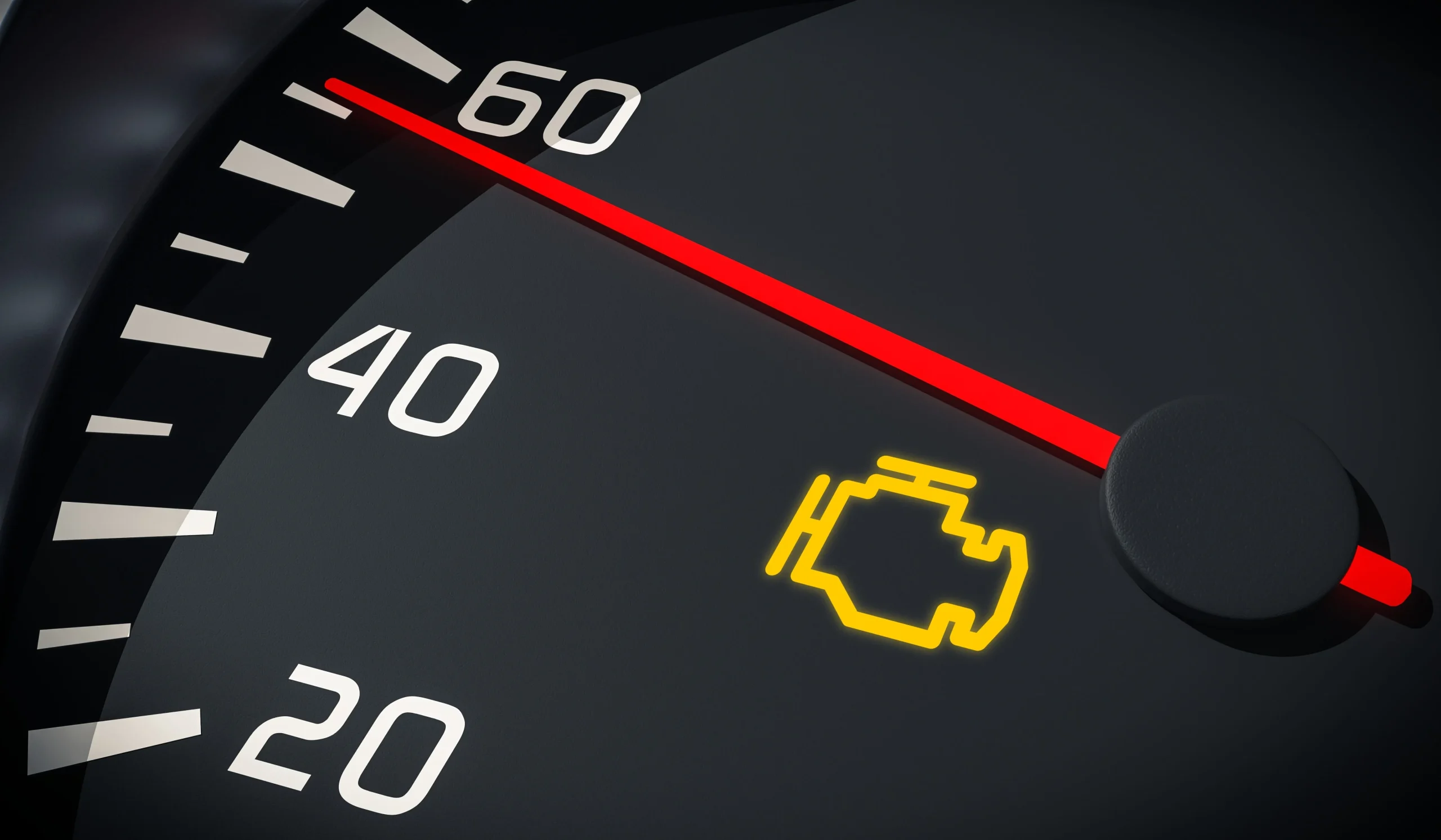
Dashboard warning lights exist for good reasons. When your transmission warning light illuminates (a gear icon with an exclamation point or the words “TRANS” or “AT” on many vehicles), your vehicle’s computer has detected a problem serious enough to alert you immediately.
Similarly, check engine lights often indicate transmission-related issues since transmission control systems integrate with engine management computers. Ignoring these warnings, hoping they’ll disappear on their own, rarely ends well and frequently transforms manageable problems into catastrophic failures.
Modern transmissions include numerous sensors monitoring fluid pressure, temperature, speed, and component operation. When sensor readings fall outside normal parameters, the transmission control module logs a diagnostic trouble code and illuminates warning lights.
A 2018 Chevrolet Malibu LT might show a transmission warning light because its temperature sensor detected fluid running 40 degrees hotter than normal, indicating cooling system problems or low fluid levels causing inadequate heat dissipation.
Fluid-related codes commonly trigger warning lights. Low-pressure codes (often P0868 or variations) indicate the transmission can’t maintain the required hydraulic pressure, usually from low fluid levels or a failing pump.
High temperature codes (P0218 and related) show the transmission is overheating, frequently because old fluid can’t cool properly or low fluid levels reduce cooling capacity. Solenoid codes might appear when contaminated fluid clogs the tiny passages these electrical valves must control, preventing proper operation.
Some vehicles enter “limp mode” when serious transmission problems are detected. Limp mode limits the transmission to one or two gears (often second or third) and prevents high-speed operation, allowing you to drive slowly to a repair facility without causing additional damage.
A 2016 Honda Pilot EX-L entering limp mode feels sluggish, won’t accelerate normally, and might refuse to exceed 35-40 mph. This protective mode activates when the computer determines continuing normal operation would cause severe damage, often due to overheating from low fluid levels or pressure loss.
Warning light response time matters critically. Continuing to drive with transmission warning lights illuminated causes progressive damage. If the light appears, check the fluid level immediately if your vehicle has an accessible dipstick.
If the level appears normal, reduce driving to essential trips only and schedule immediate service. If the light flashes or stays on continuously, the problem is urgent and demands immediate professional attention. Never continue regular driving while ignoring transmission warnings, hoping they’ll resolve themselves. They won’t.
Also Read: 8 Tips for Keeping an Older Car Running Like New on a Budget

8. Rough or Erratic Shifting Between Gears
Automatic transmissions are designed to change gears so smoothly that drivers barely notice the transitions during normal driving. Subtle gear changes are expected, yet they should feel controlled, predictable, and tied closely to speed and throttle input.
When a transmission begins engaging gears roughly, unpredictably, or at incorrect speeds, degraded fluid is often responsible. Erratic gear engagement places extra stress on internal components, increases wear, and signals developing problems that require attention before total failure becomes a real possibility.
Harsh gear changes can feel like a minor impact from behind. Instead of seamless power delivery, occupants may feel a jolt forward or backward as the next gear engages. These abrupt changes usually occur when hydraulic pressure spikes too quickly, causing components to engage with excessive force rather than smoothly.
A 2017 Volkswagen Passat 1.8T with this issue might jerk noticeably during a 1-2 upshift or a 3-2 downshift, creating discomfort and accelerating internal wear each time it happens. Early or delayed gear changes also point to trouble. Under normal conditions, transmissions select gears at consistent speeds. Early engagement can cause the engine to lug at low RPM, making acceleration feel strained.
Delayed engagement keeps engine speed higher than necessary, increasing noise and fuel consumption. Contaminated fluid interferes with sensor accuracy and hydraulic response, leading the control system to miscalculate timing. Fresh fluid restores proper pressure and improves consistency in gear engagement.
Flare during upshifts presents another warning sign. Engine RPM should drop as the transmission moves into a higher gear. If RPM briefly rises instead, the system may be slipping before full engagement. A 2016 Buick Enclave Premium that exhibits this symptom during a 3-4 upshift likely faces hydraulic pressure concerns related to fluid quality or level.
Indecisive gear selection, often called hunting, occurs when the transmission repeatedly alternates between gears at steady speeds. This behavior frequently results from contaminated fluid or insufficient pressure. Temperature can also influence performance.
Thickened fluid during cold starts may cause delayed or firm engagement until the system warms up. Monitoring these patterns helps determine whether the condition is stable or rapidly worsening, allowing timely service before costly repairs become unavoidable.
