
Wood and cars do not seem like a natural combination at first. Steel, aluminum, carbon fiber, and advanced composites are the materials that dominate modern automotive engineering conversations, and for good reason. They are strong, predictable, and produced at the industrial scale that mass manufacturing demands.
So when wood appears in a vehicle’s structural design, it tends to stop people mid-thought and make them ask a genuinely interesting question: why would an engineer choose a tree over a steel pressing? The answer is more nuanced and more fascinating than most people expect.
Wood has properties that synthetic materials genuinely struggle to replicate. Certain species and treatments produce wood composites with weight-to-strength ratios that challenge aluminum. Natural wood’s vibration-damping characteristics are difficult to achieve artificially.
Some historic and artisanal vehicle manufacturers used wood framing because it allowed craftsmen to shape complicated body forms without expensive metal stamping tooling.
And in some current research applications, engineered wood products are being reconsidered as sustainable alternatives to carbon fiber in specific structural roles.
This is not a list of concept cars with decorative wood trim on the dashboard. Every vehicle covered in this article uses wood as a genuine structural or semi-structural material in some aspect of its construction, whether as primary body framing, floor structure, composite reinforcement, or load-bearing panel substrate.
Some are historic vehicles whose wooden construction represents the engineering standards of their era. Others are current or recently produced vehicles where wood has been chosen deliberately for specific technical or philosophical reasons that modern alternative materials have not yet displaced.
If you have ever assumed that wood belongs only in furniture and flooring, the eight vehicles covered in this article will give you a thoroughly different perspective on what this material can do when it is applied to transportation engineering with knowledge, craft, and purpose.
1. Morgan Plus Four (CX Generation)
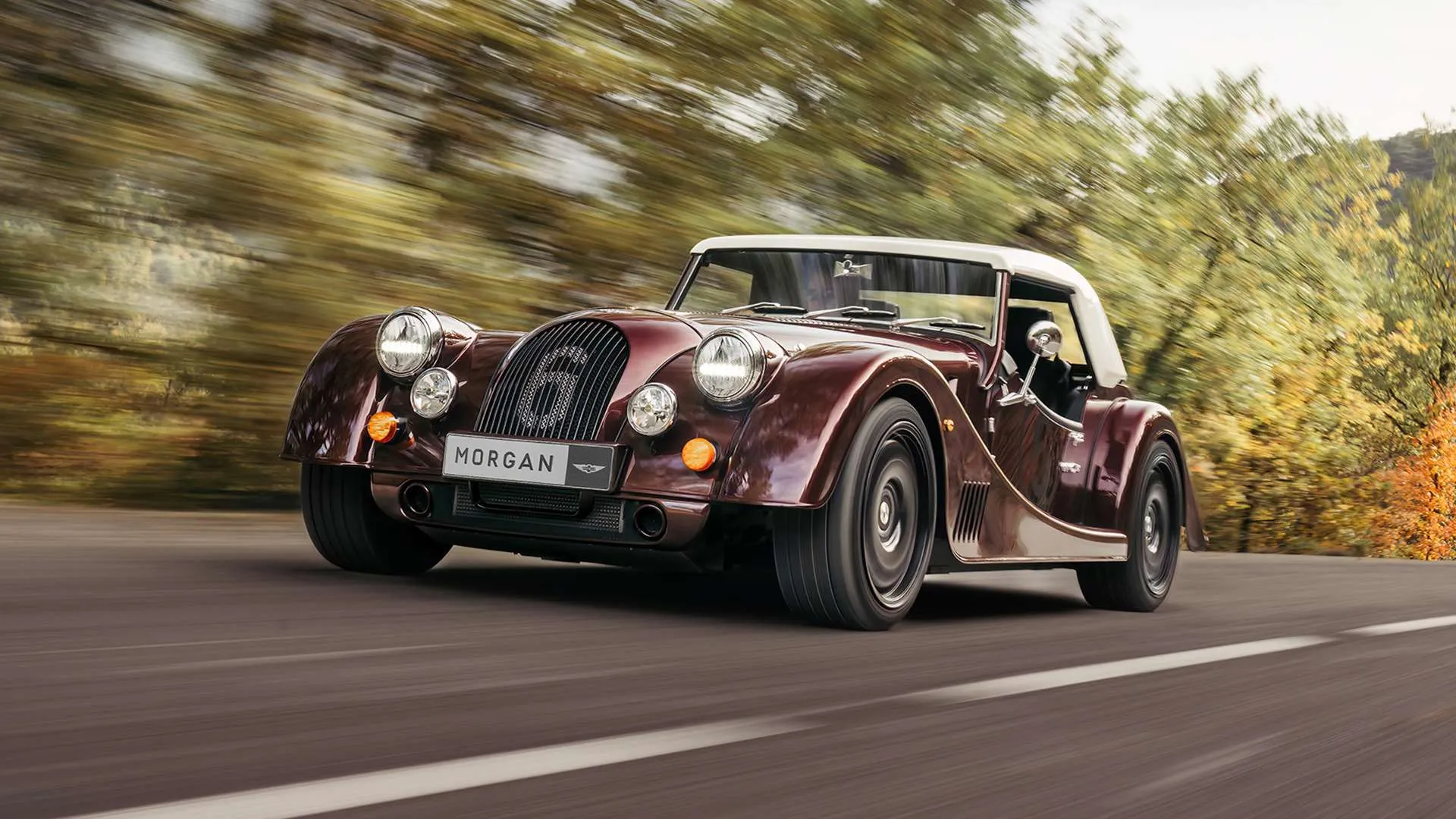
Ask most automotive engineers whether a sports car built around a wooden frame can be taken seriously in the modern market, and you will get a skeptical response. Ask Morgan Motor Company the same question, and they will point you toward the Morgan Plus Four CX generation and let the car answer for itself.
Morgan has used ash wood as a structural framing material for its cars for over a century, and the CX generation, introduced in 2020, represents the latest evolution of that tradition with engineering refinements that bring the wooden structure into direct dialogue with contemporary manufacturing standards.
Morgan’s ash wood frame in the Plus Four CX generation is not a nostalgic affectation retained purely for brand identity purposes.
Ash wood, specifically air-dried and carefully selected ash, offers a combination of flexibility, strength, and workability that makes it genuinely appropriate for the hand-built, low-volume manufacturing process that defines Morgan’s production approach.
Ash bends under load rather than cracking, which is a property that serves a sports car body frame well because it allows the structure to absorb road inputs with a degree of compliance that rigid metal frames handle differently.
Morgan’s craftsmen shape and fit each wooden frame individually, producing body structures that are genuinely bespoke in a way that metal stampings cannot replicate.
CX generation improvements to the Plus Four’s wooden frame construction include updated jointing techniques and improved bonding methods that increase the structure’s resistance to moisture and dimensional change compared to earlier Morgan construction methods.
Historically, moisture absorption was the most legitimate engineering criticism of wooden vehicle frames, and Morgan has addressed that criticism systematically through material treatment and structural sealing approaches that extend the frame’s service life and reduce its sensitivity to humidity changes.
Aluminum body panels attach to the ash wood frame in a combination that Morgan describes as their bonded construction technique, creating a hybrid structure where the wood provides three-dimensional shaping complication that would require expensive tooling to achieve in metal, while the aluminum panels provide the weather-resistant outer surface.
Weight is one of the most immediate practical benefits of this approach. A Morgan Plus Four CX generation with a wooden ash frame weighs considerably less than a comparably sized steel-framed sports car, giving the car performance characteristics that its relatively modest engine outputs can exploit effectively.
Driving a Morgan Plus Four CX generation communicates the wooden frame’s presence in a subtle but genuine way.
Road texture and surface variation arrive through the steering and seat with a specific quality that Morgan owners consistently describe as more connected and communicative than the isolation that modern sports cars provide.
Whether that quality derives specifically from the wooden frame or from the car’s broader construction philosophy is debatable, but the experience is real, and it creates a loyal following that Morgan has sustained for decades through cars that continue to prioritize craft and material character over engineering orthodoxy.
2. 1949 Chrysler Town and Country Convertible
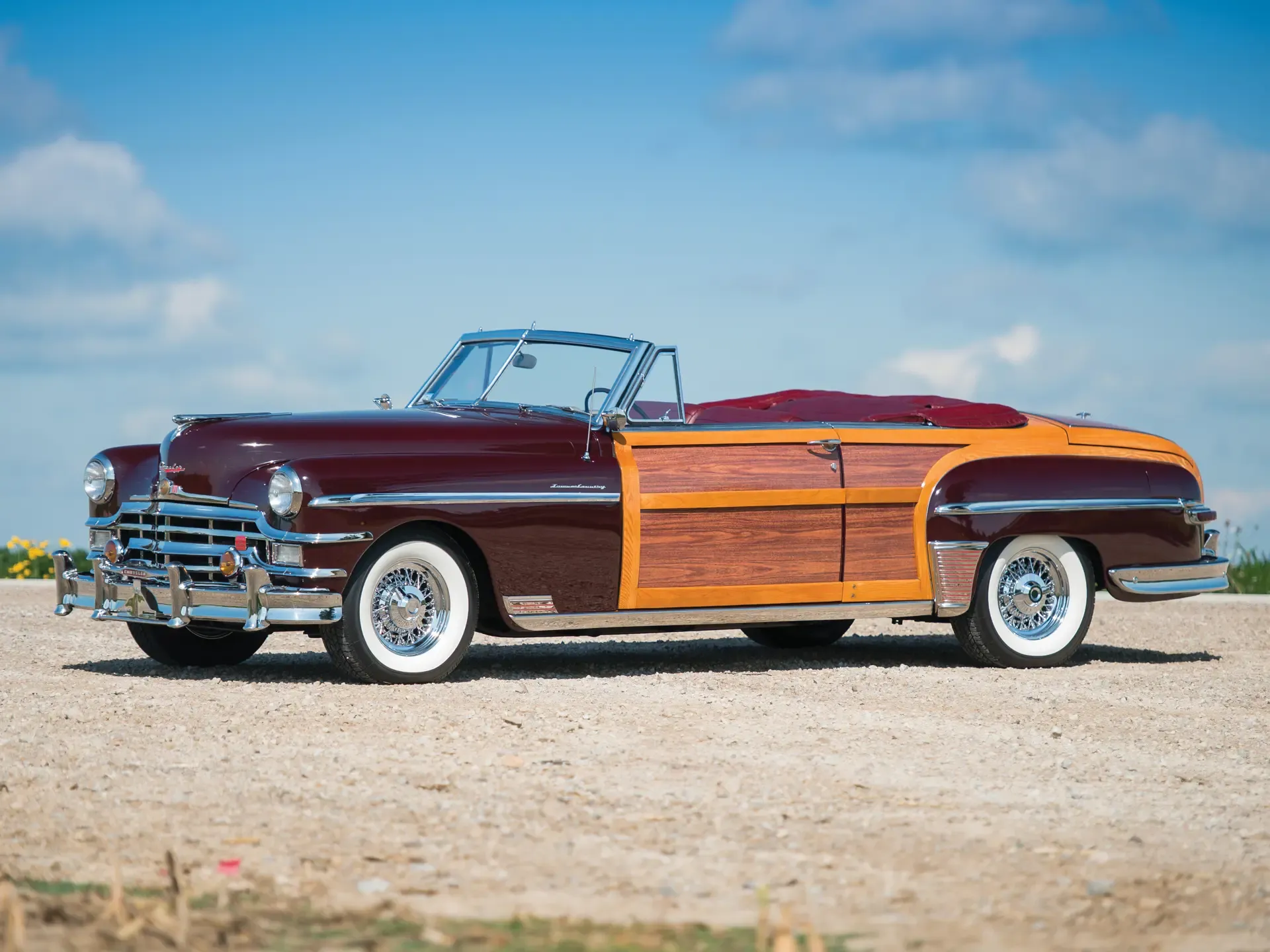
Postwar American automotive design produced some of the most visually dramatic and materially unusual vehicles ever built for public sale, and the 1949 Chrysler Town and Country Convertible stands as one of the most compelling examples of wood used as a genuine structural and aesthetic element in a full-size American luxury automobile.
White ash framing and genuine mahogany paneling were not applied to this car as decoration. They were structural components that formed part of the body’s load-carrying architecture in a construction approach that reflected both the material availability and the craftsman’s manufacturing methods of its era.
Chrysler’s Town and Country series during the late 1940s used white ash wood framing as part of a composite body structure, where wooden members provided the dimensional frame to which metal panels and wooden outer panels were attached.
This was a legitimate structural choice during a period when American body manufacturing was transitioning between prewar craft-influenced methods and the fully stamped metal monocoque construction that would dominate the 1950s.
Wood gave Chrysler’s craftsmen the ability to create complicated compound curves and body section profiles that required less tooling investment than equivalent metal stampings, and the material’s natural grain provided visual richness that no paint finish could replicate.
White ash selection for structural use in the Town and Country Convertible was deliberate. White ash’s combination of hardness, flexibility, and relative workability made it a preferred wood species for structural vehicle applications during the era when wooden framing was common in American coachbuilding.
Its resistance to splitting along the grain under fastener loads allowed metal hardware to be attached securely without the cracking risk that harder, more brittle wood species would present.
Chrysler’s craftsmen selected, shaped, and fitted each wooden structural member individually, producing a body construction that was inherently more labor-intensive than metal fabrication but yielded results with material richness that customers at the luxury end of the market genuinely valued.
Surviving examples of the 1949 Chrysler Town and Country Convertible are among the most sought-after postwar American collectibles precisely because of the wooden construction that makes them so distinctive.
Restoration of these vehicles requires specialist woodworking skills alongside conventional automotive restoration capabilities, because the structural white ash framing must be evaluated, repaired, or replaced using techniques borrowed from furniture and architectural millwork rather than conventional body shop practice.
That restoration complication actually reinforces the cars’ collector value by limiting the number of fully restored examples in circulation and distinguishing them as genuine craft objects rather than mass-produced vehicles whose restoration is primarily a matter of sourcing parts.
Also Read: 8 Vehicles With the Best Roof Rack Systems for Outdoor Gear

3. Marcos GT (Wooden Monocoque, Series 1)
British motorsport engineering has always had a tradition of creative material application, driven by the need to find performance advantages through unconventional thinking rather than unlimited budgets.
Frank Costin’s design for the original Marcos GT Series 1 monocoque chassis represents one of the most audacious and successful examples of that tradition: a racing-influenced sports car built around a structural plywood monocoque at a time when the engineering establishment considered such a choice eccentric at best.
Costin, who had made his reputation as an aerodynamicist at de Havilland and in Formula 1, applied his understanding of aircraft construction methods to the Marcos GT’s chassis design.
Aircraft construction of the era made extensive use of plywood monocoques for light, strong structures, and Costin recognized that a properly engineered plywood monocoque could provide the torsional stiffness and bending resistance required of a sports car chassis while weighing substantially less than an equivalent tubular steel frame.
His engineering analysis proved correct, and the Marcos GT Series 1’s plywood chassis delivered torsional rigidity figures that compared favorably with contemporary steel-framed sports cars despite the unconventional material choice.
Marine-grade plywood was specified for the Marcos GT’s structural monocoque, selected for its consistent quality, resistance to delamination, and predictable mechanical properties compared to lower-grade plywood materials.
Multiple plywood layers were bonded together in orientations that placed the grain direction of each layer at angles to its neighbors, creating a composite structure where the wood’s directional strength properties were balanced across the panel’s thickness.
This approach, borrowed directly from aircraft structural engineering, produced panels with much more consistent mechanical properties in all loading directions than single-layer wood structures could provide.
Production of the Marcos GT with a plywood monocoque continued through the early 1960s, during which time the car competed in racing events where its lightweight construction gave it genuine performance advantages over heavier steel-framed competitors.
Motor racing journalists of the period who drove the Marcos GT reported a level of structural rigidity that surprised them, given their preconceptions about plywood as a structural material, which speaks to how effectively Costin’s engineering translated the material’s potential into actual vehicle performance.
Surviving Series 1 Marcos GT cars with original plywood monocoques are genuine engineering artifacts that occupy a unique position in British automotive history.
They demonstrate a period when creative material thinking produced real performance results, and they stand as evidence that the relationship between structural engineering and material selection is far more open than conventional practice suggests.
4. Rolls-Royce Silver Shadow (First Generation, Pre-1976)
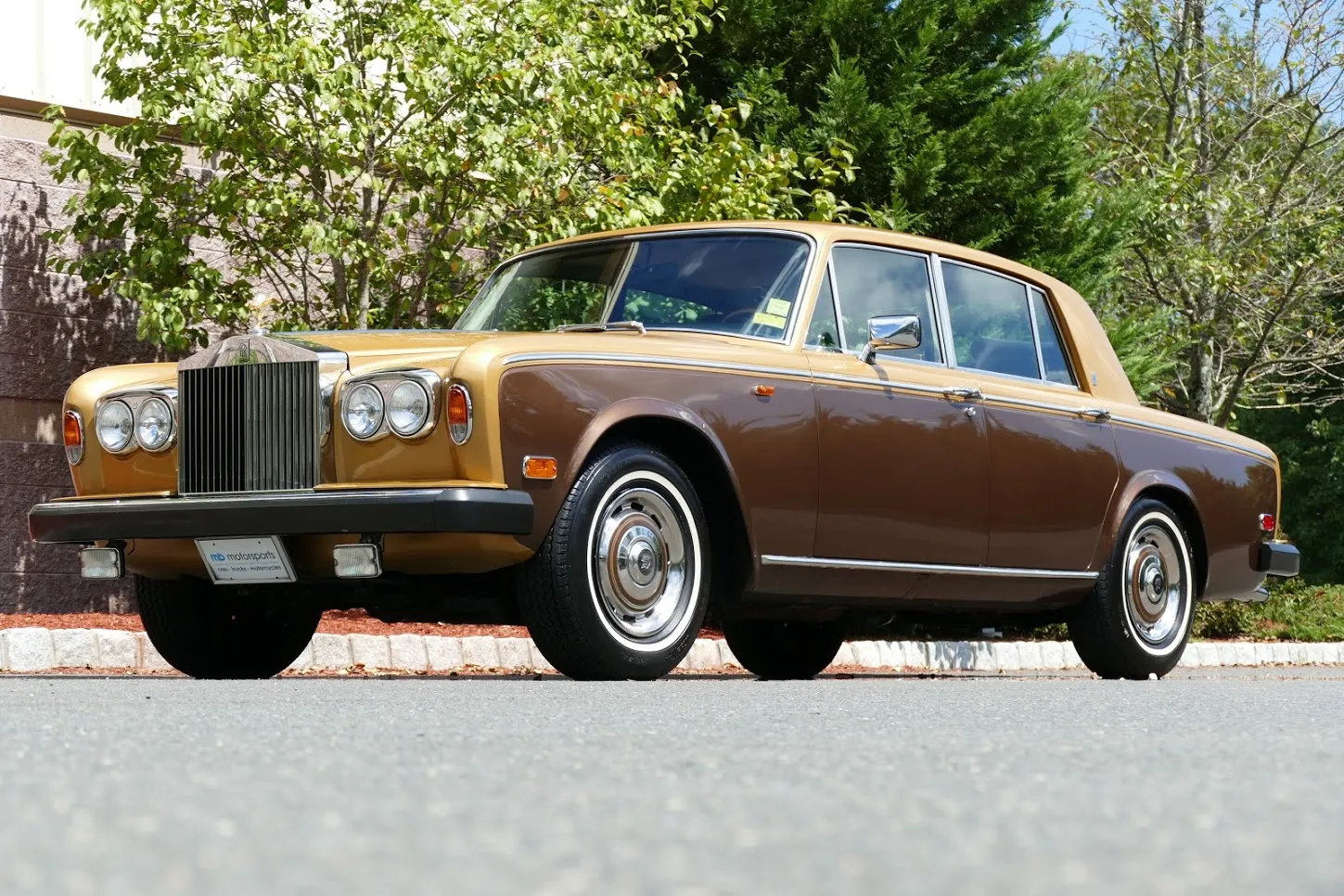
Rolls-Royce’s construction methods during the Silver Shadow’s first generation production period reflected a manufacturing heritage that prioritized craft quality and material richness over industrial efficiency, and wood played a structural role in early Silver Shadow body construction that is rarely discussed in the context of the car’s engineering history.
Ash wood framing was used in specific body sections of early Silver Shadow first-generation production cars as part of a construction approach that bridged traditional Rolls-Royce coachbuilding practice and the steel monocoque manufacturing that the Silver Shadow represented as a departure from separate chassis construction.
Ash wood members were incorporated into door aperture framing, roof structure sections, and certain body perimeter areas where the combination of dimensional precision and workability that ash provides was valued by Rolls-Royce craftsmen who had grown up working with wooden body framing in the separate-chassis coachbuilding tradition.
These wooden structural members were bonded and mechanically fastened into the Silver Shadow’s steel body structure in a composite approach that drew on both material traditions simultaneously.
Rolls-Royce’s craftsmen fitted these wooden structural elements with a precision that reflected the brand’s exacting quality standards, ensuring that door fits, panel gaps, and structural alignment met tolerances that represented the best coachbuilding practice of the period.
Wood’s ability to be hand-fitted and trimmed to achieve exact dimensional relationships was one of its practical advantages over metal fabrication in a production environment where hand-fitting quality mattered more than manufacturing speed.
Early Silver Shadow first-generation cars with original wooden body framing elements present specific restoration considerations that later all-steel production cars do not share.
Restorers who encounter Silver Shadows from pre-1976 production must assess the condition of wooden structural members alongside conventional metal bodywork evaluation, requiring a hybrid skill set that draws on both automotive body restoration and traditional woodworking.
Rolls-Royce’s own heritage restoration program has developed the technical knowledge to address this, but the need for specialist woodworking capability in a luxury car restoration context tells a clear story about how deeply craft material traditions were embedded in the Silver Shadow’s manufacturing heritage.
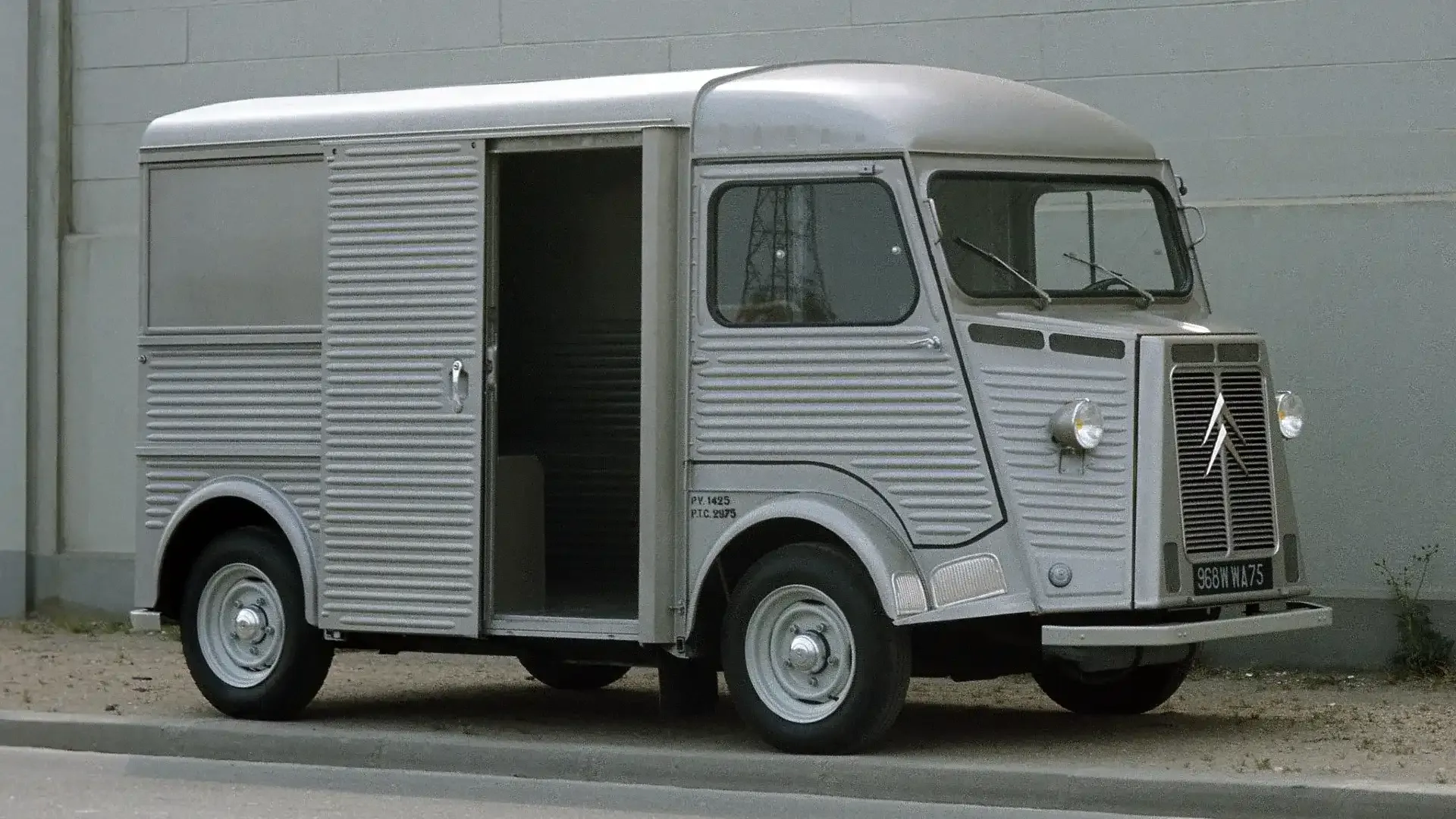
5. Citroën H Van (Type H, 1948 to 1981): Corrugated Steel and Structural Timber Working Together
Practical commercial vehicles rarely get discussed in the same breath as craft engineering achievements, but the Citroën H Van, produced from 1948 through 1981, used structural timber in its floor and cargo area construction in a way that was so well suited to the vehicle’s purpose and manufacturing context that the design remained essentially unchanged for over three decades.
That longevity is itself a statement about how effectively wood served the H Van’s structural requirements.
Citroën incorporated structural timber members into the H Van Type H’s floor construction and lower cargo area framing as part of an entire body engineering approach that combined corrugated steel outer panels with internal structural members in multiple materials.
Wooden floor beams and decking provided the cargo area’s load-carrying surface and contributed to the floor structure’s resistance to the distributed loads that commercial van use generates constantly. Wood’s resistance to fatigue under repeated distributed loading made it well-suited to a floor structure that would be loaded, unloaded, and walked on thousands of times across a commercial vehicle’s working life.
The selection of hardwood timber for the H Van’s structural floor members reflected Citroën’s engineering judgment about which material properties mattered most in a commercial vehicle floor application.
Hardwood’s resistance to surface wear, its ability to accept fasteners without splitting under load, and its dimensional stability under the moisture and temperature variations of commercial use all contributed to its selection.
A steel floor structure of equivalent load capacity would have been heavier and more susceptible to fatigue cracking under the specific loading patterns that commercial van floors experience.
Production continuity through 1981 confirmed that wooden structural elements in the H Van’s floor and cargo area performed reliably enough that Citroën never found compelling engineering reasons to replace them with alternative materials during the vehicle’s production run.
That sustained confidence in wood’s performance across decades of commercial use and millions of working hours across the H Van fleet is a form of engineering validation that controlled testing cannot fully replicate.
Restored Citroën H Vans today are sought after as food trucks, mobile retail units, and display vehicles, and restorers consistently report that the original wooden structural floor members in surviving examples are often in better condition than the corrugated steel body panels that surround them, confirming wood’s practical durability in this specific structural application across multi-decade service lives.
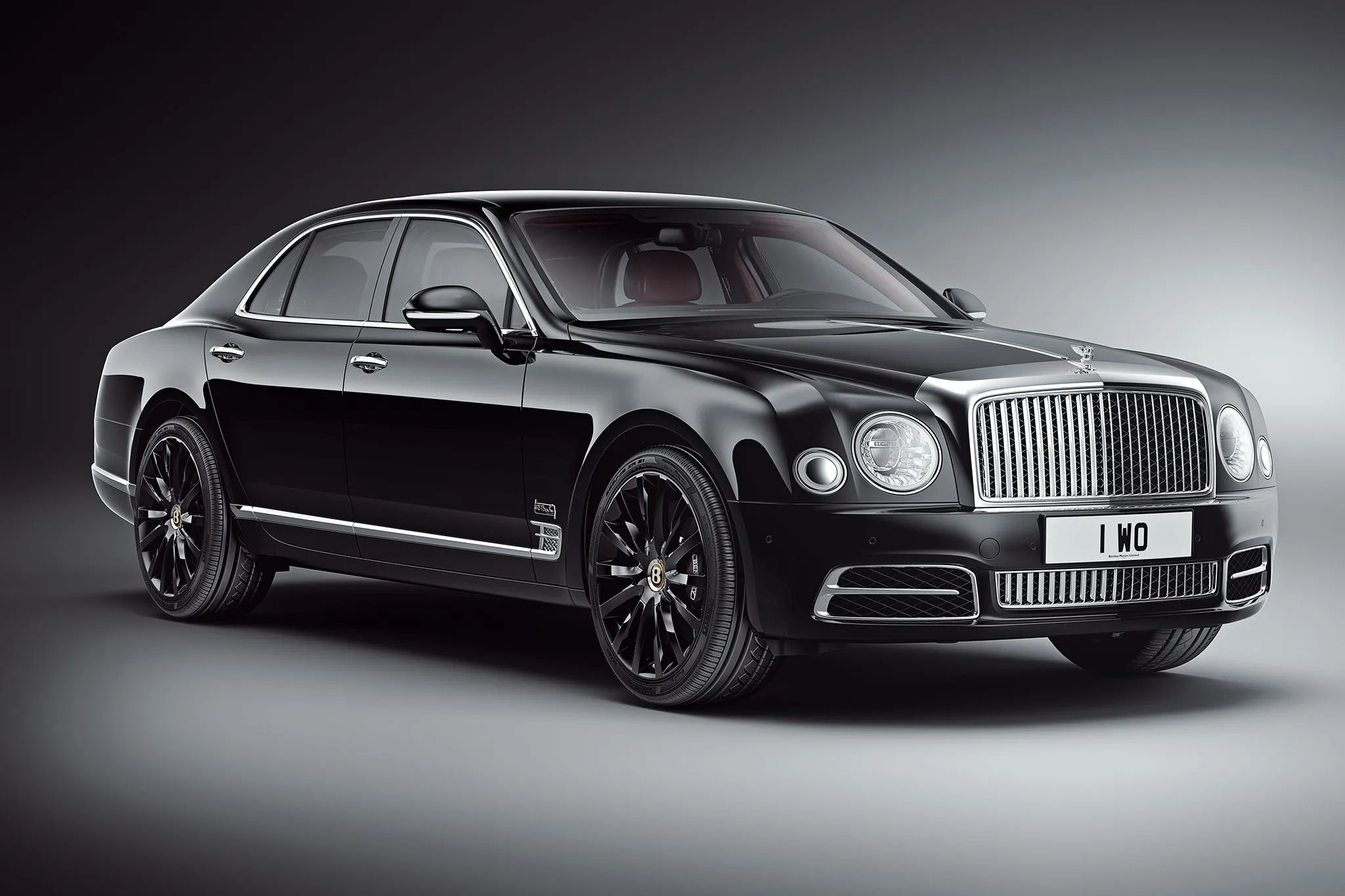
6. Bentley Mulsanne Speed (W.O. Edition by Mulliner): Structural Wood as a Tribute to Founder Engineering
Bentley’s Mulliner personalization division has a history of creating limited-edition vehicles that use materials and details to connect current production cars to the brand’s founding story, and the Bentley Mulsanne Speed W.O. Edition by Mulliner represents one of the most literal applications of that philosophy: a production luxury car that incorporates actual structural wood from a historic Bentley racing engine as a genuine material element in the vehicle’s construction.
Mulliner sourced a W.O. Bentley racing engine from the brand’s heritage collection, specifically the engine from a 1930 Bentley 8 Litre, and used wood extracted from that historic engine’s components to create inlay elements incorporated into the Mulsanne Speed W.O. Edition’s interior structure and trim panels.
This is not decorative wood veneer applied over a substrate. It is material from an original Bentley powerplant, carrying genuine provenance that connects each of the eleven Mulsanne Speed W.O. Edition cars directly to W.O. Bentley’s personal engineering legacy.
Mulliner’s craftsmen processed the historic engine wood into inlay material that was integrated into the dashboard structure, door panel construction, and center console framing of each W.O. Edition Mulsanne Speed.
Each car received a numbered plaque confirming the provenance of its wooden material, creating a documented chain of authenticity from W.O. Bentley’s 1930 racing engine to the contemporary production vehicle’s interior structure.
Production of only eleven examples, one for each of the cylinders in the original W.O. Bentley engine that provided the source material, created a scarcity that reflects the literal physical limitation of available historic material rather than an arbitrary production cap. Each of the eleven Mulsanne Speed W.O.
Edition cars carry a genuinely finite and non-reproducible quantity of historic material in its construction, making each example a one-of-a-kind artifact in the most technically accurate sense of that phrase.
The collector’s interest in the W.O. Edition Mulsanne Speed reflects an understanding that the historic wood’s presence in the vehicle’s structure creates a physical connection to automotive history that no alternative material or documentation could replicate.
Values for surviving examples have appreciated substantially since production, driven by the combination of extreme rarity and the genuine historical material content that makes each car an object with verifiable provenance connecting current Bentley engineering to its founding chapter.

7. Genty Akylone (Production Prototype, Composite Wood Reinforcement): French Hypercar With Bio-Composite Structural Innovation
French hypercar manufacturer Genty developed the Akylone production prototype with a structural philosophy that deliberately sought sustainable material alternatives to conventional carbon fiber, and the resulting composite structure incorporated engineered wood-fiber materials in a structural role that positioned the vehicle at the intersection of performance engineering and material innovation.
Genty’s approach was not nostalgic or artisanal. It was a technically motivated search for structural materials with favorable weight, stiffness, and sustainability properties compared to conventional carbon fiber construction.
Engineered wood-fiber composite materials incorporated into the Akylone’s structural panels provided specific stiffness and damping characteristics that Genty’s engineers valued for particular locations in the vehicle’s body structure where vibration management and specific stiffness targets were the primary design requirements.
Natural fiber composites, including wood-fiber variants, exhibit vibration-damping characteristics that synthetic fiber composites do not match without additional damping treatment, making them interesting material choices for body structure areas where NVH management is a design priority alongside structural performance.
Genty positioned the Akylone’s bio-composite structural approach as a demonstration that hypercar performance targets are achievable without exclusive reliance on petroleum-derived composite materials.
A mid-engined layout with a target power output exceeding 1,000 horsepower placed serious structural demands on the vehicle’s chassis and body architecture, and Genty’s engineering team addressed those demands with a hybrid material strategy that included wood-fiber composites alongside conventional materials rather than treating sustainability and performance as competing priorities.
Production challenges associated with bio-composite structural materials in a hypercar context include consistency of mechanical properties across batches, sensitivity to moisture absorption, and the establishment of manufacturing processes capable of achieving the dimensional tolerances required for a precision performance vehicle.
Genty’s development work on the Akylone addressed these challenges through material processing and quality control methods developed specifically for the vehicle’s structural requirements.
Interest in Akylone’s material approach from other manufacturers and from the broader automotive engineering community reflects a growing recognition that wood-derived composite materials deserve serious evaluation as structural options in vehicles where weight reduction, vibration management, and sustainability are simultaneous design objectives.
Genty’s production prototype, by demonstrating the concept in a high-demand application, contributed to a body of practical knowledge about wood-fiber composite structural performance that laboratory testing alone cannot generate.
Also Read: Top 10 Vehicles With the Best All Season Traction Control
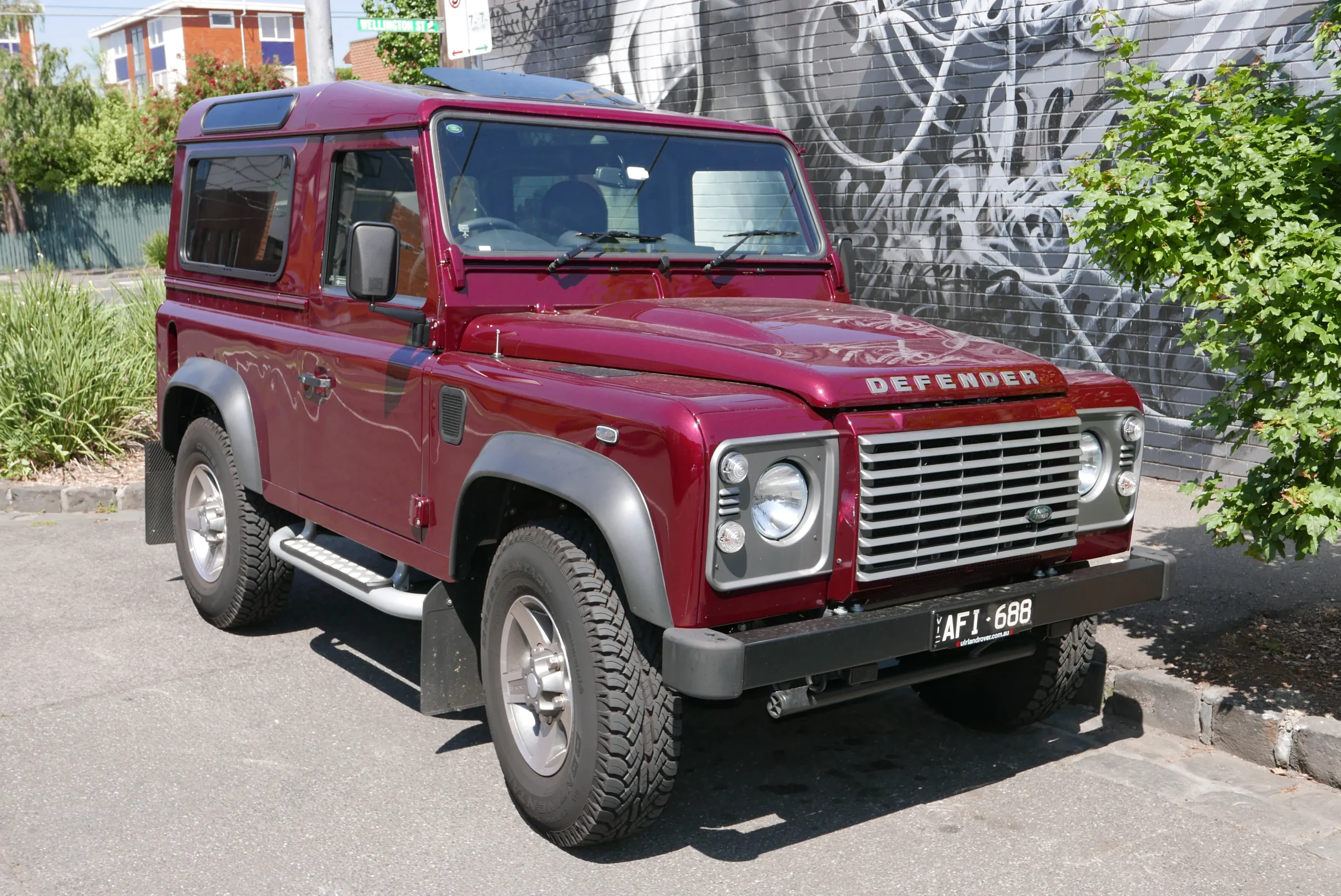
8. Land Rover Defender 90 Heritage Limited Edition (L316 Final Series)
Land Rover’s decision to reference the Defender’s long manufacturing history in its Heritage Limited Edition specification for the final L316 series production cars created a vehicle that incorporated wood detailing in a structural and semi-structural context that connected to the original Series Land Rover’s construction methods.
Tropical hardwood cappings and structural wood trim elements used in Heritage Edition and earlier Defender specifications were not purely cosmetic choices.
They drew directly from the construction tradition established in early Series Land Rovers, where wood served functional roles in body framing, door construction, and load area surfaces.
Original Series Land Rovers, from which the Defender’s lineage directly descends, used tropical hardwood timber in door cappings, body top rail framing, and load area bulkhead construction as part of a practical manufacturing approach that combined aluminum body panels with wooden structural members in specific locations where timber’s workability and weight advantages were valued.
This hybrid aluminum and wood construction tradition persisted into Defender production across multiple series, creating a body construction heritage where wood was a genuine structural participant rather than a decorative addition.
Heritage Limited Edition Defender 90 L316 final series cars reproduced this construction tradition in a final-edition specification that used genuine hardwood elements in door cappings and interior structural trim locations where the material was both visible and load-bearing in the traditional Defender construction sense.
Buyers of Heritage Edition cars received vehicles that connected materially and visually to the original Land Rover construction approach in ways that standard Defender production cars had progressively moved away from as manufacturing methods modernized.
Durability of hardwood elements in Defender service across the model’s full production life is documented by the survival of original wood-trimmed Series Land Rovers in working condition after decades of agricultural, military, and expedition service.
Wood cappings and structural trim elements on these vehicles survived conditions that would challenge many synthetic alternatives, demonstrating that appropriately selected and maintained tropical hardwood performs reliably in working vehicle applications far from the controlled environments of luxury car showrooms.
