

Delivery driving has become one of the fastest-growing professions in America. Whether you’re delivering food through DoorDash, packages for Amazon, or managing your own courier service, your vehicle isn’t just transportation; it’s your livelihood.
Every minute your car sits in a repair shop translates directly into lost income. Breakdowns don’t just inconvenience you; they cost you real money and potentially damage your reputation with customers and platforms that track reliability metrics.
Choosing the right vehicle for delivery work requires different priorities than typical car shopping. Fuel economy matters enormously when you’re driving 100 to 300 miles daily. Cargo space determines how many orders you can handle per trip.
Easy entry and exit save your knees and back during those 50 to 100 daily stops. But above all else, reliability stands as the non-negotiable requirement. Your delivery vehicle needs to start every morning, run all day, and repeat that cycle for years with minimal drama.
Not all reliable vehicles suit delivery work equally well. A luxury sedan might boast excellent reliability ratings but offer terrible fuel economy and cramped cargo space. A massive truck could carry anything, but burns through gas budgets and struggles with city parking.
Finding the sweet spot requires balancing multiple factors: proven mechanical durability, reasonable operating costs, adequate cargo capacity, and comfortable ergonomics for extended driving sessions. Insurance costs also matter more for delivery drivers than typical commuters.
Some insurers charge premiums for commercial use, while certain vehicles cost more to insure regardless of usage. Maintenance accessibility plays a role, too; cars requiring specialized service from dealer-only technicians create scheduling headaches and inflated costs compared to vehicles that any mechanic can service.
This guide examines eight vehicles that excel at delivery work through proven reliability, reasonable operating costs, and practical design. Each has demonstrated its ability to handle high mileage without constant repairs.
These aren’t theoretical recommendations based on specifications; they’re vehicles that real delivery drivers have trusted with their income for years. Let’s examine what makes each one worthy of consideration when your paycheck depends on showing up every single day.
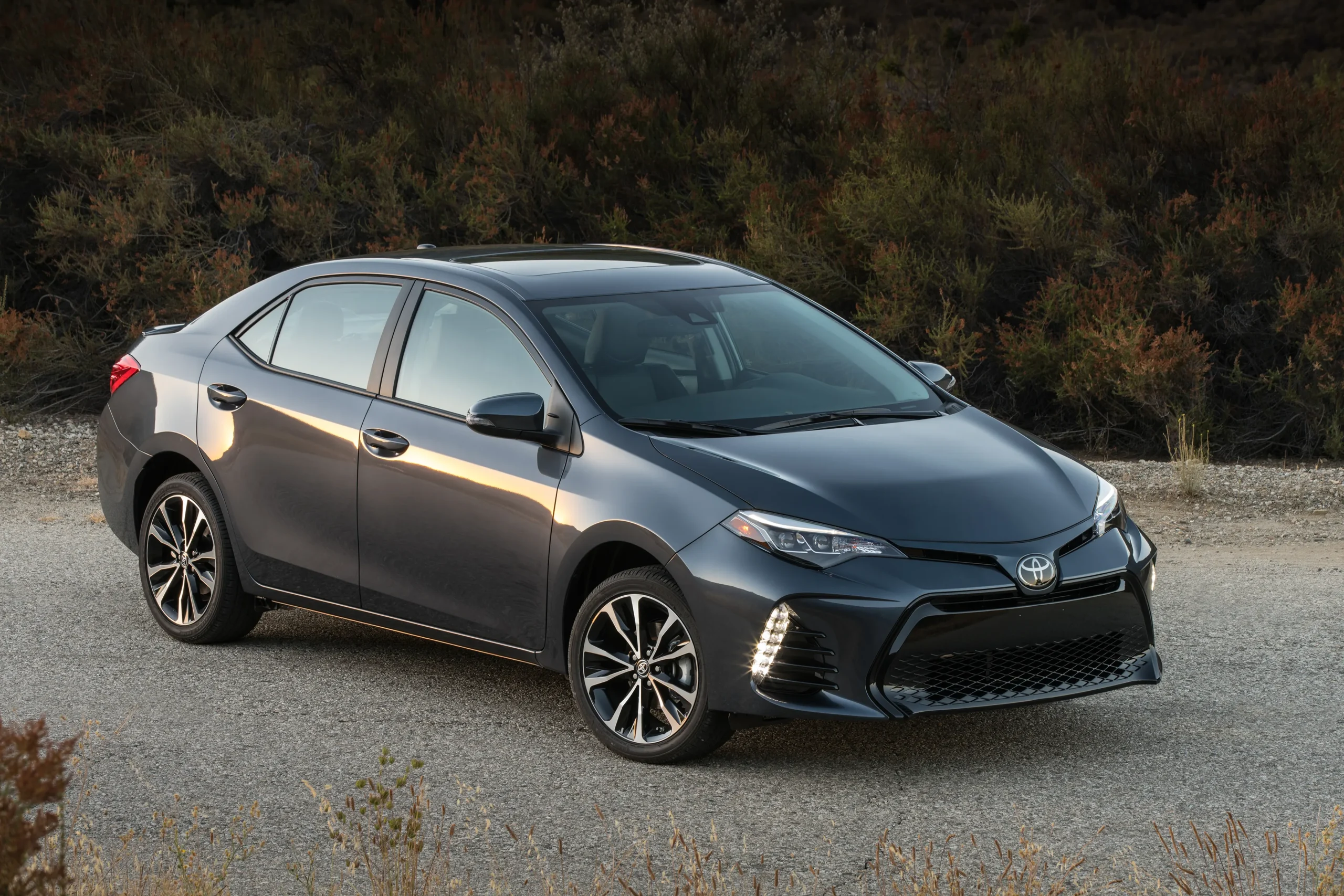
1. 2018 Toyota Corolla LE
Ask any delivery driver about reliable vehicles, and the Toyota Corolla inevitably enters the conversation within minutes. That reputation didn’t happen by accident or clever marketing. Corollas have been proving themselves on roads worldwide for decades, accumulating hundreds of thousands of miles with routine maintenance and little else.
A 2018 Corolla LE represents peak value in the used market right now, offering modern safety features and technology while maintaining the bulletproof mechanical simplicity that makes Corollas legendary.
Fuel economy stands as one of the Corolla’s strongest attributes. Expect 30 to 32 mpg during mixed city and highway driving, typical of delivery work. That efficiency translates directly into profit.
Calculate it: driving 200 miles daily at 31 mpg means consuming about 6.5 gallons. At $3.50 per gallon, daily fuel costs run roughly $23. Compare that to a vehicle averaging 22 mpg, which would burn 9.1 gallons, costing $32 daily. That $9 difference adds up to $270 monthly or $3,240 annually. Those savings pay for insurance, maintenance, and repairs while leaving more in your pocket.
Cargo capacity surprises people who haven’t spent time with Corollas. Trunk space measures 13 cubic feet, adequate for multiple restaurant orders, several Amazon packages, or grocery delivery batches. Rear seats fold down when you need to accommodate larger items, creating a long, flat load floor that handles awkward parcels.
Door pockets, center console storage, and a useful glovebox keep delivery bags, paperwork, and personal items organized. You’re not hauling furniture in a Corolla, but for typical delivery scenarios, space rarely becomes limiting.
Reliability data support the Corolla’s reputation emphatically. Consumer Reports consistently rates it among the most reliable compact sedans. J.D. Power gives it above-average dependability scores. Real-world examples abound of Corollas exceeding 300,000 miles with nothing more than routine maintenance: oil changes, brake pads, tires, and occasional batteries.
That longevity means you’re not constantly budgeting for unexpected repairs that could sideline you during your most profitable hours. Parts availability and service costs favor the Corolla tremendously. Every mechanic knows how to work on them. Parts are stocked at auto parts stores and online suppliers.
Brake pads cost $30 to $50 per set. Oil changes run $25 to $40. Batteries cost around $120 installed. Compare those figures to European vehicles, where equivalent parts cost double or triple. When you’re operating on delivery driver margins, those cost differences matter substantially.
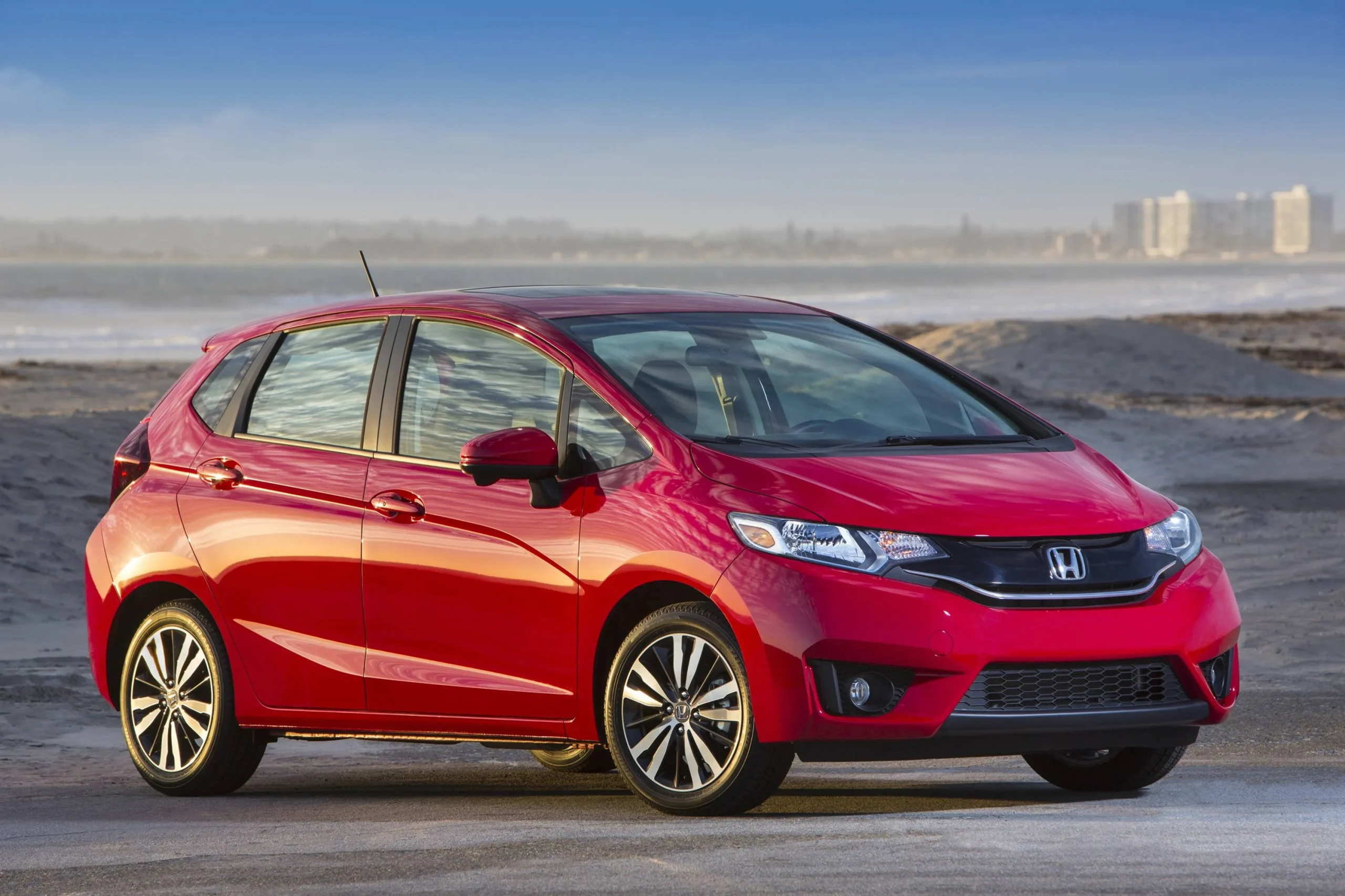
2. 2017 Honda Fit EX
Don’t let the Honda Fit’s compact exterior fool you into thinking it lacks cargo capacity. This subcompact hatchback revolutionizes space efficiency through clever engineering that creates storage rivaling compact SUVs while maintaining excellent fuel economy and legendary Honda reliability.
A 2017 Fit EX brings you modern conveniences like a touchscreen, backup camera, and Honda’s brilliant Magic Seat system that transforms cargo capability in seconds. Magic Seats deserve their name.
Rear seats fold multiple ways: normally flat for traditional cargo hauling, seat bottoms flip up, creating tall vertical space for items like plants or stacked boxes, or remove the rear seat cushions entirely for maximum flexibility.
This versatility means accommodating deliveries of varying shapes and sizes without playing Tetris every time you load orders. Measured cargo space reaches 16.6 cubic feet behind rear seats and expands to 52.7 cubic feet with seats folded. That exceeds many compact SUVs while delivering superior fuel economy.
Speaking of fuel economy, Fits consistently achieve 30 to 33 mpg during delivery driving, mixing city and highway miles. Honda’s naturally aspirated 1.5-liter four-cylinder engine provides adequate power for daily driving without guzzling fuel.
Acceleration won’t pin you to your seat, but you’re not racing; you’re delivering efficiently. That efficient engine paired with a lightweight body means fuel costs remain manageable even during your busiest weeks. Reliability stands as Honda’s calling card, and Fits uphold that reputation admirably. Consumer Reports rates them above average for reliability across most model years.
Common issues are minor: door lock actuators occasionally fail, requiring $150 to $250 repairs. Air conditioning compressors might need replacement after 150,000 miles at roughly $800 cost. Compared to transmission replacements or engine rebuilds plaguing other vehicles, these minor concerns barely register. Regular maintenance keeps Fits running well past 200,000 miles.
Entry and exit height positions you perfectly for frequent stops. You’re not climbing up into an SUV or dropping down into a low sedan. Fit seating places you at a natural height that minimizes knee and hip stress during 50 to 100 daily entries and exits.
After months of delivery driving, that ergonomic advantage prevents the joint pain that plagues drivers in less thoughtfully designed vehicles.
Service costs remain reasonable because Honda parts are widely available, and any competent mechanic can work on them. Scheduled maintenance follows straightforward intervals.
Oil changes cost $30 to $45. Brake jobs run $200 to $300. Tires sized 185/55R16 cost $80 to $120 each. These accessible prices mean keeping your Fit healthy doesn’t require choosing between maintenance and paying rent.
Also Read: 10 Best Vehicles for Dog Owners With Low Loading Floors
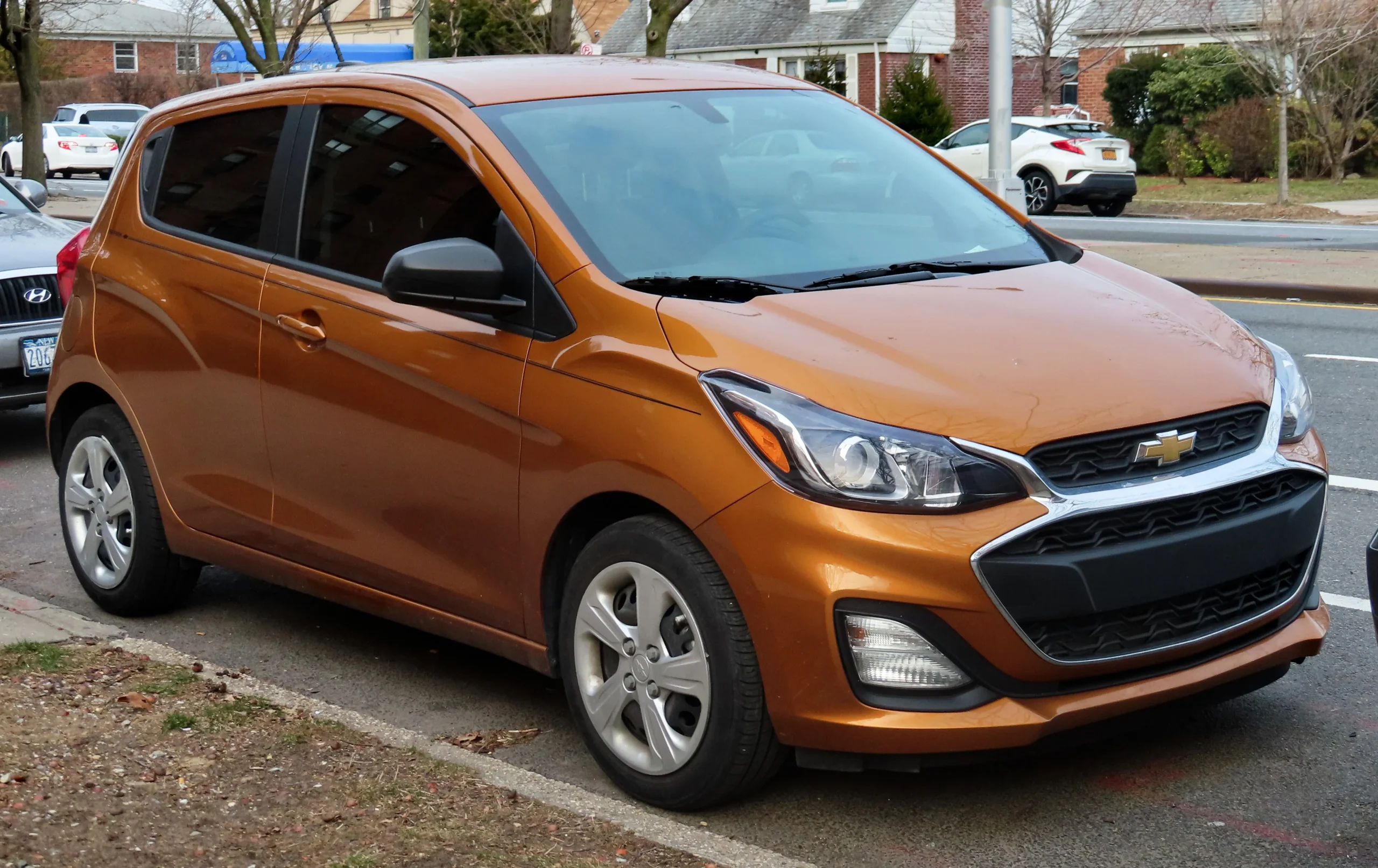
3. 2019 Chevrolet Spark LS
Budget matters tremendously when starting delivery driving or replacing a vehicle that’s retired. A 2019 Chevrolet Spark LS delivers surprising capability at entry-level pricing. Used examples sell for $8,000 to $12,000, placing them within reach of drivers who can’t swing $18,000 for slightly larger vehicles.
Don’t mistake affordable pricing for disposable quality; Sparks built from 2016 onward demonstrate respectable reliability and fuel economy that protects your bottom line. Fuel efficiency ranks among the Spark’s strongest selling points. Expect 32 to 35 mpg during mixed driving, with highway-heavy routes pushing toward 38 mpg.
That thrifty consumption comes from a tiny 1.4-liter four-cylinder engine producing modest power but excellent efficiency. You’re not winning stoplight races, but you’re also not hemorrhaging money into your fuel tank. Calculate annual fuel costs using realistic mileage, and Spark ownership looks increasingly attractive compared to larger, thirstier alternatives.
Cargo space requires realistic expectations. We’re talking about a subcompact car with 11.1 cubic feet behind rear seats, expanding to 27.2 cubic feet with those seats folded. That’s enough for multiple restaurant orders, a batch of grocery deliveries, or several Amazon packages.
Furniture delivery? Forget it. But for typical food delivery and small package work, Sparks handles daily volume adequately. A smart organization using bins and bags maximizes the space you have. Reliability with Sparks requires acknowledging their position in Chevrolet’s lineup. These aren’t Toyotas with bulletproof reputations spanning decades.
However, from 2016 onward, Spark reliability improved measurably. Common issues include minor electrical glitches and occasional air conditioning problems. Transmission and engine durability prove adequate when maintained properly.
Oil changes every 5,000 miles, transmission fluid changes every 45,000 miles, and coolant flushes every 60,000 miles prevent most problems. Neglect maintenance, and you’ll face issues. Stay current, and Sparks serve reliably through 150,000+ miles.
Insurance costs remain remarkably low for Sparks. They’re not high-performance vehicles, they’re not commonly stolen, and replacement costs stay modest. Expect insurance premiums between $60 and $120 monthly for full coverage, depending on your profile and location. That affordability helps stretch limited budgets when you’re maximizing every dollar earned.
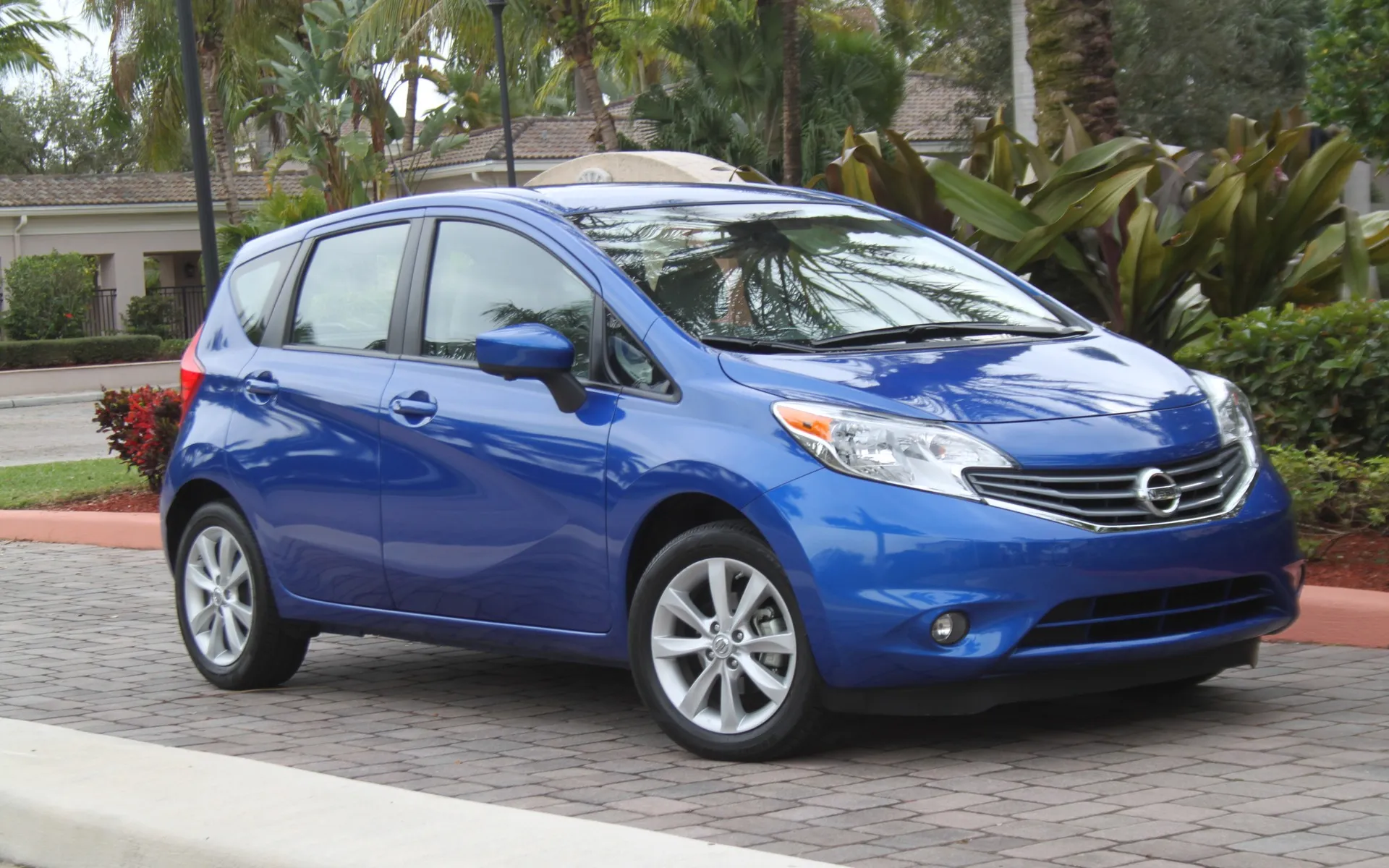
4. 2016 Nissan Versa Note SV
Practical, affordable, and larger than it looks, the 2016 Nissan Versa Note SV occupies a unique position in the delivery vehicle market. This subcompact hatchback offers more space than competitors while maintaining reasonable fuel economy and used prices that won’t devastate your savings.
Versa Notes from 2014 through 2019 share similar platforms and powertrains, giving you several model years to choose from when shopping used markets. Interior space surprises first-time Versa Note occupants. Despite compact external dimensions, the interior volume rivals vehicles from larger classes.
Rear seat legroom measures 37.4 inches, enough for adults to ride comfortably, though you’ll use that space primarily for cargo as a delivery driver.
With rear seats folded, cargo capacity reaches 38.3 cubic feet, exceeding many compact SUVs. That generous space accommodates larger deliveries, multiple order batches, and the occasional oversized package that wouldn’t fit in traditional sedans.
Fuel economy delivers respectable numbers without matching class leaders. Expect 28 to 31 mpg during mixed delivery driving. Not stellar, but acceptable given the extra space you’re gaining compared to smaller vehicles.
That modest consumption comes from a 1.6-liter four-cylinder engine producing adequate power for daily driving without attempting sporting pretensions. Acceleration feels leisurely rather than sprightly, requiring patience during highway merging and hill climbing.
Reliability represents the Versa Note’s biggest question mark. Nissan’s reliability reputation has declined somewhat in recent years compared to Toyota and Honda. However, Versa Notes avoids the continuously variable transmission (CVT) problems plaguing larger Nissans by using a conventional four-speed automatic in many trims.
That traditional automatic lacks efficiency and refinement but proves more durable than problematic CVTs. When shopping used Versa Notes, prioritize models with traditional automatics over CVT-equipped versions.
Common issues with Versa Notes include minor electrical problems and occasional suspension component wear. Door locks sometimes malfunction, requiring actuator replacements costing $100 to $200. Wheel bearings might need replacement around 100,000 miles at roughly $150 to $250 per wheel.
These problems feel manageable compared to catastrophic transmission or engine failures. Routine maintenance prevents most issues: oil changes every 5,000 miles, transmission service every 60,000 miles, and coolant replacement every 75,000 miles.
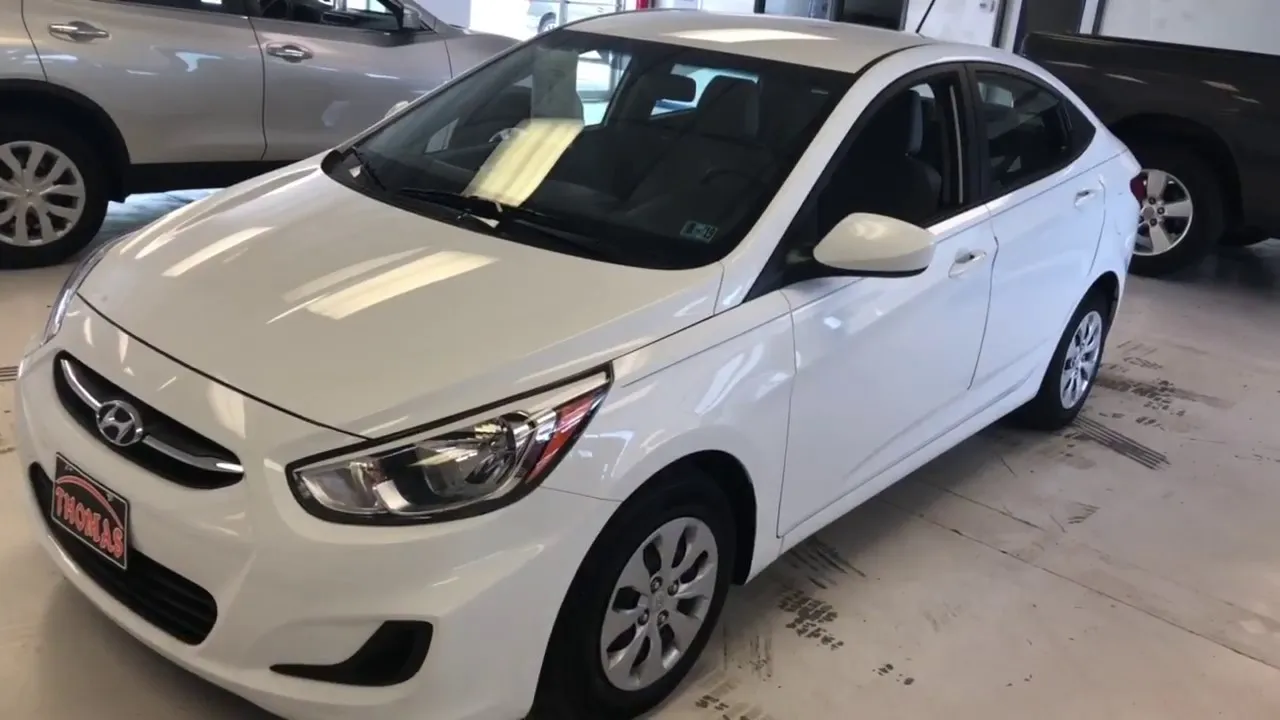
5. 2017 Hyundai Accent SE
South Korean engineering has matured dramatically, and the 2017 Hyundai Accent SE represents that evolution perfectly. What was once considered a budget afterthought has transformed into a genuinely competitive subcompact that delivers reliability, efficiency, and practicality at prices that don’t require taking out a second mortgage.
Delivery drivers operating on tight budgets will appreciate how Accents delivers transportation that works without breaking the bank. Fuel consumption hovers around 30 to 33 mpg during typical delivery driving patterns.
That efficiency stems from a 1.6-liter four-cylinder engine that prioritizes economy over excitement. Power delivery feels adequate for city driving and highway cruising without inspiring enthusiasm.
You’re piloting a tool, not a toy, and Accents excel at being reliable tools that show up day after day. Throttle response is linear and predictable, making smooth driving easy even during your hundredth stop of the day.
Reliability with Hyundai has improved tremendously compared to their reputation from the 1990s and early 2000s. Modern Accents from 2015 onward demonstrate respectable durability when maintained according to schedule.
Common issues remain minor: door handles occasionally break, requiring $50 to $100 replacements, and brake components might wear slightly faster than average due to relatively lightweight construction. Engine and transmission durability prove solid with proper maintenance.
Oil changes every 5,000 miles using quality synthetic oil, transmission fluid changes every 60,000 miles, and coolant replacement every 75,000 miles prevent most problems. Warranty coverage, even on used 2017 models, might still provide some protection depending on mileage and original purchase date.
Hyundai’s 10-year/100,000-mile powertrain warranty transfers to subsequent owners, potentially covering major engine or transmission issues if you purchase a lower-mileage example. That warranty backing provides peace of mind unavailable with older Toyotas or Hondas that have aged beyond their coverage periods. Check warranty status before purchasing to understand what protection remains active.
Driving position and ergonomics accommodate various body types comfortably. Seat adjustments provide an adequate range for drivers between 5’2″ and 6’1″. Steering wheel tilt and telescope functions help dial in comfortable positioning.
Visibility through the windshield and side windows is excellent, with thin A-pillars that don’t create dangerous blind spots during turns. Climate control works efficiently without excessive fuel consumption, keeping you comfortable during summer heat and winter cold, that make delivery work challenging.
Service costs remain accessible because Hyundai parts are widely available through dealers and aftermarket suppliers. Independent mechanics familiar with Korean vehicles can perform maintenance and repairs at rates below dealership pricing.
Oil changes cost $30 to $50. Brake service runs $180 to $280 for all four corners. Tires sized 185/65R15 cost $65 to $100 each. These reasonable prices mean maintaining your Accent properly doesn’t force choosing between car care and paying bills, a calculation delivery drivers face regularly when operating on variable income.
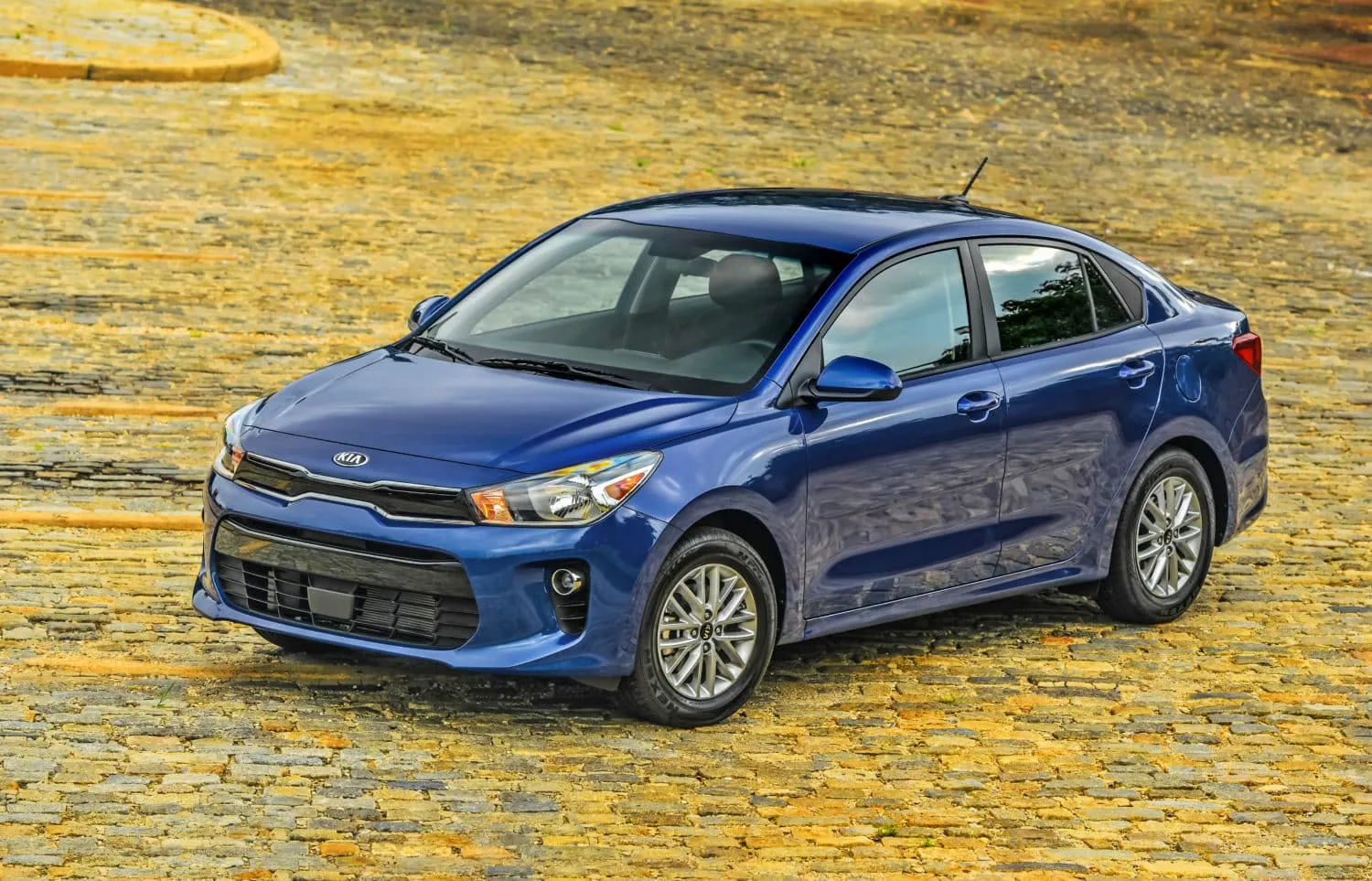
6. 2018 Kia Rio LX
Sharing corporate parentage with Hyundai, the 2018 Kia Rio LX benefits from the same engineering improvements that elevated Korean vehicles from budget alternatives to genuinely competitive transportation.
Kias have shed their disposable reputation, and modern Rios demonstrate durability that makes them viable delivery vehicles when you need affordability without sacrificing reliability completely.
Cargo capacity in the sedan variant provides 13.7 cubic feet, matching its Hyundai cousin and competitors in this class. Hatchback versions, sold as Rio5 in some markets, offer substantially better versatility through folding rear seats and larger rear openings.
Trunk space accommodates typical delivery loads: multiple restaurant orders, grocery batches, or several packages. Organization requires some attention since the space isn’t enormous, but thoughtful use of bins and bags keeps deliveries separated and easy to grab during stops.
Reliability with modern Kias mirrors Hyundai since they share platforms, engines, and many components. Expect similar durability: solid when maintained properly, but not quite matching Toyota or Honda longevity. Common wear items like brake pads and tires need replacement at typical intervals.
Suspension bushings might wear around 100,000 miles, requiring replacement at modest cost. Engine and transmission prove dependable through 150,000 to 200,000 miles with consistent maintenance following manufacturer recommendations.
Warranty coverage remains Kia’s strongest selling point. Like Hyundai, Kia offers a 10-year/100,000-mile powertrain warranty that transfers to subsequent owners. Buying a 2018 Rio with 40,000 miles in 2024 means you still have substantial powertrain coverage remaining, protecting against catastrophic engine or transmission failures that would otherwise leave you stranded and facing repair bills exceeding the vehicle’s value.
That protection provides substantial peace of mind for delivery drivers who can’t afford unexpected multi-thousand-dollar repairs. Driving ergonomics mirror the Accent since both vehicles share basic architecture. Seating position feels natural for average-height drivers, with adequate adjustment range accommodating heights from 5’3″ to 6’0″ comfortably.
Visibility is good through appropriately sized windows and mirrors that don’t leave excessive blind spots. Controls operate intuitively without requiring constant reference to owner’s manuals. Climate control maintains comfortable temperatures without excessive noise or fuel consumption penalties.
Service accessibility benefits from Kia’s expanding dealer network and growing aftermarket support. Independent mechanics increasingly work on Korean vehicles as their market share grows. Parts availability through dealers and chains like AutoZone or Advance Auto Parts means you’re not hunting for obscure components.
Brake pads cost $30 to $50 per set. Batteries run $90 to $130. Oil changes using synthetic oil cost $35 to $55. These accessible prices keep operating costs manageable when you’re earning variable income that fluctuates based on delivery demand.
Insurance rates for Rios stay reasonable due to their practical nature and modest performance. They’re not targeted by thieves, preferring Hondas and Toyotas with better resale value. Safety ratings meet minimum standards, satisfying insurance company requirements without commanding premium pricing.
Monthly insurance costs typically range from $75 to $145 for full coverage, varying based on your personal profile, location, and driving history. Shopping multiple insurers usually yields competitive quotes that help control this necessary expense.
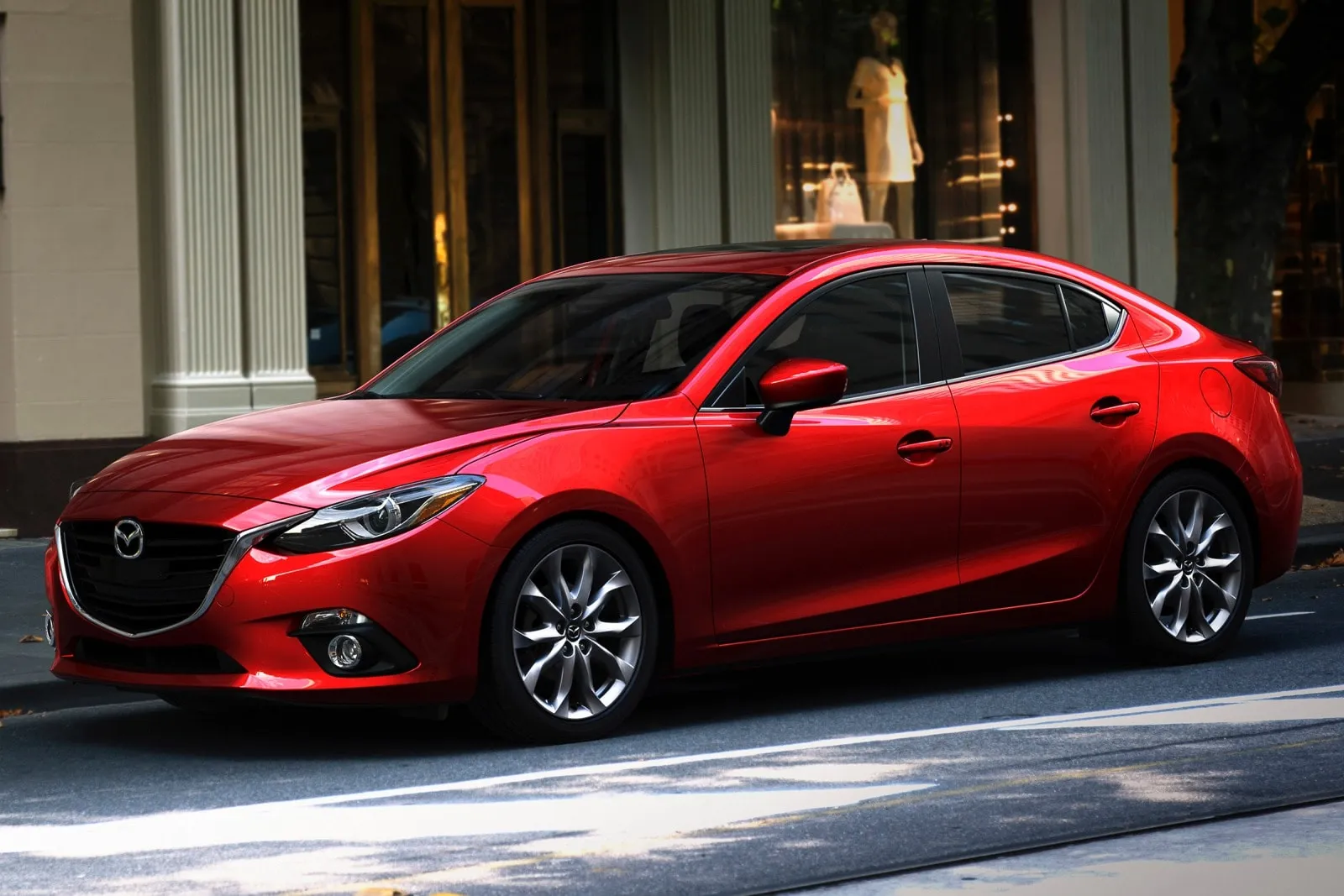
7. 2016 Mazda3 i Sport
Drivers who haven’t abandoned hope for vehicles that feel alive while delivering reliable transportation should examine the 2016 Mazda3 i Sport. This compact sedan or hatchback (both body styles were offered) combines Mazda’s zoom-zoom driving dynamics with the dependability that delivery drivers require.
You’ll actually enjoy piloting a Mazda3 during those long moves, a rare quality in vehicles priced accessibly enough for delivery work budgets. Fuel economy reaches 29 to 32 mpg during typical delivery driving, trailing segment leaders slightly but remaining acceptable given the driving engagement you’re gaining.
That consumption comes from a 2.0-liter four-cylinder engine producing adequate power for confident highway merging and hill climbing. Acceleration feels more responsive than competitors using smaller engines, providing reserves when you need to merge quickly or pass slower vehicles. That power doesn’t transform the Mazda3 into a sports car, but it makes daily driving less tedious than some competitors.
Cargo space depends on body style choice. Sedans provide 12.4 cubic feet, adequate for typical delivery loads, though slightly smaller than some competitors. Hatchback variants offer 20.2 cubic feet behind rear seats, expanding to 47.1 cubic feet with seats folded.
That hatchback versatility handles larger deliveries, furniture assembly kits, and bulk grocery orders that sedans struggle to accommodate. Shopping used markets, you’ll find both body styles, so prioritize hatchbacks if cargo flexibility matters for your delivery niche.
Reliability with Mazda3s from this generation proves solid, though not quite matching Toyota’s or Honda’s reputations. Consumer Reports rates them above average for dependability. Common issues include minor electrical glitches and occasional infotainment system quirks.
Mechanically, these Mazda3s demonstrate good durability when maintained properly. Engines run smoothly up to high mileage. Transmissions (both manual and automatic) prove reliable. Rust protection remains excellent compared to older Mazdas that suffered corrosion problems. Routine maintenance following Mazda’s schedule keeps these vehicles running well past 150,000 miles.
Interior quality exceeds expectations for this price point. Materials feel substantial rather than cheap. Assembly quality demonstrates attention to detail. Controls operate with satisfying precision. Seats provide good support during extended driving, with bolsters that hold you in place without feeling restrictive.
Seating position places you lower than some competitors, creating a more car-like experience than the SUV-lite positioning common in modern vehicles. That sporty stance might not suit everyone, but drivers who enjoy driving will appreciate the engaged feel.
Also Read: Top 10 Vehicles With the Best Nighttime Headlight Visibility
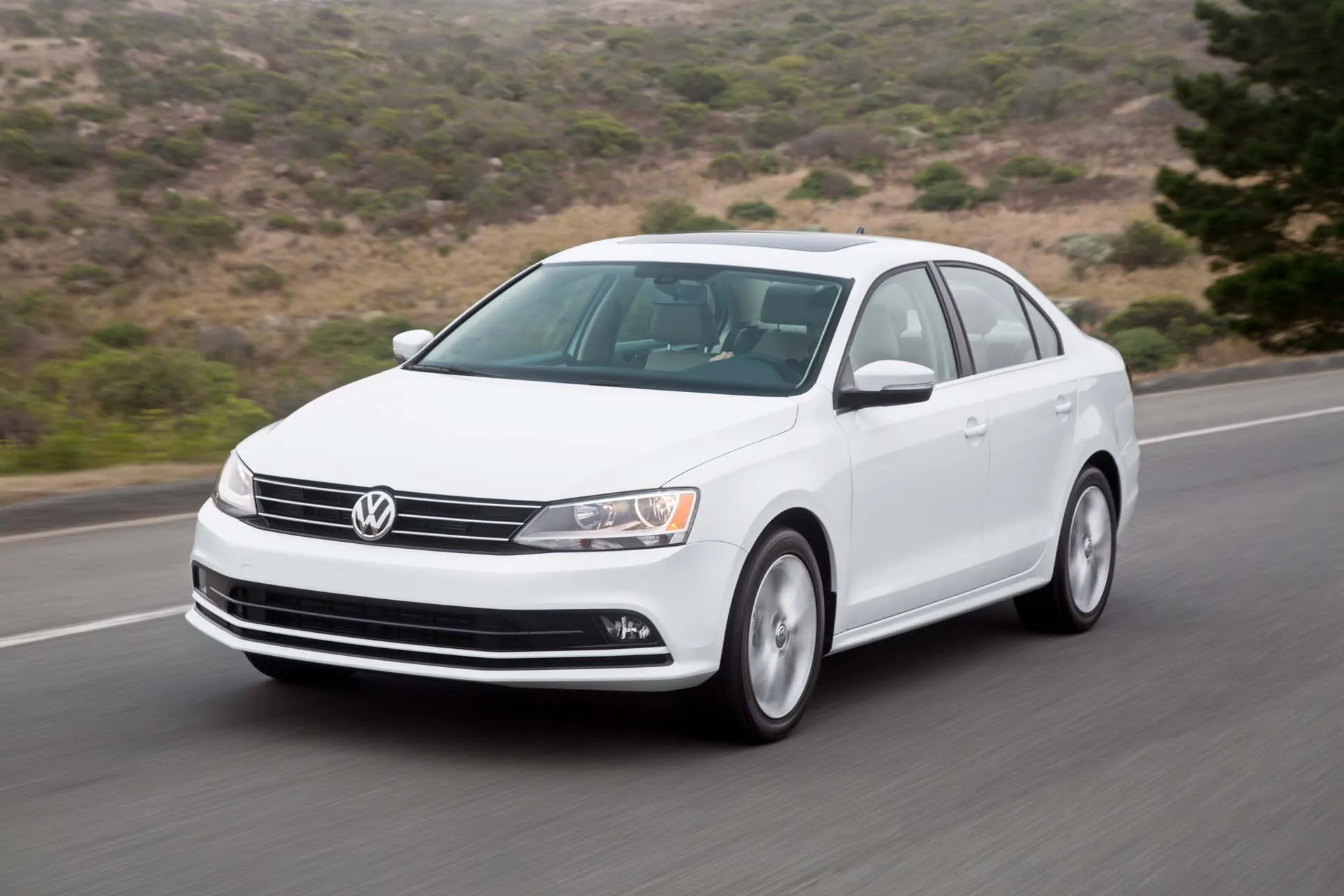
8. 2017 Volkswagen Jetta S
European engineering reputation meets delivery driver budgets with the 2017 Volkswagen Jetta S. This German sedan brings refinement and quality feel to the compact segment while maintaining respectable reliability that makes it viable for high-mileage delivery work.
Jettas from this generation (2015-2018) represent the sweet spot before Volkswagen moved to the newer platform, offering proven mechanical components at used prices that don’t require financing terms rivaling home mortgages.
Fuel economy delivers 28 to 32 mpg during mixed driving, competitive within the compact segment without leading it. That consumption stems from a 1.4-liter turbocharged four-cylinder engine producing adequate power through clever turbocharger application.
Low-end torque from that turbo helps during city driving with constant acceleration from stops. Highway cruising remains relaxed as the engine doesn’t strain to maintain speed. Acceleration feels more responsive than naturally aspirated competitors, relying on larger displacement for similar output.
Cargo space provides 15.7 cubic feet, exceeding most compact sedans and offering genuine utility for delivery work. That generous trunk accommodates multiple restaurant orders, substantial package loads, or bulk grocery deliveries without playing Tetris to make everything fit.
Trunk opening is wide and low, easing loading and unloading during your countless daily stops. Rear seats fold in a 60/40 split, creating extended cargo capacity when you need to accommodate longer items that won’t fit in the trunk alone.
Reliability with modern Volkswagens has improved compared to their troubled reputation from the 1990s and early 2000s. These 2017 Jettas demonstrate acceptable dependability when maintained properly using quality parts and fluids.
Common issues include occasional electrical gremlins and minor sensor failures that trigger check engine lights without causing actual drivability problems. Mechanically, the 1.4-liter turbo engine proves reliable when oil changes happen every 5,000 miles using quality synthetic oil.
Turbos occasionally fail around 120,000 to 150,000 miles, requiring replacement at $1,200 to $1,800 cost. That’s not ideal, but it’s manageable compared to catastrophic transmission failures.
