
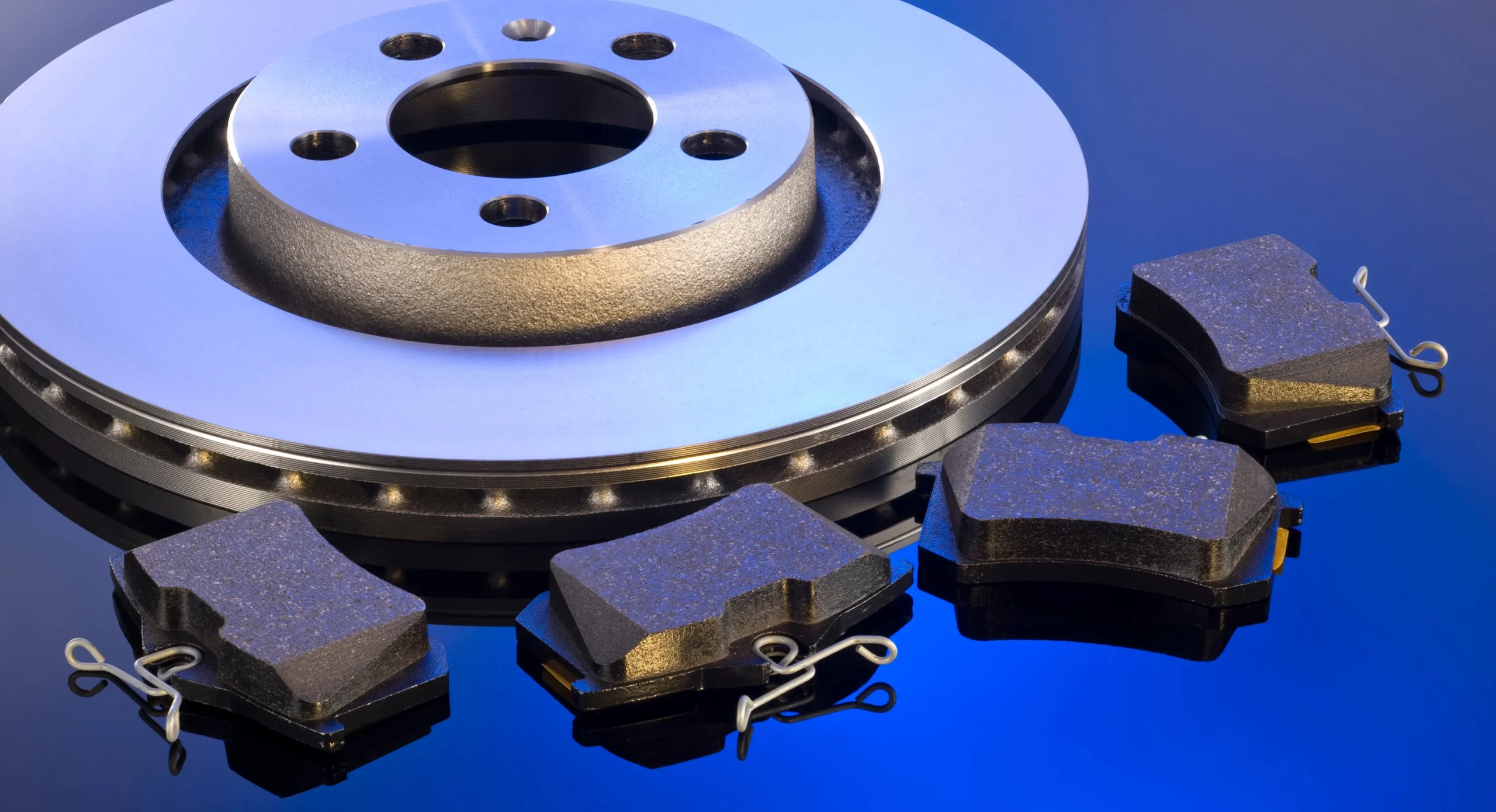
Brake pads are one of those car parts that most people buy based almost entirely on price. You need them; the mechanic quotes you a number, you wince, and then you ask if there is a cheaper option.
It is a completely understandable response, especially when brake pads look roughly the same regardless of what they cost, and the job they do seems straightforward enough. They press against a rotor, create friction, and slow the car down. How different can they really be?
Considerably different, as it turns out, and the differences go well beyond which ones wear out faster. Cheap brake pads and expensive brake pads are genuinely distinct products that behave differently under heat, perform differently in emergencies, treat your rotors differently, and produce completely different driving experiences in ways that show up every single time you press the brake pedal. Some of those differences are immediately obvious.
Others build up gradually and only become clear when something goes wrong, or when you step into a car with a quality brake setup and realize how different braking has always felt compared to what you were used to.
This article breaks down eight real, specific differences between cheap and expensive brake pads in language that is direct and practical rather than loaded with technical jargon designed to impress rather than inform.
Understanding these differences helps you make a genuinely informed decision about what to put on your car rather than simply choosing the lowest number on the invoice. And for some drivers, on some vehicles, in some driving conditions, that decision matters more than almost any other maintenance choice they make.
Whether you drive a compact daily commuter, a family SUV, a performance sedan, or a truck that hauls heavy loads, brake pad quality affects your safety and your wallet in ways that deserve more attention than most people give them.
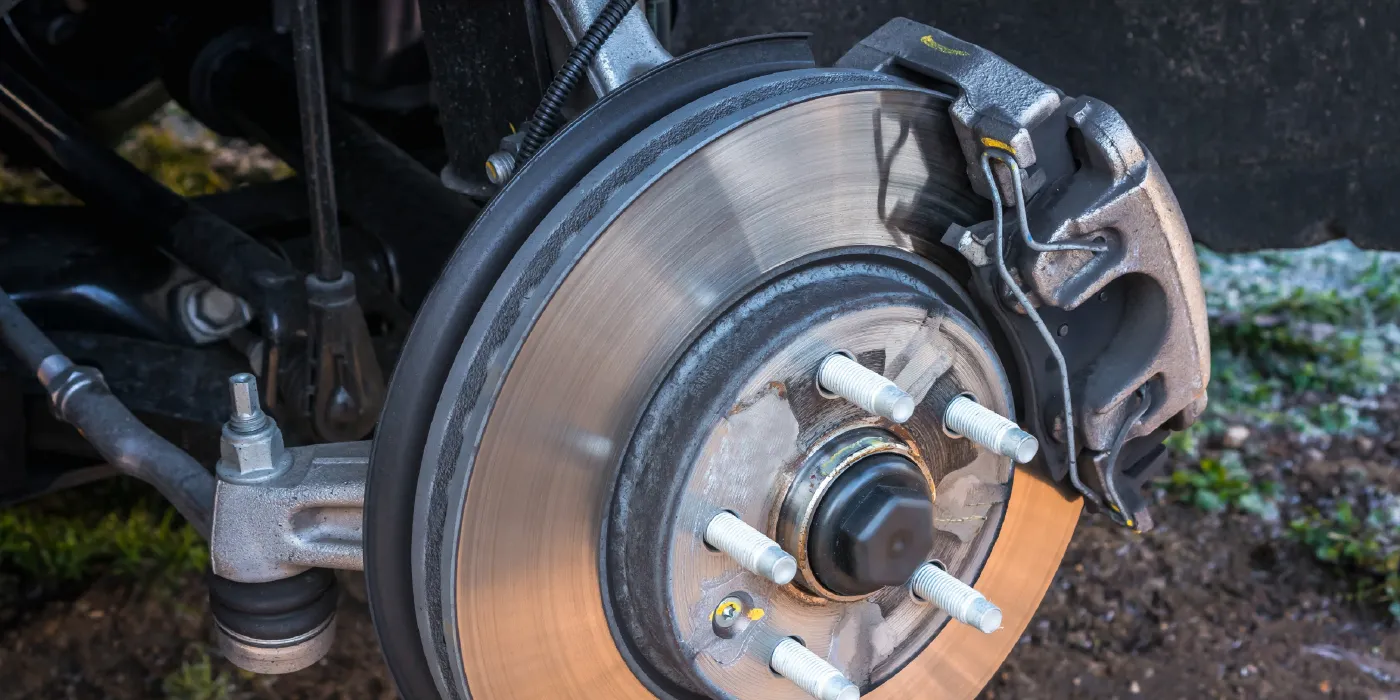
1. Friction Material Composition: What the Pad Is Actually Made Of Changes Everything
Starting at the most fundamental level, cheap brake pads and expensive brake pads are made from genuinely different materials, and those material differences cascade into almost every other performance characteristic that separates them.
Understanding what friction material composition means in practical terms is the foundation for understanding why price differences in brake pads are not arbitrary.
Budget brake pads typically use organic friction compounds built from a mixture of materials, including rubber, glass, Kevlar fibers, and various binding resins compressed together under heat and pressure.
These organic compounds are relatively inexpensive to produce, quiet during normal operation, and gentle on brake rotors.
They perform acceptably in low-stress, low-temperature conditions, which cover the majority of everyday urban driving.
But organic friction materials have a thermal ceiling beyond which their performance degrades rapidly, because the binding resins that hold the compound together begin to break down under sustained high heat, producing a condition called brake fade, where pedal pressure increases without a corresponding increase in stopping force.
Both premium compound types address organic pads’ thermal limitations through different mechanisms. Semi-metallic compounds transfer heat away from the friction interface rapidly through the metal content’s thermal conductivity, keeping the friction surface operating below the degradation threshold under sustained hard braking.
Ceramic compounds operate at higher temperatures without compound breakdown and generate less thermal transfer to the brake caliper and hydraulic fluid, reducing the risk of brake fluid vaporization under extreme conditions. Compound quality also affects cold-temperature performance. Premium ceramic brake pads, such as those from Brembo,
EBC Brakes Redstuff, or Akebono ProACT, are engineered to provide consistent friction coefficients from the first cold application of the day through repeated hot applications.
Budget organic pads often require a warmup period before reaching full friction effectiveness, which means the first stop of a cold morning delivers less braking force than the same pedal pressure produces after the brakes have warmed up. That inconsistency is noticeable and, in emergencies, potentially dangerous.
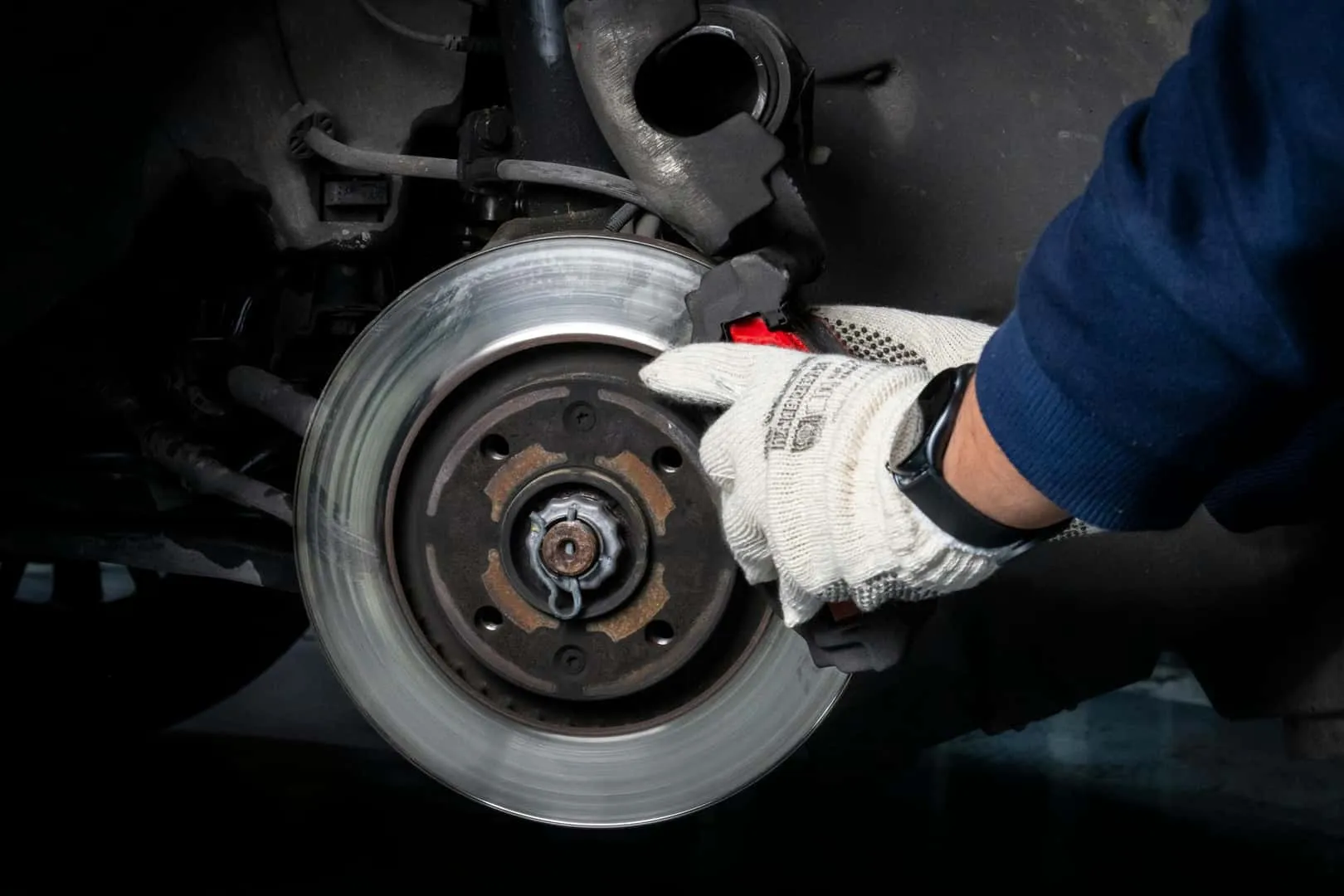
2. Heat Dissipation Performance: How Brake Pads Handle the Enemy That Destroys Stopping Power
Heat is what destroys brake performance, and everything about how a brake pad handles heat determines how reliably it stops your car across varied driving conditions.
Cheap and expensive pads approach heat management through fundamentally different engineering strategies, and the performance gap between them becomes most apparent precisely when braking demands are highest and heat generation is most intense.
Budget organic brake pads have relatively low thermal conductivity and limited heat capacity. Under normal light braking in urban traffic, these thermal limitations rarely cause problems because individual braking events generate modest heat that dissipates between stops. Sustained braking demands change this picture entirely.
Repeated heavy braking on a downgrade, hard driving on a winding road, or emergency braking from highway speed all generate heat accumulation that organic pads cannot dissipate quickly enough.
When the pad’s friction material temperature exceeds the compound’s rated operating range, the binding resin begins to gasify, creating a thin layer of gas between the pad surface and the rotor that dramatically reduces friction.
Drivers experience this as a soft, unresponsive pedal that requires much greater force to achieve the same deceleration as normal.
Premium semi-metallic brake pads handle heat accumulation through the thermal conductivity of their metal fiber content, actively transferring heat away from the friction interface into the rotor and caliper structure, where it can be dissipated into the airstream.
This active thermal management keeps the friction compound operating within its effective temperature range even under sustained hard braking, maintaining a consistent friction coefficient and pedal feel when budget pads would be fading.
Semi-metallic pads do transfer more heat to the caliper and brake fluid than ceramic alternatives, which can cause issues in poorly maintained hydraulic systems where fluid moisture content is high, but in a properly maintained system, this is a manageable tradeoff for the compound’s thermal performance.
A vehicle like the 2024 Chevrolet Tahoe Z71 4WD responds to brake pad quality in ways that heavy SUV use makes very visible.
Regular towing, mountainous driving, and the weight penalty of a full-size three-row SUV create braking heat loads that expose cheap organic pads’ thermal limitations within the first demanding drive, while premium ceramic or semi-metallic pads handle those conditions with the consistent, predictable performance that a vehicle of this weight and capability demands.
Also Read: 10 Pro Tips That Keep a Toyota 4Runner Rock-Solid Forever
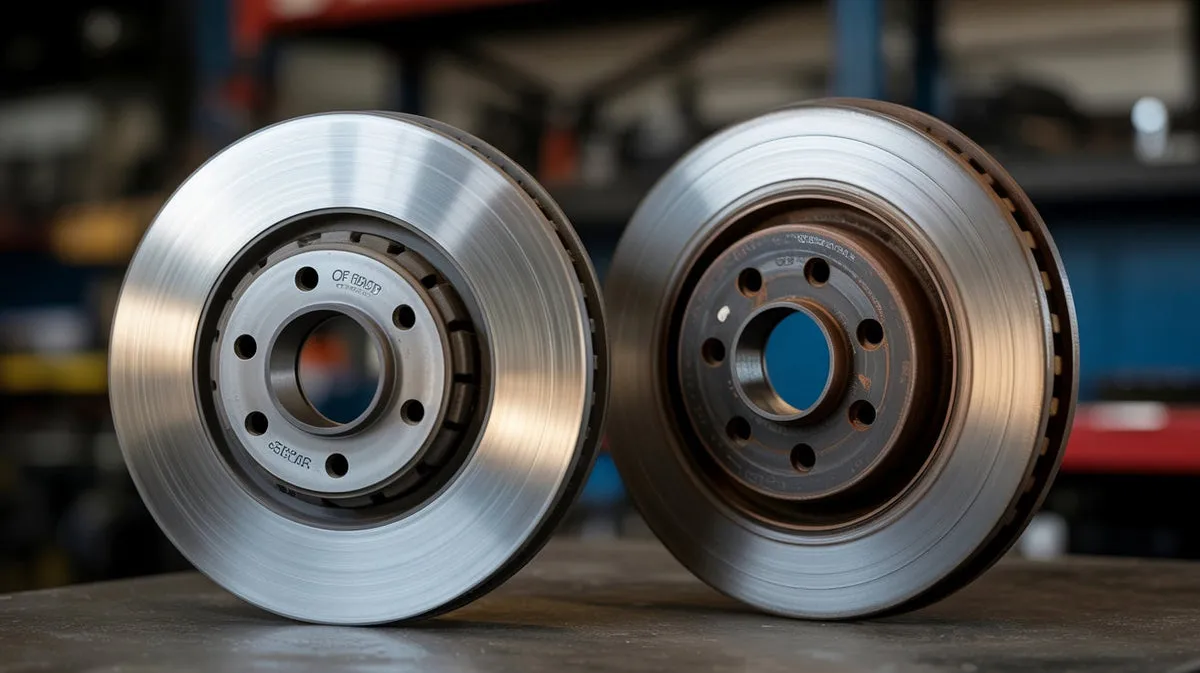
3. Rotor Wear and Compatibility: What Cheap Pads Do to Your Rotors Is a Hidden Cost You Pay Later
Brake pads and rotors work together as a system, and the friction material in a brake pad does not just wear itself down during use.
It also wears the rotor surface at a rate and in a manner that depends directly on the pad compound’s hardness, abrasiveness, and heat characteristics.
Budget organic brake pads are generally gentle on rotor surfaces in terms of direct abrasive wear, which is one of their frequently cited advantages. Under normal light braking conditions, organic compounds do not aggressively machine the rotor surface, allowing rotors to last through multiple pad replacement cycles.
This advantage has real limits, however. Organic pads’ tendency to glaze under heat stress and to deposit uneven friction material transfers onto the rotor surface creates a condition called brake judder, where the rotor’s friction surface becomes unevenly coated with transferred pad material that creates thickness variation.
Brake judder produces the pulsing, vibrating pedal sensation that many drivers have experienced during braking, and correcting it requires either machining the rotor surface or replacing rotors that have worn below their minimum thickness specification. Hard, poorly formulated budget brake compounds present the opposite problem.
Some inexpensive brake pads use friction compound formulations with inappropriate hardness relative to the rotor material they are applied to, essentially grinding the rotor surface rather than creating clean sliding contact. Rotors worn by abrasive budget pads develop deep scoring grooves, surface cracks, and accelerated thickness reduction that brings them to replacement threshold well before a quality pad compound would have produced comparable wear.
Premium brake pad manufacturers engineer friction compounds specifically for compatibility with the rotor materials used in modern vehicles, targeting friction coefficient, surface hardness, and transfer film chemistry that creates consistent, even wear on both the pad and rotor simultaneously.
Brembo’s compound engineering, Ferodo’s Racing DS compound series, and Hawk Performance’s HPS formulations all reflect deliberate rotor compatibility work that produces measurably lower rotor wear rates than budget alternatives.

4. Stopping Distance Under Emergency Conditions: The Difference That Actually Saves Lives
Stopping distance is the most safety-critical performance metric that separates cheap and expensive brake pads, and it is the one where the gap between budget and premium products carries the most serious real-world consequences. Under controlled, gentle braking conditions at moderate speeds, the stopping distance difference between cheap and expensive brake pads is modest enough that most drivers would not notice it. Under emergency braking conditions, that difference becomes both measurable and potentially life-altering.
Emergency braking engages multiple brake performance variables simultaneously. The pedal feel must communicate clearly that maximum braking force is available. The friction coefficient must remain consistent as pads heat rapidly from the energy of a high-speed stop.
ABS modulation cycles must interact with the pad friction material in a way that maintains maximum deceleration throughout the stop. Fade resistance must hold through the entire duration of a single emergency stop, which can be considerably longer and more heat-intensive than any normal braking event.
Budget organic pads perform acceptably on the initial bite of an emergency stop if the pads are cold or moderately warm. Sustained emergency braking from highway speed, where pad temperature rises rapidly through the duration of a single stop, is where organic compound limitations become apparent.
Friction coefficient drops as the compound heats produces progressively longer stopping distances at the worst possible moment, when the driver needs maximum braking performance and is already at the limit of the car’s available deceleration.
Independent testing by automotive publications, including Car and Driver and Consumer Reports, has documented stopping distance differences between economy and premium brake pads that range from a few feet in controlled cool conditions to over thirty feet in repeated hot stopping tests.
Thirty feet at highway speed is the difference between stopping before an obstacle and hitting it. That reality places brake pad quality decisions in a different category from other cost-cutting choices that affect only comfort or convenience.
A vehicle like the 2023 Volvo XC60 Recharge T8 AWD Inscription (second generation), which Volvo designs with a comprehensive safety philosophy extending from active systems through passive hardware, illustrates why brake pad quality matters in the context of a complete safety system.
Volvo’s excellent ABS and emergency brake assist systems deliver their best performance when the friction materials they are working with provide consistent, predictable, fade-resistant performance. Putting budget pads on a safety-focused vehicle undermines the hardware investment that the manufacturer and the buyer have made in the vehicle’s safety capability.
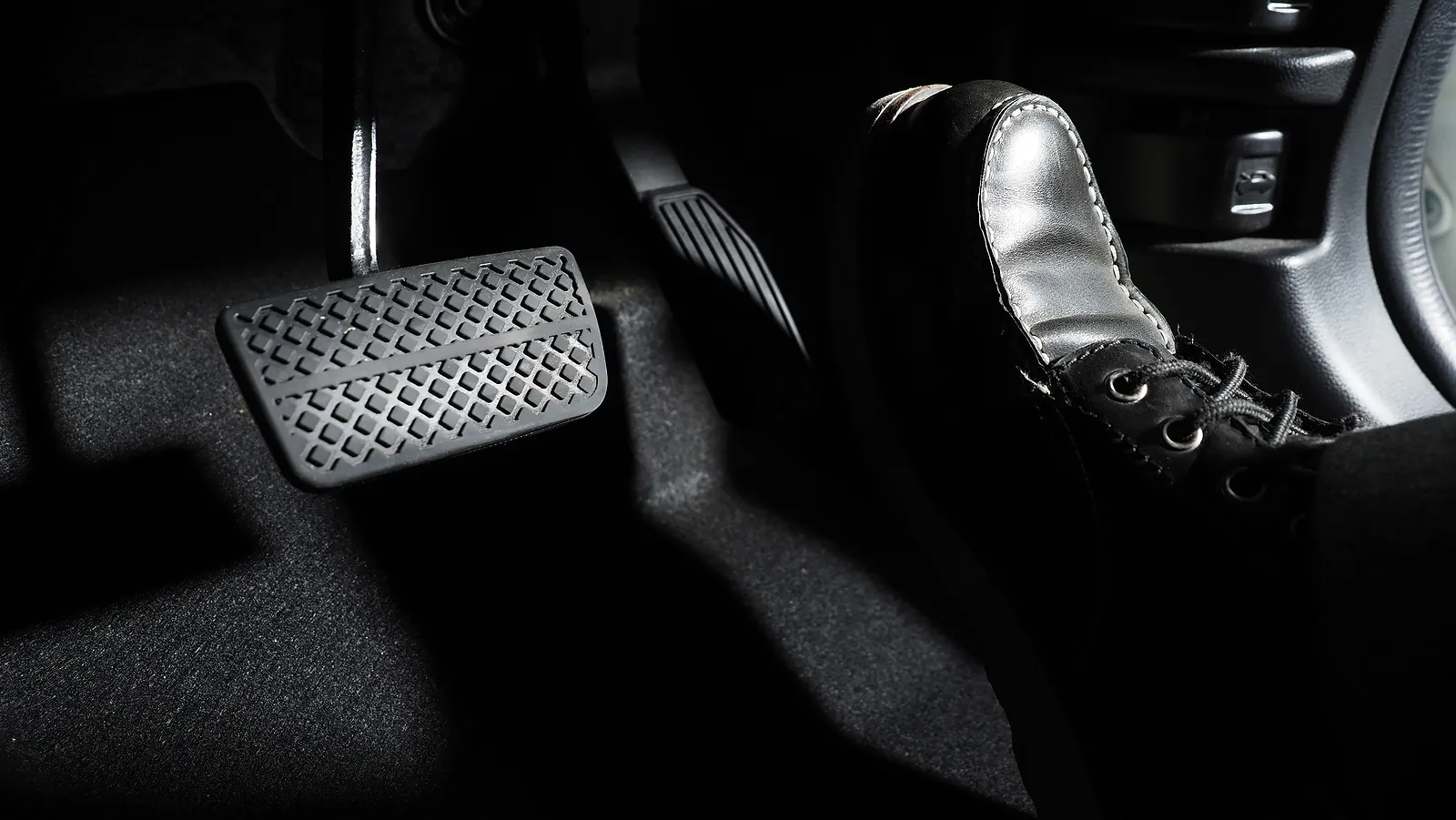
5. Noise, Vibration, and Pedal Feel: What Your Foot and Ears Tell You About Brake Pad Quality
Brake noise is one of the most common complaints that car owners bring to mechanics, and a substantial proportion of brake noise complaints trace directly to brake pad quality rather than mechanical faults or installation errors. Cheap and expensive brake pads produce genuinely different acoustic and tactile experiences during normal use, and those differences affect daily driving comfort in ways that accumulate across thousands of braking events over a pad’s service life.
Budget organic brake pads are generally quieter than cheap semi-metallic alternatives during normal temperature operation, which is why they are often recommended for vehicles where noise is a priority. This relative quietness during light braking does not extend to all conditions, though. As organic pads wear and as temperatures rise, surface glazing and uneven friction material transfer create the conditions for low-frequency brake groan during initial movement from rest and higher-frequency squeal during moderate braking.
Brake squeal in budget pads often results from resonance between the pad and rotor at frequencies determined by the pad compound’s stiffness and the rotor’s natural vibration modes, and without the noise-damping engineering that premium pads incorporate, that resonance produces audible noise that persists until the pad or rotor condition changes.
Premium brake pads address noise through engineering solutions embedded in the pad’s design and manufacturing. High-quality brake pads from manufacturers like Akebono, Brembo, and Textar incorporate multiple noise dampening features: precision-machined chamfers on the pad edges that reduce the rotor contact footprint at pad entry and exit to prevent resonance generation, multi-layer rubber-steel-rubber shim assemblies bonded to the pad backing plate that isolate vibration between the caliper and the friction material, and friction compound formulations whose stiffness characteristics are specifically tuned to avoid the resonance frequencies of the rotors they are designed for.
Pedal feel differences between cheap and premium pads affect driving confidence in ways that are difficult to quantify but immediately apparent to attentive drivers. Premium pads provide a pedal feel that is firm, progressive, and informative, giving the driver clear tactile feedback about how much braking force is being applied and allowing fine modulation of deceleration without the pedal feeling vague or requiring sudden pressure increases to achieve intended deceleration.
Budget pads often produce a pedal feel that is either too grabby at initial application or too slow to build force, requiring the driver to compensate with less natural pedal management.
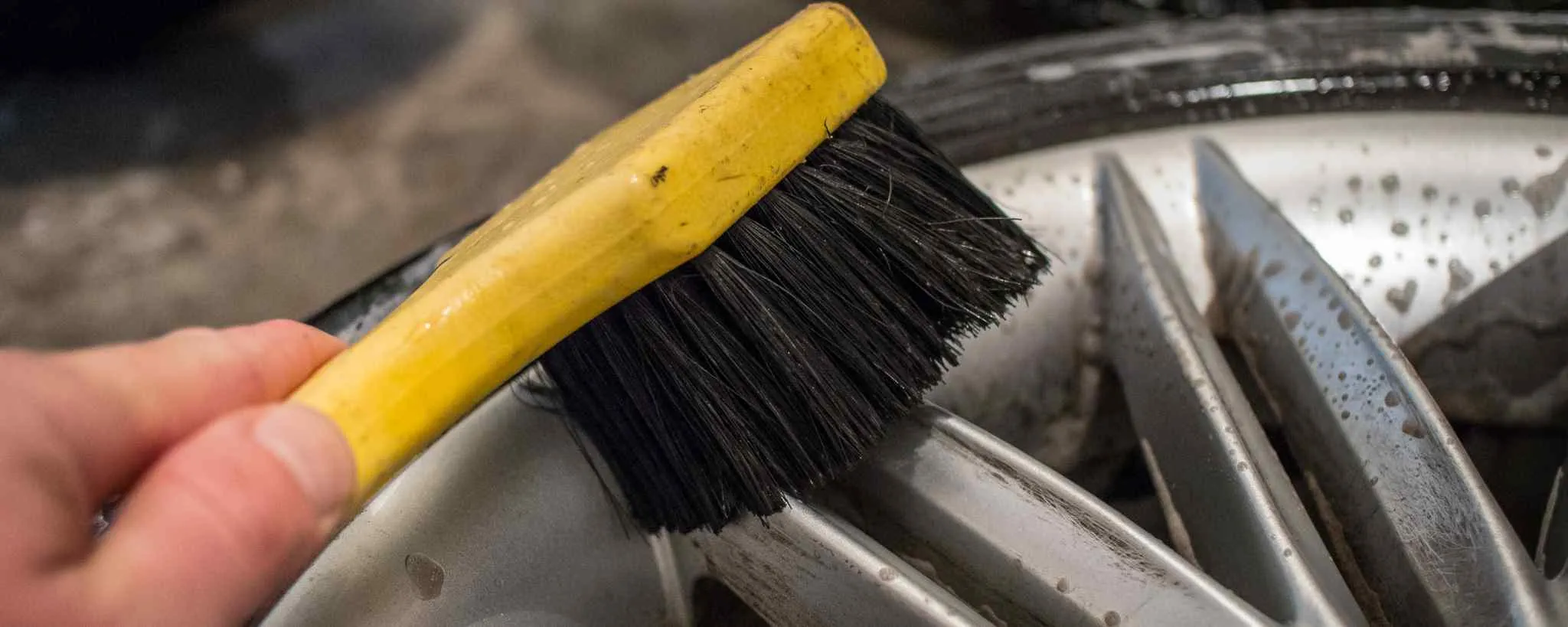
6. Brake Dust Production: The Difference That Shows on Your Wheels Every Week
Brake dust is the dark, powdery residue that accumulates on wheel faces and requires regular cleaning to prevent it from permanently bonding to alloy wheel surfaces. Every brake pad produces dust as its friction material wears, but the quantity, composition, and adhesion characteristics of that dust vary dramatically between cheap and expensive pad compounds, creating real differences in wheel maintenance requirements and long-term wheel surface condition.
Budget semi-metallic brake pads are among the worst offenders for brake dust production in volume terms. Brake dust that is not removed promptly begins a corrosion process that eventually pits the wheel surface and causes permanent marking that polishing and cleaning cannot fully reverse.
Wheels on vehicles running budget semi-metallic pads require weekly cleaning at a minimum to prevent this damage, and even with regular cleaning, wheels on these pads typically show more accelerated surface deterioration than equivalent wheels on premium pad compounds.
Budget organic pads produce considerably less dust volume than budget semi-metallic alternatives, but the dust they generate still contains sufficient metallic content from their composite ingredients to create adhesion and corrosion concerns on alloy wheels. Organic pad dust also tends to be lighter in color than metallic dust, making it less immediately visible but no less chemically active when it accumulates.
Premium ceramic brake pads represent the clearest advantage in brake dust management. Ceramic compounds produce substantially less dust than organic or semi-metallic alternatives in both volume and adhesion. The dust generated by ceramic pad compounds is lighter in color, finer in particle size, and less chemically aggressive than metallic brake dust, reducing both the visual accumulation rate on wheel surfaces and the chemical interaction with wheel coatings.
Owners of vehicles running Akebono ProACT ceramic pads, EBC Brakes Greenstuff ceramic pads, or Bosch QuietCast ceramic pads consistently report cleaner wheel faces between washes compared to their experience with organic or budget semi-metallic compounds.
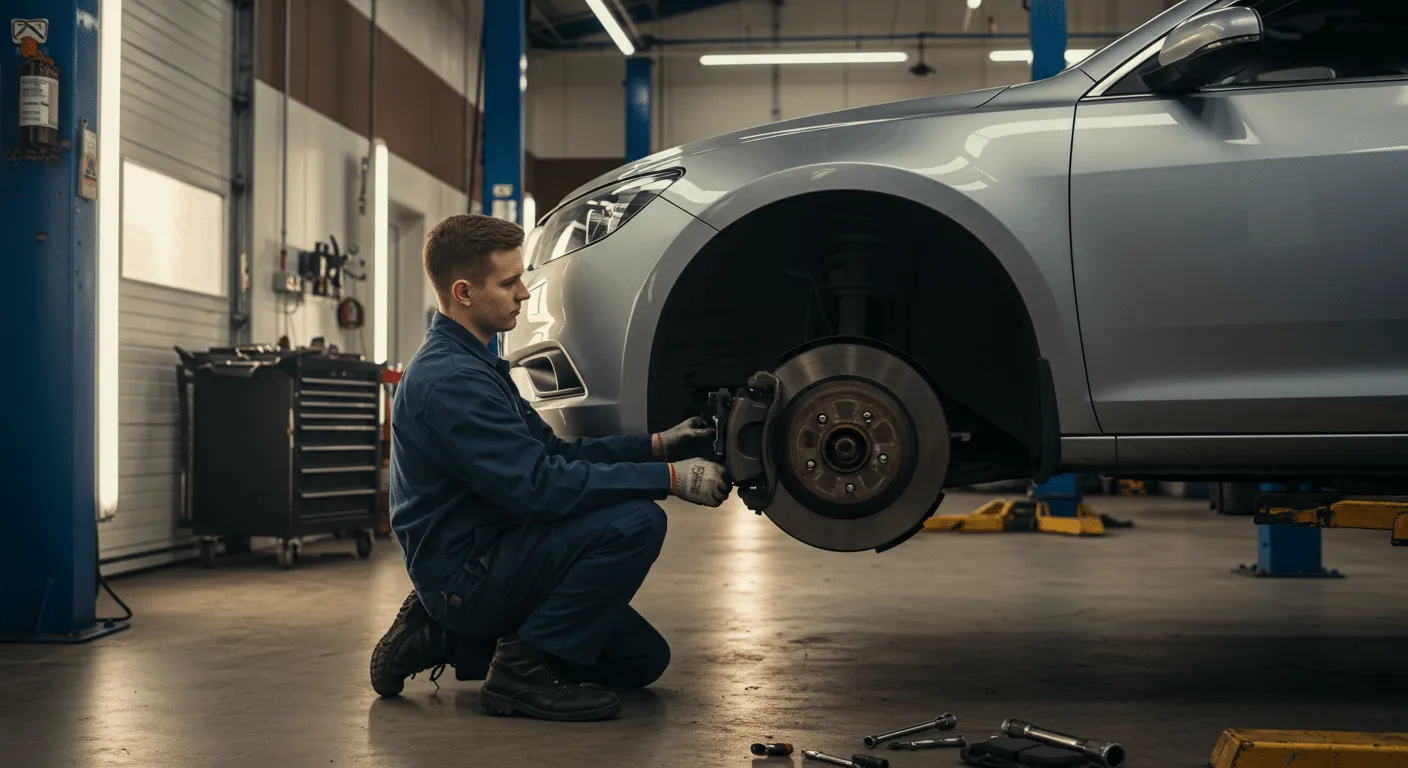
7. Service Life and Wear Rate: How Long Brake Pads Actually Last Determines True Cost Per Mile
Brake pad service life is where the true cost comparison between cheap and expensive pads becomes most economically clear, and the result frequently surprises people who assumed that the cheapest pad per purchase represents the lowest total cost of pad ownership.
Budget organic brake pads typically provide a service life of 25,000 to 45,000 miles in normal mixed driving conditions. This range reflects the organic compound’s relatively soft friction material that wears progressively and at a rate that accelerates under the high-temperature conditions that produce faster material breakdown.
Drivers who do substantial city driving with frequent stop-and-go cycles, who regularly carry heavy loads, or who drive in hilly areas generate higher braking frequencies and temperatures that push organic pad wear toward the lower end of the service range. At the lower end, a budget organic pad set lasting 25,000 miles for thirty dollars means a cost per thousand miles of approximately $1.20 per axle.
Premium ceramic and semi-metallic brake pads typically provide service lives ranging from 50,000 to 70,000 miles in comparable driving conditions, with some premium ceramic compounds documented in owner reports at even higher mileage in light-duty applications.
This extended service life reflects both the harder, more wear-resistant nature of premium friction compounds and the more consistent operating temperatures that premium pads maintain through their superior thermal management.
At 70,000 miles of service from a premium pad set costing ninety dollars, the cost per thousand miles drops to approximately $1.29 per axle, nearly matching the budget pad’s per-mile cost while delivering dramatically superior performance throughout the service interval.
Rotor wear compatibility compounds this calculation further. Budget pads that accelerate rotor wear force rotor replacement on a shorter cycle than premium pads would allow, adding rotor replacement cost to the total brake system ownership equation.
Premium pad and rotor combinations managed correctly can allow two or three pad replacement cycles from a single set of rotors. Budget pad and rotor combinations managed poorly can require rotor replacement coinciding with every second or third pad change.
Also Read: 10 Storage Tips to Protect a Mazda CX-5 from Sun Damage
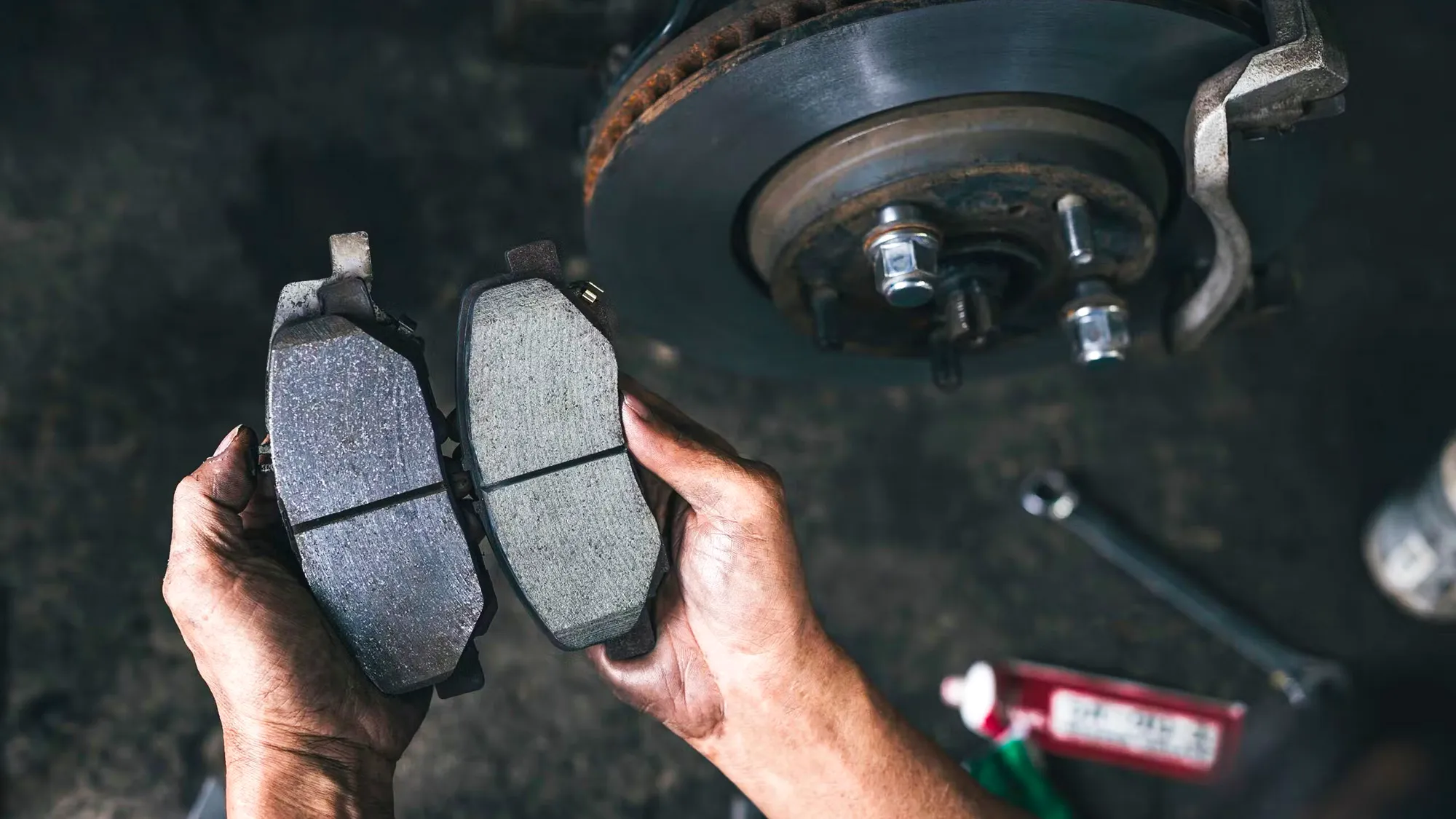
8. Consistency Across Temperature Ranges: The Brake Pad Performance Factor That Matters Every Single Day
Brake performance consistency across the full temperature range that a pad experiences during normal driving is the quality that separates genuinely premium brake pads from budget alternatives in the most practical daily-driving terms.
A pad that performs consistently from a cold first stop of the morning through repeated heated stops during heavy traffic and back to cool-down conditions after a long highway run provides a driving experience that is predictable, confidence-inspiring, and easy to manage.
A pad that performs differently at different temperatures creates a driving experience that requires constant mental adjustment and reduces driver confidence in precisely the situations where brake predictability matters most. Cold-temperature consistency is the first test that differentiates premium from budget pads.
Budget organic pads on a cold morning often deliver noticeably reduced initial bite compared to their normal operating temperature performance, requiring greater pedal pressure for the same deceleration on the first few stops after an overnight park.
Drivers who have experienced this effect know the slightly anxious moment of pressing the brake pedal in morning traffic and receiving less response than expected. Premium ceramic pads are specifically engineered for a cold-temperature bite that approaches their warm operating performance, reducing the warmup inconsistency to a level that most drivers cannot detect between first and subsequent stops.
Hot-temperature consistency is where budget pads most dramatically fall short, as covered in the heat dissipation discussion earlier, but the consistency issue extends beyond outright fade to subtler friction coefficient variation that occurs at moderately elevated temperatures below the outright fade threshold.
Budget organic pads often exhibit friction coefficient changes at moderate heat that produce a different pedal feel and stopping power than the same pads demonstrate at cold or ambient temperatures. This variation requires drivers to unconsciously adjust their braking style based on how warm the brakes are, a compensation that most drivers make without realizing they are doing it until they drive a vehicle with premium pads and notice that braking feels the same regardless of pad temperature.
Premium brake pad manufacturers publish friction coefficient data across temperature ranges as a matter of standard specification documentation. Products from manufacturers like Ferodo, Pagid, and Hawk Performance are tested and validated to deliver friction coefficient consistency within narrow bands across their designed operating temperature range, allowing vehicle engineers and informed buyers to select pads that maintain the braking system’s designed performance envelope throughout normal and demanding use conditions.
