
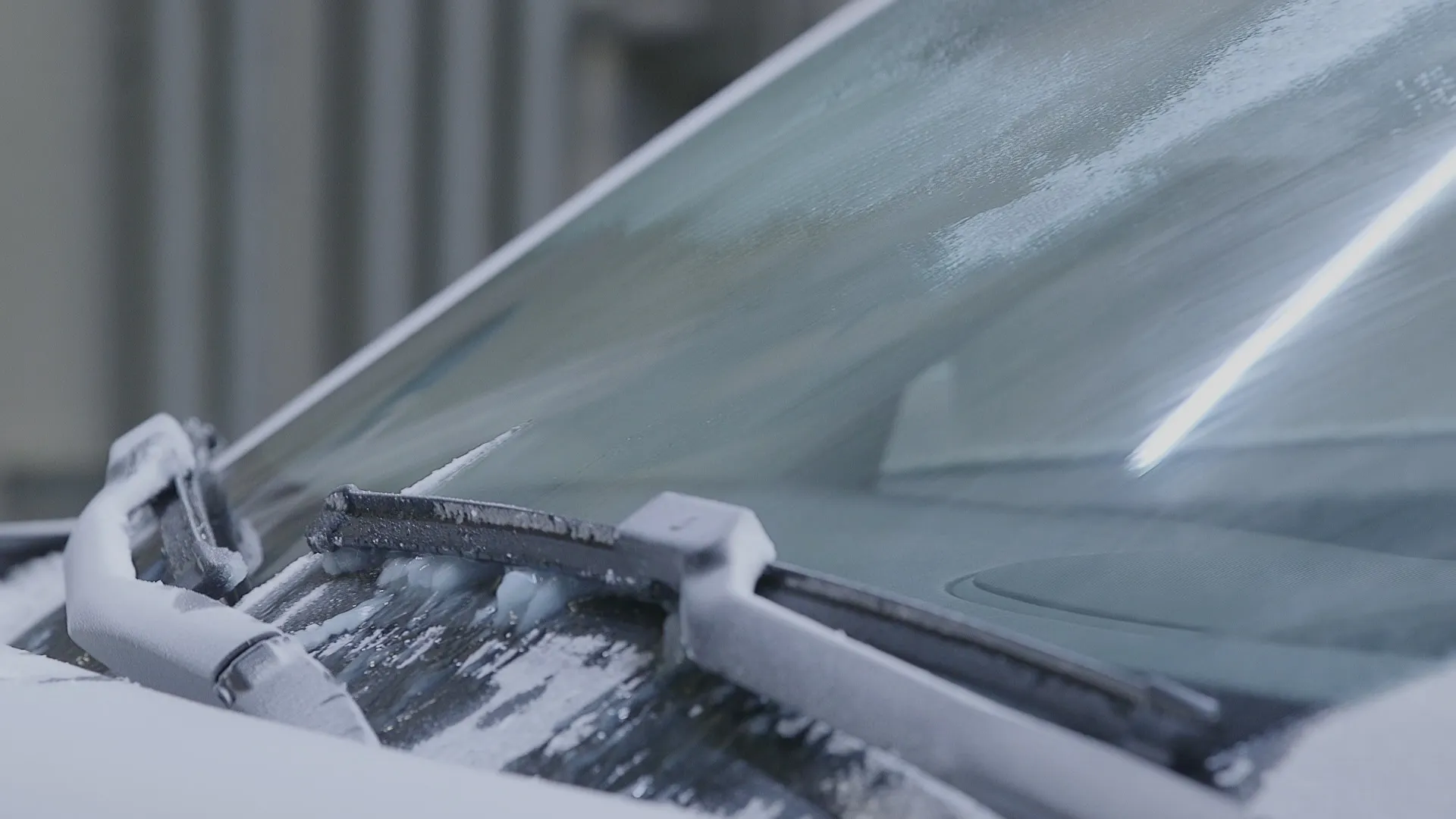
Cold mornings test more than patience. Frosted glass, fogged interiors, and icy buildup can delay a commute and create real safety risks.
A strong windshield defroster system does more than clear condensation. It restores visibility quickly, directs airflow precisely, and maintains consistent temperature across the entire glass surface.
When it works well, you barely think about it. When it struggles, every second feels longer than it should. Automakers invest serious engineering into climate control systems, especially for vehicles expected to perform in harsh winter conditions.
High-output heater cores, strategically placed vents, rapid warm-up technology, and even electrically heated windshields all contribute to faster clearing times.
Some systems activate automatically based on temperature sensors. Others include remote start functions that begin warming the cabin before you step outside.
For drivers who live in snow-prone regions or deal with frequent morning fog, a powerful defroster is not a luxury. It is a daily convenience that improves safety and comfort. Quick clearing reduces the temptation to drive with limited visibility or rely solely on a scraper.
Below are ten vehicles known for exceptionally effective windshield defroster systems. Each one approaches the challenge differently, yet all share one goal: restoring clear vision as fast as possible.
1. Volvo XC90
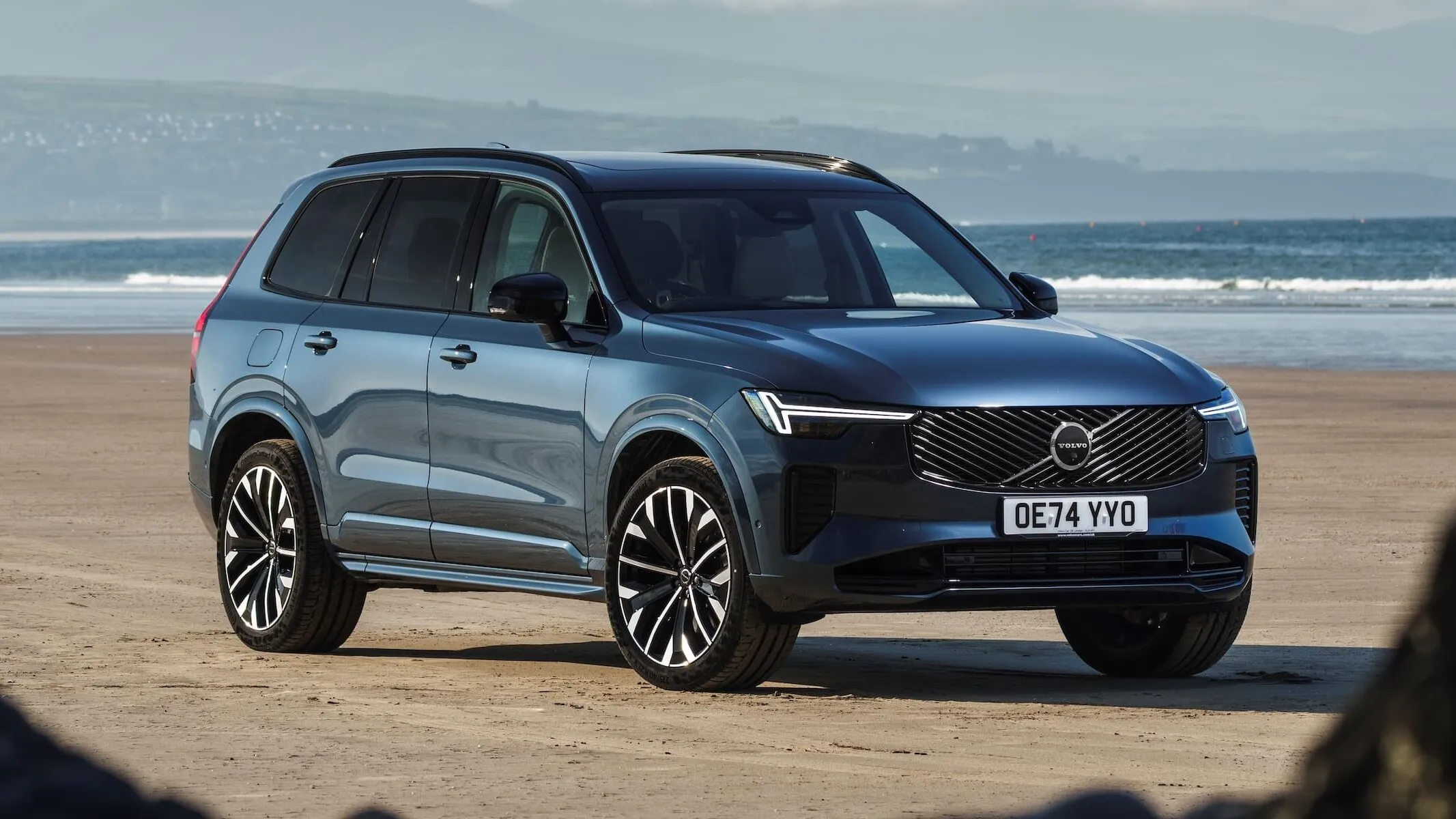
Cold climate engineering defines the character of the Volvo XC90. Designed in a country where winter is long and unforgiving, this luxury SUV treats defrosting as a priority rather than an afterthought.
From the moment the engine starts, the climate control system directs concentrated airflow toward the windshield through wide, carefully angled vents that span the base of the glass.
Heating capacity plays a major role. A high-output heater core warms the air rapidly once the engine temperature rises. For models equipped with remote start, the cabin can begin warming before the driver even opens the door. That early heat reduces frost buildup and shortens waiting time.
Electric heating elements embedded within the windshield are available in certain trims. These fine wires are nearly invisible yet highly effective. Instead of relying solely on warm air, the glass itself generates heat, loosening ice and clearing condensation quickly. Side mirrors and washer nozzles often include heating features as well, preventing secondary visibility issues.
Automatic climate sensors add another layer of intelligence. When the system detects interior humidity or exterior temperature drops, it adjusts fan speed and airflow direction to prevent fog from forming in the first place.
Rear passengers benefit too, as balanced airflow keeps cabin temperature stable, which indirectly supports windshield clarity.
Drivers frequently praise the XC90 for how evenly the glass clears from edge to edge. Uneven defrost patterns can leave stubborn patches near the corners. This system minimizes that frustration through thoughtful vent placement and strong blower performance.
Confidence on winter mornings matters. Volvo has built a reputation around safety, and clear visibility stands at the center of that philosophy. For those who face icy conditions regularly, this SUV delivers dependable, fast-acting defrost performance.
2. Subaru Outback
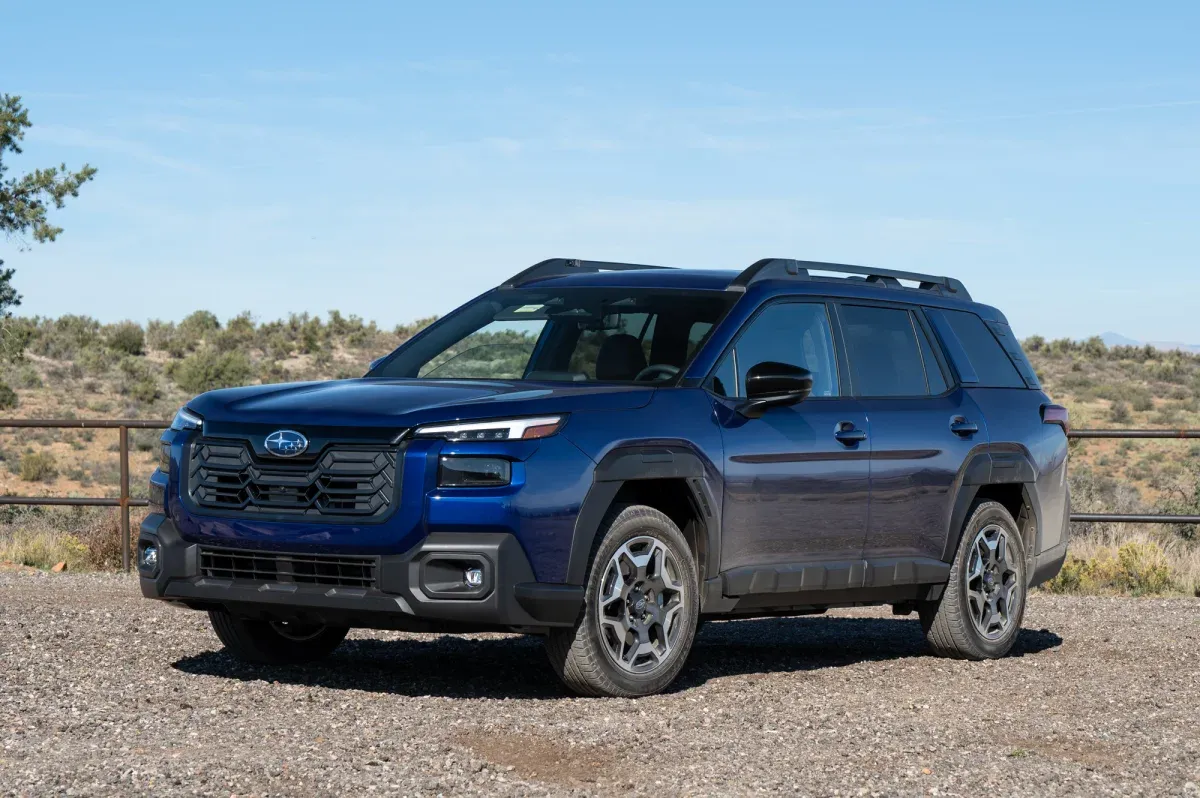
Outdoor adventure branding aside, Subaru engineers understand cold-weather realities. The Subaru Outback offers a defroster system that reflects its all-season mission.
Standard All Wheel Drive prepares it for snow-covered roads, while its climate control system ensures drivers can actually see those roads.
High-capacity blower motors push warm air forcefully across the windshield. Rather than concentrating airflow in a narrow strip, the vents distribute heat broadly. That wide coverage reduces streaks and uneven clearing patterns. When paired with heated side mirrors and rear glass, visibility improves quickly in all directions.
Cold starts are handled thoughtfully. Many Outback trims include remote start capability through the Subaru app.
Activating the system in advance allows the heater to begin working before the vehicle moves. By the time the driver settles into the seat, frost may already be loosening.
Automatic climate management responds to humidity changes inside the cabin. Wet boots, damp jackets, and snowy gear introduce moisture that can fog glass rapidly. Sensors detect these conditions and increase airflow to the windshield without requiring manual adjustment.
Certain trims offer a windshield wiper de-icing feature. Heating elements at the base of the windshield prevent ice from freezing the blades in place. That detail may seem small, yet it improves defrost efficiency by ensuring wipers can clear melted moisture immediately.
Owners who live in mountain states often highlight how quickly the Outback restores visibility during early morning starts. Reliability in harsh weather is part of its identity. Strong defrost performance reinforces that reputation, making winter driving feel less like a chore and more like a manageable routine.
Also Read: 8 Vehicles With the Best Roof Rack Systems for Outdoor Gear
3. Ford F-150
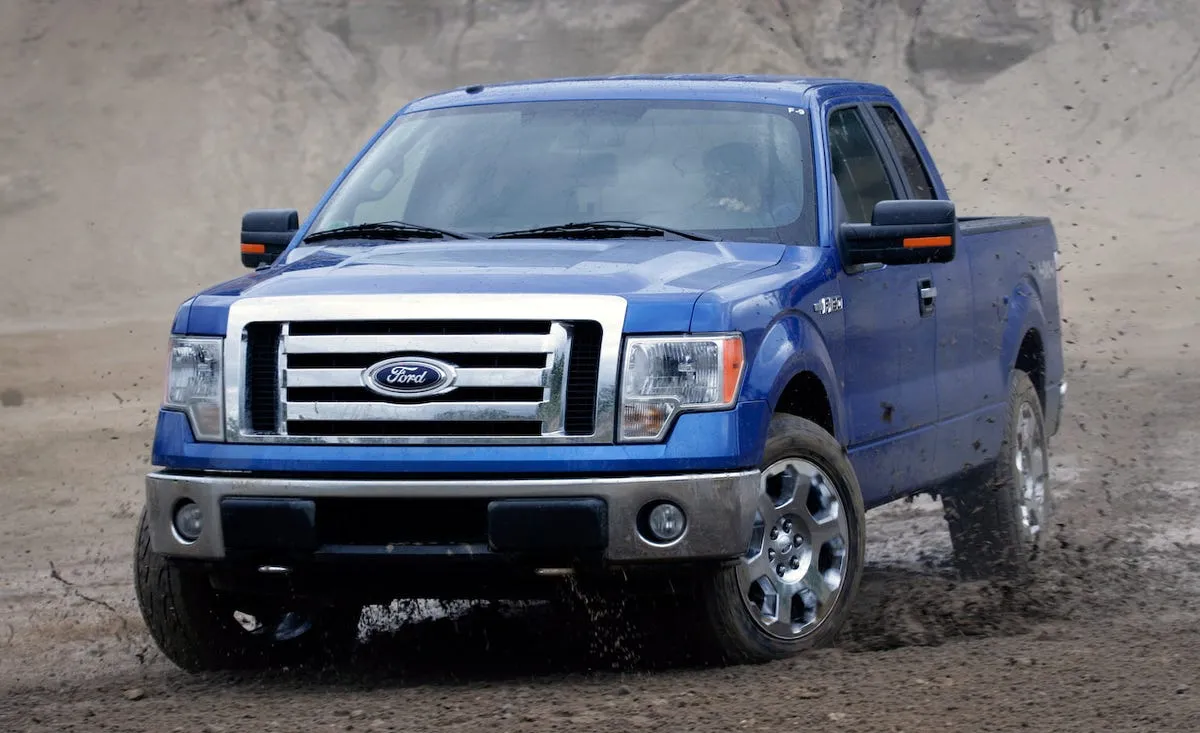
Pickup trucks face distinctive challenges during winter months, particularly when frost and ice accumulate rapidly on large, upright windshields.
The Ford F-150 addresses these challenges with a defrost system engineered to meet both the demands of work environments and daily comfort needs. Its design emphasizes rapid heat delivery, consistent airflow, and practical convenience for drivers who require dependable performance in all conditions.
High-output blower motors move substantial volumes of air through wide defrost vents that span the dashboard. This placement ensures that critical areas of the windshield receive concentrated warmth first, allowing drivers to achieve clear visibility without long engine idle times.
For early morning departures, particularly on construction sites or rural routes, the system’s capacity to quickly melt frost improves safety by reducing the time spent manually scraping or waiting for cabin heat to build. Certain F-150 configurations feature a heated windshield option.
Thin wires embedded within the glass provide direct heat to the ice and frost layer, accelerating defrosting independently of engine temperature.
Complementary heated mirrors and rear window defrosters extend this benefit across all primary viewing surfaces, reducing blind spots and improving situational awareness during winter driving.
Remote start integration enhances convenience in cold climates. By activating the engine before entering the cabin, the system allows warm air to begin circulating immediately, shortening the time required to achieve full defrost efficiency.
Dual and multi-zone climate control systems distribute heat evenly across the cabin, preventing temperature imbalances that can create interior fogging.
Advanced models include automatic humidity sensors that detect moisture buildup and adjust airflow accordingly, ensuring clear glass without additional driver intervention.
Reliability is central to the F-150’s appeal. Heavy-duty drivers value systems that perform consistently regardless of environmental conditions.
Rapid defrosting supports safe operation on icy driveways, rural highways, and urban streets alike. When combined with traction features and robust chassis design, clear visibility ensures that winter hazards can be identified and addressed promptly.
Engineers also consider passenger comfort while designing the defroster system. High volume airflow is balanced with noise suppression and climate stability so that warmth reaches the windshield efficiently without overwhelming occupants.
The integration of intelligent air distribution ensures that corners and edges of the windshield, which often accumulate frost first, receive adequate attention.
The F-150 demonstrates that winter preparedness requires more than strong tires and robust engines. By combining powerful heating elements, smart airflow routing, and optional preconditioning through remote start, this pickup truck maintains visibility at a high standard.
Drivers experience peace of mind knowing that frost and ice are addressed quickly and consistently, allowing them to focus on driving safely and efficiently in demanding weather conditions.
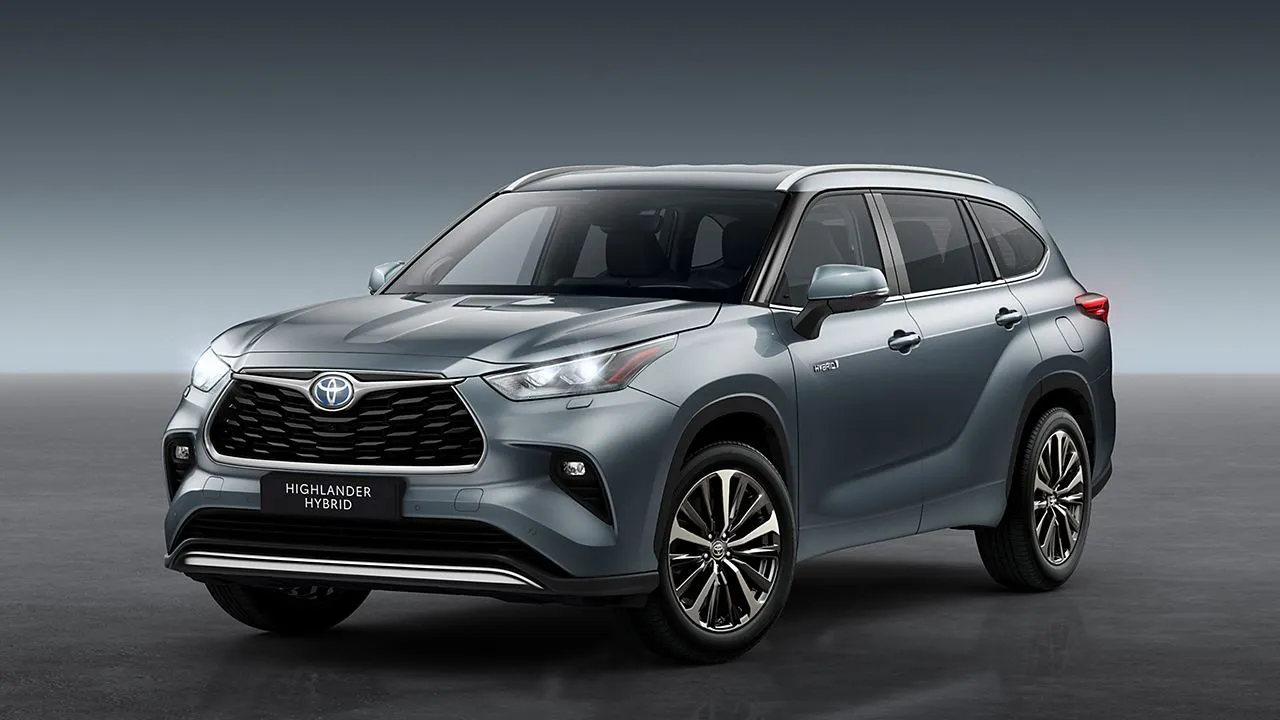
4. Toyota Highlander
Family vehicles must balance comfort, convenience, and safety, particularly when winter weather challenges visibility. The Toyota Highlander delivers a defrost system engineered for predictable performance while maintaining cabin comfort.
Multi-zone climate control is central to this approach, enabling precise delivery of warm air toward the windshield while simultaneously regulating passenger areas to avoid creating cold or hot spots within the cabin.
Airflow is designed with precision in mind. Rather than distributing heat indiscriminately, the Highlander channels warm air along the lower edge of the windshield using high-velocity vents.
This targeted approach removes frost efficiently without generating unnecessary turbulence that can disturb interior comfort or displace warm air intended for passengers. Even during heavy frost accumulation, the system ensures that the windshield clears in a timely and uniform manner.
Remote start technology complements the vehicle’s thermal management. Drivers can activate the engine and climate system remotely, allowing the cabin to warm before passengers enter.
Families preparing children for school benefit from reduced scraping or defrosting time. By the time occupants are seated, visibility is largely restored, minimizing delays and improving morning routines.
Additional features enhance the effectiveness of the defrost system. Heated side mirrors and rear window defrosters operate in conjunction with the front system to maintain clear sight lines during lane changes and reversing maneuvers.
Some trim levels also include rain-sensing wipers that automatically adjust based on moisture detection, further improving visibility in combination with heated glass and airflow management. Interior humidity sensors detect condensation resulting from wet clothing or multiple passengers entering the vehicle.
The climate system responds by adjusting vent direction and air volume, maintaining clear glass without requiring constant manual intervention. Automatic adjustments allow drivers to focus on road conditions while the windshield remains free of fog or frost.
The Highlander’s system also prioritizes efficiency. Air distribution is managed to maximize defrosting speed while reducing unnecessary heat loss to areas that do not contribute to visibility.
This approach ensures that the windshield clears quickly without compromising passenger comfort, which is particularly important for families traveling with children or pets during the winter months.
By integrating targeted airflow, remote preconditioning, heated glass, and intelligent humidity response, the Highlander provides a comprehensive solution for winter visibility. Parents and daily commuters alike can rely on consistent performance, safe driving conditions, and reduced morning stress.
The system reflects Toyota’s commitment to practical, user-friendly engineering that improves safety without requiring complicated intervention from the driver.
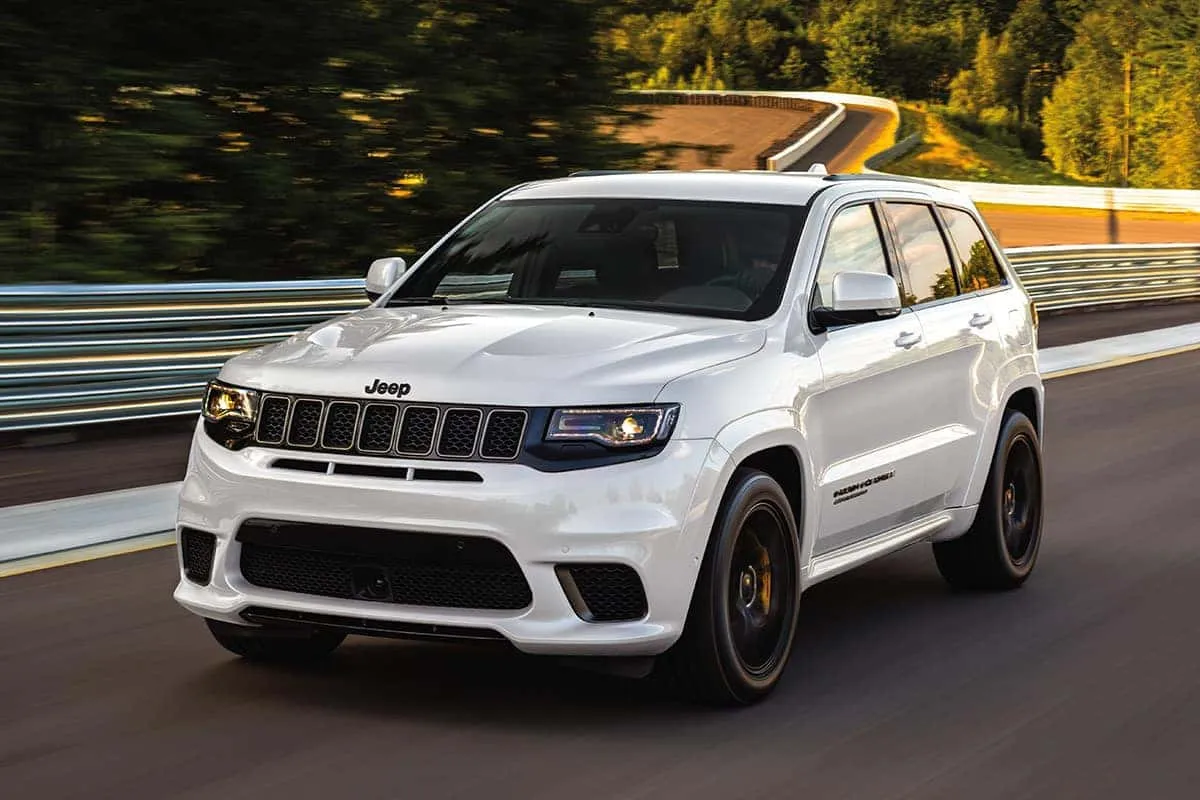
5. Jeep Grand Cherokee
The Jeep Grand Cherokee is engineered for rugged performance in extreme conditions, and its windshield defroster system reflects this focus. Mountain roads, ski resorts, and other cold climate environments demand rapid and consistent ice removal.
The Grand Cherokee addresses these requirements with a system that combines high-output heating, smart airflow routing, and optional heated glass technology to maintain visibility in challenging conditions. High-capacity heating elements produce warm air quickly once the engine reaches operating temperature.
Air is directed simultaneously to the upper and lower windshield areas, ensuring that frost and fog are removed evenly. This distribution reduces the chance of partially cleared sections that can impair visibility during critical driving maneuvers.
Embedded heating elements in selected trims provide additional support by delivering direct heat to the windshield glass.
When paired with heated washer fluid systems, ice and frost can be removed actively, even during snowfall. This combination enhances safety by reducing the need for manual scraping or delayed departures.
Remote start capability improves convenience and effectiveness. Activating the vehicle from indoors allows the cabin to warm before entry, giving the defroster system an initial boost and minimizing wait time.
Passengers benefit from clear sight lines immediately upon entering the vehicle, which is particularly valuable during morning commutes or in rapidly changing weather conditions.
Advanced climate management is integral to performance. Dual or quad zone systems maintain stable interior temperatures while regulating airflow to the windshield.
Sensors detect condensation and adjust blower output as needed, preventing fogging caused by wet clothing, breathing, or moisture tracked into the cabin. Drivers can rely on the system to operate without constant adjustment.
Strategically placed vents and intelligent airflow ensure that all areas of the windshield receive consistent heat. Adjustable fan speeds allow drivers to tailor defrost intensity according to the severity of frost or fog.
Engineers have also balanced airflow with passenger comfort, ensuring that rapid defrosting does not create hot or cold spots elsewhere in the cabin.
By pairing rugged off-road capability with efficient climate control, the Grand Cherokee demonstrates how a comprehensive defrost system supports both safety and performance.
Drivers in snowy or icy conditions benefit from a vehicle designed to keep visibility clear while maintaining interior comfort, allowing them to focus on the road rather than managing ice or fog.
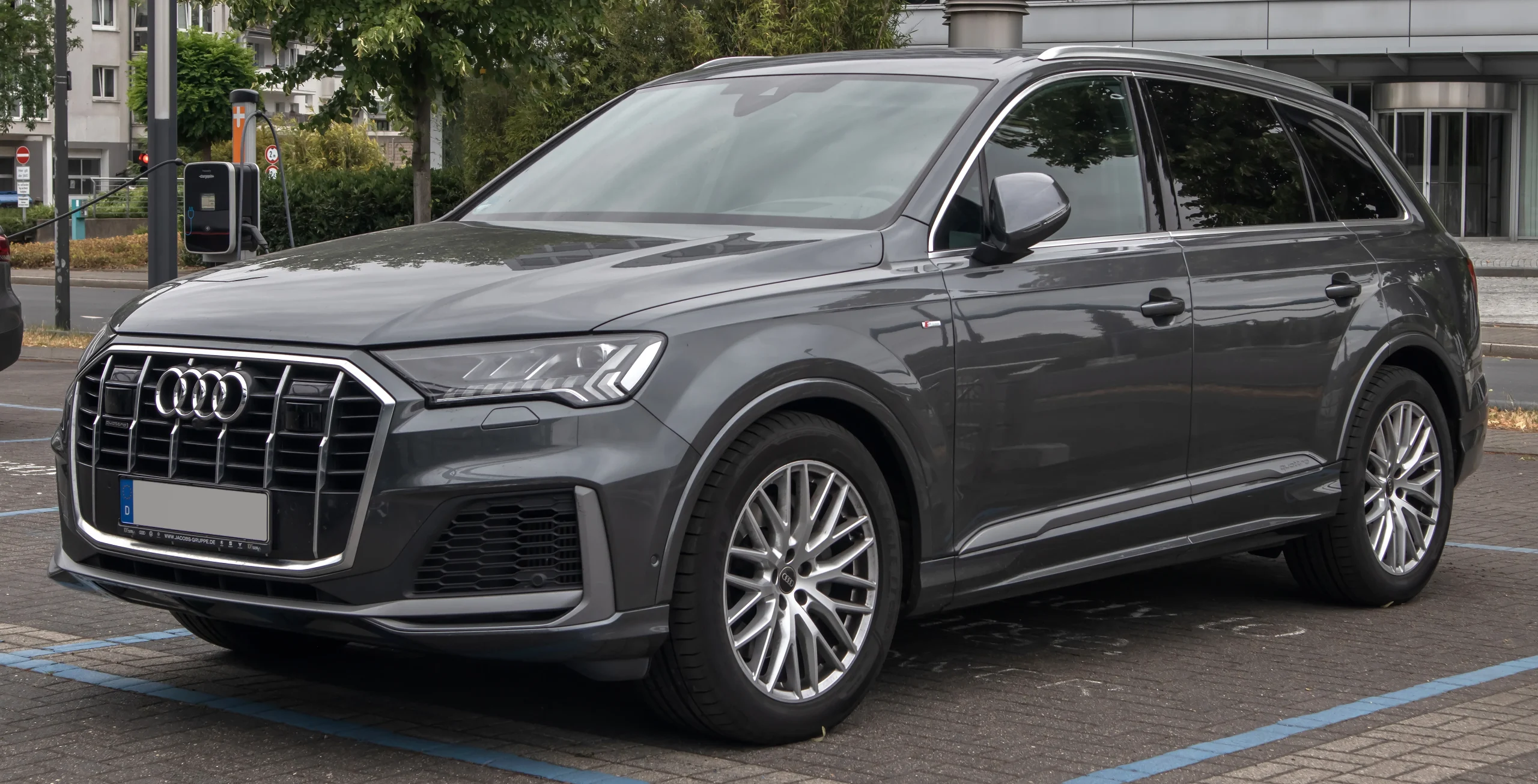
6. Audi Q7
Luxury and technology converge in the Audi Q7 to create an exceptionally capable defroster system. Attention to detail begins with the multi-zone climate control system, which allows precise regulation of airflow toward the windshield.
The Q7’s extensive vent network spans the width of the dash, ensuring that warm air reaches the glass evenly, eliminating fog and frost quickly.
Heated windshield technology enhances this setup on higher trim levels. Embedded wires within the glass surface generate immediate heat, reducing the dependence on engine heat alone. This feature proves particularly useful during subzero mornings when ice accumulates faster than cabin warmth can disperse.
Remote start functionality works in tandem with the climate system. Activating the engine from a smartphone app allows warm air to begin circulating before the driver enters the vehicle.
Passengers experience a comfortable cabin with clear sight lines from the moment they step inside. Heated side mirrors and rear window defrosters complement the main system, preventing secondary visibility issues.
Automatic humidity sensors further refine performance. When moisture levels inside the cabin rise due to snow, wet clothing, or rain, the system increases airflow to maintain windshield clarity without manual input.
Some trims also include air ionization technology, which can help reduce condensation while improving cabin air quality.
Driver feedback consistently praises how evenly the windshield clears. Edge-to-edge visibility is maintained, avoiding streaks or partially cleared areas.
Adjustable fan speeds allow drivers to tailor defrost intensity to conditions, from light fog to heavy frost buildup. While the system performs automatically under many circumstances, manual override remains available for precise control.
This SUV demonstrates that a thoughtful combination of airflow design, heated glass, and automated climate management can dramatically improve winter driving experiences.
For owners living in regions with frequent frost or fog, the Q7 offers one of the most effective windshield defroster systems available in the luxury SUV category.
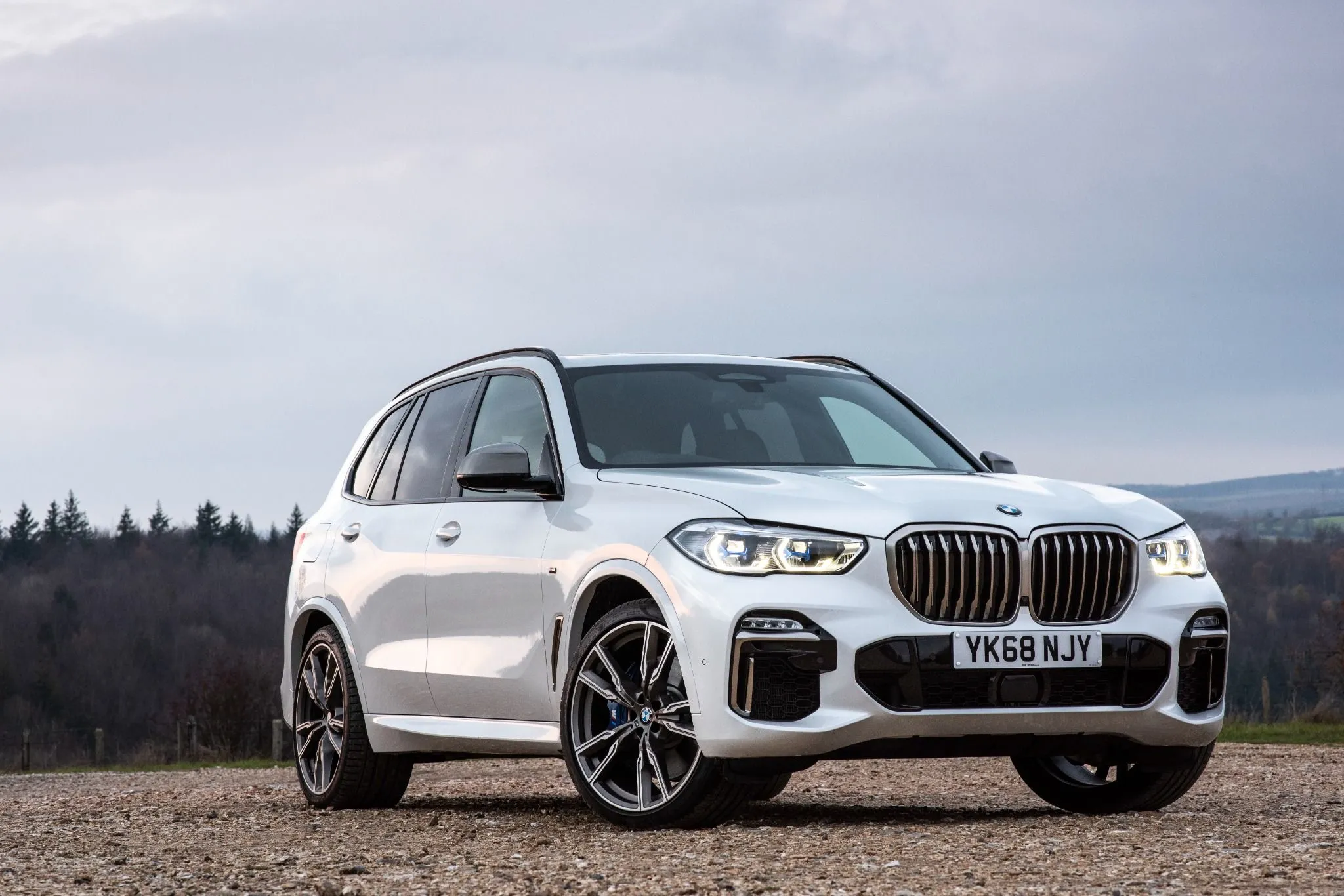
7. BMW X5
Precision engineering in the BMW X5 extends to climate management, including an advanced windshield defroster system.
A robust blower sends warm air efficiently across the base of the windshield, while multiple upper vents ensure complete coverage. This attention to airflow geometry reduces clearing time and eliminates cold spots that can leave ice or condensation behind.
High trim models offer an electrically heated windshield option. Thin heating wires embedded in the glass provide instant heat, loosening frost or ice before it accumulates. Side mirrors and rear windows often include heating elements as well, maintaining clear visibility in all directions.
Remote start capability integrates seamlessly with the X5’s climate system. Drivers can initiate engine operation remotely to warm the cabin before entry, allowing frost to melt without requiring manual scraping.
Air distribution adjusts automatically based on interior humidity and temperature readings, maintaining consistent clarity even with multiple passengers entering with wet coats or shoes.
Automatic air recirculation features reduce fog buildup. Sensors detect condensation forming on glass surfaces and increase airflow to critical areas.
The dual zone climate system ensures that passenger comfort is maintained while the windshield clears efficiently, preventing temperature imbalances that could reduce defrost effectiveness.
Intelligent routing of warm air targets the edges and corners of the windshield, which are often the most difficult areas to clear.
Adjustable fan speeds and airflow settings allow drivers to modify intensity based on the severity of frost or fog. Heating efficiency is supported by a high-output heater core, delivering rapid warm air from the moment the engine reaches operating temperature.
Owners who rely on the X5 for winter driving frequently praise the system’s responsiveness. Ice removal is fast, and fogging during short trips is minimized. Combined with heated mirrors, rear defrosters, and preconditioning features, the X5 demonstrates how comprehensive engineering can transform a potentially frustrating winter morning into a smooth, safe start.
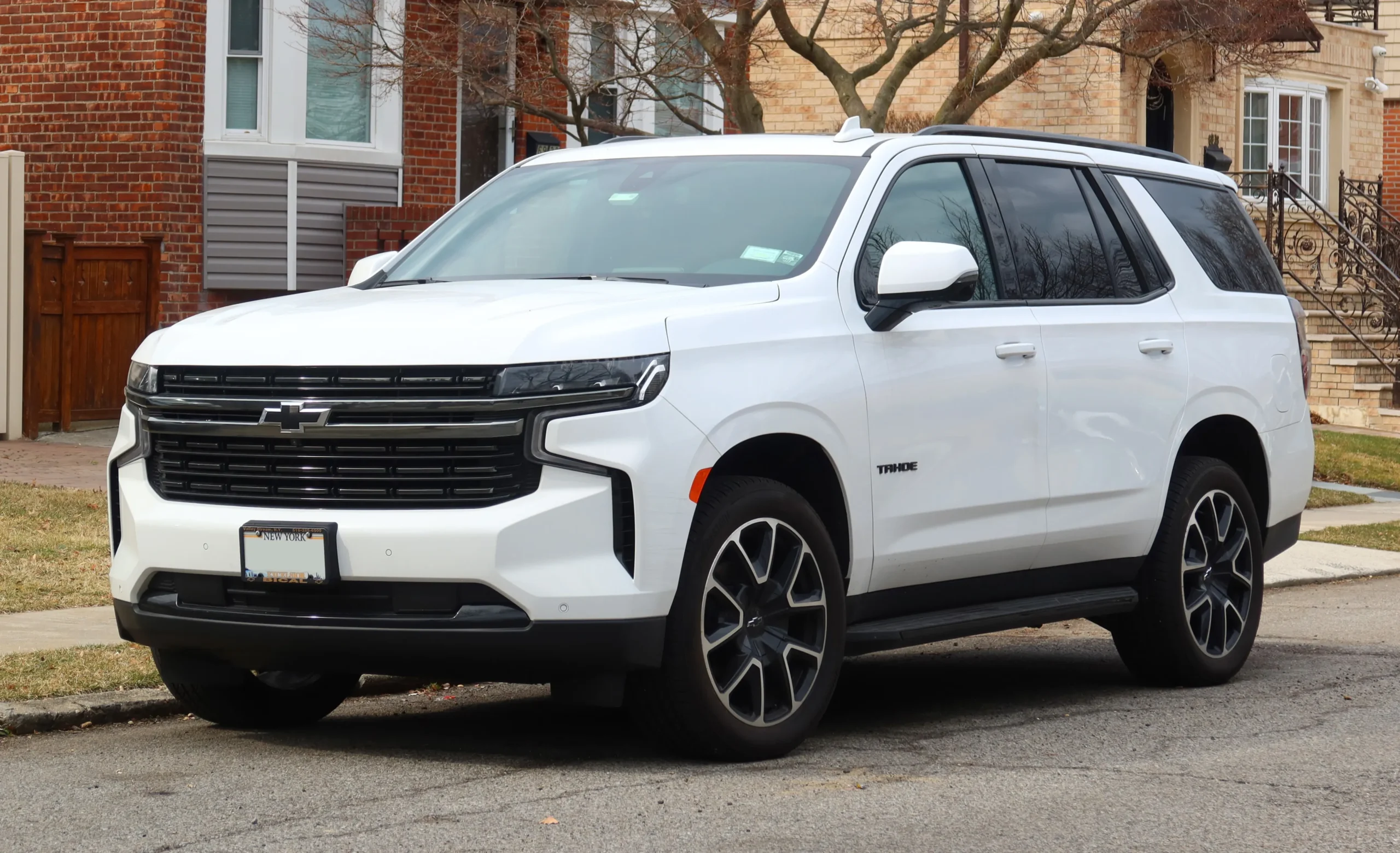
8. Chevrolet Tahoe
Full-size SUVs face unique challenges in winter due to their large cabin volumes and expansive glass surfaces. The Chevrolet Tahoe addresses these challenges with a defroster system specifically engineered for rapid and thorough windshield clearing.
High-capacity blower motors provide substantial airflow, while carefully positioned vents ensure that warm air reaches every portion of the windshield. This design helps drivers achieve clear visibility quickly, even in subzero temperatures.
Higher trim levels offer an electrically heated windshield option. Embedded heating elements distribute warmth evenly across the glass surface, melting frost and light ice without waiting for engine heat to build fully.
Heated side mirrors and rear windows complement the front defroster, providing all-around visibility that reduces blind spots and improves safety during winter driving.
Remote start functionality enhances convenience by allowing the cabin to warm before the driver enters. Activating the engine remotely lets warm air circulate and begin clearing frost immediately.
Automatic sensors further refine the process by monitoring interior humidity and exterior temperature, adjusting airflow intensity to prevent fogging and maintain consistent clarity throughout the cabin.
Multi-zone climate control plays a critical role in balancing passenger comfort and defrost efficiency. The system delivers warm air to driver and passenger zones while prioritizing airflow toward the upper and lower windshield areas.
This intelligent routing ensures corners and edges, where frost accumulates most quickly, receive adequate attention. Adjustable fan speeds allow manual intervention when conditions demand a more aggressive defrost approach.
Owners frequently note the Tahoe’s ability to clear frost within minutes, even after extended periods of freezing temperatures. The combination of mechanical airflow, heated glass, and adaptive climate management produces a defrost system that handles the size and design of this SUV effectively.
Reliability is a hallmark of the system, with drivers able to depend on consistent performance during daily commutes or extended trips in cold weather. By pairing powerful airflow with integrated heating technology, the Chevrolet Tahoe ensures that visibility remains uncompromised in challenging conditions.
Drivers experience improved confidence and reduced preparation time, whether driving through urban streets or rural routes. The thoughtful design demonstrates that size does not limit defrost performance, and intelligent engineering ensures that winter mornings are less stressful.
This approach to climate control emphasizes both practicality and convenience. The Tahoe’s system combines raw heating capacity with targeted airflow, intelligent sensors, and preconditioning features.
Together, these elements create an environment where windshield ice and fog are addressed efficiently, providing drivers with the clear view necessary for safe operation in winter conditions.
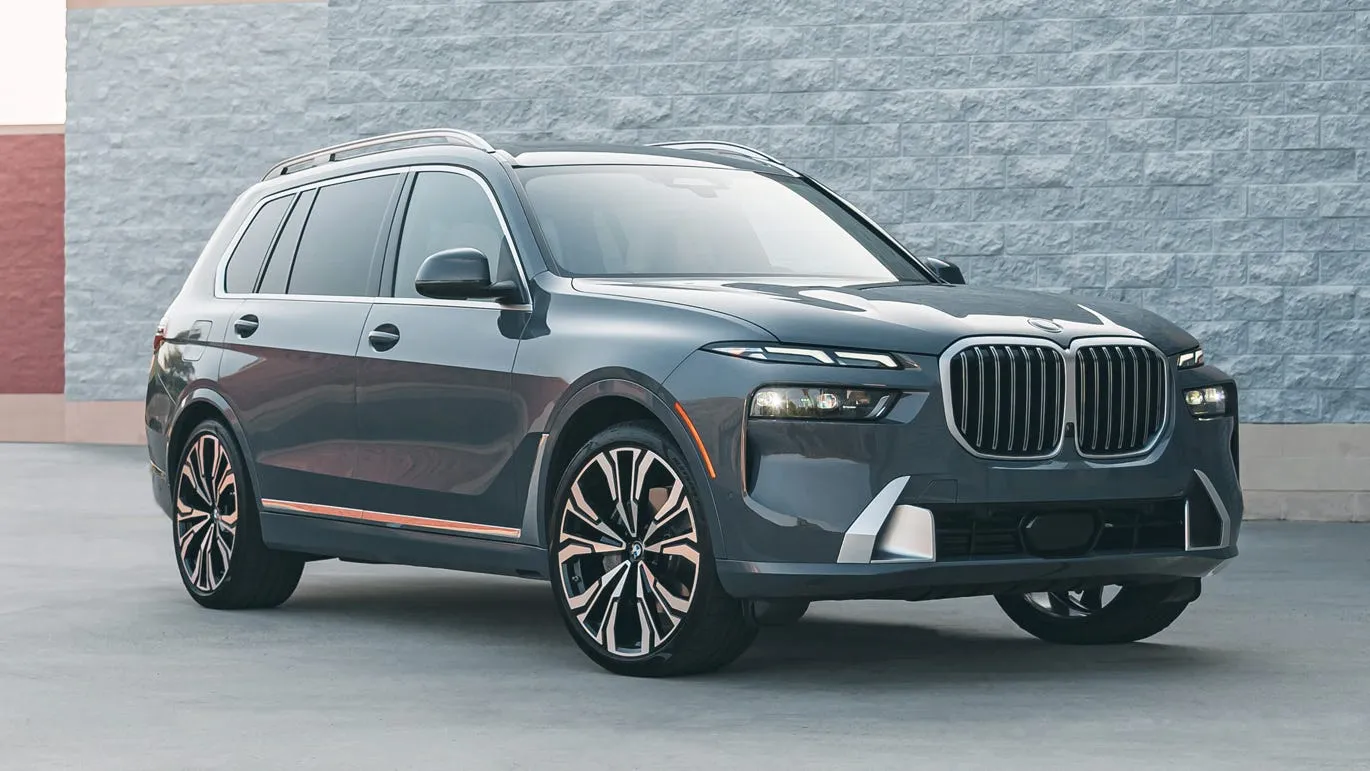
9. BMW X7
Luxury full-size SUVs often combine advanced technology with practical performance, and the BMW X7 demonstrates how climate control can enhance winter driving safety.
Its windshield defroster system integrates high-capacity blower motors with carefully designed vents to ensure that warm air reaches every corner of the expansive front glass.
This comprehensive airflow design prevents the formation of icy patches, even during early morning departures in freezing conditions. Heated windshields are available on higher trims. Embedded heating elements distribute warmth uniformly across the glass surface, accelerating ice and frost removal.
When paired with heated side mirrors and rear window defrosters, the system delivers complete visibility without requiring the driver to switch between multiple controls. Intelligent sensors monitor both interior humidity and outside temperature, automatically adjusting airflow to maintain clarity and reduce fog formation.
Remote start functionality enhances convenience by allowing the cabin to preheat before entry. This early circulation of warm air ensures that the windshield begins clearing immediately, reducing the need for scraping or prolonged idling.
The multi-zone climate control system ensures that passengers in all areas of the cabin receive adequate warmth while the windshield defroster remains the primary focus. Adjustable fan speeds and directional vents allow drivers to refine airflow distribution, ensuring that stubborn frost along the edges is addressed efficiently.
Automatic climate management maintains steady conditions inside the vehicle, preventing temperature imbalances that can lead to fogging on the interior glass. This feature is especially valuable when multiple passengers are entering the cabin with wet clothing or snow-covered outerwear.
Drivers who spend time in colder regions appreciate the consistency and reliability of the system, which operates quietly and efficiently while maintaining cabin comfort.
Also Read: Top 10 Vehicles With the Best All Season Traction Control

10. Audi Q8
Audi’s flagship SUV, the Q8, brings advanced climate control technology to winter visibility challenges. Large windshield surfaces require strong airflow and heat output, and the Q8 addresses this with high-capacity blower motors combined with precisely positioned vents.
The system directs warm air to critical areas of the glass first, ensuring that frost, ice, and fog are cleared rapidly, even in subzero conditions. Higher trim models offer electrically heated windshields, which employ embedded heating elements to melt frost directly on the glass surface.
Heated side mirrors and rear window defrosters work in tandem with the front system, maintaining clear visibility across all windows simultaneously. This coordinated approach reduces blind spots and improves safety, particularly during early morning departures or in inclement weather.
Remote start functionality allows preconditioning of the cabin. Activating the engine before entry initiates airflow, beginning the defrost process immediately. Combined with multi-zone climate control, warm air reaches all passenger zones while prioritizing critical sections of the windshield.
Automatic sensors regulate airflow and temperature based on interior humidity and external temperature, reducing condensation and maintaining consistent clarity. Airflow precision is enhanced by adjustable vents and fan speeds, allowing the driver to focus heat on problem areas or maintain a balanced cabin environment.
The Q8’s interior sensors detect moisture accumulation and adjust the defroster automatically, ensuring the windshield remains clear without frequent manual input.
Passengers benefit from comfortable temperatures while the system works effectively on the glass. Audi’s engineering ensures rapid frost clearance, with the system capable of melting ice within minutes even after extended cold exposure.
By combining high output airflow, embedded heating, and intelligent sensor control, the Q8 provides a defrost system capable of handling its large windshield and premium interior. Drivers experience improved visibility, reduced preparation time, and increased confidence when facing winter conditions.
