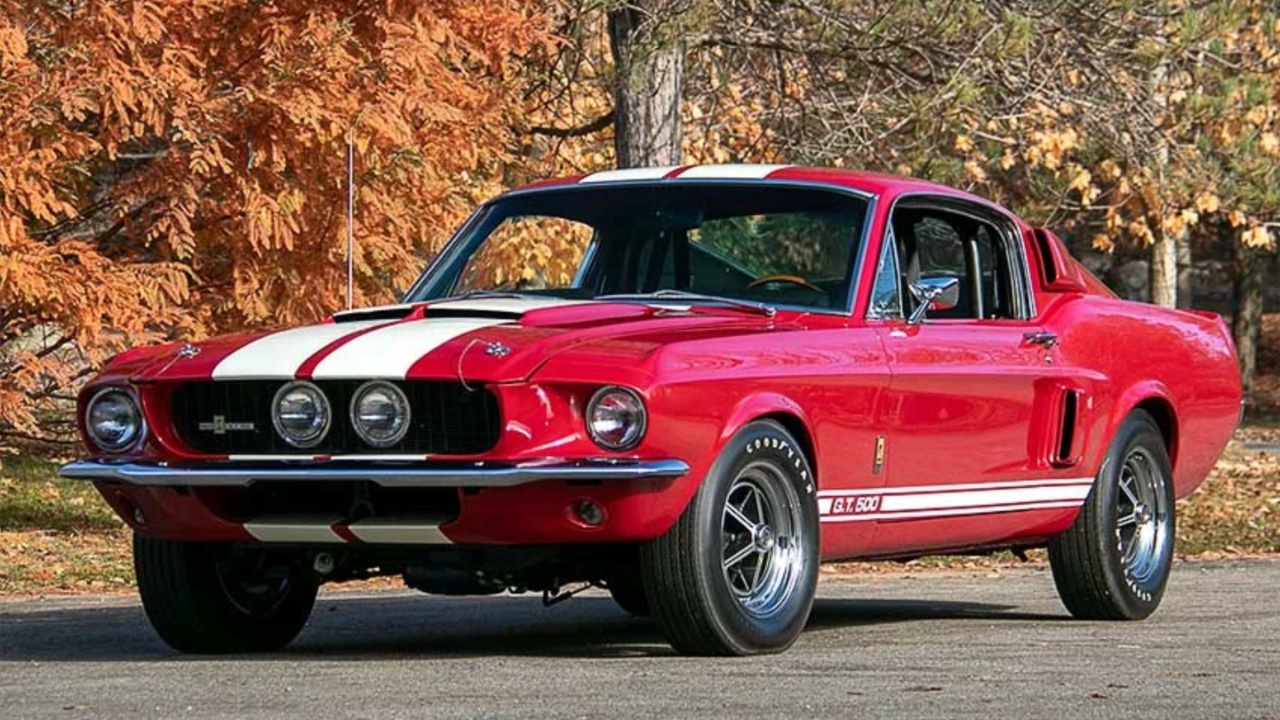
The 1970s were a golden era for American muscle cars, offering bold styling, strong performance, and affordability in vehicles that still captivate enthusiasts today. While some classic muscle cars now reach six-figure prices, many models from this decade remain accessible, making them ideal for restoration or modification projects.
Cars such as the first-generation Ford Mustang, Chevrolet Chevelle SS, Dodge Challenger, and AMC Hornet SC/360 were designed with simple mechanics, high parts interchangeability, and straightforward engineering. These qualities make them easy to work on for hobbyists and DIY restorers.
Beyond performance, these vehicles featured distinctive 1970s styling, manageable size, and practical layouts, allowing collectors to enjoy both aesthetics and driving pleasure. This list highlights eight cars from the 1970s that combine affordability, widespread parts availability, and approachable restoration potential. These models prove that classic American muscle can be rewarding without being prohibitively expensive.
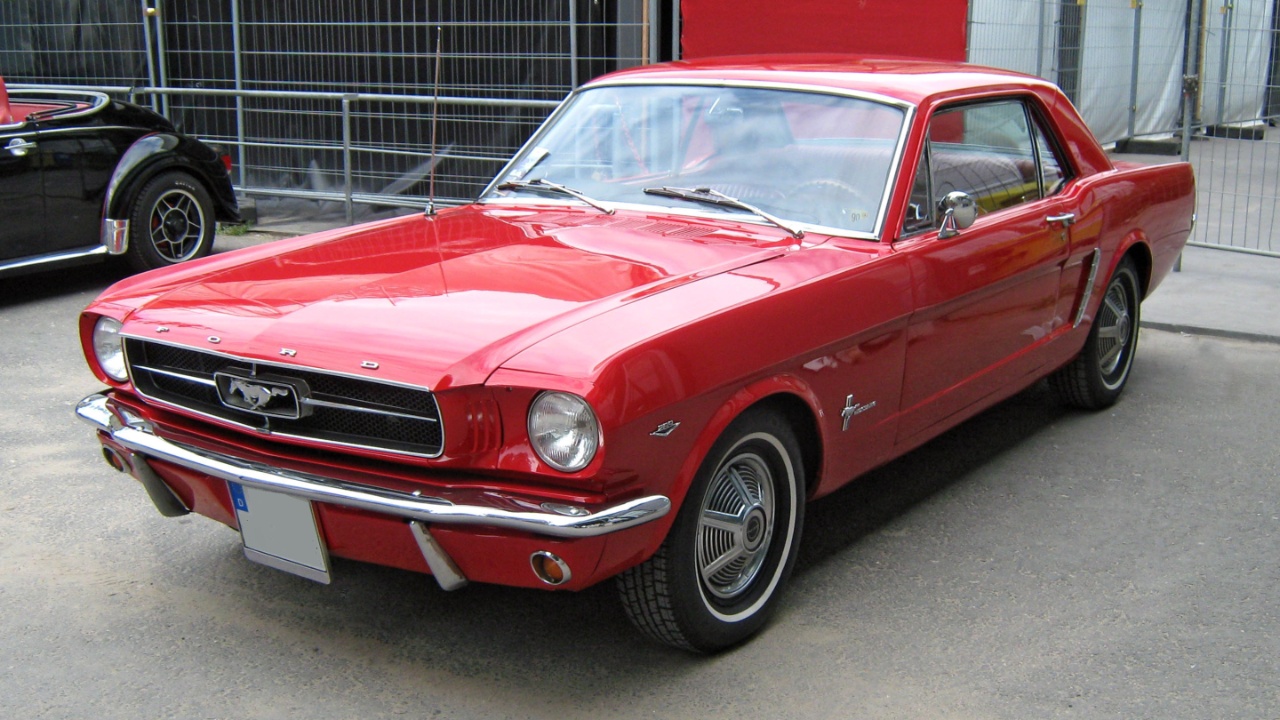
1. 1965–1970 Ford Mustang: Iconic, Affordable, and Easily Restored
The first-generation Ford Mustang, produced between 1965 and 1970, quickly became an American automotive icon due to its striking design, affordability, and ease of restoration. Ford reduced production costs by using drivetrain, suspension, and chassis components from the Ford Falcon and Fairlane, creating a car that was mechanically simple and accessible to hobbyists.
Shared parts ensured replacements remained easy to find, while the unibody platform-style construction allowed for straightforward mechanical work, making restoration projects more practical.
The Mustang debuted to widespread attention at the 1964–65 New York World’s Fair. It was featured in major publications and attracted excited crowds at Ford dealerships. Early reviews noted its welded chassis with a reinforced front section, independent front suspension, and semi-elliptical leaf spring rear suspension.
While the dimensions were similar to the Falcon, the design featured a longer hood, shorter rear deck, and a passenger compartment shifted nine inches rearward. This created a sporty appearance while maintaining seating for four passengers.
From 1965 to 1968, the Mustang offered a range of engines, including the 170- and 260-cubic-inch six-cylinder units and the 289- and 390-cubic-inch V8s, producing up to 325 horsepower in the big-block variants. Transmission options included three- and four-speed manuals and automatic models with multiple differential ratios.
The 1968 Shelby Mustang convertible became a highly sought-after performance edition. Despite these capabilities, the suspension was soft and wallowy, brakes were modest, and weight distribution limited performance potential. Straight-line acceleration was good, but handling remained similar to contemporary American sedans.
The Mustang’s cabin was neatly finished and fully carpeted, with minimal instrumentation consisting of a 120-mph speedometer, basic gauges, and an optional Rally-Pac tachometer.
Styling received strong approval for features such as upswept rear panels and a sporty stance, though some optional decorative elements like faux scoops were less popular. The four-passenger layout was practical, but rear legroom and headroom were limited.
High production numbers, shared components, simple mechanical systems, and a thriving reproduction market, including full body shells from Dynacorn, make first-generation Mustangs easy to restore.
Rust remains a concern, particularly in the floor pans and cowls, but the 1965–1968 models are widely regarded as the best value. While performance required modification for serious sports use, the Mustang combined style, affordability, and cultural impact, securing its status as a classic American automobile.
2. 1970–1972 Chevrolet Chevelle: A Muscle Car Legend
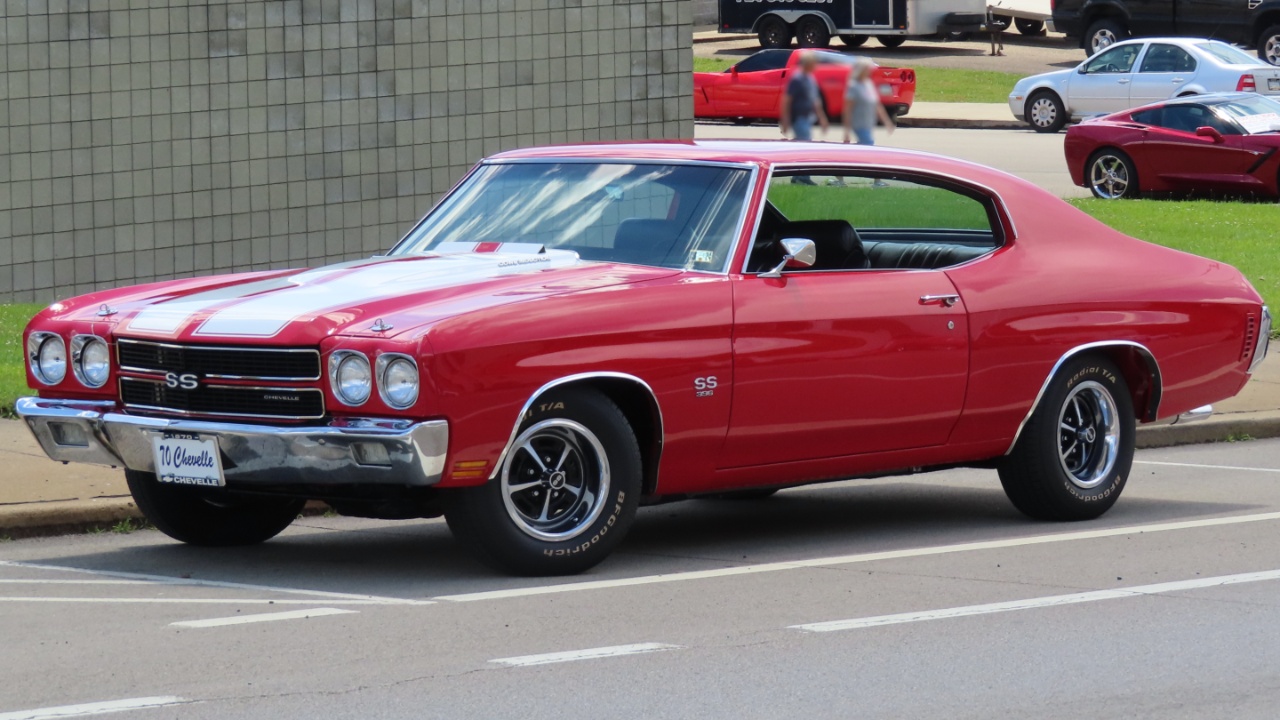
The 1970–1972 Chevrolet Chevelle, especially in its Super Sport SS trim, is widely regarded as one of the most iconic muscle cars ever built. The 1970 SS 454 offered two powerful 454-cubic-inch V8 options. The LS5 delivered 360 horsepower and 500 lb-ft of torque, while the legendary LS6 produced 450 horsepower on a robust four-bolt main block and featured large Holley carburetors.
The LS6 quickly became a top choice for enthusiasts seeking straight-line dominance at the drag strip, achieving mid-13-second quarter-mile times in stock trim and even high-12s with performance modifications.
Chevrolet designed the Chevelle to combine performance with practicality. The interior retained a bench seat regardless of transmission, and the car’s simple mechanical layout made it easy to maintain, repair, and modify.
Its popularity ensured abundant parts supply, from body panels to drivetrain components, supporting restoration projects and custom SS clone builds. The platform’s versatility allowed many components to be interchanged across 1970–1972 models, further increasing its appeal to hobbyists.
The 1970 Chevelle featured aggressive, muscular styling with widened fenders, quad headlights with a new grille, reshaped C-pillars, and front and rear bumpers updated for a bolder stance. SS models included bulging hoods, often paired with the ZL2 Cowl Induction system for improved airflow to the carburetor. These design elements gave the Chevelle a commanding road presence and cemented its place as a style icon.
Collectibility is strongest for the 1970 SS 454 LS6, with just over 4,400 units produced, including extremely rare convertibles estimated at 20 to 70 cars. Later, the 1971 and 1972 models received engine detuning due to lower compression ratios and emerging emissions regulations, making the 1970 LS6 a highly sought-after performance machine.
Restoration enthusiasts often rebuild these cars from basket cases, sourcing original components and aftermarket parts to recreate factory specifications.
Chassis, suspension, brakes, bodywork, and interiors can be restored to near-original condition, while the engine can be rebuilt with performance upgrades for street or strip use. With abundant support from restoration guides, forums, and suppliers, the 1970–1972 Chevelle remains an accessible and rewarding project.
With its combination of legendary performance, bold styling, and restoration-friendly design, the Chevrolet Chevelle SS from 1970 to 1972 continues to capture the hearts of muscle car enthusiasts worldwide.
3. 1970–1974 Dodge Challenger: Classic Pony Car with Muscle
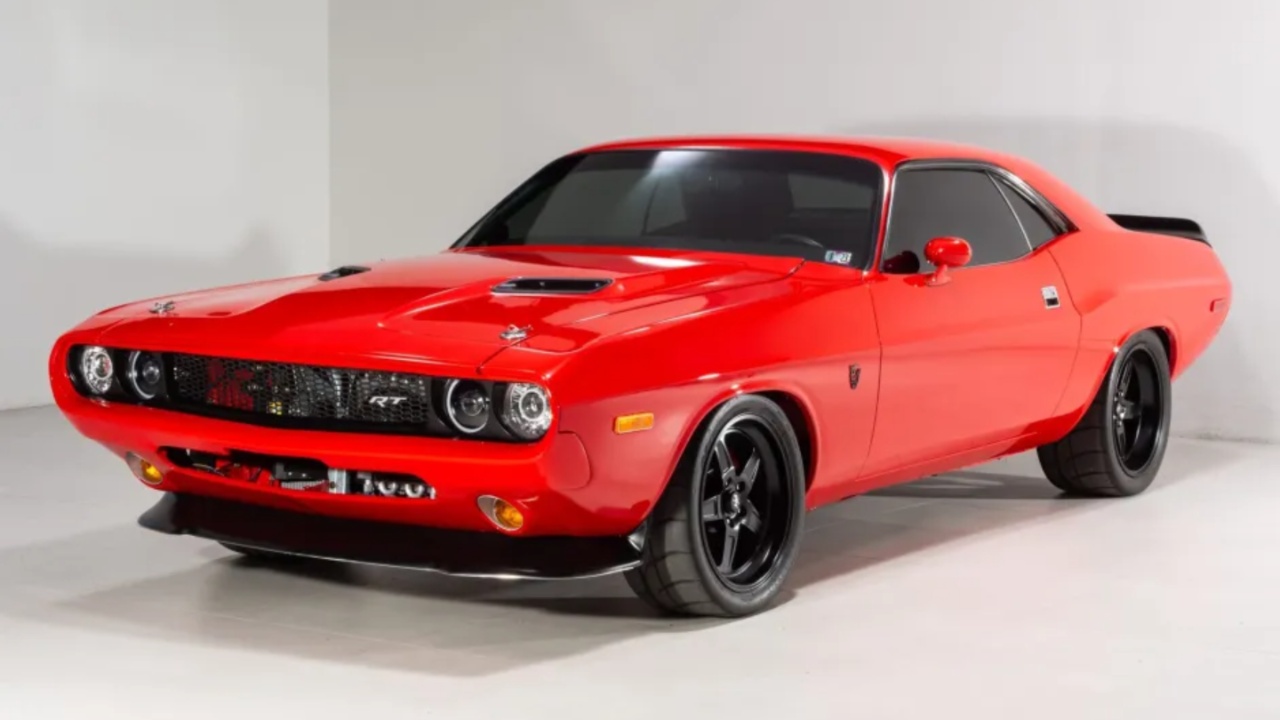
The first-generation Dodge Challenger, produced from 1970 to 1974, entered the pony car and muscle car market slightly later than competitors like the Ford Mustang and Chevrolet Camaro. Despite its late arrival, the Challenger made a strong impact with its aggressive styling, long hood, short deck proportions, and wide range of engine options.
Models ranged from the economical Slant-6 and 318 V8 to the popular 340 small-block, with high-performance versions including the 383, 440, and the legendary 426 HEMI. The Challenger was designed for straight-line speed, offering thrilling acceleration, while its handling was often limited by its heavy weight.
The Dodge Challenger is highly regarded as an affordable and easy-to-restore classic due to several key factors. Its simple mechanical design, featuring conventional V8 engines, basic suspension systems, and durable manual or automatic transmissions, allows for straightforward maintenance and modifications.
The unibody “E-body” platform shares components with other Mopar models, such as the Plymouth Barracuda, ensuring abundant parts availability for engine swaps, chassis repairs, and interior restoration. High production numbers, with over 165,000 units built between 1970 and 1974, also make project cars accessible at relatively low prices.
The Challenger’s design evolved modestly over the first generation. The 1970 model launched with deeply sculpted “coke bottle” body lines and a prominent grille. The 1971 facelift introduced split grilles and updated taillights.
From 1972 to 1974, emissions regulations reduced performance, with the 360-cubic-inch small-block often serving as the top engine option. Despite these changes, the car retained its muscular aesthetic, customizable interiors, and driver-focused layout.
Restoration enthusiasts value the Challenger for its versatility, particularly for “tribute” or restomod builds. Lower-powered 1972–1974 models are often upgraded with larger V8s for performance projects.
Common challenges include hidden rust in rocker panels, floor pans, and cowl areas, as well as structural flex in the unibody frame. Early models may also exhibit inconsistent panel gaps and rattles, requiring careful inspection during restoration.
With its blend of classic styling, strong performance potential, and accessible restoration support, the 1970–1974 Dodge Challenger remains a highly desirable collector car. Its R/T trims and high-powered options continue to attract enthusiasts seeking an authentic 1970s muscle car experience.
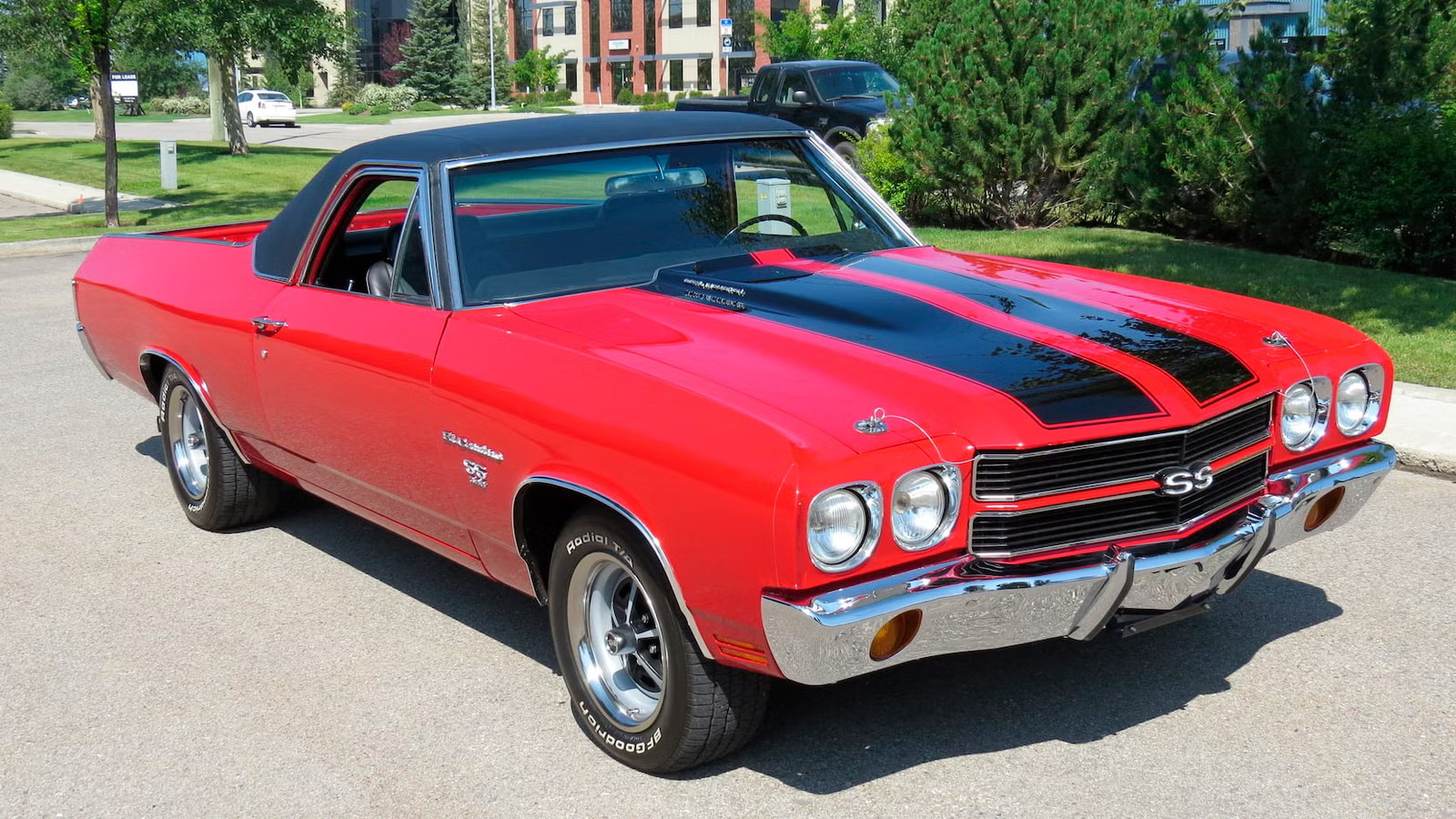
4. 1970–1972 Chevrolet El Camino SS: Muscle Car Meets Utility
The 1970–1972 Chevrolet El Camino SS is a unique combination of muscle car performance and practical utility, earning it a reputation as one of the most versatile vehicles of its era.
Mechanically and stylistically, it closely mirrors the Chevrolet Chevelle, sharing engines, front-end body panels, and other components. This part’s interchangeability makes the El Camino SS an affordable and easy-to-restore classic, with abundant reproduction parts and aftermarket support available for engines, trim, and suspension.
The base models featured the small-block 230-cubic-inch engine producing 230 horsepower, ideal for novice restorers or budget-conscious buyers. At the high end, the SS could be equipped with big-block engines, including the 396/402 and the legendary 454-cubic-inch LS6 V8.
The LS6 delivered up to 450 horsepower and could run the quarter-mile in roughly 13 seconds, placing the El Camino SS among the fastest vehicles of its day. 1970 is considered the peak year for performance, with later 1971–1972 models seeing slightly reduced compression and minor styling updates, including a switch from quad headlights to a single headlight per side.
Styling was bold and aggressive, featuring the distinctive SS badging, optional cowl induction hoods, and sporty stripes. The car’s cabin provided a comfortable, car-like ride, while the pickup bed added functional utility, making it ideal for drivers who wanted muscle car power with hauling capability. The rear could feel light under hard acceleration, so traction management was sometimes necessary.
Restoration appeal is high due to simple mechanics, conventional V8 engineering, and broad Chevelle parts compatibility. Most components, from engines to body panels, are readily available, making DIY and professional restorations accessible. The El Camino SS also benefits from a large enthusiast community and detailed restoration guides, enhancing its collectibility.
Market values remain strong. As of 2026, 1972 El Camino SS models average around $35,000, with fully restored or rare examples exceeding $50,000. The combination of Chevelle performance, distinctive styling, utility, and accessible restoration makes the 1970–1972 Chevrolet El Camino SS a standout choice for collectors seeking a muscle car that doubles as a practical vehicle.
5. 1970–1971 Dodge Charger: Muscle Car Icon
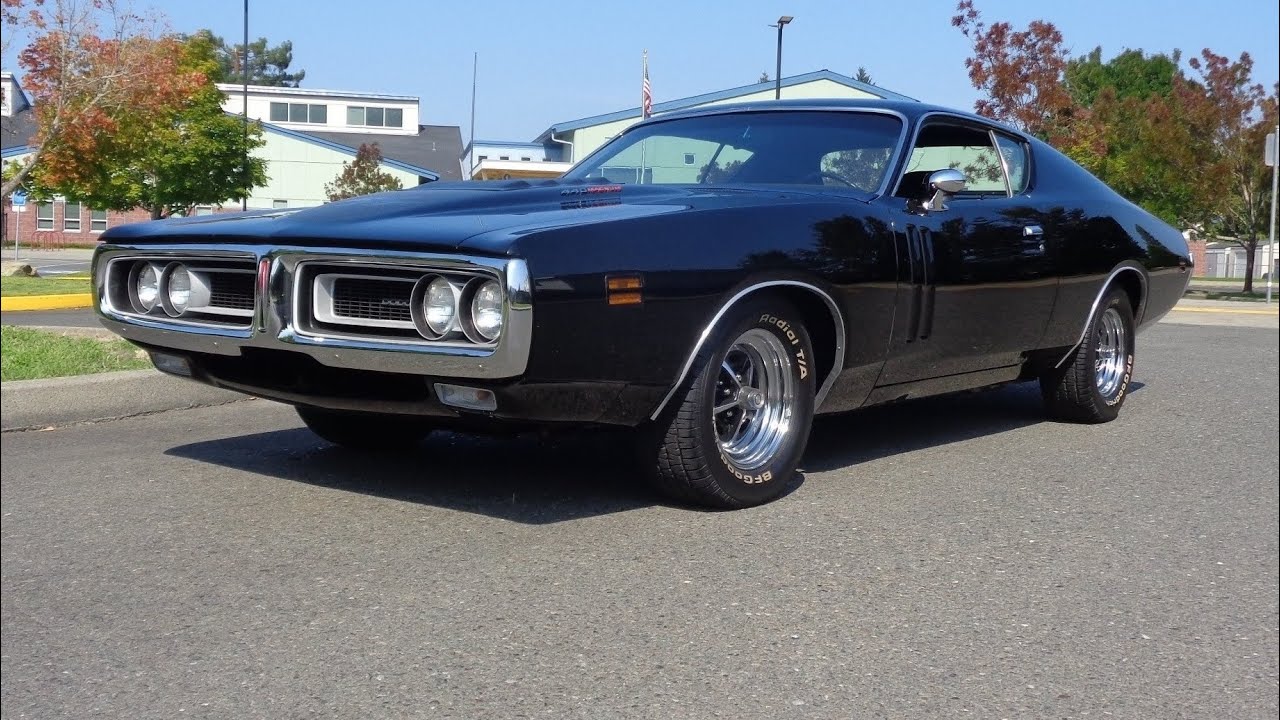
The 1970 Dodge Charger represents the peak of the second-generation Charger lineup and remains one of the most recognizable muscle cars in history. Building on the 1968 and 1969 models, the 1970 version featured subtle exterior updates, including a taller stance due to revised chrome-surround bumpers and a grille without a center division.
It was offered in three trims: the base model, Charger 500, and the performance-oriented R/T. Base versions came with a 225-cubic-inch slant-six producing 145 horsepower, providing an affordable entry point for restorers, while the R/T featured Dodge’s most powerful 426-cubic-inch HEMI V8, generating 425 horsepower.
The Charger 500 occupied the middle ground, offering modest upgrades over the base car without matching the R/T’s performance.
The Charger’s design emphasized a combination of style, performance, and practicality. The interior offered a driver-focused layout, with de-contenting applied in 1970 to differentiate models, including front bench seats on some versions. Mechanically, the car remained simple and accessible.
Parts were widely available, shared across 1968–1970 Chargers and other Chrysler B-body models, making restoration and modifications straightforward. Its conventional V8 engines, manual or automatic transmissions, and uncomplicated suspension layout allowed enthusiasts to rebuild or upgrade with relative ease.
The 1970 Charger achieved both street and track success. Its aerodynamic shape and powerful engines made it competitive in NASCAR, with Bobby Isaac winning 11 races and the 1970 circuit championship in a 426 HEMI-equipped Charger.
Handling was enhanced in later 1971 models, which were redesigned with a sleeker fuselage body, a split grille, and a slightly shorter, wider chassis, improving cornering performance despite a curb weight of over 4,000 pounds. Powertrain options remained strong, including the 318 and 440 Magnum V8s, the 440 six-pack, and the 426 HEMI.
Common restoration considerations include rust in floor pans, lower rear quarters, and trunk areas, as well as mechanical maintenance for starters, water pumps, and alternators. Electrical rewiring may also be required for older models.
With production numbers exceeding 46,000 in 1970 alone and a combination of accessible base models and high-performance variants, the Dodge Charger remains a popular choice for collectors and restorers. Its combination of aggressive styling, powerful engines, and iconic presence on the street and track has cemented the 1970–1971 Charger as a defining muscle car of the golden era.
Also read: 5 Cars Owners Are Happy With Long-Term vs 5 They Aren’t
6. 1971 AMC Hornet SC/360: Compact Muscle with Big Performance
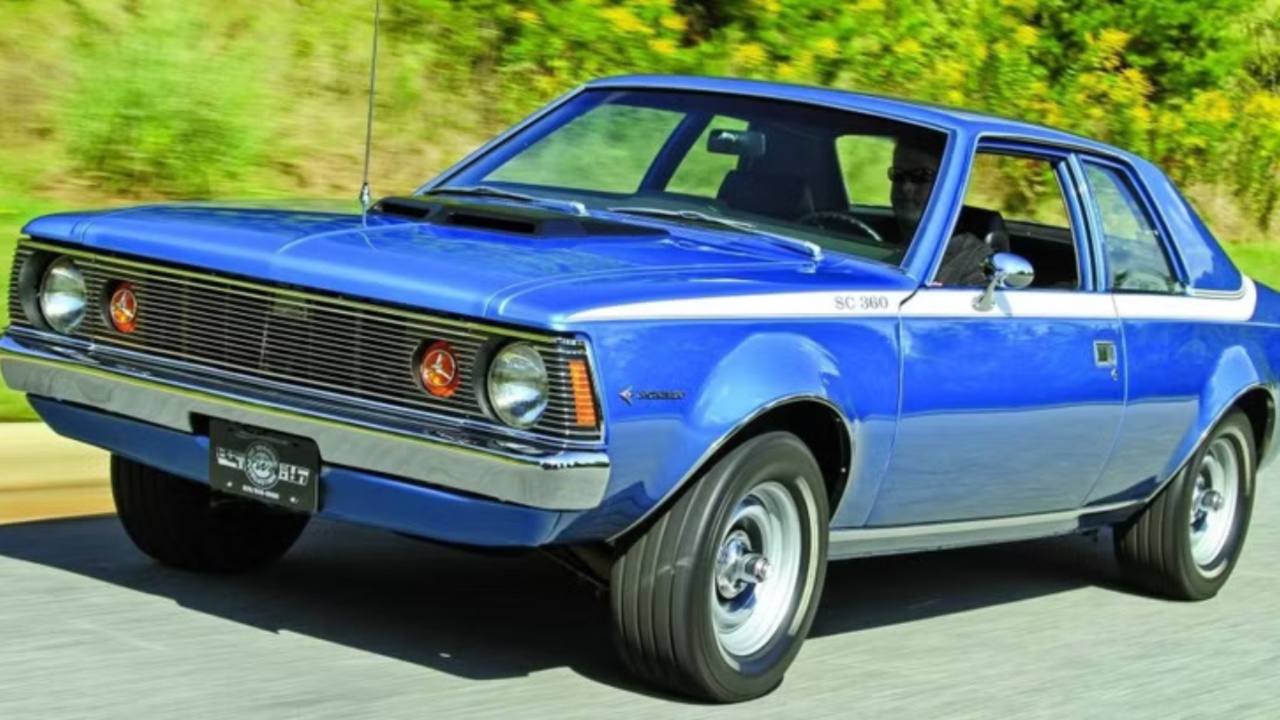
The 1971 AMC Hornet SC/360 is a rare, lightweight “sleeper” that combined compact design with serious muscle car performance. Built as a budget-friendly alternative to high-priced GM and Mopar models, the Hornet SC/360 offered a 360-cubic-inch V8 producing 245 horsepower with the standard two-barrel carburetor.
The optional “Go Package,” priced at $199, added a four-barrel carburetor, functional Ram Air hood scoop, and handling upgrades, boosting output to 285 horsepower and 390 lb-ft of torque.
Weighing approximately 3,057 to 3,200 pounds, the car could accelerate from 0–60 mph in 6.7 seconds and complete the quarter mile in the low-to-mid 14-second range stock, improving to mid-to-high 13s with Go Package enhancements. Only 784 units were produced, making it an exceptionally rare collector vehicle.
The Hornet SC/360 is highly regarded for its accessibility and affordability as a restoration project. Its mechanical design is simple and pre-computerized, featuring a straightforward V8, either a manual T-10 or automatic transmission, and basic suspension components.
Many parts are interchangeable with other AMC vehicles, including the Matador and Javelin, and the AMC 360 engine was in production from 1970 to 1991, ensuring a ready supply of engine components.
Specialist suppliers, such as AMC Parts Warehouse and Kennedy American, as well as general aftermarket vendors like Summit Racing, provide reproduction parts, interior kits, and trim components. The sturdy unibody construction means many surviving cars maintain solid floor pans and frames, even when exterior panels require rust repair.
Restoration considerations include rust-prone areas like lower rear quarter panels and spots behind the rear wheels. Authenticity is crucial, as SC/360 models can be identified by a “1” in the sixth digit of the VIN and ideally verified with the build sheet found under the rear seat or carpet. Cars equipped with the Go Package are highly desirable, but parts for this option are rarer.
As a “pocket rocket,” the 1971 Hornet SC/360 offers a high power-to-weight ratio, manageable insurance costs, and strong performance for its size and price. Its combination of affordability, rarity, and tunable V8 performance makes it a rewarding restoration project and a standout example of compact American muscle from the early 1970s.
7. 1971–1975 Ford Maverick Grabber: Compact Muscle with Sleeper Appeal
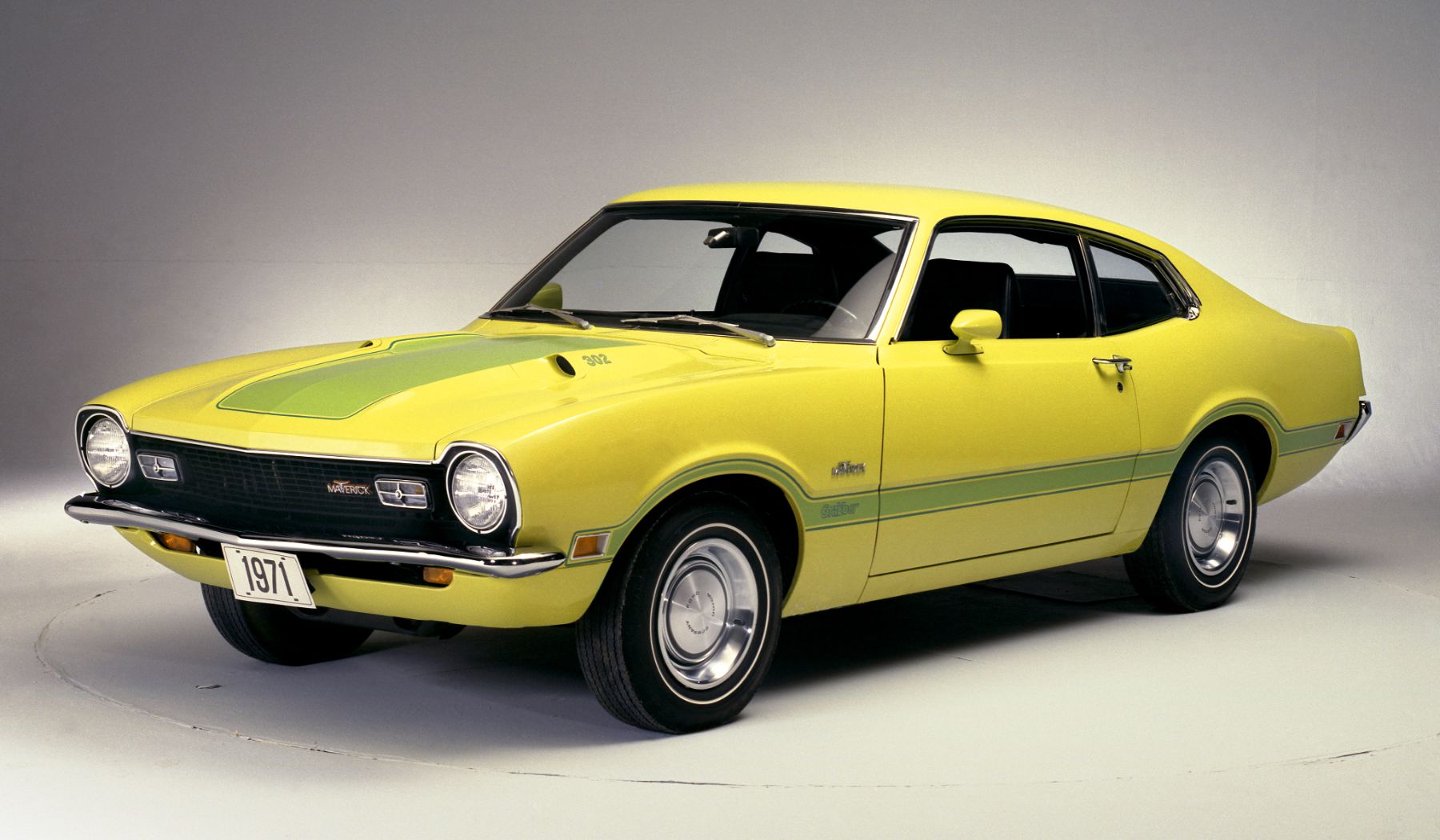
The 1971–1975 Ford Maverick Grabber was Ford’s compact “import fighter” that brought muscle car styling to an affordable, lightweight platform. Positioned just after the Mustang, it offered sporty aesthetics, distinctive dual-dome hoods, bold stripes, and optional rear spoilers, delivering a strong 1970s muscle car look without the high price tag.
While not as powerful as full-sized muscle cars, the Maverick Grabber was nimble, fun to drive, and highly customizable, making it an appealing choice for budget-conscious collectors and restorers.
Affordability and accessibility are key advantages of the Maverick Grabber. Compared to contemporaries like the Mustang or Nova, the car remains more accessible, with early examples often priced around $25,000, and project or modified cars available for less.
The Grabber’s “sleeper” appeal means it was often overlooked by investors, keeping costs lower while still offering a sporty presence. Its compact 302-cubic-inch V8 produced 210 horsepower in early models, propelling the lightweight car from 0–60 mph in approximately 8 seconds. Later models retained the aesthetic updates but were subject to the pre-Malaise era design changes, including heavier bumpers from 1974 onward.
Restoration is simplified by parts interchangeability and mechanical simplicity. The Maverick shares many components with early Mustangs and Falcons, including suspension, control arms, and engine mounts.
The V8 engine bay is accessible, and unibody construction allows straightforward repairs. A thriving aftermarket provides performance upgrades, suspension components, and cosmetic parts, making it easy to modernize or restore. High-quality alternatives to NOS parts are widely available, further reducing restoration costs.
Key features of the Grabber package include twin faux air scoops on early dual-dome hoods, unique trim, road lamps in the grille, and optional bucket seats with console shifters. The car’s light weight enhances handling, though reviews note soft suspension and moderate understeer, and interior comfort remains basic. Early models are prone to rust and have limited rear visibility, but with proper care, they are reliable and rewarding.
The Maverick Grabber represents a rare combination of 1970s muscle car style, manageable V8 performance, and affordability. Its lightweight chassis, accessible parts, and sleeper potential make it a standout compact classic, offering enthusiasts a fun, customizable, and practical alternative to larger muscle cars.
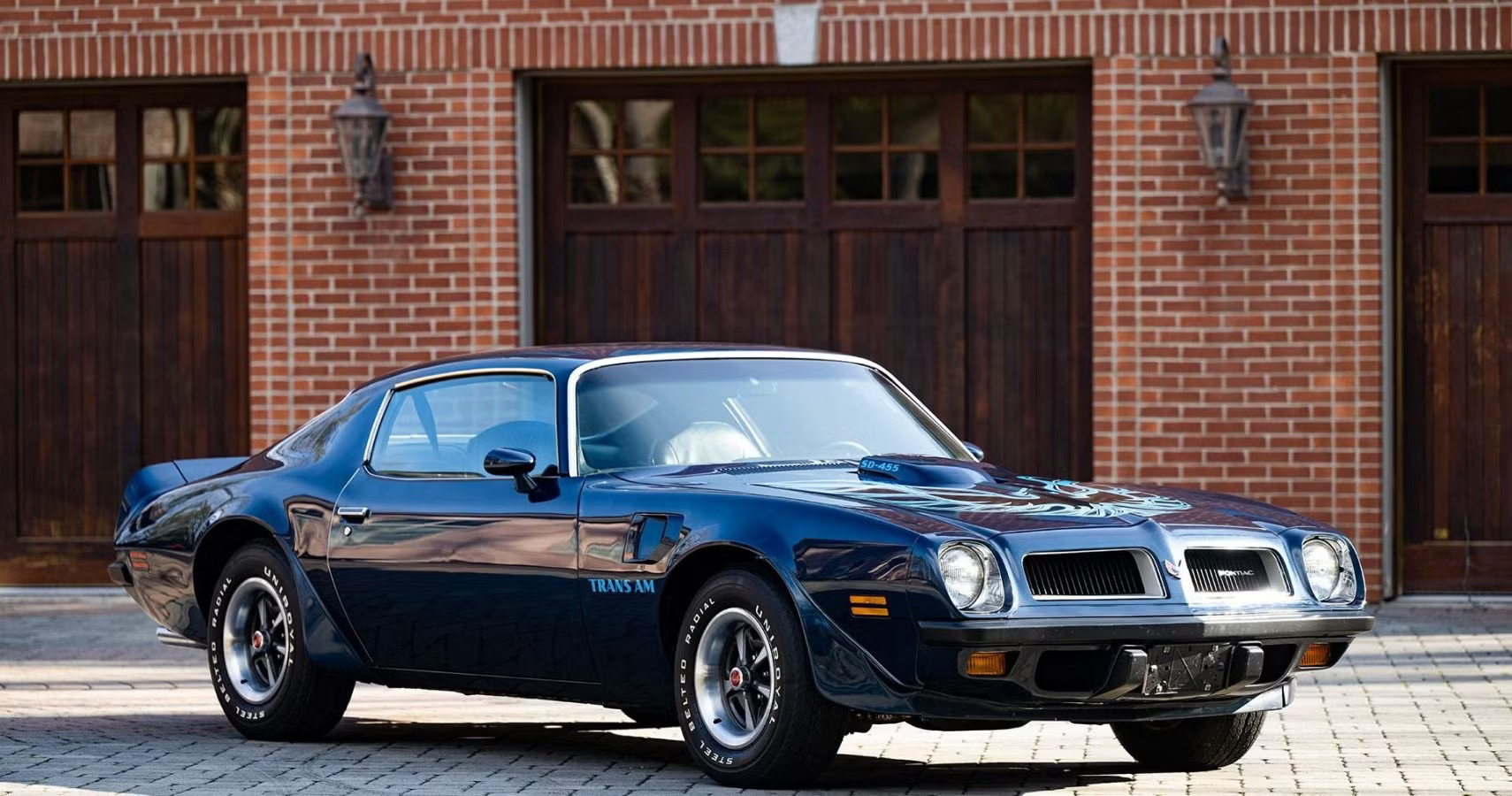
8. 1970s Pontiac Firebird: Affordable Muscle with Iconic Style
The 1970s Pontiac Firebird, particularly the second-generation models from 1970–1979, remains one of the most desirable and accessible classic muscle cars from the era.
Known for its distinctive “screaming chicken” hood decals, sleek fastback styling, and strong performance heritage, the Firebird offered a range of options for enthusiasts seeking a balance between affordability, ease of restoration, and classic muscle car appeal. While high-performance Trans Am models command premium prices, base and Formula versions provide an entry point for collectors and DIY restorers.
One of the main advantages of the Firebird is parts availability. The second-generation body style remained consistent through much of the 1970s, allowing reproduction panels, trim, and interior components to be widely available.
Additionally, Firebirds share extensive mechanical and suspension components with the Chevrolet Camaro, further increasing the pool of accessible parts. Aftermarket suppliers like Classic Industries and Firebird Central offer nearly every component needed for restoration, making the process simpler and cost-effective for hobbyists.
Affordability and ease of entry are other major draws. Base Firebirds and Esprit models can often be found under $4,000, while Formula 350 and 400 models provide performance alternatives to the more expensive Trans Am.
Even though professional frame-off restorations can exceed $100,000, DIY approaches remain highly feasible due to the car’s mechanical simplicity, with straightforward Pontiac 350, 400, and 455 engines and bolt-on body panels.
Restoration and modification are further supported by a wealth of knowledge and resources. Owner forums, repair manuals, and club guides provide guidance for everything from mechanical rebuilds to cosmetic upgrades. The Firebird’s versatility allows it to be restored to showroom condition or converted into “pro-touring” and restomod projects.
Performance highlights of the era include the 1970 Trans Am’s 335–370 hp Ram Air engines, the 1973 SD-455 with 310 hp, and later turbocharged models that restored performance by 1980.
Handling improvements, particularly in the Formula 400 with radial-tuned suspension, gave the Firebird a sports-car feel relative to many contemporaries. Mid-decade emissions restrictions reduced power, but the Firebird’s design, reputation, and accessibility have cemented its status as a classic, affordable, and fun muscle car for restoration enthusiasts.
9. 1970 Chevrolet Impala SS: Full-Size Muscle Made Accessible
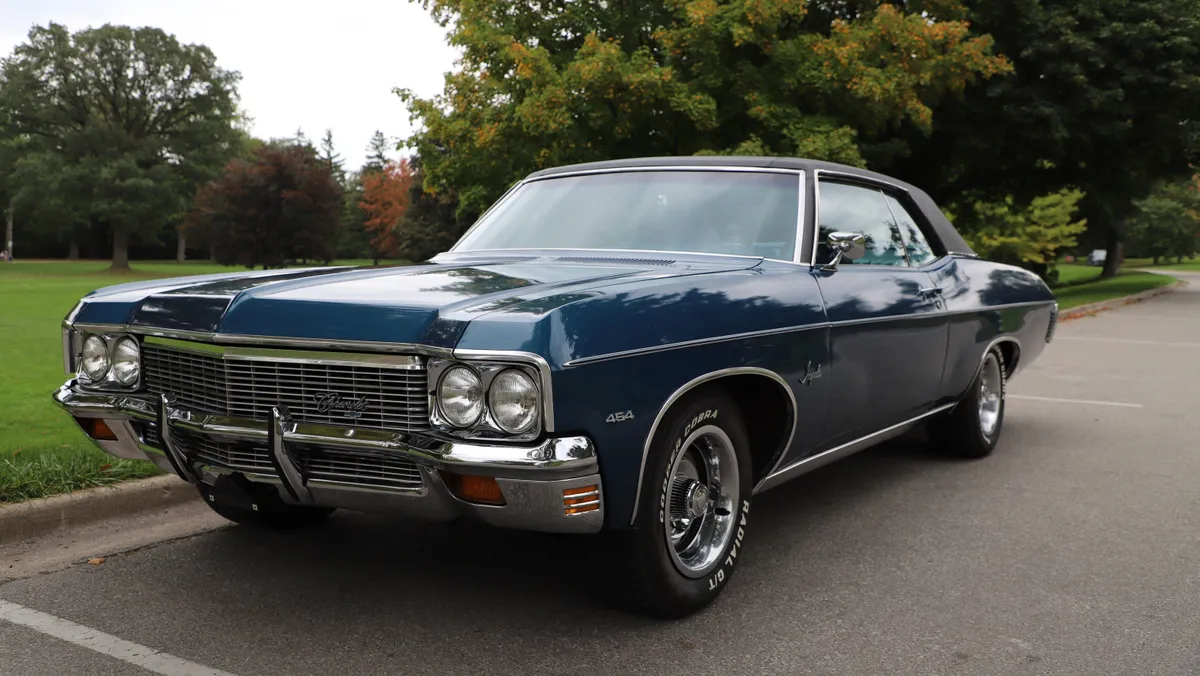
The 1970 Chevrolet Impala SS represents the culmination of the fourth-generation Impala line, blending full-size comfort with muscle car performance. Produced from 1965 to 1970, the 1970 model featured updated styling, including a more conventional bumper under the grille and triple taillights, signaling a cleaner, more refined look than previous years.
Sitting on 15-inch wheels with fiberglass-bellied tires, the car offered a standard 350-cubic-inch V8 producing 250 horsepower, making it an ideal platform for affordable modifications compared to the larger big-block engines in higher trims.
The Impala SS is widely regarded as an accessible and easy-to-restore classic. Its high production numbers and shared GM components, including small-block 350 and 400 V8s, ensure that replacement parts are abundant and affordable.
Traditional, carburetor-based mechanicals, along with straightforward transmissions such as the 2-speed Powerglide or 3-speed Turbo Hydra-matic, make it particularly suitable for DIY restoration projects. The model’s widespread availability keeps market prices lower than rarer muscle cars, while reproduction parts for body panels and trim are easy to source.
Performance was impressive for a full-size car, especially when equipped with the optional 454-cubic-inch V8, which delivered significant torque and straight-line speed. Despite its size, the 1970 Impala SS offered respectable handling, particularly with the optional heavy-duty suspension.
The ride remained smooth and comfortable, earning the car the reputation of a “land yacht” with muscle car capabilities. Front disc brakes were standard, adding to its road safety, though some early models had overboosted brakes or minor interior issues like heater control problems.
Interior comfort was another highlight, with spacious seating and plush upholstery catering to passengers in both the front and rear. The combination of classic full-size styling, muscle car performance, and affordability makes the 1970 Impala SS a particularly attractive choice for collectors.
Standard models can be found for around $13,000, while top-tier examples, especially those with big-block engines, often exceed $70,000. The SS trim, offering a blend of performance and understated design, frequently sits around $40,000, making it a sought-after “sleeper” classic among muscle car enthusiasts.
10. 1974 Chevrolet Nova: Budget-Friendly Muscle with Restoration Potential
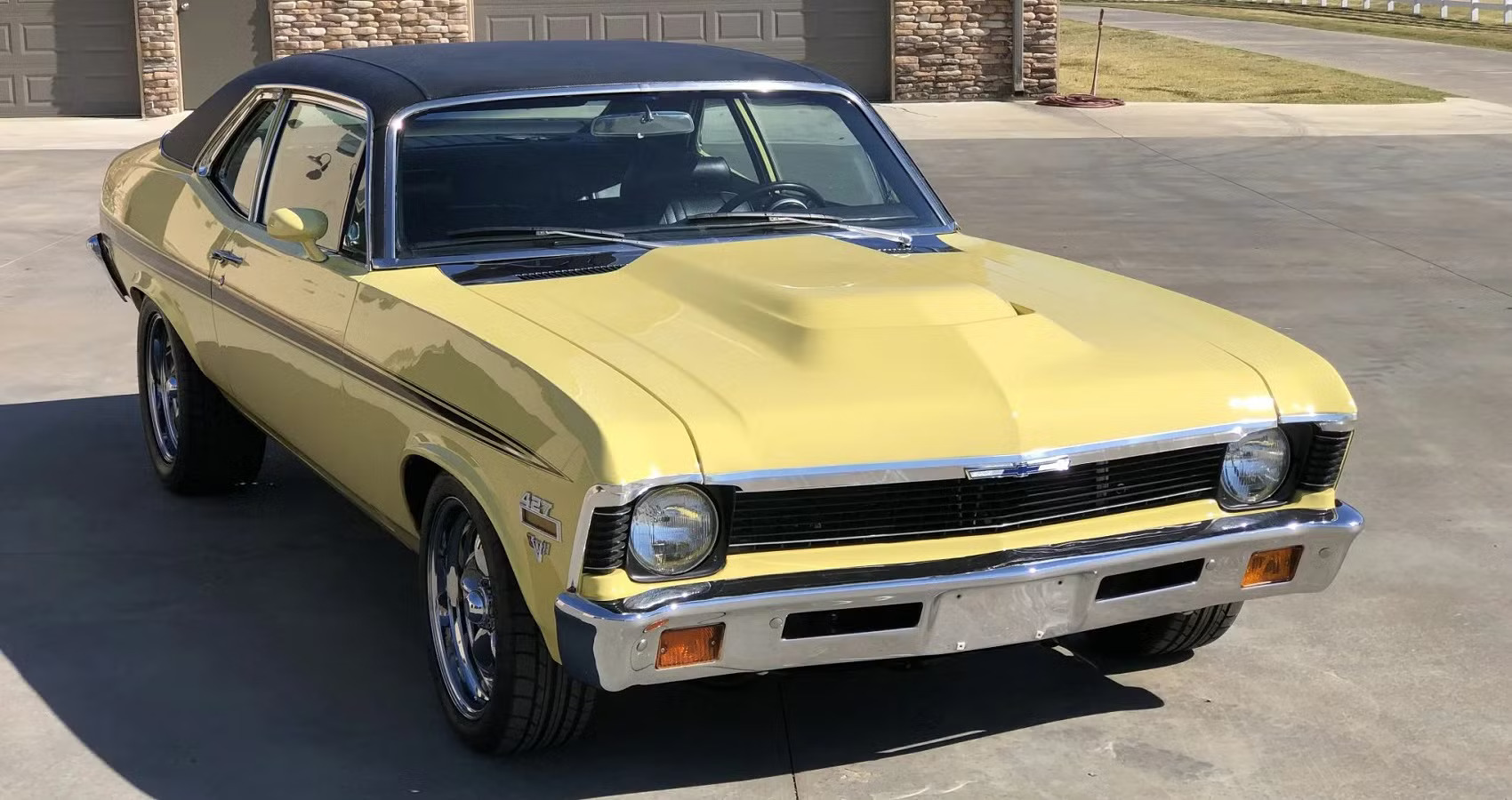
The 1974 Chevrolet Nova is widely regarded as one of the most accessible American muscle cars of the 1970s. As the final year of the third-generation X-body platform (1968–1974), it combined classic 70s styling with practical engineering, making it a favorite among collectors and hobbyists seeking a budget-friendly restoration project.
The 1974 model featured larger federally mandated bumpers, revised taillights, and a new grille, while maintaining the rugged, easy-to-repair chassis of earlier Novas. Available as a 2-door coupe, sedan, or hatchback, including the distinctive “Spirit of America” special edition, it offered a versatile platform for customization.
Affordability is a key factor in the Nova’s appeal. Clean, drivable examples typically sell between $15,000 and $25,000, while project cars can often be found for under $10,000.
Compared to contemporaries like the Camaro or Chevelle, the 1974 Nova provides a lower-cost entry into V8-powered American muscle cars, making it ideal for first-time restorers or collectors on a budget. Rising popularity among younger enthusiasts also positions it as a solid investment that can be enjoyed during the restoration process.
The Nova’s simple, DIY-friendly design enhances its appeal. It uses conventional, non-computerized mechanicals and straightforward suspension components, allowing most repairs and upgrades to be performed in a home garage with basic tools.
The engine bay accommodates inline-six or small-block V8 engines, and parts interchangeability with other GM vehicles, including Chevelles and Camaros, ensures that replacements are easy to source. The abundant aftermarket support includes full body panels, interior kits, and mechanical components from suppliers such as Classic Industries and H&H Classic Parts.
The platform is also well-suited for “restomodding,” allowing upgrades like modern brakes, suspension, and fuel injection while retaining a vintage look. Performance options included the reliable 350-cubic-inch V8 or a smaller inline-six, making the car manageable yet capable of spirited driving.
Its compact size, combined with distinctive 70s styling, lightweight chassis, and the practicality of the hatchback option, makes the 1974 Nova both a collectible classic and a versatile project car.
The 1974 Chevrolet Nova exemplifies affordable American muscle: straightforward, durable, and ripe for modification or restoration, offering a balance of style, practicality, and performance for enthusiasts seeking a classic with manageable costs.
The 1970s produced a remarkable lineup of cars that balanced style, performance, and accessibility. Many of these models remain attainable for modern collectors. Cars such as the Ford Maverick Grabber, Pontiac Firebird, Chevrolet Impala SS, and Chevrolet Nova show that restoration projects can be both affordable and satisfying.
With high production numbers, widely available parts, and simple mechanical designs, these classics provide a low barrier to entry while still offering authentic muscle car appeal. Enthusiasts can restore, upgrade, or modify these vehicles without the high costs often associated with rarer models.
Whether building a restomod, recreating a factory-spec classic, or enjoying a weekend drive, these eight 1970s cars represent the best of American automotive heritage. They are exciting, iconic, and accessible options for collectors who want a rewarding classic car experience.
Also read: Top 10 Cars From the 1980s That Are Finally Increasing in Value