
High-performance cars have traditionally demanded compromise. Stiff suspensions, loud exhaust notes, cramped cabins, and punishing fuel bills were long considered acceptable trade-offs for speed.
In today’s American market, that equation has shifted. Automakers now engineer performance vehicles that deliver serious horsepower while maintaining everyday usability, comfortable seating, advanced driver assistance systems, reasonable ride quality, and modern infotainment.
The result is a new category: vehicles that can carve up a back road on Saturday and handle a weekday commute without fatigue.
Below are eight performance vehicles that balance power with daily livability, making them realistic options for drivers who want excitement without sacrificing comfort.
1. BMW M340i
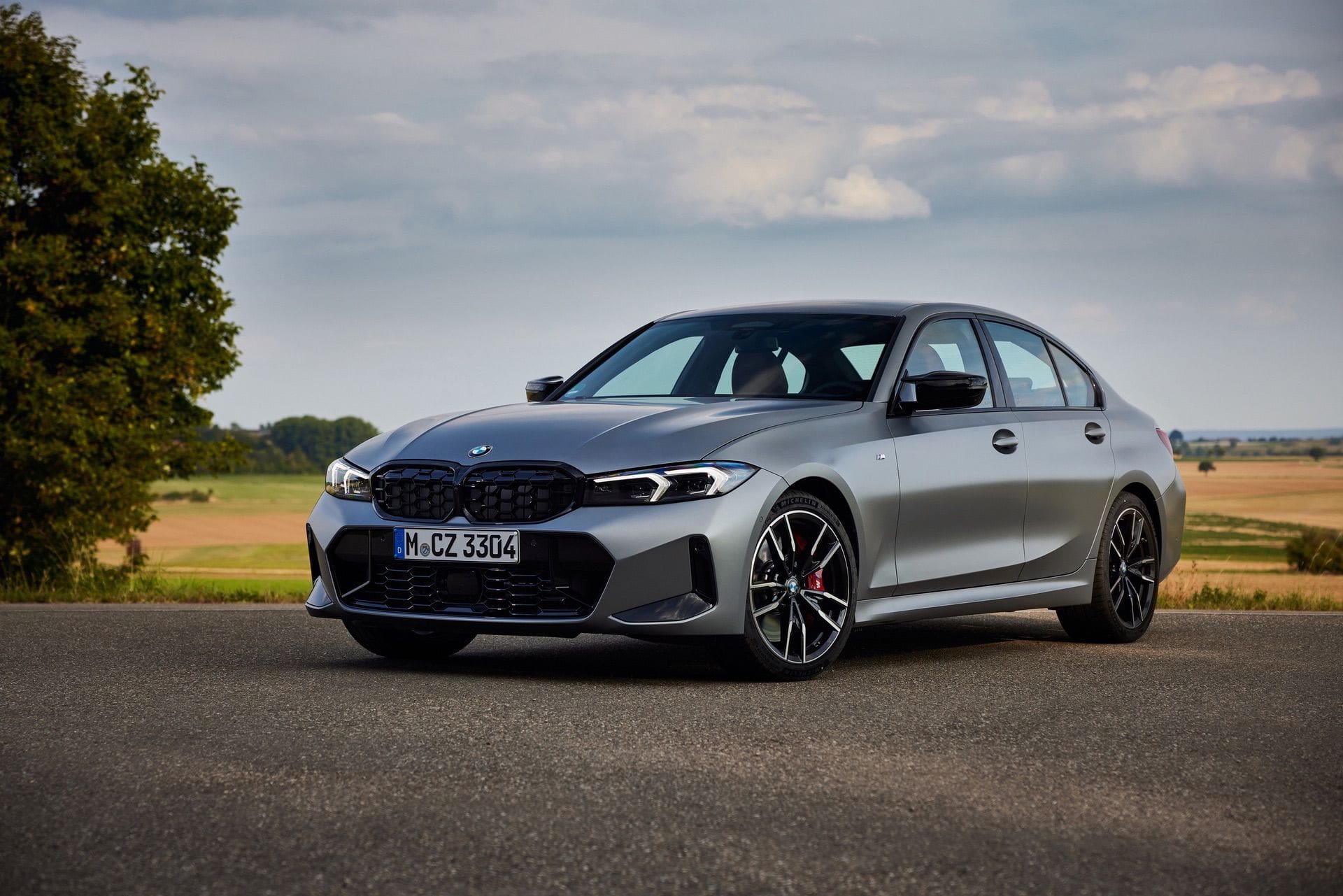
The BMW M340i occupies a strategic position within the category of performance vehicles that remain genuinely usable as daily transportation. Positioned just below the full M3 in BMW’s performance hierarchy, the M340i delivers substantial power and dynamic capability without adopting the uncompromising edge that often makes high-performance cars tiring in routine driving.
At the core of the M340i is BMW’s 3.0-liter turbocharged inline-six engine, producing approximately 382 horsepower and 369 lb-ft of torque in current U.S. specification.
The engine is paired with an 8-speed automatic transmission that emphasizes smoothness as much as speed. Acceleration is rapid, 0–60 mph occurs in the low four-second range with xDrive, yet power delivery remains linear and predictable. In daily traffic, the engine operates calmly, with minimal turbo lag and restrained exhaust volume unless Sport modes are engaged.
Ride quality plays a central role in the M340i’s dual-purpose identity. Unlike the more aggressively tuned M3, the M340i uses adaptive suspension dampers calibrated to provide compliance in Comfort mode. Over uneven pavement, expansion joints, and urban road imperfections, the chassis absorbs impacts without transmitting harshness into the cabin.
When switched to Sport or Sport Plus, damping stiffens, body roll tightens, and steering weight increases, allowing the vehicle to transition seamlessly into a more focused performance character. This adjustable nature is critical to its everyday viability.
Cabin refinement further strengthens its daily usability. The interior benefits from BMW’s latest materials and noise insulation strategies. Wind and road noise are effectively suppressed at highway speeds, creating an environment comparable to traditional luxury sedans.
The inline-six engine remains smooth and subdued during steady cruising, contributing to long-distance comfort. Unlike some performance-oriented rivals that emphasize aggressive exhaust tuning at all times, the M340i allows the driver to select when the car becomes audibly assertive.
Seating and ergonomics are equally important. The standard sport seats provide substantial lateral support without being overly rigid. Cushioning is firm enough to hold occupants securely during spirited driving, yet soft enough for extended commutes.
Driving position is low and well-centered, and visibility remains practical for urban maneuvering. Rear-seat space, while not expansive, remains sufficient for daily family use, distinguishing it from more compromised two-door performance coupes.
Fuel efficiency also contributes to everyday practicality. The turbocharged inline-six incorporates mild hybrid assistance in recent versions, supporting smoother start-stop operation and modest efficiency gains.
Highway fuel economy in the mid-to-high 20 mpg range allows the M340i to function realistically as a commuter vehicle without excessive operating costs relative to its performance capability.
Technology integration enhances comfort rather than overwhelming it. BMW’s infotainment system combines touchscreen functionality with a rotary iDrive controller, allowing drivers to interact with controls intuitively.
Climate functions remain easily accessible, and driver-assistance systems such as adaptive cruise control and lane guidance are available to reduce fatigue during longer drives.
Within the context of performance vehicles suitable for everyday use, the BMW M340i succeeds because it avoids extremes. It offers acceleration and chassis precision that satisfy enthusiast expectations, while preserving ride comfort, cabin quietness, and ergonomic practicality.
Rather than demanding compromise, it delivers a controlled synthesis of speed and livability, a defining characteristic of a truly usable performance sedan.
2. Audi S5 Sportback
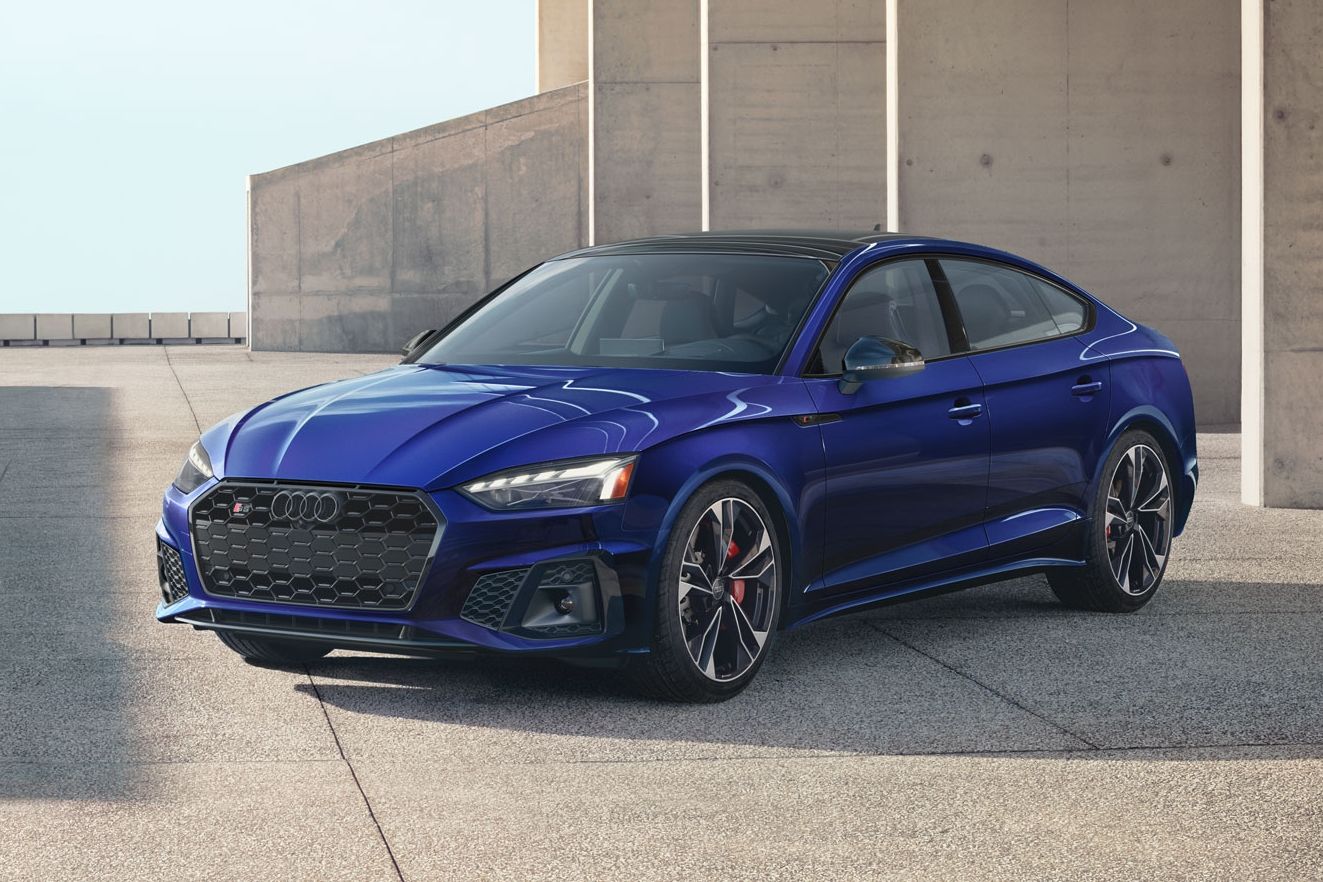
The Audi S5 Sportback fits squarely within the category of performance vehicles that maintain genuine everyday usability. It combines strong acceleration and precise handling with a level of comfort, practicality, and refinement that makes it suitable for commuting, long-distance travel, and routine urban driving.
Rather than prioritizing outright aggression, the S5 Sportback delivers performance in a measured, controlled manner that enhances livability.
Power comes from a 3.0-liter turbocharged V6 producing approximately 349 horsepower and 369 lb-ft of torque. Paired with an 8-speed automatic transmission and Audi’s Quattro all-wheel-drive system, the S5 Sportback accelerates from 0–60 mph in roughly 4.5 seconds.
Despite these figures, the engine remains composed during normal driving. Throttle response is immediate but not abrupt, and the transmission shifts smoothly in Comfort mode, minimizing drivetrain harshness in stop-and-go traffic.
Ride quality is a defining strength. With adaptive damping available, the suspension can be set to absorb imperfections in Comfort mode, filtering out road irregularities that would otherwise compromise daily usability. Even with the larger wheel options, the chassis maintains composure over uneven pavement.
When switched to Dynamic mode, body control tightens, steering becomes more direct, and the exhaust note becomes more pronounced, yet the car never becomes excessively stiff or punishing. This flexibility allows drivers to tailor the vehicle’s character depending on context.
Cabin refinement is equally important. The S5 Sportback benefits from Audi’s emphasis on interior insulation and material quality. Road and wind noise are well suppressed at highway speeds, creating a quiet environment for extended trips.
The seats strike a balance between sport-focused bolstering and long-distance comfort. They provide adequate lateral support during spirited driving without causing fatigue during daily commutes. Heating, ventilation, and memory functions further enhance routine comfort.
Practicality distinguishes the Sportback from traditional two-door coupes. The five-door liftback design provides expanded cargo access and rear-seat usability without sacrificing sleek proportions.
Rear passengers have reasonable legroom for the segment, and the hatch-style trunk opening allows for flexible storage, making the S5 more adaptable for daily responsibilities than many similarly performing vehicles.
The Quattro all-wheel-drive system also contributes to everyday confidence. In varied weather conditions, rain, snow, or uneven pavement, traction remains stable and predictable.
This added stability reduces stress during daily driving and expands the vehicle’s usability across climates. Unlike more track-focused performance cars that prioritize rear-wheel-drive dynamics, the S5 Sportback emphasizes balanced control.
Fuel efficiency remains competitive for its performance level. Highway fuel economy typically falls in the mid-20 mpg range, allowing the vehicle to function as a realistic commuter option. The turbocharged V6 operates efficiently under steady throttle, and the transmission keeps engine speeds relatively low during cruising.
Technology integration supports comfort rather than distraction. Audi’s digital instrument cluster and infotainment system provide clear information, while physical controls for essential climate functions remain accessible. Driver-assistance features such as adaptive cruise control and lane guidance reduce fatigue during longer trips.
Within the broader context of performance vehicles that are comfortable enough for everyday use, the Audi S5 Sportback achieves its balance through measured engineering.
It delivers meaningful acceleration and dynamic precision while preserving ride quality, cabin refinement, and practical versatility, key characteristics for drivers who want performance without sacrificing daily comfort.
3. Mercedes-AMG C43
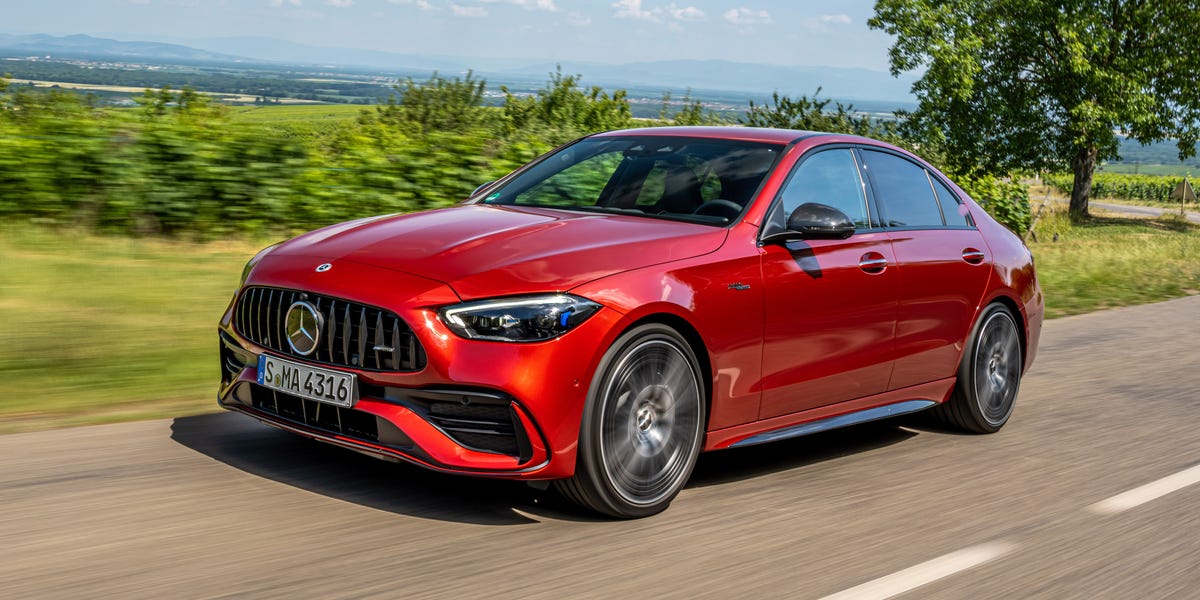
The AMG C43 sits below the extreme C63 but delivers more than enough performance for daily use. Its turbocharged four-cylinder with hybrid assistance generates strong acceleration while maintaining reasonable efficiency.
What differentiates the C43 in everyday driving is balance. The cabin offers substantial sound insulation, adjustable drive modes allow softer suspension calibration, and the seats strike a compromise between lateral support and cushioning.
Mercedes’ MBUX interface provides voice control and large digital displays that integrate navigation and smartphone connectivity seamlessly. For drivers who want AMG credibility without daily discomfort, the C43 is a rational choice.
The Mercedes-AMG C43 represents a calibrated approach to performance, engineered to deliver meaningful speed and handling capability without sacrificing everyday refinement.
Within the framework of performance vehicles that remain comfortable enough for daily use, the C43 occupies a middle ground between standard luxury sedans and the more uncompromising AMG C63. It provides strong acceleration and sharper chassis tuning while retaining ride compliance, cabin insulation, and practical usability.
The current C43 utilizes a turbocharged 2.0-liter four-cylinder engine supplemented by mild-hybrid assistance and an electrically assisted turbocharger. Output reaches approximately 402 horsepower and 369 lb-ft of torque.
While these figures place it firmly in performance territory, the integration of hybrid assistance smooths throttle transitions and reduces turbo lag. In routine commuting scenarios, the power delivery feels controlled and progressive rather than abrupt, allowing the car to function calmly in traffic.
Transmission behavior further enhances daily comfort. The 9-speed automatic gearbox shifts seamlessly in Comfort mode, prioritizing smoothness over aggressive response.
In urban environments, gear changes occur unobtrusively, and engine revs remain subdued. When switched into Sport or Sport Plus, shift points sharpen and throttle mapping becomes more immediate, but the system never becomes overly harsh. This dual character allows the C43 to adapt to varying driving contexts without demanding compromise.
Ride quality is a defining element of its everyday suitability. Adaptive suspension dampers allow drivers to select between softer and firmer calibrations. In Comfort mode, the chassis absorbs road imperfections effectively, filtering out sharp impacts from expansion joints and uneven pavement.
While the suspension is naturally firmer than a standard C-Class, it avoids the rigid, track-oriented stiffness found in more extreme performance sedans.
4. Porsche Macan GTS
Performance is no longer confined to sedans and coupes. The Porsche Macan GTS demonstrates that an SUV can offer sports-car-like dynamics without sacrificing utility.
Its twin-turbo V6 delivers rapid acceleration, yet the ride remains controlled and compliant in Normal mode.
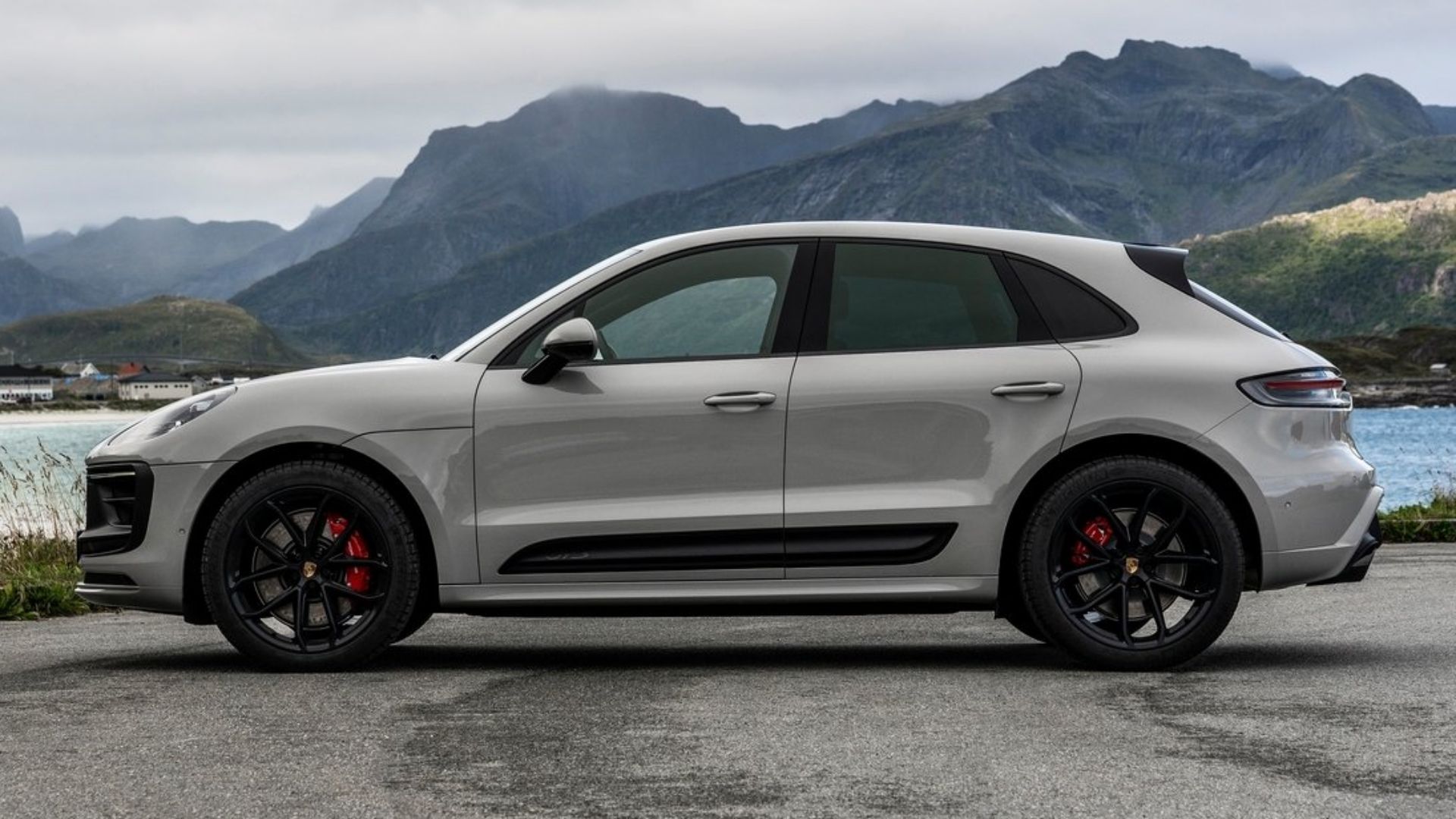
For American families or professionals needing cargo flexibility, the Macan’s rear hatch and elevated driving position are practical advantages.
The steering is precise, and the chassis tuning sets a benchmark in the compact luxury SUV segment.
At the same time, cabin comfort, ventilated seats, quality materials, and supportive ergonomics, makes it suitable for school runs, client meetings, and road trips.
5. Cadillac CT5-V
Cadillac’s CT5-V offers American muscle with executive refinement. The twin-turbocharged V6 produces substantial power, and magnetic ride control adapts continuously to road conditions.
This system is critical to its daily-driver credentials, it allows firm body control during spirited driving while smoothing highway imperfections.
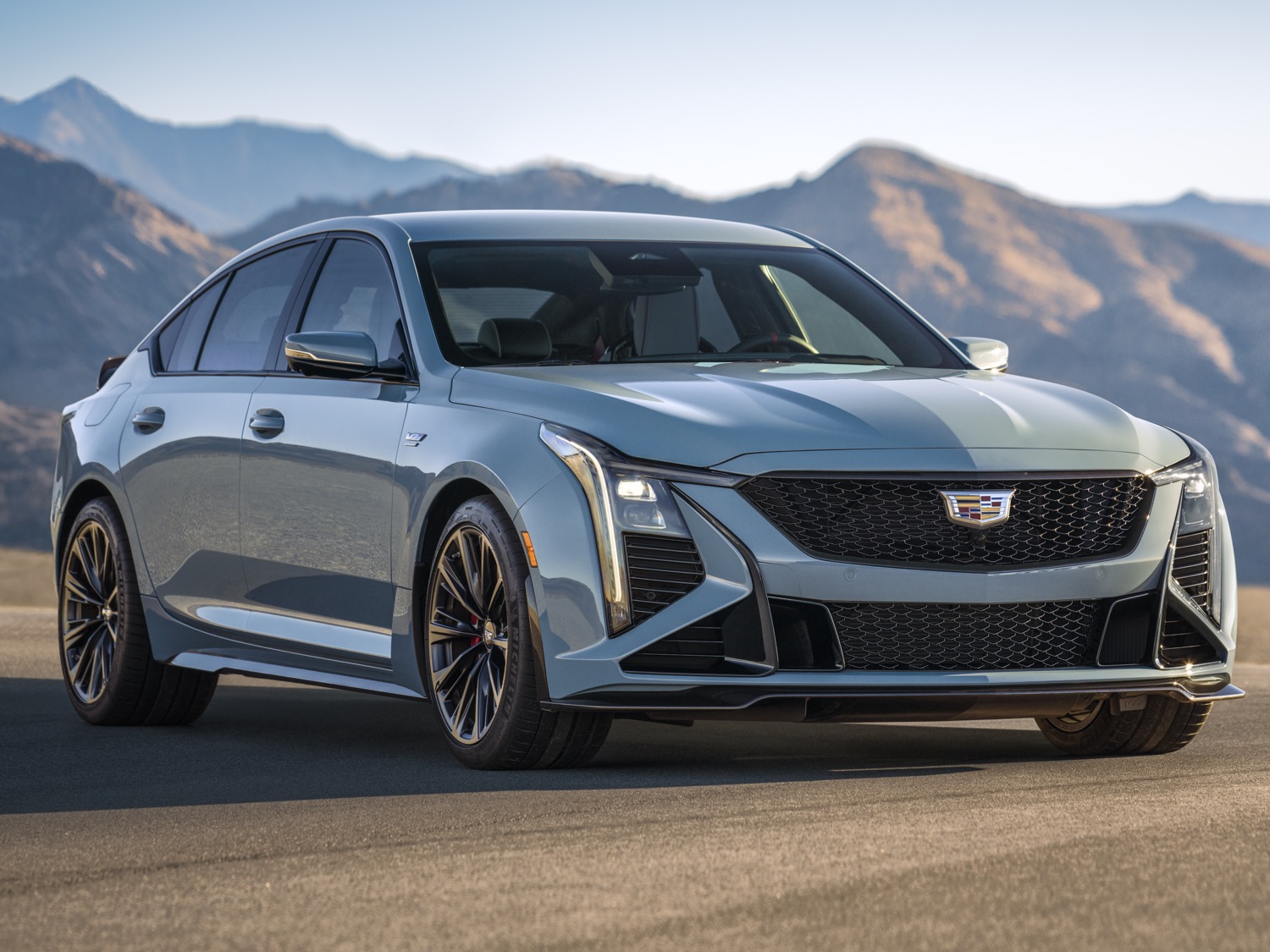
The cabin is spacious by midsize sedan standards, with comfortable front and rear seating. Infotainment is straightforward, and highway noise levels are low.
Unlike more extreme performance sedans, the CT5-V avoids excessive stiffness, making it appropriate for daily commuting or extended travel across states.
The Cadillac CT5-V occupies a distinct position among performance sedans that remain comfortable enough for everyday driving. It is engineered to deliver sharp handling and meaningful acceleration without crossing into the uncompromising territory typically associated with track-focused variants.
Positioned below the more extreme CT5-V Blackwing, the standard CT5-V strikes a deliberate balance between dynamic capability and daily refinement.
Power comes from a 3.0-liter twin-turbocharged V6 producing approximately 360 horsepower and 405 lb-ft of torque. The engine is paired with a 10-speed automatic transmission that prioritizes smoothness in standard driving modes while remaining responsive when performance is demanded.
Acceleration is strong, with 0–60 mph times in the mid-four-second range depending on drivetrain configuration. However, throttle mapping in Tour mode remains progressive, allowing the car to operate calmly in city traffic without abrupt inputs.
Ride quality is a central factor in its everyday usability. The CT5-V is equipped with Magnetic Ride Control, Cadillac’s adaptive damping system that continuously adjusts suspension firmness based on road conditions.
In softer settings, the system absorbs imperfections effectively, maintaining composure over uneven pavement and highway expansion joints. When switched to Sport or Track modes, body control tightens noticeably, reducing roll and improving steering precision. This adaptability allows the car to transition between commuter comfort and performance focus without compromise.
Interior refinement reinforces its dual-purpose character. Road and wind noise are well managed, and the cabin remains composed at highway speeds.
The twin-turbo V6 produces a controlled exhaust note that becomes more assertive in sportier modes but remains subdued during routine driving. Seating is supportive yet comfortable, with bolsters designed to hold occupants securely during spirited cornering while still accommodating longer trips without fatigue.
The CT5-V’s chassis tuning contributes to its everyday practicality. Steering is direct and communicative without feeling overly heavy in low-speed situations. Braking performance is strong, yet pedal modulation remains predictable in daily traffic conditions. Rear-wheel drive is standard, with available all-wheel drive in certain markets, offering additional confidence in adverse weather while preserving performance balance.
Practical considerations also support its role as a daily driver. The CT5-V offers usable rear-seat space for the segment and a conventional sedan trunk with sufficient capacity for regular errands or travel. Unlike two-door performance coupes, it retains the accessibility and versatility expected of a midsize luxury sedan.
Fuel efficiency remains reasonable relative to its output, typically delivering mid-20 mpg highway figures when driven conservatively. Cylinder deactivation technology assists during light-load cruising, reducing fuel consumption without noticeable interruption to performance.
Technology integration enhances usability rather than overwhelming it. Cadillac’s infotainment system retains physical controls for core functions such as volume and climate adjustments, minimizing distraction. Driver-assistance features, including adaptive cruise control and lane-keeping support, reduce fatigue during extended commutes.
Within the broader category of performance vehicles comfortable enough for everyday use, the Cadillac CT5-V succeeds through restraint. It offers genuine speed and dynamic precision while preserving ride compliance, interior quietness, and practical functionality. The result is a performance sedan that satisfies enthusiast expectations without sacrificing the composure required for daily life.
6. Genesis G70 3.3T
Genesis has positioned the G70 3.3T as a value-focused alternative to German performance sedans. Its twin-turbo V6 generates robust acceleration, yet the chassis tuning prioritizes ride comfort more than track aggression.
For U.S. buyers, warranty coverage is a significant advantage, reducing long-term ownership anxiety.
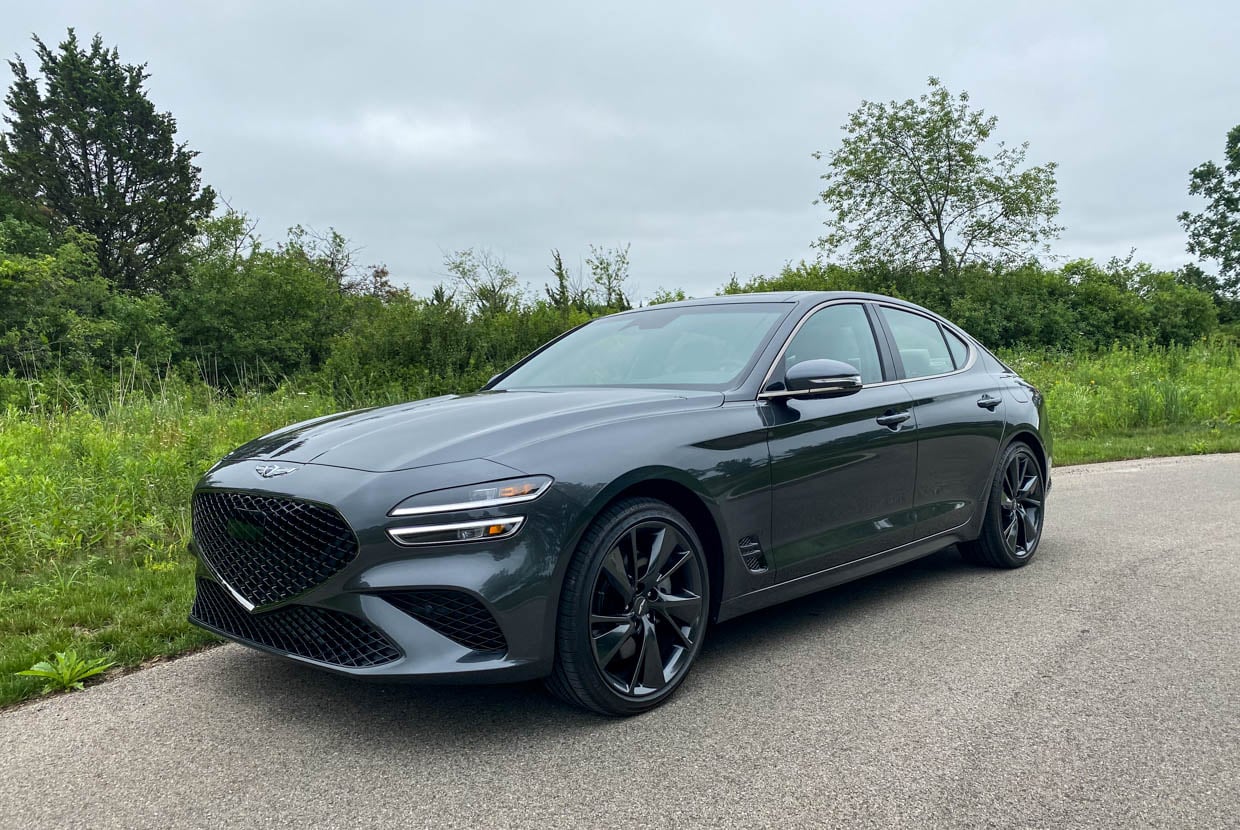
The interior materials are competitive with more expensive rivals, and the seating comfort is notable for daily use. It is a performance sedan that does not demand premium-brand operating costs while still delivering legitimate speed.
The Genesis G70 3.3T is a clear example of a compact sport sedan engineered to deliver meaningful performance without sacrificing daily livability.
Within the context of performance vehicles that remain comfortable enough for everyday use, the G70 3.3T stands out for combining strong acceleration, balanced chassis tuning, and premium interior refinement in a package that does not demand compromise during routine driving.
Power is derived from a 3.3-liter twin-turbocharged V6 producing approximately 365 horsepower and 376 lb-ft of torque. Paired with an 8-speed automatic transmission, the G70 accelerates to 60 mph in under five seconds when properly equipped.
Despite this capability, throttle calibration in Comfort mode remains smooth and progressive, making the car easy to manage in urban traffic. Turbo response is immediate but not abrupt, and gear shifts are refined under light throttle conditions, allowing the sedan to behave with composure during daily commuting.
Ride quality is central to its dual-purpose appeal. The G70 3.3T features a sport-tuned suspension that prioritizes body control without crossing into excessive firmness. In Comfort mode, the chassis absorbs road imperfections with surprising compliance for a performance-oriented sedan.
Impacts from uneven pavement and expansion joints are filtered effectively, preserving cabin comfort over long distances. When switched to Sport mode, steering weight increases, throttle response sharpens, and damping firms up, but the car avoids the punishing stiffness often associated with more track-focused alternatives.
Cabin refinement reinforces its everyday suitability. Sound insulation is well executed, minimizing wind and tire noise at highway speeds. The twin-turbo V6 produces a subdued exhaust note during relaxed driving, becoming more assertive only when pushed.
This controlled sound profile ensures that extended drives remain comfortable rather than fatiguing. Interior materials, including soft-touch surfaces, aluminum trim, and supportive leather seating, contribute to a premium environment comparable to established European rivals.
Seating comfort is particularly noteworthy. The sport seats offer substantial lateral bolstering to hold occupants securely during spirited cornering, yet the cushioning remains supportive for long commutes.
The driving position is well-centered, with clear visibility and logically arranged controls that minimize distraction. Rear-seat space, while not expansive due to the compact platform, remains functional for occasional passengers.
Handling balance is another strength. Available rear-wheel drive preserves dynamic character, while optional all-wheel drive enhances traction in varied weather conditions. Steering is direct and communicative without feeling overly heavy in low-speed maneuvers. Brake response is strong yet progressive, allowing smooth modulation in daily traffic.
Fuel efficiency remains reasonable relative to performance output, with highway figures typically reaching the mid-20 mpg range under steady cruising. This allows the G70 3.3T to function as a realistic commuter vehicle rather than a purely weekend-focused performance machine.
Technology integration further supports daily usability. The infotainment system is intuitive, and physical controls for climate and audio remain accessible, reducing reliance on touchscreen interaction. Driver-assistance features such as adaptive cruise control and lane-keeping support reduce fatigue in heavy traffic or long-distance travel.
Within the broader category of performance vehicles that are comfortable enough to drive every day, the Genesis G70 3.3T succeeds by balancing athleticism with refinement.
It delivers rapid acceleration and engaging handling while preserving ride comfort, interior quietness, and practical usability, key attributes for drivers who want performance without sacrificing everyday comfort.
7. Ford Mustang GT
The latest Mustang GT continues to offer V8 performance at an accessible price point.
With 480 horsepower from its naturally aspirated 5.0-liter engine, it delivers authentic muscle-car character. Yet the modern platform has improved significantly in refinement.
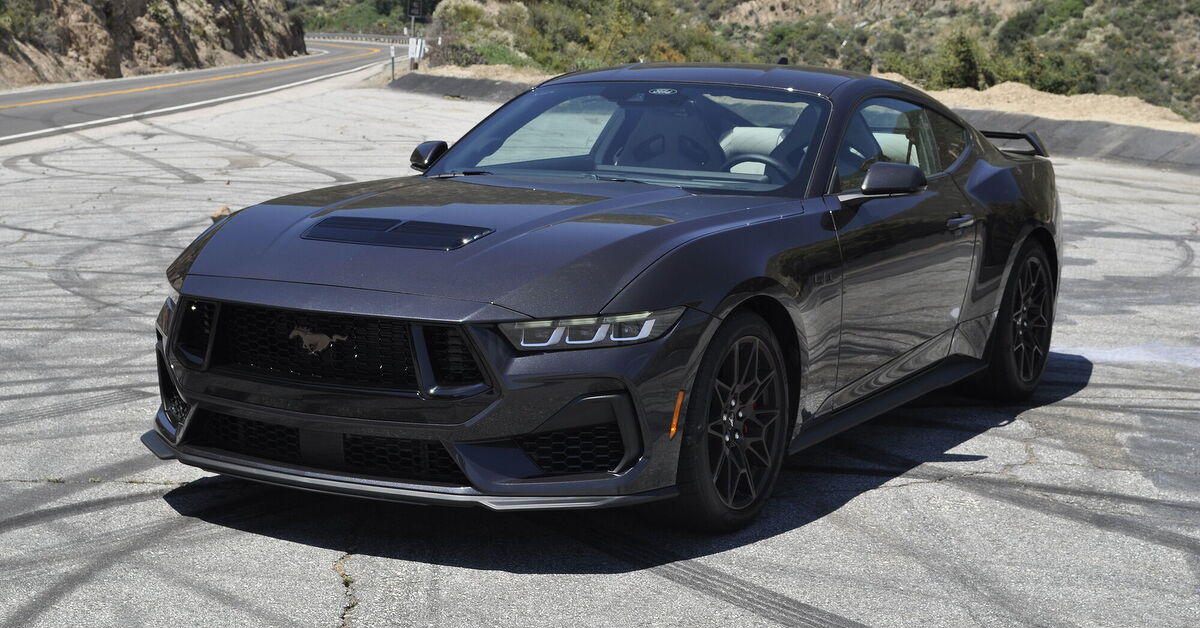
Ride quality is more compliant than older generations, and the cabin technology, featuring a large digital instrument display, brings it in line with contemporary standards.
While rear seating remains tight, it is usable for short trips. For drivers who want a daily commute accompanied by V8 sound without resorting to extreme track-focused trims, the Mustang GT remains viable.
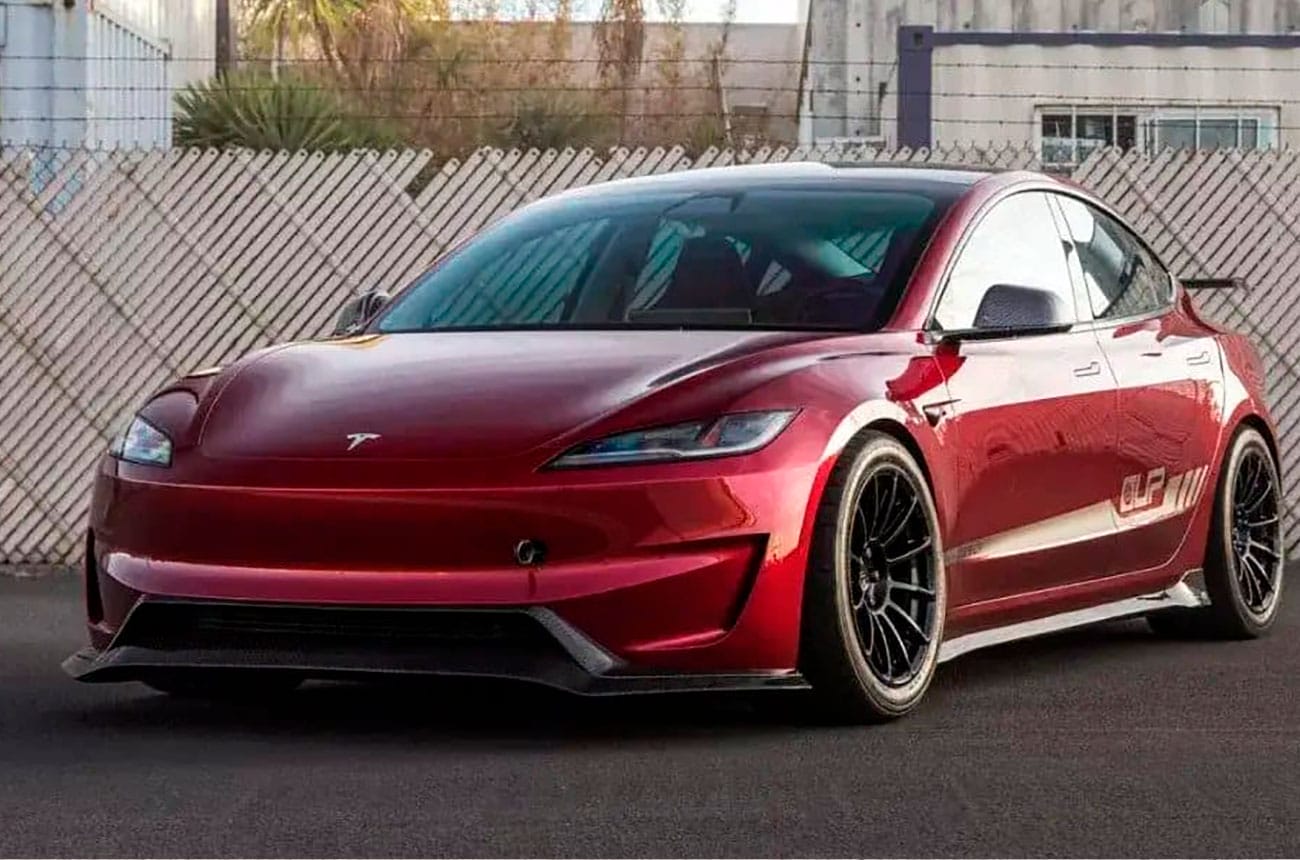
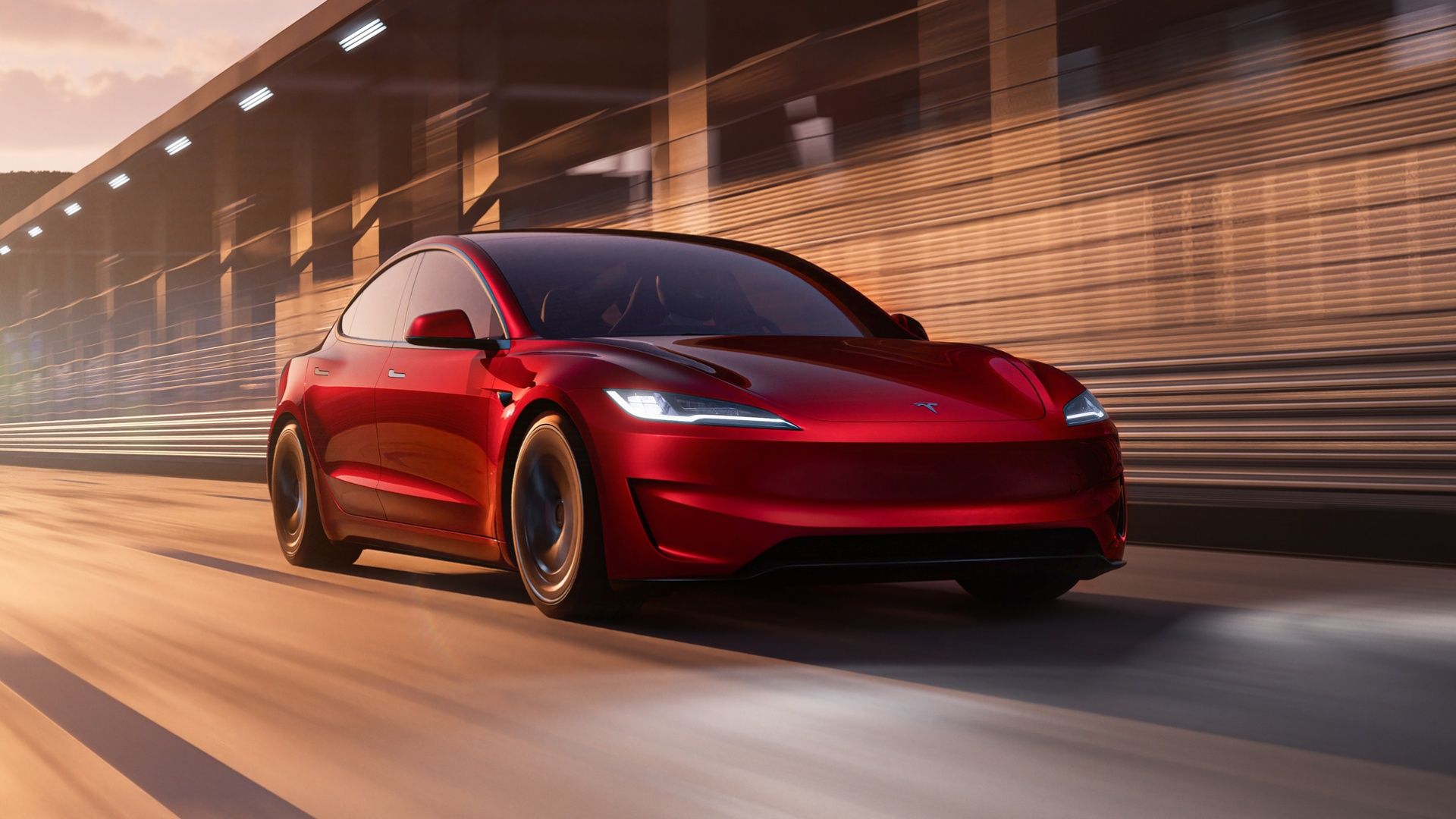
8. Tesla Model 3 Performance
Electric performance has become mainstream, and the Model 3 Performance is a clear example.
Instant torque delivers rapid acceleration without the noise or vibration associated with traditional engines. For daily use, that smoothness translates to reduced fatigue.
The low center of gravity enhances handling stability, while the minimalist cabin provides ample space for passengers.
Charging infrastructure in the United States has expanded significantly, making long-distance travel increasingly feasible. The absence of engine maintenance requirements further strengthens its practicality argument.
Performance vehicles no longer require punishing trade-offs. Manufacturers now integrate adaptive suspensions, advanced driver assistance systems, and improved cabin ergonomics into cars capable of impressive acceleration.
For American drivers navigating varied road conditions, traffic density, and long highway stretches, this balance is essential.
Each of these eight vehicles demonstrates that performance and comfort are not mutually exclusive.
They provide measurable speed and handling capability while maintaining the refinement necessary for everyday life.
For buyers seeking excitement without sacrificing usability, this segment offers more credible options than ever before.
